
Psychobiotics A New Progenitor in Nutritional Science in Treatment of Psychology with Guts Management: A Review
Psychobiotics are live microscopic organisms that colonize the digestive greenery and have an immediate or aberrant great impact on brain processes. In starting the research has been found that these microbes have anxiolytic and energizer properties, though with little focus. There hasn’t been any exploration of the antipsychotic adequacy of Psychobiotics yet. In such a manner, microbe-free and customary creature preliminaries, as well as a couple of human examinations, were totally inspected. The mechanics of the stomach cerebrum association, as well as proof of metabolic, fundamental, and neuropsychiatric exercises of psychobiotics, were analyzed inside and out in this article after a speedy look at the historical backdrop of contemporary psychopharmacology. Psychobiotics were initially delegated live microscopic organisms (probiotics) that, when consumed, work on emotional wellness by cooperating with commensal stomach microorganisms. Lactobacillus brevis, Bifidobacterium dentium, and Lactobacillus plantarum are instances of Lactobacillus and Bifidobacterium strains that create GABA and serotonin. Lactobacillus strains like L. plantarum and Lactobacillus odontolyticus additionally create acetylcholine. Organisms have as of late been found to control serotonin blend in the stomach. The research indicates that psychobiological drugs can effectively alleviate symptoms of a number of neurological disorders, such as autism, Parkinson’s disease, multiple sclerosis, insomnia, depression, diabetes and anorexia nervosa. It can be concluded that functional foods containing mental strains can help improve mental health.
Abbreviations
CNS: Central Nervous System; GBA: Intestine-Brain Axis; ACTHs: Adrenocorticotropic Hormones; PVN: Paraventricular Nucleus; CRFs: Corticotropin Release Factors; CRHs: Corticotropin Release Hormones; MR: Mineral Corticoid Receptor; GABA: Gamma-Aminobutyric Acid;
ECs: Enterochromaffin Cells; HPA: Hypothalamic-Pituitary- Adrenal; SCFA: Short-Chain Fatty Acids; GABA: Gamma- Aminobutyric Acid; MMSE: Mini-Mental State Examination; AD: Alzheimer’s Disease; DASS: Downturn Uneasiness And Stress Scale; BDNF: Brain-Derived Neurotrophic Factor; GC: Glucose Corticoid Receptor.
Introduction
Psychobiotics are live microscopic organisms that colonize the digestive greenery and have an immediate or aberrant great impact on brain processes [1]. In addition, psychobiotics are a group of probiotics that affect the functions and behaviors of the central nervous system (CNS) through immune, humorous, neuronal and metabolic pathways through the intestine-brain axis (GBA), improving not only the function of the intestine (GI), but also antidepressants and anxiety. Psychobiotics are effective in reducing neurodegenerative disorders and neurodevelopment, including autism spectrum disorders, Parkinson’s disease, and Alzheimer’s disease. The use of psychobiotics can improve GI function, symptoms of AIDS, motor function of patients with Parkinson’s disease, and cognitive function of patients with AD. However, there is still limited evidence of the effects of psychobiotics on mental illness and neurological disorders [2]. In starting the research has been found that these microbes have anxiolytic and energizer properties, though with little focus. There hasn’t been any exploration of the antipsychotic adequacy of Psychobiotics yet. This exploratory examination, then again, has opened up new vistas and raised the chance of another class of psychopharmacology emerging [3]. Basically, 70 years have slipped by since the revelation of chlorpromazine, and keeping in mind that synaptic transmission is totally known, psychopharmacology seems to have gone through a worldview change. The center has abandoned neurotransmitters to destroy microbiota as of late [4].
In such a manner, microbe-free and customary creature preliminaries, as well as a couple of human examinations, were totally inspected. The mechanics of the stomach cerebrum association, as well as proof of metabolic, fundamental, and neuropsychiatric exercises of psychobiotics, were analyzed inside and out in this article after a speedy look at the historical backdrop of contemporary psychopharmacology. At last, psychobiotics seem to be possibly being utilized in the future to treat neuropsychiatric sicknesses [5].
Psychobiotics were initially delegated live microscopic organisms (probiotics) that, when consumed, work on emotional wellness by cooperating with commensal stomach microorganisms [1]. Prebiotics, which advance the development of helpful stomach vegetation, are remembered for this definition. We take a gander at the effect of probiotics and prebiotics on close-to-home, mental, fundamental, and neurological variables that are significant in well-being and illness [6]. We discuss the stomach mind indicating pathways that empower psychobiotic impacts like metabolite union. By and large, how we might interpret how the microbiota responds to outer upgrades is extremely confined. We’ve arranged a rundown of key exploration issues and issues, the responses to which will prompt both robotic revelations and future psychobiotic progress. We recommend that the expression “psychobiotics” be expanded to incorporate different techniques for modifying the microbiome notwithstanding probiotics and prebiotics [7]. The microbiota-gut-brain axis is a bidirectional signalling mechanism between the gastrointestinal tract and the central nervous system. The complexity of the intestinal ecosystem is remarkable, encompassing more than 100,000 microbes in the small intestines and the intestines, and interactions between the microbes and the intestinal epithelium can cause brain physiological changes and affect mood and behavior [7]. Psychobiotics are a kind of probiotic that influences focal sensory system (CNS) capacities and ways of behaving through immunological, humoral, neuronal, and metabolic pathways, working on gastrointestinal (GI) work yet in addition stimulant and anxiolytic ability by means of the stomach cerebrum hub (GBA). The utilization of psychobiotics has pushed scientists to zero in on another field in neuroscience as a clever class of probiotics [8]. Some psychobiotic strains have been displayed to impede irritation and lower cortisol levels over the most recent five years, bringing about an improvement in nervousness and melancholy side effects. Psychobiotics have been displayed to assist with neurodegenerative and neurodevelopmental problems, for example, mental imbalance range jumble (ASD), Parkinson’s infection (PD), and Alzheimer’s sickness (AD) [2]. Psychobiotics have been displayed to upgrade GI work, ASD side effects, engine capacities in individuals with Parkinson’s infection, and cognizance in people with Alzheimer’s illness. The information in regards to psychobiotics’ effect on mental and neurological circumstances/messes, then again, is as yet insignificant. Further exploration of the proficiency and instrument of psychobiotics as a treatment for different mental sicknesses is expected from now on [9]. The relationship of the psychobiotics and gut-microbiota a Gut- Brain-Axis has been illustrated in Figure 1.
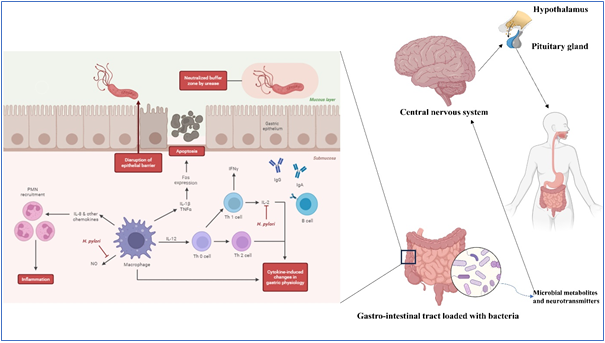
The quantity of microscopic organisms in the human stomach is 10^14, which is multiple times the quantity of cells in the human body. The stomach microbiota has been connected to an assortment of physiological capacities, including immunomodulation, energy homeostasis, and intestinal sensory system (ENS) initiation. Diet, hereditary qualities, sex, and progress in years all assume a part in the microbiota profile of a person. The microbiome is significant for human well-being [10]. Dysbiosis of the stomach microbiota, specifically, has been connected to an assortment of CNS issues (CNS). Subjects with significant burdensome ailment, for instance, had diminished Bifidobacterium and additionally Lactobacillus levels. Likewise, individuals with Alzheimer’s sickness (AD) had a lower measure of Bifidobacterium in their stomach microbiome. The overall overflows of calming microscopic organisms, including the genera Blautia, Roseburia, and Coprococcus, were essentially lower in waste examples from Parkinson’s sickness (PD) patients, as per a new report. The microbiota of kids with mental imbalance range jumble (ASD) has been uncovered to display diminished relative overflows and in general bacterial variety. Furthermore, disturbance of the stomach microbiome raises the gamble of consideration shortage hyperactivity jumble (ADHD) [11].
Dinan and partners portrayed “psychobiotics” as another class of probiotics with possible applications in the treatment of mental problems in 2013. Most of the psychobiotic research is directed at mice in which stress is initiated and social tests are led to survey inspiration, uneasiness, and misery. Psychobiotics might impact synapses and proteins, for example, gamma-aminobutyric corrosive (GABA), serotonin, glutamate, and mind-inferred neurotrophic factor (BDNF), which are all critical in managing neuronal excitatory-inhibitory equilibrium, disposition, mental working, learning, and memory [12].
A study showed that microbial GABA produced by Lacetobacillus rhamnosus strains has antidepressant potential for restoring GABAergic signals and inhibiting the hyperactivity of the drug-induced HPA axis. In normal conditions within the HPA axis, corticotropin release factors (CRFs) or corticotropin release hormones (CRHs) are released into the hypothalamus’ paraventricular nucleus (PVN) and into the hypophysial portal vessels that access the anterior pituitary gland. This CRF is then associated with CNS and induces the further release of adrenocorticotropic hormones (ACTHs) from the endocrino cells into the system circulation through the CRF receptor (corticotropin release factor receptor 1 (CRFR1) in pituitary corticotropes. ACTH then stimulates the synthesis of adrenal cortex cortisol and releases it into system circulation to regulate adaptive physiological changes. After cortisol synthesis and secretion, the CRF signal pathway is inhibited to reduce the activity of the HPA axis and initiate stress recovery. The main inhibitory mechanism is the signalling of gamma-aminobutyric acidrgic (GABAergic), which occurs in the negative feedback microcircuit and binds to the glucose corticoid receptor (GC) and mineral corticoid receptor (MR), inhibiting glutamate release and reducing the activation of CRF neurons. The
expression of GABA receptors in CRF neurons also increases as glutamatergic activity decreases, allowing PVN CRFR1 neurons to create recurrent GABAergic synaptic connections with active CRF neurons. Thus, GABA signaling over synapses inhibits the excitability of the CRF neuron, reducing the activity of the HPA axis, preventing axis dysregulation and maintaining homeostasis [13]. Lactobacillus brevis, Bifidobacterium dentium, and Lactobacillus plantarum are instances of Lactobacillus and Bifidobacterium strains that create GABA and serotonin. Lactobacillus strains like L. plantarum and Lactobacillus odontolyticus additionally create acetylcholine. Organisms have as of late been found to control serotonin blend in the stomach. Spore-framing microorganisms from the stomach microbiota, for instance, have been found to animate serotonin fabricate in stomach enterochromaffin cells [14].
Examples of Psychobiotics
Lactobacillus helveticus: “Lactobacillus helveticus is a lactic- destructive conveying, a bar-framed bacterium of the class Lactobacillus. It is most typically used in the formation of American Swiss cheddar and Emmental cheddar and yet is to a great extent used in making various styles of cheddar, similar to Cheddar, Parmesan, Romano, provolone, and mozzarella. The fundamental limit of L. helveticus culture is to hinder sharpness and produce nutty flavors in the last cheddar. In Emmental cheddar creation, L. helveticus is used connected with a Propionibacterium culture, which is liable for cultivating the openings (known as “eyes”) through the formation of carbon dioxide gas [15].
Ingestion of powdered milk matured with L. helveticus was shown to reduce beat on account of the presence of delivered tripeptides that have ACE inhibitor activity. In any case, results have been muddled in later assessments. The bacterium’s specific name is a modifier derived from “Helvetia”, the Latin name for the area required by the old- fashioned Helvetii (and for present-day Switzerland). The bacterium is moreover used as a probiotic [16]. Bifidobacterium longum: Psycho Bifidobacterium longum is a Gram-positive, catalase-negative, bar-framed bacterium present in the human gastrointestinal part and one of the 32 creature bunches that have a spot with the family Bifidobacterium. It is a miniature aerotolerant anaerobe and is seen as maybe the earliest colonizer of the gastrointestinal bundle of infants. Right when created on an expansive anaerobic medium, B. longum structures white, sparkly states with a bent shape. While B. longum isn’t basically present in that frame of mind up the gastrointestinal package, it is seen as a part of the stomach microbiota, and its advancement of lactic destruction is acknowledged to hinder improvement of pathogenic natural elements. B. longum is non-pathogenic and is much of the time added to food things biotics in psychological wellness [17].
Lactobacillus casei: Lacticaseibacillus casei is an animal that has a spot with the greatest assortment in the family Lactobacillaceae, a lactic destructive micro-organism (LAB), that was as of late appointed Lactobacillus casei-01. These microorganisms have been perceived as facultatively anaerobic or microaerophilic, destructive tolerant, non- spore-molding infinitesimal life forms. The logical order of this social occasion has been chatted for quite a while since experts endeavored to isolate the sorts of L. casei and L. paracasei. It has actually been recognized as a singular creature assortment with five subspecies: L. casei subsp. rhamnosus, L. casei subsp. alactosus, L. casei subsp. casei, L. casei subsp. tolerans, and L. casei subsp. pseudoplantarum. The logical arrangement of this is not totally settled by the phenotypic, physiological, and biochemical similarities [18]. Lactobacillus plantarum: Lactiplantibacillus plantarum (already Lactobacillus arabinosus) is a certain person from the assortment Lactiplantibacillus and is generally found in many developed food things as well as anaerobic plant matter. L. plantarum was first isolated from spit, considering its ability to momentarily endure in plants, the bug stomach- related framework, and in the stomach-related arrangement of vertebrate animals, it was doled out as a meandering living being. L. plantarum is a Gram-positive, bacilli-framed bacterium. L. plantarum cells are bars with changed closes, straight, generally 0.9-1.2 μm wide and 3-8 μm long, happening autonomously, in pairs, or in short chains. L. plantarum has presumably the greatest genome known among the lactic destructive tiny creatures and is a no doubt versatile and adaptable species [19]. Lactobacillus acidophilus: Lactobacillus acidophilus (New Latin ‘destructive appreciating milk-bacillus’) is a kind of Gram-positive minuscule creature in the class Lactobacillus. L. acidophilus is a homofermentative, microaerophilic species, developing sugars into lactic destructive, and grows instantly at rather low pH values (underneath pH 5.0) and has an optimal improvement temperature of around 37 °C (99 °F). L. acidophilus is viewed in the human and animal gastrointestinal parcel and mouth. A couple of sorts of L. acidophilus may be considered to have probiotic attributes. These strains are economically used in various dairy things, now and again alongside Streptococcus thermophilus and Lactobacillus delbrueckii subsp. bulgaricus in the improvement of acidophilus-type yogurt, or acidophiline. Its genome has been sequenced [20].
Action Mechanisms
The movement mechanisms with the aid of using which micro-organism exert their psychobiotic capacity has now no longer been absolutely elucidated. However, it’s been discovered that those microorganisms offer their blessings through the enteric worried gadget or the immune gadget’s stimulation.
Furthermore, they have an effect on the psychophysiological markers of melancholy and tension. This can occur in 3 extraordinary ways, first, with the aid of using affecting the hypothalamic-pituitary-adrenal (HPA) axis pressure reaction and lowering systemic inflammation; second, with the aid of using an instantaneous impact at the immune gadget; third, with the aid of using the secretion of molecules which includes neurotransmitters, proteins, and brief fatty acids chains [3].
Hypothalamic-Pituitary-Adrenal (HPA): The HPA axis is the number one neuroendocrine reaction device to physiological and bodily pressure in the human body. It consists of the hypothalamus, pituitary gland, and adrenal cortex, in addition to a few regulatory inputs and secreted elements and hormones, along with cortisol in people and corticosterone in rats. Cortisol possesses immunosuppressant properties. Under continual pressure, cortisol is overproduced. However, it cannot exert its anti-inflammatory outcomes. As a result, cortisol’s terrible remarks at the HPA axis are obstructed, resulting in hypercortisolaemia. This extra of glucocorticoids inhibits immunological activity. It additionally will increase the chance of sensitivity and terrible mood, impairs memory, and different cognitive functions [21]. Recent proof shows a robust bidirectional conversation pathway between this neuroendocrine device and the intestine microbiota. The intestine colonization via way of means of microbes in youth has been diagnosed to steer numerous factors of each the mind and conduct, together with the pressure reaction. It has been determined that HPA conduct is capable of having an effect on the intestine microbiota composition and boom gastrointestinal permeability. It is feasible to anticipate that any modifications in the intestinal permeability and immune device may play an essential position in neuroendocrine malfunctions. Gut microbiota imbalance can result in the activation of the HPA axis. Thus, restoring this stability suggests promising outcomes in down-regulating the HPA axis. For instance, Ait-Belgnaoui performed a test wherein the impact of a probiotic formula containing Lactobacillus helveticus R0052 and Bifidobacterium longum R0175 at the HPA axis reaction to continual pressure was assessed. They determined that this probiotic supplementation was considerably controlled to minimize the HPA axis reaction to pressure. Similar consequences had been additionally located via way of means of however assessing the impact of Lactobacillus plantarum 299v at the HPA axis reaction to pressure in people [22]. A randomized double-blind, placebo-managed examination measured the impact of this bacterial stress at the salivary cortisol tiers in teens below school-associated continual pressure. This confirmed that the placebo institution had better salivary cortisol tiers, proving that balanced intestine microbiota can ameliorate the outcomes of continual pressure publicity thru the modulation of the HPA axis [23].
A study showed that the supplementation of Lactobacillus curvatus HY7601 and Lactobacillus plantarum KY1032 reduced obesity by modulating the human intestine microbiome. A randomised double-blind placebo-controlled study was conducted in 72 overweight individuals. For 12 weeks, the probiotic group consumed HY7601 and KY1032 11010 colony-forming units, while the placebo group consumed the same product without probiotics. After treatment, the probiotic group reduced body weight (p > 0.001), visceral fat (p > 0.025), waist circumference (p > 0.007), and increased adiponectin (p > 0.046) compared to the placebo group. In addition, HY7601 and KY1032 supplementation increased Bifidobacteriaceae and Akkermansiaceae and modulated bacterial microbiote characteristics and beta diversity, reducing Prevotellaceae and Selenomonadaceae [24].
Immune Response and Inflammation: Gut microbial dysbiosis is regularly related to aberrant immune responses that encompass the overproduction of inflammatory cytokines. Microorganisms in the intestine assist to calibrate the innate and adaptive responses especially with the aid of using the manufacturing of small molecules that modulate host-microbiota interactions. Although the epithelial barrier prevents the getaway of microorganisms from the intestine, the metabolites they produce can by skip thru this barrier and input and acquire in the host’s circulatory system, in which they’re capable of stimulate cells from the immune system. Moreover, the intestine microbiota has a robust effect on the population, migration, and characteristics of diverse immune cells [25]. Some courses have tested the manner the intestine microorganisms modulate each innate and adaptive immune response on the mucosal floor all through infection, irritation, and autoimmunity; specifically, how the verbal exchange pathways among the intestinal epithelium, the intestinal immune system, and intestine microbes’ control to alter systemic immunity. Microglia are the number one innate immune effector cells of the critical anxious system. It became lately been observed that the intestinal microbiota performs a vital function in microglia maturation, morphology, and immunological characteristic. This is due to the fact short-chain fatty acids (SCFA) are capable of engaging and altering an appropriate functioning and improvement of the microglia. Recent proof indicates that better ranges of irritation boom the danger of growing mental disorders [26]. In fact, better ranges of inflammatory cytokines, including interleukin-6 (IL-6), IL-1β, and tumour necrosis factor-α (TNF-α), had been discovered in depressed patients. Additionally, it’s been discovered that there’s a fantastic affiliation among microbiota composition and serum ranges of interleukin-1α and interferon-γ, which are observed to be undoubtedly correlated with depressive behavior. In the latest study, the long-term impact that antibiotics management has on rodents at an early-existence level on each mind’s neurochemistry and behavior. They concluded that antibiotic supplementation has a long- lasting impact on the intestine microbiota composition and, consequently, will increase the expression of cytokines in the frontal cortex, modify the characteristics of the blood-mind barrier, or even alter behavior. Furthermore, those mice exhibited impaired tension and social behaviors in addition to expanded ranges of aggression. It is vital to observe that in the identical study, one experimental institution became additionally supplemented with Lactobacillus rhamnosus JB- 1, which was proven to save you a number of the formerly noted alterations [27].
Neurohormones and Neurotransmitters: The microbiome can produce a variety of neuroactive compounds. Some neurochemicals that have been remote from intestine micro-organisms are gamma-aminobutyric acid (GABA), noradrenaline, serotonin, dopamine, and acetylcholine, which can also have an effect on the mind’s interest directly. Other bacterial metabolites with neuroactive features consist of lengthy and short-chain fatty acids. Hence, the potential of a few micro-organisms in the human gastrointestinal tract to provide and supply neurotransmitters and neuromodulators has been counseled as a unique remedy for neuropsychiatric diseases. Serotonin (5-HT; 5-hydroxytryptamine) is a neurotransmitter concerned with regulating behavioral and organic features in the frame just like the mood [28]. Additionally, it performs a function in each mental procedure in the primary anxious system (CNS) and peripheral tissues inclusive of the bone and intestine. 5-HT is typically discovered in the intestinal mucosa, and 90%–95% of serotonin is contained in number one reservoirs: In the intestinal epithelium, wherein its miles produced with the aid of using enterochromaffin cells (ECs), and in neurons of the enteric anxious system. The cause for this area is basically unknown, despite the fact that it can play a function in regular intestine features, inclusive of intestinal motility, absorption, and transit. Microbiota promotes 5-HT biosynthesis from ECs, and it’s been discovered that microbiota-established consequences on intestine 5-HT modulated GI motility and platelet function. Around 90% of the vital amino acid tryptophan is metabolized alongside the kynurenine pathway. Changes in the delivery and availability of tryptophan have many implications for the enteric anxious system, CNS, and mind-intestine axis signaling. concentrations of tryptophan improved in the plasma of male germ-unfastened animals, suggesting a humoral direction through which the microbiota can impact CNS serotonergic neurotransmission [29].
Application of Potential Psychobiotics on Fermented Foods and Beverages
Fermentation of meals and drinks through probiotic strains, that are covered in nutritional practices, were verified to have capability fitness blessings now no longer handiest through protective the intestinal barrier, enhancing dietary status, or proscribing the boom of pathogens, however additionally through influencing mind fitness with mechanisms of movement consisting of the manufacturing of neurotransmitters, direct activation of neural pathways among intestine and mind, modulating neurotrophic chemicals, and displaying analgesic properties [30]. A huge variety of research has stated distinctive approaches wherein fermented ingredients or drinks without delay impact temper and conduct or affect plenty of neurological ailment signs via intestine microbiota. For instance, an observation in human beings evaluated if fermented ingredients that comprise probiotics consisting of yogurt, kefir, tempeh, and kimchi, amongst others, had been associated with social tension in a populace of younger adults [31]. Results verified that fermented meal intake became negatively correlated with social tension, indicating that individuals who eat greater fermented ingredients have decreased social tension. It is really well worth noticing that because of the character of fermented meals, there are different components gift in the matrix. As long way as this study went on, no observation became observed in which the interference or feasible psychobiotic impact of those different components became assessed. However, it’s likely that they exert a few impacts on the intestine-mind through themselves. That is why it’d be counseled to check the psychobiotic impact of fermented merchandise without the microorganisms. For instance, through filing the meals to a thermal activation remedy previous the ingestion and analyzing its impact [32].
Psychophysiological Effects of Psychobiotic
Many psychobiotic studies are primarily based totally on rodent fashions, which use rodent pressure inductions and rodent behavioral tests to evaluate motivation, tension, and depression. Psychobiotics carried out to rodent fashions of illness, infection, and neurodegeneration additionally offer early medical perception into human diseases Human investigations constitute a completely latest trend. The psychophysiological outcomes of psychobiotics fall into the subsequent 3 categories: (i) Psychological outcomes on emotional and cognitive processes. (ii) Systemic outcomes at the HPA axis and the glucocorticoid pressure response, and inflammation that is frequently characterized via way of means of aberrant cytokine concentrations. Pro- inflammatory cytokines percentage a robust and well-studied affiliation with psychiatric situations along with depression. For example, injection of interferon-α, a pro-inflammatory cytokine, has been proven to result in depression, which may be alleviated through antidepressant action (iii) Neural outcomes on neurotransmitters and proteins. Relevant neurotransmitters encompass γ-aminobutyric acid (GABA) and glutamate, which manipulate neural excitation– inhibition balance. Proteins encompass brain-derived neurotrophic factor (BDNF), which performs an important function in mastering and reminiscence processes, consisting of spatial mastering, extinction of conditioned fear, and item recognition. BDNF is decreased in tension and depression, a discount this is reversible through antidepressant action [33].
Psychobiotics in Mental Health
A condition of mental and mental prosperity is alluded to as great emotional wellness. The utilization of psychobiotics, as per Dinan and partners, may require an exact system for tending to uneasiness and despondency ways of behaving. Psychobiotics have been displayed to psychotropically affect despondency, tension, and stress, as indicated by a developing collection of proof. Creature examinations have recognized a few probiotic strains as psychobiotics. Mice with uneasiness and misery-like ways of behaving were treated with Lactobacillus plantarum PS128 (PS128). PS128 diminished aggravation and corticosterone levels significantly. Nervousness, sorrow, and mental disability were diminished after a solitary type of Lactobacillus helveticus NS8 was directed. In the hippocampus, L. helveticus NS8 raised serotonin, norepinephrine (NE), and mind-determined neurotrophic factor (BDNF) levels. Stress, misery, and nervousness ways of behaving were decreased when a solitary type of B. longum 1714 was utilized. Lactobacillus rhamnosus (JB-1) has been displayed to lessen uneasiness and bitterness. Admission of JB-1, specifically, causes subordinate changes in GABA receptor articulation in the cerebrum and brings down plasma corticosterone (CORT) levels. Solid members who took Bifidobacterium longum 1714 for a considerable length of time revealed less pressure and better memory. Probiotic yogurt (Lactobacillus acidophilus LA5 and Bifidobacterium lactis BB12) and probiotic containers (Lactobacillus casei, Lactobacillus rhamnosus, Lactobacillus bulgaricus, Bifidobacterium breve, Bifidobacterium longum, and Streptococcus thermophiles) were tried on petrochemical laborers in a randomized. The downturn uneasiness and stress scale (DASS) general wellbeing poll uncovered that the individuals who took both probiotic yogurt and probiotic pills had further developed psychological well-being pointers (GHQ). When contrasted with the control, a probiotic mix of L. helveticus R0052 and B. longum R0175 decreases uneasiness and misery in sound individuals. What’s more, the L. helveticus R0052 with B. longum R0175 mediation significantly brings down pee free cortisol levels [34].
Aljumaah MR, et al. [35] in 2022, conducted a study on the composition of intestine microorganisms, predicted microbial functional pathways in middle-aged and elderly adults, compared to individuals with neurological health, and examined the effects of Lactobacillus rhamnosus GG (LGG) probiotics in a double blind, placebo-controlled randomized clinical study. A total of 169 community middle-aged people (52 to 59 years old) and older people (60 to 75 years old) received a three-month intervention randomized to a group of probiotics and placebos. The study showed that certain members of the intestinal microbiome are linked to cognitive performance in middle-aged and elderly adults [35].
In 2022, Tan, et al. [36] discovered Bifidobacterium breve CCFM1025, a promising candidate strain for psychobiotics to mitigate depression and related gastrointestinal disorders. Patients diagnosed with MDD (n = 45) were randomly allocated to Plato (n = 25) and CCFM1025 (n = 20). The freeze dried CCFM1025 in a dose of 1010 CFU live bacteria was administered to MDD patients every four weeks. CCFM1025 significantly reduces serum serotonin turnover compared to placebo (Placebo: M -0.01, SD 0.41; CCFM1025: M 0.27, SD 0.40; t (43) = 2.267; P = 0.029; d = 0.681). These mechanisms may be related to changes in the intestinal microbiome and the metabolism of tryptophan. These results support the future clinical application of psychobiotics in the treatment of psychosis.
Another study showed that SSRI treatment enhanced with Lactobacillus plantarum 299v probiotic bacteria improved cognitive performance and decreased KYN concentrations in MD patients. A decrease in KYN concentration could contribute to improved cognitive functions in the LP299v group compared to placebo. Six hundred participants completed the study and were analysed: 30 LP299v groups and 30 placebo groups. The study showed improvements in cognitive function due to probiotic bacteria in MD patients and was the first to show a reduction in KYN concentrations in MD patients due to probiotic bacteria [37].
Furthermore, a study found that increased cognitive reactions to normal temporary changes in sad mood are established indicators of depression vulnerability and are considered important targets for intervention. Multi- species probiotics with Bifidobacterium bifidum W23, Bifidobacterium lactis W52, Lactobacillus acidophilus W37, Lactobacillus brevis W63, Lactobacillus casei W56, Lactobacillus salivarius W24 and Lactococcus lactis (W19 and W58) can reduce cognitive reactivity in healthy individuals. Compared to placebo interventions, four-week multispecies probiotic interventions significantly reduced the overall cognitive response to sad feelings, mainly due to the reduction of anxiety and aggressive thinking [38].
Psychobiotics in Neurodegenerative Disorders
Neurodegenerative disorders and depression in the elderly have a significant impact on the individual and society.
Over the past few years, we have gained rapid and extensive knowledge of the importance of bidirectional communication between GBA and SNC in the field of psychiatric diseases. Using this relationship, many studies provide evidence of the beneficial effects of psychobiotics on neurodegenerative diseases and mental disorders, including AD, PD, and DSM. These effects of psychobiotics on emotions, cognition and central processes are mediated by the influence of HPA axis and immune system, as well as by increasing the production of human neurotransmitters. Psychobiotics are reported to reduce neuronal ageing, inflammation, oxidative stress, and cortisol levels, as well as increase synaptic plasticity and levels of neurotransmitters and antioxidants. The present study focuses on the emergence and current state of the symptoms of Alzheimer’s, Parkinson’s, and depression in older neurodegenerative and mental disorders, and the possible mechanisms for relief [39].
Alzheimer’s disease (AD): Alzheimer’s illness (AD) is a neurodegenerative disorder that by and large starts progressively and powerfully deteriorates. It is the justification for 60-70% of occasions of dementia. The most notable early incidental effect is an inconvenience in reviewing late occasions. As the sickness moves, aftereffects can consolidate issues with language, bewilderment (counting really getting lost), demeanor swings, loss of motivation, self-dismissal, and direct issues. As a singular’s condition declines, they regularly pull out from family and society. Step by step, significant actual cycles are lost, at last provoking passing. Albeit the speed of development can change, the customary future following finding is three to nine years [40].
Alzheimer’s illness (AD) is a constant neurological infection that causes mental and memory issues. There is inadequate exploration of the effect of probiotics on mental issues. The impacts of psychobiotics on Alzheimer’s infection have been summed up. Agahi, et al. concentrated on the impact of probiotic supplementation on patients with extreme AD in a new report. Patients with serious Alzheimer’s sickness were demonstrated to be lethargic to probiotic therapy, as indicated by the discoveries. In d-galactose-instigated AD rodents, a solitary type of L. plantarum MTCC1325 not only works on mental abilities and gross social exercises but additionally reestablishes acetylcholine (ACh) levels. Utilization of probiotic-treated milk (L. acidophilus, L. casei, B. bifidum, and L. fermentum) diminished plasma MDA and serum high-awareness C-receptive protein (hs-CRP) levels, as per a randomized, twofold visually impaired, and controlled clinical trial. The probiotic intercession impacted insulin obstruction, beta-cell capacity, and insulin awareness in Alzheimer’s infection patients. Outstandingly, in the wake of getting the probiotic medicine, the Mini-Mental State Examination (MMSE) score improved emphatically [41].
Parkinson’s disease (PD): Parkinson’s sickness is a frontal cortex issue that causes unplanned or wild turns of events, such as shaking, strength, and issue with harmony and coordination. Aftereffects normally start bit by bit and weaken for a really long time. As the contamination propels, people could encounter issues walking and talking. They may in like manner have mental and direct changes, rest issues, demoralization, memory difficulties, and shortcoming. Parkinson’s illness (PD) is a neuropsychiatric condition that effects around 2% of the mature populace. Blockage is a typical nonmotor side effect in individuals with Parkinson’s infection.
When contrasted with a fake treatment, probiotic ingestion improved insulin work significantly. Irritation, insulin, and lipid-related qualities were concentrated in PBMCs from individuals with Parkinson’s infection in a randomized controlled preliminary [42].
Stomach torment and swelling were enormously decreased after treatment with a probiotic blend of L. acidophilus and B. infantis. Furthermore, following 5 weeks of treatment with aged milk containing L. casei Shirota, people with PD had further developed stool consistency and gut ways of behaving [42].
Insomnia
A sleeping disorder is a common rest issue that can make it challenging to fall asleep, hard to remain oblivious, or impact you to get up too early and not have the choice to get back to rest. You could anyway feel tired when you stir. A resting problem can deplete your energy level and attitude as well as your prosperity, work execution and individual fulfillment. Lack of sleep can happen openly or in light of another issue. Conditions that can achieve a resting issue integrate mental tension, consistent torture, cardiovascular breakdown, hyperthyroidism, heartburn, an inclination to squirm, menopause, certain drugs, and prescriptions like caffeine, nicotine, and alcohol. Other bet factors consolidate working night moves and rest apnea. Determination relies upon rest penchants and an appraisal to look for crucial causes. A rest study may be done to look for central rest issues [43].
Mental lead treatment may be added to this. While resting pills could help, they are at times related with wounds, dementia, and propensity. These medications are not recommended for more than four or five weeks. The ampleness and it is jumbled to prosperity of elective prescription” Some place in the scope of 10% and 30% of adults have lack of sleep at some arbitrary second and up to half of people have a resting issue in a given year. Around 6% of people have lack of sleep that isn’t a result of another issue and happens for more than a month. People past 65 years of age are affected more habitually than additional energetic people. Females are more regularly affected than guys [44].
A similar study showed that L. plantarum JYLP-326 interventions could be an effective strategy for easing anxiety, depression, and insomnia among exam-frightened students. The possible mechanism underlying this effect may be related to regulating the microbiome of the intestine and the metabolites of the intestine [45].
Conclusion
This review concluded that Psychobiotics were initially delegated live microscopic organisms (probiotics) that, when consumed, work on emotional wellness by cooperating with commensal stomach microorganisms. Lactobacillus brevis, Bifidobacterium dentium, and Lactobacillus plantarum are instances of Lactobacillus and Bifidobacterium strains that create GABA and serotonin. Lactobacillus strains like L. plantarum and Lactobacillus odontolyticus additionally create acetylcholine. Organisms have as of late been found to control serotonin blend in the stomach. This found that psychobiotics can effectively relieve symptoms of multiple neurological diseases such as autism spectrum disorders, Parkinson’s disease, multiple sclerosis, insomnia, depression, diabetes, and anorexia nervosa. It is concluded that functional foods containing mental strains can help improve mental health.
References
-
Sarkar A, Lehto SM, Harty S, Dinan TG, Cryan JF, et al. (2016) Psychobiotics and the manipulation of bacteria– gut–brain signals. Trends in neurosciences 39(11): 763- 781.
-
Cheng LH, Liu YW, Wu CC, Wang S, et al. (2019) Psychobiotics in mental health, neurodegenerative and neurodevelopmental disorders. Journal of food and drug analysis 27(3): 632-648.
-
Del Toro-Barbosa M, Hurtado-Romero A, Garcia- Amezquita LE, García-Cayuela T (2020) Psychobiotics: mechanisms of action, evaluation methods and effectiveness in applications with food products. Nutrients 12(12): 3896.
-
Ban TA (2007) Fifty years chlorpromazine: a historical perspective. Neuropsychiatric disease and treatment 3(4): 495-500.
-
Socała K, Doboszewska U, Szopa A, Serefko A, Włodarczyk M, et al. (2021) The role of microbiota-gut-brain axis in neuropsychiatric and neurological disorders. Pharmacological research 172: 105840.
-
Davani-Davari D, Negahdaripour M, Karimzadeh I, Seifan M, Mohkam M, et al. (2019) Prebiotics: definition, types, sources, mechanisms, and clinical applications. Foods 8(3): 92.
-
Carabotti M, Scirocco A, Maselli MA, Severi C (2015) The gut-brain axis: interactions between enteric microbiota, central and enteric nervous systems. Annals of gastroenterology: quarterly publication of the Hellenic Society of Gastroenterology 28(2): 203.
-
Oroojzadeh P, Bostanabad SY, Lotfi H (2022) Psychobiotics: the influence of gut microbiota on the gut- brain axis in neurological disorders. Journal of Molecular Neuroscience 72(9): 1952-1964.
-
Skowron K, Budzyńska A, Wiktorczyk-Kapischke N, Chomacka K, Grudlewska-Buda K, et al. (2022) The role of psychobiotics in supporting the treatment of disturbances in the functioning of the nervous system—A systematic review. International Journal of Molecular Sciences 23(14): 7820.
-
Nath A, Bhattacharjee R, Nandi A, Sinha A, Kar S, et al. (2022) Phage delivered CRISPR-Cas system to combat multidrug-resistant pathogens in gut microbiome. Biomedicine & Pharmacotherapy 151: 113122.
-
Kandpal M, Indari O, Baral B, Jakhmola S, Tiwari D, et al. (2022) Dysbiosis of Gut Microbiota from the Perspective of the Gut–Brain Axis: Role in the Provocation of Neurological Disorders. Metabolites 12(11): 1064.
-
Zhu H, Tian P, Zhao J, Zhang H, Wang G, et al. (2022) A psychobiotic approach to the treatment of depression: A systematic review and meta-analysis. Journal of functional foods 91: 104999.
-
Tette FM, Kwofie SK, Wilson MD (2022) Therapeutic anti- depressant potential of microbial GABA produced by _Lactobacillus rhamnosus_ strains for GABAergic signaling restoration and inhibition of addiction-induced HPA axis hyperactivity. Current Issues in Molecular Biology 44(4): 1434-1451.
-
Wang L, Li S, Fan H, Han M, Xie J, et al. (2022) _Bifidobacterium lactis_ combined with _Lactobacillus_ _plantarum_ inhibit glioma growth in mice through modulating PI3K/AKT pathway and gut microbiota. Frontiers in Microbiology 13: 986837.
-
Griffiths MW, Tellez AM (2013) _Lactobacillus helveticus_: the proteolytic system. Frontiers in Microbiology 4: 30.
-
Fuglsang A, Nilsson D, Nyborg NC (2002) Cardiovascular effects of fermented milk containing angiotensin- converting enzyme inhibitors evaluated in permanently catheterized, spontaneously hypertensive rats. Applied and environmental microbiology 68(7): 3566-3569.
-
Reyes-Castillo PA, González-Vázquez R, Torres-Maravilla E, Bautista-Hernández JI, Zúñiga-León E, et al. (2023) _Bifidobacterium longum_ LBUX23 isolated from feces of a newborn; potential probiotic properties and genomic characterization. Microorganisms 11(7): 1648.
-
Kumari VB, Huligere C, Shbeer SS, Ageel M, Ramu R, et al. (2022) Probiotic potential _Lacticaseibacillus casei_ and _Limosilactobacillus fermentum_ strains isolated from dosa batter inhibit α-glucosidase and α-amylase enzymes. Microorganisms 10(6): 1195.
-
Fidanza M, Panigrahi P, Kollmann TR (2021) _Lactiplantibacillus_ _plantarum_–nomad and ideal probiotic. Frontiers in microbiology 12: 712236.
-
Anjum N, Maqsood S, Masud T, Ahmad A, Sohail A, et al. (2014) _Lactobacillus acidophilus_: characterization of the species and application in food production. Critical reviews in food science and nutrition 54(9): 1241-1251.
-
Smith SM, Vale WW (2006) The role of the hypothalamic- pituitary-adrenal axis in neuroendocrine responses to stress. Dialogues in clinical neuroscience 8(4): 383-395.
-
Kasarello K, Cudnoch-Jedrzejewska A, Czarzasta K (2023) Communication of gut microbiota and brain via immune and neuroendocrine signaling. Frontiers in microbiology 14: 1118529.
-
Watanabe T, Hayashi K, Takara T, Teratani T, Kitayama J, et al. (2022) Effect of oral administration of _Lactiplantibacillus plantarum_ SNK12 on temporary stress in adults: a randomized, placebo-controlled, double-blind, parallel-group study. International Journal of environmental research and public health 19(15): 8936.
-
Mo SJ, Lee K, Hong HJ, Hong DK, Jung SH, et al. (2022) Effects of _Lactobacillus curvatus_ HY7601 and _Lactobacillus plantarum_ KY1032 on overweight and the gut microbiota in humans: Randomized, double-blinded, placebo-controlled clinical trial. Nutrients 14(12): 2484.
-
Schirmer M, Smeekens SP, Vlamakis H, Jaeger M, Oosting M, et al. (2016) Linking the human gut microbiome to inflammatory cytokine production capacity. Cell 167(4): 1125-1136.
-
Wang L, Zhu L, Qin S (2019) Gut microbiota modulation on intestinal mucosal adaptive immunity. Journal of immunology research 2019(1): 4735040.
-
Haapakoski RM, Mathieu J, Ebmeier, KP, Alenius H, Kivimäki M (2015) Cumulative meta-analysis of interleukins 6 and 1β, tumour necrosis factor α and C-reactive protein in patients with major depressive disorder. Brain, behavior, and immunity 49: 206-215.
-
Chen Y, Xu J, Chen Y (2021) Regulation of neurotransmitters by the gut microbiota and effects on cognition in neurological disorders. Nutrients 13(6): 2099.
-
Rezzani R, Franco C, Franceschetti L, Gianò M, Favero G (2022) A focus on enterochromaffin cells among the enteroendocrine cells: localization, morphology, and role. International Journal of Molecular Sciences 23(7): 3758.
-
Dimidi E, Cox SR, Rossi M, Whelan K (2019) Fermented foods: definitions and characteristics, impact on the gut microbiota and effects on gastrointestinal health and disease. Nutrients 11(8): 1806.
-
Selhub EM, Logan AC, Bested AC (2014) Fermented foods, microbiota, and mental health: ancient practice meets nutritional psychiatry. Journal of physiological anthropology 33: 1-12.
-
Leeuwendaal NK, Stanton C, O’toole PW, Beresford TP (2022) Fermented foods, health and the gut microbiome. Nutrients 14(7): 1527.
-
Dziedzic A, Maciak K, Bliźniewska-Kowalska K, Gałecka M, Kobierecka W, et al. (2024) The Power of Psychobiotics in Depression: A Modern Approach through the Microbiota–Gut–Brain Axis: A Literature Review. Nutrients 16(7): 1054.
-
Mosquera FEC, Martinez LS, Liscano Y (2024) Effectiveness of Psychobiotics in the Treatment of Psychiatric and Cognitive Disorders: A Systematic Review of Randomized Clinical Trials. Nutrients 16(9): 1352.
-
Aljumaah MR, Bhatia U, Roach J, Gunstad J, Peril MAA (2022) The gut microbiome, mild cognitive impairment, and probiotics: a randomized clinical trial in middle- aged and older adults. Clinical Nutrition 41(11): 2565- 2576.
-
Tian P, Chen Y, Zhu H, Wang L, Qian X, et al. (2022) _Bifidobacterium breve_ CCFM1025 attenuates major depression disorder via regulating gut microbiome and tryptophan metabolism: A randomized clinical trial. Brain, behavior, and immunity 100: 233-241.
-
Rudzki L, Ostrowska L, Pawlak D, Małus A, Pawlak K, et al. (2019) Probiotic _Lactobacillus plantarum_ 299v decreases kynurenine concentration and improves cognitive functions in patients with major depression: A double-blind, randomized, placebo controlled study. Psychoneuroendocrinology 100: 213-222.
-
Steenbergen L, Sellaro R, Van Hemert S, Bosch JA, Colzato LS (2015) A randomized controlled trial to test the effect of multispecies probiotics on cognitive reactivity to sad mood. Brain, behavior, and immunity 48: 258-264.
-
Dhyani P, Goyal C, Dhull SB, Chauhan AK, Goksen G, et al. (2024) Psychobiotics for mitigation of neuro‐ degenerative diseases: Recent advancements. Molecular nutrition & food research 68(13): 2300461.
-
Kumar A, Sidhu J, Goyal A, Tsao JW, Doerr C (2021) Alzheimer disease. Stat Pearls.
-
Naomi R, Embong H, Othman F, Ghazi HF, Maruthey N, et al. (2021) Probiotics for Alzheimer’s disease: a systematic review. Nutrients 14(1): 20.
-
Kouli A, Torsney KM, Kuan WL (2018) Parkinson’s disease: etiology, neuropathology, and pathogenesis. Exon Publications pp: 3-26.
-
Karna B, Sankari A, Tatikonda G (2020) Sleep disorder. StatPearls.
-
Chattu VK, Manzar MD, Kumary S, Burman D, Spence DW, et al. (2018) The global problem of insufficient sleep and its serious public health implications. Healthcare 7(1): 1.
-
Zhu R, Fang Y, Li H, Liu Y, Wei J, et al. (2023) Psychobiotic _Lactobacillus plantarum_ JYLP-326 relieves anxiety, depression, and insomnia symptoms in test anxious college via modulating the gut microbiota and its metabolism. Frontiers in Immunology 14: 1158137.
- Occupational Stress and Mental Health Outcomes Among Police Officers: A Mini Review
- The Experience of Counterproductive Leadership on Mental Health and Impact on Retention in U.S. Marines: A Phenomenological Study
- Nomophobia in the Digital Age: A Study on College and University Students
- Emotional Regulation in Children with Autism and Learning Disabilities
- Antisemitism on American College Campuses and Its Impact on Jewish Students
- Exploring the Role of Empathy in the Associations of Family Functioning and Purpose in Life with Attitude towards Abortion among Undergraduates: A Moderation Analysis