
Assessing the Performance of Biogas Digester as a Sustainable Energy Technology: Solution for Domestic Use in Tunasan, Muntinlupa City, Philippines
The Department of Science and Technology (DOST) in the Philippines has initiated a project focused on biogas digesters, which are being implemented in Muntinlupa City, the southernmost city in the National Capital Region (NCR). A biogas digester is an oxygen-free vessel that utilizes organic waste materials to produce biogas, which can be used for cooking and heating purposes. As part of Muntinlupa City’s waste management practices, the Environmental Sanitation Center (ESC), an office responsible for implementing the ecological solid waste management system in the city, has been operating a functioning model of a biogas digester at the Pacwood Site in Barangay Tunasan which is located in the southern section of the city, adjacent to the province of Laguna. The study aims to assess the functionality, feasibility, and potential for household utilization of the biogas digester among the residents of Barangay Tunasan. The research methods employed included online and actual surveys targeting the citizens of the locality, an on-site visit at the ESC facility, and an interview with relevant personnel managing the biogas digester. Majority of the respondents were unaware of the biogas digester and had not yet used it, but expressed willingness to utilize it for domestic purposes. The biogas digester at the Pacwood Site was operated by utilizing ostrich feces which were fed with shredded vegetable waste from the public market. The project was found to be sustainable and contributed to the waste management efforts of the city. However, the researchers identified potential areas for improvement, and due to the limited data obtained, further studies were recommended to gather more information and insights. The functioning model established in Barangay Tunasan provided positive results in terms of sustainability and waste management. Additional research is required to enhance the project and address the identified areas for improvement.
Introduction
Muntinlupa City is considered a highly urbanized city in the Philippines having a total population of 543,445 as of 2020 and a total land area of 46.7 km2. The city is recently awarded as the “Most Competitive City” and “Most Improved City” due to it having multiple business establishments and commendable real estate development. The city is recognized as a ‘super city’ due to its premier shopping centers and well- equipped facilities [1]. Tunasan is one of the nine barangays in Muntinlupa City. It is the biggest and longest of all nine barangays in the city. A significant portion of the residents in Tunasan are characterized by their professionalism and high level of education. It stands out with a comparatively stronger economic condition compared to other barangays in the area [2]. Government engagement in the financing, planning, designing, building, operating, and maintaining of biogas plants has led to the widespread and successful use of residential biogas technology worldwide. Accurately measuring the socioeconomic impacts of biogas plants on households is crucial for understanding the full range of benefits associated with this technology. To promote the widespread adoption of biogas as an alternative energy source, active public participation is essential. By involving the public, raising awareness, addressing barriers, and tailoring initiatives to meet specific regional needs, policymakers can facilitate the transition towards a more sustainable and inclusive energy future [3]. In 1965, Dr. Felix D. Maramba, a prominent figure from the former Araneta University Foundation, played a pivotal role in introducing biogas technology to the Philippines, leaving a significant impact on the country’s renewable energy landscape. Biogas technology has been present in the Philippines for a considerable period, but its recognition and acceptance are currently experiencing an upward trend. This is mainly attributed to the growing awareness of the environmental impact caused by animal manure and other related factors. The interest in biogas is particularly notable in areas where livestock production is prevalent, and both the government and the general population are displaying a keen interest in its implementation. Initially, the emphasis on biogas primarily revolved around its ability to mitigate pollution and enhance public health, rather than its potential as a fuel source. This was due to the abundant availability of firewood during that period. However, there has been a shift in perspective, and biogas is now widely acknowledged as the most viable renewable energy solution for rural regions. Various sources, including domestic urban waste, agricultural and animal waste, as well as waste generated by food processing, distilleries, and industries, can be effectively utilized for biogas production [4].
The introduction of biogas digesters helped consumers manage their waste more effectively and minimized their reliance on traditional energy sources. The project not only promoted more efficient waste management practices but also contributed to a transition towards sustainable and renewable energy solutions. In the process of anaerobic digestion, microorganisms decompose biodegradable waste, such as food, fish entrails, or animal manure, in the absence of oxygen, resulting in the creation of a sustainable fuel known as biogas. This biogas production is facilitated within a sealed and usually substantial container called a digester, specifically designed to accommodate the organic matter. The biogas produced through this process can be harnessed and utilized as a cooking fuel, offering a renewable and eco- friendly energy source [5]. The DOST provided 21,542 kg of waste that was successfully transformed into methane using a biogas digester. Moreover, 112,169 kg of biodegradable waste has been processed through two bioreactors, one at Pacwood Site and the other at the ESC Material Recovery Facility (MRF), producing raw compost or soil enhancer. Both sites are within Tunasan [6].
Schematic Diagram of the Biogas Digester
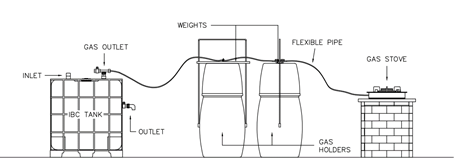
The biogas digester located at the Pacwood Site in Barangay Tunasan, Muntinlupa City consists of one cubic meter IBC tank having an inlet and outlet. Other components are a flexible pipe, two gas holders, weights introduced on top of the gas holders, and a stove. Similar to the one shown in Figure 1.
Operating Conditions of Biogas Digester
Biogas is naturally occurring and is a mixture of 30% to 40% carbon dioxide and 60% to 70% methane. Transformation of animal manure into gas through an anaerobic process can take as little as 24 hours up to several weeks. The water mixed with the animal manure is 40°C in temperature. The mixture must have a 1:1 ratio of animal manure and water. Biogas digesters rely on different types of microbes such as acidogenic, acetogenic, hydrolytic, and methanogenic. Twenty-five (25) liters of waste for every 1000 liters of digester space is the maximum ratio required. The pH level preferred for biogas digesters is neutral, which is 7 in the pH scale. The optimal temperature for biogas digester is 37°C to 40°C. The pressure needed for the gas to flow is 3 bars to 9 bar [7].
Advantages and Disadvantages of Using a Biogas Digester
Biogas digesters offer several advantages and contribute to various aspects of sustainable development and environmental conservation. Firstly, as a renewable energy source, biogas production relies on the continuous supply of animal feces, ensuring a sustainable fuel supply. This reduces reliance on non-renewable energy sources and promotes sustainable development [8]. Secondly, biogas digesters have a positive impact on air quality by reducing air pollution. They replace the use of commercialized gasoline, which is a significant contributor to air pollution through oil refining. Additionally, the waste discharged from the digester can be utilized as an effective fertilizer, promoting environmental sustainability and reducing the need for chemical fertilizers [9]. Furthermore, the use of biogas digesters helps prevent global warming. By reducing organic waste and burning methane to produce biogas, the emission of greenhouse gases is significantly reduced [10]. The biogas digester also plays a role in waste management. The solid and liquid waste from the digester’s IBC tank are collected and processed to produce compost, which can be used for gardening purposes by the residents [11].
Moreover, the use of biogas digesters is cost-friendly. The conversion of waste into biogas provides a cost-effective means of producing heat energy. Various types of waste can be used as inputs, including kitchen waste, human feces, vegetable waste, agricultural waste, animal manure, and more, ensuring a continuous and diverse supply [11]. Lastly, the implementation of biogas digesters contributes to waste management practices in Muntinlupa City. By collecting and utilizing waste from the public market, the digesters help manage organic waste effectively and contribute to a cleaner environment [12]. Biogas digesters offer numerous benefits, including renewable energy production, improved air quality, greenhouse gas reduction, compost production, cost- effectiveness, and waste management. These advantages support sustainable development and promote a greener and more sustainable future. There are several considerations regarding the use of biogas digesters at the Pacwood Site in Barangay Tunasan. Firstly, the cooking time is limited due to the capacity of the digester. With a 1 cubic meter IBC tank and two gas holders, the digester can only sustain one hour of cooking. Secondly, biogas digesters require a larger space compared to conventional LPG setups. The installation of a digester with a 1 cubic meter IBC tank and two gas holders necessitates an area of ten square meters. This space requirement should be taken into account when considering the implementation of biogas digesters in households. Lastly, one of the challenges associated with biogas production is the inability to detect hazards caused by the production of odorless gas. During the anaerobic fermentation process, biogas composed mainly of carbon dioxide and methane is produced, which is colorless and lacks odor. This poses a potential danger as any gas leakage from the tank or gas holders might go unnoticed by residents, increasing the risk of fire or explosion [11]. These factors highlight the need for careful planning and safety measures when implementing biogas digesters, considering the limited cooking time, space requirements, and potential hazards associated with odorless gas production.
The design of the biogas digester is deemed highly practical, making it suitable for safe utilization in households when operated with proper care and adherence to guidelines. Personnel involved in the project have indicated that the methane produced from the digester has the potential to be converted into electricity. However, it is worth noting that the primary purpose of the biogas digester in Barangay Tunasan, Muntinlupa City, is for cooking purposes, and therefore the availability of biogas may not extend to other domestic needs such as lighting. This sustainable energy source plays a significant role in promoting economic growth by introducing technological innovation that transforms waste into valuable energy resources. The implementation of biogas digesters not only addresses waste management concerns but also offers multiple opportunities for improvements and advancements in the field. However, it is essential to consider certain drawbacks and limitations associated with biogas digesters. Further assessment is necessary to comprehensively evaluate the advantages and disadvantages of utilizing biogas digesters as a sustainable energy solution in Barangay Tunasan and other similar settings. This evaluation will help in refining the technology and optimizing its benefits while effectively addressing any potential challenges or drawbacks that may arise.
Statement of the Problem
Muntinlupa City has made significant strides in its solid waste management practices, with a specific focus on collecting bio-waste for recycling into valuable products such as plastic chairs and other recycled materials, as well as for fuel and gas production. Among the ongoing projects in Muntinlupa City is the implementation of a biogas digester, which converts organic waste materials into biogas for cooking purposes. However, this initiative has yet to be implemented at a household level in Barangay Tunasan. Consequently, there is a possibility that residents in the area may be unaware of the biogas digester but express their willingness to utilize it once implemented. Since the technology is not yet widely utilized in households, significant aspects, such as the advantages and disadvantages of using biogas digesters at a household level, as well as their effectiveness and efficiency, remain unknown.
This study aims to bridge the knowledge gap by gathering and analyzing relevant data to evaluate the functionality of the biogas digester for domestic purposes specifically in Barangay Tunasan, Muntinlupa City. By assessing the performance and potential benefits of the biogas digester, the study aims to provide valuable insights that can guide decision-making and future implementations of this sustainable technology in households. Through a comprehensive analysis of the data, this study seeks to contribute to the understanding of the viability and potential of utilizing biogas digesters for domestic use, ultimately supporting the development of effective waste management strategies and the transition towards cleaner and more sustainable energy sources in Barangay Tunasan, Muntinlupa City.
Significance of the Study
This research holds the potential to benefit several groups in various ways. The utilization of biogas digesters as an alternative fuel source can lead to a reduction in cooking expenditures for households. Furthermore, it simplifies the waste disposal process within households, contributing to improved waste management practices. The adoption of biogas digesters also aligns with concerns for environmental conservation by promoting sustainable energy solutions. This, in turn, enhances environmental health, resulting in a cleaner and greener environment. The findings of this study will serve as a valuable reference for future researchers who aim to explore related topics, specifically the usage of biogas digesters in community settings. The outcomes of this research have the potential to bring about tangible benefits to individuals, households, and the broader community, by reducing expenses, improving waste management, and fostering environmental conservation. Moreover, the study will contribute to the growing body of knowledge in the field and guide future investigations in the efficient utilization of biogas digesters in diverse contexts.
Objectives of the Study
The objectives of this study are to (a) examine the biogas digester in Pacwood Site located in Barangay Tunasan, Muntinlupa City in order to evaluate its functionality at a household level; (b) assess the feasibility of using biogas as fuel for cooking, lighting, and other domestic purposes; (c) explore social and economic implications; and (d) provide recommendations for the model of biogas digester and the other barangay local government units to apply waste management practices and biogas digester in their community.
Scope and Limitation
The study examined and assessed the functionality of the biogas digester operated by the ESC at the Pacwood Site in Barangay Tunasan, Muntinlupa City. The focus was to determine the feasibility of residents in Barangay Tunasan utilizing the biogas digester for domestic purposes in their households. The study primarily relied on basic operational processes associated with the biogas digester at the site as provided by the ESC personnel concerned with the project. Other important considerations, such as the availability of substrate for residents interested in using biogas digesters, identifying suitable areas with adequate space and substrate in Barangay Tunasan, identifying households already equipped with biogas digesters, and comparing the expenses of those utilizing biogas digesters versus those who do not, were not included in this study.
Additionally, the study did not explore other technologies associated with biogas digesters for converting gas into electricity, as this aspect was beyond the scope of the research. The study primarily focused on assessing the functionality and examining the residents’ awareness and willingness to use the biogas digester in Barangay Tunasan for household purposes. Limitations in data availability and the scope of the study prevented a comprehensive analysis of certain operational conditions and considerations associated with biogas digesters in the area.
Methodology
The researchers conducted a survey as an instrument for data collection, utilizing a descriptive research design. The survey was divided into several parts to gather information from the respondents. In the first part, the respondents’ demographic profiles, including age, gender, and civil status, was collected. The second part consisted of closed-ended questions aimed at assessing the respondents’ awareness, knowledge, and willingness to utilize the biogas digester. The third part of the survey required the respondents to rate their willingness to understand and participate in the project on a scale from 1 to 5. Lastly, the fourth part of the survey comprised open-ended questions to elicit suggestions, inquiries, and the preferred mode of participation from the residents of Barangay Tunasan, Muntinlupa City, regarding the biogas digester project.
The research design employed in this study was descriptive, focusing on investigating and evaluating the functionality and impact of the biogas digester within the community of Barangay Tunasan. The researchers utilized a quantitative method for data analysis. The sample for the study consisted of 54 respondents, selected randomly from various locations within Barangay Tunasan. The researchers employed a clustered sampling method, wherein respondents were grouped in different areas of the barangay. Additionally, the researchers actively engaged with the personnel responsible for operating the biogas digester. This interaction allowed them to gather valuable information, including details about the daily waste input and materials used in the digester, the quality of materials utilized, proper usage guidelines, environmental impacts, energy output, beneficiaries, and other pertinent information. By combining the survey responses and information obtained from the personnel in charge of the biogas digester, the researchers aimed to comprehensively evaluate the functionality and impact of the project in Barangay Tunasan, Muntinlupa City. Figure 2 shows the schematic diagram of the conversion of waste into biogas using the ESC-operated biogas digester.
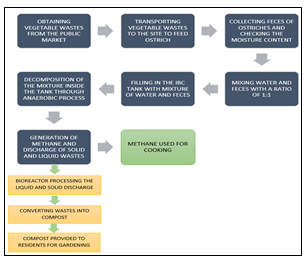
Figure 2: Process of Converting Waste into Biogas using the Biogas Digester. Located at the Pacwood Site in Barangay Tunasan, Muntinlupa City The flowchart in Figure 2 illustrates the step-by-step process of how the biogas digester located at the Pacwood Site in Tunasan. The process begins with the collection of vegetable waste from the public market, which is then utilized as feed for ostriches. This step aims to enrich the feces of the ostriches with nutrients derived from the digested vegetable waste. Once the feces are collected, their moisture content is checked to ensure optimal conditions for the subsequent stages. The ideal ratio between water and feces is 1:1, as it contributes to achieving the desired quality of biogas. The mixture of feces and water is then transferred to an IBC tank, where anaerobic decomposition takes place. This phase is critical as it leads to the production of methane gas, the key component of biogas. To maintain a consistent supply of biogas, a storage unit is employed to store the generated gas.
In order to apply the necessary pressure within the system, a weight is added. This storage and pressurization stage ensures a steady supply of methane gas for domestic use, particularly for cooking purposes. The duration of cooking depends on the available storage capacity of the system.
Throughout the process, the solid and liquid residue emitted from the tank is collected. These residues serve as additional components in bioreactors, which further aid in the decomposition process of biodegradable waste. Eventually, the decomposed waste materials transform into compost, which can be utilized for garden soil enrichment. The presented flowchart provides a clear overview of the sequential operations involved in the biogas digester system, from waste collection to gas storage and utilization. This
sustainable process not only generates biogas for cooking but also offers a valuable solution for managing and recycling organic waste materials, leading to the production of compost for gardening purposes.
Results and Discussion
Researchers conducted a survey in Tunasan, Muntinlupa City were 54 respondents were subjected. The respondents were randomly selected through both face-to-face and online mechanisms. Researchers provided a set of questions to be answered by the residents that can help in achieving the study’s objectives and obtain knowledge about the residents’ understanding and awareness of biogas digesters.
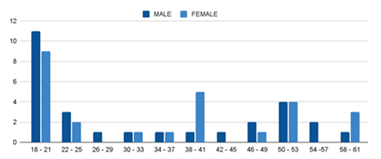
The participants in the study encompassed a wide age range, spanning from 18 to 61 years old, as depicted in Figure 3. The participants’ civil status or occupation was not specifically recorded. Figure 4 presents the respondents’ level of awareness regarding the biogas digester, as reflected in their responses. The responses are denoted by A1, A2, A3, and A4, corresponding to the first four questions of the questionnaire.
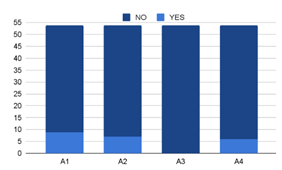
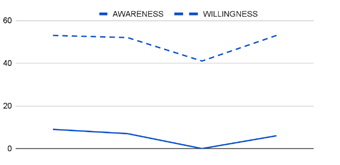
According to the data, out of the 54 participants, 9 of them had previous knowledge about the biogas digester. Additionally, 7 respondents from Barangay Tunasan were aware of the biogas digester, indicating familiarity with the technology within the local community. However, none of the respondents had utilized the biogas digester themselves. Furthermore, 6 out of the 54 participants were aware of the biogas digester’s existence as part of the Residual Waste Management and Livelihood Program in Barangay Tunasan, Muntinlupa City. These findings demonstrate a relatively low level of awareness and usage of the biogas digester among the participants. However, the presence of respondents who had heard about the technology, as well as the awareness within the local community, suggests the potential for increased adoption and utilization of the biogas digester in the future.
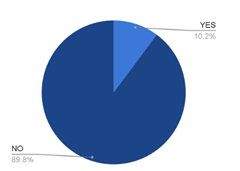
With this data acquired, shown in Figure 5, researchers got an average percentage of 10.2% awareness of respondents, and 89.8% were not aware. Additionally, the researchers assessed the respondents’ willingness to further explore the biogas digester technology. Figure 6 displays the outcomes of the questions related to the participants’ willingness. It reveals that 53 respondents expressed their eagerness to acquire more knowledge about the biogas digester, while 52 respondents indicated their interest in utilizing environmentally friendly products derived from the biogas digester, as denoted by W1 and W2, respectively.
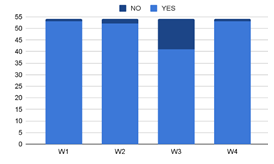
Considering the substantial production costs typically associated with such projects, the researchers also aimed to gauge the respondents’ willingness to invest in biogas digesters for their own households. The results, represented by W3, indicate that only 41 participants expressed a willingness to invest in this type of project. Moreover, the researchers sought to understand the respondents’ perspectives on whether they desired the government to provide incentives for households that transitioned to sustainable energy sources. This aspect was captured in W4, where 53 out of 54 respondents expressed a desire for incentives to facilitate the adoption of sustainable energy resources, such as biogas digesters. The findings suggest that, according to a majority of the respondents, government incentives could effectively encourage households to switch to sustainable energy sources. These insights shed light on the respondents’ attitudes and preferences towards the biogas digester technology, their inclination to invest in it, and their support for government initiatives to promote sustainable energy adoption.
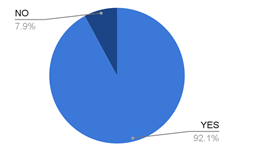
Based on the gathered data, as presented in Figure 7, the researchers calculated an average percentage of willingness and unwillingness among the respondents. The results indicate that an overwhelming majority, with an average of 92.1%, expressed their willingness to embrace the biogas digester technology. Conversely, a minority, comprising approximately 7.9% of the respondents, indicated their unwillingness to adopt the technology. These findings highlight a strong positive inclination towards the utilization of biogas digesters among the surveyed individuals. The high percentage of willingness reflects the potential acceptance and enthusiasm for incorporating biogas digesters as a sustainable energy solution in their households. Conversely, the small percentage of unwillingness suggests a relatively low resistance or reluctance towards adopting this technology. The data from Figure 7 provides valuable insights into the overall response and acceptance rate of the respondents, indicating a promising outlook for the potential implementation of biogas digesters in the community.
In relation to the responses gathered, Figure 8 illustrates a notable disparity between the level of awareness and the level of willingness among the respondents. The data indicates a relatively low percentage of awareness regarding the biogas digester technology among the participants. However, despite this lack of awareness, a significantly higher percentage of respondents expressed a strong willingness to learn more about the biogas digester and acknowledged its potential positive impact on their households. The findings suggest that despite the initial lack of knowledge or familiarity with the biogas digester technology, the respondents exhibited a keen interest and enthusiasm towards further exploration and adoption of this sustainable energy solution. This highlights the potential for increased awareness and acceptance among the community members, as they recognize the benefits and advantages associated with the biogas digester technology for their household needs.
R The researchers conducted a study to gauge the level of interest and willingness to participate among the respondents from Tunasan, Muntinlupa City, as depicted in Figure 9. Several rates were used to assess different aspects. Rate 1 aimed to determine the frequency of power outages experienced by the community. Rate 2 indicated the importance of having a sustainable energy source for the residents. Rate 3 measured their willingness to be part of the project and contribute to sustainable development. Rate 4 reflected their interest in learning more about the biogas digester technology. Rate 5 assessed their willingness to participate in the Residual Waste Management and Livelihood Program within their community. Rate 6 gauged their openness to using a biogas digester as a fuel source in their households. Lastly, Rate 7 measured their level of interest in knowing that using a biogas digester as an energy source is easier than relying on commercial sources. Each rate was rated on a scale from 1 to 5, with 5 indicating a strong likelihood and 1 representing a very low likelihood.
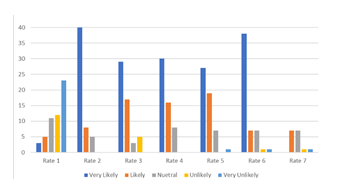
In addition, the researchers sought to gain insights from the respondents regarding the biogas digester through open-ended questions. One of the main objectives was to identify the specific questions and inquiries the respondents had about the biogas digester. The results revealed that the respondents expressed a strong desire to acquire more knowledge about the technology. They were particularly interested in understanding its operational principles, the associated costs, the expected lifespan of the digester, any limitations it may have, its potential impact on household expenses, the benefits it offers, and the feasibility of its implementation in the near future.
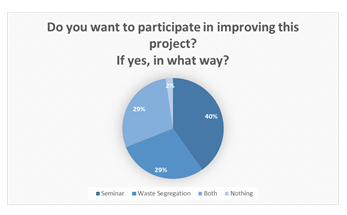
Furthermore, in terms of their willingness to participate in the project, Figure 10 depicts the respondents’ strong interest in actively contributing to its improvement. The data reveals that a significant majority of residents are willing to participate in various ways. Specifically, 40% of the respondents expressed their interest in attending seminars related to the project, while 29% expressed their willingness to engage in waste segregation activities. Additionally, another 29% indicated their eagerness to participate in both seminars and waste segregation initiatives as part of their contribution to enhancing the project. Only a small fraction, 2% of the respondents, expressed a lack of interest in participating in the project. The respondents overwhelmingly recognized the potential of the biogas digester project to contribute to sustainable development, provided that it proves to be efficient and cost-effective. They expressed several advantages associated with the project, including reduced expenses, improved efficiency, and the opportunity for waste segregation. However, the respondents also acknowledged certain disadvantages. They highlighted the need for a larger space to accommodate the digester, as well as concerns regarding the potential odor and its associated risks, which could have harmful effects.
The respondents expressed their awareness of the challenges involved in using a biogas digester. These challenges encompassed safety considerations, such as potential health risks and the possibility of accidents in their households. Limited space availability and the availability of materials for constructing the digester were also identified as potential challenges. In terms of suggestions, the respondents emphasized the importance of promoting the biogas digester project to the wider community. They recommended allocating funds and resources to support the implementation and operation of the digester. Furthermore, they stressed the need for comprehensive education and awareness campaigns to ensure that people understand the benefits of the biogas digester and how they can personally benefit from it. These insights from the respondents provide valuable input for further refining and promoting the project.
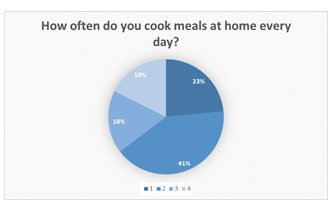
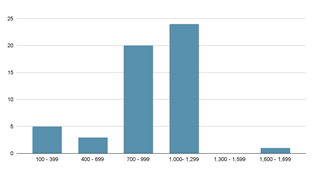
Based on the responses obtained, it was found that the monthly expenditure on fuel for cooking varied among the respondents, ranging from 100 pesos to 1,000 pesos (Figure 11). Further analysis of the data revealed that 41% of the respondents cook their meals at home three times a day, while
23% cook twice a day. Additionally, 18% of the respondents reported cooking four times a day, while another 18% cook once a day (Figure 12). The specific biogas digester located at the Pacwood Site in Tunasan, Muntinlupa City serves as a showcase model with all its parts and functions fully operational. The main components of the digester include an IBC tank, gas holders, and a stove connected by a flexible pipe. The primary input for the digester is the feces obtained from ostriches near the site, which are collected on a daily basis. These ostriches are fed with vegetable waste sourced from the local public and private markets.
To initiate the biogas production process, the collected ostrich waste is mixed with water in a 1:1 ratio. This is done to ensure the presence of adequate moisture necessary for the anaerobic digestion to occur inside the tank. Once the tank is filled with the mixture of water and ostrich feces, the anaerobic process begins, resulting in the production of biogas, particularly methane. It is important to note that the tank should not be left open, as this can pose a risk of explosion. However, since the process is anaerobic, there is no unpleasant odor observed. The biogas produced in the tank is then directed through a flexible pipe into two gas holders. As the gas accumulates in the holders, the upper portion rises. Through the flexible pipe, the gas is further directed to the gas stove, enabling it to utilize methane as fuel for generating heat, which can be utilized for cooking purposes. In order for the gas to flow smoothly into the stove, it is necessary to compress the gas holders to generate sufficient pressure. This is achieved by adding heavy materials, such as steel, on top of the gas holders.
According to the person responsible for operating the biogas digester, the heat generated by a one cubic meter IBC tank can be used for approximately one hour, depending on the amount of heat required. The digester also produces solid and liquid waste materials, which are collected and processed by an on-site bioreactor to produce compost. This technology can be effectively utilized in areas with ample sources of animal feces, such as piggeries. Although the implementation of biogas digesters in residential households is feasible, the reasons for not widely adopting them remain unknown. Implementing biogas digesters requires various processes, including identifying potential beneficiaries, managing resources, and assessing the capacity of local government units and personnel to handle the technology. Regarding maintenance, there have been no reported costs thus far, with the only budget requirement being the transportation of waste materials. The overall cost of a biogas digester package provided by the Department of Science and Technology (DOST) is approximately 3,614.03 USD (200,000 Php). The digester in Barangay Tunasan has been operational since June 2020. It is worth noting that in some other areas of the barangay, different versions of biogas digesters, equipped with tires as gas holders, can be found. Based on the information shared by the personnel managing the biogas digester, one of the notable advantages of utilizing this technology is its cost-effectiveness. By using methane generated from the digester for cooking, households can significantly reduce their expenses, as only an adequate amount of animal feces is required to produce the heat needed.
Conclusion
This study has provided a comprehensive assessment of the performance and potential of a biogas digester as a sustainable energy solution for domestic use. By examining its background, framework, functionality, feasibility, and social and economic implications, this research contributes to a better understanding of the biogas digester’s benefits and challenges in a communal context. Through interviews conducted with the Environmental Sanitation Center (ESC) of Muntinlupa City and participants from Barangay Tunasan, it was revealed that the biogas digester located at the Pacwood Site primarily serves as a demonstration site, with the energy produced not yet allocated or utilized by the local community. However, it is encouraging to note that despite limited awareness, the majority of citizens expressed a willingness to learn more about the biogas digester and embrace the energy it generates.
Moreover, the biogas digester holds great potential for Muntinlupa City as a waste management solution, offering environmental benefits and numerous advantages. It provides a renewable energy source that reduces reliance on foreign oil imports and helps mitigate greenhouse gas emissions. While it requires careful management due to the production of highly flammable methane gas, the DOST model at the Pacwood Site in Barangay Tunasan demonstrates a simple system that is easily constructed and requires low maintenance. Furthermore, the biogas digester can be safely integrated into households, effectively reducing cooking expenses by utilizing animal feces as fuel. The renewable nature of the fuel source allows for daily refilling of the tank. Although the methane produced by the digester can also be converted into electricity, the current focus is primarily on cooking applications. However, it should be noted that implementing a biogas digester in a traditional household may pose challenges related to the duration of usage and storage space requirements.
The findings of this study underscore the potential of biogas digesters as a sustainable energy solution for domestic use. It highlights the need for increased awareness and education to promote wider adoption and utilization of this technology. Furthermore, further research and development efforts should be directed towards addressing safety concerns, optimizing energy conversion, and exploring additional applications beyond cooking. By harnessing the benefits of biogas digesters, communities can contribute to environmental sustainability, reduce dependence on non- renewable energy sources, and improve overall quality of life.
Recommendation
Sustainable development and a circular economy where both the environment and people benefit are highly practiced by the biogas digester. In a biogas digester model, the following innovations and improvements can be considered: (1) adding a hose regulator or gauge to control the pressure; (2) adding a chemical like ethyl mercaptan to make it smell when it leaks, which is mainly for safety purposes; (3) add two gas collectors/gas holders so that the biogas digester can use it for a longer time; (4) considering variations in the size of the biogas reactor to make it possible to install biogas digesters in different areas; and (5) putting the IBC tank below the ground to make sure that it has enough distance from the main gas container. Given that the feces aren’t exposed to oxygen, resulting in no foul odor on the prototype, it will be challenging to detect early if there is a leak or other complication on the model, making it a high risk for explosion or under similar circumstances. Therefore, a strong odorant called ethyl mercaptan is added to the gas mixture in order to make it easier for people to detect gas leaks through smell [12].
In the production of biogas, space-saving considerations and a more steady interior temperature are taken into consideration. The equipment may be designed unheated and built underground to reduce temperature variations and utilize the usable floor area. By addressing the deficiencies in both strategic planning and implementation, policymakers can effectively overcome the hurdles obstructing the progress of renewable energy planning. This entails identifying and rectifying any gaps or shortcomings in the entire process, enabling the development of comprehensive strategies that pave the way for the elimination of bottlenecks in the renewable energy sector. By enhancing strategic planning, policymakers can thoroughly analyze the current state of renewable energy initiatives, assess the potential challenges, and identify opportunities for growth. This comprehensive evaluation would enable the formulation of well-informed and forward-thinking strategies that align with the long-term goals of achieving sustainable and clean energy systems. However, it is equally crucial to focus on the implementation aspect. Merely having well-crafted strategies is insufficient without proper execution. Policymakers need to ensure that the identified strategies are effectively translated into action, incorporating clear timelines, resource allocation plans, and performance indicators. This integration of strategic planning and implementation fosters a coherent and seamless approach, minimizing delays and inefficiencies that can hinder progress in renewable energy planning. Furthermore, policymakers should prioritize collaboration and stakeholder engagement throughout the process. By involving various actors such as government agencies, renewable energy developers, environmental organizations, and local communities, a collective effort can be fostered. This inclusive approach allows for diverse perspectives, expertise, and resources to be leveraged, leading to more effective and sustainable solutions. Additionally, it promotes transparency and accountability, enhancing public trust and support for renewable energy initiatives [13].
For future researchers, several recommendations can be made to further enhance the understanding and implementation of biogas digesters for sustainable domestic energy use. Firstly, it is advisable to collaborate with government agencies and private entities to obtain comprehensive data on biogas digesters, including their performance, impact, and potential benefits. This additional information will contribute to a more holistic analysis of the technology. Secondly, future research could focus on implementing biogas digesters in Barangay Tunasan, Muntinlupa City, considering the residential setup in the Philippines. This localized approach would provide valuable data and practical knowledge that can guide future implementations. Additionally, exploring other potential uses of biogas digesters, such as lighting for electrical purposes, would maximize the benefits and versatility of the technology. To optimize the positioning of biogas digesters, researchers should investigate placing them in proximity to readily available input sources, such as areas where feces accumulate, to enhance their functionality and ensure a steady supply of waste material. Quantifying the quantity of waste generated by households in Barangay Tunasan and identifying waste hotspots, such as areas with high concentrations of animal manure from pig farms, will aid in strategically implementing biogas digesters. Understanding adoption rates and the factors influencing their use in specific areas of Barangay Tunasan can guide efforts to promote wider adoption in the community. Lastly, conducting a cost analysis to compare the expenses of households with and without biogas digesters will provide quantitative evidence of the financial benefits of implementing this technology, aiding stakeholders in making informed decisions. By incorporating these recommendations into future research endeavors, a deeper understanding of biogas digesters can be achieved, leading to improved implementation and increased uptake as a sustainable energy solution for domestic use.
To facilitate the adoption of biogas digesters and address the issue of biodegradable waste in barangays, it is crucial for the ESC and other relevant offices in Muntinlupa to actively demonstrate the feasibility and benefits of these systems. Conducting a survey or employing an appropriate data collection method in Barangay Tunasan is strongly recommended for future investigations. This survey should assess the willingness and capability of the barangay to establish and operate biogas digesters, considering factors such as the necessary infrastructure and resources. For barangay government units, several recommendations can be made to promote effective waste management practices and the implementation of biogas digesters. Firstly, it is important to initiate waste management projects that aim to reduce organic waste materials, which can contribute to environmental issues. Implementing biogas digesters in barangays can play a crucial role in achieving this objective. Secondly, conducting seminars and educational programs for residents is essential to increase awareness about the significance of waste-to-energy conversion technologies, such as biogas digesters. This will help community members understand the benefits and potential of these systems.
Engaging residents in waste management practices, such as waste segregation and bio waste collection, should also be prioritized. Implementing programs that encourage active participation and provide the necessary infrastructure and resources will contribute to the success of waste management efforts. Finally, conducting research specific to each area is vital to assess important factors such as residents’ willingness to use biogas digesters, the capacity of the area to accommodate such systems, and identifying suitable locations for installation. This localized approach will enable targeted and effective implementation of biogas digesters in barangays. By implementing these recommendations, local government units can contribute to the advancement of sustainable waste management practices and the widespread adoption of biogas digesters in their respective communities.
Acknowledgement
The researchers express their sincere gratitude to the
Environmental Sanitation Center under the City Government of Muntinlupa for their invaluable assistance in data gathering, particularly regarding the technical aspects of the study. Their support and cooperation greatly contributed to the successful completion of the research. Special thanks are also extended to the Engineering Data Analysis cluster of Colegio de Muntinlupa for their insights in data analysis. The researchers would like to acknowledge the assistance of Mx. Rogie Nicole Cadaoas, Mr. Pamelo Lanzar, Mr. Ernest Errold Lupasi, Mr. Jomari Maines, and Ms. Juliane Kae Ramos in implementing the research design.
References
-
City Government of Muntinlupa (2022) Anti Draft Division. Citizen’s charter. 1st (Edn.), Muntinlupa City, Philippines.
-
City Government of Muntinlupa (2023) Brgy. Tunasan. Muntinlupa City, Philippines.
-
Iqbal N, Sakhani MA, Khan AR, Rehman AU, Ajmal Z, et al. (2021) Socioeconomic impacts of domestic biogas plants on rural households to strengthen energy security. Environ Sci Pollut Res 28(21): 27446-27456.
-
Penerya QP (2018) Biogas technology: Fuelling the future of agricultural development. Agriculture Magazine.
-
Tecson Z (2022) DOST-funded digester to convert wastes to biogas in Aurora. Philippine News Agency.
-
Bunye IR (2023) Muntinlupa City @ 28 (Part II). Manila Bulletin.
-
US EPA (2020) Anaerobic digester/biogas system pperator guidebook: A guidebook for operating anaerobic digestion/biogas systems on farms in the United States. United States Environmental Protection Agency 430-B-20-003.
-
Khayal OMES (2019) Advantages and limitations of biogas technologies.
-
Devaraj D, Syron E, Donnellan P (2021) Determining the optimal process configurations for Synthetic Natural Gas production by analysing the cost factors. Energy Reports 7: 6515-6529.
-
Mishra A, Kumar M, Bolan NS, Kapley A, Kumar R, et al. (2021) Multidimensional approaches of biogas production and up-gradation: Opportunities and challenges. Bioresource Technology 338: 125514
-
Kabeyi M, Olanrewaju O (2022) Slaughterhouse waste to energy in the energy transition with performance analysis and design of slaughterhouse biodigestor. Journal of Energy Management and Technology 6(3): 188-208
-
Subri SSSB, Ramli RB, Zaki NBM (2022) LPG gas leakage detector using Blynk application. International Journal of Innovative Research in Engineering 3(5): 17-20
-
Situmeang R, Mazancová J, Roubík H (2022) Technological, Economic, Social and Environmental Barriers to Adoption of Small-Scale Biogas Plants: Case of Indonesia. Energies 15(14): 5105.
- Sense, Gravity, Parity & Chirality in Mathematical Physics
- Quantum Lattice Simulations PHYSICS: Microcircuit Particle Formation and Observable Macroscopic Irreversible Time - A Discrete Lagrangian with Cellular Automata Framework
- Quantum Biology from Biomacromolecule to Cell, and Central Dogma Described by Quantum Theory
- Focus, Agility, Speed and Technology (FAST) for Sustainability and Growth
- Square Root Metric Geometry and Pati-Salam Model in Curved Space-Time
- A Simple System Demonstrating the Mpemba Effect in Classical Mechanics