
Therapeutic Potential of Aegle marmelos (Linn.) Leaves in Alloxan Monohydrate Induced Type-1 Diabetes in Experimental Rats
Present study was aimed to evaluate the anti-diabetic activity of Aegle marmelos in Alloxan monohydrate induced albino rats. Oral administration of fresh Aegle marmelos leaves (2 - 4 g/day) for 28 days shows significant blood glucose lowering effect in experimental alloxan induced diabetic rats. These diabetic rats blood glucose level became normal when fed with Aegle marmelos leaves. It is amply revealed that Aegle marmelos leaves possessed anti-diabetic and beta cells restoration properties. The results suggest that statistically significant anti-diabetic potential in alloxan monohydrate induced diabetic rats. The Aegle marmelos leaves to be almost similar effect like insulin treatment in alloxan monohydrate administered experimental animal model. From the present study it appeared that Aegle marmelos might have some key ingredients to increase the output of insulin by binding to the receptors of the Beta cells of the Langerhans located in the pancreas. Once they bind to the Sulphonyl urea receptors, the K+ -ATP channels are probably closed and therefore the membrane is depolarized and insulin production is stimulated. During the course of study, Aegle marmelos leaves fed experimental animals were normal blood glucose levels compared to insulin treated animals.
Introduction
The present investigation was aimed at to control the blood glucose level and restoration of beta cells in alloxan monohydrate induced diabetic male albino rats. Diabetes mellitus, increased blood sugar level, not only common disease, but creates several problems in humans body like retinopathy, angiopathy, nephropathy, neuropathy, cardiomyopathy [1]. Gradually increasing order of this disease affects the present society, for that medical sciences is busy to search some positive technology by which this abnormality can be easily removed. The current allopathic therapies till face difficulty on way to cure diabetes or minimize blood glucose levels due to severe side effects associated with the use of allopathic medicine. The diabetes capital of the world with as many as 50 million people suffering from type-2 diabetes, India has a challenge to face. However, medical experts feel that timely detection and right management can go a long way in helping patients lead a normal life. Diabetes might be one of the most talked about diseases across the world and especially in India, but awareness about the same can well be estimated by the fact that India today has more people with type-2 diabetes (more than 50 million) than any other nation. With the country having the highest number of diabetic patients in the world, the glucose disease is posing an enormous health problem to our country today. Often known as the diabetes capital of the world, India has been witnessing an alarming rise in incidence of diabetes according to the International Journal of Diabetes in Developing Countries. According to a World Health Organization (WHO) fact sheet on diabetes, an estimated 3.4 million mortality are caused due to high blood sugar. The WHO also estimates that 80 per cent of diabetes deaths occur in low and middle-income countries and projects that such deaths will double between 2016 and 2030. It has been further estimated that the global burden of type-2 diabetes is expected to increase to 438 million by 2030 from 285 million people (recorded in 2010). Similarly, for India this increase is estimated to be 58%, from 51 million people in 2010 to 87 million in 2030. To put it simply, it is a medical condition that is caused due to decreased production and secretion of insulin from the pancreas in case of Type-I diabetes and defective response of insulin Type-2 diabetes. Under normal body circumstances, blood glucose levels are tightly controlled by insulin, a hormone produced by the beta cells of pancreas. Insulin lowers the blood glucose level. When the blood glucose elevates (for example, after eating food), insulin is released from the pancreas to normalise the glucose level. In patients with diabetes, the absence or insufficient production of insulin causes hyperglycemia [2].
Diabetes is a chronic medical condition, that is, it can be curbed at the initial level by introducing lifestyle changes and controlled after its incidence through medicines in early stages and administration of external insulin in advanced stages. But it would not be wrong to say that it cannot be cured completely and lasts a lifetime. Diabetes mellitus is one of the world’s major diseases. It currently affects an estimated 143 million people worldwide and the number is growing rapidly. In India, about 5 per cent population suffers from diabetes. Medical health experts assert that regular check-ups and timely detection plays a vital role in controlling and managing the problem. Practitioners feel that patient adherence to medication and lifestyle modifications play an important role in diabetes management and this can help them lead a normal life. Un-monitored prevalence of diabetes also results in increased risk of vascular complications like cardiovascular, renal, neural and visual disorders which are related to the duration of the disease [3, 4].
Herbal therapies, an alternative system, with its champion power to reduced blood glucose levels. It has been matter of concern from time immemorial several plant extracts are know for their anti-diabetic properties and are being used for the traditional treatment of diabetes due to low cost, easily availability and lesser side effects [5].
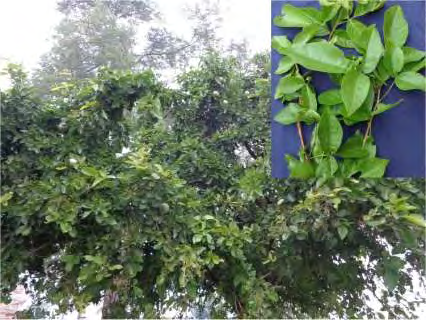
Aegle marmelos
Kingdom plantae – Plants Subkingdom Tracheobionta – Vascular plants Superdivision spermophyta – Seed plants Division Magnoliophyta – Flowering plants Class Magnoliopsida – Dicotyledons Subclass Rosidae Order Sapindales Family Rutaceae – Rue family Genus Aegle Corr. Serr. – aegle Species Aegle marmelos (L.) Corr. Serr. – Indian bael.
Aegle marmelos is widely found in India. The leaves, roots, fruits, bark, and seeds are extensively used in Ayurveda. There are various biochemical ingredient present in Aegle marmelos leaves such as alkaloids, glycosides, terpenoids, cardiac, saponins, tannins, flavonoids and steroids [6]. Apart from leaves the fruits of the plant also having many of the phyto-chemicals such as carbohydrates, protein, fiber, fat, calcium, phosphorus,potassium, Iron, minerals and vitamins (Vitamin A,Vitamin B1, Vitamin C and Riboflavin), steroids, terpenoids, flavonoids, phenolic compounds, lignin, fat and oil, inulin, proteins, alkaloids, cardiac glycosides and flavonoids [7].
Alloxan Monohydrate
The IUPAC name of alloxan is 5,5-D-hydroxylpyrimidine-2,4,6 trione. It is also called 5 mesoxalylura or 5,6dioxouracil belongs to class of organic compounds known as pyrimidones.Alloxan is a toxic glucose analogue which selectively destroyed the insulin producing cells in pancreas [8]. This causes insulin dependent diabetes mellitus called “alloxan diabetes” [9, 10]. Alloxan is the most prominent chemicals in diabetes research, although alloxan mechanisms of β-cell selective action, their cytotoxicity is achieved in different pathways. Briefly, the pancreatic β-cell toxicity and the consequent diabetogenicity of alloxan are a result of redox cycling and the generation of toxic ROS. On the other side, alloxan is more widely used in the understanding of β-cell death mediated by ROS in both type 1 and type 2 diabetes mellitus because of its ROS mediated β-cell toxicity [11, 12].
Aim of the Study
The aim of present study was to investigate the effect of Aegle marmelos leaves on blood glucose in alloxan diabetic rats, given after successful establishment of type-1 diabetes to examine its role as therapeutic efficacy and to see its influence, if any prevention of the type-1 diabetes.
Materials and Methods
Plant materials Aegle marmelos leaves were collected from ruler area of Darbhanga, India.
Male Albino rats (200- 210g) were used as experimental animals. All animals were procured from local supplier. The albino rats were acclimatized for 7days. Animals were divided into 4 groups. Each of these group was kept in propylene cage at ambient temperature of 24°c and 55% -65% relative humidity. A 12-hour light and dark schedule was maintained in the animal house until they are used to the laboratory condition. They were then fed with commercial rodent pellet diet and Water was allowed to ad-libitum under strict hygienic condition. Alloxan monohydrate was obtained from Explicit Chemical Pvt. Ltd. Pune,India.
Induction of Diabetes
Fasting blood glucose was determined after depriving food for 12 hours. Diabetes was induced by single intra- peritoneal injection of (120 mg/kg body weight) alloxan monohydrate sterile saline. Alloxan is a toxic glucose analogue which selectively destroys insulin producing cells in pancreas. This causes insulin dependent diabetes mellitus
Results and Discussion
called “alloxan diabetes” [9, 10, 13]. Experimental Design
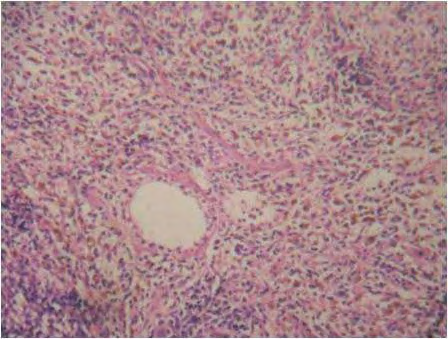
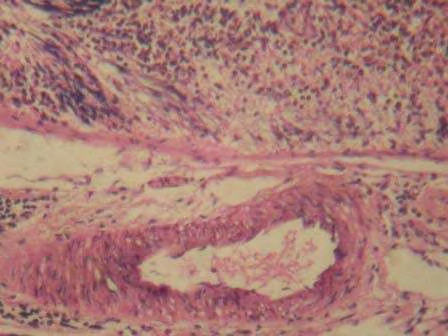
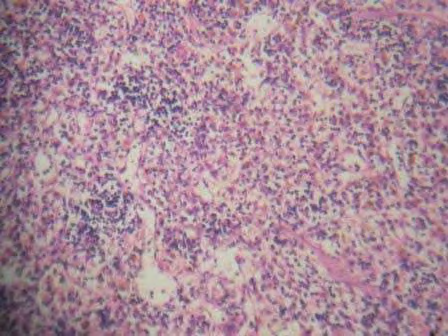
The animals were divided into 4groups and the first group A was used, as control thus there was neither induction of diabetes nor treatment with A. Marmelos leaves. The second group B was induced diabetes by treatment with Alloxan monohydrate through intraperitonial way and diabetes was confirmed by glucose test, after this confirmation only then the treatment of leaves was commenced. The third groupC was treated with alloxan monohydrate and Insulin through intraperitoneal way. The fourth group D was treated with Alloxan monohydrate and A.marmelos leaves through oral way. Pentathol sodium was used for sacrificing the groups of animals at the end of experiment. Histopathological studies were also conducted in the pancreas to check for restoration capacities of leaves. This was done by taking fresh fixatives samples and stored at 3℃ and passed through alcohol solutions for dehydration. They were washed in xylene and embedded in paraffin block cassettes. The tissues were sectioned in transverse, deparafinated and stained with haematoxylin and eosin. They were then examined under light microscope (x20) to view structural changes of the pancreas.
Group A- Normal rats group Group B- Diabetic control group Group C- Insulin treatment group Group D- Aegle marmelos leaves treatment group
72 hours of alloxan monohydrate injection the diabetic rats (blood glucose levels greater than 275 mg/dl) were separated. Treatment was started except normal rats and diabetic control experimental rats. During experimental period, animals in all groups were given to standard water and pellet diet. Blood glucose were monitored by digital glucometer(Dr.Morepen Gluco One,Delhi).
| Experimental Group | Fasting blood glucose (mg/dl) | |||
|---|---|---|---|---|
| 7th Day | 14h Day | 21st Day | 28 th Day | |
| Group A- Normal Rats | 92.94 ± 2.17 | 90.02 ± 3116 | 87.02 ± 1.36 | 82.02 ± 1.21 |
| Group B- Diabetic Control | 283 ± 1.32 | 290 ± 1.20 | 286± 2.06 | 298 ± 1.32 |
| Group C- Insulin Treatment group | 170 ± 3.00 P < 0.05 | 142.23 ± 1.12 P < 0.05 | 104 ± 2.18 p < 0.05 | 96 ± 2.6 p < 0.05 |
| Group D- Aegle marmelos leaves treatment group | 139± 2.31 P < 0.05 | 140 ± 1.29 P < 0.05 | 112± 1.00 P < 0.05 | 96 ± 0.05 P < 0.05 |
Table 1: Effect of Aegle marmelos Leaves in Alloxan Induced diabetic rats and normal rats. (Values are Mean ± SEM, n = 15, P < 0.
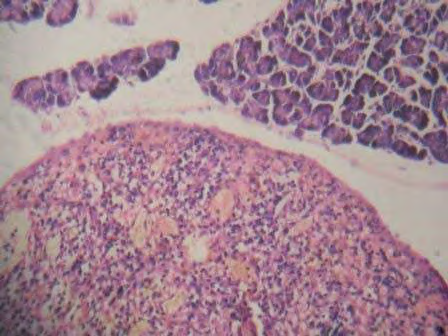
The latest convention methods for treatment of diabetes have shortcomings such as side effect and others have failure in management. The plants have however shown to have no side effects but slow in efficacy. Diabeties is a group of metabolic alteration characterized by hyperglycaemia, high blood sugar level. Hereditary factor obesity sedentary life style and aging have been shown to raise the risk for diabetes. The proper medical care and a regular monitoring of diabetes are essential not only to keep the disease and the management. To prevent the varieties of other Diabetes related problems because no were cure has been identified. Hence, management of Diabetes with diet exercise and drug has been established. Antidiabetic drugs treat diabetes mellitus by lowering blood glucose levels in the blood with the exceptions of insulin. All the drug administered orally, are also called “oral hypoglycemic agent”, herbs for diabetes are used more and more to compliment or sometimes replace conventional diabetic drugs. It has been reported that Aegle marmelos has insulin like activity and it contains an active ingredients that bind to the Sulphonyl urea receptors, the K+ -ATP channels are probably closed and therefore the membrane is depolarized and insulin production is stimulated.
A marked rise in fasting blood glucose level were observed when compared to normal control rats. Anti- diabetic activity was observed in Aegle marmelos leaves fed rats on 7th, 14th, 21th and 28th days post treatment. However anti- diabetic effect of Aegle marmelos leaves was found almost similar effective than that of insulin treatment experimental group. The results of the present study indicated that Aegle marmelos leaves do have the property to reduce the blood glucose. Alloxan monohydrate induce free radical production and causes tissue injury. The pancreas are susceptible to such damage. It appears that Aegle marmelos leaves have tissue protective function. However, stimulation of beta cells and subsequent release of insulin cannot ruled out in this regard. Estimation of insulin level, here might give insight into the mechanism.
Nevertheless, there is no doubt in the Aegle marmelos leaves have therapeutic effect on blood glucose level. To elucidate the mechanism of action and to project this Indian champion plant as an therapeutic target, further investigation are needed. R Bhavani [14] has reported that oral administration of leaves extract of Aegle marmelos lead to marked lowering of blood glucose level in normal and alloxan induced rats. Muyuka [15] also demonstrated that aqueous Aegle marmelos leaves possess hypoglycemic activity in streptozotocin induced diabetic rats. Present investigation suggested hypoglycemic effects of Aegle marmelos leaves.
After treatment with Aegle marmelos plant leaves in diabetic induced animals, there was significant p <0.05 reduction in blood glucose level. This could mean the plant leaves reduced the excessive blood glucose levels and possibly decreased gluconeogenesis. Histopathological studies also proved the plant leaves fed rats had no toxic effect to the organs but instead it displayed therapeutic effect to the pancreas [16].
Aegle marmelos leaves has been widely used for curing various ailments due to its tremendous potential. The present study will be helpful in establishing a scientific basis for therapeutic uses of the this plant leaves, Aegle marmelos. However much more studies are still required to explore other potential of this plant leaves.
Contradiction
When Aegle marmelos plant leaves was orally induced into the animals,the vital organ pancreas was taken and evaluated, there was no gross abnormalities from the histopathological result but instead displayed a therapeutically effect on the pancreas [16].
Conclusion
This research appears that Aegle marmelos leaves works as anti-diabetic agent. So, this plant leaves will be helpful in treating the diabetes in ruler India due to low cost, easily availability and lesser side effects associated with the use of this plant leaves. In conclusion, Leaf of Aegle marmelos has a potential ability to attenuate blood glucose level in alloxan-induced diabetes mellitus through its phytochemical constituents.
Future Prospects
Dosages for diabetic condition required to be established via clinical studies subjected to human.
Ethical Approval
Animal ethics committee permission has been taken to ascertain the experiment.
Acknowledgement
The authors are thankful to Head, University Department of Zoology, L.N. Mithila University Darbhanga, India for the lab facilities provided. The authors are also thankful to Mr. Dinesh Munot Explicit Chemical Pvt. Ltd. Pune for providing free sample of Alloxan monohydrate for the present investigation. Dr. N.K. Dubey, Retd. Prof. P.G Department of Zoology, L.N. Mithila University Darbhanga, India thankfully acknowledged for their kind cooperation during the present investigation.
References
-
Hung THW, Gang Peng, Bhavani P Kota, George Q Li, Johji Yamahara, et al. (2005) Anti-diabetic action of Punica granatum flower extract: Activation of PPAR-Y and identification of an active component. Toxicology and Applied Pharmacology 207(2): 160-169.
-
Dave S (2014) Stem cells derived Insulin secretory cells for insulin Dependent Diabetes Mellitus: Exploiting Laboratory Discoveries. Obesity and diabetes, pp: 257- 282.
-
Richardson E, Farrell R (2019) Diabetic retinopathy in youth-on set of type-2 Diabetes. Diabet Med.
-
Seuring T, Archangelidi O, Suhrcke M (2015) The economic cost of type 2 diabetes: a global systematic review. Pharmaco Economics 33(8): 811-831.
-
Sarvanan G, Leelavinothan P (2006) Effect of Syzygium cumini bark on blood glucose, plasma glucose and C-peptide in steptozotocin Induced diabetic rats. International Journal of Endocrinology and Metabolism 4(2): 96-105.
-
Sivaraj R, Balakrishnan A, Thenmozhi M, Venckatesh R (2011) Preliminary phytochemical analysis of Aegle marmelos, ruta graveolens, opuntia dellini, euphorbia royleana and euphorbia antiquorum. International Journal of Pharmaceutical Science and Research 2: 132- 136.
-
Rajan S, Gokila M, Jency P, Brindha P, Sujatha R (2011) Antioxidant and phytochemical properties of Aegle marmelos fruit pulp. Int JCurrent Pharmaceutical Res 3(2): 65-70.
-
Zarrow MX, Yochi JM, MacCarthy JL (1964) Experimental endocrinology. A source Book of Basic Techniques, Academic Press, Newyork, London.
-
Lenzen S (2008) The mechanism of Alloxan and steptozotocin induced diabetes. Diabetologia 51(2): 216-226.
-
Cheekati RR, Rao SA, Vijayaraghavan R (2017) A histological study of alloxan-induced diabetes on experimental male Wistar rats. Natl J Physiol Pharm Pharmacol 7(12): 1329-1334.
-
Ahmad M, Zaman F, Sharif T, Zabta Ch M (2008) Anti diabetic and hypolipidemic effects of aqueous methanolic extract of Acacia nilotica pods in alloxan induced diabetic rabbits. Canadian Journal of Laboratory Animal Science 35(1): 29-34.
-
Sharma B, Viswanath G, Salunke R, Roy P (2008) Effects of flavonoid rich extract from seeds of Eugenia jambolana (L.) on carbohydrate and lipid metabolism in diabetic mice. Food Chemistry 110(3): 697-705.
-
Zhang WL, Path J (2018) Mesenchymal stem cells (MCS) reduce necrosis and apoptosis of pancreatic INS -1E beta cells during alloxan and streptozotocin exposure.
-
Bhavani R (2014) Antidiabetic activity medicinal plant Aegle marmelos(linn.) on alloxan induced diabetic rats. International Research Journal of Pharmaceutical and Biosciences (IRJPBS) 1(1): 36-44.
-
Marypatience Muyuka (2016) Invitro Studies on Antidiabetic Effect of Aegle marmelos Plant Aqueous Extract. International Journal of Science and Research (IJSR) 5(5): 52-55.
-
Shreyas Saligram, Elibath J William, Michael G Masding (2012) Raised liver enzymes in newly diagnosed type2 diabetes are associated with weigh and lipid not glycaemic control. Indian journal of Endroconology and Metabolism 16(6): 1012-1014.
- Investigation of Polymorphisms in PPAR-Ɣ and TRHR Genes and their Impact on Turkish Diabetic and Obese Individuals
- The Impact of Aircraft Noise Exposure on the Efficacy of Empagliflozin Therapy in an Animal Model of Obesity
- Rooibos Mitigates Metabolic and Inflammatory Dysfunctions in Mice Fed a High-Carbohydrate Diet
- Synergistic Effect of Combined Leaf Extract of Vernonia amygdalina, Ocimum gratissimum, and Zingiber officinale Tuber on Phytochemical Profile, Antioxidant Activity, Serum Insulin, and Biochemical Parameters in Streptozotocin-Induced Diabetic Rats
- Investigation of Cardiovascular Responses to Aerobic Exercise in Obese University Students
- A Look at the Phase Angle Obtained by Electrical Bioimpedance