
Effect of Cymbopogon citratus (Lemon grass) on the Expression of Insulin sensitive and Proinflammatory Genes in the Pancreas of Diabetic Rats
Inflammation may result from chronic hyperglycemia, a disease of macromolecule metabolism disorder caused by diabetes mellitus due to insulin malfunction. Although Cymbopogon citratus (Lemon grass) has long been used as an anti-diabetic, not much is known about the mechanisms involved. The goal of this study was to see how C. citratus leaf extract modulates genes related to insulin sensitivity and inflammation in alloxan-induced diabetic rats' pancreas. Control, diabetic control, metformin (100 mg/kg), and C. citratus (100, 200, and 400 mg/kg) were the six groups of experimental rats. Alloxan (150 mg/kg) was administered intraperitoneally to five groups. ACCU-CHEK glucometer and glucose test strips were used to measure fasting blood glucose at three-day intervals. Treatments were given for fourteen (14) days after which the animals were sacrificed and the pancreas removed for RT-PCR analysis. Image J software and graph pad prism software were respectively used to quantify and present the results. Diabetes induction by alloxan significantly (p>0.05) increased fasting blood glucose level compared to non-induced control after 3 days. Administration of C. citratus aqueous extract (14 days) reduced the blood glucose of diabetic rats significantly (p
Introduction
Diabetes mellitus (DM) is a collection of metabolic illnesses characterized by persistently high blood glucose levels, either as a result of insufficient insulin synthesis or as a result of cells unwilling to corporate effectively to insulin generated, or both [1, 2]. DM is among the top five killer diseases and a major health challenge globally. It is the third- leading cause of death in the United States, after coronary heart disease and cancer. The worldwide prevalence of diabetes is predicted to rise to around 439 million by 2030 from 285 million recorded in 2010 [3], and about 347 million diabetic cases recorded in 2018 [4]. This abnormality is alarming and it is estimated that over 500 million adults globally will be diabetic by 2030.
Several conventional drugs have been developed to treat DM but they have unwanted side effects necessitating the use of plants option [5]. Medicinal plants also known as traditional plants for a time have been used in combating diverse disorders and diseases such as DM because they possess many phytochemicals with huge therapeutic potentials and with little or no side effects [6, 7]. The current focus of researchers has increased our understanding of the mechanisms by which medicinal plants exert their actions.
The Poaceae family includes Cymbopogon citratus (DC.) Stapf, a traditional and medicinal plant often known as Lemon grass. C. citratus is found throughout the world, and its utility or relevance in industry and medicine is diverse [8]. C. citratus has also been used as an essential oil source in the fragrance industry globally. Its antihypertensive, anti-inflammatory, antidiabetic, anxiolytic, hypnotic, and anticonvulsant properties have all been studied and reported in the medical field [8, 9]. C. citratus has been used to treat diabetes, obesity, and cardiovascular disorders in Nigeria [10].
Glucose is a vital substrate for many metabolic activities and a key energy source for most organisms [11]. Because of their polar nature and huge size, glucose molecules cannot pass through the cell’s lipid membrane by diffusion alone, but only with the help of glucose transporters (GLUT). Takeda-G-protein-receptor-5 (TGR5) is a member of the rhodopsin-like superfamily member of G protein-coupled receptors which is commonly seen in many cells and organs, the pancreas inclusive. TGR5 helps in the activation of glucagon-like peptide 1 (GLP-1) which in turn enhances insulin secretion. Insulin is a key hormone in the regulation of glucose metabolism. Deficiency and dysfunction of the hormone insulin have been implicated in the pathogenesis of DM [4]. PPARs (peroxisome proliferator-activated receptors) are a transcription factor superfamily that includes isoforms such as PPAR alpha and PPAR gamma [12]. Peroxisome proliferator-activated receptors help in alleviating insulin resistance and regulating glucose and lipid metabolism [13].
Proinflammatory cytokines such as tumour necrosis factor-alpha (TNF-α) and interleukin 6 (IL-6) have been reported to be involved in multiple metabolic pathways linked to oxidative stress, insulin resistance, and regulation [14]. There are growing reports on the involvement of these inflammatory pathways in the pathogenesis of DM [15]. This study was carried out to investigate the effect of C. citratus leaf extract on genes linked to the metabolism of glucose and inflammation in the pancreas of alloxan-induced rats with diabetes.
Materials and Methods
Materials and Reagents
Nuclease-free water, Alloxan, Eppendorf tubes and Primer sets (reverse and forward) were procured from Inqaba biotech (South Africa).
Sample Identification and Collection
C. citratus leaves were collected fresh from a farm in Ado, Ekiti, Nigeria. Authentication was completed at the Federal University of Technology’s Department of Crop, Soil, and Pest Management (CSP), and voucher number 0243 was deposited in the University herbarium.
Extract Preparation
C. citratus leaves were washed and dried at room temperature (25 °C). Using an electric blender, the dried leaves were ground into a fine powder. Thirty (30) grams of powdered leaves were extracted in 200 ml distilled water for 24 hours at room temperature (253) with intermittent stirring. The sample was sieved using muslin cloth followed by filtration using Whatman filter paper. The extract/filtrate was freeze-dried and the residues were stored at 4oC until it was used. This was reconstituted in distilled water and used to prepare 100, 200, and 400 mg/ml concentrations of the extract [16, 17].
Experimental Procedure
Male Wistar rats were obtained from the University of Ibadan and acclimatized for two weeks. A single intraperitoneal injection of a freshly made alloxan (Sigma- Aldrich, Germany) solution in normal saline at a dose of 150 mg/kg body weight was used to induce diabetes. Because alloxan administration can cause deadly hypoglycemia due to a huge release of pancreatic insulin in response to the injection, the rats were given access to a 5% glucose solution for the next 24 hours to prevent severe hypoglycemia. After 72 hours, rats with elevated glucose levels above 200 mg/dl were considered diabetic.
Grouping and Treatment
The experimental rats were divided into six groups and treated with varying doses of aqueous extract of C. citratus: normal control, diabetic control, metformin and C. citratus (100, 200 mg/kg and 400 mg/kg) treated groups. Administration of treatment was done orally with the aid of gavage for 14 days.
The rats were given access to food and water and sacrificed after 14 days of treatment. Blood glucose was monitored throughout the study with glucose test strips and ACCU-CHEK glucometer. The animals were sacrificed as previously described [8] after overnight fasting. The pancreas was removed for RT-PCR analysis.
Gene Expression Using Reverse Transcriptase- Polymerase Chain Reaction
RNA was isolated from the pancreas of the experimental rats with Trizol Reagent (Thermo Fisher Scientific) and converted to cDNA using Proto Script First Strand cDNA Synthesis Kit (NEB). Polymerase chain reaction (PCR) amplification was done by OneTaq®2X Master Mix (NEB) using the following primer set below (Table 1). Amplification of genes was done using the Eppendorf Master cycler (AG22331 Hamburg) which was followed by running the amplified genes on agarose gel electrophoresis.
The primer sets of genes investigated in the pancreas of the diabetic rats include Takeda G-protein-coupled receptor 5 (TGR5), Glucose-like peptide-1 (GLP-1), peroxisome proliferator-activated receptor gamma (PPAR-γ), Glucokinase, glucose transporter 2 (GLUT2), tumour necrosis factor (TNF-α) and interleukin 6 (IL-6). This is seen below in Table 1.
| Gene | Forward primers | Reverse primers |
|---|---|---|
| TGR5 | 5’-TGTCACACAACACCACTGAG-3’ | 5’-CAAGCAGGGAGAGGAAACAA-3’ |
| PPARγ | 5′ -CGAGCTGGGAGTAGCCTGA-3′ | 5′- GATCACCAGCAGAGGTCCAG-3′ |
| GLP-1 | 5’-TCCCAAAGGAGCTCCACCTG-3’ | 5’-TTCTCCTCCGTGTCTTGAGGG-3’ |
| GLUT2 | 5’-TAGTCAGATTGCTGGCCTCAGCTT-3’ | 5’-TTGCCCTGACTTCCTCTTCCAAC-3’ |
| Glucokinase | 5’-GTGTACAAGCTGCACCCGA-3’ | 5’-CAGCATGCAAGCCTTCTTG-3’ |
| TNFα | 5’-ACCACGCTCTTCTGTCTACTG-3’ | 5’-CTTGGTGGTTTGCTACGAC-3’ |
| IL-6 | 5’-TCTCTCCGCAAGAGACTTCCA-3’ | 5’-ATACTGGTCTGTTGTGGGTGG-3’ |
| B-actin | 5’-CTCCCTGGAGAAGAGCTATGA-3’ | 5’-AGGAAGGAAGGCTGGAAGA-3’ |
Table 1: Primer Sets for the Gene Expression.
Data Analysis
Gel images of the PCR amplicons were quantified with Image J software version 1.5 and Graph pad prism application software [4].
Results
Fasting Blood Glucose of C. Citratus Administered Alloxan-Induced Diabetic Rats
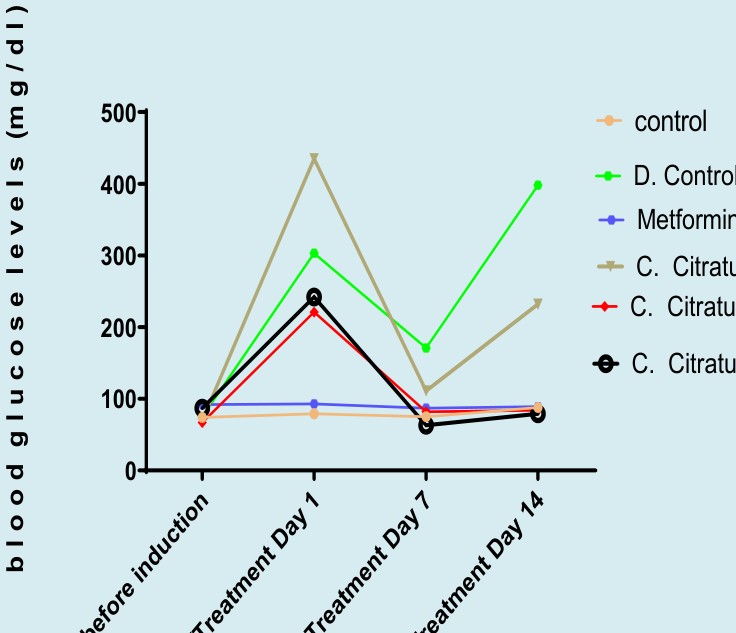
The result in Figure 1 shows the effect of C. citratus leaves extract on blood glucose levels in type-1 diabetic rats (mg/ dl) caused by alloxan induction. Alloxan initiates the cascade redox process, which produces reactive oxygen species (ROS) that attack, invade and destroy the DNA of insulin-producing beta-cells of the pancreas leading to type-1 diabetes [18]. Alloxan significantly (p < 0.05) elevated blood in the induced group relative to the non-diabetic control (Figure 1). By day
14, C. citratus significantly (p< 0.05) lowered blood glucose concentration in treated diabetic groups concerning the diabetic control group.
Effect of C. Citratus on the Expression of Insulin- Sensitive Genes in the Pancreas of Alloxan- Induced Diabetic Rats This study showed a significant (p<0.05) down- regulation of Takeda G-protein-coupled receptor (TGR5) gene expression in the pancreas of diabetic control relative to normal control rats (Figure 2A). This points to the disturbance in insulin release. Oral administration of Cymbopogon citratus (200 mg/kg) significantly up-regulated the expression of TGR5 in diabetic rats compared with diabetic control (Figure 2A, p < 0.05). C. citratus significantly up-regulate the expression of GLP-1 (200 and 400 mg/kg) and PPAR-gamma (100 mg/kg) relative to diabetic untreated group (Figure 2B, 2C; p < 0.05).
The expression of Glucokinase was significantly (p < 0.05) up-regulated by alloxan relative to normal control (Figure 2D). C. citratus (200 mg/kg) significantly up-regulated the expression of Glucokinase relative to diabetic control. This shows that C. citratus will help glucose to be broken down since this enzyme is key in glycolysis. The study also showed that administration of 100 and 200 mg/kg of C. citratus to diabetic rats significantly upregulated (p<0.05) GLUT2 expression relative to diabetic control (Figure 2E). This suggests that C. citratus will facilitate more glucose entry into the cells for glycolysis.
Effect of Oral Administration of C. Citratus on the Expression of Proinflammatory Genes in the Pancreas of Alloxan-Induced Diabetic Rat The expression of IL-6 and TNF-α in the pancreas was significantly up-regulated in the diabetic control relative to control (Figure 3 and Figure 4, p < 0.05). Oral administration of C. citratus (100 and 200 mg/kg) significantly down- regulated both pro-inflammatory cytokine expression in diabetic rats when compared with diabetic control and metformin administered group. This suggests the potential of C. citratus in alleviating diabetes-induced inflammation.
Fasting Blood Glucose of C. Citratus Administered Alloxan-Induced Diabetic Rats
Induction / treatment period
Effect of C. Citratus on the Expression of Insulin-Sensitive Genes in the Pancreas of Alloxan-Induced Diabetic Rats
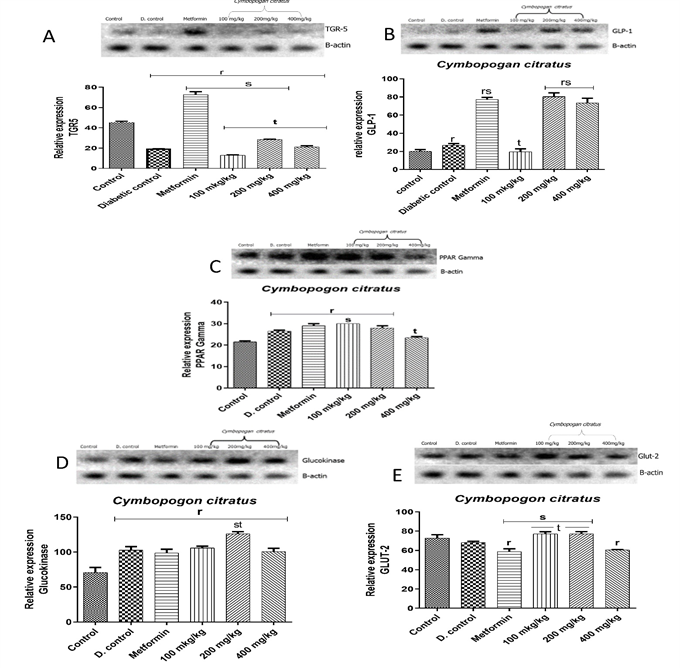
Figure 2: Qualitative-PCR analysis of pancreas Takeda G protein-coupled receptor 5 (TGR5), Glucose-like peptide-1 (GLP-1, peroxisome proliferator-activated receptor gamma (PPAR-γ), glucokinase and glucose transporter 2 (GLUT2) mRNA expression in the pancreas of C. citratus administered diabetic rats. Snapshot representation of RT-PCR after chain reaction-agarose gel electrophoresis was carried followed by densitometric analysis. ‘r’ represents a significant difference relative to control, ‘s’ represents a significant difference relative to diabetic control, ‘t’ represents a significant difference relative to metformin at p<0.05.
Effect of Oral Administration of C. Citratus on the Expression of Proinflammatory Genes in the Pancreas of Alloxan-Induced Diabetic Rat
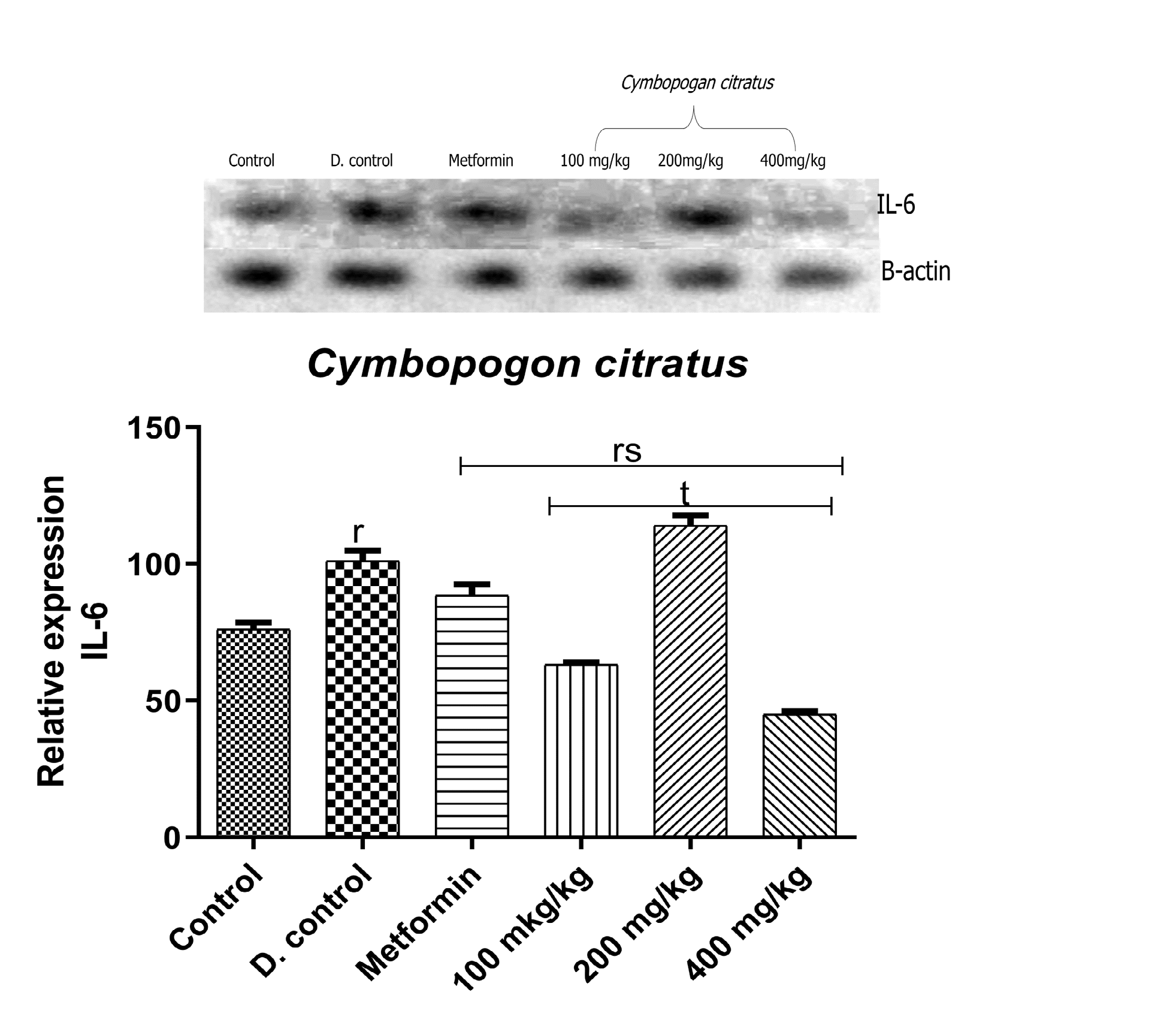
Figure 3: Qualitative-PCR analysis of IL-6 gene expression in the pancreas of alloxan-induced diabetic rats. Image representation of RT-PCR agarose gel electrophoresis for IL-6 gene followed by densitometric analysis. ‘r’ represents significant difference relative to control, ‘s’ represents significant difference relative to diabetic control, ‘t’ represents significant difference relative to metformin at p<0.05.
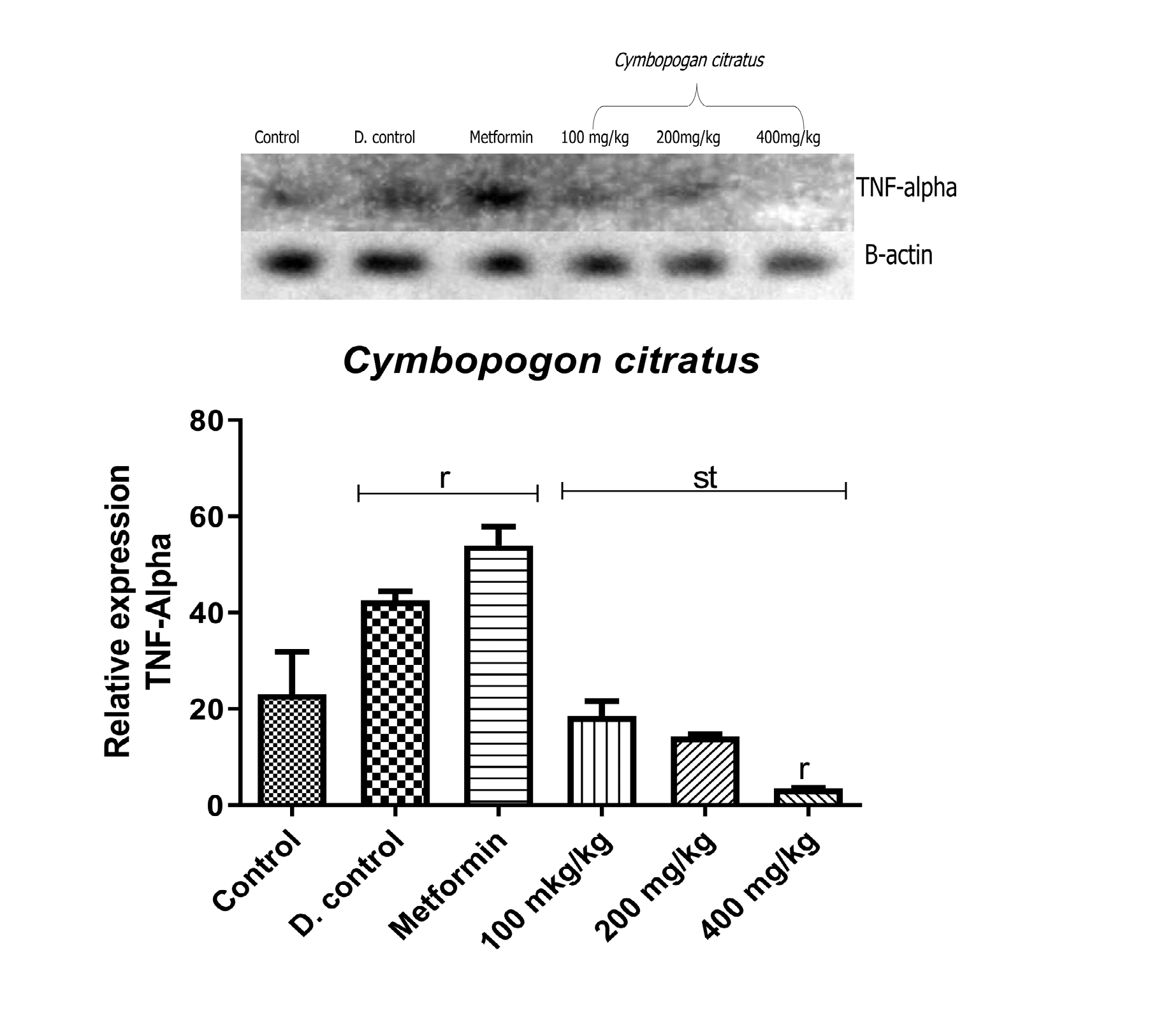
Figure 4: Qualitative-PCR analysis of TNF-α gene expression in the pancreas of alloxan-induced diabetic rats. Image representation of RT-PCR agarose gel electrophoresis for TNF-α gene expression followed by densitometric analysis. ‘r’ represents a significant difference relative to control, ‘s’ represents a significant difference relative to diabetic control, ‘t’ represents a significant difference relative to metformin at p<0.05.
Discussion
The blood-glucose-lowering effect and anti-inflammatory properties of Cymbopogan citratus (lemon grass) have been documented by various scientists but information on the mechanisms involved and genes associated with these effects is limited [19, 20]. The effect of C. citratus on the expression of genes involved in glucose catabolism and anabolism coupled with inflammation in the pancreas of rats with diabetes was studied in this study. The pancreas is central to glucose homeostasis and metabolism because its alpha and beta cells in the islet of the Langerhans produce glucagon and insulin respectively [21]. Deficiency or malfunctioning of these twin hormones has been implicated in hyperglycemia [13, 22, 23].
There have also been reports of hyperglycemia-induced inflammation in diabetic cases [24].
The blood glucose of rats induced with alloxan was significantly elevated relative to the control group (Figure 2). Alloxan causes a cyclic redox process, which produces reactive oxygen species (ROS), causing beta-cell oxidative stress. The elevated blood sugar could be a consequence of the degradation of pancreatic beta-cells by these ROS leading to less and low-quality insulin produced [25]. This is supported by previous studies that reported that alloxan compromises the efficiency and integrity of beta-cells [18, 26]. C. citratus (200 and 400 mg/kg) significantly lowered the fasting blood glucose of alloxan-induced diabetic rats when relative to the untreated diabetic group after 14 days of treatment (Figure 2). This implies that C. citratus possesses blood glucose lowering ability. Flavonoids, a group of phytochemicals reported to be present in C. citratus including kaempferol, apigenin, and quercetin may be responsible for these effects [27]. These polyphenols possess hydroxyl groups and double bonds that help to scavenge free radicals thus alleviating oxidative stress and protecting the beta-cells. This leads to enhanced and efficient insulin production in these cells. This work further affirms reports of antidiabetic effects of C. citratus earlier reported by Elekofehinti, et al. [8].
Takeda G-protein-coupled receptor (TGR5) is a membrane-bound receptor that helps in cell signalling. Its activation induces the production of glucagon-like peptide (GLP-1) hormone which helps in insulin release in enteroendocrine cells and also serves as an agonist for bile acids [28, 29]. In this study, the expression of TGR5 was down-regulated in the alloxan-induced group compared with the control (Figure 2). TGR5 agonism increases blood glucose usage by enhancing energy expenditure. In the induced group, repression of TGR5 causes less glucose to be used for energy resulting in hyperglycemia (Figure 2). The oral administration of 200 mg/kg C. citratus significantly upregulated (p<0.05) TGR5 and GLP-1 gene expression relative to alloxan-induced diabetic rats (Figure 2). The upregulation of TGR5 mRNA expression by C. citratus provides more TGR5 receptors for bile acids binding, facilitates insulin secretion via (Glucagon-like peptide 1) GLP-1 activation leading to glucose breakdown and euglycemia. This could be a pointer to the ameliorative effect of C. citratus on insulin release and ensuring normoglycemia.
Expression of Peroxisome proliferator-activated receptor gamma (PPAR-γ) was significantly upregulated (p<0.05) in diabetic control when compared to non-diabetic control (Figure 2). The increase in glucose concentration as a result of alloxan-induction could have necessitated and prompted the need for more insulin and lipolysis to which PPAR serves as a ligand. PPAR-γ gene expression in the group treated with 100 mg/kg of C. citratus was significantly upregulated (p<0.05) compared with diabetic control. This could be due to PPAR-γ ligands augmenting glucose disposal in tissues by increasing the expression of the glucose transporter genes. Scientists such as Marx, et al. [30] and Chigurupati, et al. [31] have also reported that upregulation of PPAR-γ favours euglycemia.
Glucose transporter 2 (GLUT2) and Glucokinase are responsible for the efficient transport of glucose into the cell and catabolism in the cell respectively. GLUT2 is a member of the family of glucose transporters and is a transmembrane carrier protein that enables glucose uptake in the pancreatic beta cells [32]. Our study showed that administration of 100 and 200 mg/kg of C. citratus to diabetic rats significantly upregulated (p<0.05) GLUT2 expression relative to diabetic control (Figure 2). Treatment with C. citratus led to the activation of more glucose transporters and insulin secretion enabling excess glucose to be transported into cells and be used up by the cells resulting in the reduction of blood glucose observed in this study. The significant decrease (p<0.05) in the blood glucose of the C. citratus treated rats as compared to the diabetic control is a reflection of the hypoglycemic effect of the plant. The hypoglycemic effect of C. citratus has also been reported in the work of Abbas, et al. [20]. The expression of GLUT2 in the metformin-administered group was lower than in the control group and the diabetic control group in this study. This could be because metformin decreases hepatic glucose production by activating more insulin production. Once glucose production is reduced, fewer glucose transporters are needed. This is supported by the work of Rena, et al. [33]. Glucokinase phosphorylates glucose to glucose-6-phosphate. This is the first step in the catabolism of glucose to pyruvate during glycolysis under aerobic conditions and anabolism or storage of glucose in the form of glycogen [34]. Glucokinase expression was significantly upregulated (p<0.05) in diabetic control relative to control (Figure 2). The elevated glucose in diabetic control could have triggered the production of Glucokinase since it is needed for glucose metabolism. C. citratus (200 mg/ kg) significantly upregulated (p<0.05) the expression of Glucokinase compared with diabetic control. This means C. citratus was able to initiate glycolysis thus facilitating glucose catabolism and promoting normoglycemia.
Interleukin 6 (IL-6) is a member of the proinflammatory cytokines family which plays a key part in immune regulation and has been implicated in the onset of some ailments [35]. The expression of IL-6 was significantly upregulated (p<0.05) in the alloxan diabetic-induced group compared to the control as seen in Figure 3. This could be a result of oxidative stress caused by alloxan induction; the excess free radicals could have destroyed the beta cells of pancreatic islets that produce insulin resulting in hyperglycemia. C. citratus at 100 and 400 mg/kg significantly(p<0.05) downregulated the expression of IL-6 revealing the ameliorative effect of this medicinal plant on inflammation. Another cytokine produced as a result of inflammation resulting in an acute phase reaction is Tumour necrosis factor-alpha (TNF-α) [36]. The expression of TNF-α was significantly (p<0.05) elevated in diabetic control relative to control (Figure 4). This elevation could be due to hyperglycemia-induced inflammation [37, 38]. C. citratus (100, 200, and 400 mg/kg) significantly (p<0.05) down-regulated the expression of TNF-α compared with diabetic control. This infers that C. citratus has anti- inflammatory and antioxidant properties by combating the oxidative stress initiated by hyperglycemia [39, 40, 41, 42].
Conclusion
Cymbopogon citratus aqueous extract showed an antidiabetic effect by activation of TGR-5, PPAR-γ, and upregulation of GLP-1, Glucokinase and GLUT2 genes expression. These genes enhance insulin secretion and sensitivity. It also downregulated the expression of proinflammatory cytokines. This study suggests that the antidiabetic, anti-inflammatory and antioxidant property mechanism of this plant could also be via its ability to modulate the expression of these genes.
More genes that relate to glucose metabolism could still be further investigated in C. citratus administered diabetic rats. Further studies could also be done on other doses of Cymbopogon citratus to establish the most effective dosage.
Acknowledgement
The authors acknowledge all members of the Molecular Biology and Bioinformatics Unit, Biochemistry Department, Federal University of Technology, Akure; for the use of their laboratory facilities and support received for the success of this work. Mr Olanrewaju Sam Olayeriju of Ondo State University of Science and Technology Okitipupa is highly appreciated for his assistance in the course the animal treatment.
Funding
Not applicable. No funding was received for this work.
Competing Interests
The authors hereby declare no conflict of interest.
Ethical Protocol: The ethical regulations were followed, and the animals were kept at the Biochemistry animal house at The Federal University of Technology, Akure.
Availability of Data and Materials
The corresponding author could provide the datasets generated and/or analyzed in this work upon reasonable request.
Authors’ Contributions
This work was carried out in collaboration with all authors. Authors OOI and EOO designed the experimental procedures and supervised the work. Authors AMO, AEB, CF, OIA and EOO did the laboratory work. Author AMO performed the statistical analysis and drafted the manuscript. Authors OOI and EOO edited the manuscript.
References
-
Lim S, Bae JH, Kwon HS (2021) COVID-19 and diabetes mellitus: from pathophysiology to clinical management. Nat Rev Endocrinol 17: 11-30.
-
Song SO, Yun JS, Ko SH, Ahn YB, Kim BY, et al. (2022) Prevalence and clinical characteristics of fulminant type 1 diabetes mellitus in Korean adults: A multi- institutional joint research. J Diabetes Investig 13(1): 47-53.
-
Shaw JE, Sicree RA, Zimmet PZ (2010) Global estimates of the prevalence of diabetes for 2010 and 2030. Diabetes Research and Clinical Practice 87(1): 4-14.
-
Elekofehinti OO, Ariyo EO, Akinjiyan MO, Olayeriju OS, Lawal, AO, et al. (2018) Potential use of bitter melon (Momordica charantia) derived compounds as antidiabetics: in silico and in vivo studies. Pathophysiology 25(4): 327-333.
-
Padhi S, Nayak AK, Behera A (2020) Type II diabetes mellitus: A review on recent drug-based therapeutics. Biomedicine and pharmacotherapy 131: 110708.
-
Molyneux RJ, Lee ST, Gardner DR, Panter KE, James LF (2007) Phytochemicals: the good, the bad and the ugly? Phytochemistry 68(22-24): 2973-2985.
-
Ahn K (2017) The worldwide trend of using botanical drugs and strategies for developing global drugs. BMB Reports 50(3): 111-116.
-
Elekofehinti OO, Onunkun AT, Olaleye MT (2020) _Cymbopogon citratus_ (DC) Stapf mitigates ER-stress induced by streptozotocin in rats via down-regulation of GRP78 and Up-regulation of NRF2 signalling. Journal of Ethnopharmacology 262: 113130.
-
Blanco MM, Costa CA, Freire AO, Santos JG, Costa M (2009) Neurobehavioral effect of Essential Oil of _Cymbopogon_ _citratus_ in Mice. Phytomedicine 16(2-3): 265-270.
-
Ademuyiwa AJ, Olamide OY, Oyebiyi OO (2015) The Effects of _Cymbopogon Citratus_ (Lemon grass) on the Blood Sugar Level, Lipid Profiles and Hormonal Profiles of Wistar Albino Rats. Merit Res J Med Med Sci 3(6): 210- 216.
-
Navale AM, Paranjape AN (2016) Glucose transporters: physiological and pathological roles. Biophys Rev 8(1): 5-9.
-
Górniak GB (2014) Peroxisome proliferator-activated receptors and their ligands: nutritional and clinical implications--a review. Nutrition journal 13: 17.
-
Elekofehinti OO, Akinjiyan MO (2020) Effects of Momordica charantia Silver Nanoparticles on Genes Associated with Lipid Metabolism and Nephrotoxicity in Streptozotocin-Induced Diabetic Rats. Nig J Biotech 37(2): 126-133.
-
Crook M. (2004) Type 2 diabetes mellitus: a disease of the innate immune system? An update. Diabet Med 21(3): 203-207.
-
Shoelson SE, Lee J, Goldfine AB (2006) Inflammation and insulin resistance. J Clin Invest 116: 1793-1801.
-
Owolabi OJ, Amaechina FC, Okoro M (2011) Effect of Ethanol Leaf Extract of Newboulda Laevis on Blood Glucose Levels of Diabetics. Tropical J of Pharm Res 10(3): 249-254.
-
Uraku AJ (2015) Determination of Chemical Compositions of Cymbopogon citratus Leaves by Gas Chromatography-Mass Spectrometry (GC-MS) Method. Res J Phytochem 9(4): 175-187.
-
Yasin YS, Hashim WS, Qader SM (2022) Evaluation of metformin performance on alloxan-induced diabetic rabbits. J Med Life 15(3): 405-407.
-
Ademuyiwa AJ, Oso KG (2015) The effects of Cymbopogon citratus on the antioxidant profiles of Wistar albino rats. Merit Res J Environ Sci Tech 3(4): 51-58.
-
Abbas N, Al-Sueaadi MH, Rasheed A, Ahmed ES (2018) Study of antidiabetic effect of lemongrass (Cymbopogon citratus) aqueous roots and flower extracts on albino mice. Intl J of Pharm Sci and Res 9(8): 3552-3555.
-
Edgerton DS, Moore MC, Gregory JM, Kraft G, Cherrington AD (2021) Importance of the route of insulin delivery to its control of glucose metabolism. Am J Physiol Endocrinol Metab 320(5): E891-E897.
-
Aronoff SL, Berkowitz K, Shreiner B, Want L (2004) Glucose metabolism and regulation: beyond insulin and glucagon. Diabetes Spectrum 17(3): 183-190.
-
Stephani V, Opoku D, Beran D (2018) Self-management of diabetes in Sub-Saharan Africa: a systematic review. BMC Public Health 18: 1148.
-
Oyetayo FL, Akomolafe SF, Jegede FO, Elekofehinti OO, Akinjiyan MO, et al. (2021) Effect of Chrysophyllum albidum fruit pulp powder on antioxidant and proinflammatory genes in non-diabetic and type 2 diabetic rats. J Diabetes Metab Disord 20(2): 1663-1674.
-
Forid MS, Rahman MA, Aluwi MFFM, Uddin MN, Roy TG, et al. (2021) Pharmacoinformatics and UPLC-QTOF/ ESI-MS-Based Phytochemical Screening of Combretum indicum against Oxidative Stress and Alloxan-Induced Diabetes in Long-Evans Rats. Molecules 26(15): 4634.
-
Lenzen S (2008) The mechanisms of alloxan- and streptozotocin-induced diabetes. Diabetologia 51(2): 216-226.
-
Shendurse AM, Sangwan RB, Kumar A, Ramesh V, Patel AC, et al. (2021) Phytochemical screening and antibacterial activity of lemongrass (Cymbopogon citratus) leaves essential oil. J Pharmacogn Phytochem 10(2): 445-449.
-
Katsuma S, Hirasawa A, Tsujimoto G (2005) Bile acids promote glucagon-like peptide-1 secretion through TGR5 in a murine enteroendocrine cell line STC-1. Biochemistry and Biophysics Research Community 329(1): 386-390.
-
Maruthur NM, Tseng E, Hutfless S, Wilson LM, Cuervo SC, et al. (2016) Diabetes Medications as Monotherapy or Metformin-Based Combination Therapy for Type 2 Diabetes: A Systematic Review and Meta-analysis. Annals of Internal Medicine 164(11): 740-751.
-
Marx N, Froehlich J, Siam L, Ittner J (2003) Antidiabetic PPAR gamma-activator rosiglitazone reduces MMP-9 serum levels in type 2 diabetic patients with coronary artery disease. Arterioscler Thromb Vasc Biol 23(2): 283-288.
-
Chigurupati S, Dhanaraj SA, Balakumar P (2015) A step ahead of PPARγ full agonists to PPARγ partial agonists: Therapeutic perspectives in the management of diabetic insulin resistance. European Journal of Pharmacology 755: 50-57.
-
Li R, Thorens B, Loeken MR (2007) Expression of the gene encoding the high-Km glucose transporter 2 by the early post-implantation mouse embryo is essential for neural tube defects associated with diabetic embryopathy. Diabetologia 50(3): 682-689.
-
Rena G, Hardie DG, Pearson ER (2017) The mechanisms of action of metformin. Diabetologia 60(9): 1577-1585.
-
Kawai S, Mukai T, Mori S, Mikami B, Murata K (2005) Hypothesis: structures evolution, and ancestor of glucose kinases in the hexokinase family. Journal of Bioscience and Bioengineering 99(4): 320-330.
-
Uciechowski P, Dempke W (2020) Interleukin-6: A Masterplayer in the Cytokine Network. Oncology 98(3): 131-137.
-
Qiao YC, Chen YL, Pan YH, Tian F, Xu Y, et al. (2017) The change of serum tumor necrosis factor-alpha in patients with type 1 diabetes mellitus: A systematic review and meta-analysis. PloS one 12(4): e0176157.
-
Holst JJ (2007) The physiology of glucagon-like peptide 1; Physiological Reviews 87(4): 1409-1439.
-
Martinou JC, Youle RJ (2011) Mitochondria in Apoptosis: Bcl-2 Family Members and Mitochondrial Dynamics. Developmental Cell 21(1): 92-101.
-
Ramachandran A (2005) Epidemiology of diabetes in India—Three decades of research. J Assoc Physicians India 53: 34-38.
-
Rother KI (2007) Diabetes treatment—bridging the divide. The New England Journal of Medicine 356(15): 1499-1501.
-
Vilsboll T, Agerso H, Krarup T, Holst JJ (2003) Similar elimination rates of glucagon-like peptide-1 in obese type 2 diabetic patients and healthy subjects Journal Clin Endocrinol Metab 88(1): 220-224.
-
Zheng C, Zhou W, Wang T, You P, Zhao Y, et al. (2015) A Novel TGR5 Activator WB403 Promotes GLP-1 Secretion and Preserves Pancreatic β-Cells in Type 2 Diabetic Mice. PLoS ONE 10(7): e0134051.
- Investigation of Polymorphisms in PPAR-Ɣ and TRHR Genes and their Impact on Turkish Diabetic and Obese Individuals
- The Impact of Aircraft Noise Exposure on the Efficacy of Empagliflozin Therapy in an Animal Model of Obesity
- Rooibos Mitigates Metabolic and Inflammatory Dysfunctions in Mice Fed a High-Carbohydrate Diet
- Synergistic Effect of Combined Leaf Extract of Vernonia amygdalina, Ocimum gratissimum, and Zingiber officinale Tuber on Phytochemical Profile, Antioxidant Activity, Serum Insulin, and Biochemical Parameters in Streptozotocin-Induced Diabetic Rats
- Investigation of Cardiovascular Responses to Aerobic Exercise in Obese University Students
- A Look at the Phase Angle Obtained by Electrical Bioimpedance