
Role of Glucose Transporting Phytosterols in Diabetic Management
An increasing number of people are developing diabetes, a worldwide health issue. Traditional diabetes treatments have a hefty price tag and a poor track record. In many nations, using herbal remedies and plant extracts to treat diabetes is becoming more popular. The Asian countries have a long tradition of treating many illnesses, including diabetes, with herbal treatment. In this study, we collated and outlined all in vivo and in vitro research projects for plants with potential antidiabetic action. The Muntingia calabura plant is being researched for its potential to treat diabetes. It is intended that this review will help provide scientific proof for the plant's traditional usage as an antidiabetic. The method of action and the substance responsible for the activity are covered in this review. Additionally, pharmacokinetic and safety aspects were described.
Introduction
A metabolic condition or lifestyle risk disease known as diabetes mellitus, which affects an estimated 151 million people globally, due to carbohydrate intolerance. It is anticipated to increase to over 324 million by 2025 [1]. Diabetes mellitus of both types I and II affects a large portion of the population. Type I diabetes, also known as insulin- dependent diabetes mellitus, is characterized by insulin insufficiency and related hyperglycemic consequences (MDDD) [2, 3, 4]. Type II diabetes mellitus, also known as non-insulin-dependent diabetes mellitus (NIDDM), is characterized by the body’s resistance to the effects of insulin and insufficient pancreatic hypoglycemic secretion. Younger individuals as well as older individuals who are overweight or obese and sedentary are frequently and typically affected. It has complicated pathogenesis [5, 6, 7, 8, 9].
As a set of metabolic disorders characterized by hyperglycemia and pathologies including neuropathy, retinopathy, irreversible damage, impaired vision, chronic tiredness, nephropathy, etc., diabetes is now widely recognized as one of these conditions [10, 11]. The P3 diagnostic symptoms, namely Polyphagia, Polyurea, and Polydypsia, support this [12]. It is also caused by a polygenic condition that prevents the body from producing enough insulin or efficiently utilizing hypoglycemic insulin [13, 14, 15]. The hallmark of this polygenic illness is prolonged high blood sugar, which is caused by insufficient or sparse insulin production and/or cells that do not react to insulin [16]. Modern allopathic drugs do not entirely and satisfactorily relieve and heal patients of their diabetes-related symptoms [17, 18].
In addition, the disadvantages of English drugs are especially frustrating side effects and taking drugs for a prolonged period of time [19, 20, 21]. This is an expensive cost that is not affordable for low-income groups in general. As an alternative to the allopathic system of medicine, ayurvedic, Siddhas, unanis, and homeopathic medicines for diabetes must be available.
Important Phytochemicals
Alkaloids, glycosides, polysaccharides, peptidoglycans, hypoglycans, guanidines, steroids, carbohydrates, glycopeptides, terpenoids, amino acids, and inorganic ions are only a few of the phytochemical substances Grover, et al. [22] mentioned. However, the phytotherapy approach to diabetes necessitates the use of appropriate nutritional supplements, dietary restraint, and lifestyle changes geared toward controlling the body’s biological clocks and metabolic profile. That is, the diabetic patient’s body or health should be supplied with modifications [23, 24]. Organs must not experience oxidative stress from the production of free radicals.
It is essential to extensively or in-depth explain the photochemistry of the diverse plant species in relation to the individual or collective effects of each and every molecule identified through photochemical inquiry [25, 26, 27, 28]. For a number of reasons, including the suppression of colonial control against traditional behaviors that were seen as rigid and unrefined and lacking any scientific foundation, the traditional medical systems in some countries, such as Africa and India, have not reached a crossroads regarding the listing of qualities of plant species against diabetes [29, 30]. The general public’s entire trust in allopathic and English therapies, as well as the side effects that are unavoidable outcomes, are further reasons for the non-recognition of phytotherapy [31]. The identification, separation, and purification of the active ingredients, as well as optimization, are necessary for the modernization of phytotherapy and the therapeutic efficacy of plant elements [32]. The research was to be concentrated on the aforementioned specific plant parts and specific compounds in order to choose them as lead compounds for the design, synthesis, and development of novel drugs because whole plants or the plant parts such as roots, stems, leaves, flowers, and seeds may be endowed with therapeutic properties [33].
Since the time of Charaka and Sushruta in the sixth century BC, herbal remedies for the treatment of diabetes mellitus have been used in India [22]. According to ethnobotanical research, India’s native plants have long served as a valuable source of medicine, and it is believed that roughly 800 of these plants have antidiabetic properties [34]. Active principles and/or phytochemical substances produced from plants have been given therapeutic potential against 1DDM and NIDDM.
Siddha and Ayurvedic Treatments for Diabetes
Siddha and Ayurveda may be considered the best Naturopathic therapies which have been practiced the world over in general but particularly in Asian countries that, too, in India for the past several centuries [35]. Compared to synthetic diabetic allopathic drugs, herbal medications are considered safe for human life and the body [36]. India’s national geography is very diverse to contribute to the above-mentioned trade in herbal medicines. India has 16 distinct agroclimatic zones, 10 vegetation zones, 25 biotic provinces, and 426 biomes, and is used in alternative systems of medicines. However, only 7000-7500 species are exploited by traditional communities [37]. The role of naturopathic medicine remains to provide more information and to obtain more information on new plant species and their derivatives of secondary metabolism in vivo. The present review aimed to represent the antidiabetic properties of a common, widely distributed plant (Tree), Muttingiacalabura.
The many literature surveys revealed that the flavonoids, tannins, and polyphenolic compounds found in plants are reported to possess multiple biological effects, including antioxidant activity and antidiabetic properties [38]. On the other hand, plants rich in bioactive compounds are increasing interest in the food industry and research because they retard oxidative degradation of lipids, improve the nutritional value of food, and have broad-spectrum chemical and diverse biological properties [39, 40]. The species of M.calabura belong to the family Elaeocarpaceae and it’s one among the Philippine medicinal plants all over the world throughout the planet.
Pharmacological Activity
The Jamaican cherry tree is also referred to as capulin or capuli (LatinAmerica) and is frequently founds as a cultivar in India for its edible cum decorative purposes. As a whole or in parts, M. calabura was documented for its medicinal values against several diseases [41]. The leaf decoction (infusion) is used for colds, headaches, and abdominal cramps. Its fruits are sweeties in nature, and the children would eat them in raw or tart form for their nourishment [42]. Several studies showed that M. calabura is enriched with flavonoids and phenolic compounds. 8- Hydroxy-7, 3, 4, 5- tetra methoxy flavone and 8, 4-dihydroxy-7, 3, 5-trimethoxyflavone were few of the significant compounds that exert pharmacological and cytotoxicity A549 and HT-29 cells respectively [43]. M. calabura leaves may exhibit antibacterial action, radical scavenging activity, antinociceptive, antipyretic, anti- inflammatory, anti-staphylococcal activity, and radical scavenging activity [44]. Fruits are frequently utilized as a carbon source for glutamic acids since it has been prepared for internal transit of Hg and decreases soil contamination [45]. The C2C12 cell lines have the capacity for rapid proliferation in the presence of high blood pressure and myoblast differentiation in the absence of serum. In the process of myogenesis, mono nucleated myoblasts will eventually merge to become multinucleated myotubes under low blood serum circumstances or famine, giving rise to the progenitors of contracted skeletal muscle cells [46]. C2C12 cells are accustomed to studying the differentiation of myoblasts, osteoblasts and myogenesis, toprecise, varied target proteins and to explore mechanistic biochemical pathways [47].
The radial branching morphology of wild-type C2C12cells is made up of long fibers that stretch in various directions. It is common practice to cultivate C2C12 cells under a certain circumstances in order to elicit desired responses. For instance, to promote certain development patterns, such as those of muscle cell contacts with extracellular matrix elements, fibronectin templates are frequently micro-plated to Petri dishes or cell culture flasks [48]. This is made possible by the cell line’s rapid rate of differentiation and fusion. Adhesion molecules will cause C2C12 cells’ growth pattern to change to a longitudinal distribution with polarity. There are a few strategies to genetically and environmentally influence the shape of C2C12 myoblasts, including stress, alterations to anatomical structure, and growth hormones. The C2C12 cell system is especially important for understanding muscular tissue regeneration following injury or when tissue wasting results from illness or ICU rehabilitation. C2C12 mouse myoblast cell lines were employed in the current work to fully analyze the antidiabetic activity of M. calabura extract [49].
The immortalized cell line C2C12 could be a subclone of the myoblasts that Yaffe and Saxel first isolated in 1977 at the Chaim Azriel Weizmann Institute of Science in Israel [50]. Such established drugs from plant origin for diabetes are yet to bedesigned; the above antidiabetic drugs are only managed; for example, the drug metformin to treat diabetes is derived from to plant Galega officinalis. The blood glucose-lowering effort of this plant/drug was attributed to the guanidine type of alkaloid Galogine [51]. However, the drawback of the metformin Drug usage/regime is that it was found to be too toxic for human use.
Adverse Actions
In the selection and usage of herbal medicine, the plant species have to be selected according to the plant’s potential against specific disease problems. Moreover, the mechanism of the herbal material against diabetes should be oriented towards the biosynthetic machinery of the body cells without producing untoward side effects but promoting only the desired effects. Type-I D.M is characterized by the lack of insulin secretion due to damage of B-cells or due to any other pathological consequences [52]. Type-2D.M, also known as Non-insulin dependent diabetes mellitus, is characterized by hyperglycemia resulting from insulin resistance in the setting of inadequate βcell compensation [53]. Currently, the available allopathic medicines, however, to blood glucose through multiple mechanisms, but most of the town are notable to reverse to natural conditions.
Moreover, some drugs bring adverse effects to Construing. For example, the glucagon-like peptide-1 (GLP-1) receptor against exenatide not only acutely lowers the blood glucose but also modulates the signal Trans education pathways in the islet β-cell apoptosis. However, these drugs, such as insulin, sulfonylureas, glitinides, acarbose, metformin, thiazolidinediones etc., illustrate better hyperglycemic control; many of these drugs lose their efficacy over time, resulting in progressive deterioration of β-cell function and loss of glycemic control. A perusal of the literature reveals that the mechanisms by which these antidiabetic drugs become ineffective over time and lead to β-cell mass loss are not yet well understood. The β-cell war was invariably noticed in obese patients and lean type 2 diabetes patients [54].
Thus the currently valid English medicines cannot prevent the effect of β-cell death or the reestablishment of β-cell mass. Thus research is needed and warranted to find natural agents that not only reduce hyperglycemia but act as Protestants to the β-cell mass. In view of the drawbacks of the allopathic medicines currently in usage and also the paucity of literature regarding the antidiabetic potential of the locally available indigenous plant species, the present investigation was undertaken to study the high potentials in the plant Mutinga calabura [55]. The various scopes and aims of the present investigation include the following since the medicinal and pharmacological attributes of the herbal medicinal plants are often attributed to the presence of so- called secondary plant metabolites [55].
The absence of physical activity, consumption of chunk foods, or TRASH foods with a high energy value of calories, and lack of nutritional supplements have been attributed to both overweight and obesity and underweight. In India, a peculiar paradox that exists is that here adults are overweight, and neonates are underweight due to intrauterine growth retardation. The underweight of neonates is a predisposing factor for obesity in later years in these neonates population. Pulgaron, et al. [56] revealed that obese children are more prone to insulin resistance and Type II diabetes mellitus [56].
Importance of Phytosterols in Diabetes Treatment
The importance of phytosterols in diabetes has been extensively reviewed by Ostlund [57]. Beta-sitosterol is chemically defined as 24-ethyl-5-cholestece-3ol. It is a well- known plant sterol to show several cellular physiological events. Non-esterified plant sterols solubilized in low-fat milk inhibit cholesterols absorption. It mainly inhibits cholesterol absorption [58].
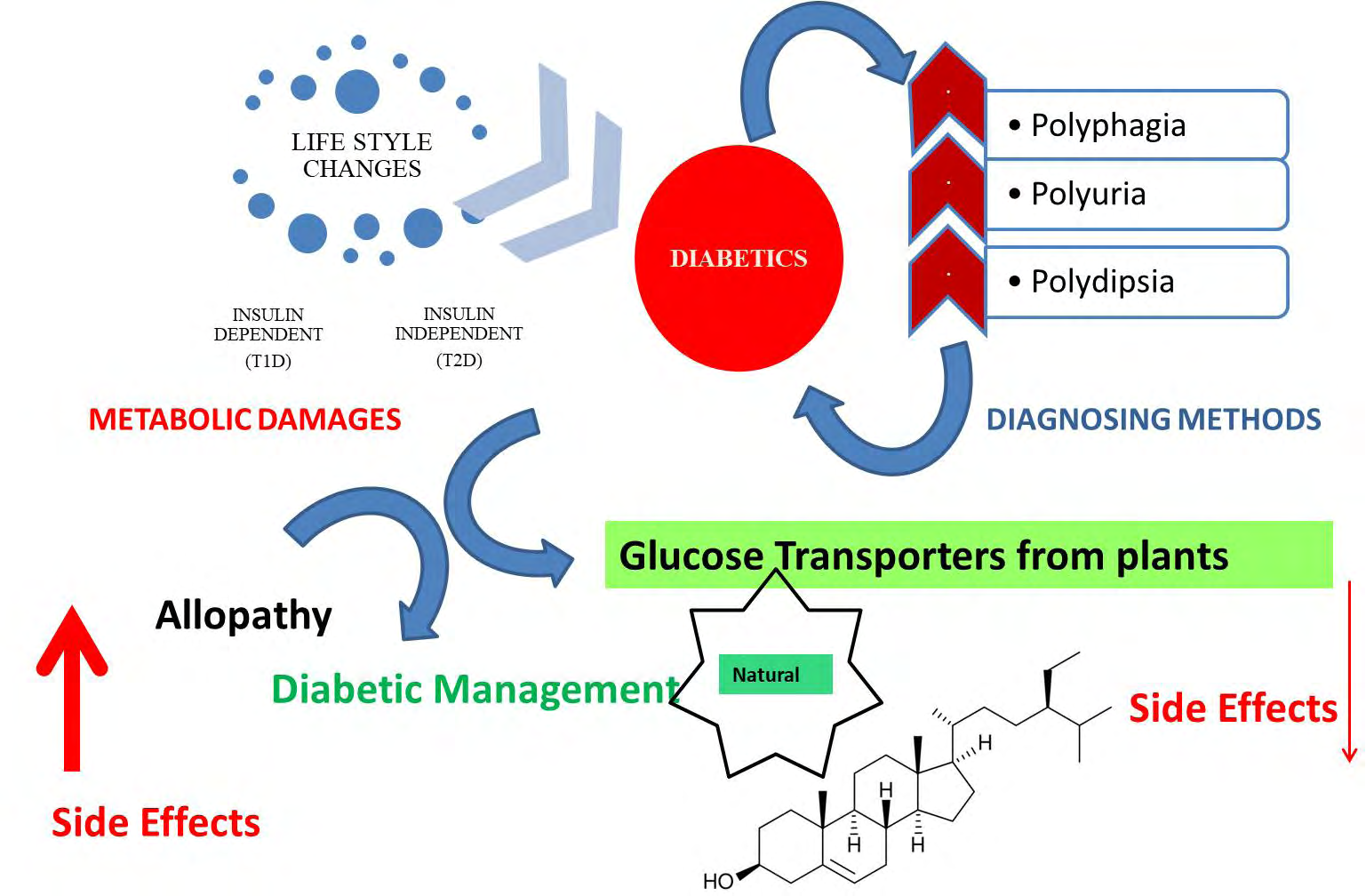
Beta-sitosterol regulates the key molecules involved in inflammation, immunity, and apoptosis is depicted in Figure 1 [59]. The study revealed the immune-modulating properties of sterols and sterolins. Other studies have described the mechanism action of dietary phytosterols. Talent Chipti, et al. [60] have studied in vitro alpha-amylase andalpha-glucosidase inhibitory and cytotoxic activities of extracts from Cissus cornifolia Plant parts, which indicates a mild alpha-amylase inhibitory activity with Ic50 values and vigorous alpha-glucosidase inhibitory activity Ic50 values respectively [60]. Anita Swierczewska, et al. (2018) have examined the invitro alpha-amylase and pancreatic lipase inhibitory activity of Cornus masL. and Cornus alba. L fruit extracts containing the phytochemical constituent of C.m and C.m fruit extract could inhibit pancreatic enzymes and prevent and also control hyper glycemia [61]. Sirichai Adisakwattana, et al. [62] investigated intestinal alpha- glucosidase and pancreatic alpha-amylase inhibitory effects of plant-based foods. The results showed the additive interaction on intestinal maltase inhibition [62].
Hua-Qiang Dong, et al. [63] identified trilobatin from Lithocarpus polystachyus. Rehd and its action against alpha glucose and alpha-amylase linked to type 2 diabetes. The result showed that trilobatin alpha is a glucosidase inhibitor [63]. ChinamiKuriyama, et al. [64] investigated in-vitro inhibition of glycogen-degrading enzymes and glycosidases in six-member sugar mimics, and their evaluation in cell culture results showed inhibition of hepatic glucose production [64]. Brett Lomenick, et al. [65] identified that beta-sitosterol targets protein, and also results showed that beta-sitosterol is effective against prostate cancer anti-inflammatory and antidiabetic activities [65]. Antonia, et al. (2017) studied in- vitro assay and isolated compounds from natural products with the potential for antidiabetic activity and revealed that beta-sitosterol and other natural products had antidiabetic activity [66]. Carbohydrates and glucose mainly represent the immediate energy source for all living organisms, and it yields 4.1K.cal of energy. The glucose level in the blood varies during fasting and after a meal (postprandial) and also randomly. The differential blood glucose levels at the above state of alimentation become a marker to the regulation of it in Vivo by the hormone insulin secreted by beta-cells of to pancreas. The postprandial increase of blood glucose stimulates insulin secretion, which in turn causes increased glucose transport, metabolization, and storage in the muscle cells and adipocytes. Skeletal muscle cells take up to 80 percent of postprandial glucose than the adipocytes [67].
GLUT proteins are called Glucose Transporter proteins. About 12GLUT proteins constitute the GLUT family. These proteins are the main transporter of glucose in cells down the concentration gradient. For healthy subjects, insulin secretion regulates the blood levels of glucose and its rise to the hyperglycemic level. Their activity transports glucose into vital cells like muscle myocytes and adipocytes. Under the influence of insulin, GLUT proteins, particularly GLUT- 4, is translocated from their cytoplasmic domains viz., the intracellular membranes or storage vesicle to the outer plasma membrane of the myocytes and adipocytes [68]. The above binding activates tyrosine kinase phosphorylation at the intracellular portion of the insulin receptor. Insulin receptor substrate molecules such as IRS1, 2, 3, and 4 are the chief substrates for the above Tyrosine kinase. In both myocytes and adipocytes, activation of phosphoinositide-3- Kinase is necessary for insulin-induced glucose transport and also for the GLUT-4 translocation. Any impairment in insulin-stimulated glucose Transport and GLUT translocation results in Diabetes Type 2 disease or IRDM. (Insulin resistant Diabetes mellitus), the distribution of GLUT proteins has been cited as organ-specific, and the given table elucidates the above GLUT distribution in various tissues.
Xuan Guo, et al. [69] studied the antidiabetic effects of PNS analyzed in a skeletal myoblast cell line, C2C12, and high-fat diet-induced diabetic KKAY mice [69].The result indicated that the PNS reduces hyperglycemia and insulin resistance through up-regulating GLUT-4 expression and the IRS1-PI3K-AKT signaling pathway. Maria Dolores Giron, et al. (2009) have evaluated the antidiabetic properties of Salacia oblonga extract are mediated not only by inhibiting intestinal a-glycosidases but also by enhancing glucose transport in muscle and adipose cells [70]. The result concluded that S.oblonga extract and mangiferin might exert their antidiabetic effect by increasing GLUT4 expression and translocation in muscle cells. Renate Haselgrubler, et al. (2018) have found that extracts prepared from Bellis perennis are efficient inducers of GLUT4 translocation in the applied in vitro cell system. The result concluded that Bellis perennis extracts reduce blood glucose levels [71].
Chika Ifeanyi Chukwuma [72] has investigated the underlying mode of action behind the antihyperglycemic and antidiabetic Potential of erythritol using different experimental models [72]. The result revealed that erythritol might exert antihyperglycemic effects not only via reducing small intestinal glucose absorption but also by increasing muscle glucose uptake, improving glucose metabolic enzyme activity, and modulating muscle Glut-4and IRS-1 mRNA and protein expression. George Dimitriadis, et al. [73] have investigated the effects of insulin on glucose transport in human monocytes using flow cytometry. The result showed mechanisms that lead to insulin resistance in Glut4 [73].
GLUT4 to the plasma membrane-associated is with activation of the AMP pathway. Gila Maor [74] examined GLUT4 in murine bone growth from uptake and translocation to proliferation and differentiation [74]. The result showed that in bone, GLUT4 gene expression and function are regulated via., the IGF-I receptor (IGF-IR) and that Glut4 plays an important role in bone growth. Taku Nedachi [75] analyzed the regulation of glucose transporters by insulin and extracellular glucose in C2C12 myotubes [75]. The result indicated that regulation of the facilitative glucose transport system in differentiated C2C12m myotubes could be achieved through surprisingly acute glucose-dependent modulation of the activity of glucose transporter(s), which contributes to obscuring the insulin augmentation of glucose uptake elicited by GLUT4 translocation. Wenyan Niu [76] observed that insulin stimulates glucose uptake in skeletal muscle cells and fat cells by promoting the rapid translocation of GLUT4 glucose transporters to the plasma membrane. The result showed that in myoblasts, the magnitude of insulin- stimulated glucose uptake is significantly lower than that of GLUT4 myc translocation [76].
Dyer, et al. [77] examined the activity and expression of monosaccharides transport in the intestine of diabetic humans [77]. It is revealed that it increased the capacity of the intestine to absorb monosaccharides in humans and the expression of the monosaccharides transporters SGLT, GLUT5, GLUT6 and GLUT2. Stuart Wood and Paul Trayhum [78] studied that glucose transporters expanded families of sugar transport proteins. It is revealed that distinct gene products together with the presence of several different transporters in specific tissues and cells [78].
Conclusion
The data on plant-derived glucose transporters used to treat diabetes mellitus in Asian nations is presented above. The ethnobotanical and traditional uses of natural substances, particularly those derived from plants, have drawn a lot of interest in recent years since they have undergone extensive effectiveness testing and are largely regarded as safe for the treatment of human illnesses. It is the most effective conventional strategy while looking for novel compounds to treat diverse ailments. Numerous newly discovered bioactive substances derived from plants had antidiabetic action that was comparable to and occasionally even stronger than that of well-known oral hypoglycemic medications like metformin and glibenclamide. Many additional plant-derived active compounds, however, have not yet been thoroughly described. To understand the mechanisms of action and the toxicity of medicinal plants with antidiabetic properties, more research must be done. The scientific support for the ethno botanical use of medicinal plants as antidiabetic medicines is strengthened by the findings of this review. Target, method of action, and accountable chemical for activity all requires work. Additionally, pharmacokinetic and safety factors need to be researched.
References
-
Tinajero MG, Malik VS (2021) An Update on the Epidemiology of Type 2 Diabetes: A Global Perspective. Endocrinol Metab Clin North Am 50(3): 337-355.
-
Song M (2021) Cancer overtakes vascular disease as leading cause of excess death associated with diabetes. Lancet Diabetes Endocrinol 9(3): 131-133.
-
Laleethambika N, Anila V, Manojkumar C, Muruganandam I, Giridharan B, et al. (2019) Diabetes and Sperm DNA Damage: Efficacy of Antioxidants. SN Compr Clin Med 1: 49-59.
-
Rajakumar S, Kishorekumar MS, Muthuraman S, Munusamy AP, Sundaram R (2018) Marine Algal Secondary Metabolites Promising Anti-Angiogenesis Factor against Retinal Neovascularization in CAM Model. Res Rev A J Life Sci 8(1): 19-25.
-
Bellary S, Kyrou I, Brown JE, Bailey CJ (2021) Type 2 diabetes mellitus in older adults: clinical considerations and management. Nat Rev Endocrinol 17: 534-548.
-
Latha S, Vijaya Kumar R, Senthil Kumar BR, Bupesh G, Shiva VijayaKumar T, et al. (2016) Acute and Repeated Oral Toxicity of Antidiabetic Polyherbal Formulation Flax Seed, Fenugreek and Jamun Seeds in Wistar Albino Rat. J Diabetes Metab 7(3): 1000656.
-
Bharathkumar N, Sunil A, Meera P, Aksah S, Kannan M, et al. (2021) CRISPR/Cas-Based Modifications for Therapeutic Applications: A Review. Mol. Biotechnol 64(4): 355-372.
-
Manivannan C, Viswanathan G, Sundaram KM (2022) Calcium bioavailability in leafy vegetables and medicinal plants. International Journal of Health Sciences 6(S2): 8802-8810.
-
Muraleedharan A, Bupesh G, Vasanth S, Meenakshi K. Phytochemical screening , proximate analysis, and GCMS analysis of methanol stem extract of Momordicacymbalaria
-
Shrivastava SR, Shrivastava PS, Ramasamy J (2013) Role of self-care in management of diabetes mellitus. J Diabetes Metab Disord 12: 14.
-
Panneerselvam G, Narendiran NJ, Sakthivel V, Giridharan B, Prabhu K, et al. (2020) Phytochemical Screening, Invitro antidiabetic activity of Muntingia calabura leaves extract on alpha-amylase and alpha-glucosidase enzymes. Int J Res Pharm Sci 11(1): 1210-1213.
-
Nigro N, Grossmann M, Chiang C, Inder WJ (2018) Polyuria-polydipsia syndrome: a diagnostic challenge. Intern Med J 48(3): 244-253.
-
McCall AL (2012) Insulin Therapy and Hypoglycemia. Endocrinol Metab Clin North Am 41(1): 57-87.
-
Vennila S, Giri B, Dhanakaran D, Magesh S, Senthilkumar V, et al. (2014) Efficacy of Aqueous Extract of Helicteres isora on Glucose Level in Type-2 Diabetic Patients Practicing Yoga – A Cohort Study. J Diabetes Metab 6(1): 2155-2156.
-
Nithya P, Jeyaram C, Sundaram KM, Chandrasekar A, Ramasamy MS (2014) Anti-dengue viral compounds from Andrographis paniculata by insilico approach. World Journal of Alternative Medicine 1(2): 10-16.
-
Smigielski L, Papiol S, Theodoridou A, Heekeren K, Gerstenberg M, et al. (2021) Polygenic risk scores across the extended psychosis spectrum. Transl Psychiatry 11: 600.
-
Viswanathan A, Kute D, Musa A, Mani SK, Sipilä V, et al. (2019) 2-(2-(2,4-dioxopentan-3-ylidene)hydrazineyl) benzonitrile as novel inhibitor of receptor tyrosine kinase and PI3K/AKT/mTOR signaling pathway in glioblastoma. Eur J Med Chem 166: 291-303.
-
Sundaram KKM, Bupesh G, Saravanan KM (2022) Instrumentals behind embryo and cancer: a platform for prospective future in cancer research. AIMS Mol Sci 9(1): 25-45.
-
Trucillo P (2021) Drug Carriers: Classification, Administration, Release Profiles, and Industrial Approach. Process 9(3): 470.
-
Mathiyazhagan M, Sundaram KM, Bupesh G (2022) Production and emission evaluation of neem biodiesel blends in a single cylinder diesel engine. Mater Today Proc 62(4): 2124-2132.
-
Meenakshi SK, Nagarajan M, Sundararaman M (2018) Brine shrimp cytotoxicity was not warrant for teratogenicity: Comparative analysis of seaweed methanolic extracts collected from Tamil Nadu coastal region on brine shrimp and zebra fish embryos. Res Rev A J Life Sci 8(2): 24-32.
-
Grover JK, Yadav S, Vats V (2002) Medicinal plants of India with anti-diabetic potential. J Ethnopharmacol 81(1): 81-100.
-
Burke JP, Williams K, Narayan KMV, Leibson C, Haffner SM, et al. (2003) A Population Perspective on Diabetes Prevention: Whom should we target for preventing weight gain?. Diabetes Care 26(7): 1999-2004.
-
Saravanan KM, Zhang H, Senthil R, Vijayakumar KK, Sounderrajan V, et al. (2022) Structural basis for the inhibition of SARS-CoV2 main protease by Indian medicinal plant-derived antiviral compounds. J Biomol Struct Dyn 40(5): 1970-1978.
-
Fröde TS, Medeiros YS (2008) Animal models to test drugs with potential antidiabetic activity. J Ethnopharmacol 115(2): 173-183.
-
Balaji APB, Bhuvaneswari S, Raj LS, Bupesh G, Meenakshisundaram KK, et al. (2022) A Review on the Potential Species of the Zingiberaceae Family with Anti- viral Efficacy Towards Enveloped Viruses. J Pure Appl Microbiol 16(2): 796-813.
-
Ambika S, Manojkumar Y, Arunachalam S, Gowdhami B, Sundaram KKM, et al. (2019) Biomolecular interaction, anti-cancer and anti-angiogenic properties of cobalt (III) Schiff base complexes. Sci Rep 9: 1-14.
-
Nagarajan M, Maruthanayagam V, Sundaram KM, Sundararaman M (2020) Tropical Marine Cyanobacterium Lyngbya sordida Producing Toxic Octacosa–1, 27-diene Induces Coagulative Hepatic Necrosis and Progressive Glomerulonephritis in Mus musculus. Encyclopedia of Marine Biotechnology. John Wiley & Sons Ltd, pp: 2339-2364.
-
Gurib-Fakim A (2006) Medicinal plants: Traditions of yesterday and drugs of tomorrow. Mol Aspects Med 27(1): 1-93.
-
Sundaram KM, Devi U, Muralidharan M, Sundararaman R (2015) In Silico Discovery of Seaweed Molecules againstMatrixmetalloproteinase-26. J Adv Bioinforma Appl Res 6(2): 52-61.
-
Inzucchi SE, Maggs DG, Spollett GR, Page SL, Rife FS, et al. (1998) Efficacy and Metabolic Effects of Metformin and Troglitazone in Type II Diabetes Mellitus. N Engl J Med 338: 867-873.
-
Boué SM, Carter-Wientjes CH, Shih BY, Cleveland TE (2003) Identification of flavone aglycones and glycosides in soybean pods by liquid chromatography–tandem mass spectrometry. J Chromatogr A 991(1): 61-68.
-
Wilson CL, Solar JM, Ghaouth AE, Wisniewski ME (1997) Rapid Evaluation of Plant Extracts and Essential Oils for Antifungal Activity Against Botrytis cinerea. Plant Dis 81(2): 204-210.
-
Marles RJ, Farnsworth NR (1995) Antidiabetic plants and their active constituents. Phytomedicine 2(2): 137- 189.
-
Krishna Kumar V, Singh BVD, Manjusha R (2022) Ayurvedic Treatment Protocol for Diabetic Retinopathy: A Randomised Controlled Clinical study. Research Square, pp: 1-19.
-
Hausman GJ (2022) Dimensions of Authenticity in Siddha Medical and Clinical Research. Asian Med 17(1): 115-147.
-
Yao Z, Zhang B, Ni Z, Ma F (2022) What users seek and share in online diabetes communities: examining similarities and differences in expressions and themes. Aslib J Inf Manag 74(2): 311-331.
-
Preethi K, Vijayalakshmi N, Shamna R, Sasikumar J (2010) In Vitro Antioxidant Activity of Extracts from Fruits of Muntingia calabura Linn. from India. Pharmacogn J 2(14): 11-18.
-
Hinneburg I (2015) Diagnostic tests in the pharmacy. Med Monatsschr Pharm 38(11): 458-465.
-
Senthil R, Sundaram KKM, Bupesh G, Usha S, Saravanan KM (2022) Identification of oxazolo[4,5-g]quinazolin- 2(1H)-one Derivatives as EGFR Inhibitors for Cancer Prevention. Asian Pacific J Cancer Prev 23(5): 1687- 1697.
-
Mahmood ND, Nasir NLM, Rofiee MS, Tohid SFM, Ching SM, et al. (2014) Muntingia calabura: A review of its traditional uses, chemical properties, and pharmacological observations. Pharm Biol 52(12): 1598-1623.
-
Sowmya S, Jayaprakash A (2021) In-vitro Antioxidant and Antihyperglycemic effect of Muntingia calabura L. fruit extracts. Res J Pharm Technol 14(12): 6496-6502.
-
Škrovánková S, Mišurcová L, Machů L (2012) Antioxidant Activity and Protecting Health Effects of Common Medicinal Plants. Adv Food Nutr Res 67: 75-139.
-
Zakaria ZA, Mohamed AM, Jamil NSM, Rofiee MS, Hussain MK, et al. (2011) In Vitro Antiproliferative and Antioxidant Activities of the Extracts of Muntingia calabura Leaves. Am J Chin Med 39(1): 183-200.
-
Bait Y, Marseno DW, Santoso U, Marsono Y (2021) Study of proximate composition, antioxidant activity and sensory evaluation of cooked rice with addition of cherry (Muntingia calabura) leaf extract. IOP Conf Ser Earth Environ Sci 819: 12073.
-
Dhurjeti S, Vijayalakshmi P (2013) Production and crystallization of L-glutamic acid. Int J Pharm Sci Rev Res 18(2): 58-60.
-
McMahon DK, Anderson PA, Nassar R, Saba Z, Oakeley AE, et al. (1994) C2C12 cells: biophysical, biochemical, and immunocytochemical properties. Am J Physiol Physiol 266(6): C1795-C1802.
-
Mielcarek M, Isalan M (2021) Kinetin stimulates differentiation of C2C12 myoblasts. PLoS One 16(10): e0258419
-
Abdorrahim A, Javad M, Vakili T, Hadinedoushan H, Ali K (2011) C2C12 cell line is a good model to explore the effects of herbal extracts on muscular GLUT4 metabolism. Clin Biochem 44(13): S332.
-
Yaffe D, Saxel O (1977) Serial passaging and differentiation of myogenic cells isolated from dystrophic mouse muscle. Nature 270: 725-727.
-
Kothari S, Dhami-Shah H, Shah SR (2019) Antidiabetic Drugs and Statins in Nonalcoholic Fatty Liver Disease. J Clin Exp Hepatol 9(6): 723-730.
-
American Diabetes Association (2009) Diagnosis and Classification of Diabetes Mellitus. Diabetes Care 32(1): S62-S67.
-
Baggio LL, Drucker DJ (2007) Biology of Incretins: GLP-1 and GIP. Gastroenterology 132(6): 2131-2157.
-
Drucker DJ, Nauck MA (2006) The incretin system: glucagon-like peptide-1 receptor agonists and dipeptidyl peptidase-4 inhibitors in type 2 diabetes. Lancet 368(9548): 1696-1705.
-
Sibi G, Naveen R, Dhananjaya K, Ravikumar KR, Mallesha H (2012) Potential use of Muntingia calabura L. extracts against human and plant pathogens. Pharmacogn J 4(34): 44-47.
-
Pulgaron ER, Delamater AM (2014) Obesity and Type 2 Diabetes in Children: Epidemiology and Treatment. Curr Diab Rep 14: 508.
-
Ostlund RE, Racette SB, Stenson WF (2003) Inhibition of cholesterol absorption by phytosterol-replete wheat germ compared with phytosterol-depleted wheat germ. Am J Clin Nutr 77(6): 1385-1389.
-
Knopp RH, Gitter H, Truitt T, Bays H, Manion CV (2003) Effects of ezetimibe, a new cholesterol absorption inhibitor, on plasma lipids in patients with primary hypercholesterolemia. Eur Heart J 24(8): 729-741.
-
Sun Y, Gao L, Hou W, Wu J (2020) β-Sitosterol Alleviates Inflammatory Response via Inhibiting the Activation of ERK/p38 and NF-κB Pathways in LPS-Exposed BV2 Cells. Biomed Res Int 2020: 7532306.
-
Chipiti T, Ibrahim M, Singh M, Islam M (2017) In vitro α-amylase and α-glucosidase Inhibitory and Cytotoxic Activities of Extracts from Cissus cornifolia Planch Parts. Pharmacogn Mag 13(50): 329-333.
-
Świerczewska A, Buchholz T, Melzig MF, Czerwińska ME (2019) In vitro α-amylase and pancreatic lipase inhibitory activity of Cornus mas L. and Cornus alba L. fruit extracts. J Food Drug Anal 27(1): 249-258.
-
Adisakwattana S, Ruengsamran T, Kampa P, Sompong W (2012) In vitro inhibitory effects of plant-based foods and their combinations on intestinal α-glucosidase and pancreatic α-amylase. BMC Complement Altern Med 12: 110.
-
Dong H-Q, Li M, Zhu F, Liu FL, Huang J-B (2012) Inhibitory potential of trilobatin from Lithocarpus polystachyus Rehd against α-glucosidase and α-amylase linked to type 2 diabetes. Food Chem 130(2): 261-266.
-
Kuriyama C, Kamiyama O, Ikeda K, Sanaea F, Kato A, et al. (2008) In vitro inhibition of glycogen-degrading enzymes and glycosidases by six-membered sugar mimics and their evaluation in cell cultures. Bioorg Med Chem 16(15): 7330-7336.
-
Lomenick B, Shi H, Huang J, Chen C (2015) Identification and characterization of β-sitosterol target proteins. Bioorg Med Chem Lett 25(21): 4976-4979.
-
Munhoz CMA, Frode ST (2018) Isolated Compounds from Natural Products with Potential Antidiabetic Activity - A Systematic Review. Curr Diabetes Rev 14(1): 36-106.
-
Jeffery RW, Epstein LH, Wilson GT, Drewnowski A, Stunkard AJ, et al. (2000) Long-term maintenance of weight loss: Current status. Heal Psychol 19(1): 5-16.
-
Fazakerley DJ, Koumanov F, Holman GD (2022) GLUT4 On the move. Biochem J 479(3): 445-462.
-
Guo X, Sun W, Luo G, Wu L, Xu G, et al. (2019) Panax notoginseng saponins alleviate skeletal muscle insulin resistance by regulating the IRS 1‐ PI 3K‐ AKT signaling pathway and GLUT 4 expression. FEBS Open Bio 9(5): 1008-1019.
-
Girón M, Sevillano N, Salto R, Haidour A, Manzano M, et al. (2009) Salacia oblonga extract increases glucose transporter 4-mediated glucose uptake in L6 rat myotubes: Role of mangiferin. Clin Nutr 28(5): 565-574.
-
Haselgrübler R, Stadlbauer V, Stübl F, Schwarzinger B, Ieva Rudzionyte J, et al. (2018) Insulin Mimetic Properties of Extracts Prepared from Bellis perennis. Mol 23(10): 2605.
-
Chukwuma CI, Mopuri R, Nagiah S, Chuturgoon AA, Islam S (2018) Erythritol reduces small intestinal glucose absorption, increases muscle glucose uptake, improves glucose metabolic enzymes activities and increases expression of Glut-4 and IRS-1 in type 2 diabetic rats. Eur J Nutr 57: 2431-2444.
-
Dimitriadis G, Mitrou P, Lambadiari V, Boutati E, Maratou E, et al. (2006) Insulin Action in Adipose Tissue and Muscle in Hypothyroidism. J Clin Endocrinol Metab 91(12): 4930-4937.
-
Maor G, Vasiliver-Shamis G, Hazan-Brill R, Wertheimer E, Karnieli E (2010) GLUT4 in murine bone growth: from uptake and translocation to proliferation and differentiation. Am J Physiol Metab 300(4): E613-E623.
-
Nedachi T, Kanzaki M (2006) Regulation of glucose transporters by insulin and extracellular glucose in C2C12 myotubes. Am J Physiol Metab 291(4): E817-E828.
-
Niu W, Huang C, Nawaz Z, Levy M, Somwar R, et al. (2003) Maturation of the Regulation of GLUT4 Activity by p38 MAPK during L6 Cell Myogenesis. J Biol Chem 278(20): 17953-17962.
-
Dyer J, Wood IS, Palejwala A, Ellis A, Shirazi-Beechey SP (2002) Expression of monosaccharide transporters in intestine of diabetic humans. Am J Physiol Liver Physiol 282(2): G241-G248.
-
Wood IS, Trayhurn P (2003) Glucose transporters (GLUT and SGLT): expanded families of sugar transport proteins. Br J Nutr 89(1): 3-9.
- Investigation of Polymorphisms in PPAR-Ɣ and TRHR Genes and their Impact on Turkish Diabetic and Obese Individuals
- The Impact of Aircraft Noise Exposure on the Efficacy of Empagliflozin Therapy in an Animal Model of Obesity
- Rooibos Mitigates Metabolic and Inflammatory Dysfunctions in Mice Fed a High-Carbohydrate Diet
- Synergistic Effect of Combined Leaf Extract of Vernonia amygdalina, Ocimum gratissimum, and Zingiber officinale Tuber on Phytochemical Profile, Antioxidant Activity, Serum Insulin, and Biochemical Parameters in Streptozotocin-Induced Diabetic Rats
- Investigation of Cardiovascular Responses to Aerobic Exercise in Obese University Students
- A Look at the Phase Angle Obtained by Electrical Bioimpedance