
Diabetic Neuropathy: Review of Herbs
Among diabetes, diabetic neuropathy is the most prevalent type. About 50% of people have neuropathy, a condition caused by uncontrolled high blood sugar that damages nerves. Loss of nerve feeling, numbness, or shooting pain along a nerve are observed in diabetic neuropathy. Peripheral, autonomic, focal, and proximal neuropathy are among the types of diabetic neuropathy. It offers details on the process underlying the pain associated with diabetic neuropathy. Uncontrolled blood pressure, high cholesterol, obesity, smoking, advanced age, family history of diabetes and kidney disease, length of diabetes, and strong alcohol consumption are examples of risk factors. With a specific focus on summarizing diabetic neuropathy and differentiating it from normal bodily function, this review. And how the diabetic body works. It also offers details on the symptoms, different diagnostic tests, epidemiology, mechanism of action, and risk factors of diabetic neuropathy. This review also includes information on the several kinds of herbs that can be used to treat diabetic nephropathy, including their biological sources, names, and chemical ingredients, as well as how they work to either cure or lessen the symptoms. The survey information includes the most often recommended medications by doctors, along with the reasons for their prescriptions and any side effects. It also covers the numerous marketed preparations available to treat diabetic neuropathy pain.
Introduction
Normal health condition of a person when there is a consumption of food which is complex material get breakdown into glucose and other simple substances. when the sugar in the blood gets increased at a particular level, then beta cells of langerhance in the pancreas start production of insulin to control blood sugar level i.e., glucose level [1].
Research Note
Diabetes
Diabetes is a deficiency in the production of insulin or no insulin production at all by beta cells of langerhans in the pancreas which is also means there is saturation of glucose and overtime can cause serious health problems like heart diseases vision loss kidney dysfunction etc [2].
Types of Diabetes
Type 1 Diabetes: It is also known as insulin dependent diabetes. This kind of diabetes includes deficient amount of insulin production by pancreas and patient suffering from this type 1 diabetes requires daily dose of insulin. Type 2 Diabetes: It is also known as ‘Juvenile diabetes. It is an autoimmune disease in which pancreas get destroyed. Type 3 Diabetes Non-Insulin Dependent: Symptoms of this type are similar to that of type 1 diabetes. This kind of diabetes is very common around 95% of people suffer from this type diabetes. Gestational Diabetes: It is condition of hyperglycemia with high glucose level above normal but below than diagnosis of diabetes. This diabetesoccur mostly in pregnancyand that’s why it is more complicated and risk to transmit in foetus either it goes away after pregnancy or later on it get converted into type 2 diabetes [3, 4, 5]. Prediabetes It is stage before type 2 diabetes. Diabetes Insipidus: It is rare condition in which production of urine by kidney is increased. What is Neuropathy: Neuropathy is a pain in nerves or damage of nerves which cause weakness or numbness. Diabetic Neuropathy: Type of neuropathy which is affected by diabetes i.e. increased amount of glucose in blood so it is phenomenon which is occur when patient is suffering from diabetes. It includes damage of nerves.
Types of Diabetic Neuropathy
A. Peripheral Neuropathy B. Autonomic Neuropathy C. Focal Neuropathy D. Proximal Neuropathy
Peripheral Neuropathy
Location of peripheral nerves is outside the brain and this type of neuropathy is common in diabetic patient. Patient suffers from pain in feet and legs. Numbness, burning sensation, these are some commonly observed symptoms [6].
Numbness maybe observed permanently but usually these symptoms are under control if sugar level is at optimum level. Also medications are available to reduce the symptoms but along with medication it is important to clean feet, keep them dry and warm and also keeping them safe from injury these kind of care can help to reduce pain. Rarely pain in hands, back, arms also observed as the peripheral neuropathy is common almost 70% patients suffers from this. It get worsening with time. Some of its symptoms are appear even before diagnosis of diabetes. Symptoms developed so gradually and become permanent.
Three types of nerves get damaged because of peripheral neuropathy in diabetes and i.e. sensory motor and autonomic [7].
Sensory Nerves
These are responsible for any sense which appears on feel like, temperature, touch etc. Patient of diabetes usually ignores loss of sensation as it develops very gradually.
Motor Nerves
These nerves carry signal from brain to muscle, carry out various functions. In peripheral neuropathy, function of motor nerves also gets damage. Patient may feel muscle weakness especially at ankle therefore it might changes the way of walking of person.
Sometimes Charcot foot like conditions also noticed. Blisters may appear on foot. Hammertoes and bunion like conditions also observed in patients.
Autonomic nerves they control involuntary functions of body like, blood pressure, heart rate, respiration, digestion, sweating etc.
When autonomic nerves get damaged or can’t perform their functions properly then skinof foot become dry because sweat glands are mainly affected and they are not able to maintain theD optimum temperature [7, 8].
| Normal Body | Diabetic Patient Body | |
|---|---|---|
| Glucose Level | 99mg/l or lower | 126mg/l or higher |
| Metabolism Rate | Male-7,100 KJ/day Female-5,900 KJ/day | 1155.6 to 2238.8 k cal/day |
| Excretion Rate | 0.5 TO 0.05 mg/dl | Rate incresed |
| Imunity | Normal | decreased |
| Weight | Constant | High or difficult to reduce |
| Heart Rate | 60-100/min | More than 60/min |
Table 1: Comparing Health Parameters between a Normal Body and a Diabetic Patient’s Body.
- Cardiac Output
- 5-6 L /min decreased
- BP- Systolic Diastolic
- 120/80
- 140 or 80 mm/hg
- Pulse Rate
- Normal
- Increased or decreased
- Digestion Effect
- Normal
- Increased gastropurosis
- Respiration Rate
- 12-16 breath/min
- Rapid breathing-symptoms of DKA
- Swelling Level
- 3-4 L/hrs
- Increased Hyperhidrosis
- Harmone Balance
- Normal
- Male-testosteron level decreased Female-progesteron level decreased
- Pancreas Function
- It provide pancreatic enzymes for breakdown of food
- Improve pancreatic function
- Cholesterol Level
- Less than 200mg/dl
- Usually increased
- Fats %
- Male-2.5%
- Female- between 10 to 13%
- Usually increased
Table 2: Comparing Health Parameters between a Normal Body and a Diabetic Patient’s Body.
Symptoms
- Listening blood pressure control.
- Protein in the urine swelling of feet angles hands or eyes increase need to urinate reduce need for insulin or diabetes medicine confusion or difficulty in concentrating shortness of breath loss of appetite nausea and vomiting persistent itching fatigue.
- Loss of sensation in the feet toes hands and fingers.
- Burning or numbness or shooting pain along a nerve.
- Weakness in muscle changes in blood pressure.
- Diarrhoea aur constipation dizziness when you stand up.
- Excessive sweating bladder such as inproper bladder empty ,vaginal dryness ,erectile disfunction.
- Vision trouble such as double vision increased heart rate [9].
Diagnostic Tests for Diabetic Neuropathy
Neuropathic Pain Assessment: Michigan Neuropathy Screening Instrument (MNSI): medical professionals inspects the callus formation fissures any deformaties in each foot [10]. Neuropathy Disability Score (NDS): It is the score in which quantitative evaluation done prior to impairment in lower limbs.
Range of scores Mild: (3-5), Moderate: (6-8), Severe: (9-10) Brief Pain Inventory (BPI): Extended use of Brief Pain Inventory is in neuropathic conditions Neuropathic Pain Questionnaire (NPQ): It consist of 12 relative comprehensive descriptors Neuropathic Pain Symptom Inventory (NPSI).
Peripheral Motor Neuropathy
Callus formation, muscle atrophy, feet deformity Muscle strength Deep tendon reflex at Achilles tendon [11].
Sensory Function
Pinprick test (Apply proximal to great toenail) Temperature perception (Tiptherm rod on dorsum of foot) Vibration perception (128 Hz Tuning fork a great toe apex) Neurothesiometer or Biothesiometer at tip ofhallux, measured in volts Touch sensation 10 g monofilament (SW monofilament) [12].
Electrophysiologic Study
Nerve conduction study.
Skin Biopsy
Quantification of intra-epidermal nerve fiber.
Skin Blood Flow
Measurement microvascular perfusion.
QOL Questionnaire Norfolk QOL Questionnaire
Specific symptoms and effect of large, small and autonomic nerve-fiber functions Neuro QOL Patients’ perceptions of the impact of neuropathy and foot ulcers.
New Tests
SW monofilament, Semmes-Weinstein monofilament
(SWMF); QOL, quality of life. Mechanism of Action
Neuropathy is the most common of diabetes. As a it cause of longstanding hyperglycemia, metabolic cascade form peripheral nerve injury and cause enhancement of the polyol pathway, increase glycation end‐products form more release of cytokine and activation of protein kinase C and generated oxidative stress, and other confounding factors.
More recently, cellular factors produced from the bone marrow also show to have a strong effect on the development of peripheral nerve.
Peripheral neuropathy is the common and complication of diabete It affects somatic sensory and motor nerves, and autonomic nerves. The diabetic neuropathy ranges from 7% within 1year of diagnosis to 50% for those with diabetes because of uncontrolled level of sugar affects nerves and interferes with their ability to send signal, lead to diabetic neuropathy. Hyperglycemia weaken the blood vessels that supply the oxygen and nutrients to the nerves . more than 90%. Loss of feel in the lower side of limbs is a risk for limb amputation, which show with in 1–2% of diabetic patients [13, 14, 15, 16, 17, 18, 19, 20].
Pathological Mechanism
The mechanism of diabetic neuropathy are divided into metabolic vascular and neuroregeneration disorder hypotheses.
Diabetic Neuropathy Pain Can be Appreared of Following Reasons
- Activation of polyol pathway.
- Decrease intracellular myoinositol.
- Improper function of protein kinase.
- decreasing intracellular cyclic AMP.
- Inhibit of Na+/K+/ATPase.
- Nitric oxide degradation.
- Enhancement of free radical.
- Disfunction of polyunsaturated fatty acid synthesis.
- Disfunction of prostaglandin synthesis.
- Nerve blood flow degradation, nerve vascular resistance increase [21].
Aldose reductase decreasing glucose in sorbitol. This reaction convert nicotinamide adenine dinucleotide phosphate sorbitol dehydrogenase enzymatically oxidizes sorbitol convert to fructose, and form nicotinamide adenine dinucleotide (NADH) from nicotinamide adenine dinucleotide (NAD+).it inhibit of the aldose reductase is one of important element in the treatment of diabetic complications. In addition to osmotic pressure enhancement sorbitol accumulation reduced the myoinositol which inhibit phosphoinositide and decrease protein kinase C and Na+/ K+/ATPase in peripheral nerves [23, 24].
Protein Kinases C Activation
High sugar level cause the synthesis of an endogenous protein kinase C activator, diacylglycerol . excess activation of β2-type protein kinase C in tissue in an animal diabetes model has been reported. Increase vascular protein kinase C is involved in permeability, the contractile force, and the differentiation and proliferation of cells.
Excess protein kinase C activation cause ischemia in peripheral nerves through enhancement vascular permeability and thick of the basement membrane causes neuropathy Pain [25, 26, 27, 28].
Enhancement in Oxidative Stress
High sugar level increasing NADPH oxidase and the endothelial nitric oxide synthase uncoupling reaction between vascular endothelial cells, is occurs through which superoxide is excessively produced Nitric oxide (NO) is essential for important for cell function.
Enhancement superoxide reduction NO by binding to it, and this binding reaction promotes synthesis of reactive oxygen species like peroxynitrite and hydroxyl radicals. ROS have strong cytotoxic action , and an enhancement in ROS induces neurosis [29].
Epidemiology of Diabetes Neuropathy
Diabetes is a serious and devastating disease which is reaching the epidemic proportions in industrial and developing countries, poses a major threat to public health in the 21st century. Diabetes was the fifth cause of increased no of death in the United States in the year 2000.1 Of the more than 200,000 Americans with diabetes who succumb annually to diabetes-related complications, or other cardiovascular disease (CVD) conditions. Compared to nondiabetic persons younger than 45 years of age, which have diabetes are more than tenfold as likely to have CVD
and are at significantly greater risk for peripheral vascular, ophthalmic, and renal disease and other chronic conditions. Diabetes causes an increasedrisk of stroke, heart failure, new-onset blindness, limb amputations, end-stage renal disease (ESRD), birth complications, and sexual dysfunction. Persons with diabetes often have associated CVD risk factors, including hypertension, dyslipidemia, and obesity [31].
Prevalence of Diabetic Neuropathy
The prevalence of diabetes has increased dramatically over the past 40 years in United States and worldwide. In 1985, there were approximately 30 million people with diabetes worldwide by 1995, this number had escalated to 135 million (4% of the world population), and by 2025, it is projected that diabetes will increase by 42%, affecting 300 million people (5.4% of the world population). Most of the expected increase will be in type 2 diabetes, which accounts for > 90% of cases of diabetes, while the of type 1 diabetes is anticipated to remain stable. By 2025, countries with the largesnumber of peoples with diabetes inIndia (> 57 million; prevalence 6%), China (> 37 million; prevalence 3.4%), and the United States (> 21 million; prevalence 8.9%).5 Currently, more than 17 million Americans have diagnosed diabetes, and 5.9 million are not known about they have the diabetes. Based on prevalence rates predicted from 1980- 1998 trends, the number with diagnosed diabetes in the US will swell to 29 million by 2050 (Figure 1).6 In industrialized countries, diabetes will be prevalent in persons older than age 65, whereas in industrializing countries, the majority of persons with diabetes will be 45 to 65 years old, which could negatively affect the economic productivity, fertility, and reproduction of these disadvantaged communities. A substantial proportion of the U.S. population has diabetes that remains undiagnosed. About 5.4 million persons (2.7%) have fasting plasma glucose ≥ 126 mg/ dL, and 13.4 million (6.9%) have impaired fasting glucose (110 to 125 mg/dL).7 Efforts to screen individuals at risk for the development of diabetes are important because the risk of progression from impaired glucose tolerance to type 2 diabetes may be reduced by lifestyle changes, including weight loss8-10 and/ or pharmacotherapy.10 Moreover, early diagnosis becomes even more critical in light of data indicating that the clock starts ticking for CVD complications of diabetes many years before the diagnosis of clinical type 2 diabetes.11 The terms describing diabetes as juvenile onset and adult onset have become misnomers since 7.4% of patients ages 30 to 74 with diabetes [32].
Impact of Diabetes on CVD Morbidity and Mortality
Diabetes markedly reduces life span; for example, a 50- year-old man with diabetes may have a life expectancy 10 years less than that of a person without diabetes, although it is possible that his prognosis may be improved with tighter glycemic control and treatment of comorbid conditions.48 Many observational studies show that CVD is a major factor in reducing longevity in persons with diabetes. The Multiple Risk Factor Intervention Trial (MRFIT) found that the risk of death from CVD in men ages 35 to 57, followed over 12 years, was significantly greater for those with diabetes compared to those without diabetes, regardless of age, ethnic background, or CVD–risk factor level. Increased serum cholesterol level, higher systolic blood pressure, and cigarette smoking progressively amplified the adverse effect of diabetes on CVD mortality.
Diabetes and Coronary Heart Disease (CHD)
A recent study of the Rochester Epidemiology Project found a higher prevalence of atherosclerosis among diabetic family without a history of clinical manifestation of coronary artery disease (CAD) than in age-matched subjects without diabetes; nearly 75% of the diabetic decedents without CAD had high-grade coronary atherosclerosis, and more than50% had multivessel disease. The global CAD burden and high- grade atherosclerosis in diabetic decedents were similar to that in nondiabetic subjects with clinical CAD, providing mechanistic insight into the excessive risk of clinical CAD among individuals with diabetes.55 Findings from a 10-year follow-up from the Health Professionals Study indicate that men with either diabetes or prior MI have increased CAD mortality and that having both conditions escalates the risk of fatal MI. The duration of diabetes independently predicted the likelihood of fatal MI [33, 34, 35].
Coronary Artery Bypass Graft and Percutaneous Intervention in Diabetes
Among patients with CAD undergoing percutaneous coronary catheter intervention, in-hospital mortality not different in patients with and without diabetes, but after 1 year, the risk of mortality and the need for revascularization were greater in the diabetic group.57 Likewise, diabetic patients treating with coronary artery bypass grafting had in-hospital mortality rates comparable to those without diabetes but had longer hospitalization; an increased problems of postoperative renal failure, stroke, mediastinitis, and wound infection; and a higher 30-day mortality.
Congestive Heart Failure in Diabetes
The prevalence of diabetes for the development of (CHF) has been reported to range from 10% to more than 30%.59 Amonghigh-risk patients in a community-based population, the prevalence of left ventricular systol dysfunction attributed to diabetes was 5.8%.60 Although diabetes was not dependent on morbidity and mortality in symptomatic congestive heart failure and asymptomatic left ventricular dysfunction, the pathophysiology of heart failure in diabetes is not completely clear. Left ventricular diastol dysfunction was found in 60% of normotensive patients (ages 38-67 years) with uncomplicated type 2 diabetes without CAD or signs and symptoms of CHF; however, the agerelated increase in stiffness of the left ventricle confounds the findings.62The increased prevalence of CHF in diabetes is likely attributable to ischemic, hypertensive, and diabetic cardiomyopathy.
Diabetes and Stroke
Stroke is the third cause of death in the US, affecting more than 700,000 Americans.63 In the decade prior to 1998, the mortality from stroke rose by 5.3%. 63 Patients with diabetes have up to three times as many strokes as those in the general population, with especially high rates in Sweden64 and in the southeastern United States. Patients presenting with stroke are more likely to have undiagnosed type 2 diabetes. In the prospective Honolulu Heart Study, the prevalence of thromboembolic, but not hemorrhagic, stroke was increased in those whose serum glucose exceeded 120 mg/dL at 1 hour after a 50-g glucose load.69 Patients with diabetes are less likely than nondiabetics to survive a stroke and more likely to have persistent disability should they survive. In a Finnish study, only 20% of diabetic persons were alive 5 years after a stroke compared to 40% of an age- and sexmatched control group. Furthermore, 20% of the diabetic patients were first diagnosed when they presented with their stroke [36, 37, 38, 39]. Risk Factors
- High Blood Pressure
- Being a Smoker
- High Blood Cholesterol
- Obesity
- Family History of Diabetes and Kidney Disease
- Unodified Risk Factors
- Advanced Age
- Duration of Diabetes
- Height
- Modifiable Risk Factors
- Poor Glucose Control
- Obesity BMI Weight
- Abdominal Obesity
- Dyslipidemia High LDL
- Hyper Triglycerdemia Low HDL
- Hypertension
- Heavy Alcohol Intake
- Fixed
- Heredity Age Diabetes Duration Impaired Renal Function
- Modifiable Glycemia Blood Pressure Dyslipidaemia
- Cigarette Smoking
Herbs Used For Diabetic Neuropathy are as Follows
Pinus pinaster
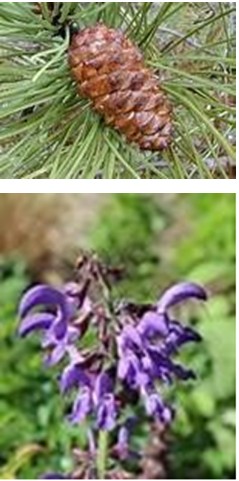
Family: Pinaceae. Biological Source: extracted from outer barks. Chemical Constituents: Rimuene, transcaryophyllenes, pinene, mycrene. It is group of compounds which proanthocyanidins 4 ORE Constituent like tarifulin, catechin. Uses
- It is used in treatment of Diabetic Neuropathy.
- Presence of procyanidis it increases bue mendirane integilty of capillaries it bhavy the property of binding to membrane protein.
- It having the property of activity of free Scavenged yet which further responsible and inflammatory activity which reduces cap varies. fort of advanced glycation & products use. Therapeutic Uses: osteoarthritis, migraine Glaucama Edema.
Salvia miltiorrhiza
Common Name: Danshen or Chinese sage. Family: Lamiacea. Chemical constituents: Salvianolic acid, Dihydroanshinone cryptotanshinone. Biological source: dry roots and rhizomes.
It is a native to Japan and china. It is perrenial plant. Chemical Constituents: Polar phenolic compounds of lipophilic nature Phenolic acids like caffeic acid which obtained from polar phenolic compound whose derivatives are salvianolic acid A, danshensu, rosemaeinic acid, salvianolic acid B and prolithospermic acid. Uses
- It is used in treatment of Diabetic Neuropathy.
- The anticoagulant and antioxidant properties is due to the polar compounds and the antibacterial.
- Anti-Neoplastic property is due to presence of lipophilic compounds.
- It has the capability to control efluxes of blood from small blood capillariesthat supply the blood to various parts of the body.
- Hemorrhages and magnitude of micro aneurysms decreased as compared to with that of its earlier conditions, thus the pills made out of these plant were further used in neuropathic pain treatment .
- Ischaemia extensive in blood capillaries carrying blood was seen to improve by the use of danshen pills.
- The Use of Danshen Pills: They gives the positive responses to diabetic treatment.
- Other uses: Cancer; Ischemic diseases; Hypertension; Depression; Arrhythmia Fertility. Glycine max
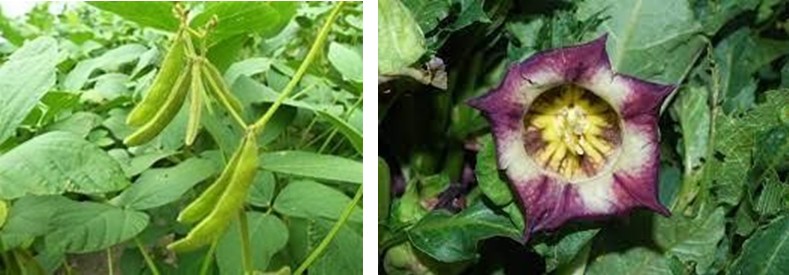
Common Name: Soyabean. Family: Fabaceae. Chemical constituents: Isoflavones , lipoxygenase ,stachyose Genistein. Biological source: Beans which are edible. Uses
- It helps in lowering the diabetic neuropathy progression by preventing morphological destruction of kidney which is associated with diabetes.
- It performs the function of converting fatty acids into docosahexaenoic acid which benefits in various inflammatory models and renal decreases by enhancing the production of complex lipids.
- It also decreases excretion of urinary albumin and cholesterol in reference with neuropathic syndrome.
- A diet of soyabean increases the level of insulin and serum glucose thus preventing morphological kidney disruption and weight loss.
- Insoluble carbohydrates constitute 15% of soyabean while 30% of the soluble variety is fibre hence their digestion is slowwith a low glycemic index.
- Soybean protein has role in diabetes due to presence of glycine and argentine in it that tends to reduce the insulin modulated effects. It shows effects on hypertension, hypercholesterolemia, obesity and atherosclerosis which are common problems in patients suffering from diabetes neuropathy.
- Substituting the animal protein for soybean may also decrease proteinurea, renal hyperfiltration, and renal load thus reducing the risk of renal diseases in diabetes patients.
- The antiangiogenic effects of isoflavones can be related in treatment of this disorder, though soybean is associated with benefit for patients with gallstones. The mechanism can be associated to blood cholesterol lowering effects of soybean protein containing isoflavones.
Anisodus tanguticus
Common Name: ZangQie. Family: Solanaceae. Chemical constituents: Anisodomine, Atropine, Scopolamine, Anisodine Biological Source: It is found isolated areas of related to another patches of plant It is native to China. is also called as Scopolia tanguticus It is perennial flowering plant. it also contains a non-tropane alkaloid cusgohygrine. Among these anisodamine is the most active compound of this plant whose derivatives show various anti-cholinergic and pharmacological activities. Uses
- The fibrinolytic activity of anisodomine present in the plant helps in retraction of endotoxin induced vascular effluxes that improves blood supply to the various organs resulting in inhibiting the inflammation in capillaries.
- The self-protective action of anisodomine that inhibits inflammation action which prevents haemorrhages, that commonly occurs in patients suffering from neuropathic pain.
- It blocks muscarinic receptor by acting as a muscarinic receptor antagonist which leads to cholinergic anti- inflammatory pathway activation, contributing inflectory role in neuropathic pain. Spirulina
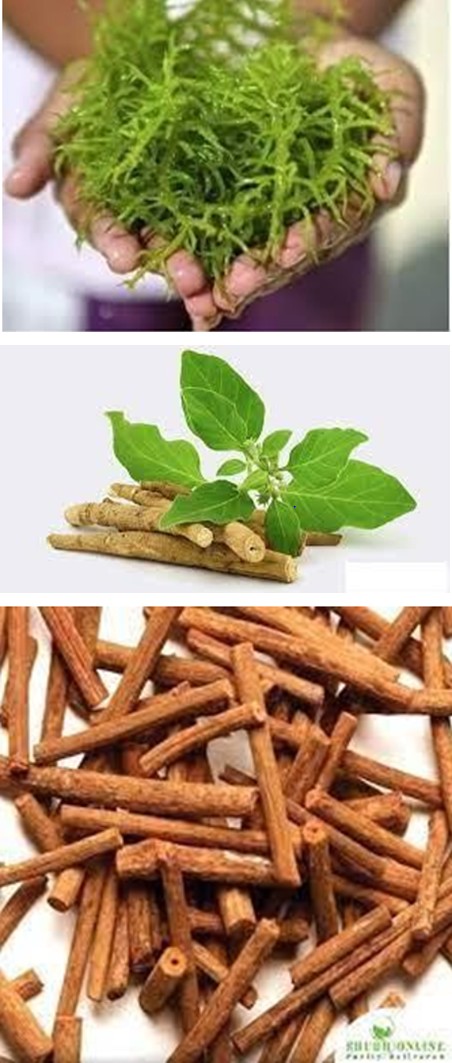
Family: spirulinaceace. Biological Name: Arthrospira plantesis. Chemical Constituents: linodelic acid , arachidonic acid. Biological Source: obtained from cynobacteria arthispora Spirulina is the most known blue-green algae which are very rich in nutrients and essential minerals for body health . Uses
- The spirulina may help inhibit nerve damage.
- Spirulina has been used as a nutritional supplement since centuries ago and until now scientists continue to discover notable benefits.
- It also helps to improve your immune system by improving the production of antibodies in response to pathogens. Manjishtha
Family: Rubiaceae. Biological Name: Rubia cordifolia. Biological source: roots of Rubia cordifolia. Chemical Constituents: quinones, iridoids, triterpenoid, bicyclic hexapeptides, anthraquinones, oleananes. Uses
- It is used in treatment of Diabetic Neuropathy.
- It is herbal which is used in Ayurveda over many of decades to cure the various diabetic problems.
- It prevents people from getting complications of diabetic disease thereby has a natural effect on the body. Manjishtha is readily used to cure diabetic neuropathy symptoms and retinopathy. This herb is said to be very effective against several types of inflammations and infections caused in the body. Ayurvedic treatment of diabetic neuropathy which would be achieved by soothing effect of manjishtha on the nervous system.
- It can be useful in treatment of epilepsy. Ashwagandha
Biological Name: Withinia somnifera. Family: solaneacea. Biological Source: roots flowers leaves Chemical Constituents: alkaloids steroid lactones. Uses
- It is used in treatment of Diabetic Neuropathy.
- It is a medicinal plant having many benefits on your body. Ashwagandha used in the treatment of many disorder related to nervous functions, Nerve damages.
- The another name of this herb is Indian ginseng because it can be the best remedy if you are having any abnormalities in levels of blood sugar in your blood stream.
- This is useful in reducing pain that occurs due to diabetic neuropathy prior to various parts of the body.
- This ayurvedic remedy is especially effective against neuropathy, frequent urination nerve exhaustions and stress.
Alstonia scholaris
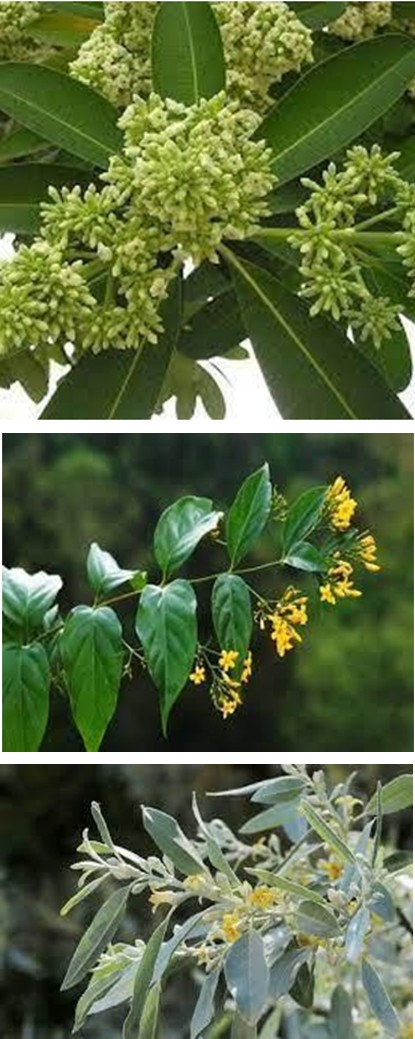
Common Name: Blackboard tree. Family: Apocyanaceae. Chemical Constituents: palmitic acid ,ursolic acid amyrin. Uses
- It is used in treatment of Diabetic Neuropathy.
- It has been used for treating diarrhea, dysentery, malaria, fever and cardiac diseases as well as rheumatic pains in traditional medicine.
- It is showed that methanol extract of A. scholaris significantly attenuated heat hyperalgesia, mechanical hyperalgesia and cold allodynia as well as protection against oxidative stress and inflammatory activity.
- The presence of kaempferol it inhibits the cytokines and ROS production.
Elaeagnus angustifolia
Common Name: Russian olive. Family: Elaeagnaceae. Chemical constituents: amino acids , flavonoids, polysaccharide, phenolic compounds thiamine Biological source: The root, root barks, branches, stem barks, leaves. It is cultivated from the northern areas of Asia to the Himalayas and Europe. It have the tendency to grow in a wide range of environmental conditions In Iranian traditional medicines. Uses
- It is used in treatment of Diabetic Neuropathy.
- The fruit of E. angustifolia has been used as an analgesic agent for decreasing of pain in rheumatoid arthritis.
- E. angustifolia shows the activity of muscle relaxant and anti-inflammatory.
- Administration of different doses of this fruit shows the significant analgesic effect on nerve.
- Flavonoids have been considered the most essential components in E. angustifolia that is related to the antinociceptive and anti-inflammatory activities.
- Recently in a randomized controlled trial study E. angustifolia extract reduced the symptoms of osteoarthritis with an efficacy of comparable to that of ibuprofen.
- It was also safe and well tolerated during the course of trial and no adverse effect was seen. Koumine
Family: Loganiaceae. Biological Source: it is alkaloid separated from gelsenium elegance. Uses
- It is used in treatment of Diabetic Neuropathy.
- It is Chinese traditional herbal medicine which has been used to relieve pain, inflammation.
- Koumine is an alkaloid monomer found in Gelsemium plants.
- The attenuated tactile allodynia,which present in koumine which is improve sensory nerve conduction, and mitigate the pathology of sciatic nerves. The koumine suppressed thermal hyperalgesia and mechanical allodynia more potently than gabapentin.
- Extra regulation of allopregnanolone induce better analgesia, indicating that allopregnanolone in the spinal cord (SC) to be an essential key modulator of neuropathic pain.
- 3α-Hydroxysteroid oxidoreductase (3α-HSOR) is responsible for allopregnanolone extra regulation in the SC.
- The Elevation in allopregnanolone levels may exert analgesic effects through allosteric modulation of GABAA and by suppressing the release of microglia activation- induced inflammatory cytokines. Naringin
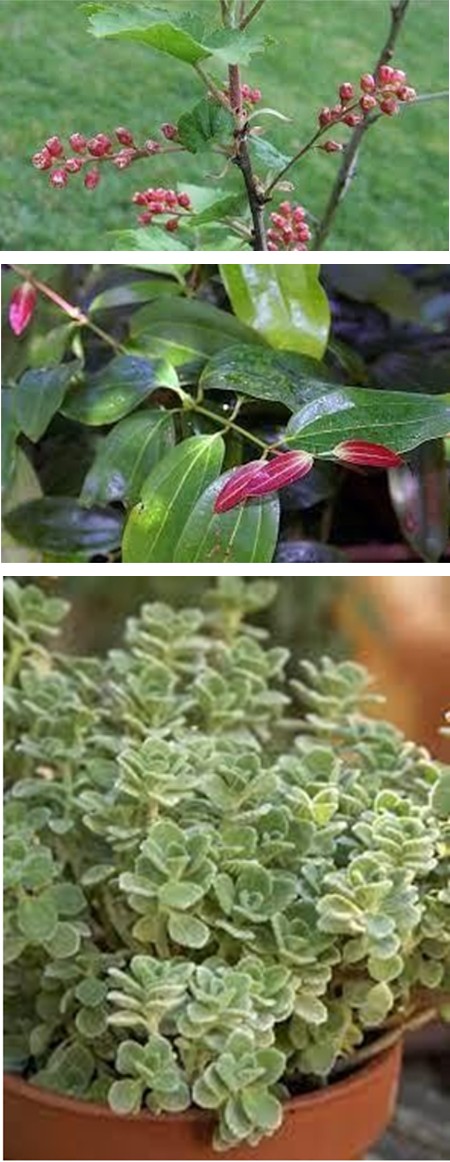
Biological Source: Naringin is , a glycoside derived from grape fruit and related citrus species. Uses
- It is used in treatment of Diabetic Neuropathy.
- It having metal-chelating, antioxidant and free radical scavenging effects Administration of naringin increased the level of nociceptive threshold, endogenous antioxidant and membrane bound inorganic phosphate enzyme.
- It also reduced the oxidative–nitrosative stress level, inflammatory mediators as well as apoptosis in neural cells induced diabetic neuropathic pain.
- The results could due to antioxidant and antiapoptotic activity of naringin.
- In a recent study naringin in a dose dependent manner reduced the mechanical allodynia and thermal hyperalgesia induced as well as markedly inhibited peripheral neuropathy-induced activation of glial cells. Oregano
Biological Name: Oregano vulgare. Family: Lamiaceae. Chemical Constituents: Thymol, sphathulenol, carvacrol. Uses
- It is used in treatment of Diabetic Peripheral Neuropathy.
- oregano is an anti-inflammatory herb.
- This herb has one of the highest antioxidant content.
- Oregano which contains rosmarinic acid, a mast cell stabilizer which having anti- inflammatory properties.
- It having the ability to reduce cytokine release, for a double punch to chronic and nerve inflammation.
- Oregano is rich in antioxidants, which are compounds that help fight damage from harmful free radicals in the body.
- It is also Rich in folate, which helps form RNA and DNA building blocks for cellular regeneration.
- oregano contains vitamins A, C, E, and K, as well as fiber, folate, iron, magnesium, vitamin B6, calcium, and potassium. Cinnamomum zylanicun
Family: Cinnamomiun.
Chemical Constituents: cinnamaldehyde, transcinnamaldehydes, some essential olis, linalool Biological source: Cinnamon bark, leaf oils. It is native to the Caribbean, South America, and Southeast Asia.
Uses
- cinnamon having an anti-inflammatory effect on the central nervous system, including parts of the brain.
- Cinnamon has the antidiabetic, antioxidant, antimicrobial activity.
- Cinnamon may help to prevent Alzheimer’s disease.
- Cinnamon may reduces some fungal infections.
Gelsemium elegans
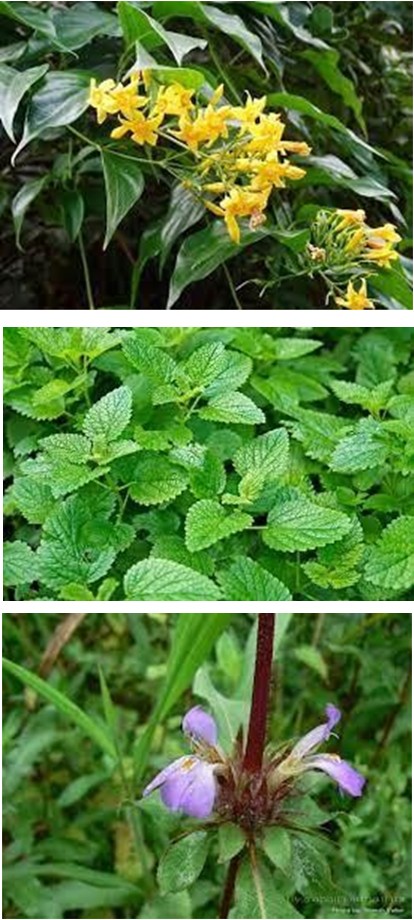
Family: Gelsemiaceae. Chemical Constituents: methyl gelsedine, koumine, yohimbans sarpagine. Biological Source: its crude extract areused to treat pain in despite its apparent toxicity. Uses
- Gelsenicine produced dose-dependent analgesic effects in both inflammatory and neuropathic pain model.
- The analgesic effects of gelsenicine, an active component of G. elegans.
- It having potential analgesic effects. Hygrophila spinosa
Family: Acanthaceae. Chemical Constituents: It contain various phytoconstituents which are fatty acids, amino acids, alkaloids, vitamins, glycosides, terpenoid. Biological Source: It obtained from Seed. It is also called Talimkhana is demonstrated in ayurveda as Ikshura, Ikshugandha, and Kokilasha “having eyes like Kokila or Indian cuckoo,” these are commonly found in moist places.
It is believed to be indigenous to India from the Himalayas to Srilanka, Myanmar, Malaysia.
This plant contains various groups of phytoconstituents phytosterols, fatty acids, mucilage polyphenols, minerals proanthocyanins, , alkaloids, enzymes, amino acids, carbohydrates, hydrocarbons, flavonoids, terpenoids, vitamins, and glycosides. Uses
- It May used in treatment of Diabetic Neuropathic Model.
- The plant parts are traditional medicine for the treatment of various disorders, which include anasaraca, diseases of the urinogenital tract, dropsy from chronic Bright’s disease, hyperdipsia, vesical calculi, flatulence, diarrhea, dysentery, leukorrhea, gonorrhea, asthma, blood diseases, gastric diseases, inflammation, cancer, rheumatism, painful micturition, menorrhagia.
- It having a variety of pharmacological activities which indicate its usefulness in the treatment of different types of diseases and disorders. Melisa officinalis
Family: Lamiaceae. Chemical Constituents: geranyl acetate, citronellal, Rosmarinic acid, copaene, neral. It is the best herbal for a nervous disposition when there is disabilities from nervous exhaustion. Uses
- It is used in treatment of Diabetic Neuropathy.
- It is used by to treat a variety of ailments including nerve disorders and the conditions of sympathetic excess. Four hundred years ago.
- It strengthens the memory and powerfully.
- Childres are respond good to mellisa offincalis when they are upset or having anxiety.
- it is a useful cooling remedy for a fever.
- One small study demonstrated a decrease in agitation and stress in patients with Dementia and Alzheimer’s disease.
Peppermint
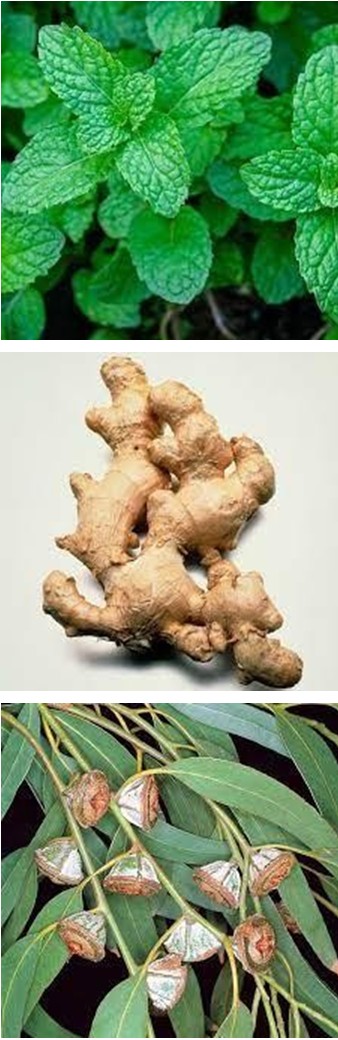
Biological Name: Mentha piperita L. Biological Source: Peppermint oil obtained from fresh leaves of Peppermint by steam distillation Family: Lamiaceae. Chemical Constituents: menthol, methone, methyl acetate, limonene. Uses
- It is used in treatment of Diabetic Peripheral Neuropathy.
- It is essential oil is known to relax muscles, control muscle spasms.
- It act as pain reliever.
- Trusted Source found that topical peppermint oil helped a 76-year-old woman treat neuralgia.
- There’s also evidenceTrusted Source to suggest that peppermint oil may help improve symptoms of irritable bowel syndrome and relieve indigestion.
- This may also help sooths painful muscles. Trusted Source knowledge that Roman chamomile to be beneficial in inflammation disorders. The chamomile also decreased oxidative stress. Eucalyptus globulus
Family: Myrtaceae. Chemical Constituents: It consist of flavonoids, antioxidant, isorhamnetin , luteolin , kaempferol, phloretin. Biological Source: The essential oil obtained from fresh leaves of Eucalyptus globulus by distillation. Uses
- It is used in treatment of Peripheral Neuropathy.
- Eucalyptus Oil Relieves Muscle Pain.
- Hence eucalyptus oil is often recommended to patients who suffer from rheumatism, sprained ligaments, lumbago, and tendons, aches, stiff muscles, fibrosis and even nerve pain. The oil should be massaged in a circular motion on the affected areas of the body. Ginger
Biological Name: Zingiber offinale. Family: ginger belonging to family of zingiberaced. Chemical Constituents: it contains carbohydrates about 50- 70% lipid about 3-8% terpenes and phenolic compounds it contains gingerol and shogaoal. Uses
- As per Ayurveda and tibb herbalit is used for treatment of rheumatism nervous diseases and gingivitis toothache.
- it is play important role in treatment of asthma and stoke.
- ginger root is used in treatment of cold and nausea.
- used in treatment of diabetic neuropathy.
Indian Gooseberry Family: it belonging to family of euphorbiaces. Biological Name: Phyllanthus amaruse. Chemical Constituents: it contains vitamin ellagittanics in emblicanin A about 37% emblicanin B about 33% and punigluconin about 12%. Uses
- it shows anti-inflammatory action.
- it shows antimicrobial activities.
it is used for treatment typhoid fever.
Karela
Biological Name: *Momordica charantia*.
Biological Source: it belonging to family of cucurbitaceas.
Chemical Constituents: it contains vitamin A vitamins C and different mineral like folate zinc and iron.
Chlorogenic acid catechin gallic acid plays role as antioxidants.
Uses
> it is used in treatment of neuropathy.
> It improves immunity and memory power.
> It improves skin health.
Acorus calamus
Common Name: it is known as sweet flag.
Biological Source: it belonging to family of acoraceas.
Chemical Constituents: it contains the different constituents like glycosides flavanoids saponin tannins and polyphonic group.
Uses
> it is used for treatment of neuropathy.
> it used to treat stomach problems.
> improve skin health It is ginger like taste.
Tarragon
Biological Name: *Artemisia dracunculus*.
Biological Source: it belonging to family of asteraceae.
Chemical Constituents: active ingredient 1,8 cineole camphor linalool.
Uses
> it is used in treatment of neuropathy.
> it has anti-inflammatory action.
> it shows antifungal property.
> it is used for convulsant treatment.
> it has great role in treatment of cancer.
Alstonia scholaris
It is also known as deviltree.
Biological Source: it is members of family of apocynanaceae It is found in india asia pacific southern china.
Common Name: indian pulai milk wood pine Another name is blackbroad tree.
Chemical Constituents: it contains erythrodiol uvaol, and betulin oleanolic acid and ursolic acid β-amyrin acetate and α-amyrin acetate.
Uses
> it has important role in diabetics neuropathy It is used in treatment of diahrrea.
> It also used in treating of fever.
> It has important role in treatment of cardiac disease.
Butea monosperma
Biological Source: it belonging to family of lequmes.
Common Name: flame of forest is the common name of butea monosperma.
Chemical Constituents: it shows presence of alkaloids flavonoids some phenolic group amino acids and steroids.
Uses
> it is used in diabetic neuropathy Treat helmintic.
> It is also used as antimicrobial agents.
Pterodon pubescense Benth
Biological Source: pterodon pubescense belonging to family of lequminose It is tree found in central brazil.
It is also called as socupirabranca and another name is favelra.
Chemical Constituents: it contains sesquiterpene, vouacapane diterpenes, and 6α- acetoxyvouacapane, 6α,7β-dimetoxivouacapan-17-ene, 6α-acetoxy,7β-hidroxyvouacapane, 6α,7β-diacetoxycouacapane.
Uses
> it shows pharmacological effect as anti-inflammatory It shows anti rheumatism action.
> It shows analgesic action.
> It shows anti arthritic effect.
Rosemary/ Rosmarius officinalis
It it is also known as Rusmari and compass plant ,old man, polar plant.
Biological Source: it is member of family of lamiaceae.
Chemical Constituents: it shows presence of constituents like carnosol, carnosic acid, ursolic acid, rosmarinic acid and caffeic acid.
Uses
> it is used to treat diabetics neuropathy pain.
> It also shows neuroprotective and antinociceptive actions.
>The condition like inflammation can be treated with rosemary It is show antiaptotic action.
Salvia officinalis/ sage
Biological Source: it belonging to family of labiate It is also known as common garden sage.
Chemical Constituents: it contains alkaloids some carbohydrates fatty acids.
Uses
> it is used treatment of neuropathic pain.
> It is used to treat disorder like ulcers, gout, rheumatism, inflammation It shows antioxidants property.
> It also used to treat dizziness, tremors, paralysis It is used to treat hyperglycemic condition.
Valerian/ Valeriana officinalis
Biological Source: valerian is dried root and rhizome of valeriana wallichi Linn members of family of valerianaceae.
Synonyms: European Valerian, English Valerian.
Chemical Constituents: it contains yellow green to brown yellow oil present in root It also contain valerianic, formic and acetic acid.
- Uses
- Valerian officinalis used for treatment of anxiety and insomnia It is used in treatment of neuropathy pain.
- It use as anodyne.
- It shows antitumor activities It promotes menstruation.
Chamomile/ Matricaria chamomilla
Biological Source: it is medicinal plant.
Family: Asteraceae.
Chemical Constituents: it contains terpenoids, flavonoids, and lactone including matricin and apigenin. It inhibit nitric oxide production as well as nitric oxide synthase It inhibit 1L -1B,1L-6 and TNFα.
- Uses
- Drinking of chamomile tea daily prevents the diabetes complication such as loss of vision and nerves damage.
- It show anti-inflammatory action It is used treatment of cough.
- It is used treatment of bronchitis To treat Fever and cold Treatment of inflammation.
- To prevent infection wounds and burns It has antioxidants property.
- To treat inflammatory ulcer.
- In prevention of rheumatic pain, ear and eye infection.
Acacia arabica
Biological Source: Source of Indian gum Arabic.
Family: Fabaceae.
Chemical Composition: tannins polyphenolic compounds flavonoids like kaempferol glucoside leucocyanidin galactose arabinose rhamnose arabinobioses etc.
Uses
- hypoglycemic effect of legumes was due to its direct or indirect stimulation of beta cells of secret more insulin Antimutagenic antiproteolytic antimicrobial antibacterial antifungal etc
Tinospora corelifolia/ Guduchi
Biological Source: it is climbing shrub with greenish yellow typical flowers family – menispermaceae.
Chemical Constituents: alkaloids glycosites steroids phenolics aliphatic compounds polysaccharides etc.
Uses
- antioxidant activity antimicrobials antitoxic effects Antidiabetic activity due to alkaloids like magnoflorine palmetin etc anti stress activity hypolipidemic effect etc.
Coccinia indica/ little guard
Biological Source: it is scalet gourd and kowai fruit
Family: Cucurbitaceae
Chemical Constituents: flavonoids glycosides triterpenoids saponins like teraxerone taraxerol lycopene etc.
Uses
Anti diabetic activity (hypoglycemic activity) anti inflammatory activity antituberculosis activity.
Ginkgo biloba/ Maidanhair Tree or Temple Tree
Biological Source: it is leaves of giknko isolated from dioeceous tree ginkgo biloba.
Family: Ginkgoaceae.
Chemical Constitutes: flavonoids quercetin apigenin ginkgetin luteolin bilobetin biflavones.
Uses
- prevention diabetic retinopathy reduce migraine frequency increases memory and vision inhibit cancer antiaging properties.
Acorus calamus/ Sweet Flag or Vacha
Biological Source: it is traditional medicinal herbs.
Family: Acoraceae.
Chemical Constitutes: Alpha asarone beta asarone acoradine azulene eugenol beta sitosterol galangin limoene.
Uses
- anti obesity properties fights depression epilepsy etc.
- maintenance healthy stomach prevents infection.
Artemisia drancunculus/ Wild Tarragon
Biological Source: it is extract obtained from sweet wormwood.
Family: Asteraceae.
Chemical Constitutes: flavonoids phenylpropanoids chromones alkamidew benzodiazepines.
Uses: carminatives digestives antinflammatory antipyretic antiseptic antimicrobial.
Parsley
it is also known as petroselinum crispum.
Biological Source: parsley belonging to family of Apiaceae.
Chemical Constitutes: it contains antioxidants such as flavonoids and vitamin.
- Uses
- it shows diuretics action.
- It reduce blood pressure.
- It shows antidiabetic action.
- It shows action on TNF α ,1L-8,1L-6 to reduce inflammation It shows detoxification reaction.
- It is used in cancer prevention.
Thyme
Biological Source: Thymus is flowering plant belonging to family of lamiaceae In thyme apigenin is present. It reduce amount of cytokine release from mast cell and reduce inflammation.
Chemical Constituents: it contains volatile oil included carvacolo, borneol, geraniol and thymol It having active ingredient like thymol which active against enterobacteria.
Uses
it is shows action like antiseptic.
It shows antibacterial action Antimicrobial action.
It effective against bacterial and fungi It is used to treat cough and diabetes.
Dill/ Anethum graveolens
Synonyms: frutus anethi anethum.
Biological Source: DILL dried fruit of Anthum gravewlens Linn come under the family of Umbeliferae.
Chemical Constituents: α - phellandrene, ether, limonene, p-cymene present in dill.
The different type of nutrients important to nerve such as ca, mg, riboflavin, vitamin A, C are present in this herb.
Uses
The important role of dill it shows chemoprotective action It shows antiglycation and antioxidants property.
Ocimum basilicum
Biological Source: it also called sweet basil, herb of the mint family of Lamiaceae.
Chemical Constituents: ocimumoside, essential oil, eugenol, saponin, flavonoids, triterpenoid, tannis.
Eugenol oil present in basil it inhibit the inflammation producing enzyme Beta carotene as the antioxidants.
Uses
It provides nourishment to nerve.
Basil also prevents growth of harmful bacterial It is used to treat loss of appetite.
It treat worm infection.
It is used to treat neurocongitive defects, asthma.
Vitamin B
Vitamin B-1 ,B-6 ,B-12 is used to treat neuropathy The another name of vitamin B-1 is thiamine.
It reduce pain and inflammation.
Vitamin B present in egg, vegetable, seafood.
Aconite Root
Aconite is dried root Aconitum napellus Linn, collected from wild.
Family: Ranunculaceae.
Chemical Constituents: it contains alkaloids, flavonoids and polysacchrides.
Uses
it has neuropathy pain relief action.
Active ingredient of aconite root against peripheral neuronic pain It also used for treatment of endocrine disorder.
It used for treatment of painful joint.
Beautea monosperma/ Flame of the Forest or Bastard Teak
Family: Fabaceae.
Biological Source: it contains various part of plant.
Chemical constitutes :alkaloids flavonoids phenolic compounds amino acids glycosides etc.
Uses: leaves has Anti diabetic antioxidants properties flowers for cancer treatment.
Seeds have hormone balancing effects.
Citrous colocynthus/ Bitter Apple
Biological Source: it is dried pithy pulp of ripe fruit of citrullus colocynthis.
Family: curcurbitaceae.
Chemical Constituutes: Tennins saponins phenolic compounds steroids cucurbitacin A B C D E J L terpenoids.
Uses: fruits for type 2 diabetes anti cancer effects anti scarpion effects and deoxidant effects anticancer effects.
Curcuma longa
Family: zingiberaceae.
Biological Source: it is flowering plant.
Chemical Constituutes: Alpha curcumin beta curcumin Hemillitol cis-sabinol.
Uses: curcumin supplements reduces renal glucose 6 phosphate and lactate dehydrogenase Increases ATPase activities reduces diabetic neuropathy improves kidney function.
Crocus sativum/ Saffron Crocus
Family: Iridaceae.
Biological Source: dried red stigma cultivated in iran country.
Uses: it shows Antihypertensive action, it shows anti-inflammatory action it shows antidepressants action.
Momrdica charantia/ Bitter Melon
Uses: Anti Microbial, it reduces glucose uptake in diabetic patients and antitumor properties anti inflammatory improves immunity.
Nigella sativa/ black cumin
Family: Ranunculaceae.
Biological Source: it is black seed or cumin.
Uses
it shows analgesic action it used in neuropathy pain.
it is also used to treat skin disorders.
Sterols Like Campesterol Stigmasterol
Uses: hypoglycemic effects its oil is used as tonic to promote health and prevents diseases nutraceutical anti inflammatory effects antioxidant properties appetite stimulant.
Literature and Review
The Diabetic neuropathy occurs when damages your nerves & affects types OF nerves diabetes different in the body, such as legs limbs & muscles. Diabetic neuropathy majorly affects the nerves include based in Feet tingling on 4
legs. Its symptoms and numbness in the amms nerve damage.
The diabetic neuropathy can. Problems cause the related to the heart blood vessels digstive system & reproductive system.
Kenneth Cohen, Nataliya shin kazh. Jerry frank Israel and Chre Chrish Feliner Studied the Numerous pharmacological treatment which have been used th to relieve the pain associated with Diabetic neuropathy These treatment include antidepressant, anticonvulsant analgesic & topical medication.
Determination OF the diagnostic accuracy Of each Simple Test to screening OF Peripheral Neuropathy As replacement nerve conduction studies for the clinical diagnosis.
Well established of Successful treatment of Diabetic neuropathic pain improves Quality of life. one new way to improve the Quality of life people with painful neuropathy is to cognitive behavioural Therapy.
The chronic Neuropathic pain is common significant problem that represents major challanges in Health cares. There are large number of available drugs there are no curative conventional treatment for Neuropathic pain. The need is to find the alternative therapy with few or least side effects. Hence the herbal medicines are the best alternative options for relieve and managing the Neuropathic pain.
The most Pathways involved in the herbal remedies are anti-inflammatory , neuroprotective , antioxidant, antiapoptic, calcium inhibitors [40, 41].
Summary
From above we can conclude that the many Herb show neuropathy treatment.. For neuropathic pain, analgesics, non-steroidal anti-inflammatory drugs, antidepressants, and anticonvulsants are recommended. The most commonly used drug included gabapentin, pregabelin , lidocaine .Various form of synthesis medicine can used to treat diabetics neuropathy pain but it associated with variety of side effects such dizziness ,drowsiness, swelling in feet and hands.
The long term used of such medications may cause problems with digestive system ,urine system, and blood vessels. Also it shows poor pharmacokinetics property so herbal medicine may overcome or reduced this side effects and better pharmacokinetics property.
Bioactive compounds play important role in diabetics neuropathy treatment .it may show the pathological mechanism by activation of polyol pathways , Decreasing intracellular myoinsitol, inhibit Na/k+ATpase,or it shows antioxidants property and it help to overcome diabetics neuropathy pain.
Keeping in mind this ,it has been concluded that in Ayurveda many medical plant showes great role in diabetics neuropathy treatment. Survey Information Following most commonly prescribed drugs in Diabetic Neuropathy
- Gabapentin
- Pregabalin
- Amitriptyline
- Lidocaine
- Carbamazepin
Conclusion
Scientists discovered drugs from natural sources in response to the urgent need to find an alternative therapy that can reduce neuropathic pain effectively with few side effects. According to this review, herbal remedies are an alternative method of treating and controlling neuropathic pain. According to the current study’s findings, the antioxidant, anti-inflammatory, anti-apoptotic, neuroprotective, and calcium inhibitory pathways are most likely to be implicated in the analgesic effects of herbal treatments.
References
-
Anderson RN (2002) Deaths: leading causes for 2000. Natl Vital Stat Rep 50(16): 1-85.
-
Geiss LS, Herman WH, Smith PJ (1995) Mortality in non- insulin-depend-ent diabetes, in: National Diabetes Data Group: Diabetes in America. 2nd (Edn.), NIH pub. no. 95- 1468. Washington, DC, National Institute of Diabetes and Digestive and Kidney Diseases pp: 233-257.
-
Harris MI (1995) National Diabetes Data Group: Diabetes in America. 2nd (Edn.), Govern- ment Printing Office, Washington, DC, United States, pp: 1-14.
-
(1997) International Diabetes Federation Task Force on Diabetes Health Economics: Facts, Figures and Forecasts. International Dia- betes Federation.
-
King H, Aubert RE, Herman WH (1998) Global burden of diabetes, 1995- 2025: prevalence, numerical estimates and projections. Diabetes Care 21(9): 1414-1431.
-
Boyle JP, Honeycutt AA, Narayan KM, Hoerger TJ, Geiss LS, et al. (2001) Projection of diabetes burden through 2050: impact of changing demography and disease prevalence in the U.S. Diabetes Care 24(11): 1936-1940.
-
Harris MI, Flegal KM, Cowie CC, Eberhardt MS, Goldstein DE, et al. (1998) Prevalence of diabetes, impaired fasting glucose, and impaired glucose tolerance in U.S. adults. The Third National Health and Nutrition Examination Survey, 1988-1994. Diabetes Care 21(4): 518-524.
-
Pan XR, Li GW, Hu YH, Wang JX, An ZX, et al. (1997) Effects of diet and exercise in preventing NIDDM in people with impaired glucose tolerance. The Da Qing IGT and Diabetes Study. Diabetes Care 20(4): 537-544.
-
Tuomilheto J, Lindstrom J, Eriksson JG, Valle TT, Hamalainen H, et al. (2001) Prevention of type 2diabetes mellitus by changes in lifestyle among subjects with impaired glucose tolerance. N Engl J Med 344(18): 1343- 1350.
-
Knowler WC, Barrett-Connor E, Fowler SE, Hamman RF, LachinJM, et al. (2002) Reduction in the incidence of type 2 diabeteswith lifestyle intervention or metformin. N Engl J Med 346(6): 393-403.
-
Haffner SM, Stern MP, Hazuda HP, Mitchell BD, Patterson JK (1990) Cardiovascular risk factors in confirmed diabetic individuals: does theclock start ticking before the onset of clinical diabetes? JAMA 263(21): 2893-2898.
-
Harris MI, Robbins DC (1994) Prevalence of adult-onset diabetes in the U.S. population. Diabetes Care 17(11): 1337-1340.
-
Fagot-Gampagna A, Narayan K (2001) Type 2 diabetes in children. BrMed J 322(7283): 377-387.
-
Pinhas-Hamiel O, Dolan LM, Daniels SR, Standiford D, KhouryPR, et al. (1996) Increased incidence of non- insulin-dependent diabetesmellitus among adolescents. J Pediatr 128(5, Pt. 1): 608-615.
-
Kitagawa T, Owada M, Urakami T, Tajima N (1994) Epidemiology oftype 1 (insulin-dependent) and type 2 (non-insulin-dependent) dia-betes mellitus in Japanese children. Diabetes Res Clin Pract 24: S7-S13.
-
Dabelea D, Hanson RI, Bennett PH, Roumain J, Knowler WC, et al. (1998) Increasing prevalence of type 2 diabetes in American Indianchildren. Diabetologia 41(8): 904- 910.
-
Scott CR, Smith JM, Craddock MM, Pihocker C (1997) Characteristics of youth-onset noninsulin-dependent diabetes mellitus and insulin-dependent diabetes mellitus at diagnosis. Pediatrics 100(1): 84-91.
-
Neufeld ND, Raffel LJ, Landon C, Chen YD, Vadheim CM (1998) Earlypresentation of type 2 diabetes in Mexican- American youth. Diabetes Care 21(1): 80-86.
-
Zimmet P, Alberti KG, Shaw J (2001) Global and societal implica-tions of the diabetes epidemic. Nature 13: 782- 787.
-
Ogden CL, Flegal KM, Carroll MD, Johnson CL (2002) Prevalence andtrends in overweight among US children and adolescents, 1999-2000. JAMA 288(14): 1728-1732.
-
Flegal KM, Carroll MD, Ogden CL, Johnson CL (2002) Prevalence and trends in obesity among US adults, 1999- 2000. JAMA 288(14): 1723-1727.
-
Shafrir E (1996) Development and consequences of insulin resistance: lessons from animals with hyperinsulinaemia. Diabetes Metab 22(2): 122-131.
-
Neel J (1962) Diabetes mellitus: a “thrifty genotype” rendered detrimental by “progress”? Am J Hum Genet 14(4): 353-362.
-
Hales CN, Barker DJP (1992) Type 2 (non-insulin- dependent) diabetes mellitus: the thrifty phenotype hypothesis. Diabetologia 35(7): 595-601.
-
(1999) Glucose tolerance and mortality: comparison of WHO and American Diabetes Association diagnostic criteria. The DECODE study group. European Diabetes Epidemiology Group. Diabetes Epidemiology: Collaborative analysis Of Diagnostic criteria in Europe. Lancet 354(9179): 617-621.
-
Kuusisto J, Mykkaanen L, Pyorala K, Laakso M (1994) NIDDM and itsmetabolic control predict coronary heart disease in elderly subjects.Diabetes 43(8): 960-967.
-
Khaw KT, Wareham N, Luben R, Bingham S, Oakes S, et al. (2001) Glycated haemoglobin, diabetes and mortality in men in Nor-folk cohort of European prospective investigation of cancer and nutrition (EPIC-Norfolk). Br Med J 322(7277): 15-18.
-
Haffner SM (1996) The insulin resistance syndrome revisited. Diabetes Care 19(3): 275-277.
-
Stratton IM, Adler AI, Neil HA, Matthews DR, Manley SE, et al. (2000) Association of glycaemia with macrovascular and micro-vascular complications of type 2 diabetes (UKPDS): prospective ob-servational study. Br Med J 321(7258): 405-412.
-
Despres JP, Lamarche B, Mauriege P, Cantin B, Dagenais GR, et al. (1996) Hyperinsulinemia as an independent risk factor forischemic heart disease. N Engl J Med 334(4): 952-957.
-
Garg A, Grudy SM (1990) Management of dyslipidemias in NIDDM. Diabetes Care 13(2): 153-169.
-
Meigs JB (2002) Epidemiology of the metabolic syndrome. Am J ManagCare 8: S283-S292.
-
McFarlane SI, Banerji M, Sowers JR (2001) Insulin resistance and car-diovascular disease. J Clin Endocrinol Metab 86(2): 713-718.
-
Ford ES, Giles WH, Dietz WH (2002) Prevalence of the metabolic syn-drome among US adults: findings from the third National Health andNutrition Examination Survey. JAMA 287(3): 356-359.
-
Isomaa B, Almgren P, Tuomi T, Forsen B, Lahti K, et al. (2001) Cardiovascular morbidity and mortality associated with the meta-bolic syndrome. Diabetes Care 24(4): 683-689.
-
Fujimoto WY, Bergstrom RW, Leonetti DL, Newell-Morris LL, Shuman WP, et al. (1994) Metabolic and adipose risk factors for NIDDMand coronary disease in third- generation Japanese-American menand women with impaired glucose tolerance. Diabetologia 37(5): 524- 532.
-
Ahima RS, Flier JS (2000) Adipose tissue as an endocrine organ. TrendsMetab 11(8): 327-332.
-
Gastaldelli A, Miyazaki Y, Pettiti M, Matsuda M, Mahankali S, et al. (2002) Metabolic effects of visceral fat accumulation in type 2diabetes. J Clin Endocrinol Metab 87(11): 5098-5103.
-
Boden G, Chen X (1995) Effects of fat on glucose uptake and utilizationin patients with non- insulin-dependent diabetes. J Clin Invest 96(3):1261-1268.
-
Bujalska IJ, Kumar S, Stewart PM (1997) Does central obesity reflect“Cushing’s disease of the omentum”?. Lancet 349(9060) : 1210-1213.
-
Pradhan AD, Manson JE, Rifai N, Buring JE, Ridker PM (2001) C-reactive protein,interleukin 6, and risk of developing type 2 diabetes mellitus. JAMA 286(3): 327- 334.
- Investigation of Polymorphisms in PPAR-Ɣ and TRHR Genes and their Impact on Turkish Diabetic and Obese Individuals
- The Impact of Aircraft Noise Exposure on the Efficacy of Empagliflozin Therapy in an Animal Model of Obesity
- Rooibos Mitigates Metabolic and Inflammatory Dysfunctions in Mice Fed a High-Carbohydrate Diet
- Synergistic Effect of Combined Leaf Extract of Vernonia amygdalina, Ocimum gratissimum, and Zingiber officinale Tuber on Phytochemical Profile, Antioxidant Activity, Serum Insulin, and Biochemical Parameters in Streptozotocin-Induced Diabetic Rats
- Investigation of Cardiovascular Responses to Aerobic Exercise in Obese University Students
- A Look at the Phase Angle Obtained by Electrical Bioimpedance