
COVID-19 Pandemic Inspired Design – An Empirical Study on Maskeeper’s User Experience and Design Ergonomics
Since early 2020, the COVID-19 pandemic has been affecting all aspects of society, including health care, economy and environment, the Design discipline reacted by inventing many new products to combat the spread of the virus. Amidst all the design innovations created under this “new normal”, Maskeepers® has gained mass popularity in Asia and North America since its release to the market in February 2020. Received both design patent and copyright, this origami-folded mask holder aims to provide convenient and temporary storage to keep surgical masks from cross-contamination and reuse purposes. This paper aims to evaluate the performance of Maskeeper in four parameters, namely material durability, user-friendliness, sustainability and emotional design (MD, UF, SU, ED). By statistically analysing survey data from a sample size of 124 respondent participants, the study validates some critical design attributes that have the most significant impact on user experience, product ergonomics and emotional design. The research also identifies limitations and shortcomings in the first production of Maskeepers and highlights some recommendations for future design development. The research is timely for any designer to consider new COVID-19 innovations and methods of evaluation.
Introduction
The COVID-19 pandemic is an unprecedented global health crisis. It has posed a severe test to the capacity of the contemporary world to respond. Since the first outbreak in 2020, there have been more than 152 million confirmed cases of COVID-19 in 219 countries and territories, accounting for a global death toll exceeding 3.19 million [1]. As the virus spreads unevenly in different countries, governments around the world have customized their public health measures to slow down the transmission of COVID-19 in consideration of their local contexts. At the same time, the Design professionals have been trying to identify needs arisen in the new normal as designers keep creating new products to battle against the pandemic and help people to adapt to a post-COVID environment. This research examines the design impact of the patented custom design product – the Maskeeper® (Figure 1), which is an origami-folded mask holder providing convenient and temporary storage to keep surgical masks from cross-contamination. The product has gained great popularity in Asian and North American regions since its release to the market in February 2020. Designed and developed by a Hong Kong industrial design firm INNOSPHERE, Maskeeper was purpose-built in February 2020 and received design patent and copyright by mid-2020. The design outcome not only became a popular commercial product with high social value, but also won many design awards, including the Good Design Award, European Product Design Award, Muse Award and German Design Award from 2020 to 2021. One of the jurors of the German Design Award 2021 has commented “MASKEEPER as a useful, contemporary, minimalist solution to sanitary storage of face masks. Its easy-to-use, minimalist form is effortlessly stored and transported.”
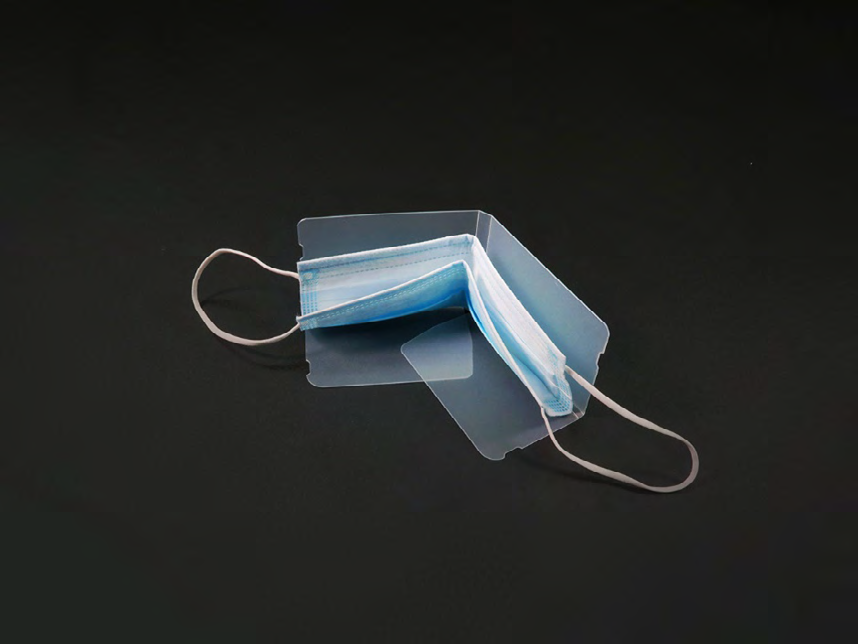
The main purpose of this research is to assess the performance of Maskeeper in four parameters, namely material durability (MD), user-friendliness (UF), sustainability (SU) and emotional design (ED), which correlate to the ergonomics of the product features. The study applies statistical analysis to examine the survey data from a sample size of 124 users. The objectives of the study are 1) to validate the critical attributes that have the most significant impact on user experience, 2) to identify potential product gaps and areas for product development in design ergonomics, and 3) to develop conceptual improvement for the next generation of Maskeeper. The paper is divided into seven sections. After the introduction, this paper first provides a brief account of the contextual background of the design of Maskeeper. Then, the next section explains how the Maskeeper is ideated, conceptualised and successfully put into production to help the fight against the outbreak on time. The following sections detail the research method, descriptive statistics and the results of the survey respectively. The paper discusses the findings in a search of insights for the product development of the next generation of Maskeeper and concludes with recommendations on how this product design would address an urgent threat in our society.
Contextual Background of the Design of Maskeeper
Design Needs Arising from the New Normal
Wearing a face mask when going out is becoming the new norm as a result of the pandemic. It is now widely accepted as an essential part of public health measures to suppress COVID-19 transmission and save lives. COVID-19 is highly infectious where its main transmission route is via the small droplets ejected from the infected person’s mouth or nose when they cough, sneeze, or even speak and breathe heavily. There is a growing body of evidence that the virus is capable to spread via airborne transmission through aerosol [2, 3, 4, 5]. A significant proportion of COVID-19 patients do not show any symptoms. These asymptomatic and pre-symptomatic patients pose a significant threat to disease control, as they are infectious but unnoticeable by people close to them [6, 7, 8]. Mask-wearing not only protects the wearers from the infectious disease but also serves as an effective measure of source control as it can reduce the possibility of infected patients unknowingly infecting others [9, 10, 11, 12]. Recent studies evaluating the community-wide impact of mask-wearing suggest that if the practice is synergized with other non- pharmaceutical measures such as social distancing, proper hand hygiene and avoiding poorly ventilated spaces, it could significantly mitigate community transmission and reduce hospitalizations and deaths [11, 13, 14]. Based on the understanding of the benefits of mask-wearing and the experience of Severe Acute Respiratory Syndrome (SARS) in 2003, Hong Kong citizens have completely bought in the concept of using masks to save lives. Hong Kong, an Asian metropolitan city with a population of over 7.4 Million, was one of the first cities in the world to enforce the mandatory use of face masks in both indoor and outdoor public places as a strict COVID-19 measure.
In contrast with the citizens’ resistance and scepticism against the use of face masks in other regions [15], Hong Kong citizens showed enthusiastic support for the use of face masks as a means to protect lives. With the widely accepted practice of mask-wearing in public since the beginning of the pandemic, many issues related to the daily usage, storage, user experience and design ergonomics of masks have been discussed. Various anti-COVID-19 products and accessories emerged in the first quarter of 2020, ranging from lift button pressing tool to pocket-sized hand sanitisers. Out of these designs, Maskeeper is one that adjuncts the use of facial masks.
Although there is a fundamental shift in public sentiment to embrace mask wearing since the 2003 SARS epidemic, little design innovation was put into thinking about how to store and keep the masks from cross- contamination when they are not in use. Although medical masks should be of single-use only, it is rarely the case in the COVID-19 pandemic, especially during the serious shortage of mask at the start of the outbreak. The severe supply chain disruption of medical supplies in 2020 and the prolonged compulsory requirement of mask wearing have made the public change their presumption resignedly. The shortage of face masks has prompted users to seek ways to minimize cross-contamination of their face coverings for avoiding unnecessary replacement. This paper examines the innovative product design called Maskeeper that was invented and patented in the early phase of the pandemic in Hong Kong. Through analyzing the user experience survey data to investigate its usability, this paper aims to identify key attributes that affect the adoption and subsequent use of the Maskeeper, and get insights into the evaluation and potential areas of improvement of its product design.
Mask usage Gained Acceptance in HK Since SARS 2003
This research selects Hong Kong as the study area for the reason that this city is well experienced in the fight against respiratory epidemics. Hong Kong citizens have learnt a painful yet valuable lesson from the 2003 SARS outbreak, where there were over 1637 cases identified and 299 lives lost in this metropolis. Therefore, the public response to the eruption of COVID-19 in 2020 was quick with hypervigilance [16, 17]. The exceptional compliance of Hong Kong people with mask-wearing has its root in the collective trauma of SARS [18, 19]. As early as January 2020, Hong Kong people have started wearing face masks after a few early reports of the once mysterious viral pneumonia spotted in Wuhan. Besides the calls and advice from medical professionals, mask- wearing has been etched into the psyche of the Hong Kong community. The highly visible face masks worn by citizens during an epidemic has been perceived as a potent symbol of solidarity and altruism of the Hong Kong people against the invisible pathogens, whenever during SARS, H1N1 Avian Flu or COVID-19 [10, 20, 21, 22, 23]. While WHO and health officials of many countries had been having no consensus on whether mask-wearing was an efficacious protective measure at the early phase of the pandemic, Hong Kong people put their faith in this protective shield which once helped the city to contain the spread of SARS epidemic [24, 25, 26, 27].
Several research studies showed that there was a very substantial change in voluntary mask-wearing behaviour in Hong Kong before and after the outbreak. According to a survey conducted from late March to early April 2020 in Hong Kong, mask-wearing increased from 11.3% before the epidemic to 97.4% after the COVID-19 outbreak [28], consistent with the findings of another study which reported that 74.5%, 97.5% and 98.8% of respondents wore a mask when going out during the survey period of Jan 20-23, Feb 11-14 and March 10-13, 2020 respectively [24]. Another survey also reported that 75.1% of respondents wore masks as a personal preventive measure against the outbreak [17], albeit it is lower than the previous survey which might be because of different sampling methods. An observational study of 10,211 pedestrians in several regions across Hong Kong between Feb 1-29 further substantiates the astounding compliance with mask-wearing among Hong Kong people – during the reporting period, 94.8% wore masks of which 83.7% wore disposable surgical masks [27]. The same study, which includes data of an online survey in progress before its release in April 2020, shows that about 94.1% of respondents believed that mass mask-wearing could avert transmission in the community. Moreover, it reveals an interesting fact that 76.3% of respondents had to reuse their face masks when the supply was tight and the price of medical masks skyrocketed in Hong Kong in the first quarter of 2020.
From the onset of the COVID-19 pandemic, it had been difficult to reach a global consensus over the efficacy of face mask-wearing to reduce the transmission of this highly contagious respiratory disease. Governments, health bodies, and scientists worldwide were holding conflicting stances over public mask-wearing [29, 30, 31] while many countries were being hard hit by the first or even second waves of coronavirus. There is a stark cultural divide on mask-wearing [20]. YouGov COVID-19 Behavior Changes Tracker shows that while mask-wearing has been widely supported by the public among the Asian countries as their new normal under the threat of COVID-19, Americas and European countries are less ready to embrace this preventive measure. With the advancing knowledge by a wealth of laboratory studies and randomized control trials on the efficacy of face mask- wearing [31], governments and health bodies have been gradually reconciling their views, and able to give more coherent advice, thus help to boost their citizen compliance with mask-wearing. Many western countries that had been lukewarm in the adoption of universal face-covering, for example, most states in the United States, the United Kingdom and Germany, have made mask-wearing in public compulsory. Face masks will continue to play a prominent role in curbing the spread of the disease in the next phase of the pandemic when countries start lifting lockdown and citizens resume most daily activities. Therefore, the practice of mask wearing would stay for a considerate period under the new normal.
Mask Accessories – Maskeeper to Provide Temporary Storage of Mask
Conceptual Design
The Maskeeper was the result of a collaborative design between two product designers Maurice Kwok and Steve Yeung of INNOSPHERE, a product design consultancy based in Hong Kong that specialises in the design of a range of consumer products with social impact. Their idea to design a handy-to-carry mask holder originated from an urgent need to find a way to reuse the mask before and after a short meal in January 2020. At that time, there was a gap in the market, as people could not find suitable products for the temporary storage of masks when they have to take them off on some occasions. Some people used tissue paper or envelopes to keep their masks, however, these interim solutions could not provide enough protection from moisture, dirt and germs. The practice also produces extra infectious wastes and adds a burden to frontline workers of the catering industry.
Identifying the pain points of the mask wearers that resulted from the lack of temporary storage for their masks during intervals, designers moved on to ideate the design of a mask holder through quick prototyping. Evolving around the ergonomic exploration of the design development of the Maskeeper, several design foci have to be considered and carefully balanced. The design has to reach several goals to maximise its usability. First, the mask holder should consider users ergonomics and be small enough for keeping in a convenient location such as a purse or a shirt pocket. Second, it should enable users to store their mask easily to prevent cross-contamination in the process. Third, its design has to be user-centric – simple, intuitive and easy to use by kids to elders with a positive user experience. The design spans from the refinement of the origami fold, material exploration, cost factors and control of the manufacturing process.
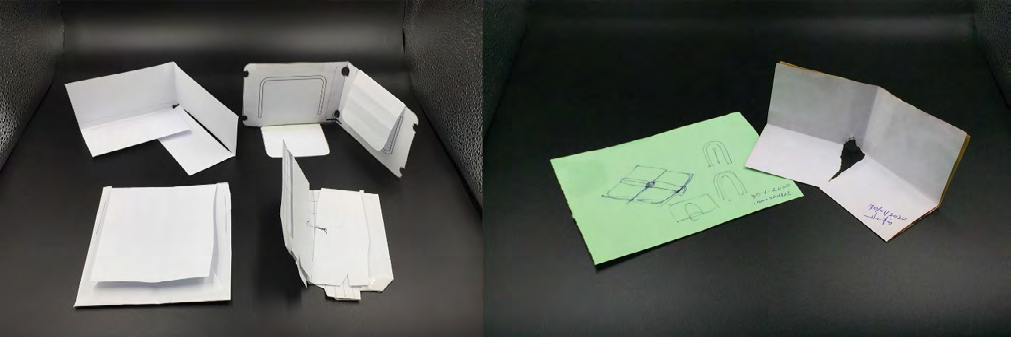
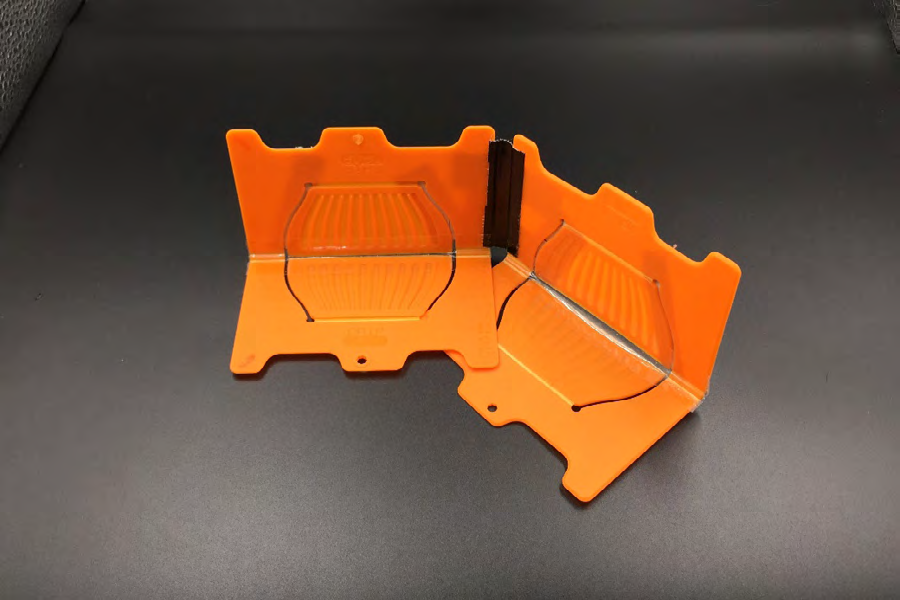
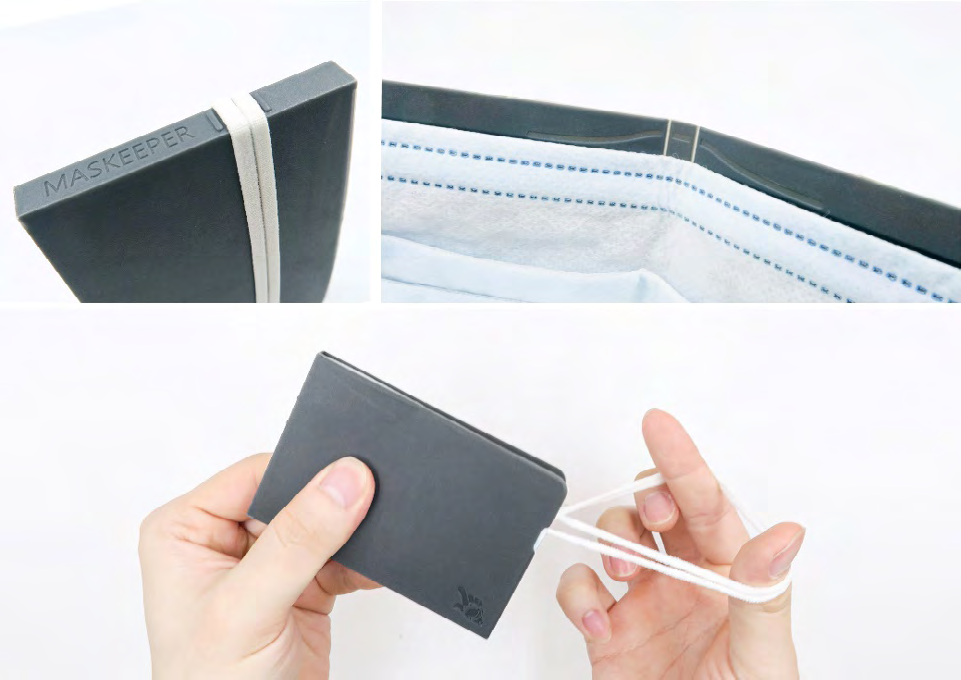
The design development of the Maskeeper has relied heavily on prototyping to brainstorm, test and validate new ideas, which closely resembled the Design Thinking methodology developed by IDEO. The design team has brainstormed over 20 ideas. Advancing the design concept via prototyping helps designers to validate their ideas quickly. By using paper and other materials to make several rough mock-ups that concretize the basic features of the design, these abstract concepts and ideas could be tested substantially (Figures 2 & 3). For instance, when the early prototype was tested against user behaviours, a fresh problem was revealed: the dangling ear loops outside the main compartment of the mask holder affected its performance, as users complained the floppy strips would easily attract dirt while they were hanging loosely from the mask holder. The team then worked further to improve the design and solved the problem by utilising the ear loops, which had been an obstacle to the storage solution, as an elastic closure to keep the origami fold intact and add value to the design (Figure 4). By relying heavily on prototyping to advance the iterative design development, designers used only two days to finalise the design concept.
Design embodiment–materials selection and control of technique
Amidst the serious supply chain disruption and shutdown of factories in China in the first half of 2020, the design team aimed to launch the Maskeeper to the Hong Kong community as soon as possible to help the fight against COVID-19. Therefore, they addressed the materials selection and the manufacturing processes early on in the product design process. The team identified a set of material selection criteria while testing the prototypes:
- Durable, resistant to tear and water
- Resistant to fatigue so that it is not easily broken or cracked from repeated bent
- Suitable for injection moulding
- Non-toxic
- Resistant to chemicals, especially have to be impervious to alcohol-based disinfectant
- Readily available
- Low cost
- Light in weight
- With a smooth surface that would not scratch the surface of the surgical mask
- Recyclable
- Allows print on the surface Although paper is a convenient material for building working prototypes fast to test the origami folding, it fails to fulfil the design requirements of the Maskeeper. Different types of thermoplastics that have been widely used in product packaging were considered early on in the design process, including Polyethylene Terephthalate (PET or PETE or Polyester), High-Density Polyethylene (HDPE), Polyvinyl Chloride (PVC), Low-Density Polyethylene (LDPE) and Polypropylene (PP). Most of these synthetic polymers posed various challenges such as foldability and endurance of the folds. Designers have chosen PP as material for mass production as it can satisfactorily fulfil the material selection criteria as listed above. PP is non-toxic and is widely used for tableware and utensils. It has high resistance to fatigue referring to its outstanding mechanical property to withstand “fold and unfold” over hundred times, therefore it is durable for multiple uses. It is impermeable to water and with very good resistance to many aggressive chemicals. It can endure 75% isopropyl alcohol, which is a very popular disinfectant against COVID-19 and is widely used by people to clean the surface of daily items. Furthermore, it can be UV printed with a variety of patterns and graphics. The PP used by INNOSPHERE for the production of Maskeeper is lab- approved and complies with EN71-3 safety directives and BPA free.
The PP Maskeeper was originally planned to be mass- produced by injection moulding but the design team had to rely on the CNC laser cut machine available locally for the mass production of the first batch of products during that critical period of serious supply chain disruption. Applying laser cut to PP requires a very skilful technique to avoid wrapping of the sheet or burn marks on the surrounding cut edge surfaces. On the other hand, there are still many considerations on the thickness of the PP sheet for making the Maskeeper. Early trials proved that thick materials are very difficult to fold and too bulky to put in the pocket. Several prototypes have shown that a slight reduction in the material thickness could achieve higher efficiency in the cost and increase the foldability of the Maskeeper. By testing PP sheets of different thickness, 0.2 mm thick PP material was proven to be optimum and the next phase was to produce a high fidelity prototype by laser cutting. The technique is the result of a combination of design trials and multiple testing. The team calibrated the laser-cutting beam carefully in search of an appropriate frequency that could minimise the sheet wrapping from the cutting process. Meanwhile, they also constructed a special supporting platform to elevate the PP sheet slightly during laser cut, as it could make more space available for heat diffusion. The treatment helps to mitigate the chance of leaving visible burn marks on the PP surface. A cleaner cutting edge enhances the overall finishing and delivers a better user experience of the final product.
Another challenge to embody the design is to decide the optimal depth of the scoring of the fold. The ideal depth of the groove should allow users to fold the Maskeeper easily, but at the same time, be durable enough to withstand repeated folding. Maskeeper with folds of an optimal scoring depth is important not only for a better user experience; it also helps to improve the sustainability of the product as it can lower the defect rate during mass production, thus saving material and energy for every item produced on average. Through trials, the team has successfully cut the defect rate by improving the precision of scoring, thus making the mass production economically viable under the straining manufacturing conditions. The product was sold in the market in March 2020 after applying for a design patent and over 10,000 were sold within the first two months. With the positive response and success in sales, this research aimed to use a survey questionnaire to analyse the various identified parameters related to user experience and the ergonomics of the design of this first generation of Maskeeper.
Research Methodology
The research methodology has adopted two types of quantitative analysis of survey responses. First, the data collection involved an overall rating and feedback on the Maskeepers from the users’ point of view as a post-utilization assessment. Secondly, the research tests a hypothesis that four pre-defined key aspects (material durability, user- friendliness, sustainability and emotional design) would have a positive impact on user preferences towards the Maskeepers.
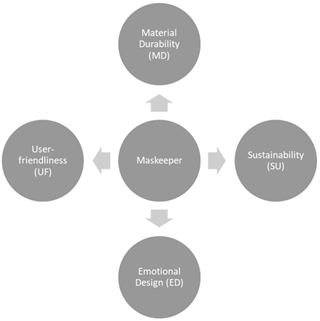
As part of the data analysis, the classic ordinary least squares (OLS) regression was adopted to test the correlation between the selected four aspects shown in Figure 5 and usage frequency. Usage frequency (Freq) is used as the response variable, while the four factors are regarded as explanatory variables in each model, corresponding to every survey question response under their respective category. A generalized regression model is represented by the formulas below: Freq= c+β1,2,3 (MD)+ɛ Freq= c+β4,5,6,7 (UF)+ɛ Freq= c+β8…12 (SU)+ɛ Freq= c+β13,14 (MD)+ɛ
- Material Durability (MD): Users were asked to give ratings on the material quality, durability and whether the Maskeeper is easy to clean. β1,2,3 are coefficients for MD variables to estimate.
- User-friendliness (UF): This includes a set of user- friendliness related question responses, such as portability, user instructions, etc., with β4,5,6,7 as corresponding coefficients.
- Sustainability (SU): Whether the Maskeeper can reduce waste of other disposable materials for the temporary storage, and extend the service life of masks; whether the packaging of the product is sufficient but minimum are some example questions of this category. Environmental concern is part of the design initiatives, and therefore we explore this factor in the model as well. β8…12will be estimated.
- Emotional Design (ED): Given that masks, potentially together with Maskeeper have become daily necessities, apart from practical usage, we expect that user can have an emotional attachment towards the item, hence we asked about the likelihood of reuse and users’ expectations on the aesthetic design. β13,14 are the two estimation parameters for this category.
Values of all response variables mentioned above are converted from the 5-point Likert scale survey questions. Detailed numeric mapping can be found in Appendix A. The higher ratings mean the greater performance and feedback of each perspective. β1….14 are all expected to be positive to prove that the above four aspects are essential to a user- preferred Maskeeper.
The data collection process started with a two-week trial period of the Maskeeper with a sample size of over 150 participants of mixed background. After the trial, participants would be asked to complete a survey via an online platform. With preliminary data cleaning to exclude the invalid entries, a total of 124 valid responses (N=124) were collected. The result included 50 males and 74 females, representing 40.3% and 59.7% of the total sample population. The largest age group of the participants was aged 18 to 25 (58.1%) and the second-largest age group was from 36 to 45 (16.94%) (Table 1).
Before the data collection process, consent was obtained from participants to ensure ethical protocols are adhered to. Volunteered participants were informed of the purposes of the research study at the beginning of the survey. It took around 10 to 15 minutes to complete the survey, which consisted of 20 multiple-choice questions and 2 open-ended questions. The questionnaire was designed to ask users to evaluate the four identified parameters of research, namely, material durability, user-friendliness, sustainability and emotional design of the Maskeeper. Other generic questions about general background and mask-wearing behaviours were also asked, as they could offer a deeper understanding of the user context and mask usage patterns for future improvement of the design.
Data and Descriptive Statistics
Participants’ General Background and Mask- Wearing Behaviours
The questionnaire was divided into multiple sections. General background questions on gender, age and daily mask-wearing behaviours were asked. The statistics are summarized in Table 1.
| Attributes | Count | % |
|---|---|---|
| Gender | ||
| Male | 50 | 40.32 |
| Female | 74 | 59.68 |
| Age group | ||
| 18-25 | 72 | 58.06 |
| 26-35 | 14 | 11.29 |
| 36-45 | 21 | 16.94 |
| 46-55 | 13 | 10.48 |
| Above 55 | 4 | 3.23 |
| Most frequently used mask type | ||
| Disposable surgical mask | 120 | 96.78 |
| Cloth mask | 2 | 1.61 |
| N95 or similar cup- shape respirators | 2 | 1.61 |
| Average number of masks used per day: 1.13 |
Table 1: General background and mask-wearing behaviours of survey participants (N=124).
Gender: There are more female participants compared to male participants in this study. Age group: All the survey participants are adults with age above 18, while the age groups are widely spread, lower to 18-25 years, upper to above 55 years. Since the survey was conducted on the university campus, more than 50% of the respondents belong to the 18-25 age group naturally. Most frequently used mask type. The disposable surgical mask takes the dominant lead as the most frequently used mask type. 96.78% of the participants use it as the main protective equipment against the outbreak of COVID-19. The remaining respondents (3.2%) choose other types of masks, such as cloth masks and N95/cup-shape respirators. Average number of masks used per day. Excluding invalid or non-numeric responses, the average number of masks used per day among the survey participants is 1.13. The number is only slightly more than one (mask) per day, which means during the day when people have to take off their masks (e.g., eating, drinking, etc.), they normally would not replace it with a new one. Instead, they would have to find someplace to store the mask temporarily and reuse it later.
Evaluation of Maskeepers’ Performance– Four Selected Design Factors
Table 2 shows the user evaluation of the four identified parameters attributed to the design of Maskeeper: namely material durability, user-friendliness, sustainability and emotional design. By analysing the research results, future improvements and adjustments can be deduced from the findings to refine the design of the next generation of Maskeeper.
| Attributes | Mean | S.D. | Range | |
|---|---|---|---|---|
| Material Durability (MD) | ||||
| Overall quality | 3.83871 | 0.702922 | 1-5 | |
| Durability | 3.943548 | 0.71343 | 1-5 | |
| Easy to clean | 3.846774 | 0.806925 | 1-5 | |
| Overall rating: 3.88 | ||||
| User-friendliness (UF) | ||||
| Portability | 4.298387 | 0.855207 | 1-5 | |
| Space saving | 4.112903 | 1.06083 | 1-5 | |
| Easy to fold | 4.016129 | 0.775476 | 1-5 | |
| Clear instructions | 4.104839 | 0.696315 | 1-5 | |
| Overall rating: 4.13 | ||||
| Sustainability (SU) | ||||
| Less waste of other materials for mask keeping | 3.612903 | 1.240965 | 1-5 | |
| Extend life cycle of disposable surgical masks | 3.008065 | 1.165186 | 1-5 | |
| Reduce unnecessary replacement of masks | 3.217742 | 1.246527 | 1-5 | |
| Sufficient packaging for functional requirements | 3.798387 | 0.874014 | 1-5 | |
| Minimum packaging | 3.620968 | 1.000754 | 1-5 | |
| Overall rating: 3.45 | ||||
| Emotional Design (ED) | ||||
| Intention to reuse | 4.024194 | 1.047364 | 1-5 | |
| Potential to become fashionable items | 3.306452 | 1.068221 | 1-5 | |
| Overall rating: 3.67 | ||||
Table 2: User Behaviour Assessment of Maskeeper. Ratings of every attribute are dependent on the responses of survey questions, r
It is observed that the Maskeeper has received overall positive users’ feedbacks, illustrating a means greater than 3 (neutral) in all the attributes. Among the four attributes, user-friendliness received the highest rating (avg. rating: 4.13), followed by material durability (avg. rating: 3.88) as participants were asked to bend and fold multiple times during the test period to ensure that the product can withstand the excessive wear and tear. This indicates that users are generally satisfied with the functional performance of the product. The majority of the participants agreed that the Maskeeper has multiple essential design quality - it is light-weighted, easy to fit into bags or pockets. The users’ instructions with graphical aids on the packaging are easy to follow.
As for the evaluation of materials, it is a two-fold analysis. On one hand, the Maskeeper is made of polypropylene (PP) plastics, which is not an environmentally friendly material as it is non-biodegradable. However, it is very resilient in multiple usages and has strong agility in the aspects of material quality and durability and therefore was given a relatively higher rating after the product trial. Most of the users do not find too much difficulty in cleaning the surface of the Maskeeper. Besides, other attributes such as sustainability and emotional design, which are not direct functional requirements and more subjective, have a relatively lower rating, and greater variance (standard deviations).
Descriptive Statistics of Explanatory and Response Variables
Table 2 is not only the user evaluation of the Maskeeper but also the descriptive statistics of explanatory variables in the regression models. Each attribute under the four different aspects is taken into account. The only response variable, usage frequency, indicates the user preference on the Maskeeper. Its descriptive statistics are shown in below Table 3.
| Count | % | Rating | |
|---|---|---|---|
| Always (every time you take off your mask/whenever you want to put away your mask) | 22 | 17.74 | 5 |
| Often (most of the times when you take off your mask/put away your mask) | 45 | 10.48 | 4 |
| Sometimes (some of the times when you take off your mask/put away your mask) | 34 | 36.29 | 3 |
| Seldom (only a few times when you take off your mask/put away your mask) | 10 | 8.06 | 2 |
| Never | 13 | 27.42 | 1 |
| Mean | 3.427419 | ||
| S.D. | 1.18372 | ||
Table 3: Descriptive statistics of the response variable – Usage frequency (Freq).
Results
The generalized regression models have been applied to 124 valid survey responses. There are four models, aiming to test whether each specification of the Maskeeper has a positive impact on usage frequency and user preference.
The regression results are shown in Table 4. F-statistic of all the models is significant at a 1% level, which successfully rejects the null hypothesis and proves that the four predicted factors: durable materials, friendly user experience, sustainability and emotional design are essential to user’s choice in Maskeepers.
| Models | Coefficient(β) i | Std Error |
|---|---|---|
| Model 1 - Material Durability (MD) | ||
| Overall quality | 0.557172*** | 0.145359 |
| Durability | 0.450112*** | 0.149855 |
| Easy to clean | 0.148045 | 0.125364 |
| Adjusted R2 | 0.308975 | |
| F-statistic | 19.33217 | |
| Model 2 - User-friendliness (UF) | ||
| Portability | 0.479035*** | 0.133384 |
| Space saving | 0.02445 | 0.098204 |
| Easy to fold | 0.304577** | 0.159409 |
| Clear instructions | 0.251136* | 0.160846 |
| Adjusted R2 | 0.336526 | |
| F-statistic | 16.59699 | |
| Model 3 - Sustainability (SU) | ||
| Less waste of other materials for mask keeping | 0.331960*** | 0.067883 |
| Extend life cycle of disposable surgical masks | 0.118265 | 0.094143 |
| Reduce unnecessary replacement of masks | 0.236836*** | 0.089629 |
| Sufficient packaging for functional requirements | 0.305817*** | 0.099429 |
| Minimum packaging | 0.097969 | 0.084541 |
| Adjusted R2 | 0.517364 | |
| F-statistic | 27.37006 | |
| Model 4 - Emotional Design (ED) | ||
| Intention to reuse | 0.666858*** | 0.071028 |
| Potential to become fashionable items | 0.365964*** | 0.069641 |
| Adjusted R2 | 0.5406 | |
| F-statistic | 73.37029 |
Table 4: Regression results of the generalized models on each aspect (N=124). *p < 0.10. ** p < 0.05.*** p < 0.01.
- Material Durability: Overall product quality and durability are significant at a 1% level, which proves that these two attributes are statistically meaningful in affecting the usage frequency of the Maskeeper. However, whether the material is easy to clean or not is not observed as a significant explanatory variable. The p-value is greater than 0.1, hence the null hypothesis cannot be rejected.
- User-friendliness: All the variables are statistically significant (at different significance levels) for a positive correlation with usage frequency of Maskeeper, except whether the Maskeeper takes much space. It is straightforward that people are more likely to use the portable, easy-to-fold Maskeeper for the temporary storage of masks. Nevertheless, space taking or not does not have a strong correlation with user preference on Maskeeper. This might because the size of a typical adult surgical mask is standardized, similar to an envelope, and it does not take much space anyway itself. Also given that masks have become the ‘new normal’ outfits, people would not mind reserving some space in their bags or pockets for a wrapper, i.e. Maskeeper.
- Sustainability: Even though sustainability is not a direct functional requirement for a Maskeeper, the attributes still have a positive impact on people’s intention to use the Maskeeper, as proved by the regression results. Those who believe the Maskeeper can reduce the waste of other materials compared to disposable tissues, envelopes and other wrappers, for temporary mask keeping, and reduce the unexpected replacement of masks, tend to use Maskeeper more frequently. In another sense, the Maskeeper does not only protect masks against contamination during the day but also saves the waste of masks and other disposable mask keeping materials, hence promotes the idea of environmental protection. Users care about the sufficient packaging including protection of the product, clear instructions printed on the Maskeeper, while whether the packaging is reduced to minimum does not prove to be a significant variable towards user preference. It is worth noting that the specification of ‘Extend life cycle of disposal surgical masks’ scores lowest (3.01) among other sub-items of sustainability and shows no impact on the usage frequency and the user preference. This result may be because prolonging the lifetime of the surgical mask is not a key motive behind the user’s adoption of the product if we interpret together with the result that 81.5% of respondents use only one mask per day. It appears that the user has preset the daily number of mask used; the Maskeeper serves only to provide temporary storage and has an insignificant influence on reducing the replacement of mask. Although PP is non-biodegradable, the design aims to create a reusable mask holder with durability in mind to extend the life cycle of the project can be one sustainable consideration. Maskeeper can help to reduce the non-essential replacement of masks and produce less waste of other materials for the temporary storage of mask. Overall, people who opt to use Maskeepers have a consciousness of environmental sustainability in mind by reusing, reducing and recycling the surgical masks keepers.
- Emotional Design: Model 4 of emotional design tests against the most subjective attributes of all. We expect that those who have an emotional attachment towards the item, the Maskeeper in our case, will use it more frequently. For example, if the participant believes the Maskeeper can be a fashionable item, like masks nowadays with numerous patterns and designs, he/ she will prefer to use the product. Both attributes of the emotional design show a positive correlation towards usage frequency at a 1% significance level. Adjusted R2 value means the model can explain 54% of the variance in user usage frequency of Maskeeper. Some users have expressed that its single colour is boring and more colours, patterns and graphics can be incorporated into the design. This is useful for the next generation of production when the manufacturing process becomes more at ease and the variations on colour, pattern and production time becomes more within control. The limitation of this round of design production was highly constrained and more discussion on design, ergonomics, and form factors will commence in the next phase.
Conclusion
The user evaluation of the Maskeeper shows overall positive feedback, average ratings of all the four aspects (MD, UF, SU, ED) are greater than neutral. It is recognized with good user-friendliness especially. The regression models verify that the usage frequency of the Maskeeper is positively correlated with some of the attributes under each category respectively. All the models can reject the null hypothesis with the F-statistic significance at a 1% level. The adjusted R2 values are relatively low, meaning that the models are only able to explain 30% to 55% of the variance of the response variable, i.e. usage frequency of the Maskeeper. This is reasonable since many other reasons could impact user behaviours in choosing and using the Maskeeper. Our study only focuses on the pre-defined four factors, which are also the key concerns in the design of Maskeeper. It proves that all the perspectives are essential in determining the usage frequency of the product. However, as explained in Results, the null hypothesis cannot be rejected for all attributes (p-value > 0.1 for some attributes). For these exceptions, they are not direct functional requirements, such as easy-to-clean materials, occupied space, and minimum packaging. Hence users might not pay much attention to them, and they do not play a deterministic role in user preference.
The quantitative analysis provides more insights for further design development when combined with open- ended questions at the end of the survey for user’s feedback on the product. Respondents give valuable comments for the next generation of research and design improvements, mentioning that the material is easy to attract dust, and the hard surface is not liked by some users. The Maskeeper is tailored for standard disposable surgical masks, while some respondents do want to see the Maskeeper for other types of masks, such as N95/cup-shape masks and children sized surgical masks. For Emotional Design, respondents have opinioned that a more personalized design or a bespoke approach can be adopted for design variation and the next generation of Maskeepers can explore more pattern, colours and thematic graphics.
In conclusion, as an accessory of masks, the Maskeeper serves as a well-designed protector and a temporary storage solution. Overall quality, durability, portability and easy- to-follow folding method, these functional conditions have a positive impact on usage frequency. Since masks have become a daily necessity, Maskeeper can be a personal item that users would keep in their bags and pockets, hence, potentially developing an emotional attachment to the item. For instance, users are willing to reuse the Maskeeper, expect it can be a fashionable or personalized item. For those users, they have a stronger interest in the product and a greater intention to use it frequently in daily life. For future design development, users show a strong desire to personalize frequently used products to reflect their self-identity and will develop a stronger emotional attachment to it over the product usage life cycle [32]. With a minimalist design style, the first generation Maskeeper had to focus on its essential functions first, and foregone those non-essential decorations. However, to keep a positive user experience and to improve the product usage cycle, ergonomics, appearance and form factor, the designers should consider putting more emphasis on the aesthetics of the product, and even diversifying its appearance that enables users to express their identities while using it in the future.
Acknowledgements
This project has been supported by a research matching grant from the University Grants Committee of the Hong Kong Special Administrative Region, China. We would like to thank Maurice Kwok and Steve Yeung of INNOSPHERE for providing the batch of Maskeeper for user trials and testing. This research has benefited from their views on delivering socially responsible design in the fight against COVID-19 under the new normal.
Appendix A
Complete survey questions and explanatory variable mapping for the regression models.
| Questions | 1 | 2 | 3 | 4 | 5 |
|---|---|---|---|---|---|
| Material Durability (MD) | |||||
| How would you rate the quality of the Maskeeper | Very poor | Poor | Average | Good | Excellent |
| How would you rate the durability of the Maskeeper | Fragile | Non-durable | Average | Durable | Very durable |
| Do you feel it is easy to clean | Very hard to clean | Hard to clean | Average | Easy to clean | Very easy to clean |
| User-friendliness (UF) | |||||
| Do you feel it is portable and easy to take out | Not at all | Probably not | Possibly | Probably | Definitely |
| Do you feel it can fit into your pocket and not taking too much space | Not at all | Probably not | Possibly | Probably | Definitely |
| Is this folding method clear to you | Not at all | Unclear | Average | Clear | Very clear |
| Are the instructions easy to follow | Not at all | Not easy | Average | Clear | Very clear |
| Sustainability (SU) | |||||
| After using the Maskeeper, do you end up using fewer other materials to keep your mask (e.g. tissue paper, envelope, etc.) | Not at all | Probably not | Possibly | Probably | Definitely |
| Does the Maskeeper help to extend the service life of your surgical mask | Not at all | Probably not | Possibly | Probably | Definitely |
| Does the Maskeeper help to reduce unnecessary replacement of surgical mask | Not at all | Probably not | Possibly | Probably | Definitely |
| Does the Maskeeper come with packaging which fulfils its functional requirements (i.e. protection of product, clear instructions provided etc.) | Not at all | Probably not | Possibly | Probably | Definitely |
| Does the Maskeeper come with minimum packaging | Not at all | Probably not | Possibly | Probably | Definitely |
| Emotional Design (ED) | |||||
| Will you reuse the Maskeeper | Not at all | Probably not | Possibly | Probably | Definitely |
| Do you think this kind of Maskeeper can be a fashionable item | Not at all | Probably not | Possibly | Probably | Definitely |
References
-
WHO (2021, May 03) WHO Coronavirus Disease (COVID-19) Dashboard. World Health Organization.
-
Anderson EL, Turnham P, Griffin JR, Clarke CC (2020) Consideration of the Aerosol Transmission for COVID-19 and Public Health. Risk Analysis 40(5): 902-907.
-
Bolton L, Mills C, Wallace S, Brady MC (2020) Aerosol generating procedures, dysphagia assessment and COVID-19: A rapid review. International Journal of Language & Communication Disorders 55(4): 629-636.
-
Kohanski MA, Palmer JN, Cohen NA (2020) Aerosol or droplet: Critical definitions in the COVID-19 era. International Forum of Allergy & Rhinology 10(8): 968-
-
Wang J, Du G (2020) COVID-19 may transmit through aerosol. Irish Journal of Medical Science 189: 1143-1144.
-
Bai Y, Yao L, Wei T, Tian F, Jin DY, et al. (2020) Presumed Asymptomatic Carrier Transmission of COVID-19. JAMA 323(14): 1406-1407.
-
Clarke C, Prendecki M, Dhutia A, Ali MA, Sajjad H, et al. (2020) High Prevalence of Asymptomatic COVID-19 Infection in Hemodialysis Patients Detected Using Serologic Screening. Journal of the American Society of Nephrology 31(9): 1969-1975.
-
Yu X, Yang R (2020) COVID-19 transmission through asymptomatic carriers is a challenge to containment. Influenza and Other Respiratory Viruses 14(4): 474-475.
-
Bundgaard H, Bundgaard JS, Raaschou-Pedersen DET, von Buchwald C, Todsen T, et al. (2021) Effectiveness of Adding a Mask Recommendation to Other Public Health Measures to Prevent SARS-CoV-2 Infection in Danish Mask Wearers. Annals of Internal Medicine 174(3): 335- 343.
-
Cheng VCC, Wong SC, Chuang VWM, So SYC, Chen JHK, et al. (2020) The role of community-wide wearing of face mask for control of coronavirus disease 2019 (COVID-19) epidemic due to SARS-CoV-2. Journal of Infection 81(1): 107-114.
-
Eikenberry SE, Mancuso M, Iboi E, Phan T, Eikenberry K, et al. (2020) To mask or not to mask: Modeling the potential for face mask use by the general public to curtail the COVID-19 pandemic. Infectious Disease Modelling 5: 293-308.
-
Raina MacIntyre C, Jay Hasanain S (2020) Community universal face mask use during the COVID 19 pandemic- From households to travellers and public spaces. Journal of Travel Medicine 27(3).
-
Lyu W, Wehby GL (2020) Community use of face masks and covid-19: evidence from a natural experiment of state mandates in the US. Health Affairs 39(8): 1419- 1425.
-
Tian L, Li X, Qi F, Tang QY, Tang V, et al. (2020) Calibrated Intervention and Containment of the COVID-19 Pandemic. ArXiv E-Prints.
-
Aratani L (2020) How did face masks become a political issue in America? The Guardian.
-
Chan H (2020) Hong Kong’s coronavirus panic reminds me of the dark days of Sars. The Telegraph.
-
Lau BHP, Chan CLW, Ng SM (2020) Resilience of Hong Kong people in the COVID-19 pandemic: Lessons learned from a survey at the peak of the pandemic in Spring 2020. Asia Pacific Journal of Social Work and Development 31(1-2): 105-114.
-
Gale J (2020) ‘Learned bitterly from 2003 SARS’-Top doctor on why Hong Kong’s Covid fatality rate is low. The Print.
-
Lau JTF, Yang X, Pang E, Tsui HY, Wong E, et al. (2005) SARS-related Perceptions in Hong Kong. Emerging Infectious Diseases 11(3): 417-424.
-
Blendon RJ, DesRoches CM, Cetron MS, Benson JM, Meinhardt T, et al. (2006) Attitudes toward the use of quarantine in a public health emergency in four countries. Health Affairs 25(S1): W15-W25.
-
Ho HSW (2012) Use of face masks in a primary care outpatient setting in Hong Kong: Knowledge, attitudes and practices. Public Health 126(12): 1001-1006.
-
Lau JTF, Kim JH, Tsui HY, Griffiths S (2007) Anticipated and current preventive behaviors in response to an anticipated human-to-human H5N1 epidemic in the Hong Kong Chinese general population. BMC Infectious Diseases 7,18.
-
Lau JTF, Yang X, Tsui H, Kim JH (2003) Monitoring community responses to the SARS epidemic in Hong Kong: From day 10 to day 62. Journal of Epidemiology & Community Health 57(11): 864-870.
-
Cowling BJ, Ali ST, Ng TWY, Tsang TK, Li JCM, et al. (2020) Impact assessment of non-pharmaceutical interventions against coronavirus disease 2019 and influenza in Hong Kong: An observational study. The Lancet Public Health 5(5): e279-e288.
-
Han E, Tan MMJ, Turk E, Sridhar D, Leung GM, et al. (2020) Lessons learnt from easing COVID-19 restrictions: An analysis of countries and regions in Asia Pacific and Europe. The Lancet 396(10261): 1525-1534.
-
Leung NHL, Chu DKW, Shiu EYC, Chan KH, McDevitt JJ, et al. (2020) Respiratory virus shedding in exhaled breath and efficacy of face masks. Nature Medicine 26(5): 676- 680.
-
Tam VC, Tam SY, Poon WK, Law HKW, Lee SW (2020) A reality check on the use of face masks during the COVID-19 outbreak in Hong Kong. E Clinical Medicine 22, 100356.
-
Chan EYY, Huang Z, Lo ESK, Hung KKC, Wong ELY, et al. (2020) Sociodemographic Predictors of Health Risk Perception, Attitude and Behavior Practices Associated with Health-Emergency Disaster Risk Management for Biological Hazards: The Case of COVID-19 Pandemic in Hong Kong, SAR China. International Journal of Environmental Research and Public Health 17(11): 3869.
-
Davis N (2020) Report on face masks’ effectiveness for Covid-19 divides scientists. The Guardian.
-
Greenhalgh T, Schmid MB, Czypionka T, Bassler D, Gruer L (2020) Face masks for the public during the covid-19 crisis. BMJ, 369, m1435.
-
Howard J, Huang A, Li Z, Tufekci Z, Zdimal V, van der Westhuizen HM, Rimoin AW (2021). An evidence review of face masks against COVID-19. Proceedings of the National Academy of Sciences, 118(4), e2014564118.
-
Blom JO, Monk AF (2003) Theory of Personalization of Appearance: Why Users Personalize Their PCs and Mobile Phones. Human-Computer Interaction 18(3): 193-228.
- The Expanding Landscape of Road Rage: A Systematic Review of Conflicts Involving Drivers, Pedestrians, and Micromobility
- Validating Cognitive Models of Royal Navy Performance on Control Systems
- Comparing Standard and State-of-the-art Firefighter Coats on Postural Balance and Gait in a Live Burn Environment
- Investigating the Integration of Telemedicine into Clinicians Workflow: A Review of Methods
- Risk Assessment of Ergonomic Factors in a Textile Firm by RULA, REBA and Fine Kinney Methods
- Impact of Self-Esteem Training on Individuals with Disabilities Aged 17-30