
Integrating Four Human Senses into Highway Landscape Process: A System Approach
Current highway landscape design guidelines focus only on the visual aspect of the landscape. This paper presents a comprehensive framework for highway landscape planning/design that considers all four senses (vision, sound, touch, and smell). The framework includes advanced technologies, such as electroencephalograms, electromyograms, galvanic skin response, and light detection and ranging that are used to evaluate the and physiological aspects of all users (drivers, pedestrians, and cyclists). In addition, two new elements are included in the framework: landscape consistency and the pavement as a landscape. The traditional landscape applications (structural features and transportation elements) and the emerging applications (tunnels, freeways, pedestrian paths, and cyclist paths) are described. Important landscape considerations, including sustainability, traffic safety, persons with disabilities, and education and research are discussed. The proposed framework, which reflects emerging developments in China, Europe, and other countries, should be of interest to highway practitioners involved in highway landscaping design.
Introduction
The original meaning of ‘landscape’ is mostly of visual aesthetic significance in eastern and western cultures [1]. This term is synonymous with scenery, scene, and view. Following the original meaning of landscape, visual considerations currently dominate the highway landscape design. Specifically, current highway landscape guides still implement the original meaning of visual landscape. In most guides, the colors are selected in an ad-hoc manner without carefully considering driver reactions and behaviors.
Although it has been widely acknowledged that vision is the most important human sense regarding driving activities, there is an increasing agreement in this domain that other human senses may also substantially affect driver states and behaviors. For instance, as Miao, et al. [2] reported, listening to slow-tempo music during driving may offer benefits to novice drivers’ hazard perception without increasing their mental load, which implies that the sound sense is also related to driving safety. Similarly, the touch and smell senses also affect driver behaviors in specific manners. Therefore, other human senses and vision should also be incorporated into the highway landscape design. Some emerging applications have considered the effect of associated landscape features (e.g., sound and smell). However, a comprehensive highway landscape process considering different human senses and emerging technologies is currently lacking.
As multiple human senses are considered, highway landscape design will become a more comprehensive, interdisciplinary, and complicated task. Stimulating various human senses in the physical surroundings can produce different human experiences [1, 3]. Understanding how physical settings affect human senses and thus human behaviors is fundamental to conducting appropriate highway landscape design. For example, color psychology research has shown that yellow and orange colors help people feel alert and allow for transparent decision-making. This finding has important implications for highway safety and is an example of the recent developments in the modern highway landscape. Thanks to the advances in technologies, like electroencephalograms (EEG), electromyograms (EMG), and galvanic skin response (GSR), it is viable to evaluate the physiological and psychological effects of the landscape on the road users. Nonetheless, due to the lack of design guidance on highway landscape that considers all senses, many knowledge gaps exist in using current technologies to optimize highway landscape features.
This paper proposes a highway landscapinge framework that includes four human senses and design principles and considers more emerging landscape elements to fill the existing gaps. The structure of the paper is as follows: (1) a global historical perspective of highway landscape, (2) the proposed framework, (3) traditional and emerging highway applications, (4) important landscape considerations, and (5) conclusions.
Historical Perspective
The history of landscape design worldwide (U.S., Australia, and United Kingdom) has been addressed by several authors, including Simonson [4], Spooner [5], and Merriman [6]. In the latter half of the 19th century, landscape design in the United States started in carriage roads built in public parks before the automobile invention. Underpasses were provided for vehicular cross-traffic to achieve greater comfort for the people who visited the park for enjoyment. This feature seems to represent an interesting early adoption of ‘Complete Highways,’ albeit simplistic. By 1900, the total world population of horse-drawn vehicles was 50 million, while the number of motor vehicles was less than 100,000. By 1930, the situation had reversed, and there were 26 million motor vehicles. As a result, this period signified a new era in landscape development.
During the first half of the 20th century, roads were developed as parkways to parallel the growth of motor vehicles. The early focus was on the design of the parkway itself to accommodate vehicular traffic. In 1930, a Joint Committee on Roadside Development was established by the American Association of State Highway Officials and the Highway Research Board of the National Research Council. The committee’s scope was to plan and conduct research in all phases of roadside design, construction, and maintenance that would promote the essential qualities of a complete highway. At that time, a complete highway meant consideration of beauty in addition to service, safety, and economy. One of the main objectives was to better fit the road into the general landscape of the traversed area. Beauty meant a harmonious integration of engineering, architecture, and landscape principles. Essential elements to attain beauty included conserving stream shores, fine trees, weathered rock ledges, and similar natural features.
The first formal implementation of roadside development occurred in 1933, where some demonstrations were conducted to develop pleasing roadside treatments at moderate cost. After the war, landscape grading, drainage, and erosion control were basic requirements in primary highway construction projects, where sound conservation practices were encouraged. For more details about the landscape development before WW2, the reader is referred to the excellent reviews by Simonson [4] and Nichols [7].
The post-war landscapinge continued to focus on visual aspects and legislation regarding highway conservation and protection. Until the 1960s, the sound concept of landscape started to emerge where the focus was on urban areas such as parks [8]. Subsequent research has mainly focused on the relation between the visual aspects of landscape and sound perception. Studies have addressed how people are sensitive to specific sounds and their preferences for those sounds [9].
International landscape experiences are generally similar. However, Australia has entered the landscape field relatively late, with a background more sensitive to trailblazing than to roadside development, compared to the U.S. [5, 6]. It is not surprising that Australia and Britain have adopted many U.S. landscape planning policies. Another significant difference is that Australia has recognized earlier the importance of seeding from native plant species (such as Eucalypts) instead of forestry-type planting. In the U.S., the trend of using native plants has started later.
Proposed Highway landscapinge Framework
Overall Framework
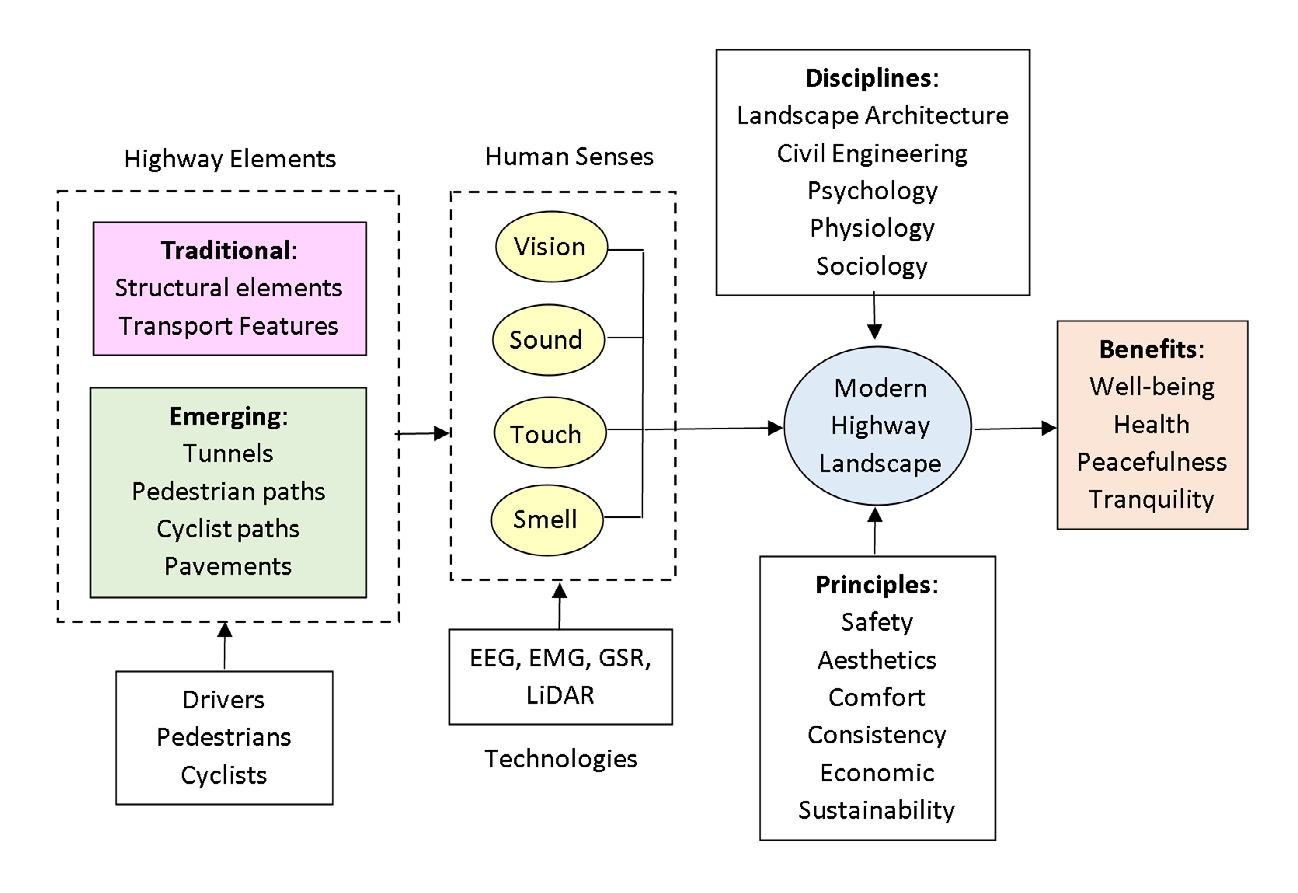
The proposed highway landscapinge framework is shown in Figure
The proposed highway landscapinge framework is shown in Figure 1. The framework includes seven elements: disciplines, design principles, benefits, human senses, technologies, landscape elements, and users. This framework differs from the current landscape design guidance in the following aspects: • The human senses include sound, touch, and smell in addition to vision. • The design principles explicitly include design consistency and user comfort in addition to safety, aesthetics, economic, and sustainability. Safety should be the overriding principle. • The disciplines include physiology in addition to civil engineering, psychology, sociology, and landscape architecture. • Advanced technologies, such as electroencephalograms (EEG), electromyograms (EMG), and galvanic skin response (GSR), are used to evaluate the effect of the landscape on the user. • The framework includes emerging highway elements (tunnels, pedestrian paths, cyclist paths, and pavements) in addition to the structural features and transportation elements. • All road users (drivers, pedestrians, and cyclists) are included in the framework. Integrating the four human senses into highway landscaping can bring significant benefits to all road users, including drivers, pedestrians, and cyclists. Viewing natural highway landscapes, such as vegetation and water, generally creates a more substantial positive health effect than viewing human-made terrains, such as buildings and pavements. Landscape can promote well-being by improving health, reducing stress, and providing a sense of peacefulness and tranquility. Highway landscaping has evolved from being a civil engineering area in the middle of the 20th century to a multi-disciplinary field in modern highway development that involves other disciplines, such as landscape architecture, psychology, physiology, ecology, sociology.
Specific details on these aspects will be presented in the subsequent sections on landscape-highway applications. It is used, however, to describe the four human senses and their importance in highway landscape design.
Human Senses and Behavior
Visual: The visual landscape is traditionally implemented in highways using vegetation, generally in green color. However, research in color psychology has provided helpful information about the effect of different colors. Color psychology is the study of the properties of color as determinants of human behavior [10]. Research has shown that brighter colors (e.g., red, blue, and green) help stimulate creativity and energy levels, while blue promotes calm mental clarity and creative thinking. Interestingly, researchers found yellow and orange to help people feel alert and allow for transparent decision- making. This behavior is vital for safe driving on highways.
Vegetations with such colors are usually implemented in highway median and roadside in China. It is also interesting that a yellow-like light with green foliage at night produces somewhat yellow vegetation (Figure 2). Highway lights and tunnel lights are also important landscape features. For highways, vehicle headlights or natural lights that adversely affect road safety can be addressed using proper landscaping. In tunnels, the combination of color and light would be necessary to produce a landscape that promotes safety and well-being for drivers. In general, by using color strategically and following the basic principles of color psychology, the desired behaviors can be promoted.
Sound: Landscaping has been traditionally designed just for the eyes. However, it is known that sound profoundly affects people. It affects our brain waves, heart rate, hormone secretion, emotions, and cognition. Research on the relation between landscaping and sound has addressed several aspects that have been helpful in practical applications. Noise is different from sound. Noise is an undesirable element that should be controlled, while sound (natural or human-made) is a desirable element that can be produced in the landscape. The goal of noise control and sound production is to promote relaxation, satisfaction, and well- being in urban areas. Landscapes can be used to reduce noise directly or indirectly and to produce appropriate sounds. For direct noise reduction, vegetation has been regarded as cheaper and more natural to reduce outdoor noise pollution than human-made materials such as concrete. Landscape can also be used for indirect noise reduction. An exciting study by Yang, et al. [11] focused on the ‘psychological noise reduction’ of visual sensations from the natural environment. The results suggest that landscape plants can moderate the effects of traffic noise by providing excess noise attenuating effects through people’s emotional processing. This finding may have applications in urban centers and highway tunnels commonly shared by motor vehicles, motorbikes, cyclists, and pedestrians. Research on the relation between landscape and sound has been conducted in the lab using photos as a surrogate of the natural landscape and sound recording, Pheasant, et al. [12]. Other studies addressed the effects of spatial patterns of landscapes on sound perception at a larger scale. Matsinos, et al. [13] suggested that landscape attributes mainly shaped spatial sound variability in a coastal rural area in Greece. Liu, et al. [14] showed that spatial patterns of urban land use might affect the perception of several sound categories in a multi-functional metropolitan area in Germany. The authors also developed analytical models for the effects of landscape on soundscape perception in five city parks in Xiamen, China. They explored methods to incorporate soundscape information into applied landscape management. These studies would be beneficial for highway rest areas and associated parks [15].
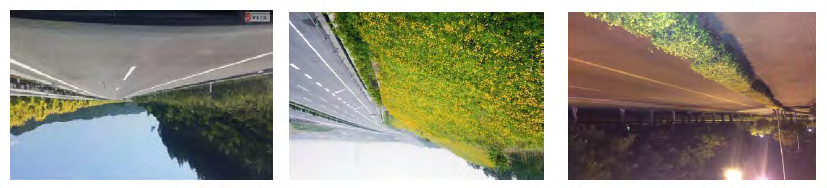
(a) Median (b) Roadside (c)Yellow light effect Figure 2: Using yellow/orange colors in landscape in China.
Touch: Touch (feeling), closely associated with the emotion of comfort, is the least studied sense in highway landscape. The type of materials the eyes see can have a substantial effect on the human touch. For example, in office design, natural materials like wood and soft wool textiles in a shag rug are often associated with a “warm feeling, while materials like metal can convey coldness. Some designers have advocated a greater diversity of textures to create a balance (e.g., a rough, reclaimed wood desk with a smooth, even-surfaced chair in a bright hue). Can a similar concept of touch be implemented in highway landscapes? The answer is Yes. The elements that add texture to highway landscapes include concrete/brick types, artwork (paintings, sculptures, and wallpaper), and flowers/plants. Some of these elements also apply to tunnel landscapes. People feel the city through touch every day. The tactile communication with urban space can be divided into unpleasant and pleasant. The preferred tactile perception of people can be divided into three types [16]: protective contact, comfortable contact, and pleasant contact. However, good design can break the boundaries between the three and transform protective contact into comfortable contact or even pleasant contact. More and more urban and landscape designers, sculptors, and engineers are paying attention to the perception of the protective contact, which has become one of the key contents of outdoor space design, such as railings, anti-slip ramps at intersections, covered corridors on urban streets in subtropical areas, and rest arcades on urban squares in hot areas. These features are designed to help people in need to safely pass through, avoid collisions, and improve comfort.
Smell: The smell sense currently is not part of highway landscapes, but it has been implemented in landscape areas such as hotels, retailers, and restaurants. For example, scents that can help improve memory performance include cinnamon, mint, lemon, orange, and rosemary. Strategically placed candles and oil burners can activate these scents. Recently, researchers started to address the potential of using smell as part of the environment landscape, including Perkins and McLean [17], Hanshaw [18], Hanshaw, et al. [19], and Kang, et al. [20]. Smell is thought to have the potential to influence emotional state and behavior at an unconscious level, without the implicit agreement or knowledge of the individual. Considering smell in urban environments presents valuable opportunities to improve the well-being of the highway users. Considering smell in urban design practice presents valuable opportunities for practitioners to potentially improve the physiological and psychological state of the highway users. How to incorporate smell into highway landscape effectively is a challenge. It is possible to start incorporating smell at strategic highway facilities, such as pedestrian facilities and bridges, cyclist routes, bus stops, and transit stations.
Landscaping Consistency Concept
The design consistency concept has been applied to horizontal highway alignments, combined three-dimensional alignments, and cross-sections, see Transportation Association of Canada [21], Chaudhari, et al. [22], and Easa and Mehmood [23, 24, 25]. A similar design consistency is proposed here for landscaping design. Landscape design consistency should focus on two aspects: overall consistency and rural-urban transition. Overall Consistency: Landscape design consistency implies that landscaping should be applied to the entire highway facility, including traditional elements, intersections, roundabouts, tunnels, and bridges. Different highway classes should have their unique landscape characteristics. In addition, the landscape characteristics within each class, especially freeways and expressways, should be consistent. Landscape consistency is a new research area that involves numerous semi-quantitative and semi-qualitative aspects. As such, it can be evaluated using such mathematical methods as the analytic hierarchy process [26]. Another perspective of landscape consistency was presented by Fukahori and Kubota [27] who introduced several aspects of landscape consistency as part of a decision-support system: policy, technique, zone, structure, site, and strategy. The system can assist the designer’s decision in the selection of the design techniques. Besides, the emerging advanced surveying and mapping technologies like Light detection and ranging (LiDAR) can help reconstruct digital twin model of highway landscape, which can then be used to extract certain information to evaluate landscape design consistency. Rural-Urban Freeway Transition: The characteristics of rural and urban landscapes are quite different [28]. Therefore, on interstate highways (or expressways), there should be a gradual transition from the rural to the urban landscape. The rural landscape exhibits the following features:
- The natural landform and vegetation dominate the visual field and with greens, warm grays, and muted blues,
- Traffic volumes tend to be light and the view extends further into the landscape with less focus on the immediate right-of-way,
- Drivers perceive that the natural landscape is larger than the highway, and
- The rural landscape is much more uniform in its visual properties and does not change character rapidly, which simplifies the driver’s workload.
- On the other hand, in an urban setting, the designer needs to make decisions about materials, colors, textures, and level of complexity by:
- Considering the adjacent land use as a paramount feature in making design decisions,
- Reducing visual complexity (e.g. enhancing the views to commercial properties),
- Using environmental mitigation requirements as an integral part of the aesthetic design process (e.g. integrating historic themes into the highway’s structural details),
- Using very bold, rough textures on surfaces to make them more visible), and
- When possible, accommodating bicycle and pedestrian traffic with the right-of-way.
Pavement as Landscape
The Landscape and Aesthetics Design Manual states that the highway landscape aims to provide better definition of the elements of the facility and reduce the stress on users that results from operating a vehicle in a complex environment [29]. However, current highway landscaping design addresses vehicle noise in terms of noise walls that are built to reduce the noise impact on the neighborhoods. In addition, for pavements, traditional landscape normally focuses only on the visual aspects. For example, textures and colors on pavement are used to highlight different use areas such as pedestrian ways, bike lanes, and important decision points for handicapped persons (Figure 3). However, pavement noise in highway landscape design should be reduced at the source to increase the driver and occupant comfort.
Early research on the effect of pavement characteristics on noise has focused on using open-graded friction courses (with a higher ratio of air voids) that helps reduce noise because it is porous. This mix helps absorb road noise and helps water runoff [29]. Asphalt pavement can also be made even quieter by using eco-friendly recycled tires (rubberized asphalt). Research has shown that rubberized asphalt can substantially reduce noise. An indoor simulation study by Zhang, et al. [30] found that asphalt mix density was negatively correlated with noise reduction, and the air void content and mean texture depth were positively correlated with noise reduction. Recently, new products have been developed to reduce asphalt noise. For example, Durawhisper is designed to reduce traffic noise while meeting all the standard specifications for hot-mix asphalt [31].
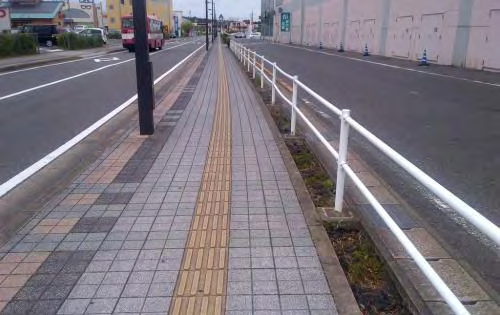
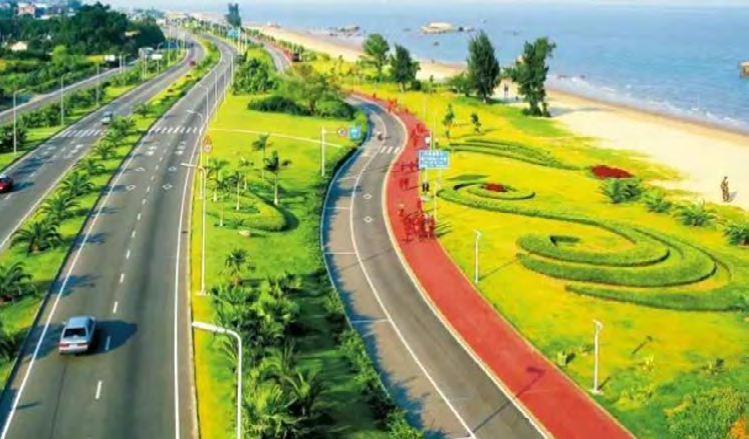
(a) (b) Figure 3: Pavement textures and colors in China.
Highway Landscape Applications
Traditional Applications
Numerous design guidelines for highway landscaping have been developed, such as those by the Tennessee Department of Transportation [32], New Zealand Transport Agency [33], Texas Department of Transportation [28], and California Department of Transportation [34]. The guidelines address various aspects of landscaping, including landscape classifications and types, site inventory and analysis, design development, and installation and maintenance. However, the highway landscape in those guides has focused only on the visual sense. Table 1 presents a summary of various landscape elements based on the Texas landscape and aesthetics design manual [28]. The landscape elements include structural elements (e.g. bridges, retaining and noise walls, and signals and signs) and transportation system features (e.g. intersections, elevated drive lanes, and interchanges). Several important observations can be noted from Table 1: (1) the landscape guidelines did not address the sound or touch, (2) the noise walls addressed in the guidelines are related to mitigating the noise effect on the neighborhood, not on the driver, (3) the effect of pavement landscape on the driver (apart from visual effect) has not been considered, and (4) tunnels, that are dominant in many countries (e.g., China), have not been addressed. The next section presents several emerging landscape applications that address the preceding gaps. These emerging applications became possible due to the implementation of advanced
![Figure 5: Interior landscaping of tunnels, China [39].](/fulltextimages/7807/fig_5.png)
sensor technologies, such as EEG, EMG, and GSR. EEG records the electrical waves in the brain, while EMG evaluates the nerve and muscle function in the arms and legs. GSR reflects the intensity of our emotional state (or emotional arousal).
Emerging Applications
Tunnel Portal Design: Most work on tunnel landscape has been devoted to the design of tunnel portals at entrances (Figure 4). Ye, et al. [35, 36] analyzed the landscape design of mountain highway tunnel portals in China considering travel fatigue prevention, visual adaptation, culture communication and display, and environmental protection. Landscape design principles, such as safety, failure prevention, physiological, anthropological, blending, and economic principles, are discussed. The authors concluded that landscape design of tunnel portals is a comprehensive artistic task that involves local culture, bionomics, psychology, environment protection, lighting, structural methods, new materials, and new technical arts. Despite extensive landscaping of tunnel portals, landscaping of the tunnel proper has not evolved beyond illumination and visibility, as pointed out by Miyake, et al. [37]. It is recommended that research on complete landscape design for the entire tunnel (reflecting visual and touch senses) be undertaken. The visual landscape may be implemented using wall art of natural features and special lighting. As previously mentioned, urban highway tunnels that are used by a mix of users (e.g., pedestrians and cyclists) would greatly benefit from this type of research.
![Figure 6: Simulation of experimental route and YCB scenario [41].](/fulltextimages/7807/fig_6.png)
(a) (b) Figure 4: Examples of tunnel portals (by Penda China).
Tunnel Sound Effect: A recent study by Yang, et al. [38] addressed the usually neglected acoustic environment and its effect on drivers’ physiological state and driving behavior. Using a driving simulator and using 45 participants, five different sound scenarios were tested: original highway tunnel sound and a mix of it with four other sounds (slow music, fast music, voice prompt, and siren, respectively). The subjects’ physiological state and driving behavior data were collected through heart rate variability and EEG. Also, vehicle operational data, including vehicle speed, steering wheel angle, brake pedal depth, and accelerator pedal depth, were collected. The results showed that slow music was the best kind of sound related to driving comfort, while the siren sound produced the strongest driver reaction regarding mental alertness and stress level. The voice-prompt sound was the most effective sound affecting safety, even though it most likely caused driver fatigue. The findings of this study can help improve the quality and safety of the acoustic environment in highway tunnels.
Tunnel Feeling Effect: The interior landscape design of the highway tunnel has an important effect on driver feeling. In China, the interior decorations, including vegetation, blue sky, and white clouds created by various lights were developed. For example, Figure 5a shows the interior landscape of a motor vehicle tunnel (Zhongnanshan Tunnel, Shaanxi ) which is the longest two-tube road tunnel in China (about 18 km). Figure 5b shows the landscape of a tunnel for non-motor vehicles (red lane) and pedestrians of the Banzhang Mt. tunnel, Zhuhai. The tunnel, the longest of its kind in China (1.2 km), is decorated with 3D inkjet paintings of blue sky and white clouds on the ceiling, with flying birds, balloons, and spacecraft patterns are provided every 50 m. Also, the tunnel includes promotional videos and cartoons projected on the side walls showing the urban civilization and characters of the Zhuhai city. Such a tunnel would be ideal for implementing landscapes that addresses all four human senses. The interior tunnel landscapes could effectively alleviate the monotony and fatigue of the drivers, and furtherly improve the driving safety in the long tunnel.
![Figure 7: Landscaping at roundabout [45].](/fulltextimages/7807/fig_7.png)
(a) Motor traffic tunnel (b) Non-motor traffic with sidewalk Figure 5: Interior landscaping of tunnels, China [39].
In a study of the effect of tunnel speed in an 1800 m-long tunnel by Yang, et al. [40], three scenarios with different front vehicle speeds were set up in a driving simulation experiment. The EEG technology was used to collect the leading data on brain waves and eye movements. After adapting to the tunnel environment, the results showed that the driver alert level was the lowest, indicating that the drivers were most comfortable at the speed of 45 km/h. The conclusions of the study provide a guideline for the recommended speed limit in similar tunnels.
| Landscape Element | Features/ Considerations | Human Senses |
|---|---|---|
| (a) Structural Elements | ||
| Bridges | Basic aesthetic guidelines (e.g. sidewalks), superstructure, substructure, barriers, pedestrian and bicycle railing fence, lighting, decorative concrete, and coatings for structural concrete. | Visual |
| Retaining and noise walls | Wall color and finish, vertical alignment. | Visual, Noise |
| Topography and grading | Aesthetics quality, stabilizing cut and fill slopes, interchanges, and erosion prevention. | Visual |
| Adjacent properties | Blend, contrast, screen the highway. | Visual |
| Surface finishes | Special finishes may be used on any structure or roadside element, a combination of color, texture, and pattern (modified by scale and distance). | Visual |
| Traffic barriers and guard fences | Aesthetic properties (color, finish, materials, and location) to achieve aesthetic objectives. | Visual |
| Signals and signs | Visual complexity, large route information signs, directional and traffic signs, and traffic control signs and signals. | Visual |
| Illumination | Lighting for visual effect, aesthetic lighting guidelines, aesthetic character of luminaires and poles, lighting sources, and lighting/plant materials. | Visual |
| Bicycles and pedestrian access | Bicycle facility design (e.g. pavement surface, railroad crossings, and traffic control devices) and pedestrian facility design (e.g. medians, sidewalks, and signals). | Visual |
| Public art | Safety, finishes, location, vandalism, theme, and complexity. | Visual |
| Medians and traffic islands | Functional and aesthetic elements. | Visual |
| (b) Transportation System Features | ||
| Intersections | Visibility, high concentration of visual information in the form of signage/ signals, off-site activities, advertising, complex patterns of shade, shadow, and reflection, placement of design elements pedestrian/bicycle movements, future off-site development, accessibility, and aesthetics. | Visual |
| Elevated drive lanes | Aesthetic design considerations. | Visual |
| Interchanges | Interchange types, size, safety, drainage, planting, shade, gores, and pedestrian circulation. | Visual |
| Depressed driving lanes | Aesthetic design considerations | Visual |
| Entrance and exits ramps | Safety, visibility, placement of plants, and other. | Visual |
Freeway Exit Alert: Suppose the information on freeway exits is not effective or driver vigilance is not adequate. In that case, the driver may not be able to obtain the information in time, resulting in missing the exit or making unsafe forcible lane change. The study by Yang, et al. [41] proposed creating a guardrail painted with a yellow color, located before the exit to allow the driver to obtain sufficient exit information in time and get off the freeway safely (Figure 6). The yellow- color belt (YCB) aims to inform the drivers that there is an exit ahead and adjust vehicle state and driving behavior in time. A driving simulator experiment with two different scenarios (YCB scenario and baseline scenario with no YCB). Data on eye movement, electroencephalograph, and driving behavior of the participants were collected. Compared with the baseline scenario, the results showed that in the YCB scenario: (1) the fixation points were mainly distributed in front of the road and the fixation duration on the guide signs was relatively long, (2) the EEG was smaller; the driver decelerated more smoothly, and (3) the steering wheel angle was smaller. The statistical analysis showed that participants’ vigilance in the YCB scenario was significantly improved.
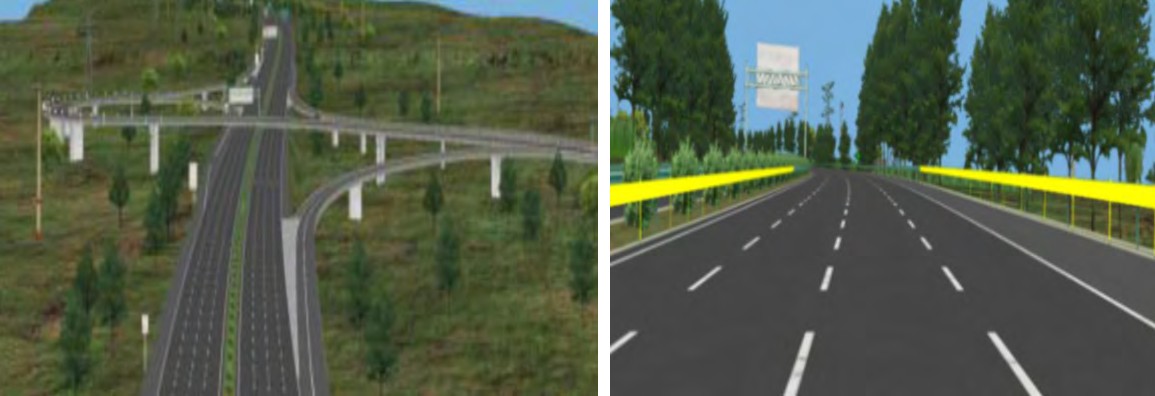
(a) Experimental interchange area (b) YCB experimental scenario Figure 6: Simulation of experimental route and YCB scenario [41].
Important Landscape Considerations
Sustainability
In collaboration with other organizations, the American Society of Landscape Architects has developed ten categories of sustainable landscaping guidelines related to stormwater management and water use, energy use, vegetation and soil, operation and maintenance, and performance monitoring [1]. For example, credits can be obtained from making stormwater runoff an asset instead of a liability. Examples include roof and rain gardens, pervious pavements on sidewalks and parking lots, percolation pits, and sumps. Based on the total credits, one to four stars can be awarded. Designers or site owners can submit landscaping projects for the Sustainable Sites Initiative (SITES) certification by providing documentation of sustainable strategies used. Like Leadership in Energy and Environmental Design ratings, SITES certification can make the public aware of the commitment to the sustainability of both the company and the client.
Traffic Safety
Landscaping should satisfy several geometric design criteria that are required for safety. These include clear zone, context-sensitive solutions, sight distance, and slope [42]. Some safety-related practices include: (a) using bushes, shrubs, or trees to block sun glare on signs, accent a vital sign, or hide distractions, (b) creating lines of bushes or shrubs to keep snow from drifting onto the highway, (c) building planted bushes and trees to shield drivers from headlight glare of oncoming vehicles, (d) providing adequate street lighting for illumination in the dark, and (e) reducing conflict with vehicular movement by using different material for cycle tracks and pedestrian paths.
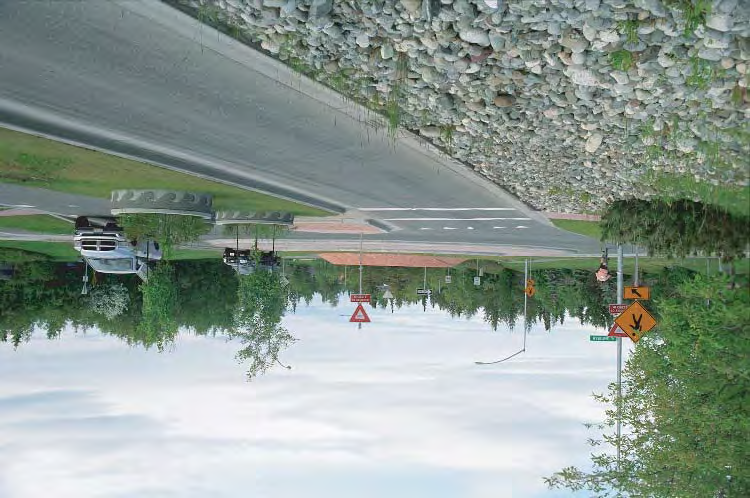
For roundabouts, it is interesting to note that landscaping should be used to limit the clear zone for the approaching vehicles to the minimum sight distance requirements (Figure 7). Sight distance should be available for the approaching vehicles to see the circulating vehicle and the entry vehicle from the left, see Easa [43, 44]. Research has shown that excessive available sight distance can lead to more collisions, see Rodegerdts, et al. [45].
Persons with Disabilities
In addition to the basic functional elements, such as pedestrian crosswalks with voice prompts, there are a few landscape design elements dedicated to the persons with disabilities (PWD). Design guidelines to address the needs of PWD with a wide range of impediments (e.g. mobility, sight, hearing, or cognitive) have been developed. For highway landscaping, all pedestrian routes should be safe and easy to use by PWD. These routes should be easily identifiable, clearly separated from vehicular routes, and free of obstacles at all times of the year [46]. The routes are divided into two categories: exterior routes and special arrival/departure areas. The exterior routes include bridges with pedestrian access, crosswalks, curb ramps/curb cuts on public right of way, grades and elevation changes, guards and handrails, lay- bys for vehicles, paths, sidewalks and walkways, pedestrian routes, ramps, stairs and steps, and traffic islands on public right of way. The special areas include accessible routes to entrances, bus/public transit, bus stops, emergency routes, parking, and passenger loading zones. Landscape design guidelines for PWD have been developed by many cities, se for example [47]. Developing awareness and design skills related to PWD should be part of university education to train architects and landscapers.
Education and Research
Many landscaping academic programs are available at the undergraduate and graduate levels to prepare students to become professionals in the landscape field, such as landscapers, landscape architects, landscape designers, and landscape supervisors. Given the vital role that landscaping plays in transportation design, it is suggested that landscape courses should be made available as elective courses (or mandatory, if possible) for undergraduate students in civil engineering who specialize in the transportation stream. At the professional level, popular journals and magazines include landscape architecture, management, and design/ build.
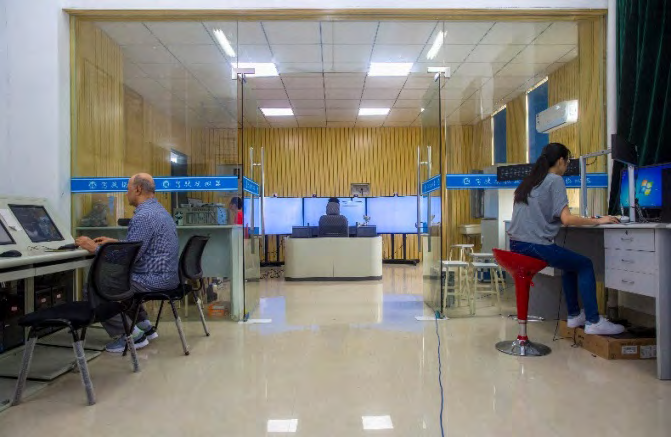
For research, driving simulators are vital for addressing many human factors related to landscaping. For example, Traffic Safety Research Lab at Fuzhou University, Fujian, China, includes a driving simulator that has been used for conducting human factors research (Figure 8). The simulator is divided into two separate parts (cockpit and console).
The simulator includes three essential equipment: (1) eye tracker with glasses that do not restrict or interfere with the subjects., (2) and (2) bio-radio wireless physiological monitoring system that detects physiological data and transmits them using wireless Bluetooth. The system sensors include EEG, EMG, GSR, and pulse. The equipment is part of two analysis systems. First, the D-Lab Driver Behavior Research and Analysis System can automatically analyze eye movement data to accurately determine the subject’s behavior, error operations, voice content, reaction, gestures, and facial expressions. The cardio-physiology module can detect the subject’s physiological parameters (ECG, respiration, body surface temperature, body position) in different states (motion and sleep) in real-time. Second, the VTS Psychological Test System has 138 scales and 80 test items related to intelligence, non-verbal ability, special ability, attitude and interest, and traffic psychology.
The driving simulator can solve many human factors related to landscaping. In studying how highway landscape affects the driver, the above-mentioned driving simulator systems can collect driving behavior parameters, eye movement behavior, brain wave, electromyography, skin resistance and other data in real time through a unified timing, and then put them into the D-Lab system for analysis and processing, combined with the analysis of landscape change and driver’s physiological and driving behavior, the effect of landscape can be quantitatively evaluated.
Concluding Remarks
This paper has presented a comprehensive framework for the highway landscape process that includes the effect of the landscape on four human senses (vision, sound, touch, and smell). The framework introduces some new elements such as the use of advanced technologies to evaluate the physiological effects on highway users, landscape consistency, and the pavement as a landscape. Traditional and emerging landscape applications are described as well. Based on this study, the following comments are offered:
- The current highway landscapinge process is mainly based on virtual aspects of the driver. The proposed landscaping framework includes four human senses that can be considered individually or in combination for various highway facilities. For example, vision and touch (feeling) are relevant to freeways and expressways through visual and pavement landscapes, respectively. Sound and smell can be considered for strategic highway facilities, such as highway rest areas, pedestrian facilities and bridges, cyclist routes, bus stops, and transit stations. Of course, considering soundscape and smellscape in urban environments is a challenge that requires joint work of environmental planners, landscape planners, engineers, stakeholders, and others.
- The proposed framework has explicitly included highway user comfort as part of the highway landscape planning and design. Considering the pavement as a landscape, products can be used to reduce pavement-tire noise and aid driver comfort, as discussed in this paper. In addition, driver comfort can be achieved by reducing the noise in highway tunnels using specific features at the design stage.
- Landscape education and research in China receives more attention than in other countries. For example, the College of Landscape Architecture in Nanjing Forestry University focuses on scientific research and promotes teaching through research. The college has five research centers: National Blue and Green Space Planning Research Center, Jiangnan Garden History and Heritage Protection Research Center, National Park Research Center, Flower Research Center, and Sino-U.S. Landscape Architecture Planning and Design and Protection Research Center. It is recommended that highway landscaping courses at universities should be revised to address the latest developments presented in this paper.
- Some states in the U.S. have established standalone landscape architecture programs to support their vision of providing a safe, sustainable, integrated, and efficient transportation system. For example, the program at the California Department of Transportation (Caltrans) focuses on areas of expertise such as multi- modal transportation and facility design, visual impact assessments, aesthetics, mitigation, roadside management, water and natural resource conservation, site planning and development, and ecological restoration. The program also includes strategies for including livability and sustainability principles in the planning and design of the transportation system [34].
- Complete bridge landscape is an emerging area of focus. The landscape should include the bridge itself, the surrounding entrance and exits, walking facilities, and regions for social interactions. In addition to illumination and vegetation, visual landscaping would include bridge type, the color of guardrails, and other bridge elements. The literature suggests that currently, there is no formal integration of landscape design into bridge design.
- Considering the four human senses in the highway landscape process provides valuable opportunities for integrating such disciplines as physiology and psychology into the civil engineering discipline.
It is recommended that other areas of civil engineering, such as transportation and construction, should more comprehensively integrate these disciplines to promote well-being and excellence [48].
References
-
Zhu X, Chen X, Lin H (2021) Landscape aesthetic foundation based on the theory of visual perceptual dynamics. Journal of Landscape Research 13(1): 76-80.
-
Miao L, Gu Y, He L, Wang H, Schwebel DC, et al. (2021) The influence of music tempo on mental load and hazard perception of novice drivers. Accident Analysis & Prevention 157: 106168.
-
(2017) The Sustainable SITES Initiative. American Society of Landscape Architects.
-
Simonson WH (1952) Landscape design and its relation to the modern highway. College of Engineering Spencer Miller, Rutgers University.
-
Spooner P (1979) Development of Australian highways and highway landscaping. Landscape Planning 6: 285- 297.
-
Merriman P (2006) A new look at the English landscape’: Landscape architecture, movement and the aesthetics of motorways in early postwar Britain. Cultural Geograpbies 13(1): 78-105.
-
Nichols AR (1937) Highway design: Its relation to landscape objectives. Proceedings, 17th Annual Meeting of Highway Research Board, Washington, D.C., pp: 269- 278.
-
Schafer RM (1969) The new soundscape: A handbook for the modern music teacher. BMI, Don Mills, Canada.
-
Brown AL, Kang J, Gjestland T (2011) Towards standardizing methods in soundscape preference assessment. Appl Acoust 72(6): 387-392.
-
(2021) Landscape.
-
Yang F, Bao ZY, Zhu, ZJ (2011) An Assessment of Psychological Noise Reduction by Landscape Plants. Int J Environ Res Public Health 8(4): 1032-1048.
-
Pheasant R, Horoshenkov K, Watts G, Barrett B (2008) The acoustic and visual factors influencing the construction of tranquil space in urban and rural environments tranquil spaces-quiet places? Journal of the Acoustical Society of America 123(3): 1446-1457.
-
Matsinos YG, Mazaris AD, Papadimitriou KD, Mniestris A, Hatzigiannidis G, et al. (2008) Spatio-temporal Variability in human and natural sounds in a rural landscape. Landscape Ecology 23(8): 945-959.
-
Liu J, Kang J, Luo T, Behm H, Coppack T (2013) Spatiotemporal variability of soundscapes in a multiple functional urban area. Landscape and Urban Planning 115: 1-9.
-
Liu J, Kang J, Behm H, Luo T (2014) Effects of landscape on soundscape perception: Soundwalks in city parks. Landscape and Urban Planning 123: 30-40.
-
Xili H, Siostrom P (2015) City sense(s)-hidden dimensions of urban places. China Architecture & Building Press, Beijing, China.
-
Perkins C, McLean K (2020) Smell walking and mapping. In: Hall SM, Holmes H, (Eds.), Mundane methods: Innovative ways to research the everyday. Manchester University Press, Manchester, United Kingdom, pp: 156- 173.
-
Henshaw V (2014) Urban Smellscapes: Understanding and Designing City Smell Environments, Routledge, London.
-
Henshaw V, McLean K, Medway D, Perkins C, Warnaby G (2017) Designing with Smell: Practices, Techniques and Challenges, Routledge, London.
-
Kang J, Tait M, Xiao J (2017) The design of urban smellscapes with fragrant plants and water features. In: Henshaw V, McLean K, Medway D, Perkins C, Warnaby G, (Eds.), Designing with Smell, Routledge, London, pp: 83-95.
-
(2017) Goemetric design guide for Canadian Roads. Transportation Association of Canada (TAC), Ottawa, Ontario.
-
Chaudhari P, Goyani J, Arkatkar S, Joshi G, Easa SM (2021) Design consistency evaluation of two-lane rural highways in hilly terrains. Transportation Research Procedia.
-
Easa SM, Mehmood A (2007) Establishing highway horizontal alignment to maximize design consistency. Can J Civ Eng 34(9): 1159-1168.
-
Easa SM, Mehmood A (2004) Optimizing geometric design of single-lane roundabouts: Consistency analysis. Can J Civ Eng 31(6): 1024-1038.
-
Easa SM (2007) Design consistency. In Geometric Design Guide for Canadian Roads, Transportation Association of Canada, Ottawa, Ontario, Canada.
-
Yuwen Wang, Shaobing Pan, Xianwei Wei, Haifeng Jiang, Zhiqiang Liu, et al. (2019) Evaluation on functional Importance of Regional Landscape Elements of Highway. IOP Conf. Series: Earth and Environmental Science 358: 042058.
-
Fukahori K, Kubota Y (2000) Consistency evaluation of landscape design by a decision support system. Computer-Aided Civil and Infrastructure Engineering 15: 342-354.
-
(2017) Landscape and aesthetics design manual. Texas Department of Transportation, Texas DOT, Austin, TX.
-
Chen S, Lin X, Zheng C, Guo X, Chen W (2021) Evaluation of siltation degree of permeable asphalt pavement and detection of noise reduction degree. Appl Sci 11(1): 349- 367.
-
Zhang H, Liu Z, Meng X (2019) Noise reduction characteristics of asphalt pavement based on indoor simulation tests. Construction and Building Materials 215: 285-297.
-
(2021) Durawhisper. Lafarge, Mississauga, Ontario.
-
(2017) Landscape design guidelines. Tennessee Department of Transportation, Nashville, Tennessee.
-
(2006) Guidelines for highway landscaping. New Zealand Transport Agency, SP/M/020, Wellington, New Zealand.
-
(2017) Landscape Architecture Program. California Department of Transportation, Caltrans, Sacramento, California.
-
Ye F, He C, Wang SM, Zhang JL (2012) Landscape design of mountain highway tunnel portals in China. Tunnelling and Underground Space Technology 29: 52-68.
-
Ye F, Su E, Wei Y, Liang X (2020) Investigation of esthetic evaluation and its influencing factors for a tunnel portal based on dynamic vision. PLoS One 15(9): e0238762.
-
Miyake K, Ota S, Shigematsu D, Ohkusa K, Ikeda Y, et al. (2019) Visibility Improvement in Expressway Tunnels by Optimizing the Color Temperature and Light Distribution of the Pulse-operated LED Luminaires. Journal of Science Technology in Lighting 42: 22-28.
-
Yang Y, Feng Y, Easa SM, Yang X, Liu J, et al. (2021) Sound effects on drivers’ physiological state and behavior in a highway tunnel. Frontiers in Psychology.
-
(2021) Zhongnanshan tunnel.
-
Yang Y, Feng Y, Easa SM, Zheng X (2021) Evaluation of driver mental load in long highway tunnel based on electroencephalograph. Frontiers in Psychology.
-
Yang Y, Chen I, Easa SM, Yu S, Zheng X (2020) Effectiveness of yellow color guardrail belt at freeway exits. Accident Analysis & Prevention 146(1): 105737.
-
Kang JL (2018) Study on Highway Landscape Background Design. Energy Conservation & Environmental Protection in Transportation 14: 85-88.
-
Easa SM (2018) Modeling of unsymmetrical single-lane roundabouts based on stopping sight distance. KSCE J Civ Eng 23(2): 800-809.
-
Easa SM (2017) Design guidelines for symmetrical single-lane roundabouts based on intersection sight distance. J Transp Eng, Part A: Systems 143(10).
-
Rodegerdts LA, Bansen J, Tiesler C, Knudsen J, Myers E, et al. (2010) Roundabouts: An Informational Guide. National Cooperative Highway Research Program Report 672, Transportation Research Board, Washington, D.C.
-
Jurekh FA (2017) What roles can landscape architecture play for physically challenged people? Landscape Architects Network.
-
(2004) Accessibility design guidelines. City of Toronto, Toronto, Ontario.
-
Easa SM, Reed M, Russo F (2008) What do psychology and civil engineering have in common to promote well being and excellence? Can Civ Eng 25(4): 14-18.
- The Expanding Landscape of Road Rage: A Systematic Review of Conflicts Involving Drivers, Pedestrians, and Micromobility
- Validating Cognitive Models of Royal Navy Performance on Control Systems
- Comparing Standard and State-of-the-art Firefighter Coats on Postural Balance and Gait in a Live Burn Environment
- Investigating the Integration of Telemedicine into Clinicians Workflow: A Review of Methods
- Risk Assessment of Ergonomic Factors in a Textile Firm by RULA, REBA and Fine Kinney Methods
- Impact of Self-Esteem Training on Individuals with Disabilities Aged 17-30