
Sensory Evaluation of Camel Milk Set Type Yoghurt as Affected by Addition of Starch, Skim Milk and Storage Periods
The present study was conducted in the laboratory of Dal Group for food, department of quality and new product development (NPD), Khartoum, Sudan, to assess the sensory properties of camel milk set type yoghurt fortified with 4% milk protein, 1% gum Arabic in order to assess the effect of addition of skim milk powder and modified starch either individually or combined at different levels on the sensory quality of yoghurt, and to compare these properties of camel milk yoghurt processed with addition of stabilizer to that processed without stabilizer. The effect of storage period on the sensory quality of camel milk set type yoghurt was also investigated. Nine panelists were chosen to judge on the quality of camel milk set type yoghurt in terms of appearance, body texture, mouth feel, taste, aroma and overall acceptability. The sensory evaluation was evaluated by scoring procedure. The panelists were given a hedonic questionnaire to test the mentioned sensory characteristics when fresh and after 7, 15, 21 and 30 days of storage periods. The findings indicated that the sensory evaluation of camel milk set type yoghurt treatments were appeared significant (p≤0.05) in some yoghurt samples. According to the results, the relationship between the sensory attributes and the fortification type/ratio was found to be had significant (p> 0.05) roles in some yoghurt samples. The sensory evaluation tests indicated that the camel milk set type -yoghurts fortified with 3% SMP had significantly (p≤0.05) higher scores in appearance, mouth feel, texture, taste and flavor. However, the product supplemented with 3% SMP showed better overall acceptability scores compared to other treatments. In concluded remarks panelists gave the highest scores for flavor, texture, appearance and overall acceptability to the yoghurt fortified with skim milk than the control and other yoghurt samples, more research is needed to evaluate the microbial and quality aspects of camel milk set type yoghurt as recommended point of view for future work.
Introduction
The quality of yoghurt products and acceptance by consumers are largely determined by the rheological and physical properties of yoghurt gels. These properties were dependent on processing conditions and fortification or manufacturing [1, 2]. Low total solids in yoghurt without any protein fortification can lead to whey expulsion, weak body, poor texture, and inconsistent product over time. In order to resolve these problems, yoghurts generally can be fortified with different types of stabilizers to improve stability, thickness, and gelling properties [3]. Due to the low casein content in camel milk (1.45%) compared to bovine milk (2.85%), attempts to obtain a firm gel with acidified camel milk without addition of additives have been unsuccessful. Making yoghurt from camel milk has been attempted by many researchers [3]. Studies were implicated by the addition of milk powder as attempt to put off syneresis and improvement of the texture by increasing total solids constituents of camel milk [4] and stabilizers such as alginate, pectin and gelatin [5]. In addition whey protein polymers/isolates were also used as gelling agents in stirred camel yoghurt [6].
The trends and changing consumer needs indicate a great opportunity for innovations and developments in fermented milks [7, 8]. Meager data concerning fiber fortification in cultured dairy products however various fibers like guar gum, gum acacia, oat fiber, and soy components and others have potentiality to be used in production of set type yoghurt [7, 9], so the present investigation was conducted to know the effect of addition of starch and skimmed milk powder on sensory evaluation of camel milk set type yoghurt and the role of storage periods were also evaluated concerning these sensory properties.
Materials and methods
Camel Milk
The fresh camel (Camelus dromedarius) milk was brought from the nomads in Buttana plains area. 30 liter of camel milk were collected in sterile containers immediately cooled to 4°C and kept at 4±1°C to preserve quality during transportation to the laboratory. The camel milk fortification was done by experiment incorporated four main ingredients was used to improve texture and sensory quality of set type yoghurt as follows:
Skim Milk Powder (Low Heat): Made in the Canada (Gay lea brand), the chemical composition as per manufacturers data was fat (0.8%), protein (32.4-36.7%), lactose (51%), ash (7.90%), moisture (4 %), pH in 10% solution (6.55- 6.80%) and total acidity (0.15% lactic acid %).
Milk Protein and Whey Protein ( Jogustab 51 HG 3033): made in Newzealand it was contained approximately 51.0% protein (N × 6.38), 2.0% milk fat, 39.0% lactose, 15.0% ash and 14.0% moisture according to manufacturer’s data.
Food modified starch: Acetylated di- starch adipate (E1422), waxy maize basis, has 1.5-2.1% Acetyl viscosity and 13% loss on drying with about composition of 0.35% protein, 0.2% ash and pH4.5-2.1.
Gum Arabic (Acacia Senegal): The used Gum Arabic has a high emulsion capacity, 100 viscosity (25%w/v soln, cps), 4.5 pH , 95% complex carbohydrates, 2.61 % crude protein and >85 soluble dietary fiber. All these ingredients were obtained from Dal Food, Quality and New product development (NDP) Department, Khartoum, Sudan.
Stabilizer (BNILE YSYS1): This stabilizer was composed of milk protein, pectin (E440), Mono-and diglycerides of fatty acids (E471), sodium phosphate (E339) and standardized with sugar (sucrose/ or dextrose). It has 19% protein (Kjeledehl/ factor 6.25), 18% fat, 6.5% ash and 6.0% moisture according to manufacturer’s data.
Starter Culture: Thermophilic yoghurt culture name (YO- FLEX EXPRESS 3.0) composed of Streptococcus thermophilus and lactobacillus bulgaricus were used as starter cultures, obtained from Dal Food, Quality and NDP Department, Khartoum, Sudan.
Preparation and Manufactured of Camel Milk Set Type Yoghurt
A total of 60 litre of camel milk were preheated at 65°C for 30 minutes for pasteurization to preserve milk before supplementation or processing into yoghurt, and then camel milk was fortified with 4 % w/v. Milk protein and whey protein (jogustab 51 HG 3033) and 1%) w/v) gum Arabic. Thus was increased the total solids of camel milk to 14 %, and then the mixture was divided into two parts:
Part 1: Was homogenized at 160 bars with 3% stabilizer. Part 2: Was homogenized at 160 bars without stabilizer.
Sample from part 2 was taken and used as the control sample, then the mixture in both parts were divided into 5 equal parts; The 1st t part was supplemented with only 3 % (w/v) modified starch (sch), the 2nd part was supplemented with 2% Sch + 1% skim milk powder (SMP), the 3rd part was supplemented with 1.5% Sch + 1.5% SMP, the 4th part was supplemented with 1% Sch + 2% SMP and 5th part was supplemented with only 3 % (w/v) SMP. All samples in both treatments and the control was heated to 90°C for 5 minutes for pasteurization, then cooled to reduce the temperature to 43°C, when the temperature reached 43°C the mixture was inoculated with 2% of commercial yoghurt culture and packed into plastic cups (200g capacity) in 50 replicates for each treatment. Then the inoculated camel milk was incubated at 42°C until a pH of 4.6 was attained in approximately 13-14 h (the pH end point). When the pH end point was achieved, the yoghurts were cooled at 5°C and stored at the same temperature during all periods of post- acidification prior to analysis.
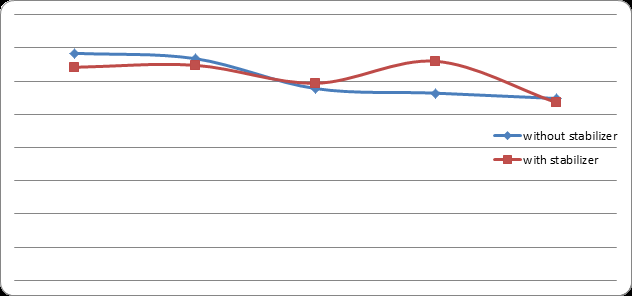
Sensory Evaluation: Nine panelists from Dal Food, Quality & NDP Department were chosen to judge on the quality of camel milk set type yoghurt in terms of appearance, body texture, mouth feel, taste & aroma and overall acceptability (Figure 1). The sensory evaluation was evaluated by scoring procedure. The panelists were given a hedonic questionnaire to test appearance, body texture, mouth feel, taste & aroma and overall acceptability when fresh and after 7, 15, 21 and 30 days of storage periods, they were scored on a scale of 1-5 (5 = like, 4 = like slightly, 3= neither like nor dislike,2=dislike slightly and 1=dislike). Each attribute was evaluated in duplicate and the values were then averaged.
Statistical Analysis: The data obtained were analyzed using Statistical Package for Social Science (SPSS program version 20). Duncan’s multiple range tests was used for mean separation between the treatments at (p ≤ 0.05) level.
Results and Discussion
A summary of sensory attributes (appearance, texture, mouth feel, taste &aroma and overall acceptability) of the control and supplemented camel milk set type yoghurt of nine trained panelists were shown in Table 1.
| Parameter | Control | Treatment (A) | Treatment(B) | Y 1.5sch+1.5%smp(a) | ||||||||
|---|---|---|---|---|---|---|---|---|---|---|---|---|
| Y 3%Sch(a)) | Y 2%sch+1%smp(a) | (3.5)bc ±.83 | Y 1%sch+2%smp(a) | Y 3% SMP(a) | Y 3%Sch(b) | Y 2%sch+1%smp(b) | Y 1.5sch+1.5%smp(b) | Y 1%sch+2%smp(b) | Y 3% SMP(b) | |||
| Appearance | (3.0)bc ±1.00 | (3.3) bc ±.81 | (2.8)c ±.56 | (3.1) cd±,.83 | (3.1) bc ±.88 | (4.5)a ± .51 | (2.9) bc ±.51 | (3.1) bc ±.70 | (3.3) bc ±.97 | (2.8) c ±.77 | (4.0)ab ±.65 | (3.3) ±.89 |
| Texure | (2.1)e ±..83 | (2.6)de ±..82 | (3.1) cd ±.74 | (2.7)cd ±.59 | (3.4)bc±..50 | (4.5)a ±,.51 | (3.1)cd ± ,.91 | (3.1) cd ±,.83 | (3.1) cd ± 1.03 | (3.0) cd ± .92 | (3.9)b ±.97 | (3.19) ±.165 |
| Mouth feel | (1.9)e ±.79 | (2.3)de ±.81 | (2.2) de ±.70 | (2.9) bcd ±,96 | (2.9)c ±1.03 | (4.1)a ±.64 | (3.0) bc ±1.03 | (3.2) bc ±.96 | (3.2) bc ±.79 | (3.2)bc ±.70 | (3.6)ab ±.89 | (2.9) ±1.01 |
| Taste&aroma | (1.7)e ±,46 | (2.3) def ±,82 | (2.8)cde ±1.0 | (2.6) b ±,83 | (2.3)def ±,72 | (4.0)a ±,96 | (2.2)ed ±,86 | (3.0) bcd ±,93 | (3.0)bcd ±,85 | (3.1)bc ±,85 | (3.5)ab ±,83 | (2.8) ±1.10 |
| Overall | (1.8)c ±,68 | (2.1) bc ±,83 | (2.7) ab ±,88 | (2.6) b ±,83 | (2.4) bc ±,83 | (3.8)a ±1.1 | (2.1)bc ±,74 | (2.8)ab ±,99 | (2.4) bc ±,91 | (2.6)b ±,99 | (3.3)b ±,89 | (2.7) ±0.88 |
Table 1: Effect of addition different level of starch and skim milk on Sensory evaluation of camel milk set type yoghurt. Mean (±
Table 1: Effect of addition different level of starch and skim milk on Sensory evaluation of camel milk set type yoghurt. Mean (±SE). a,b,c Values in the same row having different superscripts differ significantly (p < 0.05). Treatment A=camel milk yoghurt prossea without stabilizer used Treatment B= camel milk yoghurt prossea without stabilizer used Y3%Sch-=camel milk yoghurt prossea wih 3%starch, Y2%sch+1%smp= camel milk yoghurt prossea wih 2%starch+1%skim milk, Y1.5sch+1.5% smp(=camel milk yoghurt prossea wih 1,5%starch+1.5%skim milk, Y1%sch+2%sm= camel milk yoghurt prossea wih 1%starch+2%skim milk and Y 3% SMP= camel milk yoghurt prossea wih 3%skim milk The sensory evaluation of camel milk set type yoghurt treatments were appeared significant (p≤0.05) in some yoghurt samples. According to the results, the relationships between the sensory attributes and the fortification type/ ratio was found to be had significant (p> 0.05) roles in some yoghurt samples. Therefore, the highest scores for appearance( 4.5 and 4) were obtained by Y 3% SMP(a) and Y 3% SMP(b), respectively, while the lowest scores (2.8) was obtained by Y2%sch+1%smp(a) and Y1%sch+2%smp(b). Yoghurt fortified with 3% skim milk powder Y 3% SMP(a) followed by camel milk yoghurt fortified with 3% skim milk powder+ 3% stabilizer Y 3% SMP(b). The white color of dairy products is due to the light scattering into the casein micelles and fat globules. When the number of the scattering particles is increased the white color intensity also increased. According to Palawan, et al. [10] who reported that the increased protein coagulation enhanced the light absorption that resulted in the lighter tones. However, the texture of the camel milk set-yoghurt with 3% skim milk powder Y 3% SMP(a) was liked more than control and others yoghurt samples. The improved texture may be linked with the increased the level of protein and total solids, resulting from the addition of SMP, whey proteins have been reported to influence the sensory properties of yogurt depending on the source and concentration. In particular the whey proteins have been reported to increase the thickness and flavor [11].
Also Molder, et al. [12] claimed that addition or increasing the protein level of yoghurt increased gel firmness and decreased synergesis. On other hands camel milk set type yoghurt supplemented with 3% skim milk powder Y 3% SMP(a) had highest scores for mouth feel, taste and aroma 4.1 and 4, respectively, while lower score were reported for the control samples 1.9 and 1.7, respectively, that may be due to the higher count of probiotic bacteria and greater ability of Lb. acidophilus in production of acetaldehyde and diacetyl in supplemented yoghurt with 3% skim milk powder Y 3% SMP(a). According to Ostlie, et al_._ [13] acetaldehyde is a main flavor component of most cultured dairy products. Generally, the highest (P<0.05) overall sensory scores were observed for camel milk set type yoghurts supplemented with 3% skim milk powder Y 3% SMP(a) compared to other treatments, whereas the control camel milk set type yoghurt caused an unpleasant overall acceptability. The results clearly indicated that the addition of 3% skim milk powder to camel milk fortified with 4% milk protein and 1% gum Arabic improved the organoleptic qualities of yoghurt these results in agreement with Mortada & Omer [4] who stated that addition of skim milk powder improved some properties (viscosity) and sensory evaluation (flavor, overall acceptability) of camel’s milk yoghurt it is affects the texture of certain concentrated and frozen products; it is involved in heat-induced changes in the color and flavor of highly heated milk products.
Effect of Storage Period on Sensory Evaluation of Camel Milk Set Type Yoghurt With or Without Stabilizer
A summary of the ratings for sensory attributes (appearance, flavor, body texture, mouth feel, taste & aroma and overall acceptability for the control and supplemented set type yoghurt of trained panelists during 30 days of storage period at (5°C) was displayed in Table 2.
| Character istic | Storage time | Treatment | Treatment | ||||||||||
|---|---|---|---|---|---|---|---|---|---|---|---|---|---|
| Mean effect | |||||||||||||
| Control | Y 3%Sch(a) | Y 2%sch+1%smp(a) | Y 1.5sch+1.5%smp(a) | Y 1%sch+2%smp(a) | Y 3% SMP(a) | Y 3%Sch(b) | Y 2%sch+1%smp(b) | Y 1.5sch+1.5%smp(b) | Y 1%sch+2%smp(b) | Y 3% SMP(b) | |||
| 0 time | (4.00)a±.00 | (4.00)a ±.00 | (2.67) a±.58 | (4.00) a ±.00 | (3.00)ab ±1.00 | (4.67)a ±.58 | (2.67) a ±.58 | (3.67) a ±.58 | (4.00) a ±.00 | (3.00)a ±1.00 | (3.67) a ±.58 | (3.58)a±.125 | |
| 7days | (3.00)ab ±1.00 | (3.67)a±.58 | (3.00) a ±.00 | (4.00) a ±.00 | (3.00) ab±1.00 | (4.33) a ±.58 | (3.00) a ±.00 | (2.67) a ±.58 | (4.00) a ±.00 | (2.67) a ±.58 | (4.67) a ±.58 | (3.46) a ±.125 | |
| 14days | (3.67) ab±.58 | (4.00)a ±.00 | (3.00) a ±1.00 | (4.00) a ±.00 | (3.67) a ±.58 | (4.67) a ±.58 | (2.67) a ±.58 | (3.33) a ±.58 | (3.00) a ±1.00 | (3.00)a ±.00 | (3.67) a ±.58 | (3.52) a ±.125 | |
| 21days | (1.67) c±.58 | (2.67)b ±.58 | (3.00) a ±.00 | (2.00) c ±.00 | (3.67) a ±.58 | (4.33) a ±.58 | (3.33) a ±.58 | (2.67) a ±.58 | (2.67) a ±1.53 | (3.33)a± .58 | (4.33) a ±.58 | (3.06)b±.125 | |
| Appearance | 30days | (2.67)bc ±.58 | (2.33) b±.58 | (2.33) a ±.58 | (3.33)b ±.58 | (2.00) c±.00 | (4.33) a ±.58 | (2.67) a ±.58 | (3.00) a ±1.00 | (3.00) a ±1.00 | (2.00)a±1.0 | (3.67) a ±.58 | (2.85) b±.125 |
| 0 time | (2.7)ab ±.58 | (3.0)ab ±.00 | (3.0) ab ±.000 | (3.0)a ±1.00 | (3.7)ab ±.58 | (4.7)ab ±.58 | (3.3)ab ±1.15 | (3.0)a ±1.00 | (3.0) a ±1.00 | (3.0) a ±1.00 | (3.7) a ±.58 | (3.27)ab ±.126 | |
| Body texure | 7days | (2.0)abc ±.00 | (2.7)bc ±.58 | (3.0)ab ±.000 | (3.7) a ± .58 | (4.0) a ±.00 | (5.0)a ±.00 | (3.7)a ±.58 | (3.7) a ±.58 | (4.0) a ±.00 | (3.7) a ± .58 | (4.7) a ±.58 | (3.63)a± .126 |
| 14days | (3.0)a ±1.00 | (3.7)a ±.58 | (4.0)a ±1.00 | (3.0) a ±1.00 | (3.3) ab ±.58 | (4.7) ab ±.58 | (3.3) ab ±.58 | (3.0) a ±1.00 | (3.0) a ±.00 | (3.0) a ±1.00 | (3.7) a ±.58 | (3.42)a±.126 | |
| 21days | (1.7)bc ±.58 | (2.0)cd ±.00 | (3.3) ab ±.577 | (3.0) a ±1.00 | (3.0)c ±.00 | (4.0)c ±.00 | (3.3) ab ±.58 | (3.0) a ±1.00 | (2.7) ±1.53 | (3.3) a ±.58 | (4.0) a ±.00 | (3.03)b± .126 | |
| 30days | (1.3)c ±.58 | (1.7)c ±.58 | (2.3)b ±.577 | (3.0) a ±1.00 | (3.0) c ±.00 | (4.0) c ±.00 | (2.0)b ±1.00 | (3.0) a ±1.00 | (2.7) a ±1.53 | (2.0) a ±1.00 | (3.3) a ±1.15 | (2.57)c ± .126 | |
| 0 time | (2.3)a±.58 | (2.3) a ±1.15 | (2.0)ab ±.00 | (2.7)a ±.58 | (3.7) a ±.58 | (4.0) a±1.00 | (3.7)ab ±.58 | (3.0) a ±1.00 | (3. 7) a±.58 | (3. 7)ab ±.58 | (4.3)a ±.58 | (3.21)a ±.130 | |
| 7days | (1.6) a ±.58 | (2.6) a±.58 | (3.0) a ±1.00 | (3.0) a ±.00 | (3.0) a±1.00 | (4. 7) a±.58 | (4.0) a ± 1.00 | (4.0) a ±.00 | (3. 7) a±.58 | (3.0) ab ±.00 | (3.6) ab ±1.15 | (3.30 a ±.130 | |
| Mouth feel | 14days | (2.6) a±1.15 | (3.0) a ±1.00 | (2.7) ab ±.58 | (3.0) a ±.00 | (3.7) a ±1.53 | (4.3) a±.58 | (3.0) ab ±1.00 | (3.0) a ±1.00 | (3.0) a ±1.00 | (4.0)a ±1.00 | (4.0)ab ±1.00 | (3.30)a ±.130 |
| 21days | (1.7 )a±.58 | (2.0) a ±.00 | (1.7)b ±.58 | (3.0) a ±.00 | (2.3) a ±.58 | (3. 7) a±.58 | (2. 7) ab ±.58 | (3. 7) a ±.58 | (3.0) a ±1.00 | (2. 7)b ±.58 | (3.6) ab ±.58 | (2.73)b ±.130 | |
| 30days | (1.3) a ±.58 | (1.6) a ±.58 | (2.0) ab±.00 | (2.0) a ±1.00 | (2.0) a ±.00 | (4.0) a±.00 | (2.0)b ±1.00 | (2. 7) a ±1.53 | (3.0) a ±1.00 | (3.0) ab ±.00 | (2.6)b ±.58 | (2.39b ±.130 | |
| 0 time | (2.0) a ±.00 | (3.0) a ±1.0 | (2.6) ab ±1.2 | (3.0) b ±.00 | (3.0) a ± 1.0 | (4.3)ab ± 1.2 | (2.0) b ±.00 | (2.6) ab ±.58 | (3.6) a ±.58 | (3.0) a ±.000 | (4.0) a ±1.00 | (3.00)ab ± .126 | |
| 7days | (2.0) a ±.00 | (2.6) a ±.58 | (3.6) a ±.58 | (4.0)a ±.00 | (3.0)a ±.00 | (5.0)a ±.00 | (2.0)b ±.00 | (2.0)b ±1.00 | (3.0)ab ±1.00 | (4.0) a ±.00 | (3.6) a ±.58 | (3.15) a ±.126 | |
| Taste &aroma | 14days | (2.0)a ± .00 | (2.6) a ±.58 | (3.0)ab ±1.0 | (3.0)b ±.00 | (2.0) b ±.00 | (4.0)ab ±1.0 | (3.6)a ±.58 | (4.0)a ±.00 | (3.6)a ±.58 | (3.0)a ±1.00 | (3.6) a ±.58 | (3.24)a ±.126 |
| 21days | (1.6) a ±.58 | (1.6) a ±.58 | (3.0) ab ±1.0 | (3.3) b ±.58 | (2.0)b ±.00 | (4.0) ab ±1.0 | (1.6) b ±.58 | (3.3) ab ±.58 | (2.6) ab ±.58 | (2.6) a ±.58 | (4.0)a ±.00 | (2.69)b ±.126 | |
| 30days | (1.0)b ±.00 | (1.6) a ±.58 | (1.6)b ±.58 | (1.3)c ±.58 | (1.6)c ±.58 | (3.0)b ±.00 | (1.6) b ±.58 | (3.0)ab ±1.00 | (2.0)b ±.00 | (3.0) a ±1.00 | (2.3) a ±.58 | (2.03)c ±.126 | |
| 0 time | (2.0)ab ±.00 | (2.6)a ±1.1 | (3.6)a ±.58 | (3.6)a ±.58 | (2.6)ab ±.58 | (4.7)a ±.58 | (2.7)a ±.58 | (3.7)a ±.58 | (2.7) a ±1.15 | (3.3)a ±.58 | (4.3)a ±.58 | (3.27)a±.124 | |
| 7days | (2.6)a ±0,58 | (2.0) a ±1.0 | (2.6)ab ±.58 | (3.0)ab ±.00 | (2.6)ab ±.58 | (4.0)ab ±1.00 | (2.7) a ±.58 | (3.0)ab ±1.00 | (3.0)a ±.00 | (2.0)b ±.00 | (3.3) a ±.58 | (2.82)b± .124 | |
| 14days | (1.6)bc ±0,58 | (2.6) a ±0,58 | (2.6) ab ±.58 | (2.6)bc ± .58 | (3.3) a ±1.15 | (4.0) ab ±1.00 | (2.0) a ±1.00 | (3.0) ab ±1.00 | (3.0) a ±.00 | (3.7) a ±1.5 | (3.7) a ±.58 | (2.94) ab±.124 | |
| 21days | (1.6) bc ±0,58 | (1.6) a ±0,58 | (2.6) ab ±1.5 | (2.0)bc ±.00 | (2.0) b ±.00 | (3.7) ab ±1.52 | (1.7) a ±.58 | (3.0) ab ±1.00 | (2.0) a ±1.00 | (2.0) b ±.00 | (3.3) a ± .58 | (2.33)c±.124 | |
| Overall | 30days | (1.0)c ±.00 | (1.6) a ±0,58 | (2.0)b ±.00 | (1.6)c ±.58 | (1.7) b ±.58 | (2.7) b±.58 | (1.7) a ±.58 | (1.7)b ±.58 | (1.7)a ±1.15 | (2.0) b ±.00 | (2.0) a ±.00 | (1.79)d±.124 |
Table 2: Effect of storage period on Sensory evaluation of camel milk set yoghurt with or without stabilizer.
Appearance: The highest appearance mean score (3.58) was obtained at the beginning of the storage period, and the lowest (2.85) at the end of the storage period of 30 days. No significant (p≤0.05) differences for appearance score were observed between most yoghurt samples in various storage period investigated, therefore, the highest appearance scores (4.67) were obtained by Y 3% SMP (a) at 1st day and 14th day of the storage and by Y3% SMP (b) at 7th day of the storage, while the lowest scores (1.67) was observed by the control yoghurt at 21st day. Whereas at the end storage period Y3% SMP(a) had the highest ( 4.33) appearance scores, while at the end of storage Y3% SMP(a) had the highest (4.33) appearance scores among all yoghurt samples, while the lowest was seen in Y1%sch+2% smp(a) and Y1%sch+2%smp(b) which gave the same scores (2.00). The higher appearance scores in the beginning of the storage period might be attributed to its high fat content. Mervat, et al. [14] stated that the appearance mean scores decreased prolonging the cold storage period.
Body Texture: The results indicated that the highest body texture mean score (3.63) was found at the 7th day of the storage, while the lowest body texture mean score (2.57) was occurred at the end of the storage period, therefore, the texture was gained the highest score (5.00) by sample Y3% SMP (a) at the 7th day of storage, while the control yoghurt recorded the lowest score (1.3) at the end of the course of this study. The higher texture score could be due to the higher total solid content in Y3% SMP (a) in comparison with other yoghurt samples.
Mouth Feel: The highest mouth feel mean score of camel milk set type yoghurt was obtained at 7th and 14th day of storage period, which gave the same scores (3.30). No significant (P>0.05) differences were observed between most yoghurt samples in various storage periods investigated. However, the mouth feel mean score at 21st and 30th were found to be the lowest. Therefore, the highest mouth feel scores (4.67) was obtained by Y3% SMP (a) at 7st day of storage, while the lowest scores (1.3) was observed by the control yoghurt at 21st day.
Taste and Aroma: The highest taste and aroma mean score of camel milk set type yoghurt was provided at 14th day of storage (3.24), significant (P>0.05) difference in taste and aroma score was obtained between the mean at 1st, 21st and 30th day of storage period .In general the highest taste and aroma score (5.00) was obtained by Y3% SMP (a) at 7th day of storage, while the control yoghurt showed the lowest score (1.00).
Moreover, the results revealed that the camel set type yoghurts stored for 30 days had the lowest taste and aroma score investigated. On the other hands, the low flavor score of yoghurt might be attributed to the fact that, fat protects the protein from enzymatic proteolysis, thus reducing the production of flavor components. Mervat, et al. [14] stated that the flavor mean scores decreased significantly prolonging storage period.
Overall Acceptability: The highest mean of overall acceptability score of camel milk set type yoghurt was observed at the beginning of the storage period, while the lowest (1.79) at the end the storage period it was significantly (P>0.05) higher than other means in the various storage periods. Therefore, the highest overall acceptability score (4.7) and (4.3) were obtained by Y3% SMP(a) and Y3% SMP(b), respectively, while the control yoghurt received the lowest score (1.00) at the end of storage periods. The acceptability of yoghurt decreased at the end of the storage period as a result of deterioration of taste and consistency. Mohammed [15] concluded that during storage period, acceptability score decreased in all levels with storage times progressed due to deterioration consistency and taste.
In Comparison, organoleptic tests indicate that, the camel milk set type yoghurts without stabilizer had higher scores in appearance, body and texture and overall acceptances, while that with stabilizer had higher taste and aroma and mouth feel scores. There was no significant (p>0.05) difference for appearance, body texture, taste& aroma and overall acceptances were observed between camel milk yoghurt with or without stabilizer. However, highly significant (p< 0.001) difference was observed in mouth feel between camel milk yoghurt with or without stabilizer.
Generally, the panelists of the acceptance test give a highest overall score on Y3% SMP(a), while the lowest scores was gave on the control yoghurt Ibrahim [16] indicated that the highest (p<0.05) overall sensory scores were observed for bio yoghurt made with 4% WPC or SCN compared to other treatments. Here in these findings the control which was produced with 4% milk protein and 1% gum Arabic caused an unpleasant taste and appearance [17].
In conclusion it was observed that the addition of both MPC and SMP to camel milk yoghurt improved sensory attributes far better than the addition of MPC and addition of SMP was superior to starch.
Conclusion
According to the findings of this study we can draw the following conclusions: -Fortification of camel’s yoghurts with gum Arabic and milk protein and was enhanced by addition of the modified starch and skim milk powder improved the body texture of camel milk set type yoghurt. -Sensory evaluation results indicated that 4%milk protein +1% gum Arabic+3% skim milk were ideal amounts to be added for camel milk set type yoghurt production. Panelists gave the highest flavor, texture, appearance and overall acceptability scores to the yoghurt fortified with skim milk than the control and other yoghurt samples. -The addition of 3% skim milk powder combined with milk protein and gum Arabic to camel’s set yoghurts appear to be a promising avenue for increased camel’s yoghurts intake, with high consumer acceptability. -The combined used of skim milk with starch are also able to increase the gel of camel yoghurt but not as effectively as the fortification with skim milk also improved the texture more than the control and starch yoghurt. Industrial trials is need to be implicated to evaluate and compare micro textural of the camel’s milk set yoghurts prepared from skim milk, milk protein and gum Arabic. Exploring the appropriate amounts of combinations of skim milk with modified starch might improve the consumer acceptability of the final product. For the future researches, the amount of Gum Arabic should not exceed 1% or the camel milk yoghurt will be more slime. More research is needed to evaluate the microbial and quality of camel milk yoghurt as recommended point of view.
References
-
Cobos A, Hoz LD, Cambero MI, Ordonez JA (1995) Sugar- Beet pulps an alternative Ingredient of Barley in Rabbit diet and its effect of Rabbit Meat. Meat Science 39(1): 113-121.
-
Rohm, H (1993) Rheological behaviour of butter at large deformations. Journal of Texture Studies 24: 139-155.
-
Edrees M (2013) Evaluation of Mango Fruit Yo- gurt Produced From Camel Milk Supplemented With Gum Arabic. MSc. Thesis, Sudan University of Sci- ence & Technology Einsatz von Molkenkonzentrat Ein- flusse von Proze~parametern. dmz Deutsche Molkereizei- tung 27: 888-893.
-
Mortada MS, Omer IAH (2013) Effect of fortifying camel’s milk with skim milk powder on the physicochemical, microbiological and sensory characteristics of set yoghurt. Adv J Food Sci Technol 5(6): 765-770.
-
Hashim IB, Khalil AH, Habib H (2009) Quality and acceptability of a set type yogurt made from camel milk, Journal of Dairy Science 92(3): 857-862.
-
Sakandar HA, Imran M, Huma N, Ahmad S, Aslam HKW, et al. (2014) Effect of polymerized whey protein isolates on the quality of stirred yoghurt made from camel milk. Journal of food processing and Technology 5(7): 350.
-
Khurana HK, Kanawjia SK (2007) Recent Trends in Development of Fermented Milks. Current Nutrition & Food Science 3(1): 91-108.
-
Gad AS, Hasan E, Abd El Aziz, A (2010) Utilization of _Opuntia ficus indica_ waste for production of phanerochaete Chrysosporium bioprotein. J Am Sci 6(8): 208-216.
-
Staffolo MD, Bertola N, Martino M, Bevilacqua YA (2004) Influence of dietary fiber addition on sensory and rheological properties of yogurt. International Dairy Journal 14: 263-268.
-
Piyawan S, Tri Indrarini W, Patcharin R (2009) Effect of sodium caseinate and whey protein isolate fortification on the physical properties and microstructure of corn milk yoghurt. Chiang Mai University Journal of Natural Sciences 8(2): 247-263.
-
Isleten M, Yuceer YK (2006) Effects of Dried Dairy Ingredients on Physical and Sensory Properties of Nonfat Yogurt. J Dairy Sci 89(3): 2865-2872.
-
Modler HW, Larmond ME, Lin CS, Froehlich D, Emmons DB (1983) Physical and sensory properties of yoghurt stabilized with milk-proteins. Journal of dairy Science 66(3): 422-429.
-
Ostlie HM, Helland M, Narvhus JA (2003) Growth and metabolism of selected strains of probiotic bacteria in milk, International Journal of Food Microbiology 87(1- 2): 17-27·
-
Mervat IF, Abdelaziz M, Awad AA (2007) Chemical, Rheological and sensory evaluation of yoghurt Supplemented with turmeric. International journal of dairy science 2(3): 252-259.
-
Mohammed MIM (2008) Quality of mango juice flavored yoghurt, M.Sc Thesis, University of Al-Zaiem AlAzhari, Khartoum North, Sudan.
-
Ibrahim AH, Khalifa SA (2015) The effects of various stabilizers on physiochemical properties of camel milk yoghurt. Journal of American Science 11(1): 15-24.
-
Hashim I, Afifi H, Khalil AH (2009) Quality characteristics and consumer acceptance of yogurt fortified with date fiber. J Dairy Sci 92(11): 5403-5407.
- The Role of Podocyte Apoptosis and the Involvement of SIRT1 in Diabetic Nephropathy
- Dealcoholization of Beer by Osmotic Distillation for the Beverage Industry
- Biopolymer-Based Edible Packaging- Biomaterials, Methods, and Applications in Food Industry: An Updated Review
- Influence of Bioprocessing Methods on 'China Rice' (Gawal R1), and Soyabean Supplementation on the Quality of Complementary Food
- Cassava (Manihot esculenta) Varietal Growth, Yield and Cyanide Content Performance in Three Sites in the South- Eastern Semi Arid Regions of Kenya
- Food Waste Treatment, Recycling, Management and Production of Value-Products-An Update on Methodologies and Current Trends