
Biopolymer-Based Edible Packaging- Biomaterials, Methods, and Applications in Food Industry: An Updated Review
Food packaging is crucial for preserving food quality, safety, and integrity while meeting consumer demands for convenience and sustainability. Innovative packaging systems can enhance the basic packaging characteristics; in particular, edible biopolymer packaging meets the rising demands of food packaging by integrating convenience, real-time monitoring and better mechano-physical properties. Also, it promotes biodegradability and renewability contributing to sustainability and cyclic economy. The biopolymer is malleable and reinforcement agents such as nanofillers, and active agents could be added to improve the properties. The present review is an update in this important area of food industry propelled by advances in several areas of polymer chemistry, nanotechnology and Bioprocess engineering. Advances in genomics, proteomics and in silico methods have also aided the research pursuits. The initial introductory chapters cover the source materials and methods of processing along with recent developments. Methods of assessment of the mechano-chemical properties and safety, toxicity and laws are discussed in the subsequent chapter. Biopolymer and its associated research field contribute to green economy is discussed elaborately. Finally, the recent advances in the field of edible biopolymer are discussed in detail. In summary, the review is a narrative and subjective analysis of this important area of food packaging with diverse implications.
Sanjana V¹, Ravikumar Patil H S²*, S E Neelagund³, Mahalakshmi B R⁴ and Kiran Kumar H B⁵
¹Research Scholar, Department of Studies in Food Technology, Shivagangotri, Davangere Uni- versity, India ²Professor, Department of Studies in Food Technology, Shivagangotri, Davangere University, India ³Professor, Department of PG studies and Research in Biochemistry, Jnana sahyadri, Kuvempu University, India ⁴Department of Zoology, Government Science College, Nrupathunga University, India ⁵Resource person/independent researcher, Nrupathuga University, India Keywords: Pullulan; Whey Protein Isolate (WPI); Nanofillers; Tragacanth Gum (TG); Essential Oils
Introduction
Because it shields the food from unwanted pollutants, packaging is an essential stage in the food manufacturing process. Protecting, containing, and communicating the contents of the container across three distinct environments—the physical, human, and atmospheric— is the primary objective of packaging [1]. Other functions include performance, chemico-physical, and mechanical qualities. In the food industry, packaging is essential to preserving the product’s quantity, quality, and hygienic conditions. Additionally, food packaging is crucial for the safe delivery and preservation of food. It also supports traceability and marketing [2].
Only one-fourth of fossil-based packaging can be recycled, which raises serious concerns about its end of life and environmental impact. According to statistical data, packaging waste accounts for almost one-third of plastic use globally [3]. Therefore, using biodegradable and environmentally friendly food packaging materials has become an impending requirement. As a result, the utilization of natural and bio-based polymers for their possible use in food packaging is currently the focus of academic research and industry related to the food industry worldwide. Ideal packing materials prerequisites are mass-production, affordable, easy to use, effective, and appropriate for their intended use and disposal [4]. Thus, the food industry can benefit from the biopolymer-based food packaging in several ways. Biopolymers are compostable and biodegradable polymers made from renewable resources, according to European Bioplastics [5]. By protecting food from oxidation, humidity, and microbiological microbes, active food packaging has been shown to increase food shelf life [6]. Their barrier qualities regulate the exchange of lipids, gasses, moisture, and aroma from the outside milieu and vice versa. Additionally, they retain the desirable ingredients like flavor and texture intact. In this regard, edible coatings and films can improve food safety and quality while extending its shelf life [7]. The biopolymer matrix—which includes polysaccharides, proteins, and resins—as well as the plasticizers and additives—are what mostly determine the effectiveness and functioning of the films and coatings [8]. These can be used as primary packaging for different foods such as fresh-cut fruits and vegetables, cheese, and meat [9]. This method of biopolymer preparation has the additional advantage of incorporation of functional molecules leading to bioactive packaging materials with different mechano- physical and biological properties.
Sources and characteristics of Biomaterials for Edible Packaging The biopolymer production according to their renewable source:
- Direct extraction from biomass (polysaccharides and proteins)
- Chemical synthesis from bioderived monomers (PLA)
- Production by microorganisms (pullulan, PHA, PHS, etc.) The biomaterials used in the preparation of edible films and coatings include polysaccharides (starch, cellulose, chitin, chitosan, pectin, alginates, gum arabic, xanthan gum, etc.), proteins (gelatin, casein, whey protein, wheat gluten, wheat, corn, and soy protein), lipids (waxes, acetylated triglycerides), and composites.
The advantages of these materials include safe for human consumption, biodegradable, nontoxic, transport active compounds, and result in zero waste [10]. Table 1 is a brief list of diverse edible packaging biomaterials and their applications.
| Food Product | Type of film formation | Functions of edible film | |
|---|---|---|---|
| Mango kernel starch with plasticizers such as glycerol and sorbitol | Tomato | Edible coating | Delayed ripening |
| Preserved sensory attributes | Tomato | Edible coating | |
| Methylcellulose, carboxymethylcellulose (CMC), hydroxypropyl methylcellulose, and chitosan | Mandarin | Edible Film | Retained firmness |
| Methylcellulose, carboxymethylcellulose (CMC), hydroxypropyl methylcellulose, and chitosan | Mandarin | Edible Film | Reduced weight loss |
| Methylcellulose, carboxymethylcellulose (CMC), hydroxypropyl methylcellulose, and chitosan | Mandarin | Edible Film | Glossy surface |
| Gum arabic incorporated with garlic extract, ginger extract, and aloe vera | Gola guava | Edible film | Reduced weight loss, skin browning, disease severity, and increased shelf life |
| Cassava starch, whey protein, beeswax, chitosan, glycerol, stearic acid, and glacial | Blackberry | Edible Coating | Improved physicochemical and sensorial properties |
| Cassava starch with carvacrol | Minimally processed pumpkin | Edible coating | Inhibited bacteria No change in pH, acidity, and TSS |
| 1% Chitosan | Sweet cherry | Edible film | Inhibited microbial growth |
| 1% Chitosan | Sweet cherry | Edible film | Extended shelflife |
| Chitosan/glycerol 30% films | Strawberry | Edible film | Retained sensory and textural attributes |
| Corn starch modified by extrusion | Mango | Edible film | Retained quality attributes |
| Blends of elliigitannins(ET), low methoxyl pectin (LMP), tara gum(TG) | Rubus Chingi Hu | Edible film | Effective antioxidant, antimicrobial activity, and inhibitory activity against Escherichia coli and Staphylococcus aureus |
| Soybean protein isolate, chitosan | Apricot | Edible coating | Reduced weight loss |
| Soybean protein isolate, chitosan | Apricot | Edible coating | Firmness retention of TA, SSC, WSP, and CSP content |
Table 1: Summary of application of diverse edible packaging biomaterials and applications.
Plant, Animal and Microbial Polysaccharides
Naturally occurring polysaccharides from marine, microbial, plant and animal sources are used to make edible films. They are harmless, colorless, tasteless, and gas-selectively permeable [11]. Polysaccharides with a stiff structure and high gas barrier qualities include cellulose, pectin, and alginate. Additionally, these materials are perfect for creating edible films and coatings since they have strong mechanical qualities like tensile strength and percentage of elongation [12]. Plants, including cereals, grains, tubers, and nuts, contain starch, a storage polysaccharide. It facilitates creating films and coatings with low oxygen permeability and is composed of the polysaccharide’s amylose and amylopectin [13]. The flexibility, chain mobility, and water vapor barrier qualities are enhanced by adding plasticizers such as sorbitol, glycol, and glycerol [14]. Plant cells are made from a variety of materials, such as wood, cotton, and sugarcane bagasse, including cellulose, a plentiful natural polymer [15]. Aerobic bacteria produce bacterial cellulose, which has drawn interest in recent years because of its unique qualities such as increased crystallinity, exceptional water-holding capacity, and great mechanical strength [16]. A substantial source of dietary fiber pectin is a heteropolysaccharide with fruits and their byproducts as primary source. It is the primary plant component that offers versatility as a material for edible packaging [17]. Because pectin and its derivatives have a higher mechanical quality which retains moisture, oil, non-penetrating of gasses and oxidization they are utilized to prepare edible packaging [18]. Additionally, it can be used with plasticizers to improve the fresh and small processed fruit products water vapor barrier qualities. The complex, branching heteropolysaccharide known as gum arabic, or acacia gum, is extracted from the sap of Acacia senegal and Acacia seyal plants. Its complex structure, which consists of a mixture of arabinogalactan oligosaccharides, polysaccharides, and glycoproteins, gives it a wide range of characteristics and functions [19]. Despite gum arabic’s solubility and ability to create hydrogen bonds with water, its peculiar structure restricts its ability to form micelles and hydrogen bonds in a solution, hence limiting the effective immobilization of water [20]. Biocompatibility, renewability, nontoxicity, pH stability, cost-effectiveness, high solubility, and gelling qualities make it a versatile material. When creating active particles through spray drying methods, gum arabic utilized for wall construction, in encasing flavoring compounds [21]. Alongside cellulose, chitin is a naturally occurring polysaccharide widely distributed. It is extracted from crustaceans, insects, and fungus and has same structure as cellulose, while chitosan is the byproduct of chitin following deacetylation [22]. Both chitin and chitosan are consumable, highly basic polysaccharides with antibacterial properties that are utilized as coatings or films in edible packaging to preserve food [23]. For gases with low and moderate permeability to oxygen and water vapor, respectively, the chitosan polymer functions as a semipermeable membrane [24]. Alginates are biopolymers that are typically taken from sea brown algae (Phaeophyceae) or made from specific bacteria (Azotobacter and Pseudomonas) [25]. It is generally accepted as safe (GRAS) and is isolated as alginic acid salts (mannuronic and glucuronic acid). Alginates minimize shrinkage and improve the food product’s sensory qualities by offering mechanical strength and flexibility during film production [26]. It has good mechanical qualities, including tensile strength, flexibility, resistance to tearing and oil, tastelessness, odorlessness, and glossiness, and is frequently employed in the edible coating of food products [27]. However, due oxidation properties alginates used in edible coatings can aid the growth of microorganisms and the production of bad flavors. Sulfated galactose units in α-D-1, 3 and β-D-1,4 forms make up carrageenan, which is divided into several fractions (λ, κ, γ, ε, and µ) according to the solubility in potassium chloride [28]. Among these, k-carrageenan creates membranes with superior mechanical qualities that are used in coatings and edible films [29]. A class of polysaccharides called microbial gums is produced by microorganisms including bacteria and fungi. The fermentation of Xanthomonas campestris culture produces xanthan gum, a heteropolysaccharide [30]. High viscosity is imparted at low concentrations by xanthan gum, which is easily soluble in aqueous fluids and stable at different pH and temperature levels [31]. The creation of the film is caused by xanthan gum’s pseudo-plastic (shear-thinning) rheological characteristics. Pullulan is a neutral exopolysaccharide made up of maltotriose units linked by α-1, 6 glycosidic linkages. It is produced commercially from Aureobasidium pullulans, a yeast-like fungus [32]. Pullulan is a water-soluble, nontoxic, tasteless, and odorless biopolymer with the potential to form thin, transparent, flexible, printable, and heat-sealable edible films and coatings. These films are highly impermeable to oil and oxygen, exhibit good adhesive properties, and inhibit fungal growth for antimicrobial activity.
Plant, Animal and Microbial Proteins
Because of their superior mechanical strength and gas barrier qualities, protein-based biopolymers are perfect for making edible films [33]. Potential starting points for the creation of edible films are multilevel protein structures. Excellent biomaterials include collagen and globular proteins like soy, gluten, zein, and milk protein [34]. Animal tissues like connective tissue, skin, and bones contain collagen [35]. A product made from collagen is gelatin. It creates a translucent, transparent, biocompatible, inexpensive, and nontoxic film which is thermos reversible [36]. Gelatin efficiently encapsulates low-moisture food ingredients and is employed in the creation of biodegradable films [37]. Casting, extrusion, and blown extrusion are steps in the film formation process. Eighty percent of the total protein in milk is casein, a water-soluble milk protein. Whey protein and casein are nutrient-dense examples of milk proteins which provide potential ingredients for edible coatings and films [38]. Physical properties like mechanical strength, control over mass migration, and sensory appeal are imparted by the films made of milk proteins. Because of their intermolecular interactions, caseinates are promising biomaterials for creating edible films [39]. Major drawbacks of the protein are poor oxygen and water barrier qualities [40]. Sodium caseinates have good optical and tensile qualities, whereas calcium caseinates have superior barrier qualities. Increasing the cohesiveness between the protein polypeptide chain improves the barrier capabilities, while plasticizers and other additives improve the film features [41]. Edible films that are effective barriers against oxygen, fragrance, and oil solutions are made from whey protein isolate (WPI) and concentrate (WPC). The whey protein’s reaction to heat denaturation determines the films form and properties. The mechanical qualities of the film are greatly enhanced by physical and chemical techniques like UV, US, and alkalization [42]. Wheat contains a gluten protein with cohesive and stretchy qualities which aid film formation. Gluten’s based film properties are influenced by protein structure, production technique, and film-forming solutions. Wheat gluten films have a lustrous surface, are transparent, and are robust [43]. Compared to water vapor, they offer a more efficient barrier against oxygen. Higher flexibility and better mechanical properties are obtained by adding plasticizers (glycerol) and cross-linking agents (glutaraldehyde) to the film-forming dispersion and thermal treatment [44]. Nearly half of the protein in corn is water insoluble zein which is helpful for building barriers against water vapor because of its hydrophobicity [45]. The film’s characteristics are influenced by various solvents; nevertheless, the flexibility and food preservation could be enhanced with the addition of plasticizers and antibacterial agents [46]. 38–44% of the protein in soybeans is insoluble globular and mostly made up of polar and nonpolar side chain with molecular weights ranging from 200 to 600 kg/mol [47]. These interactions confer distinct properties to the soy protein-based films such as tensile strength, stiffness, and hardness, rendering them ideal for creating edible and biodegradable films. Soy protein films are mostly made from highly refined soy protein isolate, which has protein concentration of 90% [48]. Protein-based edible film coats individual food particles such as beans and nuts. Also, it is also used at the interface between different layers of heterogeneous food to prevent the migration of food components [49].
Lipids
Natural sources like plants, animals, and insects are major suppliers of lipids. These consist of resins, natural waxes, oils, neutral lipids, and fatty acids. The main lipids include phospholipids, fatty alcohol, terpenes, phosphatides, mono-, di-, and triglycerides, and fatty acids [50]. The hydrophobicity, compatibility, and water vapor barrier qualities of edible films and coatings are enhanced by lipids [51]. Wax is a lipid that is used to stop moisture migration in edible films and coatings and to preserve fresh food that is obtained from plants and animals [52]. It cannot spread over the surface since it is nonpolar and insoluble in water. Fruits and freshly cut fruits can be preserved with an edible coating made of wax [53]. Triglycerides from plants and animals are combined to form fats and oils. At room temperature, they differ physically but share similar structures. They can form a stable monolayer despite being water insoluble, which makes them useful for edible films and coatings [54]. Furthermore, the structure, chain length, degree of saturation, and melting point of fatty acid- incorporated films affect their hydrophobicity and water vapor permeability. Short-chain triglycerides are employed as emulsifiers to stabilize composite films because of their emulsifying qualities [55]. They improve adhesion between the film and the food as well as between layers of varying hydrophobicity in bilayer films. When it comes to film formation, fatty acids obtained from vegetable oils are regarded as GRAS compounds [56]. Edible film prepared from palm fruit oil exhibit higher water resistance, water vapor barrier, transparency, and elongation [57]. Resins such as shellac, wood rosin, and coumarone indene are substances produced by plants or insects. It is used to impart a glossy texture to products and improve moisture. Shellac resin is a widely used edible coating for fruits and vegetables and contains aleuritic and shelloic acids [58, 59].
Biocomposites and Application in Edible Food Packing
Composites are materials made up of two or more ingredients, such as fibers and matrices. When combined, these materials have more strength than when used separately [60]. Environmentally friendly composite materials have received more attention in the past decade, and research has shown that biocomposites have the potential to satisfy the sustainability requirements of the food industry [61]. Applications in active and intelligent food packaging are supported by biocomposite formulations that combine proteins and polysaccharides to improve mechanical and barrier qualities [62]. Silva 202 report TG- cellulose nanocomposite films as valuable for biodegradable packaging since they increase tensile strength and decrease moisture and oxygen penetration. Large-scale production, cost optimization, and safety assessment of active chemical migration still face significant obstacles of TG nanocomposites. By resolving these problems, TG is projected to be widely accepted as a practical and environmentally responsible substitute for packaging materials derived from petroleum. The inherent disadvantages of protein-incorporated packaging films include low mechanical strength, poor heat and barrier properties, and inferior physicochemical properties [63]. Numerous methods, such as plasticization, the cross-linking with other polymers processes, and the addition of nanoparticles have been carried out to enhance the structural and functional characteristics of proteins. Nanocrystal-reinforced soy protein film is one such example [64]. Similarly, Zeynep, et al. describe an electrospun zein which is both biodegradable and antibacterial. Fang G [65] report on Schiff base crosslinking in biopolymeric food packaging sheets with dynamic covalent chemistry for sophisticated food preservation system. According to Assad 2020 adding calcium chloride encourages cross-linking and improves stretch ability, while mixing sodium sulfite with gluten protein increases the film’s strength. Ibrahim, et al. describe a gel film with enhanced antibacterial qualities made by combining gluten proteins with carvacrol and cinnamaldehyde. Chlorophyll and polypyrrole addition improve the low solubility and antioxidant qualities [66]. Benefit of using green bio composites is that their qualities can be tailored to the packing application. This is accomplished by carefully choosing the biopolymer matrix, additives, fibers or fillers, and production process. They also provide sufficient strength and greater stiffness.
Numerous parameters, such as fiber-matrix adhesion, fiber volume fraction, fiber aspect ratio (l/d), and fiber orientation, can influence the mechanical properties of composites reinforced with natural fiber [67]. Numerous applications in the food sector have made use of fibers as biocomposites. The type of natural fiber can be classified according to its source. Fibers have the advantages of being readily available, being inexpensive, and with qualities like low density, light weight, acceptable specific strength, and stiffness. They offer superior reinforcement substitutes for synthetic fibers [68]. Additionally, they are easy to make, non- abrasive, and lessen tool wear during milling. The critical requirement to select natural fibers in green biocomposites fabrication are i) higher degree of polymerization, ii) cellulose content, and iii) lower microfibril angle. By combining the film-forming capacity of polymers with the barrier qualities of lipids, lipid-biopolymer composites combine fats (lipids) with natural polymers (such as starch and gelatin) to produce advanced materials for food packaging [69]. These edible films have enhanced moisture barrier/strength and are safe, efficient in improving food preservation [70]. Butt, et al. [71] found that the moisture barrier properties of films based on whey protein and sodium alginate were enhanced by the addition of carnauba wax. In a different study, fresh green chillies’ shelf life was successfully extended for up to 48 days with shellac resin-based surface coating and passive modified environment packaging and lower respiration rates [72]. To enhance the functional characteristics of edible films and coatings, numerous researchers have employed fatty acids as emulsifiers and dispersants [73]
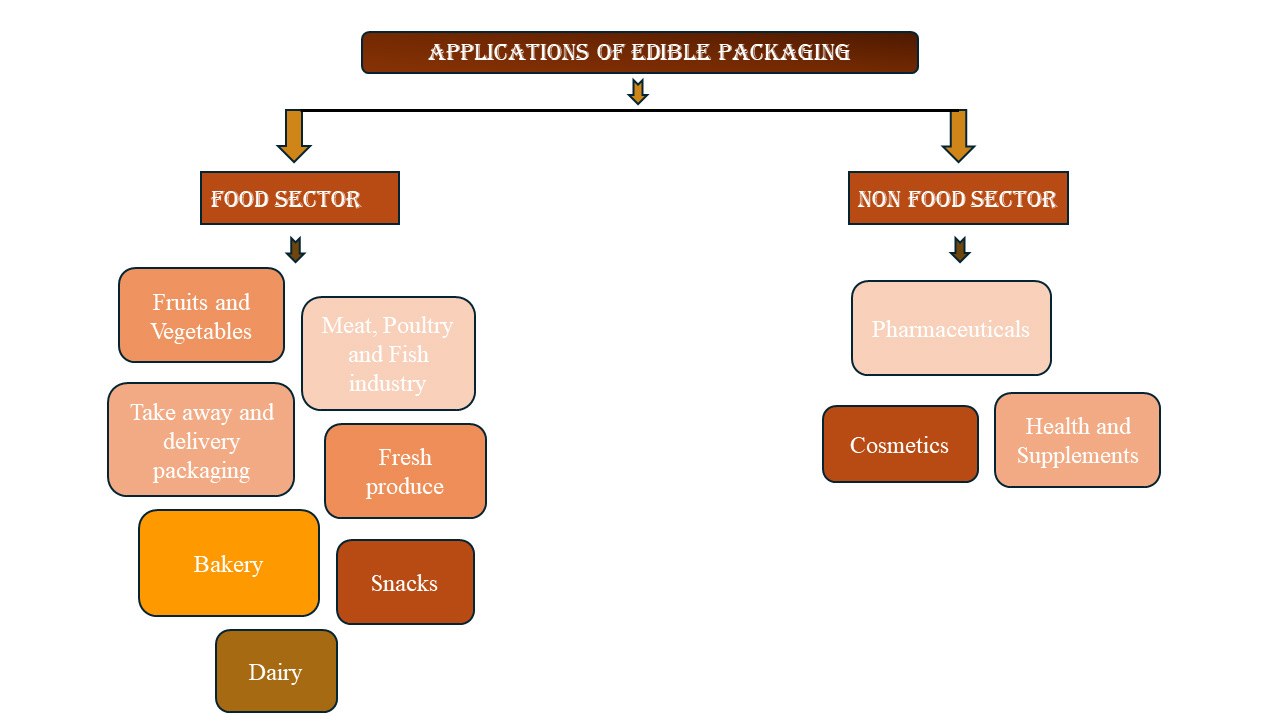
The performance of biocomposites can be enhanced using nanotechnology. Bio-nanocomposites are biopolymers reinforced with nanoparticles, such as nanoclay and nanosilver. These substances enhance the packaging films’ mechanical, thermal, and barrier qualities [74]. Also, it is shown that they are stronger, more heat resistant, have a greater modulus, and are less flammable and permeable to moisture and gases [75]. Because of their large surface area, superior dispersion, and unique structure, nanoclays such montmorillonite, bentonite, and kaolinite have a stronger reinforcing effect [76]. Table 2 is a brief list of few edible Nano-Biocomposite packing materials and their properties. Currently under development are carbon nanotubes, cellulose nanowhiskers, and nano-clay (layered silicates). Nano-crystalline cellulose is appealing for its variety of application and often quoted as “better than steel and stiffer than aluminum” compound [77]. Apart from being ‘filler’ in a matrix it enhances the properties of the composites, durability, value, and service-life without compromising on the sustainability [78]. The incorporation of nanofillers enhances the biodegradability of biopolymer composites. The advantages, methods and limitations of nanofillers is reviewed in detail in Musa [79]. Other investigators have successfully demonstrated their application in packing. Saleh [80] report a preparation and characterization of chitosan/ starch/Ag@TiO2-NPs bio-nanocomposite. Ramesh, et al. [81] described that composites containing nano-fibrillated fiber have higher flexural strength, higher flex-ural modulus and reduced fracture energy compared to composites reinforced with conventional fiber. Figure 1 is a flowchart representing the diverse applications of edible polymers.
| Additive | Improved properties | |
|---|---|---|
| Carboxymethyl cellulose, | Cellulose nanocrystals | Improved optical transparency and tensile properties, reduced WVP |
| starch polysaccharide matrix | Cellulose nanocrystals | Improved optical transparency and tensile properties, reduced WVP |
| Chitosan-gelatin | Silver nanoparticles, polyethylene glycol | Improved mechanical properties and decreased light transmittance in the films and shelf-life extension of the film applied red grapes |
| nanocomposite | Silver nanoparticles, polyethylene glycol | Improved mechanical properties and decreased light transmittance in the films and shelf-life extension of the film applied red grapes |
| Gelatin/ZnO nanoparticle nanocomposite | Glycerol | Increment of water vapor barrier properties, improvement of antimicrobial potential against L. monocytogenes and E. coli and shelf-life extension of film applied white soft cheese |
| ZnO nanorods, gelatin composite | Clove essential oil | Enhancement of antimicrobial activity against S. typhimurium and L. monocytogenes, reduction of hydrophobicity, the shelf-life extension of peeled shrimps |
| Starch-cashew tree gum nanocomposite | Montmorillonite-nanoclay | Improved water vapor barrier property, reduced oxidation of cashew kernels, protection against moisture loss |
| K-Carrageenan and nanoclay based film | Zataria multiflora essential oil | Advanced mechanical, antimicrobial and water vapor barrier properties |
| Chitosan, K-carrageenan, | Cellulose nanocrystals and | High flexibility and mechanical properties |
| alginate, nanocomposite | microfibers produced from alfa fibers | High flexibility and mechanical properties |
Table 2: A brief list of few edible Nano-Biocomposite packing materials, additive, and their properties.
Technology and Methods of Edible Film Formation
To improve the cohesive structural matrix, two methods—the wet process and the dry process—are employed for film formation. Chitosan, hemicellulose, agar, and alginate are popular polymers used in solvent- casting film creation. The dry method entails melting the film-forming ingredients. Polylactic acid and [82, 83], polyhydroxyalkanoates are polymers that are frequently utilized in extrusion film creation [84]. The polymer dispersion or dissolution determines the biofilm formation. To prevent problems like overwetting or early drying, the solvent evaporation rate must be properly controlled [85]. Highly volatile organic solvents were originally favored, but a change to aqueous-based systems occurred due to safety and environmental concerns. Hence, it is crucial to consider the solvent selection which affects properties such as inner structure and macromolecule binding of the film [86]. Although ethanol and water are preferred solvents for edible films, their application can greatly affect the film’s characteristics. Various molecular weights and organic acid solvents are used to create chitosan films.
The tensile strength is increased by higher molecular weight, while qualities like elongation and toughness are modified by different solvents [87]. Research indicates citric acid addition produces greater elongation values, whilst acetic acid produces the most difficult films [88]. In laboratories, the solvent-casting technique is frequently employed for pilot-scale film creation. The following are the steps in this method:
- Selecting and dissolving the right biopolymer in solvent.
- Casting onto the mold or sheets covered with Teflon after degassing the dissolved solution.
- Creating polymeric film- solvent evaporated using dryers as hot air ovens, tray dryers, vacuums, or microwave dryers.
The microstructure of the biopolymer film is determined by the casting phase, and the resulting film has a uniform surface and is consistent [89]. The film produced with this approach is more consistent and has fewer flaws, and it is also less expensive. It has several physico-mechanical disadvantages such as longer drying time, a lack of flexibility in edible films, and less possibility of harmful chemicals being integrated into the polymer solution and requirement of lower solvent or water [90]. Heating, kneading, and feeding are the common methods used in the preparation. The process is frequently employed in the production of multilayer packaging [91]. The faster processing time, low energy usage, greater range of temperatures and pressures, and simple handling techniques are the benefits of the extrusion process [92].
When food products are coated, the coating substance should adhere to the product’s surface. The physical characteristics of the product, such as size, shape, ripening patterns, and desired coating thickness, determine the process and the material selected [93]. Among the common methods employed in food processing are fluidized bed, panning, dipping, and spraying [94, 95]. In both fresh and frozen goods, coating improves flavor while lowering moisture loss and oil absorption. Specific gravity, viscosity, surface tension, and withdrawal rates affect the coating thickness and homogeneity [96]. Microbial stability and anti-browning effects are ensured by dipping fresh fruit in a coating solution containing antioxidants and antimicrobials [97]. Nonetheless, there are a few procedural difficulties which must be taken into account before considering a specific method. Compared to spraying, the dipping process creates films that are smoother and thicker. Dipping is more practical because spraying extremely thick liquids is challenging [98]. Several variables, including immersion time, withdrawal speed, and coating solution characteristics, affect the films’ thickness and shape [99]. Another technique used in the food industry to apply an edible coating is spraying. This technique creates droplets with a growing liquid surface using a set of nozzles, which are subsequently dispersed around the food’s surface [100]. Air spray atomization, air-assisted airless atomization, and pressure atomization are some of the spraying methods. Pressure is used to cover the edible material on food products thus pressurizing the fluid and creating surface tension by passing the highly viscous coating solution via a nozzle [101]. Important variables such as atomization pressure (<30 bar), coating solution thickness (30 µm), and droplet size affect the atomization of droplets.
In the food and associated research industries, fluidized coating is a popular technique for coating dry particles with extremely low densities. The fluidized powder surface is sprayed with the coating solution, creating a structure resembling a shell [102]. There are three types of the process: top spray, bottom spray, and rotary fluidized bed with former being the most efficient. Complete adhesion of the coating material is achieved by the fluidized bed of particles adhering, aggregating, and drying. Friction and heat are produced during the forced air-drying process of the attached coating layers at room temperature or above. High-quality polymeric fibers with diameters ranging from micro to nanoscale, usually between 10 and 1000 nm, may be produced very effectively by electrospinning [103]. By using a high-voltage electric field to stretch a polymer solution droplet into a conical shape, electrospinning produces fibers once the solvent has evaporated. Polymer concentration, viscosity, surface tension, conductivity, distance, flow velocity, and voltage all have an impact on the process [103]. Compression molding is a thermal processing technique commonly used to transform various polymers into desired products [104]. The method involves introducing the raw material into a heated mold, applying pressure to attain the desired shape. It is utilized as a preliminary step before extrusion to optimize conditions for subsequent processes [105].
Methods to assess the Physico-Chemical and Mechanical Properties
Tensile Strength
It is one of the most widely used mechanical methods for determining the strength of any material. Strength-refers to the highest amount of stress that a packaging material can endure [106]. Tensile strength is determined by the kind of polymer, production conditions, additives, chemical modification, and on processed and storage biodegradable polymers can be used as a great alternative [107].
Elongation Upon Break
it is the ratio of modified length to original length. It determines how far the material can stretch or extend without breaking [108]. These values indicate a polymer’s ductility, which allows it to form various forms.
Puncture Force
Puncture force is a mechanical property that measures the maximum force required to puncture or perforate the edible film. This parameter is particularly important for assessing the film’s ability to resist mechanical damage during handling, transportation, and storage of packaged food products. Studies have shown that film thickness directly correlates with puncture force values, with thicker films demonstrating higher puncture force resistance [109].
Film Thickness
Thickness is a fundamental physical property that significantly affects the functional characteristics of edible films. Film thickness influences the barrier properties, mechanical strength, and overall protective capacity of the packaging material [110].
Thermal Stability
Thermal stability of a biopolymer is described as its capacity to withstand the effect of heat while maintaining its qualities, such as strength, toughness, or elasticity, at a particular temperature. Thermal characteristics are important in determining the possible usage of polymeric materials in a wide range of consumer applications. A thorough understanding of polymer heat degradation is critical in the development of high-performance materials.
Melting point (Tm)
it is the temperature at which a material begins to change its structure or at which a phase change occurs.
Young’s Modulus (Elastic Modulus)
Young’s modulus represents the stiffness and rigidity of the edible film material. It is calculated as the ratio of stress to strain in the linear elastic region and is expressed in units of GPa or MPa. Young’s modulus provides information about the film’s flexibility and mechanical characteristics as they relate to the chemical composition of the packaging material.
Opacity
Opacity refers to the light transmission properties of the edible film and is an important physical property affecting the visual appearance of packaged products. Low opacity values indicate greater transparency, which is desirable for consumer preference and product visibility, while higher values indicate greater light-blocking properties that may be beneficial for protecting light-sensitive food products. The combination of different film-forming components significantly influences opacity characteristics [111].
Contact Angle (Wettability)
Contact angle measurement provides information on the surface characteristics of edible films, including wettability, surface charge and tension, hydrophilicity, and interaction energy. Contact angle measurements are crucial for quickly comparing water barrier efficiency of tested films.
Swelling Degree
Swelling degree represents the percentage increase in film weight or volume when exposed to moisture or liquid, and it is an important indicator of film stability and barrier properties. The degree of edible films is influenced by their composition and the hydrophilic nature of the film-forming materials. High swelling degree values can negatively impact the mechanical and barrier properties of the film during storage [111].
Glass Transition Temperature (Tg)
Glass transition temperature represents the temperature at which the amorphous polymer transitions from a glassy solid state to a more flexible, rubbery state. This property is essential for understanding the thermal behavior and processing conditions of edible films. Knowledge of Tg is critical for determining storage conditions and processing temperatures to maintain film quality and functionality throughout the film’s shelf life.
Density
Density of edible films is calculated as the ratio of film mass to its volume. This physical property is important for understanding the film’s composition, structural organization and its potential applications. Different film- forming materials and formulations result in varying density values, which affect the properties [110].
Moisture Content
Moisture content refers to the amount of water present in the edible film and is expressed as a percentage. This property is crucial because high moisture content in edible films negatively affects the resistance and protective properties of the film and consequently impacts the quality of the packaged product. The moisture content is influenced by the hydrophilic nature of the film-forming materials and their interaction with the constituent components [111].
Water Solubility
Water solubility of edible films is an important property that determines the film’s resistance to water. For films intended for preservation of intermediate or high-moisture foods, good water resistance is highly desirable. Water solubility is typically expressed as a percentage of the original film mass that dissolves in water under specific conditions [112] Water Vapor Transmission Rate The amount of water vapor that passes per unit area and time of packaging material is called the water vapor transmission rate (WVTR) [kg mm2 s 1]. WVTR is an important factor while selecting a packaging material. Biodegradable plastics have lower water permeability making them suitable for storing dry items.
Oxygen Permeability Coefficients (OPC)
This value indicates the much oxygen can move through a material per unit area and time under pressure. Low OPC inhibits the oxidation process, increasing the product’s shelf life. The OTR in biodegradable polymers is extremely low blends are created by combining biodegradable polymers to improve barrier characteristics. Carbon Dioxide Transmission Rate (CO₂TR): Carbon dioxide transmission rate measures the amount of CO₂ that permeates through the edible film per unit area and unit time under standard pressure conditions. This property is particularly important for packaging fermented foods, fresh produce, and vegetables where CO₂ accumulation inside the package must be controlled. The ratio of CO₂TR to oxygen transmission rate (O₂TR) is a critical parameter for selective permeability.
Safety and Toxicity Methods
Food safety standards and regulations differ across countries but generally focuses on assuring safety, correct disposal, and environmental compliance [113]. Food packaging rules include direct food contact and migration restrictions, as well as waste management. The European Food Safety Authority (EFSA) and the United States Food and Drug Administration (FDA) have rules for biopolymers that come into direct contact with food (efsa.europa.eu; fda.gov). India’s Plastic Waste Management Rules (Ministry of Environment, Forest and Climate Change, GOI, India), have been updated to define and permit certified biodegradable bioplastics while excluding certain SUPs. Policies may mandate manufacturers to certify their items as biodegradable, often through testing against specified standards like as EN 13432 [114]. Edible films and coatings for fruits and vegetables undergo strict regulations. FDA-approved materials that adhere to GRAS and GMP are eligible for use. Biopolymers without GRAS approval can be deemed safe through application. Assessing toxicity and allergenic potential is crucial, especially when incorporating essential oils for antimicrobial properties [115]. Thus, balancing efficacy and potential toxicity is vital. Regulations on utilization and doses vary by country or export destination. Disclosure of full ingredient including allergenic constituents on labels is essential as they become part of the produce [116]. The development process of films can cause potentially harmful changes. Cross-linking agents used to enhance film properties can create toxic compounds when interacting with gastrointestinal substances [117]. Thus, edible film research must constantly evolve, exploring new materials, active packaging, and nanotechnology with focus on preserving food safety, maintaining product integrity, and achieving complete biodegradability.
Green Economy- Contribution of Biopolymer Research
Because of their renewability, biodegradability, and structural adaptability, plant-derived polysaccharide gums have become significant contenders to replace synthetic polymers [118]. By providing safe and sustainable substitutes in a variety of industries, these natural polymers greatly contribute to the green bioeconomy. Excellent film- forming qualities are exhibited by natural gums such as karaya, locust bean, and guar gum Kumar SS, et al. [119]. Additionally, they serve as barrier qualities, guarding against microbial contamination, moisture, and oxygen. Also, they work well as food matrices, preserving product quality and increasing shelf life [120]. Liu F, et al. [121] describe the film-forming characteristics of three main commercial galactomannans with mannose-to-galactose (M/G) ratios of 2 (GG), 3 (TG), and 4 (LBG) by describing the film-forming solutions and the resulting films. A naturally occurring exuded from the Astragalus species, tragacanth gum (TG) is a special polymer with a complicated molecular structure and unique rheological characteristics. When compared to other plant gums, its highly branched molecular architecture, robust and consistent emulsifying action, and comparatively high resistance to microbial degradation render it with a unique value [122]. TG enhances the mechanical strength and barrier qualities of edible coatings and active packaging films when mixed with other biopolymers like alginate, pectin, or chitosan. TG supports sustainability, green polymer development, and new uses in the food industry Additional antibacterial and antioxidant properties are thus provided using plant extracts and essential oil [123]. Thus, prolonging perishable items’ shelf life and freshness. Table 3 is a brief list of essential oils and their sources and composition.
| Botanical species | Common name | Family/part | Composition |
|---|---|---|---|
| Cinnamomum | Ceylon Cinnamon | Lauraceae/bark | E-cinnamaldehyde, |
| verum | cinnamyl acetate | ||
| Coriandrum | Coriander | Apiaceae/Fruit | Linalool, camphor, α -pinene |
| sativum | |||
| Cymbopogon | Ceylon citronella | Gramineae/Herb grass | Geraniol, camphene, geranyl acetate |
| nardus | |||
| Eugenia | Clove | Myrtaceae/bud | Eugenol, eugenyl |
| caryophyllus | acetate. β-caryophyllene | ||
| Kaempferia | Aromatic ginger | Zingiberaceae/rhizome | NA |
| galanga | |||
| Origanum | Oregano | Lamiaceae/flowering plant | Carvacrol, thymol, p-cymene |
| compactum | |||
| Origanum | Sweet marjoram | Lamiaceae/ flowering plant | Terpinene-4-ol, |
| majorana | α-terpinene, sabinene | ||
| Salvia officinalis | Dalmatian sage | Lamiaceae/ flowering plant | NA |
| Salvia sclarea | Clary sage | Lamiaceae/ flowering plant | Linalyl acetate, linalool, α-terpineol |
Table 3: A brief list of essential oils: Sources and composition.
Polysaccharides meet the requirements for environmentally beneficial substitute for petroleum-based plastics since they are abundant, renewable, and adaptable biomaterials. They are perfect for food packaging applications because of their special qualities, which include the capacity to generate films with adjustable mechanical strength and biodegradability [124]. Additionally, their potential is increased by the ease of modification (both chemically and physically) to satisfy packaging needs, such as moisture resistance, antibacterial qualities, and oxygen barriers. However few draw backs in the use of polysaccharides include lower flexibility brittleness, mechanical rigidity, and low flexibility [125]. The film-forming mechanism is highlighted by the utilization of natural polysaccharides in an intelligent packaging system. Methods to overcome these problems are pH sensors, plasticizers and addition of complementary polymers. Real-time food condition monitoring is possible with the integration of pH sensors and freshness indicators. Another possible way to enhance the qualities is to add plasticizers.
Plasticizers improve the mechanical and processing characteristics of polysaccharide-based films and coatings, making them more adaptable, useful, and environmentally friendly food packaging options. Combining polysaccharides with complementary polymers has been a popular tactic. These polymers can be fossil-based (like PEG, PLA, or polycaprolactone (PCL) or biobased (like proteins like gelatin or soy protein). These mixtures provide increased water resistance, thermal stability, tensile strength, and flexibility. The creation of materials with balanced mechanical and barrier qualities is made possible by the synergistic combination of different polymer characteristics, which is responsible for the improvement. Lastly, adding functional micro- and nanofillers to polysaccharide matrices is a potent way to improve packing qualities. Cellulose nanofibrils, nanochitin, lignin nanoparticles, polyphenol nanoparticles, graphene, zeolites, and metal oxide nanoparticles like titanium dioxide (TiO2), silver nanoparticles (AgNPs), and copper nanoparticles (CuNPs) are typical examples of micro- and nanofillers used to reinforce polysaccharide matrices. These fillers greatly enhance thermal characteristics, mechanical strength, and barrier efficiency (e.g., against oxygen, water vapor, and lipids). Studies supporting these methods are Zhu, et al. [126] an Intelligent packaging films with colorimetric functions are promising and feasible methods for real-time monitoring of food freshness. Arroyo-Esquivel [127] report film using pitahaya (Hylocereus sp.) peel as a promising and feasible method for real-time monitoring of food freshness. Similarly, Hashemi, et al. [128] report a polysaccharide- based edible Films/Coatings for the preservation of meat and fish products with the incorporation of Lipid-based Nanosystems loaded with bioactive compounds. Abdullah 2020 report a biopolymer-based film reinforced with FexOy- nanoparticle. Bio-based reinforcing nanoparticles, including CNCs, CNF, nanochitin, and lignin nanoparticles, which provide an alluring blend of environmental sustainability, functional adaptability, and mechanical reinforcement [129]. These nanoparticles derived from renewable resources and frequently biodegradable, enhance tensile strength, barrier qualities, and compatibility with hydrophilic polysaccharide matrices while also adhering to the principles of the circular economy [130, 131]. Zhao, et al. [132] report reinforcement mechanisms of lignin nanoparticles in biodegradable cellulosic films for plastic replacements. Fierascu, et al. [133] reviews the topic in detail. In relation to biodegradation Nath, et al. [134] emphasize the characteristics, degradation behavior, and enhancement via nanotechnology and active agents of polysaccharide-based biodegradable polymers (cellulose, starch, and alginate) in sustainable food packaging. Similarly, Hussain, et al. [135] address the environmental issues with traditional packaging and discuss the potential of proteins and polysaccharides, particularly those derived from industrial byproducts, as practical and affordable substitutes, emphasizing the significance of enhancing molecular interactions and cross-linking. Using proteins in food packaging is a beneficial and innovative way to increase the product’s stability, shelf life, and quality [136]. This process lowers packaging waste, further it acts as a matrix for adding bioactive substances that improve the food’s nutritional value [137]. Compared to polysaccharides and lipids, the functional group of amino acids in the protein chain offers great potential for the development of protein-based bioplastics. Additionally, proteins’ abundance, biodegradability, and non-toxicity make them a good substitute for materials derived from fossil fuels [138]. Promising antibacterial and antioxidant properties can be found in protein-based biodegradable smart packaging that incorporates functional ingredients (such as essential oils and silver and zinc oxide nanoparticles) [139]. Additionally, they help prolong food’s shelf life. When compared to polysaccharide and lipid-based films, protein- based films have better permeability characteristics. This view is supported by research findings such as soy protein- based films low oxygen permeability than pectin and low- density methyl cellulose respectively [140]. Because of their greater tensile strength, the films were found to be more desirable than those from other film suppliers. According to Hong, et al. [141] use of nanoclay demonstrated increased bacteriostatic activity against Listeria monocytogenes and a reduction in water vapor permeability. Since lipids are one of the new renewable and sustainable raw ingredients, the food sector is currently focusing on their use. Due to their sustainability, biorenewability, biodegradability, and environmental friendliness, materials generated from lipids are seen as a possible replacement for petro-based polymers [142].
In the last decade research interest in adding lipophilic bioactive components in films has increased, since they are powerful antimicrobial and antioxidant agents [143]. Water-in-oil-in-water (W/O/W) emulsions are used to encapsulate hydrophilic compounds before their addition into biopolymeric matrices. The emulsions protect against active ingredients against external factors and promote their controlled release. Mehmood, et al. [144] report the optimization of Soya Lecithin and Tween 80 Based novel Vitamin D nanoemulsions prepared by ultrasonication using Response surface methodology. In another study Zhang reports the enhancement of carotenoid bioaccessibility from carrots using excipient emulsions. Cumulatively, the results indicate the influence of particle size of digestible lipid droplets. Table 4 is a summary of various polysaccharide, protein and lipid based packing sources, products and functions.
| Composition | Food product | Functions | |
|---|---|---|---|
| Cellulose | Cellulose derivatives (hydroxypropyl methylcellulose, methylcellulose) coatings with sorbitol additives. | Potatoes | Reduced oil uptake in fried products |
| Cellulose | Hydroxypropyl methylcellulose, beeswax with glycerol and oleic acid | Cherry tomatoes | Improved the respiration rate, weight loss, fruit firmness, peel colour and sensory attributes |
| Starch | Corn starch, polyvinyl alcohol, polyurethane, natamycin | Semi hard cheese | Controlled the development of the mold on cheese surfaces |
| Chitosan | Chitosan, green tea extract, gallic acid, glycerol additives | Walnut kernel | Improved the sensory properties, reduced lipid oxidation and fungal growth |
| Chitosan | Chitosan, gelatin, glycerol additives | Beef | Reduced lipid oxidation and enhanced colour preservation during retail display |
| Protein | Composition | Food product | Functions |
| Milk protein | Whey protein concentrate, pullulan, beeswax, glycerol | As a film | Concentration-dependent film thickness, water vapor permeability (WVP) and tensile elongation |
| Milk protein | Whey protein isolate, guar gum, sunflower oil, lactic acid, natamycin, glycerol, Tween 20 | Semi hard cheese | Decreased changes in hardness, water loss and colour, high antimicrobial activity |
| Gelatin | Gelatin, chitosan and procyanidin | Fish, meat, cheese | High antioxidant, antimicrobial activities |
| Gelatin | Gelatin, chitosan and procyanidin | As a film | Increased water resistance and film stiffness, decreased elongation and transparency, inhibition against S. aureus and high thermal stability |
| Collagen | Fish gelatin/pomegranate | As a film | Decreased elongation, high thermal stability, viscosity and tensile strength |
| Collagen | (Punicagranatum L.) seed juice by-product | As a film | Decreased elongation, high thermal stability, viscosity and tensile strength |
| Collagen | Collagen, sodium alginate, glycerol. glutaraldehyde | Nutraceutical products | Higher elongation, antioxidant and UV barrier properties, lower water solubility, tensile strength and lightness |
| Collagen | Collagen, chitosan | Nutraceutical products | Higher elongation, antioxidant and UV barrier properties, lower water solubility, tensile strength and lightness |
| Lipids | Composition | Food product | Functions |
| Candelilla wax | Candelilla wax coating with mineral oil, mesquite gum | Guava fruit | Enhanced texture, reduced gloss, weight loss, emission of ethylene, retention of colour |
| Candelilla wax | Candelilla wax, guar gum and glycerol additives | Strawberry | Enhanced antifungal properties to extend the postharvest shelf-life. |
| Carnauba wax | Cassava starch, carnauba wax, glycerol and stearic acid | Fresh cut apples | Reduced water vapor permeability and weight loss |
| Beeswax and Carnauba wax | Gelatin, glycerol, beeswax, or carnauba wax | As a film | Enhanced antioxidant, barrier and thermal properties |
| Lauric acid | Flaxseed gum, lauric acid and oligomeric procyanidins | As a film | Improved mechanical and barrier properties |
Table 4: A summary of various polysaccharide, protein and lipid based packing sources, products and functions.
Advancements in Edible Packaging
Although it lacks mechanical and functional qualities, edible packaging can protect food [145]. By adding nanoparticles, the film’s physico-mechanical properties— such as strength, barrier qualities, and shelf-life can be improved [146]. Also, they protect food, limiting the usage of traditional packaging encouraging eco-friendly practices. Nanofillers including nanostarch, nanocellulose, nanochitosan, nanoprotein, and nanolipid can be added to edible films to improve their mechanical, thermal, and barrier qualities as well as strengthen active qualities like biosensing, oxygen scavenging, and antimicrobial activity [147]. However, to adapt these modifications in commercial usage, additional investigation is required. Because they are prone to spoiling, meat, fish, and poultry continue to be difficult to preserve in the realm of food industry.
Chitosan, sodium alginate, gelatin, and pectin-based preservation are implicated in recent developments in edible antimicrobial coatings. Furthermore, adding natural antimicrobial agents such as plant polyphenols, essential oils, and microbial preservatives can significantly increase the antimicrobial and antioxidant properties of these biopolymers and their composites, substantially increasing the shelf life [148]. Calcium-cross-linked sodium alginate systems are prized for their gel-forming capacity, mechanical strength, and high loading capacity, whereas chitosan stands out for its strong antibacterial activity and superior oxygen barrier qualities. According to study by Zhang 2025 the coatings increased shelf life by 20–23%, reducing the total microbial viable count by 167–70.77%. Further, it reduced total volatile basic nitrogen to 75.78%, and thiobarbituric acid to 86.18%. Based on whey protein isolate (WPI)- cellulose nanocrystal-based biopolymers, intelligent pH and ammonia-sensing edible films are created by combining various functional colorants (curcumin, phycocyanin, and modified lycopene), both separately and in combination, to support food freshness and monitoring initiatives [149]. The colorants provide the films improved UV-blocking, antioxidant, and antibacterial properties as well as pH and ammonia responsiveness. To improve the antibacterial qualities of polysaccharide- based biofilms, natural antimicrobial agent in plant extracts and essential oils (such clove, oregano, and thyme) are being used more frequently [150]. Furthermore, the natural polyphenolic molecule like lignin are effective UV-blockers preventing hazardous radiation from reaching packaged food and lowers the risk of photo-degradation [151]. Natural chemicals prevent microbial development through a variety of mechanisms, including disruption of microbial cell membranes, interference with cell wall production, and inhibition of metabolic functions including enzyme activity [152]. Essential oils (EOs) such as thymol and carvacrol, degrade the bacterial lipid bilayer membranes, resulting in cell leakage and death [153]. On the other hand, extracts high in flavonoids and polyphenols attach to microbial enzymes, lowering their activity, growth and proliferation. Salanță, et al. [154] report the application of orange peel EO electrospun with starch to increase its antibacterial activity against Salmonella Typhimurium and E. coli and to improve the thermal stability. Another study by Gao, et al. [155] highlights the potential of citral for food packaging by encasing antimicrobial nanoparticles of chitosan and PVA bases. This resulted in high transparency, excellent mechanical and antimicrobial properties. Further, the UV light barrier capabilities, fruit shelf life were also enhanced. Food packaging is currently using several smart packaging technologies. Since they offer visual signal of food spoiling, pH-sensitive indicators are one of the most researched smart packaging technologies [156]. Color changes in response to pH variations brought on by microbial activity or metabolic processes are made possible by incorporating natural pH- responsive dyes (such as anthocyanins, curcumin, and betacyanins) onto polysaccharide films. Since spoiling causes pH variations, these monitors are especially helpful for tracking meat, seafood, and dairy items [157]. Films made from Opuntia ficus-indica mucilage and cellulose nanofibers with encapsulated beetroot extract demonstrated pH-responsive monitoring of hake medallion physico – mechanical properties [158]. Hydrophobic agent changes to the film surface increase the permeability of carbon dioxide and oxygen while decreasing the permeability of moisture [159]. A few techniques for adjusting hydrophobicity include electrospinning, high pressure processing, plasma treatment and coating, etc. To decrease water loss, block leaks, and lower food contamination and spoiling, hydrophobic coatings are placed to the interior surfaces of packing films [160]. The potential of cold plasma technology to prevent spoiling and pathogenic microbes, deactivate enzymes, and modify the mechanical, chemical, and physical properties of fresh fruits and vegetables during packaging is examined in a review paper by Yawut, et al. [161]. Compared to heat operations, high pressure has less of an impact on low-molecular-weight chemicals including flavorings, vitamins, and pigments, safeguarding a range of bioactive molecules [162]. Biopolymer hydrogels can be used in many different commercial items, including foods. They are employed as fillers to improve their functional characteristics, such as biological cells, solid particles, liquid droplets, gas bubbles, or nanofibers [163]. The composition, size, form, rheology, and surface characteristics of these fillers vary which affecting the biopolymer hydrogels’ rheological characteristics. Otoni, et al. [164] examines the successful application of absorbent pads (AP) with hydrogel-based antimicrobial emitting sachets (ES). Food freshness is tracked using (3D)-printed sensors made from a blend of edible biopolymer hydrogels, like alginate and gelatin, reinforced with nanocellulose. Popoola, et al. describe the formulation, scalable production, and characterisation of three-dimensional (3D)-printed sensors made from a combination of edible biopolymer hydrogel (8% alginate, and 10% gelatin) with nanocellulose (CNC) as a reinforcing filler. The 3D-printed film exhibited excellent durability, flexibility, shape memory, and robustness, along with pH responsiveness. Further demonstration of its application in packaged meat and fish, underscores its potential as a real-time freshness indicator. Finally, the biodegradable, eco-friendly, and inexpensive properties deem them as suitable candidates for smart and sustainable food packaging. Consumption of probiotics rich food products has become a novel trend worldwide concerning healthy diet and well-being. This approach has acquired a high interest from the food and beverage industries. The incorporation of probiotics such as species of Lactobacillus
and Bifidobacterium most commonly, yeast Saccharomyces boulardii and some Bacillus species-rich edible coatings and films in food products has become an efficient way to supply the daily required probiotics to the consumers [165, 166, 167, 168, 169, 170].
Discussion
The use of biomaterials for sustainable food packaging presents several challenges and opportunities, including a complex interplay of technological, economic, environmental, and governmental issues. Several obstacles remain in food packaging, necessitating further study and development. Hence, biopolymers, either synthetic or natural, are a potential solution to these problems. The food packaging applications of biopolymers have only become an interest to scientists in recent years. Also, there is a substantial research gap in scaling up natural polymer- based packaging materials. Exploring alternatives, such as edible films or composites with an emphasis on intelligent packaging, is a better option since it aligns with the ideals of sustainable packaging. Furthermore, they provide an additional benefit by improving food preservation and providing indicators of product quality. Integrating essential oils, natural extracts, or nanoparticles into the packaging material has been shown to improve the performance and keep food fresh for longer contributing to green economy [4, 171, 172, 173, 174, 175, 176, 177, 178, 179, 180]. Application of newer extraction, synthesis and composite production methods will aid addition of several import phytoconstituents to the packing material enhancing its properties. Recent breakthroughs in edible biopolymer- based food packaging and related fields demonstrate the possibilities of real-world applications such as high- performance film, films with pH and UV-blocking properties, two-dimensional material films, metal nanoparticles and carbon nanotubes. These advancements have improved the barrier, thermal, and mechanical properties of food packaging materials. The incorporation of nanotechnology into packaging materials opens exciting opportunities for increased barrier properties, antibacterial activity, and shelf-life extension. They also provide ecological packaging made from recyclable and biodegradable materials. Flexible packaging is generally preferred since it is less in weight and less expensive. Biopolymer based film preparations are amenable to addition of additives such as plasticizers, crosslinkers and fillers, etc. thus enhancing the properties such as antimicrobial, preservation, and water retention. However, there is still considerable room for improvement in research in technological, economic, and regulatory issues. Several areas of biopolymer-based food packing require additional research and development inputs. Limitations in the industrial operations include sealing, continuous film production, thickness control, high cost, consistent quality and long drying period opens avenue for research and application of newer methods such as AI. Improved cytotoxicity methods are crucial to produce globally accepted films. The challenge of food waste generation can be addressed using edible coating materials. The coatings aid in extending the shelf life of food products, reducing waste. Few nutraceuticals and anti-browning agents in edible packaging have no pleasing sensory properties such as bitterness, flavour or astringency and yield an undesirable odour rendering it unpalatable [15]. Therefore, additional research is required to enhance better consumer acceptance. Active packaging enhances fruit preservation by ethylene scavengers, controlling fungal growth, regulating moisture, and providing antioxidants. Synergy of genomic, microbial and proteomic research are required to enhance and discover new bioactive compounds from plant material which can be incorporated into packing preparations. Efficient collection, processing, and integration into the manufacturing of agro-food waste and integration to the cycle of recyclables is another area of improvement. Thus, finding a delicate balance between cost-effectiveness and sustainability will facilitate the transition to more ecologically friendly packaging options. Single-use plastics in the food packaging business are a major environmental issue. In 2022, food packaging will remain the most popular application, accounting for 48% of the worldwide bioplastics market (European Bioplastics). Thus, edible biopolymers, biodegradable metals, ceramics, and biocomposites, polymers show considerable promise to address several aims and goals in food industries. Edible packaging shows great promise across diverse food industries such as fresh fruits, beverages, dairy, meat, and poultry, and confectionery industries, providing eco-friendly benefits for both consumers and the planet. Continued innovation in material formulation, scalable processing, and cost-effective methods will enable widespread commercialization [180, 181, 182, 183, 184, 185, 186, 187, 188, 189, 190].
Conclusion
Food preservation and safety have become a major concern owing to the growing population and increasing standards globally. Conventional techniques of food preservation continue to be in practice despite their unaddressed shortcomings, creating the necessity for innovative approaches in combating the issues by ensuring the quality parameters of the food. Packaging materials are essential for preserving food quality and extending shelf life during storage and distribution. Edible packaging is now recognized as a healthy approach to food protection since they are cost-effective, renewable and synthesized naturally.
References
-
Farrell R, Cortese YJ, Devine DM, Gately N, Rueda M, et al. (2024) The function and properties of common food packaging materials and their suitability for reusable packaging: The transition from a linear to circular economy. Current Research in Green and Sustainable Chemistry 9: 100429.
-
Mkhari, T, Adeyemi JO, Fawole OA (2025) Recent Advances in the Fabrication of Intelligent Packaging for Food Preservation: A Review. Processes 13(2): 539.
-
Vlasopoulos A, Malinauskaite J, Żabnieńska-Góra A, Jouhara H (2023) Life cycle assessment of plastic waste and energy recovery. Energy 277: 127576.
-
Luigi O, Alberto P, Gaia M, Andrea G, Leonardo G, et al. (2025) Food packaging use and post-consumer plastic waste management: a comprehensive review. Frontiers in Food Science and Technology 5.
-
European Bioplastics.
-
Kamau PG, Cruz-Romero MC, Alzate PC, Morris MA, Kerry JP (2025) Active packaging containing natural antimicrobials as a potential and innovative technology to extend shelf-life of fish products – A review. Food Packaging and Shelf Life 49: 101500.
-
Palanisamy Y, Kadirvel V, Ganesan ND (2025) Recent technological advances in food packaging: sensors, automation, and application. Sustainable Food Technol 3: 161-180.
-
Arfat YA (2017) Plasticizers for Biopolymer Films. In: Ahmed J (Ed.), Glass Transition and Phase Transitions in Food and Biological Materials.
-
Junaid PM, Saikumar A, Islam RU, Patel MK, Eranda DHU, et al. (2025) Polysaccharide-based biopolymers: exploring film fabrication techniques, molecular interactions, and their potential food applications. Quality Assurance and Safety of Crops & Foods 17(4): 257-283.
-
Galus S, Kibar EA, Gniewosz M, Kraśniewska K (2020) Novel Materials in the Preparation of Edible Films and Coatings. A Review. Coatings 10(7): 674.
-
Hassan B, Chatha SAS, Hussain AI, Zia KM, Akhtar N (2018) Recent advances on polysaccharides, lipids and protein based edible films and coatings: A review. Int J Biol Macromol 109: 1095-1107.
-
Behrooznia, Z, Nourmohammadi J (2024) Polysaccharide- based materials as an eco-friendly alternative in biomedical, environmental, and food packaging. Giant 19: 100301.
-
Karnwal A, Rauf A, Jassim AY, Selvaraj M, Al-Tawaha ARMS, et al. (2025) Advanced starch-based films for food packaging: Innovations in sustainability and functional properties. Food Chemistry 10(29): 102662.
-
González-Torres B, Robles-García MÁ, Gutiérrez-Lomelí M, Padilla-Frausto JJ, Navarro-Villarruel CL, et al. (2021) Combination of Sorbitol and Glycerol, as Plasticizers, and Oxidized Starch Improves the Physicochemical Characteristics of Films for Food Preservation. Polymers (Basel) 13(19): 3356.
-
Kour M, Chaudhary S, Kumar R (2025) Cellulose based bioplastics: A sustainable approach toward environmental safety - A review. Sustainable Materials and Technologies 46: e01694.
-
Kamal T, Ul-Islam M, Fatima A, Ullah MW, Manan S (2022) Cost-Effective Synthesis of Bacterial Cellulose and Its Applications in the Food and Environmental Sectors. Gels 8(9): 552.
-
Mellinas, C, Ramos M, Jiménez A, Garrigós MC (2020) Recent Trends in the Use of Pectin from Agro-Waste Residues as a Natural-Based Biopolymer for Food Packaging Applications. Materials 13(3): 673.
-
Said NS, Olawuyi IF, Lee WY (2023) Pectin Hydrogels: Gel-Forming Behaviors, Mechanisms, and Food Applications. Gels 9(9): 732.
-
Mohamed SA, Elsherbini AM, Alrefaey HR, Adelrahman K, Moustafa A, et al. (2025) Gum Arabic: A Commodity with Versatile Formulations and Applications. Nanomaterials (Basel) 15(4): 290.
-
Kumar VA, Hasan M, Mangaraj S, Pravitha M, Verma DK, et al. (2022) Trends in Edible Packaging Films and its Prospective Future in Food: A Review. Applied Food Research 2(1): 100118.
-
Mazár J, Albert K, Kovács Z, Koris A, Nath A, et al. (2025) Advances in Spray-Drying and Freeze-Drying Technologies for the Microencapsulation of Instant Tea and Herbal Powders: The Role of Wall Materials Foods 14(3): 486.
-
Hamzeh I, Homa A, Marjan B (2025) Chitin: a comparison between its main sources. Frontiers in Materials 12.
-
Qu T, Wang X, Zhang F (2025) Antibacterial Food Packaging with Chitosan and Cellulose Blends for Food Preservation. Polymers 17(13): 1850.
-
Muñoz-Tebar N, Pérez-Álvarez JA, Fernández-López J, Viuda-Martos M (2023) Chitosan Edible Films and Coatings with Added Bioactive Compounds: Antibacterial and Antioxidant Properties and Their Application to Food Products: A Review. Polymers (Basel) 15(2): 396.
-
Lee KY, Mooney DJ (2012) Alginate: properties and biomedical applications. Prog Polym Sci 37(1): 106-126.
-
Kontominas MG (2020) Use of Alginates as Food Packaging Materials. Foods 9(10): 1440.
-
Parreidt TS, Müller K, Schmid M (2018) Alginate- Based Edible Films and Coatings for Food Packaging Applications. Foods 7(10): 170.
-
Cunha L, Grenha A (2016) Sulfated Seaweed Polysaccharides as Multifunctional Materials in Drug Delivery Applications. Mar Drugs 14(3): 42.
-
Cheng C, Chen S, Su J, Zhu M, Zhou M, et al. (2022) Recent advances in carrageenan-based films for food packaging applications. Front Nutr 9: 1004588.
-
Rana BM, Raval AA (2019) Isolation, Production and Characterization of the Polysaccharide “Xanthan Gum” from Xanthomonas spp. Int J Curr Microbiol App Sci 8(5): 1019-1030.
-
Asase RV, Glukhareva TV (2023) Production and application of xanthan gum-prospects in the dairy and plant-based milk food industry: a review. Food Sci Biotechnol 33(4): 749-767.
-
Mishra B, Mohanta YK, Varjani S, Mandal SK, Lakshmayya, NSV, et al. (2023) A critical review on valorization of food processing wastes and by-products for pullulan production. J Food Sci Technol 60(8): 2121-2131.
-
Bhaskar R, Zo SM, Narayanan KB, Purohit SD, Gupta MK, et al. (2023) Recent development of protein-based biopolymers in food packaging applications: A review. Polymer Testing 124: 108097.
-
Pawde SV, Kaewprachu P, Kingwascharapong P, Sai-Ut S, Karbowiak, T, et al. (2025) A comprehensive review on plant protein-based food packaging: Beyond petroleum- based polymers. Curr Res Food Sci 10: 101104.
-
Kamrani P, Marston G, Arbor TC, Jan A (2025) Treasure Island (FL): StatPearls Publishing.
-
Lu Y, Luo Q, Chu Y, Tao N, Deng S, et al. (2022) Application of Gelatin in Food Packaging: A Review. Polymers (Basel) 14(3): 436.
-
Rigueto CVT, Rosseto M, Alessandretti I, de Oliveira R, Wohlmuth DAR, et al. (2022) Gelatin films from wastes: A review of production, characterization, and application trends in food preservation and agriculture. Food Research International 162: 112114.
-
Chaudhary V, Kajla P, Kumari P, Bangar SP, Rusu A, et al. (2022) Milk protein-based active edible packaging for food applications: An eco-friendly approach. Front Nutr 9: 942524.
-
Shendurse AM, Gopikrishna G, Patel AC (2018) Milk protein based edible films and coatings–preparation, properties and food applications. J Nutr Health Food Eng 8(2): 219-226.
-
Wagh YR, Pushpadass HA, Emerald FM, Nath BS (2014) Preparation and characterization of milk protein films and their application for packaging of Cheddar cheese. J Food Sci Technol 51(12): 3767-3775.
-
Chen H, Wang J, Cheng Y, Wang C, Liu H, et al. (2019) Application of Protein-Based Films and Coatings for Food Packaging: A Review. Polymers 11(12): 2039.
-
Ezati P, Khan A, Priyadarshi R, Bhattacharya T, Tammina SK, et al. (2023) Biopolymer-based UV protection functional films for food packaging. Food Hydrocolloids 142: 108771.
-
Dong M, Tian L, Li J, Jia J, Dong Y, et al. (2022) Improving physicochemical properties of edible wheat gluten protein films with proteins, polysaccharides and organic acid. LWT 154: 112868.
-
Oliveira ACS, Ugucioni JC, Borges SV (2020) Effect of glutaraldehyde/glycerol ratios on the properties of chitosan films. Journal of Food Processing and Preservation 45(1): e15060.
-
Yang T, Xia G, Khan A, Riahi Z, Nadja S, et al. (2025) Gelatin-zein blend biocomposites films: Performance optimization through fabrication strategies for sustainable food packaging. Industrial Crops and Products 236: 121843.
-
Lan X, Zhang X, Wang L, Wang H, Hu Z, et al. (2023) A review of food preservation based on zein: The perspective from application types of coating and film. Food Chemistry 424: 136403.
-
Sim SYJ, Srv A, Chiang JH, Henry CJ (2021) Plant Proteins for Future Foods: A Roadmap. Foods 10(8): 1967.
-
Chen L, Ramezan Y, Pourramezan H, Najafi A, Kamkari A, et al. (2025) Soy Protein Isolate (SPI)-Based Films/ Coatings for Food Packaging: Research Progress on Properties and Applications. Compr Rev Food Sci Food Saf 24(3): e70181.
-
Mihalca V, Kerezsi AD, Weber A, Gruber-Traub C, Schmucker J, et al. (2021) Protein-Based Films and Coatings for Food Industry Applications. Polymers 13(5): 769.
-
Devi LS, Jaiswal AK, Jaiswal S (2024) Lipid incorporated biopolymer based edible films and coatings in food packaging: A review. Curr Res Food Sci 8: 100720.
-
Pires AF, Díaz O, Cobos A, Pereira CD (2024) A Review of Recent Developments in Edible Films and Coatings- Focus on Whey-Based Materials. Foods 13(16): 2638.
-
Pashova S (2023) Application of Plant Waxes in Edible Coatings. Coatings 13(5): 911.
-
Singh DP, Packirisamy G (2022) Biopolymer based edible coating for enhancing the shelf life of horticulture products. Food Chem (Oxf) 4: 100085.
-
Nath D, Chakraborty P, Hati S, Mishra BK, Sarkar P (2024) Lipid-based Materials in Edible and Non-edible Food Packaging, Functional Materials from Lipids and Proteins. Bandara N, et al. (Eds.), Royal Society of Chemistry 41(4): 91-108.
-
Shi M, Zhang M, Bian H, Wang D, Xu W, et al. (2025) Role of Medium-Chain Triglycerides on the Emulsifying Properties and Interfacial Adsorption Characteristics of Pork Myofibrillar Protein. Foods 14(5): 796.
-
Jackson-Davis A, White S, Kassama LS, Coleman S, Shaw A, et al. (2023) A Review of Regulatory Standards and Advances in Essential Oils as Antimicrobials in Foods. Journal of Food Protection 86(2): 100025.
-
Rodrigues DC, Cunha AP, Brito ES, Azeredo HMC, Gallão MI (2016) Mesquite seed gum and palm fruit oil emulsion edible films: Influence of oil content and sonication. Food Hydrocolloids 56: 227-235.
-
Li K, Tang B, Zhang W, Tu X, Ma J, et al. (2022) A novel approach for authentication of shellac resin in the shellac-based edible coatings: Contain shellac or not in the fruit wax preservative coating. Food Chem 10(14): 100349.
-
Li X, Cao C, Yuan D, Liu Q, Zhao J (2022) Effects of the Incorporation of Calcium Chloride on the Physical and Oxidative Stability of Filled Hydrogel Particles. Foods 11(3): 278.
-
(2020) What are Composites. Discover Composites. Archived from the original pp: 12-18.
-
Petaloti AI, Achilias DS (2024) The Development of Sustainable Biocomposite Materials Based on Poly(lactic acid) and Silverskin, a Coffee Industry By-Product, for Food Packaging Applications. Sustainability 16(12): 5075.
-
Sanchez SEL, Aldureid A, Lagarón JM, Gámez-Pérez J, Cabedo L (2018) Biocomposites of different lignocellulosic wastes for sustainable food packaging applications. Composites Part B: Engineering 145: 215- 225.
-
Bhavya EP, Raman M (2025) Protein based bio- nanocomposite food packaging and applications: A Review. Food and Humanity 4: 100565.
-
González A, Igarzabal CIA (2015) Nanocrystal-reinforced soy protein films and their application as active packaging. Food Hydrocolloids 43: 777-784.
-
Fang G, Liu B, Zhang W, Khan A, Riahi Z, et al. (2025) Schiff base crosslinking in biopolymeric food packaging films: Dynamic covalent chemistry for advanced food preservation systems. Curr Res Food Sci 11: 101213.
-
Chavoshizadeh S, Pirsa S, Mohtarami F (2020) Conducting/smart color film based on wheat gluten/ chlorophyll/polypyrrole nanocomposite. Food Packaging and Shelf Life 24: 100501.
-
Gigante V, Cartoni F, Dal Pont B, Aliotta L (2024) Extrusion Parameters Optimization and Mechanical Properties of Bio-Polyamide 11-Based Biocomposites Reinforced with Short Basalt Fibers. Polymers 16(21): 3092.
-
Mundhe A, Kandasubramanian B (2024) Advancements in natural fiber composites: Innovative chemical surface treatments, characterizaton techniques, environmental sustainability, and wide-ranging applications. Hybrid Advances 7: 100282.
-
Zubair M, Pradhan, RA, Arshad M, Ullah A (2021). Recent Advances in Lipid Derived Bio-Based Materials for Food Packaging Applications. Macromol Mater Eng 306: 2000799.
-
Arshad MT, Naveed F, Rasheed A, Ikram A, Maqsood S, et al. (2025) Biopolymer-based edible films and coatings: toward eco-friendly and safe food packaging. International Journal of Food Science and Technology 60(2): vvaf213.
-
Butt MS, Akhtar M, Maan AA, Asghar M (2023) Fabrication and characterization of carnauba wax-based films incorporated with sodium alginate/whey protein. J. Food Meas. Char 17 (1): 694-705.
-
Chitravathi K, Chauhan OP, Raju PS (2016) Shelf life extension of green chillies (Capsicum annuum L.) using shellac-based surface coating in combination with modified atmosphere packaging. J Food Sci Technol 53(8): 3320-3328.
-
Nehchiri N, Amiri S, Radi M (2021) Improving the water barrier properties of alginate packaging films by submicron coating with drying linseed oil. Packag Technol Sci 34(5): 283-295.
-
Nandhini J, Karthikeyan E, Rajeshkumar S (2024) Eco- friendly bio-nanocomposites: pioneering sustainable biomedical advancements in engineering. Discov Nano 19(1): 86.
-
Basavegowda N, Baek KH (2021) Advances in Functional Biopolymer-Based Nanocomposites for Active Food Packaging Applications. Polymers 13(23): 4198.
-
Raji M, Mekhzoum MEM, Qaiss AEK, Bouhfid R (2016) Nanoclay Modification and Functionalization for Nanocomposites Development: Effect on the Structural, Morphological, Mechanical and Rheological Properties. In: Jawaid , M., Qaiss, A., Bouhfid, R. (eds) Nanoclay Reinforced Polymer Composites. Engineering Materials. Springer, Singapore.
-
Rashid AB, Hoque ME, Kabir N, Rifat FF, Ishrak H, et al. (2023) Synthesis, Properties, Applications, and Future Prospective of Cellulose Nanocrystals. Polymers (Basel) 15(20): 4070.
-
Djalal T, Fouzi TA, Mehdi D, Sherwyn HT, Nanang M, et al. (2020) Nanocellulose: From Fundamentals to Advanced Applications. Frontiers in Chemistry 8.
-
Musa AA, Bello A, Adams SM, Onwualu AP, Anye VC, et al. (2025) Nano-Enhanced Polymer Composite Materials: A Review of Current Advancements and Challenges. Polymers 17(7): 893.
-
Saleh HM (2025) Preparation and characterization of chitosan/starch/Ag@TiO2-NPs bio-nanocomposite. Journal of the Indian Chemical Society 102(10): 102022.
-
Ramesh M, Rajeshkumar L, Balaji D, Bhuvaneswari V (2023) Sustainable and Renewable Nano-biocomposites for Sensors and Actuators: A Review on Preparation and Performance. Current Analytical Chemistry 19(1): 38-69.
-
Said NS, Lee WY (2025) Pectin-Based Active and Smart Film Packaging: A Comprehensive Review of Recent Advancements in Antimicrobial, Antioxidant, and Smart Colorimetric Systems for Enhanced Food Preservation. Molecules 30(5): 1144.
-
Lavrič G, Oberlintner A, Filipova I, Novak U, Likozar B, et al. (2021) Functional Nanocellulose, Alginate and Chitosan Nanocomposites Designed as Active Film Packaging Materials. Polymers (Basel) 13(15): 2523.
-
Zdanowicz M, Mizielińska M, Kowalczyk A (2024) Cast Extruded Films Based on Polyhydroxyalkanoate/ Poly(lactic acid) Blend with Herbal Extracts Hybridized with Zinc Oxide. Polymers 16(14): 1954.
-
Liu S, Han Z, Luo X (2025) A Comprehensive Review on Inkjet-Printed Intelligent Food Packaging Materials: Principle, Ink Formulation, Functional Inks, and Potential Applications. Food Frontiers 6: 1715-1741.
-
Abdullah JAA, Jiménez-Rosado M, Guerrero A, Romero A (2022) Biopolymer-Based Films Reinforced with Green Synthesized Zinc Oxide Nanoparticles. Polymers (Basel) 14(23): 5202.
-
Zhong Y, Zhuang C, Gu W, Zhao Y (2019) Effect of molecular weight on the properties of chitosan films prepared using electrostatic spraying technique. Carbohydrate Polymers 212: 197-205.
-
Sharmin N, Rosnes J T, Prabhu L, Böcker U, Sivertsvik M (2022) Effect of Citric Acid Cross Linking on the Mechanical, Rheological and Barrier Properties of Chitosan. Molecules 27(16): 5118.
-
Băbuțan M, Botiz I (2024) Morphological Characteristics of Biopolymer Thin Films Swollen-Rich in Solvent Vapors. Biomimetics (Basel) 9(7): 396.
-
Nair SS, Trafiałek J, Kolanowski W (2023) Edible Packaging: A Technological Update for the Sustainable Future of the Food Industry. Applied Sciences 13(14): 8234.
-
Gabrić D, Kurek M, Ščetar M, Brnčić M, Galic K (2023) Characterization of Synthetic Polymer Coated with Biopolymer Layer with Natural Orange Peel Extract Aimed for Food Packaging. Polymers 15(11): 2569.
-
Adekola KA (2016) Engineering Review Food Extrusion Technology and Its Applications. Journal of Food Science and Engineering 6(3): 149-168.
-
Bremenkamp I, Gallagher SMJ (2025) Edible Coatings for Ready-to-Eat Products: Critical Review of Recent Studies, Sustainable Packaging Perspectives, Challenges and Emerging Trends. Polymers (Basel) 17(3): 376.
-
Suhag R, Kumar N, Petkosk AT, Upadhyay A (2020) Film formation and deposition methods of edible coating on food products: A review. Food Research International 136: 109582.
-
Suhag R, Kellil A, Ferrentino G, Morozova K, Zatelli D, et al. (2025) Lipid oxidation kinetics and antioxidant efficiency in foods using isothermal calorimetry. Trends in Food Science & Technology 155: 104801.
-
Krishnan R, Misra M, Subramanian J, Mohanty A (2025) Emerging Trends and Application of Edible Coating as a Sustainable Solution for Postharvest Management in Stone Fruits: A Comprehensive Review. Compr Rev Food Sci Food Saf 24(3): e70179.
-
Moura-Alves M, Esteves A, Ciriaco M, Silva JA, Saraiva C (2023) Antimicrobial and Antioxidant Edible Films and Coatings in the Shelf-Life Improvement of Chicken Meat. Foods 12(12): 2308.
-
Zhang Z, Peng F, Kornev KG (2022) The Thickness and Structure of Dip-Coated Polymer Films in the Liquid and Solid States. Micromachines (Basel) 13(7): 982.
-
Tasnim M, Islam MN (2026) Active edible coatings for smart food preservation and sustainability: A review. Carbohydrate Polymer Technologies and Applications 13: 101061.
-
Milanesi A, Diana G, Candiani A, Sodano A, Rasse P (2025) Spray drying: From a traditional technology to modern biotechnological applications. Int J Pharm 10(10): 100449.
-
Singh A, Gumber S, Sohel A, Rani R, Saini S (2025) Effect of conventional dipping and twin-nozzle electrostatic spray coating methods on the shelf-life quality parameters of Apples (Rich Red): A comparative study. Applied Food Research 5(1): 100829.
-
Zhang R, Hoffmann T, Tsotsa E (2020) Novel Technique for Coating of Fine Particles Using Fluidized Bed and Aerosol Atomizer. Processes 8(12): 1525.
-
da Trindade LG, Zanchet L, Bonsanto FP, Braga ARC (2024) Electrospun fibers of zein and pea protein to create high-quality fibrous structures in meat analogs. Front Bioeng Biotechnol 12: 1483966.
-
Rajabi M, Ali A, McConnell M, Cabral J (2020) Keratinous materials: Structures and functions in biomedical applications. Materials Science and Engineering: C 110: 110612.
-
Alonso-Gonzalez M, Felix M, Romero A, Pollet E (2025) Combining extrusion and hot compression molding for the development of bioplastics and nano- biocomposites based on rice bran. Journal of Food Engineering 396: 112559.
-
Boey JY, Lee CK, Tay GS (2022) Factors Affecting Mechanical Properties of Reinforced Bioplastics: A Review. Polymers 14(18): 3737.
-
Shaikh S, Yaqoob M, Aggarwal P (2021) An overview of biodegradable packaging in food industry. Current Research in Food Science 4: 503-520.
-
Djafari Petroudy SR (2017) 3 - Physical and mechanical properties of natural fibers. In: Fan M, et al. (Eds.), Advanced High Strength Natural Fibre Composites in Construction, Woodhead Publishing pp: 59-83.
-
Gimenez B, Gomez-Estaca J, Aleman A, Gomez- Guillen MC, Montero MP (2009) Physico-chemical and film forming properties of giant squid (Dosidicus gigas) gelatin. Food Hydrocolloids 23(3): 585-592.
-
Pak ES, Najafi GS, Najaf MA (2020) Preparation and characterization of a new edible film based on Persian gum with glycerol plasticizer. J Food Sci Technol 57: 3284-3294.
-
Abdul Khalil HPS, Chong EWN, Owolabi FAT, Asniza M, Tye Y, et al. (2019) Enhancement of basic properties of polysaccharide-based composites with organic and inorganic fillers: A review. Journal of Applied Polymer Science 136(12): 47251.
-
Galus S, Kadzinska J (2016) Moisture Sensitivity, Optical, Mechanical and Structural Properties of Whey Protein-Based Edible Films Incorporated with Rapeseed Oil. Food Technol Biotechnol 54(1): 78-89.
-
Fayshal A (2024) Current practices of plastic waste management, environmental impacts, and potential alternatives for reducing pollution and improving management. Heliyon10(23): e40838.
-
Zhang W, Heaven S, Banks CJ (2018) Degradation of some EN13432 compliant plastics in simulated mesophilic anaerobic digestion of food waste. Polymer Degradation and Stability 147: 76-88.
-
Chouhan S, Sharma K, Guleria S (2017) Antimicrobial Activity of Some Essential Oils-Present Status and Future Perspectives. Medicines (Basel) 4(3): 58.
-
Blom WM, Van Dijk LM, Michelsen-Huisman A, Houben GF, Knulst AC, et al. (2021) Allergen labelling: Current practice and improvement from a communication perspective. Clin Exp Allergy 51(4): 574-584.
-
Cheng H, McClements DJ, Xu H, Zhang Z, Zhang R, et al. (2025) Effect of various natural cross-linking agents on the properties of corn starch/soy protein isolate composite films. Carbohydrate Polymers 366: 123850.
-
Shiam MAH, Islam M, Ahmad I, Haque S (2025) A review of plant-derived gums and mucilages: Structural chemistry, film forming properties and application. Journal of Plastic Film & Sheeting 41(2): 195-237.
-
Kumar SS, Dave S, Pathak H (2025) Edible coatings from plant-derived natural gums: a review of food industry applications. Food Chem 497: 146953.
-
Nehra A, Biswas D, Siracusa V, Roy S (2023) Natural Gum-Based Functional Bioactive Films and Coatings: A Review. International Journal of Molecular Sciences 24(1): 485.
-
Fei L, Wei C, Maoshen C, Feifei X, Jianguo M, et al. (2020). Film-forming properties of guar gum, tara gum and locust bean gum. Food Hydrocolloids 98: 105007.
-
Rajakumar AR, Patil PB, Vadivelu S, Bora NR, Durai S, et al. (2025) Gum Tragacanth: A Novel Biopolymer Platform for Advanced Applications. Oriental Journal of Chemistry 41(4): 1096-1105.
-
Zengin H, Baysal AH (2014) Antibacterial and antioxidant activity of essential oil terpenes against pathogenic and spoilage-forming bacteria and cell structure-activity relationships evaluated by SEM microscopy. Molecules 19(11): 17773-17798.
-
Salvay AG (2025) Polysaccharide-Based Materials: Developments and Properties. Polymers (Basel) 17(22): 3028.
-
Perera KY, Jaiswal AK, Jaiswal S (2023) Biopolymer- Based Sustainable Food Packaging Materials: Challenges, Solutions, and Applications. Foods 12(12): 2422.
-
Zhu Y, Gao X, Gao X, Jiang Z, Alhomrani M, et al. (2024). Development of polysaccharide based intelligent packaging system for visually monitoring of food freshness. International Journal of Biological Macromolecules 277(4): 134588.
-
Arroyo-Esquivel L, Jimenez VM, Vasquez F, Esquivel P (2025) Plasticizers improved flexibility, homogeneity, and color stability in pitahaya (Hylocereus sp.) peel- based biopolymer films aimed at food packaging. Industrial Crops and Products 227: 120757.
-
Hashemi SMB, Kaveh S, Abedi E, Phimolsiripol Y (2023) Polysaccharide-Based Edible Films/Coatings for the Preservation of Meat and Fish Products: Emphasis on Incorporation of Lipid-Based Nanosystems Loaded with Bioactive Compounds. Foods 12(17): 3268.
-
Khedulkar AP, Bobade RG, Doong R, Pandit B, Ky NM, et al. (2025) Bio-based nanomaterials as effective, friendly solutions and their applications for protecting water, soil, and air. Materials Today Chemistry 46: 102688.
-
Zhang P, You X, Liu R, Xie D (2025) Advances in the Application of Edible Antimicrobial Coatings and Films for Fish Preservation. J Food Sci 90(12): e70729.
-
Zhang R, Liu C, Lin C, Zhang H, Jiang L, et al. (2025) Recent Advances in Functional Nanomaterials for Enhancing Biopolymer-Based Active Food Packaging: A Review. Gels 11(11): 905.
-
Zhao N, Sun Y, Zhang H, Fan W, Wan C (2024) Reinforcement mechanisms of lignin nanoparticles in biodegradable cellulosic films for plastic replacements. Sustainable Materials and Technologies 39: e00833.
-
Fierascu RC, Fierascu I, Matei RI, Manaila-Maximean D (2023) Natural and Natural-Based Polymers: Recent Developments in Management of Emerging Pollutants. Polymers 15(9): 2063.
-
Nath PC, Debnath S, Sharma M, Sridhar K, Nayak PK, et al. (2023) Recent Advances in Cellulose-Based Hydrogels: Food Applications. Foods 12(2): 350.
-
Hussain S, Akhter R, Maktedar SS (2024) Advancements in sustainable food packaging: from eco-friendly materials to innovative technologies. Sustainable Food Technol 2(5): 1297-1364.
-
Zhang R, Liu R, Han J, Ren L, Jiang L (2024) Protein-Based Packaging Films in Food: Developments, Applications, and Challenges. Gels 10(7): 418.
-
Lu J, Xu Q, Ma J (2025) Recent progress in protein- based food packaging films. Collagen & Leather 7(41).
-
Zubair M, Ullah A (2020) Recent advances in protein derived bionanocomposites for food packaging applications. Crit Rev Food Sci Nutr 60(3): 406-434.
-
Dejene BK (2025) Leveraging synergistic effects of metallic nanoparticles and essential oils in biopolymers: Emerging nanocomposites for food packaging applications–A review. Journal of Agriculture and Food Research 21: 101885.
-
Nandane AS, Jain R (2015) Study of mechanical properties of soy protein based edible film as affected by its composition and process parameters by using RSM. J Food Sci Technol 52(6): 3645-3650.
-
Hong SI, Wang LF, Rhim JW (2022) Preparation and characterization of nanoclays-incorporated polyethylene/ thermoplastic starch composite films with antimicrobial activity. Food Packaging and Shelf Life 31: 100784.
-
Dominguez R, Bohrer B, Munekata PES, Pateiro M, Lorenzo JM (2021) Recent Discoveries in the Field of Lipid Bio-Based Ingredients for Meat Processing. Molecules 26(1): 190.
-
Tan C, McClements DJ (2021) Application of Advanced Emulsion Technology in the Food Industry: A Review and Critical Evaluation. Foods 10(4): 812.
-
Mehmood T, Ahmed A, Ahmed Z, Ahmad MS (2019) Optimization of soya lecithin and Tween 80 based novel vitamin D nanoemulsions prepared by ultrasonication using response surface methodology. Food Chem 289: 664-670.
-
Petkoska AT, Daniloski D, Cunha NM, Naumovski N, Broach AT (2021) Edible packaging: Sustainable solutions and novel trends in food packaging. Food Research International 140: 109981.
-
Muthu A, Nguyen D, Neji C, Toros G, Ferroudj A, et al. (2025). Nanomaterials for Smart and Sustainable Food Packaging: Nano-Sensing Mechanisms, and Regulatory Perspectives. Foods 14(15): 2657.
-
Tan SX, Andriyana A, Ong HC, Lim S, Pang YL, et al. (2022) A Comprehensive Review on the Emerging Roles of Nanofillers and Plasticizers towards Sustainable Starch-Based Bioplastic Fabrication. Polymers 14(4): 664.
-
Sarkhel S, Kaur S, Das R, Sharma A, Kheto A, et al. (2025) Antimicrobial active packaging with biopolymers and natural extracts: sustainable solutions and technological challenges. Sustainable Food Technol.
-
Sun H, Liu X, Huang Y, Leng X (2024) Incorporating functional colorants in whey protein isolate-cellulose nanocrystal-blended edible films for pork freshness prediction. Int J Biol Macromol 283: 137276.
-
Hofmeisterova L, Bajer T, Walczak M, Silha D (2024) Chemical Composition and Antibacterial Effect of Clove and Thyme Essential Oils on Growth Inhibition and Biofilm Formation of Arcobacter spp. and Other Bacteria. Antibiotics (Basel) 13(12): 1232.
-
Sadeghifar H, Ragauskas A (2020) Lignin as a UV Light Blocker-A Review. Polymers (Basel) 12(5): 1134.
-
Alvarez FJ, Barrajon E, Micol V (2020) Tackling Antibiotic Resistance with Compounds of Natural Origin: A Comprehensive Review. Biomedicines 8(10): 405.
-
Nazzaro F, Fratianni F, De Martino L, Coppola R, De Feo V (2013) Effect of essential oils on pathogenic bacteria. Pharmaceuticals (Basel) 6(12): 1451-1474.
-
Salanta LC, Cropotova J (2022) An Update on Effectiveness and Practicability of Plant Essential Oils in the Food Industry. Plants 11(19): 2488.
-
Gao T, Yan L, Yu Q, Lyu Y, Dong W, et al. (2024) High transparency, water vapor barrier and antibacterial properties of chitosan/carboxymethyl glucan/poly (vinyl alcohol)/nanoparticles encapsulating citral composite film for fruit packaging. International Journal of Biological Macromolecules 261(Part 2): 129755.
-
Rajan SS, Wani KM (2025) A review of smart food and packaging technologies: Revolutionizing nutrition and sustainability. Food and Humanity 4: 100593.
-
Liu D, Zhang C, Pu Y, Chen S, Liu L, et al. (2022) Recent Advances in pH-Responsive Freshness Indicators Using Natural Food Colorants to Monitor Food Freshness. Foods 11(13): 1884.
-
Tshamisane M, Adeyemi JO, Fawole OA (2025) Fabrication of active and intelligent bio-based edible films using encapsulated beetroot powders for smart packaging. Materials Advances 6(3): 1051-1066.
-
Yang Q, Yuan F, Xu L, Yan Q, Yang Y, et al. (2019) An Update of Moisture Barrier Coating for Drug Delivery. Pharmaceutics 11(9): 436.
-
Mathew SS, Jaiswal AK, Jaiswal S (2025) A comprehensive review on hydrophobic modification of biopolymer composites for food packaging applications. Food Packaging and Shelf Life 48: 101464.
-
Yawut N, Mekwilai T, Vichiansan N, Braspaiboon S, Leksakul K, et al. (2024) Cold plasma technology: Transforming food processing for safety and sustainability. Journal of Agriculture and Food Research 18: 101383.
-
Balasubramaniam VM (2021) Process development of high pressure-based technologies for food: research advances and future perspectives. Current Opinion in Food Science 42: 270-277.
-
Mitura S, Sionkowska A, Jaiswal A (2020) Biopolymers for hydrogels in cosmetics: review J Mater Sci Mater Med 31(6): 50.
-
Otoni CG, Espitia PJP, Avena-Bustillos RJ, McHugh TH (2016) Trends in antimicrobial food packaging systems: Emitting sachets and absorbent pads. Food Research International 83: 60-73.
-
Abdullah JAA, Jiménez-Rosado M, Benítez JJ, Guerrero A, Romero A (2022) Biopolymer-Based Films Reinforced with FexOy-Nanoparticles. Polymers 14(21): 4487.
-
Ali F, Paola P, Fabiola M, Yalda S, Golozar M, et al. (2013) Polysaccharides Derived from Tragacanth as Biocompatible Polymers and Gels. Journal of Applied Polymer Science 129: 2092-2102.
-
Aytac Z, Huang R, Vaze N, Xu T, Eitzer BD, et al. (2020) Development of Biodegradable and Antimicrobial Electrospun Zein Fibers for Food Packaging. ACS Sustainable Chem Eng 8(40):15354-15365.
-
Barreto PLM, Pires ATN, Soldi V (2003) Thermal degradation of edible films based on milk proteins and gelatin in inert atmosphere. Polymer Degradation and Stability 79(1): 147-152.
-
Buchwalder S, Nicolier C, Hersberger M, Bourgeois F, Hogg A, et al. (2023) Development of a Water Transmission Rate (WTR) Measurement System for Implantable Barrier Coatings. Polymers 15(11): 2557.
-
Rovera C, Türe H, Hedenqvist MS, Farris S (2020) Water vapor barrier properties of wheat gluten/silica hybrid coatings on paperboard for food packaging applications. Food Packaging and Shelf Life 26: 100561
-
Dewan MF, Islam MN (2024) Pullulan-Based Films: Unveiling Its Multifaceted Versatility for Sustainability. Advances in Polymer Technology. Wiley Advances in Polymer Technology 2633384: 1-16.
-
Dong Sun L (2016) Carbon Dioxide Absorbers for Food Packaging Applications. Trends in Food Science & Technology 57.
-
Esfandiari Z, Hassani B, Karimi Sani I, Talebi A, Mohammadi F, et al. (2025) Characterization of edible films made with plant carbohydrates for food packaging: A comprehensive review. Carbohydrate Polymer Technologies and Applications 11: 100979.
-
Farhad I, Muhammad I, Behnam K, Mohtada S (2020) Prediction of surface charge properties on the basis of contact angle titration models. Materials Chemistry and Physics 258.
-
YeCuie J, Zongping W, ShaoKaiming Li (2024) From Li–O2 to Li–Air Batteries: Challenges and Progress on Oxygen-Permeable Membranes Energy & Fuels 38(16).
-
Kadirvel V, Palanisamy Y, Ganesan N (2025) Active Packaging System-An Overview of Recent Advances for Enhanced Food Quality and Safety. Packag Technol Sci 38: 145-162.
-
Kumari P, Kumar M, Kumar R, Kaushal D, Chauhan V, et al. (2024) Gum acacia-based hydrogels and their composite for waste water treatment: A review. International Journal of Biological Macromolecules 262(Part 1): 129914.
-
Li B, Xu Z, Duan G, Yang X, Liu B, et al. (2025) The Fluidized Bed-Chemical Vapor Deposition Coating Technology of Micro-Nano Particles: Status and Prospective. Coatings 15(3): 322.
-
Ma X, Zhang N, Chang Y, Tian X (2023) Analytical model of mechanical properties for a hierarchical lattice structure based on hierarchical body-centered cubic unit cell,Thin-Walled Structures 193.
-
Noviarama Dwi P, Eka A (2022) The Role of Food Product Packaging Labels on Product Purchase Interest. Bulletin of Culinary Art and Hospitality 2(2).
-
Oluwatosin P, Abraham F, Ivy D, Silvana A (2024) Smart and Sustainable 3D-Printed Nanocellulose-Based Sensors for Food Freshness Monitoring. ACS applied materials & interfaces 16(44).
-
Pielichowska K, Nowicka-Dunal K, Pielichowski K (2024) Bio-Based Polymers for Environmentally Friendly Phase Change Materials. Polymers 16(3): 328.
-
Roy S, Malik B, Chawla R, Bora S, Ghosh RT, et al. (2024) Biocompatible film based on protein/ polysaccharides combination for food packaging applications: A comprehensive review. International Journal of Biological Macromolecules 278(1): 134658.
-
Shihan W, Ismael M, Manuel D, Díaz M (2024) Edible Films from the Laboratory to Industry: A Review of the Different Production Methods. Food and Bioprocess Technology 18: 3245-3271.
-
Shivani D, Dhananjay Y, Bhupendra K, Muhammad FR (2025) Plant-Based Polysaccharide Gums as Sustainable Bio-Polymers: Focus on Tragacanth Gum and Its Emerging Applications. Polymers.
-
Sultan M, Ibrahim HM, El-Masry HM, Hassan YR (2024) Antimicrobial gelatin-based films with cinnamaldehyde and ZnO nanoparticles for sustainable food packaging. Scientific Reports 14(1).
-
Zhang R, Zhang Z, Zou L, Xiao H, Zhang G, et al. (2015) Enhancing Nutraceutical Bioavailability from Raw and Cooked Vegetables Using Excipient Emulsions: Influence of Lipid Type on Carotenoid Bioaccessibility from Carrots. J Agric Food Chem 63(48).
-
https://www.fda.gov/
-
EFSA (2002) European Food Safety Authority. Parma, Italy.
-
Ministry of Environment, Forest and Climate Change.
- The Role of Podocyte Apoptosis and the Involvement of SIRT1 in Diabetic Nephropathy
- Dealcoholization of Beer by Osmotic Distillation for the Beverage Industry
- Influence of Bioprocessing Methods on 'China Rice' (Gawal R1), and Soyabean Supplementation on the Quality of Complementary Food
- Cassava (Manihot esculenta) Varietal Growth, Yield and Cyanide Content Performance in Three Sites in the South- Eastern Semi Arid Regions of Kenya
- Food Waste Treatment, Recycling, Management and Production of Value-Products-An Update on Methodologies and Current Trends
- Frankincense (Boswellia sacra) of Oman: Chemical Composition, Uses, and Sustainable Management for Food, Pharmaceutical, and Industrial Applications