
Frankincense (Boswellia sacra) of Oman: Chemical Composition, Uses, and Sustainable Management for Food, Pharmaceutical, and Industrial Applications
The frankincense tree (Boswellia sacra Flueckiger) is one of the most iconic and economically important species natives to Oman, particularly in the Dhofar Governorate. For millennia, its oleo-gum resin, known as frankincense or olibanum, has been valued for religious, cultural, medicinal, and commercial purposes, contributing to Oman’s heritage and international trade. This review synthesizes current knowledge on the taxonomy, distribution, and ecological adaptations of B. sacra, alongside traditional and modern methods of resin extraction. Key chemical constituents, including boswellic acids and terpenoids, are highlighted for their pharmacological and therapeutic relevance. The paper also addresses the diverse uses of frankincense in perfumery, pharmaceuticals, food, cosmetics, livestock feed, and apiculture. Despite its importance, the species faces significant threats from unsustainable tapping, habitat loss, insect infestation, and gravel mining, resulting in population decline and reduced regeneration. Conservation strategies such as sustainable tapping guidelines, rest cycles, and habitat protection are essential to safeguard this species for future generations. By integrating ecological, chemical, and socio-economic perspectives, this review emphasizes the critical role of B. sacra in Oman’s natural and cultural landscape and underlines the urgent need for sustainable management
Introduction
The frankincense tree (Boswellia sacra Flueckiger) is among the most iconic and culturally significant trees in Oman, particularly in the southern region (Dhofar Governorate) [1, 2]. Frankincense, also known as olibanum, is an oleo-gum resin obtained through tapping the trunks of trees belonging to the genus Boswellia [2, 3, 4, 5, 6]. This genus is part of the family Burseraceae [2, 3, 5, 6, 7, 8], which also includes the Commiphora genus (myrrh), both native to Oman [2]. Globally, approximately 20 species of Boswellia are distributed along the coasts of the Arabian Sea, western India, southern Oman, and the Horn of Africa [2, 4, 7]. Of these, only four species produce frankincense resin, with Boswellia sacra Flueckiger being the sole species indigenous to Oman [2, 3, 7, 8, 10]. This perennial plant was first described in Oman by Carter in 1844 [8]. In the Sultanate, it is locally known as meqerot, while its oleo-gum resin is referred to as frankincense (Luban in Arabic) [1, 4, 7]. Notably, B. sacra yield one of the highest-quality frankincense resins worldwide [1, 4].
The term “frankincense” is derived from the Old French words franc and encens, meaning “pure incense” [4, 8]. The Arabic term Luban originates from a Semitic root denoting “whiteness” and “purity” [4]4. Historical records indicate that frankincense from Dhofar was already recognized in the 16th century BC; Ptolemy’s Geographia and the writings of Luís de Camões described the region as a principal source of olibanum, a term derived from the Arabic word laban (milk) in reference to the resin’s appearance [5].
Commercially, frankincense resin is one of the most important natural products derived from Boswellia species [7]. Dhofar has historically been a global hub for frankincense production and trade, supplying Mediterranean, Iranian, and Indian markets via extensive land and sea routes [2, 10]. The ruins of the ancient port of Sumharam (1st century BC–3rd century AD), near Khor Rori east of Salalah, stand as evidence of this trade [10].
Beyond its cultural and economic significance, frankincense resin has long been valued for its medicinal properties. Extracts of B. sacra exhibit a wide range of biological activities, including anti-inflammatory, cytotoxic, immunomodulatory, antimicrobial, and anticoagulant effects [3, 6, 7, 8]. Traditionally, frankincense (Luban Dhakar) has been used in Dhofar to treat colds, coughs, and fevers due to its analgesic and therapeutic properties [3, 6, 7, 8].
In Dhofar, frankincense resin historically constituted the principal source of income and the region’s main export commodity [5]. In addition to resin, the tree provides valuable products from its foliage, bark, paste, fruit, and flowers [5]. Several distinct grades of frankincense are recognized in Oman, classified according to quality and geographical origin, including Hoojri, Najdi, Shathri, and Sha‘abi.
Types of Frankincense in Oman by Collection Location
Hoojri: Hoojri is considered the highest-quality frankincense in Oman. It is produced in the dry eastern wadis of Dhofar Governorate, particularly behind the Niyabat of Hasik. Key collection areas include the wadis of Samhal, Rabkoot, Hadhbaram, Sinaq, and Dahanut, as well as the Habjar region, located southeast of Mirbat in Jabal Samhan. This region lies outside the influence of the seasonal Khareef rains, which contributes to the superior quality of resin. The name “Hoojri” is derived from the Habjar area.
Najdi: Najdi is ranked as the second-highest quality type of frankincense. It is collected from wadis that flow northward and descend from the Dhofar Mountains, extending from the Niyabat of Hasik in the east to the southern wadis of the Niyabat of Harweeb in the west. Notable collection sites include wadis Ara, Qayfar, Doka, Haluf, Uyun, and Sayq, among others.
Shathri: Shathri frankincense is considered the third in quality. It originates from the dry western wadis located south of the Najdi region, including wadis Uqul, Tatloumt, Ashooq, and Jazlut.
Sha‘abi: Sha‘abi is the lowest-quality type of frankincense. It is harvested from trees growing in wadis and plains exposed to the seasonal Khareef rains. Collection sites include wadis Adawnib, Ishat, Ghayd, Arzub, and Ghurab, as well as northern Raysut and the plains between Juffa and Sadh Wilayat.
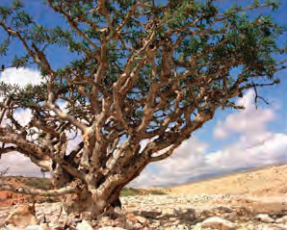
Description of the Frankincense Tree (Boswellia sacra) The genus Boswellia comprises medium-sized, deciduous, flowering trees and shrubs [2, 4]. In Oman, frankincense trees typically grow in dry habitats and reach heights of 2–10 m [2, 8, 9]. They are robust in form with a scraggly appearance [4], often branching from the base or developing a distinct trunk that is swollen at its base [9]. The canopy is generally cylindrical, extending 4–8 m in total volume [2].
The bark is whitish to pale brown with outer papery flakes, beneath which lies a thick reddish-brown resiniferous layer; young shoots are tomentose or occasionally glabrous [4, 9]. Leaves are densely clustered at shoot apices, alternate on young long-shoots, and imparipinnate, measuring 10–25 cm in length [9, 10].
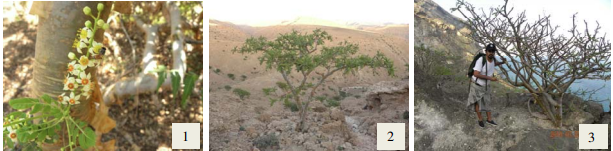
Flowers are co-sexual, yellowish-white, and appear in racemes or small panicles (6–24 cm long) clustered at the ends of short shoots [9]. Blooming begins in winter and may continue until April [4]. Fruits are capsules that typically ripen in March [4].
Boswellia sacra is valued for its aromatic oleo-gum resin, commonly referred to as olibanum or frankincense [4]. Resin production usually begins after 8–10 years of growth [4]. The gum resin emits a distinctive fragrance, described as spicy, citrus-like, and earthy [4]. The taxonomy of B. sacra is summarized in Table 1 [4].
| Taxonomy | |
|---|---|
| Kingdom | Plantae |
| Division | Angiosperms (Flowering plants) |
| Class | Eudicots (A group of dicotyledonous plants) |
| Order | Sapindales (Consists of various flowering plant families) |
| Family | Burseraceae (known for its resin- producing species) |
| Genus | Boswellia |
| Species | sacra |
| Scientific name | Boswellia sacra |
Table 1: The taxonomy of frankincense tree. Guidelines for Transplanting Frankincense Trees (Boswellia Sacra) Successful transpla
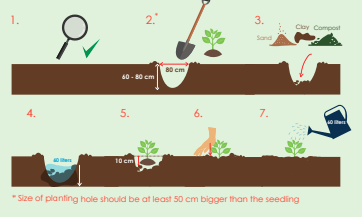
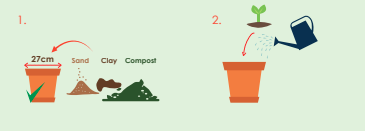
Table 1: The taxonomy of frankincense tree. Guidelines for Transplanting Frankincense Trees (Boswellia Sacra) Successful transplantation of Boswellia sacra requires careful soil preparation and appropriate irrigation practices. Soil preparation may differ depending on whether the seedlings are planted directly in the ground or in pots Figures 1 and 2.
Planting in Ground
- Select a suitable site with well-drained, nutrient-rich soil.
- Prepare planting beds using a shovel; in compact or rocky soils, a JCB drill may be required.
- Excavate planting holes to a depth of 60–80 cm.
- Place the frankincense seedling carefully in the prepared hole.
- Cover the seedling roots with soil, ensuring the soil is compacted gently but firmly around the base.
- Irrigate immediately with an adequate amount of water to establish root-soil contact.
Planting in Pots
- Choose clay or plastic pots with good drainage holes.
- Fill the pots with a well-draining soil mix (sandy loam with organic matter is recommended).
- Create a planting hole deep enough to accommodate the seedling root system.
- Transplant the seedling into the pot, ensuring the root collar remains at soil level.
- Firmly press the soil around the roots to eliminate air pockets.
- Irrigate with sufficient water, ensuring excess water drains out from the bottom.
- Place the pots in a location with adequate sunlight and monitor soil moisture regularly.
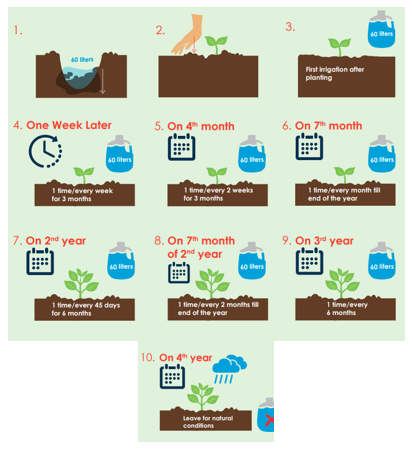
In irrigation frequency before planting the planting beds must be fill with 60 L of water. The amount of irrigation during planting steps shown in Figure 3. Plants in pots depend on the water applied and they cannot survive for long without irrigation. Depending on the season, the soil in the pot needs to be wet.
Methods of Resin Production
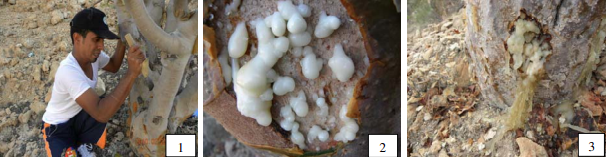
Resin extraction from Boswellia sacra (frankincense or olibanum) is traditionally achieved through controlled wounding, also known as tapping [2, 3, 4, 5, 6, 7, 8]. The process involves carefully shaving a very thin layer of bark from the trunk to create a wound of approximately 18–20 cm² in surface area and about 1 mm in depth [5]. Each tree may receive 9–11 incisions annually, typically restricted to the dry season [2, 5, 7].
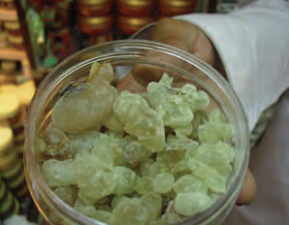
Following incision, the resin exudes as a milky substance that hardens upon exposure to air, forming globular, pear- shaped, or club-shaped tears [5, 6, 8]. The hardened resin is then collected, sorted, and graded based on size, color, and purity [5]. On average, a mature tree yields approximately 3 kg of frankincense per year, with harvesting conducted during warm weather and not during the monsoon season [5].
The number of tapping points is largely determined by the tree’s diameter, height, form, and vigor [2, 7]. Small trees may receive 3–10 cuts, while large, well-developed trees may sustain up to 35 cuts annually [2]. However, excessive tapping negatively affects tree physiology and growth [7]. Resin yield is generally highest during the first round of incisions, gradually declining with subsequent cuts, which may compromise both the productivity of individual trees
and the sustainability of populations [7]. Trees respond to wounding by activating defence mechanisms, including the production of chemical messengers such as phytohormones, which mitigate the physiological stress associated with resin production Figures 4 and 5.
Sustainable Tapping Guidelines
To ensure the long-term survival and productivity of Boswellia sacra, tapping practices must be regulated:
Tree Size and Age
- Only mature trees (≥8–10 years old) should be tapped.
- Small trees (<20 cm trunk diameter) should be spared or minimally tapped.
Number of Incisions
- Limit cuts to 3–10 per season for small-to-medium trees.
- For large, vigorous trees, do not exceed 25–35 cuts annually.
Resting Periods: Trees should undergo rest cycles, typically after 2–3 consecutive tapping years, to recover physiological vigor and reproductive capacity.
Seasonality: Tapping should be avoided during the Khareef (monsoon) season, as high moisture content reduces resin quality and stresses the tree.
Harvesting Practices
- Collect resin regularly to prevent fungal contamination.
- Prioritize quality over quantity by minimizing excessive or deep wounding.
Conservation Focus: Overharvesting threatens regeneration, seed production, and long-term ecosystem stability. Adhering to sustainable tapping protocols is essential for balancing economic benefits with ecological preservation.
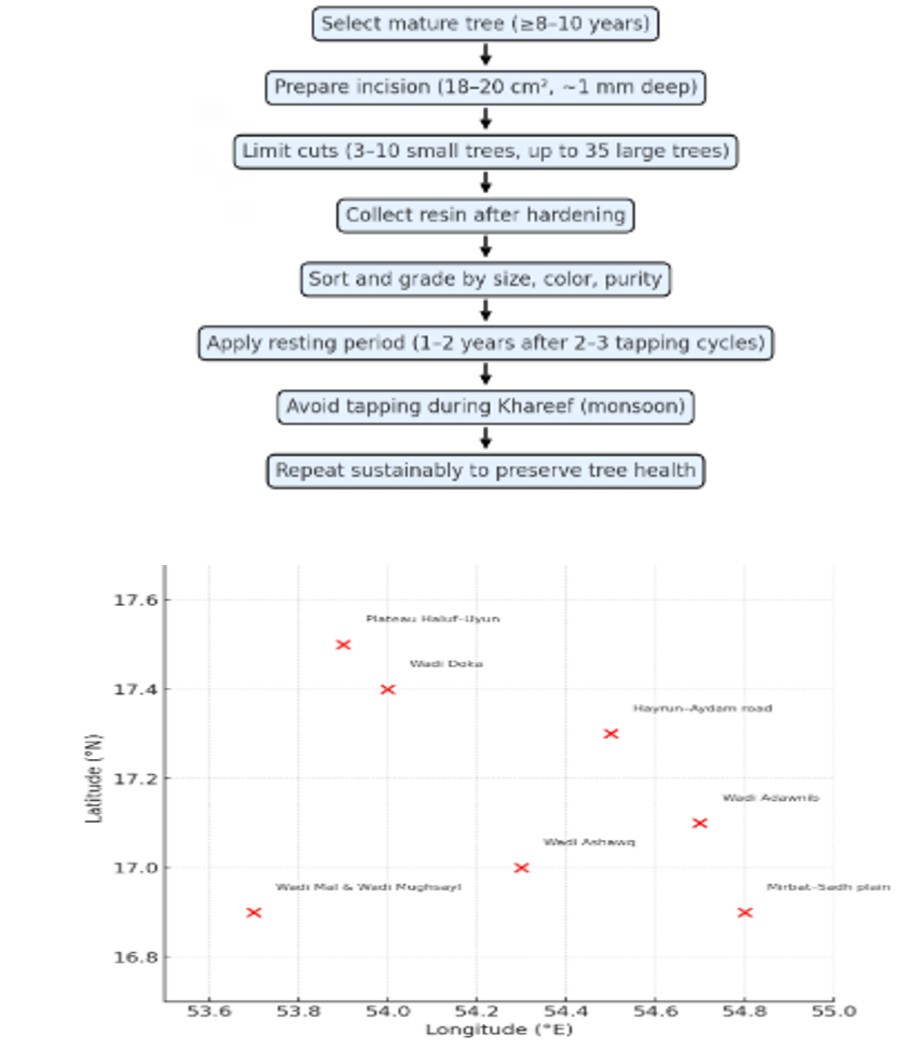
Flowchart: Tapping and Sustainable Harvesting of Boswellia sacra
Distribution and Habitat
In Oman, Boswellia sacra is distributed within a restricted geographical range, primarily in the Hoojri, Najdi, and Shathri regions of Dhofar Governorate [4, 5]. These areas extend along the western border of Oman (approximately 55°E longitude and 16°–17°N latitude), which are influenced by the seasonal Khareef (monsoon) rains occurring between June and August [5].
The species typically grows on rocky slopes, gullies, and limestone boulders, and less commonly on exposed rock faces, at elevations ranging from near sea level to about 1340 m above sea level [4, 9]. Within Dhofar, its principal habitat is the arid leeward side of the Dhofar Mountains, locally known as the Nejd [2, 5]. Additionally, populations are found in fragmented habitats along the coastal plains and in isolated patches on the seaward-facing slopes south of the Kharish and Harkak mountain passes in Jabal Samhan, as well as in Fzayh, Jabal Al-Qamar Figure 6 [5].
Some of the main distribution sites of Boswellia sacra in Dhofar include [10]:
- Wadi Mal and Wadi Mughsayl
- Wadi Ashawq
- Wadi Adawnib
- Wadi Doka
- Rocky plateau between Haluf and Uyun
- Hayrun–Aydam road
- Mirbat–Sadh coastal plain
Distribution of Boswellia Sacra in Dofar, Oman
Benefits and Main Uses of the Frankincense Tree (Boswellia sacra)
Frankincense (olibanum) has been valued for its diverse applications for more than three millennia, with evidence of trade in the international market dating back to at least 1700 BC [5]. Its significance spans religious, cultural, medicinal, and economic domains both globally and in Oman, particularly in the Dhofar region.
The oleo-gum resin of B. sacra is widely used as incense in religious ceremonies, including church rituals, and as a natural insect repellent [5]. The essential oil, characterized by a distinctive fragrance, is a major component in perfumery, cosmetics, and aftershaves [5, 9]. Beyond fragrance, frankincense possesses pharmaceutical properties, with extracts exhibiting antimicrobial, anti-inflammatory, and antihelminthic activity [3, 5, 7, 8, 9]. It is utilized in aromatherapy to promote relaxation, enhance breathing, and support meditation.
Traditional medicine has long incorporated frankincense resin and gum extracts. These are used for improving digestion, treating dental infections, colds, cough, fever, muscle pain, asthma, and arthritis, and as supportive therapy for certain cancers [6]. Reports also highlight cardioprotective and hepatoprotective effects [8, 9]. In Dhofar, for example, resin soaked in water overnight is consumed for up to a week to alleviate joint pain from arthritis, while buds and fruits are used as digestive tonics [3].
The main uses of B. sacra in Oman can be summarized as follows: International Markets: Exported for use in perfumery, incense, religious rituals, embalming, pharmaceuticals, traditional medicine, and the food industry [5].
Local Consumption: The Omani market consumes approximately 40–50 tons annually, primarily for use in celebrations and traditional practices [5].
Livestock Feed and Apiculture: As a drought-resistant species, B. sacra provide foliage, flowers, and seeds as valuable fodder for goats and camels, while its extended flowering period sustains bee colonies and enhances honey production. Succulent stems are also used as livestock feed during dry seasons [5].
Source of Income: In Dhofar, frankincense resin historically represented the primary source of income and the main export commodity [5].
Environmental Role: Growing on marginal, rocky, and steep slopes (10–70% gradients) with shallow soils (0–80 cm), B. sacra contribute to soil stabilization, biomass production, and shade provision. Its ecological resilience enables economic use of otherwise unproductive land, supporting both environmental conservation and rural livelihoods [5]. Chemical Characteristics of the Frankincense Tree The oleo-gum resin of Boswellia sacra contains a diverse array of chemical constituents responsible for its distinctive aromatic and medicinal properties [4]. Typically, frankincense gum resin is composed of 5–9% essential oil, a 60–70% alcohol-soluble fraction, and a 25–30% water- soluble fraction [1, 4, 8, 9]. The lipophilic fraction is especially rich in terpenoids, including the biologically active boswellic acids (BAs), which are recognized for their pharmacological potential [9]. More broadly, plant resins are complex lipid- soluble mixtures of volatile and non-volatile terpenoids [9]
Oman’s Supply Potential of Olibanum.
In southern Oman, it is estimated that 400,000–500,000 frankincense trees are distributed across an area of more than 400 km² [5]. The sustainable annual production from these populations is projected at approximately 230 tons of resin [5]. However, in practice, the actual annual yield is estimated to be between 70–100 tons, with major harvesting areas located near Mughsayl, Hasik, Thamrit, and Andor [5].
Factors Contributing to the Decline of Boswellia sacra Populations
Several anthropogenic and biological factors threaten the survival and regeneration of Boswellia sacra in Oman: Gravel Mining: Gravel extraction leads to soil degradation, erosion, reduced soil moisture, and nutrient loss. These impacts contribute to plant mortality, increased physiological stress, and reduced seed production, ultimately impairing regeneration and disrupting ecological cycles [5].
Improper Tapping Practices: Unsustainable tapping by unskilled laborers, often without rest periods, weakens trees and reduces their long-term productivity. Overharvesting is especially prevalent in easily accessible sites with limited supervision [5].
Insect Infestation: Wood-boring insects pose a serious biological threat. Larvae of two species of long-horned beetles (Coleoptera: Cerambycidae) and one buprestid beetle (Coleoptera: Buprestidae) develop beneath the bark and within the trunk of living trees, causing severe structural damage and increasing mortality [5].
References
-
Khan AL, Al-Harrasi A, Wang JP, Asaf A, Riethoven JJ, et al. (2022). Genome structure and evolutionary history of frankincense producing Boswellia sacra. iScience 25(7): 104574.
-
Alamri MM, Al-Shanfari AB (2025) Harvesting and agroecological zones effects on sustainability of Boswellia sacra in Oman. Discover Plants 2:113.
-
Al-Harrasi A, Ali L, Hussain J, Rehman NU, Mehjabeen, et al. (2014) Analgesic effects of crude extracts and fractions of Omani frankincense obtained from traditional medicinal plant Boswellia sacra on animal models. Asian Pacific Journal of Tropical Medicine 7(1): S485-S490.
-
Abdullah QY, Alattab BM, Al-Gaadbi AAM, Al-Arnoot S, Hussein K, et al. (2025) Boswellia sacra in South Arabian Peninsula: A review. Sana’a University Journal of Applied Sciences and Technology 3(1): 604-620.
-
Alaamri MMH (2012) Distribution of _Boswellia sacra_ in Dhofar Mountains, Sultanate of Oman: Economic value and environmental role. _Journal of Life Sciences_ 6: 632- 636.
-
Miran M, Amirshahrokhi K, Ajanii Y, Zadali R, Rutter MW, et al. (2022) Taxonomical investigation, chemical composition, traditional use in medicine, and pharmacological activities of Boswellia sacra Flueck. Evidence-Based Complementary and Alternative Medicine 2022: 8779676.
-
Khan AL, Mabood F, Akber F, Ali A, Shahzad R, et al. (2018) Endogenous phytohormones of frankincense producing Boswellia sacra tree populations. Plos One 13(12): e0207910.
-
Khalifa SAM, Kotb SM, El-Seedi SH, Nahar L, Sarker SD, et al. (2023) Frankincense of Boswellia sacra: Traditional and modern applied uses, pharmacological activities, and clinical trials. Industrial Crops and Products 203: 117106.
-
Thulin M (2020) The genus Boswellia (Burseraceae): The frankincense trees. Symbolae Botanicae Upsalienses.
-
Raffaelli M, Mosti S, Tardelli M (2003) The frankincense tree (Boswellia sacra Flueck., Burseraceae) in Dhofar, southern Oman: Field investigations on the natural populations. Webbia: Journal of Plant Taxonomy and Geography 58(1): 133-149.
- The Role of Podocyte Apoptosis and the Involvement of SIRT1 in Diabetic Nephropathy
- Dealcoholization of Beer by Osmotic Distillation for the Beverage Industry
- Biopolymer-Based Edible Packaging- Biomaterials, Methods, and Applications in Food Industry: An Updated Review
- Influence of Bioprocessing Methods on 'China Rice' (Gawal R1), and Soyabean Supplementation on the Quality of Complementary Food
- Cassava (Manihot esculenta) Varietal Growth, Yield and Cyanide Content Performance in Three Sites in the South- Eastern Semi Arid Regions of Kenya
- Food Waste Treatment, Recycling, Management and Production of Value-Products-An Update on Methodologies and Current Trends