
Evolution of Chia Seeds from Ancient Times to Modern SuperFood
Chia seeds (Salvia hispanica L.) have transitioned from a staple food in ancient Mesoamerican cultures to a globally recognized super food. This article explores their evolution, starting with their origins in Central and South America and their significant role in Aztec and Mayan civilizations, where they held nutritional, medicinal, and symbolic importance. After a period of decline during the colonial period, chia seeds have seen resurgence from the late 1900s due to their considerable health uses alongside their incredible versatility. Chia seeds contain high amounts of dietary fiber (34-40%), promoting digestive health and satiety with 16-20% plant protein with all essential amino acids, and about 27-33% fats rich in omega-3 fatty acids, and antioxidants, which help in promoting heart health, controlling blood sugar levels, managing body weight, and reducing inflammation. Moreover, they have found newer forms and uses such as chia butter and oil which introduces nutritious options to modern lifestyles and diets. The production of chia has been rising exponentially, especially in Australia, Mexico and Argentina. However, issues such as farming methods, environmental issues and uneven supply in developing countries still exist. Further opportunities exist in using chia seeds to address food shortages and improve agriculture. A new area that is being researched is promoting health and nutrition using chia seeds.
Abbreviations
ALA: Alpha Linolenic Acid; BCE: Before Christian Era; DHA: Docosahexaenoic Acid; EPA: Eicosapentaeonic Acid; HDL: High-Density Lipoprotein; LDL: Low-Density Lipoprotein.
Introduction
Chia seeds, derived from the plant Salvia hispanica, have garnered global attention for their exceptional nutritional profile and versatile applications. Once a vital component of ancient Mesoamerican diets, chia seeds were cultivated and revered by the Aztec and Mayan civilizations for their energy-boosting properties and symbolic significance. Chia seeds all once formed an important part of diet of Meso- Americans before their agricultural significance diminished alongside Mayan and Aztek civilizations. For centuries they formed an integral part of these civilizations till the onset of the colonial eras when they went largely unnoticed until their re-discovery in the 20th century [1]. Contrary to how they were regarded in the colonial times, in today’s age chia nuts are regarded as a diet comprising of super food as they are rich in omega-3 fats, fiber, proteins and antioxidants. One of the vital ingredients in a range of health-conscious products for its numerous benefits such as control in weight and bolstering of the cardiovascular system along with relief from inflammation.
However, chia nuts are not just beneficial for health, they are also finding their way into myriad products from oil to butter to even packaging materials all this because they have a high fiber composition. As a result, the global chia seeds market grew alongside Countries like Mexico and Australia becoming major producers [2].
However, apart from the previously highlighted positives, the popularity does raise questions over ethical production practices, costs and even implications for sustainability particularly regarding developing countries where chia nuts are tended to be produced locally but remain disproportionately expensive, making it out of reach for many. The relevance of chia seeds in solving global issues such as hunger and climate change becomes more apparent with the advancement of research focusing on its new uses [3].
This article presents the history, and nutritional and economic potential of chia seeds as a food that has evolved from an ancient belt of food to modern health and nutrition.
Historical Significance of Chia Seeds
Origins: Native to Central and South America
Derived from Salvia hispanica, chia seeds are found to have originated in the regions spanning from Mexico and Guatemala and subsequently the western parts of Central and Southern America.
The seeds from these plants were favored since this hardy plant is able to grow in regions that are semi-arid and arid making it easy for the indigenous peoples to incorporate these into their agriculture. Several accounts explain that Chia seeds were being grown as early as 3500 BCE. Chia along with corn and beans, amaranth formed the cornerstone of crops in the area as they sustained and provided energy for the populations. The wide range of environmental conditions continued to ensure its prevalence and growth throughout large spans of time [4].
Role in Aztec and Mayan Civilizations
Maya and Aztec were popular Chia Cultures where Chia seeds played an important role in the day-to-day affairs and religious practices. Chia was the Maya word for ‘strength’ and effective energy is the vital reason it was important. Chia was grown extensively among Aztecs, mainly for food, trade and tribute purposes. It was one of the major crops that was presented to their leaders and priests during various ceremonies. The Aztec warriors used to eat chia seeds prior to battle in order to possess the enduring energy that the seeds were said to provide. It was claimed that one tablespoon of Chia seeds could fuel a soldier for a complete period of 24 hours. Chia seeds also had a place for their nourishment aspect, being a part of their religious practices. They were commonly produced using flour mixed with maize or water to make beverages with medical purposes [5].
Cultural Significance and Ritualistic Uses
Chia seeds were more than a food source; they were deeply symbolic in indigenous cultures. They represented fertility, life, and sustenance. The seeds were often included in religious offerings to gods, particularly to Tlaloc, the Aztec rain deity, as a gesture of gratitude and a plea for bountiful harvests [6]. Chia was put to use not only as a food item but also in regards to medical attention. Ground amalgams of chia were employed to dress and suppress dermal irritation. The gel produced by soaked chia seeds was recommended in troubled stomachs and in quenching thirst during famine or sickness. As to the seeds, they were even more multifunctional than their nutritional application as paints and dyes were made from them because of the natural oils present in the seeds [7, 8, 9, 10].
Chia Seeds through the Ages
Use in Ancient Civilizations
For giant ancient civilization in Mesoamerica, the plant and its seeds were of great importance in their society and agriculture. The Aztecs and Mayans cherished Chia in the same regard as corn and beans along with squash. Chia pods were eaten as nutritious and prepared different foods and beverages. Chia was added to the hot porridge or flour made into thick Chia fresca mixed with water for a nutritious and refreshing drink [4, 11, 12]. Chia also contributed significantly to the economy, as it was used as a currency in the Aztec Empire. Farmers or the conquered territories offered tributes to the rulers which consisted of chia seeds. Besides, they were central in religious practices, as they were often given to the gods during sacred rituals. Additionally, warriors, messengers, and travelers were known to carry chia seeds due to their high energy content which helped them during their long travels or strenuous activities [5].
Decline during the Colonial Era
The onset of colonialism acted as the beginning for the history of Chia as it was marked by the entry of Spanish
Conquistadors during the 16th century. These colonizers destroyed the farming traditions of the original inhabitants and enforced the natives to grow European crops such as barley and wheat. Owing to this, chia agriculture greatly reduced [9].
The problem is not just agricultural but sociocultural in nature as well. During their eras of colonization, the Spanish wanted to control indigenous religion, many of which used chia in the form of offerings. These together with preference for European food systems left Chia by the wayside. For many years this species only managed to exist in few crop growing and consuming local communities in Africa and the Caribbean region [13].
Rediscovery in the 20th Century
The 20th century witnessed a resurgence of interest in ancient superfoods, such as chia seeds. This rediscovery began in the 1980s when researchers began to have a deeper understanding of the seeds’ exceptional nutrients, especially their rich source of omega 3 fatty acids, dietary fiber, and antioxidants. The natural food movement and physicians who supported natural nutrition touted chia as a “superfood” that could promote the heart, energize the body, and simply aid in digestion. Its diversity of uses in the kitchen was only limited by one’s imagination-from cooked cereal to gel desserts. By the year 2000, chia seeds could be found in health food stores and supermarkets around the world. Until then, modern methods of cultivation had provided a further increase in chia, with Mexico, Argentina and Australia becoming the main producers. This flowering has returned chia back to its ancient story and at the same time, made it part of modern everyday nutrition for health-conscious people [14].
Botanical Overview
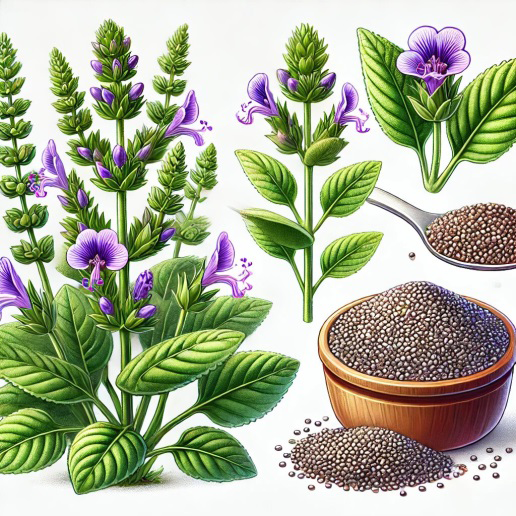
Plant: Salvia hispanica L. Salvia hispanica is a flowering plant native to Central and South America earning it standing within the mint family, Lamiacaea. Chia has proven useful as on average, this perennial grows from one-to-one point two meters tall, allowing for easier harvesting [7]. Chia flower bloom and form inflorescence and grow daisies at first and grow into cluster of bluish purple or white flowers. Centuries later those flowers would produce up to several hundred oval chia seeds, which unlike their parents are relieved of shape and possess colors after them - black, gray or white. Harvesters focus on these seeds because of their economic significance, it can grow in adverse conditions as well with basic the requirement of well-maintenance soil. To add on, chia is low maintenance as it shows pest or disease resistance. It is safe to assume this makes Salvia hispanica particularly hardy [15] Figure 1.
Nutritional Profile of Chia Seeds
Chia seeds are celebrated for their exceptional nutritional value, making them a superfood in modern diets [16]. The breakdown of their key components is: Macronutrients: High in dietary fiber (34-40% of the seed’s weight), promoting digestive health and satiety. With 16 to 20 percent plant protein, it is one of the few complete sources of protein because it has all nine essential amino acids. It has beneficial fats, especially omega 3 fatty acids (alpha-linolenic acid ALA) which are beneficial for heart and brain.
Micronutrients: High concentrations of calcium, magnesium, and phosphorus which are beneficial for bones. Rich in antioxidants like chlorogenic and caffeic acid as well as other antioxidants that protect the body from reactive oxygen species. Iron, zinc and potassium are among the micronutrients present.
Unique Properties: Due to their capacity to hold up to 10-12 times their weight in water, chia seeds have the ability to form gel-like structures. Thus, making them useful for hydration and cooking. On average a single serving which equals two tablespoons or 28 grams contains the following nutrients:
Cultivation and Geographic Spread
Chia seeds originated from the ancient civilizations of Mesoamerica. It is understood that chia seeds flourished in warm regions with well-drained sandy soil. However, the rise of oversea demand has made chia one of the most sought- after crops resulting in global cultivation.
Major Producers: Leading in production of chia is Mexico while it exports to countries such as Guatemala, Peru, and Argentina. Australia has emerged as a major exporter thanks to its climate and large-scale agricultural production in the recent past.
Favorable Conditions: Chia is best grown between 20-30°C (68-86°F) and comes from regions that experience long daylight. It prefers sandy or loamy soil with a good amount of drainage, however excessive water logging or frost can also damage the crop.
Sustainability: Chia cultivation is relatively eco-friendly, as the plant requires minimal pesticides and irrigation. This makes it a sustainable crop, especially in regions with water scarcity.
Emerging Cultivation Regions: Chia is being cultivated in different parts of Africa along with Asia to meet the worldwide demand whilst reducing agriculture dependence in other regions [21, 22, 23].
Chia Seeds in Modern Health and Nutrition
Emergence of Super food Trend
The centuries long disappearance of chia and its buried treasures of untold benefits have been on a rise now in the late 20th and early 21st centuries as more and more people are shifting towards plant bases diets. Nutritionists and health enthusiasts advocated chia seeds as a source of nutrients, being versatile and part of tradition and heritage.
The trend then put the wellness industry into flames alongside Hollywood and increasing number of studies depicting chia’s miracle properties. Chia butter, which comes from chia seeds, is a relatively new product that can be used instead of traditional butter due to its healthier properties.
Chia gel blended with unsaturated coconut dressing or olive oil makes a spreadable gel that has no cholesterol meaning it is perfect for cooking and baking purposes. The product specifically is popular in the vegan nutrition the dish contains. There are more benefits to her thrusting than just turning it into gel, as she states it has a high omega-3 fatty and fiber content as well.
Moreover, it can be used on all kinds of baked goods and recipes and butter has the same texture and moisture density as conventional baking. The versatility and innovative applications of chia seeds-like chia butter-have helped solidify their status as a superfood staple in modern kitchens [24].
Health Benefits Backed by Research: Omega-3, Fiber, and Antioxidants
Chia seeds are widely regarded as a powerhouse of nutrition, and their health benefits are backed by extensive scientific research:
Cardiovascular Health
According to research, the use of Chia seeds can yield these cushioned benefits to cater to cardiovascular diseases whose major cause is said to be the anti-inflammatories and favorable lipid composition. These benefits include lowering LDL and triglycerides while increasing levels of HDL cholesterol levels [8, 9]. Systolic blood pressure is directly linked to a large percentage of cardiovascular events here and according to a meta-analysis, Chia seeds have been linked to lowering systolic blood pressure [25, 26].
Glycemic Control
As evidenced by multiple reports, the chia seeds help in controlling insulin and glucose levels which can be extremely beneficial for diabetes type 2 patients [27, 28]. Additionally, further benefits of this are that due to the high fiber content in the seeds, hyperglycemia post meals can be avoided allowing better metabolism [6].
Weight Management
The fiber rich composition of Chia seeds allows it to easily make one feel fuller and as a result, can assist people who wish to lose weight. According to various studies, incorporating chia seeds into one’s daily diet can assist in reducing excessive caloric intake in addition to maintaining the quality of one’s intake. [10, 29].
Anti-inflammatory and Antioxidant Activities
Chia seeds have considerable anti-inflammatory and antioxidant characteristics that might contribute to chronic disease reduction. The polyphenols and antioxidants contained in chia seeds have been reported to lessen oxidative stress and inflammation in animal and human models [30, 31]. These features are particularly important in controlling metabolic disorders and chronic inflammatory diseases.
Therapeutic Applications
Chia seeds can be used as therapeutics in diverse health-related matters. They have been investigated as part of formulations in treating non-alcoholic fatty liver disease (NAFLD), obesity, etc. [32]. Supports bone health due to its calcium, magnesium, and phosphorus content. In addition, experimental approaches including mucilage- based encapsulation of bioactive compounds for food uses are being studied [33].
Culinary Uses: Recipes and Trends
The gelling properties and the beneficial nature of chia seeds have considerably raised their status in health-driven food inventions [34, 35, 36]. These are some of the prominent functions and trends: Chia Pudding: One well known recipe is the chia pudding which is prepared by soaking chia seeds in milk or almond or coconut milk. After the soaking, honey or maple syrup is poured and fruit, nuts or granola are sprinkled on top, which makes it a delicious breakfast or dessert, which is good for health.
Baked Goods: Chia seeds can be found in bread, muffins or energy bars. They can provide structure and moisture and work as a binding ingredient in vegan baking.
Smoothies and Beverages: Chia seeds when added in smoothies will enhance both the taste and health benefits. Chia fresco which is a special drink in Mexico that consists of water, oils and chia, has now gained lots of attention and popularity in different parts of the world.
Egg Substitute: Chia seeds can be employed as a substitute for eggs in vegan dishes, Mix 1 tablespoon of chia and 2.5 tablespoons of water, whisk it slowly and you will get a gel-like substance, which binds the ingredients together in baking.
Chia Butter and Oils: It was noted above that chia butter helps bridge the gap for consumers looking for vegan, nutraceutical butter that is rich in nutrients. On the other hand, chia oil which is the oil gotten from the seeds is also gaining about popularity due to its high omega-3 and is used as a vinaigrette or supplement. Trending Dishes:
- Ranging from chia seed crackers and granola for nutritious munching.
- Chia infused yogurt or oatmeal bowl.
- Number of dishes made of Chai gel such as soups and sauces are making use of chai gel as a refrigeration agent.
The modern food industry is constantly experimenting with new methods and technologies to integrate chia seeds into their daily use, in order to keep up with the times while honoring the history behind it.
Chia Seeds in the Global Market
Economic Importance
In the international market of healthy food products, chia seeds have become a highly sought product. Their growth as a super food has led to the growth of an industry worth several billion dollars with main customers being health- conscious people from North America, Europe and Asia. The adaptability of chia seeds into food and beverage products, as well as its uses in supplements and cosmetics greatly enhanced its market value. Farmers in historical growing regions of chia have benefited from the increasing income opportunities stemming from the commercially viable crop. But price fluctuations and competition from new entrants remained an economic hurdle for smallholder farmers [3].
Leading Producers: The top producers of chia are Mexico, Guatemala, and Argentina since they possess historical growing strategies and the required climate to engage in cultivation. Australia too has been able to take its share from the export market.
Export Markets: The major markets for chia seeds are the United States and Europe but there is also a potential market in China, Japan, and South Korea that is emerging. Chia seeds are usually shipped in bulk and then processed into oils, powders, or pre-made snacks in the respective countries [3, 4].
Sustainability and Ethical Farming Practices
Due to their low water and pesticide needs, chia seeds are regarded as an environmentally friendly crop. On the other hand, some issues such as farming practices that are equitable or sustainable have been raised as a result of the increase in demand: Crop Sustainability: Concern has been raised as to whether standardized large-scale farming of chia seeds that are to be sold in the market will harm the soil fertility and biodiversity. This can be minimized if planting of various crops and organic farming is promoted.
Fair Trade and Ethical Sourcing: There is increasing concern on providing adequate wages and farming standards to the farmers in the developing nations. The fair- trade concept is one approach that can help foster fair trade policies and assist small farmers [37, 38, 39].
Challenges and Controversies
Overhyped Benefits
Chia seeds have been abused and described as a super food but some of the benefits ascribed to them are contentious enough to invite more critically: Omega-3 Misconceptions: Omega-3 (ALA) found in chia seeds is a fatty acid that is said to be present in seed oils. It is a fact that fish oil contains higher bioavailable forms of EPA eicosapentaenoic acid and DHA docosahexaenoic acid. For humans to acquire those omega-3s, they have to convert ALA, and the percentage of conversion is quite low. Therefore, ALA should not be viewed equitably with omega derived from sea animals. Fish oil in this sense is a superior source for omega-3 since it has both, EPA and DHA.
Weight Loss Exaggerations: Chia seeds are fibrous and are said to absorb water and because of these two properties, they are often at times touted as a wonderful treatment for obesity. It is argued that consumption of chia seeds may help suppress hunger but by themselves they are incapable of producing dramatic weight loss without commitment to a proper diet and physical exercise.
Generalized Claims: There exists some marketing which promotes chia consumption as a too good to be true cure to various disorders and even enhancing a person’s ability to perform sport without sufficient evidence [40].
Agricultural and Environmental Concerns
Monoculture and Soil Health: The growing global need for chia has led to the increased practices of monoculture farming. These practices can diminish the nutrients found within the soil, reduce biodiversity and increase susceptibility to pests and diseases.
Export-Driven Farming: Cultivation of chia exports in several producing countries has effectively replaced the use of cultivable land which was previously used for farming food crops meant for domestic supply. In the long run, this may compromise food availability levels for the regions . Climate Impact: Although chia is classified as a low water use crop, it is important to note that increasing the geographical region for chia farming, may result in increased water alienation costs in the region. Furthermore, the cross- continent trade of chia seeds also adds to their greenhouse emissions levels while marketing them.
Plant Accessibility and Cost in Developing Countries
Premium Pricing: The liberalization of markets has increased the marketing of chia products worldwide which in turn has had the effect of increasing the price of chia seeds and making too hard to reach for people in low economically enabling regions even in the countries which are producing those crops. The history of the crop being used for its nutritional value and now prices making it out of reach for a substantial part of the original users creates an irony.
Global vs Local Supply: The other end of the impact of weather patterns and globalization of chia products, the focus on the export market often limits the supply of the chia seeds for domestic markets causing communities to miss the essential nutrients offered by chia seeds. The imbalance should be rectified to ensure fairness in the global distribution [41].
Future of Chia Seeds
Chia seeds have undergone numerous innovations within the marketplace of health and wellness. Some of the categories that have potential for development include: Functional Foods: Introducing energy bars, chia-enhanced cereals, and products such as drinks that are directed towards and targeted athletes and children specifically.
Chia Oil: Chia oil extracted from chia seeds which is rich in omega-3 have been marketed widely intended as a supplement and as a cooking ingredient. Also, it is applied in beauty products for its antioxidant and moisturizing content.
Biodegradable Applications: Chia’s ability to gel and absorb water offers it as an option for use in biodegradable plastics and packaging materials and hence contributes to environmental goals [40].
Potential Role in Combating Global Malnutrition
Chia seeds have the potential in addressing the issues of nutrition and micronutrient deficiency especially in poor areas: Nutritional Density: Being a good source of protein, rich in dietary fiber, calcium, magnesium and omega-3 fatty acids, chia seeds can also be used to add a place in combating poor nutrition and feed deficiency especially amongst the vulnerable population.
Affordability and Accessibility Innovations: Chia seeds can be made available to the malnourished people by encouraging the cultivation of chia by sovereign states and NGOs for the sole purpose of domestic consumption, rather than export.
Fortified Products: It is possible to incorporate Chia seeds as a means of enhancing the nutrient standards of certain basic food products for example bread, porridge, or even supplementary snacks [42].
Research Frontiers
Chia seeds have wider prospective applications which dedicate the present and future investigation: Bioavailability of Nutrients: Research is underway to augment bioavailability of omega 3 fatty acids and other nutrients present in chia and their nutritional benefits.
Agricultural Advancements: Development of drought tolerating and pest resistant varieties of chia could allow the production of chia in areas that were previously unsuitable while being environmentally friendly.
Medical Applications: There are ongoing studies on the antioxidant and anti-inflammatory aspects of chia which can aid in the management of such chronic diseases as diabetes, heart cardiovascular disorders and arthritis [43].
Conclusion
Chia seeds date from the ancient Mesoamerican civilizations food to their current status as a celebrated super food. Due to their rich nutritional characteristics and multiple uses, they find a place in food and health trends in the contemporary world. However, there are issues of overhyping, environmental concerns, and accessibility among others. Chia seeds can be used to tackle malnutrition and other issues but only if there is an appropriate balance between sustainable farming, ethical collection, and fair prices. The availability of such products and Chia based new developments and their research guarantees that the future of the crop will be bright as it will combine the ancient art with modern technology for welfare of the world.
References
-
Melo D, Machado TB, Oliveira MBPP (2019) Chia seeds: an ancient grain trending in modern human diets. Food Funct 10(6): 3068-3089.
-
Marcinek K, Krejpcio Z (2017) Chia seeds (Salvia hispanica): health promoting properties and therapeutic applications - a review. Rocz Panstw Zakl Hig 68(2): 123- 129.
-
Anand SR, Rao AM, Jain JA (2024) Chia (Salvia hispanica L): A Nutri-rich Potential Crop, its present Scenario and Future Perspectives in India. Mysore J Agric Sci 58(2): 1-14.
-
Felemban LF, Al-Attar AM, Zeid IMA (2020) Medicinal and Nutraceutical Benefits of Chia Seed (Salvia hispanica). J Pharm Res 32(41): 15-26.
-
Wood JRI, Garcia BYB, Pink L, King C (2022) 1028. SALVIA HISPANICA: Lamiaceae. Curtis’s Bot Mag 39(2): 359-378.
-
Hrnčič MK, Ivanovski M, Cör D, Knez Ž (2019) Chia Seeds (Salvia hispanica L.): An Overview-Phytochemical Profile, Isolation Methods, and Application. Molecules 25(1): 11.
-
Güney HD, Göbel P (2024) Chia seeds (Salvia hispanica L.): A comprehensive look at their attributes, phytochemical profile, and impact on health. Gida: The J Food 49(4): 766-776.
-
Shrestha M, Shrestha S, Shrestha NK (2022) Chemical Composition, Health Benefits and Applications of Chia seeds: A Review. Tribhuvan Univ J Food Sci Technol 1(1): 31-37.
-
Kulczyński B, Kobus-Cisowska J, Taczanowski M, Kmiecik D, Gramza-Michałowska A (2019) The Chemical Composition and Nutritional Value of Chia Seeds-Current State of Knowledge. Nutrients 11(6): 1242.
-
Mishima MDV, Silva BPD, Gomes MJC, Toledo RCL, Barra RRS, et al. (2023) Chia flour combined with a high fat diet increases propionic acid production and improves the microbial richness and diversity in female Wistar rats. Food Funct 14(16): 7457-7468.
-
Morais VN, Gomes MJC, Grancieri M, Moreira LPD, Toledo RCL, et al. (2023) Chia (Salvia hispanica L.) flour modulates the intestinal microbiota in Wistar rats fed a high-fat and high-fructose diet. Food Res Int 172: 113095.
-
Toscano LT, Silva CSD, Toscano LT, Almeida AED, Ada CS, et al. (2014) Chia flour supplementation reduces blood pressure in hypertensive subjects. Plant Foods Hum Nutr 69(4): 392-398.
-
Sosa-Baldivia A, Ruiz-Ibarra G, Torre RR, López RR, López AM (2018) The chia (Salvia hispanica): past, present and future of an ancient Mexican crop. Aust J Crop Sci 12(10): 1626-1632.
-
Dinçoğlu AH, Yeşildemir O (2019) A Renewable Source as a Functional Food: Chia Seed. Curr Nutr Food Sci 15(4): 327-337.
-
Katunzi-Kilewela A, Kaale LD, Kibazohi O, Rweyemamu LM (2021) Nutritional, health benefits and usage of chia seeds (Salvia hispanica): A review. Afr J Food Sci 15(2): 48-59.
-
Din ZU, Alam M, Ullah H, Shi D, Xu B, et al. (2021) Nutritional, phytochemical and therapeutic potential of chia seed (Salvia hispanica L.). A mini-review. Food Hydrocolloids Health 1: 100010.
-
Valdivia-López MA, Tecante A (2015) Chia (Salvia hispanica): A Review of Native Mexican Seed and its Nutritional and Functional Properties. Adv Food Nutr Res 75: 53-75.
-
Rizwana AA, Tripathi AD, Kumar T, Sharma KPS, et al. (2023) Nutritional and Functional New Perspectives and Potential Health Benefits of Quinoa and Chia Seeds. Antioxidants 12(7): 1413.
-
Huang M, Xu H, Zhou Q, Xiao J, Su Y, et al. (2024) The nutritional profile of chia seeds and sprouts: tailoring germination practices for enhancing health benefits-a comprehensive review. Crit Rev Food Sci Nutr, pp: 1-23.
-
Mendonça NBSN, Filho STS, Oliveira DH, Lima EMC, Rosa PV, et al. (2020) Dietary chia (Salvia hispanica L.) improves the nutritional quality of broiler meat Asian- Australas. J Anim Sci 33(8): 1310-1322.
-
Bochicchio R, Philips TD, Lovelli S, Labella R, Galgano F, et al. (2015) Innovative Crop Productions for Healthy Food: The Case of Chia (Salvia hispanica L.). In: Vastola A, et al. (Eds.), the Sustainability of Agro-Food and Natural Resource Systems in the Mediterranean Basin. Springer, Cham, pp: 29-45.
-
Fernández-García N, Román-García I, Olmos E (2023) The Outlook for Latin-American Crops. Challenges and Opportunities. 1st(Edn.), Latin-American Seeds: Agronomic, Processing and Health Aspects, pp: 1- 463.
-
Fernández-López J, Viuda-Martos M, Sayas-Barberá ME, Vera CNR, Lucas-González R, et al. (2020) Chia, Quinoa, and Their Coproducts as Potential Antioxidants for the Meat Industry. Plants 9(10): 1359.
-
Zare T, Fournier-Level A, Ebert B, Roessner U (2024) Chia (Salvia hispanica L.), a functional ‘superfood’: new insights into its botanical, genetic and nutraceutical characteristics. Ann Bot 134(5): 725-746.
-
Karimi M, Pirzad S, Shirsalimi N, Ahmadizad S, Hashemi SM, et al. (2024) Effects of chia seed (Salvia hispanica L.) supplementation on cardiometabolic health in overweight subjects: a systematic review and meta- analysis of RCTs. Nutr Metab 21(1): 74.
-
Alwosais EZM, Al-Ozairi E, Zafar TA, Alkandari S (2021) Chia seed (Salvia hispanica L.) supplementation to the diet of adults with type 2 diabetes improved systolic blood pressure: A randomized controlled trial. Nutr Health 27(2): 181-189.
-
Tavera-Hernández R, Jiménez-Estrada M, Alvarado- Sansininea JJ, Huerta-Reyes M (2023) Chia (Salvia hispanica L.), a Pre-Hispanic Food in the Treatment of Diabetes Mellitus: Hypoglycemic, Antioxidant, Anti- Inflammatory, and Inhibitory Properties of α-Glucosidase and α-Amylase, and in the Prevention of Cardiovascular Disease. Molecules 28(24): 8069.
-
Medina-Urrutia A, Lopez-Uribe AR, Hafidi ME, González- Salazar MDC, Posadas-Sánchez R, et al. (2020) Chia (Salvia hispanica)-supplemented diet ameliorates non-alcoholic fatty liver disease and its metabolic abnormalities in humans. Lipids Health Dis 19(1): 96.
-
Mishima MDV, Silva BPD, Gomes MJC, Toledo RCL, Mantovani HC, et al. (2022) Effect of Chia (Salvia hispanica L.) Associated with High-Fat Diet on the Intestinal Health of Wistar Rats. Nutrients 14(22): 4924.
-
Cavalli J, Freitas MA, Gonçalves ECD, Fadanni GP, Santos AA, et al. (2021) Chia oil prevents chemical and immune- mediated inflammatory responses in mice: Evidence for the underlying mechanisms. Food Res Int 149: 110703.
-
FaragAllah EM, Algharib SA, Goda NIA, El-Malkey NF, Mahboub HH, et al. (2023) Protective effect of Salvia hispanica (chia seeds) against obesity induced ovarian disorders in rat model. Tissue Cell 83: 102156.
-
Fernandes SS, Egea MB, Salas-Mellado MLM, Segura- Campos MR (2023) Chia Oil and Mucilage Nanoemulsion: Potential Strategy to Protect a Functional Ingredient. Int J Mol Sci 24(8): 7384.
-
Silva LLG, Silva CAS, Santana RC (2022) Rheology of dispersions and emulsions composed of chia mucilage and the application of chia in food. J Sci Food Agric 102(13): 5585-5592.
-
Venugopal S, Arora S, Jurevičiené I (2022) Nutrient Analysis of Chia Seeds, Product Development and Sensory Evaluation of Chia Seeds Incorporated Recipes. Indian J Nutr Diet 58(3): 1-9.
-
Rendón-Villalobos JR, Ortíz-Sánchez A, Flores-Huicochea E (2018) Nutritionally enhanced foods incorporating Chía seed. Therapeutic Foods, pp: 257-281.
-
Tomić J, Škrobot D, Dapčević-Hadnađev T, Maravić N, Rakita S, et al. (2022) Chia Seed Hydrogel as a Solid Fat Replacer and Structure Forming Agent in Gluten-Free Cookies. Gels 8(12): 774.
-
Santos JP, Ribeiro LS (2024) Sustainability in Agribusiness: Systematic Review of ESG Practices. Rev Cient Sist 14(6): 1366-1378.
-
Abobatta WF, Fouad FW (2024) Sustainable Agricultural Development: Introduction and Overview. In: Abobatta W, et al. (Eds.), Achieving Food Security through Sustainable Agriculture. IGI Global pp: 1-27.
-
Moghith WM (2024) Response of chia (Salvia hispanica L.) plant to organic and bio fertilization under organic cultivation conditions. Alex Sci Exch J 45(3): 409-419.
-
Chen S, Luo X (2024) Chia seed protein as a promising source for plant-based foods: Functional properties, processing methods and potential food applications. Appl Food Res 4(2): 100459.
-
Prathyusha P, Kumari BA, Suneetha WJ, Srujana MNS (2019) Chia seeds for nutritional security. J Pharmacogn Phytochem 8(3): 2702-2707.
-
Ali NM, Yeap SK, Ho WY, Beh BK, Tan SW, et al. (2012) The promising future of chia, Salvia hispanica L. J Biomed Biotechnol 2012: 171956.
-
Wang Y, Hernández-Álvarez AJ, Goycoolea FM, Martínez- Villaluenga C (2024) A comparative study of the digestion behavior and functionality of protein from chia (Salvia hispanica L.) ingredients and protein fractions. Curr Res Food Sci 8: 100684.
- The Role of Podocyte Apoptosis and the Involvement of SIRT1 in Diabetic Nephropathy
- Dealcoholization of Beer by Osmotic Distillation for the Beverage Industry
- Biopolymer-Based Edible Packaging- Biomaterials, Methods, and Applications in Food Industry: An Updated Review
- Influence of Bioprocessing Methods on 'China Rice' (Gawal R1), and Soyabean Supplementation on the Quality of Complementary Food
- Cassava (Manihot esculenta) Varietal Growth, Yield and Cyanide Content Performance in Three Sites in the South- Eastern Semi Arid Regions of Kenya
- Food Waste Treatment, Recycling, Management and Production of Value-Products-An Update on Methodologies and Current Trends