
Review on Toxicity, Mechanisms and Health Effects of Herbicides and Prevention Mechanisms
In agricultural crop production, herbicides are typically used to prevent or control weeds and other plant pathogens by reducing crop losses and maintaining high product quality. This brief overview sheds light on the level of toxicity, mechanisms of toxicity, health effects and prevention strategies. Three main levels of toxicity have been identified in herbicides: acute (short-term exposure), sub-chronic (medium-term exposure), and chronic (long-term exposure). These levels of toxicity have detrimental effects on humans, animals, and the environment. Herbicides must be handled and administered appropriately to minimize or completely prevent their negative side effects. It is recommended to manage herbicide to its minimum residue level while using them in agriculture. On the hand, certain mechanisms of action must be followed including contact, absorption, movement, toxicity, and death in order to be effective in management of weed by herbicides. This mechanism of actions of herbicides are also applied to humans and animals too. Improper usage of herbicides has adverse health effects on humans such as carcinogenic, cardiovascular, respiratory, hormonal, metabolic, cellular and neurological effects. In order to eliminate or minimize their effect the preventive safety mechanisms/strategies such as employing alternative and less herbicide-dependent cropping systems, properly using all certified personal protective equipment (PPE), proper packaging and package leaflet, proper labeling and giving general awareness about the use or handle of herbicide for farmers or any others who are not familiar with the use of herbicides must applied before or after handling of herbicides. In order to minimize or totally avoid the negative impacts of herbicides on humans, animals, and the environment, it is not just the responsibility of farmers but also of other stakeholders (agricultural experts, policymakers, etc.).
Introduction
Agriculture must be intensified in order to meet local and global food demand [1, 2, 3]. It is strongly linked to dietary changes, instability in society, population growth, and climate change, all of which have a negative impact on food security and the environment and have a significant effect on both human health and the environment [4, 5]. The sustainable development goal number two (SDG2), a goal that calls for the eradication of hunger and malnutrition by 2030, is severely hampered by food insecurity in developing nations, particularly in Africa [6]. As a result of unsustainable agricultural practices like the uncontrolled expansion of arable land, low agricultural productivity in regions that are developing like Africa fails to meet the continent’s growing food demand. This leads to additional environmental issues like soil erosion, marine pollution, greenhouse gas emissions, and biodiversity loss [7]. Studies reveal that future population growth is expected to be highest in areas with low agricultural productivity [8]. One strategy for address low productivity and food quality in order to meet the demand for food imposed by population growth and changing dietary patterns is the appropriate application of herbicides. Agriculture and livestock production are two methods of producing food. The extent to which other plant, animal, microbial, and parasitic biological systems compete with the species of interest for production for resources found within the environment has a significant impact on the yield of food production [9]. Weeds are a serious concern in agricultural systems across the world, causing huge economic losses through decreasing crop yields and quality of the harvest if they are not managed in proper manner [10, 11]. For this reason, variety of plant protection chemicals such as herbicides have been used in agriculture; their potential to improve crop quality and productivity by eliminating weeds has grown significantly in recent decades [12]. Herbicides are phytotoxic compounds that are used to kill or inhibit the growth of weeds. They account for over 48% of total use of pesticides worldwide and their utilization showed to be the quickest and cheapest approach by avoiding by hand weeding, which was slower and needed more human resources, as well as lowering fuel expenses for machines [13].
They vary in their specificity. Herbicides that are either selective or non-selective are the two main categories of weed control [14]. Herbicides that are highly specific and best suited for eliminating one particular type of plant without destroying the others are known as selective herbicides (e.g., 2,4-D, mecoprop, dicamba, etc.), which is an efficient way to manage weeds in fields or crops. However, these herbicides are ineffective against turf grasses. On the other hand, non-selective herbicides, such as glyphosate, glufosinate, paraquate etc., destroy every plant they come into contact with [14]. They serve in the clearance of railroad embankments, waste grounds, and industrial areas. Many factors, including plant physiology, soil topography, environment, application technique and timing of administration, influence how selective or non-selective herbicides are Varshney, et al. [15]. A successful weed removal and control strategy must take into account a number of factors, including site of action, detoxification, translocation, metabolism, and absorption [16, 17]. Herbicides must pass through the following stages in order for their mode of action to be effective in killing weeds, as shown in the Figure 1 [18]. Herbicides’ mode of actions includes inhibiting, halting, disrupting, or mitigating normal plant growth [19, 20].

Herbicides, like other pesticides, can be classified into several classes based on their mode of action (i.e., selective herbicides that inhibit the growth of a specific type of weed and nonselective herbicides that control the growth of both wanted and unwanted plants), activity (i.e., control, suppression, crop safety, and defoliant), timing of application (e.g., preplant, preemergence, and postemergence), method of application (e.g., soil or foliar applied), mechanism of action (e.g., lipid synthesis inhibitors, amino acid synthesis inhibitors, growth regulators, photosynthesis inhibitors, pigment inhibitors, cell membrane disrupters, seedling root/ shoot growth inhibitors, nitrogen metabolism inhibitors), chemical structure (e.g., phenoxyacids, bipyridinium, dinitroaniline, chloroacetamide, carbamate, phenyl acetic acid, benzonitrile, urea, uracil, glyphosate, triazine, and phthalic acid) [21, 22]. Herbicides can be administered before or after planting in agricultural fields. They are most often used in row-crop farming, where they are applied before or during planting to increase crop yield while reducing other vegetation. Although herbicides boost food production, there is a need to use them correctly in order to safeguard humans as well as the environment. Farmers’ understanding of herbicide application procedures, timing, and dose is frequently poor [23]. Herbicide exposure is regular, particularly among applicators who use these chemicals on daily basis [23]. Farmers in developing countries face enormous exposure risks due to the use of toxic chemicals that are banned or restricted in other countries, incorrect application techniques, poorly maintained or completely inappropriate spraying equipment, inadequate storage practices, and the reuse of old pesticide containers for food and water storage [24, 25]. Toxic chemicals have serious adverse effects on humans, animals, and the environment. This is particularly the case of chemicals used in agriculture, such pesticides (herbicides, fungicides, insecticides, rodenticides) which have either been banned or severely restricted. Several agricultural food products were found to contain highly toxic pesticides, including anthraquinone, carbendazim, malathion, omethoate, and chlorates. Pesticides that is extremely hazardous and persistent like DDT, HCB, and chlordecone, are mostly found in products that originate from animals [26]. In Europe, over 74 percent pesticides that were marketed in various regions of the world were banned from usage due to health and environmental concerns [26]. The residues were detected in 5811 food samples, which accounted for 6.2% of all the samples analysed. The bulk of these samples (75.2%) were plant-based items. Brazil, Malaysia, Morocco, Vietnam, India, Iran, and China are among the top 15 countries importing pesticides that are prohibited (severely restricted chemicals) in Europe. The countries of origin of the products are those where the highest frequency of banned pesticides (30-47% range) were found [26]. Herbicides enter the body by three major routes: dermal (via the skin or eyes), respiratory (via inhalation into the lungs), and oral (via eating) [23]. Certain precautions should be taken before, during, and after herbicide treatment. Most herbicides are very hazardous by nature since they are designed to kill specific organisms and hence pose a risk of damage. Herbicides and other pesticides continue to persist in our environment as a result of careless or intentional use, and the use of pesticides has raised serious concerns not only about actual effects on human health, but also about impacts on wildlife and sensitive ecosystems, as well as non- target organisms [27, 28]. This review article covers toxicity, mechanisms of toxicity, health effects, and some preventative strategies that we can use to minimize or avoid exposure as well as adverse health effects from the herbicides.
Toxicity and Hazard of Herbicides
Herbicides must be toxic or poisonous in order to be effective against the pests they are designed to control. They are poisonous and may negatively impact humans, animals, other organisms, and the environment. As a result, people who use pesticides or come into regular contact with them must understand the relative toxicity and actual adverse health effects of each product they utilize. There is a difference between the words “toxicity” and “risk” in terms of herbicide safety. Toxicity is defined as a material’s inherent toxic ability [29]. Toxicological studies assess a compound’s toxicity, which is expressed in quantitative terms such as LD50 or LC50 (lethal dose or concentration 50%, i.e., the dosage or concentration at which a material will kill 50% of a reference organism). The risk (or hazard) of a material is determined not only by its toxicity, but also by its possibility of exposure when applied.
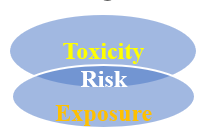
Toxicity is the ability of a substance to cause illness or even death, whereas risk (hazard) is the combination of toxicity and exposure (Figure 2). As therefore, the risk (hazard) associated with a certain pesticide is determined by its toxicity as well as the amount and type of exposure experienced. To estimate risk (hazard), information on both toxicity and exposure is needed. Normally, the actual for detrimental effects on humans caused by extremely toxic herbicide is greater than that of less toxic herbicide [29]. Other factors, such as the concentration of the herbicide in a formulation, the period of exposure to the herbicides, and the route of entry into the human body, are important in the potential for poisoning [30]. Clearly, a pesticides applicator has limited influence over an herbicide’s toxicity, but considerable influence over risks associated with its usage might be expected. For example, a sealed container of a highly toxic herbicide poses little risk before the seal is broken. Even if the container is opened, the risk is low, unless the end user is not wearing protective gear. The risk, however, can be severe if the container is damaged or leaking, or if suitable protective equipment is not used,
Classification of Toxicity Based on The Type of Exposure
Herbicides toxicity in humans may be classified into three groups based on the length of time exposed to the pesticide and the rate at which toxic symptoms appear [31]. As thus, workplace or environmental exposure may be classified as acute, sub-chronic, or chronic (Table 1). When a farmer is exposed to a single dosage of a pesticide, this is known as acute exposure, and the impact is known as acute toxicity. Acute toxicity describes how poisonous a pesticide is to an organism following a single short-term exposure.
| Meaning | |
|---|---|
| Acute toxicity | Occurring from a single incident of exposure (single short-term exposure) |
| Sub-chronic toxicity | Occurring from repeated incidents of exposure over several weeks or months (intermediate exposure, normally less than the lifetime of the exposed organism) |
| Chronic toxicity | Occurring from repeated incidents of exposure for many months or years (repeated long-term exposure, sometimes lasting for the entire life of the exposed organism). |
Table 1: Types of toxicity based on the extent of exposure to herbicides. Source: Damalas, et al. [32]
The signal words on the product label are selected based on the herbicide’s acute toxicity. Sub-chronic toxicity refers to a chemical compound’s actual to create hazardous health consequences for more than a year but less than the lifetime of the exposed organism. Chronic exposure occurs when an individual is regularly exposed to herbicide. This impact can be categorized as chronic dermal, chronic oral or chronic inhalation toxicity (Table 2).
| Categories | Signal word | Oral (mg/kg) | Dermal (mg/kg) | Inhalation (mg/L) |
|---|---|---|---|---|
| I-Highly toxic | Poison | 0 to 50 | 0 to 200 | 0 to 0.2 |
| II-Moderately toxic | Warning | 50 to 500 | 200 to 2000 | 0.2 to 2.0 |
| III-Slightly toxic | Caution | 500 to 5000 | 2000 to 20000 | 2.0 to 20.0 |
| IV-relatively non-toxic | Caution | 5000+ | 20000+ | 20+ |
Table 2: Types of acute toxicity measures and warnings. Source: Damalas, et al. [32]
Chronic toxicity is the capacity of herbicide to cause unfavourable health effects over an extended period of time, generally following repeated or continuous exposure, which may last for the entire lifespan of the exposed organism. This sort of pesticide toxicity is of concern not only to the general public, but also to individuals who work directly with pesticides, because to the possible exposure to pesticides found on/in food, water, and the air. It is often assessed in experimental the conditions after three months of either continuous or occasional exposure. A chemical with high acute toxicity may not always have high chronic toxicity. Chronic toxicity is an herbicide’s tendency for causing adverse health effects over an extended period of time. Continuous absorption of the same small dose every day can cause major chronic sickness or even death. Acute and chronic toxicity have dose-dependent effects, the higher the dose, the greater adverse effects. When characterizing herbicide toxicity, it is obvious that information for single-dose (acute) and long- term (chronic) effects, as well as information for intermediate length exposure, is required. Chronic exposure is referred to as continuous exposure to low levels of a toxicant, whereas delayed toxicity might be caused by a single dosage or a brief exposure event, resulting in a prolonging effect [33]. As a result, issues related to dose, duration, and exposure for delayed toxicity are not identical to those concerning chronic exposure. Indeed, epidemiological studies are critical for detecting additional cases of delayed toxicity.
Mechanisms of Herbicides Toxicity
Herbicide and other related chemical toxicity to non- target organisms is still a serious concern across the world. Because herbicides may cause several physiological and biochemical changes when enter the body, search for mechanisms of their toxicity can be considerably more difficult than expected. Perhaps the mode of action of herbicides is one of the most dependable techniques for researching the mechanisms of their toxicity. Herbicides may adversely affect the body by interfering with hormones or messengers [34], affecting the nervous system (e.g., Organochlorine herbicides) [35], or directly or indirectly altering the activities of specific enzymes [36, 37]. Due to their autoxidation by molecular oxygen, a variety of pesticides could directly enhance ROS (Reactive Oxygen Species) levels in living organisms [35]. Mostafalou, et al. [38] have conducted a significant amount of time systematically catalog the molecular mechanisms of herbicide toxicity. The studies they conducted yielded a theoretical understanding of the causal links between pesticide exposure and human chronic illnesses caused by DNA damage [38].
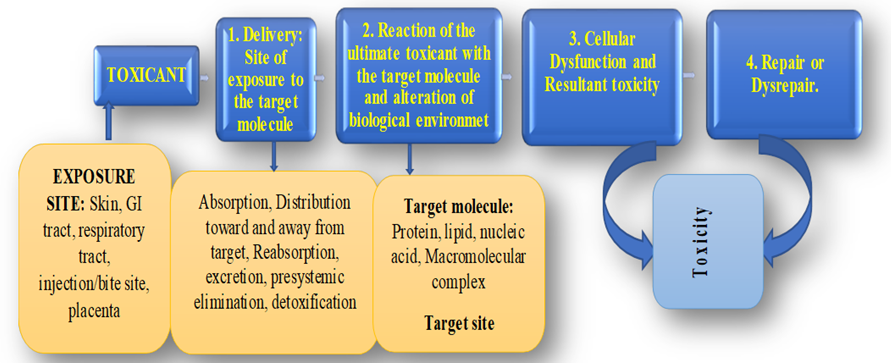
Herbicide misuse has caused human health issues, and the mechanisms of toxicity of many herbicides to non-target species are still unknown. Understanding the mechanism of action of herbicides might be a useful tool for improving their effectiveness; application ways in various agricultural practices, dealing with weed resistance issues, and investigating hazardous qualities [39]. Most herbicides kill plants in different ways since they are designed to target specific plant metabolic pathways (e.g., photosynthesis, plant hormone action, cell division regulation, etc.) [35, 40]. However, before killing the target, the herbicide must make contact with the site of action in the weed; otherwise, its actions become useless. Cellular mechanisms that contribute to the manifestation of toxicity. A series of events that begins with exposure and involves several interactions between the toxicant and the organism. The toxicant is the substance that eventually interacts with the endogenous target molecule and/or alters the biological environment. The severity of the toxic effects depends on both concentration at the target site and persistence (time of exposure) at the target site. There are four main steps in toxicity mechanisms. Delivery; site of exposure to the target (1); reaction of the ultimate toxicant with the target molecule (2); cellular dysfunction and resultant toxicity (3) and repair or disrepair (4) (Figure 3).
Health Effects of Herbicides on Humans
Herbicides are used extensively across the world. Herbicides exposure through food intake is estimated to be five times greater in size than other exposures such as air and water [41]. According to the World Health Organization, fruits and vegetables are the most widely eaten food group, accounting for 30% of total food intake. Furthermore, because fruit and vegetables are primarily consumed raw or semi-processed, it is expected that they contain higher levels of pesticide residue than other plant-based food groups, such as bread and other cereal-based foods [42, 43]. Herbicides can enter the body by skin contact, ingestion, or inhalation. Pesticides can be metabolized, excreted, stored, or bio accumulated in body fat in humans and animals [44, 45]. Herbicide misuse has been linked to diabetes, reproductive disorders, neurological dysfunction, cancer, respiratory disorders, dermatological, gastrointestinal, and endocrine effects [38, 44, 46]. Herbicides account for the largest share of pesticides used globally [47, 48]. Herbicides’ adverse effects on human health are determined by a number of factors, including the chemical class of those compounds, dose, duration, and route of exposure. Herbicides can be toxic to people at both high and low concentrations [49]. Herbicide exposure can cause a variety of human health effects, including cancer, reproductive, developmental toxicity, acute toxicity [48, 50], neurodegenerative [51], and respiratory effects [52], some of which, such as glyphosate, are highly controversial [53, 54]. Furthermore, excessive levels of occupational, accidental, or intentional chemical exposure, such as herbicides, can lead to hospitalization and death [55].
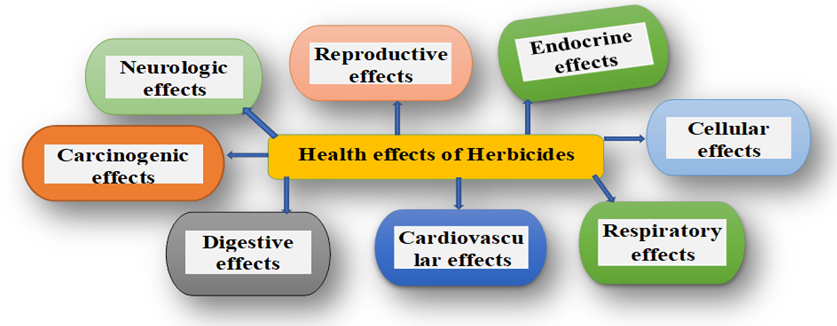
Many herbicides are banned in various countries each year owing to their negative effects on human health; however this is done after tonnes of herbicides have been applied and distributed across the environment. Several herbicides had to be banned because they caused major health problems. This is not to say that the herbicides allowed for use are without risk, because their direct and indirect effects are difficult to assess, difficult, and costly. Some banned herbicides, such as paraquat, can cause diseases and even death [56]. The World Health Organization reported that poisoning cases caused by pesticide are approximately three million people each year [57]. Herbicides have two major types toxicity: acute and chronic. In terms of their toxicity, the herbicides 2,4- dichlorophenoxyacetic acid (2,4-D) and 3,6-dichloro- 2-methoxy benzoic acid (Dicamba) belong to the Auxinic group and are categorized as class II members (moderately dangerous) by Syguda, et al. [58]. Dicamba and 2,4-D have been shown to generate Sister chromatid exchanges (SCEs) in mammalian cells and to be clastogenic [59]. The US EPA has classified dicamba (2-Methoxy-3,6-dichlorobenzoic acid) as a highly toxic toxin has a negative reproductive impact and a cholinesterase inhibitor [60]. In cancer risk studies, dioxin pollution and exposure to 2,4-D in combination with other pesticides produced a wide variety of the effects [59]. Hernández, et al. [52] found that Organochlorine herbicides can cause endocrine disruption via many mechanisms, including agonist or antagonist actions on various receptors. Triazines, such as atrazine, simazine, and ametryn, are another class of herbicides associated with endocrine disruption and reproductive toxicity [61, 62]. Furthermore, Kettles, et al. [63] discovered a probable statistical link between triazine herbicides and breast cancer incidence. Atrazine is the most well-known triazine, and it is a commonly used herbicide that has been linked to oxidative stress [62], cytotoxicity [64], and dopaminergic effects [65]. Furthermore, atrazine has been linked to reproductive toxicity [66] and sexual maturation delays [67]. Organophosphates, which were advanced as a more ecological alternative to organochlorines [68], incorporate an extraordinary variety of herbicides, the most common of which is glyphosate. Glyphosate is the chemical substance that’s the best-selling herbicide in human history and the world and constitutes 60% of the broad-spectrum herbicide sales [56]. Glyphosate-based herbicides, such as the well- known “Roundup,” can cause DNA harms and act as endocrine disruptors in human cell lines [69] and in rat testicular cells [70], cause harms to cultured human cutaneous cells [71], and advance cell passing within the testicular cells of test animals [70, 72]. There is also evidence for the ability to affect cytoskeleton and their intracellular transport [73]. Correlation analyses have raised concerns about a possible link between glyphosate use and various health and disease effects, such as hypertension, diabetes, stroke, autism, kidney failure, Parkinson’s and Alzheimer’s disease and cancer [74]. In addition, there are concerns about the possibility that glyphosate may cause gluten intolerance, health conditions associated with essential trace metal deficiencies, reproductive problems, and an increased risk of developing diabetes. Non-Hodgkin lymphoma [75]. Population-based studies have linked exposure to organophosphate herbicides to serious health effects, including cardiovascular disease [64], male reproductive system effects [76], nervous system effects [68, 77], dementia effect [78], and possible increased risk of non-Hodgkin’s lymphoma [79]. In addition, prenatal exposure to organophosphates is associated with shortened gestational age [79] and neurological problems in children [80]. Paraquat (PQ, 1,1’-dimethyl-4,4’-bipyridinium dichloride) is a highly toxic quaternary ammonium herbicide widely used in agriculture. Mortality from PQ poisoning reaches 60-80%, mainly due to acute lung injury and progressive pulmonary fibrosis [81, 82]. PQ cannot be excreted normally and continues to accumulate in the body. As a result, other organs such as the liver, heart, and lungs are also affected, leading to multiple organ failure [82]. According to He, et al. [83], paraquat, the second most widely used herbicide in the world, selectively accumulates in human lungs by causing oxidative damage and fibrosis, resulting several individuals to death. Chronic exposure to this herbicide has also been associated with hepatic lesions, kidney failure, and Parkinson’s disease [84]. He, et al. [83] studied the toxicity of paraquat to normal His BEAS-2B cells (human bronchial epithelial cells) and found that it was dose-dependent, leading to mitochondrial damage, oxidative stress, death of exposed lung cells, cytokine production, cause transformation of profibrogenic growth factors and my fibroblasts. Herbicides must be properly managed while handling them, unless otherwise, there will be the higher tendency to contaminate the environment and toxic to humans, animals or non-targeted organisms and even they effects can lead to death as well. The major health effects of herbicides can be summarized in Figure 4.
Prevention Mechanisms of Herbicides Exposure and Health Effects
The preventive safety measures can be applied early in the planning of agricultural activities, during the steps of anticipating, identifying and recognizing the risks previously described. Preventive safety measures are aimed at the risk factors and can be divided into two groups: to eliminate and reduce the risk of poisoning. Preventive measures aim to ensure a safe working environment and to ensure that workers are qualified, motivated and in good health. The preventive safety strategies must be also applied for the people who have tendency to be exposed by herbicide (i.e., people who are near farm areas or herbicides production areas). When planning agricultural activities using herbicides, preventive measures will act on risk factors in order to reduce the toxicity of the herbicide and/or the exposure.
Alternative and Emerging Cultivation Systems Less Dependent on Herbicides
Among all pesticide classes, herbicides rank highest in terms of application rate. They are classified as emerging contaminants or pollutants which have adverse effects on humans, animals and the environment as well. Therefore, it is very important to shift to alternative and emerging farming systems that are less dependent or totally independent on herbicides to minimize or avoid the risks associated with the use of herbicides. Biological controls (insects, pathogens, grazing animals, agronomic practices, etc.) [85, 86, 87], Nano composite-based herbicides [88] and artificial intelligence and robotics application [89, 90] are the sum of alternative and emerging trends that are used in controlling the weed. The advent of robotic devices presents a promising future for weed management. These cutting-edge systems will be able to precisely remove weeds through robotic deployment, store and analyse data on weed presence, help with decision- making regarding the timing and location of weed control efforts, and then collect data on treatment effectiveness to enable post-treatment evaluation.
Most of the alternative trends of weed management are concentrated on ecological approaches to plant protection based on available ecological knowledge. The goal of this approach is to increase the ability of agricultural systems to direct the natural process of pest control, contributing to improved agricultural production, sustainable pest control system, Disease and weed control should include three basic elements: prevention, decision-making and control [32]. Prevention is optimized by maximizing the use of natural processes in cultivation systems, suppressing harmful microbes by facilitating the development of antagonists, optimizing system diversity and stimulating recycling of internal resources [91]. Tools to accomplish this include:
(i) farm hygiene, including the key elements of using clean seeds or planting material and maintaining temporal and spatial segregation between crops of the same species (e.g., volunteer management); (ii) cultivation systems; synergistic and antagonistic effects that occur in, for example, disease and pest control through engineered systems of non-chemical prevention methods such as growing cover crops and using soil amendments to increase populations of antagonists, (iii) cultural practices that support ecological processes; Delaying planting to reduce weed growth and even prevent seed set, removal of crop residues and plant debris, management of soil organic matter and cultivation strategies; Other input optimizations for attack by pathogens, or increased damage threshold; (v) breeding for resistance, e.g. by selecting certain plant types that are more competitive or more tolerant to weeds; e.g., Against powdery mildew. Use of Personal Protective Equipment (PPE) Various types of personal protective equipment (PPE) can be used to limit skin exposure when working with herbicides. Gloves, boots, hats, long sleeve shirts, and chemical resistant coveralls are the most common types of his PPE. The toxicity of the pesticides used, exposure conditions, and a worker’s personal preferences will ultimately influence the type of PPE. Gloves and boots are the minimum PPE for most herbicides’ products. As a general rule, highly toxic herbicides require the use of multiple types of PPE to reduce exposure. Various types of PPE provide complementary personal protection against dermal exposure. Wearing gloves proved to be the most effective way to protect against pesticide exposure. The protection provided by PPE depends on the protective properties of each type of PPE itself, how the herbicide is applied, and the level of correct application and maintenance by the farmer. Common protective clothing provides protection against exposure depending on the type of fabric, such as thickness and weight. Clothing made from barrier and non-barrier fabrics has been shown to reduce dermal exposure [92]. However, waterproof polypropylene fabrics have been found to provide better protection when compared to cotton garments [93]. Penetration in cotton garments ranged from 11.2% to 26.8%, whereas penetration in synthetic fabrics was found to be less than 2.4% [94]. However, a study of US citrus growers found little difference between synthetic and woven fabrics [95]. The effectiveness of PPE in terms of herbicide penetration through clothing has been reported to be affected by the application method [96]. However, results concerning this issue have been inconsistent. For example, while low-pressure backpack spraying was associated with greater herbicide penetration through the clothing than high-pressure spraying [97], according to other research [94], a low-pressure backpack application resulted in lower penetration than high-pressure hand lance spraying. An important but often neglected factor in PPE effectiveness is how each piece of PPE is actually used. Farmer movement during herbicide application promotes movement and further diffusion of dust and liquids across PPE fabrics, and farmer perspiration, especially in hot environments, often also affects penetration resistance of PPE fabrics [95]. Given that farmers’ movements can cause friction, some polyethylene coveralls showed greater penetration [98]. Of course, the protective effectiveness of PPE depends on its correct use. For example, farmers who frequently roll up their sleeves or remove gloves when working with herbicides are at increased risk of dermal exposure [94]. Improper, improperly worn, improperly maintained, and improperly used PPE can provide inadequate personal protection. Therefore, the theoretical maximum level of protection is rarely achieved in everyday use of PPE, and the actual level of personal protection is difficult to assess. As herbicides continue to be tools of modern agriculture, it is important to develop strategies to reduce their impact [99]. This includes accurate diagnosis and advanced knowledge of pest problems, optimized timing of interventions to maximize long-term effects, selection of agrochemical products with minimal impact on non-target organisms and workers, and through improved application methods, with minimal pesticide use. Amount of product selected for maximal dose delivery to biological targets [100]. Overall optimization of herbicide handling processes, strict compliance with regulations, and addressing public concerns about herbicide residues in food and drinking water are essential. To this end, when using herbicides, functional and well-maintained sprayers, and the necessary precautions at all stages of herbicides handling, are essential and can reduce farmers’ exposure to herbicides.
Appropriate Selection of Persons Who Have Knowledge and Skill About The Herbicides Use
To be able to engage in hazardous activities, employees must have physical and psychological profiles suitable for working conditions. Personality traits can be strong and prominent, positive or negative, and indicate strengths and weaknesses such as irresponsibility, stubbornness, and irritability [101]. A worker`s personality, positive or otherwise, can influence the work environment and lead to unsafe behavior and unsafe working conditions. Negative traits can cause employees to ignore safety regulations, behave unsafely, or make mistakes in the performance of their duties, which can lead to work-related injuries. Accidents can be prevented by taking into account the physical and psychological profiles of workers required to perform dangerous tasks [101].
Psychological Measures
As employees interact throughout the workplace (physical or abstract space), they are positively or negatively impacted, altering their physical, mental and social states. On the other hand, it is natural for employees to bring personal issues into the workplace [102]. In work activities, a personal anxiety factor arises when a worker is unwilling to work under an abnormal physical condition (disease, physical or mental disability) without the experience, knowledge and proper training. Due to personal insecurities, employees may cause accidents or occupational diseases through negligence, recklessness, or misconduct [102]. Companies should take steps to evaluate their employees by promoting their professional and personal development to control the impact of the human factor on the risk of pesticide poisoning. Such measures increase employee self-esteem, improve performance and commitment, and create a more welcoming work environment. Other positive actions include employee dynamics, recognition campaigns, and willingness to listen to suggestions for workplace improvement. More than ever, companies are looking for professionals who work in groups, are proactive and have leadership qualities. Proper Herbicides Packaging Herbicide containers shall be designed and constructed to prevent leakage, evaporation, loss or alteration of the contents and to facilitate cleaning, sorting, reuse, recycling and proper disposal. Rigid packages containing water- miscible or water-dispersible formulations should be applied by the user with her triple wash or equivalent technique as directed on the label, package insert, or brochure package insert. Users must return empty containers of water-miscible pesticides and lids that have been washed three times to the place of purchase within one year from the date of purchases. The user must provide the control authority with a store, collection point, or empty container return slip provided by the collection point for at least one year after the return of the package. Packaging containing unusable or unused product should be disposed of according to the guidelines in the package insert [102].
Proper Herbicides Labels and Package Leaflets
Warnings about the hazards of herbicides regarding labels and package leaflets must be clearly displayed. The underside of the herbicide label must have a distinct colored stripe with a height equal to 15% of the height of the label/ package, separate from the rest of the label. The colours of the ribbon correspond to the different toxicological classes of herbicides [102]. It is prohibited to work on newly treated surfaces before the re-entry interval indicated on the label has passed unless recommended protective equipment is used. Also, during aerial spraying, no one is allowed to enter or remain in the treatment area. If access is required during this period, the personal protective equipment (PPE) recommended for the application must also be used. Recommended PPE should be worn in the following order: Boots, aprons, respirators, goggles, hoods and gloves. Giving Awareness about The Use of Herbicides Employers, on the other hand, should select the least toxic products and create conditions for mechanization and automation of work to minimize worker exposure to pesticides. Training in the handling and use of pesticides under field conditions is essential to reduce risk and prevent poisoning [103]. Awareness of the use or handling of herbicides must be provided by technical people who have background knowledge and skills about the herbicides or other materials that are to be used [104].
Conclusion
The use of herbicides in agricultural production brings important benefits such as: rapid onset of action and the control of some weed species that contribute significantly to yield reduction. Despite these advantages of herbicides, it is known that widespread and improper use has serious consequences for the structure, pollution and the entire biological system, often endangering human health. Improper use of herbicides has a significant impact on health, particularly in humans and animals, in the form of both short- and long-term damage. The degree of their damage or poisoning depends on the dose (concentration), exposure time and route of entry into the human body. Exposure to herbicides can cause a variety of adverse health effects, including carcinogenic, cardiovascular, reproductive, neurological, respiratory, cellular, digestive, or hormonal/ endocrine effects. It is very important to understand and consider the level of toxicity and toxicity mechanisms of herbicides before using herbicides for various purposes in order to minimize their adverse effects. Employing alternative, less herbicide-dependent cropping systems, properly using all certified personal protective equipment (PPE) when handling herbicides, appropriate selection personnel who have knowledge and skill about the pesticides (i.e., especially for occupational purpose), applying suitable psychological measures (i.e., particularly for occupational purpose), proper packaging and package leaflet, proper labelling and giving general awareness about the use or handle of pesticide for farmers or any others who are not familiar with the use of pesticides are the major prevention strategies to minimize or avoid exposure and its health effects. Not only farmers but also others stakeholders (researchers, agricultural experts, policymakers, etc.) involvement are needed to reduce or totally avoid the risks associated with the improper use of herbicides in agriculture.
References
-
Ramankutty N, Mehrabi Z, Waha K, Jarvis L, Kremen C, et al. (2018) Trends in global agricultural land use: implications for environmental health and food security. Annual review of plant biology 69: 789-815.
-
Garibaldi LA, Pérez-Méndez N, Garratt MP, Gemmill- Herren B, Miguez FE, et al. (2019) Policies for ecological intensification of crop production. Trends in ecology & evolution 34(4): 282-286.
-
Tramberend S, Fischer G, Bruckner M, van Velthuizen H (2019) Our common cropland: quantifying global agricultural land use from a consumption perspective. Ecological Economics 157: 332-341.
-
Popkin BM, Adair LS, Ng SW (2012) Global nutrition transition and the pandemic of obesity in developing countries. Nutrition reviews 70(1): 3-21.
-
Tilman D, Clark M (2014) Global diets link environmental sustainability and human health. Nature 515(7528): 518-522.
-
FAO (2016) Regional overview of food security and nutrition in Africa 2016. The challenges of building resilience to shocks and stresses, pp: 1-52.
-
Zabel F, Delzeit R, Schneider JM, Seppelt R, Mauser W, et al. (2019) Global impacts of future cropland expansion and intensification on agricultural markets and biodiversity. Nature communications 10(1): 2844.
-
DESA U (2015) Urban population development and the environment wallchart. Department of Economic and Social Affairs, Population Division, United Nations.
-
Ueta J, Pereira NL, Shuhama IK, Cerdeira AL (1999) Herbicide biodegradation and bioremediation.
-
Kudsk P, Streibig JC (2003) Herbicides–a two‐edged sword. Weed Research 43(2): 90-102.
-
Llewellyn R, Ronning D, Clarke M, Mayfield A, Walker S, et al. (2016) Impact of weeds on Australian grain production. Grains Research and Development Corporation, Canberra, ACT, Australia, pp: 1-112.
-
Mahmood I, Imadi SR, Shazadi K, Gul A, Hakeem KR (2016) Effects of pesticides on environment. Plant, soil and microbes 1: 253-269.
-
Gianessi LP (2013) The increasing importance of herbicides in worldwide crop production. Pest management science 69(10): 1099-1105.
-
Busi R, Vila‐Aiub MM, Beckie HJ, Gaines TA, Goggin DE, et al. (2013) Herbicide‐resistant weeds: from research and knowledge to future needs. Evolutionary applications 6(8): 1218-1221.
-
Varshney S, Hayat S, Alyemeni MN, Ahmad A (2012) Effects of herbicide applications in wheat fields. Plant signaling & behavior 7(5): 570-575.
-
Ma R, Kaundun SS, Tranel PJ, Riggins CW, McGinness DL, et al. (2013) Distinct detoxification mechanisms confer resistance to mesotrione and atrazine in a population of waterhemp. Plant physiology 163(1): 363-377.
-
Sammons RD, Gaines TA (2014) Glyphosate resistance: state of knowledge. Pest management science 70(9): 1367-1377.
-
Deboer GJ, Thornburgh S, Ehr R (2006) Uptake, translocation and metabolism of the herbicide florasulam in wheat and broadleaf weeds. Pest Management Science: formerly Pesticide Science 62(4): 316-324.
-
Green JM, Owen MD (2011) Herbicide-resistant crops: utilities and limitations for herbicide-resistant weed management. Journal of agricultural and food chemistry 59(11): 5819-5829.
-
Varanasi VK, Godar AS, Currie RS, Dille AJ, Thompson CR, et al. (2015) Field‐evolved resistance to four modes of action of herbicides in a single kochia (Kochia scoparia L. Schrad.) population. Pest Management Science 71(9): 1207-1212.
-
Sherwani SI, Arif IA, Khan HA (2015) Modes of action of different classes of herbicides. In: Price A, et al. (Eds.), Herbicides, physiology of action, and safety, pp: 165-186.
-
Zimdahl LR (2018) Introduction to chemical weed control. 5th (Edn.), Fundamentals of weed science, Academic Press, pp: 715-735.
-
Iyagba AG (2013) Assessing the safety use of herbicides by horticultural farmers in Rivers state, Nigeria. Eur Sci J 9(15): 97-108.
-
Ibitayo OO (2006) Egyptian farmers’ attitudes and behaviors regarding agricultural pesticides: implications for pesticide risk communication. Risk analysis 26(4): 989-995.
-
Asogwa EU, Dongo LN (2009) Problems associated with pesticide usage and application in Nigerian cocoa production: A review. African Journal of Agricultural Research 4(8): 675-683.
-
Authority EFS, Medina‐Pastor P, Triacchini G (2020) The 2018 European Union report on pesticide residues in food. EFSA Journal 18(4): e06057.
-
Power AG (2010) Ecosystem services and agriculture: tradeoffs and synergies. Philosophical transactions of the royal society B: biological sciences 365(1554): 2959- 2971.
-
Ugah J (2021) Toxic effects of glyphosate on the behavior, hematology, histopathology and growth of the African Catfish, Clarias gariepinus (Burchell, 1822) JUVENILES (Doctoral dissertation), pp: 1-91.
-
Frank P, Ottoboni MA (2011) The dose makes the poison: A plain-language guide to toxicology. 3rd (Edn.), John Wiley & Sons, Hoboken, NJ, USA, pp: 284.
-
Sarwar M (2015) The dangers of pesticides associated with public health and preventing of the risks. International Journal of Bioinformatics and Biomedical Engineering 1(2): 130-136.
-
Klaassen CD (2013) Casarett and Doull’s toxicology: the basic science of poisons. 9th (Edn.), McGraw-Hill, New York, 1236: 189-190.
-
Damalas CA, Koutroubas SD (2016) Farmers’ exposure to pesticides: toxicity types and ways of prevention. Toxics 4(1): 1.
-
Rondeau G, Sánchez-Bayo F, Tennekes HA, Decourtye A, Ramírez-Romero R, et al. (2014) Delayed and time- cumulative toxicity of imidacloprid in bees, ants and termites. Scientific reports 4: 5566.
-
Khan MZ, Law FC (2005) Adverse effects of pesticides and related chemicals on enzyme and hormone systems of fish, amphibians and reptiles: a review. Proceedings of the Pakistan academy of sciences 42(4): 315-323.
-
Bolognesi C, Merlo FD (2019) Pesticides: human health effects. In: Nriagu JO (Ed.), Encyclopedia of Environmental Health, Elsevier, Burlington, pp: 438- 453.
-
Atamaniuk TM, Kubrak OI, Storey KB, Lushchak VI (2013) Oxidative stress as a mechanism for toxicity of 2, 4-dichlorophenoxyacetic acid (2,4-D): studies with goldfish gills. Ecotoxicology 22(10): 1498-1508.
-
Matviishyn TM, Kubrak OI, Husak VV, Storey KB, Lushchak VI (2014) Tissue-specific induction of oxidative stress in goldfish by 2, 4-dichlorophenoxyacetic acid: mild in brain and moderate in liver and kidney. Environmental toxicology and pharmacology 37(2): 861-869.
-
Mostafalou S, Abdollahi M (2013) Pesticides and human chronic diseases: evidences, mechanisms, and perspectives. Toxicology and applied pharmacology 268(2): 157-177.
-
Jablonkai I (2011) Molecular mechanism of action of herbicides. Rijeka, IntechOpen, Croatia, pp: 1-24.
-
Peterson DE, Shoup DE, Thompson CR, Olson BL (2015) Herbicide mode of action, cooperative extension service. Kansas State Univ, Kansas, USA, pp: 1-28.
-
Claeys WL, Schmit JF, Bragard C, Maghuin-Rogister G, Pussemier L, et al. (2011) Exposure of several Belgian consumer groups to pesticide residues through fresh fruit and vegetable consumption. Food control 22(3-4): 508-516.
-
Bempah CK, Buah-Kwofie A, Denutsui D, Asomaning J, Tutu AO (2011) Monitoring of pesticide residues in fruits and vegetables and related health risk assessment in Kumasi Metropolis, Ghana. Research Journal of Environmental and Earth Sciences 3(6): 761-771.
-
Govarts E, Gilles L, Martin LR, Santonen T, Apel P, et al. (2023) Harmonized human biomonitoring in European children, teenagers and adults: EU-wide exposure data of 11 chemical substance groups from the HBM4EU Aligned Studies (2014–2021). International Journal of Hygiene and Environmental Health 249: 114119.
-
Alewu B, Nosiri C (2011) Pesticides and human health. Pesticides in the modern world–effects of pesticides exposure. InTech, pp: 231-50.
-
Pirsaheb M, Limoee M, Namdari F, Khamutian R (2015) Organochlorine pesticides residue in breast milk: a systematic review. Medical journal of the Islamic Republic of Iran 29: 228.
-
Thakur DS, Khot R, Joshi PP, Pandharipande M, Nagpure K (2014) Glyphosate poisoning with acute pulmonary edema. Toxicology international 21(3): 328-330.
-
Zaller JG (2020) Daily Poison: Pesticides-an Underestimated Danger. Springer Nature.
-
Rani L, Thapa K, Kanojia N, Sharma N, Singh S, et al. (2021) An extensive review on the consequences of chemical pesticides on human health and environment. Journal of Cleaner Production 283: 124657.
-
Zeliger H (2011) Toxic Consequences Beyond the Impact of One-Component Product and Environmental Exposures. 2nd (Edn.), Human toxicology of chemical mixtures. William Andrew, pp: 537-558.
-
Mesnage R, Antoniou M (2021) Mammalian toxicity of herbicides used in intensive GM crop farming. Herbicides, pp: 143-180.
-
Parrón T, Requena M, Hernández AF, Alarcón R (2011) Association between environmental exposure to pesticides and neurodegenerative diseases. Toxicology and applied pharmacology 256(3): 379-385.
-
Hernández AF, Parrón T, Tsatsakis AM, Requena M, Alarcón R, et al. (2013) Toxic effects of pesticide mixtures at a molecular level: their relevance to human health. Toxicology 307: 136-145.
-
Caiati C, Pollice P, Favale S, Lepera ME (2020) The herbicide glyphosate and its apparently controversial effect on human health: An updated clinical perspective. Endocrine, Metabolic & Immune Disorders- Drug Targets 20(4): 489-505.
-
Landrigan PJ, Belpoggi F (2018) The need for independent research on the health effects of glyphosate-based herbicides. Environmental Health 17(1): 51.
-
Gunnell D, Fernando R, Hewagama M, Priyangika WDD, Konradsen F, et al. (2007) The impact of pesticide regulations on suicide in Sri Lanka. International journal of epidemiology 36(6): 1235-1242.
-
Ustuner T, Sakran A, Almhemed K (2020) Effect of herbicides on living organisms in the ecosystem and available alternative control methods. Int J Sci Res Publ 10: 622-632.
-
Singh NS, Sharma R, Parween T, Patanjali PK (2018) Pesticide contamination and human health risk factor. Modern age environmental problems and their remediation, pp: 49-68.
-
Syguda A, Wojcieszak M, Materna K, Woźniak-Karczewska M, Parus A, et al. (2020) Double-action herbicidal ionic liquids based on dicamba esterquats with 4-CPA, 2, 4-D, MCPA, MCPP, and clopyralid anions. ACS Sustainable Chemistry & Engineering 8(38): 14584-14594.
-
Soloneski S, Larramendy M (2011) Herbicides in Argentina. Comparative evaluation of the genotoxic and cytotoxic effects on mammalian cells exerted by auxinic members. In: Kortekamp A (Ed.), Herbicides and Environment. INTECH Open Access Publisher, pp: 762.
-
Asare EA (2011) Pesticide residues in watermelon fruits and soils of nsadwir in the central region of Ghana. University of Cape Coast, pp: 1-158.
-
Mnif W, Hassine AIH, Bouaziz A, Bartegi A, Thomas O, et al. (2011) Effect of endocrine disruptor pesticides: a review. International journal of environmental research and public health 8(6): 2265-2303.
-
Jin Y, Wang L, Chen G, Lin X, Miao W, Fu Z (2014) Exposure of mice to atrazine and its metabolite diaminochlorotriazine elicits oxidative stress and endocrine disruption. Environmental toxicology and pharmacology 37(2): 782-790.
-
Kettles MK, Browning SR, Prince TS, Horstman SW (1997) Triazine herbicide exposure and breast cancer incidence: an ecologic study of Kentucky counties. Environmental health perspectives 105(11): 1222-1227.
-
Huang P, Yang J, Song Q, Sheehan D (2014) Atrazine affects phosphoprotein and protein expression in MCF- 10A human breast epithelial cells. International Journal of Molecular Sciences 15(10): 17806-17826.
-
Li YS, He X, Ma K, Wu YP, Li BX (2015) The effect of exposure to atrazine on dopaminergic development in pubertal male SD rats. Birth defects research part B: developmental and reproductive toxicology 104(5): 184-189.
-
Song Y, Jia ZC, Chen JY, Hu JX, Zhang LS (2014) Toxic effects of atrazine on reproductive system of male rats. Biomedical and environmental sciences 27(4): 281- 288.
-
Breckenridge CB, Coder SP, Tisdel MO, Simpkins JW, Yi KD, et al. (2015) Effect of age, duration of exposure, and dose of atrazine on sexual maturation and the luteinizing hormone surge in the female Sprague–Dawley rat. Birth Defects Research Part B: Developmental and Reproductive Toxicology 104(5): 204-217.
-
Jaga K, Dharmani C (2003) Sources of exposure to and public health implications of organophosphate pesticides. Revista panamericana de salud pública 14(3): 171-185.
-
Gasnier C, Dumont C, Benachour N, Clair E, Chagnon MC, et al. (2009) Glyphosate-based herbicides are toxic and endocrine disruptors in human cell lines. Toxicology 262(3): 184-191.
-
Clair É, Mesnage R, Travert C, Séralini GÉ (2012) A glyphosate-based herbicide induces necrosis and apoptosis in mature rat testicular cells in vitro, and testosterone decrease at lower levels. Toxicology in vitro 26(2): 269-279.
-
Gehin A, Guyon C, Nicod L (2006) Glyphosate-induced antioxidant imbalance in HaCaT: The protective effect of Vitamins C and E. Environmental Toxicology and Pharmacology 22(1): 27-34.
-
Cattani D, Cavalli VLDLO, Rieg CEH, Domingues JT, Dal-Cim T, et al. (2014) Mechanisms underlying the neurotoxicity induced by glyphosate-based herbicide in immature rat hippocampus: involvement of glutamate excitotoxicity. Toxicology 320: 34-45.
-
Hedberg D, Wallin M (2010) Effects of Roundup and glyphosate formulations on intracellular transport, microtubules and actin filaments in Xenopus laevis melanophores. Toxicology in Vitro 24(3): 795-802.
-
Swanson NL, Leu A, Abrahamson J, Wallet B (2014) Genetically engineered crops, glyphosate and the deterioration of health in the United States of America. Journal of Organic Systems 9(2): 6-37.
-
Samsel A, Seneff S (2013) Glyphosate, pathways to modern diseases II: Celiac sprue and gluten intolerance. Interdisciplinary toxicology 6(4): 159-184.
-
Jamal F, Haque QS, Singh S, Rastogi SK (2016) The influence of organophosphate and carbamate on sperm chromatin and reproductive hormones among pesticide sprayers. Toxicol Ind Health 32(8): 1527-1536.
-
Eskenazi B, Harley K, Bradman A, Fenster L, Wolff M, et al. (2006) In Utero Pesticide Exposure and Neurodevelopment in Three NIEHS/ Environmental Agency Children’s Center Birth Cohorts. Epidemiology 17(6): S103.
-
Lin JN, Lin CL, Lin MC, Lai CH, Lin HH, et al. (2015) Increased risk of dementia in patients with acute organophosphate and carbamate poisoning: a nationwide population- based cohort study. Medicine 94(29): e1187.
-
Waddell BL, Zahm SH, Baris D, Weisenburger DD, Holmes F, et al. (2001) Agricultural use of organophosphate pesticides and the risk of non-Hodgkin’s lymphoma among male farmers. Cancer Causes & Control, United States 12(6): 509-517.
-
Rauh VA, Garcia WE, Whyatt RM, Horton MK, Barr DB, et al. (2015) Prenatal exposure to the organophosphate pesticide chlorpyrifos and childhood tremor. Neurotoxicology 51: 80-86.
-
Dinis-Oliveira R, Duarte JA, Navarro SA, Remiao F, Bastos ML, et al. (2008) Paraquat poisonings: mechanisms of lung toxicity, clinical features, and treatment. Critical reviews in toxicology 38(1): 13-71.
-
Cochemé HM, Murphy MP (2008) Complex I is the major site of mitochondrial superoxide production by paraquat. Journal of biological chemistry 283(4): 1786- 1798.
-
He X, Wang L, Szklarz G, Bi Y, Ma Q (2012) Resveratrol inhibits paraquat-induced oxidative stress and fibrogenic response by activating the nuclear factor erythroid 2-related factor 2 pathway. Journal of pharmacology and experimental therapeutics 342(1): 81-90.
-
Tanner CM, Kamel F, Ross GW, Hoppin JA, Goldman SM, et al. (2011) Rotenone, paraquat, and Parkinson’s disease. Environmental health perspectives 119(6): 866-872.
-
Boyetchko SM, Bailey KL, De Clerck-Floate RA (2009) Current biological weed control agents-their adoption and future prospects. Prairie Soils Crops 2(6): 1-8.
-
Cordeau S, Triolet M, Wayman S, Steinberg C, Guillemin P (2016) Bioherbicides: Dead in the water? A review of the existing products for integrated weed management. Crop protection 87: 44-49.
-
Sharma K, Malhi GS, Gupta G, Kaur M (2020) Biological weed control: a way to sustainable weed management. Indian farmer 7(9): 853-860.
-
Abigail MEA (2020) Nanocomposites: New trends for sensing and controlled-release of herbicides. Multifunctional Hybrid Nanomaterials for Sustainable Agri-Food and Ecosystems, pp: 255-269.
-
Young SL, Meyer GE, Woldt WE (2014) Future directions for automated weed management in precision agriculture. In Automation: The future of weed control in cropping systems Dordrecht: Springer Netherlands, pp: 249-259.
-
Eli-Chukwu NC (2019) Applications of artificial intelligence in agriculture: A review. Engineering, Technology & Applied Science Research 9(4): 4377- 4383.
-
Ratnadass A, Fernandes P, Avelino J, Habib R (2012) Plant species diversity for sustainable management of crop pests and diseases in agroecosystems: a review. Agronomy for sustainable development 32: 273- 303.
-
Coffman CW, Stone JF, Slocum AC, Landers J, Schwab CV, et al. (2009) Use of engineering controls and personal protective equipment by certified pesticide applicators. Journal of Agricultural Safety and Health 15(4): 311-326.
-
Aprea C, Terenzoni B, De Angelis V, Sciarra G, Lunghini L, et al. (2004) Evaluation of skin and respiratory doses and urinary excretion of alkylphosphates in workers exposed to dimethoate during treatment of olive trees. Archives of Environmental Contamination and Toxicology 48: 127-134.
-
Vitali M, Protano C, Del Monte A, Ensabella F, Guidotti M (2009) Operative modalities and exposure to pesticides during open field treatments among a group of agricultural subcontractors. Archives of environmental contamination and toxicology 57(1): 193-202.
-
Fenske RA, Birnbaum SG, Methner MM, Lu C, Nigg HN (2002) Fluorescent tracer evaluation of chemical protective clothing during pesticide applications in central Florida citrus groves. Journal of agricultural safety and health 8(3): 319-331.
-
Driver J, Ross J, Mihlan G, Lunchick C, Landenberger B (2007) Derivation of single layer clothing penetration factors from the pesticide handler’s exposure database. Regulatory Toxicology and Pharmacology 49(2): 125-137.
-
Stewart PA, Fears T, Kross B, Ogilvie L, Blair A (1999) Exposure of farmers to phosmet, a swine insecticide. Scandinavian journal of work, environment & health, pp: 33-38.
-
Machera K, Goumenou M, Kapetanakis E, Kalamarakis A, Glass CR (2003) Determination of potential dermal and inhalation operator exposure to malathion in greenhouses with the whole-body dosimetry method. Annals of Occupational Hygiene 47(1): 61-70.
-
Ekström G, Ekbom B (2011) Pest control in agro- ecosystems: an ecological approach. Critical Reviews in Plant Sciences 30(1-2): 74-94.
-
Dent D (2012) Overview of agrobiologicals and alternatives to synthetic pesticides. Pesticide 1st (Edn.), Detox, pp: 92-104.
-
Borsano PR, Rivers R., Fusco M (2014) Proteção e prevenção de perdas no ambiente or‐ganizacional. 1st (Edn.), Editora _Érica_ Ltda, São Paulo, Brazil.
-
Machado-Neto JG (2015) Safety measures for handlers/workers against herbicide intoxication risk. In: Price A, et al. (Eds.), Herbicides, physiology of action, and safety. IntechOpen, pp: 299-322.
-
Vieira HS (2013) Levantamento do custo de não conformidade com a NR-31 para empresa de exploração florestal.
-
Decker CS, Nielsen DA, Sindt RP (2005) Residential property values and community right‐to‐know laws: Has the toxics release inventory had an impact? Growth and Change 36(1): 113-133.
- The Role of Podocyte Apoptosis and the Involvement of SIRT1 in Diabetic Nephropathy
- Dealcoholization of Beer by Osmotic Distillation for the Beverage Industry
- Biopolymer-Based Edible Packaging- Biomaterials, Methods, and Applications in Food Industry: An Updated Review
- Influence of Bioprocessing Methods on 'China Rice' (Gawal R1), and Soyabean Supplementation on the Quality of Complementary Food
- Cassava (Manihot esculenta) Varietal Growth, Yield and Cyanide Content Performance in Three Sites in the South- Eastern Semi Arid Regions of Kenya
- Food Waste Treatment, Recycling, Management and Production of Value-Products-An Update on Methodologies and Current Trends