
Advances in Management of Ovarian Cancer through Natural Resources: An Update
Since times immemorial, mankind has been dependent on Mother Nature in terms of natural resources for alleviating its sufferings. As per W.H.O., developing countries should fully explore their flora and fauna to become economically self-reliant. Country India enjoys having diverse climatic conditions of heavy rainfall, sandy deserts & snow-clad mountains, which play a perfect condition and host for the growth of plenty of medicinal plants with desirable phytoconstituents. Presently mankind is suffering from many diseases that were not so common in the olden days. Does it is a signal from our mother Nature to once again rediscover its treasure of natural resources for exploring answers for various prophylaxis and therapeutic needs of modern-day disorders and diseases? Cancer is the most fatal disease worldwide caused due to the uncontrolled growth of abnormal cells in the body. Ovarian Cancer is the fifth leading cause of death in females. The incidence and mortality rate of Ovarian Cancer is increasing day by day across the world. Biomarkers such as CA125, HE4, OVA1, and Cancer stem cells have been used for the detection of Ovarian Cancer. The current treatment of Ovarian Cancer is surgery and some common treatments include chemotherapy, radiation therapy, adoptive cell therapy, use of medicinal plants and their derivatives. Some prominent medicinal plants like Quercus tinctoria, Curcuma longa, Taxus brevifolia, Allium sativum, Asparagus racemosa, Camptotheca acuminate, Symplocus racemosa, Ginkgo biloba, Genistein, Zingiber officinale, Azadirachta indica, Embilica officinalis, Podophyllum peltatum, Camellia sinensis, Saraca indica. A large number of phytochemicals which has anticancer compounds are flavonoids, alkaloids, terpenoids, carotenoids, phenolics, and organosulfur compounds. Ayurvedic drugs highly effective on Ovarian Cancer are Arka, Bhallataka, Ahipena, Bhanga, Vishamushti, and Jayapala. The diagnosis of Ovarian Cancer in the initial stage is not possible mainly due to a lack of awareness on patients’ behalf. The main effective parameter is imaging for checking the extent and location of the disease. Some other parameters also included physical examination and transvaginal ultrasonography. Thus, the present review is an attempt to compile published reports through authentic sources regarding the current management scenario of Ovarian Cancer with the help of natural drugs or medicinal plants that inhibits or hinders the growth of cancer cell, which may serve as a ready reference for future researchers.
Introduction
Cancer is one of the most notorious diseases across the globe. The proverb ‘Prevention is better than cure’ appears to be perfect when it comes to the management and treatment of cancer. Uncontrolled growth and abnormal cell division result in the formation of tumors which often transform into malignancy. In a normal cell, the integration of cell signaling cascades controls the fate of normal cells; whether the cell has to divide, differentiate, or die. Cancer cells could alter these normal functions which results in uncontrollable growth and proliferation. A variety of cancers has been identified with different characteristics. These vast catalogs of cancer cell genotypes are found to be due to the occurrence of any of the alterations to the cell physiology that leads the normal cells to malignant cells viz. self-sufficient in growth, immeasurable replicative potential, assist ontogenesis, tissue aggression, insensitivity towards growth-inhibitory signals and programmed cell death and metastasis. The World Health Organization (WHO) predicts over 13 million deaths due to cancer by 2030, which depicts the alarming rate of cancer making its presence felt across the globe.
Cancer is one of the most serious public health issues worldwide. The statistics of new cancer cases and mortalities in the United States in 2019 caused by female hormone- sensitive cancers (provided by The National Centre for Health Statistics) have estimated that breast carcinoma is one of the most common cancers followed by uterine and ovarian cancers. Cancer is a very complicated disease that results in many co-morbidities and adverse effects even after treating patients with advanced techniques such as chemotherapy, radiation therapy, and surgery. In general, more than 100 types of cancers exist and they are named mainly based on the organ of origin. Some of the main categories of cancer are carcinoma (formed by epithelial cells), leukemia (formed in the blood-forming tissue of bone marrow), sarcoma (formed in bone and soft tissue), lymphoma (begins at lymphocytes), multiple myeloma (begins at plasma cells), melanoma (forms at melanocytes) and others such as brain and spinal cord tumors, germ cell tumors and neuroendocrine tumors.
Ovarian carcinoma is the most lethal gynecologic malignancy and the fifth leading cause of cancer-associated mortality in females worldwide. It affects women of all ages but is most commonly diagnosed in those 55 to 64 years of age. The high mortality rate is due to the late stage of detection when approximately 75% of ovarian cancers are diagnosed. The genetic and molecular mechanisms underlying ovarian cancer remain largely unknown and treatment options for patients with advanced disease are limited. National Cancer Control Programme (NCCP) is a centrally sponsored scheme by the Ministry of Health and Family Welfare, Government of India, which was initiated in the year 1975, with priorities given for equipping the premier cancer hospitals/institutions.
Cancer
Cancer is primarily a broader term and a second cause of death across the world. “Cancer is defined as the uncontrolled division of abnormal cells which spread to other parts of the body”. This uncommon growth of cells is called malignant cells or cancer cells. Some factors are responsible for the change of normal cells into cancer cells. Those factors are known as carcinogens [1, 2, 3].
Prevalence
Cancer ranks as a leading cause of death and an important barrier to increasing life expectancy in every country of the world. According to estimates from the World Health Organization (WHO) in 2019, cancer is the first or second leading cause of death before the age of 70 years in 112 of 183 countries and ranks third or fourth in a further 23 countries [4]. Nearly 10 milliondeathsin2020 caused due to cancer. Overall, the burden of cancer incidence and mortality is rapidly growing worldwide; this reflects both aging and growth of the population as well as changes in the prevalence and distribution of the main risk factors for cancer, several of which are associated with socioeconomic development. Globocan estimated data for 2020 based on the incidence and mortality of cancer produced by the International Agency for Research on Cancer. The Global Cancer Observatory (GCO) website includes facilities for the tabulation and graphic visualization of the GLOBOCAN database for 185 countries and 36 cancers (as well as all cancers combined), by age and sex. Here, the Distribution of Cases and Deaths by World Region and Cancer Types [5].
Pathophysiology
The suppression of anti-tumor immunity is one of the natural physiological reactions of the organism, and when this reaction becomes a pathophysiological condition of an organism it results in cancer progression [6]. The proliferating tissue cells and tumor cells are similar in structure and properties, so the active anti-tumor immunity would block the repair processes of the tissue damaged through the elimination of proliferating cells [7]. In this regard, the key factor in the success of tissue repair is a local temporary suppression of anti-tumor immunity and the activation of immunological reactions, supporting the repair system [8]. The immunological reactions are developed in heart lesions that support the inflammatory process and cellular proliferation for successful tissue repair with known cellular, cytokine, and vascular reactions [9].
Reactivating anti-tumor immunity (specifically, the accumulation of CD8+ cells at the site of injury on completion of reparation) to protect the organism from malignantly transformed cells, which practically always appear in the area of inflammation occurs upon the completion of reparation and reduction of inflammation. This natural physiological mechanism of tissue repair becomes pathophysiological when multiple foci micro damages occur in the organism caused by the impact of exogenous factors (chemical, physical, and biological carcinogens). When NK cells support the proliferation and angiogenesis, malignantly transformed cells have the opportunity for tumor growth, and the existing tumor in the organism promotes the lapse or generalization of cancer [10].
Major Signaling Pathways
Oncogenic Signaling Pathways which are majorly used are i. Ras-ERK ii. PI3K-Akt
Many of the genes commonly mutated in cancer encode components or targets of the PI3K-Akt and Ras-ERK pathways (Fig.4). Ordinarily, these pathways are transiently activated in response to growth factor or cytokine signaling and ligand occupancy of integrin adhesion receptors, but genetic alterations can lead to constitutive signaling even in the absence of growth factors. The PI3K-Akt pathway can be activated through amplification or activating mutations affecting several PI3K-Akt-pathway proteins—the type I PI3K isoform PIK3CA (p110a), Akt, and the adaptor protein PIK3R1—or through deletion or inactivating mutations in the phosphatases that hydrolyze PI3K products such as phosphatidyl inositol 3,4,5-trisphosphate (p1p3)—the PTENand INPP4B tumor suppressors. Further downstream mutations in the tumor suppressors TSC1 and TSC2hyper activate signaling by mTORC1, an important target of PI3K- Akt signaling. Similarly, the Ras-ERK pathway is activated by mutations in Ras, or its downstream target Raf, that cause constitutive activation of these proteins or by inactivation of GTPase-activating proteins (GAPs), such as NF1, DAB2IP, and RASAL2, that stimulate the hydrolysis of GTP bound to Ras, which leads to its inactivation [11].
The transcription factor Myc is an important downstream target of Ras-ERK signaling and many other pathways. It is frequently amplified or over-expressed in cancer; interestingly, Myc can not only bind to promote regions of genes but also enhance transcriptional elongation of polymerase II, thus extending its effects beyond genes with Myc-binding sites in their promoters. Myc can thus serve as a universal amplifier of expressed genes rather than merely binding to promoters and initiating transcription de novo. Oncogenic mutations, amplification, or gene fusions involving upstream tyrosine kinases lead to constitutive signaling through both the Ras-ERK and PI3K-Akt pathways. RTKs including EGFR, ErbB2, fibroblast growth factor receptor (FGFR), and platelet-derived growth factor receptor (PDGFR) are mutated or amplified in a variety of cancers. Similarly, oncogenic mutations in G-protein-coupled receptors (GPCRs) can also activate these pathways. Finally, it is important to recognize that deregulated synthesis of growth factors themselves plays an important role in many cancers. Inappropriate synthesis of growth factors by cells expressing the appropriate receptor can generate an autocrine loop driving signaling [12]. This can also be achieved through cleavage and release of anchored soluble growth factors by surface ADAM proteases, which are activated downstream from oncogenic signaling pathways. Alternatively, the growth factor may be synthesized by a neighboring cell (paracrine stimulation). In both cases, signaling via the Ras-ERK and PI3K-Akt pathways may be increased [13, 14].
Types of Cancer
There are more than a hundred different types of cancer that are characterized by abnormal cell growth.
A tumor can be either benign or malignant.
Benign Tumor: A tumor that remains confined to its original location, neither invading surrounding normal tissue nor spreading to distant body sites is known as a benign tumor. For example: Skin wart.
Malignant Tumor: A tumor that is capable of both invading surrounding normal tissue and spreading (metastasis) throughout the body via the circulatory or lymphatic systems is known as a malignant tumor. Here, a few types of cancer are listed below.
Carcinoma
It is the most common form of cancer that affects the epithelial cells that form the lining of internal organs or the skin. Lung cancer, skin cancer, pancreatic cancer, and ovarian cancer are some of its common manifestations. Carcinomas can be identified by the different cells that they affect.
Adenocarcinoma: A form of carcinoma that affects mucus or fluid-forming epithelial cells. Common examples of adenocarcinoma are breast cancer, colon cancer, and prostate cancer.
Squamous Carcinoma: A carcinoma that affects the epithelial cells that are present beneath the outermost surface of the skin. These cells also form the lining of many vital organs in the human body such as the stomach, kidneys, lungs, intestines, and bladder.
Basal Cell Carcinoma: A type of carcinoma that affects the basal cells found in the deepest layer of the epidermis. It is a form of skin cancer which appears as a lump or ulcer in the affected areas.
Transitional Cell Carcinoma: It affects cells of transitional epithelium found in the lining of the bladder, ureters, and certain parts of the kidney.
Sarcoma
These cancer cells develop in the bones and soft tissues such as fat tissues, cartilage, blood vessels, lymph, and other supporting tissues of tendons and ligaments. The most common form of sarcoma in the bone is osteosarcoma, and in soft tissues include Kaposi sarcoma, liposarcoma, malignant fibrous histiocytoma, leiomyosarcoma, and dermatofibrosarcoma protuberans [15].
Leukemia
Commonly known as blood cancer, leukemia affects the tissues of the bone marrow which is responsible for blood production. It is one of the fatal forms of cancer. Leukemia is completely different from other types of cancer. It is caused by the uncontrolled production of white blood cells (Lymphoid cells and myeloid cells). These abnormal white blood cells damage the tissues of the bone marrow and crowd the normal blood cells. These abnormal white blood cells continue to divide and damage the complete normal blood cell. As a result, the leukemia patient fails to provide adequate red blood cells to supply oxygen, adequate normal white blood cells to fight infections, and adequate platelets for blood coagulation.
Lymphoma
Lymphoma is a form of cancer that affects the lymphocytes in the lymph nodes which are a part of the immune system. There are two kinds of lymphoma.
- Hodgkin lymphoma originates in the cells.
- Non-Hodgkin lymphoma originates in B or T cells.
Melanoma
It is a form of skin cancer that targets melanin-the pigment responsible for skin color. In this form of cancer, the melanocytes are affected resulting in the abnormal formation of melanin. It may also affect other tissues that are pigmented, such as the eyes.
Myeloma
Myeloma targets another part of the immune system the plasma cells. The affected plasma cells, called myeloma cells divide in the bone marrow causing multiple tumors in the bones. Multiple Myeloma also called Kahler disease [16].
Ovarian Cancer
Ovarian cancer is a disease in which “abnormal growth of cells occurs in the ovaries and affects the related areas of the female reproductive system”. Ovarian cancer is one of the main causes of death from gynecological cancer or tumors. Ovarian cancer is the 11th most common type of fatal cancer of the reproductive system. In 2018, ovarian cancer was in 7th position among other cancers in females. In the US, in 2016, more than 20,000 women were diagnosed with ovarian cancer. It has also been observed that women having more chances of ovarian carcinoma are those who are undergoing infertility treatment. The female reproductive system has two ovaries which are oval located in the pelvis on either side of the uterus. The ovaries make female hormones and produce eggs for reproduction. Ovaries produce eggs and release hormones like Follicle Stimulating Hormone (FSH), Luteinizing Hormone (LH), Estrogen, and Progesterone. In general, ovarian cancer is a disease of the postmenopausal woman, with the highest incidence among patients ages 65-74 years [17].
Anatomy and Physiology
- Size: One ovary is 3cm. long, 2cm. wide and 1cm thick.
- Shape: oval shape or almond shape.
- Location: on each side of the uterus in the pelvis [18, 19]. Types of Ovarian Cancer There are four main different types of cancer [20]: 1. Epithelial Ovarian Cancer
2. Germ Cell Ovarian Cancer 3. Stromal Cell Ovarian Cancer 4. Small Cell Carcinoma Epithelial Ovarian Cancer: This type of cancer arises from the surface of the ovary, and is the most common type of ovarian cancer. Fallopian Tube Cancer and Primary Peritoneal Cancer are also included. It is further divided into four types.
- High-Grade Serous Ovarian Cancer(HGSOC) and Low- Grade Serous Ovarian Cancer (LGSOC)
- Clear Cell Carcinoma(CCC)
- Endometrioid
- Mucinous Germ Cell Ovarian Cancer: This type of cancer arises from the reproductive cells of the ovary, and is rare.
- ImmatureTeratomas
- Dysgerminoma
- YolkSacTumors Stromal Cell Ovarian Cancer: This type of cancer arises from the connective tissue cells, and is very rare. Malignant Ovarian Sex Cord–StromalTumors.
- Adult Granulosa Cell Tumor
- Juvenile Granulosa Cell Tumor
- Sertoli-Leydig Cell Tumor
- Granulosa and Sertoli-Leydig Elements(Mixed)
- Granulosa and Sertoli Elements (Mixed)
- Gynandro blastoma (Mixed)
- Malignant Mixed Müllerian Tumor of the Ovary Typically Benign Ovarian Sex Cord – Stromal Tumors:
- Fibromas (most common granulose stromal tumors)
- Thecomas Small Cell Carcinoma (SCCO): This type of cancer is an extremely rare ovarian cancer and it is not certain whether the cells in Small Cell Carcinoma (SSCO) are from ovarian epithelial cells, sex-cord stromal cells or germ cells [21].
- Pulmonary
- Neuro-endocrine
- Hypercalcemic
Stages of Ovarian Cancer
• Stages I: IA Tumor limited to ovaries (one or both). IB Tumor limited to one ovary; capsule intact, no tumor on the ovarian surface. IC IC1 No malignant cells in ascites or peritoneal washings. IC2IC3 Tumor limited to one or both ovaries Surgical spill. Capsule ruptured before surgery or tumor on the ovarian surface. Malignant cells in ascites or peritoneal washings.
- Stage II: II Tumor invades one or both ovaries with pelvic extension(below the pelvic brim) or primary peritoneal cancer. IIA IIB Extension and/or implants on the uterus and/or tubes. Extension to and/or implants on other pelvic intra-peritoneal tissues.
- Stage III: III Tumor involves one or both ovaries with cytologically or histologically confirmed spread to the peritoneum outside the pelvis and/or metastasis to the retroperitoneal lymph nodes. IIIA Positive retroperitoneal lymph nodes and/or microscopic peritoneal metastases beyond the pelvis. IIIA1 Positive retroperitoneal lymph nodes only IIIA1(i) Metastasis<10mm IIIA1(ii) Metastasis>10mm IIIA2 Microscopic extra pelvic (above the brim) peritoneal involvement+/- positive retroperitoneal lymph nodes IIIB Macroscopic extra pelvic peritoneal metastases beyond pelvis 2 cm. or less in greatest dimension +/- positive [22]. IIIC Retro peritoneal lymph nodes, includes an extension to capsule of liver/spleen Peritoneal metastases beyond pelvis more than 2 cm in greatest dimension +/- positive retroperitoneal lymph nodes, includes an extension to capsule of liver/spleen.
• Stage IV: IV IVA Distant metastasis (excluding peritoneal metastasis) Pleural effusion with positive cytology IVB Hepatic and/or splenic parenchymal metastasis, metastasis to extra-abdominal organs (including inguinal lymph nodes and lymph nodes outside the abdominal cavity) [23].
Side Effects
- Infection
- Fatigue
- Hair loss
- Poor appetite
- Nausea and vomiting
- Diarrhea
- Constipation
- Nerve Problems
- Sexuality and Intimacy Issues
- Chemo brain [23]
Mortality Rate
The American Cancer Society estimates that in 2022, about 19,880 new cases of ovarian cancer will be diagnosed and 12,810 women will die of ovarian cancer in the United States. Mortality rates for ovarian cancer have declined only slightly in the forty years since the War on Cancer [24]. • Death Rates: 17% in the UK and 7% in EU countries. 26,500 women will die from Ovarian cancer in the EU. 4,000 women will die from Ovarian cancer in the UK [25] (Figure 1).
![Figure 1: Age Standardised Rate (ASR) of deaths will be 4.32 & 4.57 women per 100,000 in the EU and UK respectively. Ovarian cancer mortality declined over the past decade in all considered countries. EU predicted rates were [25]. 4.3/100,000(-13%) all ages, 1.2/100,000(-26%) at 20-49years, 15.3/100,000(-11%) at50-69yearsand 32.3/100,000(-11%) at70-79years.](/fulltextimages/11606/fig_1.png)
Figure 1: Age Standardised Rate (ASR) of deaths will be 4.32 & 4.57 women per 100,000 in the EU and UK respectively. Ovarian cancer mortality declined over the past decade in all considered countries. EU predicted rates were [25]. 4.3/100,000(-13%) all ages, 1.2/100,000(-26%) at 20-49years, 15.3/100,000(-11%) at50-69yearsand 32.3/100,000(-11%) at70-79years.
Current Management Scenario of Ovarian Cancer
Diagnosis
Diagnosis of Ovarian Carcinoma at the initial state is not possible as there are not enough symptoms in the patient [26]. Most of the patients having Ovarian cancer are diagnosed at a later stage of the disease. The most effective and best parameter for checking the extent and location of the disease spreading is imaging. This is also used to get the proper management as per the International Federation of Gynecologists and Obstetricians (FIGO). Some other parameters include physical examination and transvaginal ultrasonography. Exploratory laparotomy is used to get the cause of ovarian cysts. In this screening, one can also use a combination of Symptom index (SI) along with a serum HE4 test or CA125 test.
Treatment
Current management of Ovarian cancer is surgery that is further followed by platinum-based chemotherapy. Initially, the response to the chemotherapy is very high, but it may also lead to the recurrence of chemo-resistant illness that could increase the contribution to the prognosis of ovarian cancer. Some common treatments include radiation therapy, surgery, chemotherapy, immune checkpoint inhibitors, antibody therapy, combinatorial immunotherapy, adoptive cell therapy, use of medicinal plants and their products [26]. Surgery is done basically when the residual lesion size is greater than 1 cm. The main aim of surgery is to decrease the number of cancer cells [27].
Biomarkers for Ovarian Cancer
Ovarian Cancer gets even harder to treat and manage the patients. Only 20% of those affected cases have an early detection of the ailment. Many healthcare professionals confuse ovarian cancer with other urologic, abdominal, and gynecological diseases because of the overlap in signs and symptoms, resulting in late detection. Ovaries do not have a peritoneal covering; therefore, the cancer spreads locally to the peritoneal cavity, resulting in symptoms. The absence of effective testing tools and equipment further delays the detection process for ovarian cancer. As noted earlier, early detection is crucial in increasing survival rates for advanced- stage ovarian cancer patients. Biomarkers are divided into diagnostic, prognostic, predictive, and response categories. Poor sensitivity and lack of specificity are the challenges for the majority of biomarkers that have been studied. Although, the common biomarkers currently used are CA125, Human Epididymis Protein 4 (HE4), mesothelin, and Ovarian Malignancy Algorithm (OVA1) & and their use in combination is often feasible [28].
CA125
CA125 (carbohydrate antigen 125) is a well-known marker used to monitor the course and outcome of ovarian cancer. The level of CA125 correlates with the stage of the disease and increases at the later stages. However, due to its insufficient specificity, this marker is not always detected at the early stages. Elevated CA125 levels are present in about 80% of advanced-stage ovarian cancer patients. For early-stage ovarian cancer patients elevated CA125 level is present in 50% only. CA125 is used as an effective tool for the diagnosis and outcomes in stage II and IV patients [28].
HE4
This is another marker for ovarian cancer. HE4 means Human Epididymis Protein 4. Elevated HE4 expression is present in ovarian cancer patients compared with normal and other non-malignant malignant diseases for women. HE4andCA125 are the biomarker susedina study of women (n = 531) who have pelvic masses. 93.8% of these women were predicted for high‐risk ovarian carcinoma. In the US, HE4 is only approved as a marker for ovarian cancer for disease recurrence or progression [28].
OVA1
A multiple biomarker-based test OVA1 (Ovarian Malignancy Algorithm) is currently used for the evaluation of risk levels of Ovarian Cancer patients. Microglobulin Beta2, CA125, transthyretin (pre-albumin), Ap0A1, and transferring are the biomarkers in OVA1. OVA1 analyzes serum levels of these biomarkers. The OVA1 algorithm combines the results of these levels with information on the menopausal status of the patient for Ovarian Cancer risk group classification [29].
Cancer Stem Cells (CSCs)
Cancer stem cells (CSCs) can be categorized as self- renewal cells with tumor initiation ability and high proliferative potential that were first identified in acute myeloid leukemia (AML). They have the property of being divided into other CSCs and heterogeneous differentiated cancer cells with limited proliferative potential. Chimeric antigen receptor (CAR)-T cells are engineered T cells dedicated to eradicating tumors by recognizing tumor- associated antigens (TAAs) on cancer cells and, subsequently inducing the release of cytotoxic cytokines, perforin, and granzyme. CAR-T cells are strong candidates for targeting CSCs because of their potential ability to kill cancer cells through recognition and binding to the TAAs.
There are various markers on CSCs possible to be targeted by CAR-T cells (Figure 7). The markers of CSCs on the cell surface seem to be different from other cell surface markers. Besides, normal cells also express these CSC markers on their surfaces. Thus, antigen selection is a key component for the therapeutic application of CSC-targeted CAR-T cell therapy. In this regard, CSC antigen selection should follow these principles.
- selecting high-level antigen expression to target CSCs and blunt tumor relapse;
- selecting highly specific CSC antigen to prevent on target off-tumor toxicities; and
- selecting the common but tumor-specific antigens that are expressed on various tumor types, because this results in the development of universal CSC-targeted CAR-T cell therapies [30, 31].
Some Prominent Anticancer Medicinal Plants
Quercus Tinctoria [Quercetin]
Quercetin is a polyphenolic compound that is found in plants, like apples or tea. It has the potential to stop or hinder the growth of the tumor cells [32]. Quercetin is a biologically active compound and has remarkable anti-inflammatory, antioxidant, and anti-tumor activities [33]. Quercetin inhibits proliferation and increases the sensitivity of ovarian cancer cells to cisplatin and paclitaxel [34] (Figure 2).
![Figure 2: _Quercus Tinctoria_ [35].](/fulltextimages/11606/fig_2.png)
Curcuma Longa [Curcumin]
Curcumin is a naturally occurring bioactive phenolic agent contained in turmeric that has anti-cancer effects (Figure 3). Curcumin finds its way into several medical applications because of its good antimicrobial, antioxidant, anti-cancer, anti-inflammation, and anti-infective properties. Curcumin can shrink both cancer tumors and reduce blood supply growth to tumors [33]. It is a powerful antioxidant with liver protective benefits and outperformed several anti- inflammatory drugs without side effects [36].
![Figure 3: _Curcuma longa_ [35].](/fulltextimages/11606/fig_3.png)
Allium Sativum [Garlic]
Garlic is a remarkable plant, that contains multiple beneficial effects such as antithrombotic, antimicrobial, hypolipidemic, antiarthritic, hypoglycemic, and antitumor activity. It has approximately 33 sulfur containing compounds. Garlic has an anticancer effect. Garlic inhibits tumor cell growth and chemopreventive effects. Hence, the consumption of garlic may provide some kind of protection from cancer development [37] (Figure 4).
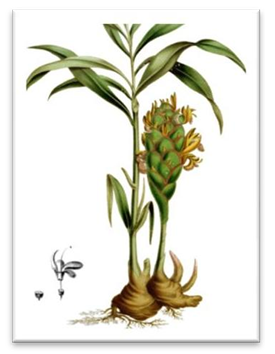
Zingiber Officinale [Ginger]
Ginger acts as an anti-cancer and anti-inflammatory agent. Ginger root is an outstanding food for annihilating ovarian cancer cells. When ginger powder is dissolved in a solution containing ovarian cancer cultures, the mutant cells die. Ginger destroys ovarian cancer cells in two ways. The first way is apoptosis (a process of cellular self-destruction) then by autophagy where the cells digest themselves [38, 39] (Figure 5).
![Figure 5: _Zingiber Officinale_ [40].](/fulltextimages/11606/fig_5.png)
Camellia Sinensis [Green Tea]
Green tea is an aqueous infusion of dried unfermented leaves of Camellia sinensis (Family Theaceae) from which numerous biological activities have been reported including antimutagenic, antibacterial, hypocholestero-lemic, antioxidant, antitumor, and cancer-preventive activities (Figure 6). The high levels of antioxidants found in green tea are responsible for the anticancer activity. Green tea reduces the risk of an ovarian cancer. Ovarian cancer has dropped by 75 percent in the case of those women who consumed the beverage consistently for over 30 years [41].
![Figure 6: _Camellia Sinensis_ [42].](/fulltextimages/11606/fig_6.png)
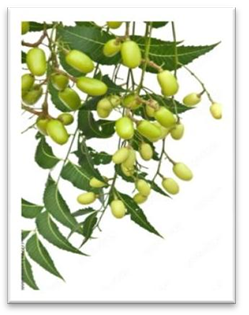
Azadirachta Indica [Neem]
The neem tree is another Indian species that has long been used in traditional medicine, although as a treatment for malaria. Recent research has established that one of some active compounds in neem, gedunin, may slow or even halt the spread of certain cancers. When human ovarian cancer cell lines are treated with gedunin in-vitro, the reisan80% reduction in cell proliferation, as well as enhancement of the anti-proliferation effect of cisplatin, a drug that is already widely used to treat ovarian cancer (Figure 7).
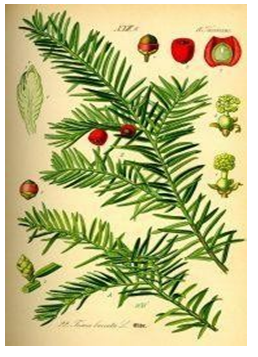
Taxus Brevifolia [Pacific Yew]
The Pacific Yew, otherwise known as the Western Yew, is a tree with many special uses. Its bark restrains the desired properties to treat cancer effectively. The existence of this coniferous tree can be seen in Southeast Alaska and also in the Western part of the United States. A plant of many uses; its medicinal uses are integral in cancer treatment, especially refractory ovarian cancer (Figure 8).
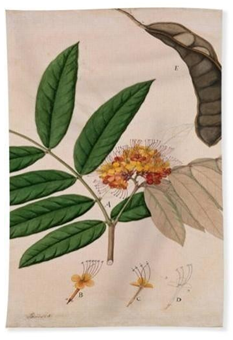
Saraca Indica [Ashoka]
Ashoka bark is very beneficial in treating menstrual disturbances and can regulate the female m menstrual cycle. It is used in the treatment of various kinds of tumors of the female reproductive system. The pre-menstrual tension can be cured using Ashoka (Figure 9).
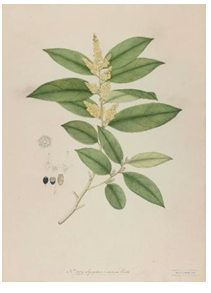
Symplocus Racemosa [Lodhra]
Lodhra has a big tree bark that acts as an astringent and is commonly used in leucorrhea which is the excessive discharge from the vagina. It is beneficial in case of excessive menstruation, painful menstruation, and delayed menstruation. In many types of cancer, especially cancer of the female reproductive system this herb wor (Figure 10).
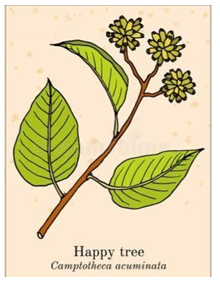
• Camptotheca Acuminate [Camptotheca] The Camptotheca known as the Happy Tree, is a fern- like deciduous tree with a variety of medicinal uses. CPT- 11 is a compound that is extracted from the Camptotheca acuminate plant and is administered in patients with brain tumors through the drug Irinotecan. It is used to prevent the mutation of cells into cancerous cells with the possibility of preventing or reducing the disease into one that is benign (Figure 11).
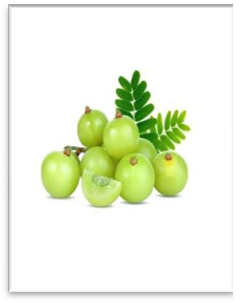
• Embilica Officinalis [Amla] Emblica officinalis, also called Indian Gooseberry. It is sour, bitter, and a bit astringent the drug possesses cardioprotective, antipyretic, analgesic, antianaemia, wound healing, antidiarrheal, nephroprotective, and neuroprotective properties along with radio-modulatory,chemo-modulatory, chemopreventive, antioxidant, anti-inflammatory effects, which are also highly essential in the treatment of cancer (Figure 12).
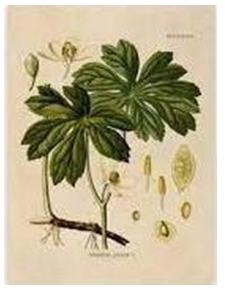
• Podophyllum Peltatum [Mayapple] May apple plant resembles a fan-like structure with wide leaves that are edible and medicinal. The Etoposide compound form helps in killing the cancerous cells through the process of enzyme-mediated DNA scission thereby blocking the action of cells on the cancer cell DNA resulting in the prevention and killing of cancerous cells. Some side effects of Etoposide are loss of appetite, back pain, skin discoloration, hair loss, diarrhea, and increased sweating (Figure 12).
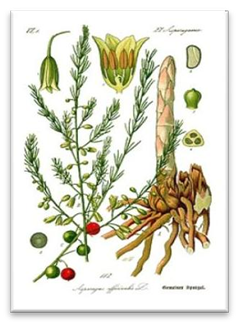
• Asparagus Racemosus [Shatavari] This herb has been used for its multiple health benefits over centuries. Its medicinal properties have already been reported for nervous and gastric disorders. For centuries ayurvedic physicians have used its beneficial effects for recovering female health and the female sexual system. Its main sphere of action is on the female sexual system where it helps to increase the libido thereby helping improve confidence and self-esteem (Figure 13).
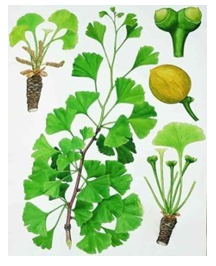
• Ginkgo Biloba It has been shown to affect gene expression. Anticancer (chemopreventive properties are related to its antioxidant, anti-angiogenic, and gene-regulatory actions. In humans, Ginkgo biloba extract inhibits the formation of radiation- Induced clastogenic factors and ultraviolet light-induced oxidative stress [60] (Figure 14).
Genistein
Genistein is an isoflavone that looks promising in fighting ovarian cancer. Genistein has been found to inhibit cell proliferation, oncogenesis, and clonogenic ability in animal and human cells. Sulforhodamine B and colony formation assays were used to analyze the growth inhibitory effects of genistein.
Phytochemicals with Promising Anticancer Activity
A large number of phytochemicals such as phenolics, carotenoids, terpenoids, alkaloids, and organosulfur compounds are leading as anticancer compounds. Some phytochemicals are already approved by the Food & Drug Administration (FDA) as anticancer agents, for example, vinca alkaloids (vinblastine and vincristine) and paclitaxel (Taxol) are the most well-known phytochemicals. Phytochemicals exert antitumor activities through distinct mechanisms via regulating oncogenic pathways that are implicated in the growth and progression of cancer. They selectively kill rapidly proliferating cancer cells, target abnormally expressed molecular factors, regulate oxidative stress, modulate cell growth factors, induce cell cycle arrest, inhibit chemoresistance, metastasis, and angiogenesis, and regulate immunomodulation and epigenetic modifications.
Flavonoids
Flavonoids have been recently identified as a potential anticancer agent against various human epithelial cancers. Flavonoids are polyphenolic compounds subdivided into 6 groups: isoflavonoids, flavanones, flavanols, flavonols, flavones, and anthocyanidins found in a variety of plants. Flavonoids are potent antioxidants protecting plants from unfavorable environmental conditions, therefore they have attracted attention and have been used in numerous epidemiological and experimental studies to assess their possible beneficial effects in multiple acute and chronic human disorders. Flavonoids can be divided into different groups such as Flavonols (Kaempferol, Quercetin, Myricetin & Fisetin), Flavones (Apigenin and luteolin), Flavanones (Naringenin & Resperetin), Flavans (Catechin & Epicatechin), Isoflavones (Genistein & Daidzein), Flavonoid glycosides (Astragalin & Rutin), Flavonolignans (Silibinin), Anthocyanidins (Cyanidin & Delphinidin), Aurones (Leptosidin & Aureusidin), Neoflavanoids (Coutareagenin & Dalbergin) Leucoanthocyanidins (Teracacidin & Chalcones).
The main sources of flavonoids are fruits and vegetables, and they are also abundant in cocoa products (cocoa powder, chocolate), black and green tea, and red wine. Among the fruits, berries, plums, cherries, and apples are the richest in flavonoids, whereas tropical fruits are poor in flavonoids. Among the vegetables, the highest levels of flavonoids are found in broad beans, olives, onions, spinach, and shallot.
Flavonoids can scavenge free radicals, regulate cellular metabolism, and prevent oxidative stress–related diseases. Flavonoids are being considered to have potential against cancer.
Evodiamine
Evodiamine is a quinolone alkaloid, one of the major bioactive compounds isolated from the Chinese herb Evodia rutaecarpa. It possesses antianxiety, antiobesity, antinociceptive, anti-inflammatory, anti-allergic, and anticancer effects. Evodiamine exhibits anticancer activities both in vitro and in vivo by inducing cell cycle arrest or apoptosis, inhibiting angiogenesis, invasion, and metastasis in a variety of cancer cell lines.
Matrine
Matrine is a major alkaloid found in many Sophora plants, including Sophora flavescens Ait. It exhibits a wide range of pharmacological properties such as anticancer, antiviral, antiobesity, antibacterial, anti-inflammatory, antiasthmatic, antiarrhythmic, etc. Matrine inhibits the proliferation of various types of cancer cells mainly through mediation of G1
cell cycle arrest or apoptosis. The needed concentration of Matrine to inhibit cancer cell proliferation is relatively high (at a millimolar level).
Piperine
Piperine, is a piperidine alkaloid isolated from Piper nigrum and Piper longum. It exhibits antioxidant, anti- inflammatory, antidiarrheal, anticonvulsant, antimutagenic, hypolipidemic, promoting bile secretion, and tumor inhibitory activities. The chemopreventive effects of piperine against several kinds of carcinogens, such as benzopyrene, 7,12-dimethyl benzanthracene, show its potential as a cancer preventive agent.
Sanguinarine
Sanguinarine is a benzophenanthridine alkaloid isolated from the Papaveracea family, which induces Sanguinaria canadensis L. and Chelidonium majus L. It has antibacterial, antifungal, antischistosomal, antiplatelet, and anti-inflammatory properties. Sanguinarine also exhibits anticancer potential and is currently receiving attention from researchers. Sanguinarine induces cell cycle arrest at different phases or apoptosis in a variety of cancer cells. This alkaloid presents anticancer effects at concentrations less than ten micromoles in most cases.
Tetrandine
Tetrandine is a bis benzylisoquinoline alkaloid from the root of Stephania tetrandra, exhibits a broad range of pharmacological activities, including immunomodulating, anti hepatofibrogenetic, anti-inflammatory, antiarrhythmic, antiportal hypertension, anticancer and neuroprotective activities. Tetrandine induces different phases of cell cycle arrest, depends on cancer cell types, and also induces apoptosis in many human cancer cells. It generally represents its anticancer effects in micromolar concentrations.
Polyphenols
Resveratrol
Resveratrol (RSV), is 3,4’,5 – trihydroxystilbene, is a phenolic substance isolated initially from Veratrum grandiflorum and is richly present in grapes, wine, peanuts, soy, and berries, and has been attracting the attention of researchers for many decades. The highest levels of RSV are found in Japanese knotweed (Polygonum cuspidatum) and muscadine grapes (Vitis rotundifolia). It is a polyphenolic stilbene with an aromatic benzene bonded to three hydroxyl groups that act as a potent anti-oxidant neutralizing the toxic effects of reactive oxygen species (ROS) in the body, thereby neoplastic transformation of cells.
RSV has been reported to exert its anti-cancer activity by inducing cell cycle arrest, apoptosis, differentiation, and inhibiting cancer cell proliferation. Resveratrol has certain preventive and therapeutic effects against cancer through its antioxidation activity and by regulating metabolism, and many studies have confirmed that resveratrol can inhibit the proliferation, invasion, and migration of OC cells and induce apoptosis.
Anacardic Acids
Anacardic acid is a polyphenolic compound that shows anti-cancer activity. Subsequently, anacardic acids from cashew apple juice were reported to inhibit the proliferation of cultured human breast (BT-20) and cervix carcinoma (HeLa) tumor cells. Studies of traditional medicinal plants provide further evidence of the potential anticancer activity of anacardic acids. A methanol bark extract from Ozoroa insignis, which contains anacardic acids, inhibited the proliferation of several cancer cell lines.
Terpenoids
Oleanolic Acid
Oleanane triterpenoids, synthesized in many plants including Panax ginseng Meyer and widely used in traditional oriental medicine, are clinically effective antiinflammatory and antitumorigenic agents. To improve their anticancer potency, some chemical modifications have been introduced, and some are met with positive outcomes. These synthetic oleanane triterpenoids (SOTs) primarily come into play in inflammation, oxidation, proliferation, and apoptosis.
Oridonin
Oridonin (ORI) is an ent-kaurene tetracyclic diterpenoid compound isolated from Rabdosia rubescens, and it has various biological and pharmacological activities, including antitumor, antimicrobial, and anti-inflammatory effects. In recent years, many in vitro experiments have shown that it has a significant inhibitory effect on more than 20 cancer cell lines. Oridonin has a variety of documented anti-cancer activities such as its ability against gastric cancer, oral cancer, nasopharyngeal carcinoma, esophageal cancer, ovarian cancer, leukemia, and myeloma, etc. Its main mechanism involves inhibiting proliferation, inducing apoptosis and autophagy, suppressing migration and invasion, reversing drug resistance, and so on.
Ayurveda Drugs Effective on Cancer
The research conducted so far has tested various anti- cancer activities of the fifteen Schedule E1 drugs of vegetable origin. Certain compounds exerted activities against glioma, neuroblastoma, ovarian, colon, cervical, oral, gastric, prostate, breast, kidney, brain, human lymphoblast, lung adenocarcinoma, human cervical, leukemia, and certain other cancer cell.
Calotropis Gigantea [Arka]
Arka is one of the holy plants of India which belongs to the family of Apocynaceae. The genus Calotropis is widely available as two species in India which are Calotropis procera and Calotropis gigantea. It is widely available in the southern part of India. C. gigantea is a large shrub which grows upto 4m tall with white or lavender colour red flowers which are considered to be a favourite for Lord Ganesha despite their toxicity and medicinal values. Arka is one among these Upavisha is emerging as an effective anticancer drug. The different parts of Arka are used to treat cancer. The ethyl acetate fraction of root extract and a phytoconstituent named calotroposid-A were reported to increase caspase-8 expression and enhance cell cycle arrest at the G2/M phase.
Papaver Somnifera [Ahipena]
Papaver somniferum is a very well-known plant species that belongs to the plant family Papaveraceae. Ahipenais generally called opium poppy orbread seed poppy. This plant is a common source of many alkaloids such as Codeine, Morphine (narcotic analgesics), and several other benzylisoquinoline alkaloids (BIAs) such as Papaverine (vasodilator), Noscapine (potential anticancer drug and cough suppressant) and Sanguinarine (anti-microbial). Codeinone produces fragmentation of DNA and leads to apoptosis; Noscapine another alkaloid present in Ahipena interacts with a-tubulin and exhibits anticancer and anti- angiogenetic effects. Papaver somniferum L. extracts were reported to act by destroying the cellular membrane in tumor cell lines at specific concentrations.
Cannabis Sativa [Bhanga]
Cannabis sativa which belongs to Cannabaceae has been used in India from the early age of Ayurveda. This plant is popularly called Ganja and used as a main source of phytocannabinoids which interact with the human neurotransmitter system called endocannabinoid system. It is used to relieve nausea, stimulate appetite, and alleviate pain in cancer patients. The stimulation of cannabinoid receptors using cannabinoids is reported to be anti- tumorigenic. It was reported to inhibit tumor invasion/ metastasis, tumor cell proliferation, block angiogenesis and induce apoptosis.
Hyoscyamus Niger [Parasikayavani]
Hyoscyamus niger which is commonly named as henbaneorhogsbeaninEnglish belongs to the Solanaceae family. Hyoscyamus is known well for its tropane alkaloid (anti-cholinergic) production. The Hyoscyamus seeds were found to possess various pharmacological properties. A medicated ayurvedic formulation named Pancatikta, Guggulu, and ‘ghrta’ which has Vatsaka, Ativisa, Visaand Yavani as a few of the ingredients was advised for internal use to treat malignant [tumors, diseases of vata localized in joints, bones and marrow, abdominal tumors, edema, etc. The apoptotic activity of alkaloidal extract on cancer cells revealed a change in the membrane potential of mitochondria, permeability of cell membrane, size and morphology of nucleus, and release of cytochrome C.
Strychnos Nux Vomica [Vishamushti]
Strychnos nux vomica is a deciduous tree that belongs to the Loganiaceae family and is native to Southeast Asia, especially India. It is commonly called nux vomica or poison nut. The S. nuxvomica seeds are the chief source of Brucine, a natural plant alkaloid with a wide range of pharmacological activities. In Chinese medicine, Strychnos nux vomica was used to treat liver cancer. The cytotoxicity of Loganin-1 isolated from the fruits of Strychnos nux vomica was found to be 13 times more active than vinblastine (standard). Strychnos nux vomica was reported to have promising anticancer activity against multiple myeloma. The alkaloids brucine and strychnine were the main phytochemical constituents responsible for the anticancer activity.
Crotontig Lium Jaipala Jayapala
Croton tiglium is a small shrub that grows up to 12m in height. It belongs to the family Euphorbiaceae. The only plant in Croton Species which is native to India is Croton tiglium. It is widely distributed and cultivated in North- Eastern India. In India, the seeds were medicinally familiar before 450 BC. They were reported to be medicinally useful for many problems. It is a good source of phorbol derivatives, especially tigliane phorbol esters. Usually, these esters which are present in C. tiglium are well-known co-carcinogens. 12-O-tetra decanoyl phorbol-13- acetate (TPA) is the main irritant present in the seed which is used to promote tumors in the cancer. The methanolic extract of C. tiglium seeds promotes apoptosis through the Bax/Bcl-2 pathway.
Semecarpus Anacardium Linn.F [Bhallataka]
Semecarpus anacardium, which belongs to the Anacardaceae family is a deciduous tree distributed in hotter parts of India and the sub Himalayan tract. It is commonly called a “marking nut” tree and a “varnish” tree. The ripened accessory fruit of bhallataka is sweet and edible but the black fruit is considered poisonous. It causes severe allergy when the black fruit and its resin contact the skin. The seed is considered edible on proper preparation. The milk extract of purified nuts of S. anacardium which was prepared as per Formulary of Siddha Medicine (1972) was reported to possess the anti-hepatocellular carcinoma activity induced by aflatoxin B1 in experimental rats. One of the Indian traditional multi-drug preparations known as Kalpaamruthaa which containsthemilkextractof Bhallatakawasre ported to possess protective effect again sttheabn or malantioxidant levels and peroxidative damage in mitochondrial fraction of mammary carcinoma induced rats. The oil extracted from the S. anacardium shows apoptotic activity.
Re-Exploration of Natural Resources and Alternative Medicine
Medicinal plants have been a valuable source of therapeutic agents, and still, many of today’s drugs are plant- derived natural products or their derivatives. Important challenges related to the use of plants as a source for the identification of bioactive compounds are related to the accessibility of the starting material. Often the available amount of natural products is low. Although many plant- derived natural products have already been isolated and characterized, available compound quantities are often insufficient for testing for a wide range of biological activities. While small amounts of plant material are usually required for an initial pharmacological evaluation, much larger quantities are needed for thorough characterization of the pharmacological activity of its constituents. Furthermore, limited availability becomes even more problematic when a bioactive plant-derived natural product is identified to have very promising bioactivity and becomes a pharmaceutical lead.
In many cases, when a plant becomes commercialized as an herbal medicine or when one of its constituents starts getting used as a pharmaceutical drug, its populations become threatened due to extensive wild crafting and unsustainable harvesting techniques. The classic example of this compound supply problem was the so-called “taxol supply crisis”. When the compound turned out to possess remarkable clinical efficacy in ovarian cancer, suddenly the demand for taxol increased tremendously. However, at that time, the compound was only accessible from the bark of the western yew (Taxus brevifolia L.). It was even demonstrated that natural products used for the development of medicines are highly likely to be used traditionally, even if this was not known at the stage of drug development (e.g., the discovery of the anti-cancer agent taxol from T. brevifolia was done with arandom screening approach, but later on it came to light that the plant has been used by western Indian cultures as a medicine).
Future Prospects in Effective Management of Ovarian Cancer
Surgery and Chemotherapy are widely used methods for the treatment of Ovarian carcinoma. The curing rate at the beginning stage of Ovarian cancer patients is 90% and about 20% of Ovarian cancer is detected as early as Stage 1. Removal of all the residual tissues by surgery followed by Chemotherapy, is the most ideal cure for Ovarian cancer. Now, as per the traditional system of medicines, the risk of Ovarian cancer can be reduced by using medicinal plants such as Curcuma longa, Quercus victoria, Allium sativum, Zingiber officinale, Camellia sinensis, Ginkgo biloba, Camptotheca acuminate, Taxus brevifolia, Pacific yew, Embilica officinalis, Azadirachta indica, Asparagus racemosus, Symplocus racemosa, Genistein.
There are many medicinal plants available which are exhibiting promising anticancer activity pertinent to Ovarian cancer, and one of the most effective medicinal plants that play a major role in reducing the risk of Ovarian cancer is Curcuma longa, the activity may be due to phytoconstituent Curcumin. Here, the therapeutic role of Curcumin in Ovarian Cancer treatment is Curcumin alone or in combination with docetaxel is used to treat Ovarian cancer in female animals and results revealed that curcumin alone can reduce cancer growth by about 49-55% as compared to control group animals. While curcumin along with docetaxel resulted in the reduction of cancer growth by 77% compared with the controls. Moreover, it was further reported that curcumin decreased the proliferation and microvessel density as well as increased the rate of tumor cell apoptosis in these animals as compared with controls. Curcumin has a synergetic effect with triptolide to inhibit Ovarian cancer growth. Flavones, alkaloids, terpenoids, and polyphenols have been found as potent anticancer agents through several studies.
Conclusion
Cancer is the most common disease all over the world. Ovarian cancer affects the lives of many women around us. Despite continued efforts and steady improvements in treatment over the past few decades, Ovarian cancer remains the deadliest malignancy in women. The poor clinical outcome is due to the deficiency of effective tools for detecting the disease at an early stage, chemotherapy resistance, and increased heterogeneity of the disease. Year by year, the number of lives lost due to cancer is alarming. We studied the various alternative potential ways for effective management of cancer. Natural resources are one of the most promising and encouraging methods of prophylaxis and treatment of many diseases. In Cancer management also, it is worthwhile to state that, it’s high time to once again rediscover our treatise of mother nature, to rediscover the ‘leads’ way for efficient drug delivery. They are available in nature, hence reducing costs. Apart from research and exploration, the current trend is also moving towards the usage of natural remedies as adjuvant therapies due to the effectiveness of phytomoieties in the faster recovery of patients. Medicinal plants reduce the chemotherapy-based adverse effects and occurrence of drug resistance in cancer patients, are more economical, and have fewer side effects which may also lead to to patient compliance.
Acknowledgment
The Authors are Thankful to the KOHA & REMOTEX Library facility of the School of Pharmacy, BBD University, Lucknow, and The Librarian, Central Drug Research Institute (C.S.I.R.-C.D.R.I.) Lucknow, for assistance provided for the Literature Review search.
References
-
Mathers CD, Dejan L (2006) Projections of global mortality and burden of disease from 2002 to 2030. PlOs medicine 3(11): e442.
-
National Institutes of Health (2016) Surveillance, Epidemiology and End Results Program. Statistical summaries: Cancer stat fact sheets ovary and cancer statistics review (CSR), pp: 1975-2013.
-
Goura KR, Gandhi AK (2014) National cancer control and registration program in India. Indian Journal of Medical and Paediatric Oncology 35(4): 288-290.
-
Zhabska T (2019) Cancer cell and normal cell Healthy tissue and Malignant tumour illustration showing cancer disease development. Vector diagram for your design educational biological science and medical use.
-
Hyuna S, Ferlay J, Siegel RL, Laversanne M, Jemal A, et al. (2021) Global cancer statistics 2020 globocan estimates of incidence and mortality worldwide for 36 cancers in 185 countries. CA A Cancer Journal for Clinicians 71(3): 209-249.
-
Siegel MPHR, Naishadham DMA, Jemal A (2013) Cancer Statistics. A cancer journal for clinicians 63(1): 11-30.
-
Giaquinto AN, Miller KD, Tossas KY, Winn RA, Jemal R, et al. (2022) Cancer statistics for African American/ BlackPeople 2022. CA A Cancer Journal for Clinicians 72(3): 202-229.
-
Bukhtoyarov OV, Samarin DM (2015) Pathogenesis of cancer Cancerreparative trap. Journal of Cancer Therapy 6(5): 399.
-
Richard S, Brugge J (2015) Signal transduction in cancer. Cold Spring Harbor perspectives in medicine 5(4): a006098.
-
Dany BP (2022) What is Carcinoma. Cancer.
-
Yancik R (1993) Ovarian cancer age contrasts in incidence histology disease stage at diagnosis and mortality. Cancer 71(Supply 2): 517-523.
-
Dalmartello M, Vecchia CL, Bertuccia P, Boffetta B, Levi F, et al. (2022) European cancer mortality predictions for the year 2022 with focus on ovarian cancer. Annals of Oncology 33(3): 330-339.
-
Lugani Y, Asthana S, Labani S (2016) Ovarian carcinoma An overview of current status. Adv Mod Oncol Res 2(5): 261-270.
-
Desai A, Xu J, Aysola K, Qin Y, Okoli C, et al. (2014) Epithelial ovarian cancer An overview. World J Transl Med 3(1): 1-8.
-
Chandra A, Pius C, Nabeel M, Nair M, Basha R, et al. (2019) Ovarian cancer Current status and strategies for improving therapeutic outcomes. Cancer medicine 8(16): 7018-7031.
-
Grossman DC, Curry SJ, Owens DK, Barry MJ, Davidson KW, et al. (2018) Screening for ovarian cancer US PreventiveServices Task Force recommendation statement. JAMA 319(6): 588‐594.
-
Pardal R, Clarke MF, Morrison SJ (2003) Applying the principles of stem cell biology to cancer. Nat Rev Cancer 3: 895-902.
-
Benmebarek MR, Karches CH, Cadilha BL, Lesch S, Endres S, et al. (2019) Killing mechanism of chimeric antigen receptor CAR T cells. Int J Mol Sci 20(6): 1283.
-
Masoumi J, Jafarzadeh A, Abdolalizadeh J, Khan H, Philippe J, et al. (2021) Cancer stem cell targeted chimeric antigen receptor CAR Tcell therapy Challenges and prospects. Acta Pharmaceutica Sinica B 11(7): 1721- 1739.
-
Mateti T, Aswanth S, Vantti AK, Kamanth A, Laha A (2021) A review on allopathic and herbal nanofibrous drug delivery vehicles for cancer treatments. Biotechnology Reports 31(2021): e00663.
-
Cancer active (2018) Herbs that can help fight cancer.
-
Thomson M, Ali M (2003) Garlic Allium sativum are potential use as an anti cancer agent. Curr Cancer Drug Targets 3(1): 67-81.
-
Natural News Network (2012) Top healing foods that stop ovarian cancer in its tracks.
-
Carson J (1847) Zingiber officinale from Illustrations of medical botany.
-
Valcic S, Timmermann BN, Alberts DS, Wachter GA, Krutzsch M, et al. (1996) Inhibitory effect of six green tea catechins and caffeine on the growth of four selected human tumor cell lines. Anti cancer Drugs 7(4): 461-468.
-
Umadevi M, Sampath KP, Bhowmik D, Duraivel S (2013) Traditionally used anticancer herbs in India. J medicinal plants studies 1(3): 56-74.
-
Umadevi M, Sampath KP, Bhowmik D, Duraivel S (2013) Traditionally used anticancer herbs in India. J medicinal plants studies 1(3): 56-74.
-
Baliga MS, Dsouza JJ (2011) Amla Emblica officinalis Gaertn a wonder berry in the treatment and prevention of cancer. Eur J Cancer Prev 20(3): 225-239.
-
Umadevi M, Sampath KP, Bhowmik D, Duraivel S (2013) Traditionally used anti cancer herbs in India. J medicinal plants studies 1(3): 56-74.
-
Rimbach G, Wolffram S, Watanabe C, Packer L, Gohil K (2003) Effect of Ginkgobiloba EGb761® on differential gene expression. Pharmacopsychiatry 36(Supply 1): 95- 99.
-
Defeudis FV, Papadopoulos V, Drieu K (2003) Ginkgo biloba extract and cancer research is in its infancy. Fundam Clin Pharmacol 17(4): 405-417.
-
Mohapatra P, Singh P, Sahoo SK (2020) Phytonanomedicine a novel avenue to treat recurrent cancer by targeting cancer stem cells. Drug Discov Today 25(8): 1307-1321.
-
Hassannia B, Logie E, Andenabeele PV, Adenberghe TV, Vandenberghe W (2020) With aferin A From ayurvedic folk medicine to preclinical anti-cancer drug. Biochem Pharmacol 173: 113602.
-
Khan AU, Dagur HS, Khan M, Malik N, Alam M, et al. (2021) Therapeutic role of flavonoids and flavones in cancer prevention Current trends and future perspectives. European Journal of Medicinal Chemistry Reports 3: 100010.
-
Lu JJ, Bao JL, Chen XP, Huang M, Wang YT (2012) Alkaloids isolated from natural herbs as the anticancer agents. Evidence based complementary and alternative medicine 2012: 485042.
-
Bhaskara VK, Mittal B, Mysorekar VV, Amaresh N, Gandara JS (2020) Resveratrol cancer and cancer stem cells A review on past to future. Current Research in Food Science 3: 284-295.
-
Hantae JO, Oh JH, Park DW, Lee C, Min CK (2020) Oleanolic acid 3-acetate a minor element of ginsenosides induces apoptotic cell death in ovarian carcinoma and endometrial carcinoma cells via the involvement of a reactive oxygen species independent mitochondrial pathway. Journal of Ginseng Research 44(1): 96-104.
-
Li X, Zhang CT, Ma W, Xie X, Huang Q (2021) Oridonin a review of its pharmacology pharmacokinetics and toxicity. Frontiers in Pharmacology 12: 645824.
-
Vikram ENT, Ilavarasan R, Kamaraj R (2022) Anti- cancer activities of Schedule E1 drugs used in ayurvedic formulations. Journal of Ayurveda and Integrative Medicine 13(2): 100545.
-
Atanasov AG, Waltenberger B, Wenzig EMO, Linder T, Wawrosch C, et al. (2015) Discovery and resupply of pharmacologically active plant derived natural products A review. Biotechnology advances 33(8): 1582-1614.
-
Min H, Lu JJ, Ding J (2021) Natural products in cancer therapy past present and future. Natural Products and Bioprospecting 11(1): 5-13.
-
Cai YY, Lin WP, Li AP, Xu JY (2013) Combined effects of curcumin and triptolide on an ovarian cancer cell line. Asian Pac J Cancer Prev 14(7): 4267-4271.
- Potential Medicinal Herbs and Secondary Metabolites in Combating Corona Virus
- Monkeypox and its Clinical Implications in Pregnancy
- Pharmacognostical Analysis of the Leaves of Important Nervine Medicinal Plant: Strychnos Nux-Vomica L
- Assessment of Antibacterial Activity of Various Solvent Extracts of Dictyota Dichotoma Against Multidrug Resistant Bacterial Strain
- An Insights of Bioactive Elements on Malignancy: Mechanistic Avenues
- Advances and Future Directions in Pharmacognosy and Chinese Medicine