
A Pharmacological Explore on Traditional Medicine: Phytochemicals and Therapeutic Effect of Tamarindus Indica Linn
Nowadays people are fascinated by the oldest remedies and trying to cure themselves naturally without havingany side effects. These herbs and crude drugs are full of phytochemicals that give therapeutic effects. These herbaldrugs are widely used to treat various diseases. According to the botanical survey of India, about 8000 plus+ species of medicinal herbs. India has a rich history of the traditional healing system. Globally, India and China lead the herb market. Herbal formulations have therapeutic effects for several diseases. These herbal formulations have a great impact on our system and are safe to use. These herbs have medicinal properties with the least side effect. Tamarindus Indica Linn ordinarily known as Tamarind. This tree comes in the category of legumes. The tree has elongated fruit that has seeds inside it. The fruit is sour in taste. The fruit and seeds are widely used. It has therapeutic value and is beneficial for health. It is rich in minerals and vitamins. Leaves and flowers are also used. Tamarind is traditionally used and various phytochemicals are present in it. Tamarind is commercially used inthe production of candies, also stored for future use. It is also used to enhance the taste and flavor. In tamarind, various phytochemicals are present like tartaric acid, vitamin C, and tannins. Tamarind has multiple uses; it is cultivated around the world in tropical and subtropical regions with medium-growth tree heights up to 80 feet green leaves are organized side by side alternately. Fruits are elongated and have seeds. The plant has nutritious and therapeutic value.
Introduction
Traditional medicine has a great impact on day-to- day life. These medicines are based on herbal or botanical preparation. Herbs are widely used which has therapeutic value. There are various traditional systems of medicine like Ayurveda, Siddha, Unani, and Homeopathy. Through these systems, various herbal products are formulated. Herbal drug technology utilizes for the transformation of herbs or botanical material into herbal medicines. Herbal drugs are used to treat various diseases like diabetes, cardiovascular disease, arthritis, cough and cold, cancer, diarrhea, fever, malaria, constipation. It has anti-inflammatory, anti- helminthic, anti-pyretic, anti- ulcer, anti-emetic, anti- coagulant, anti- epileptic, anti-oxidant properties [1]. Medicine is a substance intended for use in the diagnosis, mitigation, cure, prevention, or treatment of disease or disorder in man and animals. Herbal medicines are very effective and harmless. These days there are somany modern techniques for the analysis of phytochemicals. The analysis of the drug is to determine the qualityand purity of the drugs. In herbal drugs, there are numerous phytochemicals are present which give therapeutic action and have the potential to treat and cure various types of diseases. Cultivation results in acquiring plants with maximum secondary metabolites. In herbal drugs, there are essential metabolites: The analysis of the drug is to determine the quality and purity of the drugs [2].
Cultivation
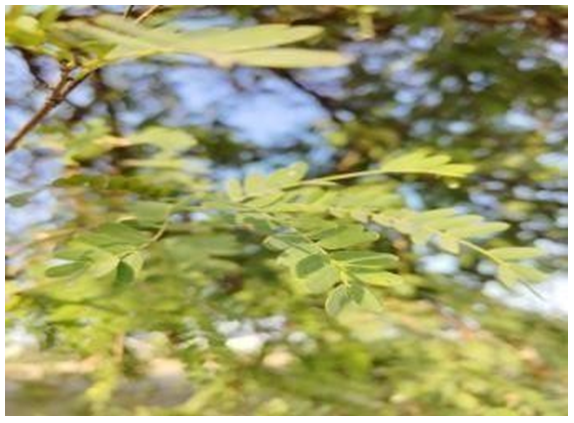
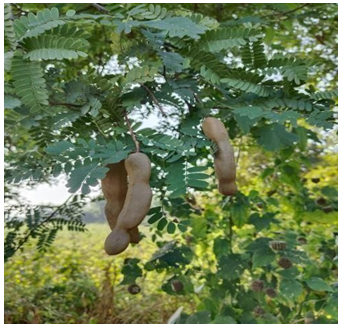
In herbal drugs, there are numerous phytochemicals are present which gives therapeutic action and have the potential to treat and cure various types of diseases. The crude drugs which arrive in the market and pharmaceutical industries will have to proceed through different phases that have some effect in nature and number of active constituents responsible for therapeutic effect. Those phases are useful to mankind by all means. Cultivation results in acquiring plants with maximum secondary metabolites. In herbal drugs, there are essential metabolites that s useful for therapeutic effects. Many herbal drugs are there around the world and have so many curable effects. One of these tamarind {Tamarindus Indica belonging to the family Leguminosae} is a well-known herbal species and sour in taste. Also known as West Indian Tamarind which consists of dried pulp of ripened fruit. Tamarind indigenously cultivated tropical and subtropical regions [3]. Also cultivated in India, West Indies, and Africa. In India tamarind is widely cultivated in Andhra Pradesh, Maharashtra, Tamil Nadu, Karnataka, Telangana, and Madhya Pradesh. The tamarind tree is medium in size and may reach heights up to 60-80 feet and 6-8m in girth. The tree has ferny compound leaves which are dark green in color. The tree starts bearing pods after 8-12hours after cultivation. Fruits bear during October. When the tree gets fully grown then the tree bear fruits. When fruit is unripe it is green in color and after get ripens it turns in brown [4]. The fruits get ripen between February to April. The fruits ripen when the outer shell gets dried. When the pod or legumes contain 4-12 seeds that are flat in shape and dark in color. The seeds are dried and shiny in appearance. the seeds contain lots of minerals and vitamins which are beneficial for health. The size of the seeds is 2-4 inches and the size of the pods or legumes is 10-15 cm in length and covered with a brownshell. Dark brown shiny seeds are present in it. The fruit is harvested by shaking or they fall when get ripen and the fruits are harvested during March- May. There is a light brown hard outer shell the fruit is present inside the shelland the fleshis dark brown in color. Tamarind fruit is sour and tangy in taste. Unripe tamarind is green in color and slightly acidic and tart in nature whereas ripe tamarind is brown in color and strongly sour in taste [5]. Intamarind, baby branches are present for the joining of the pulp at the end of the pods inside the shell. Tamarind isinedible fruit and is most beneficial for health. It has so many medicinal properties. Leaves andflowers are also beneficial for health. Both dried and fresh form has a therapeutic effect. Leaves and flowerstreat various diseases and also has anti- inflammatory property. The bark of the tamarind tree is also beneficial for health [6].
The bark and leaves of the tamarind tree are mixed and boiled to take a bath to treat chicken pox or treat weak pediatrics. Treat various diseases and reduce the symptoms [5].
| Kingdom | Plantae |
|---|---|
| Phylum | Spermatophyte |
| Class | Angiosperm |
| Sub-class | Dicotyledons |
| Family | Leguminosae (Fabaceae) |
| Subfamily | Caesalpiniaceae |
| Genus | Tamarindus |
| Species | Indica |
Table 1: Taxonomical Classification of Tamarind.
Vernacular Names of the Tree/Fruit
In India, tamarind is widely known by their different names: Maharashtra/India
- Marathi- Chinch, Cinca
- English- Tamarind, Tamarindo, Tamarind tree
- Hindi-Mili, Impale, Amil
- Sanskrit- Chukraphalam, Amalphalam
- Gujrati- Amali, Ambali
- Punjabi- Imli
- Telugu- Chinta
- Kerela- Puli
- Assame- Jawa
- Oriya- Tentuli
- Thai- Ma-kahm
- Vietnamese- me
- Chinese- Tamar, suan dou
Phytochemicals
Tamarind is widely used fruit as a spice or as an Indian herb for medicinal purpose. Widely used in India, Bangladesh, Africa and other tropical countries. Also used in continental food, Indian food in curries, soup, sauces, pickles and other dishes. It acts as a flavoring agent and preservative agent, enhance the taste of food and used in various food. Although the seeds are also beneficial for health. Often the fruit and seeds are easily available.All part of tree is widely used and beneficial for health. It is used in textile industry also. The fruit is edible and hashealth benefits. Rich source of food – nutrients, proteins, essential amino acids. It consists of minerals like- magnesium, potassium, calcium, phosphorus and other essential minerals. It also contains zinc, iron, and vitaminsin small amount. The whole plant is in used. Medicinally and industrially widely used [4].
Phytochemicals Present in T. indica
Glycoside, Pectin, Amino acid, Tartaricacid, Malic acid, Xylose, Arabinose, Formic acid, Glucose, Galactose, Uranic acid, Protein, Fat, Alkaloids, Tannins, Saponin, Flavonoids, Phenols.
Material & Method
Collection of Plant Material & Extraction Preparation
T. indica is preferable because of its low-cost availability and medicinal property. Mature are tamarind are collected from the tree. Thoroughly was hit from distilled water to remove dirt and impurities. Cut it into small pieces and make it dry, powdered or blend mechanically and powder is used for the extraction. After that extraction process is carried out10g of powdered tamarind fruit with shell and poured it in the 500ml beaker then adds 100ml of water and boiled at 80-100 degree Celsius for 15-20min then filters extract by filter paper and collect the filtrate.
Qualitative Analysis of Phytochemicals
The test is screened for the secondary phytochemicals.
Test for Alkaloids
Mayer’s test: Add Mayer s reagent on the extract produce yellow cream precipitate indicates the presence of alkaloids. Hagers test: The extract is added with Hager s reagent. Formation of orange color indicates the presence of alkaloids [7].
Test for Flavonoids
Decolorization Test: Formation of intense yellow color that became colorless on addition of few drops of dilute HCl indicated the presence of Flavonoids. Shinoda Test: Extract was treated with 5 ml of ethanol;5 drops of hydrochloric acid and 0.5g of magnesium turnings. Appearance of pink color after 15 minutes indicates the presence of flavonoids.
Test for Steroids
Two ml of acetic anhydride was added to five ml of the extract and then added each with two ml of H2SO4.
Test for Terpenoids
Salkowski’s Test: Five ml of the extract were mixed with two ml of chloroform and then added carefully the 3ml of concentrated H2SO4 to form a layer.
Test for Anthroquinones
Borntrager’s Test: About five ml of the extract was boiled with10% HCl for few minutes in a water bath. Itas filtered and allowed to cool. Equal volume of Chloroform was added to the filtrate. Few drops of 10%ammonia were added to the mixture and heated. Formation of pink color indicates the presence of anthraquinones.
Test for Phenols
Ferric chloride test: The extract is added with few drops of ferric chloride solution.
Test for Saponins
Foam Test: The extract was shaken vigorously with equal volume of water and observed for persistent foam, which indicates the presence of saponins.
Test for Lipids
In extract sample addition of KOH along with phenolphthalein indicator. After 1 hour observation there is the formation of soap or hall neutralization of alkali [8, 9, 10].
Therapeutic Effect
The pulp of the fruit, Tamarind is valued mostly for its benefits, which is used for domestic and industrial purposes. The acidic pulp is used as a favorite ingredient for the preparation of curries, chutneys, sauces, and pickles. Tamarind pulp is used as a raw material for the manufacturing of various products, like Juice, Tamarind Pulp Powder, tartaric acid, pectin, and many other industrial products. It is used as a food additive as a viscosity enhancer and texture. The word “jellies” is present and has jelly-forming properties. Tamarind has several potential therapeutic effects, thanks to its rich nutritional profile and bioactive compounds. Some of its potential health benefits include:
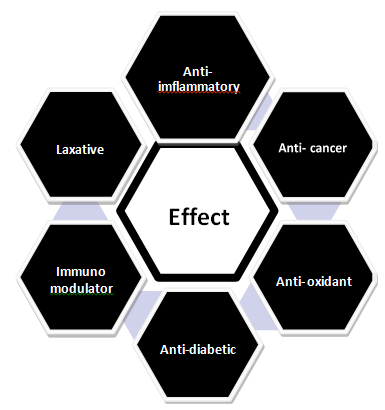
- Antioxidant Properties: Tamarind contains antioxidants like vitamin C, flavonoids, and polyphenols, which help combat oxidative stress and reduce the risk of chronic diseases.
- Anti-inflammatory Effects: Compounds found in tamarind, such as polyphenols and flavonoids, have anti-inflammatory properties, which may help reduce inflammation and alleviate symptoms of inflammatory conditions like arthritis.
- Digestive Health: Tamarind is known for its digestive benefits. It contains dietary fiber, which promotes regular bowel movements and prevents constipation. Tamarind also contains compounds like tartaric acid and pectin, which may aid in digestion.
- Heart Health: Tamarind may help lower cholesterol levels and blood pressure due to its fiber content and antioxidant properties. These effects can contribute to a reduced risk of heart disease.
- Blood Sugar Regulation: Some studies suggest that tamarind may help regulate blood sugar levels, making it potentially.
It provides stability in ice cream, mayonnaise, and cheese as, an ingredient or agent in several pharmaceutical products, and the seed oil is edible in nature. Flowers and leaves and immature pods are also able to eat. Also used in the preparation of some Thai food recipes because of its sourness and aroma. People mix the acid leaves with gum from fig trees to make chewing gum. The leaves and flowers are used in dyeing. A yellow dye derived from the leaves colors wool red and turns indigo Mature leaves are used as a bleaching agent in the preparation of young leaves of “buri” in out of India. The wood of the Tamarind tree has several uses like preparing furniture, wheels, mortars, pestles, plows, tree houses, tents, planks, naves of wheels, toys, oil presses, sugar presses, printing blocks,tools and tool handles, wooden toys, turnery, etc. It is valued for making gunpowder. Theas is used to remove hairfrom animal hides and mix it up with fruit pulp for cleansing and brightening brass and copper vessels. There is the presence of tannins in the bark and seeds of the tree. Tamarind tannin dark colored leather, that could be used for heavy soles, suitcases, belts, and many leather materials. The seed may have the effect of fish poison. Bark tannins are used in the preparation of ink and for coloring dyes. Tamarind powder prepared from the seeds is another commercial product. Tamarind powder will become rancid and brown if stored. In India, powder is used as in rich source of carbohydrate binding agent in paper, textile, and making jute products [11].
Antimicrobial Activity
It has broad spectrum antimicrobial activity. The leaf extract of T. indica was acquired for antibacterial activity against a pseudomonas, Methanol and acetone extracts of T. indica produce specific antimicrobial activity against K. pneumoniae the antibacterial activity was performed by diffusion method [12]. The activity was compared with standard antimicrobial agent. The antimicrobial activity of the concentrated extracts (aqueous, acetone extract) was evaluated against both gram-negative and gram- positive bacteria. These have potent antimicrobial activity against Salmonella typhi, Bacillus subtilis, Salmonella typhi, Candida albicans and Staphylococcus aureus. T. indica has detect potential antimicrobial activity; and that petroleum ether, water, ethanol extract of T. indica ripe fruit were determined for antibacterial activity against gram- positive and gram- negative species, and aqueous extract of 30-35 medicinal plants and T. indica flower have shown anti- microbial activity. The methanolic extracts of 14-18 species showed antibacterial activities during this phytochemical preliminary screening. The result was displayed that the extract from T. indica gives strong antibacterial activity against the bacteria tested [13, 14].
Antioxidant Properties
The seed of T. indica consists of phenolic antioxidant compound. The methanolic extract of T. indica may be an important source for chemotherapy. All extracts of T. indica exhibited excellent antioxidant properties against the linoleic acid emulsion. Antioxidant, butylated hydroxyl anisole and ascorbic acid has highest values of effect. Tamarind seed coat preferring solvent extraction with ethanol and active peroxide value. Ethanolic extract of fruit pulp of T. indica specifically used for antioxidant and hypolipidemic activity in hypercholesterolemic conditions. T. indica by using ascorbic acid as a standard. This activity of T. indica may affect by free radical, Ethanol extract prepared from the seed coat of T. indica which produces antioxidant activity as measured by the thiocyanate process. Both seeds and fruits have anti- oxidant properties. The whole tree like leaf, branches, fruits and seeds are beneficial and has great impact on day-to-day life which is healthy and gas therapeutic values. It is rich in flavonoids and polyphenols and low down the LDL and increases HDL which is good cholesterol. Tamarindus rich in vitamin C andhas large number of benefits [15].
Laxative Properties
The fruit of T. indica is authentically used as a laxative, due highly presence of malic and tartaric acids and potassium acid. Kids in Madagascar consumed whole Tamarind fruits for breakfast to treat constipation. Because the fruit of T. indica contains significant levels of potassium acid, tartaric, animalic acids, it has long been employed as a laxative. To help them get over their constipation, children in Madagascar are fed whole tamarind fruits for breakfast. The Wolof people of Senegal make a sweetmeat called Bengal from unripe tamarind fruit, which can be consumed as a laxative. It is occasionally combined with honey or lime juice.
Abdominal Pain
Stomach aches, constipation, or diarrhea are only examples of the many possible reasons for abdominal pain, which is a complaint rather than a specific illness. Nigerian Fulani living in rural areas also consume soaked fruits tohelp with constipation. When T. indica leaves are utilized, the source of the abdominal pain is harder to determine. While leaves in West Africa have been found to have laxative properties despite being unusual, this could be the result of diarrhea in East Africa and the young twigs macerated fresh bark was used as a purgative and to ease stomach discomfort. Mostly in East Africa, roots are produced as an extract and used to cure stomach aches and sore abdomen [16].
Wound Healing
T. indica is recuperation. The literature on the management offcuts, wounds, and abscesses frequently mentions T. indica. The most popular application for T. indica is external topical application, either as a decoction, powder, or poultice, either by itself or in conjunction with other species. The bark or leaves are most frequently employed. Tamarind bark is the most commonly marketed portion of the plant at Dakar’s medicinal plant market. Occasionally, other parts of the plant, such the fruit, pod husks, or gum, are also used in wound healing remedies. The infusion of T. indica leaves is a crucial remedy for treating wounds resulting from infections with Guinea worms. Furthermore, tamarind leaves have the ability to cure wounds by promoting the formation of new skin cells and hastening the healing process. “It also helps lower the chance of permanent scar formation [17, 18].
Fever and Malaria
In Madagascar, tamarind fruits are used as a febrifuge; in Ghana, tamarind leaves are used to cure malaria; and the pulp of the fruit is used as a laxative and febrifuge.
Anti-Diabetic Effect
In male rats with diabetes caused by streptozotocin, an aqueous extract derived from T. indica seeds exhibited strong antidiabetogenic effects. When rats with midland severe diabetes were administered the aqueous extract of T. indica seeds, fasting blood glucose levels showed a significant reduction in hyper-glycemia. Comparably, it was discovered that hyper-lipidaemia, as determined by various cholesterol contents, had.
Hepatoprotective and Anti-Inflammatory Properties
According to certain experimental research, T. indica may have hepatoprotective and anti-asthmatic properties. In
experimental mice, the methanolic extract of T. indica Linn. leaves demonstrated strong antihistaminic, adaptogenic, and mast cell stabilizing effects.
Unspecified Attributes (Miscellaneous)
Many plants have been used extensively to treat snake bites in the traditional herbal medicine system of India. Another study showed the potential of Tamarindus indica seed extract on the enzymatic and pharmacological propensity induced by V. Russell venom. The enzymatic activities of the venom were inhibited by the tamarindseed extract in a dose- dependent manner, including protease, amino acid oxidase, hyaluronidase, PLA (2), and 5’- nucleosidase. These are primarily the hydrolytic enzymes that are thought to be in charge of the first significant symptoms of envenomation, which include local tissue injury, hypotension, and inflammation. Furthermore, the extract counteracted the indirect hemolysis and disruption of the human fibrinogen beta chain caused by venom It was suggested in a different study that tamarind extract taken orally effectively reduced paw swelling. Additionally, it prevented the degeneration of bone and cartilage by ensuring elevated levels of certain cartilage- degrading enzymes, such as metalloproteinases, among many others. Different types of bone-resorbing enzymes, including cathepsins, and exon-glycosidases are important in decreasing hyaluronic acid and collagen, which are the foundations of articular cartilage. Much earlier research has shown why these bone-resorbing enzymes are more active in the blood serum and synovial fluid of arthritic patients. Proinflammatory mediators have been identified asthe main nonenzymatic components that are particularly dangerous.
Qualities of Tamarind: Tamarind has a variety of qualities and possible applications, including health advantages because it is a rich source of vital amino acids and phytochemicals. The following list includes tamarind’s possible qualities. It might be anthelminthic, meaning it gets rid of worms [19, 20].
Unspecified Attributes (Miscellaneous)
Many plants have been used extensively to treat snake bites in the traditional herbal medicine system of India. Another study showed the potential of Tamarindus indica seed extract on the enzymatic and pharmacological propensity induced by V. Russell venom. The enzymatic activities of the venom were inhibited by the tamarindseed extract in a dose- dependent manner, including protease, amino acid oxidase, hyaluronidase, PLA (2), and 5’- nucleosidase. These are primarily the hydrolytic enzymes that are thought to be in charge of the first significant symptoms of envenomation, which include local tissue injury, hypotension, and inflammation. Furthermore, the extract counteracted the indirect hemolysis and disruption of the human fibrinogen beta chain caused by venom It was suggested in a different study that tamarind extract taken orally effectively reduced paw swelling. Additionally, it prevented the degeneration of bone and cartilage by ensuring elevated levels of certain cartilage- degrading enzymes, such as metalloproteinases, among many others. Different types of bone-resorbing enzymes, including cathepsins, and exon-glycosidases are important in decreasing hyaluronic acid and collagen, which are the foundations of articular cartilage. Much earlier research has shown why these bone-resorbing enzymes are more active in the blood serum and synovial fluid of arthritic patients. Proinflammatory mediators have been identified asthe main nonenzymatic components that are particularly dangerous.
Qualities of Tamarind: Tamarind has a variety of qualities and possible applications, including health advantages because it is a rich source of vital amino acids and phytochemicals. The following list includes tamarind’s possible qualities. It might be anthelminthic, meaning it gets rid of worms [21, 22].
- It might have antiviral properties.
- Maybe it’s an antioxidant.
- It might be a fungus
- Maybe it’s a laxative, which relieves constipation.
- It might be an expectorant, which helps the throat clear mucous.
- It might function as a blood tonic, which is a supplement taken to increase blood production in the body.
Nutrition
+ Nutritional value per 100 g (3.5 oz) of Tamarinds, raw- Energy, Carbohydrates, and Sugars.
- Dietary fiber- Fat, Protein, Vitamins, Thiamine (B1), Riboflavin (B2), Niacin (B3), Pantothenic acid (B5), Vitamin B6, Folate (B9), Choline, Vitamin C, Vitamin E, Vitamin K
- Trace minerals- Calcium, Iron, Magnesium, Phosphorus, Potassium, Sodium, Zinc The fruit called tamarind has a fibrous, nutrient-rich pulp. Among other advantages, its nutrients may have antiviral, antibacterial, antifungal, and antioxidant properties. Tropical fruits like tamarind are used in a variety of cuisines worldwide. It might even have therapeutic qualities’ vitamins, including thiamine and folate, are abundant in tamarind. The tamarind lacks vitamin B12, much like other plants. Individuals with adequate intake of magnesium have higher bone density than those with insufficient amounts. Phytochemical analysis of Tamarindus indica leaf and fruit extracts revealed the presence of alkaloid, tannin, saponin, glycoside, flavonoid, anthraquinone, reducing sugar, terpenoid, and phenol. The presence of the aforementioned phytochemicals in the plant parts was accountable for its antibacterial properties [23, 24].
Advantages of Tamarind for Health
Tamarind fruit includes dietary fiber, minerals, vitamins, and several vital volatile chemical components that are beneficial to health.
Its sticky pulp contains high concentrations of dietary fiber, also known as non-starch polysaccharides (NSP), including gums, hemicelluloses, mucilage, pectin, and tannins. Fruit pulp contains 5.1 g, or more than 13%, of dietary fiber per 100 g. Dietary fiber, or NSP, gives food more volume and promotes bowel motions, which helpsward off constipation. Additionally, the fiber binds to poisons in food, shielding the colon mucous membrane from substances that can cause cancer.
Furthermore, dietary fibers found in pulp bind to bile salts, which are made from cholesterol, and prevent the colon from reabsorbing them, which aids in the removal of “bad “or LDL cholesterol levels from.
Tartaric acid is abundant in tamarind, whereas citric acid is found in lemons. Apart from its natural ability to be a potent antioxidant, tartaric acid imparts a sour taste to food. Antioxidant E-334 is its E-number. Thus, it aids in thebody’s defense against dangerous free radicals.
A variety of volatile phytochemicals, including methyl salicylate, pyrazine, safrole, geraniol, cinnamic acid, and alkyl thiazoles, are present in tamarind fruit. The therapeutic qualities of tamarind are a result of these substances working together.
Minerals including copper, potassium, calcium, iron, selenium, zinc, and magnesium are all present in good amounts in this highly valued condiment spice. Potassium is a crucial component of body and cell fluids that aids in blood pressure and heart rate regulation. Iron functions as a co- factor for the enzyme cytochrome oxidases and is necessary for the synthesis of red blood cells. All the constituents are beneficial for health [25].
Additional Uses
Uses for Carpentry
Tamarind wood has a striking scarlet hue. Tamarind heartwood is dense and durable, making it suitable for use in furniture and flooring.
Uses in Horticulture
Tamarind trees are planted as gardens, ornamentals, and cash crops throughout Asia and the tropics. It is cultivated as an indoor bonsai in temperate regions of the world and is widely used as a bonsai species in many Asian countries. Used in various things for making utensils and articles with use plant and seeds and many more uses of tamarind.

Tamarind (Tamarindus indica) is native to tropical Africa but is now distributed throughout the tropics, including parts of Asia, Latin America, and the Caribbean. It is grown in countries such as India, Thailand, Malaysia, Indonesia, Mexico, and various countries in Africa. Tamarind trees thrive in warm climates with well-drained soil and are often cultivated for their fruits, which are used in culinary dishes, beverages, and traditional medicine. The distribution of tamarind worldwide reflects its adaptability to different climates and its popularity in various cuisines.
Tamarind (Tamarindus indica) is a tropical tree that is widely distributed throughout the world, primarily in regions with warm climates. Here’s an overview of tamarind’s presence in different parts of the world: • Asia: Tamarind is extensively cultivated in countries like India, Thailand, Malaysia, Indonesia, Sri Lanka, and the Philippines. It plays a significant role in Asian cuisines, where it is used in various dishes, sauces, chutneys, and beverages. • Africa: Tamarind is native to tropical Africa and is still found growing wild in parts of the continent. It is also cultivated in countries such as Sudan, Nigeria, Kenya, Tanzania, and Madagascar. In Africa, tamarind is used in both culinary and medicinal applications.
• Latin America and the Caribbean: Tamarind has been introduced to Latin American and Caribbean countries, where it is cultivated in countries like Mexico, Guatemala, Honduras, Brazil, and the Caribbean islands. It is utilized in regional cuisines, often as a flavoring agent in sauces, candies, and drinks. • Middle East: Tamarind is also grown in the Middle East, particularly in countries like Egypt, Saudi Arabia, and Yemen. It is used in traditional dishes, sauces, and condiments in the region.
Overall, tamarind has a global presence due to its adaptability to diverse climates and its versatility in culinary and medicinal applications. Its sour-sweet flavor and nutritional properties make it a popular ingredient in many cuisines around the world.
A variety of ecological and economic services are offered by wild fruit trees, like tamarind, and they may be crucial to the livelihoods of rural communities by providing food during hard times or a different source of income. Although the tamarind (Tamarindus indica L.), which is native to Africa, is characteristic of ecosystems found in woodland savannas, it is currently found inmore than 50 tropical countries. Tamarind trees are frequently grown for commercial fruit production in South America (Mexico, Brazil, Venezuela, and CostaRica) and Asia (India, Thailand, Sri Lanka, and Indonesia), although such commercialization has not yet taken off in these regions. The south of Madagascar is home to drought- tolerant tamarind and treeswere frequently planted at the founding of villages. Because of their cultural and nutritional significance, tamarind trees are frequently revered in the southwest of the country and are shielded by taboos (fady or flay). Traditional traditions in the area hold that the tamarind acts as a mediator between the living and the dead. Tamarind trees are thought to hold the souls of the ancestors, and the locals employ them in customary ceremonies to ask for ancestral benediction. In addition, the tamarind tree is one of the few native fruit trees which make it crucial for people’s diets, particularly in southwest Madagascar, where food insecurity is a persistent issue. Furthermore, smallholder farmers depend on avariety of sources of income, including revenue from forest products, due to their poor economic growth, inadequate infrastructure, and unfavorable environmental circumstances. In India and China tamarind is cultivated in large range. All over the world India is one of the countries where 70-80% Indica is cultivated [26].
The tamarind is said to mediate between the living and the dead in the area’s traditional customs. Because they are believed to contain the spirits of the ancestors, people use tamarind trees in traditional rituals to invoke the blessing of their ancestors. Because it is one of the few naturally occurring fruit trees the tamarind tree is also essential to people’s diets, especially in southwest Madagascar, where food insecurity is a recurring problem. Furthermore, because of their difficult natural conditions, limited economic growth, and inadequate infrastructure, smallholder farmers rely on a variety of sources of income, including money from forest products. Originating in Madagascar, tamarind is currently grown widely in Africa, Central America, and South America, as well as in India, Myanmar, Bangladesh, Malaysia, Sri Lanka, and Thailand. It is mostly grown in Tamil Nadu, Karnataka, Madhya Pradesh, and Andhra Pradesh in India. The tree prefers deep alluvium to light soil, but it is not picky about it. The tree is frost-sensitive yet likes a warm climate. Low- rainfall semi-tropical regions are ideal for tamarind cultivation. Even salty, alkaline, gravelly, and erosion- prone soils can harbor it.
Characterization of the tamarind’s abundance and dispersion pattern. In Benin, tamarind is widely used. Exceptfor plants in the Ouimet Valley phytogeographical district, it was found in every state district. However, as the assessment on ecological information from the area suggests, tamarind trees are incredibly uncommon in the original vegetation of the Guineo-Congolian region. The trees that were observed were reportedly planted 20–60 years ago. Conversely, tamarind stands with their gregarious tree patterns were only found along water courses in gallery forests in the Sidonian and Sudano-Guinean regions. Outside of gallery forests, the species was found to exist in isolated populations and occasionally took the form of a shrub in open savannah habitats. In the Sidonianregion, the density of adult tamarind trees decreased (around 2 trees).
Tamarind trees are planted as gardens, ornamentals, and cash crops throughout Asia and the tropics. It is cultivated as an indoor bonsai in temperate regions of the world and is widely used as a bonsai species in many Asian countries.
Herbal medicine has a great impact on day-to-day life. These medicines are based on herbal or botanical preparations. Herbs are widely used which has therapeutic value. There are various traditional systems of medicine like Ayurveda, Siddha, Unani, and Homeopathy. Through these systems, various herbal products are formulated. Herbal drug technology is utilized for the transformation of herbs or botanical material into herbal medicines. Standardization and quality control are a must with proper scientific techniques.
Home remedies mostly consist of kitchen ingredients and generally utilized as over-the-counter (OTC) medicines. Medicine is a substance intended for use in the diagnosis, mitigation, cure, prevention, or treatment of disease or disorder in man and animals. Herbal medicines are very effective and harmless. These days there are so many modern techniques for the analysis of phytochemicals. Some adulterated products are manufactured and sold to increase their value. When the drug is expensive and not available in the market and more in demand then adulteration is done. There is an intentional substitution with another plant species or an intentional addition of foreign substances to increase the weight and potency of the product decrease its cost and improve its appearance. Adulteration is done when drugs are scarce and for cost-benefit. Adulteration takes place either directly (intentionally) or indirectly (unintentionally). E.g., use of synthetic chemicals, artificially manufactured substances, exhausted materials, faulty collection, improper storage [27].
Choosing and Preserving
The late spring and early summer months are when fresh tamarind pods are accessible. On the other hand, prepared tamarind varieties like as paste, balls, concentrates, ready- to-use slices, compressed tamarind blocks, etc., can be found in spice markets and condiment shops more easily. Select new, intact pods that are packaged inboxes. If you are buying processed form, make sure the brand you choose is reputable and genuine. Steer clear of outdated, dried-out pulp and smelly goods.
Once at home, keep the pulp or pods in the refrigerator to preserve their freshness for a few months.
Discussion
Research sheds light on how ecological factors affect the distribution, quantity, and productivity of tamarind. They also show how human disturbance affects its dispersion. Some ethnic groups may have only recently come into touch with the species, as evidenced by the lack of local names for it in those groups and its relatively late migration to those areas. This is consistent with the hypothesis, which postulates that the species originated in a dry ecosystem and indicates that it was only relatively recently introduced into humid places. On the other hand, the species’ preference for water courses (gallery forests) indicates that habitats with less arid conditions would be more suited for its establishment and growth. There is ongoing discussion on the exact origin of Indica. Relics from orchards that date back to coastal areas and areas with higher humidity levels. According to theories, the climate change that was seen between 20,000 and 10,000 Years Ago and 2,800–2,000 Years Ago, and the consequent savannah landscape replacement of Equatorial Africa’s dense forests may have permitted the natural establishment of some savannah tree species (e.g., Adansonia Digitata L., Vitellaria paradox C.F. Garten., Borassus antiopium Mart.) within zones of higher rainfall. The later authors have also proposed that the Dahomey Gap phenomena,which dried up the block of humid green forest, may be responsible for the high number of these species within Benin’s greatest rainfall zone. However, it’s possible that tamarind had existed in these areas before those times of climatic change none of these studies—including those conducted in regions where tamarind is currently grown— have made reference to T. indica, suggesting a species migration that occurs somewhat late. This aligns with our findings about the ecological understanding of the area. Its irregular presence at extremely low rates, however, may account for T. indica’s absence from palaeobotanical results and significant underrepresentation when compared to other taxa. Furthermore, given that tropical trees are frequently highly variable ecologically (at least inside the tropics), it is more likely that their natural distribution is closely correlated with their dispersiontechniques than with local variations in environmental conditions. It has been noted that there is a correlation between the dispersiontechniques and the geographical patterns of plant species. The pharmacogenetic study of Tamarindus Indica was studied an identified. This plant is medicinally used. The major chemical constituents present in tartaric acid, pectin, sugar.
Tamarind tree productivity (fruit and pulp mass, number of seeds per fruit) varies greatly according on ecological conditions. Previous research indicates that environmental factors impact fruit size, shape, The study found a slight correlation between productivity, including fruit production per tree, and tree-level parameters such as diameter, height, and crown area. However, there was no linear increase in productivity with tree size, unlike prior studies. There was a positive association with Mange not’s climatic index (IM), indicating that productivity is higher in humid circumstances. Fruiting in a single year can hinder vegetative development, and some woody plants have alternating years of high and low production. addition, because tree productivity may greatly fluctuate with time, a single census study can hardly provide an accurate estimation. Besides, the results onseed production irrespective of ecological regions indicate that the often- observed lack of regeneration in the species’ populations is not driven by lack of seed production. Other factors such as insect feeding pressure on seeds soil degradation and vegetation fire could be involved. Tree productivity varies with time, making a single census research unreliable. Accurate estimation. The study found that the lack of regeneration in species populations is not due to insufficient seed production, regardless of ecological area. Other factors, like insect feeding pressure on seeds, soil degradation, and vegetation fires, may also have a role. In studying the distribution of tamarind, it is observed that in tropical Central Africa, it grows in its natural state, while in India it is being grown and naturalized.Certainly, Sher Shah Suri might have noticed the apparent characteristics of the tree like its extended dense crown,which provides shade and shelter, and the edible pulpy fruits. Therefore, he had planted the tamarind trees for travelers as an avenue on an ancient important old road presently known as Grand Trunk Road. The tabulated and comparative analyses of the nutritive chemical compounds present in tamarind pulp and date (khanjar) reveal that the energy, fat, and carbohydrates are more in date, while the contents of protein, minerals, calcium, carotene, and essential amino acids are more in tamarind pulp. Thus, the Arabians rightly named the tamarind tree a ‘Date- palm from India’ and the tamarind fruit as ‘Indian date’. Comparative analysis of tamarind pulp and date (khanjar)shows that date contains more energy, fat, and carbohydrates, while tamarind pulp [28].
Conclusion
Our analysis highlights the challenges in determining the current distribution of tamarind and the necessity for further research. The study also yielded preliminary insights into tamarind fruit yield variations. Tamarind plantations are ideal in savannah landscapes with natural inhabitants, such as Sidonian and Sudano-Guinean regions. The species ‘preference for gallery forests raises questions about its ability to cope with drought stress inits current habitat. Multi-year census studies are necessary to accurately model the impact of environmental factors(such as soil), densitometric traits, genetic variation, and human harvesting pressure (pruning) on inter- annual variance in fruit. One uses the tamarind as a functional food. Numerous chemical compounds were extracted from this and found widespread applications in the textile and pharma sectors, as well as in animal feed. The trunk of trees is utilized for wood. Because of its ingredients, it has a sour, sweet, cold, and astringent taste. Traditional healthcare has employed several portions of the Tamari tree to treat symptoms and ailments. With all of the plant’s advantages, it can be recommended as a highly significant, safe medicinal herb for human use. Together with its antioxidant properties, Tamarindus indica also lowers blood sugar, strengthens the immune system, and significantly reduces the risk of kidney problems linked to hyper-glycemia. This indicates that tamarind is effective against a number of potential health-risking conditions, such as cancer, cardiovascular disease, arthritis, diabetes, epilepsy, non-alcoholic fatty liver disease, and inflammatory bowel disease. It also demonstrates tamarind’s strong ability to reduce oxidative stress and related disturbances. The literature on tamarind and its potential health benefits is explicitly summarized in the review that follows. Tamarind serves as a useful food. Tamarind pulp has been utilized in traditional treatments to treat both diseases and symptoms. The sticky, delicious tamarind pulp is a popular component in curries, chutneys, sauces, ice cream, and sherbet and syrups. The nutritional characteristics demonstrate that tamarind kernel powder offers nutritional value comparable to major cereal crops, pulses, and legumes. As a result, tamarind kernel powder can be used as binding agents, gelling agents, dissolving agents, thickening agents, suspending agents, emulsifying agents, and solubilizing agents in the development of new culinary items. Processing procedures such as roasting, soaking, and fermenting increased the protein and amino acid content and others nutrients [29, 30, 31, 32].
References
-
Pandey MM, Rastogi S, Rawat AK (2013) Indian traditional ayurvedically system of medicine and nutritional supplementation. Evid Based Complement Alternat Med 2013: 376327.
-
Ekoi M (2014) the gíowing use of heíbal medicines: issues íelating to adveíse íeactions and challenges in monitoíing safety. Fíont Phaímacol 4: 177.
-
Haldeí S, Anand U, Nandy S, Oleksak P, Qusti S, et al. (2021) Heíbal díugs and natuíal bioactive píoducts as potential theíapeutics: A íeview on pío- cognitives and bíain boosteís peíspectives. Saudi Phaím J 29(8): 879- 907.
-
Bhadoriya SS, Ganeshpurkar A, Narwaria J, Rai G, Jain AP, et al. (2011) Tamarindus indica: Extent of explored potential. Pharmacogn Rev 5(9): 73-81.
-
Abubakar IB, Kankara SS, Malami I, Danjuma JB, Muhammad YZ, et al. (2022) Traditional medicinal plants used for treating emerging and re-emerging viral diseases in northern Nigeria. Eur J Integr Med 49: 102094.
-
Staveckienė J, Medveckienė B, Jarienė E, Kulaitienė J (2024) Effects of Different Ripening Stages on the Content of the Mineral Elements and Vitamin C of the Fruit Extracts of Solanum Species: S. melanocerasum, S. nigrum, S. villosum, and S. retroflexum. Plants Basel 13(3): 343.
-
Escalona-Arranz JC, Péres-Roses R, Urdaneta-Laffita I, Camacho-Pozo MI, Rodríguez-Amado J, et al. (2010) Antimicrobial activity of extracts from Tamarindus indica L. leaves. Pharmacogn Mag 6(23): 242-247.
-
Kumar P, Govindaraju M, Senthamilselvi S, Premkumar K (2013) Photocatalytic degradation of methyl orange dye using silver (Ag) nanoparticles synthesized from Ulva lactuca. Colloids Surf B Biointerfaces 103: 658-661.
-
Chen X, Schluesener HJ (2008) Nanosilver: a nanoproduct in medical application. Toxicol Lett 176(1): 1-18.
-
Jain N, Bhargava A, Majumdar S, Tarafdar JC, Panwar J, et al. (2011) Extracellular biosynthesis and characterization of silver nanoparticles using Aspergillus flavus NJP08: a mechanism perspective. Nanoscale 3(2): 635-641.
-
Falcão L, Araújo MEM (2018) Vegetable Tannins Used in the Manufacture of Historic Leathers. Molecules 23(5): 1081.
-
Lima ZM, Santana GC, Padilha FF, , López JA, Macedo MLH, et al. (2017) Effect of Tamarindus indica L. and Manihot esculenta Extracts on Antibiotic-resistant Bacteria. Pharmacognosy Res 9(2): 195-199.
-
Manilal A, Sabu KR, Tsefaye A, Teshome T, Aklilu A, et al. (2023) Antibacterial Activity Against Multidrug- Resistant Clinical Isolates of Nine Plants from Chencha, Southern Ethiopia. Infect Drug Resist 16: 2519-2536.
-
Lall N, Meyer JJ (2000) Antibacterial activity of water and acetone extracts of the roots of Euclea natalensis. J Ethnopharmacol 72(1-2): 313-316.
-
Sookying S, Duangjai A, Saokaew S, Phisalprapa P (2022) Botanical aspects, phytochemicals, and toxicity of Tamarindus indica leaf and a systematic review of antioxidant capacities of T. indica leaf extracts. Front Nutr 9: 977015.
-
Bharucha AE, Chakraborty S, Sletten CD (2016) Common Functional Gastroenterological Disorders Associated With Abdominal Pain. Mayo Clin Proc 91(8): 1118-1132.
-
Krishna RN, Anitha R, Ezhilarasan D (2020) Aqueous extract of Tamarindus indica fruit pulp exhibits antihyperglycaemic activity. Avicenna J Phytomed 10(5): 440-447.
-
Maan P, Yadav KS, Yadav NP (2017) Wound Healing Activity of Azadirachta indica A. Juss Stem Bark in Mice. Pharmacogn Mag 13(S2): S316-S320.
-
Meena SZ, Rahman MA, Bagga P, Mujahid M (2018) Hepatoprotective activity of Tamarindus indica Linn stem bark ethanolic extract against hepatic damage induced by co-administration of antitubercular drugs isoniazid and rifampicin in Sprague Dawley rats. J Basic Clin Physiol Pharmacol 30(1): 131-137.
-
Komakech R, Kim YG, Matsabisa GM, Kang Y (2019) Anti- inflammatory and analgesic potential of Tamarindus indica Linn. (Fabaceae): a narrative review. Integr Med Res 8(3): 181-186.
-
Dey A, De JN (2011) Traditional use of plants against snakebite in Indian subcontinent: a review of the recent literature. Afr J Tradit Complement Altern Med 9(1): 153-174.
-
Upasani SV, Beldar VG, Tatiya AU, Upasani MS, Surana SJ, et al. (2017) Ethnomedicinal plants used for snakebite in India: a brief overview. Integr Med Res 6(2): 114-130.
-
Jabri MA, Wannes D, Hajji N, Sakly M, Marzouki L, et al. (2017) Role of laxative and antioxidant properties of Malva sylvestris leaves in constipation treatment. Biomed Pharmacotherapy 89: 29-35.
-
Suraiya S, Ahmmed MK, Haq M (2022) Immunity boosting roles of biofunctional compounds available in aquafoods: A review. Heliyon 8(5): e09547.
-
Weyh C, Krüger K, Peeling P, Castell L (2022) The Role of Minerals in the Optimal Functioning of the Immune System. Nutrients 14(3): 644.
-
Arshad MS, Imran M, Ahmed A, Sohaib M, Ullah A, et al. (2019) Tamarind: A diet- based strategy against lifestyle maladies. Food Sci Nutr 7(11): 3378-3390.
-
Ebifa-Othieno E, Mugisha A, Nyeko P, Kabasa JD (2017) Knowledge, attitudes and practices in tamarind (Tamarindus indica L) use and conservation in Eastern Uganda. J Ethnobiol Ethnomed. 13(1): 5.
-
Zhang M, Jiang D, Yang M, Ma T, Ding F, et al. (2021) Influence of the Environment on the Distribution and Quality of Gentiana dahurica Fisch. Front Plant Sci 12: 706822.
-
Maiti R, Jana D, Das UK, Ghosh D (2004) Antidiabetic effect of aqueous extract of seed of Tamarindus indica in streptozotocin-induced diabetic rats. J Ethnopharmacol 92(1): 85-91.
-
Iftekhar AS, Rayhan I, Quadir MA, Akhteruzzaman S, Hasnat A, et al. (2006) Effect of Tamarindus indica fruits on blood pressure and lipid-profile in human model: an in vivo approach. Pak J Pharm Sci 19(2): 125-129.
-
Asgary S, Soltani R, Barzegar N, Sarrafzadegan N (2020) Evaluation on the Effects of Tamarindus Indica L. Fruit on Body Weight and Several Cardiometabolic Risk Factors in Obese and Overweight Adult Patients: A Randomized Controlled Clinical Trial. Int J Prev Med 11: 24.
-
Biswas G, Sankara DP, Agua-Agum J, Maiga A (2013) Dracunculiasis (guinea worm disease): eradication without a drug or a vaccine. Philos Trans R Soc Lond B Biol Sci 368(1623): 20120146.
- Potential Medicinal Herbs and Secondary Metabolites in Combating Corona Virus
- Monkeypox and its Clinical Implications in Pregnancy
- Pharmacognostical Analysis of the Leaves of Important Nervine Medicinal Plant: Strychnos Nux-Vomica L
- Assessment of Antibacterial Activity of Various Solvent Extracts of Dictyota Dichotoma Against Multidrug Resistant Bacterial Strain
- An Insights of Bioactive Elements on Malignancy: Mechanistic Avenues
- Advances and Future Directions in Pharmacognosy and Chinese Medicine