
Tropical Spastic Para Paresis and Ayurveda
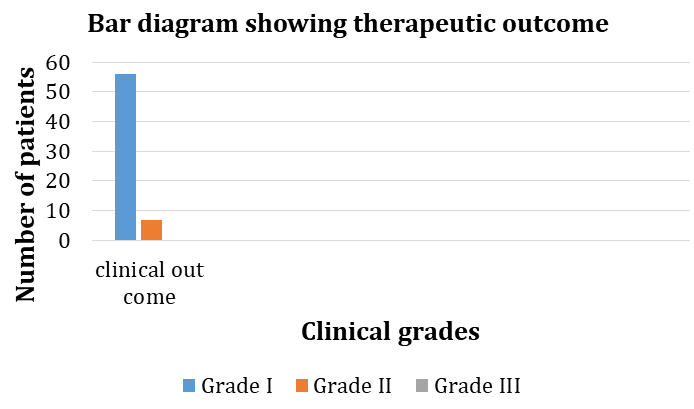
Tropical spastic para paresis a disease of nervous system is caused by Human T lymphotrophic virus type I thus also known as HTLV-I associated myelopathy and common among female of age group 30-50 years in approximately 2-3% of HTLV-1 affected person. In spite advancement in diagnostic procedure i.e.-CTscan, MRI its treatment remain a challenge to ensure cure and better quality of life ,thus a composite consisting a proven herbal neurogenic been evaluated. Objective of study: To assess the herbal neurogenic and immune boosting composite in ensuring clinical relief and improving quality of life in patients deterred from various medi centres without any relief. Material & Method: 63 diagnosed and already treated cases of Tropical spastic para paresis attending at Centre For Critical Care National Institute of Health & Research Warisaliganj (Nawada)Bihar been selected, interrogated, examined clinically, assessed and analysed their previous investigation reports, therapeutics taken and their effect. Irrespective of their clinical severity all patients were dvocated the prescribed regime and were followed for post therapy 2 years for which patients been given a follow up card to record the changes. Result: 88.9% patients had grade I clinical response while rest 11.1% grade II without any untoward effect or any withdrawal during post therapy 2 years follow up.
Avinash Shankar1*, Amresh Shankar2 and Anuradha Shankar3
Research, Warisaliganj (Nawada) Bihar India, Email: dravinashshankar@gmail.com improving quality of life in patients deterred from various medi centres without any relief.
which patients been given a follow up card to record the changes.
withdrawal during post therapy 2 years follow up.
Introduction
Tropical spastic para paresis, a chronic and progressive clinical condition affecting Nervous system remained of obscure etiopathogenesis for long but now a days an important association of this condition been established between Human retrovirus (Human T cell lymphotropic virus type I) thus this condition is also termed as HTLV1 associated myelopathy (HAM). As per WHO estimate worldwide 10-20 million peoples are carrying HTLV1 and 5% of it are affected with TSP of age group 30-50 years [1, 2, 3, 4, 5, 6, 7, 8, 9, 10].TSP is very common in Latin America, the Caribbean Basin, sub-Saharan Africa and Japan but these days incidence of this clinical state is increasing even in India. Common presentation of the clinical condition is –[11, 12, 13, 14]
- Gradual weakening and stiffening of lower extremity
- Raditing bakck pain down to legs
- Burning and pricking sensation (paraesthesia0
- Urinary and bowel function disturbances
- In male erectile dysfunction
- Inflammatory skin condition like dermatitis or psoriasis
- Rarely may present with eye inflammation ,arthritis, and muscle inflammation
- The common mode of transmission of this virus is through-[15, 16]
- breastfeeding
- sharing infected needles during intravenous drug use
| In spite of advancement in diagnostics (CT scan and | ||||
| MRI) and its established etiopathogenesis till date no | ||||
| established therapeutic regime ensured its reversal but | ||||
| only symptomatic relief, i.e,-alpha interferon, intravenous | ||||
| immunoglobulin, antiviral drugs and muscle relaxants | ||||
| Tizanidine Signs and symptoms vary but may include | ||||
| slowly progressive weakness and | spasticity | of one or both | ||
| legs, exaggerated reflexes, muscle contractions in the | ||||
| ankle, and lower back pain. Other features may include | ||||
| urinary incontinence and minor sensory changes, | ||||
| especially burning or prickling sensations and loss of | ||||
| vibration sense. | Considering the poor quality of life with |
Table 1: Based on Clinical Presentation Patients were Classified.
Health & Research and Centre for Research in Indigenous Medicine. Objective of the Study To evaluate he clinical efficacy and safety profile of herbal neurogenic with neuromodulator in TSP. Material & Methods
Material
Patients of proved and treated cases of Tropical spastic Para paresis without any clinical response, attending at Centre For Critical Care, National Institute of Health & Research were considered for evaluation of the herbal neurogenic constituting therapeutic regime.
Methods
Patients of spastic para paresis diagnosed by myelogram, computerized tomography(CT) and magnetic resonance imaging (MRI) been interrogated thoroughly for the onset, duration and evolution of the disease, Family history of neurological illness, history of extramarital sexual exposure, abortion, blood transfusions, dietary with emphasis on strict vegetarianism, Lathyrus sativus, Socio-economic status, housing , sanitary conditions, treatment taken and their response. A detailed general examination and a meticulous neurological assessment were done (Table 1).
| Severity Grade | Characteristics | ||||
|---|---|---|---|---|---|
| Mild | Patients presenting with back pain, tingling and numbness in the leg | ||||
| Moderate | Patient presenting with back pain, tingling numbness, tendency to fall Heaviness in the lower extremity, leg weakness | ||||
| Severe | Back pain, gait disturbance, stumbling, leg weakness, hyper reflexia, plantar Extensor, overactive bladder, constipation and sexual dysfunction |
Table 2: Based on Clinical Presentation Patients were Classified.
fasting and postprandial blood sugar, renal and liver function tests, and serological test for syphilis (Table 2).
| Disturbances | Symptoms | Signs | |||||
|---|---|---|---|---|---|---|---|
| Motor | Gait disturbance, tendency to fall Stumbling and leg weakness | Spastic para paresis, weakness hyperreflexia lower limb, clonus Plantar extensor | |||||
| Sensory | Pain, numbness at lumbar level And backache | Feet paresthesia, loss of light touch sensory level at lower thoracic level | |||||
| Autonomic | urinary dysfunction, constipation Sexual dysfunction | neurogenic or overactive bladder diminished peristalsis, Erectile dysfunction |
Table 3: Common presentation of TSP can be summarized.
All patients underwent conventional myelography CT and MRI scans. The serum samples of all the patients were tested for HTLV-1 antibodies by the serodia technique. All patients presenting with this crippling disease were advised and administered the following therapeutic regime after due awareness counselling and encouragement-
- Inj Calcium gluconate 1amp every 15th day intravenous very slow
- Inj Methyl cobalamine +Pyridoxin +Niacinamide +Pantothenic acid + Betamethasone every week
- Inj Self blood +Betamethasone 2mg every 10th day intramuscular
- Cap Vitamin D3 60 K every week orally
- Syrup NEUROVIT 10 ml every 12 hours /Cap NEUROVIT 1 cap every 12 hours
- Active and passive exercise of the extremity
- Diet: High Protein vegetarian diet Herbal composite NEUROVIT Syr or Capsule constitutes-Cap 500mg Or Syr. 5ml constitutes 100mg each of Acorus calamua (rhizome), Nardostachys jatamansi (Flower), Herpestis monnieri (leaf), Convolvulus pluricaulis (flower), Cassia acutifolia (seed) Patients were assessed for improvement in tone and power of the muscle, tingling and numbness, gait, and autonomic function (passage of stool and urine) for which patients were given a follow up card to mention date of achievement and any untoward manifestation experienced .Patients were advised to visit the center on any unusual manifestation or contact on helpline for needful redresses. To adjudge the safety profile of the regime practiced basic bio parameters were repeated every month for first three month and then every 3 months (Table 3).
| Clinical Grade | Characteristics | ||||
|---|---|---|---|---|---|
| Grade I | complete recovery of power and tone without any Residual neurological deficit and adversity | ||||
| Grade II | Improvement in power and tone with residual paresis And sensory deficit without any adversity | ||||
| Grade III | No alteration in status |
Table 4: Based on the Clinical Outcome and Safety Profile Therapeutic Response was Graded. Results
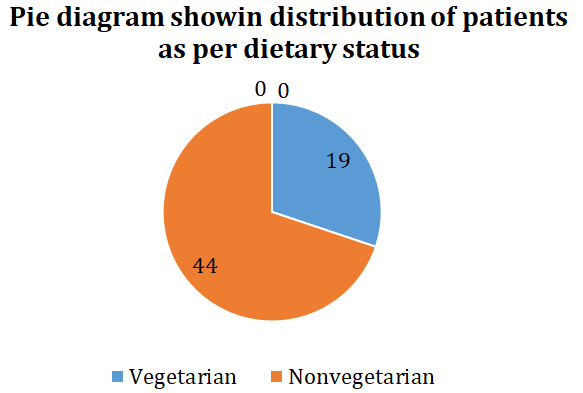
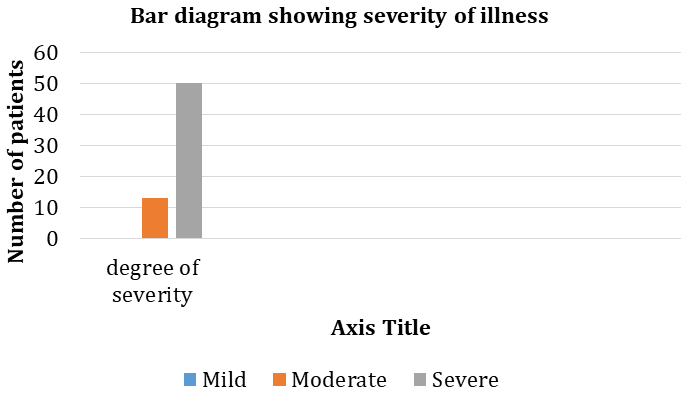
63 identified, diagnosed and treated Patients of Tropical spastic para paresis considered for study were of age group 30-50 years and out of them majority (30/63) were of age group 30-35 years with female dominance (Table 4, Figure 1) and all were from rural background and community representation was (Figure 2). Out of all majorities were non vegetarian and non-had any history of taking Lathyrus sativus (Figure 3). The age of onset of clinical presentation varied from 20-40 years and duration of illness from 1 year to 12 years (Figure 4). Symptoms at the onset were difficulty in walking, stiffness of legs, back pain, weakness of legs, leg pain and urinary discomfort (Table 4) while presenting presentation at our center were disturbed gait, leg stiffness, back pain, leg pain urinary discomfort, urinary retention, tingling and numbness, erectile deficiency in male cases (Table 5). No history of blood transfusion, abortion, delivery or surgery prior to onset of the disease but serum samples revealed
| Age Group (in years) | Number of patients | |||||||||
|---|---|---|---|---|---|---|---|---|---|---|
| Male | Female | Total | ||||||||
| 30-35 | 02 | 28 | 30 | |||||||
| 35-40 | 04 | 12 | 16 | |||||||
| 40-45 | - | 06 | 06 | |||||||
| 45-50 | - | 11 | 11 |
Table 5: Shows Distribution of Patients as per Age & Sex.
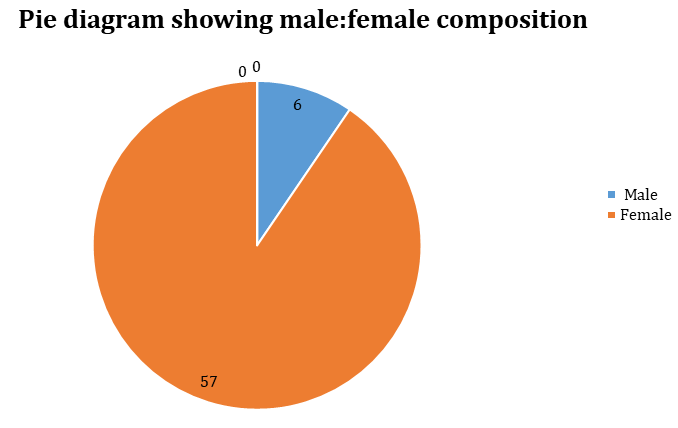
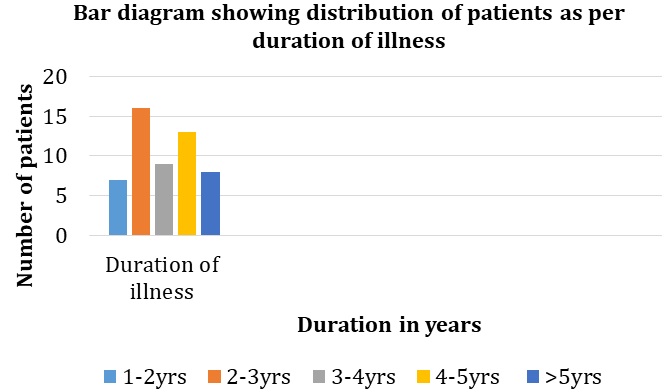
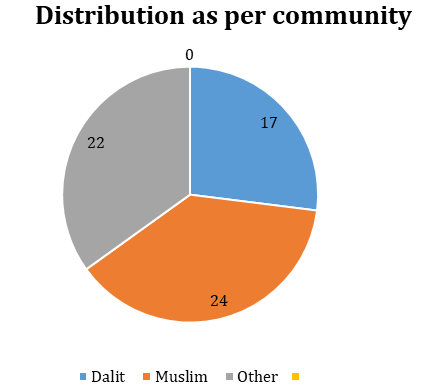
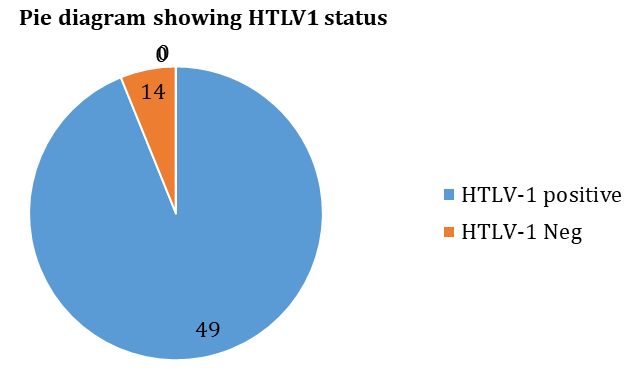
- Patients as per Duration of Illness.
- Clinical presentation
- Number of patients
- Difficulty in walking
- 63
- Leg stiffness
- 63
- Back pain
- 43
- Weakness of the legs
- 63
- Leg pain
- 63
- Tingling and numbness
- 63
- Gait disturbance
- 50
- Urinary discomfort
- 50
- Sexual weakness
- 06
- History of surgery, abortion and blood transfusion
Table 6: Showing Distribution of Patients as per their
| Therapeutics taken | Number of patients | ||||
|---|---|---|---|---|---|
| Alpha interferon | 43 | ||||
| Antiviral drug | 49 | ||||
| Muscle relaxants | 63 | ||||
| Neuro vitamin supplement | 63 | ||||
| Active & passive exercise | 63 |
Table 7: Showing Treatments Taken in Past.
| Particulars | Number of patients | ||||||||||||||
|---|---|---|---|---|---|---|---|---|---|---|---|---|---|---|---|
| Duration in months | 1 | 2 | 3 | 4 | 5 | 6 | 9 | 12 | 24 | ||||||
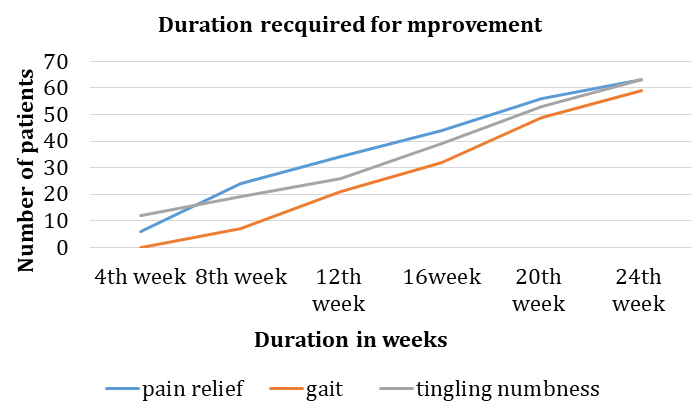
| Clinical relief : | 6 | 24 | 34 | 44 | 56 | 63 | 63 | 63 | 63 | ||||||
| Back pain | 14 | 24 | 32 | 45 | 63 | 63 | 63 | 63 | 63 | ||||||
| Tingling numbness : | 12 | 19 | 26 | 39 | 53 | 63 | 63 | 63 | 63 | ||||||
| Pain in legs : | 12 | 21 | 24 | 37 | 48 | 63 | 63 | 63 | 63 | ||||||
| Autonomic disturbance: - | - | 19 | 30 | 42 | 50 | 63 | 63 | 63 | |||||||
| Gait : | - | 4 | 14 | 22 | 32 | 50 | 63 | 63 | 63 | ||||||
| Post therapy bio parameters | |||||||||||||||
| Hepatic profile: | |||||||||||||||
| SGOT | |||||||||||||||
| <35IU | 63 | 63 | 63 | 63 | 63 | 63 | 63 | 63 | 63 | ||||||
| SGPT | |||||||||||||||
| <35IU | 63 | 63 | 63 | 63 | 63 | 63 | 63 | 63 | 63 | ||||||
| Alkaline phosphatase | |||||||||||||||
| <100 | 63 | 63 | 63 | 63 | 63 | 63 | 63 | 63 | 63 | ||||||
| Renal parameters : | |||||||||||||||
| Blood urea | |||||||||||||||
| <26mg% | 63 | 63 | 63 | 63 | 63 | 63 | 63 | 63 | 63 | ||||||
| Serum Creatinine | |||||||||||||||
| <1.5mg% | 63 | 63 | 63 | 63 | 63 | 63 | 63 | 63 | 63 | ||||||
| Urine: |
Table 8: Showing Outcome of the Study. Discussion
| Albumin –Negative | 63 | 63 | 63 | 63 | 63 | 63 | 63 | 63 | 63 | ||
|---|---|---|---|---|---|---|---|---|---|---|---|
| RBC-Negative | 63 | 63 | 63 | 63 | 63 | 63 | 63 | 63 | 63 | ||
| Haematological : | |||||||||||
| Hemoglobin | |||||||||||
| >10gm% | 52 | 58 | 59 | 63 | 63 | 63 | 63 | 63 | 63 | ||
| Clinical grade : | |||||||||||
| Grade I | 56 | ||||||||||
| Grade II | 7 | ||||||||||
| Grade III |
Table 9: Showing Outcome of the Study. Discussion
Tropical spastic para paresis is also common neurological disorder in India though it’s a common in different parts of the world i.e.- including Jamaica, Martinique, Seychelles, Colombia and Japan. Though it was considered as a neurological disorder of obscure etiology but these days it is proved to be caused by Human T cell lymphotropic virus type I (HTLV-I). In spite of advancement in diagnostics like CT, MRI, CSF and Serum for HTLV-I antigen the therapeutics used i.e. alpha interferon, muscles relaxant and neuro vitamin supplement fails to ensure cure or improve quality of life except transient symptomatic relief [18, 19, 20, 21, 22]. Clinical supermacy in term of marked improvement in pain, sensation and gait of the already treated patients with other regime and achieving Grade I clinical response in 88.9% patients and Grade II in rest 11.1%. No patients had any withdrawal or drug adversity in 2 years post therapy follow up. This clinical efficacy can be explained as-Considering its pathogenesis and caused due to HTLV-I infected T cells (Figure 9).
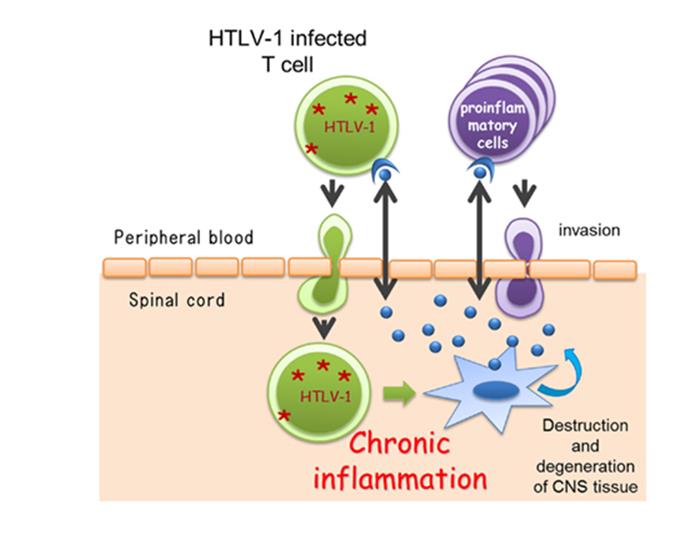
Self-blood with Betamethasone intramuscular induces antibody formation against the released toxin and ensure their neutralization while betamethasone acting as anti- inflammatory reduces neural edema synergized by Intravenous Calcium administration whose inclusion of one mole exit 2 mole of Sodium acting on Sodium potassium ATPase pump and facilitate decrease in neural edema and calcium ion improves neural conduction. Methyl cobalamine, pyridoxine, Niacin and pantothenic acid support neural cells in its normal neural conduction and Neurovit a herbal composite by its neurogenic activity helps in restoration of neural viability and vitality which combinely ensure relief in pain ,neuropathic manifestation, gait and autonomic function and provide better quality of life to all. Conclusion Present regime constituting Calcium gluconate intravenous, Methyl cobalamine+Pyridoxin+Niacin intravenous, Self blood (2ml) and Betamethasone 2mg intramuscular, cap Cholecalciferol 60K, Syrup Herbal neurotonic (Neurovit) proves worth in management of Tropical spastic para paresis even in chronic and Long term treated cases. References
1. World Health Organization (WHO) (1989) Human T
lymphotropic virus type 1, HTLV-1. Wkly Epidemiol Rec 64: 382-383.
2. Orland JR, Engstrom J, Fridey J, Sacher RA, Smith JW,
et al. (2003) Prevalence and clinical features of HTLV neurologic disease in the HTLV outcomes study. Neurology 61(11): 1588-1594.
3. Blattner WA, Gallo RC (1985) Epidemiology of human retroviruses. Leuk Res 9(6): 697-698.
4. Oomman A, Madhusoodanan M (2003) Tropical
spastic paraparesis in Kerala, South India. Neurol India 51(4): 493-496.
5. Roman GC (1988) The neuroepidemiology of tropical spastic paraparesis. Ann Neurol 23: 113-20.
6. Arango C, Concho M, Zaninovic V, Biojor, Borrero I, et al. (1988) Epidemiology of tropical spastic paraparesis in Colombia and associated HTLV-1 infection. Ann Neurol 23: 161-165.
7. Richardson JH, Newell AL, Newman PK, Mani KS,
Rangan G, et al. (1989) HTLV-1 and neurological disease in South India. Lancet 1(8646): 1079.
8. Gessain A, Barin F, Vernant JC, Gout O, Calendar A
(1985) De-The G. Antibodies to human T- lymphotropic virus type I in patients with tropical spastic paraparesis. Lancet 2(8452): 407-410.
9. Rubin M (2016) Tropical Spastic Paraparesis/HTLV-
1–Associated Myelopathy (TSP/HAM). Merck Manual.
10. (2017) Tropical Spastic Paraparesis Information
Page. National Institute of Neurological Disorders and Stroke.
11. Iwasaki Y (1990) Pathology of Chronic myelopathy associated with HTLV-Iinfection (HAM/TSP). J Neurolo Sci 96(1): 103-123.
12. Izumo S, Umehara F, Osame M (2000) HTLV-1
associated myelopathy. Neuropathology 20: 565-568.
13. Osame M (2002) Pathological mechanisms of human T-cell lymphotropic virus type I-associated myelopathy (HAM/TSP). J Neurovirol 8(5): 359-364.
14. Lezin A, Olindo S, Oliere S, Varrin-Doyer M, Marlin R,
et al. (2005) Human T lymphotropic virus type I (HTLV-I) proviral load in cerebrospinal fluid: a new criterion for the diagnosis of HTLV-I-associated myelopathy/tropical spastic paraparesis? J Infect Dis 191(11): 1830-1834.
15. Matsuzaki T, Nakagawa M, Nagai M, Usuku K, Higuchi
I, et al. (2001) HTLV-I proviral load correlates with progression of motor disability in HAM/TSP: analysis of 239 HAM/TSP patients including 64 patients followed up for 10 years. J Neurovirol 7(3): 228-234.
16. De Castro-Costa CM, Araújo AQ, Barreto MM,
Takayanagui OM, Sohler MP, et al. (2006) Proposal for diagnostic criteria of tropical spastic paraparesis/HTLV-I-associated myelopathy (TSP/HAM). AIDS Res Hum Retroviruses 22(10): 931- 935.
17. Bagnato F, Butman JA, Mora CA, Gupta S, Yamano Y, et al. (2005) Conventional magnetic resonance imaging features in patients with tropical spastic paraparesis. J Neurovirol 11(6): 525-534.
18. Scadden DT, Freedman AR, Robertson P (2016)
Human T-lymphotropic virus type I: Disease associations, diagnosis, and treatment.
19. Sandbrink F (2015) Tropical Myeloneuropathies
Treatment & Management. Medscape Reference.
20. Arimura K, Nakagawa M, Izumo S, Usuku K, Itoyama
Y, et al. (2007) Safety and efficacy of interferon-α in 167 patients with human T-cell lymphotropic virus type 1-associated myelopathy. J Neurovirol 13(4): 364-372.
21. Croda MG, de Oliveira AC, Vergara MP, Bonasser F,
Smid J, et al. (2008) Corticosteroid therapy in TSP/HAM patients: the results from a 10 years open cohort. J Neurol Sci 269(1-2): 133-137.
22. Taylor GP, Goon P, Furukawa Y, Green H, Barfield A, et al. (2006) Zidovudine plus lamivudine in human T- lymphotropic virus type-l-associated myelopathy: a randomised trial. Retrovirology 3: 63.
- Management of Ear Keloid with Ksharsutra: A Case Study
- Yoga and Global Sustainability: A Holistic Path to One Earth, One Health
- Autoimmune Diseases in Ayurveda: A Narrative Review with Classical and Modern Perspectives
- Management of Cluster Headache Associated with Pituitary Apophysitis by CERT (Chakrasiddh Energy Release Technique): A Case Report on Energy Rebalancing
- Zygophyllum Geslini Coss : Biochemicals and Antioxidant Activity
- Observations of a Beginner Vaidya