
Zingiber officinale: Anti-Oxidant, Anti-Microbial, Anti-Diabetic and Anti-Inflammatory Agent
The ginger and its extracted compounds were used for many centuries to cure various alignments including joint pain, cold, indigestion etc. Its rich phytochemistry can play a vital role in our health aspects. Ginger (Zingiber officnale) is an herbaceous plant which enormously used in food preparation. Ginger is spread around Southeast Asian and tropical region around the world. The pungence nature of ginger mainly due to the presence of poly-phenolic compounds [6]- gingerol and [6]-shogaol. The bioactive compounds like [6]- gingerol and its dehydrated form [6]-shogaol can inhibits the production of free radicals and oxidative stress, along with this properties it can reduce the pro-inflammatory molecules like prostaglandins by inhibiting COX-1 and COX-2. Ginger is a known medicinal herb since centuries it can be a good source in reducing blood glucose level, LDL-cholesterol and can inhibit the growth of tumorous cells. It has been used widely as a spice and as herbal medicinal product due to its beneficial characteristics.
Introduction
Ginger scientifically called as Zingiber officinale Roscoe, which belongs to the family Zingiberaceae and genus Zingiber, Ginger is called in many names namely African ginger, Black ginger, Cochin ginger, Ganjiang, Gegibre, Ingwer, Jamaican ginger and Race ginger. William Roscoe (1753-1831) he gave the name ginger which is based on the Sanskrit word “Singabera” which means having a shape of horn due to the projection of the rhizome. The Zingiber genus which includes about 85 species of aromatic herbs around East Asia and some part of tropical Australia [1]. Ginger is said to be one of the major spices around the world having its origin from mainly Southeast’s Asia which later spread out to the Europe and later to the World. Ginger has a long history of it having medicinal benefits which can treat numerous ailments like Vomiting, pain, joint pain, indigestion, diabetics, common cold related disorders [2]. Ginger have that strong aroma is the results of pungent Ketones compounds like gingerol a primary pungent compound present in the ginger which gives it to the characteristic aroma. Ginger is consumed directly or used as spices in the dietary sources; the consumed portion of the ginger is commonly called as “ginger root” even though it’s not a root [3]. As we know ginger is originated from Southeast Asia and it is used as spices and condiment to add flavour to the food around the world, besides this dietary property it also has numerous health benefits. The ginger rhizome also used in traditional herbal medicine since ancient times [4]. The essences of ginger are due to the chemicals present in them. The products obtained from the ginger like essential oil and oleoresin are used all around the world for its food and pharmaceutical properties. The bioactive compounds which are present in the ginger are usually volatile at room temperature and this property is known as volatile oils, ethereal oils or essential oils [5]. Zingiber officinale is widely used in traditional medicine systems like Ayurveda, Siddha, Chinese, Arabian, Africans, Caribbean and many more to treat illness related to pain, indigestion, inflammation, vomiting and loss of appetite [6]. The essential oil obtained from ginger have the capacity of antibacterial, antiviral and antifungal properties and some detailed pharmacological analysis also suggest that it also have antioxidant, anti-inflammatory and anti-nociceptive properties [7].
Origin and Distribution
Ginger belongs to the family Zingiberaceae which also includes herbs like Turmeric (Cucuma longa), Cardamom (Elettaria cardamomum), and galangal. Ginger is a herbaceous, slender perennial plant, firstly cultivated in China and then spread to India, Southeast Asia, West Africa, and the Caribbean, the herb reaches maximum height of 2 feet and it has a greenish yellow flowers which mimics the orchids with aromatic pungent taste. It is one of the tropical plant and the pseudo stem which is a underground stem used for culinary and medicinal purposes [8].
Ginger has been introduced from India to Mediterranean region during the 1st century. Later the Arabs introduced ginger to the countries like East Africa in the 13th century and to the Portuguese spread the cultivation of ginger plant to the West Africa and to the Pacific islands for its commercial cultivation [9].
Taxonomical Description
Ginger is an herbaceous plant reaching the height of 90 cm, it is thick lobed, yellowish and aromatic in nature, it bears leaves which are 2-3 cm broad with sheathing base. Inflorescence found in this herbaceous plant is solitary, having lateral cylindrical spike [10]. Stems is erect usually it is pseudo stem with leaves are often attached to that stem. Flowers are zygomorphic in nature [11] (Table 1).
| Kingdom | Plantae- Plants | ||||
|---|---|---|---|---|---|
| Sub-Kingdom | Tracheobionta- Vascular plants | ||||
| Superdivision | Spermatophyta- Seed plants | ||||
| Division | Magnoliophyta- Flowering plants | ||||
| Class | Liliopsida- Monocotyledons | ||||
| Subclass | Zingiberidae | ||||
| Order | Zingiberales | ||||
| Family | Zingiberaceae- Ginger family | ||||
| Genus | Zingiber | ||||
| Species | officinale Roscoe- Garden ginger |
Table1: Classification of Ginger. Source: United States Department of Agriculture, Natural Resources Conservation Service.
Chemical Composition of Ginger
The gingerols are the major chemical components found in the fresh ginger. Chemically it is [5-hydroxy-1- (4-hydroxy-3-methoxy phenyl) decan-3-one, this gingerol-5 is the most abundant composition of gingerol series. The dried and powered ginger rhizome contains 3- 6% of fatty oil, 9% proteins, 60-70% carbohydrates, 3-8% fibre, 9-12% water, about 8% ash and 2-34% volatile oil [12]. The oleoresins present in the ginger are called as ginger oil. The volatile oil present in the ginger nearly constituent up to 1-3% [13]. The gingerol is the primary pungent Phytochemical present along with other constituent like shogoals, paradol and zingerone, these phytocompounds are usually phenylalkylketones or vanillyl ketones derived compounds. When gingerol get dehydrated the pungency odour of the dry ginger is mainly due to the presence of shogaol. Shogaol is the dehydrated form of gingerol [14]. The major active compound present in the ginger includes 1, 8-cineole, 6- gingerol, 8-shogaol, acetic acid, α-linolenic acid, α- phellandrene, boron, ascorbic acid, α-terpinene, arginine, caffeic acid, β-bisolene, camphor, β-carotene, chlorogenic acid, β-pinene, curcumene, fats, proteins, resins, starchs, gingerol, zingiberene, sesquiphellandrene [15]. Shogaols, 6-dehydrogingerdione, geraniol, neral, gingesulfonic acid, zingerone, gingerglycolipids, monoacyldigalactosyl glycerols, sesquiphellandrene, galanolactone [16].
Nutritional Composition (Table 2)
| Parameters | Mean | CV | ||||||
|---|---|---|---|---|---|---|---|---|
| Dry Matter | 92.71±0.01 | 0.01 | ||||||
| Crude protein | 5.28±0.43 | 8.11 | ||||||
| Ether extract | 5.54±0.02 | 0.23 | ||||||
| Crude fibre | 9.74±0.01 | 0.1 | ||||||
| Ash | 5.97±0.04 | 0.59 | ||||||
| Total carbohydrate | 66.26±0.03 | 0.27 |
Table 2: Proximity Composition of _Zigiber_ _officinale_. Source:- ( IG Adanlawo, et al.) [17].
The amount of content present in the ginger is analysed by using statistical tools. Ginger having the high amount of dry matter (92.71±0.01) but minimal amount of crude protein (5.28±0.43), ether extract (5.54±0.02), crude fibre (9.74±0.01), ash (5.97±0.04), having the Coefficient of Variation (CV) between 0.01-0.59. The presence of carbohydrate in the ginger is very high constituting of (66.26±0.03) (Table 3).
| Constituent | Mean ± Sd | ||||
|---|---|---|---|---|---|
| Calcium (mg) | 88.4±0.97 (104.02) | ||||
| Phosphorous (mg) | 174±1.2 (204.75) | ||||
| Iron (mg) | 8.0±0.2 (9.41) | ||||
| Zinc (mg) | 0.92±0 (1.08) | ||||
| Copper (mg) | 0.545±0.002 (0.641) | ||||
| Manganese (mg) | 9.13±001 (10.74) | ||||
| Chromium (µg) | 70±0 (83.37) | ||||
| Vitamin C (mg) | 9.33±0.08 (10.97) | ||||
| Total carotenoids (mg) | 79±0.2 |
Table 3: Mineral Composition of _Zingiber_ _officinale._ Source: (Dr. Anitha Singh) [18].
The mineral composition of the ginger constitute of Phosphorous having the highest value (174±1.2), calcium (88.4±0.97), Iron (8.0±0.2), Zinc (0.92±0), Copper (0.545±0.002), Manganese (9.13±001), Chromium (70±0), Vitamins and total carotenoids 9.33±0.08 and 79±0.2 respectively (Figure 1).
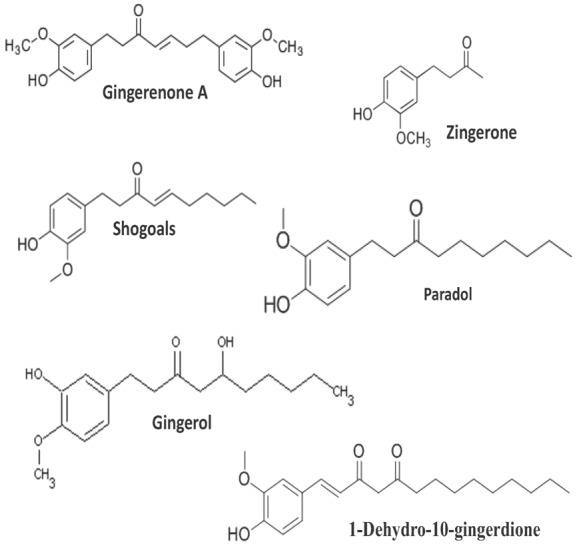
Source: (Arshad H Rahmani et al. 2014) [19].
Metabolism of Zingiber officinale
Ginger mostly consumed as spices all around the world as a dietary supplements, to know the metabolic activity of ginger understands by knowing the action of bioactive principles of ginger [20]. Ginger is also known to be very helpful in treating various metabolic ailments [21]. Ginger also plays a major role in activating vanilloid uncoupling pathway. Gingerol most abundantly available compound in the ginger were synthesized as agonists of the capsaicin activated VR1 (vanilloid) receptors [22]. The ginger metabolism in rats studied with zingerone (4-(4- hydroxy-3-methoxyphenyl) butan-2one) a pungent compound and an active principle of ginger. It shows that dosage of 100mg/kg of zingerone can be easily excreted through urine within 24hrs of its administration. The excreted product mainly out in the form of glucuronide or sulphate conjugates [23]. The pungency compound like gingerol has the capacity to inhibit cyclooxygenase and lipoxygenase activity in the arachidonic acid pathway which reduces inflammation in rheumatic disorders [24]. The metabolism of 6-shogaol extensively metabolized in the mammalian species mouse, rat, dog, monkey, and human [25]. Ginger when used on animals suggests that it has the capacity to stimulate the protective enzymes included in the xenobiotic metabolism [26]. Ginger extract is also known to reduce the platelet prostaglandin- endoperoxides, the inhibition of platelet thromboxane and prostaglandin (PGF2α, PGE2 and PGD2) synthesis were affected by the ginger extract [27].
Antioxidant Activity of Ginger
The antioxidant activity can be analysed by using 2,2 Diphenyl-1-picril hydrazyl (DPPH) radical [28]. The determination of free radical scavenging id done by using 2ml of 0.1mM DPPH methanolic solution is added into 200µl of sample extract if, the extraction is done by using methanol and the solution is mixed and kept in the dark room for 1hr, later the absorbance measured at517nm [29]. The free radical scavenging activity is expressed in the number of gram equivalent of ascorbic acid [30]. The following equation gives the DPPH radical concentration:
DPPH scavenging effect (%) = A0 – A1/A0×100 A0= Absorbance of the control A1= Absorbance of the tested samples in DPPH The absorbance of the free radical scavenging activity can be recorded by using Spectrophotometer [31].
Anti-Inflammatory Effect
A numerous studies have shown the active effect of ginger and its extract in inhibiting pro-inflammation molecule and reduce pain. Ginger is best known as a remedy to reduce pain for centuries, the anti- inflammatory properties of ginger extensively studied in recent years to know its inhibition pain inducing properties [32]. Inflammatory disorders have been affected to the mankind; disorders like gastritis, esophagitis and hepatitis are also caused by the inflammation in the cells not only by the causative agent [33]. Studies have shown that the ginger extract reduced the liver neoplasms in rats which mediated by the NF-Kb and TNF-α inflammatory markers [34]. Ginger has been used as anti-inflammatory since antiquity. The pharmacological activities of ginger and compound isolated from it have the property of anti-inflammatory, immune-modulatory and strong anti-oxidant substance which can prevent the generation of free radicals during oxidation in the cell [35]. Many studies have been carried out to know the effect of crude ginger extract which show the maximum preventative signs of acute and chronic joint swelling (93% and 97% respectively) but only gingerol inhibition of joint swelling is less compared to crude extract ( 78% and 62% respectively) [36]. Ginger extract known to suppresses prostaglandin which is a pro-inflammatory molecule by the inhibition of cyclooxygenase-1 and cyclooxygenase-2. It also observed by the recent studies that the ginger and its extract have the capacity of supressesing the leukotriene biosynthesis by inhibiting 5-lipoxygenase [37]. 6-shogaol express antioxidant and anti-inflammatory activities by the presence of α,β- unsaturated ketone moiety [38]. Several studies also shown that the topical application of the [6]- gingerol on to the backs of female ICR mice, administering the each topical dose of 12-O-tetradecanoylphorbol-13- acetate (TPA) can significantly inhibit 7,12- dimethylbenz[a]anthracene-induced skin papillomagnesis and inflammation [39].
Anti-Diabetic Effect
Ginger most widely used in dietary supplement due to its major medicinal properties, many numbers of clinical trials have carried out that the ginger and its extract can control hyperglycaemic index in the experimental animals. It shows that ginger dose starting from 100- 800mg/kg can prevent 5-hydroxytryptamine-(5-HT-) induced acute hyperglycemia. The ginger juice given to the experimental rats decreases plasma glucose levels in STZ-diabetic rats [40]. Many studies also suggests that the administering high fat diet treatment were significantly reduce by Zingiber officinale treatment and it also reduced raised body weight, and high glucose, LDL cholesterol, total cholesterol, insulin, free fatty acids, triglycerides and phospholipids in the serum of the diabetic induced rats [41]. Some studies observed that [6]-gingerol significantly reduced the level of plasma triglycerides (TG), total cholesterol (TC), free fatty acid (FFA), low-densityblipoprotien cholesterol (LDL-C) and plasma insulin concentration, hence ginger can be a prominent medicinal herb in treating hyperglycimic conditions [42].
Anti-Cancerous
Cancer is one of the major disorder around the world causing thousands of death related to it and it is the second leading cause of mortality, and can became primary cause of death in upcoming years [43] . Herbal and traditional medication has shown promising effect on inhibiting certain tumours. The active constituent of ginger [6]-gingerol and [6]-shogaol have the anti- proliferative effect on several tumour cell lines [44]. The anti-cancerous property of ginger was demonstrated by using ginger poly-phenolic bioactive compounds which experimentally studied on xenograft mouse models and in vitro assays [45]. Certain bioactive naturally occurring compounds like taxol, vinblastine, vincristine and camptothecin can be more effective agent in chemotherapy against certain dangerous cancers [46]. The main characterization of human cancers is to evading apoptosis, the tumour suppresser gene p53 was initially described as oncogene in 1979, and the main function of this suppressor gene is to stop abnormal cell proliferation hence, preventing neoplastic development [47]. The plants belong to the family Zingiberaceous have strong antioxidant, anti-inflammatory anti-cancerous properties and some of them already been expressed in numerous experimental carcinogenesis [48]. Thus, ginger active bioactive compounds like [6]-gingerol, [6]-shogaol can be effectively used as anti-cancerous drug to inhibit the growth of new cancerous cell lines.
Anti-Microbial Effect of Ginger
Ginger used in household for centuries to treat many alignments, and In vitro studies have reported in the recent years shows that the ginger have traditionally used as antimicrobial activity and it can act against both gram positive and gram negative bacteria. Ginger and its extract showed that it has the capacity of inhibit the wide range of bacteria’s like E. coli, Proteus sp. Staphylococci, Streptocci and Salomonella species [49]. Ginger is extensively studies for its anti-fungal activity; it also inhibits fungus species like Aspergillus sp. Which produce aflotoxin which can be a main source of carcinogen [50]. Since ginger is known to act against microbes can be used in our daily diet to inhibit the growth of bacteria and fungus, many recent studies shows it can be a very good anti-microbial agent.
Medicinal Use of Ginger (Zingiber Officinale)
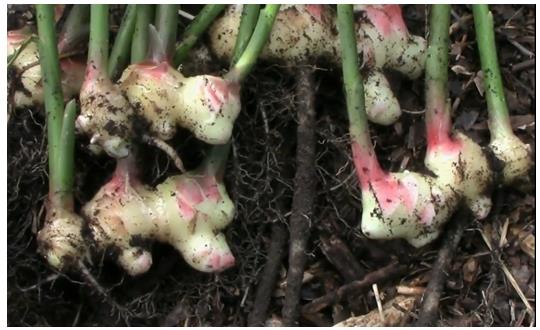
Ginger commonly called as “Adrak” in India used in ayruvedic medicinal system for centuries, it is widely used in Indian household as a main ingredient in both vegetarian and non-vegetarian based food. The medicinal properties of ginger is seen since ancient times where it claimed to be reduce pain, cold, head ache, fever, allergic rhinitis, sinusitis, vomiting, cough, nausea, reparatory conditions, bronchitis, loss of appetite, intestinal disorders, indigestion, tooth and gum problems etc [51] (Figures 2 & 3).
Toxicology and Safety of Ginger
Ginger is used in dietary sources all around the world, certain clinical investigation have revealed that the Zingiber officinale when treated with 25ml of Catuama® a commercially available products administered 2 times a day during 28 day period on both the sexes, but thus study shows that no severe adverse effects or haematological and biochemical changes were reported [52]. The natural herbal medicinal plants like ginger may have fewer side effects on the consumers due to its day to day usage. It has been used in alternative medicine since centuries, the ginger (Zingiber officinale) has been listed
Discussion
Ginger an herbaceous plant which is widely used as an ingredient in dietary source. The bioactive compound present in the ginger shows its potential useful nature in developing many therapeutics agents. Ginger is a spices belongs to tropical region reported that it has the properties of antibacterial, antiviral, antifungal, thus this discovery has shown promising way in developing new medications for therapeutic use in humans [55]. Ginger is used as antioxidant agent to prevent oxidative stress which produced due to the increased production of free radical oxygen and a decreased in antioxidant defences [56]. The anti-oxidative stress studied for it rich phytochemistry of ginger and its extracted bioactive compounds, but for the production of energy free radicals produced during the oxidation process is necessary [57]. DNA damage can be done by increased production of free radical which cause oxidative stress [58]. The antioxidant activity has demonstrated by [6]-shogaol which can be a good source to inhibit oxidation and production of free radical [59]. Ginger extensively studied for its anti- inflammatory properties where it inhibits the pro- inflammatory molecules reducing inflammation and boosting immune systems of the body [60]. The phytochemicals which are present in the ginger like gingerol, shogaol can inhibit the production of pro- inflammatory molecules like prostaglandins and lukotriene. The biosynthesis of lukotriene can also be inhibited by using these bioactive compounds. They also inhibit the pro-inflammatory cytokines IL-1, TNF-α, and IL-8 [61]. The pungent compound shogaol can inhibit the expression of cyclooxygenase-2 which further controls inflammatory iNOS [62]. Ginger is also known to reduce the level of triglyceride, low density cholesterol and increased in high density cholesterol in the blood plasma. It has been noted that the level of HbAlc in diabetes increases as a marker which represents the level of protein glycation, during this process the administration of ginger to the experimental diabetic rats shown decreased level of glycosylated haemoglobin this is due the reduced blood glucose level, the diabetic rats are fed with ginger extract for certain period of time and it shows that the consumption ginger can stops lipid peroxidation and protein oxidation [63]. More studies stated that ginger can reduce lipids and increasing in the level of free plasma fatty acids [64]. Ginger a herbal medicinal product can act on cancerous tissue by inhibiting the p53 pathway which induce apoptosis, several studies have been reported that the various types of cancer inhibits by the presence of gingers poly-phenol constituents which is obtained by the ginger root [65]. Ginger has been characterized for its high phytochemicals which are known for its medicinal benefits which acts as antibacterial, antifungal, antiviral, anti-inflammatory, and anti-cancerous agent. Studied based on the ginger in the recent year it increased the value of herbal medicinal plants and its consumption in our daily dietary supplement.
Conclusion
Ginger is a spice which is used in our food source, which expresses its medicinal property upon consumption. For many years ayurveda has mentioned that ginger has the capacity to cure cold, indigestion and some other gasto-intestainal disorders. As it is used in our supplement and in our daily life can increase our immune and health aspects. Its anti-inflammatory properties can be a bone for so many people which inhibits the pro- inflammatory molecules can reduce the pain it can be a major medication for joint pain disorders, along with all this benefits ginger can boot our body immune system and increase the rate of metabolism by decreasing the triglyceroids and low density cholesterol. Thus, ginger is an herb having minimal known side effects can be used for various health conditions.
References
-
Neeru Bhatt, Mostafa I Waly, Mohamed M Essa, Amanat Ali (2019) Ginger: Functional Herbs. Nova Science Publishers, pp: 51-71.
-
Rufogalis BD (2014) _Zingiber officinale_ (Ginger): A Future Outlook on Its Potential in Prevention and Treatment of Diabetes and Prediabetic States. New Journal of Science 674684: 1-15.
-
White B (2007) Ginger: An Overview. Complementary and alternative medicine, American Family Physician 75(11): 1689-9161.
-
Mashhadi NS, Ghiasvand R, Askari G, Hariri M, Darvishi L, et al. (2013) Anti-Oxidative and Anti- Inflammatory Effects of Ginger in Health and Physical Activity: Review of Current Evidence. International Journal Of Preventive Medicine 4(1): s36-s42.
-
Kamaliroosta Z, Kamaliroosta L, Ethamirad AH (2013) Isolation and Identification of Ginger Essential oil. Journal of Food Biosciences and Technology 3: 73- 80.
-
Dhanik J, Arya N, Nanda V (2017) A Review on Zingiber officinale. Journal of Pharmacology and Phytochemistry 6(3): 174-184.
-
Jeena K, Liju VB, Kuttan R (2013) Antioxidant, Anti- inflammatory and Antinociceptive Activities of Essential oil from Ginger. Indian J Physiol Pharmacol 57(1): 51-62.
-
Kanadea R, Bhatkhandeb DS (2016) Extraction of Ginger Oil Using Different Methoda and Effects of Solvents, Time, Temperature to Maximize Yield. International Journal od Advances in Science Engineering and Technology 4(3): 241-244.
-
Kizhakkayil J, Sasikumar B (2011) Diversity, characterization and utilization of ginger: A Review. Plant Genetic Resources: Characterization and Utilization 9(3): 464-477.
-
Syafitri DM, Levita J, Mutakin M, Diantini A (2018) A Review: is Ginger (Zingiber Officinale var. Roscoe) Potetial for Future Phytomedicine? Indonesian Journal of Applied Sciences 8(1): 1-6.
-
Mishra RK, Kumar A, Kumar A (2012) Pharmacological Activity of Zingiber officinale. International Journal of Pharmaceutical and chemical sciences 1(3): 1422-1427.
-
Zadch JB, Kor NM (2014) Physiological and Pharmaceutical effects of ginger (Zingiber officinale Roscoe) as a valuable medicinal plant. European Journal of Experimental Biology 4(1): 87-90.
-
Zick SM, Djuric Z, Ruffin MT, Litzinger AJ, Normolle DP (2008) Pharmacokinetics of 6, 8, 10-Gingerol and 6-Shogaol and Conjugate Metabolites in healthy Human Subjects. Cancer Epidemiol Biomarkers Prev 17(8): 1930-1936.
-
Sharma PK, Singh V, Ali M (2016) Chemical Composition and Antimicrobial Activity of Fresh Rhizome Essential oil of Zingiber officinale Roscoe. Journal of Pharmacognosy 8(3): 185-190.
-
Qin FF, Xu HL (2008) Active Compounds in Ginger and Their Therapeutic Use in Complimentary Medication. Medicinal and Aromatic Plant Science and Biotechnology 2(2): 72-78.
-
Bhattarai K, Pokharel B, Maharajan S, Adhikari S (2018) Chemical Constituents and Biological Activities of Ginger Rhizomes from Three Different Regions of Nepal. Journal of Nutritional Dietetica and Probiotica 1(1): 01-12.
-
Adanlawo IG, Dairo FAS (2007) Nutrient and Anti- nutrient Constituents of ginger (Zingiber officinale, Roscoe) and the Influence of its Ethanolic Extract on Some Serum Enzymes in Albino rats. International Journal of Biological Chemistry 1(1): 38-46.
-
Singh A (2015) Nutritional benefits and pharmacological effects of ginger: an overview. Indian Journal of Basic Applied Medical Research 4(4): 377- 383.
-
Arshad H Rashmani, Fahad M Al Shabrmi, Salah M Aly (2014) Active ingredients of ginger as potential candidates in the prevention and treatment of diseases via modulation of biological activities. Int J of Physiology, Pathophysiology and Pharmacology 6(2): 125-136.
-
Bode AM, Dong Z (2011) The Amazing and Mighty Ginger, Herbal Medicine; Biomolecular and clinical Aspects. Taylor and Francis LLC 2: 1-7.
-
Schmidt B, Ribnicky DM, Poulev A, Logendra S, Cefalu WT, et al. (2008) A natural history of botanical therapeutics. Metabolism 57(7): s3-s9.
-
Dedov VN, Tran VH, Duke CC, Connor N, Christie MJ, et al. (2002) Gingerols: a novel class of vanilloid receptor (VR1) agonists. British Journal of Pharmacology 137(6): 793-798.
-
Monge P, Scheline R, Solheim E (21976) The Metabolism of Zingerone, a Pungent Principle of Ginger. Xenobiotica 6(7): 411-423.
-
Mustafa T, Srivastava KC, Jesen KB (1993) Drug development repost.9. Pharmacology of ginger, Zingiber-officinale. Journal of drug development 6(1): 25-39.
-
Chen H, Soroka D, Zhu Y, Sang S (2013) Metabolism of ginger component [6]-shogaol in liver microsomes from mouse, rat, dog, monkey, and human. Molecular Nutrition and Amp; Food Research 57(5): 865-876.
-
Polasa K, Nirmala K (2003) Ginger: Its Role in Xenobiotic Metabolism. ICMR Bulletin 33(6): 57-63.
-
Srivatsava KC (1984) Effects of aqueous extracts of onion, garlic, ginger on platelet aggregation and metabolism of arachidonic acid in the blood vascular system: in vitro study. Prostaglandins Leukot Med 13(2): 227-235.
-
Akowuah GA, Ismail Z, Norhayati I, Sadikun A (2005) The effects of different extraction solvents of varying polarities of polyphenols of Orthosiphon stamineus and evaluation of the free radical-scavenging activity. Food Chemistry 93(2): 311-317.
-
Maizura M, Aminah A, Aida WMW (2011) Total phenolic content and antioxidant activity of kesum (_Polygonum minus_), ginger (_Zingiber officinale_) and turmeric (_Curcuma longa_) extract. International Food Research Journal 18: 526-531.
-
Sharma S, Kumar R (2018) Antioxidant activity and phytochemical analysis of ginger (_Zingiber officinale_ L.) rhizome. Plant Archives 18: 210-214.
-
Lachumy SJT, Sasidharan S, Sumathy V, Zueaini Z (2010) Pharmacological activity, phytochemical analysis and toxicity of methanol extract of Etlingera elatior (torch ginger) flowers. Asian Pecific Journal of Tropical Medicine 3(10): 769-774.
-
Grzanna R, Lindmark L, Frondoza CG (2005) Ginger- An hebal medicinal product with Broad Anti- Inflammatory Actions. Journal of Medicinal Food 8(2): 125-132.
-
Ohshima H, Tatemichi M, Sawa T (2003) Chemical basis of inflammation-induced carcinogenesis. Archives of Biochemistry and Biophysics 417(1): 3- 11.
-
Akhurst B, Croager EJ, Farley-Roche CA, Ong JK, Dumble ML, et al. (2008) A modified choline- deficient, ethionine-supplemented diet protocol effectively induces oval cell in mouse liver. Journal of Hepatology 34(3): 519-522.
-
Ali BH, Blunden G, Tanira MO, Nemmar A (2008) Some phytochemical, pharmacological, and toxicological properties of ginger (_Zingiber officinale_ Roscoe): A review of recent research Food Chem Toxicol 46(2): 409-420.
-
Funk JL, Frye JB, Oyarzo JN, Chen J, Zhang H, et al. (2016) Anti-inflammatory effects of the essential oils of gnger (_Zingiber officinale_ Roscoe) in experimental Rheumatoid Arthritis. Pharma Nutrition 4(3): 123- 131.
-
Kumar S, Saxena K, Singh UN, Saxena R (2013) Anti- inflammatory action of ginger: A critical review in anemia of inflammation and its future aspects. International Journal of Herbal Medicine 1(4): 16-20.
-
Dugasani S, Pichika MR, Nadarajah VD, Balijepalli MK, Tandra S, et al. (2010) Comparative antioxidant and anti-inflammatory effects of [6]-gingerol, [8]-gingerol, [10]-gingerol, and [6]-shogaol. Journal of Ethnopharmacology 127(2): 515-520.
-
Park KK, Chun KS, Lee JM, Lee SS, Surh YJ (1998) Inhibitory effects of [6]-gingerol, a major pungent principle of ginger, on phorbol ester-induced inflammation, epidermal ornithine decarboxylase activity and ski tumor promotion in ICR mice. Cancer Letters 129(2): 139-144.
-
Akhani SP, Vishwakarma SL, Goyal RK (2010) Anti- diabetic activity of _Zingiber_ _officinale_ in streptozotocin-induced type 1 diabetic rats. Journal of Pharmacy and pharmacology 56(1): 101-105.
-
Nammi S, Sreemantula S, Roufogalis BD (2009) Protective effects of ethanolic extracts of _Zingiber_ _officinale_ Rhizome on the development of metabolic syndrome in high-fat diet-fed rats. Basic Clin Pharmacol Toxicol 104(5): 366-373.
-
Singh AB, Singh AN, Maurya R, Kumar A (2009) Anti- hyperglycaemic, lipid lowering and anti-oxidant properties of [6]-gingerol in db/db mice. International Journal of Medicine and Medical sciences 1(12): 536-544.
-
Unger C (1997) New therapeutic approaches in cancer treatment. Drug Future 22: 1337.
-
Akimoto M, Iizuka M, Kanematsu R, Yoshida M, Takenaga K (2015) Anticancer effect of ginger extract against pancreatic cancer cells mainly through reactive oxygen species-mediated autotic cell death. Public Library of Science, PLoS ONE 10(5): 01-22.
-
Mukkavilli R, Yang C, Tanwar RS, Saxena, Gundala SR, et al. (2018) Pharmacokinetic-pharmacodynamic correlations in the development of ginger extract as an anticancer agent, Nature/ Scientific Reports 8: 01- 10.
-
Rates SMK (2001) Plants as source of drugs. Toxicon 39(5): 603-613.
-
Vemuri SK, Banala RR, Subbaiah GPV, Srivastava SK, Reddy AVG, et al. (2017) Anti-cancer potential of a mix of turmeric, ginger and garlic: A cell-based study. Egyptian Journal of Basic and Applied Sciences 4(4): 332-344.
-
Shukla Y, Singh M (2007) Cancer preventive properties of ginger: A brief review. Food and Chemical Toxicology 45(5): 683-690.
-
White B (2007) Antimicrobial activity of ginger against different microorganisms, Physician 75: 1689-1691.
-
Nanir SP, Kadu BB (1987) Effect of medicinal plant extracts on some fungi. Acta Botonica Indica 15(2): 170-175.
-
Gupta SK, Sharma A (2014) Medicinal properties pf _Zingiber officinale_ Roscoe-A Review. ISOR Journal of Pharmacy and Biological Sciences 9(5): 124-129.
-
Oliveira CH, Moraes ME, Moraes MO, Bezerra FA, Abib E, et al. (2005) Clinical toxicology study of an herbal medicinal extract of _Paullinia cupana, Trichilia_ _catigua,_ _Ptychopetalum_ _olacoides_ and _Zingiber_ _officinale_ (Catuama®) in healthy volunteers. Phytotherapy Reasearch 19(1): 54-57.
-
Yassin NAZ, EIRokh SM, EL-Shenawy SMA, Ibrahim BMM (2012) The study of the antispasmodic effect of ginger (Zingiber officinale) in vitro. Scholars Research Library 4(1): 263-274.
-
Langner E, Greifenberg S, Gruenwald J (1998) Ginger: History and use. Adv Ther Phyto Pharm Conulting 15(1): 25-44.
-
Samy RP, Ignacimuthu S (2000) Antibacterial activity of some folklore medicinal plants used by tribals in Western Ghats in India. J of Ethnopharmacol 69(1): 63-71.
-
Fridlyand LE, Philipson LH (2005) Oxidative reactive species in cell injury: Mechanisms in diabetes mellitus and therapeutic approaches. Ann NY Acad Sci 1066: 136-151.
-
Ramaa CS, Shirode AR, Mundada AS, Kadam VJ (2006) Nutraceuticals-an emerging era in the treatment and prevention of cardiovascular diseases. Current Pharmaceutical Biotechnology 7(1): 15-23.
-
Hussein MR, Abu-Dief EE, Abs el-Reheem MH, Abd- Elrahman A (2005) Ultrastructural evaluation of the radioprotective effects of melatonin against X-ray- induced skin damage in Albio rats International Journal of Experimental Phathology 86(1): 45-55.
-
EL-Sharaky AS, Newairy AA, Kamel MA, Eweda SM (2009) Protective effect of ginger extract against bromobenzene-induced hepatotoxicity in male rats. Food Chem Toxicol 47(7): 1584-1590.
-
Barta I, Smerak P, Polivkova Z, Sestakova H, Langova M, et al. (2006) Current trends and perspectives in nutrition and cancer prevention. Neoplasma 53(1): 19-25.
-
Verma SK, Singh M, Jain P, Bordia A (2004) Protective effect of ginger, _Zingiber officinale_ Rosc. On experimental atherosclerosis in rabbits. Indian J Experimental Biology 42(7): 736-738.
-
Pan MH, Hsieh MC, Kuo JM, Lai CS, Wu H, et al. (2008) 6-shogaol induces apoptosis in human colorectal carcinoma cells via ROS production, caspase activation, and GADD 153 expression. Molecular Nutrition and Food Research 52(5): 527-537.
-
Ansari MHK, Salami SMK, Shirpoor A (2008) The effect of ginger (_Zingiber officinale_) on oxidative stress status in the small intestine of diabetic rats. International J Endocrinology Metabolism 6(3): 140- 144.
-
Elshater A, Salman MMS, Moussa MMA (2009) Effect of ginger extract consumption on levels of blood glucose, lipid profile and kidney functions in alloxan induced-diabetic rats, Egyptian Academy J of Biological Sciences 2(1): 153-162.
-
Kim EC, Min JK, Kim TY, Lee SJ, Tang HO, et al. (2005) [6]-Gingerol, a pungent ingredient of ginger, inhibits angiogenesis in vitro and in vivo. Biochemical and Biophysical research 335(2): 300-308.
- Management of Ear Keloid with Ksharsutra: A Case Study
- Yoga and Global Sustainability: A Holistic Path to One Earth, One Health
- Autoimmune Diseases in Ayurveda: A Narrative Review with Classical and Modern Perspectives
- Management of Cluster Headache Associated with Pituitary Apophysitis by CERT (Chakrasiddh Energy Release Technique): A Case Report on Energy Rebalancing
- Zygophyllum Geslini Coss : Biochemicals and Antioxidant Activity
- Observations of a Beginner Vaidya