
Glycyrrhiza Glabra (Mulethi) A Boon in Ayurveda: A Review
The roots and rhizomes of Glycyrrhiza glabra (Family: Leguminosae) have been used in traditional medicine and ayurveda for hundreds of years as a medicinal drug, antiulcer, and antimicrobial. Liquorice or licorice (Glycyrrhiza glabra L.) may be a perennial plant that is classified as a weed in wheat fields, cucurbit and vegetable gardens, cotton, potato, sugar beetroot and fodder. Its medicinal drug and inhibitor properties are also positively correlated with the improvement of memory. This review not only describes and explains the plant's typical use but also highlights its potential applications in the cosmetic or pharmaceutical industries as well as its medicinal properties, such as antitussive, antimicrobial, antioxidant, anti-inflammatory, antiulcer, and anticancer.
Introduction
In wheat fields, cucurbits and vegetable gardens, cotton, potato, sugar beet and fodder, hay, herb and herb, licorice or licorice (Glycyrrhiza glabra) could be a perennial plant of the Leguminosae family. The Mediterranean and some parts of Asia are the native habitats of Glycyrrhiza glabra, also known as liquorice and sweet wood. They have been used medicinally since at least 500 B.C., and liquorice has been referred to as “the grandfather of herbs” [1]. It was believed to belong to the primary category of medicine and was given the rejuvenating property when consumed over an extended period of time [2]. It was used to treat conditions involving the spleen, liver, and urinary organ [3]. Egyptian, Chinese, Greek, Indian, and Roman civilizations historically used the dried stem and root of this plant as a medicine and a carminative [4]. The “code Humnubari” contains the earliest mention of its use in drugs. (2100 BC). Furthermore, it was one of the essential plants mentioned in Assyrian flavorer (2000 BC). Hippocrates, a physician who lived in 400 BC, mentioned its use to treat ulcers and quench thirst. Dioscorides and Theophrastus both made reference to the drug. Liquorice is used in the traditional Siddha system of medicine as a demulcent, medication, anti-tussive, laxative, and sweetener [4]. Additionally, it is frequently used to treat respiratory conditions, dry coughs, metabolic process infections, catarrh, tuberculosis, diseases of the reproductive system, tract infections, abdominal pain, stomachal and small intestine ulcers, inflammation of the abdomen, and mouth ulcers [5]. Liquorice is a non-woody perennial that can reach a height of 1 metre and has compound leaves that are 7 to 15 cm long and have nine to seventeen leaflets each. The loose inflorescence produces 0.8-1.2 cm long, purple to pale whitish blue flowers. The fruit is a rectangular pod that is 2-3 cm long and has numerous seeds inside [6]. A complex and variable combination of compounds, up to 3% of which are volatiles, are responsible for the flavour of liquorice root. Glycyrrhizin, which contains a sweet flavour 30–50 times sweeter than sugar, accounts for a large portion of the
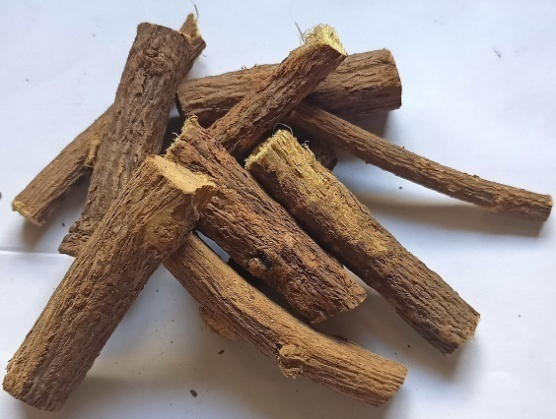
Liquorice roots contain phytoestrogens called isoflavene glabrene and isoflavene glabridin [7]. Although their quality has declined recently, dried sticks of liquorice root are still a common confectionery in the European country as they once were in the United Kingdom. Simply as sticks of zoethout (sweet wood) to chew on as candy, they were completely sweetness in liquorice. The sweetness is less immediate, tart, and long-lasting than sugar, and it also differs greatly from it.
sold out. The intensely sweet flavour is released through seduction and sucking. The sweetness is thirty to fifty times as potent as disaccharide while not damaging teeth. Since the 1970s, easier-to-consume candies, like “drop,” have largely replaced the once-common zoethout.
Figure 2: Chemical structure of G. glabra. About thirty species make up the rosid dicot genus (Fabaceae), including G. glabra, G. uralensis, G. inflata, G. aspera, G. korshinskyi, and G. eurycarpa. Due to mutualism with bacteria-related microorganisms at the root level, G. glabra, like other plants in the family Leguminosae, is able to repair chemical elements, though it prefers wet soils. It is suitable for both sandy and clay soils. The most frequently used components are the roots, whereas leaves are regarded as agrochemical waste. The most important industrial application of G. glabra is the manufacture of food additives, such as flavours and sweeteners [8]. Particularly, the foundation is used as an ingredient agent for American- style food, ice cream, candies, tobacco, and chewing gum [9]. The foundation extracts are used as foaming agents in beers and fire extinguishers, while the foundation fibres are used in insulation, wallboard, and boxboard after the healthy and ingredient components have been removed. G. glabra is designated as a skin-coloring agent in the cosmetics industry and is used for that purpose in topical products. The U.S. Food and Drug Administration, the Council of Europe, and the Joint FAO/WHO Expert Committee on Food Additives have all given their seals of approval for the use of liquorice extract and glycyrrhizin in foods (WHO, 2005). In fact, it has been acknowledged as generally safe by the U.S. Flavor and Extract makers Association. To the best of our knowledge, there aren’t many reviews of this plant, especially when it comes to pharmacologic aspects [10]. The goal of this review was to examine G. glabra’s bioactive compounds and the consequent biological activities associated with these compounds.
Pharmacological properties
The majority of medicines or molecules with mild to important medical specialty activity against powerful organisms and diseases come from plants. One of the oldest and most popular flavoring agents in the world is liquorice. Many of the historical applications for liquorice are still used today.
![Figure 2: Chemical structure of _G. glabra._ About thirty species make up the rosid dicot genus (Fabaceae), including G. glabra, G. uralensis, G. inflata, G. aspera, G. korshinskyi, and G. eurycarpa. Due to mutualism with bacteria-related microorganisms at the root level, G. glabra, like other plants in the family Leguminosae, is able to repair chemical elements, though it prefers wet soils. It is suitable for both sandy and clay soils. The most frequently used components are the roots, whereas leaves are regarded as agrochemical waste. The most important industrial application of G. glabra is the manufacture of food additives, such as flavours and sweeteners [8]. Particularly, the foundation is used as an ingredient agent for American- style food, ice cream, candies, tobacco, and chewing gum [9]. The foundation extracts are used as foaming agents in beers and fire extinguishers, while the foundation fibres are used in insulation, wallboard, and boxboard after the healthy and ingredient components have been removed. G. glabra is designated as a skin-coloring agent in the cosmetics industry and is used for that purpose in topical products. The U.S. Food and Drug Administration, the Council of Europe, and the Joint FAO/WHO Expert Committee on Food Additives have all given their seals of approval for the use of liquorice extract and glycyrrhizin in foods (WHO, 2005). In fact, it has been acknowledged as generally safe by the U.S. Flavor and Extract makers Association. To the best of our knowledge, there aren’t many reviews of this plant, especially when it comes to pharmacologic aspects [10]. The goal of this review was to examine G. glabra’s bioactive compounds and the consequent biological activities associated with these compounds.](/fulltextimages/10501/fig_2.png)
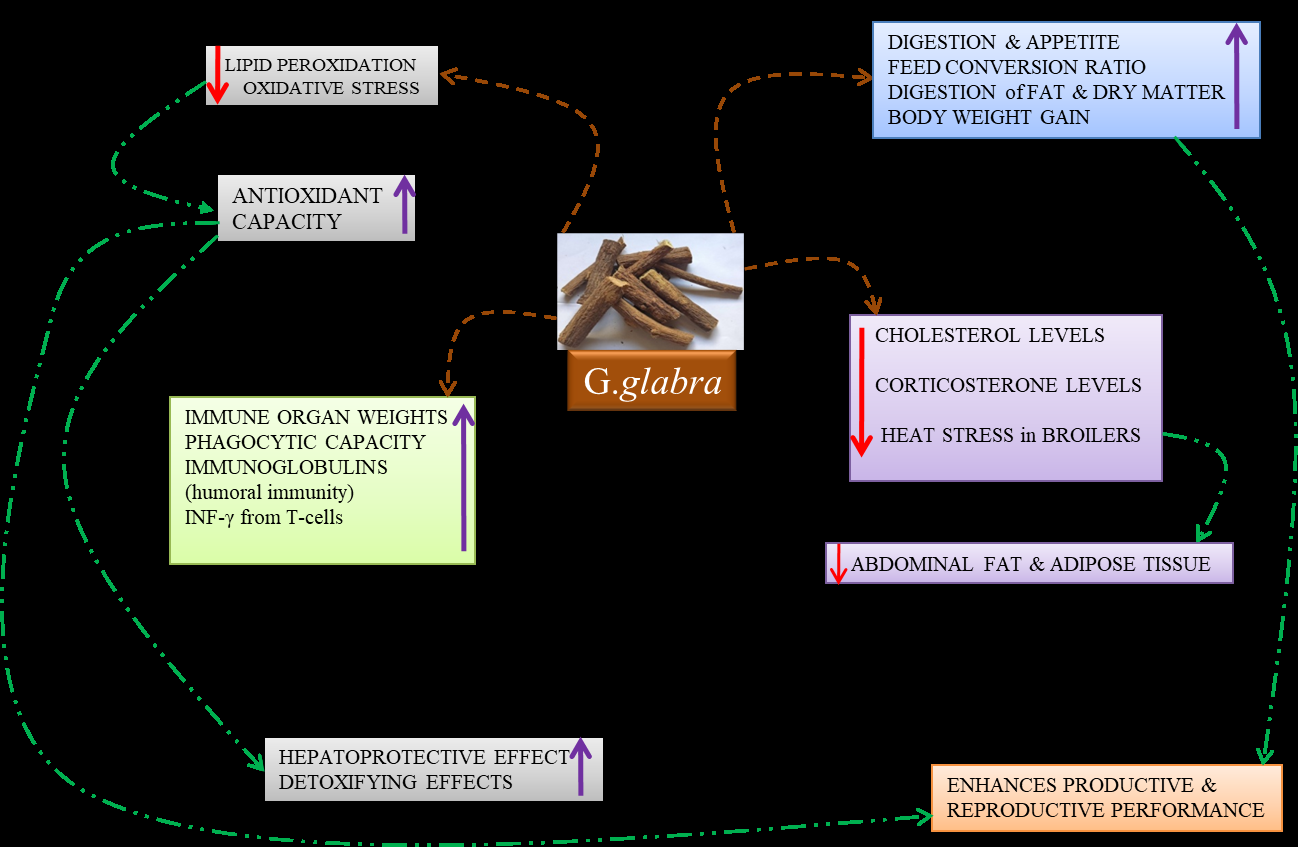
Figure 3: Pharmacological properties of G. glabra. Antioxidant activity: Root flavanoids exhibit strong inhibitory activity. One of the main factors influencing G. glabra’s uses is its inhibitory activity. The strong inhibitor activity discovered may be due to the synthetic resin content [11]. These six substances hispaglabridins A and B, glabridin, methylgrabridin, isoliquiritigenin, and a derivative of isoprenylchalcone have been identified as having this activity. Glabridin makes up the majority of these (11% of the total extract) among them. Glabridin was discovered to be incredibly effective when these substances were tested as an adjunct in nursing antioxidants towards lipoprotein reaction (a contributing factor to atherosclerosis) [12]. The ability to prevent the start of skin damage makes these synthetic resin compounds effective in defending biological systems against aerobic stress [13].
Anti‐inflammatory activity: In numerous experimental animal models and clinical studies, G. glabra root extract has been shown to have anti-inflammatory properties [14]. Shalaby, Ibrahim, Mahmoud, and Mahmoud in 2004 examined the anti-inflammatory effects of G. glabra in male rats following a 4-week feeding period. The authors discovered a significant decline in the total sterol and lipoid levels as well as in the levels of body fluid liver enzymes. The beneficial effects of G. glabra on the treatment of diseases of the higher tract and viscus system were examined by Harwansh, Patra, Pareta, Singh, and Biswas in 2011. These pharmacologic effects were caused by an increase in monoamine neurotransmitter secretion and prostaglandin production in the abdomen, which reduced viscus inflammation [15]. In actuality, glycyrrhizin’s anti-inflammatory effects resembled those of glucocorticoids and mineralocorticoids [16]. In addition, G. glabra is used to treat liver and excretory organ problems due to its potent anti-inflammatory properties [17].
Antitussic and expectorant activity: It was discovered that the drug’s oral drug extract had antitussive properties (animal studies). A good expectorant effect was produced by the herb’s simultaneous promotion of tubular cavity and cartilaginous tube secretions [14]. Numerous authors have documented liquorice’s expectorant and antitussic properties, particularly how effective it is at treating pharyngitis, cough, and cartilaginous tube rubor [18]. Glycyrrhizin, which promotes the faster secretion of tracheal mucus and aids in the removal of congestion from the higher tract, is responsible for these effects [19]. A lively substance found in the methanolic extract of liquorice known as liqueritin apioside has the capacity to prevent chemical irritant, a substance that causes coughing [20]. Glycyrrhetic acid shielded guinea pigs from histamine- induced bronchospasms [21].
Antiulcerative activity: Extract from G. glabra is frequently used as an antiulcerative. Gastric and duodenal ulcers are treated with it for the gastrointestinal system [22], while it also acts as an adjuvant for the treatment of spasmodic pains associated with chronic gastritis [23]. Glycyrrhizin is the main chemical involved in this activity, and it can increase the concentration of prostaglandins in the digestive tract, encouraging the secretion of stomach mucus [24]. Different types of ulcers, particularly peptic ulcers, are treated with a specialized liquorice extract known as DGL (deglycyrrhizinated liquorice). Liquorice root contains a glycoside that has been discovered to have both safe and efficient ulcer healing properties. When antacids are ineffective in providing relief for ulcer patients, the use of carbenoxolone (a derivative of liquorice root) should be taken into consideration. Liquorice was also said to have an antipepsin effect and to slow down the production of surface cells in the abdomen [25].
Antimicrobial activity: A major issue in clinical medicine, multidrug-resistant microorganisms have prompted researchers to look for new active ingredients. A variety of organisms, including Staphylococcus aureus, Mycobacterium tuberculosis, Escherichia coli, Entamoeba histolytica protozoa, and Trichomonas, are susceptible to the herb’s alcoholic extract, which is also known as the sodium salt of glycyrrhizinic acid [21]. Particularly, this activity is mediated by G. glabra isolates glabridin, glabrol, glabrene, hispaglabridin A and B, as well as 40-methylglabridin and 3-hydroxyglabrol [26]. Against Arthrinium sacchari and Chaetomium funicola, the methanolic extract of liquorice exhibits fungicidal activity; however, glabridin was discovered to be the active ingredient responsible for the effects noticed [27]. Glycyrrhizinic acids are commonly used to treat skin parasite infestations that cause atopic dermatitis, pruritis, and cysts [28].
Anti-viral activity: Due to its ability to prevent virus cell attachment, glycyrrhizin exhibits a distinctive antiviral activity. Hepatitis and the common cold are viral infections that can be treated with glycyrrhetinic acid-containing oral liquorice preparations. For herpes, eczema, and psoriasis, topical preparations with glycyrrhetinic acid are used. In Japan, liquorice extracts have been used to treat chronic liver disease for more than 60 years. They also have antiviral properties that can be used to treat various viruses, such as the herpes simplex virus (HSV), the human immunodeficiency virus (HIV), and others [4]. As a preventative measure, glycyrrhizin will be used because it has been found to be the most effective at inhibiting the replication of dominant infectious agents.
Anticarcinogenic activity: Ehrlich ascites tumour cells are not only prevented from proliferating in vivo and in vitro, but also from undergoing angiogenesis in vivo tests using peritoneal and choreoallantonic membranes [29]. By causing a change in mitochondrial permeability, glycyrrhetic acid may start the proapoptotic pathway. This property may also be useful for causing tumour cells to die [30]. In addition to having antimutagenic potential, G. glabra’s hydro-methanolic root extract prevented the development of micronuclei and chromosomal aberration in albino mice’s bone marrow cells [31]. The substance doesn’t impact the normal liver cell line, but it prevents HepG2 cells from proliferating in liver cancer. Particularly, 18-glycyrrhetinic acid increases the generation of reactive oxygen species, the production of nitric oxide, and the diminution of the mitochondrial membrane potential [32]. It was found that glycyrrhizin only stimulates AP-1 activity in untreated cells, whereas TPA (12-O-tetradecanoylphorbal- 13-acetate), which inhibits AP-1 activity, induces it in TPA- treated cells. This mechanism may serve as a template for developing novel chemoprotective compounds [33]. According to recent research, isoliquiritigenin significantly reduced the proliferation of prostatic adenocarcinoma cell lines in a dose- and time-dependent manner. Subsequent studies also suggested that isoliquiritigenin may be a candidate for the treatment of prostatic adenocarcinoma [34].
Hepatoprotective Activity: The development of cirrhosis of the liver and its potential complications of liver failure or hepatocarcinoma are symptoms of chronic liver disease, which can be both viral and nonviral. Rats given an oral dose of G. glabra root extract were protected from carbon tetrachloride-induced liver damage. The reduction of hepatic necrosis and degeneration, the restoration of hepatocellular glycogen, and other indicators all pointed to hepatoprotective action. In rabbits and rats with ligated common bile ducts, glycyrrhizin and glyrrhetic acid both reduced serum bilirubin levels and encouraged urine excretion of the substance [14]. When compared to a placebo, glycyrrhizin caused a significant drop in blood serum aminotransferases and improved the microscopic anatomy of the liver. Furthermore, it has been suggested that long-term use of glycyrrhizin in chronic hepatitis C patients prevents the growth of hepatocellular carcinoma. According to in vitro research, glycyrrhizin modifies intracellular transport and suppresses the hepatitis B virus surface antigen [35]. Additionally, by increasing CYP1A1 and glutathione-transferase activity and metabolically inactivating the hepatotoxin, it protects against the oxidative and hepatic damage caused by aflatoxins, which in turn promotes the anticarcinogenic activity [36]. Additionally, it has been experimentally proven that glycyrrhizin and its analogues have a mitogenic effect via epidermal growth factor receptors, which in turn activates the MAP (mitogen activated protein) kinase pathway to promote hepatocyte DNA synthesis and proliferation [37].
Neuroprotective activity: Mice were given G. glabra extract orally for 7 days at various concentrations (75-300 mg/ kg), and this improved their learning and memory [38].
The observed memory-enhancing effects of liquorice may be attributed to its anti-inflammatory properties [39]. The protective effects of liquorice extract are also attributed to its antioxidant properties, which reduce brain damage and enhance neuronic performance and memory. Memory- improving effects could result from the interaction of antioxidant and anti-inflammatory properties with neuroprotective functions.
Immunomodulating activity: It was shown in vitro that the phenolic compound glycyrrhizin is responsible for the immunomodulatory properties of an aqueous root extract of G. glabra [40]. Liquorice polysaccharide fractions increase immune stimulation by stimulating macrophages [41]. An analogue of glycyrrhizin called N-acetylmuramoyl amide has been shown in animal studies to be effective against the influenza virus by preventing virus replication [42]. A potential source of an immunomodulator, glycyrrhizic acid, which is present in the plant, prevents the growth of viruses and renders virus particles inactive [43].
![Figure 3: Pharmacological properties of _G. glabra._ **Antioxidant activity:** Root flavanoids exhibit strong inhibitory activity. One of the main factors influencing G. glabra’s uses is its inhibitory activity. The strong inhibitor activity discovered may be due to the synthetic resin content [11]. These six substances hispaglabridins A and B, glabridin, methylgrabridin, isoliquiritigenin, and a derivative of isoprenylchalcone have been identified as having this activity. Glabridin makes up the majority of these (11% of the total extract) among them. Glabridin was discovered to be incredibly effective when these substances were tested as an adjunct in nursing antioxidants towards lipoprotein reaction (a contributing factor to atherosclerosis) [12]. The ability to prevent the start of skin damage makes these synthetic resin compounds effective in defending biological systems against aerobic stress [13].](/fulltextimages/10501/fig_3.png)
Other activities
The powdered liquorice root is used for a variety of pharmaceutical applications, including the preparation of pills to give them the proper consistency or to cover their surfaces and prevent them from cohesion, as well as diluents for finely ground extracts, etc. The main function of liquorice in pharmacy is to mask the unpleasant flavours of many nauseous medications, including bush, aloe, aluminum chloride, senega, hyoscyamus, turpentine, etc. Due to its flavor, liquorice has traditionally been used as a sweetener [44]. Pretreatment with G. glabra significantly reduces the effects of ischaemic reperfusion through enhancement of heart antioxidant status, amelioration of the perturbed hemodynamic, restoration of left ventricular contractile function, and histological salvage [45]. By inhibiting leukocyte migration, the production of autoantibodies, and exhibiting antiproteinase activity, the methanolic extract of G. glabra rhizomes, at a dose of 150 mg/kg, has antiarthritic activity in male rats [46]. In particular, 18-glycyrrhetinic acid, which has been dubbed a novel therapeutic ingredient for the treatment of allergic asthma, reduced airway inflammation in a mouse model of asthma [47]. Finally, glabridin shows hypoglycemic effects in an animal model with diabetes mellitus, significantly decreasing body weight [48].
Side effects and toxicity
There is a limit for consumption because it is well known that something can become harmful or poisonous after a certain point, regardless of whether it is a plant, an animal, or a microbe. Elevated blood pressure is the most frequently reported adverse effect of licorice supplementation. This is attributed to licorice’s effect on the renin-angiotensin- aldosterone system. Top doses of G. glabra have been associated with a variety of negative side effects, including fluid retention, hypokalemia, and hypertension. For instance, in 2010, it was believed that a 34-year-old woman had consumed enough liquorice over several months to cause a fatal acute intoxication [49]. Patients with mineralocorticoid excess syndromes appear to consume anywhere between 1.5 g and 250 g of licorice per day [50].
Conclusion
A plant with a significant ethnobotanical history is Glycyrrhiza glabra (GG). Both in Europe and Japan, this plant’s roots and rhizomes are used as prescription medications. The medicinal benefits of G. glabra extracts, including their antitussive, antimicrobial, antioxidant, anti-inflammatory, antiulcer, and anticancer properties, are well documented. These endeavors frequently depend on traditional medicine and cognitive content. It is true that liquorice has few side effects and toxicities, most of which are associated with fluid retention and high blood pressure. In addition to describing and explaining the plant’s typical uses, this review highlights the plant’s potential applications for a variety of industries, including the cosmetic and pharmaceutical ones. To provide a scientific foundation for brand-new uses, numerous clinical trials must be conducted. The chemical components of G. glabra hold a strong potential for producing new molecules, which may have a wide range of therapeutic applications in the drug discovery process for the creation of modern medications. Finally, there is also a lot of room to experiment with various liquorice preparation combinations for a variety of disorders.
References
-
Wittschier N, Faller G, Hensel A (2009) Aqueous extracts and polysaccharides from liquorice roots (Glycyrrhiza glabra L.) inhibit adhesion of Helicobacter pylori to human gastric mucosa. Journal of ethnopharmacology 125(2): 218-223.
-
Vispute S, Ashlesha K (2011) Glycyrrhiza Glabra Linn.- Klitaka: A Review. International journal of pharma and bio sciences 2(3): 49.
-
Shibata S (2000) A drug over the millennia: pharmacognosy, chemistry, and pharmacology of licorice. Yakugaku zasshi 120(10): 849-862.
-
Anilkumar D, Joshi H, Nishteswar K (2012) Review of Glycyrrhiza glabra (Yastimadhu)-a broad spectrum herbal drug. Pharma Science Monitor 3(4): 3171-3195.
-
Verma KK, Gautam RK, Choudhary A, Gupta GD, Singla S, et al. (2020) A review on ethnobotany, phytochemistry and pharmacology on Rumex hastatus. Research Journal of Pharmacy and Technology 13(8): 3969-3976.
-
Huxley AJ, Griffiths M (1992) Dictionary of gardening. Stockton Press. London, New York, pp: 888.
-
Somjen D, Katzburg S, Vaya J, Kaye AM, Hendel D, et al. (2004) Estrogenic activity of glabridin and glabrene from licorice roots on human osteoblasts and prepubertal rat skeletal tissues. J Steroid Biochem Mol Biol 91(4-5): 241- 246.
-
Mukhopadhyay M, Panja P (2008) A novel process for extraction of natural sweetener from licorice (Glycyrrhiza glabra) roots. Separation and Purification Technology 63(3): 539-545.
-
Rizzato G, Scalabrin E, Radaelli M, Capodaglio G, Piccolo O (2017) A new exploration of licorice metabolome. Food Chemistry 221: 959-968.
-
Asl MN, Hosseinzadeh H (2008) Review of pharmacological effects of Glycyrrhiza sp. and its bioactive compounds. Phytotherapy Research 22(6): 709-724.
-
Račková L, Jančinová V, Petríková M, Drábiková K, Nosáľ R, et al. (2007) Mechanism of anti-inflammatory action of liquorice extract and glycyrrhizin. Natural product research 21(14): 1234-1241.
-
Vaya J, Belinky PA, Aviram M (1997) Antioxidant constituents from licorice roots: isolation, structure elucidation and antioxidative capacity toward LDL oxidation. Free Radical Biology and Medicine 23(2): 302-313.
-
Haraguchi H, Ishikawa H, Mizutani K, Tamura Y, Kinoshita T (1998) Antioxidative and superoxide scavenging activities of retrochalcones in Glycyrrhiza inflata. Bioorganic & medicinal chemistry 6(3): 339-347.
-
Chang HM, But PPH (1986) Pharmacology and Applications of Chinese Materia Medica: (Volume I). World Scientific Publishing, Singapore, pp: 740.
-
Bahmani M, Rafieian-Kopaei M, Jeloudari M, Eftekhari Z, Delfan B, et al. (2014) A review of the health effects and uses of drugs of plant licorice (Glycyrrhiza glabra L.) in Iran. Asian Pacific Journal of Tropical Disease 4(2s): S847-S849.
-
Kageyama Y, Suzuki H, Saruta T (1994) Role of glucocorticoid in the development of glycyrrhizin- induced hypertension. Clinical and experimental hypertension 16(6): 761-778.
-
Xiao Y, Xu J, Mao C, Jin M, Wu Q, et al. (2010) 18β-glycyrrhetinic acid ameliorates acute Propionibacterium acnes-induced liver injury through inhibition of macrophage inflammatory protein-1α. Journal of Biological Chemistry 285(2): 1128-1137.
-
Damle M (2014) Glycyrrhiza glabra (Liquorice)-a potent medicinal herb. International journal of herbal medicine 2(2): 132-136.
-
Varsha S, Agrawal RC, Sonam P (2013) Phytochemical screening and determination of anti-bacterial and anti- oxidant potential of Glycyrrhiza glabra root extracts. J Environ Res Develop 7(4A): 1552.
-
Kamei J, Nakamura R, Ichiki H, Kubo M (2003) Antitussive principles of Glycyrrhizae radix, a main component of the Kampo preparations Bakumondo-to (Mai-men- dong-tang). European journal of pharmacology 469(1- 3): 159-163.
-
Satyavati GV, Raina MK, Sharma M (1987) Medicinal plants of India. Indian Council of Medical Research 2: 660.
-
Bardhan KD, Cumberland DC, Dixon RA, Holdsworth CD (1978) Clinical trial of deglycyrrhizinised liquorice in gastric ulcer. Gut 19(9): 779-782.
-
Armanini D, Fiore C, Mattarello MJ, Bielenberg J, Palermo M (2002) History of the endocrine effects of licorice. Exp Clin Endocrinol Diabetes 110(06): 257-261.
-
Malek JM, Ghazvini K (2007) In vitro susceptibility of Helicobacter pylori to licorice extract. Iran J Pharm Res 6(1): e128312.
-
Aly AM, Al-Alousi L, Salem HA (2005) Licorice: a possible anti-inflammatory and anti-ulcer drug. Aaps Pharmscitech 6(1): E74-E82.
-
Wang L, Yang R, Yuan B, Liu Y, Liu C (2015) The antiviral and antimicrobial activities of licorice, a widely-used Chinese herb. Acta pharmaceutica sinica B 5(4): 310- 315.
-
Sato J, Goto K, Nanjo F, Kawai S, Murata K (2000) Antifungal activity of plant extracts against Arthrinium sacchari and Chaetomium funicola. Journal of bioscience and bioengineering 90(4): 442-446.
-
Saeedi M, Morteza‐Semnani K, Ghoreishi MR (2003) The treatment of atopic dermatitis with licorice gel. Journal of Dermatological Treatment 14(3): 153-157.
-
Sheela ML, Ramakrishna MK, Salimath BP (2006) Angiogenic and proliferative effects of the cytokine VEGF in Ehrlich ascites tumor cells is inhibited by Glycyrrhiza glabra. Int Immunopharmacol 6(3): 494-498.
-
Fiore C, Salvi M, Palermo M, Sinigaglia G, Armanini D, et al. (2004) On the mechanism of mitochondrial permeability transition induction by glycyrrhetinic acid. Biochimica et Biophysica Acta (BBA)-Bioenergetics 1658(3): 195-201.
-
Sharma V, Agrawal RC, Shrivastava VK (2014) Assessment of median lethal dose and anti-mutagenic effects of Glycyrrhiza glabra root extract against chemically induced micronucleus formation in Swiss albino mice. Int J Basic Clin Pharmacol 3(2): 292-297.
-
Hasan SK, Siddiqi A, Nafees S, Ali N, Rashid S, et al. (2016) Chemopreventive effect of 18β-glycyrrhetinic acid via modulation of inflammatory markers and induction of apoptosis in human hepatoma cell line (HepG2). Molecular and cellular biochemistry 416(1-2): 169-177.
-
Hsiang CY, Lai IL, Chao DC, Ho TY (2002) Differential regulation of activator protein 1 activity by glycyrrhizin. Life sciences 70(14): 1643-1656.
-
Kanazawa M, Satomi Y, Mizutani Y, Ukimura O, Kawauchi A, et al. (2003) Isoliquiritigenin inhibits the growth of prostate cancer. European urology 43(5): 580-586.
-
Van Rossum TG, Vulto AG, De Man RA, Brouwer JT, Schalm SW (1998) glycyrrhizin as a potential treatment for chronic hepatitis C. Alimentary pharmacology & therapeutics 12(3): 199-205.
-
Yang Y, Yang L, Han Y, Wu Z, Chen P, et al. (2017) Protective effects of hepatocyte-specific glycyrrhetic derivatives against carbon tetrachloride-induced liver damage in mice. Bioorganic Chemistry 72: 42-50.
-
Kimura M, Inoue H, Hirabayashi K, Natsume H, Ogihara M (2001) Glycyrrhizin and some analogues induce growth of primary cultured adult rat hepatocytes via epidermal growth factor receptors. European journal of pharmacology 431(2): 151-161.
-
Parle M, Dhingra D, Kulkarni SK (2004) Memory- strengthening activity of Glycyrrhiza glabra in exteroceptive and interoceptive behavioral models. Journal of Medicinal Food 7(4): 462-466.
-
Yokota T, Nishio H, Kubota Y, Mizoguchi M (1998) The inhibitory effect of glabridin from licorice extracts on melanogenesis and inflammation. Pigment cell research 11(6): 355-361.
-
Mazumder PM, Pattnayak S, Parvani H, Sasmal D, Rathinavelusamy P (2012) Evaluation of immunomodulatory activity of Glycyrhiza glabra L roots in combination with zing. Asian pacific journal of tropical biomedicine 2(1): S15-S20.
-
Wagner H, Jurcic K (2002) Immunological studies of Revitonil®, a phytopharmaceutical containing Echinacea purpurea and Glycyrrhiza glabra root extract. Phytomedicine 9(5): 390-397.
-
Baltina LA (2003) Chemical modification of glycyrrhizic acid as a route to new bioactive compounds for medicine. Current medicinal chemistry 10(2): 155-171.
-
Arora R, Chawla R, Marwah R, Arora P, Sharma RK, et al. (2010) Potential of complementary and alternative medicine in preventive management of novel H1N1 flu (Swine flu) pandemic: thwarting potential disasters in the bud. Evidence-Based complementary and alternative medicine 2011: 586506.
-
Tong X, Xie Q, Rong G, Zhou S, Meng Q (2015) Detection of consensuses and treatment principles of diabetic nephropathy in traditional Chinese medicine: A new approach. Journal of Traditional Chinese Medical Sciences 2(4): 270-283.
-
Ojha S, Golechha M, Kumari S, Bhatia J, Arya DS (2013) Glycyrrhiza glabra protects from myocardial ischemia– reperfusion injury by improving hemodynamic, biochemical, histopathological and ventricular function. Experimental and toxicologic pathology 65(1-2): 219- 227.
-
Choudhary M, Kumar V, Malhotra H, Singh S (2015) Medicinal plants with potential anti-arthritic activity. Journal of intercultural ethnopharmacology 4(2): 147- 179.
-
Kim SH, Hong JH, Lee JE, Lee YC (2017). 18β-Glycyrrhetinic acid, the major bioactive component of Glycyrrhizae Radix, attenuates airway inflammation by modulating Th2 cytokines, GATA-3, STAT6, and Foxp3 transcription factors in an asthmatic mouse model. Environ Toxicol Pharmacol 52: 99-113.
-
Wu F, Jin Z, Jin J (2013) Hypoglycemic effects of glabridin, a polyphenolic flavonoid from licorice, in an animal model of diabetes mellitus. Molecular Medicine Reports 7(4): 1278-1282.
-
Albermann ME, Musshoff F, Hagemeier L, Madea B (2010) Determination of glycyrrhetic acid after consumption of liquorice and application to a fatality. Forensic science international 197(1-3): 35-39.
-
Sharma V, Agrawal RC, Katiyar A (2013) Glycyrrhiza glabra-a plant for the future. Mintage J Pharm Med Sci 2(3): 15-20.
- Management of Ear Keloid with Ksharsutra: A Case Study
- Yoga and Global Sustainability: A Holistic Path to One Earth, One Health
- Autoimmune Diseases in Ayurveda: A Narrative Review with Classical and Modern Perspectives
- Management of Cluster Headache Associated with Pituitary Apophysitis by CERT (Chakrasiddh Energy Release Technique): A Case Report on Energy Rebalancing
- Zygophyllum Geslini Coss : Biochemicals and Antioxidant Activity
- Observations of a Beginner Vaidya