
Spreadsheet Validation: A Detailed Review
Spreadsheet validation is a critical process for ensuring data accuracy and integrity in various domains, such as finance, research, and project management. As spreadsheets continue to be widely used for data analysis and decision-making, the need to validate their contents becomes paramount. It explores various techniques and best practices for validating spreadsheets, including formula auditing, data consistency checks, range validation, and error handling mechanisms. To address these concerns, this sheet delivers components of spreadsheet validation, including establishing robust validation processes, implementing appropriate controls, and ensuring proper documentation. It discusses the importance of validating formulas, data input, cell references, and data transformations to mitigate risks and maintain accurate results. This review explores the significance of spreadsheet validation in achieving ALCOA compliance. It highlights the challenges associated with spreadsheets as a commonly used tool for data management, including the potential for errors, data corruption, and lack of version control. The review also examines the potential consequences of non-compliance, such as regulatory penalties, compromised data integrity, and damaged reputations.
Introduction
The importance of quality in medicine manufacturing cannot be overstated. Ensuring the highest standards of quality is crucial for the production of safe and effective pharmaceutical products. Quality assurance techniques are implemented throughout the manufacturing process, rather than relying solely on final product testing. This approach is essential for building a quality product at every step and minimizing the risks associated with defects or inconsistencies [1].
The Food and Drug Administration (FDA) recognizes the significance of quality assurance in pharmaceutical manufacturing and has embraced good manufacturing practices (GMP) as a framework for ensuring quality. Validation, considered an integral part of current Good Manufacturing Practices (cGMP), has gained prominence in recent times to enhance the quality of pharmaceutical products [1].
The concept of validation was initially proposed by FDA officials Ted Byers and Bud Loftus in the mid-1970s. Over time, the concept has evolved to encompass various activities, including analytical quality testing of active pharmaceutical ingredients (APIs) and products, computerized clinical trial systems, research, and process control. The term “validation” is derived from the word “valid” or “validity,” signifying compliance with legal requirements [2].
According to the FDA, validation is defined as the process of collecting and evaluating data to establish scientific evidence that equipment, utilities, or facilities are capable of consistently delivering quality products. It involves a systematic approach to gathering and analyzing data to ensure that manufacturing processes are reliable and produce consistent outcomes [2].
Quality assurance (QA) complements the validation process by encompassing planned, systematic actions aimed at providing confidence that a product or service will meet predefined quality standards. QA activities are designed to prevent defects, identify and address potential risks, and ensure compliance with quality requirements [3].
By implementing robust quality assurance programs and embracing validation principles, pharmaceutical industries can enhance product quality, mitigate risks, and comply with regulatory standards. These practices are essential for safeguarding patient safety, maintaining the integrity of pharmaceutical products, and building trust among healthcare professionals and consumers [3].
Spreadsheet validation plays a critical role in ensuring data integrity and compliance within regulated industries, particularly in the context of ALCOA (Attributable, Legible, Contemporaneous, Original, and Accurate) principles. ALCOA serves as a framework for maintaining data quality and traceability, emphasizing the importance of accurate and reliable data throughout its lifecycle [4].
Quality Assurance
Quality Assurance (QA) encompasses a set of predetermined actions undertaken to ensure adequate confidence in the adherence of goods or services to established standards of quality and suitability. It represents the culmination of all endeavors aimed at meeting the required criteria [5].
Elements of Quality Assurance: • Establishing the system • The Quality Manual • Training • Standard Operating Procedure • The Quality Assurance manager • Auditing and ensuring compliance • Sustaining Quality Assurance
Quality Assurance Framework
Quality holds a significant place in the identity of the Institute and is one of the foundational elements of UNITAR’s Six-Point Vision, which will guide its programming in the future. In 2012, UNITAR established the Quality Assurance Framework (QAF) for learning events in response to the increasing focus on learning outcomes and the strategic objective of enhancing the quality of training products and services, as outlined in the 2010-2012 Strategic Framework. Since 2010, there has been a significant rise in the number and proportion of beneficiaries associated with learning events and broader capacity development initiatives. In 2016 alone, UNITAR conducted over 300 learning-related events, including briefings, courses, workshops, seminars, and fellowship programs, reaching out to more than 32,000 individuals, marking the highest level of engagement in the Institute’s history [5].
The QAF serves two purposes: (a) validating the quality of UNITAR’s training through relevant certification and/ or accreditation schemes, and (b) providing a platform for sharing experiences and learning related to quality. It consists of three key components:
• The Quality Assurance Committee (QAC) • A set of quality assurance standards and guidelines • A self-assessment and peer review process By incorporating these elements, the QAF ensures that the quality of UNITAR’s training is upheld and provides a mechanism for continuous improvement and knowledge exchange in relation to quality matters.
The Quality Assurance Committee (QAC), quality standards and guidelines, and self-assessment and review processes not only contribute to enhancing the quality of products and services offered by the Institute but also offer valuable opportunities for improvement. Additionally, they serve as a point of reference for external quality certification schemes and help facilitate the Institute’s journey towards accreditation. By implementing these measures, UNITAR can ensure continuous enhancement of its offerings and align them with recognized quality benchmarks, both internally and externally. The framework in brief is shown in Figure 1 [5].

Functions of Quality Assurance
• Ensures validation and qualification of designated formulations. • Qualifies batches for scaling up to production batches. • Assists in the design of validation protocols. • Establishes clinical programs for manufacturing bio batches, aiming for FDA pre-approval clearance. • Ensures the delivery of safe, effective, and high-quality medicines to patients. • Encompasses technical and managerial activities necessary to fulfill all quality functions. • Includes documentation, review of quality control laboratory tests, and product performance [6, 7].
Data Validation
Data validation plays a crucial role in upholding the integrity and reliability of data used in any programs and research. While current guidance primarily emphasizes data validation at the industrial level, extending validation efforts to a broader level such as companies, laboratories or industries can provide valuable insights and serve as a useful tool.
Expanding the scope of data validation beyond individual firm allows for a more comprehensive assessment of data accuracy, completeness, and consistency across a larger works or projects. This broader perspective enables the identification of trends, patterns, and potential discrepancies that may not be evident when focusing solely on individual centers. It facilitates the detection of systemic issues or variations in data quality, providing opportunities for improvement at a higher level.
By implementing data validation processes at regional or state levels, stakeholders can gain a more comprehensive understanding of the overall quality of the data collected. This approach enhances the reliability and usability of the data, ensuring that it meets the necessary standards for many programs and research. It also promotes consistency and harmonization of data across different entities, facilitating collaboration and enabling more robust analyses and evidence-based decision-making in the field of trauma care [8].
Maintenance of Data Collection Quality
Data management refers to the comprehensive framework employed to acquire, maintain, organize, track, assess, and present identifiable data, while determining its relevance for achieving the objectives of the registry. Conversely, quality assurance guarantees that the information was indeed collected in accordance with guidelines, and that the data recorded in the registry system fulfills the necessary quality standards typically established based on the intended purposes.
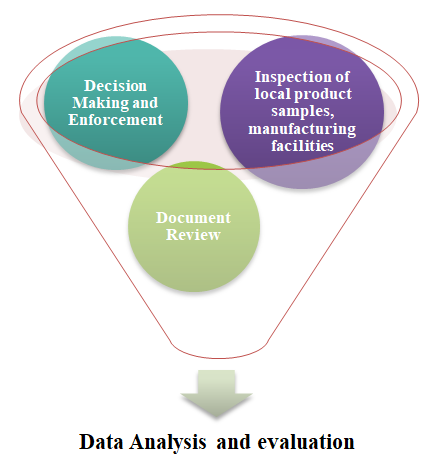
Furthermore, specific users of data may require adherence to certain rules or specifications during the data gathering and verification process. For instance, a database collecting data intended for use by the United States Food and Drug Administration (FDA) must comply with the authentication standards of the system and the final recipient’s requirements, such as Title 21 of the Code of Federal Regulations Part 11 (21 CFR Part 11). The quality assurance framework for data management is depicted in Figure 2 [9].
Data Integrity
• The extent to which data are comprehensive, logical, precise, dependable, and accurate and that these data attributes remain intact across the data life cycle. • It is done to avoid intentional, accidental falsification or deletion of data to withstand data quality during regulatory inspections • Data integrity and security infractions are not only 21 (CFR) Part 11 issues, but also severe cGMP violations. • This need disciplined quality systems, quality principles, GDP and trained individuals [10]. • It plays a very crucial role in USFDA auditing functions. It is critical for backing up the data, which includes legitimate information from the entire department [1].
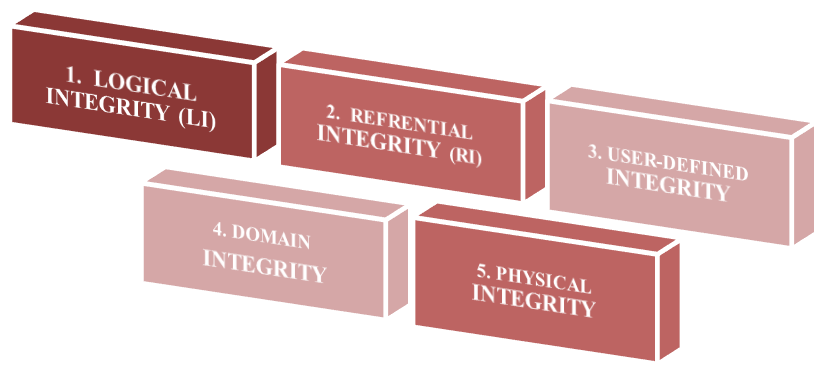
On the basis of mechanism and data integrity stream integrity can be divided as shown in the Figure 3.
ALCOA Concept
The FDA guidelines define ALCOA as shown in Figure 4 [11].
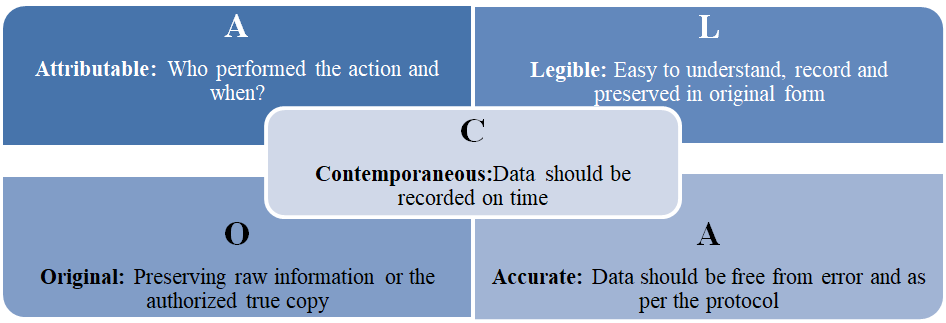
Attributable: The necessity of preserving records to determine identification marks, personalizes, or expected personalities of people who finish broadsheets. It is recommended that you use permanent ink after the document is done. When editing an entry, unique verdict is constantly designated above the primary record. The approach confirms readability of the records. All the mentioned data should be consistent and clear under all situations [12]. Legible: The data of records involved in maintaining the data integrity must have appropriate accessibility during the entire duration of action [12]. Contemporaneous: All the data are documented during the entire course of action. It generally determines the accumulation of the all the data, records and important information from several sources into the suitable operational documents in sequential runs [11]. Original: The genuine or accurate copy of the raw data must be given. Example: The original data becomes lost during the processing of a series of raw data into usable binary number formats, tables, columns, etc [13]. Accurate: Data must include complete meaning. Use an observation check for the purpose of basic record collecting to confirm the correctness of the information. Take into account electronic techniques for data collection and verification. Include accuracy checks in every aspect of the design of the electrical framework. For instance, verify the manual information flow; temperature data must be reported within the predefined range of 0-100°C [14].
Alcoa Plus
To further clarify the characteristics of legitimate contemporaneous attributable original accurate excellent documentation practice, more terms were added. As follows: Simple to get, practical to utilise, already existent, or ready usage Accessible: Reachability, sorted, used, or acquired. Complete: Nothing is lacking, Consistent: Doing or acting in the same way again. Credible: Capable of convincing someone or doing something. Corroborated: To support the evidence with further data or information [15].
Global Data Integrity Regulation Guidelines
USFDA: 21-CFR: The Code of Federal Regulation (CFR) is a collation of the overall and lasting rules that the supervisory sectors and interventions of the civic regime have issued in the Federal Register. Title 21 of the Code of Federal rules contains the rules of the Food and Drug Administration. For every title/volume, the CFR is updated once a year on or around April 1st [16]. MHRA: The MHRA’s GMP data integrity criteria for the industrial direction are envisioned to heighten the EU’s current GMP standards for dosage. The pharmaceutical quality system, which guarantees that medications are of the requisite quality, is fundamentally dependent on data integrity [16].
TGA: The Therapeutic Goods Administration (TGA), an Australian regulatory organization, specifies the need for data integrity as a deficit. A flaw in a procedure that has resulted in or might lead to a considerable risk of creating a user-harmful product. Also, it happens when it is discovered that the producer has cheated, lied about, or fabricated items or data [16]. WHO: Vital drugs and medical supplies, WHO releases data integrity recommendations to safeguard patients worldwide. In order to lessen instances of manufacturers providing inadequate data or purposeful data fabrication, has WHO produced a guideline on worldwide best practices for regulatory bodies and inspectors while we are creating a medication and marketing it. Several people and things are involved, and the reliability and quality of the information manufacturers provide to national regulatory agencies is important at every stage. To guarantee the caliber of research supplying requests for medications to be placed on the market, that data must be extensive, thorough, exact, and truthful. Moreover, it must adhere to a variety of requirements, including: excellent manufacturing procedures (GMP), good clinical practice (GCP) and good laboratory practices (GLP) [16]. EME: To ensure the generated data integrity at the time of testing, manufacturing, packaging, distribution, and monitoring of medicines, the European Medicines Agency (EMA) has published new Good Manufacturing Practice (GMP) guidelines. These data are used by regulators to assess the effectiveness, safety, and quality of medications as well as to track the benefit-risk profile of such medications over their entire life cycle. Effective data record management enables regulatory agencies and pharmaceutical producers to make informed decisions by ensuring that the data produced are correct and consistent.
Spreadsheets
The spreadsheets are the type of collective computer application used for the analysis and data storage in the form of tables to make it valid for other organizations. The paper-based documentation was replaced by such sheets throughout the business world. In early days they were used for keeping accounts, books while today multiple data is stored, shared and sorted in the form of tables and lists.
A spreadsheet, also known as a worksheet, is a structured arrangement of rows and columns. Rows run horizontally, while columns run vertically. It serves as a tool for recording, calculating, and comparing numerical or financial data. In a spreadsheet, each cell can contain either an independent value or a value derived from other variables. Derived values are typically the result of arithmetic expressions or functions, represented by formulas.
A spreadsheet application, often referred to simply as a spreadsheet, is a computer program that enables users to input and manipulate data. One well-known example is Microsoft Excel, which is part of the Microsoft Office Suite of software. Excel provides a user-friendly interface for creating and working with spreadsheets, offering a wide range of functions and features to perform calculations, analyze data and present information visually [17].
Spreadsheet’s Historical Importance
• The original version, Dan Bricklin Visi Calc for the Apple II, was created by a Harvard student in the late 1970s, and the most well-known version was Lotus 1-2-3. • In charge of the corporate world’s adoption of the PC. • Decision-makers who approve computer acquisitions have profited from: Faster and easier operations. Original invention of new or utilised. At a period when PCs were mostly utilised by enthusiasts, spreadsheet software was exclusively available on PCs. • In contrast, word processing was evolutionary. • Mostly administrative workers are benefited. • By comparison, productivity increases were minimal [18].
Overview of Excel Spreadsheet
Spreadsheet software of today can contain numerous interconnected sheets, execute basic mathematical and arithmetic operations, and display data either graphically or as text and numbers. For typical economical and scientific activities, it offers integrated functions. In contrast, a spreadsheet manipulates numerical data, text and the formula The Excel Screen:
or the information. Spreadsheet can be useful in creating budgets, data analysis, financial planning, and to perform the critical numerical operations. These sheets have tendency of automatic recalculation, self feeded formulas by the user, or by default included math functions, along with this changes in already given command or formulas could also be seen enhances the monitoring and error findings [19].
How to Start Excel
• Go to START OPTION on the windows taskbar • It can be find in the search bar as well • Click on MS- Excel option, the window appears as shown in Figures 5 & 6
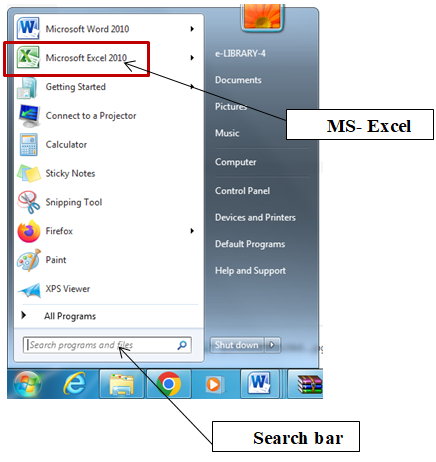
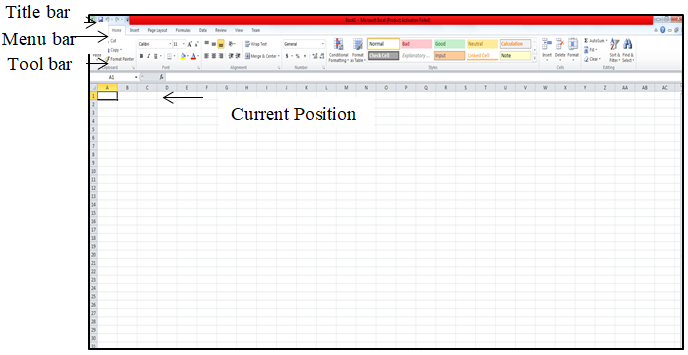
The large window, labeled “Microsoft Excel” may take up the entire screen. This is referred to as the Application Window. The top line is called the Title Bar and has three buttons (Minimize, Restore, and Close) to the right. These buttons are used to size the window and close it. This title bar is standard in all Windows programs [20].
The second line is called the Menu Bar. Notice that one character of each selection is highlighted or underlined. This menu bar is also standard in all Windows programs. The next two lines contain buttons with text or images and are referred to as the Standard and Formatting Toolbars. If you have a mouse, these toolbars allow you to enhance your worksheet without accessing the menu. Keep in mind that these may not be in the exact same place as on the illustration above. All toolbars can be customized to display any buttons you desire.
The next line is the Formula Bar and displays the current cell address and contents. As you move from cell to cell, Excel will keep track of the current cell address for you. The Formula Bar can also be used to edit the text (contents) or formulas contained in the cell [21].
Creation of Spreadsheets
The spreadsheet’s design should be: • Organized and structured • Data entry should be done either automatically or manually by the user • Able to summarize a clear description of its goals and objectives • Able to include clearly defined procedures (such as limit checks, data transmission to other spreadsheets, online creation, and usage of macros), computations • Able to provide results that are simple to track for each unique product [22].
Objective of Spreadsheets
• The spreadsheets are simple to utilize for different goods • The spreadsheet must be adaptable to produce results even if values alter. • The data that is utilised to calculate results should be readily visible in the spreadsheet. • It should be simple to validate and revalidate the spreadsheet. • To prevent modifications or manipulation, the spreadsheet cells holding important data should be secured [22].
Need of Spreadsheet Validation
During an FDA inspection of a QC analytical laboratory in a pharmaceutical firm, several spreadsheet problems were identified. These problems indicate a failure to adhere to current good manufacturing practice (cGMP) and good laboratory practice (GLP) regulations. Furthermore, the laboratory lacked proper multi-user spreadsheet design, validation, and documentation practices. Some specific problems observed in the laboratory include as described in Figure 7 [23].
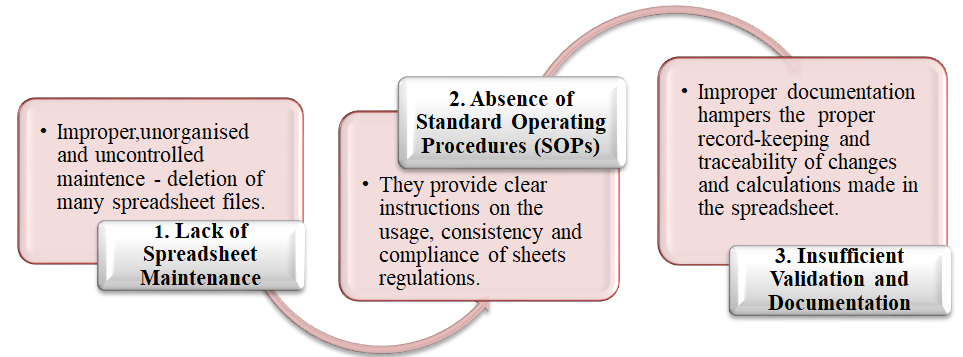
There are some more problems as follows: • One specific problem identified in the QC analytical laboratory was the presence of rounding-off errors in nearly all the spreadsheets. Rounding-off errors can occur when numerical values are truncated or approximated without considering the appropriate rounding rules. • Proper excel equations are not followed to put formulas into the sheets. • No expressions of conversion factors in the sheets.
• Unmatched formulas used for manual calculations and excel calculations. • The standard limits were not mentioned in the spreadsheets. • No clear documentation of spreadsheets.
For example, No clear indication of product statement replacing it by number in a cell. • No labels such as mg/g, mg/ml is provided for unit expressions. • No provision to maintain data integrity and security. • Sheets are not protected from unauthorized changes and access.
Unique designing of these analytical spreadsheets by the user itself can remove these errors. A modest confirmation document must have following points: • Properly describe the programme, its use and working. • Entries of data should be color coded. • Properly described calculation formulas. • Appropriate relationship between excel equations and formulas. • Macro functions must be listed. • Investigation sheets with projected and authentic outcomes, contracted and studied, that have been confirmed by physical calculations. • Properly secured and password protected. • Installation date, version no. and system type [24].
Approach to Specific Part 11 Requirements
Title 21 of the Code of Federal Regulations Part 11 (21 CFR Part 11) is a set of regulations established by the U.S. Food and Drug Administration (FDA) that specifically governs electronic records and electronic signatures in the context of pharmaceutical, biotechnology, and medical device industries. These regulations outline the requirements for the use of electronic systems in capturing, storing, and managing data that is subject to FDA regulations.
21 CFR Part 11 sets forth criteria for electronic records and signatures to be considered dependable, reliable, and legally binding, equivalent to traditional paper records and handwritten signatures. It covers aspects such as the security of electronic records, validation of computer systems, audit trails, electronic signatures, and documentation practices as described in Figure 8.
Compliance with 21 CFR Part 11 is crucial for companies operating in FDA-regulated industries to ensure the integrity, confidentiality, and authenticity of electronic data and to maintain regulatory compliance. Organizations must implement appropriate technical and procedural controls to meet the requirements outlined in 21 CFR Part 11 when using electronic systems for data collection, storage, and management [25].
![Figure 8: Compliance with 21 CFR Part 11 is crucial for companies operating in FDA-regulated industries to ensure the integrity, confidentiality, and authenticity of electronic data and to maintain regulatory compliance. Organizations must implement appropriate technical and procedural controls to meet the requirements outlined in 21 CFR Part 11 when using electronic systems for data collection, storage, and management [25].](/fulltextimages/11382/fig_8.png)
Spreadsheet Designing
The framework of an Excel spreadsheet is almost identical to that of an electronic programme. Spreadsheet formulas are essentially a type of computer code. Alternative to generating the template file and then verifying for mistakes, check for problems throughout the different phases of the creation process. A spreadsheet model is a collection of spreadsheets and custom sheets that are used to analyse and organize data or to solve a specific issue. This designing in appropriate format is shown in Table 1 [26].
| S.No | STEPS | DESCRIPTION |
|---|---|---|
| 1 | Flexible Designing | • Vertical calculation scheme should be promoted. • All the formulas should be written above its respective cells [27]. • Proper color formatting, border style and color should be done appropriately [20]. |
| 2 | Typical Outline | • Documentation – Must contain the title, scope, author name, list, macros and outlines. • Menu – The dialog box should appear with one click consist of user instructions such as drop down list, data entry location etc. • Conventions – Consist of assuming data in the sheets if any. • Manuscript expectations - A critical aspect of spreadsheet design is the transparent documentation of assumptions made in formulas. • Data- This file contains raw data, such as data records from which the model will execute computations. • Calculations - Include as many computation sheets as the data requires. Divide the worksheet’s task into a series of computation stages, and then plan one worksheet section for each step. • Results – The end part should contain the final conclusion along with the predictions done [22]. |
| 3 | Clear Visibility of formulas | • Ensures flexibility of model by reducing recalculations. • Formula shall be written into different cells instead of writing it in single cell, give cell comments wherever needed. |
| 4 | Control Measures | • Checks and control measure shall be included such as “IF and ERROR conditions. • “IFERROR” shall be included to avoid mistakes such as #N/A, #VALUE! , #REF! , #NUM! , #NAME? , or NULL! |
Table 1: Different Steps of Spreadsheet Designing.
Steps in Performing Validation
The steps followed while performing the validation are as follows: Validation Planning: A comprehensive document consisting of actions done, approaches, schedule and validation activities. Validation procedure: The validation procedure should include detailed steps on how to conduct the validation. It should describe the computer system configuration, as well as test methods and objective acceptance criteria, including expected outcomes. The procedures should be reviewed and approved by designated management. The validation procedure should be divided into an Installation Qualification (IQ) and Performance Qualification (PQ) [23]. Installation Qualification: It consists of the points to establish the confidence that the results are in compliance with the regulations. Performance Qualification: PQ will systematically, strictly and constantly test the software by testing all involved and resultant values, records, procedure, and control flow logic [24].
Validation report: The verification report should include complete validated results, particularly the outcomes of the tests. When feasible, evaluations should be reported quantitatively rather than as “pass/fail.” Qualified authority must assess and consent to the report. Validation Lifecycle: It consists of preservation, controlling and maintenance of the validated sheets. These controls include computerized systems and it compliance with the regulations. Some controls to support the system includes • Preventive Maintenance • Environment Control • Monitoring of performance • Retention • Recovery • Training to users, developers and administrators Validation Documentation: The following points should be considered while validating an excel sheet as described in Figure 9. Every worksheet taken into process must be fully documented consisting of all formulas, macros, and user interface elements along with their copies in the validation documentation [25].
![Figure 9: Every worksheet taken into process must be fully documented consisting of all formulas, macros, and user interface elements along with their copies in the validation documentation [25].](/fulltextimages/11382/fig_9.png)
Operational Change Control: Changes to spreadsheet apps must be managed while in use. This modification management must be established from the stage in the creation life cycle where an individual begins to use the programme and will continue throughout the application’s existence [26].
Conclusions
The use of spreadsheets for analytical applications is prevalent in FDA analytical laboratories and is gradually being adopted in other areas such as microbiology laboratories. To ensure consistency and minimize design and validation discrepancies across FDA laboratories, it is crucial to standardize these applications through the implementation of standard operating procedures (SOPs). Without the appropriate control measures in place, spreadsheet applications can be prone to errors and may lead to incorrect results or unreliable data. To prevent such issues, SOPs should include training requirements to ensure that users have the necessary skills and knowledge to effectively and accurately use the applications.
Training analysts in designing and validating spreadsheet analytical applications is crucial for each laboratory. These trained analysts can then share their knowledge and train other analysts, creating a positive ripple effect within the organization. The Atlanta Center for Nutrient Analysis (ACNA) serves as an example of the benefits of training analysts in spreadsheet applications.
By maintaining and continuously improving the spreadsheet applications, the ACNA demonstrates a commitment to quality and data integrity. This proactive approach allows the laboratory to adapt to changing requirements and ensure that the spreadsheet applications remain accurate, up-to-date, and effective in supporting analytical processes.
Each laboratory should have qualified personnel in order to avoid any type of errors and must control the results within the standards and limits. There is a pivotal role spreadsheet validation in the industries. There is always a scope in the advancement of spreadsheet validation with changing versions of computer systems.
References
-
Potkany M, Zavadsky J, Hlawiczka R, Gejdos P, Schmidtova P (2022) Quality Management Practices in Manufacturing Enterprises in the Context of Their Performance. Journal of Competitiveness 14: 97-115.
-
Higgins DC, Johner C (2023) Validation of Artificial Intelligence Containing Products across the Regulated Healthcare Industries. Ther Innov Regul Sci 57(4): 797- 809.
-
Singh A, Singour P, SinghP (2018) Computer system validation in the perspective of the pharmaceutical industry. Journal of Drug Delivery and Therapeutics 8(6): 359-365.
-
Sarvani V, Elisha RP, Nama S, Pola LM, Rao CB (2013) Process validation: an essential process in pharmaceutical industry. International Journal Medicinal Chemistry and Analysis 3: 49-52.
-
Jadhav SV, Waghchaure SS, Chemate SZ (2021) Computer system validation in pharmaceutical industry. International Journal of Creative Research and Thoughts 9: 101-109.
-
Hesham A, Patan IK (2020) Computerized Systems Validation (CSV) in Biopharmaceutical Industries. Journal of Pharmaceutical Research 4(4): 2-15.
-
Nandhakumar L, Dharmamoorthy G, Ramesh Kumar S, Chandrasekaran S (2011) An overview of pharmaceutical validation: Quality Assurance view point. International Journal Research Perspectives 1(4): 1003-1014.
-
Storey A, Briggs R, Jones H, Russell R (2011) Chapter 4: Quality Assurance.
-
(2014) Registries for Evaluating Patient Outcomes: A User’s Guide. In: Gliklich RE, Dreyer NA, et al. (Eds.), 3rd (Edn.), Rockville: Agency for Healthcare Research and Quality (US), Data collection and Quality Assurance.
-
Howard D, Harrison D (2007) A Pragmatic Approach to the Validation of Excel Spreadsheets. Pharma IT Journal 1(2): 6-10.
-
Jain SK (2017) Strategy to avoid data integrity issues in the pharmaceutical industry. The Pharma Innovation Journal 6(2): 110-115.
-
World Health Organization (2016) Guidance on good data and record management practices.
-
(2012) Chapter 19 Quality Assurance for Pharmaceuticals. Management Sciences for Health.
-
van der Loo MPJ, de Jonge E (2020) Data Validation. Wiley Stats Ref Statistics Reference Online 1-7.
-
Brunner H (2004) Chapter 18: Validation of Excel Spreadsheet. In: Chan CC, Lam H, et al. (Eds.), Analytical Method Validation and Instrument Performance Verification.
-
Ayalasomayajula LU, Earle RR, Manasa P, Raju KK (2016) Review on Pharmaceutical Calculations. Research Journal Pharmacy and Technology 9(11): 2043-2047.
-
(2021) OECD Series on Principles of Good Laboratory Practice and Compliance Monitoring. Number 22 Advisory Document of the Working Party on Good Laboratory Practice on GLP Data Integrity.
-
Ahmad, Kumar A, Hafeez A (2019) Importance of data integrity & its regulation in pharmaceutical industry. The Pharma Innovation Journal 8(1): 306-313.
-
Patel KT, Chotai NP (2011) Documentation and Records: Harmonized GMP Requirements. J Young Pharm 3(2): 138-150.
-
Rahul K, Banyal RK (2020) Data Life Cycle Management in Big Data Analytics. Procedia Computer Science 173: 364-371.
-
Martin KC, Perez A (2008) GAMP 5 Quality Risk Management Approach. The Official Magazine of ISPE 28(3): 1-7.
-
Durmuş MS, Ustoglu L, Tsarev RU, Börcsök J (2018) Enhanced V-Model. Informatica 42: 577-585.
-
Pedersen Bjergaard S, Gammelgaard B, Halvorsen TG (2019) Introduction to Pharmaceutical Analytical Chemistry, 2nd edition. Analytical Chemistry 1: 544.
-
Taylor, Hodkinson PW, Khan AS, Simon EL (2020) Research skills and the data spreadsheet: A research primer for low- and middleincome countries. Afr J Emerg Med 10(l2): 140-144.
-
Eudra Lex (2011) Good Manufacturing Practice Medicinal Products for Human and Veterinary Use. Annex 11: Computerized Systems 4: 1-5.
-
Smith P (2014) Data Integrity in the Analytical Laboratory. Pharma Tech com Advance Devlopment and Manufacturing 38(5).
-
Schumacher W, Roche FH (2016) Ensuring data integrity in the pharmaceuticals Industry – mitigation of risks. 20.
- Solution-Processed Chiral Perovskites for Biomedical Applications
- Nanotechnology in Health Chemistry and Medicine: Current Challenges and Future Directions
- Human Exposure to Micro- and Nanoplastics: Pathways, Toxicity, and Intervention Strategies
- Exosome Nanomedicine for Cancer Therapy
- Micro and Nanoplastics–Plastisphere, Biotoxicity, Impact on Human Health, and Mitigation Strategies
- Process Validation of Cefixime Powder for Suspension Dosage Form, 50 mL