
Consequences of Human Consumption of Refined Edible Oil, Which is Debatable and Bad for Health. Government Obligation to Offer Appropriate Education Services: Research Analysis
The most common cause of death worldwide is Coronary Heart Disease (CHD), whose prevalence is sharply increasing, particularly in developing nations like India. Food-related elements, especially edible oils, are crucial in the development of CHD’s causes, management, and preventative strategies. Cooking oils are a vital component of Indian diets, yet there are many widely marketed edible oils that make a variety of health claims. Because Indian cooking methods are different from those used in the West, choosing the correct edible oil is crucial, especially in this setting. Numerous clinical trials and observational/ metabolic research conducted on numerous populations across the board show a consistent link between the type and amount of fat ingested and the risk of CHD. An important link in the causal chain linking diet to CVD is the impact of dietary fats on plasma lipids. Oil seeds are used to produce vegetable oils, which are then used in the food industry for a variety of uses. In India, a vast range of edible cooking oils are used, and they are a crucial component of Indian cuisine. To guarantee that edible oils are readily available, healthy, and of high quality, the FSSAI has established its standards in the FSSR. A pilot survey was previously carried out in 2019 to evaluate the caliber of edible oils in Delhi NCR. Consumer Voice (a Non-Profit Organization) and FSSAI jointly performed one survey. Four areas of the Delhi NCR-Faridabad, Gurgaon, Ghaziabad, and Noida-as well as eleven districts of Delhi, were used to collect samples of mustard oil, extra virgin olive oil, virgin coconut oil, and coconut oil. A total of 739 samples of these edible oils were evaluated for various chemical parameters, and both branded and unbranded types of oils failed to meet FSSR compliance standards. Therefore, it was decided to conduct a nationwide survey of edible oils in India in 2020 to evaluate their safety and quality. In addition to these poll results, people actively choose to use refined edible oil in their daily lives under unavoidable conditions. The general populace consumes refined edible oil, which makes them more susceptible to a variety of diseases. Refined edible oil might include erucic acid, be bad for your heart, increase your chance of lung cancer, make you drop sick, irritate your skin, damage it, make you break out externally, and make you allergic. This page primarily discusses the numerous illnesses and adverse effects of eating refined edible oils, as well as the safety indicators, FSSI norms, rules and regulations with necessary responsibilities, and other services that provide awareness of the negative consequences of using refined oils, etc. An overview of several methods for refining edible oils and their impact on the oil constituents follows a summary of the general makeup of certain regularly used vegetable oils in the first portion of this review. Finally, an effort is made to comprehend the naturally extracted oil gaps in the conventionally accepted procedures and potential study directions to fill up the stated gaps, as well as the significance of conventionally used or consumed edible oil not having any negative side effects on humans. This essay highlights the significance of natural oil.
Introduction
The phrase “vegetable oil” is used to describe any oil derived from plants, and the healthfulness of a vegetable oil relies on where it is produced and how it is used. A mixture of canola, corn, soybean, safflower, palm, and sunflower oils makes up most vegetable oils on the market. In general, Weinandy advises individuals to substitute olive oil with maize or soybean oil wherever possible. “You can get so much more benefit from olive oil,” she explains, “but they’re not necessarily bad for you.” However, vegetable oils are refined and processed, which means they are devoid of nutrients in addition to flavor, according to Howard. Vegetable oil is certain to have undergone extensive processing. It’s called ‘ vegetable’ so that the producers may switch it out for any type of commodity oil they like-soy, corn, cottonseed, or canola—without having to print a new label, she explains. “The heat tolerance of processed oils has been exceeded, causing them to go rancid during processing.” According to Howard, some of these oils, particularly palm, are linked to increased land degradation for farming.
Edible Oil
Scientific View: Cooking oils are lipids (fats) made from plants, animals, or synthetic compounds used when frying, baking, and preparing foods for consumption. We find three lipids in cooking oils, triacylglycerol’s, phospholipids, and sterols. Triacylglycerol’s are the most common lipids found in our foods (triacylglycerol’s also known as triglycerides).
Objectives
Edible oils contain a variety of fatty acids that can be categorized into three classes: monounsaturated (MUFA), polyunsaturated (PUFA), and trans fatty acids (TFA). These fatty acids are produced by hydrogenating vegetable oils (Vanaspati ghee) or marine oils. Saturated fatty acids (SFA) are divided into three groups: short-chain, medium-chain, and long-chain SFA. The approximate fatty acid makeup of several edible oils Edible oils, which include both fish and vegetable oils, are the primary sources of dietary lipids. Mono, di, and triacylglycerol’s are present in crude oil derived from vegetable and seafood sources, along with other contaminants, necessitating refinement. Refining’s primary goal is to get rid of impurities that harm oil quality and shorten its shelf life as well as decrease consumer acceptance. However, this refining procedure needs to be customized because crude oil’s composition varies greatly based on the types of plants and fish used, where it was extracted, and other factors. Recent years have seen significant efforts put towards developing refining technology, whether using more unusual processes like biological and membrane processes or more traditional physical/chemical ones [2].
- To check the level of safety, quality, and misbranding in edible oils through analysis of various indicative parameters as described in the FSSR.
- To assess the quantum of safety, quality, and misbranding in edible oils and identify its hotspots in the country.
- To evaluate the presence of contaminants such as Aflatoxins, heavy metals, and pesticide residues in edible oils.
Increasing Demand for Healthy Oils
One of the major variables affecting India’s edible oil industry is the rising demand for oils with reduced calorie content. To reduce the high risk of coronary heart disease, brain stroke, and type 2 diabetes associated with trans-fat consumption, Indian consumers have become more health- conscious and have begun to prefer edible oils with low cholesterol content, such as canola oil, olive oil, and rice bran oil. The major oil firms have introduced healthier versions of their usual products to capitalize on the growing demand for “balanced oils.” Additionally, since edible oils are mostly used in cooking, demand for premium edible oils has increased because of rising consumer health consciousness. Oils that are cold-pressed are thought to be of excellent quality since the flavor and properties of the oil are retained, which is expected to drive the market.
Edible Oils Used by Indian Households for Cooking
According to the poll, 21% of respondents indicated peanut oil and 7% said vegetable or canola oil is the main cooking oil used in their households. 25% responded “sunflower oil.” 9% of respondents said palm oil, 18% mentioned mustard oil. 75% of families reported using different cooking oils, whereas 1% were unable to answer. According to community debates, soybean oil made up a significant portion of the category for other oils. Overall, mustard, peanut, and sunflower oils are the three most used cooking oils in Indian homes.
| Edible oil | % | |
|---|---|---|
| 1 | Sunflower oil | 25% |
| 2 | Peanut oil | 21% |
| 3 | Sesame oil | 6% |
| 4 | Olive oil | 4% |
| 5 | Canola oil | 6% |
| 6 | Coconut oil | 9% |
| 7 | Mustard oil | 18% |
| 8 | Palm oil | 2% |
| 9 | Other oil | 1% |
| Sources: Localcircledotcom |
Table 2: Edible Oils are Use in Indian Households for Cooking.
Safety Indicators
The safety indicators present in edible oils can include aflatoxins, pesticide residues, and heavy metals which are potential health hazards and may have deleterious health effects. The percentage contribution of aflatoxins, heavy metals, and pesticide residues to sample failure in ascending order is illustrated in the below table.
| Sr. No | Safety parameters | % |
|---|---|---|
| 1 | Pesticide Residues | 14.80% |
| 2 | Heaty Metal | 67.60% |
| 3 | Total Aflatoxin | 39.80% |
| Sources: FSSAI Edible Oil Survey-2020 |
Table 1: Safety Parameters.
Consequences of Ingesting Refined Edible Oils
Instead, levels of trans fatty acids-known to be harmful to health-are increased. It is commonly known that refined edible oil raises levels of insulin, triglycerides, and bad LDL cholesterol while lowering levels of good HDL cholesterol. Additionally, trans fats have been linked to cancer, diabetes, and immune system issues. If we use refined oil to create our typical meals, is it poisonous and bad for our bodies? To satisfy consumer requests for odor- and flavor-free oil with a longer shelf life, natural oils are converted into refined oils by being subjected to a variety of chemicals. High temperatures are used throughout the refining process to eliminate all the useful and natural components. Instead, levels of trans fatty acids known to be harmful to health are increased. It is commonly known that refined edible oil raises levels of insulin, triglycerides, and bad LDL cholesterol while lowering levels of good HDL cholesterol. Additionally, trans fats have been linked to cancer, diabetes, and immune system issues. Additional hydrogen is injected into refined vegetable oil to keep food flavours and aromas stable. Oils are exposed to the hydrogenation process, which hardens liquid unsaturated fat by adding hydrogen, in order to satisfy consumer demand for a longer shelf life. It appears that even very small amounts are harmful [3].
Results
As a result, the oil produces an excessive amount of dangerous trans-fatty acids. Vegetable oils are extracted from plants using high pressure, high heat, and chemical solvents. As a result, the oils oxidize, get rancid, and possibly lose some of their properties. They are poisonous as a result. Your chance of developing several additional conditions, including shortness of breath, chest pain (angina), and other signs and symptoms of coronary artery disease, may progressively increase because of the decreased blood flow. A heart attack could result from a total blockage. A plaque rupture that obstructs blood flow to the brain causes a stroke. People these days mostly embrace oil-free diets due to health concerns. One must consume adequate vital fatty acids and all other fat-soluble vitamins and nutrients when following an oil-free diet. For a healthy lifestyle, unrefined fats are especially important since they support the immune and endocrine systems, provide us energy, and are crucial for bone health. Fats and oils can also aid in the absorption of nutrients from a meal.
Oils to stay away from human consumption
Corn Oil, Canola Oil, Hydrogenated oil, Palm oil, Soyabean oil, and sunflower oil.
Oils that we should consume on a regular Basis
Groundnut oil, Olive oil, Cold pressed soyabean oil and Virgin Coconut oil.
Period for Reusing oil
Even if one complies with all the aforementioned recommendations, one should avoid reusing oil that is older than one or two months. Pay attention to how much oil you use when cooking as well. Try to use it as little as possible so that there isn’t much oil left over to begin with. (Pay

According to a Times Now story, by Pallavi Dadare, commissioner of FDA2 (Maharashtra division), frequent use of cooking oil alters its physiochemical, nutritional, and sensory qualities. The guideline aims to reduce the consumption of “frying fats,” also known as total polar compounds (TPCs) that are created in the oil during frying.
These are the requirements one must adhere to while using used cooking oil (UCO), according to the FSSAI website. 1. To make curry preparations more affordable, oil that has previously been used for frying should be filtered before use. Do not fry with the same oil. 2. When blue-grey smoke develops, hard froth forms, the oil turns black and murky, or the consistency of the oil attention to the type and amount of food you are putting into your body. Making little, clever improvements now will help us greatly in the future).
FSSAI Roles
The Food and Drug Administration (FDA) offices in each state have been informed by the FSSAI to make sure that starting on March 1, 2019, any restaurants utilizing more than 50 liters of oil per day abide by the regulation. According to Section 16(5) of the Food Safety and Standards Act of 2006, the rule has been implemented [4].
Deep Frying
According to Sharmila Sanyal, a professor at the All-India Institute of Hygiene and Public Health, aldehydes, which are carcinogenic, are produced when cooking oil is reused. The Telegraph reported that old oil should be thrown away since popular cooking oils like sunflower and maize oil will produce carcinogenic chemicals with frequent usage.
changes, these are some signs that the oil’s quality has degraded and should be thrown away. 3. Consume used cooking oil within a day or two. Since used oil degrades more quickly, it shouldn’t be kept for an extended amount of time. 4. Never add UCO to the fresh oil container. It should be kept apart. While these regulations apply to large restaurants and other businesses, have you ever wondered about the oil we use at home? How often can that be used again? Every Indian household uses a lot of oil in their regular cooking; thus, they don’t hesitate to reuse it, sometimes even more than three times.
Importance to Keep in Mind when Reusing Oil
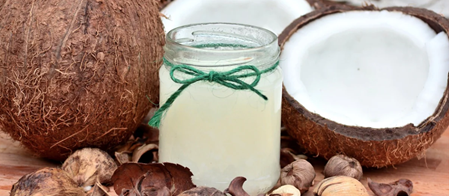
Choosing the appropriate oil for the recipe is the most crucial consideration. Every oil has a unique smoking point, or the temperature at which the oil begins to degrade and, well, start smoking. “In Indian cooking conditions, which primarily involve deep frying, our age-old oils like ghee, coconut, and mustard oils score better than refined and other oils in terms of health benefits,” Dr. SC Manchanda, Department of Cardiology, Ganga Ram Hospital, told The Economic Times.
Keeping the oil fresh
Let the oil cool after using it for the first time before filtering out all the food debris. Make careful to put it in an airtight container for storage. Oil can become rancid if food particles are allowed to remain in it.
Look for deterioration
If the oil foams when heated again or gives off a rancid aroma, it is best to throw it away. Other warning signals include a thick texture and a gloomy appearance.
Side Effect of Oils
Side Effects of Refined Sunflower Oil
Sunflower allergies may result in dry mouth, itchy skin, and other serious skin problems. Furthermore, excessive ingestion could result in higher blood sugar levels. Sunflower oil may be harmful to those with diabetes since it might lead to glucose increases that may have negative effects. If you are allergic to sunflower seeds, then yes, using sunflower oil may cause some adverse effects. It may result in dry mouth, skin discomfort, and digestive problems. For diabetics, sunflower oil is also not recommended. Furthermore, excessive consumption of sunflower oil may cause cardiovascular problems. Unfortunately, it’s unstable when heated and heavy in inflammatory omega-6 fats. Consuming sunflower oil and other seed oils has been associated with an increase in the risk of obesity, heart disease, some types of cancer, dementia, and chronic pain.
Precautions to take with sunflower oil: 1. Allergic Individuals: People who are allergic to sunflower oil should stay away from it and see a professional before adding it to their diet. 2. Pregnancy and Breast-Feeding: Women who are expecting or nursing should speak with their doctors before consuming sunflower oil because there is insufficient data on its use during these times [5].
Refined Sesame Oil Side Effects
Studies on sesame oil’s adverse effects on people are scarce. Therefore, get in touch with your healthcare practitioner right away if you encounter any mild or serious adverse effects from taking sesame oil.
You should speak with a certified doctor or healthcare practitioner about the potential adverse effects of sesame oil use before utilizing it for its health advantages. It will support educated decision-making on your part [6].
Precautions to take Sesame Oil: Take these general safety measures when using sesame oil.
- Precautions for women who are pregnant or nursing: Sesame oil safety during pregnancy and breastfeeding is not well-established. As a result, it is advised that you refrain from using sesame oil while pregnant without first talking to a licensed healthcare professional. During breastfeeding, use sesame oil only after consulting your doctor.
- Senior citizen safety precautions: Sesame oil shouldn’t be consumed in excess by the elderly; instead, keep to moderate doses.
- Safeguards for kids: Sesame oil should only be consumed by children under the guidance of adults, who should also stick to reasonable dietary portions [7].
You must speak with your doctor about the risks involved with sesame oil use before utilizing it for any potential health advantages. You’ll be able to escape negative consequences. Sesame oil has demonstrated interaction with P450, a drug- metabolizing enzyme in our bodies, during laboratory research. To verify this relationship, more animal and human studies are necessary [8]. Speak with your doctor about any potential drug and herb interactions if you are taking medication for a health problem.
Refined Mustard Oil Side effects
Without mustard oil, Indian cuisine, particularly in the east of the nation, would be lacking. It is renowned for the flavour it gives to food. But do you know what negative impacts mustard oil has? Even if you might regularly consume it, you should nonetheless take certain safety measures. Continue reading to discover the 10 most typical side effects of consuming mustard oil.
Temporary Effects: may impair the skin’s ability to serve as a barrier, resulting in dryness brought on by dehydration, skin blisters, allergic responses, and inflamed rhinitis.
Prolonged Effects: Diarrhoea, anaemia, heart, and lung problems, myocardial lipidosis brought on by fat buildup, and miscarriage brought on by specific chemical substances.
Features of erucic acid: Numerous studies have demonstrated that mustard oil contains a significant amount of erucic acid (between 42% and 47%).
- Monounsaturated omega-9 fatty acid is a peculiar fatty acid molecule that is well known to be extremely hazardous in nature. Because mustard oil contains so much erucic acid, it can be quite harmful to our health. High doses of mustard oil use have been linked to coma, mortality, cancer, cardiovascular problems, respiratory problems, diarrhoea, and anaemia [9].
- The high levels of erucic acid in mustard oil can have a negative impact on our heart health and seriously harm it. It is primarily recognized for contributing to a disorder known as “myocardial lipidosis” or “fatty degeneration of the heart,” in which the accumulation of triglycerides or fat droplets causes fibrotic lesions to form in the myocardial fibers of the heart muscles.
- It causes severe damage to the cardiac muscles and can occasionally even result in heart failure.
Might Raise Risk of Lung Cancer: Erucic acid, a component of mustard oil, not only raises cardiovascular risks but also irritates our lungs. At first, it may only affect the upper respiratory system, particularly the respiratory tract, leading to difficulty breathing and other symptoms. However, long- term consumption of mustard oil can increase our risk of developing lung cancer, which is invariably fatal. There is, however, few research that supports this assertion [10].
Causes Dropsy: Woman holding enlarged feet as a result of using mustard oil. To combat the rapidly rising number of dropsy cases, the Delhi Government outlawed the use of mustard oil for cooking in 199811. It is essentially the most severe type of edoema, in which the body’s soft tissues swell significantly as a result of anomalous fluid collection.

Causes Irritation: The irritating chemical compound allyl isothiocyanate [11] is another one that mustard oil is known to have.

When taken orally, it is a very potent irritant that can cause inflammation of the lining of the lungs, digestive tract, intestines, and other organs [12]. In addition to these issues, the irritating nature of mustard oil may also result in aberrant tear secretion, heightened sensitivity, and neuroexcitation [13].
Long-term application of topical Skin Damage: Mustard oil applied topically over a prolonged period of time may cause a variety of skin problems. Studies have demonstrated that it significantly alters the structure of epidermal keratinocytes, disrupts the function of the skin barrier, and increases water loss through the epidermis. Even minor to severe skin blisters may result from it. Because of this, contemporary medical science advises against using mustard oil to massage babies and young children. However, there aren’t many studies accessible on the subject.
External Errors: Mustard oil can also cause certain skin outbreaks when applied externally. These resemble the benign skin rash ‘pityriasis roseai’ in appearance. These eruptions, meanwhile, have the potential to cause serious discomfort if ignored [14].
Allergic: Another typical negative effect of mustard oil is allergic responses [15]. Most of these allergies are immunoglobulin E or IgE-mediated, characterized by mild symptoms like redness, itching, burning sensation, nausea, headache, dizziness, fainting, vomiting, dry and cracked skin, etc.
Rhinitis causes: Mustard oil consumption in excess can lead to rhinitis, a condition where the mucous membrane becomes inflamed. Coughing, sneezing, runny nose, watery nose, and post-nasal drip are some of its symptoms [16]. Therefore, it is best to cut back on your usage to get rid of this odd mustard oil side effect.
Impacting pregnancy: Mustard oil should not be consumed by pregnant women since it includes several chemical compounds that are detrimental to both them and the developing foetus. Researchers have found that certain substances can cause miscarriage. It might be difficult to give up something that is not only a staple of one’s diet but also a traditional or cultural emblem. Do not panic; you do not need to discard all of the mustard oil. However, you can reduce your intake to avoid these negative consequences. Health is important after all!
Refining
What steps do vegetable oils go through?
Production
The extraction of oil from plant parts, usually seeds, is a step in the manufacturing of vegetable oil. Either mechanical extraction using an oil mill or chemical extraction using a solvent can be used to accomplish this. The extracted oil can subsequently be refined or chemically changed, if necessary, after being filtered [17].
The main steps of the oil refining process
All refineries have three basic steps
- Separation.
- Conversion.
- Treatment.
Process of Refining Vegetable Oils
In the refining process of edible oil, three kinds of chemicals will be usually used. They are phosphoric acid, alkali, and white clay. Three different types of chemicals are often employed while refining edible oil. They are white clay, alkali, and phosphoric acid. Do you know what they are used for? It is made simpler to remove the gums from edible oil by using phosphoric acid. In general, hot water or an electrolyte solution can cause an oil’s colloidal impurity to hydrate by causing it to absorb more water and grow in size. However, adding a phosphoric acid solution will produce better results, such as less oil loss and a decrease in the amount of phosphorus in the edible oil. In the chemical process of refining edible oil, alkali is utilized. It will react with free fatty acids, a process known as neutralization or DE acidification. The Niger can be released after reaction to produce soap. When bleaching edible oil, also known as decolorizing it, white clay is utilized the adsorption of white clay removed the color from the edible oil. It will employ a leaf filter and a hoover system in this operation. In addition to these ingredients, the process of refining edible oil also requires conduction oil and steam to supply the necessary amount of heat.
Degumming
Degumming with chemicals: Chemical degumming is the process of releasing PA from its salts using an acid that is more potent than PA. Citric acid or phosphoric acid, which precipitates with calcium and magnesium to create a complex, is the degumming agent [18, 19, 20, 21, 22, 23].
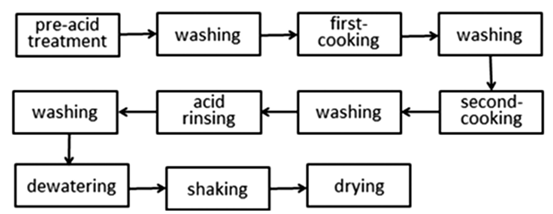
| No. | Processes | Chemicals | Condition | |||
|---|---|---|---|---|---|---|
| Liquor Ratio | Time | Pressure | Temperature | |||
| 1 | Pre-acid treatment | H SO (2%) 2 4 | 1:15 | 1h | Normal Pressure | 60°C |
| 2 | First cooking | NaOH(5%),Na SiO (3%) Na SO 2 3 2 3 (2.5%) | 1:10 | 2.5h | Normal Pressure | 100°C |
| 3 | Second Cooking | NaOH(15%),Na SiO (3%) 2 3 | 1:10 | 2.5h | Normal Pressure | 100°C |
| Sodium tripolyphosphate(2%) | ||||||
| 4 | Acid rinsing | H2SO4 Solution (1g/l) | 1:10 | 10 min | Normal Pressure | 50-60°C |
Table 3: Chemicals are used in Degumming.
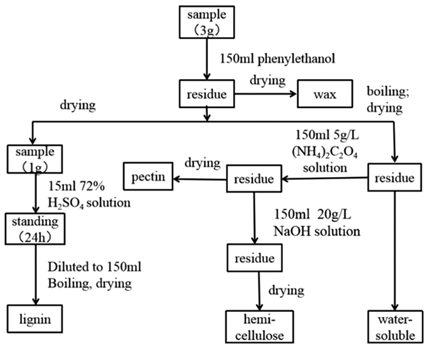
The contaminants that are present in crude vegetable oils, such as phosphatides, colour pigments, oxidation products, and trace elements, should be eliminated since they interfere with the refining process. The basic objective of oil refining is to remove as many undesired impurities as possible while minimizing the loss of oil and valuable components. The bleaching process is the most crucial phase of the refining process for edible oils. It works by eliminating unwanted color pigments and contaminants from the neutralized oil under specific circumstances while utilizing a predetermined quantity of bleaching clay or activated carbon. Temperature, processing time, volume, and type of bleaching clay are all important factors in an efficient bleaching procedure. Typically, the bleaching procedure uses 0.5 to 2% clay and takes 20 to 30 minutes at temperatures between 90 and 120°C .To increase the surface area of bleaching clays, mineral acids are utilized. It becomes easier to remove undesirable elements from the oil as the clay surface area grows. Depending on the amount of clay used and the amount of oil lost, the bleaching process accounts for a sizeable fraction of the cost of oil refining. The bleaching clay absorbs 0.36 kg of oil per kg of clay. In the traditional process, adding more clay results in higher color quality but also results in oil loss and environmental issues. Additionally, the bleaching procedure results in the development of oxidation products due to the use of a large amount of acid- activated clay [24].
According to Torrealba-Meléndez among the other electric heating technologies, such as radio frequency, ohmic, and infrared, microwave heating is still a promising technique. When microwaves are used, materials with low specific heat can be heated quickly. When heated in the microwave, vegetable oils with a lower specific heat than water heat up more quickly than the same volume of water Because of the shorter heating times, deeper penetration, and quicker heating offered by microwaves, they are favored for heating edible oils the sorption ability of the clays is also positively impacted by microwaves. According to Li, et al. [23] microwaves had a significant impact on the sorption of cetylpyridinium chloride onto bentonite. The sorption reaction’s free energy dropped while its rate constant grew by 107.6 times. Additionally, it is emphasized that microwaves did not damage the bentonite’s characteristic layer shape [25].
Materials: Samples of sunflower oil were collected from a refinery in Gaziantep, Turkey’s bleaching input and output. For microwave-assisted bleaching (MWB) and subsequent analysis, the non-bleached oil (NBO) and industrially bleached sunflower oil (IBO) samples from the same batch were put in opaque bottles and kept at -18 °C. From the same refinery, acid activated (Suprefast M1FF) bleaching clay was also supplied. Analytical-grade materials were used for all compounds and reagents in this study [26].
Comparison between microwave-assisted bleaching and commercial bleaching: The ideal MWB conditions and the actual IB conditions. In comparison to the conditions utilized in IB, the amount of clay and bleaching time was reduced by 50% and 73%, respectively, in MWB. In an industrial procedure, the oil temperature reached 100 °C from ambient temperature during the microwave bleaching process in 8 min at a power of 80 W under atmospheric pressure. The bleaching was applied to the hot-fed oil for 30 minutes at a temperature of 100 °C under vacuum [27].
Deodorization
There are four basic steps to the oil refining process, with deodorization coming last. In this process, steam is injected for around 50 minutes under vacuum at a temperature of around 240°C. While the tocopherol content of sunflower oil samples remained the same, a high-voltage electric field (HVEF) was able to minimise the amount of volatile chemicals. Additionally, it does not produce contaminants such as glycidyl and 3-monochloropropane-1,2-diol fatty acid esters. HVEF refining does not require the use of a vacuum, which lowers production costs and facilitates a quick and simple process flow. This study supports the growth of environmentally friendly methods for processing vegetable oils in food plants [28].
Palm oil is consumed in over 150 countries worldwide. It plays a pivotal role in the socioeconomic development of Asian, Latin American, and African regions. Of all the palm oil and palm kernel oil entering global trade, Malaysia and Indonesia account for more than half the market share, dominating the international trade in palm oil. The increasing importance of palm oil has naturally led to a steady buildup of scientific, technical, and trade data and information [29]. The science behind oil extraction and processing, the qualities of palm oil, and how it is used in both food and non-food products. The existence of process pollutants including 3-monochloropropane-1,2-diol (3-MCPD) esters and glycidol esters, trade, and traceability, as well as other challenges related to the sustainable development of the palm oil industry, have also been included.
Deodorization is only a vacuum steam distillation procedure that gets rid of the relatively volatile substances that give fats and oils their unfavorable smells, colors, and odours. Due to the extreme disparities in volatility between these undesirable compounds and triglycerides, this is possible. Deodorizer Distillate (DD) [30]. Which is produced during the deodorization step, is the most significant by- product of edible oil refining (Ruiz-Méndez & Dobarganes, 2007). Deodorization is essentially the final important phase of the refining process, responsible for removing specific volatile chemicals that are to blame for the undesirable odour, colour, taste, and flavour of the oil. FFAs, the oxidation products of fat and oil, including aldehydes, ketones, alcohols, peroxides, and carbohydrates, are the undesired volatile chemicals eliminated during the deodorization process. These flammable, pungent substances are removed by directly injecting hot steam at a temperature of 180– 270°C. The volatile species fraction is then gathered in a DD condensed form. Unfortunately, some vital minor components are also distilled off because of the aggressive deodorization procedure and end up in DD. According to Dumont and Narine (2007), it is the source with the highest concentration of various beneficial tocopherols, tocotrienols, phytosterols (free and esterified), hydrocarbons, squalene, mono and di-glycerides, neutral oil, and free fatty acids. When 0.3-0.5% of the deodorizer feedstock is converted into DD, it can be used as a cheap source for the recovery of natural tocopherols and tocotrienols.
Esterification
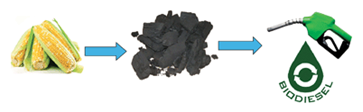
In the presence of a catalyst and alcohol, it comes after three sequential equilibrium reactions that change the triglycerides into a mixture of esters and glycerine. The high cost of raw feedstock has been the main barrier to the commercialization of biodiesel made from vegetable oil in recent years. It has been discovered that functionalized porous carbonaceous materials made from corncobs that have undergone controlled pyrolysis perform exceptionally well when esterifying and transesterifying highly acidic waste oils to produce mixes that resemble biodiesel. After 6 hours of processing, materials carbonized at 600°C and containing -SO3H groups (about 1 wt% S, 0.16 mmol g1 -SO3H) showed the highest yields (>95%) to fatty acid methyl esters [31].
Biorefining
Biorefining is the process by which various value-added products are produced from the valorization of biomass. Large quantities of lignocellulosic biomass produced as a waste or byproduct of forestry, agriculture. Meaning: Enzymatic biorefineries are designed to process oilseeds in a way that is environmentally benign and to produce oil, protein, and valuable bioactive compounds that can be used in the food, non-food, and feed industries.
The Best Option of Oil for Human Consumption
The ideal kind of oil to use for human consumption is Rapeseed and olive oils, which contain more monounsaturated fats and are likewise more resistant to heat. Therefore, the best options for cooking are affordable olive oil and rapeseed oil (typically marketed as generic vegetable oil). Many cooking fats are calorie and fat sources.
New Goal and Technologies
Increased plant capacity, the installation of mono feedstock plants, and a higher level of automation are the key-ways that the ongoing drive to lower total production costs is accomplished in the edible oil refining industry. More energy-efficient procedures and technologies have gradually been adopted over time, increasing the production of refined oil. For oil processors, additional difficulties include the rising significance of (nutritional) oil quality and the sustainability of the refining process itself. “Next-generation” oil refining process technologies must be created and put into use in order to accomplish these new goals.
Custom Duties on edible oils
The ministry’s action is perceived as a step to lower local costs and guarantee that consumers would have access to oil. The fundamental import tariff has a significant impact on the landing cost of edible oils, which has an impact on domestic prices.
The new rules for edible of in India
According to the 1937 Agricultural Produce of Grading and Marking Act, new guidelines have been announced, giving recommendations for blending edible oils. It stated that businesses must clearly state on the table that the product is “multi-source Edible Oil” following the brand name.
New Law for Cooking Oil
The Food Authority has developed testing standards for evaluating Total Polam Compound (TPC), and the government has established the maximum acceptable amount of TPC in cooking oil at twenty-five percent.
Banned of Cooking Oil
Regarding the amount of Iron, the standard agency stated that the items had not met its standard for edible oils and fats, designated as KS EAS 769: KS 2019. Kebs claimed that market research and testing revealed that the brands’ iron concentration exceeded the advised 2.5 mg/kilogram level.
Features of Edible Oil
Two key characteristics have made a substantial contribution to the growth of this industry. One was the establishment in 1986 of the Technology Mission on Oilseeds, which in 2014 was renamed the National Mission on Oilseeds and Oil Palm (NMOOP). According to a decision regarding the merger, conversion, or linking of schemes, sub-schemes, programs, etc. with similar components, such as the incentive for seed demonstration, farm implements covered under NFSM, including effective water application tools, and oil seeds, these programs were combined under the redesigned NFSM starting in the 2018–19 fiscal year. This provided the government’s initiatives to increase oilseed production a boost. The production of oilseeds increased by a very outstanding amount from 11.3 million tonnes in 1986– 1987 to 33.42 million tonnes in 2019–20, demonstrating this. Most oilseeds are grown on marginal land and are reliant on precipitation and other environmental factors. The program of liberalization, under which the government’s economic policy allows greater freedom to the open market and encourages healthy competition and self-regulation rather than protection and control, has been the other key element that has significantly impacted the current status of the edible oilseeds/oil industry. Controls and regulations have been loosened, leading to a market that is fiercely competitive and is controlled by both domestic and foreign companies [32, 33, 34].
Physicians/ Doctors’ Feed Back about the consumption of Refined oil
General Issues
Trans-fatty compounds are produced when the oils are denatured during this procedure. Additionally, it takes away their natural antioxidants, vitamins, and minerals, which make these oils fast turn rancid. Free radicals are produced as a result, and hazardous debris contaminates them.
Advice
Doctors advise changing edible oils because they play a significant role in Indian eating habits. Unfortunately, many refined oils are currently on the market and pose a risk due to contamination or adulteration of mineral oil and palm oil, as well as the method used in processing them. However, individuals must be aware of the dangers of such adulterated oils, which can also contain compounds that cause cancer. Why suddenly are there so many cancer patients in this decade? It’s because people are eating incorrectly, drinking more alcohol, using cigarette products, and adding adulterated ingredients to meals [35].
Purity of Traditional Usage
The usage of locally produced oils from oil extractors was preferred. Oil is a crucial component in Indian cooking techniques; thus, you can also utilize homemade cold- pressed oils. This must be utilized in its purest form.
Recommendations
Different oils offer various health advantages. You won’t receive all the other advantages if you only use one oil consistently. However, if you’re using refined or other types of cooking oils. You won’t get anything from it. Each oil contains 20% original oil and 80% mineral oil. So, it is best to search for high-quality cold-pressed (chekku) oil and maintain your health [34].
There is no one “best” edible oil for everyone’s health
Manish C Defined, as of my most recent update in September 202140 because it varies on a variety of factors, including personal health issues, dietary requirements, and culinary preferences. When selecting an oil, it is crucial to consider the nutritional profiles and health advantages of the oil in question. Here are some commonly used edible oils and their potential health benefits:
Olive oil: Monounsaturated fatty acids and antioxidants, particularly vitamin E and polyphenols, are abundant in olive oil. It has been linked to a few health advantages, including as promoting heart health and lowering inflammation.
Canola oil: Omega-3 fatty acids and saturated fats are both low in canola oil. It is thought to be heart-healthy and is versatile in the kitchen.
Coconut oil: Because coconut oil contains a lot of saturated fats, there have been discussions regarding how this can affect heart health. However, other studies indicate that the distinct fatty acid content of coconut oil may have significant health advantages, notably in terms of its capacity to raise levels of excellent HDL cholesterol.
Avocado oil: Avocado oil is rich in monounsaturated fats and vitamin E, which help fight free radicals and improve heart health.
Sunflower oil: Vitamin E is present in sunflower oil, which is also a strong source of linoleic acid, an essential omega-6 fatty acid. It might be a component of a healthy diet.
Sesame oil: Sesame oil is frequently used in Asian cooking and includes antioxidants and good fats.
Flaxseed oil: Alpha-linolenic acid (ALA), an essential omega-3 fatty acid, may be found in large quantities in flaxseed oil. Due to its low smoke point, flaxseed oil is best used as a finishing oil and should not be used for cooking.
No matter which oil you select, always practice moderation. Any oil consumed in excess might increase calorie and fat intake, which could be harmful to one’s health. It’s important to think about your whole diet and lifestyle when making dietary decisions. You should also speak with a qualified dietitian or healthcare provider who can offer personalized guidance based on your unique health needs and objectives. The subject of nutrition is complicated, and each person’s needs may be very different.
Quality and Standards
FFA, PV, and AV often employed voluntary quality standards in the edible oil sector. The American Oil Chemists’ Society (AOCS) and the National Oil Processors Association (NOPA) offer laboratory services that include AOCS methods, quality reference materials, certified reference materials, and consulting. The world’s largest and most reputable joint proficiency testing program for oilseeds, oilseed meals, and edible oils and fats is the AOCS Laboratory Proficiency Programme (LPP), originally known as the Smalley Check Sample Programme. The program’s more than 500 participating chemists analyze samples using AOCS or comparable standards, compare their findings to those of tests conducted at other labs using the same standards and samples, and confirm those labs’ quality assurance procedures [36].
Future Recommendations
Since stir-frying is a common operation in every curry and other similar preparations, Indian cooking conditions differ significantly from those found elsewhere in the world since the oils are frequently subjected to fairly high temperatures. As a result, being exposed to high temperatures not only causes the destruction of antioxidants like vitamin E and beta-carotene but also the production of toxic substances that have the potential to be mutagenic and atherogenic. Refined oils should be avoided since they are burned to high temperatures during the refining process, which causes them to degrade and produce hazardous chemicals. Refined oils should not be used for frying since they degrade quickly, especially if they are high in PUFAs. Ghee and coconut oil, on the other hand, can be used for Indian food because they are rather stable when cooking [37].
Since they raise LDL-c, SFA-rich oils were formerly thought to be detrimental, but new research shows that SFA-rich oils (like coconut oil) have not been linked to any negative health impacts. Due to their favorable LA/ALA ratio, high MUFA content, low SFA content, and relative stability while cooking, mustard and rapeseed oils can be favored, especially mustard oil in its unrefined (cold-pressed) form. In reality, epidemiological research among Indians does indicate that consuming mustard oil may lower the incidence of CHD. Additionally, it appears to be a good idea to combine the right kinds of edible oils (such as canola and flaxseed oil, coconut and sesame oil, and rice bran and safflower oil) to lower plasma lipid levels, inflammation, and the risk of coronary heart disease (CHD) [37].
Role of Nutritional optimization and recovery from Neurovascular
Neuro-vascular means relating to or involving both nerves and blood vessels. Using a natural solution that supports your complete neurovascular system and improves microcirculation, Complete Neuro-Vascular Support fights numbness in your fingers and toes. Malnutrition can occur in patients with neurological illnesses because of things like dysphagia, mobility difficulties, depression, and cognitive impairment. Malnutrition raises medical expenses and has a detrimental impact on patients’ clinical outcomes. Consume primarily lean protein, as it has less fat overall and less animal fat. Reduce your intake of fatty protein, which is heavy in animal fat. Saturated fats are found in animal protein, apart from fish. Monounsaturated and polyunsaturated fats are abundant in fish [38].
Medical Devices
Neurovascular medical devices, such as flow diversion stents and embolic coils delivered to avoid aneurysm rupture and lower patient risk, can be used to treat various conditions utilizing a neurothrombectomy tool to destroy or remove cerebral blood clots.
Management
Handling of Neurovascular Impairment Lift a limb as high as your heart will allow. Pillows or bed mechanics can be used to elevate the lower extremities. You can elevate your upper limbs using a box sling, sling, or cushion. Split plaster casts with the consent of the treatment team or cut off any bandages. Keep your limbs aligned. Increase the number of neurovascular observations (the treating team will determine the frequency). Inform the treating team right away. Maintain the injured limb elevated and continue to constantly observe if the neurovascular condition improves. A fasciotomy or pressure monitoring visit to the theatre may be necessary if the patient’s neurovascular condition does not improve or worsen.
For those undergoing cardiac catheterization
Any changes in neurovascular observations (such as lower pulse pressures or variations in the color of a limb) should be reported to the catheterization fellow or the treatment team. To confirm or rule out a thrombus, think about whether an ultrasound is necessary. View the guidelines for caring for patients after cardiac catheterization.
Neurologic Diet
The identification and treatment of neurological disorders brought on by toxicities or deficiencies in certain micronutrients is known as nutritional neurology. It also refers to the process of enhancing mental wellness.
Good Brain Health
To get the best possible brain health, we have discovered nine extraordinarily nutritious foods that should be a part of our regular meals. These are known as the NEURO 9: cruciferous vegetables, berries, whole grains, seeds, nuts, beans, green leafy vegetables, herbs, spices, and tea.
Foods that help treat nerve damage
Include watermelon, oranges, red grapes, berries, peaches, cherries, and red grapes. These foods are high in antioxidants, which assist in reducing inflammation and healing nerve damage. Furthermore, it has been discovered that resveratrol, a potent anti-inflammatory molecule, is abundant in grapes, blueberries, and cranberries.
Best Brain Boosting Food
12 foods that improve brain function. fish with oil, dark cocoa powder, berries, Seeds, nuts, complete grains, coffee, Avocados, and peanuts.
Nuts and Dry fruits
As previously mentioned, magnesium, which is abundant in almonds and cashews, helps to soothe the nervous system. Rich in selenium, which also helps to relax your nervous system, are Brazil nuts. Because nuts have a high protein content, they will also help you feel filled for longer.
Supplements and Vitamins
These could support nerve health. Acetyl-L-Carnitine for the well-being of nerves. Alpha-Lipoic Acid: Protecting the Nerves. B vitamins to support healthy nerves. Curcumin supports healthy nerves. Omega-3 Fatty Acids for the wellness of your nerves. N-Acetyl Cysteine for the well-being of nerves. Magnesium for healthy nerves.
Natural Recovery
Exercise is vitally necessary during rehabilitation, not just to assist your muscles in restoring their function but also to improve blood flow throughout your body. Thus, nerve repair is accelerated. Similarly, inaction hinders advancement. Though it’s important not to overdo it, the more your muscles are used, the better.
Delphi Methods
This Methods is used in perioperative nutrition screening and therapy [39, 40, 41].
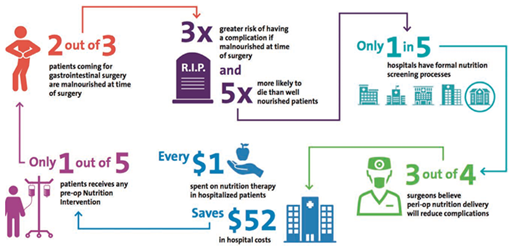
Recommendations and Suggestions
Strength of Recommendations
Based on the recommendation format suggested by the National Institute for Health and Care Excellence under the Perioperative Quality Initiative (NICE-POQI) [42].
| Strength | Definition | |
|---|---|---|
| 1 | Strongly recommend | The committee thinks that there is substantial evidence, backed up by many excellent prospective randomized trials. |
| 2 | Recommend | Based on excellent prospective and retrospective investigations, the evidence in Favor of the practice is not as strong. The committee believes that, for many patients, the advantages of the intervention exceed the risks. |
| 3 | Consider | Suggestions cannot be made due to insufficient high-quality research. According to expert opinion, the committee believes that the practice is both safe and likely to be successful. |
Table 4: Strength of Recommendations as per NICE-POQI.
Consensus Statement and Recommendations
Before Surgery:
- If at all feasible, suggest using an electronic medical record to do a quick and easy nutritional status evaluation before major surgery.
- Present the perioperative nutrition screening (PNSS) questions for the clinic: Do they have a low BMI (less than 18.5 kg/m
After Surgery:
- In most situations, advise starting a high- protein diet the day following surgery, unless the patient has prolonged bowel obstruction, colon ischemia, or lacks intestinal continuity. It is not advisable to follow conventional “clear liquid” and “full liquid” diets daily.
- Suggest that during the postoperative phase, achieving a goal for total protein consumption is more crucial than calorie intake overall.
- Suggest that postoperative nutrition support be implemented using standardized protocols.
- For a minimum of seven days following major abdominal surgery, IMN should be taken into consideration for all patients.
- In individuals who fit the criteria for malnutrition and are not expected to consume more than 50% of their protein or calories orally and advise tube feeding or early EN within 25 hours. Should EN fail to achieve objectives, consider early PN in conjunction with EN, if feasible.
- Suggested that a threshold of >500 ml be utilized before tube feeds are suspended or tube feed/EN rate is decreased when considering gastric residual volumes as a marker of feeding tolerance.
- Patients who have begun EN and/or PN should continue receiving EN or PN support if they are unable to consume at least 69% of their required protein or calories orally.
- After major surgery, advise all patients to follow up with a high-protein ONS to satisfy their calorie and protein requirements.
This is especially important for patients who were previously malnourished, old, or sarcopenic [43, 44, 45, 46, 47, 48, 49, 50].
Conclusion
Specifically, oilseeds including soybean, canola, sunflower seeds, cottonseed, and peanuts make up most of the edible oils used for cooking, frying, and food compositions. According to the fact sheet FAPC-196 Lipid Glossary, triacyl glycerides, which are composed of three fatty acids joined to a glycerol molecule through ester bonds, make up many edible vegetable oils, which are liquid at room temperature. Vegetable oils have a wide range of physical, chemical, and nutritional characteristics based on the kind of fatty acids they contain. Vegetable oils have a substantially higher amount of unsaturated fatty acids than animal fats. Although an oil’s high percentage of unsaturated fatty acids makes it healthier, processing, handling, and storage of these oils can quickly lead to oxidation and quality degradation. Vegetable oils can contain additional substances in trace amounts that have an impact on their nutritional value and quality. Less than 1% of vegetable oils are made up of minor ingredients like phytosterols, tocopherols, and waxes. The intricacy of the analytical techniques and the requirement for pricey testing equipment are two reasons why these substances are not routinely analysed for purposes of evaluating oil quality. By being hydrolyzed, oxidized, and polymerized, the oil loses quality. Oils include more glycerols, mono- and diacylglycerols, and free fatty acids (FFA) after hydrolysis. Hydroperoxides and low molecular weight volatile substances such as aldehydes, ketones, carboxylic acids, and short-chain alkanes and alkenes are produced during oxidation. When oil is subjected to high temperatures during heating and frying, dimers and polymers are also generated. To guarantee the product is safe for consumption, monitoring and maintaining the quality of the edible oil is of the utmost importance. FFA content, peroxide value (PV), and ranitidine value (AV) are frequently used in industry to describe edible oil quality even though there is no formal standard specified for doing so. The parameters used to measure the quality of edible oil for research and industry are summarised in this fact sheet.
Therefore, customers are personally encouraged to use original extracted and filtered vegetable seed oil and traditional extracted edible oil from the standardized cold- pressed mill extractors for good health without any adverse effects in the future.
Disclaimer
This research paper’s or another website’s content is provided solely for educational reasons and is not meant to replace professional medical care. The reader should speak with their doctor to see whether the information is appropriate for their circumstances because everyone has different needs.
References
-
Secilmis S, Yanik DK, Fadiloglu S, Gogus F (2021) A comparative study on performance of industrial and microwave techniques for sunflower oil bleaching process. Food Chem 15: 365.
-
Wim DG (2013) Edible oil Refining: Current and future technologies: Wolf Hamm et al. (Eds). 2013 Edible Oil Processing 2nd (Edn.), Wiley-Blackwell pp: 352.
-
Times of India. 13th Dec 2022. 20:59 IST
-
Raja V (2019) FSSAI Introduces Restrictions on Reusing cooking oil: Tips to be healthy at home. The better india.
-
Allergies K (2022) AAFA’s ask the Allergist: Can a Child with a Sunflower Seed Allergy Have Sunflower Oil? Kids with Food Allergies Foundation.
-
Bashir T, Mashwani Z, Zahara K, Haider S, Tabassum S, et al. (2015) Pharmacology and Ethnomedicinal Uses of Helianthus annuus (Sunflower): A Review. Pure and Applied Biology 4(2): 226-235.
-
Food Data Central (2022) Oil sunflower. Unites States Department of Agriculture.
-
Gokbulut C (2010) Sesame Oil: Potential Interaction with P450 Isozymes. Journal of Pharmacology and Toxicology 5(8): 469-472.
-
Mallick S, Mandal U, Mahalik G (2022) A Review on the Health Benefits of Helianthus annuus L. Indian Journal of Natural Sciences 13: 41140-41142.
-
Tanwar B, Goyal A (2021) Oilseeds: Health Attributes and Food Applications. Springer Verlag, Singapore, pp: 517.
-
Allyl isothiocyanate.
-
Borgonovo G, Zimbaldi N, Guarise M, De Nisi P, De Petrocellis L, et al. (2019) Isothiocyanates and Glucosinolates from Sisymbrium officinale (L.) Scop. (“the Singers’ Plant”): Isolation and in Vitro Assays on the Somatosensory and Pain Receptor TRPA1 Channel. Molecules 24(5): 949.
-
Kim MW, Choi S, Kim SY, Yoon YS, Kang JH, et al. (2018) Allyl Isothiocyanate Ameliorates Dextran Sodium Sulfate-Induced Colitis in Mouse by Enhancing Tight Junction and Mucin Expression. Int J Mol Sci 19(7): 2025.
-
Zawar V (2005) Pityriasis rosea-like eruptions due to mustard oil application. Indian J Dermatol Venereol Leprol 71(4): 282-284.
-
Pałgan K, Żbikowska-Gotz M, Bartuzi Z (2018) Dangerous anaphylactic reaction to mustard. Arch Med Sci (2):477- 479
-
Rudack C (2004) Actual therapeutic management of allergic and hyperreactive nasal disorders. GMS Curr Top Otorhinolaryngol Head Neck Surg 3(4).
-
Chandrasekar V, Sampath C et al. (2014). Refining of edible oils: A critical appraisal of current and potential technologies 50(1): 13-23.
-
Lou J, Yao L, Qiu Y, Lin H, Kuang Y, et al. (2020) The chemical degumming process and effect on the composition, structure and properties of Apocynum venetum. Textile Research Journal 90(1):3-9.
-
Jianting Lou, Lan Yao (2019) The chemical degumming process and effect on the composition, structure, and properties of apocynum venetum. Textile Research Journal 90(1): S019
-
Li Z, Yu C (2015) Effect of chemical treatment on polysaccharide in ramie gum. J DongHua Univ Nat 41: 288-292.
-
Sun D (2017) French flax fiber composition analysis and degumming technology research. Thesis, Wuhan Textile University, China.
-
Zhang Q, Gong J, Zhang C (2017) Influence of bio- degumming on Ingredient of Apocynum Venetum bast fiber. Knit Ind (4): 44-48.
-
Zhou J, Li Z, Yu C (2017) Property of ramie fiber degummed with Fenton reagent. Fiber Polym (18): 1891-1897.
-
Boukerroui A, Ouali MS (2000) Regeneration of a spent bleaching earth and its reuse in the refining of an edible oil. Journal of Chemical Technology & Biotechnology 75(9): 773-776.
-
Palanisamy UD, Sivanathan M, Radhakrishnan AK, Haleagrahara N, Subramaniam T, et al. (2011) An effective ostrich oil bleaching technique using peroxide value as an indicator. Molecules 16(7) pp.5709-5719.
-
Daniela LL (2016) Effects of degumming process on physicochemical properties of sunflower oil. Biocatalysis and agricultural biotechnology (6):138-143.
-
Pohndorf RS, Cadaval TRS, Pinto LAA (2016) Kinetics and thermodynamics adsorption of carotenoids and chlorophylls in rice bran oil bleaching. Journal of Food Engineering 185: 9-16.
-
Gavin AM (1978) Edible oil deodorization. Journal of the American Oil Chemists’ Society 55(11): 783-791.
-
De Greyt W (2005) Deodorization. Bailey’s industrial oil and fat products pp.1-44.
-
Naz S, Sherazi STH, Talpur FN, Kara H, Uddin S, et al. (2014) Chemical Characterization of Canola and Sunflower oil deodorizer distillates. Polish Journal of Food and Nutrition Sciences 64(2): 115-120.
-
Arancon RA, Barros Jr HR, Balu AM, Vargas C, Luque R (2011) Valorisation of corncob residues to functionalised porous carbonaceous materials for the simultaneous esterification/transesterification of waste oils. Green chemistry 13(11): 3162-3167.
-
Government of India 2023. Edible Oil Policy Ministry of Consumer Affairs Food and Public Distribution. Dept of Food and Public Distribution Cited on 2023 Sep 16.
-
Manish Chaudhari 2022.
-
Singh A Principal Scientist in Cosmetic Industry. Govt of India 2022.
-
Dunford NT (2016) Edible Oil Quality. Published in 2016. ID: FAPC-197. Oklahoma University 740 79.
-
Manchanda SC, Passi SJ (2016) Selecting healthy edible oil in the Indian context. Indian Heart Journal 68(4): 447-449.
-
RCH Neurovascular observations. The royal children’s hospital Melbourne.
-
Philipson TJ, Snider JT, Lakdawalla DN, Stryckman B, Goldman DP (2013) Impact of oral nutritional supplementation on hospital outcomes. Am J Manag Care 19(2): 121-128.
-
Awad S, Lobo DN (2011) Whats new in perioperative nutritional support?. Curr Opin Anaesthesiol 24(3): 339- 348.
-
Williams JD, Wischmeyer PE (2017) Assessment of perioperative nutrition practices and attitudes A national survey of colorectal and GI surgical oncology programs. Am J Surg 213(6): 1010-1018.
-
Wischmeyer PE, Carli F, Evans DC, Guilbert S, Kozar R, et al. (2018) American Society for enhanced recovery and perioperative quality initiative joint consensus statement on nutrition screening and therapy within a surgically enhanced recovery pathway. Anesth Analg 126(6): 1883-1895.
-
Miller KR, Wischmeyer PE, Taylor B, McClave SA (2013) An evidence based approach to perioperative nutrition support in the elective surgery patient. JPEN J Parenter Enteral Nutr 37(5): 39S-50S.
-
Seçilmiş ŞS, Yanık DK, Fadiloğlu S, Göğüş F (2021) A comparative study on performance of industrial and microwave techniques for sunflower oil bleaching process. Food Chem 365: 130488.
-
Pohndorf RS, Cadaval TRS, Pinto LAA (2016) Kinetics and thermodynamics adsorption of carotenoids and chlorophylls in rice bran oil bleaching. Journal of Food Engineering 185: 9-16.
-
Okolo JC, Adejumo BA (2014) Effect of bleaching on some quality attributes of crude palm oil. Journal of Engineering 4: 25-27.
-
Guliyev NG, Ibrahimov HJ, Alekperov JA, Amirov FA, Ibrahimova ZM (2018) Investigation of activated carbon obtained from the liquid products of pyrolysis in sunflower oil bleaching process. International Journal of Industrial Chemistry 9(3): 277-284.
-
Makhoukhi B, Didi MA, Villemin D, Azzouz A (2009) Acid activation of Bentonite for use as a vegetable oil bleaching agent. Grasas y aceites 60(4): 343-349.
-
Kheang LS, Foon CS, May CY, Ngan MA (2006) A study of residual oils recovered from spent bleaching earth their characteristics and applications. American Journal of Applied Sciences 3(10): 2063-2067.
-
Foletto EL, Colazzo GC, Volzone C, Porto LM (2011) Sunflower oil bleaching by adsorption onto acid activated bentonite. Brazilian Journal of Chemical Engineering 28: 169-174.
- A Review of Gene Therapy for Parkinson's Disease to Control Dopaminergic Neurons
- Late-Onset Myasthenia Gravis in a Patient with Recurrent Breast Cancer: A Case Report
- Covid-Induced Dystonia and Opsoclonus: A Case Report
- Generalized Tonic-Clonic Seizure in a Pediatric Patient with Sunflower Syndrome: A Case Report
- Comparison of Doppler Guided Seldinger Technique Versus Classic Palpatory Seldinger Technique for Radial Artery Cannulation-an Open Label Randomized Controlled Trial
- Brown Sequard Syndrome: Understanding the Complexities of Spinal Cord Injury