
Major Maize Diseases in Ethiopia and their Management
Maize (Zea mays L.) is the most abundantly produced cereal in the world. It is one of the most popular crops grown in the world, ranking second to wheat and used as a staple food in the tropics. It is the most versatile crop, adaptable to different agro-ecological and climatic conditions. Maize is among the leading cereal crops selected to achieve food self-sufficiency in Ethiopia. In Ethiopia, maize is the staple food and one of the main sources of calories, particularly in the major maizeproducing regions of the country. The major constraints to maize production in the country include both abiotic and biotic factors, such as droughts, nutrient deficiencies, weeds, diseases, and insect pests. Among the biotic stresses, diseases are one of the most important limiting factors in maize production. Diseases such as common rust, maize lethal necrosis, gray leaf spot, and turcicum leaf blight diseases are the major constraints in realizing the potential yield loss of this crop. Even though these diseases are the major problems for the crop, there are some disease management options are Using disease resistant cultivars, crop rotation, using fungicides and planting disease free plants are the best methods.
Introduction
Maize (Zea mays L.) is a major cereal crop in many regions of the world, including Ethiopia [1]. Maize is among the leading cereal crops selected to achieve food self-sufficiency in Ethiopia [2]. In Ethiopia, the maize crop was the most widely grown crop from lowland to highland agro-ecologies and ranked third in importance among all cereal crops in the world after wheat and rice [3]. Among the cereal crops, maize contributes the most to the nation’s crop production and is grown more frequently than any other crop by farmers. In Sub- Saharan Africa, the area used for maize cultivation increased from 2007 to 2017 by almost 60% [4]. Ethiopia is the only country in Sub-Saharan Africa to have made significant progress in maize production and input usage [5]. Maize is a primary food crop in Ethiopia and one of the main sources of calories in major maize producing regions. It is grown on approximately 2.135 million hectares of land across the country [6]. In subsistence cultivation, the national average maize yield is around 3665 kg/ha [6]. This is significantly lower than the global average yield [7]. However, due to biotic, abiotic, and socioeconomic restrictions, maize yields have remained low [8]. The most prevalent biotic restrictions on maize production in Ethiopia are diseases, weeds, insect insects, and other arthropod pests, followed by abiotic (drought and nutrient deficits) and socioeconomic (market price volatility and input availability) restraints [8]. Diseases are the main biotic factors limiting maize production and productivity. Grey leaf spot (Cercospora zeae-maydis Tehon and Daniels), Turcicum leaf blight (Exserohilum turcicum Pass Leonard and Suggs), and common leaf rust (Puccinia sorghi Schr.) are the most prevalent infectious diseases of maize in the region [9, 10]. Foliar diseases and insect pests such as stem borers are to blame for the low yield [11, 12, 13].
Types of Maize Disease
Common Rust
Common rust, caused by Puccinia sorghi Schw, is a devastating disease that causes yield losses of up to 61 percent in disease epidemic years in the country’s key maize- growing highland areas [13, 14]. Maize common rust (CR) is found in temperate [15, 16] as well as subtropical and tropical [17, 18, 19, 20] agricultural zones. Puccinia sorghi is a parasitic
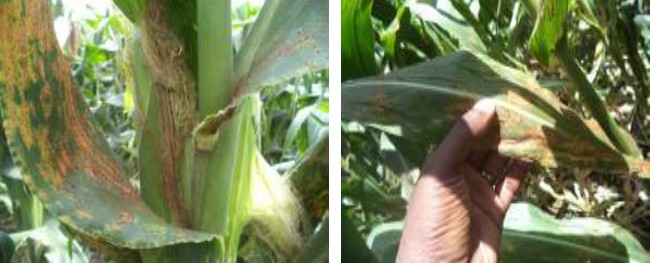
Disease Yield Loss: Maize common rust causes a yield loss of 12–60% [27] in Asia and occurs in all maize-growing places across the world [28, 29]. Currently, common rust is the most serious danger to maize production in Ethiopia’s maize- growing areas, causing major yield losses [10]. Most maize cultivars grown in eastern Ethiopia are susceptible to the disease, which causes significant output losses under good weather conditions [7, 13, 30]. The disease occurs in many maize-producing areas throughout the country, resulting in grain production losses of up to 23% [31], with vulnerable cultivars such as CML-202 losing up to 60.5 percent of their output Deyle, et al. Similarly, Netsanet [25] observed disease severity of up to 35% and relative yield loss of 29% in unsprayed plots owing to this pathogen in eastern Ethiopia.
Disease Management: One of the bottlenecks responsible for diminishing maize yielding potential in developing countries such as Ethiopia is the use of varieties with inferior genes, which are sensitive to diseases, insects, weeds, low yielding, and of poor quality. Furthermore, a lack of obligate host [21, 22]. Common rust disease epidemics have short latency periods of five to ten days at temperatures ranging from 15 to 25°C, and they are more common at relative humidity levels of at least 98 percent [16, 23]. The disease has become a potential hazard to maize agriculture in Ethiopia’s maize-growing regions [10]. It emerges in the early phases of maize development and, if adequate management is not implemented in a timely manner, it harms the plant, resulting in larger yield losses [10, 24, 25, 26].
Disease Symptoms: Common rust produces severe yellowing and early desiccation of maize leaves (Figure 1), leading to leaf necrosis and total elimination of the photosynthetic regions. Heavy rust infestations can cause stunting, inadequate ear tip fill, and pustules on ear husks, lowering marketability and production.
enough investment and trained labor to enhance varieties for high yield and disease resistance, as well as dwindling land and water resources and environmental pressures, is lowering the crop’s producing potential [32]. Crop rotation, sanitation, seed treatments, foliar fungicide application, fertility adjustment, and biological controls are among the many techniques for managing common smut that have been advocated or researched. According to Jeger [33]; Madden, et al. [34], knowledge of plant disease epidemiological aspects is important for understanding the biology of their causative agents as well as for establishing, planning, and monitoring effective disease control methods. Understanding disease epidemiology and how it is impacted by various variables is also helpful in developing environmentally sustainable disease control methods and strategies [34]. Previous investigations in other parts of Ethiopia investigated the disease’s relationship with farming patterns and various cultural behaviors. The use of fungicide is beyond the access of resource-constrained farmers and, moreover, increases the production costs. It is hazardous to human health and has a negative impact on the environment. The use of resistant varieties is an effective strategy for resource-constrained farmers. This is the most durable and economical means for disease management. This principle is equally important for an eco-friendly environment.
Maize Lethal Necrosis Disease
Maize lethal necrosis disease is caused by a synergistic interaction between Maize Chlorotic Mottle Virus (MCMV) and Sugarcane Mosaic Virus (SCMV), as well as other viruses including Maize Dwarf Mosaic Virus (MDMV) and Wheat Streak Mosaic Virus (WSMV) [35]. MCMV and SCMV have been linked to MLN illness symptoms in Africa [36]. Maize lethal necrosis (MLN) disease has emerged as the country’s single most significant production limitation [37]. The disease was first reported in Kenya in 2012 [38], then in Rwanda [39], the Democratic Republic of Congo [39], and Uganda’s border areas [39, 40].
In Ethiopia, the disease was discovered in maize plants
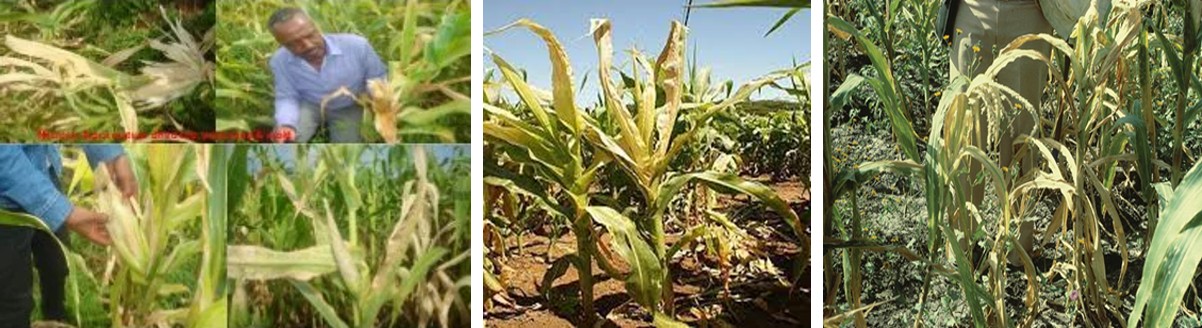
Disease Yield Loss: MLND poses a significant threat to maize production in East African nations such as Ethiopia. The disease’s losses are determined by a range of conditions, including plant stage infection, variety type, viral strain, and climatic circumstances [46, 47, 48, 49, 50]. Yield losses ranged from 31 to 70 percent in Eastern Uganda [51]. In both artificial and natural inoculations of maize crops in north central Kansas and south central Nebraska, yield losses of 50–90% have been documented [46]. Even though its entrance into Ethiopia is intraclast, it threatens and limits maize output to its maximum potential. Subsequent reports of severe maize production losses as a result of the disease have been reported after its introduction to maize-growing areas in Ethiopia. Since its discovery in Ethiopia’s Upper Awash with severe yellowing and chlorotic mottle signs in July 2014 [41], indicating that the disease was present. In 2014 [41], both MCMV and SCMV were reported to elicit MLND symptoms in Ethiopia, either alone or in combination infections [42]. However, a new maize virus, Maize Yellow Mosaic Virus (MaYMV), has just been discovered in Ethiopia [43]. This might indicate that the viral situation in the country is constantly changing, requiring an immediate reaction from all stakeholders to meet the current difficulties.
Disease Symptoms: Plants infected with MLND exhibit symptoms such as stunting, necrosis, mottling, streak and mosaic patterns, and extended yellow streaks parallel to leaf veins (Figure 2). Streaks can join together to form chlorotic mottling. Chlorotic mottling can be followed by leaf necrosis [44, 45], which can cause “dead heart” symptoms and plant mortality [38], rapid aging of the plants [46], failure to tassel and sterility in male plants, deformed or no ears [46, 47, 48], failure of cobs to put on grains, and rot.
Valley, it has resulted in a 100% crop loss during the 2014 growing season [41]. The susceptibility of the crop to the disease is not limited to one growth stage but all. All stages of growth are revealed, from seedling to approaching maturity [52, 53, 54, 55]. Because the seedling stage is the most susceptible to infection, complete crop loss might occur [35, 41, 45]. In Ethiopia, the negative impact of MLND is already visible at the farm, country, and national levels. Affected farmers have lost their whole harvest. The loss is caused by diseased maize plants with tiny ears that are deformed and set few or no grains. However, the cost of producing maize is rising due to farmers’ use of herbicides and insecticides and from the expenditures required by seed providers for maize seed treatment, to reduce weeds and vector transmitters. Any
interruption in production always undermines food and nutrition security for a substantial portion of the population. As a result, effective measures should be taken to manage and decrease disease-related losses while also optimizing production [56].
Disease Management: The purpose of plant disease control is to lower it to a level that will not cause considerable loss or crop damage [56]. Disease management is accomplished by the integration of many solutions. Controlling MLND is challenging for two reasons. The disease is produced by a mixture of two or more viruses that are difficult to discriminate between based on visual symptoms, and the vectors that transmit the viruses may travel large distances via wind. The most common and extensively used strategies for managing MLND include pathogen exclusion and eradication, lowering the rate of infection by avoidance, plant protection, and resistant or tolerant cultivars.
In Ethiopia, a pilot study on eight maize genotypes, including Melkassa 1, Melkassa 2, Melkassa 4, MH 140, MH 130, MHQ 138, JIBAT, and CML 445, revealed the presence of different responses to MLND [57]. She infected the viruses individually and in groups at the National Agricultural Biotechnology Research Center’s greenhouse (NABRC). All genotypes have varying levels of severity. Melkassa 1, 2 and MHQ 138 were shown to be more resistant than the other genotypes employed in the study. Her findings were consistent with those of Jacob in Tanzania, who discovered that landrace genotypes were more suited to MLND than modified cultivars or inbred lines. The evolutionary association of Ethiopian isolates with other nations may serve as a foundation for applying management techniques to the Ethiopian situation. So, relevant recommendations for MLND management in Ethiopia could include monitoring the field once a week at all stages of development for symptoms of disease development, uprooting diseased plants and burning them immediately to stop the spread of the disease, and controlling vectors with pesticides such as diazinon 60 percent EC (1-1.5 lit/ha), malathion 50 percent EC (2 lit/ha), and lambda-cyhalothrin 5 percent (0.2-0.4 lit/ha). In addition, rotate with pulse crops, use disease-free seed and fertilize at the necessary rate, weed fields on a regular basis to eliminate alternate hosts of insect vectors, and avoid growing a new maize crop near sick areas [58]. Crop rotations and maize-free periods are short-term interventions that are thought to be especially efficient at limiting MLN. Farmers should be required to stop cultivating maize for a season and instead plant legume crops. Farmers must use several agronomic methods, such as timely planting and weeding, proper plant spacing, and enough fertilizer treatment to ensure optimal plant health across all genotypes.
Gray Leaf Spot
Gray leaf spot is now recognized as one of the most severe maize (corn) yield-limiting diseases in the world [59, 60, 61]. Gray leaf spot has become a pandemic throughout Africa [62, 63, 64]. The discovery of the disease in the South African province of KwaZulu-Natal was the first official report from the African continent. Grey leaf spot was originally discovered in Ethiopia in 1997 along the border of the west Wellega and Ilubabor zones in western Ethiopia [64, 65]. It has been the most important maize disease in Ethiopia since 1998. According to the survey report [64], the prevalence of grey leaf spot has grown in the key maize producing areas of Western, Southern, and Northwestern Ethiopia. According to the paper, grey leaf spot has been the most important maize disease in Ethiopia since 1998. Gray leaf spot, caused by Cercospora zeae maydis, has become one of the most important maize yield-limiting diseases in eastern Africa, including Ethiopia [17]. This disease is most severe and devastating during protracted periods of high relative humidity, sluggish drying of dews, and late-season fogs Lyimo, et al. Increased gray leaf spot occurrence in Ethiopia has been linked to cultural practices such as reduced tillage, continuous maize production, and the adoption of vulnerable maize varieties [9, 41]. It is one of the most serious maize diseases in Ethiopia, particularly in the western Oromia region.
Disease Symptoms: Gray leaf symptoms are usually initially noticed on the lower leaves. Initially, immature lesions are difficult to identify from lesions produced by other foliar diseases of maize [66]. Lesions first emerge as little tan patches, typically 1 to 3 mm long and rectangular to irregular in shape. Gray leaf spot is distinguished by the fact that lesions often run parallel to leaf veins [66, 67]. Further lesion growth causes lesion clustering and blighting of whole leaves (Figure 3). Stalk degeneration and severe lodging may develop with severe blighting [66]. Sporulating lesions take on a grey hue, hence the term “gray leaf spot” [66, 68]. Gray leaf spot has an extended latent period when compared to other foliar diseases, and lesions can sporulate 14 to 28 days after infection [69, 67]. The size, quantity, and kind of lesions can vary substantially between genotypes. Susceptible inbreds and hybrids frequently have necrotic lesions [70, 71, 72], whereas moderately resistant inbreds and hybrids frequently have chlorotic and/or fleck-type lesions [73, 74].
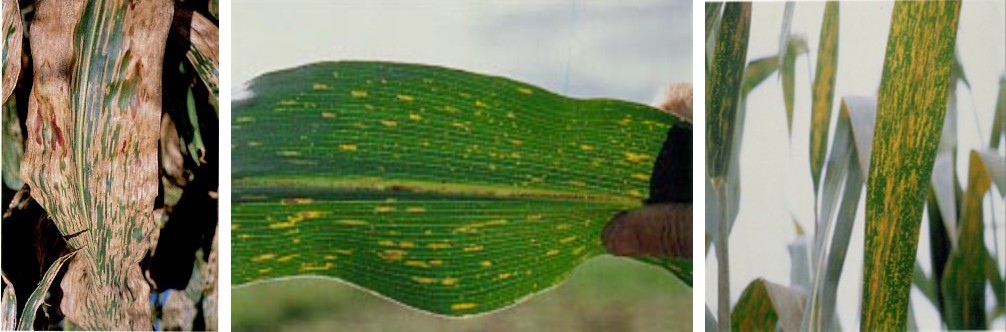
Disease Yield Loss: Grey leaf spot in maize causes yield losses ranging from 11 to 69 percent [75], with estimated losses as high as 100 percent when severe epidemics contribute to photosynthetic area loss. Severe lodging can also negatively affect mechanical harvesting and result in additional grain loss due to a reduction in harvestable grain yield [75]. In South Africa, yield losses due to the disease were estimated to be 50% for moderately resistant hybrid maize and 65% for susceptible hybrid maize [76]. In Ethiopia, Dagne [77] reported that yield losses due to grey leaf spot on resistant, moderately resistant, and susceptible cultivars were between 0-14.9 percent, 13.7-18.3 percent, and 20.8- 36.9 percent, respectively, during the 2003/2004 cropping seasons in Bako and its surrounding areas.
Disease Management: Among the significant disease restrictions on maize production in Ethiopia, diseases such as grey leaf spot cause considerable yield losses due to high grey leaf spot incidence and severity in farmers’ fields. Cultural methods and the use of fungicides have been used for grey leaf spot management Ward, et al. but they have not been effective because fungicide application is expensive and not practical in most operations for resource poor farmers, as well as having unpredictable weather and environmental side effects [78]. The availability and use of resistant maize hybrids would provide a low-cost method of reducing grey leaf spot [79]. However, there is limited actual data on how different maize types react to the illness. Crop rotation, planting date/early planting, increased ploughing frequency, and conservation tillage are all cultural techniques for reducing the impact of gray leaf spot.
Turcicum Leaf Blight
Turcicum leaf blight (TLB) is a serious foliar disease of maize in the majority of producing locations across the
world [80]. Previously, the pathogen was identified as Heliminthosporium turcicum Pass [81]. The disorder is more frequent in humid, temperate climates [82]. It is widely spread yet intermittent in nature, and its development is mostly determined by meteorological conditions, plant growth stage, and resistance level in maize cultivars [83]. The pathogen has a broad host range and a high level of pathogenic heterogeneity [84].
The TLB [Exserohilum turcicum (Pass) Leonard & Suggs] and gray leaf spot (Cercospora zeae-maydis Tehon & Daniela and Cercospora sorghi var. maydis Ell. & Ev.) are the most common maize diseases in western Ethiopia. Turcicum leaf blight has been documented to inflict catastrophic damage to the majority of commercial maize types introduced in the nation [10]. According to Wende, et al. [85] turcicum leaf blight is the number one concern and is a high research priority for maize in Ethiopia.
Disease Symptoms: It is widely spread yet intermittent in nature, and its development is mostly determined by meteorological conditions, plant growth stage, and resistance level in maize cultivars [83]. The pathogen infects the entire plant, but the most visible symptoms/lesions are seen on the leaves (Figure 5). Lesions defoliate the leaves, causing yield losses owing to a shortage of glucose to fill the grains. Fields that have been heavily infested have a charred or burnt look, resulting in the early demise of leaves [86]. TLB causes considerable leaf damage and defoliation during the grain filling stage, as well as yield losses owing to necrosis or chlorosis of leaves, early leaf death, and loss of nutritional value even when used as fodder [87].
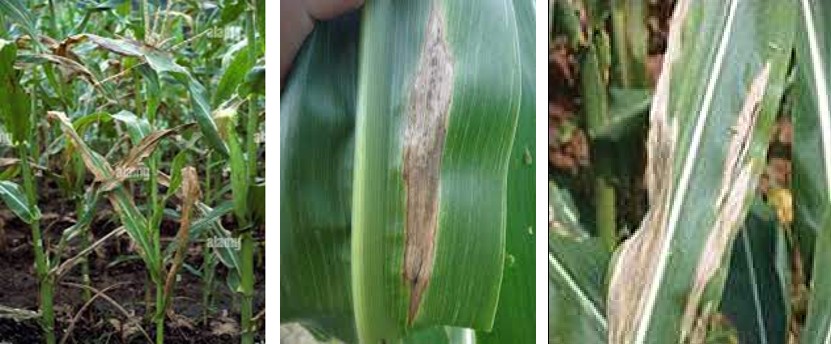
Figure 5: Symptoms of turcicum leaf blight maize disease Disease Yield Loss: The turcicum leaf blight damages or destroys the leaf tissues, reducing the amount of green chlorophyll that produces nourishment for the plant. When a large portion of the leaf area is destroyed, the vigour and yields are diminished. When a large portion of the green region is destroyed, starch production is inhibited and the kernels become chaffy. Because of their low nutritional content, blighted leaves are not even acceptable for fodder [88]. It has been documented that TLB produces substantial leaf damage and defoliation during the grain filling stage, and yield losses owing to necrosis or chlorosis of leaves, early mortality of the leaves, and loss of nutritional value even as fodder have been documented [87]. TLB has had a severe impact on maize in highland agro-ecologies in Uganda, Kenya, Ethiopia, Zambia, and South Africa [89]. Turcicum leaf blight (E. turcicum) is the most important maize disease recorded in Western Ethiopia. In this area, TLB was identified as the most important leaf disease on maize by farmers in this area (46.7 percent), whereas gray leaf spot (GLS) was identified as the second most important leaf disease in the area [85]. As a result, TLB was ranked first and is regarded as a high research priority for maize in Ethiopia [85]. TLB incidence ranges from 95 to 100 percent in areas with constant wetness and high humidity, and yield loss can reach up to 70 percent [10]. It is said to have wreaked havoc on the majority of commercial maize varieties grown in the nation [10].
Disease Management: TLB is mostly controlled by resistant cultivars. Both major genes and partial resistance can be integrated for disease control, although discovering partial resistance has been emphasized due to the practical limits of Ht genes. Resistance genetics is quantitatively determined in the majority of maize genotypes and has been utilized for disease control [90]. Fungicides are used to manage TLB, and among all tested fungicides, Propiconazole 25 EC (Tilt) was the most effective against E. turcicumon maize [91]. Three sprays of propiconazole at 3-week intervals were successful in slowing the development of turcicum leaf blight in maize Bowen, et al. According to the Megersa, et al. [92, 93] findings,
applying fungicide effectively reduced maize TLB by slowing disease progression over time. The use of resistant hybrid maize varieties also demonstrated a substantial difference in all disease parameters examined, with the susceptible varieties BH-543 and AMHQ-760 receiving the highest scores and the moderately resistant maize variety BH-660 receiving the lowest. However, due to their high yields, the hybrids BH- 540 may be better classified as tolerant varieties.
Conclusions
Maize (Zea mays L.) is a major cereal crop in many regions of the world, including Ethiopia. Ethiopia is the only country in Sub-Saharan Africa to have made significant progress in maize production and input usage. However, due to biotic, abiotic, and socioeconomic restrictions, maize yields have remained low. Diseases are the main biotic factors limiting maize production and productivity. Diseases like common rust, maize lethal necrosis, gray leaf spot, and turcicum leaf blight diseases are becoming very important diseases due to agronomic improvement of maize crops. Among all the disease management options, use of disease resistant cultivars, crop rotation, using fungicides, and planting disease free plants are the best methods.
References
-
Abate TS, Bekele SH, Abebe M, Dagne W, Yilma K, et al. (2015) Factors that transformed maize productivity in Ethiopia. Food science 7: 965-981.
-
Benti T, Ransom JK (1993) Proceedings of the first National Maize Workshop of Ethiopia, IAR, Addis Abeba, Addis Abeba: IAR. pp: 43-51.
-
Gebre G, Isoda H, Rahut B, Amekawa Y, Nomura H (2019) Gender differences in the adoption of agricultural technology: The case of improved maize varieties in southern Ethiopia. Womens Stud Int Forum 76: 102264.
-
FAOSTAT (2019) Food and Agriculture Organization statistics data.
-
Ethiopian Economic Association (EEA) (2017) Reducing the Maize Yield Gap in Ethiopia: Analysis and Policy Simulation. 2.
-
CSA (2018) Agricultural sample survey reports on area and production of major crops for rural private peasant holdings. Statistical Bulletin 532: 11-14.
-
Tilahun, B, Dida M, Deresa T, Belay G, Girma D, et al. (2017) Combining ability analysis of quality protein maize (QPM) inbred lines for grain yield, agronomic traits and reaction to grey leaf spot in mid-altitude areas of Ethiopia. Afr J Agric Res 12(20): 1727-737.
-
Mosisa W, Legesse W, Berhanu T, Girma D, Girum, A, et al. (2012) Status and future direction of maize research and production in Ethiopia. pp: 17-23.
-
Worku, M, Twumasi-Afriyie S (2012) Meeting the Chalenges of Global Climate Change and Food Security through Innovative Maize Research. Proceedings of the 3rd National Maize Workshop of Ethiopia. 18-20, Addis Ababa, Ethiopia.
-
Tewabech T, Getachew A, Fekede A, Dagne W (2012) Maize pathology research in Ethiopia: A review. In: Mandefro N, Tanner D, et al. (Eds.), Enhancing the Contribution of Maize to Food Security in Ethiopia. Proceedings of the 2nd National Maize Workshop of Ethiopia pp: 2-239.
-
Dagne W, Habtamu Z, Demissew A, Temam H, Harjit S (2008) Combining ability of maize inbred lines for grain yield and reaction to grey leaf spot disease. East African Journal of Science 2(2): 135-145.
-
Girma C, Sentayehu A, Berhanu T, Temesgen M (2015) Test cross performance and combining ability of maize (Zea mays L.) inbred lines at Bako, Western Ethiopia. Global Journal of Science 15(4): 2249-4626.
-
Zelalem B, Chemeda F, Dagne W, Temam H, Shimelis H, et al. (2018) Combining ability and nature of gene action in maize (Zea mays L) inbred lines for resistance to gray leaf spot disease (Cercospora zeae maydis) in Ethiopia. Crop Protection 112: 39-48.
-
Chavan S (2014) Identification of new sources of resistance against Ustilago maydis from the wild progenitor teosinte. Department of plant pathology, University of Georgia, Athens, GA 30602.
-
Gingera GR, Davis DW, Groth JV (1994) Pedigree selection for improved partial resistanceto common leaf rust in sweet corn. Crop Science 34: 615-620.
-
Pataky JK, Tracy WF (1999) Widespread occurrence of common rust, caused by Puccinia sorghi, on Rp-resistant sweet corn in the midwestern United States. Plant Disease 83(12): 1177.
-
Bekeko Z (2019) Distribution and importance of common rust (_Puccinia sorghi_ Schw.) of maize in Hararghe highlands, Eastern Ethiopia. East African Journal of Science 13: 135-144.
-
Darino MA, Rochi L, Lia VV, Kreff ED, Pergolesi MF, et al. (2016) Virulence characterization and identification of maize lines resistant to _Puccinia sorghi_ Schwein. Present in the Argentine Corn Belt Region 100(4): 770-776.
-
Pratt RC, Gordon K (2006) Breeding for resistance to maize foliar pathogens. Plant Breeding Reviews 27: 119- 173.
-
Vivek BS, Odongo O, Njuguna J, Imanywoha J, Bigirwa G, et al. (2010) Diallel analysis of grain yield and resistance to seven diseases of 12 African maize (Zea mays L.) inbred lines. Euphytica 172: 329-340.
-
Anderson PA, Tyler BM, Pryor A (1992) Genome complexity of the maize rust fungus, Puccinia sorghi. Experimental Mycology 16(4): 302-307.
-
Pryor T (1994) Maize and Puccinia sorghi: A system for the study of the genetic and molecular basis of host- pathogen interactions.
-
Hooker AL (1985) Corn and sorghum rusts. In Diseases, Distribution, Epidemiology, and Control. New York: Academic Press pp: 207-236.
-
Assefa T, Tewabech T (1993) Review of maize disease research in Ethiopia. (pp. 43-51). In: Benti T, Ransom JK (Eds.), Proceedings of the First National Maize Workshop of Ethiopia, 5-7, 1992, IAR/CIMMYT, Addis Ababa.
-
Netsanet B (2005) Management of common leaf (_Puccinia sorghi_ Schw.) of maize in eastern Ethiopia.n M.Sc. Thesis Submitted to the Department of Plant Sciences, Haramaya University, Ethiopia.
-
Daniel A, Narong S (2008) Evaluation of maize varieties for resistance to northern leaf blight under field conditions in Ethiopia. Kasetsart Journal of Natural Science 42: 1-10.
-
Utpal D, Harlapur SI, Dhutraj DN, Suryawanshi AP, Badgujar SL, et al. (2012) Spatiotemporal yield loss assessment in corn due to common rust caused by _Puccinia sorghi_ Schw. African Journal of Agricultural Research 7(37): 5265-5269.
-
Bello OB, Azeez MA, Abdulmaliq SY, Ige SA, Mahamood J, et al. (2012) Yield and disease reactions of quality protein maize varieties in the southern Guinea savanna agroecology of Nigeria. Journal of Agricultural Science 2(5): 203-209.
-
Wang X, Zhang Y, Xu X, Li H, Wu X, et al. (2014) Evaluation of maize inbred lines currently used in Chinese breeding programs for resistance to six foliar diseases. The Crop Journal 2(4): 213-222.
-
Bekeko Z (2013) Improving and sustaining soil fertility by use of enriched farmyard manure and inorganic fertilizers for hybrid maize (BH-140) production at West Hararghe zone, Oromia, Eastern Ethiopia. African Journal of Agricultural Research 8: 1218-1224.
-
Fininsa C (2001) Epidemiology of bean common bacterial blight and maize rust in intercropping. Doctoral thesis. Swedish Univ Agri Science Uppsala, Sweden.
-
Shiferaw B, Kassie M, Moti J, Chilot Y (2014) Adoption of improved wheat varieties and impacts on household food security in Ethiopia. Food Policy 44(10): 272-284.
-
Jeger M (2004) Analysis of disease progress as a basis of evaluating disease management practices. Annual review Phytopathology 42: 61-82.
-
Madden LV, Hughes G, van den Bosch F (2007) The study of plant disease epidemics. St Paul: APS: 1-10.
-
Makumbi D, Wangai A (2013) Maize Lethal Necrosis (MLN) disease in Kenya and Tanzania: Facts and actions. CIMMYT-KARI.
-
Mahuku G, Lockhart BE, Wanjala B, Jones MW, imunye JN, et al. (2015b) Maize lethal necrosis (MLN), an emerging threat to maize-based food security in sub-Saharan Africa. Phytopathology 105(7): 956-965.
-
Demissie G, Deressa T, Haile M, Bogale G, Dida M, et al. (2016) Prevalence, distribution and impact of maize lethal necrosis disease (MLND) in Ethiopia. Pest Management Journal of Ethiopia 18: 37-49.
-
Wangai AW, Redinbaugh MG, Kinyua ZM, Miano DW, Leley PK, et al. (2012) First report of Maize chlorotic mottle virus and maize lethal necrosis in Kenya. Plant Disease 96(10): 158-1583.
-
Adams IP, Harju VA, Hodges T, Hany U, Skelton A, et al. (2014) First report of maize lethal necrosis disease in Rwanda. New Disease Reports 29: 22.
-
Lukanda M, Owati A, Ogunsanya P, Valimunzigha K, Katsongo K, et al. (2014) First report of maize chlorotic mottle virus infecting maize in the Democratic Republic of the Congo. Plant Disease 98(10): 1448.
-
Mahuku G, Wangai A, Sadessa K, Teklewold A, Wegary D, et al. (2015a) First report of Maize chlorotic mottle virus and maize lethal necrosis on maize in Ethiopia. Plant Disease 99: 1870.
-
Guadie D, Knierim D, Winter S, Tesfaye K, Abraham A (2018b) Survey for the identification and geographical distribution of viruses and virus diseases of maize (Zea mays L.) in Ethiopia. European Journal of Plant Pathology 153: 429-439.
-
Guadie D, Abraham A, Tesfaye K, Winter S, Menzel W, et al. (2018a) First report of maize yellow mosaic virus infecting maize (Zea mays) in Ethiopia. Plant Disease 102(5): 1044.
-
Nelson S, Brewbaker J, Hu J (2011) Maize Chlorotic Mottle. University of Hawaii. Plant Disease 79: 1-6.
-
Makone SM, Menge D, Basweti E (2014) Impact of maize lethal necrosis disease on maize yield: a case of Kisii Kenya. International Journal of Agricultural Extension 2(3): 211-218.
-
Gordon DT, Bradfute OE, Gingery RE, Nault LR, Uyemoto JK (1984) Maize Chlorotic Mottle Virus. CMI/AAB Description of plant viruses 284.
-
Nault LR, Styer WE, Coffey ME, Gordon DT, Negi LS, (1978) Transmission of maize chlorotic mottle virus by Chrysomelid beetles. Phytopathology 68: 1071-1074.
-
Uyemoto JK, Bockelman DL, Claflin LE (1980) Severe outbreak of Corn Lethal Necrosis Disease in Kansas. Plant Dis 64: 99-100.
-
Jiang XQ, Meinke LJ, Wright RJ, Wilkinson DR, Campbell JE (1992) Maize Chlorotic Mottle Virus in Hawaiian- grown maize: vector relations, host range and associated viruses. Crop Prot 11: 248254.
-
Jensen SG, Wysong DS, Ball EM, Higley PM (1991) Seed transmission of Maize Chlorotic Mottle Virus. Plant Dis 75: 497-498.
-
Kagoda F, Gidoi R, Esabirye BE (2016) Status of Maize Lethal Necrosis in Eastern Uganda. Africa Journal of Agricultural Research 11(8): 652-660.
-
(2012) CGIAR Research Program MAIZE 2012 Annual Report. Mexico, CIMMYT.
-
CSA (2016) Agricultural Sample Survey 2015/2016: Report on area and production of major crops. Statistical Bulletin.
-
Sánchez FD, Hernández JLP, Ibarra ADT (1994) Seed transmission of Maize Chlorotic Mottle Virus. Rev Mex Fitopatol 12: 7-10.
-
Willams SD, Boehm MJ, Qu F (2008) Viral diseases of plants. The Ohio State University.
-
Maloy OC (2005) Plant Disease Management. The Plant Health Instructor. The American Phytopathological Society, USA.
-
Tesfu K (2017) Determination of Viral Titer and Symptom Severity Variations in Maize Chlorotic Mottle and Sugarcane Mosaic Virus Infected Maize Genotypes in Ethiopia. MSc thesis, Addis Ababa University, Ethiopia, pp: 40-43.
-
Lemma H, Michale DW (2014) Prevention and detection of Maize Lethal Necrosis Disease. Ministry of Agriculture and Natural Resource, Ethiopia.
-
Lipps PE, White DG, Ayers JE, Dunkle LD (1998) Gray Leaf Spot of Corn: Update. A Report from NCR-25 Technical Committee on Corn and Sorghum Diseases. American Phytopathological Society. On-line publication. May feature, full report.
-
Nutter FW, Jenco JH (1992) Development of critical-point yield loss models to estimate yield losses in corn caused by Cercospora zeae-maydis. (Abstr.) Phytopathology 82: 994.
-
Ward JMJ, Nowell DC (1998) Integrated management for the control of maize gray leaf spot. Integr Pest Management Rev 3: 1-12.
-
Nowell DC (1997) Studies on ear rot and gray leaf spot of maize in South Africa. Ph.D. thesis. University of Natal, Pietermaritzburg 3200, South Africa.
-
Ward JMJ (1996) Epidemiology and management of gray leaf spot: A new disease of maize in South Africa. Ph.D. thesis. University of Natal, Pietermaritzburg 3200, South Africa.
-
Dagne W, Fekede A, Legesse W, Gemechu K (2001) Grey leaf spot disease: A potential threat to maize in Ethiopia. In: Proceedings of the Ninth Annual Crop Science Conference of the Crop Science Society of Ethiopia (CSSE), 22-23 June 1999. Sebil 9: 147-157.
-
Aschalew S, Fekede A, Kedir W (2012) Influence of cultural practices on the development of grey leaf spot (GLS) on maize at bako, western Ethiopia. Plant Pathology journal 01: 19-26.
-
Stromberg EL (1986) Gray leaf spot disease of maize. Va. Co-op. Ext. Serv. Publ. 450-072. Virginia Polytechnic Institute and State University, Blacksburg.
-
Ayers JE, Johnson MW, Hill RR (1984) Identifying resistance to gray leaf spot. pp: 157-175.
-
Latterell FM, Rossi AE (1983) Gray leaf spot of maize: A disease on the move. Plant Dis 67: 842-847.
-
Beckman PM, Payne GA (1982) External growth, penetration, and development of Cercospora zeae- maydis in corn leaves. Phytopathology 72: 810-815.
-
Huff CA, Ayers JE, Hill RR (1988) Inheritance of resistance in corn (Zea mays) to gray leaf spot. Phytopathology 78: 790-794.
-
Lipps PE, Pratt RC (1989) Maize hybrid evaluations for gray leaf spot. Plant Pathol. Ser. 81, Department of Plant Pathology, Agricultural Research and Development Center, Wooster, OH.
-
Lipps PE, Thomison PR, Pratt RC (1996) Reaction of maize hybrids to gray leaf spot. pp: 163-180.
-
Aylor DE (1990) The role of intermittent wind in the dispersal of fungal pathogens. Annu Rev Phytopathol 28: 73-92.
-
Rupe JC, Siegel MR, Hartman JR (1982) Influence of environment and plant maturity on gray leaf spot of corn caused by Cercospora zeae-maydis. Phytopathology 72: 1587-1591.
-
Wheeler BEJ (1969) An Introduction to Plant Diseases, John Wiley and Sons Limited, London, UK, pp: 301.
-
Patricia C (2000) Studies on Cercospora zeae-maydis, the cause of grey leaf spot of maize in Kwazulu-natal. PhD thesis. University of Natal Pietermaritzburg Republic of South Africa.
-
Dagne W, Demisew A, Girma D (2004) Assessments of losses in yield and yield components of maize varieties due to grey leaf spot. Pest Management Journal of Ethiopia 8: 59-69.
-
Danson J, Lagat M, Kimani M, Kuria A (2008) Quantitative trait loci (QTLs) for resistance to gray leaf spot and common rust diseases of maize. African Journal of Biotechnology 7: 3247-3254.
-
Ininda J, Danson J, Lagat M, Wei Y, Ajanga, et al. (2007) The use of simple sequence repeats markers to study genetic diversity in maize genotypes resistant to gray leaf spot disease. African Journal of Biotechnology 6: 1623-1628.
-
Jakhar DS, Singh R, Kumar S, Singh, Ojha V (2017) Turcicum Leaf Blight: A Ubiquitous Foliar Disease of Maize (Zea mays L.). International Journal of Current Microbiology and Applied Sciences 6(3): 825-831.
-
Khedekar SA, Harlapur SI, Kulkarni S, Benagi VI, Deshpande VK (2010) Integrated management of turcicum leaf blight of maize caused by _Exserohilum_ _turcicum_ (Pass.) Leonard and suggs. Karnataka Journal of Agricultural Sciences 23(2): 372-373.
-
Pataky JK, Ledencan T (2006) Resistance conferred by the Ht1 gene in sweet corn infected by mixture of virulent _Exserohilum turcicum_. Plant Disease 90: 771-776.
-
Perkins JM, Pedersen WL (1987) Disease development and yield losses associated with northern leaf blight on corn. Plant Disease 71: 940-943.
-
Muiru WM, Koopmann B, Tiedemann AV, Mutitu EW, Kimenju JW (2010) Race typing and evaluation of aggressiveness of _Exserohilum turcicum_ isolates of Kenya, German and Austrian origin. World Journal of agricultural Sciences 6(3): 277-284.
-
Wende A, Hussein S, Derera J, Mosisa W, Laing MD (2013) Preferences and constraints of maize farmers in the development and adoption of improved varieties in the mid- altitude, sub-humid agro-ecology of western Ethiopia. African Journal of Agricultural Research 8: 1245-1254.
-
Harlapur SI, Kulkarni MS, Srikant K, Wali MC, Yashoda H (2007) Assessment of turcicum leaf blight development in maize genotypes. Indian Phytopathol 61(3): 285-291.
-
Patil SJ, Wali MC, Harlapur SI, Prashanth M (2000) Maize research in north Karnataka. Bulletin, University of Agricultural Sciences, Dharwad, India, pp: 54.
-
Pantil SK, Pramod K, Chauhan VS (2001) Effect of turcicum leaf blight on photosynthesis in maize. Indian Phytopathol 54: 251-252.
-
Ramathani I, Biruma M, Martin T, Dixelius C, Okori P (2011) Diseaseseverity, incidence and races of Setosphaeria turcica on sorghum inUganda. European Journal of Plant Pathology 131: 383-392.
-
Kumar H, Kawai T, Akira S (2011) Pathogen recognition by the innate immune system. International Reviews of Immunology 30(1): 16-34.
-
Wangi TA (2015) Status and Management of Turcicum Leaf Blight of Maize [_Exserohilum turcicum_ (Pass.) Leonard and Suggs.] in Kashmir Valley” (PhD thesis), Sher-e-Kashmir University of Agricultural Sciences & Technology of Kashmir, Shalimar. pp: 1-150.
-
Megersa D, Mashilla D, Wende A (2017) Management of Turcicum leaf blight [_Exserohilum turcicum_ (Pass.) Leonard & Suggs] of maize (Zea mays L.) through integration of host resistance and fungicide at Bako, Western Ethiopia.
-
Mosisa W, Legesse W, Berhanu T, Girma D, Girum A, et al. (2012) Status and Future Direction of Maize Research and Production in Ethiopia.
- Enhancement of Vegetative Growth and Fruit Yield in Cucumber (Cucumis sativus L.) via Spiritual Blessing (Biofield) Energy Intervention
- Production of Açaí (Euterpe oleracea Mart.) under Different Agroforestry System Management Intensities in Amazonian Floodplain (Varzea) Forests
- Coffee and the Production Region: What is the Secret to the Expression "Quality"?
- Experiential Agripreneurship Training in Sub-Saharan Africa: Integrating a Business Incubator into Postgraduate Livestock Education at the University of Buea
- Advances in Agricultural High-Quality Development
- Linking Compost Residue to ABAGE in Plants - a Short Note