
Eco-Agriculture for Herbs & Bioactives Trade, Export, Biodiversity Conservation and Consumer Health in India
Medicinal Plants trade has grown by 100% to over 0.6 million ton/ year in the past 2 decades in India mainly due to the growth in the consumption of cultivated herbs such as Mint, Holy Basil, Indian Ginseng and spices. Wild medicinal plants comprised 70-80% of the raw material (about 0.3 million ton/year) in 20th century. About 200 i.e. 25% of the highly traded species (800) face overharvest driven extinction risk. However, emergence of the herbal industry (single, simple species) besides the growth of the traditional Ayurvedic industry (multi-species, complex) doubled the cultivation stock share to 50% e.g. Psyllium and Drumstick. Polyphenols are the emerging bioactive principles in the herbs, as the key drivers of the medicinal effect, besides erstwhile alkaloids and steroidal saponins etc. that won fame earlier. Hence, various eco-agri-techniques to increase polyphenol contents in herbs are identified viz. a) varietal breeding, b) organic inputs, c) mycorrhiza/ bio-fertilizers, d) micronutrients, e) cultural/ agronomic practices f) elicitors. Such agri-techniques can improve the active ingredient especially polyphenol content by 50% to 100% and is profitable for the manufacturing industry and the farmers. Indian Government has supported medicinal plants cultivation for the last 2 decades especially of the threatened herbs but it needs to improve by natural farming (NF) techniques and labeling the ingredient content, safety parameters with industry partnership and species in export demand.
Abbreviations
IUCN: International Union for Conservation of Nature; TSM: Traditional Systems Of Medicine; NTFP: Non Timber Forest Produce; NMPB: National Medicinal Plants Board; TCM: Traditional Chinese Medicine; NSAID: Non Steroidal Anti Inflammatory Drugs; NMPB: National Medicinal Plants Board; NRI: Non Resident Indians; CSR: Corporate Social Responsibility.
Introduction
Medicinal Plants and spices in regular diet have been the foundation of health and well-being in India for millennia. Its benefits include for instance low cancer incidence (89 per 0.1 million) in India which is 50% of the global average (197) and 25% of the EU (363) or USA (387) [1, 2]. This may indicate better immunity, possibly due to the higher spice consumption in India as proposed by researchers in USA [1]. Higher spice consumption is also linked to higher immunity and lower disease burden in the recent pandemic of COVID-19 during 2020-22 [3]. Medicinal plant trade in India comprised 90% wild sourced species around 1990 and 80% by 2005 [4]. Exports comprised below 25% extent of the trade. Ever-growing demand far over-stripped the supplies for decades and had resulted in about a quarter (about 192) of the main traded medicinal plants (>100 ton/ year volume, total 812 species) to face heavy stock depletion and some extinction risk (ibid.). For, these 192 species were classified as threatened (>30% population decline) by the criteria of IUCN (International Union for Conservation of Nature) (ibid.). Hence, continued growth of Ayurved, Siddha, Unani, Homeopathy, Tibetian (termed as “AYUSH” in the Indian policy) and such traditional systems of medicine (TSM) in India was at risk due to the growing shortage of the herbal raw materials.
However, rapid emergence/ growth and rising export of the corporate like Dabur, Patanjali, Emami, Himalaya Drug co. ltd. contradicts this view of herbs rarity due to 4 possible factors-
- Wide cultivation of threatened species such as Meswak e.g. Dabur co. Salvadora Persica [5].
- Rapid growth of the “herbal” stream of medicines similar to but different from the TSM, enabled this paradigm shift. For, “herbal” drugs often comprise 1 or 2 species, is simple to process and easy to communicate to the customer in terms of its active ingredients or effects. Moreover, they are mainly cultivated with no extinction risk. For instance, Turmeric cream for growing, soft, disease free skin or Clove toothpaste for strong, pain- free teeth. Curcumin is the famous bioactive principle of Turmeric [1]. On the contrary, TSM comprise of many species, multiple active principles and salient effects sometimes beyond ordinary comprehension.
- The herbal sector also grew by penetrating allied subjects such as bodycare, cosmetics, perfumery and sanitation etc. such as herbal soaps and body lotions, mostly as single herbs and even spices/ aromatic oils e.g. Turmeric lotion or Sandalwood oil/ paste for skincare.
• Further, the herbal industry captured niche, high return streams such as cosmetics and sanitary, unlike the TSM. Similarly, the top 2 herbs exported from India are also widely cultivated- Isabgol Psyllium- Plantago ovata [6] and Senna Cassia senna [7] - both used mainly as laxatives in the west. Some are hyped as anti-obesity such as Camboge [8].
These 3 factors enabled the medicinal plants trade to grow 35% over 2005 by 2015-16 (0.51 million ton/ year) in a decade [9] since its 1st national level estimate in 2004- 05 [4]. The 2004-05 estimate comprised 0.233 million ton/ annum- mtpa- domestic 0.177 mtpa & export- 0.056 mta, while other 0.86 mtpa was collected and self consumed by rural families as per the sample survey estimate, with total of 3 components being 0.32 million ton [4]. The same team estimated the rise in herbal trade in a decade (2015-16) by 30% thus totaling to 0.3 million ton vide table 7.1 from 34 mandis (markets) survey [8]. We did not consider here the household, subsistence consumption and today many villagers also prefer buying herbal products - for medicine, personal care or sanitation purposes, with increased sales volume. Indian Government also thus pushed medicinal plants cultivation widely by promotional schemes by setting up national & state medicinal plants boards [10].
Methodology
We conducted survey of herbal trade in different indian states by sampling markets & traders in tems of main species traded, volumes & prices, during 2013 in a project sponsored by Christina Aid NGO to study livelihood development potential of non timber forest produce (NTFP)/ herbs. It was conducted in 13 states in collaboration with 12 NGOs including 1 community owned microenterprise- gram Mooligai co. ltd. (GMCL) & coordinated by the second author through the NGO CCD (www.ccd.org.in). Table 1 enlists the study states & partners. They were provided study methodology orientation, formats by CCD NGO who conducted the results consolidation.
| STATE | NGO | Team leader |
|---|---|---|
| 1. Uttarachal | AGAS | Mr J P Maithani |
| 2. Himachal Pradesh | Abilashi College, Lokvigyan | Prof. Suresh, Mr Prakash Bhandari |
| 3. Rajasthan | Jagran | Dr G P S Jhala |
| 4. Madhya Pradesh | Vrunda | Ms Tripti Singh |
| 5. Uttar Pradesh | Samarpan | Mr Radheshaym |
| 6. Chhattisgarh | Vaidya Sangh | Mr Nirmal Awasthi |
| 7. Jharkhand | Rudra | Mr Shahid Ashraf |
| 8. Orissa | Prakruti | Mr Bismaya Dalei |
| 9. Maharashtra | CCD | Dr Utkarsh Ghate & Vd. Mandar Akkalkotkar |
| 10. Karnataka | LIFE | Mr Narsimha Hegde |
| 11. Andhra Pradesh | CAFED | Mr Showri Raju |
| 12. Tamilnadu | GMCL | Mr John Britto |
| 13. Kerala | ESPCL | Mr Benjamin |
Table 1: Study States & Partner Ngos for Medicinal Plants Trade Study in India.
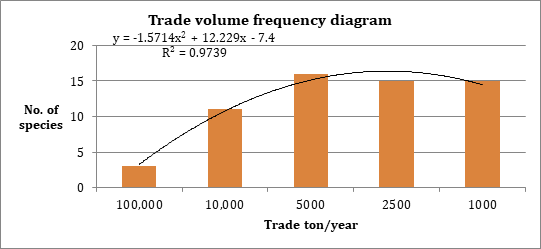
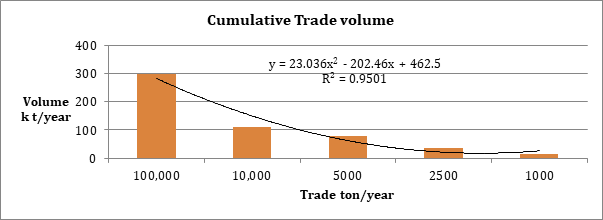
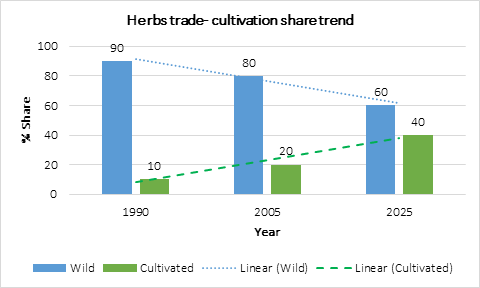
Table 2: The trade volumes estimates from our study are
| Species | Botanical Name | Bioactives | Quantity K Tpa@ | |
|---|---|---|---|---|
| 1 | Amla# | Phyllanthus emblica | Vitamin C, tannins, phenols | 100 |
| 2 | Drumstick# | Moringa olifera | Calcium, polyphenols | 100 |
| 3 | Isabgol | Plantago ovata | Fibre | 100 |
| 4 | Senna# | Cassia senna | Sennosides | 10 |
| 5 | Harrra | Terminalia chebula | Tannin, Chebulic acid | 10 |
| 6 | Behera | Terminalia bellerica | Gallic acid, Ellagic acid | 10 |
| 7 | Giloy | Tinospora cordifolia | Terpenoids (Tinosporide) | 10 |
| 8 | Tulsi | Occimum sanctum | Eugenol | 10 |
| 9 | Charota/ Pavad | Cassia tora## | Sennesoids | 10 |
| 10 | Lemongrass# | Cymbopogon martinii | Citral | 10 |
| 11 | Ashwagandha# | Withania somnifera | Withanoloides | 10 |
| 12 | Dashmul | 10 species roots | Flavanoids | 10 |
| 13 | Salai#* | Boswellia serrata | Boswellic acid | 10 |
| 14 | Mulethi (Licorice) | Glycyrrhiza glabra | Glycirrhizin | 10 |
| 15 | Arjuna | Terminalia arjuna | Arjunol | 5 |
| 16 | Bael# | Aegle marmelos | marmesin, angeline, | 5 |
| 17 | Kutaj | Holarrhena antidysentrica | Conessine, Holarrhemine | 5 |
| 18 | Satavar# | Asparagus racemosus | Saponin | 5 |
| 19 | Bramhi # | Bacopa moneri | Bacoside | 5 |
| 20 | Adusa/ Vasaka | Adathoda vasaca | Vasicine | 5 |
Table 3: Herbs Trade Volume Estimate. #- cultivated *- 90% is imported or adulterated as Indian produces only 5-10% *#- adulterat
| 21 | Nagarmotha# | Cyperus rotundus | Cyperon | 5 |
|---|---|---|---|---|
| 22 | Asoka*# | Saraca asoca | Catechol | 5 |
| 23 | Guggul* | Commiphora wightii | Terpenoids | 5 |
| 24 | Nirgundi | Vitex negundo | Vasicine | 5 |
| 25 | Gokharu | Trubulus terestris | Protodioscin (saponin) | 5 |
| 26 | Dhavai/ Dhayti | Woodfordia fruticosa | Quercetin, Kaempferol, Gallic acid | 5 |
| 27 | Bhringraj | Eclipta alba | Wedelic acid | 5 |
| @- k tpa= k ton/ annum | (k= 1,000) | TOTAL | 475 |
Table 4: Herbs Trade Volume Estimate. #- cultivated *- 90% is imported or adulterated as Indian produces only 5-10% *#- adulterat
Table 2: Herbs Trade Volume Estimate. #- cultivated *- 90% is imported or adulterated as Indian produces only 5-10% *#- adulterated by Sal (Shorea robusta) & False Ashok (Polyalthia longifolia) trees ##- much exported earlier but less today in foods due to anthroquinine in it Today its mainly a gum in the textile industry, less in food products/ medicine. #*- cultivated widely for pulp by paper mills in Madhya Pradesh earlier. NOTE: The above 27 species with 5,000 ton/ year or above volume comprise 80% of the total trade, estimated over 500 million ton/ year. Other hundreds of species do little volume addition as figure 1, 2 & 3 show.
Wild collected or ‘wild crafted” herbs were preferred over the cultivated ones for long in belief of their superior quality. However, research has shown cultivated herbs to also possess similar or better quality [13, 14]. Various natural abiotic and biotic stresses cause the secondary metabolite production having medicinal value. As these are prevalent in the wild environment while the cultivation has ample nutrient & irrigation supply, pest and disease control measure, the stress is absent & hence, the low potency of herbs, it was presumed. However, stress can be induced in the cultivation by controlling the input factors such as irrigation volume or frequency (e.g. herbs like Aloe vera are not irrigated 40-50 days before harvest for higher potency) and other techniques mentioned later. Further, the bioactive ingredient- “sennosides” quantity is higher if the Senna crop is not irrigated much [7]. Simulating wild like conditions in forestry cultivation is called “analog forestry” and is useful to produce herbs with high potency due to the natural stress factors [15].
Cultivated Herbs
Industry today prefers cultivated medicinal plants over the wild globally, due to the uncertainty of the supply in future (inter annual variations & policy issues- threatened plants conservation related), quality variations (active ingredients) and contaminants. There are instances of fluoride content in the herbs such as Bramhi from certain regions (.e.g. near Howrah) or effluents that are beyond the farmer’s control but industry can select other zones to source such herbs to get clean raw drugs.(Agarwal A., NRPL, pers. Comm.. Table 3 below enlists the top traded cultivated 20 herb species in India, including 4 spices, noted in our field study (marked **).
| Local Name | Species ($- Spice) | Active Principle | Class | |
|---|---|---|---|---|
| Aloe vera | Kumari | Aloe vera | Anthroquinine, emodin | B |
| Asafoetida# | Hing | Ferula asafetida | Disulphides, Ferulic acid | C |
| Andrographis | Kalmegh | Andrographis paniculata | Andrographalite | C |
| Chinarose | Gudhal | Hibiscus rosa chinensis | Anthocyanin | E |
| Cinnamon** | Tejpat, Dalchini | Cinnamoum verum | Cinnamaldehyde | B |
| Ginger** | Adrak, Sunthi | Zingbeber officinalis | Gingerol, Shagaol | A |
| Henna* | Mehendi | Lawsonia inermis | Lawson (Henna acid) | A |
| Holy Basil | Tulsi | Occimum sanctum | Eugenol, Rosmarinic acid | A |
| Indian Ginseng* | Ashwagandha | Withania somnifera | Withanoloid | C |
| Lemongrass | Malbar grass | Cymbopogon flexuosus | Citral | C |
| Licorice# | Mulethi | Glycyrrhiza glabra | Glycerrhizin | A |
| Mint* | Pudina | Mentha longifolia | Menthol (monoterpenes) | A |
| Noni | Barmukhi | Morinda citrifolia | Terpens, sulfur | D |
| Nutmeg** | Jaiphal | Myristic fragrance | Myristicin | B |
| Pepper long | Pippali/ Marich | Piper longum | Piperine | C |
| Plumbago | Chitrak | Plumbago zeylanica | Plumbagin | D |
| Psyllium* | Isabgol | Plantago ovate | Sugars, fibre, uronic acid | A |
| Senna@ | Sanoy | Cassia senna | Glycosides (sennesoids) | A |
| Sweet flag | Bach | Acorus calamus | Asarone, Eugenol | C |
| Turmeric** | Haldi | Curcuma longa | Curcumin, Turmeron | A |
Table 5: Mainly Cultivated Herbs in India. #- mainly imported, from west Asia, *- Exported, Class (volume k-‘000- tpa):- A>100, B
Table 3: Mainly Cultivated Herbs in India. #- mainly imported, from west Asia, *- Exported, Class (volume k-‘000- tpa):- A>100, B- 50 C- 25, D- 10, E- 5. Sources- (a) Psyllium- 1.2 lakh ton- export- 1 tpa= 0.1 million ha, (b) Senna- 12,000 tpa, yield.- 0.5 t/acre dry leaves*= 25,000- 80,000 ha [16], (c) Aloe vera- Rs. 100 cr/yr# (-> 20,000 ha), yield 10 tpa, Rs. 50 k/ha income= 10,000 ha area. https://krishijagran.com/ agripedia/how-and-where-to-sell-aloe-vera/, Henna- 21,000 ha- 21,000 tpa- Rj-http://www.hennapage.com/. Volume classes are as per the table 2.
Spices also belong to this category of cultivated herbs and called as “kitchen clinic” or “nanny’s medi-kit” for millennia in India, used as home remedies or in preventive healthcare. Some spices (Cinnamon, Ginger, Nutmeg, Turmeric) are consumed in bulk in AYUSH drugs, at volumes > 1,000 ton/ year vide table 3 [4, 11].
Europe and USA, amongst other developed nations Box 1: AYUSH Species Included in the Western Pharmacopeia 1- Vasaka- Adhatoda vasica 2- Guggulu- Commiphora spp (incl. wightii) 3- Garlic- Allium sativum 4- Satavar- Asparagus racemosus 5- Senna- Cassia angustifolia/ senna 6- Asafoetida- Ferula asafoetida 7- Licorice- Glycyrrhiza glabra 8- Mint- Mentha piperita 9- Nettle- Urtica dioica 10- Grape- Vitis vinifera 11- Ashwagandha- Withania somnifera 12- Ginger- Zingiber officinalis prohibit the use of many main ingredient species of AYUSH drugs, as their safety and efficacy is not proven using the western methods. However, many leading spices and herbs are permitted in those countries, as food ingredients at least, if not medicines (Box 1) for instance, from Germany as a sample from the Europe [14], where herbal medicines/ food supplements are growing rapidly due to safety, and no adverse reactions.
Already some researchers/ companies such as Natural Remedies, Bangalore (https://www.naturalremedy.com/) are tapping this permitted herbs list to develop inventive products by modifying the existing herbal drugs e.g. Vasaka, Tulsi i.e., besides spices.
Discussion
Export Scope
Raw drugs comprise 67% i.e. 2/3rd of India’s export of AYUSH sector & the volume is ever-growing but the share in total trade is declining as high value, finished medicines share is rising [12]. National medicinal Plants Board (NMPB) website (https://www.nmpb.nic.in/about-us), claims 1178 species of medicinal plants are in trade of which 242 species have consumption above 100 metric tons/year. The domestic demand of medicinal plants is estimated at 1,95,000 (40%)
ton for the year of 2014-2015 and export at 1,34,500 ton (27%) in 2014-2015, of the total consumption of herbal raw drugs of 5,12,000 MT valued at $ 80 million [8]. The export value grew much in the last 10 years .
Traditional Chinese medicine (TCM) that dominates the world herbal market has total export value ($ 3.5 billion/ year) which is 7 times higher value than AYUSH exports [17, 18, 19] and the 2 differ because -
- TCM has 90% value added (finished) products (medicines), just 10% raw drugs (herbs). AYUSH is the opposite- 70% raw drugs and 30% medicines value.
- In India, 70% of its raw material are wild sourced, unlike China where perhaps 70% raw materials are cultivated.
AYUSH industry had only 20% herbs from farming sector, but 80% from the wild [4]. This was a limiting factor as the forest productivity is limited, cannot sustain for long and is unreliable- quality and yield varies greatly year to year based on the climatic variations that are changing more recently. No wonder that about 10% of AYUSH herbs are rare/ threatened Box 2: Polyphenols- Emerging Herbal Cures. Polyphenols are aromatic compounds in many fruits, vegetable and spices that are both immunity builders and anti-inflammatory [20]. Curcumin from Turmeric, Resveratrol from grapes (and red wine), EGCG (Epigallo catechin gallate), from Green tea, Gingerol from ginger, Quercetin from Onion & Coriander, are few famous polyphenols globally, that are even extracted, packed and sold in retail in sometimes. These are generally safe and being promoted as key ingredients of Superfoods such as Drumstick- used to reduce joint pains/ arthritis burden in the west [17, 21]. Its promotion in India instead of costly or non-vegetarian options such as glucosamine is the need of the hour as majority of the people are vegetarian and Ayruvedic treatment is found as effective as NSAID (non steroidal anti inflammatory drugs) such as Glucosamaine in the clinical trial conducted in the USA on rheumatoid arthritis patients [22]. AYUSH can profitably learn and use such modern terminology e.g. “superfood” for posterity and benefit the farmers [23].
Spices and cultivated herbs consumption may rise in future as ‘health guards” due to their high anti-oxidant value and as some are permitted to replace threatened/ unavailable wild herbs if branded well though publicity and customer education on herbal health benefits. For instance, Satavari (Asparagus racemosus) is common Aurvedic pharmacopeia substitute of Ashtavarga (8 herbs, rare Himalayan herbs) used in “Chyavanprash”- commonest TSM tonic in India [24]. Such legitimate substitution approach can save threatened herbs, consumers health & industry all [25]. Herbal drugs benefits are evident in better immunity, less incidence (<50,000 infections per 0.1 million population) & low mortality (<500 per 0.1 million population) in COVID-19 (23), possibly due to spice decoction consumed daily & cuisine rich in spices in most families [26].
and may longer be available in a few years from now as some nearly became extinct in the near past- Guggul (Commiphora wightii), Seeta Ashoka (Saraca asoca), Serpentina Ravoulfia serpentina [4]. These are either imported or adulterated/ substituted, often raising questions regarding drugs quality & efficacy.
Bioactive Ingredients
AYUSH research can benefit by study of active chemical ingredients of main herbs and their ayurvedic characterization and multiple species containing such chemical composition. This will help to standardize and reduce the extinction risk of threatened species. Polyphenols are important class of phytochemicals rapidly emerging as the dominant paradigm in the west today [20] box 2 and Ayush medicines often excel in it so this needs to be branded profitably e.g. Curcumin (4- 6%) rich Turmeric latte (milk) as being done globally today after publications by USA researches at Texas university [1] in ‘90s on its healing benefits.
Eco-Agro-Techniques for Quality
The herbs below are profitable herbs to cultivate, for instance, with ready export demand. Of these only Guggulu, Licorice & Asafetida are supported in the subsidy scheme of National medicinal Plants Board (NMPB) (https:// www.nmpb.nic.in/content/prioritised-list-medicinal- plantscultivation). These are in shortage/ imported so improving their production can help export and “make in India” mission. The other species need to be added to the NMPB subsidy scheme. Box 4 below mentions few such promising cultivation herb species. These differ from the top herbs traded globally such as Gingko & Ginseng, St. John’s wort or salad dressing condiments like Oregano, Rosemary [17, 18, 19]. Thus, the Indian herbs exports are limited for not cultivating yet what the world market wants. Indian herbal exports are mainly focused in countries where many non resident Indians (NRI) customer base such as the Gulf [17].
The ecological techniques employed in the emerging “natural farming” pathway to improve the quality of crops including herbs include the following Ghate U [27]- • Mix genepool- Amla, the commonest Indian medicinal plant, a tree is has pollen self incompatibility. So large plantations may not yield fruiting, as they belong to the same variety, unless a wild tree exists nearby to enable cross fertilization. • Beekeeping- pollination- wild variety, bees, especially of oilseeds/ seed spices. • Low Irrigation- Avoid over-irrigation & stop irrigating 1-1.5 months before harvest, to create water stress and improve secondary metabolite content % by avoiding dilution, • Soil mixture, no till- Lateritic or loam soil addition to clay or sandy soil and low tillage for better soil and crop quality, • Organic inputs- cowdung, cow urine, farm yard manure, vermi-compost etc. besides microbial inputs such as especially Mycorrhiza, Trichoderma etc. for symbiotic growth • Cultural- trimming, pruning etc. to induce stress on xylem/ phloem & nutrients, water.
Besides the following agri-techniques are successfully demonstrated for better quality of the produce-
- varietal breeding,
- micro-nutrients supply- Sulfur, Zinc, Calcium, Magnesium etc.
- elicitors- biochemicals that control pathogens& can raise phenolic content [28] ,
- aquaponics- hydroponics is the new technique advanced now including high/ similar metabolite content as in the land farm [29].
Aquaponics is high cost and high-tech, mechanized farming unsuited for India, where agri-employment in vast rural areas is a challenge. So agro-forestry using the above quality based options can provide sustainable livelihood option for millions, using “analog forestry” strategy [14].
On farm organic inputs, beekeeping, are commonly tested natural farming techniques and can improve the export potential due to low/no-chemical residue [30]. Elicitors is a novel technique i.e. agrochemicals primarily designed to improve resistance to plant pathogens [28]. Although elicitors do not kill pathogens, they trigger plant defense mechanisms, and increase the levels of phenolic compounds. Variety of such agro-techniques can improve the herbs quality, drug efficacy, brand value and market share in future as wild harvest potential is limited [31]
and conservation areas cannot be exploited [32]. Various mechanisms to enhance the polyphenol content in Onion in Europe, for instance [33]. Potassium is a vital soil nutrient input to enhance the crop polyphenol content [34] and its supply through ash or microbial inputs (mycorrhiza) improves Curcumin content in Turmeric [35] besides due to the metabolic stress in the lateritic soil. Customer education and general publicity of health benefits of herbs and natural farming techniques is necessary.
Medicinal plants cultivation takes place in backward, poor, uncompetitive regions, where the tribal community income demand is low. Agro-forestry model is promoted here by industries like Dabur co. to farm Dashmula (10 roots) species which are threatened, for sustainability. Corporate social responsibility (CSR) programs can support such triple bottom-line projects (environment, equity and economy) in future. Dabur already has huge cultivation program of both lowland herbs e.g. Tulsi (in Uttar Pradesh state) & Shankhpushpi (Rajasthan state). Other corporate such as Emami, Himalaya Drug. Co. ltd., Natural Remedies pvt. ltd. also have started cultivation programs. Chemical inputs are discouraged in medicinal plants farming to protect consumer’s health so this can encourage regenerative agriculture techniques enabling natural farming. It is a step towards net zero carbon emission also [36]. Bioactive ingredients form natural herbs preferred due to their better efficacy or economy globally than synthetic manufacturing with star molecules such as Artemissin for treating Malaria, Placitaxel and Vincastine for Cancer [37, 38] which endorses the future growth in the global trade in medicinal plants.
Conclusions
Medicinal Plants trade grew by nearly 100% in the past decade in India mainly due to the increased use of the cultivated herbs such as Mint, Holy Basil, Indian Ginseng and spices. The raw drug trade is over 0.5 million ton/year and cultivated species stock comprises by nearly 50%. Nearly 200 i.e. 25% of the highly traded species (800 nos.) face extinction risk due to the overharvest. Growing trade and export of herbs from India required higher cultivation focus for sustainability and consumer health protection. For ensuring quality natural farming strategy and various eco-agri-techniques are suggested viz. a) varietal breeding, b) organic inputs, c) mycorrhiza/ bio-fertilizers, d) micro- nutrients, e) cultural/ agronomic practices f) elicitors. This can both improve the herbs potency and avoid chemical residues and its ill effects, enable exports. The government can invest widely in the natural farming (NF) techniques and labeling the ingredient content, safety parameters with industry partnership to cultivate herbs and spice species in global demand such as Mint, Oregano, Rosemary besides Indian famous herbs such as Holy basil & Indian Ginseng.
More efforts on publicity and customer education on health benefits of herbs and natural farming are needed. Patanjali co. increased market share 100 time to cross $ 1 billion/ year in 10 years by educating the customer new health concepts such as “transfat” in the routine refined flours (“maida” in vernacular) biscuits to push its own “atta” i.e. whole wheat Biscuits (https://patanjaliayurrvedlimited.net).
Acknowledgments
We thank our institution heads for permitting the study and no funding was received for this mainly desk research. We are obliged to Mr Muthu Velayutham, Secretary CCD NGO & MD, GMCL for support & encouragement, besides his colleagues Mr John Britto, Mr Pradip Dubey, Mr Horilal verma, Dr. Mandar Akkalkotkar (Ayurveda) & Mr Kumaresh babu, for sharing vital data, insights & industry connects. Christian Aid is thanked for the financial support to the study. We thank the NGO partners quoted and company management at Drs. N B Brindavanam, J L N Sasstry & G P Kimothy Dabur, Dr. R Uniyal Emami, Dr. U V Babu Himalaya & Dr. Amit Agarwal Natural Remedies and Dr. R G Soni, IFS (retd.) Madhya Pradesh state biodiversity board, state medicinal plants boards of Maharashtra & Chhattisgarh for supporting state trade studies earlier.
Conflicts of Interest
We declare that there are no conflicts of interest.
References
-
Aggarwal BB, Prasad S, Reuter S, Kannappan R, Yadev VR, et al. (2011) Identification of Novel Anti-inflammatory Agents from Ayurvedic Medicine for Prevention of Chronic Diseases- “Reverse Pharmacology” and “Bedside to Bench” Approach. Curr Drug Targets 12(11): 1595- 1653.
-
Bray F, Ferlay J, Soerjomataram I, Siegel RL, Torre LA, et al. (2018) Global Cancer Statistics 2018: Estimates of Incidence and Mortality Worldwide for 36 Cancers in 185 Countries. CA: Cancer J Clin 68: 394-424.
-
Ghate U, Kulkarni H (2021) Polyphenols, Spices and Vegetarian Diet for Immunity & Anti- Inflammatory Drug Design. In: (Edn.), Biosynthesis, London.
-
Ved DK, Goraya GS (2008) Demand and Supply of Medicinal Plants in India. In: (Edn.), National Medicinal Plants Board, New Delhi, India.
-
Dabur Meswak – Herbal Toothpaste for Healthy Teeth & Gums (2023) India.
-
Das M, Trivedi A (2023) Isabgol: A potential medicinal plant with commercial and trade value. Indian Horticulture 68(5): 11-14.
-
Nilofer, Singh S (2018) Senna (_Cassia angustifolia_ Vahl.): Recent advances in pharmacognosy and prospects of cultivation in India. Bioved 29(2): 399-408.
-
Tripathi P C (2021) Garcinia: A genus of nutraceutical fruits. Indian Horticulture 66(6): 1-9.
-
Goraya GS, Ved DK (2017) Medicinal Plants in India: An Assessment of their Demand and Supply. National Medicinal Plants Board, India.
-
Kala CP, Sajwan BS (2007) Revitalizing Indian systems of herbal medicine by the National Medicinal Plants Board through institutional networking and capacity building. Curr Sci 93(6): 797-806.
-
Sharma A, Shanker C, Tyagi LK, Singh M, Rao CV (2008) Herbal medicines for market potential in India: An overview. Acad Jr PI Sci 1(2): 26-36.
-
Tiwari DN (2000) Report of the task force on conservation and sustainable use of medicinal plants. In: (Edn.), Planning Commission, Government of India, New Delhi, India, pp: 194.
-
Chen SL, Yu H, Luo HM, Wu Q, Li CF, et al. (2016) Conservation and sustainable use of medicinal plants: problems, progress, and prospects. Chin Med 11: 37.
-
Schippmann U, Leaman DJ, Cunningham AB (2002) Impact of cultivation and gathering of medicinal plants on biodiversity: global trends and issues. In: (Edn.), Inter-Department Working Group on biology diversity for food and agriculture, FAO, Rome, Italy.
-
Ranil S, John J (1998) Analogue Forestry: An Introduction. In: (Edn.), Monash Publications, Austalia.
-
Polaiah A C, Khadke G N, Bagul S Y, Das M (2023) Prospects of senna cultivation in India. Indian Horticulture 68: 5.
-
Ghate U, Wele A (2022) Globalization of AYUSH Products: Status, Challenges and Suggestions for Growth. Trad Med Review 1(2): 21-34.
-
World bank (2018) Medicinal and Aromatic Plants- Opportunity for Nepal.
-
ITC (2016) Sustainable Sourcing: Markets for Certified Chinese Medicinal and Aromatic Plants, pp: 141.
-
Cory H, Passarelli S, Szeto J, Tamez M, Mattei J (2018) The Role of Polyphenols in Human Health and Food Systems: A Mini-Review. Front Nutr 5: 87.
-
Ghate U, Kulkarni H (2023) Quercetin- herbal bioactive nanotechnology for osteoarthritis & elderly health. Brazilian Journal of Development 9(12): 31772- 31783.
-
Daniel EF, Venkatraman MM, McGann M, Manohar PR, Booth-LaForce C, et al. (2011) Double-Blind, Randomized, Controlled, Pilot Study Comparing Classic Ayurvedic Medicine, Methotrexate, and Their Combination in Rheumatoid Arthritis. Jr Clin Rheum 17(4): 185-192.
-
Ghate U, Kulkarni H (2024) Antimicrobial Ayurveda Crops as Superfoods for Export, Conservation & Farmer’ Benefit. Qeios pp: 1-8.
-
Sasidharan N, PK Muraleedharan (2009) The Raw Drugs Requirement Of Ayurvedic Medicine Manufacturing Industry. In: (Edn.), Kerala Kerala Forest Research Institute, Peechi, Kerala.
-
Ghate U, Kulkarni H, Deshpande M, Akkalkotkar M (2022) Threatened Ayurvedic Herb (Seeta Ashoka) Substitution Options for Menorrhagia- based on Bioactive Principle’s Molecular Docking Study. Int J Pharm Investigation 12(3): 250-254.
-
Kulkarni H, Ghate U (2023) Plant Based Diet for Better Immunity, Elderly Health and Environment: Indian Insights. Europ J Sci Innov Tech 3(4): 366-384.
-
Ghate U (2023) FPOs for success of natural farming mission. LEISA 25(4): 19-22**.**
-
Ruiz-García Y, Gómez-Plaza E (2013) Elicitors: A Tool for Improving Fruit Phenolic Content. Agriculture 3(1): 33- 52.
-
Wei H, Manivannan A, Yuze C, Ryong JB (2018) Effect of Different Cultivation Systems on the Accumulation of Nutrients and Phytochemicals in _Ligularia fischeri_. Horticultural Plant Journal 4(1): 24-29.
-
Ghate U, Kulkarni H (2024) Doubling Indian Agri Export through Natural Farming Management, Horticulture & African Markets. Asian Journal of Agricultural and Horticultural Research 11(4): 37-48.
-
Thomas W, Babu NM, Ghate U, Ravikumar K (2005) Sustainable Harvest of Medicinal Plants: an Initiative in Southern India. Indian Forester 131(3): 397-401**.**
-
Srinivasamurthy TS, Karnat M, Prabhakar R, Ravikumar K, Elkunchwar SN, et al. (2003) Medicinal Plants Conservation and Sustainable Use Through Forest Gene Banks. Indian Forester 129(2): 179-186.
-
Rodrigues AS, Almeida DPF, Simal-Gándara J, Pérez- Gregorio MR (2017) Onions: A Source of Flavonoids. In: (Edn.), Flavonoids - From Biosynthesis to Human Health, Intech Open, London.
-
Freitas MSM (2020) Potassium sources and doses in coriander fruit production and essential oil content. Hortic Bras 38(3): 268-273.
-
Ghate U, Kulkarni H, Arunachalam A (2019) Spices in the eastern Indian laterite soil have more polyphenols? Ind Jr Hill Farming 32(2): 236-238.
-
Ghate U, Patwardhan A, Arunachalam A (2023) Agroforestry And Organic Farming Scope In India Towards Net Zero. Indian Forester 149(4): 418-421.
-
Collin BR , Benjamin EJ, Patrick SM (2021) Utilizing Plant Synthetic Biology to Improve Human Health and Wellness. Frontiers in Plant Science: 12.
-
Guo M, Lv H, Chen H, Dong S, Zhang J, et al. (2024) Strategies on biosynthesis and production of bioactive compounds in medicinal plants. Chinese Herbal Medicines 16(1): 13-26.
- Enhancement of Vegetative Growth and Fruit Yield in Cucumber (Cucumis sativus L.) via Spiritual Blessing (Biofield) Energy Intervention
- Production of Açaí (Euterpe oleracea Mart.) under Different Agroforestry System Management Intensities in Amazonian Floodplain (Varzea) Forests
- Coffee and the Production Region: What is the Secret to the Expression "Quality"?
- Experiential Agripreneurship Training in Sub-Saharan Africa: Integrating a Business Incubator into Postgraduate Livestock Education at the University of Buea
- Advances in Agricultural High-Quality Development
- Linking Compost Residue to ABAGE in Plants - a Short Note