
Beta HCG in Cervico-Vaginal Secretion as a Predictor of Preterm Delivery
Objective: to determine whether concentration of beta HCG in cervico-vaginal secretion could be used to predict preterm delivery in women presenting with signs and symptoms suggestive of preterm labour Design: Hospital based prospective study. Method: This study was conducted in Central Women’s Hospital, Yangon, Myanmar. It included a total of 148 pregnant women presenting with signs and symptoms suggestive of preterm labour between 24 to 34 weeks of gestation. Exclusion criteria included those with foetal congenital anomalies, vaginal bleeding, foetal growth restriction, foetal distress, multiple gestation, cervical dilatation ≥3 cm or preterm rupture of membrane. Eligible pregnant women were offered for participation in the study. Concentration of beta HCG in the cervico-vaginal secretion was detected by qualitative beta HCG one step pregnancy test strip. The result obtained was kept confidential and all the patients were managed as per protocol for suspected preterm labour. Follow up of the outcome, either term or preterm delivery, was recorded. Data collection was done by completing the proforma and data analysis was done by statistical software, SPSS version 16. Results: The majority of the patients in this study were 27.73(6.24) years. Nulliparity group constituted 56.1% and history of preterm delivery was present in 10 patients among 65 multiparous patient. Mean gestational age at the time of presentation of the study group was 31.39 ± 2.7 weeks. Beta HCG test was positive in 53.4% (79 out of 148) of the patients. Among them, 73 patients were delivered before 37 weeks. The prevalence of preterm delivery in the study group was 68.2% (101 out of 148) and mean gestational age at delivery was 34.81 (3.43) weeks. Mean test to delivery interval was 23.4 (25.69) days. Predictive values for preterm delivery of cervico-vaginal beta HCG were sensitivity of 72.3%, specificity of 87.2%, positive predictive value of 92.4% and negative predictive value of 59.4% respectively. Likelihood ratio for positive and negative beta HCG test were 5.66 and 0.31 respectively. There was statistically significant association between positive beta HCG test and preterm delivery (χ2 = 61.045, p
Abbreviations
Introduction
Globally, preterm birth is the dominant factor driving perinatal morbidity and mortality. It is an alarmingly common event, with Spontaneous Preterm Birth (SPB) affecting 7% to 11% of pregnancies before 37 weeks, and about 3% to 4% occurring before 34 weeks [1]. The vast majority of deaths in healthy infants are linked to birth before this 34- week of gestation. Beyond the high risk and financial burden of neonatal care, many of these survivors will face permanent disabilities or handicaps [2].
Spontaneous preterm birth (SPB) remains a significant challenge, with the rate of prematurity stubbornly unchanged despite advancements in care over the last two decades. While treatments like antenatal steroids effectively mitigate associated complications, their success hinges on accurately predicting SPB for timely administration.
Historically, diagnosing the risk of preterm birth has relied on a suite of clinical indicators. These include a patient’s history of preterm birth, the presence of uterine abnormalities or a twin pregnancy, and assessments of maternal risk, preterm labor symptoms, and findings from a clinical examination. It’s difficult to accurately predict which patients will deliver prematurely, and this uncertainty creates a significant problem. Women who are going to deliver early often don’t receive the effective interventions they need, while those who will deliver on time are unnecessarily exposed to the risks and costs of treatment. This is particularly concerning since current drugs used to stop labor, called tocolytics, only delay birth minimally and can cause harmful side effects for both mother and baby. Therefore, the main goal must be to accurately identify high- risk patients before labor begins. This focused approach is the only way to ensure the right patients get beneficial treatment and others avoid needless harm. The pursuit of more accurate predictors of preterm birth remains a critical goal in perinatal medicine. Historically, relying on risk factors like demographics and symptoms has proven insufficient. This has driven the exploration of various biochemical markers, including plasma levels of 17 beta estradiol, progesterone, and C-reactive protein, along with salivary estriol, cervico-vaginal fibronectin, and cervical alpha-fetoprotein (AFP). Unfortunately, the utility of these markers has been limited by their high cost and widely inconsistent predictive accuracy across studies, suggesting they are far from the optimal solution for identifying at-risk pregnancies.
Thus Finding accurate predictors of premature delivery is vital, as identifying high-risk pregnant women early would enable better monitoring and the execution of timely preventative treatments, which could ultimately save babies from this serious complication.
Several investigators have reported that the presence of beta HCG in cervico-vaginal secretion may be an accurate predictors of preterm delivery [3, 4, 5]. Qualitative measurement of beta HCG concentration from cervico-vaginal secretion offers several advantages. This assay does not require additional instruments and may be easily and cheaply performed at bedside, obtains rapid result and cost effective.
Thus in this study, it was determined whether beta HCG concentration, which is also manufactured by fetoplacental unit, in cervico-vaginal secretions of pregnant women could be taken as a predictor of preterm birth.
Methods
This study was hospital based prospective study and it was conducted in Central Women’s Hospital, Yangon, Myanmar. It included a total of 148 pregnant women presenting with signs and symptoms suggestive of preterm labour between 24 to 34 weeks of gestation.
This study was started after approval of Academic Board of Study and research and Ethics Committee, University of Medicine 1, Yangon, Myanmar.
Exclusion criteria included those with foetal congenital anomalies, vaginal bleeding, foetal growth restriction, foetal distress, multiple gestation, cervical dilatation ≥3 cm or preterm rupture of membrane.
Inclusion criteria for the study were singleton pregnancy, gestational age between 24 to 34 weeks, cervical dilatation <3 cm, intact amniotic membrane (ie. no obvious leakage of amniotic fluid, liquor pooling) and absence of maternal or fetal complication at admission and during pregnancy.
Those who were eligible were explained about the study and their consent to participate in the study were taken in written form after ensuring that they really understood the statements. Only those who fulfilled the inclusion criteria and did not have exclusion criteria, and who agreed to take part in the study were enrolled for the research.
A thorough history taking and examination were done. Uterine activity reported by the subjects were confirmed by abdominal palpation or external tocography. Cervico-vaginal secretion sample was obtained during sterile speculum examination from all of the patients. A cotton- tipped swab was placed first into the endocervical canal and then into posterior vaginal fornix, each for at least 30 seconds, in order to obtain cervico-vaginal secretion for HCG assay. Then the swab was placed in a tube containing 1ml of saline solution and the tube was shaken for 1 minute before the swab was disposed of. All samples were obtained prior to the administration of tocolytics therapy. Date and time of sample collected were recorded. Rapid assay began with the addition of three drops of cervico-vaginal washing to the sample well on a commercially available test kit. That test used a monoclonal antibody specific for beta subunits of HCG and was usually employed for the qualitative detection of HCG in urine for the early detection of pregnancy (cut off level at least 25mIU/ml). The result obtained was kept confidential.
Once the samples were collected, all the patients were managed as per standard protocol for signs and symptoms of preterm labor. Those patients who did not deliver during their hospital stay were requested to continue regular antenatal visits and to inform when they were admitted again for delivery. Follow-up of the outcome, either term or preterm delivery, was recorded. Preterm delivery was defined as any delivery at <37 weeks’ gestation. Mode of delivery and indication for operative delivery were also noted.
The date and time of delivery for all the study patients were also recalled and test-delivery intervals were calculated. Test-delivery interval was defined as the interval between the times of cervico-vaginal secretion sampling for HCG to the time of delivery calculated in days. Data collection were performed by completing the proforma. Data collection were checked for completeness, error and inconsistencies prior to the data entry. Data entry and analysis was done by statistical soft wares SPSS version 16. Results During the study period there were altogether 148 patients enrolled for the study. There was no loss of follow up cases.
Out of 148 patients, 101 gave birth before term and the rest was delivered at term. Therefore the prevalence of preterm delivery (<37 weeks gestation) among the study population was 68.2%.The mean gestational age (SD) at sampling for all study patients was 31.39 (2.7) weeks and the mean gestational age at delivery was 34.81(3.43) weeks.
Mean age (years) of study population was (27.73) with standard deviation of (6.24). Nulliparous group constituted 56.1% (83/148) of total study population. Among 65 multiparous women pervious history of preterm delivery was present in only ten patient 15.38% (10/65).
Mean family income was 184930 kyats per month. 90.54% (134/148) of the patients were dependent. Regarding education, 21.62% (32/148) passed the primary school, 30.41 % (45/148) and 22.30(33/148) of the patients reached middle and high school respectively. University level of education constituted 25.68% (38/148) of total study population.
Among the presenting sign and symptoms, abdominal, back or pelvic pain and uterine contraction were present in all patients. Change in vaginal discharge was noted by 63.51% (94/148) of the patients.
Mean gestational age at testing was 31.39 weeks with standard deviation of 2.7 whereas mean gestational age at delivery was 34.81 weeks with standard deviation of 3.43. Mean test- delivery interval by days was 23.4(25.69) (Table 1).
| 1.Maternal age (years) Mean (SD) | 27.73(6.24) |
|---|---|
| 2.Obstetric history Nulliparity (%) Mulitparous (%) Multiparous with previous history of Preterm birth (%) | 56.1(83/148) 43.9(65/148) 15.38(10/65) |
| 3.Socio-economic characteristics Family income (kyats) Mean (SD) Occupation Dependent (%) Education Primary school level (%) Middle school level (%) High school level (%) University level (%) | 184930(1.3) 90.54(134/148) 21.62(32/148) 30.41(45/148) 22.30(33/148) 25.68(38/148) |
| 4.Presenting symptoms Abdominal, back or pelvic pain (%) Uterine contraction (%) Vaginal discharge (%) | 100 100 63.51(94/148) |
| 5.Gestational age at testing (weeks) Mean (SD) | 31.39 (2.7) |
| 6.Gestational age at delivery (weeks) Mean (SD) | 34.81(3.43) |
| 7.Test-delivery interval (days) Mean (SD) | 23.4(25.69) |
Table 1: General Characteristics of the Studied Patients. Data are presented as mean (SD) or n (%) Out of 148 patients cervico-va
Table 1: General Characteristics of the Studied Patients. Data are presented as mean (SD) or n (%) Out of 148 patients cervico-vaginal beta HCG test was positive in 79 patients (53.4%) and negative in 69 patients (46.6%). There were no statistically significant differences in maternal age (two-sample T test, t=0.602, p=0.534), gravida (two sample T test, t=0.948, p=0.345) and previous history of preterm delivery (χ2 = 0.15, p=0.902).
There was also no statistically significant difference in the gestation at sampling between the beta HCG positive and beta HCG negative patients (two-sample T test, t=0.070, p=0.944). However, there was a statistically significant difference in the gestation at delivery with a shorter gestation if beta HCG was positive (two sample T test, t=8.92, p<0.001) (Table 2).
No statistically significant differences were noted in education (χ2 =6.24, p=1), dependent or working patients (χ2 = 0.112, p=0.738) and family income (Two sample T test, t=187, p=0.852) among the patients who delivered at term or not (Table 2).
Regarding presenting symptoms, all patients presented with abdominal pain and had uterine contraction. Percentage of patients with the symptom of change in vaginal discharge was much higher in the beta HCG positive group (70.9%) than in the beta HCG negative group (55.1%) (χ2 = 3.97, p=0.46).
| Characteristics | Gestational age | p value | |
|---|---|---|---|
| <37 weeks (n=101) | ≥37 weeks (n=47) | ||
| Maternal age (years) Mean (SD) | 27.94(6.44) | d 27.28 (5.8) | 0.584* |
| Obstetric history Gravida Mean (SD) Previous preterm delivery(n) Present absent | 1.79(1.09) 7 94 | 1.62(0.92) 3 44 | 0.345* 0.902‡ (χ2 = 0.15) |
| Socio-economic characteristics Family income (kyats) Mean (SD) | 183560(1.3) | 187870(1.2) | 0.825* |
| Occupation (n) Dependent Working | 92 9 | 42 5 | 0.738‡ (χ2= 0.112) |
| Education (n) Primary Middle High university | 25 33 17 26 | 7 12 16 12 | 1‡ (χ2 =6.24) |
| Characteristics | Beta hCG test | p value | |
| Positive (n=79) | Negative (n=69) | ||
| Presenting Symptoms Abdominal, back or pelvic pain (%) Uterine contraction (%) Vaginal discharge (%) | 100 100 70.9 | 100 100 55.1 | Na Na 0.46‡ (χ2=3.97) |
| Gestational age at testing (weeks) Mean (SD) | 31.37(2.91) | 31.41(2.46) | 0.944* |
| Gestational age at delivery (weeks) Mean (SD) | 32.91(3.03) | 36.98(2.43) | <0.001* |
Table 2: Clinical Characteristics According to Gestational Age at Delivery and Beta HCG Test Result. * Two-samples T test, ‡ Chi
Table 2: Clinical Characteristics According to Gestational Age at Delivery and Beta HCG Test Result. * Two-samples T test, ‡ Chi square test, na = not applicable Out of 79 patients with cervico-vaginal beta HCG positive patients 73 delivered before 37 weeks of gestation and 6 delivered at term. 28 out of 69 patients with negative beta HCG test delivered before 37 weeks and 41 still undelivered before 37 weeks of gestation.
In Table 3 preterm delivery <37 weeks of gestation was tabulated against the cervico- vaginal beta HCG test result to know the prediction values with their 95% confidence intervals. Sensitivity was 72.3%, specificity was 87.2%, positive predictive value was 92.4% and negative predictive value was 59.4%. Likelihood ratio (positive) was 5.66 and likelihood ratio (negative) was 0.31 (95% CI). Patients with positive beta HCG test in cervico-vaginal secretion at 24 to 34 weeks of gestation were more likely to have preterm birth than patients with a negative test (χ2=61.045, p< 0.001).
| Beta hCG test | Delivery | Total | |
|---|---|---|---|
| < 37 wk | ≥ 37 wk | ||
| Positive Negative | 73 28 | 6 41 | 79 69 |
| Total | 101 | 47 | 148 |
Table 3: Prediction Values for Preterm Delivery of Beta HCG Test at 240-340 Weeks of Gestation.
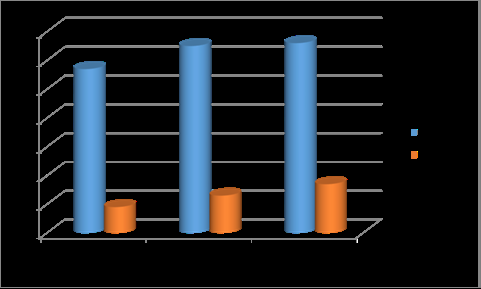
χ2 = 61.045, p< 0.001 Sensitivity = 72.3% (95% CI 63 – 80.3) Specificity = 87.2% (95% CI 75.3 – 94.7) Positive predictive value = 92.4% (95% CI 84.9 – 96.9) Negative predictive value = 59.4% (95% CI 47.6 – 70.5) Likelihood ratio (positive) = 5.66 Likelihood ratio (negative) = 0.31 Figure 1 shows the ability of beta HCG test to predict birth within a specified period from sampling (one week, two weeks and three weeks) irrespective of gestation at delivery.
Discussion
Globally, premature delivery is the leading factor driving perinatal morbidity and mortality, yet it continues to be an intractable issue for obstetricians. Even with treatments like tocolytics and sophisticated surveillance available, we have failed to decrease the rate of babies being born too early. In wealthy countries, the success of modern screening in cutting down major birth defects means that preterm birth now stands out as the primary source of death and illness in newborns.
In Myanmar, preterm delivery is one of the top causes of increased preinatal morbidity and mortality. According to National Health Plan (NHP) (2006-2011) [6], PMR is 26.2/1000LB.Among them, LBW/prematurity accounts for 30.9%.
The ability to avert preterm birth is directly tied to recognizing the fundamental processes that trigger premature labor. This necessitates a strategy of early action in vulnerable pregnancies, which in turn requires a proven screening tool capable of accurately detecting high-risk cases.
Traditional preterm birth screening has centered on tallying and scoring clinical risk factors, such as a prior history of premature birth, demographic traits, and the presence of early symptoms. Unfortunately, this risk factor scoring system has been shown to be ineffective, exhibiting both a low detection rate and poor overall predictive value. Its main weakness is that it incorrectly labels a vast majority of the population as ‘at risk’ just to successfully identify a small fraction of actual preterm deliveries.
Recent advancements in perinatal healthcare have introduced new biological markers that significantly improve the accuracy of preterm birth prediction. Because these tests have a high capacity to identify high-risk patients, clinicians can more effectively focus surveillance and implement prompt, effective management strategies for those who need them most.
The goal of this study was to determine if human chorionic gonadotropin could serve as a reliable predictor of preterm birth. As beta HCG is produced by the placenta during pregnancy, it is naturally present in high concentrations in both the maternal plasma and amniotic fluid. Early in gestation, beta HCG levels in the amniotic fluid mirror those in the maternal serum; however, the amniotic fluid concentration subsequently drops to about 20% of the plasma level, though it continues to follow the same overall gestational pattern [3].
Following conception, the concentration of beta hCG in a woman’s serum and amniotic fluid increases, peaking between 8 and 12 weeks of gestation. These levels then drop, reaching a stable plateau around 18 weeks that is maintained throughout the remainder of the pregnancy. Current research is also exploring beta-hCG concentrations specifically in the cervico-vaginal secretions of pregnant women.
The pioneering work of Anai T, et al. [7] first investigated HCG levels in vaginal fluid, suggesting that its quantitative measurement could be a useful marker for identifying the premature rupture of fetal membranes (PROM). Building on this finding, subsequent research has also indicated that the quantitative measurement of beta HCG in cervico-vaginal secretions holds promise as a predictive tool for identifying women at risk of preterm delivery.
Berstein PS, et al. [8] measured beta hCG levels from cervico-vaginal secretion of patients who had risk factor for preterm delivery between 24 and 28 gestational weeks. They observed a rise in median beta hCG values in cervico-vaginal secretion until approximately 10-15 weeks gestation to a peak of 44mIU/ml and a decline to 5.6mIU/ml between 20 and 25 weeks of gestation and the level remained unchanged for the ongoing pregnancy. When beta HCG is detected at elevated levels in a woman’s cervico-vaginal secretions, the hormone is most likely originating from the maternal serum or amniotic fluid. Given the large size of the HCG molecule, it’s highly improbable just as it is with fetal fibronectin to suggest that HCG could selectively leak across the fetal membranes without a significant simultaneous passage of water and other fluid molecules from the amniotic sac.
Berstein PS, et al. [8] studied 77 symptom free but high risk patients (≥ 1 risk factors for preterm birth) from an inner-city general obstetric population. Cervico-vaginal secretion were sampled every 2 weeks until delivery, beginning at 24 weeks’ gestation. Concentration of beta HCG were measured serially with commercially available enzyme-linked immunnosorbent assay. A single β-hCG value >50 mIU/ml obtained between 24 and 28 weeks’ gestation was associated with significant increase in the incidence of delivery before 34 weeks’ gestation. This cutoff value had a sensitivity of 50%, specificity of 87%, and positive and negative predictive values of 33% and 93%, respectively.
They also observed that a women with a β-hCG value >50mIU/ml was at significantly greater risk for delivery within 2 weeks with sensitivity of 62%, specificity of 89%, and positive and negative predictive values of 32% and 96%, respectively.
In the present study, it was evaluated the accuracy of hCG from cervico-vaginal secretion by bedside qualitative hCG test for prediction of preterm delivery in women with signs and symptoms suggestive of preterm delivery. The results of this study suggested that a positive bedside qualitative hCG assay from cervico-vaginal secretion may help predict preterm birth. A positive result is obtained in the qualitative bedside assay employed in the current study at HCG levels of at least 20 mIU/ml which was lowered than the cut off value of Berstein PS, et al. [8]. The sensitivity and positive predictive value of these study was higher than Bernstein study (72.3% vs 62%, 92.4% vs 32% respectively) but specificity and negative predictive value were lower than that of Bernstein PS, et al. [8] (87.2% vs 89%, 59.4% vs 96% respectively).
An explanation for this discrepancy would be the differences in the study population and cut- off data. Moreover their study was more expensive than the current study because of using a commercially available enzyme-linked immunosorbent assay. The result of current study could be obtained with 5 minutes compared to taking a longer time in Berstein’s study which took 72 hours. The results of current study was comparable to that of Bernstein’s study in addition to its cost effectiveness and quick result.
Guvenal TE, et al. [3] studied the beta HCG and prolactin assays in cervico-vaginal secretion as a predictor of preterm delivery. They found that cervico-vaginal beta HCG levels obtained in 24-36 weeks’ gestation were significantly higher in women with spontaneously preterm birth group compared with women who delivered at term. Their study population was 60 which was lowered than that of the current study and used optimal cut-off value for beta HCG (27 mIU/ml) which was slightly higher than this study (20 mIU/ml). Their study had a sensitivity of 87.5%, specificity of 65.4% and positive and negative predictive values of 28% and 97% respectively.
In their analysis, Guvenal TE, et al. [3] and colleagues set the prolactin threshold at 1.8ng/ml for preterm prediction, reporting a test performance of 50% sensitivity, 96% specificity, 67% PPV, and 93% NPV. They found no significant difference in the predictive performance between \beta- hCG and prolactin. A direct comparison reveals that this study has a much stronger positive predictive value for both markers (92.4%) than Guvenal’s study (28% and 67% respectively), while the current study’s negative predictive value is weaker. These differences in the metrics are likely attributable to varying methodological factors, such as the cut-off used or distinct techniques for obtaining the biological sample. Garshabi A, et al. [5] studied the predictive value of beta hCG in cervico-vaginal secretion in asymptomatic high risk pregnancy between 20 and 28 weeks gestation. They measured the levels of beta HCG by ELISA test. There was 3.2 folds increase in cervico-vaginal beta hCG among patients with spontaneous preterm delivery. A single cervico-vaginal beta hCG >77.8mIU/ml , between 20 and 28 weeks’ gestation, identified patients with subsequent preterm delivery with sensitivity of 87.5%, specificity of 97% and positive and negative predictive values of 88.5% and 98%, respectively. All the test results were higher than the current study and it may be due to larger sample size (540 vs 148) and higher cut-off points.
In Sak ME, et al. [9], 55 patients with symptoms suggestive of preterm birth were enrolled into the study. The cut-off value of their study was 77.8 mIU/ml which was similar to that of Garshabi’s study. The sensitivity, specificity, positive and negative predictive values were of 76%, 91.6%, 95% and 79.9%, respectively. All the results were higher than the current study. An explanation for this discrepancy would be the differences in the study population and cut-off data.
The sensitivity, specificity, positive and negative predictive values for each studies were summarized in Table 4. Garshabi A, et al. [5] had higher sensitivity, specificity and negative predictive value than other studies. Large sample size may be contributed to this results.
| Investigator (year published) | No. of patients (n) | GA (weeks) | Prevalence of study (%) | Sensitivity (%) | Specificity (%) | PPV (%) | NPV (%) |
|---|---|---|---|---|---|---|---|
| Bernstein PS, et al. [8] | 77 | 24-34 | 33 | 50 | 87 | 33 | 93 |
| Guvenal TE, et al. [3] | 60 | 24-36 | 35 | 87 | 65 | 28 | 97 |
| Sanchez- Ramos L, et al. [4] | 86 | 24-34 | 32.6 | 64.3 | 70.7 | 51.4 | 80.4 |
| Gasharbi A, et al. [5] | 540 | 20-28 | 28.6 | 87.5 | 97 | 88.5 | 98 |
| Sak ME, et al. [9] | 55 | 25-36 | 45.5 | 76 | 91.6 | 95 | 79.9 |
| Present study | 148 | 24-34 | 68.2 | 72.3 | 87.2 | 92.5 | 59.4 |
Table 4: Prediction Values for Preterm Delivery of Cervico-Vaginal Beta HCG in Different Studies. GA= gestational age, PPV=positi
In 2003, Sanchez-Ramos L, et al. [4] investigated the predictive utility of beta hCG in cervico-vaginal secretions, evaluating it using both qualitative and quantitative methods.
The qualitative assessment employed a commercial test kit designed for the early detection of hCG in urine, which uses a monoclonal antibody specific to the beta subunit (with a cut-off of at least 25 mIU/ml).
A positive result from this rapid qualitative hCG assay, when conducted on cervico-vaginal secretions between 24 and 34 weeks gestation in symptomatic patients, strongly correlated with a significantly higher risk of preterm delivery. The researchers also performed a quantitative assessment using an electrochemiluminescence immunoassay, allowing for a direct comparison between the precision of the two distinct measurement techniques.
In their study, qualitative beta hCG assay in cervico- vaginal secretions had sensitivity and specificity of 90% and 91% respectively. Patients with positive qualitative bedside test had significantly increased mean quantitative values of HCG (66.3± 76.6mIU/ml) compared with those who had negative test (9.6± 8.7mIU/ml). They also found that positive bedside qualitative HCG assay from cervico-vaginal secretions can help predict preterm birth and has similar predictive accuracy with quantitative immunoassay for HCG using a cut-off of 19mIU/ml.
In the current study, only qualitative bedside HCG test was assessed and the study population was larger than their study (148 vs 86). Compared with them, it does not require additional instruments for quantitative beta HCG assessment and may be easily and cheaply performed at bedside. This study did not formally assess costs associated with the use of cervico-vaginal HCG testing in prediction of preterm birth. However in the study of Sanchez-Ramos L, et al. [4] they estimated the cost of each test roughly as follows; HCG bedside test <$ 1.00, fetal fibronectin $ 200, endovaginal USG $250. Thus the nature of rapid, inexpensive testing of qualitative HCG measurement is interesting and would be clinically important. When comparing the results, the present study had higher sensitivity, specificity and positive predictive value (72.3% vs 64.3%, 87.2% vs 70.7%, 92.4% vs 51.4% respectively) but lower negative predictive value (59.4% vs 80.4%) . Our study had higher likelihood ratio (positive) (5.66 vs 2.19) and lower likelihood ratio (negative) (0.31 vs 0.51).
In assessing the diagnostic accuracy of cervico-vaginal beta HCG in predicting preterm delivery, it was focused on likelihood ratios (LRs). LRs, because they combine information from both sensitivity and specificity, are not impacted by disease prevalence. In contrast, positive and negative predictive values vary with disease prevalence. In addition, LRs facilitate estimation of post-test probability. For these reasons LRs have become the preferred approach for assessing accuracy of diagnostic test. A likelihood ratio of >1 increased the probability that preterm delivery will occur, and the greater the likelihood, the larger, the increase. Conversely, a likelihood of <1 decreased the probability that preterm delivery will occur and the smaller the likelihood ratio, the larger, the decrease. The likelihood ratio of >10 or <0.1 results in conclusive changes; and likelihood ratio values of 5-10 and 0.1-0.2 generate moderate changes in the pretest probability of the disorder [10].
A comparison of diagnostic accuracy of cervico-vaginal beta hCG with fetal fibronectin (fFN) in predicting preterm birth is summarized in Table 5. Studies of Lockwood, Iams and peaceman et al utilized fetal fibronectin as a marker for preterm birth and Sanchez-Ramos and present studies utilized beta hCG as a marker for preterm delivery.The likelihood ratios after a positive and negative test for the studies are summarized.
The gestational age at sampling and prevalence of preterm birth were comparable across these five studies. The current study had the highest positive likelihood ratio among the studies. It may be due to more symptomatic appearance of patients than other studies and increased prevalence.
| Investigator (year published) | No.of patients (n) | GA (weeks) | Prevalence of study (%) | LR(positive) | LR(negative) |
|---|---|---|---|---|---|
| Lockwood CJ, et al*. [11] | 117 | 22-37 | 51.3 | 4.66 | 0.22 |
| Iams JD, et al*. [12] | 192 | 24-34 | 32.3 | 3.15 | 0.66 |
| Peaceman AM, et al*. [13] | 725 | 24-36 | 19.2 | 3.17 | 0.65 |
| Sanchez- Ramos L, et al. +[4] | 86 | 24-34 | 32.6 | 2.19 | 0.51 |
| Present study + | 148 | 24-34 | 68.2 | 5.66 | 0.31 |
Table 5: Comparison of Diagnostic Accuracy of Cervico-Vaginal Beta HCG with Fetal Fibronectin for Prediction of Preterm Birth. GA
In the current study, qualitative measurement of HCG concentration from cervico-vaginal secretion offers several advantages. It has acceptable sensitivity, specificity, positive and negative predictive values and had higher positive likelihood ratio than other studies. This assay does not require additional instruments and may be easily and cheaply performed at beside. Thus it can be useful in predicting preterm delivery.
In conclusion, , the qualitative evaluation of beta HCG in cervico-vaginal discharge shows significant promise as a marker to predict preterm delivery when a woman presents with relevant symptoms. While encouraging, these results must be substantiated by further investigation that utilizes a broader patient cohort.
References
-
Kochanek KD, Murphy SL (1996) Death: final data for 1996. Natl Vital Stat Rep 47: 1-100.
-
Taylor D (1984) Low birth weight and neuro- developmental handicap. Clin Obstet Gynecol 11: 525- 542.
-
Guvenal TE, Kantas E, Erselcan T, Culhaoglu Y, Cetin A (2001) Beta HCG and prolactin assays in cervicovaginal secretion as predictors of preterm delivery. Int J Gynaecol Obstet 75: 229-234.
-
Sanchez-Ramos L, Mentel C, Bertholf R, Kaunitz AM, Delke I, et al. (2003) Human Chorionic gonadotropin in cervicovaginal secretions as a predictor of preterm birth. Int J Gynaecol Obstet 83: 151-157.
-
Garshasbi A, Ghazanfari T, Faghih Zadeh (2004) Beta HCG in cervicovaginal secretions and preterm delivery. Int J Gynaecol Obstet 86: 358–364.
-
Ministry of Health (eds) (2006) National Health Plan (2006-2011) Maternal, Newborn and Child Health Project. Myanmar, 57.
-
Anai T, Tanaka Y, Hirota Y, Miyakawa I (1997) Vaginal fluid HCG level for detecting premature rupture of membranes. Obstet Gynaecol 89: 261-264.
-
Bernstein PS, Stern R, Lin N, Furgiwele J, Karmen A, et al. (1998) Beta HCG in cervicovaginal secretions as predictor of preterm delivery. Am J Gynaecol Obstet 179: 870-873.
-
Sak ME, Ozgur O, Sibel S, Talip G (2010) Beta hCG in cervico-vaginal secretion as an early marker of preterm delivery. Obstet Gynecol 168: 126-136.
-
Chien PF, Khan KS, Ogston S, Owen P (1997) The diagnostic accuracy of cervicovaginal fetal fibronectin in predicting preterm delivery: an overview. Obstet Gynecol 104: 436-444.
-
Lockwood CJ, Sensei AE, Dische MR, Casal D, Shah KD, et al. (1991) Fetal fibronectin in cervical and vaginal secretions as a predictor of preterm delivery. N Engl Med 325: 669-674.
-
Iams JD, Casal D, McGregor JA, Goodwin TM, Kreaden US, et al. (1995) Fetal fibronectin improves the accuracy of diagnosis of preterm labour. Am J Obstet Gynecol 173: 141-145.
-
Peaceman AM, Andrews WW, Thorp JM, Cliver SP, Lukes A, et al. (1997) Fetal fibronectin as a predictor of preterm birth in patients with symptoms: A multicenter trial. Am J Obstet Gynecol 177: 13-18.
- Postpartum Maternal Mental Health - A Narrative Review
- Successful Management of Mid Trimester Foetal Death with Major Placenta Previa by Expectant Management Followed by Induction of Labour
- To Evaluate the Expression of Egr2 Gene in Term Low Birth Weight Newborns
- Impact of Maternal Obesity on Maternal and Foetal Outcomes: A Prospective Cohort Study from Northern India
- ‘’Benefit of Pulsatile GnRH Therapy in Treatment of Functional Hypothalamic Amenorrhea (FHA) and Congenital Hypogonadotropic Hypogonadism(CHH) in Infertile Patients Over Canonical Gonadotropins with IVF –A Short Communication’’
- Clinical Study to Determine the Effectiveness of Pulsatilla Nigricans in the Management of Hypothyroidism with PCOD