
Effects and Diagnostic Approach of Ultrasound in Veterinary Practice: A Systematic Review
In medicine, ultrasonography is being used more and more for both diagnostic and therapeutic purposes. It is critical that medical professionals and scientists involved in this sector comprehend the biological effects of ultrasound because it has the potential to irreversibly harm biological tissues at high exposure levels. This article examines the fundamental concepts of thermal mechanics and the physical interactions between biological tissues and ultrasound. In order to clarify the biological impacts of ultrasound both in vitro and in vivo, negative health outcomes from animal, cell, and clinical research are examined. Sound waves that are higher than the 20–20,000 Hertz frequency range that humans can typically hear are referred to as ultrasound. Following the sound's reflection off the reflective surface, the ultrasonic transducer produces sound waves (pulse) and receives the sound beam (echo). There is a crystal or piezoelectric substance in the transducer that can transform electrical energy into mechanical energy. Diagnostic ultrasound is a non-invasive diagnostic technique that uses the pulse-echo principle to create images of the inside of the body. Compared to other imaging modalities, such as computed tomography and magnetic resonance, it is affordable, portable, and radiation-free. The capacity of this imaging method to examine a patient's anatomy and physiology in real time makes it unique and offers a significant, quick, and non-invasive evaluation method.
Abbreviations
US: Ultrasound. Introduction
For many years following Roentgen’s 1895 description of the utilization of ionizing radiation, or “X-rays,” this technique was the only means of looking inside the body. Among these, ultrasonography had exceptional promise and was more advantageous than imaging based on X-rays. Ultrasound (US) has been a popular diagnostic technique since the 1990s because to significant developments in US scan technology, including smaller size, high autonomy, excellent image quality, and affordable costs. The advancement of imaging diagnostic modalities, particularly computed tomography, magnetic resonance imaging, ultrasound, and others, results in the use of sophisticated, non-invasive procedures to diagnose diseases early and with greater accuracy [1].
Ultrasound is a cross-sectional imaging method that visualizes internal structures and tissue pathologies by using high-frequency sound waves [2]. The sound waves are produced by the piezoelectric crystal-containing probe, which also receives and displays the reflection of the sound waves on the screen. The architecture of the ovaries, uterus, reproductive vasculature, and surrounding organs can be seen by the practitioner thanks to ultrasonography [3, 4]. Ultrasound is a useful tool for detecting pregnancy, fetal sex, twin observation, early embryonic death imaging, and estrus synchronization in cattle. A non-invasive diagnostic method for imaging inside the body, diagnostic ultrasound uses the pulse-echo principle. Comparing it to other imaging modalities like computed tomography and magnetic resonance; it is portable, radiation-free, and reasonably priced. Additionally, ultrasound pictures provide a “cross- sectional” perspective of anatomical structures since they are tomographic. Since the images can be obtained “in real time,” they can be used to provide immediate visual guidance for a variety of interventional procedures, such as pain control and regional anesthetic [5]. Ultrasound is a flexible imaging method that may show the inside anatomy of organs, frequently with remarkable clarity.
The results of X-rays and abdominal punctures in suspected cases are examined in order to assess the significance and advantages of ultrasound. Because ultrasound uses procedures that were used in the preceding or subsequent surgery, it not only produces accurate results but also dispels uncertainties [6]. When making a definitive diagnosis of gastrointestinal problems in dogs, ultrasound plays a crucial role. Both the stomachs or intestinal wall’s total thickness and adjacent structures like lymph nodes can be seen and assessed. Real-time peristaltic movement observation is another method of evaluating intestinal and gastric motility. The basic objectives of this manuscript are to review the use of diagnostic ultrasound in veterinary medicine and the advantages and disadvantages of ultrasound in veterinary practice and also to compare the effects of ultrasound in human and veterinary medicine as well as the uses and principles of ultrasound in veterinary medicine.
Literature Review
Uses of Ultrasonography
Ultrasound is frequently used to track uterine structure, contractions, and diseases. Furthermore, it is employed to identify fetal sex, track fetal development, investigate embryo mortality, and detect pregnancy. Ultrasound is now widely used and produces images of improved quality because to recent developments in both hardware and software. It gives details on the location, size, and shape of structures; it also gives details about the organ or soft tissue structure under examination. The greatest method for differentiating solid structures from cavities filled with fluid is ultrasound, which also provides internal features that X-rays cannot detect. Goats are diagnosed via trans abdominal ultrasonography examination [7]. Ultrasound is frequently used to track pathology, contraction, and anatomy. According to them, this imaging modality is a unique method for non-invasively assessing the location, diameter, motility, walls and internal contents of different parts of the intestine [8].
Basic Principles of Thermal and Nonthermal Interactions of Ultrasound with Cells, Tissues and Organs
Ultrasound’s biological and physical effects on tissues, both thermal and non-thermal, are essential to many therapeutic uses. Ultrasound exposure settings, tissue characteristics, and beam configuration all affect the thermal effect of ultrasound caused by heat creation and absorption of ultrasonic energy [9]. Cavitation may potentially have harmful bio-effects on tissues, given that ultrasound’s therapeutic and diagnostic methods rely on the interaction of sound waves with tissue (Figure 1).
![Figure 1: Physical & Thermal Effect. Source: Low ZL, et al. [10]](/fulltextimages/13667/fig_1.png)
The biological effects of ultrasound can be harmful to healthy tissues, and the cavitation that happens is mainly unforeseen. The presence of ultrasonic contrast agents in the tissue can exacerbate cavitation, which is known to be a primary cause of ultrasound-induced mechanical and thermal effects [10].
Ultrasound Biological Effects
It is common to presume that bubbles or bubble nuclei that can form in the medium that the ultrasonic beam transmits exist before discussing cavitation behaviour. However, appropriate cavitation nuclei may not always be available, even though liquids can be saturated with gas [11]. It is quite unlikely that inertial or non-inertial cavitation will occur at diagnostic ultrasonography levels in bodily fluids or soft tissues when contrast chemicals are not present [12].
Ultrasound Effect on Cells
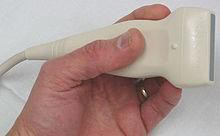
Experiments on cells and animals under varied exposure settings have been conducted to investigate the relationship between ultrasonic and biological systems [13]. Using the ultrasound technology, sound waves travel through several tissue stages, and the echoes they produce are picked up and shown on a screen. Reproductive ultrasonography typically employs sound waves with frequencies of approximately 3.5 MHz, 5 MHz, and 7.5 MHz [14]. A piezoelectric crystal, which has the unusual ability to transform electrical waves into sound waves and vice versa, produces the sound waves [15].
Ultrasonography Technique
A patient’s preparation, the device’s gain settings, and the probe chosen all affect the quality of the ultrasound image. Clipping the hair over the area of interest is part of the patient’s preparation. Air is trapped by hair, which obstructs sound transmission.
The air can be removed from areas of fine or thin hair by moistening the hair with alcohol or water. Ultra-sonographic gel is utilized to guarantee optimal contact and sound transmission from the transducer to the animal’s tissues following hair clipping or dampening [16].
Ultrasound Gel
The radiologist applies a gel, sometimes known as ultrasonic gel, during the imaging procedure. Its function is to precisely direct sound waves. There is enough space between the probe and the skin to keep sound waves from passing through, even when the probe is pressed up against the skin. The transducer’s sound must enter the body and reverberate off of different bodily structures.
After leaving the body, the reflected sound waves go to the transducer. In the absence of the gel, the sound would have to travel through an air layer both entering and exiting Figure 2. Not enough sound would remain to create a pleasing image and since the gel conducts sound waves far more effectively than air, so transducing the sound waves through the gel into and out of the body results in a much clearer image due to better transmission of sound. Therefore, a coupling medium, usually an aqueous gel, is applied between surfaces of the transducer and skin to eliminate the air layer [17].
![Figure 2: Not enough sound would remain to create a pleasing image and since the gel conducts sound waves far more effectively than air, so transducing the sound waves through the gel into and out of the body results in a much clearer image due to better transmission of sound. Therefore, a coupling medium, usually an aqueous gel, is applied between surfaces of the transducer and skin to eliminate the air layer [17].](/fulltextimages/13667/fig_2.png)
Image Formation and Image Processing in Ultrasound
The source and detector in ultrasound imaging systems are piezoelectric transducers. Put against a patient’s skin and operated at high frequencies, piezoelectric crystals generate ultrasonic pulses that travel through the body because they vibrate in reaction to an alternating voltage. Upon exiting the body and coming into contact with various layers, the ultrasonic waves are reflected back to the source. The signal that comes back moves the crystals in the opposite direction, creating an electronic signal that is processed to create the image. Due to its affordability and portability, medical ultrasound imaging is frequently utilized to gather diagnostic medical pictures. An image of the probed medium is created using beam shaping techniques [18].
Transmit Signal Processing
To create a focused, directed, and anodized pulsed wave that travels into the tissue, the excitation pulses applied to each array element are first shaped and delayed in an ultrasonic scanner [19].
Receive Channel Level Processing
Since every component of the transducer array receives the acoustic diffusion of tissue structures, processing of these echo signals frequently starts at the level of individual channel elements by to cut expenses for farmers, use denoising features, dynamic focus or direction slowing, and blending processing (for certain outdated scanners). Here, understanding the speed of sound is crucial. On the other hand, in certain experimental scanners, the average sound speed was estimated repeatedly, and the medium’s sound speed was estimated using a measure of image clarity. This feature is typically not utilized when using ultrasound scanners on a regular basis, although it has been found to be helpful for some diagnostic issues [20].
Beam Forming
This method creates a single signal that is representational of the echoes that the transducer aperture has received from the tissues by combining the signals on several channels, each of which was received from a distinct transducer element. Although both digital and analog beam formers are still in use, the latter are quickly taking over as their cost comes down because of their increased accuracy and flexibility [21].
Image Definitions
Mineralized structures, bone, and air all have highly reflective surfaces. In other words, the ultrasonic waves don’t reach the structures behind them. This creates an acoustic shadow.
This leads to the hyperechoic effect, which is a bright reflection. On the other hand, because fluids reduce or eliminate the ultrasound waves’ reflection, they create an anechoic effect, or a black image. Anechoic structures and those with densities in between generate a sequence of grayscale images. It is possible to characterize these reflections as hypoechoic when compared to hyperechoic effects [22].
Resolution
Axial, lateral, and elevation resolution are the three forms of resolution that are present in ultrasound imaging. The smallest reflection distance needed in the direction of ultrasonic travel (scan duration) in order to generate a separated echo is known as axial resolution. The transducer frequency determines this resolution, which cannot be greater than half the pulse length due to the overlap of returning echoes reflected off closely spaced interfaces.
Transducers
Ultrasonic wave transmission and reception are handled by the transducer. Ceramics like titanium and lead zirconate embedded in an epoxy matrix are examples of piezoelectric materials.
Depending on the desired frequency and the geometry of the scanner head, the piezoelectric elements can be fashioned into concave, flat, or rectangular discs. Transducers are composed of many layers that enable the transmission and reception of ultrasonic pulses. A standard transducer starts at the surface and consists of a backing block, an active piezoelectric material (with electrodes and connections), a lens, protective layer, and matching layers.
The piezoelectric crystal is covered with backing material to provide dampening and stop the crystal from ringing excessively after excitation [22]. The lens allows the ultrasound energy to be focused upon a fixed area of interest (Figure 3).
Focusing the beam results in reduced beam diameter and improved lateral resolution [23]. The focal distance and focal zone can be verified with an ultrasound test object. A number of devices are available commercially for testing imaging performance. Focusing can be performed dynamically or manually [24].
Modes of Echo Display
There are three different kinds of echo displays: the brightness mode (B), the amplitude mode (A), and the time motion mode (M). The clinical applications of the second two modalities in veterinary medicine are more common. One mode: Its foundation is the pulse echo method. The A-mode shows the amplitude of the instantaneous echo signal as a function of time following the transmission of an acoustic pulse. An interface of various impedances in the tissue is represented by each amplitude peak. By measuring the difference between the peaks, the interface’s location can be determined. Although the A-mode output is not very good for viewing, the data can be retrieved rapidly.
M Mode this is an ice-pick or one-dimensional representation of depth plotted against time. To acquire high- resolution pictures of the heart structures moving over time, echocardiography uses it. The information is displayed as an image in B-mode, which is the logical evolution from A-mode. A two-dimensional grayscale image is created by combining the B-mode data. The intensity is indicated on a black to white gray scale. The image processor assigns a value (black) to the pulse if it does not return from the tissue, and a value (white) to the grey level if the pulse returns un attenuated.
The most widely utilized modality in diagnostic procedures nowadays is B-mode. The returning echoes are shown in two dimensions in B mode, which converts the amplitude of the returning echo that is stored in memory to the brightness of a dot that represents it. The dot’s placement in the tissue cross section is the same as the echo reflector’s location [25], this cross section can be acquired as a single frozen image (static B mode) or as several frames that are recorded and shown in a single second (real time B mode).
Significance of Ultrasonography
Ultrasonography is frequently utilized for internal organ research and diagnosis [26]. It can be used to inspect internal organs including the liver and kidneys, the pancreas, the thyroid gland, the testes and ovaries, and others.
It is also used for therapy and guiding during procedures like biopsies and anesthesia. Whether a lump is a tumor can be determined via an ultrasound scan. This may be malignant or a fluid-filled cyst to check for clots and plaque accumulation and to check for artery blockages or narrowing.
Advantages of Ultrasound in Medicine
Compared to the majority of other diagnostic imaging techniques, ultrasound is more affordable, accessible, and simple to use. Ultrasound echoes can be recorded to provide us with views of the body.
Ultrasound is one of the dependable methods for soft tissue imaging, including pregnancy testing. It is possible to detect blood flow using the Doppler Effect. The operator greatly affects the test’s accuracy. Thus, the ultrasound technician is the key to a successful test.
Utilizing the idea of the piezoelectric effect, we should be able to turn noise into electrical energy and turn it into an alternate energy source. The goal of the Radiological Society of North America (RSNA) is to foster relationships among radiologists and other health sciences by giving them a forum [25, 26].
Artifacts
Ultrasound imaging mistakes are known as artifacts. These are typically the result of interactions between media and sounds, which cause structures to be inaccurately represented because they typically do not adhere to anatomical boundaries. Some artifacts are useful for diagnosing conditions like stones or pneumothorax, but others might be deceptive Figure 4.
The most often found artifacts include comet tail artifacts, reverberation, mirror effects, acoustic shadowing, and acoustic enhancement [27].
![Figure 4: The most often found artifacts include comet tail artifacts, reverberation, mirror effects, acoustic shadowing, and acoustic enhancement [27].](/fulltextimages/13667/fig_4.png)
Safety Considerations
Because bio effects, some of which are harmful, may be caused by ultrasound under certain exposure conditions, there is a hypothetical possibility that ultrasonic imaging may not be completely safe [28].
Conclusion and Recommendations
Ultrasound is any sound energy that has a frequency higher than the 20,000 hertz threshold for human hearing. Using the pulse echo principle, diagnostic ultrasound is a non-invasive diagnostic method that captures images inside the body. This creates images of the inside of the body by exposing a portion of it to high-frequency sound waves. It is possible to view reflected echoes in A, B, or M mode. Although ultrasound has some clinical significance, no negative effects have been found thus far, aside from heat generation from sound beam attenuation. Ultrasound provides real- time information about the size, shape, and location of structures during the examination, allowing research motion structures to be most commonly used to diagnose pregnancy. Ultrasound communicates with tissues through thermal and non-thermal mechanisms (mainly due to cavitation and radiation forces) and produces various biological effects at the cellular or intact tissue level (instead of change structure or function).
Based on the above conclusion the following recommendations are forwarded:
- Ultrasonography allows the confirmation of suspected diagnosis based on clinical signs individually, to provide the necessary evidence to diagnose a specific disease.
- The use of ultrasound is a helpful technique for the clinical assessment of anomalies in animals; it should be included in the routine diagnostic procedure.
- For betterment of application of US understanding the use of ultrasound technology should be given extra attention.
- Researches should be continued to expand the use of ultrasound beyond diagnosis in veterinary medicine.
Acknowledgements
The authors are thankful to for providing facilities to conduct this study.
Contributions
All authors made a substantial, direct, and intellectual contribution to the work.
Conflict of interest
The authors declare that they have no conflict of interest.
References
-
Hussain S, Mubeen I, Ullah N, Shah SSUD, Khan BA, et al. (2022) Modern diagnostic imaging technique applications and risk factors in the medical field: A review. BioMed Research International 6: 5164970.
-
Stasio DD, Romano A, Montella M, Contaldo M, Petruzzi M, et al. (2022) Quantitative ultrasound analysis of oral mucosa: An observational cross-sectional study. Applied Sciences 12(14): 6829.
-
Jyoti S, Subedi D, Adhikari BK, Kaphle K (2019) Ultrasonographic descriptions of reproductive tracts of cattle, history of veterinary ultrasound and its current practice in Nepal. Journal of Veterinary Medical Science 1(3): 48-53.
-
Sigrist RMS, Liau J, Kaffas AEI, Chammas MC, Willmann JK (2017) Ultrasound elastography: review of techniques and clinical applications. Theranostics 7 (5): 1303.
-
Kasban H, El-Bendary MAM, Salama DM (2015) A comparative study of medical imaging techniques. International Journal of Information Science and Intelligent System 4(2): 37-58.
-
Braun U, Reif C, Nuss K, Hilbe M, Gerspach C (2019) Clinical, laboratory and ultrasonographic findings in 87 cows with type-4 abomasal ulcer. BMC Veterinary Research (15): 1-15.
-
Edwards L, Hui L (2018) First and second trimester screening for fetal structural anomalies. In Seminars in Fetal and Neonatal Medicine 23(2): 102-111.
-
Jokela-Willis SS (2011) Gastric Motility and Integrity of Interstitial Cells of Cajal in Early Postoperative Ileus in Mice: A Pilot Study. University of Nevada, Reno.
-
Izadifar Z, Babyn P, Chapman D (2017) Mechanical and biological effects of ultrasound: a review of present knowledge. Ultrasound in Medicine and Biology 43(6):1085-1104.
-
Hoo DY, Low ZL, Low DYS, Tang SY, Manickam S, et al. (2022) Ultrasonic cavitation: An effective cleaner and greener intensification technology in the extraction and surface modification of nanocellulose. Ultrasonics Sonochemistry 90: 106176.
-
He H, Zhang X, Du L, Ye M, Lu Y, et al. (2022) Molecular imaging nanoprobes for theranostic applications. Advanced Drug Delivery Reviews 186: 114320.
-
Lewis MA, Staruch RM Chopra R (2015) Thermometry and ablation monitoring with ultrasound. International Journal of Hyperthermia 31(2): 163-181.
-
Zhan W, Alamer M, Xu XY (2018) Computational modelling of drug delivery to solid tumour: Understanding the interplay between chemotherapeutics and biological system for optimised delivery systems. Advanced Drug Delivery Reviews (132): 81-103.
-
Dixit CP, Haloi S (2022) Clinical application of ultrasound in bovine reproduction: A review. Pharma Innovation Journal 11: 1311-1314.
-
Zu H, Wu H, Wang QM (2016) High-temperature piezoelectric crystals for acoustic wave sensor applications. IEEE Transactions on Ultrasonic, Ferroelectrics, and Frequency Control 63(3): 486-505.
-
Baribeau Y, Sharkey A, Chaudhary O, Krumm S, Fatima H, et al. (2020) Handheld point-of-care ultrasound probes: the new generation of Pocus. Journal of Cardiothoracic and Vascular Anesthesia 34 (11): 3139-31.
-
Buckland JR, Jackson AJR, Araya-Williams AD, Long BJ, Kappus B, et al. (2021) Blocking plate structure for improved acoustic transmission efficiency. US Patent (10): 911.
-
Chiang A, Wong W, Broadstone S, Corp TT (2018) Ultrasound 3D Imaging System. US Patent (180): 544.
-
Nguyen NQ, Prager RW (2015) High-resolution ultrasound imaging with unified pixel-based beamforming. IEEE Transactions on Medical Imaging 35(1): 98-108.
-
Remeseiro B, Bolon-Canedo V (2019) A review of feature selection methods in medical applications. Computers in Biology and Medicine (112): 103-375.
-
Demi L (2018) Practical guide to ultrasound beam forming: Beam pattern and image reconstruction analysis. Applied Sciences 8 (9): 1544.
-
Orloff LA (2017) Head and neck ultrasonography: essential and extended applications. Plural Publishing.
-
Rosnitskiy PB, Yuldashev PV, Sapozhnikov OA, Maxwell AD, Kreider W, et al. (2016) Design of HIFU transducers for generating specified nonlinear ultrasound fields. IEEE Transactions on Ultrasonics, Ferroelectrics, and Frequency Control 64 (2): 374-390.
-
Riva M, Hennersperger C, Milletari F, Katouzian A, Pessina F, et al. (2017) 3D intra-operative ultrasound and MR image guidance: pursuing an ultrasound-based management of brainshift to enhance neuronavigation. International Journal of Computer Assisted Radiology and Surgery (12): 1711-1725.
-
Berge CS, Declara D, Hennersperger C, Baust M, Navab N (2015) Real-time uncertainty visualization for B-mode ultrasound. In 2015 IEEE Scientific Visualization Conference (SciVis) pp: 33-40.
-
Rashid SQ (2017) The basics of ultrasonography. Bangladesh Medical Journal 46(1): 44-47.
-
Patey SJ, Corcoran JP (2015) Physics of ultrasound. Anaesthesia & Intensive Care Medicine 22(1): 58-63.
-
Wells PN (2006) Ultrasound Imaging. Physics in Medicine and Biology 51(13): 83.
- The Digital Stethoscope: Harnessing AI in Veterinary Medicine Without Losing Our Healing Touch
- Meningoencephalomyelitis of Unknown Etiology: Short-Term Effect of Two Treatment Protocols on Cerebrospinal Fluid
- Safety and Efficacy of the HomeoPet Cough in Domestic Pets –A Clinical and Correction Analysis Based Upon User Response Survey
- Non Human Animals Responses to Social Loss
- Owner Reported Clinical Outcomes of a Homeopathic Proprietary Preparation for the Treatment of Upper Respiratory and Nasal Disorders in Companion Animals
- Everything about Nutritional Value of the Meat Ingredients and How we can Reduce its Microbial Hazards