
Survivors from Cervical Cancer: Impact of an Educational Program on Self-Knowledge and Body-Image
Background: Body image relates to how one mentally perceives and subjectively experiences his or her body. Cervical cancer affects all aspects of a patient’s life, including body image. Aim: The current study is conducted to evaluate the impact of an educational program on self-knowledge and body-image among survivors from cervical cancer. Methods and Design: A quasi-experimental design. Setting: out-patient clinic in the oncology unit at Beni-Suef University Hospital. Subjects: A purposive sample of 70 women. Tools: Structured interviewing questionnaire sheet, a scoring system for women’s knowledge about cervical cancer, Body Image Scale, and supportive educational booklet. Results: The results of the study revealed improvements in women’s self-body-image and self-knowledge regarding cervical cancer post-program compared to pre-one. Conclusion: The teaching program was very effective in improving knowledge and body image for women with cervical cancer. Recommendations: Women’s counseling activities for women regarding cervical cancer need to be popularized and facilities and decision-making aids are made available to those who need them.
Introduction
Human papillomavirus (HPV) has been identified as an important factor in the development of pre-invasive and invasive cancers of the lower genital tract, of which cervical cancer is the most prevalent [1, 2, 3]. In a study carried out by Okunade [4], stated that cervical cancer is by far the most common HPV-related disease. About 99.7% of cervical cancer cases are caused by persistent genital high-risk human papillomavirus (HPV) infection [4]. The virus usually infects the mucocutaneous epithelium then disrupts in normal cell-cycle control and the promotion of uncontrolled cell division leading to the accumulation of genetic damage [5, 6, 7]. Body image and intimacy after cancer may be different [8]. The term “body image” reflects how to feel the body is aesthetically and how attractive one perceives one’s body.
Throughout history, humans have regarded the beauty of the human body is important [9, 10, 11]. Cervical cancer diagnosis and treatment can bring changes related to а person’s body image; which in turn can have a devastating on intimate relationships [12, 13, 14, 15]. A Pap test is used to diagnose cervical cancer. Computer screening, often called Auto Pap or Focal Point [16, 17, 18, 19, 20, 21]. Biopsy is the only sure way to know whether an area of the body has cancer [2, 22]. Not all tests will be used for every person. In addition to a physical examination, a pelvic examination also may be done [3, 23]. There are different types of treatment options for patients with cervical cancer. Five types of standard treatment are used: surgery, radiation therapy, chemotherapy, targeted therapy, and immunotherapy [1, 24].
Nurse as а base stone in health; act as а caregiver for patients and helps to manage physical needs, prevent illness, and treat health conditions [25, 26, 27, 28, 29, 30]. The main goal of a nurse as a researcher is to increase successful patient outcomes. Nurses combine their scientific knowledge and the results of their researches to provide optimal healthcare [26, 27, 28]. Nurses as an educator are responsible for ensuring that patients can understand their health, illnesses, medications, and treatments to best of their ability [31, 32, 33].
The nurse also guides the cervical cancer survivor to regain self-confidence and adapt to physical and psychological changes to optimize survivor autonomy [1, 22, 27]. Survivors of cervical cancers need help from health care providers, especially nurses, to overcome their problems [34, 35, 36, 37]. Other studies have provided scientific evidence that intervention in counseling education may improve complaints, reducing anxiety and depression, which finally may lead to increased quality of life in women following treatment of cervical cancer [38, 39, 40].
Aim of the Study
This study aims to evaluate the impact of an educational program on self-knowledge and body-image among survivors of cervical cancer.
Hypothesis
Survivor cervical cancer women that attended the conducted program will experience improvement in their body-image and self-knowledge.
Subjects and Methods
Research Design
The study followed a quasi-experimental (pre-post) test study design.
Setting
The study was conducted in out-patient clinics in the oncology unit at Beni-Suef University hospital.
Subjects
- Type: A purposive sample of women.
- Size: 70 women were selected. Steven and Thompson’s equation was used to calculate the sample size from the next formula;
$$ n = \frac {N p (1 - P)}{(N - 1) \left(\frac {d ^ {2}}{z ^ {2}}\right) + P (1 - P)} $$ N= Population (140), Z= confidence level 95% (1.96), P= probability (10%), d= margin of error (0.05)
Tools of Data Collection
To attain the aim of this study, 3 tools were used for data collection;
• Tool I: Structured interviewing questionnaire sheet was developed by the researchers in the Arabic language based on a review of recent literature. It was consisting of socio-demographic characteristics of women and medical & surgical history.
• Tool II: Scoring system for women’s knowledge about cervical cancer. This part was designed to assess women’s knowledge about cervical cancer such as (definition, causes, signs, symptoms, risk factors, methods of prevention, diagnosis, treatment) of cervical cancer.
• Tool III: Body Image Scale. It is a self-report measure of the woman’s body image. This scale was constructed in collaboration with the European Organization for Research and Treatment of Cancer (EORTC) designed by Hopwood, et аl. [41].
Administrative & Ethical Considerations
Before conducting the study, official permission was obtained from the director of Beni-Suef University Hospitals. Consent was obtained from each woman recruited in the study.
Field Work
• Preparatory phase: It was included reviewing national and international related literature and theoretical knowledge about various aspects of the study problem.
Then the researchers tested the validity of the tool through а jury of expertise to test the content, knowledge, accuracy & relevance of questions for tools.
• Pilot study: A pilot study was conducted on 7 women to evaluate the applicability, efficiency, clarity of tools, assessment of the feasibility of fieldwork, and identification of suitable place for interviewing women.
• Data collection phase: The data was collected through a period from August 2019 till the end of January 2020. The researcher filled the interviewing questionnaire from the women. The filling questionnaire ranged from 15 to 20 minutes for a woman. The nursing counseling was given by the researcher at the outpatient unit.
• Program Sessions: The program, designed by the researchers, included 2 sessions; 60 minutes each, on one day. The 1st session included information about cervical cancer, and the 2nd session discussed body image items.
Statistical Analysis
The collected data was revised, coded, tabulated, and introduced to a PC using a statistical package for social sciences (IBM SPSS 25.0). Statistical significance was considered at a p-value <0.05. Par charts are used for graphic presentation.
Results
Figure 1 Reveals that approximately slightly less than one-quarter (21.4%) of the study sample their age ranged from 30-40 years old and more than half (51.4%) their age more than 50 years old, 75.1% of them married at age less 20 years old. Regarding the educational level of women slightly less than half (48.6%) had secondary education. Regarding occupation, more than half (64.3%) of women were housewives. Regarding the residence more than half (52.8%) of women was from urban areas.
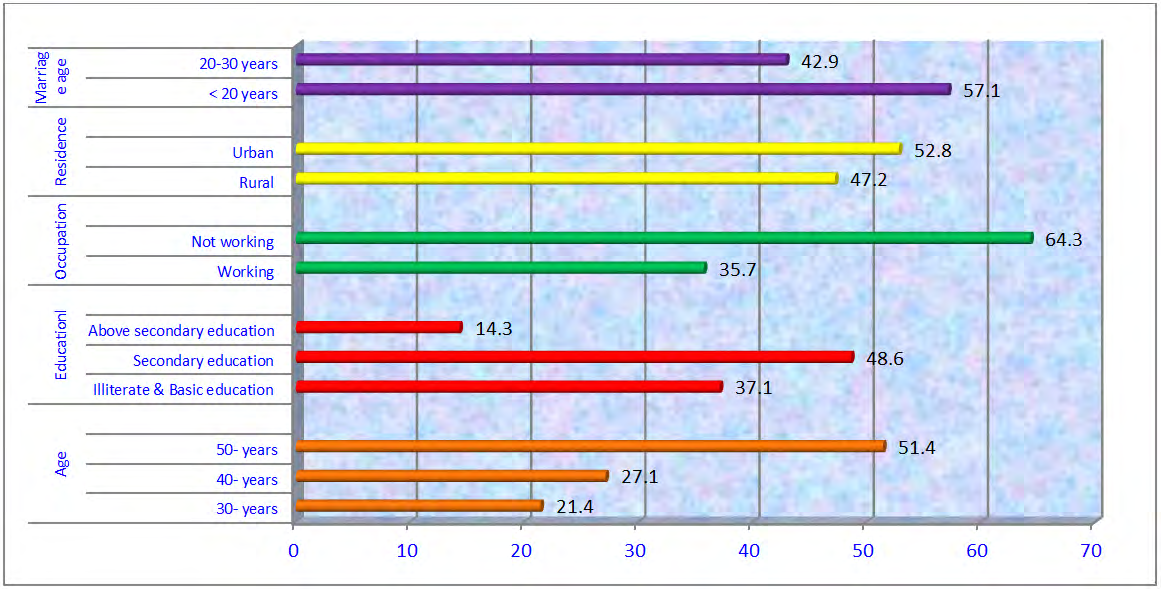
Figure 2 Shows that more than one-third (35.7%) of women were in the 1st degree when diagnosed with cervical cancer, while (4.3%) were in the 4th degree. Regarding treatment type, more than one-third (37.1%) of women had received radiotherapy, chemotherapy, and surgical operation, more than three-quarters (81.4%) of women had a total hysterectomy.
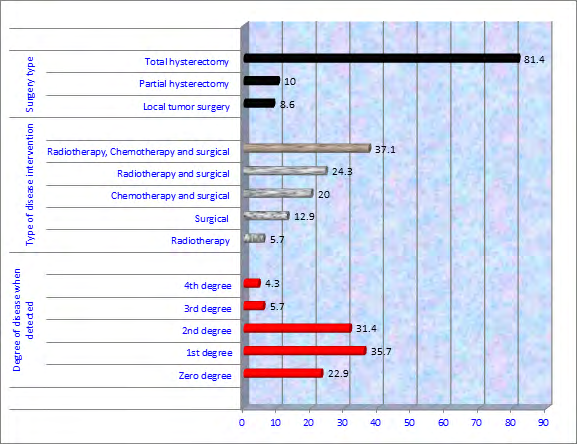
Figure 3 Indicates that there was a high improvement in the women’s knowledge about all studied items of cervical cancer (Definition of cervical cancer, Causes of cervical cancer, Manifestations of cervical cancer, Predisposing factors of cervical cancer, Prevention of cervical cancer, Diagnosis of cervical cancer, and Management of cervical cancer) after application of the educational program.
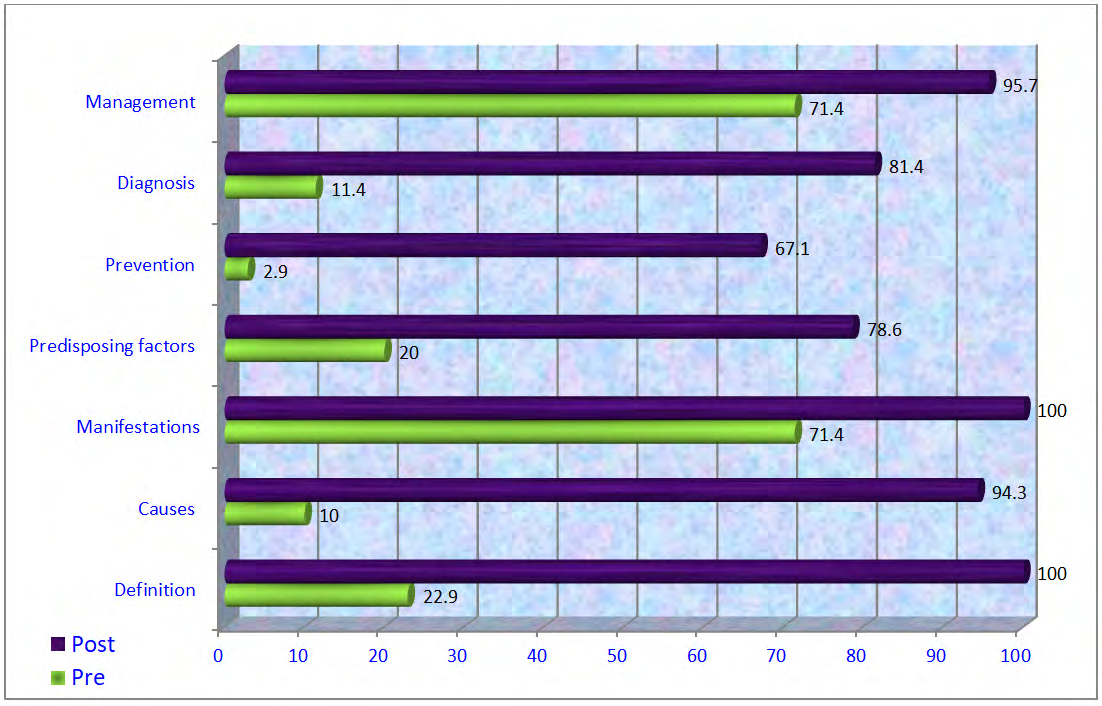
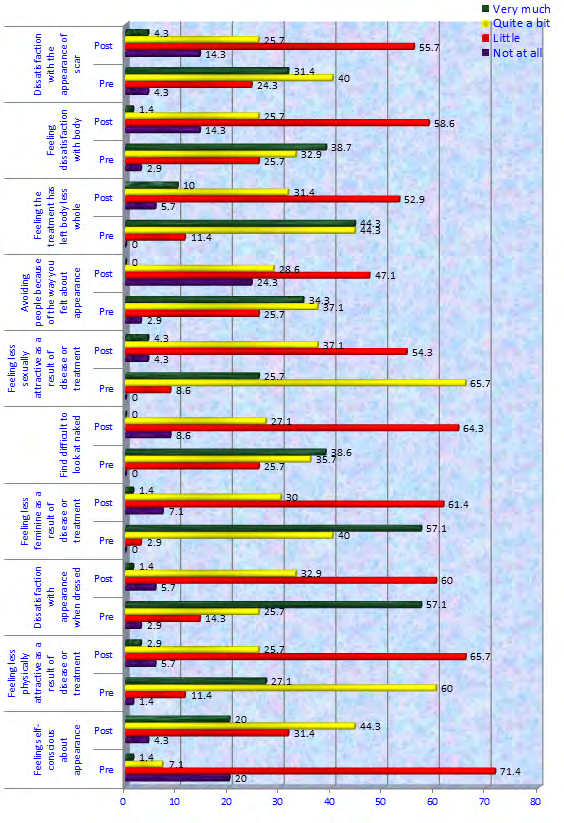
Figure 4 Reveals that post-program; there are improvements of all items of women’s body image scores; (Feeling self-conscious about appearance, Feeling less physically attractive as a result of disease or treatment, Dissatisfaction with appearance when dressed, Feeling less feminine as a result of disease or treatment, Find difficult to look at naked, Feeling less sexually attractive as a result of disease or treatment, Avoiding people because of the way you felt about appearance, Feeling the treatment has left body less whole, Feeling dissatisfaction with body, and Dissatisfaction with the appearance of the scar).
Discussion
Cervical cancer occurs when the cells of the cervix grow abnormally and invade other tissues and organs of the body. Cervical cancer affects all aspects of a patient’s life, including body image and intimacy [5, 6]. In the light of the previous studies, the researchers attempted to conduct this study for evaluating the impact of an educational nursing program on survivor’s women knowledge and body image. As regard to age as of the studied sample as a part of demographic characteristics of the study subjects, the present study indicated that slightly more than one half (51.4%) of the study sample their age more than 50 years old, and 27.1% of them their ages were 40-50 years old. Similarly, to current study findings, Zhou, et al. [38] found that slightly less than half of the women; their age ranged from 46-55 years old. For women’s educational level & occupational status, the results indicated 48.6% of the studied women had secondary education and 64.3% were housewives. This is, also, supported by Zhou, et al. [38] that found that about half of the patients had education up to Junior high school level or less. Regarding treatment type, the current study showed that slightly more than one-third of women had received radiotherapy, chemotherapy, surgical operation; approximately all of them had a hysterectomy. This finding is supported by Ahmed & Hassan [33] illustrate that slightly less than half and slightly more than one-third were in cancer stage II, III respectively, and more than one-third of the studied sample was treated with surgery combined with chemotherapy and radiotherapy [42].
Regards women’s body-image, and women’s self- knowledge about cervical cancer; the results of the current study revealed an improvement of all items of the Body Image Scale & women’s self-knowledge score, as well, post- program compared to pre-one. This may be attributed to the attending of the educational program sessions [43, 44, 45, 46]. In addition to supportive materials (educational booklet), also, played a crucial role in attaining and retain knowledge. Booklets are best used when they are brief, written in plain language, full of good pictures, and when they are used to back-up other forms of education. This result is in accordance with Edgar Dale’s or the NTL’s Pyramid of Learning as cited by many authors; as the pyramid illustrated that individuals can retain 10.0% of what they read and 20.0% of what they see and hear (audiovisual). The same author added that ones can retain 50.0% of what they learned by a discussion [47, 48, 49, 50, 51, 52, 53, 54].
Concerning women’s self-knowledge about cervical cancer, the current study revealed that approximately two-thirds of women had unsatisfactory knowledge at pre-program; this may be related to embarrassment, and lack of access to information. However, there was a high improvement in the women’s body image and self- knowledge about cervical cancer at post-program. This may be due to continuous education and encouragement among the studied women by using the protocol of nursing intervention. In the same line, Getahun, et al. [55] revealed that knowledge about cervical cancer was poor though the majority of the women had heard about the disease. This may be due to decreased high level of education among their studied women [56]. Also, Mitiku & Tefera [55] revealed that using the sum of all knowledge items determined that a total of slightly more than half of the participants had sufficient knowledge about cervical cancer at post-program [55]. This may be due to the continuous education, and motivation of women by the researcher through using the educational intervention package [57, 58, 59, 60, 61].
Conclusion
Based on the finding of the present study, it can be concluded that: The teaching program was very effective in improving body image and self-knowledge among survivor women with cervical cancer. So, the research hypothesis is accepted.
Recommendations
In the light of the findings of the study, the following are suggested: 1. Disseminate the educational booklet at health centers, gynecology, and oncology outpatients 2. Replication of this study on a large representative probability sample is highly recommended to achieve more generalization of the results for further research.
References
-
Atwa A, Hassan H, Ahmed S (2019) The impact of a hospital-based awareness program on the knowledge of patients about breast cancer and cancer cervix. International Journal of Studies in Nursing. 4(1): 20-29.
-
Nady F, Said M, Youness E, Hassan H (2017) Impact of Tailored Educational Program of Quality of Life Improvement on Women Undergoing Breast Cancer Treatment at El-Minia Region, Egypt. American Research Journal of Gynaecology 3(1): 1-17.
-
Nady F, El-Sherbiny M, Youness E, Hassan H (2018) Effectiveness of Quality of Life Planned Teaching Program on Women Undergoing Gynecologic Cancer Treatment. American Research Journal of Oncology 1(1): 1-17.
-
Okunade K (2020) Human papillomavirus and cervical cancer. J Obstet Gynaecol 40(5): 602-608.
-
Said S, Hassan H, Sarhan A (2018) Effect of an Educational Intervention on Women’s Knowledge and Attitude Regarding Cervical Cancer. American Journal of Nursing Research 6(2): 59-66.
-
Qalawa Sh, Eldeeb A, Hassan H (2015) Young Adult Women’s intention regarding breast and cervical cancer screening in Beni-Suef. SciRJ 3(3): 11-24.
-
Mohammed F, Shahin M, Youness E, Hassan H (2018) Survivorship in Women Undergoing Gynecological and Breast Cancer Treatment in Upper Egypt: The Impact of Quality of Life Improvement Educational Program. American Research Journal of Gynecology 2(1): 1-28.
-
Edlund C (2019) Sexuality, Intimacy and Cancer: A guide for people with cancer and their partners. Cancer Council Australia.
-
(2014) PDQ treatment summary for health professionals. Cervical cancer, National Cancer Institute.
-
Hassan H, Masaud H, Mohammed R, Ramadan S (2021) Self-Knowledge and Body Image among Cervical Cancer Survivors’ Women in Northern Upper Egypt. Further Applied Healthcare 1(1): 1-12.
-
Ramadan S, Hassan H, Masaud H, Mohammed R (2021) Women’s Body Image Distress Associated with Cervical Cancer. Journal of Obstetrics Gynecology and Reproductive Sciences 5(1):1-6.
-
Correa C, Leite I, Andrade A, Guerra M (2015) Cervical Cancer Treatment and Its Effects on Sexual Function: Recent Evidence and Approach. Austin J Women’s Health 2(1): 1-7.
-
Abd El Salam S, Hassan H, Kamal K, Ali R (2021) Women’s Sexual Dysfunction Associated with Cervical Cancer. Applied Science and Computer Mathematics 2(1): 17-27.
-
Hassan H, Ramadan S, Ali R, Kamal H (2021) Sexual Issues among Cervical Cancer Survivors’ Women in Northern Upper Egypt. Journal of Advanced Trends in Basic and Applied Science 1(1); 1-11
-
Masaud H, Hassan H, Mohammed R, Ramadan S (2021) Women’s Sexual Distress Associated with Cervical Cancer. Sumerianz Journal of Medical and Healthcare 4(1): 28-34.
-
Mohamed A, Hassan H, Gamel W, Arafa A (2019) Awareness about breast and cervical cancers among nursing students in Beni-Suef University. Journal of Nursing Education and Practice 9(5): 44-51.
-
Hassan H, Bayoumi M, Atwa A (2016) Emotional Distress Associated with Gynecologic and Breast Cancer in Beni- Suef City. IJSR 5(2): 1118-1129.
-
Zagloul M, Naser E, Hassan H (2020) Impact of an Educational Training Program about Cervical Cancer on Knowledge, Attitude and Practices among Female Workers at Port Said University. International Journal of Studies in Nursing 5(3): 1-16.
-
Bahrami N, Soleimani M, Yaghoobzadeh A, Parker A, Huak Y (2018) Sexual distress and sexual function in a sample of Iranian women with gynecologic cancers. Eur J Oncol Nurs 35: 47-53.
-
Liu G, Sharma M, Tan N, Barnabas R (2018) HIV-positive women have higher risk of HPV infection, precancerous lesions, and cervical cancer. AIDS 32(6): 795-808.
-
Salcedo P, Baker S, Schmeler M (2017) Intraepithelial neoplasia of the lower genital tract (cervix, vagina, vulva): etiology, screening, diagnosis, management. In: Lobo RA, (Eds.), Comprehensive Gynecology. 7th (Edn.), Elsevier, Philadelphia, chap 28.
-
Nady F, Said M, Youness E, Hassan H (2018) Effect of Nursing Intervention Program on Quality of Life Improvement for Women Undergoing Gynecological and Breast Cancer Treatment. Assuit Scientific Nursing Journal 6(15): 62-77.
-
Ifemelumma C, Okorochukwu B, Onu F, Obuna J, Ejikeme B, et al. (2019) Cervical Cancer Screening: Assessment of Perception and Utilization of Services among Health Workers in Low Resource Setting, International Journal of Reproductive Medicine, pp: 8.
-
Hassan H (2020) Early Stage Cervical Cancer: Survivorship and Fertility preservation. American Research Journal of Oncology 2(1): 1-3.
-
Mohamed W, Hassan H (2020) Effect of Instructional Supportive Guideline for Improving Women’s Awareness towards Endometriosis. American Journal of Nursing Research 8(1): 38-47.
-
Sheha E, Hassan H, Genedy A, Hassanine Sh (2020) Effect of educational program on mother’s knowledge and Practice Regarding Hepatitis C Virus in Rural Areas. American Journal of Nursing Research 8(3): 303-310.
-
Hassan H (2019) The Impact of Evidence-Based Nursing as the Foundation for Professional Maternity Nursing Practices. Open Acc J Repro & Sexual Disord 2(2): 195- 197.
-
Hassan H, Zahran K, Youness E, Nady F (2015) Pregnant Women’s Awareness, Intention and Compliance regarding Folic Acid Usage for Prevention of Neural Tube Defects According to Health Belief Model in Beni- Suef City. Pyrex Journal of Nursing and Midwifery 1(3): 13-26.
-
Farg D, Hassan H (2019) Study Hyperemesis Graviderum Requiring Hospital Admission during Pregnancy: Effect of Nursing Implication on Its Progress. American Journal of Nursing Research 7(3): 328-341.
-
Hassan H, Ahmed W, Mahmoud A (2020) Impact of Tailored Educational Program on Primigravida Anxiety and Knowledge Regarding Minor Discomforts in Upper Egypt. International Journal of Studies in Nursing 5(1): 1-18.
-
Sibiya N (2018) Effective communication in nursing. Nursing.
-
Hassan H (2019) Integrative Nursing Science in Women’s Pre-conceptional Wellness. International Journal of Health and Biological Sciences 2(1): 17-18.
-
Mostafa H, Yousef F, Hassan H (2018) Health Related Quality of Life Educational Interventions: Effect on Chronic Hepatitis C Patients. Saudi Journal of Nursing and Health Care 1(2): 56-67.
-
Hassan H, Mohamady Sh, Afifi H (2016) Mobile Technology & Nursing Education, Practice. Journal of Distance Learning and Open Learning 4(6): 157-166.
-
Hassan H (2019) The Impact of Evidence-Based Nursing as the Foundation for Professional Maternity Nursing Practices. Open Acc J Repro & Sexual Disord 2(2): 195- 197.
-
Sun H, Kyung H, Man S, Hee J (2018) Online-based interventions for sexual health among individuals with cancer: a systematic review, BMC Health Serv Res 18(1): 167.
-
Zhou L, Qing L, Shen B, Jin Z, Liu H, et al. (2017) Patterns and predictors of healthcare-seeking for sexual problems among cervical cancer survivors: An exploratory study in China. Biomed Research 28(14).
-
Hassan H, Atwa A (2017) Occupational Stress, Job Satisfaction and Cervical Screening Intention of Maternity Oncology Nurses. Medical Science & Healthcare Practice 1(1): 48-59.
-
Zhou L, Qing L, Shen B, Jin Z, Liu H, et al. (2017) Patterns and predictors of healthcare-seeking for sexual problems among cervical cancer survivors: An exploratory study in China. Biomed Research 28(14): 6355-6360.
-
Hopwood P, Fletcher I, Lee A, Ghazal S (2001) A body image scale for use with cancer patients. Eur J Cancer 37(2): 189-197.
-
Ahmed S, Hassan S (2016) Application of PLISSIT Counseling Model for Women with Cervical Cancer Undergoing Treatment on Enhancing Sexuality. American Journal of Nursing Science 5(3): 85-95.
-
Ramadan E, Eldesokey A, Hassan H (2020) Effect of an Educational Package on Knowledge, Practices, and Attitude of Premenopausal Women Regarding Sexuality. American Journal of Nursing Research 8(5): 495-505.
-
Hopwood P, Fletcher I, Lee A, Ghazal S (2001) A body image scale for use with cancer patients. Eur J Cancer 37(2): 189-197.
-
Abd El Salam, Ali R, Hassan H, Kamal H (2021) Outcome of an Educational Program on Body Image Distress Associated with Cervical Cancer. Journal of Advanced Trends in Basic and Applied Science 1(1):12-20
-
Ahmed S, Hassan S (2016) Application of PLISSIT Counseling Model for Women with Cervical Cancer Undergoing Treatment on Enhancing Sexuality. American Journal of Nursing Science 5(3): 85-95.
-
Hassan H, Nasr E (2017) Improving nurses’ knowledge and skills regarding tocolytics for inhibiting preterm labor. Clinical Nursing Studies 5(1): 1-12.
-
Gamel W, Genedy A, Hassan H (2020) Impact of Puerperal Sepsis Self-Care Nursing Guideline on Women’s Knowledge and Practices. American Journal of Nursing Research 8(2): 132-141.
-
Kamal H, Ali R, Abd El Salam S, Hassan H. (2021) Impact of an Educational Program on Sexual Dysfunction Associated With Cervical Cancer. American Journal of Nursing Research.
-
Masters K (2013) Edgar Dale’s Pyramid of Learning in medical education: A literature review. Med Teach 35(11): e1584-e1593.
-
Hassan H, Nady F, Youns E, Zahran K (2016) Call for Change Level of Knowledge, Awareness and Attitude to Follow A High Folate Diet Among Pregnant Women. IOSR Journal of Nursing and Health Science 5(1): 93-100.
-
Hassan H (2020) Kegels Exercises: A crucial issue during woman’s lifespan. American Research Journal of Public Health 3(1): 1-5.
-
Hassan H (2020) Self-Care Practices for Women with Gestational Diabetes. EC Nursing and Healthcare 2(12): 168-175.
-
Hassan H (2020) Call to Improve Women’s Awareness Regarding Emergency Contraception in Arab Societies. Journal of Human Physiology 2(2): 6-10.
-
Hassan H (2018) Effectiveness of a structured teaching program on anxiety and perception regarding toxoplasmosis among seropositive pregnant women in Northern Upper Egypt. Clinical Nursing Studies 6(1): 1-19.
-
Getahun F, Mazengia F, Abuhay M, Birhanu Z (2013) Comprehensive knowledge about cervical cancer is low among women in Northwest Ethiopia. BMC Cancer 13(2).
-
Hassanine Sh, Hassan H, Alkotb Z (2017) Effect of Preventive Program on Progression of Osteoporosis among Female Patients over 40 years at El-Fayoum City. American Research Journal of Nursing 3(1): 1-15.
-
Hassan H, Mohammed R, Ramadan S, Masaud H (2021) Impact of an Educational Program on Sexual Issues among Cervical Cancer Survivors’ Women in Northern Upper Egypt. Journal of Obstetrics Gynecology and Reproductive Sciences 5(1): 1-15
-
Ali R, Abd El Salam S, Kamal H, Hassan H (2021) Women with Cervical Cancer: Impact of an Educational Program their Knowledge. Journal of Obstetrics Gynecology and Reproductive Sciences 5(2): 1-8.
-
Ali R, Kamal H, Hassan H, Abd El Salam S (2021) Impact of an Educational Program on Sexual Distress Associated With Cervical Cancer. Further Applied Healthcare 1(1): 30-42.
-
Mitiku I, Tefera F (2016) Knowledge about Cervical Cancer and Associated Factors among 15-49 Year Old Women in Dessie Town, Northeast Ethiopia. PLoS ONE 11(9): e0163136.
-
Kamal H., Ali R., Abd El Salam S., Hassan H. (2021) Self- Knowledge among Women with Cervical Cancer. Journal of Cancer Research and Treatment, 9(1): 12-21.
- Intersecting Epidemics and Climate Vulnerabilities in Conflict- Driven Displacement: Epidemiology, Systemic Challenges, and One Health Gaps in South Sudan
- Advancing Domestic Health Financing for Community Health System Sustainability in South Sudan: The Boma Health Initiative Model (2025–2035)
- Prevalence and Correlates of Post-Exposure Prophylaxis Uptake among Men Who Have Sex with Men in Kisumu County, Kenya
- Medical, Ethical, and Legal Conflicts Surrounding Euthanasia in Argentina. Its Global Implications
- Knowledge and Attitude on Menstrual Hygiene among Adolescent Girls Studying in Secondary Level in Public Schools of Chitwan District, Nepal
- Biological Efficacy of an Adulticide Mixture (clothianidin + deltamethrin) as an Indoor Residual Spray against Adult Anopheles flavirostris in Palawan, the Philippines