
Short Communication on Improving the Sociological, Mental, and Somatic Health Comprising Cases Study: Overview on Seminar Women [Through the Aging Process - The Next Frontiers towards Gender Equality, San Diego, US - January 2024]
This short communication provides a descriptive analysis of the seminar titled Women through the Aging Process - The Next Frontiers towards Gender Equality & quot; held in San Diego in January 2024. The seminar aimed to address the sociological, mental, and somatic health issues faced by women as they age and explore strategies for improving gender equality in this context. Key topics discussed included the importance of preventive and curative measures, inclusion of older women in the social community, gender-specific caregiving roles, emotional support and personal care assistance, health advocacy and social engagement, education and training for caregivers, and developing specialized programs for aging women. The seminar emphasized the need to respect autonomy and choice while ensuring the safety and well-being of aging women. In conclusion, the seminar provided valuable insights and recommendations for promoting gender equality in the aging process.
Background
Caregiving support this paper focuses on providing an overview of the seminar titled “Women through the Aging Process - The Next Frontiers towards Gender Equality” held in San Diego, USA in January 2024. The seminar aimed to address the sociological, mental, and somatic health issues faced by women as they age and explore strategies for improving gender equality in this context.
As a scientific collaborator and specialist in public health and psychotherapy at the Institute for Public Health of Serbia “Dr. Milan Jovanović-Batut,” I had the privilege of attending this five-day seminar from January 20th to 24th in San Diego, USA. I was invited based on the organizer’s recognition of my previous scientific research work and the potential for further education in this field. The seminar’s topic aligns with both my doctoral thesis and specialist work.
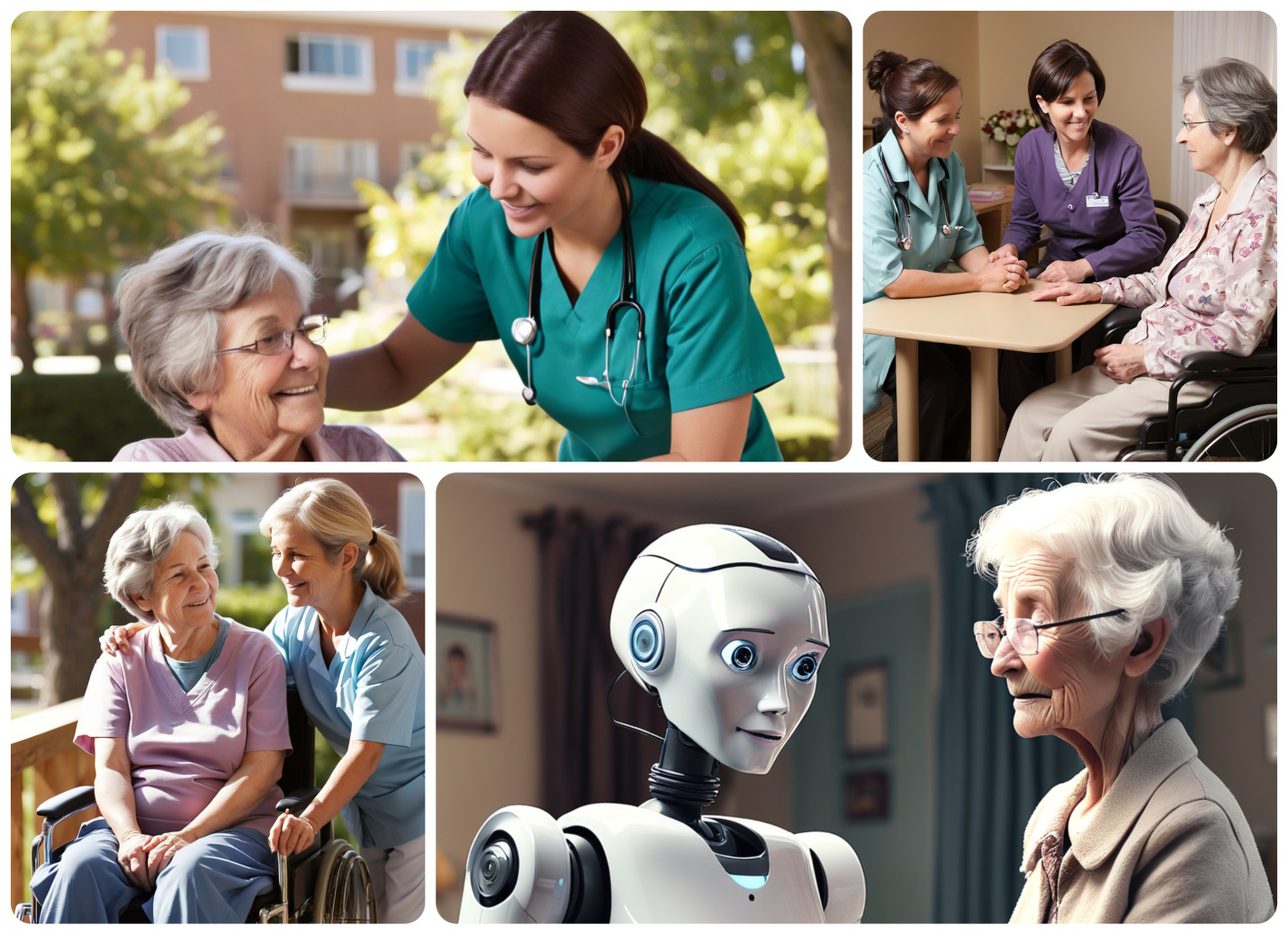
Introduction
The Salzburg Global Seminar, established in 1947 as an independent non-profit organization, emerged from the Marshall Plan of Mind. It was created to facilitate inclusive reconstruction of societies and foster collective leadership. The seminar aims to build a visionary, cross- sector community that supports leadership as networks for sustainable systems change. All Salzburg Global programs are designed to be highly cross-sectoral, interdisciplinary, and international, serving as a platform for thinkers and doers.
This seminar brought together 40 leaders from various fields who shared promising practices, ideas, and initiatives to shape a healthier and fairer future for all. The participants included experts from healthcare, public health, public policy, employers, decision-makers in federal and local government, academic communities, research, communications and media, civil society, and international organizations.
The seminar titled “Women through the Aging Process - The Next Frontiers towards Gender Equality,” gathered experts and professionals from around the world to engage in key discussions on the challenges and opportunities women face as they age. The outcome resulted in several highlights, including the opportunity to engage with experts and professionals from different fields related to the aging of women. This allowed for knowledge exchange, sharing experiences, research findings, and best practices. The seminar also provided networking opportunities, enabling connections to be built with like-minded individuals and organizations. The collaborative environment fostered teamwork in identifying obstacles and exploring solutions.
During the seminar, participants had invaluable opportunity to engage in thought-provoking dialogues, share insights, and learn from respected peers and leaders in the field. The key points of the seminar were: This meeting is of a high level of significance in terms of preventive measures and public health aspects of improving the sociological-health capacities of women in older age, as well as accompanying preventive, diagnostic and curative measures. At a time when life expectancy is increasing women live longer than men, even though many of the recognized social determinants of health are worse for women than men, no existing explanations account fully for these differences in life expectancy, although they do highlight the complexity and interaction of biological, social and health service factors [1], it is clear that this subpopulation carries guidelines for identifying gaps in research [2], as well as preventive, curative and rehabilitation programs [3]. These programs need to be developed with a special focus on developing capacities for the inclusion of older women in the active life of the social community. This need is of great importance for our country and is not sufficiently recognized as a priority in healthcare.
In order to clarify my personal contribution I would like to clearly define then role and contribution to the seminar I had, as well as their affiliation with relevant institutions. This information will adds credibility and context to the participations not only as a participant but my active role in working group and as a circle keeper/moderator of the working group, and further helping to understand the perspective from which the content is presented.
Recognizing the significance of this topic for my country and West Europe region is important due to many mid- income countries in the area, I believe that sharing the latest knowledge gained from the seminar with my colleagues through a subsequent presentation and publication in the Gazette would contribute to multiple activities in the further work of the Institute. I actively engaged in various speaking engagements and audience participation sessions. In my speaking engagements, I covered three topics. The first topic focused on the role of the circle keeper and how to establish joint values for effective group brainstorming processes. The second topic explored menopausal females as a vulnerable group for an increased risk of developing or worsening pre-existing addiction disorders. Lastly, I shared insights on the abilities of a circle keeper to create a quality and empathic group work atmosphere using defined values of communication. It was my pleasure to have been participated in question sessions and took on the role of a moderator. Additionally, I was part of a working group that focused on the development of educational programs for caregivers addressing aging females. In this role, I contributed to the creation of ideas and an action plan for educational programs, facilitated discussions, encouraged participation, and summarized key points.
Aim
The seminar aimed to address the sociological, mental, and somatic health issues faced by women as they age and explore strategies for improving gender equality in this context.
Outcomes and Discussion
Gender-specific caregiving roles: This gender disparity in caregiving roles can have implications for the specific needs and challenges faced by female caregivers. Women are more likely to take on caregiving responsibilities for aging family members, including spouses, parents, and in-laws [4].
Emotional support: Aging women may have unique emotional needs that require sensitive and empathetic caregiving [4]. Female caregivers can provide emotional support by actively listening, offering companionship, and providing a safe space for expression [5]. Personal care assistance: Aging women may require assistance with personal care activities such as bathing, dressing, and grooming. Female caregivers can provide sensitive and respectful assistance in these areas [5].
Health advocacy: Female caregivers can play a crucial role in advocating for the health needs of aging women. This includes accompanying them to medical appointments, ensuring medication adherence, and communicating with healthcare providers [5].
Social engagement: Female caregivers can help aging women maintain social connections and engage in meaningful activities. This can involve organizing social outings, facilitating participation in community groups, and encouraging hobbies and interests [6].
Education and training: Caregivers, including female caregivers, can benefit from education and training programs that provide them with the necessary skills and knowledge to provide effective care. These programs can cover topics such as caregiving techniques, communication skills, and self-care strategies [6].
Identifying age-related physical and cognitive changes: Caregivers, including female caregivers, should be educated on the common physical and cognitive changes that occur with aging in women. This knowledge can help them better understand and address the specific needs and challenges faced by aging women [6]. Developing programs for aging women: There is a need for the development of specialized programs and services that cater to the unique needs of aging women. These programs can focus on areas such as health promotion, social support, and caregiver respite [5].
Respecting autonomy and choice: Aging women should have the right to refuse caregiver assistance, even if it is deemed necessary. It is important to respect their autonomy and choices while ensuring their safety and well-being. This can involve open communication, exploring alternative options, and providing support for independent living [5].
Financial benefits for family caregivers: Family members who take on caregiving responsibilities, including female caregivers, may face financial challenges. Providing financial benefits, such as tax credits, caregiver allowances, or access to retirement savings, can help alleviate the financial burden and recognize the value of their caregiving contributions [5].
The se outcomes were defined as a result of several formed working groups. Namely, all participants divided in working groups, every group was having a leader and a circle keeper and we dedicated our time and joint efforts that for some of the voted findings important for us as a group we develop project proposals and action plan. I will further present the work of the group I participated in via case studies with the topic Working in group in educational programs for caregivers with action plan follow up. This work was crucial for evaluating the effectiveness and impact of the results seminar defined. By establishing defined outcomes, such as improved knowledge, skills, and confidence among caregivers by educational programs, we decided to set clear goals and objectives for the future. These defined outcomes detail developed in the proposals with action plans through working groups made from participants of the seminar, serve as benchmarks for measuring the success of the program and assessing its impact on caregivers’ abilities to provide quality care.
The following case studies of working in groups within these educational programs that I participated in, provide valuable insights into the practical application of the knowledge and skills acquired by caregivers. These case studies allow caregivers to collaborate and problem- solve together, simulating real-life caregiving situations. By working in groups, caregivers can learn from each other’s experiences, share best practices, and develop a supportive network.
The link between defined outcomes and case studies of working in groups is twofold. First, the defined outcomes provide a framework for assessing the effectiveness of the educational program in achieving its intended goals. By measuring the progress of caregivers against these defined outcomes, program organizers can determine whether the program is meeting its objectives and identify areas for improvement.
Second, case studies of working in groups provide concrete examples of how caregivers apply their knowledge and skills in real-world scenarios. These case studies offer valuable insights into the practical challenges faced by caregivers and the strategies they employ to overcome them. By analyzing these case studies, program organizers can identify common themes, successful approaches, and areas where additional support or training may be needed.
In summary, the link between defined outcomes and case studies of working in groups in educational programs for caregivers is essential for evaluating the effectiveness of these programs and understanding how caregivers apply their knowledge and skills in real-life situations. By establishing defined outcomes and conducting case studies, program organizers can ensure that caregivers receive the necessary support and training to provide high-quality care.
Case Study: Developing a Theoretical Concept and Action Plan for Tailored Education for Female Gender Caregivers. The following case study focuses on the working group tasked with providing a theoretical concept and action plan for tailored education for female gender caregivers. The aim is to address the specific needs and challenges faced by female caregivers and develop strategies to enhance their education and support.
Working Group Composition
The working group consisted of experts from various fields, including gender studies, education, caregiving, and policy development. The group aimed to bring together diverse perspectives and expertise to ensure a comprehensive and effective approach.
Key Objectives
- Identify the specific educational needs and challenges faced by female gender caregivers.
- Develop a theoretical framework that addresses the unique circumstances and experiences of female caregivers.
- Design an action plan to provide tailored education and support for female gender caregivers.
- Ensure the inclusion of gender-sensitive approaches and strategies in the action plan.
Methodology
- Literature Review: The working group conducted an extensive review of existing research, studies, and best practices related to female gender caregivers and education. This review helped identify gaps and inform the development of the theoretical concept and action plan.
- Stakeholder Consultation: The working group engaged with various stakeholders, including female caregivers, caregiving organizations, educational institutions, and policymakers. This consultation aimed to gather insights, experiences, and recommendations to shape the theoretical concept and action plan.
- Expert Interviews: The working group conducted interviews with experts in the fields of gender studies, caregiving, and education. These interviews provided valuable perspectives and insights to inform the development of the theoretical concept and action plan.
Theoretical Concept
The working group developed a theoretical concept that recognizes the intersectionality of gender and caregiving. It acknowledges the unique challenges faced by female gender caregivers due to societal norms, gender roles, and systemic inequalities. The theoretical concept emphasizes the importance of tailored education that addresses the specific needs, experiences, and aspirations of female caregivers. It also highlights the need for a gender-sensitive approach that promotes empowerment, inclusivity, and equal opportunities for female caregivers.
Action Plan: The action plan developed by the working group includes the following key components.
Training and Skill Development
Develop specialized training programs to enhance the caregiving skills of female gender caregivers.
Provide education on health and well-being, communication, emotional support, and self-care.
Incorporate gender-sensitive approaches in training to address the unique needs of female caregivers.
Access to Education
Ensure equal access to education for female caregivers, including flexible learning options and financial support.
Collaborate with educational institutions to develop tailored programs and courses that cater to the needs of female caregivers.
Promote lifelong learning opportunities to support the personal and professional development of female caregivers.
Support Networks and Resources
Establish support networks and peer groups for female caregivers to share experiences, seek guidance, and build a sense of community. Develop online platforms and resources. Policy Advocacy Advocate for policies that recognize and address the specific needs and challenges faced by female gender caregivers. Promote gender equality and inclusivity in caregiving policies and practices. Collaborate with policymakers to ensure the integration of gender-sensitive approaches in national caregiving strategies for policies and initiatives that empower women throughout their lives, especially as they face the complexities of aging. Participating in events like the Salzburg seminar strengthens our knowledge base, expands our networks, and improves our capacity to effect positive change in our communities. We extend our gratitude to the Salzburg Seminar for organizing such a timely and effective meeting, as well as our representative for representing the Institute of Public Health of Serbia with professionalism and dedication, and expanding our network in a positive way. We look forward to the upcoming meeting where we will assess the progress made in San Diego and discuss “Embracing Our Collective Potential.” We hope this will lead to future collaborations.
Clinical implications of tailored support services for female caregivers in various health conditions. Caring for individuals with various health conditions can have significant impacts on the well-being of caregivers, particularly female caregivers. While the search results primarily focused on dementia, it is important to consider the clinical implications of tailored support services for female caregivers across different health conditions.
Impacts of Caregiving on Female Caregivers
Physical and Mental Health: Caregiving can take a toll on the physical and mental health of female caregivers. They may experience higher rates of depression, increased medical costs, and higher medication use.
Financial Impact: Female caregivers may face financial challenges due to caregiving responsibilities. They may have to reduce savings, use retirement funds, or decrease spending on other areas to support the care recipient.
Caregiver Coping Skills: Female caregivers may require support in developing coping skills to manage the challenges associated with caregiving. Enhancing coping strategies can positively impact their well-being and ability to provide care.
Care Recipient’s Well-being: The well-being of the care recipient is directly influenced by the caregiver’s well-being. Caregiver depression and lack of coping skills can lead to increased behavioral symptoms in the care recipient.
Effective Approaches for Supporting Female Caregivers
Assessment: Conducting comprehensive assessments of female caregivers’ needs can help identify areas where support services can be tailored to their specific requirements.
Education and Skills Training: Providing education and skills training to female caregivers can enhance their caregiving abilities and confidence in managing the health conditions of their care recipients.
Care Coordination: Coordinating care services and resources can help alleviate the burden on female caregivers and ensure they have access to the necessary support systems.
Counseling and Support Groups: Offering counseling and support groups can provide emotional support and a platform for female caregivers to share their experiences and learn from others in similar situations.
Respite Care: Providing respite care services can give female caregivers a break from their caregiving responsibilities, allowing them to rest and recharge.
Referral to Other Resources: Connecting female caregivers to additional resources such as community organizations, support networks, and financial assistance programs can further support their needs.
Future Research Directions
Future research directions on tailored support services for female caregivers may involve understanding the specific needs and challenges faced by female caregivers, including the impact of gender roles and societal expectations. Additionally, exploring the effectiveness of different types of support services, such as respite care, counseling, and educational programs, in addressing the unique needs of female caregivers is important. The role of technology-based interventions, cultural and ethnic factors, and social support networks in providing assistance to female caregivers should also be investigated. Furthermore, examining the long-term effects of caregiving on the physical and mental health of female caregivers, as well as the economic implications and potential benefits of peer support groups and online communities, are areas for future exploration. Lastly, studying the impact of policy changes and healthcare system reforms on the availability and accessibility of tailored support services, along with conducting longitudinal studies to understand the evolving needs and experiences of female caregivers over time, are important research directions.
Conclusion
In conclusion, it is evident that tailored support services for female caregivers are of utmost importance. The diverse needs of family caregivers, including race, ethnicity, age, sexuality, gender identity, and income, must be recognized and addressed [1]. By providing resources that cater to the unique needs of caregivers, such as offering helplines in native languages and guides for LGBT caregivers, we can improve outcomes for both caregivers and patients [1]. Research has shown that comprehensive caregiver support can lead to reduced hospital readmissions and healthcare costs.
To ensure that female caregivers receive the support they need, it is crucial to collaborate with caregiving organizations and community groups. By working together, we can develop and provide comprehensive support services that address the specific challenges faced by female caregivers. These services should encompass a wide range of areas, including mental and physical health support, financial assistance, and legal guidance.
As a member of the Institute for Public Health of Serbia, we recognize the importance of advocating for tailored support services for female caregivers. By raising awareness and collaborating with relevant organizations, we can ensure that female caregivers receive the information, tools, and resources they need to fulfill their caregiving responsibilities effectively.
Literature
1. Baum F, Musolino C, Gesesew HA, Popay J (2021) New Perspective on Why Women Live Longer Than Men: An Exploration of Power, Gender, Social Determinants, and Capitals. International journal of environmental research and public health 18(2): 661.
2. Woo S, Cui Y, Kim S, Choi M (2023) Gender differences in caregiver attitudes and unmet needs for activities of daily living (ADL) assistance among older adults with disabilities. BMC Geriatrics.
3. United Nations (2012) Report of the Capacity-Building Workshop to Support National Policy Responses to Issues of Ageing in Asia and the Pacific. Economic and Social Commission for Asia and the Pacific (ESCAP), Department of Economic and Social Affairs (DESA). Capacity-building Workshop to Support National Policy Responses to Issues of Ageing in Asia and the Pacific, 28 February to 1 March 2012, Bangkok pp: 1-18.
4. Milic J, Glisic M, Voortman T, Borba LP, Asllanaj E, et al. (2018) Menopause, ageing, and alcohol use disorders in women. Maturitas 111: 100-109.
5. Family Caregiver Alliance (2024) Women and Caregiving: Facts and Figures.
6. Woo S, Cui Y, Kim S (2023) Gender differences in caregiver attitudes and unmet needs for activities of daily living (ADL) assistance among older adults with disabilities. BMC Geriatrics 23: 671.
- Occupational Stress and Mental Health Outcomes Among Police Officers: A Mini Review
- The Experience of Counterproductive Leadership on Mental Health and Impact on Retention in U.S. Marines: A Phenomenological Study
- Nomophobia in the Digital Age: A Study on College and University Students
- Emotional Regulation in Children with Autism and Learning Disabilities
- Antisemitism on American College Campuses and Its Impact on Jewish Students
- Exploring the Role of Empathy in the Associations of Family Functioning and Purpose in Life with Attitude towards Abortion among Undergraduates: A Moderation Analysis