
Decoding The Enigma: Exploring Sociopathic in Prepubertal and Pubertal Children, Parental Education, and the Path to Understanding
This captivating communication delves into the intricate world of sociopathic in prepubertal and pubertal children, exploring its profound impact and the crucial role of parental education in unraveling its mysteries. Through a comprehensive search of peer-reviewed articles published in English over the past 50 years, utilizing databases such as Google Scholar, PubMed, and Cochrane, a deep understanding of sociopathic and effective support strategies emerges. Key findings highlight the significance of comprehending sociopathic, fostering social skills, mastering communication, managing behavior, providing parental support, collaborating with professionals, and embracing self-care in the context of prepubertal and pubertal children. Ethical considerations surrounding research involving children with sociopathic are also addressed. This thought-provoking communication underscores the need for education and support, as parents strive to decode the complexities of sociopathic within their prepubertal and pubertal children.
Introduction
Embark on a journey into the intricate world of sociopathic in prepubertal and pubertal children, Differentiating psychopathy from sociopathic and antisocial personality disorder allows for a clear operational definition for the remainder of this brief [1] where the lives of these young individuals and their parents intersect amidst challenges and uncertainties. While the role of psychopathic traits in predicting more serious and persistent patterns of child conduct problems has been well studied in previously published evidence [2]. Also, the recent study addresses the effectiveness of evidence-based treatment methods for children and adolescents with behavioral difficulties and sociopathic traits. It is crucial to understand how to best support these individuals. It is important to note that sociopathic is not an official diagnosis, but rather a term sometimes used to describe individuals with antisocial personality disorder that is characterized by a consistent disregard for rules and social norms, as well as a repeated violation of other people’s rights [3]. Moreover the published evidence supports the hypothesis that ‘Parent-driven effects’, as well as both genetic and non-shared environmental factors, were important in the development of later aspects of psychopathic personality during adolescence [4].
Aim of this engaging communication is to shed the light on the crucial role of parental education in understanding and supporting their children with sociopathic during this critical developmental stage.
Materials and Methods
A comprehensive exploration was undertaken to uncover studies on parental education for prepubertal and pubertal children with sociopathic. Utilizing databases such as Google Scholar, PubMed, and Cochrane, an extensive search was conducted using the following syntax with aforementioned key words.
Results and Discussion
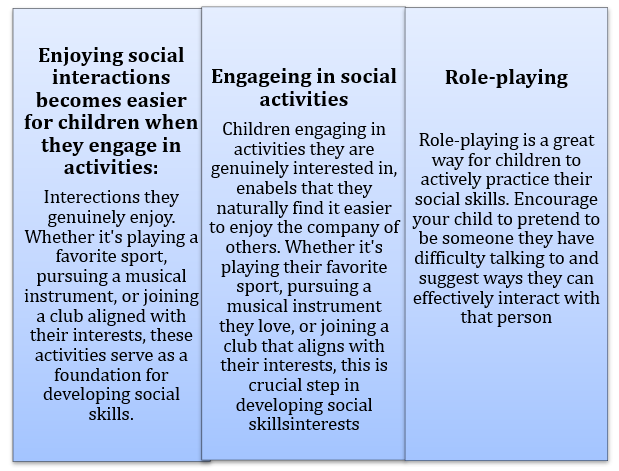
The findings reveal a profound truth: parental education is a crucial factor in comprehending sociopathic in prepubertal and pubertal children and providing the necessary support during this critical developmental stage. Previous study reveals that prevention efforts targeting antisocial behavior and substance abuse can have the greatest impact when tailored to specific gender and pubertal maturation profiles. Specifically, focusing on families of early developing girls and later developing boys may yield significant results. Additionally, incorporating a targeted approach that considers the specific sources of knowledge relevant to the adolescent’s pubertal maturation profile can enhance the effectiveness of prevention and intervention efforts [5]. Parents must acquaint themselves with the intricate nuances and challenges associated with sociopathic in these young individuals to better understand their unique manifestations. Several studies identifies the effect of early experiences of adversity, whether they are physical, such as living in crowded or impoverished conditions, or psychosocial, such as experiencing neglect, abuse, or parental conflict, have been found to be linked to higher risks of mental and physical health issues in the future [6, 7, 8]. Also, several studies indicated that developmental neuroscience has revealed that the brain’s development is not only influenced by nutrition but also by the patterns and quality of early experiences. The early years of a child’s life are crucial for their overall health and development, as the brain undergoes rapid growth and changes during this period. Various factors, including proper nutrition, exposure to toxins or infections, and the child’s experiences with others and the world, play a role in shaping brain development [9, 10]. Parents and caregivers can support healthy brain growth by engaging in responsive and interactive activities with their child, such as talking, playing, and responding to their needs , while exposure to stress and trauma can have long-term negative consequences for brain development, while positive experiences like talking, reading, and playing can stimulate brain growth [11]. Parents play a crucial role in shaping the development of their prepubertal and pubertal children who exhibit sociopathic tendencies. They have a significant impact on helping these children acquire essential social skills, such as recognizing emotions, comprehending social norms, and cultivating positive relationships. As published previously the role of social and emotional skills are involved in strengthening mental health among children [12]. By implementing effective communication strategies, such as establishing explicit boundaries and rules, parents provide a sense of structure and predictability in their children’s daily routines. By setting boundaries and providing guidance, authoritative parents create a nurturing and structured environment that helps children develop essential life skills and thrive [13]. Implementing behavior management techniques, such as goal-setting, positive reinforcement, and consistent enforcement of rules and consequences, is essential in addressing challenging behaviors in prepubertal and pubertal children with sociopathic. Also, there are some Interventions to improve socializing skills of sociopathic children in puberty that can be implemented by parents (Table 1). Parental support and self-care are equally important, as parents need to prioritize their own well-being and seek support from others facing similar challenges. Understanding social aspects of parental well- being is vital, because parents’ welfare has implications not only for parents themselves but also for child development, fertility, and the overall health of a society [14] Collaboration with professionals, such as psychologists, psychiatrists, or therapists, can provide additional guidance and tailored strategies to meet the unique needs of prepubertal and pubertal children with sociopathic. By working together, parents and professionals can enhance their ability to support these young individuals effectively. Increased healthcare use offers opportunities to identify and respond to parental support needs. More important, there are ways to improve your child’s Social skills (Figure 1). Providing effective interventions within routine care settings may be a particularly feasible and effective way of offering support when parents have increased support needs [15].
- Interventions to improve socializing skills of sociopathic children in puberty that can be implemented by parents
- Interventiones
- Implementing methodology
- • Engaging in activities that genuinely interest the child can make socializing more natural and enjoyable.
- Encourage participation in activities aligned with their interests
- • Encourage participation in sports, clubs, or hobbies where they can interact with like-minded individuals.
- • Help your child understand and recognize the feelings of others.
- • Engage in discussions about different situations and ask them to consider how others might feel in those situations.
- Foster empathy and perspective-taking
- • Teach active listening skills, emphasizing the importance of focusing on others and their perspectives
- • Understand that not all children have the same level of social comfort.
- • Respect their limits and recognize that some children may feel more comfortable in smaller groups or shorter social interactions.
- Set realistic expectations based on their social comfort zone
- • Gradually expose them to new social situations, respecting their pace and providing support when needed.
- • Demonstrate effective social skills in your own interactions.
- • Show genuine empathy, active listening, and respect for others.
- Be a positive role model
- • Children learn by observing, so modeling positive social behaviors can have a significant impact.
- • If your child's sociopathic behaviors persist or worsen, it may be necessary to seek professional guidance.
- Seek professional help if needed
- • A mental health professional can provide specialized interventions and support tailored to your child's needs
Table 1: Interventions to improve socializing skills of sociopathic children in puberty that can be implemented by parents.
Ethical considerations related to research involving prepubertal and pubertal children with sociopathic include obtaining appropriate consent or approval, ensuring participant confidentiality, and respecting their rights and well-being.
Clinical Implications
Understanding and addressing sociopathic in prepubertal and pubertal children has significant clinical implications for mental health professionals, parents, and educators. The following are key clinical implications that arise from the exploration of sociopathic in this population: Early identification and intervention. Namely, recognizing the signs and symptoms of sociopathic in prepubertal and pubertal children is crucial for early intervention. Thus, mental health professionals should be trained to identify and assess sociopathic traits in children, enabling timely intervention to prevent the escalation of antisocial behaviors. Further, tailored treatment approaches in which developing effective treatment strategies for prepubertal and pubertal children with sociopathic requires a comprehensive understanding of their unique needs. Therefore the individualized treatment plans should focus on building social skills, promoting empathy and emotional regulation, and addressing underlying psychological factors contributing to sociopathic behaviors. Additionally, parental education and support are highly significant Parental education plays a vital role in understanding and managing sociopathic in children. Providing parents with knowledge about sociopathic, teaching effective parenting strategies, and offering support and guidance can enhance their ability to navigate the challenges associated with raising a child with sociopathic tendencies. Collaborative approach: Finaly, the collaboration between mental health professionals, parents, and educators is essential in addressing sociopathic in prepubertal and pubertal children. A multidisciplinary approach that involves regular communication, shared goals, and coordinated interventions can optimize treatment outcomes and support the child’s overall development.
Future Research Directions
While significant progress has been made in understanding sociopathic in prepubertal and pubertal children, there are several areas that warrant further research. The following are potential future research directions: Long-term outcomes in which investigating the long-term outcomes of prepubertal and pubertal children with sociopathic can provide valuable insights into the trajectory of the disorder and the factors that contribute to positive or negative outcomes. Longitudinal studies tracking these individuals into adulthood can shed light on the persistence of sociopathic traits and the effectiveness of early interventions- Further, neurobiological mechanisms that is exploring the underpinnings of sociopathic in prepubertal and pubertal children can enhance our understanding of the disorder’s etiology and inform targeted interventions. Moreover, neuroimaging studies and genetic research can help identify specific brain regions and genetic markers associated with sociopathic behaviors, paving the way for more precise diagnostic tools and treatment approaches. Finally, parental factors such as parenting styles, attachment patterns, and family dynamics, in the development and maintenance of sociopathic in children can provide valuable insights for intervention strategies. To conclude, understanding the interplay between parental influences and sociopathic behaviors can guide the development of effective family-based interventions.
Ethical Considerations
Further exploration of the ethical considerations surrounding research involving children with sociopathic is necessary. Research should address issues related to informed consent, privacy, and the potential impact of research participation on the child’s well-being. Ethical guidelines and safeguards should be established to ensure the protection and welfare of children involved in sociopathic research
Conclusion
The journey of understanding sociopathic in prepubertal and pubertal children demands parental education as a vital component. By focusing on comprehending sociopathic, fostering social skills, mastering effective communication, implementing behavior management strategies, providing parental support, collaborating with professionals, and prioritizing self-care, parents can enhance their ability to provide the necessary support and navigate the complexities of sociopathic within their prepubertal and pubertal children.
Declarations
The authors declare no conflict of interest. This research did not receive any specific grant from funding agencies in the public, commercial, or not-for-profit sectors. The authors acknowledge the contributions of the articles identified through the extensive literature search process. Ethical approval was not required for this research.
References
-
Kennedy TD, Anello E, Sardinas S, Woods SP (2021) Introduction to Psychopathy. In: Working with Psychopathy. Springer Briefs in Psychology Springer Cham pp: 1-15.
-
López-Romero L, Cutrín O, Maneiro L, Domínguez- Álvarez B, Romero E (2021) Psychopathic Traits in Childhood: Insights from Parental Warmth and Fearless Temperament via Conscience Development. Brain sciences 11(7): 923.
-
Bjørnebekk G, Mørkrid Thøgersen D (2021) Possible Interventions for Preventing the Development of Psychopathic Traits among Children and Adolescents. International journal of environmental research and public health 19(1): 409.
-
Tuvblad C, Bezdjian S, Raine A, Baker LA (2013) Psychopathic Personality and Negative Parent-to-Child Affect: A Longitudinal Cross-lag Twin Study. Journal of criminal justice 41(5): 331-341.
-
Marceau K, Abar CC, Jackson KM (2015) Parental Knowledge is a Contextual Amplifier of Associations of Pubertal Maturation and Substance Use. Journal of youth and adolescence 44(9): 1720-1734.
-
Ferguson KT, Cassells RC, MacAllister JW, Evans GW (2013) The physical environment and child development: An international review. International Journal of Psychology 48(4): 437-468.
-
Grant KE, McMahon SD, Carter JS, Carleton RA, Adam EK, et al. (2014) The influence of stressors on the development of psychopathology. In: Lewis M, Rudolph KD, et al. (Eds.), Handbook of developmental psychopathology, 3rd (Edn.), New York, UK pp: 205-223.
-
Miller GE, Chen E, Parker KJ (2011) Psychological stress in childhood and susceptibility to the chronic diseases of aging: Moving toward a model of behavioral and biological mechanisms. Psychological Bulletin 137(6): 959-997.
-
Petrosini L, De Bartolo P, Foti F, Gelfo F, Cutuli D, et al. (2009) On whether the environmental enrichment may provide cognitive and brain reserves. Brain Research Reviews 61(2): 221-239.
-
Fox SE, Levitt P, Nelson CA (2010) How the timing and quality of early experiences influence the development of brain architecture. Child Development 81(1): 28-40.
-
Centers for Disease Control and Prevention (2023) Child development basics: Early brain development. National Center on Birth Defects and Developmental Disabilities.
-
Yunus S (2019) The Role of Social and Emotional Skills in Developing Mental Health of Children. Child Research Net: Papers and Essays.
-
White J (2023) Setting Boundaries: A Guide to Implementing Authoritative Parenting. Smart Parents Pod.
-
Nomaguchi K, Milkie MA (2020) Parenthood and Well- Being: A Decade in Review. Journal of marriage and the family 82(1): 198-223.
-
Bradshaw S, Bem D, Shaw K, Taylor B, Chiswell C, et al. (2019) Improving health, wellbeing and parenting skills in parents of children with special health care needs and medical complexity - a scoping review. BMC pediatrics 19(1): 301.
- Occupational Stress and Mental Health Outcomes Among Police Officers: A Mini Review
- The Experience of Counterproductive Leadership on Mental Health and Impact on Retention in U.S. Marines: A Phenomenological Study
- Nomophobia in the Digital Age: A Study on College and University Students
- Emotional Regulation in Children with Autism and Learning Disabilities
- Antisemitism on American College Campuses and Its Impact on Jewish Students
- Exploring the Role of Empathy in the Associations of Family Functioning and Purpose in Life with Attitude towards Abortion among Undergraduates: A Moderation Analysis