
Pharmacological Management of Hypertension: New Drugs and Mechanisms
Hypertension remains a leading global health challenge, contributing significantly to morbidity and mortality due to cardiovascular diseases. Traditional antihypertensive therapies, while effective for many, often fall short in certain populations, necessitating the development of novel pharmacological agents. This review explores recent advancements in the pharmacological management of hypertension, focusing on new drug classes and their mechanisms of action. We discuss innovations such as angiotensin receptor-neprilysin inhibitors (ARNIs), endothelin receptor antagonists, and sodium-glucose co-transporter 2 (SGLT2) inhibitors, highlighting their clinical efficacy and safety profiles. Additionally, we examine emerging mechanisms targeted by these drugs, including modulation of the renin-angiotensin-aldosterone system (RAAS), endothelial function enhancement, and metabolic pathway alteration. The review also addresses the potential for personalized medicine approaches in optimizing hypertension management. By elucidating these advancements, we aim to provide a comprehensive understanding of the future directions in hypertensive therapy, paving the way for improved patient outcomes through more precise and effective treatment strategies.
Introduction
Background on Hypertension
Hypertension, or high blood pressure, is a chronic medical condition characterized by persistently elevated arterial pressure. It is a major risk factor for cardiovascular diseases, including heart attack, stroke, and heart failure, as well as for renal disease and mortality. The global prevalence of hypertension is alarmingly high, affecting an estimated
1.13 billion people worldwide. The economic burden of hypertension is substantial, encompassing direct healthcare costs and indirect costs due to lost productivity and disability [1].
Global Prevalence and Burden
Hypertension is a global health issue with a significant impact on morbidity and mortality. According to the World Health Organization (WHO), an estimated 1.13 billion people worldwide have hypertension, making it one of the most prevalent non-communicable diseases. The prevalence of hypertension increases with age, and it is particularly high in low- and middle-income countries due to factors such as inadequate healthcare systems, lack of awareness, and limited access to medications [2].
The economic burden of hypertension is substantial, encompassing direct healthcare costs, such as hospitalizations, medications, and physician visits, as well as indirect costs related to lost productivity, disability, and premature mortality. In the United States alone, the annual cost of hypertension is estimated to exceed $131 billion.
Pathophysiology of Hypertension
The pathophysiology of hypertension is complex and multifactorial, involving a combination of genetic, environmental, and lifestyle factors. Key mechanisms contributing to hypertension include:
Renin-Angiotensin-Aldosterone System (RAAS) Activation: The RAAS plays a crucial role in regulating blood pressure and fluid balance. Overactivation of this system leads to increased production of angiotensin II, a potent vasoconstrictor, and aldosterone, which promotes sodium and water retention, both contributing to elevated blood pressure.
Sympathetic Nervous System (SNS) Overactivity: Increased activity of the SNS results in elevated heart rate and vasoconstriction, contributing to hypertension. Stress, obesity, and certain genetic factors can enhance SNS activity [3, 4].
Endothelial Dysfunction: The endothelium, the inner lining of blood vessels, plays a key role in vascular tone regulation through the release of vasodilators such as nitric oxide (NO) and vasoconstrictors like endothelin-1 (ET-1). Endothelial dysfunction, characterized by reduced NO availability and increased ET-1 production, leads to increased vascular resistance and hypertension [5].
Sodium Retention: Excessive dietary sodium intake and impaired renal sodium excretion can lead to fluid retention and increased blood volume, contributing to higher blood pressure.
Vascular Remodeling: Chronic hypertension induces structural changes in blood vessels, such as thickening of the arterial walls and reduced elasticity, further exacerbating high blood pressure.
Importance of Effective Management
Effective management of hypertension is crucial for reducing the risk of associated complications and improving overall patient outcomes. Traditional antihypertensive therapies include diuretics, beta-blockers, calcium channel blockers, angiotensin-converting enzyme (ACE) inhibitors, and angiotensin II receptor blockers (ARBs). While these drugs have proven efficacy, they often fall short in certain populations, such as those with resistant hypertension or those who experience adverse effects. This necessitates the continuous development and evaluation of new pharmacological agents [6].
Pharmacological classes of Antihypertensives Drugs
Traditional antihypertensive therapies have been the cornerstone of hypertension management for decades. These include:
Diuretics: Thiazide diuretics are often the first line of treatment for hypertension. They reduce blood volume by increasing urine output, which lowers blood pressure. Thiazide Diuretics
- Examples: Hydrochlorothiazide, Chlorthalidone.
- Mechanism of Action: Thiazide diuretics inhibit the sodium-chloride symporter in the distal convoluted tubule. This inhibition reduces the reabsorption of sodium and chloride, leading to increased excretion of these ions in the urine. The resulting increase in osmotic pressure in the nephron lumen leads to increased water excretion.
Loop Diuretics
- Examples: Furosemide, Bumetanide, Torsemide.
- Mechanism of Action: Loop diuretics inhibit the sodium-potassium-chloride co-transporter (NKCC2) in the thick ascending limb of the loop of Henle. This inhibition significantly reduces the reabsorption of sodium, chloride, and potassium, leading to a profound increase in urine output. Loop diuretics are very potent due to the large amount of sodium reabsorbed in this part of the nephron.
Potassium-Sparing Diuretics • Examples: Spironolactone, Eplerenone, Amiloride, Triamterene. • Mechanism of Action Aldosterone Antagonists (e.g., Spironolactone, Eplerenone): These drugs block the action of aldosterone at the mineralocorticoid receptor in the distal convoluted tubule and collecting duct. Aldosterone promotes sodium reabsorption and potassium excretion; thus, its antagonism leads to increased sodium excretion and reduced potassium excretion.
• Sodium Channel Inhibitors (e.g., Amiloride, Triamterene): These drugs directly inhibit the epithelial sodium channels (ENaC) in the distal convoluted tubule and collecting duct, reducing sodium reabsorption and promoting potassium retention.
Carbonic Anhydrase Inhibitors
• Examples: Acetazolamide.
• Mechanism of Action: These diuretics inhibit carbonic anhydrase, an enzyme found in the proximal convoluted tubule. This inhibition reduces the reabsorption of bicarbonate, leading to increased excretion of bicarbonate, sodium, and water, and an increase in urine pH.
Osmotic Diuretics
• Examples: Mannitol.
• Mechanism of Action: Osmotic diuretics increase the osmolarity of the glomerular filtrate, which leads to the retention of water in the nephron and an increase in urine output. They act primarily in the proximal convoluted tubule and the descending limb of the loop of Henle.
Beta-Blockers: These drugs reduce heart rate and cardiac output, lowering blood pressure. They are particularly useful in patients with concomitant cardiovascular conditions, such as heart disease [7].
Beta-blockers work by blocking the beta-adrenergic receptors. There are three main types of beta-adrenergic receptors:
Beta-1 (β1) Receptors
- Predominantly found in the heart and kidneys.
- Effects of β1 Receptor Blockade.
• Heart: Reduces heart rate (negative chronotropic effect), decreases myocardial contractility (negative inotropic effect), and lowers cardiac output. This reduction in heart rate and contractility decreases the oxygen demand of the heart, which is beneficial in conditions like angina.
• Kidneys: Reduces renin release, which in turn decreases the formation of angiotensin II and the release of aldosterone. This leads to vasodilation and a reduction in blood volume, contributing to the antihypertensive effect.
Beta-2 (β2) Receptors
- Found primarily in the lungs, gastrointestinal tract, liver, uterus, vascular smooth muscle, and skeletal muscle.
- Effects of β2 Receptor Blockade:
• Lungs: Causes bronchoconstriction, which can be a concern in patients with asthma or chronic obstructive pulmonary disease (COPD).
• Vascular Smooth Muscle: Reduces vasodilation.
• Metabolic Effects: Inhibits glycogenolysis and gluconeogenesis, which can affect glucose metabolism.
• Beta-3 (β3) Receptors
• Found in adipose tissue and involved in the regulation of lipolysis and thermogenesis.
• Effects of β3 Receptor Blockade: Less well-understood and not the primary target for most clinical beta-blockers.
Calcium Channel Blockers (CCBs): CCBs inhibit the influx of calcium ions into vascular smooth muscle cells, causing vasodilation and reduced blood pressure. They are effective in a wide range of hypertensive patients, including those with comorbidities like angina [8].
• Types of Calcium Channel Blockers
CCBs are generally divided into two main classes based on their predominant effects on either vascular smooth muscle or cardiac muscle:
• Dihydropyridines
Examples: Amlodipine, Nifedipine, Felodipine.
• Primary Action: Primarily act on vascular smooth muscle to cause vasodilation. They are more effective in lowering blood pressure and are commonly used in the treatment of hypertension and angina.
• Clinical Effects: Significant vasodilation with minimal direct effects on cardiac contractility or conduction. They are less likely to cause bradycardia but can cause reflex tachycardia due to potent vasodilation.
Non-Dihydropyridines
Examples: Verapamil, Diltiazem.
• Primary Action: Affect both cardiac muscle and vascular smooth muscle. They have significant effects on the heart, including reducing heart rate, myocardial contractility, and AV node conduction.
• Clinical Effects: Used in treating arrhythmias, such as atrial fibrillation, as well as angina and hypertension. Verapamil has a stronger effect on the heart compared to diltiazem.
Angiotensin-Converting Enzyme (ACE) Inhibitors: ACE inhibitors block the conversion of angiotensin I to angiotensin II, reducing vasoconstriction and aldosterone production. They are particularly beneficial for patients with diabetes or heart failure. ACE inhibitors exert their effects by inhibiting the activity of angiotensin-converting enzyme (ACE). Here’s a detailed breakdown of their mechanism of action:
• Inhibition of Angiotensin-Converting Enzyme (ACE)
- Block Conversion of Angiotensin I to Angiotensin II: ACE inhibitors prevent the conversion of angiotensin I (an inactive precursor) into angiotensin II (a potent vasoconstrictor). Angiotensin II is responsible for increasing blood pressure by causing vasoconstriction and stimulating aldosterone secretion.
- Decreased Angiotensin II Levels: Lower levels of angiotensin II lead to vasodilation, reduced secretion of aldosterone, and decreased reabsorption of sodium and water in the kidneys. This results in lower blood pressure and reduced blood volume. **
- Examples:** Captopril, Enalapril, Lisinopril , Ramipril ,Quinapril Benazepril, Fosinopril ,Moexipril, Perindopril, Trandolapril
- Angiotensin II Receptor Blockers (ARBs): ARBs block the effects of angiotensin II at its receptor, providing similar benefits to ACE inhibitors but with a different mechanism of action [9].
Blockade of Angiotensin II AT1 Receptors
- Vasodilation: By preventing angiotensin II from binding to AT1 receptors on vascular smooth muscle cells, ARBs cause vasodilation. This reduces peripheral vascular resistance and lowers blood pressure.
- Reduction of Aldosterone Secretion: Blocking AT1 receptors in the adrenal gland leads to decreased secretion of aldosterone. Lower aldosterone levels result in reduced sodium and water reabsorption in the kidneys, which decreases blood volume and further contributes to the reduction in blood pressure.
- Decreased Vasopressin Release: Angiotensin II stimulates the release of vasopressin (antidiuretic hormone), which promotes water retention. Blocking AT1 receptors reduces vasopressin release, aiding in water excretion and lowering blood pressure.
- Inhibition of Sympathetic Nervous System: ARBs may reduce sympathetic nervous system activity by blocking the central effects of angiotensin II, contributing to lower blood pressure and reduced heart rate.
Cardiovascular and Renal Protective Effects
- Heart: By reducing afterload and preload through vasodilation and decreased blood volume, ARBs decrease the workload on the heart, which is beneficial in managing heart failure. They also help prevent the progression of left ventricular hypertrophy.
- Kidneys: ARBs protect kidney function by reducing intraglomerular pressure and proteinuria, which is particularly beneficial in patients with diabetic nephropathy or other forms of chronic kidney disease.
Modulation of Angiotensin II Effects • Absence of Bradykinin Effects: Unlike ACE inhibitors, ARBs do not inhibit the breakdown of bradykinin. This means that ARBs generally do not cause the bradykinin- mediated side effects such as cough and angioedema. • Examples: Losartan, Valsartan , Irbesartan ,Candesartan,Olmesartan (,Telisartan, Eprosartan, Azilsartan
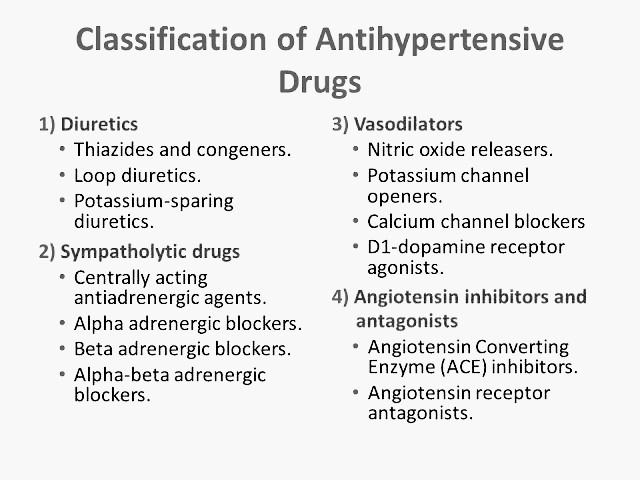
Traditional Antihypertensive Therapies and Their Limitations
Traditional antihypertensive therapies have been the cornerstone of hypertension management for decades. Diuretics, such as thiazides, reduce blood volume by increasing urine output. Beta-blockers decrease heart rate and cardiac output. Calcium channel blockers relax blood vessels by inhibiting calcium influx. ACE inhibitors and ARBs interfere with the renin-angiotensin-aldosterone system (RAAS) to reduce vasoconstriction and fluid retention [10].
Despite their efficacy, these therapies are not without limitations. Some patients exhibit resistance to multiple drug classes, a condition known as resistant hypertension. Others may experience side effects that limit the use of these medications. Additionally, the pathophysiology of hypertension can vary significantly among individuals, indicating a need for more targeted and personalized therapeutic approaches.
While traditional antihypertensive therapies are effective for many patients, they have several limitations
Resistant Hypertension: Approximately 10-20% of hypertensive patients have resistant hypertension, defined as blood pressure that remains above target levels despite the use of three or more antihypertensive medications, including a diuretic. This highlights the need for novel therapeutic approaches.
Side Effects: Many antihypertensive medications are associated with side effects that can impact patient adherence and quality of life. For example, diuretics can cause electrolyte imbalances, beta-blockers can lead to fatigue and sexual dysfunction, and ACE inhibitors can cause a persistent cough [11].
Variable Response: The response to antihypertensive therapy can vary widely among individuals due to genetic, environmental, and lifestyle factors. This variability underscores the importance of personalized medicine approaches in hypertension management.
Long-Term Adherence: Long-term adherence to antihypertensive medication regimens is often suboptimal, leading to poor blood pressure control and increased risk of cardiovascular events. Simplifying treatment regimens and minimizing side effects are key strategies to improve adherence [12].
Novel Drug Classes
Angiotensin Receptor-Neprilysin Inhibitors (ARNIs)
ARNIs represent a significant advancement in the pharmacological management of hypertension. This class of drugs combines an ARB with a neprilysin inhibitor. Neprilysin is an enzyme that degrades natriuretic peptides, which are hormones that promote vasodilation and natriuresis. By inhibiting neprilysin, ARNIs enhance the effects of natriuretic peptides, leading to improved blood pressure control and cardiovascular outcomes.
One of the most prominent ARNIs is sacubitril/valsartan, which has shown superior efficacy compared to traditional RAAS inhibitors in reducing blood pressure and preventing cardiovascular events. Clinical trials such as PARADIGM- HF have demonstrated significant benefits in heart failure patients, suggesting a broader application for hypertension management [13].
Endothelin Receptor Antagonists
Endothelin receptor antagonists (ERAs) are a newer class of antihypertensive agents that target the endothelin system, which plays a crucial role in vascular tone and blood pressure regulation. Endothelin-1 (ET-1) is a potent vasoconstrictor, and its overexpression is associated with hypertension and cardiovascular diseases. ERAs block the receptors for ET-1, thereby reducing vasoconstriction and lowering blood pressure.
Drugs like bosentan and ambrisentan have been primarily used in the treatment of pulmonary arterial hypertension but show promise for systemic hypertension as well. These agents offer a novel mechanism of action, especially for patients who do not respond adequately to conventional therapies [14].
Sodium-Glucose Co-Transporter 2 (SGLT2) Inhibitors
Originally developed for the treatment of type 2 diabetes, SGLT2 inhibitors have demonstrated significant antihypertensive effects. These drugs work by inhibiting the reabsorption of glucose and sodium in the proximal tubules of the kidneys, leading to increased urinary excretion of both substances. The resulting natriuresis and osmotic diuresis contribute to blood pressure reduction.
Empagliflozin, canagliflozin, and dapagliflozin are among the SGLT2 inhibitors that have shown promise in lowering blood pressure in hypertensive patients with or without diabetes. These drugs also offer additional cardiovascular and renal benefits, making them a valuable addition to the antihypertensive arsenal [15].
Mineralocorticoid Receptor Antagonists
Mineralocorticoid receptor antagonists (MRAs) such as spironolactone and eplerenone have been used for years in managing conditions like heart failure and resistant hypertension. Recent developments have focused on improving the selectivity and side effect profiles of these drugs.
Newer MRAs, including finerenone, have shown potent antihypertensive effects with fewer adverse effects compared to their predecessors. By blocking the action of aldosterone, MRAs reduce sodium and water retention, leading to a decrease in blood pressure and a reduction in cardiovascular risk [16].
New Calcium Channel Blockers
Calcium channel blockers (CCBs) are a well-established class of antihypertensive agents. Recent advancements have focused on developing new CCBs with improved efficacy and safety profiles. These drugs inhibit the influx of calcium ions into vascular smooth muscle cells, leading to vasodilation and reduced blood pressure.
Amlodipine is a widely used CCB, but newer agents like lercanidipine and clevidipine offer advantages such as a more favorable side effect profile and faster onset of action. These newer CCBs provide additional options for clinicians in tailoring antihypertensive therapy to individual patient needs.
Physiology of Blood Pressure
Renin-Angiotensin-Aldosterone System (RAAS) Modulation
The RAAS is a critical regulator of blood pressure and fluid balance. Traditional RAAS inhibitors, such as ACE inhibitors and ARBs, have been effective in reducing hypertension by blocking the effects of angiotensin II, a potent vasoconstrictor. ARNIs further enhance RAAS modulation by inhibiting neprilysin, increasing levels of beneficial natriuretic peptides.
Newer RAAS modulators, including direct renin inhibitors like aliskiren, offer additional pathways to control blood pressure. By directly inhibiting renin, these agents prevent the initial step in the RAAS cascade, leading to a more comprehensive blockade of the system.
Endothelial Function Enhancement
Endothelial dysfunction is a hallmark of hypertension and contributes to increased vascular resistance and impaired vasodilation. Novel antihypertensive agents aim to restore endothelial function by enhancing the production of nitric oxide (NO), a potent vasodilator, and reducing oxidative stress.
Phosphodiesterase-5 (PDE5) inhibitors, such as sildenafil, have shown promise in improving endothelial function and reducing blood pressure. These drugs increase the availability of cyclic guanosine monophosphate (cGMP), which mediates NO-induced vasodilation [17].
Metabolic Pathway Alteration
Metabolic pathways play a significant role in blood pressure regulation. SGLT2 inhibitors, by promoting glycosuria and natriuresis, offer a unique approach to lowering blood pressure through metabolic mechanisms. Additionally, these drugs improve insulin sensitivity and reduce inflammation, contributing to overall cardiovascular health.
Other agents, such as glucagon-like peptide-1 (GLP- 1) receptor agonists, also show potential in hypertension management by influencing metabolic pathways. These drugs, initially developed for diabetes, promote weight loss and improve endothelial function, leading to blood pressure reduction [18].
Natriuresis and Diuresis
Natriuresis and diuresis are fundamental mechanisms for controlling blood pressure. Diuretics have been a cornerstone of antihypertensive therapy, and newer agents continue to refine this approach. SGLT2 inhibitors, as mentioned, increase natriuresis and osmotic diuresis, contributing to their antihypertensive effects.
New diuretics, such as vasopressin receptor antagonists, offer additional mechanisms to promote diuresis and reduce fluid retention. These agents block the action of vasopressin, a hormone that promotes water reabsorption in the kidneys, leading to increased urine output and reduced blood pressure [19].
Clinical Safety Profiles
Evaluating the safety profiles of novel antihypertensive agents is critical in understanding their potential benefits and risks compared to traditional therapies. Safety profiles encompass the range of side effects, their severity, frequency, and the overall tolerability of the medication. Here we delve into the safety profiles of several new drug classes and compare them with traditional antihypertensive agents [13].
Angiotensin Receptor-Neprilysin Inhibitors (ARNIs)
Safety Profile: ARNIs, such as sacubitril/valsartan, have generally demonstrated a favorable safety profile in clinical trials. However, some specific considerations include: • Hypotension: Due to their potent vasodilatory effects, ARNIs can cause symptomatic hypotension, particularly in patients with low baseline blood pressure or those taking high doses. • Hyperkalemia: Similar to other RAAS inhibitors, ARNIs can increase potassium levels, which requires monitoring, especially in patients with renal impairment. • Renal Function: Worsening renal function has been observed in some patients, necessitating regular renal function monitoring. • Angioedema: Although the risk is lower compared to ACE inhibitors, there is still a risk of angioedema, particularly in patients with a history of this condition. • Cough: Less common compared to ACE inhibitors but still a potential side effect due to the neprilysin inhibition [20, 21].
Overall, ARNIs have been shown to be well-tolerated, with the PARADIGM-HF trial demonstrating significant benefits in heart failure patients without a substantial increase in adverse effects compared to enalapril, an ACE inhibitor.
Endothelin Receptor Antagonists (ERAs)
Safety Profile: Endothelin receptor antagonists, such as bosentan and ambrisentan, primarily used for pulmonary arterial hypertension, have several notable safety considerations: • Liver Toxicity: ERAs are associated with liver enzyme elevations, and bosentan, in particular, requires regular liver function monitoring. • Fluid Retention: Peripheral edema and fluid retention are common, necessitating cautious use in patients with heart failure. • Anemia: Hemoglobin levels can decrease, requiring monitoring. • Teratogenicity: ERAs are contraindicated in pregnancy due to potential teratogenic effects [22]. Despite these safety concerns, ERAs provide a valuable therapeutic option for patients who do not respond adequately to conventional therapies, with a manageable safety profile through regular monitoring.
Sodium-Glucose Co-Transporter 2 (SGLT2) Inhibitors
Safety Profile: SGLT2 inhibitors, such as empagliflozin, canagliflozin, and dapagliflozin, have been associated with several side effects, but also offer significant benefits: • Genitourinary Infections: Due to increased glucose in the urine, there is a higher risk of urinary tract infections and genital mycotic infections. • Euglycemic Diabetic Ketoacidosis (DKA): Although rare, SGLT2 inhibitors can cause DKA, even in patients with normal blood glucose levels. • Volume Depletion: Increased diuresis can lead to dehydration and hypotension, particularly in elderly patients or those on diuretics. • Fracture Risk: Canagliflozin has been associated with an increased risk of bone fractures, necessitating caution in patients with osteoporosis or at high risk for falls [23, 13]. Despite these risks, the cardiovascular and renal benefits of SGLT2 inhibitors have been well-documented, with reductions in heart failure hospitalizations and progression of kidney disease, making them a valuable addition to hypertension therapy, particularly in patients with type 2 diabetes.
Mineralocorticoid Receptor Antagonists (MRAs)
Safety Profile: Traditional MRAs, such as spironolactone, and newer agents like finerenone, present distinct safety profiles.
• Hyperkalemia: A significant concern with MRAs, particularly in patients with chronic kidney disease or those taking other RAAS inhibitors: • Gynecomastia and Breast Tenderness: Common with spironolactone due to its non-selective binding to androgen and progesterone receptors. • Renal Function: Regular monitoring of renal function and electrolytes is necessary due to the risk of worsening renal function [24].
Newer MRAs like finerenone have shown a reduced incidence of endocrine side effects and may offer a safer alternative for patients at risk of hyperkalemia, although careful monitoring remains essential.
New Calcium Channel Blockers
Safety Profile: New calcium channel blockers, such as lercanidipine and clevidipine, have been developed to improve tolerability and reduce side effects: • Peripheral Edema: Common with older CCBs, but newer agents like lercanidipine may have a lower incidence due to their vascular selectivity. • Headache and Dizziness: Vasodilatory effects can cause these symptoms, particularly with short-acting formulations. • Reflex Tachycardia: Clevidipine, used in acute settings, can cause reflex tachycardia, necessitating careful monitoring and titration [25]. Overall, newer CCBs provide effective blood pressure control with potentially fewer side effects compared to traditional agents, improving patient adherence and tolerability.
Effectiveness of Antihypertensive Therapies
Diuretics • Electrolyte Imbalances: Hypokalemia, hyponatremia, and hypercalcemia are common, requiring regular electrolyte monitoring. • Gout: Thiazide diuretics can increase uric acid levels, potentially precipitating gout. • Metabolic Effects: Insulin resistance and dyslipidemia can occur, particularly with higher doses [26].
Beta-Blockers • Bradycardia: Slowing of the heart rate can be problematic, especially in patients with pre-existing bradycardia or heart block. • Fatigue and Depression: Common side effects that can impact quality of life and adherence. • Sexual Dysfunction: An important consideration for patient adherence.
Calcium Channel Blockers (Older Agents) • Peripheral Edema: A frequent side effect, particularly with dihydropyridine CCBs. • Constipation: Common with non-dihydropyridine CCBs like verapamil.
ACE Inhibitors • Cough: A persistent dry cough is a well-known side effect, often leading to discontinuation. • Angioedema: Although rare, this serious side effect necessitates discontinuation and avoidance of ACE inhibitors in the future.
Angiotensin II Receptor Blockers (ARBs) • Well-Tolerated: Generally, ARBs have fewer side effects compared to ACE inhibitors, with a lower incidence of cough and angioedema. • Hyperkalemia: Similar to ACE inhibitors, ARBs can increase potassium levels, requiring monitoring [27, 28].
Long-term Outcomes and Patient Adherence
Long-term outcomes are crucial for assessing the true value of antihypertensive therapies. Studies have shown that novel agents not only lower blood pressure but also reduce the incidence of cardiovascular events, such as heart attacks and strokes. ARNIs, in particular, have shown significant benefits in heart failure patients [29].
Patient adherence is another critical factor in the success of antihypertensive therapy. Newer drugs with better safety profiles and fewer side effects are likely to improve adherence. Additionally, once-daily dosing and combination therapies can simplify treatment regimens and enhance patient compliance.
Personalized Medicine Approaches
Genetic Markers and Pharmacogenomics
Personalized medicine aims to tailor treatment to individual patient characteristics, including genetic markers. Pharmacogenomics studies how genetic variations influence drug response and can guide the selection of antihypertensive therapies. For example, genetic polymorphisms in the RAAS pathway can affect the efficacy of ACE inhibitors and ARBs.
Identifying genetic markers that predict response to specific antihypertensive agents can help clinicians personalize treatment, optimizing efficacy and minimizing side effects. Ongoing research in pharmacogenomics holds promise for more precise hypertension management [30].
Tailoring Treatment to Individual Patient Profiles
Personalized hypertension management goes beyond genetics to include factors such as age, comorbidities, and lifestyle. For instance, SGLT2 inhibitors may be particularly beneficial for hypertensive patients with diabetes, while ARNIs might be more suitable for those with heart failure. Tailoring treatment involves a comprehensive assessment of the patient’s health status and risk factors. This approach can improve treatment outcomes and reduce the likelihood of adverse effects, ultimately enhancing the overall management of hypertension [31].
Future Directions in Personalized Hypertension Therapy
The future of personalized hypertension therapy lies in integrating genetic, clinical, and lifestyle data to develop individualized treatment plans. Advances in digital health technologies, such as wearable devices and mobile health applications, can facilitate real-time monitoring and adjustments to therapy.
Additionally, ongoing research into novel biomarkers and genetic variants will further refine personalized treatment approaches. As our understanding of the complex mechanisms underlying hypertension grows, so too will our ability to tailor therapies to meet the unique needs of each patient [32].
Case Studies and Real-World Applications
Case Studies of Difficult-to-Treat Hypertension
Case studies provide valuable insights into the application of novel antihypertensive agents in real-world settings. For example, a patient with resistant hypertension who failed to achieve adequate control with traditional therapies may benefit from an ARNI or SGLT2 inhibitor. Detailed case reports can illustrate the efficacy, safety, and practical considerations of using these new drugs.
Real-world evidence from diverse patient populations can complement clinical trial data, offering a more comprehensive understanding of how novel agents perform in everyday practice. These case studies highlight the potential of new therapies to address unmet needs in hypertension management [33].
Application of Novel Therapies in Clinical Practice
The integration of novel antihypertensive agents into clinical practice requires a thorough understanding of their mechanisms, efficacy, and safety profiles. Clinicians must stay informed about the latest developments and guidelines to make evidence-based decisions.
Practical considerations, such as cost, availability, and patient preferences, also play a role in the adoption of new therapies. Education and training for healthcare providers are essential to ensure the optimal use of novel antihypertensive agents [34].
Patient Outcomes and Quality of Life Improvements
The ultimate goal of antihypertensive therapy is to improve patient outcomes and quality of life. Novel agents have shown promise in reducing blood pressure, preventing cardiovascular events, and improving overall health. For example, patients treated with SGLT2 inhibitors often experience weight loss and better glycemic control, in addition to lower blood pressure.
Improvements in quality of life, such as reduced symptoms and better physical functioning, are equally important. Novel therapies that offer these benefits can significantly enhance the overall well-being of hypertensive patients [35].
Future Directions and Research
Emerging Drug Candidates
The pipeline for antihypertensive drugs continues to grow, with numerous emerging candidates showing promise in preclinical and clinical studies. Agents targeting novel pathways, such as guanylate cyclase stimulators and endothelin-converting enzyme inhibitors, are under investigation.
Ongoing research aims to identify new mechanisms and therapeutic targets for hypertension. The development of these emerging drug candidates holds the potential to expand the options for effective blood pressure management [36].
Ongoing Clinical Trials
Clinical trials are essential for evaluating the efficacy and safety of novel antihypertensive agents. Numerous trials are currently underway to assess new drug candidates and combinations. These studies provide critical data that inform clinical practice and guide the approval of new therapies.
Participation in clinical trials also offers patients access to cutting-edge treatments and contributes to the advancement of hypertension management. Continued support for clinical research is vital for the development of innovative antihypertensive agents [37].
Innovations in Drug Delivery Systems
Advances in drug delivery systems can enhance the efficacy and convenience of antihypertensive therapies. Innovations such as sustained-release formulations, transdermal patches, and implantable devices can improve adherence and patient outcomes.
Nanotechnology and targeted delivery systems offer the potential to deliver drugs more precisely to their site of action, reducing side effects and enhancing therapeutic efficacy. These innovations represent exciting opportunities for the future of hypertension management [38].
Conclusion
Hypertension remains a significant global health challenge, necessitating ongoing advancements in pharmacological management. Novel antihypertensive agents, including ARNIs, endothelin receptor antagonists, SGLT2 inhibitors, and others, offer promising new options for patients who do not respond adequately to traditional therapies. These drugs target a variety of mechanisms, from RAAS modulation to endothelial function enhancement and metabolic pathway alteration, providing a multifaceted approach to blood pressure control.
The integration of personalized medicine approaches, such as pharmacogenomics and tailored treatment plans, holds the potential to optimize hypertension management further. As our understanding of hypertension’s complex pathophysiology continues to evolve, so too will the strategies for its treatment.
Continued research and clinical trials are essential for evaluating emerging drug candidates and refining treatment approaches. Innovations in drug delivery systems and real- world evidence from diverse patient populations will also play a critical role in shaping the future of hypertension therapy.
By embracing these advancements, clinicians can provide more effective, safer, and personalized care for hypertensive patients, ultimately improving outcomes and quality of life. The future of hypertension management is bright, with novel therapies poised to make a significant impact on this pervasive and challenging condition.
References
-
Gradman AH, Vivas Y (2006) New drugs for hypertension: What do they offer? Current Hypertension Reports 8: 425-432.
-
Stewart MH, Lavie CJ, Ventura HO (2019) Emerging Therapy in Hypertension. Current Hypertension Reports 21(23): 1-9.
-
Eirin A, Textor SC, Lerman LO (2016) Emerging concepts for patients with treatment-resistant hypertension. Trends in cardiovascular medicine 26 (8): 700-706.
-
Kobrin I, Charlon V, Bursztyn M (1997) New developments in drug therapy of hypertension. The Medical clinics of North America 81(6): 1359-1371.
-
Hirsch JD, Steers N, Adler DS, Kuo GM, Morello CM, et al. (2014) Primary care-based, pharmacist-physician collaborative medication-therapy management of hypertension: a randomized, pragmatic trial.. Clinical therapeutics 36(9): 1244-1254.
-
Lobo MD, Sobotka PA, Pathak A (2016) Interventional procedures and future drug therapy for hypertension. European Heart Journal 38: 1101-1111.
-
Johnson JA (2012) Advancing management of hypertension through pharmacogenomics. Annals of Medicine 44: S17- S22.
-
Stewart MH, Lavie CJ, Ventura HO (2018) Future pharmacological therapy in hypertension. Current Opinion in Cardiology 33(4): 408-415.
-
Laurent S, Schlaich M, Esler M (2012) New drugs, procedures, and devices for hypertension. The Lancet 380(9841): 591-600.
-
Gupta Ak, Arshad S, Poulter NR (2010) Compliance, Safety, and Effectiveness of Fixed-Dose Combinations of Antihypertensive Agents: A Meta-Analysis. Hypertension 55(2): 399-407.
-
Oparil S, Schmieder RE (2015) New approaches in the treatment of hypertension. Circulation research, 116 (6): 1074-1095.
-
Borghi C, Soldati M, Bragagni A, Cicero A (2020) Safety implications of combining ACE inhibitors with thiazides for the treatment of hypertensive patients. Expert Opinion on Drug Safety 19: 1577-1583.
-
Lindholm LH (1995) Assessing the safety profile of a new antihypertensive agent. Journal of Hypertension 13: s5-s9.
-
Weir M, Bush C, Anderson D, Zhang J, Keefe D, et al. (2007) Antihypertensive efficacy, safety, and tolerability of the oral direct renin inhibitor aliskiren in patients with hypertension: a pooled analysis. Journal of the American Society of Hypertension: JASH 1(4): 264-277.
-
Yu Z, Xue W, Zhou M, Wang L, Wu S, et al. (2021) Potential Antihypertensive Mechanisms of the Egg White-Derived Peptide QIGLF in Spontaneously Hypertensive Rats Revealed Using Untargeted Serum Metabolomics. Journal of agricultural and food chemistry 69(40): 12063-12071
-
Brody A, Rahman T, Reed B, Millis S, Ference B, et al. (2015) Safety and efficacy of antihypertensive prescription at emergency department discharge. Academic emergency medicine: official journal of the Society for Academic Emergency Medicine 22(5): 632-635.
-
Blowey DL (2002) Safety of the newer antihypertensive agents in children. Expert Opinion on Drug Safety 1(1): 39-43.
-
Lionel HO, Schall R (2004) Old antihypertensives and new diabetes. Journal of Hypertension 22(8): 1453- 1458.
-
Albasri A, Hattle M, Koshiaris C, Dunnigan A, Paxton B, et al. (2021). Association between antihypertensive treatment and adverse events: systematic review and meta-analysis. The BMJ 372: n189.
-
Rajak D, Sahu D, Jain A, Khan R, Khare B, et al. (2022) Review on Toxicity of Antihypertensive Drugs. Asian Journal of Dental and Health Sciences 2(4): 64-68.
-
Moser M (1990) Antihypertensive medications: relative effectiveness and adverse reactions. Journal of Hypertension 8(S2): S9-S10.
-
Fogari R, Zoppi A (2004) Effect of Antihypertensive Agents on Quality of Life in the Elderly. Drugs & Aging 21: 377-393.
-
Lakshman M, Reda D, Materson B, Cushman W, Freis E (1999) Diuretics and beta-blockers do not have adverse effects at 1 year on plasma lipid and lipoprotein profiles in men with hypertension. Department of Veterans Affairs Cooperative Study Group on Antihypertensive Agents. Archives of Internal Medicine 159(6): 551-558.
-
Avanzini F, Alli C, Bettelli G, Corso R, Colombo F, et al. (1994) Antihypertensive efficacy and tolerability of different drug regimens in isolated systolic hypertension in the elderly. European Heart Journal 15(2): 206-212.
-
McComb MN, Chao JY, Ng TMH (2016) Direct vasodilators and sympatholytic agents. Journal of Cardiovascular Pharmacology and Therapeutics 21(1): 3-19.
-
Van Den Meiracker AH, Jan Danser AH (2007) Aliskiren: the first direct renin inhibitor for hypertension. Current Cardiology Reports 9(6): 470-476.
-
Dahiya S, Khar R, Mishra A, Chhikkara A (2007) Drug discovery, development and approval process: need for an interdisciplinary approach. Pharmacy On-line.
-
Steinberg M, Hess K, Corcoran C, Mielke MM, Norton M, et al. (2014) Vascular risk factors and neuropsychiatric symptoms in Alzheimer’s disease: the Cache County Study. International Journal of Geriatric Psychiatry 29(2): 153-159.
-
(2007) In: Schrier RW (Ed.), The Internal Medicine Casebook: Real Patients, Real Answers. 2nd(Edn.), Lippincott Williams & Wilkins.
-
Puri RK, Puri R (2011) Natural Aphrodisiacs: Myth or Reality. Xlibris Corporation.
-
Dharmarajan TS, Dharmarajan L (2015) Tolerability of Antihypertensive Medications in Older Adults. Drugs & Aging 32: 773-796.
-
Goldberg AI, Dunlay MC, Sweet CS (1995) Safety and tolerability of losartan potassium, an angiotensin II receptor antagonist, compared with hydrochlorothiazide, atenolol, felodipne ER, and angiotensin-converting enzyme inhibitors for the treatment of systemic hypertension. The American Journal of Cardiology 75(12): 793-795.
-
Gavras I, Gavras H (1999) Safety and tolerability of eprosartan. Pharmacotherapy: The Journal of Human Pharmacology and Drug Therapy 19(4P2): 102S-107S.
-
Mazzolai L, Burnier M (1999) Comparative Safety and Tolerability of Angiotensin II Receptor Antagonists. Drug safety 21: 23-33.
-
Weir MR, Flack JM, Applegate WB (1996) Tolerability, safety, and quality of life and hypertensive therapy: The case for low-dose diuretics. The American Journal of Medicine 101(3): 83S-92S.
-
Webster J, Koch HF (1996) Aspects of tolerability of centrally acting antihypertensive drugs. Journal of Cardiovascular Pharmacology 27(S3): S49-S54.
-
Magavern EF, Kapil V, Saxena M, Gupta A, Caulfield MJ (2024) Use of Genomics to Develop Novel Therapeutics and Personalize Hypertension Therapy. Arteriosclerosis, Thrombosis, and Vascular Biology 44(4): 784-793.
-
Flaten HK, Monte AA (2017) The Pharmacogenomic and Metabolomic Predictors of ACE Inhibitor and Angiotensin II Receptor Blocker Effectiveness and Safety. Cardiovascular Drugs and Therapy 31(4): 471-482.
- Gallic and Citric Acid Present in the Peels of Tropical Fruits as an Alternative in the Fight against Cancer
- Treating the Forehead Lines with Combination of Forehead and Glabellar Botulinum Toxin Among Japanese Patients
- Clinical Evaluation of Patients Suffering from Breast Cancer & Determination of Treatment Therapies and Better Strategies Related to Breast Cancer
- Medieval Recipes by Al-Zahrāwī for Heart Palpitations Treatment
- Etiology and Prescription Errors of Myocardial Infarction in Different Health Care Systems of Azad Kashmir
- Early Diagnosis and Multidisciplinary Management of Turner Syndrome: A Paediatric Case Study