
Probiotics, Prebiotics and Fruit and Vegetable Fiber Improved the Gastrointestinal Tract and Increased Immunity: A Randomized, Single-Blind, Placebo-Controlled Parallel Trial
The intestinal tract is the largest immune organ in the human body. A healthy gut will block bacteria, viruses, molds, parasites, and other attacks. Studies have shown that probiotics can stabilize the intestinal barrier and improve immunity, while prebiotics can help probiotics multiply and grow effectively in the human gut. Dietary fibers increase the frequency of gastrointestinal motility. This study used the combination formula of probiotics, prebiotics, and fruit and vegetable fiber to explore its effects on gastrointestinal health and improving immunity. The study recruited 50 subjects and randomly assigned two groups, the placebo group and the probiotic fruit and vegetable fiber powder group (PF formula). Subjects were measured in body position measurement, blood and stool collection, dietary questionnaire, and somatosensory questionnaire at weeks 0, and 12. The PF formula increased IgG, IgM, and IL-10 and decreased IL-6, IL-12, IFN-γ, and TNF-⍺ compared to baseline (week 0). The PF formula increased the frequency of bowel movements, improved flatulence, stomach pain, hard stools, constipation, and diarrhea. It also reduced headache, muscle pain, and dizziness compared to baseline. Finally, the PF formula increased the abundance of beneficial bacteria Porphyromonadaceae and Parabacteroides and decreased the abundance of harmful bacteria Clostridiaceae. The PF formula had the effect of gastrointestinal health care and enhanced immunity
Introduction
Immunity helps the body resist virus invasion. When the body’s immune system is out of balance, it will affect the overall physical condition, also affect the endocrine system, and reduce the function of immune cells, resulting in decreased immunity and cold symptoms or gastrointestinal- related problems, such as: stomach ulcers, constipation, diarrhea, etc [1]. The gut microbiota is a complex ecosystem that plays a crucial role in the human gastrointestinal tract, affects nutrient metabolism and the immune system, and even defends against pathogens [2]. At the same time, a good gut microbiota can also regulate the function of the gastrointestinal tract [3]. The most common way to improve is to supplement with probiotics to adjust the balance of bacteria in the gut.
In recent years, studies have shown that the consumption of probiotics can adjust the composition of intestinal bacteria, which produce a slightly acidic environment in the intestinal tract and can inhibit the growth of pathogenic bacteria, rebuild the function of the intestinal mucosal barrier and improve the defense capacity of the digestive tract [4]. Probiotics are derived primarily from human intestinal bacteria, mainly Lactobacillus and Bifidobacterium [5]. Probiotics must be resistant to damage caused by strong acid and a high concentration of bile salts in the digestive tract and can colonize the intestinal mucosa of the host [6]. Some studies showed that L. acidophilus can secrete lactic acid and acetic acid, which can enhance immunity, maintain healthy intestinal flora [4], and L. rhamnosus inhibited the growth of vaginal mold [7]. L. paracasei improved allergies and atopic dermatitis [8]. B. longum can improve diarrhea caused by taking antibiotics, improve allergies, and reduce the incidence of colorectal cancer [9]. B. lactis inhibited gastric Helicobacter pylori, improved diarrhea, and constipation [10]. Streptococcus thermophilus improved gastroenteritis, allergic rhinitis, inhibited gastric Helicobacter pylori [11]. In addition, prebiotic supplementation can increase the growth of the gut microbiota. Prebiotics cannot be decomposed by human enzymes, but they can be fermented or metabolized by intestinal bacteria, thus helping to grow the good gut microbiota and inhibiting the growth of the bad gut microbiota [12]. Supplementation with probiotics and prebiotics (fructooligosaccharides) can improve inflammation and intestinal permeability and reduce the burden of diseases [13].
Fruits and vegetables are important sources of dietary fiber with a balanced ratio of insoluble and soluble fractions. Adding fruit and vegetable fiber can expand the volume of feces and speed up defecation. The fermentation process of dietary fiber favors bacteria with carbohydrate degrading ability, leading to the production of different metabolites, such as short-chain fatty acids (SCFAs) [14]. Increasing the levels of SCFAs in the intestine helps to lower its pH, creating a suitable environment for helpful bacteria, and hence, reducing the proportion of pathogenic bacteria. Papaya contains a special digestive enzyme called papain [15]. Studies have shown that this digestive enzyme can break down protein, which is easy for the body to absorb. Dioscorea opposita contains a high molecular mucin, which has a protective effect on digestive organs, can repair the gastric mucosa, buffer gastric acid, and avoid gastric and duodenal ulcers [16]. Pumpkin is rich in vitamins A and D, which can protect the gastrointestinal mucosa and prevent gastritis and gastric ulcers [17]. However, there were still few clinical studies on the combined use of probiotics, prebiotics, and fruit and vegetable fiber powder.
In this study, we used a complex formula containing probiotics, prebiotics, and fruit and vegetable fiber powder (PF formula) to explore whether the PF formula had an effect on gastrointestinal health care, immune regulation, and gut microbiota. 50 subjects were recruited and randomly assigned to two groups, namely the placebo group and the PF formula group. Subjects were examined for measurement of body position, blood analysis, stool analysis, and questionnaires at week 0 and week 12.
Materials and Methods
Clinical Trial Design
The clinical study had been approved by the Institutional Review Board of Chung Shan Medical University (CS2-21043) and the study had been registered on ClinicalTrials.gov ID: NCT04903600. In this trial, 50 adult subjects (20-60 years of age), who have had at least 4 colds in the past year or who have suffered from gastric Helicobacter pylori infection and gastric ulcer, were recruited in this trial. Informed consent was obtained from all subjects before the study. Subjects were divided into a placebo group (n=25) and a group of probiotics fruit vegetable fiber powder (PF formula) (n=25). Each subject was informed about taking placebo or PF twice a day for 12 weeks, and measurements of body position, blood analysis, stool analysis, and questionnaires were examined at week 0, week 4, week 8, and week 12. The exclusion criteria included: i) Subjects diagnosed with cancer and still on active treatment; ii) Subjects diagnosed with heart disease and still on active treatment; iii) Subjects with systemic infection requiring systemic antibiotics; iv) Who taking supplements containing probiotics, prebiotics or fruit and vegetable fiber; v) Subjects with dairy allergy or gastrointestinal distress.
Test Sample
The YIBENEF probiotics fruit & vegetable fiber solid powder (PF formula) (SHENZHEN YIBAIFEN INDUSTRY Co. LTD.) contained Lactobacillus fermentum TCI275, Bifidobacterium longum TCI068, Streptococcus thermophilus TCI25& TCI633, Lactobacillus acidophilus TCI800, Lactobacillus paracasei TCI058, Lactobacillus rhamnosus TCI366, Bifidobacterium lactis TCI604, fructooligosaccharides, papaya extract, dioscorea opposita extract, pumpkin extract, maltodextrin. The dose was 4.48×10¹¹CFU/day. The placebo powder contained skim milk powder and maltodextrin.
Clinical Measurements
Body weight, body mass index (BMI), body fat, and visceral fat were measured using the OMRON body fat calculator HBF-370. Tape measure was used to measure waist and hips. Systolic and diastolic blood pressures were measured with the NISSEI DS-G10J blood pressure machine. Blood was collected in serum separator tubes (BD Vacutainer, Plymouth, UK), and serum was removed by centrifugation at 3000 × g for 15 minutes, aliquoted in microcentrifuge tubes and stored at -80°C in a freezer for analysis. Biochemical tests include aspartate transaminase (AST), alanine transaminase (ALT), creatinine, blood urea nitrogen (BUN), triglyceride, total cholesterol, low-density lipoprotein (LDL), high-density lipoprotein (HDL), sodium (Na+), potassium (K+), calcium (Ca2+), phosphorus (P-), chloride (Cl-), immunoglobulin A (IgA), immunoglobulin G (IgG), immunoglobulin M (IgM), interleukin-4 (IL-4), interleukin-8 (IL-8), interleukin-10 (IL-10), interleukin-12 (IL-12), interferon-γ (IFN-γ), tumor necrosis factor-α (TNF-α), high-sensitivity C-reactive protein (hsCRP) by an automatic modular biochemical immunoassay analyzer (C501, Roche, Basel, Switzerland).
Fecal Nucleic Acid Extraction
Nucleic acid was extracted from fecal bacteria with the QIA amp Fast DNA Stool Mini Kit. According to the standard operating procedure, the feces samples were removed from the preservation solution at 13200 rpm for 10 min, Inhibit EX buffer was added to dissolve the feces by shaking, and subsequent reagents were added in sequence. The concentration and OD values were determined by NanoDrop 2000.
Sequencing
According to the standard operation procedure of the original preparation of the Illumina 16S Metagenomic Sequencing Library preparation, amplify the V3 and V4 gene fragments of bacterial 16S rRNA. After the PCR products are cleaned up, index PCR is performed, and the two ends of the DNA fragments are connected by two-stage PCR. The Illumina adapter sequence and index sequence, followed by the second PCR clean up, the two library calibrations were analyzed by capillary electrophoresis with Fragment Analyzer and quantified by Qubit 3.0 Fluorometer, and then DNA was denatured into single strands with sodium hydroxide and Illumina MiSeq was used for the second time. The generation is determined to perform bridge sub amplification, and the amplification is completed to pull into a single strand, add different bases, calibrate dNTPs, and reaction reagents that can remove fluorescent molecules, and repeat fluorescent label removal and detection to achieve rapid sequencing results. Sequencing was unified with the MiSeq Reagent Kit, V3 (600 cycles). Sequencing quality Q30≥80%, single sample≥100000 reads.
Statistical Analysis
The experimental data were analyzed using statistical product and service solutions (SPSS) version 22.0 computer statistical software. First, the paired t-test was used to analyze whether there was a significant difference between the same groups, and then the t-test was used to analyze the differences between the groups. Data from the above studies were expressed as mean and standard deviation (mean ± SD), and p<0.05 was considered a significant difference.
Results
The PF formula Does Not Affect Liver Function, Kidney Function, or Blood Lipids
Figure 1 presents the recruitment flow chart for the subject. A total of 92 subjects were recruited, 42 subjects who did not meet the conditions were excluded, and the final total number of subjects was 50 subjects. Subjects were randomly assigned to the placebo (n=25) and PF formula groups (n=25). Table 1 shows the basic information on the subjects. The results showed that there were no differences between the placebo and PF formula group in terms of age, height, weight, BMI, waist circumference, hip circumference, waist-hip ratio, body fat, systolic blood pressure, and diastolic blood pressure. Table 2 showed the effect of serum biochemical parameters of the subjects. From the results, after taking the PF formula for 12 weeks, liver function (aspartate aminotransferase, alanine aminotransferase), kidney function (urea nitrogen, creatinine), uric acid, fasting blood glucose, blood lipids (cholesterol, triglycerides, high- density lipoprotein cholesterol and low-density lipoprotein cholesterol) and electrolytes (sodium ion, potassium ion, calcium ion, and phosphorus ion) were not significantly different from the placebo group. However, taking Placebo for 12 weeks decreased albumin, sodium, and chloride compared to week 0; taking PF formula for 12 weeks decreased albumin, chloride, and calcium compared to week 0. Although the results of the above serum biochemical values were different, the serum biochemical values are still within the physiological range of the human body.

| Placebo (n=25) | PF (n=25) | |||||
|---|---|---|---|---|---|---|
| Week 0 | Week12 | Δ | Week 0 | Week12 | Δ | |
| Subject (n) | 25 | - | 25 | - | ||
| Male (n) | 11 | - | 12 | - | ||
| Age (years) | 37.64±12.86 | - | 37.76±12.33 | - | ||
| Height (cm) | 165.44±9.06 | - | 165.84±10.04 | - | ||
| Weight (kg) | 63.10±11.72 | 63.48±11.48 | 0.38±2.02 | 64.01±11.83 | 64.48±11.98 | 0.47±1.13 |
| BMI (kg/m2) | 22.77±2.66 | 23.02±2.74 | 0.26±0.55 | 23.12±2.58 | 23.32±2.52 | 0.20±0.48 |
| Waist (cm) | 77.16±9.84 | 75.96±7.80 | -1.20±5.32 | 79.32±10.70 | 79.20±8.23 | -0.12±6.08 |
| Hip (cm) | 95.26±6.20 | 94.28±5.18 | -0.98±4.14 | 95.68±6.65 | 94.96±5.60 | -0.72±4.36 |
| Waist-hip ratio | 0.81±0.08 | 0.81±0.07 | 0.00±0.05 | 0.83±0.10 | 0.83±0.06 | 0.00±0.09 |
| SBP (mmHg) | 126.32±21.34 | 119.08±13.85 | 7.24±13.17 | 122.52±19.02 | 114.84±14.25 | -7.68±16.06 |
| DBP (mmHg) | 78.08±14.99 | 74.80±10.07 | -3.28±11.98 | 77.68±10.09 | 74.48±11.60 | -3.20±7.66 |
| Body Fat (%) | 25.47±0.06 | 26.59±5.96 | 1.12±1.30 | 27.37±0.04 | 27.54±4.32 | 0.17±1.51 |
| The reported values are the mean ± SD. All data between two groups do not have significant differences. PF means probiotics fruit vegetable fiber powder. BMI means body mass index. SBP means systolic blood pressure. DBP means diastolic blood pressure. Δ Mean change between week 0 and week 12 (week 12-week 0). | ||||||
| Placebo (n=25) | PF (n=25) | Normal range1 | ||||
| Week 0 | Week 12 | Week 0 | Week 12 | |||
| Glucose(mg/dL) | 89.08±13.46 | 86.72±8.48 | 87.32±12.85 | 92.76±27.05 | 60~100 | |
| BUN (mg/dL) | 11.92±2.89 | 13.12±3.68 | 13.12±3.80 | 14.16±3.91 | 5~25 | |
| Creatinine(mg/dL) | 0.80±0.18 | 0.77±0.20 | 0.79±0.17 | 0.80±0.19 | 0.1~1.4 | |
| Uric Acid (mg/dL) | 5.12±1.12 | 5.06±1.07 | 5.52±1.34 | 5.18±1.13 | 2.0~7.0 | |
| AST (U/L) | 21.68±9.20 | 25.56±22.00 | 20.76±7.93 | 20.36±5.34 | 0~40 | |
| ALT (U/L) | 19.20±14.51 | 21.04±13.93 | 20.56±20.09 | 19.44±8.48 | 0~40 | |
| Albumin (g/dL) | 4.84±0.26 | 4.56±0.25** | 5.00±0.20# | 4.72±0.20** | 3.5~5.5 | |
| Triglyceride(mg/dL) | 80.00±40.69 | 80.08±46.46 | 88.36±43.35 | 94.36±62.99 | 30~150 | |
| Cholesterol (mg/dL) | 182.36±32.51 | 184.28±36.53 | 174.00±26.28 | 183.64±32.42 | 130~200 | |
| HDL-C (mg/dL) | 57.28±12.53 | 59.72±15.90 | 58.16±13.84 | 58.80±15.0 | >40 | |
| LDL-C (mg/dL) | 117.36±31.09 | 109.80±30.27 | 107.60±30.00 | 107.88±33.12 | <130 | |
| LDL-C /HDL-C ratio | 2.14±0.65 | 1.95±0.64 | 2.01±0.88 | 2.01±0.91 | <3.5 | |
| Na+ (mmol/L) | 140.12±1.76 | 138.32±1.35** | 139.84±2.13 | 138.88±2.05 | 130~145 | |
| K+ (mmol/L) | 4.67±0.66 | 4.50±0.44 | 4.72±0.48 | 4.49±0.36 | 3.5~5.0 | |
| Cl- (mmol/L) | 103.49±1.27 | 100.29±1.41** | 101.78±1.51# | 100.17±2.18** | 90~110 | |
| Ca2+ (mmol/L) | 9.19±0.35 | 9.06±0.34 | 9.35±0.25 | 9.20±0.28** | 8.5~11.5 | |
| P- (mmol/L) | 3.80±0.43 | 3.83±0.35 | 3.83±0.45 | 3.89±0.60 | 2.6~5.0 | |
| The reported values are the mean ± SD. #Mean significant between two groups at the same time point, 0.01≦p<0.05 usinig the student’s t-test. Mean significant between week 0 and week 12 within the same group, p<0.01 using the paired t-test. 1 means provided from the medical laboratory. PF means probiotics fruit vegetable fiber powder. AST means aspartate aminotransferase. ALT means alanine aminotransferase. BUN means blood urea nitrogen. HDL-C means high density lipoprotein-cholesterol. LDL-C means low density lipoprotein-cholesterol.** |
Table 1: Differences between week 0 and week 12 of the subject’s characteristics after the Placebo and PF intervention.
The PF Formula Does Not Alter The Dietary Intake and has an Anti-Inflammatory Effect
Table 3 shows that there were no significant differences between the Placebo and PF groups in terms of energy, major nutrients (protein, fat, carbohydrate), dietary fiber, sodium, and water intake. Figure 2 shows the values of the immune- related biochemical parameters of the subjects. After taking the PF formula for 12 weeks, IL-4, IFN-γ, and TNF-α were significantly decreased compared to the placebo group. Furthermore, after taking the PF formula for 12 weeks, IgG, IgM, IL-10 increased significantly compared to baseline (week 0), and IL-4, IL-6, IL-12, IFN-γ and TNF-α significantly decreased compared to baseline (week 0).
| Placebo (n=25) | PF (n=25) | |||
|---|---|---|---|---|
| Week 0 | Week12 | Week 0 | Week12 | |
| Energy (Kcal/day) | 1487.41±205.57 | 1433.32±274.68 | 1438.55±236.88 | 1405.87±269.92 |
| Protein | ||||
| (g/day) | 56.26±20.86 | 56.30±15.84 | 59.23±16.04 | 60.55±16.51 |
| (% of total energy) | 16.58±0.04 | 17.30±0.06 | 16.38±0.03 | 17.14±0.03 |
| Fat | ||||
| (g/day) | 58.97±18.03 | 52.05±14.67 | 55.81±16.26 | 58.04±15.68 |
| (% of total energy) | 35.33±0.09 | 34.68±0.12 | 35.05±0.08 | 36.82±0.07 |
| Carbohydrate | ||||
| (g/day) | 184.21±48.00 | 178.02±78.30 | 174.40±40.81 | 163.05±42.27 |
| (% of total energy) | 49.70±0.13 | 48.01±0.16 | 48.58±0.09 | 46.04±0.09 |
| Dietary fiber (g/ day) | 10.61±3.78 | 9.64±4.22 | 11.44±5.12 | 10.62±4.00 |
| Sodium (mg/day) | 1857.75±668.86 | 1966.69±331.37 | 2053.81±544.39 | 2012.60±674.89 |
| Water (mL/day) | 2146.21±915.74 | 2331.57±700.71 | 2022.21±783.63 | 2130.08±738.08 |
| The reported values are the mean ± SD. Analyzed with Ekitchen plus3. All data between two groups do not have significant differences. PF means probiotics fruit vegetable fiber powder. |
Table 2: Nutrition intakes of subjects.
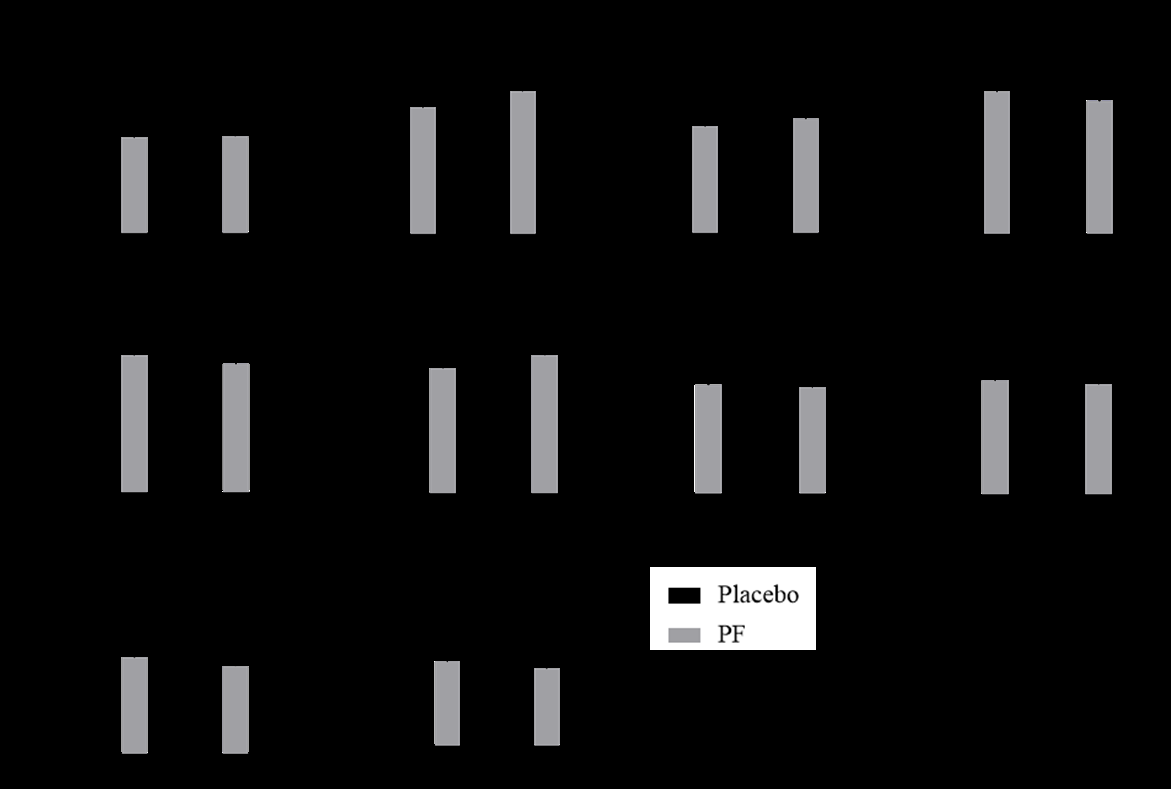
Figure 2: Differences between week 0 and week 12 of the subject’s serum immune after Placebo and PF intervention. (A) Immunoglobulin A (IgA; mg/dL); (B) Immunoglobulin G (IgG; mg/dL); (C) Immunoglobulin M (IgM; mg/dL); (D) Interleukin-4 (IL-4; pg/mL); (E) Interleukin-6 (IL-6; pg/mL); (F) Interleukin-10 (IL-10; pg/mL); (G) Interleukin-12 (IL-12; pg/mL); (H) Interferon gamma (IFN-γ; pg/mL); (I) Tumor Necrosis Factor-α (TNF-α; pg/mL), and (J) High-sensitivity CRP (hsCRP; mg/dL). The reported values are the mean ± SD. n=25. #Mean significant between two groups at the same time point, 0.01≦p<0.05 using the student’s t-test. ## Mean significant between two groups at the same time point, p<0.01 using the student’s t-test. **Mean significant between week 0 and week 12 within in same group, p<0.01 using the paired t-test. PF means probiotics fruit vegetable fiber powder.
The PF Formula Improved The Gastrointestinal Tract and Immune Function
Table 4 shows the results of the somatosensory questionnaire. The content of the questionnaire was mainly for the gastrointestinal tract and immune function. After taking the PF formula for 12 weeks, symptoms of the gastrointestinal tract (defecation frequency, frequency of bowel movements, rectal tenesmus, defecation time, abdominal pain, gastralgia, flatulence, belching) and gastroesophageal reflux (nausea, appetite loss, vomit, constipation, hard stool, and diarrhea) and cold symptoms (fever, headache, cough, muscle pain, dizziness, acne) were not significantly different compared to the placebo group. In particular, after 12 weeks of taking the PF formula, there was an increase in the frequency of bowel movements and a decrease in gastralgia, flatulence, constipation, hard stool, diarrhea, headache, muscle pain, dizziness compared to baseline (week 0). From the above results, it was suggested that the administration of the PF formula can improve the gastrointestinal tract and immune function.
| Symptoms | Placebo (n=25) | PF (n=25) | |||
|---|---|---|---|---|---|
| Week 0 | Week12 | Week 0 | Week12 | ||
| Gastrointestinal tract symptoms | |||||
| Defecation frequency | 1.44±0.82 | 1.20±0.76 | 1.32±1.07 | 1.12±0.97 | |
| Bowel movement frequency | 1.56±1.16 | 1.80±0.91 | 1.52±0.87 | 2.04±0.89* | |
| Rectal tenesmus | 1.56±1.00 | 1.48±0.87 | 1.72±1.17 | 1.40±0.65 | |
| Defecate time | 0.92±0.76 | 0.72±0.54 | 0.88±1.01 | 0.64±0.28 | |
| Abdominal pain | 0.44±0.71 | 0.20±0.50 | 0.24±0.44 | 0.32±0.75 | |
| Gastralgia | 0.24±0.60 | 0.16±0.47 | 0.44±0.65 | 0.12±0.33* | |
| Flatulence | 0.88±1.20 | 0.32±0.63* | 1.28±1.14 | 0.48±0.82** | |
| Belching | 0.60±1.00 | 0.32±0.63 | 0.36±0.64 | 0.20±0.50 | |
| Gastroesophageal reflux | 0.44±0.65 | 0.28±0.54 | 0.52±1.08 | 0.24±0.44 | |
| Nausea | 0.36±0.70 | 0.08±0.28* | 0.32±0.69 | 0.16±0.47 | |
| Appetite loss | 0.32±0.63 | 0.04±0.20* | 0.36±0.76 | 0.16±0.47 | |
| Vomit | 0.16±0.47 | 0.00±0.00 | 0.08±0.28 | 0.04±0.20 | |
| Constipation | 0.52±0.77 | 0.28±0.54 | 0.68±1.11 | 0.16±0.37* | |
| Hard stools | 0.40±0.91 | 0.24±0.52 | 1.16±1.31 | 0.20±0.50** | |
| Diarrhea | 0.48±0.65 | 0.08±0.28 | 0.56±1.00 | 0.12±0.33* | |
| Other symptoms | |||||
| Fever | 0.04±0.20 | 0.04±0.20 | 0.04±0.20 | 0.04±0.20 | |
| Headache | 0.76±1.13 | 0.16±0.37** | 0.44±0.65 | 0.24±0.44** | |
| Cough | 0.12±0.33 | 0.12±0.33 | 0.28±0.46 | 0.16±0.37 | |
| Muscle pain | 0.64±1.08 | 0.16±0.37* | 0.92±1.35 | 0.52±1.00** | |
| Dizziness | 0.52±0.71 | 0.24±0.44 | 0.80±0.91 | 0.24±0.44** | |
| Acne | 0.52±0.92 | 0.16±0.37 | 0.84±1.18 | 0.32±0.90 | |
| The reported values are the mean ± SD. The incidence score is 0 to 4 points (0 points means normal,4 points mean seri- ous). PF means probiotics fruit vegetable fiber powder. *Mean significant between week 0 and week 12 within the same group,0.01≦p<0.05 using the paired t-test. Mean significant between week 0 and week 12 within the same group, p<0.01 using the paired t-test.** |
Table 3: Differences between week 0 and week 12 of subject’s gastrointestinal and immune function after the Placebo and PF interv
The PF Formula Increased The Abundance of Good Bacteria Porphyromonadaceae and Parabacteroides and Decreased The Abundance of Bad Bacteria Clostridiaceae.
To analyze whether the PF formula affected the gut microbiota, the feces of the subject were collected for analysis.
Figure 3 represents the principal coordinate analysis (PCoA), and each point represents one subject. The distance between two points indicates the similarity of the clusters, and the smaller the distance, the more similar the clusters are. The results showed that the PF formula did not alter the fecal microbiota compared to placebo at week 0 and week 12.
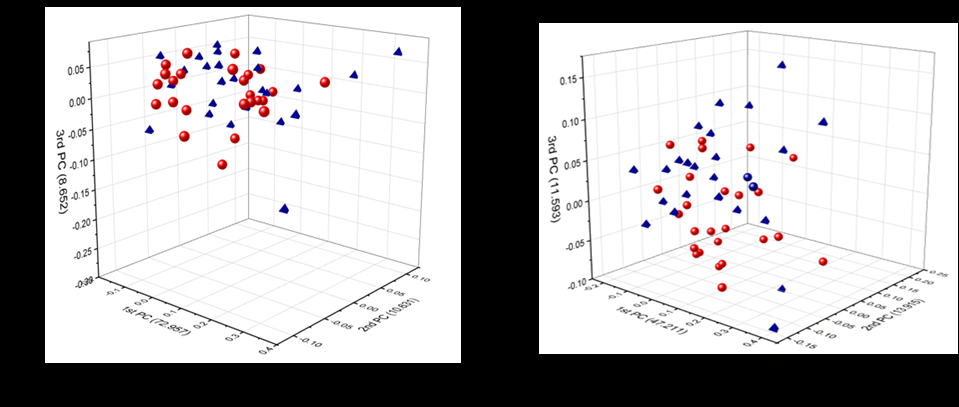
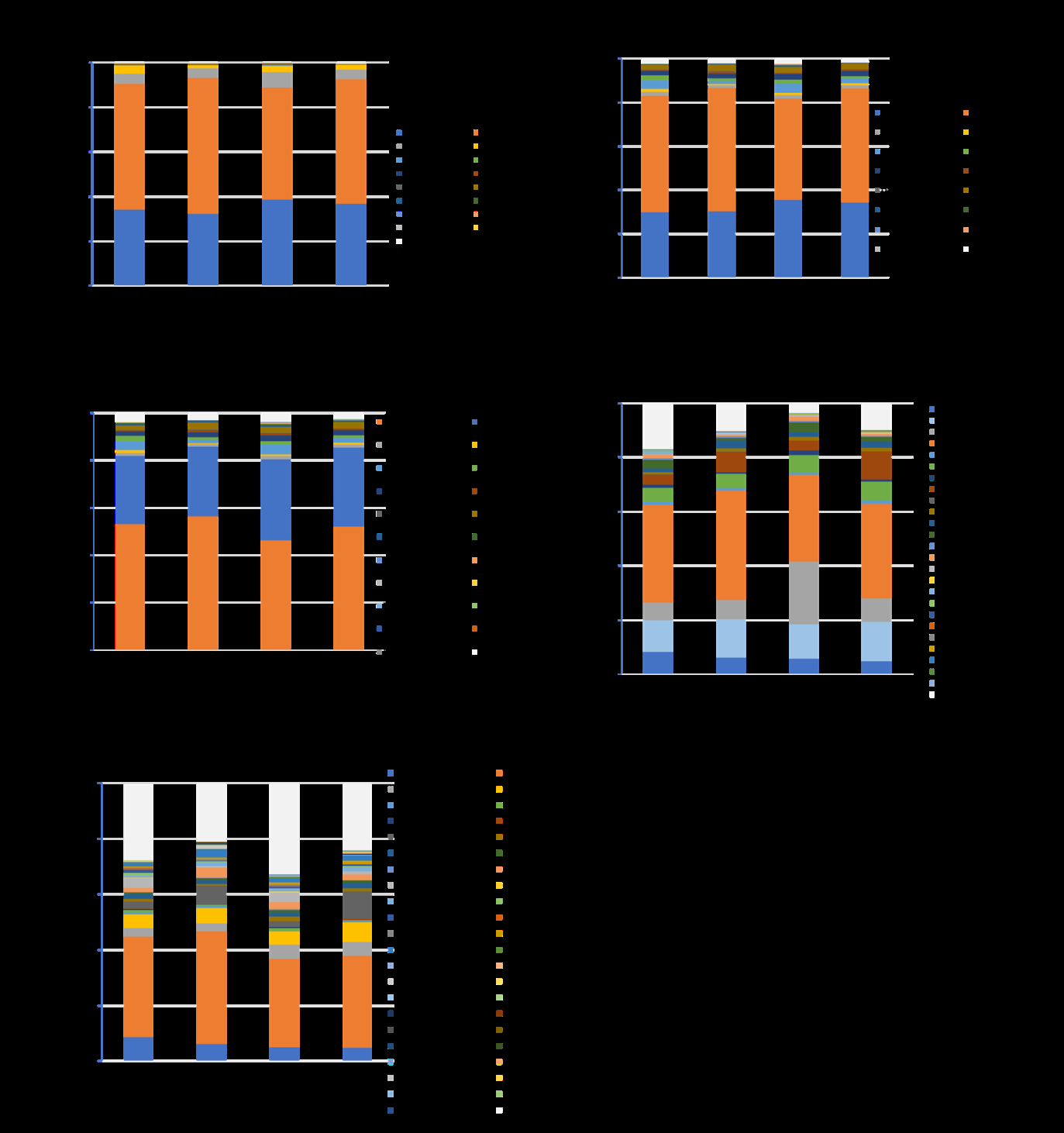
Figure 4A shows the composition of the fecal microbiota phylum. The most abundant microbiota in two groups (placebo and PF formula) were Firmicutes and Bacteroridetes. Figure 4B shows the composition of the class of fecal microbiota. The most abundant microbiota were Bacterodia and Clostridia. Figure 4C shows the composition of the fecal microbiota in order. The most abundant microbiota were Bacteroidales and Clostridiales. Figure 4D shows the composition of the fecal microbiota family. The most abundant microbiota was Bacteroidaceae. Figure 4E shows the composition of the fecal microbiota genus. The most abundant microbiota was Bacteroides. Figure 5 shows the compositional differences of phylum, order, family, and genus after taking the PF formula for 12 weeks. The PF formula slightly increased the relative abundance of Bacteroidetes (phylum), slightly decreased Actinobacteria, and Cyanobacteria (phylum) compared to the placebo group. Furthermore, the PF formula slightly decreased Sphingobacteriales (order), Clostridiaceae (family), and significantly increased Porphyromonadaceae (family), Parabacteroides (genus) compared to the placebo group.
Figure 5: Effect of Placebo and PF on fecal microbiota phylum, order, family, and genus level composition in week 12. (A) Bacteroidetes (phylum), (B) Actinobacteria (phylum), (C) Cyanobacteria (phylum), (D) Sphingobacteriales (order), (E) Clostridiaceae (family), (F) Porphyromonadaceae (family), and (G) Parabacteroides (genus). The reported values are the mean ± SD (n=25). #Mean significant between two groups at the same time point, p<0.05 usinig the student’s t-test. PF means probiotics fruit vegetable fiber powder.
Discussion
The intestines are the largest immune organ in the human body, with the intestinal mucosa as the first line of defense and immune cells as the second line of defense [18]. The intestinal mucosa as the first line of defense can block undigested protein molecules, toxins, bacteria, molds, etc. from entering the body and excreted through feces; the immune cells of the second line of defense can fight against bacterial invasion [19]. A decrease in gastrointestinal tract health can lead to an overly sensitive inflammatory response from the immune system. In order to reduce the frequency of gastrointestinal discomfort and improve immunity, many healthy foods have been developed on the market recently, such as fruits and vegetables, probiotics, and prebiotics. In this study, we found that the PF formula (combine probiotics, prebiotics with fruit and vegetable fiber) has a beneficial effect on gastrointestinal health and immune enhancement and can also regulate the intestinal microbiota. The PF formula does not affect basic body position, blood pressure, and dietary intake. However, the PF formula group had a higher albumin and a lower chloride ion compared to the placebo group in week 0. However, it is still within the normal physiological range of the human body. Human albumin range is 3.5~5.5 g/dL, and chloride ions range 90-110 mmol/L. Therefore, from the above results, the PF formula does not have any negative effects on safety indicators (liver, kidney indicators, and electrolyte concentration), and the PF formula is a safe health food.
Studies have shown that lactobacilli and bifidobacteria can increase IL-10, which in turn improves type II helper T cell production and inhibits pro-inflammatory cytokines TNF-α, IFN-γ and IL-6 [20, 21]. Supplementation of 2 types of lactobacilli can increase IL-10 and IL-4, thus promoting T cell production [22]. Studies have shown that supplementation with 2×10¹⁰ CFU/day of Bifidobacterium lactis or Lactobacillus acidophilus can significantly increase IgG concentration [23]; Supplementation with 1×10¹⁰ CFU/day Lactobacillus fermentum can enhance IgM concentration and reduce the chance of influenza [24]. Consistent with our results, the PF formula for 12 weeks can increase IgG and IgM compared to baseline (week 0). Studies have shown that supplementation with 1 × 10⁹ CFU/day of Lactobacillus bizakii for 18 weeks can increase IL-10 and reduce TNF-α [25]. Supplementation with Lactobacillus plantarum 1×10⁹ CFU/day for 12 weeks can reduce IFN-γ and TNF-α and increase IL-4 and IL-10 [26]. Supplementation with 1×10⁹ CFU/day of Bacillus coagulans reduced IL-6 [27]. Consistent with our results, the PF formula for 12 weeks increased IL-10 and decreased IL-4, IL-6, IL-12, IFN-γ, and TNF-α compared to baseline (week 0). Since no IgE was measured in the study, it is speculated that the PF formula may have an allergy modifying effect [28], suggesting that the PF formula has an immunomodulatory effect. Supplementation with Bifidobacterium lactis can increase the frequency of bowel movements, reduce flatulence, and constipation [29]. Taking Lactobacillus plantarum can reduce flatulence, abdominal pain, diarrhea, and irritable bowel syndrome (IBS), so it can be known that probiotics intervention is beneficial for gastrointestinal health. Taking Lactobacillus and Bizobacteria can improve antibiotic- associated diarrhea [30]. In addition, taking 3×10¹⁰ CFU/day of Lactobacillus plantarum can improve muscle pain after exercise [31]. Consistent with our results, the PF formula for 12 weeks can significantly increase the frequency of bowel movement, reduce stomach pain, flatulence, constipation, hard stool, diarrhea, and reduce the incidence of headache, muscle pain, and dizziness.
Probiotics improve the balance of the bacterial phase balance of intestinal microorganisms and promote host health, while prebiotics are probiotic growth promoting substances, fruit and vegetable fiber increase the survival of beneficial flora and regulate the diversity of the intestinal microbiota [32]. However, taking the PF formula for 12 weeks, PCoA was used to analyze the diversity of the gut microbiota, but no bacterial phase differences were observed, only the distribution of the gut microbiota was changed. At the phylum level of the microbiota, the Bacteroidetes were positively correlated with serum IgA, IgM, and IgG [33]. Consistent with our results, the relative abundance of Bacteroidetes was higher than placebo after 12 weeks of administration of the PF formula. Studies have shown that the proportion of Actinobacteria and Proteobacteria in the stool of patients with ulcerative colitis is higher than that of healthy people [34]. Cyanobacteria increase the production of pro- inflammatory cytokines [35]. Consistent with our results, the relative abundance of Actinobacteria, Cyanobacteria, was lower than placebo after 12 weeks of administration of the PF formula. At the order level of the microbiota, Lactobacillus rhamnosus increases the concentrations of IL-4 and IL-10 in the blood and reduces the abundance of Sphingobacteriales [36]. Consistent with our results, the relative abundance of Sphingobacteriales was lower than placebo after 12 weeks of administration of the PF formula. At the family level of the microbiota, Clostridiaceae increase when the body is in an inflammatory state [37]. Porphyromonadaceae regulate short-chain fatty acid production and improve gastrointestinal function [38]. Consistent with our results, the relative abundance of Clostridiaceae was lower and Porphyromonadaceae was higher than placebo after 12 weeks of administration of the PF formula. At the genus level of the microbiota, Parabacteroides inhibit TNF-α and pro-inflammatory cytokines (IL-12, IFN-γ), with potential for immunomodulation [39]. Consistent with our results, the relative abundance of Parabacteroides was higher than placebo after 12 weeks of PF formula administration.
Fruits and vegetables, dietary fibers, are an essential component of a healthy diet pattern, which is suggested to play an important role in maintaining the balance of the gut microbiota and improving intestinal ecology [40]. High intake of fruits and vegetables can increase good gut bacteria, such as Faecalibacterium prausnitzii, Akkermansia muciniphila, Ruminococcaceae, Clostridiales, and Acidaminococcus, which indicated that high intake of dietary fiber was potentially beneficial to human health by increasing short-chain fatty acid production, maintaining intestinal mucosal integrity, improving insulin sensitivity, and anti-inflammatory properties [41]. Some studies showed that papaya, opposite dioscorea, pumpkin, which are fermented dietary fibers, are high in butyrate, which is associated with maintaining intestinal cell integrity and reducing intestinal inflammation, and increased Bacteroides or decreased Roseburia results in an increase in butyrate [42]. In conclusion, the PF formula can regulate the immune inflammatory response and improve gastrointestinal function after 12 weeks of administration.
Conflict of Interest
The authors declare that they have no conflict of interest.
References
-
Pagliari D, Piccirillo CA, Larbi A, Cianci R (2015) The Interactions between Innate Immunity and Microbiota in Gastrointestinal Diseases. Journal of Immunology Research 2015: 898297.
-
Wu HJ, Wu E (2012) The role of gut microbiota in immune homeostasis and autoimmunity. Gut Microbes 3: 4-14.
-
Hemarajata P, Versalovic J (2013) Effects of probiotics on gut microbiota: mechanisms of intestinal immunomodulation and neuromodulation. Therap Adv Gastroenterol 6: 39-51.
-
Plaza-Diaz J, Ruiz-Ojeda FJ, Gil-Campos M, Gil A (2019) Mechanisms of Action of Probiotics. Adv Nutr 10: S49-S66.
-
Fijan S (2014) Microorganisms with claimed probiotic properties: an overview of recent literature. Int J Environ Res Public Health 11(5): 4745-4767.
-
Han S, Lu Y, Xie J, Fei Y, Zheng G, et al. (2021) Probiotic Gastrointestinal Transit and Colonization After Oral Administration: A Long Journey 11: 609722.
-
Mailander-Sanchez D, Braunsdorf C, Grumaz C, Muller C, Lorenz S, et al. (2017) Antifungal defense of probiotic Lactobacillus rhamnosus GG is mediated by blocking adhesion and nutrient depletion. PLoS One 12: e0184438.
-
Wang IJ, Wang JY (2015) Children with atopic dermatitis show clinical improvement after Lactobacillus exposure. Clin Exp Allergy 45(4): 779-787.
-
Brown AC, Valiere A (2004) Probiotics and medical nutrition therapy. Nutr Clin Care 7(2): 56-68.
-
Ruggiero P (2014) Use of probiotics in the fight against Helicobacter pylori. World J Gastrointest Pathophysiol 5(4): 384-391.
-
Zommiti M, Feuilloley MGJ, Connil N (2020) Update of Probiotics in Human World: A Nonstop Source of Benefactions till the End of Time. Microorganisms 8(12):1907.
-
Holscher HD (2017) Dietary fiber and prebiotics and the gastrointestinal microbiota. Gut Microbes 8: 172-184.
-
Ghavami A, Khorvash F, Heidari Z, Khalesi S, Askari G (2021) Effect of synbiotic supplementation on migraine characteristics and inflammatory biomarkers in women with migraine: Results of a randomized controlled trial. Pharmacol Res 169: 105668.
-
do Prado SBR, Minguzzi BT, Hoffmann C, Fabi JP (2021) Modulation of human gut microbiota by dietary fibers from unripe and ripe papayas: Distinct polysaccharide degradation using a colonic in vitro fermentation model. Food Chem 348: 129071.
-
Wiszniewski G, Jarmołowicz S, Hassaan MS, Soaudy MR, Kamaszewski M, et al. (2022) Beneficial effects of dietary papain supplementation in juvenile sterlet (Acipenser ruthenus): Growth, intestinal topography, digestive enzymes, antioxidant response, immune response, and response to a challenge test. Aquaculture Reports 22: 100923.
-
Salehi B, Sener B, Kilic M, Sharifi-Rad J, Naz R, et al. (2019) Dioscorea Plants: A Genus Rich in Vital Nutra- pharmaceuticals-A Review. Iran J Pharm Res 18: 68-89.
-
Gad KY, Kholief TES, Barakat H, El- masry S (2019) Evaluation of Pumpkin (Cucurbita moschata) Pulp and Seeds Extracts on Gastrointestinal Ulcers Induced by Indomethacin in Rats Journal of Scientific Research in Science 36(1): 184-200.
-
Hammer AM, Morris NL, Earley ZM, Choudhry MA (2015) The First Line of Defense: The Effects of Alcohol on Post- Burn Intestinal Barrier, Immune Cells, and Microbiome. Alcohol Res 37: 209-222.
-
Chassaing B, Kumar M, Baker MT, Singh V, Vijay-Kumar M (2014) Mammalian gut immunity. Biomed J 37: 246-258.
-
Cross ML, Mortensen RR, Kudsk J, Gill HS (2002) Dietary intake of Lactobacillus rhamnosus HN001 enhances production of both Th1 and Th2 cytokines in antigen- primed mice. Medical Microbiology and Immunology 191(1): 49-53.
-
Kekkonen RA, Kajasto E, Miettinen M, Veckman V, Korpela R, et al. (2008) Probiotic Leuconostoc mesenteroides ssp. cremoris and Streptococcus thermophilus induce IL-12 and IFN-gamma production. World J Gastroenterol 14(8): 1192-1203.
-
Olivares M, Diaz-Ropero MP, Gomez N, Lara-Villoslada F, Sierra S, et al. (2006) The consumption of two new probiotic strains, Lactobacillus gasseri CECT 5714 and Lactobacillus coryniformis CECT 5711, boosts the immune system of healthy humans. Int Microbiol 9(1): 47-52.
-
Paineau D, Carcano D, Leyer G, Darquy S, Alyanakian MA, et al. (2008) Effects of seven potential probiotic strains on specific immune responses in healthy adults: a double-blind, randomized, controlled trial. FEMS Immunol Med Microbiol 53(1): 107-113.
-
Olivares M, Diaz-Ropero MP, Sierra S, Lara-Villoslada F, Fonolla J, et al. (2007) Oral intake of Lactobacillus fermentum CECT5716 enhances the effects of influenza vaccination. Nutrition 23(3): 254-260.
-
Ouwehand AC, Bergsma N, Parhiala R, Lahtinen S, Gueimonde M, et al. (2008) Bifidobacterium microbiota and parameters of immune function in elderly subjects. FEMS Immunol Med Microbiol 53(1): 18-25.
-
Chong HX, Yusoff NAA, Hor YY, Lew LC, Jaafar MH, et al. (2019) Lactobacillus plantarum DR7 improved upper respiratory tract infections via enhancing immune and inflammatory parameters: A randomized, double-blind, placebo-controlled study. J Dairy Sci 102(6): 4783-4797.
-
Anaya-Loyola MA, Enciso-Moreno JA, Lopez-Ramos JE, Garcia-Marin G, Orozco Alvarez MY, et al. (2019) Bacillus coagulans GBI-30, 6068 decreases upper respiratory and gastrointestinal tract symptoms in healthy Mexican scholar-aged children by modulating immune-related proteins. Food Res Int 125: 108567.
-
Kim JY, Choi YO, Ji GE (2008) Effect of oral probiotics (Bifidobacterium lactis AD011 and Lactobacillus acidophilus AD031) administration on ovalbumin- induced food allergy mouse model. J Microbiol Biotechnol 18(8):1393-1400.
-
Waller PA, Gopal PK, Leyer GJ, Ouwehand AC, Reifer C, et al. (2011) Dose-response effect of Bifidobacterium lactis HN019 on whole gut transit time and functional gastrointestinal symptoms in adults. Scandinavian Journal of Gastroenterology 46(9): 1057-1064.
-
Garcia Trallero O, Herrera Serrano L, Bibian Ingles M, Roche Valles D, Rodriguez AM (2019) Effect of the administration of a probiotic with a combination of Lactobacillus and Bifidobacterium strains on antibiotic- associated diarrhea. Rev Esp Quimioter 32(3): 268-272.
-
Fu SK, Tseng WC, Tseng KW, Lai CC, Tsai YC, et al. (2021) Effect of Daily Oral Lactobacillus plantarum PS128 on Exercise Capacity Recovery after a Half-Marathon 13(11): 4023.
-
Wang H, Hong T, Li N, Zang B, Wu X (2018) Soluble dietary fiber improves energy homeostasis in obese mice by remodeling the gut microbiota. Biochem Biophys Res Commun 498(1): 146-151.
-
Shen X, Miao J, Wan Q, Wang S, Li M, et al. (2018) Possible correlation between gut microbiota and immunity among healthy middle-aged and elderly people in southwest China. Gut Pathogens 10: 4.
-
Zakerska-Banaszak O, Tomczak H, Gabryel M, Baturo A, Wolko L, et al. (2021) Dysbiosis of gut microbiota in Polish patients with ulcerative colitis: a pilot study. Scientific Reports 11: 2166.
-
Qian H, Zhang M, Liu G, Lu T, Sun L, et al. (2019) Effects of different concentrations of Microcystis aeruginosa on the intestinal microbiota and immunity of zebrafish (Danio rerio). Chemosphere 214: 579-586.
-
Plaza-Díaz J, Fernández-Caballero JÁ, Chueca N, García F, Gómez-Llorente C, et al. (2015) Pyrosequencing Analysis Reveals Changes in Intestinal Microbiota of Healthy Adults Who Received a Daily Dose of Immunomodulatory Probiotic Strains 7(6): 3999-4015.
-
Muñiz Pedrogo DA, Chen J, Hillmann B, Jeraldo P, Al- Ghalith G, et al. (2018) An Increased Abundance of Clostridiaceae Characterizes Arthritis in Inflammatory Bowel Disease and Rheumatoid Arthritis: A Cross- sectional Study. Inflammatory Bowel Diseases 25(5): 902-913.
-
Tavella T, Rampelli S, Guidarelli G, Bazzocchi A, Gasperini C, et al. (2021) Elevated gut microbiome abundance of Christensenellaceae, Porphyromonadaceae and Rikenellaceae is associated with reduced visceral adipose tissue and healthier metabolic profile in Italian elderly. Gut Microbes 13: 1-19.
-
Kverka M, Zakostelska Z, Klimesova K, Sokol D, Hudcovic T, Hrncir T, et al. (2011) Oral administration of Parabacteroides distasonis antigens attenuates experimental murine colitis through modulation of immunity and microbiota composition. Clin Exp Immunol 163(2): 250-259.
-
Makki K, Deehan EC, Walter J, Bäckhed F (2018) The Impact of Dietary Fiber on Gut Microbiota in Host Health and Disease. Cell Host & Microbe 23(6): 705-715.
-
Jiang Z, Sun TY, He Y, Gou W, Zuo LSY, et al. (2020) Dietary fruit and vegetable intake, gut microbiota, and type 2 diabetes: results from two large human cohort studies. BMC Medicine 18(1): 371.
- The Role of Podocyte Apoptosis and the Involvement of SIRT1 in Diabetic Nephropathy
- Dealcoholization of Beer by Osmotic Distillation for the Beverage Industry
- Biopolymer-Based Edible Packaging- Biomaterials, Methods, and Applications in Food Industry: An Updated Review
- Influence of Bioprocessing Methods on 'China Rice' (Gawal R1), and Soyabean Supplementation on the Quality of Complementary Food
- Cassava (Manihot esculenta) Varietal Growth, Yield and Cyanide Content Performance in Three Sites in the South- Eastern Semi Arid Regions of Kenya
- Food Waste Treatment, Recycling, Management and Production of Value-Products-An Update on Methodologies and Current Trends