
Anti-nutritional Composition of Protein Isolates from Two Varieties (DAS and BS) of Nigerian Cultivated Solojo Cowpea (Vigna Unguiculata L. Walp)
Antinutrients or antinutritional factors are compounds or constituents which perform by reducing nutritional intake, digestibility, assimilation as well as usage, and could generate other detrimental problem when consumed. Anti-nutritional Composition of Protein Isolates from Two Varieties (DAS and BS) of Nigerian Cultivated Solojo Cowpea (Vigna Unguiculata L. Walp) were studied before and after dehulling of the germinated seeds while the un-germinated portion of the seeds served as the control. Both varieties (DAS and BS) investigated were soaked in distilled water and germinated at varying periods i.e. 0, 6, 24, 36, 48 and 72hrs. Data were analyzed by descriptive statistics and ANOVA at α0.05. Significant (p ≤0.05) reduction in phytic acid content was experienced after Solojo cowpea was germinated. The decrease in quantity of phytate with germination may be attributable to upsurge in endogenous phytase enzyme action. It was also observed that both the anti-nutrients (phytate and tannin) were greatly reduced (p<0.05) after soaking and germination took place. This might also be as a result of increase in internal phytase enzyme activity, as well as draining of dissolvable tannin compounds when soaked which was further brought down by sprouting. Antinutrients generally occurring in vegetable food possess both detrimental effects and wellness benefits. Phytic acid forms insoluble complexes with Ca, Zn, Fe and Cu, thereby making them not to be readily available for the use of the body. Flavonoids, another group of poly-phenolic antinutrients, such as tannins, enzyme inhibitors (amylase and protease) and saponins, complex metals like Fe as well as Zn and diminish the assimilation of these elemental nutrients. They similarly restrict (Constrain) the activities of digestive enzymes and they can also precipitate proteins. Some of these antinutrients are now known to possess antioxidant properties having health promoting effect, such as phytic acid shown to have abundant sources of antioxidant, anticarcinogenics and hypoglycemic properties. Phenols and tannins also have these antioxidant activities. Therefore, it might not be necessary to totally eliminate all the antinutrients.
Introduction
Legumes seeds and other herbal portion consists in their unprocessed state, extensive variations of antinutrients that are possibly poisonous. Legumes have been established to comprise of quite a lot of these anti-nutrient components causing a decline in the bio-availability of important minerals [1, 2]. Antinutrients generally occurring in vegetable food possess both detrimental effects and wellness benefits [3]. Phytic acid forms insoluble complexes with Ca, Zn, Fe and Cu, thereby making them not to be readily available for the use of the body. Flavonoids, another group of poly-phenolic antinutrients, such as tannins, enzyme inhibitors (amylase and protease) and saponins, complex metals like Fe as well as Zn and diminish the assimilation of these elemental nutrients. They similarly restrict (Constrain) the activities of digestive enzymes and they can also precipitate proteins [3]. As said earlier, some of these antinutrients are now known to possess antioxidant properties having health promoting effect, such as phytic acid shown to have abundant sources of antioxidant, anticarcinogenics and hypoglycemic properties. Phenols and tannins also have these antioxidant activities [2].
Significant antinutrients are: saponins, tannins, cyanogenic glycosides, oxalates, phytic acid, goitrogens, gossypol, amylase inhibitors, lectins (phytohaemagglutinins), chlorogenic acid, protease inhibitors, and toxic amino acids. These antinutrients constitute a grave danger in the utilization of vegetable protein without competent and efficient handling. The quantity and accumulation in plant vary with the type, variety and after-harvesting management of the vegetable protein sources.
Phytate
This is phytic acid in the salt form. It serves as the phosphorous storage responsible for about 85% of the entire phosphorous in cereals grains and leguminous plant. It binds essential minerals, proteins and starch by forming insoluble complexes with them. It binds with Zn, Fe, Ca, Mg, Mn, and Cu, thereby reducing the bioavailability and inhibiting the enzymatic digestion of ingested protein. It also inhibits digestion of protein and starches by enzymes [2]. In spite of the deletorious consequence of the activities of phytic acid, it also serves as very good anti-oxidants, capable of combating deletorious free radicals in the body. It is known to safeguard the body against varieties of cancer, both the chemically simulated studies and animal investigation have authenticated that inositol- hexaphosphate (InsP6, phytic acid) exibits substantial anti- cancer (i.e preventive and therapeutic) properties. It reduces cell proliferation and increases discrimination against malicious cells with possible reversal to regular phenotype, also involved in host defence mechanism, and tumour abrogation [4, 5]. InsP6 has also been suggested to be in control of the epidemiological (incidence, distribution, and control of diseases) connection among high- fibre diet and low incidence of some cancers. Phytic acid is also known to protect the body against diabetic mellitus, congestive heart failure and renal stones [2]. It also helps to curtail the bioavailability of poisonous heavy mineral like cadmium and lead [5]. Therefore, it should not be completely eliminated from food. Even though, connected to the difficult-to-cook shortcoming obtained in legumes, is phytic acid, simple processing like germination, fermentation, cooking, roasting and soaking has been observed to be very potent in lowering the phytic acid content of legumes to useful levels. Other potential positive benefits of phytic acid apart from being an antioxidant, is that, it also acts as an hypocholesterolemia manager, also as a restrainer of iron- reliant oxidative processes [6].
Activity of Trypsin inhibitor
Trypsin inhibitors restrain the action of trypsin in the guts, which is in control of breaking proteins down to digestible amino acids as well as small peptides. Hence, a lowering of trypsin inhibitors activity would automatically improve protein absorption. The antitrypsin is a proteinous compound that behaves like an antinutrient; capable of restricting the action of trypsin enzymes in the gastrointestinal duct, by forming complex network among the two substances [7]. The existence of protease inhibitors in nourishment limits the beneficial value of protein in the food by forming stable complexes with the digestive enzymes thereby preventing it from being able to breakdown dietary protein, thus lessening the amino acid available to formulate new proteins for body repair. Howbeit, in some circumstances, the effect of inhibitors on protein breakdown might be beneficial, especially in cases like, insulin delivered orally. The control of protease activity is also considered to be advantageous in a broad spectrum of biological operations and malfunctions associated to cancer progression.
Protease inhibitors
Protease inhibitors develop resistant compound with gastrointestinal enzymes, thereby inhibiting the activities. The existence of protease inhibitors in nourishment limits the nutritional worth of the protein. They act on the body digestive enzymes preventing them from being able to degrade the dietary protein to amino acid needed to build new tissues in the body. Raffinose oligosaccharides do not digest in man’s small intestine because of the unavailability of α-1, 6-galactosidase in man’s intestinal mucosa. The raffinose family of oligosaccharides has been implicated in flatulence and abdominal disquiet after legume consumption, due to inability to break down α – galactoside, which leads to production of CO2, CH4 and H2, resulting in flatulence and other digestive uneasiness [8]. However, these protease inhibitors have also been noted to be advantageous to the body in some cases, in that they combine with unwanted free radicals that are dangerous to the body and thereby reducing their effect, such as, a widespread spectrum of genetic reactions and malfunctioning’s associated with cancer development. Bowman-Birk model of protease inhibitors of legume seeds have been found to be efficient at forestalling/ restraining carcinogen-induced transformation. They also improve the complete assimilation of some therapeutic proteins, such as orally administerred insulin. These oligosaccharides have powerful prebiotic properties.
Saponins
Saponins exist in a wide array of plants ingested in the diet of man, these include legumes (Glycine max, Pisum sativum, and Phaseolus vulgaris), root crops (Solanum tuberosum, Dioscorea, Asparagus officinalis, and onion/ garlic) including, cereal, tea, sugar beet, and divers’ medicinal
herbals (for example ginseng). Among legume seeds, saponin concentration range within 0.5% and 5% on dry weight basis, having Glycine max as the largest and abundant nutritional source. Saponin if ingested in large quantity could cause some stomach irritation or other unpleasant effects, but when taken in small quantities have a lot of health benefits like many other anti-nutrients. The cholesterol quantity in the blood is lowered when the bile acid binds with the cholesterol thereby helping the body absorb it. Saponins from the diet now bind the bile acid and cholesterol so that they cannot enter the body system. They are also said to reduce Colon cancers and tumour prevention. It is therefore important that saponins are not totally eliminated from the diet [9].
Materials and Methods
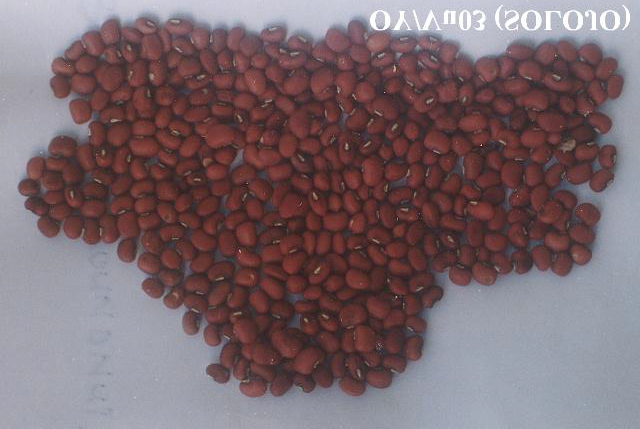
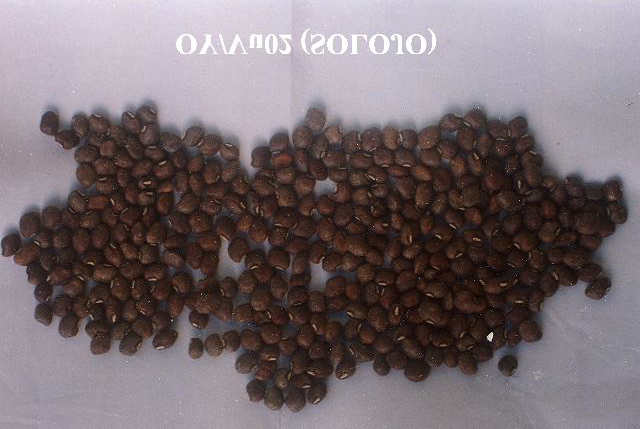
Two varieties of the underutilized cowpea (V. unguculata) found in South west region of Nigeria where it is called ‘solojo’ were used (Figures 1-2).
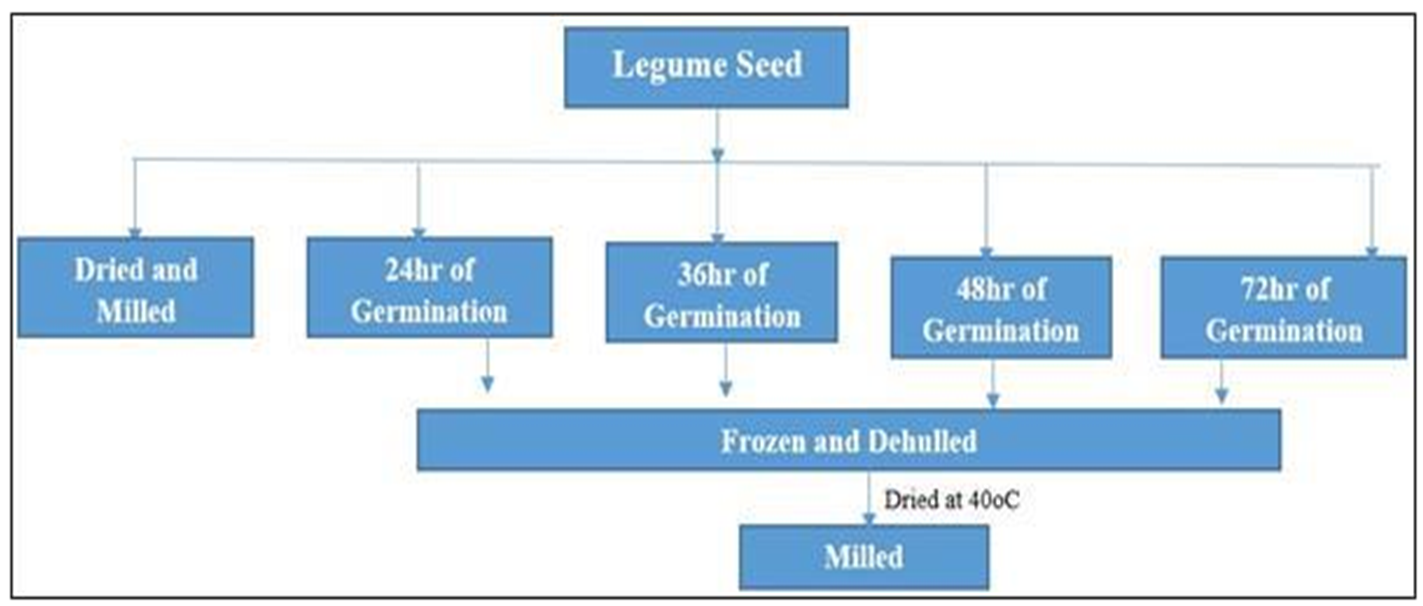
Seeds obtained from Bodija market in Ibadan, Western Nigeria, were screened to get rid of every irrelevant materials and unwholesome seeds. The beans were then portioned into six (6). The solojo seeds for germination were sterilized by soaking in 0.07% sodium hypochlorite for 30 min, then, it was rinsed thoroughly. The solojo seeds were then immersed for 6 h in distilled water at ambient temperature (1:10 w/v) (~25℃), then placed in a colander and germinated under subdued light in an open laboratory for, 24 h, 36 h, 48 h and 72 h (Figure 3).
Preparation of Flours
Raw flour: The grains were segregated to remove the spoilt ones; then dry dehulled with a mechanical dry dehuller (fabricated in FIIRO), dried at 40℃ and later milled dry to powder then sifted using 80 µm mesh. The flour was stored in flexible bags and preserved at 4℃ preceding utilization in a refrigerator freezer. 6 h Soaked flour: The seeds were segregated to remove the unwholesome ones, then immersed for 6 h in the ratio (1:10 w/v) (seed/water). The grains were then frozen to prevent germination from setting in, then the hull was removed manually, dried for 48 h at 40℃ later milled dry to smooth powder prior to sieving using 80 µm mesh screen. The resulting flour was packaged in plastic pack and preserved in a fridge freezer at 4℃ pending utilization. Germination of seed: This was implemented by the method of Mubarak AE with minor adjustment. The seeds for germination were disinfected by soaking in 0.07% sodium hypochlorite for 30 mins, then, it was rinsed painstakingly. The solojo seeds were then immersed for 6 hours at ambient temperature in water in the ratio (1:10 w/v) (seed/water) (~25℃), then placed in a colander and germinated under subdued light in an open laboratory for various hours such as 24 h, 36 h, 48 h and 72 h. The process of germination was terminated by freezing; the seeds were manually dehulled, dried in a draught oven at 40℃ for 48 h, cooled, milled and packaged in an air tight plastic bag in the refrigerator pending analysis.
Fourier Transform Infrared Spectroscopy
Fourier transform infrared (FT-IR) spectra were recorded with a spectrophotometer (Pelkin Elmer Spectrum BX, FT-IR system) within the spectrum 400–4,000 cm−1, utilizing a resolution of 4.000 cm−1 and four scans. The solid sample (1 mg) was blended with KBr in a ratio of 1:100. Pellets were formed at 6000 psi pressure in a manually operated hydraulic press (International Crystal Laboratories, 12 Ton E-Z Press). The spectra were documented in the transmission method from 4000 to 400 cm-1 with a resolution of 2 cm-1 [10].
Results and Discussion
All experiment was replicated, one-way analysis of variance (ANOVA) was carried out to calculate significant differences in treatments. Differences in mean values were determined using Duncan’s multiple range test at (p< 0.05) (95% confidence level) was used to separate means (SAS1999)
| FFDAS | Raw | 6 h | 24 h | 36 h | 48 h | 72 h |
|---|---|---|---|---|---|---|
| Oxalate | 26.67± 2.89a | 25.00± 5.00a | 16.67± 2.89b | 10.00± 5.00c | 8.33± 2.89c | 5.00± 0.00c |
| Saponins | 43.08±0.03a | 41.24±0.04b | 34.75±0.13c | 26.67±0.03d | 20.45±0.02e | 17.28±0.03f |
| Trypsin inh | 5.17± 0.76a | 2.33± 0.29b | 1.83± 0.29c | 1.48± 0.03c | 1.17± 0.29c | 0.67± 0.29d |
| Phytates | 34.61± 0.04a | 32.40± 0.05b | 24.70± 0.03c | 18.34± 0.23d | 17.38± 0.04e | 17.22± 0.04e |
| Cyn/ glyco | 0.53± 0.06a | 0.47± 0.06b | 0.23± 0.06c | 0.13± 0.06c | ND | ND |
| Oligosacch | 35.78± 0.03a | 33.67± 0.06b | 32.46± 0.03c | 31.47± 0.04d | 29.37± 0.04e | 28.76± 0.04f |
| Raffinose | 10.72±0.11a | 10.65±0.15a | 10.38±0.08b | 10.31±0.03bc | 10.24±0.05bc | 10.18±0.07c |
| Starchyose | 16.53±0.24a | 15.43±0.10b | 13.53±0.43c | 12.49±0.20d | 11.77±0.04e | 11.45±0.04e |
Table 1: Anti-nutritional Composition of FFDAS Solojo Cowpea.
FFDAS- Full fat Dark-ash Solojo Cowpea ND: Not detected CYN/GLYCO- Cyanogenic Glycoside OLIGOSACCH- Oligosaccharide Trypsin inh- Trypsin inhibitor. Means in row not followed by same alphabet(s) are significantly different at 5% level (P<0.05).
The values for the antinutrient in Dark ash and Brown
flours, and isolates of Solojo cowpea are given in Tables 1 – 5. The FFDAS had its phytic acid content reduced from, 34.61 to 17.22 mg/100g; DFDAS from 30.14 to 13.51 mg/100g; FFBS from 36.80 to 14.04 mg/100g; DFBS 25.33 to 10.83 mg/100g; DAS from 16.67 to 3.83 mg/100g; BS from 12.67 to 4.33 mg/100g, from after germination.
| DFDAS | Raw | 6 h | 24 h | 36 h | 48 h | 72 h |
|---|---|---|---|---|---|---|
| Oxalate | 25.33±0.15a | 22.42±0.03b | 19.70±0.02c | 14.85±0.05d | 5.74±0.02e | 4.88±0.03f |
| Saponins | 40.00± 5.00a | 35.00± 5.00a | 26.67± 2.89b | 23.33± 2.89b | 16.67± 2.89c | 6.67± 2.89d |
| Trypsin inh | 4.84±0.09a | 1.90±0.11b | 1.77±0.03b | 1.16±0.04c | 0.93±0.05d | 0.52±0.19d |
| Phytates | 30.14±0.02a | 25.10±0.03b | 17.91±0.07c | 17.32±0.02d | 14.23±0.02e | 13.51±0.02f |
| Cyn/ Glyco | 0.48±0.08a | 0.37±0.06b | 0.18±0.03c | 0.09±0.01d | ND | ND |
| Oligosacch | 25.88±0.03a | 23.48±0.03b | 22.88±0.03c | 20.78±0.04d | 20.16±0.02e | 17.46±0.06f |
| Raffinose | 9.63±0.05a | 9.44±0.09a | 8.12±0.08b | 7.22±0.08c | 6.62±0.20d | 6.28±0.18e |
| Starchyose | 12.08±0.04a | 11.50±0.10b | 10.22±0.07c | 9.57±0.23d | 8.77±0.06e | 8.34±0.13f |
Table 2: Anti-nutritional Composition of DFDAS Solojo Cowpea.
DFDAS- Defatted Dark-ash Solojo Cowpea Trypsin inh- Trypsin inhibitor CYN/GLYCO- Cyanogenic Glycoside ND: Not detected OLIGOSACCH- Oligosaccharide Means in row not followed by same alphabet(s) are significantly different at 5% level (P<0.05).
Trypsin inhibitors forestall the action of trypsin in the guts, which is responsible for breaking down proteins into easily absorbable amino acids and small peptides. Therefore, a reduction in trypsin inhibitors would inadvertently improve protein absorption. The trypsin inhibitor value generally decreased with germination. The value ranged from 5.84 to 3.80 TIU/g for the FFDAS and 5.24 to 2.76 TIU/g for DFDAS; 7.37 to 0.60 TIU/g for FFBS; 5.83 to 0.49 TIU/g for DFBS; 1.17 TIU/g for DAS; 1.23 TIU/g. Many records of a decrease in trypsin inhibitor activity (TIA) with germination is documented. Nwosu (2013) observed that 24 h soaked and 24 h malted beans, had a value of 22.07 TIU/g higher than the 96hrs malted which gave the lowest value of 8.70 TIU/g of trypsin inhibitory activity for African yam beans. The values obtained for the flour and isolates of solojo were found to be lower than those obtained for Africa yam beans.
| FFBS | Raw | 6 h | 24 h | 36 h | 48 h | 72 h |
|---|---|---|---|---|---|---|
| Oligosacch | 35.68±0.15a | 34.86±0.08b | 34.10±0.18c | 33.38±0.04d | 30.89± 0.15e | 28.93±0.16f |
| Phytate | 36.80±0.30a | 36.53±0.22b | 30.12±0.14c | 26.45±0.10d | 23.11±0.13e | 14.04±0.09f |
| Tryp inh | 7.37±0.08a | 3.41±0.15b | 2.29±0.08c | 1.20±0.05d | 0.94±0.03e | 0.60±0.04f |
| Raffinose | 11.74±0.04a | 11.62±0.03b | 11.40±0.09c | 11.36±0.04c | 11.33±0.03c | 11.13±0.03d |
| Starchyose | 18.50±0.05a | 17.43±0.06b | 15.69±0.17c | 14.57±0.26d | 13.29±0.08e | 12.42±0.12f |
| Oxalate | 31.67±2.89a | 27.33±2.52b | 23.43±1.29c | 16.50±1.50d | 10.67±1.26e | 6.67±2.08f |
| Saponin | 45.00±5.00a | 43.33±2.89a | 35.00±5.00b | 28.33± 2.89c | 21.67±2.89d | 18.33±2.89d |
| Cyano Gly | 0.67±0.06a | 0.57±0.06ab | 0.43±0.06bc | 0.33±0.15c | 0.13±0.06d | ND |
Table 3: Anti-nutritional Composition of FFBS Solojo Cowpea. FFBS- Full fat Brown Solojo Cowpea CYN/GLYCO- Cyanogenic Glycoside O
Oligosaccharides are large molecules consisting of three or more sugar unit. They are made up of raffinose, starchyose and verbascose. The starchyose value was found to decrease with germinaton, ranging from 16.53 to 11.45% for FFDAS samples and 12.08 to 8.34% for DFDAS; 18.50 to 12.42% for FFBS and 11.14 to 10.71% for DFBS. The observed difference in value were significant (p<0.05) amidst raw and germinated samples. A value of 0.309% was obtained for 24 h soaked and 24 h malted samples, while 96 h malted sample had a lower value of 0.267%. Likewise, African yam beans soaked for 48 h before germinating gave a decrease from 0.275% to 0.235%. The results obtained in this work agreed with that of Nwosu (2013). Likewise, the raffinose values also decreased with germination with 72 h germinated flour having the lowest raffinose value compared to that of the control. The value ranged from 10.72% to 10.18%; 9.63 to 6.28%; 11.74 to 11.13%; 7.31 to 2.17% for FFDAS, DFDAS, FFBS and DFBS. The reduction in raffinose value for FFDAS and FFBS were not significant compared to that obtained within the DFDAS and DFBS. This is related to the values reported by Nwosu (2013) for African yam beans. This reduction in value of the oligosaccharides suggested that sprouting must have induced a notable lowering of the flatulence–forming sugars, by the breakdown of the complex carbohydrates to simple disaccharide and simple sugars, to concentrations which will decrease the production of gas in the stomach, removing of the hull likewise helps to reduce the level of the antinutrients.
| DFBS | Raw | 6 h | 24 h | 36 h | 48 h | 72 h |
|---|---|---|---|---|---|---|
| Oligosacch | 23.57±0.40a | 22.72±0.40b | 21.45±0.46c | 20.76±0.21d | 18.00±0.31e | 17.63±0.09f |
| Phytate | 25.33±0.42a | 23.58±0.13b | 21.86±0.17c | 20.91±0.35d | 15.74±0.28e | 10.83±0.38f |
| Tryp inh | 5.83±0.20a | 2.62±0.05b | 1.82±0.06c | 1.16±0.01d | 0.73±0.01e | 0.49±0.03f |
| Raffinose | 7.31±0.01a | 6.23±0.01b | 5.22±0.01c | 4.21±0.01c | 3.18±0.01d | 2.17±0.01d |
| Starchyose | 11.14±0.02a | 10.91±0.01b | 10.84±0.01c | 10.83±0.01cd | 10.80±0.0d | 10.71±0.01e |
| Oxalate | 26.17±0.76a | 24.30±0.46b | 21.80±0.62c | 13.43±0.60d | 9.64±0.54e | 5.83±0.15f |
| Saponin | 40.30±1.57a | 37.27±0.63b | 32.23±0.71c | 24.37±0.91d | 19.60±0.95e | 17.75±0.71f |
| Cyano Gly | 0.50±0.05a | 0.33±0.02b | 0.24±0.01c | 0.12±0.02d | ND | ND |
Table 4: Anti-nutritional Composition of FFBS Solojo Cowpea. DFBS- Defatted Brown Solojo Cowpea Cyano Gly-Cyanogenic Glycoside OL
Germination was also found to reduce the saponin value significantly (p<0.05) with raw sample having greater value than the germinated. FFDAS raw had a value of 43.08 mg/100g which reduced to 17.28 mg/100g after 72 h of germination. Likewise, DFDAS samples also had the saponin value reduced significantly with time of germination from 40.00 mg/100g to 6.67 mg/100g.The FFBS also has similar results of decrease with germination from 45.00 to 18.33 mg/100g and the DFBS had reduction of 40.30 to 17.75%.
| DAS (mg/100g) | Raw | 6 h | 24 h | 36 h | 48 h | 72h |
|---|---|---|---|---|---|---|
| Oxalate | 7.67±2.52a | 4.67±0.58b | ND | ND | ND | ND |
| Saponins | 13.33±2.89a | 8.33±2.89b | 4.33±1.15c | 3.83±1.04c | ND | ND |
| Trypsin inh | 1.17±0.29a | ND | ND | ND | ND | ND |
| Phytates | 16.67±2.89a | 10.00±2.00b | 7.33±2.52bc | 6.67±2.89bc | 3.83±1.26cd | ND |
| Cyano Gly | ND | ND | ND | ND | ND | ND |
Table 5: Anti-nutritional Composition of DAS Solojo Cowpea Protein Isolate. DAS: Dark-ash Solojo Cowpea protein isolate ND: Not d
There was a notable decrease (p<0.05) in value of Cyanogenic Glycoside within raw and germinated samples. The FFDAS raw had a value of 0.53 mg/100g which reduced with germination time till it was not detected again by 48 h germination by the method employed for analysis, which is alkaline picrate colorimetric method. Likewise, the DFDAS reduced from 0.48 mg/100g to not detected (ND) also by 48hrs of germination. The FFBS reduced from 0.67 mg/100g to ND by 72 h germination; and DFBS likewise reduced from 0.50 mg/100g to ND from 48 h. Cyanoglycoside was not detected in all the DAS isolate, but 0.02 mg/100g was detected in BS isolate. Varietal differences were likewise exhibited in this as well. The decrease in value obtained due to germination, ensures that unfavorable effect in the body such as gastrointestinal inflammation and restriction of cellular respiration will be eliminated when this is incorporated in food.
| BS (mg/100g) | Raw | 6 h | 24 h | 36 h | 48 h | 72 h |
|---|---|---|---|---|---|---|
| Oxalate | 12.33±2.52a | 10.00±2.00a | 6.00±1.00b | ND | ND | ND |
| Saponins | 16.67±2.89a | 11.00±3.61b | 7.00±2.65bc | 4.67±0.58c | 4.00±1.00c | ND |
| Trypsin inh | 1.23±0.25a | ND | ND | ND | ND | ND |
| Phytates | 12.67±2.52a | 7.67±2.52b | 5.67±1.15bc | 4.33±1.15c | ND | ND |
| Cyano Gly | 0.02±1.00a | ND | ND | ND | ND | ND |
Table 6: Anti-nutritional Composition of BS Solojo Cowpea Protein Isolate. BS: Brown Solojo Cowpea protein isolate Cyano Gly: Cya
The result obtained foe Oxalate showed a notable (p<0.05) difference amidst raw and germinated as the raw FFDAS had a value of 26.67 mg/100g which reduced significantly to 5.0 mg/100g for the 72 h germinated sample. Likewise, the DFDAS also decreased from 25.33 mg/100g to 4.88 mg/100g. FFBS reduced with germination from 31.67 mg/100g to 6.67 mg/100g. DFBS reduced from 26.17 mg/100g to 5.83 mg/100g. The isolates similarly showed value decrease with germination but the value reduced from 7.67 mg/100g to 4.67 mg/100g in 6 h soaking. From the 24 h, oxalate was no more detected by the method employed. Likewise, the oxalate of BS reduced from 12.33 mg/100g in the raw to 6.00 mg/100g in the 24 h germinated samples. No oxalate was detected from 36 h germination. Oxalate in food decreases the bioavalability of the essential divalent metals like Ca, Fe, Zn etc, because there is a binding between the molecules and so making the essential minerals unavailable, unless the oxalates are destroyed. Germination was found to effectively reduce the presence of oxalate in legume [11, 12, 13].
Conclusion and Recommendation
Antinutrients or antinutritional factors are compounds or constituents which perform by reducing nutritional intake, digestibility, assimilation as well as usage, and could generate other detrimental problem when consumed. These antinutrients constitute a grave danger in the utilization of vegetable protein without competent and efficient handling. The quantity and accumulation in plant vary with the type, variety and after-harvesting management of the vegetable protein sources.
Antinutrients generally occurring in vegetable food possess both detrimental effects and wellness benefits. In spite of the deletorious consequence of the activities of phytic acid, it also serves as very good anti-oxidants, capable of combating deletorious free radicals in the body. It is known to safeguard the body against varieties of cancer, both the chemically simulated studies and animal investigation have authenticated that inositol- hexaphosphate (InsP6, phytic acid) exibits substantial anti- cancer (i.e preventive and therapeutic) properties. It reduces cell proliferation and increases discrimination against malicious cells with possible reversal to regular phenotype, also involved in host defence mechanism, and tumour abrogation. Some of these antinutrients are now known to possess antioxidant properties having health promoting effect, such as phytic acid shown to have abundant sources of antioxidant, anticarcinogenics and hypoglycemic properties. Other antinutrients like Phenols and tannins also have these antioxidant activities.
Phytic acid, an antinutrient serves as the phosphorous storage responsible for about 85% of the entire phosphorous in cereals grains and leguminous plant. It binds essential minerals, proteins and starch by forming insoluble complexes with them. It binds with Zn, Fe, Ca, Mg, Mn, and Cu, thereby reducing the bioavailability and inhibiting the enzymatic digestion of ingested protein. It also inhibits digestion of protein and starches by enzymes. Phytic acid forms insoluble complexes with Ca, Zn, Fe and Cu, thereby making them not to be readily available for the use of the body.
InsP6 has also been suggested to be in control of the epidemiological (incidence, distribution, and control of diseases) connection among high- fibre diet and low incidence of some cancers. Phytic acid is also known to protect the body against diabetic mellitus, congestive heart failure and renal stones. It also helps to curtail the bioavailability of poisonous heavy mineral like cadmium and lead. Therefore, it should not be completely eliminated from food. Even though, connected to the difficult-to-cook shortcoming obtained in legumes, is phytic acid, simple processing like germination, fermentation, cooking, roasting and soaking has been observed to be very potent in lowering the phytic acid content of legumes to useful levels. Other potential positive benefits of phytic acid apart from being an antioxidant, is that, it also acts as an hypocholesterolemia manager, also as a restrainer of iron-reliant oxidative processes.
Protease inhibitors develop resistant compound with gastrointestinal enzymes, thereby inhibiting the activities. The existence of protease inhibitors in nourishment limits the nutritional worth of the protein. They act on the body digestive enzymes preventing them from being able to degrade the dietary protein to amino acid needed to build new tissues in the body. However, these protease inhibitors have also been noted to be advantageous to the body in some cases, in that they combine with unwanted free radicals that are dangerous to the body and thereby reducing their effect, such as, a widespread spectrum of genetic reactions and malfunctioning’s associated with cancer development. Bowman-Birk model of protease inhibitors of legume seeds have been found to be efficient at forestalling/restraining carcinogen-induced transformation. They also improve the complete assimilation of some therapeutic proteins, such as orally administerred insulin. These oligosaccharides have powerful prebiotic properties
References
-
Jain AK, Kumar S, and Panwar JDS (2009) Antinutritional factors and their detoxification in pulses- A Review. Agricultural Review 30(1): 64-70.
-
Bhartiya A, Aditya JP and Kant L (2015) Nutritional and Remedial potential of an underutilized food legume horsegram (Macrotyloma uniflorum): A review. A journal of animal and plant science 25(4): 908-920.
-
Purintraphiban S and Xia Y (2012) Effect of germination on chemical and functional properties of lotus seeds. Food Science 33(9): 91-98.
-
Shamsuddin AM (2002) Anti-cancer function of phytic acid. Journal of Food Science and Technology, 37(7): 769-782.
-
Campos-Vega R, Loarca-Pina G, and Oomah DB (2010) Minor components of pulses and their potential impact on human health. Food Research International 43: 461- 482.
-
Gonçalves A, Goufo P, Barros A, Domínguez-Perles R, Trindade H, et al. (2016) Cowpea (Vigna unguiculata L. Walp) a renewed multipurpose crop for a more sustainable agri-food system. Nutritional advantages and constraints. Journal of the Science of Food and Agriculture 96: 2941-2951.
-
Wisaniyasa NW, Suter IK, Marsono Y and Putra IK (2015) Germination effect on functional properties and antitrypsin activity of pigeon pea (Cajanus cajan (L.) Millsp.) Spout flour. Food Science and Quality Management. 43: 79-83.
-
Borijindakul L and Phimolsiripol Y (2013) Physicochemical and Functional Properties of Starch and Germinated Flours from Dolichos Lablab. Food and Applied Bioscience Journal 1(2): 69-80.
-
Bora P (2014) Review article Anti-Nutritional Factors in Foods and their Effects. Journal of Academia and Industrial Research (JAIR) 3(6): 285-290.
-
López-Franco YL, Cervantes-Montaño CI, Martínez- Robinson KG, Lizardi-Mendoza J, and Robles-Ozuna LE (2013) Physicochemical characterization and functional properties of galactomannans from mesquite seeds (Prosopis spp.). Food Hydrocolloids 30(2): 656-660.
-
Melaku U, West CE, and Habtamu F (2005) Content of zinc, iron, calcium and their absorption inhibitors in foods commonly consumed in Ethiopia. Journal of Food Composition and Analysis 18: 803-817.
-
Desalegn BB (2015) Effect of Soaking and Germination on Proimate Composition, Mineral bioactivity and Functional Properties of Chickpea flour. Food and public health 5(4): 108 -113.
-
Frontela C, Scarino ML, Ferruzza S, Ros G, and Martinez C (2009) Effect of dephytinization on bioavailability of iron, calcium and zinc from infant cereals assessed in the Caco-2 cell model. World Journal of Gastroenterology 28: 1977-1984.
- The Role of Podocyte Apoptosis and the Involvement of SIRT1 in Diabetic Nephropathy
- Dealcoholization of Beer by Osmotic Distillation for the Beverage Industry
- Biopolymer-Based Edible Packaging- Biomaterials, Methods, and Applications in Food Industry: An Updated Review
- Influence of Bioprocessing Methods on 'China Rice' (Gawal R1), and Soyabean Supplementation on the Quality of Complementary Food
- Cassava (Manihot esculenta) Varietal Growth, Yield and Cyanide Content Performance in Three Sites in the South- Eastern Semi Arid Regions of Kenya
- Food Waste Treatment, Recycling, Management and Production of Value-Products-An Update on Methodologies and Current Trends