
A Demographic Profile of Inflammatory Bowel Disease in Uttar Karnataka
Inflammatory bowel disease (IBD) results from production of dysregulated gut mucosal immune response to luminal antigens. Scientific literature pertaining to Southern part of Indian is limited, especially with focus on demographic and clinical phenotypes of IBD. Hence, the present study is aimed at evaluating these factors in a geographic area of Uttar Karnataka in two types of IBD- Ulcerative colitis (UC) and Crohn’s disease (CD). Methodology: A retrospective study was done with 91 patients with IBD from 2009 to 2019. Patients were routinely started on treatment with local and systemic 5-aminosalicylic acid derivatives. Different line of therapies was administered to both UC and Crohn’s disease with different drugs or combination of drugs. Results: Of the 91 patients, 85 were having UC and 6 with CD. The mean age of patients with UC and CD was 41.8 years and 52.2 years; male predominance was observed in UC group of patients in contrast to CD group. UC patients were found with Extraintestinal manifestation i.e. Erythema nodosum (0.01%), Type 1 peripheral arthritis (0.01%), Type 2 peripheral arthritis (0.01%). A total of 6 UC patients required surgery for various causes, with the majority being males, including 2 of them who developed cancer. Conclusion: There was a predominance of patients with UC, especially in men. The age, origin and level of education may interfere with early diagnosis. This geographical region survey provides an opportunity for understanding possible etiopathogenetic factors associated with the disease and pattern of treatment.
Introduction
Inflammatory bowel disease (IBD) has two chronic inflammatory disease types, namely Ulcerative colitis (UC) and Crohn’s disease (CD) [1]. UC was first reported from India in the late 1930s, but large case series were reported only from the 1960s onwards due to vast availability of colonoscope [2]. Generally, UC is characterized by continuous ascending inflammation from the rectum into the colon and periods of relapse and remittance [3]. In contrast, the first report of CD from India appeared in the literature in 1972, and dealt with the surgical pathology of operated cases. CD is characterized by a transmural granulomatous inflammation which can affect any part of the gastrointestinal tract, most commonly the ileum, colon or both [4]. Rectal sparing, aphthous ulcerations, fistulas, and skip lesions are noteworthy features.
IBD has been considered as a disease of white people of European descent living in industrialized regions of the Western world [5]. The demographic details of patients can tell us about the inheritance pattern of disease like whether it is hereditary, confined to a particular gene pool or climate and food pattern of particular place or person.
Recently, a comparison of the disease burden between the West and the East was made and a staggering observation was that the overall disease burden (when both prevalence and population were considered) was highest in India. The overall estimated IBD population in India in 2010 came out to be 1.4 million, which was the second-highest number after the USA (with 1.64 million). Therefore, although the disease prevalence in India is lower than in the West, with a population of more than 120 million, the total IBD population in India is among the largest across the globe [5]. Large section of patients goes undiagnosed due to lack of education and money. The IBD survey published in 2012 revealed that IBD was seen in all parts of North and South India [6]. The study of IBD in North Karnataka region can tell us many things such as familial penetrance and effect of region.
In this study, we aim to evaluate the occurrence and prevalence of inflammatory bowel disease (IBD) in a geographic area of north Karnataka.
Methodology
A retrospective study was conducted at a tertiary care hospital in North Karnataka which included 91 patients tested for UC and CD. The patients were enrolled with their consent in the study and were diagnosed with IBD based on their clinical features, colonoscopic findings, and biopsy results. Duration of symptoms, clinical features, colonoscopic findings, and associated complications were tabulated based on the data records of the patients.
Patients were routinely started on local and systemic 5-ASA (amino salicylic acid) derivatives as first-line treatment for the patients, with the addition of local corticosteroids for mild to moderate flares and systemic steroids for severe flares. Patients, not in remission, were ‘stepped-up’ on therapy and started on thiopurines or anti-TNF (tumour necrosis factor) agents, which was tailored for each patient based on their co-morbidities, risks, and financial status. In case of failure of the first line of treatment, about 15 patients were given immunosuppressants and biologics. The use of anti- integrins and Janus kinase inhibitors were limited in this study in view of availability and financial restraints. Statistical analysis was done using Microsoft excel and excel graph for figures and tables.
Treatment administered to UC patients was using different combination of drugs. First line of treatment included administration of only mesalazine, a combination of mesalazine and steroid, mesalazine and enema combination, or a combination of mesalazine, steroid and enema. The last combination was administered in certain patients to induce remission. Second line of treatment included a combination of mesalazine, enema/steroid and immunosuppressants azathioprine. In third line of treatment, biologics such as adalimumab and infliximab were administered. Only one patient was not given any drug for treatment.
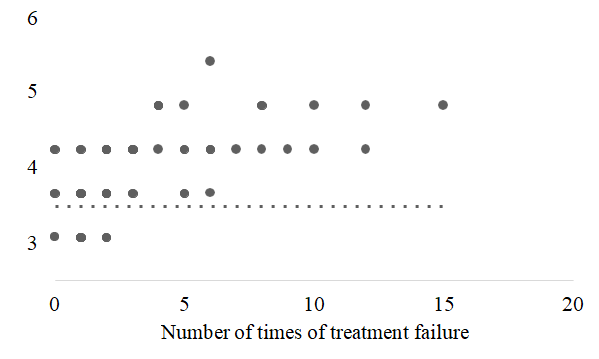
In case of patients diagnosed with CD, they were administered with mesalazine, steroid or a combination of mesalazine and enema (Figure 1).
Results
In total of 91 IBD patients, 85 (93.4%) with UC and 6 (6.6%) with CD were admitted for the study. The mean age of patients with UC was 41.8 years, with male predominance (63.5%). The mean age of patients with CD was 52.2 years, demonstrating female predominance (66.6%) (Table 1). The age of disease onset ranged from 13 to ≤60 years, with the mean age of diagnosis in UC patients being 36.7 years. The symptoms started showing about 17 months prior to the diagnosis in most patients.
| Pan Colitis | 29 | 3 | 0 |
|---|---|---|---|
| Crohn’s Disease | 6 | 0 | 0 |
Table 2: Distribution of patients on age of diagnosis.
The mean age of diagnosis of CD was 51 years, with symptoms presenting 40 months before the diagnosis. The mean disease duration in patients from the time of diagnosis was 5.1 years for UC and 1.1 years for CD patients as given in Table 2.
| Duration of Symptoms | Number of Patients |
|---|---|
| Less than 6 months | 29 |
| 6 months to 1 year | 37 |
| More than 1 year | 25 |
| Associated symptoms | No of Patients |
| TB Spleen | 1 |
| Peripheral Neuropathy | 1 |
| Anal Fissure | 2 |
| Hemorrhoids | 4 |
| Steroid Induced Acne + HbsAg | 1 |
| Toxic Mega Colon | 1 |
| Steroid Dependence | 1 |
| Still's Disease | 1 |
| RHD | 1 |
Table 4: Distribution of patients based on duration of symptoms before diagnosis.
In UC patients, distinct manifestations of the disease were observed. Out of 85 patients, about 8 (9.4%) developed proctitis and 11 (12.9%) had proctosigmoiditis. Patients affected with left-sided colitis and pancolitis were 36 (42.3%) and 29(34%), respectively (Table 3).
| Status | Present | Progressed | Regressed | |
|---|---|---|---|---|
| Proctitis | 8 | 0 | 0 | |
| Procto Sigmoiditis | 11 | 0 | 1 | |
| Left Colitis | 36 | 4 | 2 | |
| Pan Colitis | 29 | 3 | 0 | |
| Crohn’s Disease | 6 | 0 | 0 |
Table 1: Distribution of patients based on diagnosis.
About three extraintestinal manifestations (EIM) were observed in UC patients-Erythema nodosum (1.17%), Type 1 peripheral arthritis (2.35%), and Type 2 peripheral arthritis (1.17%) (Table 4). No such EIM was observed in CD patients.
| No patients | Age | Sex | Type of IBD | ||
|---|---|---|---|---|---|
| Erythema Nodosum | 1 | 39 | M | Pan Colitis | |
| Type-1 peripheral arthritis | 2 | 67 | F | Left Colitis | |
| Type-1 peripheral arthritis | 2 | 33 | F | Procto Sigmoiditis | |
| Type-2 peripheral arthritis | 1 | 39 | F | Pan Colitis |
Table 3: Demography of Extra Intestinal Manifestations.
Associations such as TB Spleen, Peripheral Neuropathy, Anal Fissure, DVT, Grade IV Haemorrhoids, Steroid Induced Acne, HBsAg, Toxic Mega Colon, Grade II Haemorrhoids, Steroid Dependence, Anal Fissure, Still's Disease was recorded in 13 UC patients (Table 5). However, no such associated cases were found in patients with CD. There were about 15 cases in UC patients with Attrition i.e. loss of follow up and one Attrition case was reported in CD patient.
A total of 6 patients required surgery for various causes as listed in the Table 6, with the majority being males. This included two male patients who developed Carcinoma Sigmoid Colon after 3 years and Colon Cancer after 1 year of UC diagnosis (Table 7).
| Proctitis | Procto Sigmoiditis | Left Colitis | Pan Colitis | Malignancy | Surgery | |
|---|---|---|---|---|---|---|
| M | 1 | 4 | 11 | 5 | 0 | 2 |
| M+E | 1 | 2 | 1 | 0 | 0 | 0 |
| M+E+S | 0 | 3 | 15 | 9 | 0 | 0 |
| M+S | 3 | 2 | 7 | 10 | 0 | 2 |
| M+S+Az | 1 | 0 | 1 | 3 | 0 | 0 |
| M+E+S+Az | 0 | 1 | 5 | 4 | 1 | 1 |
| M+E+S+Ad | 1 | 0 | 1 | 0 | 0 | 0 |
| M+S+I | 1 | 0 | 0 | 0 | 0 | 0 |
| S | 0 | 0 | 0 | 0 | 0 | 0 |
| M+E+S+Az+Ad | 0 | 0 | 1 | 0 | 0 | 0 |
| 0 | 0 | 0 | 1 | 1 | 1 |
Table 5: Distribution of patients based on treatment. *M= mesalazine, S=Steroid, E=Enema, Az= azathioprine, Ad=Adalimumab, I=Infl
| Type of Surgery | No of Patients | |
|---|---|---|
| Sphincter Dilatation | 2 | |
| GJ-Stomy | 1 | |
| Ileostomy | 1 | |
| Total Colectomy with Colostomy | 1 | |
| Hemorroidectomy | 1 |
Table 6: Demography of patients those having surgery.
Discussion
In this study we observed higher proportion of patients with UC as compared to CD, with the difference of 86.8; in fact, the proportion of CD in the community may actually be lower than 10% of this survey, which may reflect referral bias to specialist gastroenterologists interested in IBD.
Traditionally IBD is thought to be uncommon in India; UC is seen more often but CD. Earlier prevalence studies in the community [6, 7] done 15 years apart, suggested that the prevalence of UC has been static; there is a IBD in the West is characteristically associated with a bimodal age distribution pattern, with a peak at age 20-39 years and a second smaller peak at 60-79 years; such bimodal distribution has not been consistently observed in Uttar Karnataka [9, 10, 11]. The mean age of patients with UC in this survey was slightly lower than that of those with CD. In European and North American studies, UC is equally frequent in men and women at all ages, while CD has consistently revealed a greater incidence in women [11]. A male predominance has been reported in UC in a few Asian studies [10, 11, 12]. In this study, a slight male preponderance was noted in UC; this may possibly reflect a bias of males reporting more often for medical care. A contrasting result was found in CD where females were more.
In this study, one or more extra-intestinal manifestations were reported in the UC patients especially females; the most common was Type-1 peripheral arthritis. Although no correlation has been found between the EIM and IBD so far, this can be related to heredity as the genes involved in the disease can be carried forward by the offspring of next generation. A familial aggregation of IBD has been reported in 8%-14% of patients from the West [13, 14]. Studies from Japan and Korea have shown that the risk of having UC in first- degree relatives of patients with UC is approximately 25- fold higher than that in the general population, which is comparable to that reported from Western countries [15, 16]. In an earlier report from Delhi, 5% of patients with UC reported to have another family member with UC [17]. In this study no such associations have been studied but can be taken into consideration.
The different manifestations in UC patients present in the studies were proctitis 9.4%, proctosigmoditis 13%, left-sided colitis 42%, and pancolitis 34%, similar to the studies done in India6. In contrast, a multi-centre retrospective study from China including 10,218 patients with UC reported that 70% had proctosigmoiditis, 23% left-sided colitis, and only 7% had pancolitis [19].
In a report of 182 patients with CD from India, the location of disease was colon 41%, terminal ileum 32%, and ileo-colon 23%; the upper GI tract was involved in 4% [19]. In another report of 200 patients with Crohn’s disease, involvement was ileo-colonic in 40%, colonic in 26%, ileal in 26%, and upper GI in 8% [20]. In the present study 19% had stricturing disease; fistulizing disease was rather uncommon (4.4%). In contrast, two studies from India reported higher prevalence of both stricturing (24% and 23.5%) and fistulizing (25% and 17.5%) disease [19, 20]. Both those studies were from tertiary care centers and may reflect a referral bias.
In a study from the UK [21], the course of UC differed between Asian immigrants and age- and sex- matched white Caucasians, with 50% of Asian patients experiencing continued remission after the initial episode, whereas 77% of Caucasians suffered a relapsing pattern. In a study from Turkey, an unusually high proportion (74%) of patients had only a single attack with subsequent complete remission [22]. Contrary to that, the cumulative probability of relapse after UC diagnosis for Korean patients was 30% after 1 year, 59% after 3 years, 72% after 5 years, and 88% after 10 years [23]. A Japanese hospital-based cohort of 844 patients with a median follow-up of 7 years reported a relapsing- remitting pattern in 61%, chronic- continuous course in 23% and a single attack in only 16 percent [24]. One-third of patients with IBD in our report had a chronic active course and one-half had remissions and relapses; the duration of follow-up is not known.
In addition to the nature of the disease, the level of education, compliance, and affordability of treatment are factors that affect the course of the disease. In a recent study from Mumbai, up to 80% of patients with IBD were not completely compliant with treatment; the non- compliant ones had three times higher risk of development of a relapse [25, 26, 27].
Conclusion
IBD affects individuals in their most productive years and is associated with a considerable morbidity and loss of functional capacity. To add to this, is the burden of costly and prolonged treatment. IBD in North Karnataka is as aggressive as in the rest of India and Asia and calls for a similar treatment approach. Challenges in treating IBD include the lack of awareness and time visit to a specialist, expensive therapy shadowed by the lack of medical insurance cover, and the poor acceptance of patients for surgery. With the rising disease burden, this geographical region provides an opportunity for elucidating possible etiopathogenetic factors. Spearheading research in the search of low-cost therapies would benefit all unanimously especially India, which is experiencing a rise in IBD disease burden along with scarce resources to tackle this problem. Conflict of Interest: No potential conflicts of interest. Authors Contribution: All the authors have contributed equally in developing the manuscript Acknowledgment: Nil Funding: Nil
References
-
Ray G (2016) Inflammatory bowel disease in India Pa st, present and future. World J Gastroenterol 22(36): 8123-8136.
-
Wilhelm SM, Love BL (2017) Management of patients with inflammatory bowel disease: current and future treatments. Clinical Pharmacist 9(3).
-
Wang X, Zhu Y, Zhang M, Wang H, Jiang Y, et al. (2016) Ulcerative Colitis Is Characterized by a Decrease in Regulatory B Cells. J Crohns Colitis 10(10): 1212- 1223.
-
Thia K, Sandborn W, Harmsen W, Zinsmeister A, Loftus E (2010) Risk factors associated with progression to intestinal complications of Crohn’s disease in a population-based cohort. Gastroenterology 139: 1147-1155.
-
Makharia GK, Ramakrishna BS, Abraham P, Choudhuri G, Misra SP (2012) Survey of inflammatory bowel diseases in India. Indian J Gastroenterol 31(6): 299- 306.
-
Kedia S, Ahuja V (2017) Epidemiology of Inflammatory Bowel Disease in India: The Great Shift East. Inflamm Intest Dis 2: 102-115.
-
Khosla SN, Girdhar NK, Lal S, Mishra DS (1986) Epidemiology of ulcerative colitis in hospital and select general population of northern India. J Assoc Physicians India 34(6): 405-407.
-
Sood A, Midha V, Sood N, Bhatia AS, Avasthi G (2003) Incidence and prevalence of ulcerative colitis in Punjab, North India Gut 52: 1587-1590.
-
Desai HG, Gupte PA (2005) Increasing incidence of Crohn's disease in India: is it related to improved sanitation? Indian J Gastroenterol 24(1): 23-24.
-
Loftus EV (2004) Clinical epidemiology of inflammatory bowel disease: incidence, prevalence, and environmental influences. Gastroenterology 126(6): 1504-1517.
-
Goh K, Xiao SD (2009) inflammatory bowel disease: a survey of the epidemiology in Asia. J Dig Dis 10(1): 1- 6.
-
Ahuja V, Tandon RK (2010) Inflammatory bowel disease in the Asia-Pacific area: a comparison with developed countries and regional differences. J Dig Dis 11(3): 134-147.
-
Thia KT, Loftus EV, Sandborn WJ, Yang SK (2008) An update on the epidemiology of inflammatory bowel disease in Asia. Am J Gastroenterol 103(12): 3167- 3182.
-
Monsen U, Brostrom O, Nordenvall B, Sörstad J, Hellers G (1987) Prevalence of inflammatory bowel disease among relatives of patients with ulcerative colitis. Scand J Gastroenterol 22(2): 214-218.
-
Yang H, McElree C, Roth MP, Shanahan F, Targan SR, et al. (1993) Familial empirical risks for inflammatory bowel disease: differences between Jews and non- Jews. Gut 34(4): 517-524.
-
Kitahora T, Utsunomiya T, Yokota A (1995) Epidemiological study of ulcerative colitis in Japan: incidence and familial occurrence. The Epidemiology Group of the Research Committee of Inflammatory Bowel Disease in Japan. J Gastroenterol 30(8): 5-8.
-
Park ER, Yang SK, Myung SJ, Kim YM, Park JB, et al. (2000) Familial occurrence of ulcerative colitis in Korea. Korean J Gastroenterol 36(6): 770-774.
-
Habeeb MA, Rajalingam R, Dhar A, Kumar A, Sharma MP, et al. (1997) HLA association and occurrence of autoantibodies in Asian-Indian patients with ulcerative colitis. Am J Gastroenterol 92(5): 772-776.
-
Jiang XL, Cui HF (2002) An analysis of 10218 ulcerative colitis cases in China. World J Gastroenterol 8(1): 158-161.
-
Das K, Ghoshal UC, Dhali GK, Benjamin J, Ahuja V, et al. (2009) Crohn's disease in India: a multicenter study from a country where tuberculosis is endemic. Dig Dis Sci 54(5): 1099-1107.
-
Pugazhendhi S, Sahu MK, Subramanian V, Pulimood A, Ramakrishna BS (2011) Environmental factors associated with Crohn's disease in India. Indian J Gastroenterol 30(6): 264-269.
-
Benfield GF, Montgomery RD, Asquith P (1987) Ulcerative colitis in Asian immigrants. Postgrad Med J 63(742): 629-635.
-
Kusakcioglu O, Kusakcioglu A, Oz F (1979) Idiopathic ulcerative colitis in Istanbul: clinical review of 204 cases. Dis Colon Rectum 22(5): 350-355.
-
Park SH, Kim YM, Yang SK, Kim SH, Byeon JS, et al. (2007) Clinical features and natural history of ulcerative colitis in Korea. Inflamm Bowel Dis 13(3): 278-283.
-
Fujimoto T, Kato J, Nasu J, Kuriyama M, Okada H, et al. (2007) Change of clinical characteristics of ulcerative colitis in Japan: analysis of 844 hospital-based patients from 1981 to 2000. Eur J Gastroenterol Hepatol 19(3): 229-235.
-
Bhatt J, Patil S, Joshi A, Abraham P, Desai D (2009) Self-reported treatment adherence in inflammatory bowel disease in Indian patients. Indian J Gastroenterol 28(4): 143-146.
-
Ha F, Khalil H (2015) Crohn’s disease: a clinical update. Therap Adv Gastroenterol 8(6): 352-359.
-
Sninsky CA (2010) New Research in Ulcerative Colitis, Optimizing 5-ASA Administration for Efficacy and Adherence. Gastroenterol Hepatol (NY) 6(1): 4-16.
- Management of Gallbladder Perforations: A Review
- From The Mouth to the Gut: The Oral Microbiome's Role in Promoting Gastrointestinal Disease
- Case Report: Intraductal Papillary Mucinous Neoplasm (IPMN) Complicated by Portal Vein Plaquing and Biliary Obstruction Mimicking Pancreatic Metastatic Malignancy
- Management of Non-Cirrhotic Portal Hypertension during Pregnancy: A Review
- Effectiveness of Omeprazole versus Pantoprazole for Symptomatic Relief of Gastro-Esophageal Reflux Disease (GERD)/ Acid Peptic Disease (APD): A Real-World Evidence (RWE) Study
- Case of Splenic Infarction; A Rare Presentation of Complicated Enteric Fever in a Pediatric Patient