
Effect of Natural Preservative (Cinnamon Bark Marinade) on the Microbial Load and Shelf-life of Smoked-dried African Catfish Clarias gariepinus (Burchell, 1822)
The study was carried out to determine the antimicrobial effect of Cinnamon bark marinade on stored smoke-dried catfish at ambient temperature (37+2°C) for 28 days. The experimental treatments are the control, 0.5%, 1% and 1.5 %( w/v) Cinnamon bark marinade. Thirty-nine fish of average mean weight of 24.87+1.25g were gutted, washed and randomly assigned to the marinade. Thereafter, the fish were soaked in the marinade for 30 minutes and later hot smoked for 12hours. After smoking, the fish were stored in boxes and place on laboratory table for one month. Microbial counts were conducted 7 days’ interval. Three bacterial species namely; Bacillus sp, Corynebacteria sp, and Staphylococcus sp were observed in the study. There was no increase in microbial load as storage progressed. However, the increment was pronounced in control fish sample. 1% Cinnamon barks marinade exhibited the highest 7x10³ antibacterial effect. There was increase in microbial load in control sample 25x103 compared to other treatments while 1.5% marinade of the bark treated sample shows potency in bacteria growth. Cinnamon bark marinade could be used because of it antibacterial and antimicrobial properties, therefore protecting stored smoke-dried catfish from microbial spoilage thus limiting economic loss and possible health risk to consumers.
Introduction
Fish is a significant source of protein, and the harvesting, handling, processing, and distribution of fish support the livelihoods of millions of people. It is the most significant animal dietary protein that is currently produced and accounts for around 17.1% of all animal protein consumed worldwide [1]. Due to its high level of long-chain polyunsaturated fatty acids (LCPUFAs), which are linked to reducing aging-related diseases and enhancing health [2]. Fish is viewed as a healthier beef alternative. Fish makes over 40% of the animal protein consumed in Nigeria. In fact, Adedeji FA, et al. [3] found that consumers eat between
30 and 80 percent of their annual protein intake from fish, whether it be fresh or cured. Fish is a particularly essential source of protein in areas with a limited supply of livestock. The African catfish, Clarias gariepinus, remains the most farmed, smoked-dried and favoured catfish species in Africa and is of major economic importance among aquaculture species in Nigeria.
Post-harvest losses account for an estimated 40% of all fish landings in Nigeria [4]. The inadequate handling, preservation, and processing methods used by artisanal fisherman, fish farms, and fisheries entrepreneurs are thought to be the reason that 20 to 50 percent of the fish produced in isolated coastal areas and many tropical nations perish before they reach customers [5]. Additionally, significant- quality is lost in many tropical nations because there is insufficient equipment and knowledge to stop losses [6]. According to Hussain MA, et al. [7], food spoiling is a change in the nutritional and sensory qualities of food that renders it unpalatable to customers. Large amounts of locally produced fish are lost due to post-harvest losses, which can include everything from bacterial and autolytic spoilage to other reasons, despite the fact that local fish production is unable to keep up with the matching demand [8]. These elements make fish less organoleptically pleasing and usually unfit for human eating. To protect fish resources, it is essential to use a variety of preservation techniques, including as drying, smoking, freezing, chilling, and brining. Food preservation is required because of the world’s expanding population and the necessity to move and store food from one location to another. To extend the product’s shelf life while preserving its flavour, texture, and nutritional value. In order to preserve food without compromising its quality or nutritional content, it must be protected from microbial deterioration [9].
In general, synthetic preservation techniques and methods, such as the use of pesticides, are frequently substituted for natural preservation techniques and methods because they have been shown to have negative health effects on the final consumers of such fish, including cancer and lung issues [8]. Cinnamon is one of the natural spices frequently used in food preservation. Several trees belonging to the genus Cinnamomum produce the spice known as cinnamon, which is used in both savoury and sweet dishes [10].
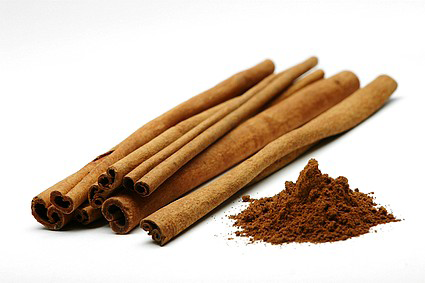
Cinnamon is the quill-shaped brown bark of the cinnamon tree, which is used to make cinnamon, rolls into a tubular shape when dried. The two forms of cinnamon are entire quills (cinnamon sticks) and crushed powder. The two most popular types ingested are Cinnamonum aromaticum (Chinese cinnamon) and Cinnamon zeylanicum (Ceylon cinnamon), despite the fact that there are around 100 different variations of Cinnamomum verum, the technical name for cinnamon. The Chinese variety is referred to as “Cassia,” but Ceylon cinnamon is also known as “true cinnamon.” Although they are both quite similar in appearance and have a fragrant, sweet, and toasty smell, the Ceylon variety has a more complex and nuanced flavour. In order to ascertain the effects of cinnamon bark marinade (Cinnamomum verum), this investigation was conducted. This study was therefore carried out to determine the Preservative effects of Cinnamon Bark Marinade (Cinnamomum verum) on the microbial load and shelf life of African catfish (Clarias gariepinus).
Materials and Methods
Study Area
The Fish Processing Unit of the Department of Fisheries, Faculty of Agriculture, University of Maiduguri, Borno State, Nigeria, was the site of the study. According to Mohammed MA, et al. [10] it is situated at latitude 11o15’N and longitude 13o15’E. The region receives around 550mm3 of rain annually on average [11].
Collection of Fish Samples
Total weight of 4500 g Clarias gariepinus, a freshly caught African catfish, was purchased at the Gamboru Fish Market in Maiduguri, Borno state. The fish were delivered to the fish processing unit of the department of fisheries, faculty of agriculture university of Maiduguri, using an insulated cold flask.
Procurement of the Plant Material
Fresh air-dried Cinnamon bark was bought from Maiduguri Monday Market in Borno State, Nigeria, and served as the study’s plant material (Figure 1).
Preparation of Plant Material
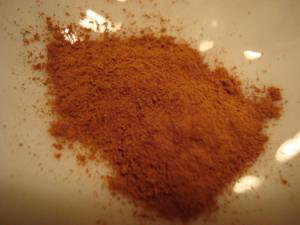
Impurities were removed from the collected cinnamon bark then grounded into powdered form using milling machine, a Marinade was prepared by adding separately specific quantity (5 g, 10 g and 15 g) of the cinnamon bark powder to 1000 ml of distilled water, forming 0.5%, 1% and 1.5% marinade respectively and allow to stay for 1hour. No additive was added to the control treatment (Figure 2).
Fish Preparation
The fish were killed by striking the spinal cord, gutting using a sharp knife by cutting laterally from the end of the gill cover through the belly portion to the anus. Thereafter was thoroughly washed and rinsed. The total length (ranging from 22-27 cm) and weight of the fish were noted after gutting.
Experimental Set-up
Marinade was used in applying the treatments to the fish samples. This is in accordance with the method of Omoruyi K, et al. [12]. The fish were randomly assigned to four experimental treatments 0%, 0.5%, 1% and 1.5% (marinade).
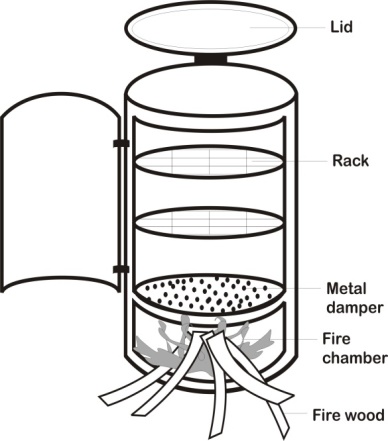
Each treatment was replicated thrice with 500 g weight fish. They were allowed to stay in the mixture for 30 minutes, followed by draining, according to Haruna MY, et al. [10]. Then the fish were arranged randomly and replicated in improved steel drum smoking kiln consisting of three trays and subject to hot smoking for 12hours using hardwood and wood chaffs was used to ignite the smoke as source of fuel. After smoking, the fish were allowed to cool and packed in different containers based on their treatments. They were then stored in cartons sealed in order to reduce contaminations and moisture absorption from the environment and then stored at room temperature (Figure 3).
Microbial Analysis
Standard procedures adopted by Taylor DJ, et al. [13] were followed for media preparation and glassware sterilization. After being crushed using a sterile pounder and dish, one gramme of fresh and smoked-dried flesh was precisely weighed from the macerated fish part and homogenised with 9ml of distilled water in a McCartney bottle. Nevertheless, replicate 1ml aliquots of the fish flesh dilution levels were plated on nutritional agar. Culture plates were incubated for 24 hours. Gramme staining procedures, the catalyse test, the coagulated test, and the gramme reaction were used in the microbial counts and identification processes [14].
Total Viable Counts
Using pour plate technique dilution from 10-1 to 10-6, in Nutrient agar and incubated at 37°C for 24 hours. Colonies were counted by making the colony on the opposite side of the plate on its position in the colonies counter apparatus.
Isolation and Identification of Colonies
The samples of fish were first inoculated in nutrient Broth medium and then incubated at 37°C for 24 hours in Mac Conkey’s agar and blood agar cultured from Broth medium by streaking method and incubation at 37°C for 24hours. The sample was isolated in a single colony and the percentage was calculated.
Statistical Analysis
Data collected from the experiment were subjected to One-way Analysis of Variance (ANOVA) to test for significant differences among treatment means using Fisher Least Significant Differences (LSD) at a confidence interval of 95% and significance level of (P≤0.05) with the aid of Statistix 13.0
Results and Discussion
Tables 1 show the findings of the initial smoke-dried fish samples for microbial load. It demonstrates that freshly caught fish treated with 5g of cinnamon bark powder (0.5% marinade) had the highest bacterial population, at 76x103, followed by fish treated with 1.5% of cinnamon bark marinade, at 10x103, and the lowest bacterial population, at 7x10³, in a sample treated with 1.0% cinnamon bark marinade. In contrast to fish species, Chatreman N, et al. [15] found that the bacterial flora of freshly caught fish is influenced by the environment in which it was caught. This figure is likewise under the 5x10⁵ colony forming unit per gramme suggested maximum bacteria level for high-quality fish products according to ICMSF [16] and the microbiological guidelines. For Ready to-eat-food which is <106 (Microbiological Guideline for Ready to-Eat-Food).
| Total Viable Count (cfu/g x103) | |
|---|---|
| 0 | 25.33b |
| 0.5 | 76.33a |
| 1 | 7.33c |
| 1.5 | 10.33c |
Table 1: ** Mean value of microbial population (cfu/g x103) on fish smoked with different marinade of cinnamon bark.
Mean value with the same letter in a row are not significantly different (p>0.05) Table 1: Mean value of microbial population (cfu/g x103) on fish smoked with different marinade of cinnamon bark.
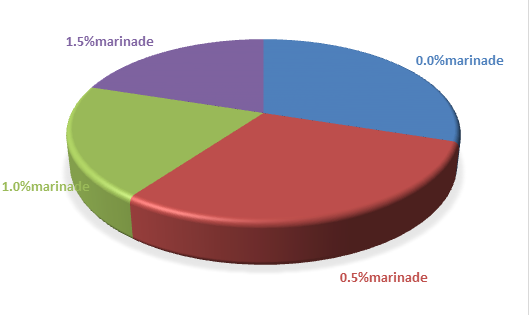
Immediately after smoke drying, Corynebacteria species, Bacillus subtilis, and Staphylococcus albus were the bacteria that could be isolated from sample 0.0% marinade. Bacillus subtilis, Staphylococcus albus, and Corynebacteria were present in the sample 0.5% marinade, Bacillus subtilis was present in the sample 1.0% marinade, and Corynebacteria specie was present in the sample 1.5% marinade. Prior to storage, the total bacteria frequency and percentage for the smoked-dried fish samples of 0.0%, 0.5%, 1.0%, and 1.5% were 30, 30, 20, and 20 respectively (Figure 4).
In comparison to the untreated fish samples (Control), there was a reduction in bacterial loads at all doses of the cinnamon bark marinade (Table 2). Bacillus subtilis, Corynebacteria species, and Staphylococcus albus were among the many bacterial species that were isolated and identified. The smoked fish may have become infected by these microbes through soil, air, or human handling. According to Mahmud A, et al. [17], the presence of this microorganism in samples of smoked fish may be caused by a rise in the product’s moisture content during storage as well as an increase in temperature, both of which encourage the growth of these organisms. When handling fish, organisms linked to humans, such as Staphylococcus aureus and members of the Enterobacteraceae family, which thrive around 30-70°C, will infect the fish’s natural flora. According to Danba EP, et al. [18], Staphylococcus is one of the most common microorganisms associated with smoked fish, and Inusa M, et al. [19] speculate that the presence of this bacteria (Staphylococcus albus) in fish samples may have been caused by handling. Because Staphylococcus albus has been linked to food borne illness and infection, its presence has no bearing on public health. The effect of pathogenic bacteria Chatreman N, et al. [15] can be attributed to its capacity to create enzymes and poisons. The smoked fish must have come into contact with this organism through human handlers. Food-borne disease may also occur from the presence of Bacillus species.
| Cinnamon Marinade (%) | No of species | Percentage (%) | |
|---|---|---|---|
| Corynebacteria specie, Bacillus subtilis, Staphylococcus albus. | 0 | 3 | 30 |
| Bacillus subtilis, Staphylococcus albus, Corynebacteria. | 0.5 | 3 | 30 |
| Corynebacteria specie, Bacillus subtilis. | 1 | 2 | 20 |
| Corynebacteria specie, Bacillus subtilis. | 1.5 | 2 | 20 |
Table 2: Bacterial Isolation in Fish Smoked with Cinnamon Bark marinade at different inclusion level.
Table 3 displays the changes in microbial load of products made from smoked fish during storage at room temperature for a period of twenty-eight (28) days. This data is consistent with studies by Chatreman N, et al. [15], who indicated that cinnamon verum blume bark extract is a well- known anti-microbial agent. The population of bacteria in the smoked fish product increased significantly after 7 days of storage. Fish sample treated with 0.0% cinnamon bark marinade had the highest rise (150x103 cfu/g), followed by fish sample treated with 1.5% cinnamon bark marinade (71x103 cfu/g). Bacterial population starts to decline after 14 days of storage and keeps falling. The lowest 15x103cfu/g
bacterial population was seen in fish product treated with a 1.5% cinnamon marinade after twenty-eight (28) days. There were significant variations (p< 0.05) among the samples.
| Cinnamon concentration level (%) | 1day | 7days | 14days | 21days | 28days |
|---|---|---|---|---|---|
| 0 | 25.33b | 150.3a | 212.3b | 111.3a | 80.33a |
| 0.5 | 76.33a | 37.33d | 288.3a | 104.3b | 63.33b |
| 1 | 7.333d | 67.33c | 62.33d | 50.33c | 38.33c |
| 1.5 | 10.33c | 71.33b | 68.33c | 48.33d | 15.33d |
Table 3: Changes in Microbial loads (populations (cfu/g x103) of smoke fish after Smoking with different concentration of Cinnamo
Mean value with the same letter in a Column are not significantly different (p>0.05) Table 3: Changes in Microbial loads (populations (cfu/g x103) of smoke fish after Smoking with different concentration of Cinnamon bark marinade stored at room temperatures
Conclusion and Recommendation
The study’s findings demonstrated that smoke-drying and spicing had a substantial impact on the fish samples’ microbial population and shelf life dynamics. The study found that all three smoked-dried fish sample treatments (0.5%, 1.0%, and 1.5% Cinnamon bark marinade) had a comparatively low bacterial count, indicating that the effects of smoke-drying and spicing with Cinnamon Bark marinade lowered the growth level of microorganisms. In fish that had been marinated in a 0.5% solution, the number of microbes had increased. The rise was noticeable in the control sample, though. The marinade made with 1% bark had the strongest antibacterial impact. Compared to other samples, the control samples showed a more varied microbiota. The sample that was marinated in a 1.5% cinnamon bark solution demonstrates the ability of bacteria to proliferate.
Farmers are encouraged to use this spice preparation and incorporate it into fish before smoking since it has antibacterial and antimicrobial characteristics in addition to acting as a preservative and enhancing nutrition. The microbial load of smoke-dried catfish held at room temperature for up to a month might be controlled using a cinnamon bark marinade. This would significantly improve food safety and security by extending shelf life, decreasing fish deterioration, particularly that caused by bacteria, and shielding customers from foodborne illnesses. To ascertain the impact of it oil on the microbiological stability of smoke- dried catfish held for a longer period of time at room temperature, another research might be conducted.
Conflict of Interest The authors declare that the research was conducted in the absence of any commercial or financial relationships that could be construed as a potential conflict of interest.
Funding Information This study involved no external funding.
Author’s Contribution Conceptualization MYH, and MMB; Investigation MYH and MMB; Project administration MYH, Methodology, MMB and MYH; Formal Analysis, MYH; Supervision MMB; Writing – Original Draft Preparation MYH; Writing-Review & Editing MYH, AIA, MI and MS. All authors were involved in critical interpretation of the data, manuscript revision, and final version approval.
Acknowledgements
The authors wish to thank the Department of Fisheries, University of Maiduguri, Nigeria for using their facilities. We appreciate the technical assistance for the Teaching and Research Farm staff of the department.
References
-
Tacon AG, Lemos D, Metian M (2020) Fish for health: Improved Nutritional Quality of Cultured Fish for Human Consumption. Reviews in Fisheries Science & Aquaculture 28(4): 449-458.
-
Maulu S, Nawanzi K, Abdel-Tawwab M, Khalil HS (2021) Fish nutritional value as an approach to children’s nutrition. Frontiers in Nutrition 8: 780844.
-
Adedeji FA, Ibrahim ZB, Abdulsalami SA, Akinkunmi AA (2014) Comparison of Microbiological and Proximate Analysis of Synodontis nigrita, Chrysichthys nigrodigitatus and Mormyrus rume in Olomore market, Abeokuta, Ogun State, Nigeria. Journal of Fisheries and Aquatic Science 9(6): 496-500.
-
Akintola SL, Fakoya KA (2017) Small-Scale fisheries in the Context of Traditional Post-Harvest Practice and the Quest for Food and Nutritional Security in Nigeria. Agriculture & Food Security 6: 34.
-
Eyo AA (2001) Fish processing technology in the tropics. National Institute for Freshwater Fisheries Research (NIFFR) P.M.B. 6006 New Bussa, University of Ilorin Press Nigeria, pp: 403.
-
Adeyemi KD, El-Imam AA, Dosunmu OO, Lawal OK (2013) Effect of Moringa oleifera marinade on microbial stability of smoke-dried African catfish (Clarias gariepinus). Ethiopian Journal of Environmental Studies and Management 6(1): 104-109.
-
Hussain MA, Sumon TA, Mazumder SK, Ali MM, Jang WJ, et al. (2021) Essential oils and chitosan as alternatives to chemical preservatives for fish and fisheries products: A review. Food Control 129: 108244.
-
Benjamin OG, Omoruyi K, Nneli AE (2019) Effect of Natural Preservatives (Lemon Grass and Bay Leaf Marinade) on the Microbial Load and Shelf Life of Smoke-dried Clarias gariepinus. Asian Food Science Journal 10(3): 1-10.
-
Mohammed MA, Haruna MY, Bello MM, Inusa M (2023) Nutritional and Sensory Evaluation of Catfish (Clarias gariepinus Burchell, 1822) Smoked with Eucalyptus camaldulensis and Azadirachta indica Wood. Aquatic Food Studies 3(1): AFS175.
-
Haruna MY, Bello MM, Dadile MA, Mohammed AM (2021) Assessment of Cinnamon (Cinnamomum verum) Bark Extract on Proximate Composition and Sensory Qualities of Smoked-Dried African Catfish Clarias gariepinus (Burchell, 1822). Asian Journal of Fisheries and Aquatic Research 14(1): 1-6.
-
Shettima MK, Ikusemoran M, Daura MM (2018) Geospatial Assessment of the Impact of Topography on Flood Vulnerability in Maiduguri, Nigeria. Jalingo Journal of Social and Management Sciences 1(4): 129-145.
-
Omoruyi K, Nneli AE, Benjamin OG (2019) Effect of Natural Preservatives (Lemon Grass and Bay Leaf Marinade) on the Microbial Load and Shelf Life of Smoke-dried Clarias gariepinus. Asian Food Science Journal 10(3): 1-10.
-
Taylor DJ, Green NPO, Stout GW (1998) Biological science. In: Soper R (Ed.), 3rd (Edn.), Cambridge University Press.
-
Fawole OO (2005) Bacteriological assessment of frozen fish from fish depots in Ibadan metropolis. BSc. Dissertation. Department of Wildlife and Fisheries Management, Faculty of Agriculture, University of Ibadan, Nigeria.
-
Chatreman N, Seecharran D, Ansari, AA (2020) Prevalence and distribution of pathogenic bacteria found in fish and fishery products: A review. Journal of Fisheries and Life Sciences 5(2): 53-65.
-
ICMSF International Commission on Microbiological Specification for Foods (1986) Microorganisms in Foods 2, Sampling for Microbiological Analysis. In: 2nd (Edn.), Principles and Specifications, Oxford: Blackwell Science.
-
Mahmud A, Abraha B, Samuel M, Mohammed idris H, Abraham W, et al. (2018) Fish preservation: A multi- dimensional approach. MOJ Food Process. Technol 6(3): 303-310.
-
Danba EP, Bichi AH, Ishaku S, Ahmad MK, Buba U, et al. (2014) Occurrence of pathogenic bacteria associated with Clarias gariepinus in selected fish farms of Kumbotso local governement area of Kano state, Nigeria. Bayero Journal of Pure and Applied Sciences 7(2): 145- 149.
-
Inusa M, Modu BM, Mshelia MB, Ndirmbita WL, Shettima HM, et al. (2022) Effects of Cinnamon (Cinnamomum verum blume) Bark Extract on Insect Pests of Smoke- Dried African catfish (Clarias gariepinus, Burchell, 1822). Journal of Renewable Agricultural Tech. Research 26(1): 2813-9650.
- Genetic Improvement of Nile Tilapia (Oreochromis niloticus): Advances in Selective Breeding and Genomic Approaches for Sustainable Aquaculture
- Microplastics, Contaminants, and Waste Hotspots: Divergences and Faults in Prioritizing Control Efforts
- Creating a Healthier, More Vibrant Open and Closed Aquatic Environment. A Submersible, Centrifugal Magnetically Affixed Current Changing Aquarium Pump
- An Attempt to Assess Alpha Diversity and Sample Size: Using the Ostracod Assemblages off Kumamoto Port, Japan
- Assessment of the Efficiency of Common Fishing Gears and Crafts Used at Mohananda River of Chapai Nawabganj, Bangladesh
- Fish Productivity and Biodiversity Status of Sundarban Mangrove in Bangladesh