
Exploring the Chemical Diversity of Andrographis paniculata: GCMS Characterization of Ethyl Acetate Extracts
This research delves into the diverse phytochemical composition of Andrographis paniculata, a renowned medicinal herb with a rich history in traditional use. Employing GC-MS, our objective is to comprehensively identify and characterize phytochemical compounds within ethyl acetate extracts. The study holds significant promise due to the broad spectrum of medicinal applications associated with Andrographis paniculata. The ethyl acetate extracts of the plant were obtained using the cold maceration method, followed by preliminary phytochemical analysis. The findings reveal the presence of steroids, terpenoids, and alkaloids in the ethyl acetate extracts, while tannins, saponins, flavonoids, and cardiac glycosides were notably absent. GC-MS analysis further unveils 29 unique compounds, encompassing alkaloids, terpenoids, and wax. Benzeneethanamine, 2, 5-difluoro-β, 3, 4-trihydroxy-N-methyl, an alkaloid, and 3, 7, 11, 15-tetramethyl-2-hexadecen-1-ol, a prominent terpenoid, stand out among the identified compounds. This research addresses a dearth of phytochemical analysis within the specific locale of Kom-Kom in Oyigbo L.G.A of Rivers, making it a unique contribution to the field. The variations in phytochemical composition attributed to geographic location and extraction solvents underscore the importance of this study.
Introduction
Phytochemicals, the bioactive compounds found in plants, have long been of significant interest in the field of natural product research and pharmaceutical development. They offer a rich source of potential therapeutic agents, and their diverse properties have been harnessed for centuries in traditional medicine systems across the world [1]. In the quest to discover and harness the medicinal potential of phytochemicals, Andrographis paniculata has emerged as a prominent subject of study due to its remarkable pharmacological attributes. To shed light on the specific phytochemical composition of Andrographis paniculata and to explore its potential medicinal applications, researchers have turned to advanced analytical techniques such as Gas Chromatography-Mass Spectrometry (GC-MS) [2, 3]. GC-MS is a powerful analytical method that allows for the separation, identification, and quantification of chemical compounds within complex mixtures [4]. The GC-MS characterization of ethyl acetate extracts from Andrographis paniculata is a
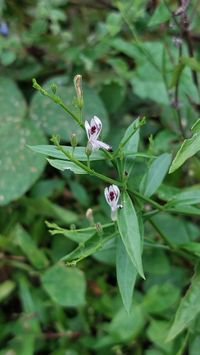
Andrographis paniculata, commonly known as the “King of Bitters,” is a medicinal herb native to South Asian countries, particularly India and Sri Lanka. It has a long history of use in traditional Ayurvedic and Chinese medicine systems for its potent antipyretic, anti-inflammatory, and antibacterial properties [5]. Recent research has also highlighted its potential in the treatment of respiratory infections, such as the common cold and flu [6, 7]. Making it a subject of growing interest in modern natural products chemistry, medicinal or pharmaceutical research.
This research sets out to explore the rich phytochemical diversity within Andrographis paniculata, a well-known medicinal herb steeped in traditional use. Our objective is to meticulously identify and characterize the phytochemical compounds present in ethyl acetate extracts using GC- vital component of this study, enabling us to delve deeper into the rich world of phytochemicals and potentially unlock new avenues for harnessing the medicinal potential of this remarkable plant.
Andrographis paniculata L., commonly known as Kalmegh, Kalamegha in Ayurveda, and Nilavembu in Siddha, is an erect annual herb renowned for its extreme bitterness present in all parts of the plant. Typically found in moist and shaded environments, it grows to heights ranging between 30 to 110 cm. The plant features a slender, dark green stem with a square- shaped cross-section, characterized by longitudinal furrows and wing-like extensions along the edges. Its lanceolate leaves have smooth and hairless blades, measuring up to 8 cm in length and 2.5 cm in width. With its small flowers arranged in spreading racemes, Andrographis paniculata produces fruit in the form of a capsule, approximately 2 cm long and a few millimeters wide. These capsules contain numerous yellow- brown seeds (Figure 1) [2].
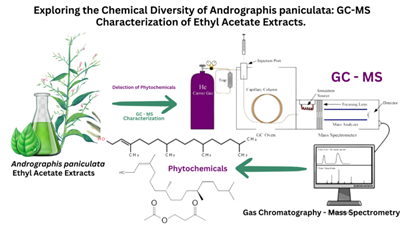
MS. This investigation holds great significance due to the broad spectrum of medicinal applications associated with Andrographis paniculata. The phytochemical composition of this plant has the potential to be a valuable resource for targeted herbal remedies or supplements. However, despite the extensive research conducted in the region of Kom-Kom in Oyigbo L.G.A of Rivers, there has been a notable dearth of inquiry into the phytochemical analysis of Andrographis paniculata within this specific locale. Our research endeavors to fill this void, making it a unique and invaluable contribution to the body of knowledge. Notably, the phytochemical composition of Andrographis paniculata can exhibit variations attributable to geographic location and disparities in the choice of extraction solvents.
Phytochemical Composition of Andrographis paniculate
Andrographis paniculata is a well-recognized medicinal plant renowned for its intricate phytochemical composition, including labdane diterpenoid lactones, flavonoids, polyphenols, phytosteroids, and miscellaneous compounds [8, 9]. Among these constituents, diterpenoids, flavonoids, and polyphenols are the primary components [10].
Notably, andrographolide, labdane diterpenoid (C20H30O5), the most abundant compound extracted from A. paniculata, has garnered attention for its bioactive properties and potential applications in medicine. Traditionally, Andrographis paniculata has been utilized to tackle various health issues, serving as a remedy for respiratory infections, fevers, and digestive disorders [2]. The plant’s distinct bitter taste is attributed to andrographolide, one of its key bioactive components, which is thought to play a significant role in its therapeutic effectiveness [11]. Scientific research has unveiled the compound’s potential anti-inflammatory, antioxidant, and immune-supporting effects, prompting interest in its applications for various health conditions [12]. Available in different formulations, andrographolide’s accessibility has increased, but cautious consideration and professional guidance are crucial due to potential individual variations and interactions with other medications. In essence, andrographolide represents a compelling convergence of traditional wisdom and modern pharmacological exploration [13].
Analogues like 14-deoxy-11,12-didehydroandrogra pholide exhibit immunostimulatory, anti-infective, and anti-atherosclerotic properties. Additionally, flavonoids, phytosteroids, and other compounds, such as β-sitosterol, stigmasterol, campesterol, and ergosterol, have been identified, showcasing antioxidant attributes [9]. Extracts from A. paniculata also comprise a diverse range of compounds, including flavonoids, alkaloids, tannins, triterpenoids, and polyphenols [14], underlining its significance in traditional and modern herbal medicine and motivating further research into its therapeutic potential.
Role of Ethyl Acetate as a Solvent in Phytochemical Extraction
Several studies like that of [15, 16] investigated the phytochemical composition of Andrographis paniculata using different solvent extraction methods. Common solvents employed in these studies include ethanol, methanol, water, and ethyl acetate. These studies have revealed variations in the phytochemical profiles of Andrographis paniculata depending on the solvent used. The choice of solvent can significantly influence the types and quantities of phytochemicals extracted [17]. These findings underscore the importance of selecting an appropriate solvent for phytochemical extraction, as it can impact the overall bioactivity and therapeutic potential of herbal preparations.
Ethyl acetate has gained prominence as a solvent in phytochemical extraction due to its effectiveness in isolating a wide range of bioactive compounds from plant materials. It is known for its ability to extract both polar and non- polar phytochemicals, making it a versatile choice for researchers. Ethyl acetate extracts often contain compounds such as terpenoids, flavonoids, and essential oils, which can contribute to the medicinal properties of the plant [18].
Studies have demonstrated the efficacy of ethyl acetate in extracting andrographolides and other valuable constituents from Andrographis paniculate [19]. Its selectivity and efficiency in isolating specific phytochemicals make it an ideal solvent for our research, as we aim to comprehensively characterize the phytochemical diversity of this medicinal herb.
GC-MS Analysis in Phytochemical Studies
Gas Chromatography-Mass Spectrometry (GC-MS) has become a cornerstone technique in phytochemical studies. This analytical method allows for the separation, identification, and quantification of individual phytochemical compounds within complex plant extracts [20]. GC-MS is highly esteemed for its exceptional sensitivity and accuracy, rendering it an invaluable asset for scientists striving to decipher the complex phytochemical makeup of plants such as Andrographis paniculate.
GC-MS analysis involves the vaporization of compounds, separation through a chromatographic column, and identification via mass spectrometry. It provides detailed information about the molecular structure and relative abundance of phytochemicals, enabling researchers to pinpoint the bioactive constituents responsible for a plant’s medicinal properties [21]. In our study, we employ GC- MS to precisely characterize the phytochemical diversity within Andrographis paniculata ethyl acetate crude extracts, facilitating a deeper understanding of this valuable medicinal herb.
Materials and Methods
Study Area
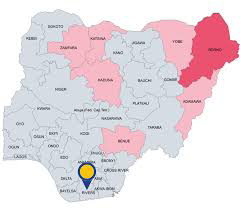
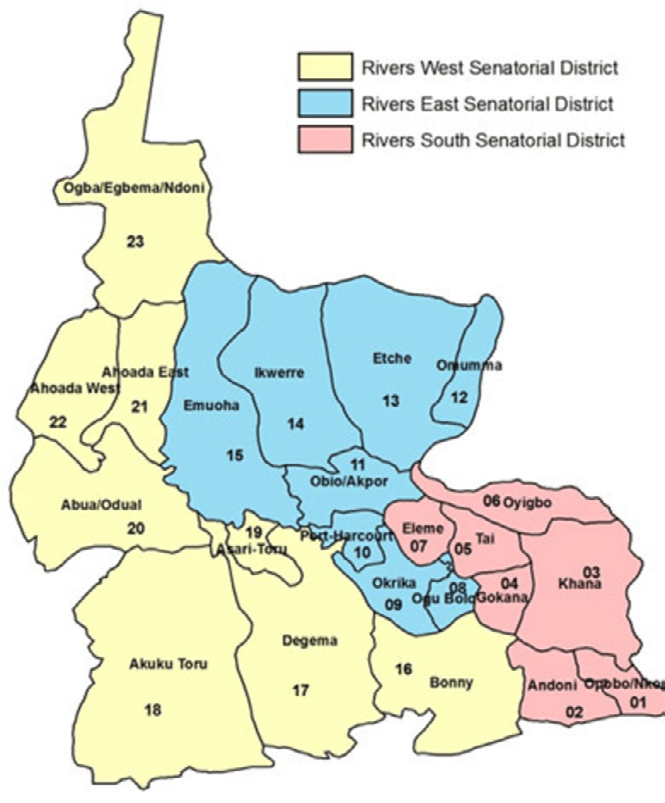
The study area is Kom-Kom, located in the Oyigbo Local Government Area of Rivers State, Nigeria. Oyigbo is a local government area in Rivers State, located in the southern part of Nigeria. It is known for its rich agricultural land and diverse culture [22]. Nestled within a lush tropical rainforest region characterized by high year-round rainfall, Kom-Kom lies approximately 30 kilometers north of Port Harcourt, the capital city of Rivers State, Nigeria. Dominated by the Igbo ethnic group, with a mix of other communities, its economy thrives on agriculture, benefiting from fertile soils and abundant rainfall supporting crops like cassava, yam, plantains, and vegetables. Fishing in the local rivers and creeks also plays a vital economic role. Despite ongoing infrastructure development, the community still faces challenges in areas such as road connectivity, healthcare, education, and access to electricity (Figure 2,3).
Sample Collection
Andrographis paniculata samples were collected in the morning from Kom-Kom in the Oyigbo Local Government Area of Rivers State. They were immediately placed inside a polyethylene bag and transported to the University of Port- Harcourt’s Department of Plant Science and Biotechnology for botanical identification, a task undertaken by Dr. Ekeke, Chimezie.
Preparation of Sample
The leaves of Andrographis paniculata were separated from their branches, thoroughly cleaned to remove any impurities, and left to air-dry at room temperature for a duration of two weeks. Following this, the dried leaves were blended into a uniform semi-powder to enhance the sample’s surface area for the extraction process.
Extraction of Sample
The ethyl acetate crude extracts were derived by soaking approximately 35 grams of semi-powdered Andrographis paniculata in ethyl acetate for a duration of 48 hours, with occasional agitation. Following this soaking period, the extract underwent filtration.
Phytochemical Analysis
The following phytochemicals will be analyzed according to standard chemical methods. The phytochemicals such as tannins, saponins, flavonoids, steroids, glycoside, terpenoids and alkaloids will be tested as described by Finar, et al. [23, 24] with slight modifications.
Tannins Test
In this experiment, 1 ml of the ethyl acetate extract was combined with 5 ml of distilled water, and then four drops of FeCl3 were added. The resulting solution was observed for the development of a deep brown or bluish-black coloration in the presence of Ferric Salts
Saponins (Frothing Test)
In test tubes, 1 ml of ethyl acetate extract was vigorously shaken with 1 ml of distilled water for two minutes, and the formation of persistent foaming was monitored.
Flavonoids Test
To perform this examination, 1 ml of the ethyl acetate extract was dissolved in a test tube containing 5 ml of diluted NaOH. Subsequently, diluted HCl was incrementally added until saturation, and the mixture was monitored for the appearance of an orange, yellow, or violet coloration [23].
Glycosides (Lieberman’s Test)
In separate test tubes, 0.5 ml of ethyl acetate extract was dissolved in 2 ml of acetic anhydride and allowed to cool. Conc H2SO4 was then added in drops, and the mixture was observed for a red coloration that later turned green.
Steroids (Lieberman’s Test)
In a test tube, 0.5 ml of ethyl acetate extract was dissolved in 2 ml of acetic anhydride and allowed to cool. Conc. H2SO4 was added in drops, and the resulting mixture was observed for a greenish coloration.
Terpenoids (Lieberman’s Test)
Dissolving 0.5 ml of the ethyl acetate extract in 2 ml of acetic anhydride in separate test tubes was the initial step. After allowing the mixture to cool, the addition of Conc. H2SO4 in drops was carried out, and the ensuing result was the observation of a brown coloration [24].
Alkaloids Test
In test tubes, 1 ml of ethyl acetate extract was treated with 2 ml of Wagner’s reagent and monitored for the formation of an insoluble precipitate [23].
GC-MS Analysis
The Andrographis paniculata ethyl acetate extracts underwent analysis using an Agilent 7890A-5975C GC- MS system equipped with an HP5-column. The electron ionization system operated at 70eV, with injector and ion source temperatures set at 250°C and 280°C, respectively. The oven temperature followed a programmed increase from 110°C to 200°C at a rate of 10°C/min, followed by a subsequent rise to 280°C at 5°C/min, where it was held for 9 minutes. Mass spectra were recorded at 70eV. Compound composition percentages were determined by calculating peak areas.
Identification of Components
Organic compound identification in the extracts relied on GC retention times and comparison with the NIST Library. Qualitative assessments were made by relating peak areas to the total ion current (TIC) areas, providing information on compound names, molecular weights, retention times, percentages, and structures.
Results and Discussion
The examination of ethyl acetate extracts from Andrographis paniculata leaves, as detailed in Table 1, disclosed the presence of steroids, terpenoids, and alkaloids. In contrast, tannins, saponins, flavonoids, and cardiac glycosides were not detected in the ethyl acetate extracts. These outcomes are consistent with earlier investigations that have documented the presence of steroids, terpenoids, and alkaloids in Andrographis paniculata leaf extracts [25, 26].
| Selected Phytochemicals | Ethyl Acetate Extract |
| Tannins | - |
| Saponins | - |
| Flavonoids | - |
| Steroids | + |
| Terpenoids | + |
| Alkaloid | + |
| Cardiac Glycoside | - |
Table 1: Results of Selected Phytochemicals within _Andrographis paniculate._ Indication: (+) Indicates Presence, (-) Indicates A
These findings imply that the phytochemical composition of Andrographis paniculata leaves can vary depending on the extraction solvent used. Ethyl acetate, in this instance, was effective in extracting steroids, terpenoids, and alkaloids, while some other compounds, such as tannins, saponins, and flavonoids, were not present. This underscores the importance of selecting the appropriate extraction method to comprehensively assess the diverse bioactive compounds within plant extracts.
Furthermore, the alignment of these findings with previous research adds credibility to the consistency of the phytochemical profile of Andrographis paniculata across different studies. These compounds, particularly steroids, terpenoids, and alkaloids, may hold significant bioactive properties that contribute to the plant’s traditional medicinal uses and warrant further investigation for potential therapeutic applications (Table 2).
| Phytochemicals | S/N | Name of Compounds | Molecular Formula | MW | % | RT |
|---|---|---|---|---|---|---|
| Alkaloid | 1 | Benzeneethanamine, 2, 5-difluoro-β, 3, 4-trihydroxy-N-Methyl- | C H F NO 9 11 2 3 | 219 | 0.737 | 7.489 |
| 2 | Benzeneethanamine, 2, 5-difluoro-β, 3, 4-trihydroxy-N-Methyl- | C H F NO 9 11 2 3 | 219 | 0.686 | 8.725 | |
| 3 | Benzeneethanamine, 2, 5-difluoro-β, 3, 4-trihydroxy-N-Methyl- | C H F NO 9 11 2 3 | 219 | 0.755 | 10.923 | |
| 4 | Benzeneethanamine, 2, 5-difluoro-β, 3, 4-trihydroxy-N-Methyl- | C H F NO 9 11 2 3 | 219 | 0.707 | 11.094 | |
| 5 | Benzeneethanamine, 2, 5-difluoro-β, 3, 4-trihydroxy-N-Methyl- | C H F NO 9 11 2 3 | 219 | 0.796 | 13.988 | |
| 6 | Benzeneethanamine, 2, 5-difluoro-β, 3, 4-trihydroxy-N-Methyl- | C H F NO 9 11 2 3 | 219 | 1.582 | 16.122 | |
| 7 | Benzeneethanamine, 2, 5-difluoro-β, 3, 4-trihydroxy-N-Methyl- | C H F NO 9 11 2 3 | 219 | 0.666 | 16.86 | |
| 8 | Benzeneethanamine, 2, 5-difluoro-β, 3, 4-trihydroxy-N-Methyl- | C H F NO 9 11 2 3 | 219 | 0.717 | 18.138 | |
| 9 | Benzeneethanamine, 2, 5-difluoro-β, 3, 4-trihydroxy-N-Methyl- | C H F NO 9 11 2 3 | 219 | 2.354 | 18.919 | |
| 10 | 1-Guanidinoscuccinimide | C H N O 5 7 3 2 | 141 | 2.14 | 3.895 | |
| 11 | N-Serylseoine | C H N O 6 12 2 5 | 192 | 0.892 | 6.911 | |
| 12 | Actinobolin | C H N O 13 20 2 6 | 300 | 0.955 | 12.442 | |
| Terpenoids | 1 | 3, 7, 11, 15-Tetramethyl-2-hexadecen-1-ol | C H O 20 40 | 296 | 18.324 | 8.976 |
| 2 | 3, 7, 11, 15-Tetramethyl-2-hexadecen-1-ol | C H O 20 40 | 296 | 6.615 | 9.27 | |
| 3 | 3, 7, 11, 15-Tetramethyl-2-hexadecen-1-ol | C H O 20 40 | 296 | 9.196 | 10.762 | |
| 4 | 3, 7, 11, 15-Tetramethyl-2-hexadecen-1-ol | C H O 20 40 | 296 | 3.841 | 11.383 | |
| 5 | Squalene | C H 30 50 | 410 | 7.868 | 14.56 | |
| 6 | 1-Nitro-2-acetanido-1, 2-dideoxy-d-mannitol | C H N O 8 16 2 7 | 257 | 5.327 | 2.568 | |
| 7 | 2-Butanone, 4-(acetyloxy)- | C H O 6 10 3 | 130 | 7.953 | 2.269 | |
| 8 | 2(1H)-Benzocyclooctenone, decahydro-10- a methyl-trans | C H O 13 22 | 194 | 2.183 | 9.147 | |
| 9 | Retinal | C H O 20 28 | 284 | 1.295 | 12.346 | |
| 10 | Retinal | C H O 20 28 | 284 | 1.52 | 14.763 | |
| 11 | Retinal | C H O 20 28 | 284 | 1.384 | 16.769 | |
| Terpenoid | 12 | Methyl 2-hydroxy-octadeca-9,12,15-trienote | C H O 19 32 3 | 308 | 2.89 | 10.966 |
| 13 | Butyl 4, 7, 10, 13, 16, 19-docosahexanoate | C H O 26 40 2 | 384 | 6.998 | 17.197 | |
| 14 | Ethanol, 2,2′oxybis-diacete | C H O 8 14 5 | 190 | 3.328 | 4.644 | |
| Wax | 1 | Tetradecane,2,6,10-trimethyl | C H 17 36 | 240 | 1.122 | 12.977 |
| 2 | n-Hexadecanoic acid | C H O 16 32 2 | 256 | 6.593 | 9.858 |
Table 2: Results of the Phytochemical Constituent in Ethyl Acetate Extract of Andrographis paniculate.
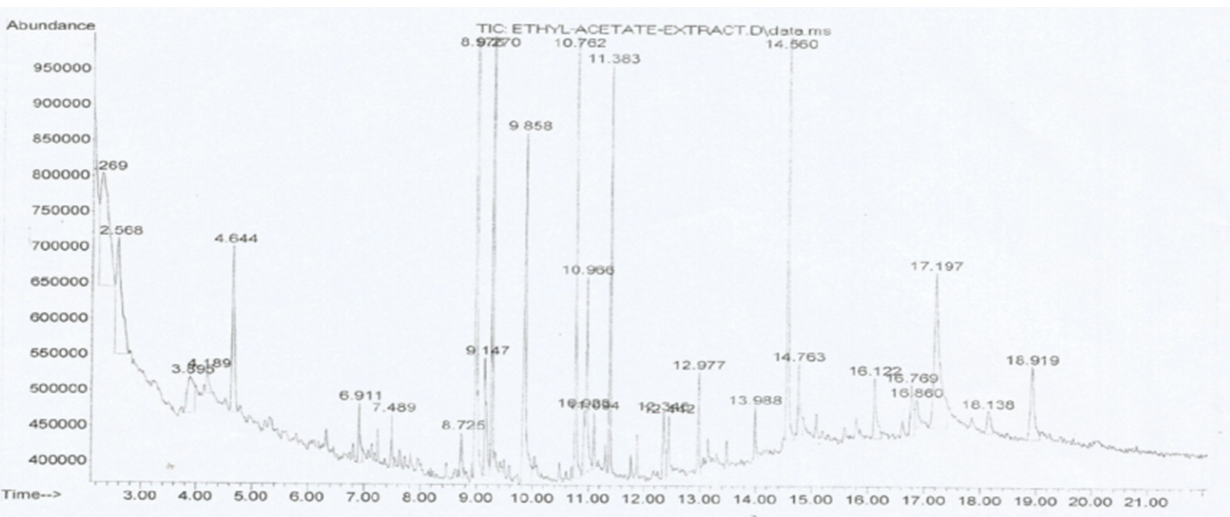
The examination of the ethyl acetate extract obtained from Andrographis paniculata leaves through GC-MS analysis, as outlined in Table 2, unveiled the existence of 29 unique compounds. Each of these compounds exhibited distinct characteristics in terms of retention time and relative abundance. It is noteworthy that retention time stands out as an informative parameter, serving as an identifying marker for the compounds observed. Typically, compounds with higher polarity displayed shorter retention times in the Gas Chromatography column due to their specific interactions with the stationary phase.
The initial peak in the ethyl acetate analysis emerged at the 2.269-minute mark, and it was identified as benzeneethanamine, 2, 5-difluoro-β, 3, 4-trihydroxy- N-methyl, a member of the alkaloid group. The GC-MS examination of the ethyl acetate extract yielded the identification of 29 compounds, which have been categorized in Table 2 under alkaloids, terpenoids, and Wax. The most prominent alkaloid detected in the ethyl acetate extract was Benzeneethanamine, 2, 5-difluoro-β, 3, 4-trihydroxy- N-methyl (2.354%), while the terpenoid compound with the highest concentration was 3, 7, 11, 15-tetramethyl-2- hexadecen-1-ol (18.324%).
The analysis of the ethyl acetate extract via GC-MS further unveiled the prevalence of specific compounds, including three of the four isomers of 3, 7, 11, 15-Tetramethyl- 2-hexadecen-1-ol (18.324%, 9.196%, and 6.615%), 2-Butanone, 4-(acetyloxy) (7.953%), squalene (7.868%), and n-Hexadecanoic acid (9.898%).
Moreover, the GC-MS analysis indicated that compounds with lower boiling points were eluted earlier in the chromatographic process. This consistency and reliability of the phenomenon are further supported by previous research [9]. In a study focusing on the phytochemical profile of A. paniculata using an ethanolic extract and GC-MS analysis, major compounds such as andrographolide, neoandrographolide, and 14-deoxy- 11,12-didehydroandrographolide were also identified (Figure 5-8)[27].
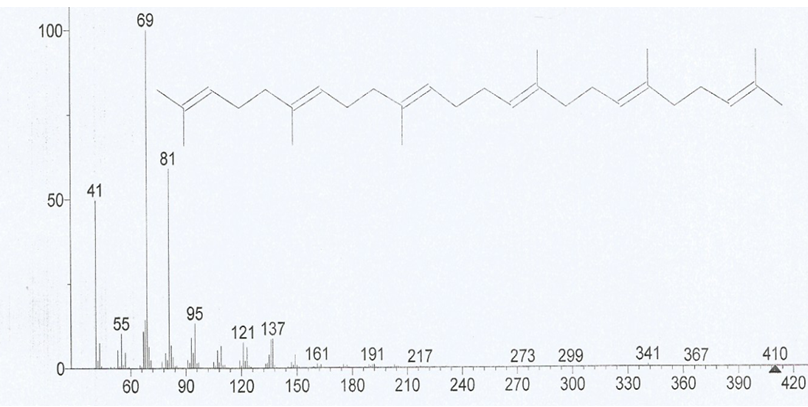
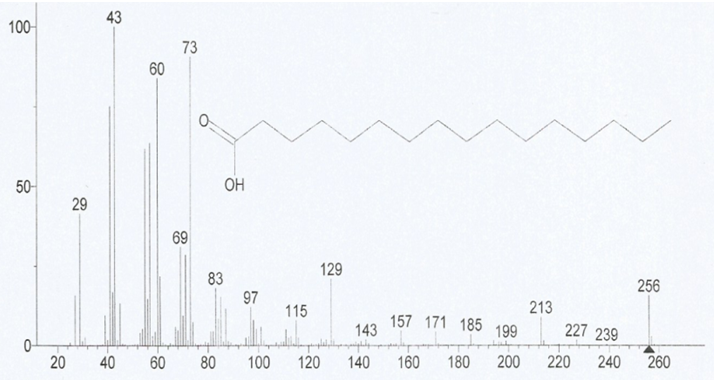
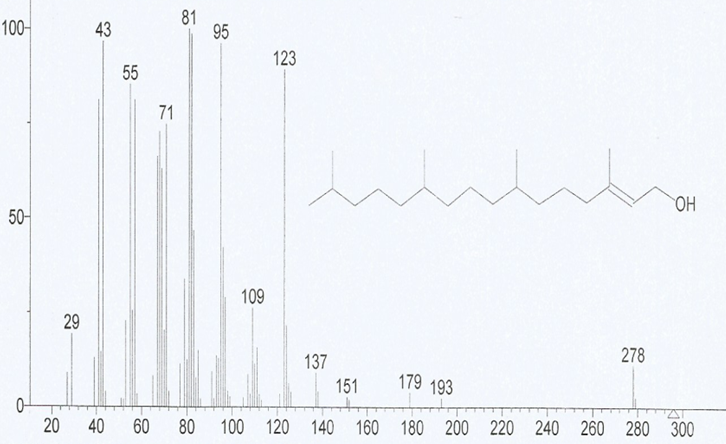
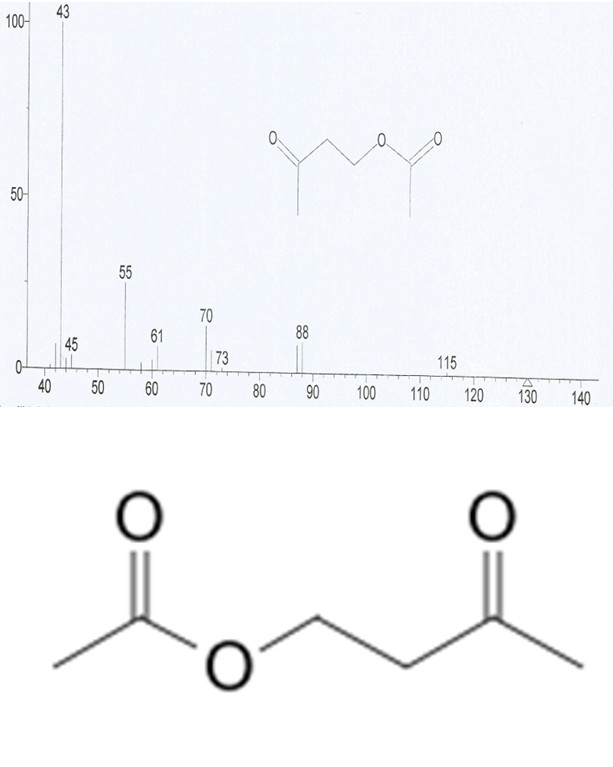
The diverse composition of these 29 compounds in the ethyl acetate extract highlights the complexity of the phytochemical profile in Andrographis paniculata leaves. The identification and understanding of these compounds can hold significant implications for the plant’s potential medicinal and therapeutic properties. Further research is warranted to elucidate the individual roles and health benefits associated with these distinct compounds, ultimately contributing to our comprehension of the plant’s pharmacological potential.
Structures of Prevailing Compounds in Ethyl acetate Extract
3,7,11, 15-tetramethyl-2-hexadecen-1-ol (18.324%).
n- hexadecanoic acid (9.898%).
2-butanone, 4-(acetyloxy)- (7.953%).
$$ \mathrm {C H} _ {3} \mathrm {C O C H} = \mathrm {C H} _ {3} \mathrm {C H} _ {3} \mathrm {C H} _ {3} \mathrm {C H} _ {3} \mathrm {C H} _ {3} \mathrm {C H} _ {3} $$
3,7,11, 15-tetramethyl-2-hexadecen-1-ol (9.196%).
Squalene (7.868%).
$$
\mathrm {C O} = \mathrm {C} - \mathrm {C} - \mathrm {C} - \mathrm {C} - \mathrm {C} - \mathrm {C} - \mathrm {C} - \mathrm {C} - \mathrm {C} - \mathrm {C} - \mathrm {C} - \mathrm {C} - \mathrm {C} - \mathrm {C} - \mathrm {C} - \mathrm {C} - \mathrm {C} - \mathrm {C} - \mathrm {C} - \mathrm {C} - \mathrm {C} - \mathrm {C} - \mathrm {C} - \mathrm {C} - \mathrm {C} - \mathrm {C} - \mathrm {C} - \mathrm {C} - \mathrm {C} - \mathrm {C} - \mathrm {C} - \mathrm {C} - \mathrm {C} - \mathrm {C} - \mathrm {C} - \mathrm {C} - \mathrm {C} - \mathrm {C} - \mathrm {C} - \mathrm {C} - \mathrm {C} - \mathrm {C} - \mathrm {C} - \mathrm {C} - \mathrm {C} - \mathrm {C} - \mathrm {C} - \mathrm {C} - \mathrm {C} - \mathrm {C} - \mathrm {C} - \mathrm {C} - \mathrm {C} - \mathrm {C} - \mathrm {C} - \mathrm {C} - \mathrm {C} - \mathrm {C} - \mathrm {C} - \mathrm {C} - \mathrm {C} - \mathrm {C} - \mathrm {C} - \mathrm {C} - \mathrm {C} - \mathrm {C} - \mathrm {C} - \mathrm {C} - \mathrm {C} - \mathrm {C} - \mathrm {C} - \mathrm {C} - \mathrm {C} - \mathrm {C} - \mathrm {C} - \mathrm {C} - \mathrm {C} - \mathrm {C} - \mathrm {C} - \mathrm {C} - \mathrm {C} - \mathrm {C} - \mathrm {C} - \mathrm {C
3,7,11, 15-tetramethyl-2-hexadecen-1-ol (6.615%).
Conclusion
In conclusion, our study provides valuable insights into the phytochemical diversity of Andrographis paniculata, particularly focusing on its ethyl acetate extracts. These extracts revealed a diverse array of compounds, including steroids, terpenoids, and alkaloids, while certain compounds like tannins, saponins, flavonoids, and cardiac glycosides were notably absent. The choice of extraction solvent, in this case, ethyl acetate, proved pivotal in capturing these bioactive compounds, emphasizing the need for careful selection of extraction methods in phytochemical analysis.
The GC-MS analysis further elucidated the chromatographic behavior of these compounds, with compounds like benzeneethanamine, 2, 5-difluoro-β, 3, 4-trihydroxy-N-methyl, standing out in notable concentrations. This complexity in phytochemistry highlights the plant’s pharmacological potential, warranting further research to unveil the specific roles and health benefits associated with these unique compounds. In essence, our study advances our understanding of Andrographis paniculata’s phytochemical profile and sets the stage for future exploration of its medicinal and therapeutic applications.
Acknowledgement
We deeply appreciate and carry in our hearts the profound contributions of all those who have been part of this research, whether directly or indirectly. Your involvement has indelibly marked this work, and we hold in high esteem the memories of each individual mentioned here, with immense gratitude and admiration.
Disclosure Statement
No potential conflict of interest was reported by the authors.
References
-
Nasim N, Sandeep IS, Mohanty S (2022) Plant-derived natural products for drug discovery: current approaches and prospects. Nucleus 65(3): 399-411.
-
Prabha N, Bushra JR (2019) Gas Chromatography Mass Spectrometry Analysis of Andrographis paniculata. Asian Journal of Research in Chemistry 12(1): 1-6.
-
Kalaiselvan A, Krishnan KG, Anand T (2012) Gas Chromatography-Mass Spectrum analysis of bioactive components of the ethanol extract of Andrographis paniculata. Journal of Pharmaceutical and Biomedical Sciences 20(15): 1-6.
-
Akoueson F, Chbib C, Monchy S, Paul-Pont I, Doyen P, et al. (2021) Identification and quantification of plastic additives using pyrolysis-GC/MS: A review. Science of the Total Environment 773: 145073.
-
Sharma P, Sanadhya D (2017) The King of Bitters, Andrographis paniculat: A Plant with Multiple Medicinal Properties. The Journal of Plant Science Research 33(1): 117.
-
Hossain S, Urbi Z, Karuniawati H, Mohiuddin RB, Qrimida AM, et al. (2021) Andrographis paniculata (burm. F.) wall. Ex nees: an updated review of phytochemistry, antimicrobial pharmacology, and clinical safety and efficacy. Life 11(4): 348.
-
Lim XY, Chan JSW, Tan TYC, Teh BP, Razak MRMA, et al. (2021). Andrographis paniculata (Burm. F.) wall. ex nees, andrographolide, and andrographolide analogues as SARS-CoV-2 antivirals? A rapid review. Natural Product Communications 16(5).
-
Okhuarobo A, Falodun JE, Erharuyi O, Imieje V, Falodun A, et al. (2014) Harnessing the medicinal properties of Andrographis paniculata for diseases and beyond: a review of its phytochemistry and pharmacology. Asian Pac J Trop Dis 4(3): 213-222.
-
Ali SK, Makeen HA, Khuwaja G, Alhazmi HA, Sharma M, et al. (2023) Assessment of the Phytochemical Profile, Antioxidant Capacity, and Hepatoprotective Effect of Andrographis paniculata against CCl4-Induced Liver Dysfunction in Wistar Albino Rats. Medicina 59(7).
-
Lin BF, Chao WW (2010) Isolation and identification of bioactive compounds in Andrographis paniculata (Chuanxinlian). Chinese Medicine 5: 17.
-
Jiang M, Sheng F, Zhang Z, Ma X, Gao T, et al. (2021) Andrographis paniculata (Burm. f.) Nees and its major constituent andrographolide as potential antiviral agents. Journal of Ethnopharmacology 272: 113954.
-
Yan Y, Fang LH, Du GH (2018) Andrographolide. In: Du GH (Ed.), Natural Small Molecule Drugs from Plants. Springer, pp: 357-362.
-
Pandey G, Rao CH (2018) Andrographolide: its pharmacology, natural bioavailability and current approaches to increase its content in andrographispaniculata. International Journal of Complementary & Alternative Medicine 11(6): 355-360.
-
Fardiyah Q, Ersam T, Slamet A, Kurniawan F, Suyanta (2021) New potential and characterization of Andrographis paniculata L. Ness plant extracts as a photoprotective agent. Arabian Journal of Chemistry 13(12): 8888-8897.
-
Rafi M, Meitary N, Septaningsih DA, Bintang M (2020) Phytochemical profile and antioxidant activity of Guazuma ulmifolia leaves extracts using different solvent extraction. Indonesian Journal of Pharmacy 31(3): 171- 180.
-
Chua LS, Abdullah, FI, Azlah MAF (2019) Phytochemical Profile of Andrographis paniculata Extract from Solvent Partition and Precipitation. Journal of Biologically Active Products from Nature 9(3): 238-249.
-
Ushie OA, Danladi AH, Bako B, Longbap BD, Nkom PY (2023) Oleanolic Acid Isolated from Ethyl Acetate Leaf Extract of Cissus populnea and the Antimicrobial Activities. Nigerian Research Journal of Chemical Sciences 11(2): 20-34.
-
Bako B, Danladi AH, Bulus GG, Ushie OA (2023) Quantitative analysis of selected phytochemicals and antimicrobial potentials in Justicia secunda leaf crude extracts. WJPMR 9(8): 228-232.
-
Rasool U, Parveen A, Sah SK (2018) Efficacy of Andrographis paniculata against extended spectrum β-lactamase (ESBL) producing E. coli. BMC Complementary and Alternative Medicine 18(1): 1-9.
-
Koparde AA, Doijad RC, Magdum CS (2019) Natural products in drug discovery. In: Perveen S, et al. (Eds.), Pharmacognosy-Medicinal Plants. IntechOpen, pp: 1-15.
-
Kite GC, Veitch NC, Grayer RJ, Simmonds MSJ (2003) The use of hyphenated techniques in comparative phytochemical studies of legumes. Biochemical Systematics and Ecology 31(8): 813-843.
-
Obika-Ndiri NA, Ndikom CM, Obika OI (2022) Influence of Socio-Economic Factors on Choice of Childbirth Place Among Women In Oyigbo LGA, Rivers State, Nigeria. Journal of Medwifery 7(2).
-
Finar IL (2008) Organic Chemistry: Stereochemistry and the Chemistry of Natural Products. 5th(Edn.), Volume 2, Dorling Kindersley Limited India.
-
Bako B, Ushie OA, Malu SP, Kendeson AC (2023) Phytochemical screening and antioxidants activities of four different solvent extracts of Justicia secunda leaf extracts. Journal of Chemical Research Advances 4(1): 15-20.
-
Chao WW, Lin BF (2010) Isolation and identification of bioactive compounds in Andrographis paniculata (Chuanxinlian). Chinese Medicine 5: 17.
-
Purushothaman A, Sufiya P, Meenatchi P, Sundaram R, Saravanan N (2020) Antigenotoxic and antimutagenic effects of Andrographis paniculata, a traditional medicinal herb against genotoxicity of cyclophosphamide: An in vitro study on human peripheral lymphocytes. Preventive Nutrition and Food Science 25(3): 246-253.
-
Santra HK, Maity S, Banerjee D (2022) Production of bioactive compounds with broad spectrum bactericidal action, bio-film inhibition and antilarval potential by the secondary metabolites of the endophytic fungus Cochliobolus sp. APS1 isolated from the Indian medicinal herb Andrographis paniculata. Molecules 27(5): 1459.
- Spectrophotometric Determination of Lanthanum (III) and Some Rare Earths with Xylenol Orange
- Introduction and Sources of Molluscicides
- Trimetazidine: An Antianginal Drug and Not Only!
- Nature Inspired Discovery and Development of Antibacterials: An Update
- Fungal Biodegradation of Polycyclic Aromatic Hydrocarbons (PAHs)
- Recent Approaches of Impurity Profiling in Pharmaceutical Analysis: A Concise Review