
Competency of Neonatal Unit Nurses Regarding Newborn Care in Selected Teaching Hospitals in Southwestern, Nigeria
Introduction: Neonatal mortality remains an issue globally. There are approximately 6700 newborn deaths every day. Regrettably, most deaths are due to conditions which can be prevented by appropriate newborn care. Nurses play an important role in the care of neonates and prevention of neonatal death. This study aim to determine the competency of nurses as regards care of neonates in selected teaching hospitals in southwestern, Nigeria. Methods: Analytic cross-sectional descriptive study was carried out using a self-administered questionnaire and observation checklist. A total numeration of 163 nurses working in the neonatal unit participated. Data collected was analyzed using percentages, frequencies and chi-square test. Results were presented in tables and charts. Result: The mean age of respondents was 41.68 ± 9.539 years and 4 years median age years of experience. Almost all the respondents (85.9%) were married and more than half (56.4%) had BNSc degree. Approximately half (50.9%) of the nurses have unsatisfactory knowledge and attitude regarding care of neonates in neonatal unit. While in contrast, more than half (52.1%) of the nurses have satisfactory practice regarding care of neonates. Overall, less than half (45.5%) of the respondents were competent in taking care of neonates in the neonatal unit. Conclusion: Survival of neonates require nurses who are knowledgeable and competent to give quality care to neonates. The study found overall that most of the nurses were not competent in taking care of neonates. Nurses established that continuing education will facilitate their competence in the care of neonates. A regular continuing education interventions should be organized for nurses working in the neonatal unit to improve their competency in the care of newborns.
Introduction
The neonatal period is the most vulnerable time for a childs survival. Despite concentrated efforts in the implementation of different strategies to reduce neonatal mortality rate globally and locally, its reduction remain slow contributing majorly to childhood mortality rate. About 2.4 million newborns lost their lives in 2020 alone amounting to
47% of under the age of 5 years death [1]. In the same year, Sub-Sahara Africa had the highest neonatal mortality rate of 27 deaths per 1,000 live births, followed by Central and Southern Asia with 23 deaths per 1,000 live births. Nigeria is next to India with 271 deaths per 1,000 live births [1]. Only eight years remain to the Sustainable Development Goals (SDG) deadline of 2030. The global target for child health will not be met by then if current trends persist. Improvement of the neonatal health therefore becomes a source of concern. Unfortunately 80% of the deaths are from preventable and treatable causes such as complications due to preterm, intrapartum related deaths including birth asphyxia and infections [2]. With almost 80% facility births globally [1], there is a great opportunity for providing essential newborn care and identifying and managing high risk newborns. Essential newborn care include keeping the newborn warm, including skin-to-skin care, assistant with initiation of breastfeeding including helping the mother express breast milk for feeding the baby from a cup or nasogastric/orogastric tube if necessary, extra attention to hand and environmental hygiene, extra attention to danger signs and the need for care, additional support for breastfeeding and growth monitoring [3].
UNICEF and WHO documented poor- quality care in health facilities as a contributory factor to neonatal deaths emphasizing the role of quality care in the survival of newborns. Specifically, 61% of neonatal death is as result of poor-quality care [2, 4]. Nurses are the key healthcare professionals in the neonatal unit as they work with the neonates on 24/7 basis, thus making them most likely to leave tangible impacts on outcome of care [5, 6]. In other climes, nurses with specialty training in neonatal nursing work in neonatal units. However, nurses working in the neonatal unit in our centers do not have specialized training, majority have basic nursing education. It is therefore expedient to establish the competency of registered nurses and midwives working in the neonatal units. Previous studies confirm that nurses’ competency has a significant effect on quality of care rendered and positive patient health outcome [7, 8]. In Nigeria, there is no post-basic neonatal nursing education. To this end nurses caring for newborns in the neonatal units learn on the job. This study aim to evaluate the competency (knowledge, attitude and practice) of neonatal unit (NU) nurses regarding newborn care in selected teaching hospitals in southwestern, Nigeria.
Aim
To evaluate the competency of neonatal unit (NU) nurses regarding newborn care in selected teaching hospitals in southwestern, Nigeria.
Specific Objectives
- Assess the level of knowledge of the nurses regarding newborn infection control, temperature control, oxygen administration and nutrition in the NU.
- Assess the attitude of the nurses’ towards newborn care in the NU.
- Assess the practices of the nurses regarding newborn infection control, temperature control, oxygen administration and nutrition in the NU.
- Determine nurses’ competency of newborn care in the NU.
- Identify the factors influencing competency of nurses in the NU.
Hypotheses
- There is no significant association between nurses’ selected socio-demographic characteristics and their competency.
- There is no significant association between nurses’ knowledge and their practice of newborn care.
- There is no significant association between nurses’ practices of newborn care and selected socio- demographic characteristics and training on newborn care.
Materials and Methods
Study Design
An analytic cross-sectional descriptive study was conducted to assess the competency (knowledge, attitude and practices) of nurses towards neonatal care in selected teaching hospitals in southwestern states of Nigeria.
Study Setting
The study was conducted in the Neonatal Units of randomly selected teaching hospitals in Oyo and Lagos State, Nigeria. It include: University College Hospital, Ibadan, Adeoyo Maternity Teaching Hospital, Ibadan, Lagos University Teaching Hospital and Lagos State University Teaching Hospital, Nigeria. The neonatal unit of these institutions admits babies from birth to 28days. The institutions serve as referral centres to other hospitals within and outside the States.
Target population: All nurses providing care to newborn babies.
Study population: All nurses working in NU of the selected hospitals.
Sampling Techniques
Multi- stage sampling technique was used for this study. Simple random sampling technique was used to select two states from the 6 states in the southwestern Nigeria, which is, Oyo State and Lagos State. Convenience sampling was used to select 2 teaching hospitals from each of the selected states. Total numeration was adopted in selecting the sample from each of the selected hospitals. This is to ensure enlarged number of participants.
Sample Size
Total numeration was used for the study. The minimum sample size was determined using Taro Yamane (1967) formula with 95% confidence level. The calculated sample size for the study was 115 respondents.
Inclusion Criteria
All nurses currently working in the neonatal units with a minimum of 8 weeks experience on the unit were enrolled.
Exclusion criteria
Nurses that met the inclusion criteria but were not present during the period of data collection due to unforeseen circumstances. Students were excluded from the study.
Instrument Development
Questionnaire and checklist were used for data collection. The tools were developed by the researchers based on extensive literature review related to essential newborn care, instruments used in previous studies and in consultation with pediatric nurses and experts in neonatology.
Tool 1(Questionnaire): The semi-structured questionnaire on knowledge and attitude of the nurses, comprised 4 sections based on the selected nursing care of the newborn (temperature control, Oxygen therapy, nutrition and infection control in the neonatal unit).
Section A: Covered information on the demographic characteristics of the participants.
Section B: Obtained information on nurses’ level of knowledge as regards neonatal care in the NU consisting of sixty-six (66) questions in the form of closed and open ended questions. There are 12 questions related to knowledge of newborn temperature control, 11 questions related to knowledge of oxygen therapy in newborns, 18 questions on knowledge of nutrition in the newborn and finally 25 questions related to nurses’ knowledge of infection control in neonatal care unit. One point was awarded for each correct answer while incorrect answer took zero. Correct responses were summed up and converted to 100 to get the knowledge score for each respondent. The knowledge scores were classified into satisfactory knowledge (>75%) and unsatisfactory knowledge (<75%).
Section C: Obtained information on attitude of nurses regarding neonatal care which consist of 18 statements using a 5-item Likert scale as (5. Strongly Agree, 4. Agree, 3. Uncertain, 2. Disagree and
Section C: Obtained information on attitude of nurses regarding neonatal care which consist of 18 statements using a 5-item Likert scale as (5. Strongly Agree, 4. Agree, 3. Uncertain, 2. Disagree and 1. Strongly Disagree). Eight questions out of the 18 attitude questions were skewed such that the responses indicate positive attitude such as ‘Strongly agree’ and ‘Agree’. While 10 items were skewed such that ‘Strongly disagree’ and ‘Disagree’ are positive attitudes. The attitude scores were categorized into good attitude (≥50%) and poor attitude (<50).
Section D: Obtained information on nurses’ opinion about facilitators (8 items) and barriers (20 items) to their competency in the care of newborns. The questions are in five point Likert scale ranging from strongly agree, 5 points to strongly disagree, 1 point.
Tool 11 (Checklist): The nurses’ performance observational checklist containing 40 expected steps pertaining to newborn care procedures used to assess psychomotor skills of the nurses as regards the four targeted nursing interventions. The scale of performance and allotted marks range from 0-2, with ‘0’ categorized as non-performance; ‘2’ the highest score of performance while the least score of performance was ‘1/4’. The practice scores were categorized into satisfactory practice (>75%) and unsatisfactory practice (<75%).
Validity of Instrument
The Face and content validity of the semi-structured questionnaire and observation checklist were ascertained through extensive review of literature about the nursing care of sick neonates. Items were compared with previous similar studies for clarity, adequacy of content, appropriateness and ability to elicit accurate information with respect to the research objectives and hypotheses. Also it was presented to experts in paediatrics and in neonatology including statistician. Their suggestions and opinions were used to modify the questionnaire and observation checklist.
Reliability of Instrument
The reliability of the instruments was ascertained using test-retest reliability. The corrected version of the instrument was administered twice at two weeks interval to the same individual nurses working in the NU of another hospital in Ibadan. Their responses were analysed using Person Product Moment Correlation Analysis. Also the internal consistency was determined using the Cronbach’s alpha model (result 0.70 was acceptable).
Method of Data Collection
Data was collected through self-administered questionnaires and observation checklist after taking informed consent from each respondent. The questionnaires were administered to respondents by the researchers and four trained research assistants (3 Registered Nurses and one Nurse Intern). The questionnaires was administered in the unit during three shifts within a day. The researchers captured the night and morning nurses after their handing over and taking over in the morning and wait to collect the filled questionnaires as well as administer to the afternoon nurses. Checklist was used to observe nurses during different procedures at different shifts for practice assessment. Data collection continued until all the respondents were assessed. Confidentiality was ensured by not including the names of the respondents and teaching hospitals in the instruments for data collection. Ethical approval was obtained from the research and ethics committee of the institutions before commencement of the study.
Data Analysis
Data were checked for completeness and inconsistencies and analyzed using descriptive statistics of frequencies, percentages, mean, median and standard deviation. Chi- square test was adopted in testing the null hypotheses.
Ethical Consideration
Approval for the study was obtained from the study settings, University of Ibadan / University College Hospital (UI-UCH), Ibadan Ethical Review Committee (UI/ EC/19/0578) and Adeoyo Maternity Teaching Hospital Ethical Committee, Lagos University Teaching Hospital Health Research Ethics Committee (ADM/DCST/HREC/ APP/3351) and Lagos State University Teaching Hospital Health Research and Ethics Committee (LREC/06/10/1329). A letter of permission for data collection were presented to the Chairman Medical Advisory Committee of the study settings for approval. The approvals from Chairman Medical Advisory Committee and Ethical Review were given to the Head, Nursing Services Department of the study settings.
The verbal and written consent of the nurses working in the units were obtained to participate in the study. The non- participatory observational study made use of questionnaire and checklist hence no harm was imposed on anybody. To ensure utmost confidentiality, the participants were instructed not to write their name on the questionnaire. Respondents were made to know that their participation in the study was voluntarily and that their decision is of their own choice without any direct or indirect influence.
Results
One hundred and sixty-three nurses participated in the study with the average age of 41.68 ± 9.539 years. More than half 140 (85.9%) were Christians while 22 (13.5%) were Muslims. Almost all the respondents 162(99.4%) were females and 149 (85.9%) were married. More than three- quarters 113 (69.3%) were registered nurse midwives. More than half 92 (56.4%) of the participants were BNSc./BSc. Nursing degree holders. A higher percentage 59 (36.2%) did not have any nursing specialty training while 48 (29.4%) had paediatrics nursing specialty. The participants had 4 years median ages with inter-quartile range 2 to 6 years. The details were presented in Table 1 below.
| Socio-Demographic | Frequency | Percentage |
|---|---|---|
| Age Group (years) | ||
| ≤ 30 | 24 | 14.7 |
| 31 – 40 | 51 | 31.3 |
| 41 – 50 | 51 | 31.3 |
| > 50 | 33 | 20.2 |
| No Response | 4 | 2.5 |
| Mean ± SD | 41.68 ± 9.539 years | |
| Min. – Max. | 21 – 58 years | |
| Gender | ||
| Male | 1 | 0.6 |
| Female | 162 | 99.4 |
| Religion | ||
| Christianity | 140 | 85.9 |
| Islam | 22 | 13.5 |
| No Response | 1 | 0.6 |
| Marital status | ||
| Single | 20 | 12.3 |
| Married | 149 | 85.9 |
| Widowed | 3 | 1.8 |
| Basic Professional qualification | ||
| Registered Nurse | 24 | 14.7 |
| Registered Nurse Midwife | 120 | 73.6 |
| Others | 19 | 11.7 |
| Highest Educational qualification | ||
| Diploma(RN, RM, etc) | 56 | 34.4 |
| BNSc./ BSc. Nursing | 92 | 56.4 |
| MSc. Nursing | 6 | 3.7 |
| PhD. Nursing | 1 | 0.6 |
| Others(BSc. Nutrition, BSc. Psychology etc) | 8 | 4.9 |
| Nursing Specialty Trained | ||
| MNCH Nursing | 11 | 6.7 |
| Paediatric Nursing | 48 | 29.4 |
| Neonatal Nursing | 0 | 0 |
| Intensive care Nursing | 6 | 3.6 |
| Others | 39 | 23.9 |
| Nil | 59 | 36.2 |
| Experience Years | ||
| Median (Q1 – Q3) | 4.00 (2.00 – 6.00) | |
| Min. – Max. | 0.33 – 25.00 |
Table 1: Socio-Demographic Characteristics of the Respondents.
Information in Figure 1 revealed that majority 124 (76.1%) of the respondents had attended training or workshop related to nursing care of newborn while 39 (18.7%) have not.
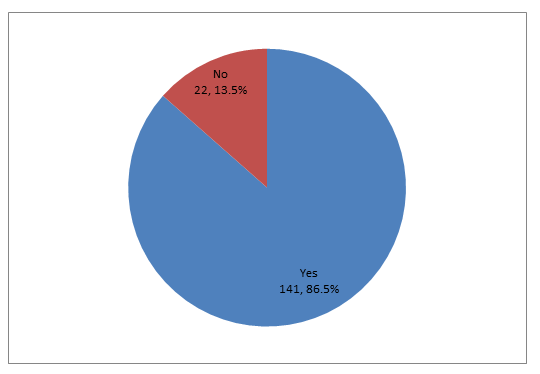
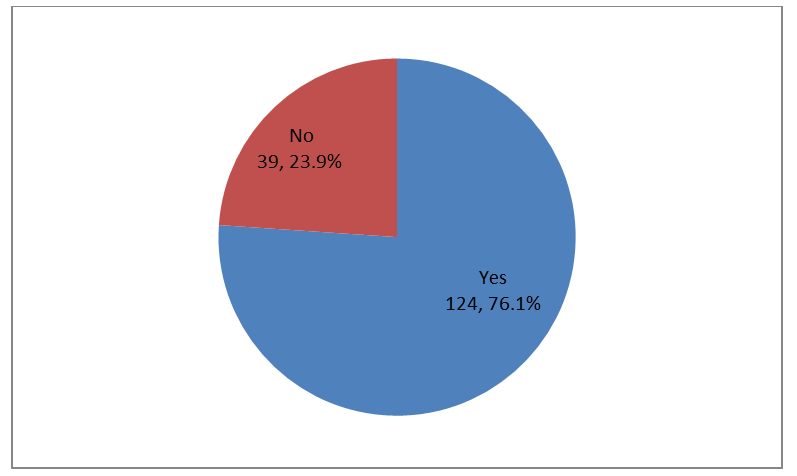
Figure 2 If given a choice, more than three-quarters 141
(86.5%) of the respondents showed interest in continuing the nursing care of neonates while 22 (13.5%) did not.
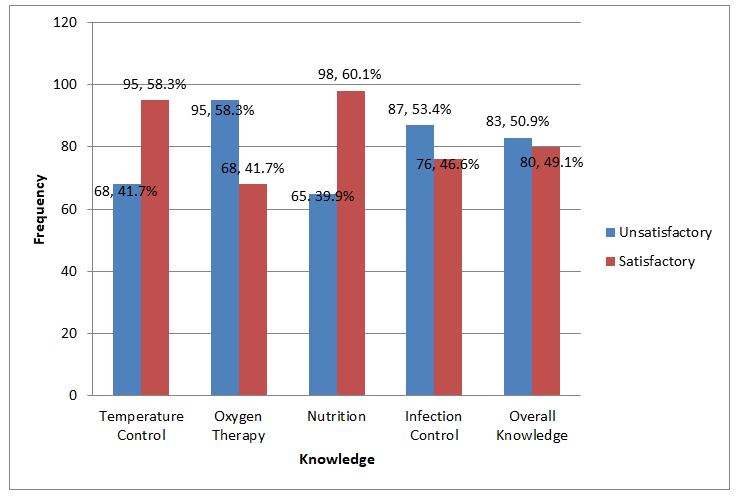
Information in Figure 3 below showed the level of knowledge of participants on all the 4 domains of TONI as well as overall level of their knowledge. The chart showed that more than half 95 (58.3%) and 98 (60.1%) had satisfactory knowledge on newborn temperature control and nutrition respectively, while less than half 68 (41.7%) and 76 (46.6%) had satisfactory knowledge on newborn oxygen therapy and infection control in neonatal unit. Generally, 80 (49.1%) of the participant have satisfactory knowledge regarding care of neonates in neonatal unit.
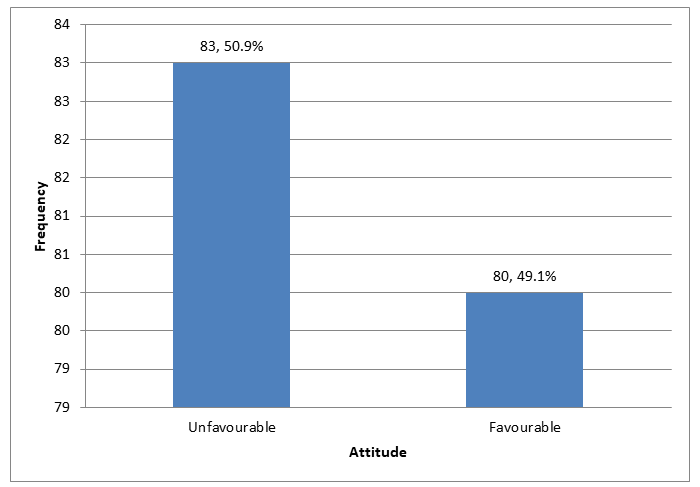
Based on information in Figure 4 below, it was observed that more than half 83 (50.9%) of the respondents had unfavourable attitudes toward care of neonates in neonatal unit while 80 (49.1%) had favourable attitudes.
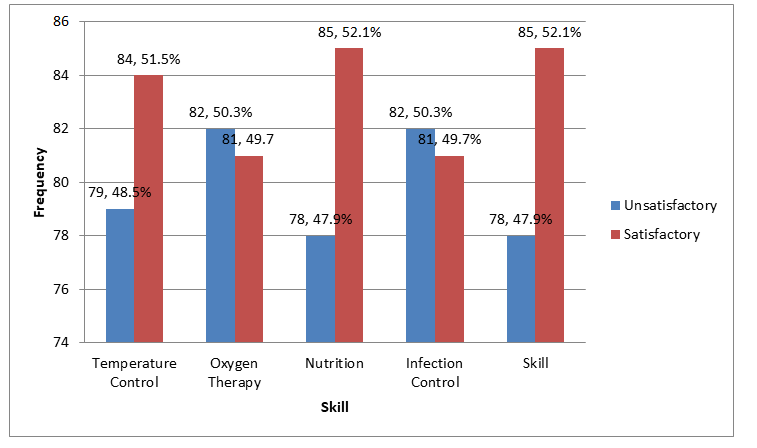
Information in Figure 5 showed the information gathered from the checklist, which was used to score the performance of the participants in taking care of neonates using the 4 domains (TONI). More than half 84 (51.5%) and 85 (52.1%) of the participants performed satisfactorily in temperature control and newborn nutrition in neonatal unit while 81 (49.7%) satisfactorily performed in oxygen therapy and infection control. Generally, more than half 85 (52.1%) had satisfactory skill of TONI.
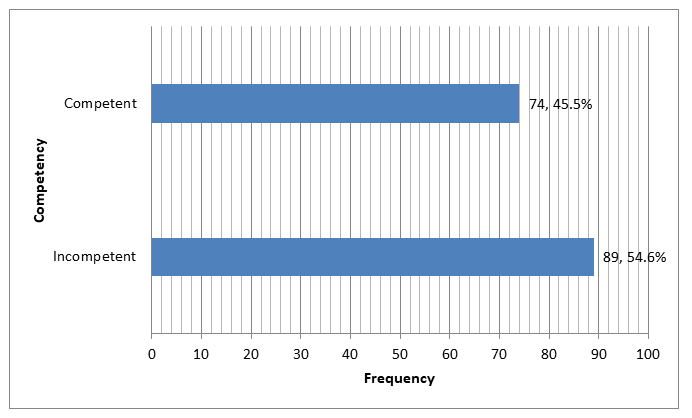
Less than half 74 (45.5%) of the respondents were competent in taking care of neonates in neonatal unit while 89 (54.6%) were not competent (Figure 6).
| Statement | Responses | Frequency | Percentage | Mean ± SD |
|---|---|---|---|---|
| Facilitators to Clinical Competent | 32.14 ± 3.69 | |||
| Continuing education (CE) facilitate my competency in NU | Disagree | 4 | 2.5 | |
| Strongly Disagree | 0 | 0.0 | ||
| Uncertain | 14 | 8.6 | ||
| Agree | 59 | 36.2 | ||
| Strongly Agree | 86 | 52.8 | ||
| Update programmes help to inform me about new trends in Newborn care | Disagree | 1 | 0.6 | |
| Strongly Disagree | 0 | 0.0 | ||
| Uncertain | 13 | 8.0 | ||
| Agree | 52 | 31.9 | ||
| Strongly Agree | 97 | 59.5 | ||
| Continuing education is not needed after basic training to remain competent | Strongly Disagree | 86 | 52.8 | |
| Disagree | 53 | 32.5 | ||
| Uncertain | 13 | 8.0 | ||
| Agree | 6 | 3.7 | ||
| Strongly Agree | 5 | 3.1 | ||
| To improve my skill in clinical practice I need to specialize | Disagree | 12 | 7.4 | |
| Strongly Disagree | 0 | 0.0 | ||
| Uncertain | 16 | 9.8 | ||
| Agree | 84 | 51.5 | ||
| Strongly Agree | 51 | 31.3 | ||
| To improve my skill and maintain competent I need a good mentor | Strongly Disagree | 1 | 0.6 | |
| Disagree | 5 | 3.1 | ||
| Uncertain | 23 | 14.1 | ||
| Agree | 81 | 49.7 | ||
| Strongly Agree | 53 | 32.5 | ||
| To maintain competence, I don’t need so many colleagues on duty with me | Strongly Disagree | 35 | 21.5 | |
| Disagree | 61 | 37.4 | ||
| Uncertain | 24 | 14.7 | ||
| Agree | 34 | 20.9 | ||
| Strongly Agree | 9 | 5.5 | ||
| I cannot remain competent if I don’t have good communication skills | Strongly Disagree | 6 | 3.7 | |
| Disagree | 16 | 9.8 | ||
| Uncertain | 20 | 12.3 | ||
| Agree | 87 | 53.4 | ||
| Strongly Agree | 34 | 20.9 | ||
| I cannot remain competent if I do not have access to current research articles | Strongly Disagree | 5 | 3.1 | |
| Disagree | 16 | 9.8 | ||
| Uncertain | 19 | 11.7 | ||
| Agree | 68 | 41.7 | ||
| Strongly Agree | 55 | 33.7 | ||
| It is only through carrying out research that I can maintain competent | Strongly Disagree | 15 | 9.2 | |
| Disagree | 50 | 30.7 | ||
| Uncertain | 27 | 16.6 | ||
| Agree | 41 | 25.2 | ||
| Strongly Agree | 30 | 18.4 |
Table 2: Distribution Table of Facilitators to Nurses’ Competency in Neonatal Unit.
Table 2 shows the distribution of facilitators to nurses’ competency in neonatal unit. The mean facilitator score was 32.14 ± 3.69. About 86(52.8%) of the nurses strongly agree that continuing education (CE) facilitate their competency in the Neonatal unit. Other details as presented in table 2.
Table 3 shows the distribution of barriers to nurses’ competency in neonatal unit. The mean barrier score was 93.45 ± 14.25. About 74(45.4%) and 26(16.0%) of the nurses strongly agree and agree that time constraint to read literature constitute a major barrier to their competency in the Neonatal unit. Other details as presented in Table 3.
| Barriers to Clinical Competent | 93.45 ± 14.25 | |||
|---|---|---|---|---|
| Personal Barriers | 17.67 ± 4.62 | |||
| Time constraint to read literature | Strongly Disagree | 9 | 5.5 | |
| Disagree | 35 | 21.5 | ||
| Uncertain | 19 | 11.7 | ||
| Agree | 74 | 45.4 | ||
| Strongly Agree | 26 | 16.0 | ||
| Domestic responsibilities | Strongly Disagree | 12 | 7.4 | |
| Disagree | 43 | 26.4 | ||
| Uncertain | 24 | 14.7 | ||
| Agree | 72 | 44.2 | ||
| Strongly Agree | 12 | 7.4 | ||
| Emotional stress | Strongly Disagree | 17 | 10.4 | |
| Disagree | 53 | 32.5 | ||
| Uncertain | 33 | 20.2 | ||
| Agree | 49 | 30.1 | ||
| Strongly Agree | 11 | 6.7 | ||
| Poor physical health | Strongly Disagree | 29 | 17.8 | |
| Disagree | 59 | 36.2 | ||
| Uncertain | 27 | 16.6 | ||
| Agree | 32 | 19.6 | ||
| Strongly Agree | 16 | 9.8 | ||
| Lack of interest to update myself | Strongly Disagree | 37 | 22.7 | |
| Disagree | 63 | 38.7 | ||
| Uncertain | 26 | 16.0 | ||
| Agree | 25 | 15.3 | ||
| Strongly Agree | 12 | 7.4 | ||
| Financial constraint to update myself | Strongly Disagree | 23 | 14.1 | |
| Disagree | 43 | 26.4 | ||
| Uncertain | 33 | 20.2 | ||
| Agree | 38 | 23.3 | ||
| Strongly Agree | 26 | 16.0 | ||
| Interpersonal Barriers | 11.77 ± 3.63 | |||
| Lack of co-workers’ support | Strongly Disagree | 26 | 16.0 | |
| Disagree | 39 | 23.9 | ||
| Uncertain | 32 | 19.6 | ||
| Agree | 44 | 27.0 | ||
| Strongly Agree | 22 | 13.5 | ||
| Negative experiences with previous update programs | Strongly Disagree | 34 | 20.9 | |
| Disagree | 57 | 35.0 | ||
| Uncertain | 31 | 19.0 | ||
| Agree | 30 | 18.4 | ||
| Strongly Agree | 11 | 6.7 | ||
| Lack of family support to go for an update | Strongly Disagree | 38 | 23.3 | |
| Disagree | 51 | 31.3 | ||
| Uncertain | 32 | 19.6 | ||
| Agree | 29 | 17.8 | ||
| Strongly Agree | 13 | 8.0 | ||
| Lack of supportive policies and training opportunities. | Strongly Disagree | 9 | 5.5 | |
| Disagree | 22 | 13.5 | ||
| Uncertain | 28 | 17.2 | ||
| Agree | 58 | 35.6 | ||
| Strongly Agree | 46 | 28.2 | ||
| Structural Barriers | 31.88 ± 8.37 | |||
| Work commitments | Strongly Disagree | 11 | 6.7 | |
| Disagree | 21 | 12.9 | ||
| Uncertain | 17 | 10.4 | ||
| Agree | 78 | 47.9 | ||
| Strongly Agree | 36 | 22.1 | ||
| Cost of continuing education programmes | Strongly Disagree | 13 | 8.0 | |
| Disagree | 29 | 17.8 | ||
| Uncertain | 28 | 17.2 | ||
| Agree | 54 | 33.1 | ||
| Strongly Agree | 39 | 23.9 | ||
| Geographic distance to update myself | Strongly Disagree | 19 | 11.9 | |
| Disagree | 49 | 30.1 | ||
| Uncertain | 24 | 14.7 | ||
| Agree | 46 | 28.2 | ||
| Strongly Agree | 25 | 15.3 | ||
| Poor scheduling of CE programs | Strongly Disagree | 12 | 7.4 | |
| Disagree | 44 | 27.0 | ||
| Uncertain | 33 | 20.2 | ||
| Agree | 48 | 29.4 | ||
| Strongly Agree | 26 | 16.0 | ||
| Lack of organizational support | Strongly Disagree | 9 | 5.5 | |
| Disagree | 37 | 22.7 | ||
| Uncertain | 27 | 16.6 | ||
| Agree | 51 | 31.3 | ||
| Strongly Agree | 39 | 23.9 | ||
| Lack of information about provided CE programs | Strongly Disagree | 16 | 9.8 | |
| Disagree | 50 | 30.7 | ||
| Uncertain | 23 | 14.1 | ||
| Agree | 52 | 31.9 | ||
| Strongly Agree | 22 | 13.5 | ||
| Lack of accessibility to provided CE programs | Strongly Disagree | 12 | 7.4 | |
| Disagree | 54 | 33.1 | ||
| Uncertain | 23 | 14.1 | ||
| Agree | 51 | 31.3 | ||
| Strongly Agree | 23 | 14.1 | ||
| Lack of supervisors’ support | Strongly Disagree | 13 | 8.0 | |
| Disagree | 51 | 31.3 | ||
| Uncertain | 29 | 17.8 | ||
| Agree | 46 | 28.2 | ||
| Strongly Agree | 24 | 14.7 | ||
| Lack of relevant CE programs | Strongly Disagree | 16 | 9.8 | |
| Disagree | 58 | 35.6 | ||
| Uncertain | 29 | 17.8 | ||
| Agree | 38 | 23.3 | ||
| Strongly Agree | 22 | 13.5 | ||
| Poor quality of provided CE programs | Strongly Disagree | 19 | 11.7 | |
| Disagree | 61 | 37.4 | ||
| Uncertain | 36 | 22.1 | ||
| Agree | 30 | 18.4 | ||
| Strongly Agree | 17 | 10.4 |
Table 3: Distribution Table of Barriers to Nurses’ Competency in Neonatal Unit.
Discussion
The result showed that 163 nurses participated in the research. The average age of nurses was 41.68 ± 9.539 years with 4 years median years working experience in the neonatal unit with inter-quartile range 2 to 6 years. Almost all the participants were female (99.4%) and majority were married (85.9%). More than half (56.4%) of the nurses had Bachelors of Nursing Science (BNSc) degree. These findings are not consistent with the findings of another study carried out in the neonatal intensive care unit (NICU) affiliated to Ain Shams University Hospitals, which showed the average age and years of experience of the nurses as 29.51 ± 5.02 years and 7.69±3.61 years respectively, with only 14.3% having bachelor degree in nursing [9]. The current study is also in contradiction with the study carried out in the NICU of the hospitals afflicted to Tehran University of Medical sciences, where (92.4%) and (7.6%) of the nurses had bachelor degree and Master of sciences in Nursing respectively [10]. The current study however documented a higher percentage of degree nurses than another study in Southeastern Nigeria whereby only 26.3% of the nurses had degree qualification. Interestingly, in the same study unlike in the current study, about 28.5% of the respondents are male nurses, also 4.3% had specialty in neonatal nursing [11]. This is commendable as there is no institution currently offering neonatal nursing in Nigeria. A possibility that these neonatal nurses had their training out of the country. Here in Nigeria, most nurses working in the neonatal unit learn on the job. Furthermore, the current study revealed that majority (76.1%) of the respondents had attended training or workshop related to nursing care of newborn while 39 (18.7%) have not. This is consistent with the study of Mirlashari, et al. [10], who stated that nurses who had undergone specialized training and workshop related to nursing care of newborns accounted for 65% while 35% have not undergone any programme on newborn care. The reason may be because the study settings are teaching hospitals. Previous studies linked improved neonatal survival in the neonatal unit to the number of nurses who had attended courses related to neonatal care [12]. This confirms the need for regular continuing education and training for nurses.
More than three-quarters 141 (86.5%) of the respondents showed interest in continuing the nursing care of neonates in the neonatal unit while 22 (13.5%) wished to be posted out of the neonatal unit. Probably, the few nurses that wishes to be posted out of the neonatal unit are unfulfilled or bored caring for neonates. Consequently this will affect their attitude and nursing care of the neonates. Hence nurses should be given an opportunity to work in the unit of their choice.
This study revealed that the proportion of nurses having satisfactory knowledge on newborn temperature control was
58.3%. Every intervention with the newborn requires to be done under thermal control in order to prevent hypothermia which contributes majorly to neonatal morbidity and mortality. Therefore, it is imperative that, nurses as the direct care providers of the newborns should have adequate knowledge and skill in neonatal thermoregulation measures [13]. This finding is improved than the studies in Mysuru and Benisuef where only 16.7% and 14% had satisfactory knowledge regarding thermoregulation and fever management of the newborn respectively [14, 15]. The findings also showed that more than half of the participants 98 (60.1%) had satisfactory knowledge on newborn nutrition. This is not in agreement with a study by Mahmoud, et al. [16], entitled “Quality of nurses’ performance regarding parenteral nutrition at neonatal intensive care units” which found less than a quarter of the participants (24.1%) to have satisfactory knowledge on parenteral nutrition. The findings of the current study may be attributed to the fact that the study settings are baby friendly institutions and one of the key responsibilities of nurses involves ensuring that newborns receive adequate nutrition and supporting the provision of breast milk/breast feeding.
In the present study, less than half of the participants (41.7%) had satisfactory knowledge of newborn oxygen therapy while more than half (58.3%) had unsatisfactory knowledge of newborn oxygen therapy. This finding is consistent with the studies carried out in Rwandan (73.8%), Beirut Lebanon (55.1%) and Eritrean (56.7%) respectively, where nurses had unsatisfactory knowledge of oxygen therapy [17, 18, 19]. In contrast, the finding of this current study is not better than the previous studies in Egypt (76%) [20], Debre Tabor (52%) [21] and Harari (61.4%) [22], where a higher levels of knowledge of oxygen therapy were reported among nurses.
As regards infection control in the NU, slightly more than half 87(53.4%) and half (50.3%) had unsatisfactory knowledge and practice respectively on infection control in the neonatal unit. Nurses can prevent and control transfer of infection among the patients during hospitalization with proper hand hygiene, observation of standard precaution and maintenance of health care environment [23, 24]. However, the findings of the current study suggested that majority of the nurses had inadequate knowledge and practice about infection control. This may probably be due to suboptimal hand washing facilities in the study settings, most especially lack of regular running of water or electricity to power pumping machine to pump water. It may also be due to lack of regular in-service continuing education on infection control for the nurses. However, with the recent pandemic of Covid-19, a lot of health education and training was given to both the health care providers and the public on the importance of hand hygiene and standard precaution in the prevention of diseases. In other words, this inadequate knowledge and practice of infection control among the respondents is not expected. Burnett [25] asserted that,” to ensure nurses contribute to a competent workforce that adheres to infection prevention and control policies, they must undergo appropriate education and training. To this end management of health institutions must make out time and fund for nurses to attend infection prevention and control courses. More so, nurse leaders or and nurse auditors must monitor and supervise nurses and other health care providers on practicing standard precautions including hand hygiene and ensuring availability of hand washing materials constantly.
The result of the current study is almost in agreement with a research carried out in Palestine which showed that approximately half (53.9%) of the studied nurses had fair knowledge level about infection control, although in Palestine study, practice was found to be higher (91.1%) than what was reported in the current study [26]. The finding of the present study is not in agreement with another study in the neonatal unit of two selected tertiary hospital in Enugu, Nigeria. The study revealed that the nurses had a good knowledge of infection control [27].
Also in Dhaka Bangladesh the study reveal that 71% of the nurses had good knowledge level regarding infection control [28]. This was found to be higher than what was reported in the present study. Generally, 49.1% of the participant has satisfactory knowledge regarding care of neonates in neonatal unit. This finding is different from the discoveries in Bangladesh and Ethiopia where 94.75% and 57.9% respectively had satisfactory knowledge of essential newborn care [6, 29]. On the other hand, the finding is almost similar with the finding of Abdu, et al. [30], which reported 53.8% of their respondents having adequate knowledge of newborn care. The differences could be attributed to the nature of the study settings and participants access to training. To improve the quality of nursing care given to newborns, nurses should on regular bases undergo update programmes to improve their clinical skills.
As regards the attitude of nurses, it was observed that slightly more than half 83 (50.9%) of the respondents had unfavourable attitude toward care of neonates. This finding is in accordance with the study of some researchers who reported poor general attitude of nurses towards newborn care [11] but different from the findings of another study which reported a positive attitude (66%) of nurses towards infection control in the neonatal unit [28]. The unfavourable attitude of nurses in this study may be attributed to shortage of staff, work overload, limited resources and lack of motivation. In neonatal care, nurses are the primary caregiver and essential in the provision of round the clock care for neonates [4]. To this end, the management of healthcare institutions should ensure adequate staffing, resources and incentives for nurses working in the neonatal units. It was confirmed that staff strength of the nurses influence the attitude nurses display in the care of neonates [11]. In addition nurses’ job satisfaction is directly correlated to the quality of nursing care given [31].
Approximately half (51.5%) of the participants performed satisfactorily in temperature control. This result is poor and unacceptable, this is because checking of temperature and temperature control is one of the basic training that nurses receive during the course of their training and it is a must do procedure on every patient. Therefore, it is anticipated that all participants will perform satisfactorily on temperature control as it is one of the key duties of the nurses in NU. However, the reverse is the case in this current study. These necessitate the need for periodic update training on the basics of nursing. The finding is related with the study of Gouda, et al. [15] who stated that nearly two third (60%) of the nurses had incompetent level of practice on fever management of the newborn.
Slightly more than half (52.1%) of the participants performed satisfactorily in newborn nutrition in the current study. This result is higher than another study that reported 35.7% total performance scores of the studied nurses regarding parental nutrition at NICU [16]. But not higher than a study carried out by Weshahy, Rashad & Abul-fadl [32], where they reported approximately 63% total knowledge score towards breast feeding management among nurses. Result from this study showed that approximately half (49.7%) of the participants performed satisfactorily in oxygen therapy which was higher than 33.0% reported in southwest Nigeria [33]. The low percentage of nurses that performed satisfactorily on oxygen therapy may be due to lack of additional training on oxygen therapy and protocol for oxygen administration.
The study found overall that slightly more than half 85 (52.1%) had satisfactory skill on newborn care as regards TONI. This is generally poor and lower than anticipation of the researchers. Almost all the participants are women and with their training and years of experience in the neonatal unit, it is expected that they will be skillful and knowledgeable on newborn care. Although the finding is higher than the result of the study conducted in western Ethiopia which reported the average good practice score of basic newborn care as 41.5% [3]. However it is lower than the study done in northwest Ethiopia with good practice of Essential Newborn Care (ENC) of 62.7 % [34] and in Bhubaneswar 70% [35].
Overall, more than half 89 (54.6%) were not competent in the four domain of nursing intervention of neonates in the neonatal unit. Nurses’ competence in the care of newborns is important for their survival, growth and development [29]. Considering the study settings as teaching institutions with in-service continuing education unit, where nurses are periodically exposed to educational activities, one will expect a higher percentage of the participants to be competent. This gap in knowledge, attitude and practice among nurses necessitates regular continuing professional education for nurses. The finding is almost in agreement with the findings of Sayed, et al. who mentioned in their study entitled “Competency of nursing care activities at neonatal intensive care units: an assessment study” that majority (64.3%) of the nurses had incompetent neonatal care activities skill [9]. The finding is not consistent with the findings of Mirlashari,2016 [10] where more than half (65.8%) of the nurses had a moderate competence in clinical care of the neonates. The result of the present study is also not better than the study conducted in Guwahati, Assam, where the competencies of nurses were quite good (93.14%) [36].
Studies have shown that not conforming to nursing standards in the NICU such as number of shifts required, nurse to patient ratio among others, could cause fatigue and exhaustion in nurses and may affect their competency. The standard is 1 to 1 in some level, and in some it is 2 nurse to one baby depending on the condition [10, 37]. Anecdotal observation of the neonatal unit of the study settings revealed that, the ratio is 4 or more babies to one nurse. This is not in agreement with the standard which may directly or indirectly affect the nurses’ competence.
Analysis of the hypothesis shows that there is a significant association between nurses’ religion and highest educational status and their competency. This is not consistent with a study conducted by Kim & Kim [38], which reveals a significant association between years of clinical experience and nursing competency. The study stated that the longer the clinical experience, the higher the level of nursing competency [38]. In this study there was no significant association between years of experience and the nurses’ competency.
In the present study it was observed that there is no significant association between nurses’ knowledge and their practice of newborn care (p-value 0.002 < 0.05). This is inconsistent with a descriptive survey study entitled “a study to assess knowledge and practice of staff nurses regarding thermoregulation of neonates in selected hospital at Mysuru” which reported a significant relationship between knowledge and practices of nurses regarding thermoregulation of the newborn [14].
Furthermore, analysis show that there is no significant relationship between nurses’ practices of newborn care and age group, gender, basic professional qualification, highest educational status, nursing specialty training, years of experience, and training on newborn care (p-values > 0.05). This is inconsistent with a study by Maniraju [14] which reported an association between practice of staff nurses regarding thermoregulation of neonates and age, education, experience and in-service education.
Considering that patient care is the top priority at the clinical settings, it is imperative to find out factors that influences nursing competency [39]. In this study, majority (89%) of the nurses agreed that continuing education will facilitate their competence in the care of newborn. Also almost all (91.4%) the nurses agreed and strongly agreed that update programmes help to inform them about new trends in newborn care. This is a strong indication that continuing education and update programmes are necessary and needed for nurses to remain competent. Furthermore, the present study revealed that majority (82.8%) agreed that specialization is needed in order to improve their skill in clinical practice. This result is in accordance with another related study, where majority considered specialization as useful (91.4%) and made them to perform patient care better (67.9%) as well as demonstrate expertise and proficiency (67.3%) [40]. This is a food for thought, nurse leaders should provide time for nurses to go for specialty courses of their choice in order to improve practice. Approximately a quarter (24.6) of the respondents disagree to the statement “I cannot remain competent if I do not have access to current research articles” while more than half 56.5% of the nurses affirm that it is only through carrying out research that they can maintain competence. This assertion is in order because the primary goal of a professional nurse is to provide optimal care on the basis of evidence obtained through research. In other words, optimal nursing care is dependent on latest research findings [41].
On the other hand, majority (73.1%) of the nurses agreed that time constraint to read literature is one of the personal barriers to their Competency in the NU. This agrees with the study of Bahadori, et al. [42] which affirms ‘lack of sufficient time for reading studies’ as a barrier to application of research findings into practice. More than a quarter (29.4%) and more than one third (36.8%) of the nurses agrees that poor physical health and emotional stress respectively, constitute a personal barrier to their competency in the care of newborns. This indicates that a good number of respondents are having health issues and/ or emotional stress which are probably work related. The possible reason for this might be due to the nature of their job such as, lifting, transferring dependent patients, prolong standing among others. A nurse that is emotionally and physically stressed cannot give quality nursing care to the patients [43]. Research indicated that increased workload due to shortage of staff is the greatest source of stress for nurses [43]. On this note, to reduce the nurses’ workload stake holders of healthcare institutions are advised to employ sufficient nurses and strictly adhere to the standard recommendation of 1 nurse to 2 patients in neonatal intensive care unit [10, 37].
Almost two-fifths (39.3%) and more than half (57.1%) of the respondents agreed that financial constraint and the cost of continuing education programs respectively constitute a barrier to their attending update programmes to remain competent. This could explain the reason why nurses do not attend continuing education programmes to update themselves. Continuing education is necessary to sustain competency and improve care outcome, therefore management of health care institutions should release and sponsor nurses for update programmes to update their clinical skills. Furthermore, professional bodies should make continuing education mandatory for every nurse on annual bases. Majority of the nurses agreed that lack of co- workers support (40.5%) were barriers to their attending programmes to maintain competence. This is in agreement with a mixed method explanatory sequential study where lack of colleagues support was identified as the most important barrier in participating in continuing education programmme to maintain competence [44]. Shortage of staff may be the reason why these groups of workers are not supporting each other to attend update programmes. Similarly, lack of organizational support (55.2%), supportive policies and training opportunities (63.8%) were also identified as barriers to their attending programmes to maintain competence.
Many (69%) of the respondents agreed that work commitment constitute a structural barriers to their competency. This is also consistent with previous studies [44] whereby work commitment was among the key barriers to participating in update programmes.
Continuing educational programmes helps professionals to maintain, improve and widen their knowledge, expertise and competency. To this end health care institutions should support their workers by releasing and sponsoring them for local and international continuing educational programmes. This will go a long way to motivate the nurses, improve their competency and increase neonatal survival.
Conclusion
This study revealed generally more than half of the nurses have unsatisfactory knowledge and attitude regarding care of neonates in neonatal unit. In contrast more than half of the nurses have satisfactory practice regarding care of neonates. Overall, the study revealed that most of the nurses were not competent in taking care of neonates. Religion and years of experience in the neonatal unit were found to be significantly associated with competency of nurses in caring for neonates.
Majority of the nurses affirmed that continuing education will facilitate their competency in the care of newborns. Time constraint and work commitment constitute the most barriers to their competency in the NU.
Limitation
The sample size is limited to nurses working in the neonatal units.
Conflicts of Interest
The authors declared no potential conflicts of interest with respect to the research, authorship and publication of this article.
Funding
The authors did not receive any grant or financial support for this research or its publication
Acknowledgement
The researchers acknowledge and appreciate the cooperation of the head of Nursing Services, ward managers and the entire neonatal unit nurses who participated in this research. The researchers also acknowledge the valuable contribution of the Assistant Director of Nursing Mosebolatan and Dr. Kemi Tongo the consultant neonatologist, UCH, Ibadan. We also appreciate the efforts and commitments of Nurse Chinemerem, Zainab, Adeola, Christy and Popoola who helped the researchers in data collection.
References
-
WHO (2022) Newborn Mortality. World Health Organisation.
-
UNICEF, WHO (2020) Ending Preventable Newborn Deaths and Stillbirths by 2030. Moving faster towards high-quality universal health coverage in 2020-2025.
-
Bayisa D, Teklay B, Demissie M, Dina H (2022) Assessment of Factors Associated With Practice and Knowledge of Essential Newborn Care Among Nurse and Midwives in Assosa Zone Governmental Health Facilities, Western Ethiopia, pp: 1-22.
-
Gathara D, Serem G, Murphy GAV, Abuya N, Kuria R, et al. (2018) Quantifying nursing care delivered in Kenyan newborn units: Protocol for a cross-sectional direct observational study. BMJ Open 8(7): 1-9.
-
Hariyatia RTS, Safril S (2018) The Relationship between Nurses Job Satisfaction and Continuing Professional Development. Enfermería Clínica. Enfermería Clínica 28(1): 144-148.
-
Sharmin T, Chowdhury PK, Khan TH, Hoque MO (2021) Knowledge of Nurses Regarding Essential Newborn Care in Special Care Neonatal Units (SCANU) of Different Hospitals of Chattogram, Bangladesh. Journal of Bangladesh College of Physicians and Surgeons 39(3): 185-192.
-
Farag MSM, Ouda WE, Mohammed EA (2019) Competency of Nursing Care Activities at Neonatal Intensive Care Units: An Assessment Study. Egyptian Journal of Health Care 10(1): 13-22.
-
Geleta BA, Dingata ST, Emanu MD, Tlaye KG, Demis A (2021) Clinical Competence and Associated factors among Nurses working in Selected Health Institutions of IIu AbaBor Zone, Southwest Ethiopia: A cross sectional Study. International Journal of Biomedical Engineering and Clinical Science 7(2): 14-21.
-
Sayed M, Farag M, Ouda WE, Mohammed EA (2019) Competency of Nursing Care Activities at Neonatal Intensive Care Units : An Assessment Study. Egyptian Journal of Health Care 10(1): 13-22.
-
Mirlashari J, Qommi R, Nariman S, Bahrani N, Begjani J (2016) Clinical Competence and Its Related Factors of Nurses in Neonatal Intensive Care Units. J Caring Sci 5(4): 317-324.
-
Emeka EE, Chibuike NE, Chiejina EN (2020) Assessment of Neonatal Care Services By Nurses In Tertiary Health Institutions in South Eastern Nigeria. EPH - International Journal of Medical and Health Science 6(2): 2456-6063.
-
Hamilton KE, Redshaw ME, Tarnow Mordi W (2007) Nurse staffing in relation to risk-adjusted mortality in neonatal care. Arch dis Child Fetal Neonatal Ed 92(2): 92-103.
-
Prasad D, Suji M, Roy M (2018) Knowledge and reported practice regarding neonatal thermoregulation among primi mothers in selected hospitals. IOSR Journal of Nursing and Health Science 7(1): 60-62.
-
Maniraju CM, Sheela W (2018) A Study to Assess the Knowledge and Practice of Staff Nurses Regarding Thermoregulation of Neonates Selected Hospital at Mysuru. Asian Journal of Nursing Education and Research 8(1): 94-98.
-
Gouda SS, Ouda E, Adly M, Tantawy R (2019) Nurses’ Knowledge and Practices regarding to Fever Management of Neonates. Egyptian Journal of Health Care 10(1): 31-
-
Mahmoud NA, Mahmoud FS, Khalaf SM (2018) Quality of Nurses’ Performance Regarding Parenteral Nutrition at Neonatal Intensive Care Units. Egyptian Journal of Health Care 9(2): 116-128.
-
Victoire UD (2017)Knowledge , Attitudes and Practice Among Nurses Toward Oxygen Administration To The Critically Ill Patients at Uthk. University of Urwanda, College of Medicine and Health Sciences. A dissertation submitted in partial fulfilment of the requirements for the degree of Masters in Critical Care and Trauma Nursing, pp: 1-64.
-
EL Daou B, Hussein K (2018) Assessment of nurses’ knowledge and interventions regarding oxygen therapy and related complications in Beirut hospitals. Health Care Current Reviews 6: 2375-4273.
-
Ghebremichael FG, Thomas LM, Yohannes A, Kesete KY, Wolday SJ, et al. (2019) Assessment of Nurses’ Knowledge, Attitude and Practice about Oxygen Therapy in Emergency and Icu Departments of Orotta National Refferal Hospital. International Journal of Medicine and Health Profession Research 6(1): 102-111.
-
Mayhob MM (2018) Nurses’ Knowledge, Practices and Barriers Affecting a Safe Administration of Oxygen Therapy. IOSR Journal of Nursing and Health Science 7(3): 42-51.
-
Zeleke S, Kefale D (2021) Nurses’ Supplemental Oxygen Therapy Knowledge and Practice in Debre Tabor General Hospital : A Cross-Sectional Study. Open Access Emergency Medicine 13: 51-56.
-
Hussen A (2021) Knowledge and Practice of Nurses towards Oxygen Therapy in the Public Hospitals of Harari Region, Ethiopia. Journal of Research Development in Nursing and Midwifery 18(2): 11-13.
-
Osuala EO, Oluwatosin OA (2017) Infection Control By Nurses in Selected Hospitals in Anambra State Nigeria. Tropical Journal of Medical Research 20(1): 51-60.
-
Salem OA (2019) Knowledge and Practices of Nurses in Infection Prevention and Control within a Tertiary Care Hospital. Annals of Medical and Health Sciences Research 9: 422-425.
-
Burnett E (2018) Effective infection prevention and control: the nurse’s role. Nursing Standard 33(4): 68-72.
-
Fashafsheh I, Ayed A, Eqtait F, Harazneh L (2015) Knowledge and Practice of Nursing Staff towards Infection Control Measures in the Palestinian Hospitals. Journl of Education and Practice 6(4): 79-91.
-
Ezike OC, Nwaneri AC, Odikpo LC, Onyia EN, Makata NE, et al. (2021) Infection control practices among nurses working in neonatal intensive care units (NICU) of two selected tertiary hospitals in Enugu, Nigeria. International Journal of Africa Nursing Sciences 15: 100344.
-
Chowdhury ABM, Muhammad F (2018) Knowledge and Attitude Towards Infection Control Among Nurses Working At Selected Hospital in Bangladesh. Daffodil International University Journal of Allied Health Sciences 5(1&2): 48-53.
-
Arba A, Zana Z (2020) Knowledge of Essential Newborn Care and Associated Factors among Nurses and Midwives: A Cross-Sectional Study at Public Health Facilities in Wolaita Zone, Southern Ethiopia, 2019. International Journal of Pediatrics (United Kingdom) 2020: 3647309.
-
Abdu H, Gebrselassie M, Abdu M, Mare KU, Tadesse W, et al. (2019) Knowledge and Practice of Immediate Newborn Care Among Midwives and Nurses in Public Health Facilities of Afar Regional State, Northeast Ethiopia. BMC Pregnancy and Childbirth 19(1): 1-10.
-
Shamsi V, Mahmoudi H, Nir MS, Darzi HB (2016) Effect of job specialization on the hospital stay and job satisfaction of ED nurses. Trauma Monthly 21(1): 21-24.
-
Weshahy HMF, Rashad MM, Abul fadl AM, Mohammed AAA (2019) Knowledge, Attitude And Practice Among Medical Staff Towards Breastfeeding Management. Al- Azhar Journal of Paeditrics 22(46): 600-616.
-
Adeniyi B, Akinwalere OO, Ekwughe FC, Ogunmodede AF, Kareem AO, et al. (2021) Assessment of knowledge and practice of oxygen therapy among doctors and nurses: A survey from Ondo State, Southwest Nigeria. Journal of the Pan African Thoracic Society 2(3): 161-166.
-
Ayenew A, Abebe M, Ewnetu M (2020) Essential Newborn Care and Associated Factors Among Obstetrical Care Providers in Awi Zone Health Facilities, Northwest Ethiopia: An Institutional-Based Cross-Sectional Study. Pediatric Health, Medicine and Therapeutics 11: 449- 458.
-
Giri S, Tripathy A (2020) Assess the Knowledge and Practice Regarding Newborn Care Among Staff Nurses Working At Selected Hospitals of Bhubaneswar. European Journal of Molecular and Clinical Medicine 7(11): 4984–4992.
-
Sengupta M, Sarma J (2019) Factors Influencing Clinical Competencies of Intensive Care Unit Nurses in Selected Hospitals of Kamrup (Metro), Assam. Interntional Journal of Recent Scientific Research 10(11): 35907- 35909.
-
Sharma SK, Rani R (2020) Nurse-to-patient ratio and nurse staffing norms for hospitals in India: A critical analysis of national benchmarks. Journal of Family Medicine and Primary Care 9(6): 2631-2637.
-
Kim M, Kim Y (2015) Variables Affecting Nursing Competency of Clinical Nurses. Indian Journal of Science and Technology 8(26): 1-9.
-
Song H, Bang S, Cho B, Lim S (2020) Factors Influencing Nursing Performance of Clinical Nurses: Focusing Communication Competency and Job Satisfaction. Medico-Legal Update 20(1): 2208-2213.
-
Kadalska E, Zmuda-Trzebiatowska H, Pawlowska K (2016) The importance of specialization training and opportunities to utilize the qualifications of specialists in long-term care nursing to improve the quality of nursing care of chronically and terminally ill patients. De Gruyter Open 15(1): 9-15.
-
Tingen MS, Burnett AH, Murchison RB, Zhu H (2009) The Importance of Nursing Research. International Journal of Nursing Education 48(3): 67-170.
-
Bahadori M, Ravangard R, Mahaki B (2016) The Barrirers to the Application of Research Findings from the Nurses’ Perspective: A case Study in a Teaching Hospital. Journal of Education and Health Promotion 5: 14.
-
Baye Y, Demeke T, Birhan N, Semahegn A, Birhanu S (2020) Nurses’ work-related stress and associated factors in governmental hospitals in Harar, Eastern Ethiopia: A cross-sectional study. PLoS One 15(8).
-
Shahhosseini Z, Hamzehgardeshi Z (2015) The Facilitators and Barriers to Nurses ’ Participation in Continuing Education Programs : A Mixed Method Explanatory Sequential Study The Facilitators and Barriers to Nurses’ Participation in Continuing Education Programs : A Mixed Method Explanatory Study. Global Journal of Helth Science 7(3): 84-93.
-
Macaden L, Washington M, Smith A, Thooya V, Selvam SP, et al. (2021) Continuing Professional Development : Needs , Facilitators and Barriers of Registered Nurses in India in Rural and Remote Settings : Findings from a Cross Sectional Survey. Open Journal of Nursing 7(8): 930-948.
- Teaching Cognitive Behavioral Therapy to Graduate Psychiatric Mental Health Nurse Practitioner Students: Utilizing A Mixed Methods Course Evaluation
- The Role of Pharmacogenetic Testing in Clinical Practice: A Path toward more Effective, Personalized and Cost-effective Care
- Implementing Screening with the GAD-7 in an Outpatient Mental Health Setting: A Quality Improvement Project
- Social Media and Health Promotion
- Impact of Covid-19 Pandemic on the Academic Performance and Attitude of Nursing Students towards E-Learning
- A Study to Assess the Knowledge Regarding Ill Effects of Tobacco Consumption on Health among Adolescents in Selected Higher Secondary School in Nadiad City