
A Study to Assess the Knowledge Regarding Impact of Mental Fatigue on Daily Activities among the Staff Nurse in Selected Hospital at Nadiad City
Introduction: In population study, we can follow the introduction, causes, symptoms, treatment and prevention of mental fatigue. The staff nurse spends most of the times with their job so we can detect the mental fatigue among the staff nurse in daily activities. Aim: The main aim of this study is to assess the knowledge of staff nurse regarding mental fatigue in daily activities Objectives 1. To assess the knowledge regarding impact of mental fatigue on daily activities among the staff nurse. 2. To find out association between knowledge scores with selected sociodemographic variables. Methodology: The non-experimental descriptive research design was used for research study. The study was conducted on 100 staff nurses who were collected through convenience sampling technique at selected hospital of Nadiad city. The tool used for data collection was self-administered structured knowledge questionnaire to assess knowledge of staff nurses regarding mental fatigue. Results: The level of knowledge regarding mental fatigue among the staff nurses. Out of 100 staff nurses 21 (21%) of them had adequate, 73(73%) of them moderately and 06(06%) of staff nurses had adequate knowledge Chai square analyses which was used to bring out the association between the level of knowledge and demographic variables of the group. The analytical report of the table explains demographic variables (age, gender, marital status, educational qualification, previous knowledge and sources) obtained X2 the value below the level of tabulated value at the level of 0.05, so there is no significant association. The demographic variables (monthly income) obtained the X2 value above the level of tabulated value at the level of 0.05, so there is significant association Conclusion: We have selected hospital of Nadiad city to assess the knowledge of staff nurses regarding mental fatigue in daily activities. Out of 100 staff nurses staff nurses 21 (21%) of them had adequate, 73(73%) of them moderately and 06(06%) of staff nurses had adequate knowledge.
Introduction
Fatigue is the persistent sense of tiredness, depletion or low energy which can stem from physical, mental or both physical and mental sources [1]. Physical fatigue arises from the repetitive utilization of muscles and movements resulting in a state of exhaustion [2]. Muscle fatigue temporary condition occur gradually during physical exertion and varies based on factors like fitness level, sleep patterns and overall health [3]. Mental fatigue arises from prolonged cognitive activity and can impair physical performance [4] Recent research suggests that it stems from a lack of self-motivation rather than cognitive or motor impairment. Efficient work or study habits can alleviate mental fatigue which is influenced by various factor affecting both the mind and body.
Mental fatigue can occur when regularly undertaking tasks demanding high levels of cognitive and emotional effort particularly without incorporating time for rest and self-care into your daily routine. Various factors can trigger mental fatigue which can differ from person to person. Common cause includes holding a demanding job or working long hours without breaks, facing financial strain, experiencing job dissatisfaction, coping with chronic illness, managing mental health conditions adjusting to parenthood and struggling with work life balance.
Mental fatigue can impact both mental and physical health as well as behaviour. Mental indicators encompass anxiety, depression, insomnia, memory issues, heightened emotional sensitivity and decreased motivation or productivity. Physical manifestations consist of headaches, body aches, stomach discomfort and sleep disturbances, changes in appetite and susceptibility in illness. Mental fatigue can alter behaviour such as consistently delaying tasks at school, work or home, turning to alcohol or other substances, withdrawing from enjoyable social interactions, experiencing irritability or distraction in social setting and struggling to focus during conversation [5].
In the case of staff nurses most perceive minor to no issues regarding mental fatigue with workload not being identified as a significant factor contributing to mental fatigue. Subjectively, mental fatigue results in heightened sensations of tiredness, reduced energy levels, diminished motivation and fluctuations. From a behavioural perspective mental fatigue has been demonstrated to adversely affect performance and cognitive abilities.
Physical and mental fatigue among nurses can negatively impact their personal health and adherence to health promoting behaviour. Additionally, it can lead to decreased work performance and potentially compromises their ability to maintain safe practices in the workplace [6].
Fatigue in the workplace can stem from various factors including shift work which disrupts the body`s natural sleep patterns regulated by the Circadian clock [7]. poor workplace practices such as extended work hours, strenuous physical labour, irregular shifts, stressful environments, monotony, isolation or repetitive tasks can also contribute to fatigue. Workplace stress stemming from job dissatisfaction, heavy workload, conflicts, bullying, Instability or constant changes is another significant factor. Burnout often associated with workplace issues, manifests as exhaustion overwhelmed difficulty coping often resulting from overexertion in one area of life while neglecting others. Fatigue is a common component of burnout. Additionally unemployment can lead to financial strain feeling of inadequacy and emotional exhaustion from prolonged job search effort, resulting in stress, anxiety, depression and fatigue.
The fatigue resulting from sleep deprivation poses risks not only to patients and the public but also to nurses. Inadequate sleep increases the likelihood of needle stick injuries for nurses and raises the potential for health problems like hypertension obesity, diabetes, depression and cardiovascular disease. Additionally extended work hours can lead to another form of fatigue among nurses known as compassion fatigue [8].
Objectives
- To assess the knowledge regarding impact of mental fatigue on daily activities among the staff nurse.
- To find out association between knowledge scores with selected sociodemographic variables.
Assumption
- The staff nurse may have inadequate knowledge regarding impact of mental fatigue on daily activities.
- There may be a significant relationship between the knowledge score and the socio demographic variables.
Review of Literature
1. Menon SA, et al. [9] conducted a descriptive study to assess the Knowledge regarding fatigue among nurses working in hospital at shri JJT University, Jhunjnanu, Rajasthan. A quantitative research approach and non- experimental research design were used to conduct study the target population of study were staff Nurse, 45 Samples were selected by convenient Sampling occupational fatigue Exhaustion Recovery (OFER) Scale was used to collect the data Results in overall analysis of level of fatigue among staff nurses 20 (44.4%) were in acute fatigue and 15(33.3%) were in chronic fatigue. The findings of the study have several implications in the following fields for Nursing Practice, administration and Nursing education.
2. Knupp AM, et al. [10] this descriptive study association among nurse fatigue, individual nurse factors, and Practice environment in the inpatient setting. J nurse Adm 2018 Dec. The nurse fatigue affects the quality- of-care Provision on in patient units. Scant literature exits regarding how aspect of the Practice environment relates to nurse fatigue. cross-sectional correlation design was used in the survey study of 175 neonatal Nurses intensive care unit nurses multiple hospital Higher fatigue was significantly associated with more hours worked fewer hours of sleep a physical or mental contributor to fatigue, and a recent distressing patient event .lower fatigue was significantly associated with better nurse manager ability leadership ,and support.
3. Xie W, et al. [11] conducted a descriptive study to assess The levels, prevalence and related factors of compassion fatigue among oncology nurses: Compassion fatigue is described as the phenomenon of exhaustion and dysfunction in health care workers resulting from prolonged exposure to work-related stress and compassion stress Time frame of the searches is from inception up to 31 January 2020. The means, standard deviations and prevalence of three dimensions of compassion fatigue were pooled using random-effects meta-analysis. The PRISMA guideline was used to report the systematic review and meta-analysis. The systematic review included 21 studies, involving 6533 oncology nurses across 6 different countries. In our studies, the pooled mean scores of compassion satisfaction (CS), burnout (BO) and secondary traumatic stress (STS) were 35.47 (95% CI: 33.54-37.41), 24.94 (95% CI: 23.47- 26.41) and 24.48 (95% CI: 23.36-25.60), respectively; the pooled prevalence of “low” rates of CS, “high” rates of BO and STS were 20% (CI 13%-28%), 22% (CI 18%- 26%) and 22% (CI 17%-28%), respectively; furthermore, geographical regions (Asia) significantly affect the prevalence of compassion fatigue among oncology nurses. Oncology nurses were at “moderate” level of compassion satisfaction, burnout and secondary traumatic stress, and 22% of oncology nurses suffered from “high” risk of compassion fatigue. Hospital administrators should develop interventions to address compassion fatigue phenomenon, and enhance the mental health of oncology nurses and nursing care results.
Material and Methods
Research Approach
Quantitative research approach.
Research Design
Descriptive Research Design.
Research Variables
Knowledge regarding impact of mental fatigue in daily activities among staff nurse.
Demographic Variables
Age, Gender, Marital status, education qualification, monthly income, previous knowledge, sources.
Place of Study
The study was conducted in a selected hospital of Nadiad city.
Sources of Data
Staff nurse.
Target Population
Staff nurses of Nadiad city.
Sample
Sample Size: 100 staff nurse. Sampling Technique: Non-probability convenient sampling techniques. Sampling Criteria Inclusion Criteria
- The staff nurses who are willing to participate in the study
- The staff nurses who are available at the time of data collection Exclusion Criteria
- The staff nurses who are not available at the time of data collection
- Who are not willingly interested in the study
- Limited to 100 samples
Tool for Data Collection
The tool consists of following 2 sections: • Section A: This section includes demographic variables such as Age, Gender, Marital status, education, monthly income, previous knowledge, sources. • Section B: This tool will be used to assess the knowledge regarding impact of mental fatigue in daily activities.
Results
Section 1: Data on Demographic Variables of Staff Nurses.
| Demographic Variable | Frequency | Percentage | |
|---|---|---|---|
| 1 | Age | ||
| 1 | 21-30 years | 87 | 87% |
| 1 | 31-40 years | 12 | 12% |
| 1 | 41-50 years | 1 | 1% |
| 1 | Above 50 years | 0 | 0% |
| 2 | Gender | ||
| 2 | Male | 32 | 32% |
| 2 | Female | 68 | 68% |
| 3 | Marital Status | ||
| 3 | Married | 34 | 34% |
| 3 | Unmarried | 66 | 66% |
| 3 | Divorced | 0 | 0% |
| 3 | Widow /Widower | 0 | 0% |
| 4 | Education | ||
| 4 | GNM | 76 | 76% |
| 4 | B.SC (Nursing) | 24 | 24% |
| 5 | Monthly Income | ||
| 5 | Below 10,000 | 61 | 61% |
| 5 | 11,000 – 15,000 | 35 | 35% |
| 5 | 16,000 – 20,000 | 4 | 4% |
| 5 | Above 21,000 | 0 | 0% |
| 6 | Previous Knowledge | ||
| 6 | Yes | 70 | 70% |
| 6 | No | 30 | 30% |
| 7 | Sources | ||
| 7 | Newspaper | 13 | 13% |
| 7 | Social Media | 73 | 73% |
| 7 | Others | 14 | 14% |
Table 1: Frequency and Percentage Distribution of Demographic variables among the staff nurses.
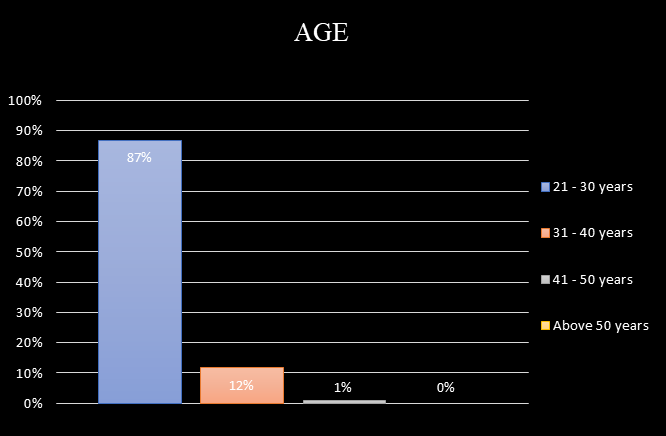
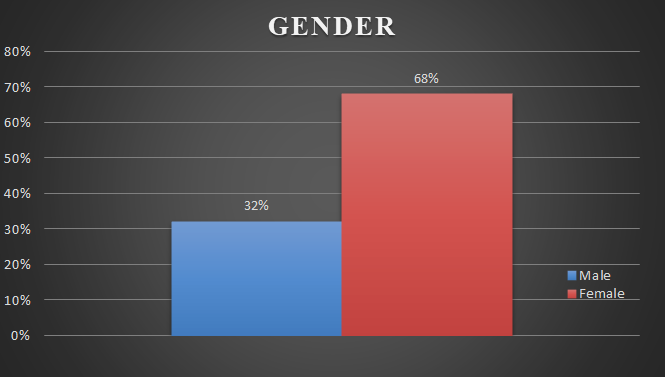
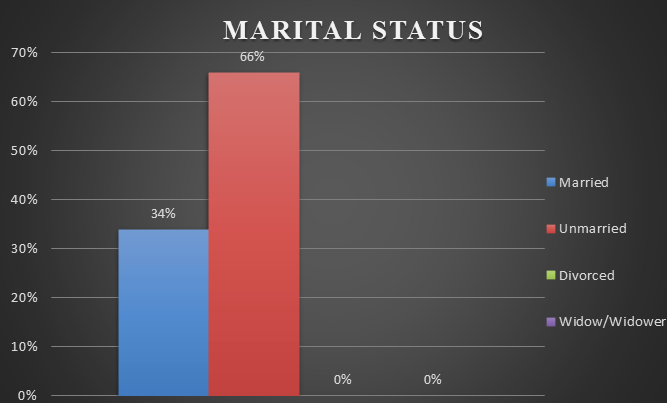
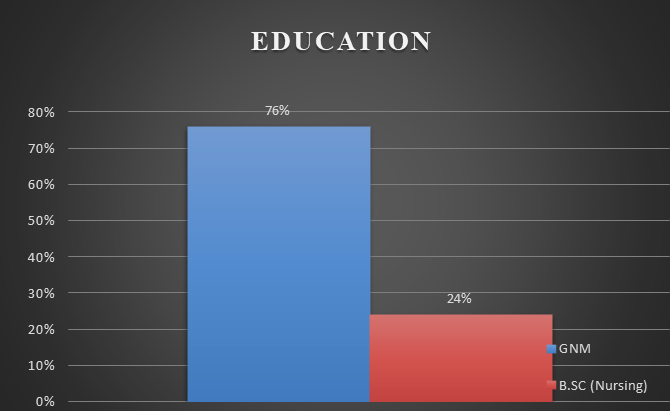
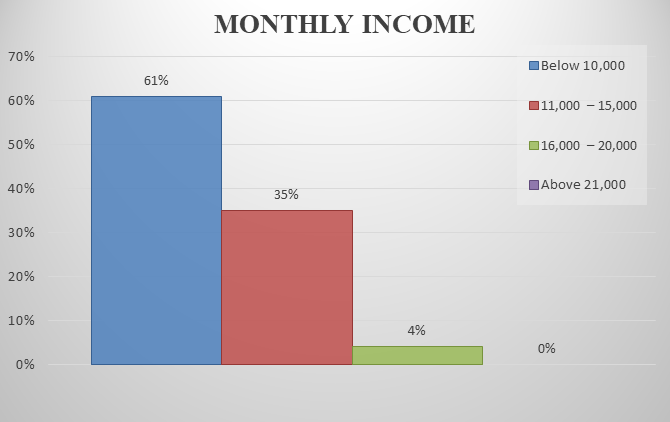
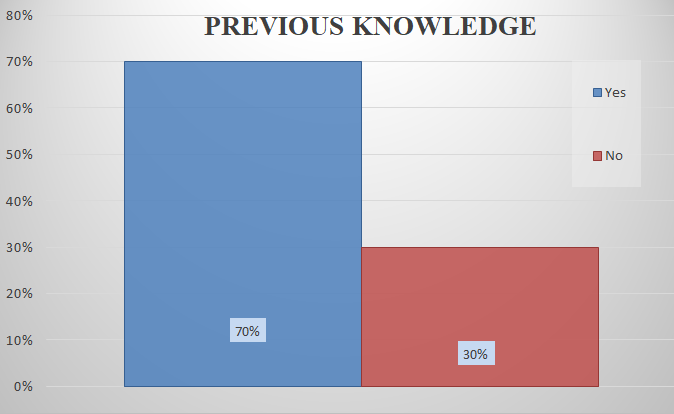
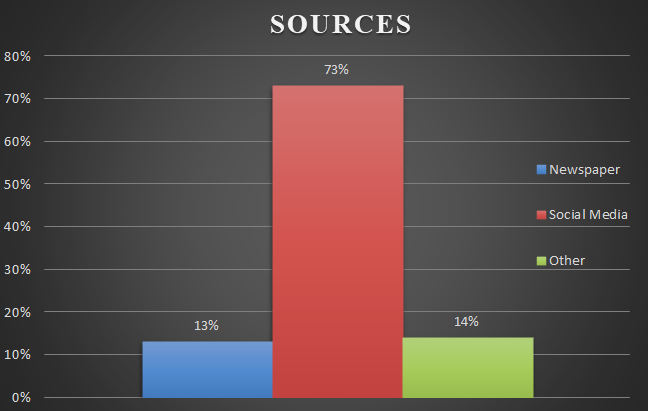
Table 1 shows that out of 100 sample of staff nurse were belonging as 87 (87 %0) to the age group between 21-30year, 12 (12%) to the age group between 31-40year, 1 (1%) to the age group between 41-50 year, and 0 (0%) to the age group above 50 years. Regarding gender majority were female with 68 (68%) and 32 (32%) were males. Regarding marital status 34 (34%) were married, 66 (66%) were unmarried, 0 (0%) were divorced and 0 (0%) was widow/widower. Regarding educational qualification, 76 (76%) had studied GNM, and 24(24%) had studied BSC nursing. Regarding monthly income 61 (61%) to the below 10,000, 35(35%) to the income between 11,000 –15,000, 4 (4%) to the income between 16,000 – 20,000, and 0(0%) to the income above 21,000. Regarding, have you any previous knowledge about mental fatigue? 70 (70%) said yes and 30 (30%) said no. Regarding, sources of information about impact of mental fatigue on daily activities? 13 (13%) of sources from newspaper, 73 (73%) of sources from social media and 14 (14%) of sources from other sources (Figures 1-7).
Section 2: Data on Knowledge Regarding Impact of Mental Fatigue in Daily Activities among Staff Nurses N=100.
| Level of Knowledge | Frequency | Percentage |
|---|---|---|
| Inadequate | 21 | 21% |
| Moderate | 73 | 73% |
| Adequate | 6 | 6% |
| Total | 100 | 100% |
Table 2: Frequency and Percentage among the staff nurse with their Level of Knowledge.
| Mean | Standard Deviation | Range | |
|---|---|---|---|
| Level of Knowledge | 33.33 | 35.16 | 67 |
Table 3: Frequency and Percentage among the staff nurse with their Level of Knowledge.
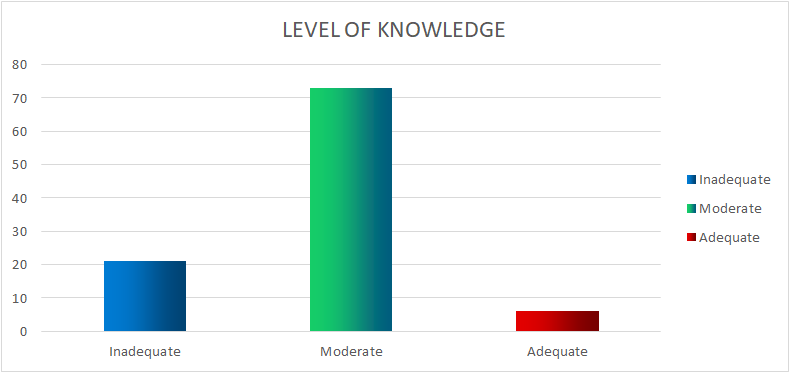
The above Table 2 shows the level of knowledge regarding impact of mental fatigue in daily activities among the staff nurses. Out of 100 staff nurse 21 (21%) of them had inadequate, 73 (73%) of them had moderately and 06 (06%) of staff nurses had adequate knowledge (Figure 8).
It is inferred that among the staff nurses majority of them had moderate knowledge regarding mental fatigue.
Section 3: Data on Association between the Knowledge among the Staff Nurse with their Selected Demographic Variable N=100.
| S No. | Demographic Variable | Level Of Knowledge | X2 | ||
|---|---|---|---|---|---|
| Inadequate | Moderate | Adequate | |||
| 1 | Age | ||||
| 21-30 years | 18 | 65 | 5 | 3.29 | |
| 31-40 years | 3 | 6 | 2 | DF = 4 | |
| 41-50 years | 0 | 1 | 0 | NS | |
| Above 50 years | 0 | 0 | 0 | T = 9.49 | |
| 2 | Gender | ||||
| Male | 5 | 24 | 3 | 1.66 NS | |
| Female | 18 | 46 | 4 | DF = 2 T = 9.49 | |
| 3 | Marital Status | ||||
| Married | 11 | 17 | 3 | 4.98 | |
| Unmarried | 12 | 53 | 4 | DF = 2 | |
| Divorced | 0 | 0 | 0 | NS | |
| Widow/Widower | 0 | 0 | 0 | T = 5.99 | |
| 4 | Education | ||||
| GNM | 19 | 53 | 5 | 0.596 DF = 2 | |
| B.SC (Nursing) | 4 | 17 | 2 | NS T = 5.99 | |
| 5 | Monthly Income | ||||
| Below 10,000 | 11 | 51 | 3 | 7.67 | |
| 11,000– 15,000 | 11 | 16 | 4 | DF = 4 | |
| 16,000– 20,000 | 1 | 3 | 0 | NS | |
| Above 21,000 | 0 | 0 | 0 | T = 9.49 | |
| 6 | Previous Knowledge | ||||
| Yes | 16 | 51 | 5 | 0.094 DF = 2 | |
| No | 7 | 19 | 2 | NS T = 5.99 | |
| 7 | Sources | ||||
| Newspaper | 3 | 9 | 0 | 2.08 | |
| Social Media | 16 | 53 | 5 | DF = 4 | |
| Others | 3 | 9 | 2 | NS T = 9.49 |
Table 4: Frequency and X2 Value of Knowledge among the staff nurse with their Selected Demographic Variables.
Table 3 envisages the substantive summary of chi-square analysis, which was used to bring out the association between the level of the knowledge and demographic variables of the group.
The analytic report of the report explain the demographic variables (age, gender, marital status, education, monthly income, previous knowledge and source) obtain X2 value below the level of tabulated value at the level of 0.05, so there is no significant association demographic variables.
Discussion
A descriptive study was carried out in selected hospital at Nadiad city. Consent was taken from staff nurse who were willing to participate in research study and data were collected through structured knowledge questionnaire. On analysis it was found that out of 100 staff nurse 21% of them had inadequate, 73% of them had moderately and 6% of staff nurse had adequate knowledge.it is inferred that among the staff nurses majority of them had moderate knowledge.
Recommendations
- A comparative study can be conducted between government and private staff nurses regarding impact of mental fatigue on daily activities.
- A similar study can be conducted on the large scale.
- A similar study can be under taken in different settings.
Consent and Ethical Approval
The study was approved by the institutional ethical committee (IEC) of Dinsha Patel College of Nursing, Nadiad. There is a total 15 members in the committee from various departments. The Ethical Approval Reference number is MAM Uni/IECHR/2024/46 and a formal written consent was gathered from the samples prior to data collection.
Acknowledgement
Special thanks to all participant Staff nurse of study, all faculties who validate the tools and Research guide for their constant support and instructions.
Competing of Interest
Author has declared that no competing of interest exists.
References
-
Wilson J, Morgan S, Magin P, Driel M (2014) Fatigue-a rational approach to investigation. Aust Fam Physician 43(7): 457-461.
-
Mizuno K, Tanaka M, Yamaguti K, Kajimoto O, Kuratsune H, et al. (2011) Mental fatigue caused by prolonged cognitive load associated with sympathetic hyperactivity. Behav Brain Funct 7: 1-7.
-
Finsterer J, Mahjoub SZ (2014) Fatigue in healthy and diseased individuals. Am J Hosp Palliat Care 31(5): 562- 575.
-
Cutsem J, Marcora S, Pauw K, Bailey S, Meeusen R, et al. (2017) The effects of mental fatigue on physical performance: a systematic review. Sports med 47: 1569- 1588.
-
Gepp K (2007) Correctional mental health providers’ experiences of forced termination on the working alliance. Aura.
-
Slimani M, Znazen H, Bragazzi NL, Zguira MS, Tod D (2018) The effect of mental fatigue on cognitive and aerobic performance in adolescent active endurance athletes: insights from a randomized counterbalanced, cross-over trial. J clinical med 7(12): 510.
-
Jang HJ, Kim O, Kim S, Kim MS, Choi JA, et al. (2021) Factors affecting physical and mental fatigue among female hospital nurses: The Korea Nurses’ Health Study. Healthcare 9(2): 201.
-
Steele L (2019) Work-Life Balance and Healthy Living for Healthcare Professionals. In Good Health and Well-Being pp: 791-800.
-
Menon SA, Abraham D (2021) A descriptive study to assess the fatigue among nurses working in Hospital. Asian J Nur Edu Res 11(1): 136-140.
-
Knupp AM, Patterson ES, Ford JL, Zurmehly J, Patrick T (2018) Associations among nurse fatigue, individual nurse factors, and aspects of the nursing practice environment. J Nurs Adm 48(12): 642-648.
-
Xie W, Wang J, Zhang Y, Zuo M, Kang H, et al. (2021) The levels, prevalence and related factors of compassion fatigue among oncology nurses: a systematic review and meta‐analysis. J Clinical Nurs 30(5-6): 615-632.
- Teaching Cognitive Behavioral Therapy to Graduate Psychiatric Mental Health Nurse Practitioner Students: Utilizing A Mixed Methods Course Evaluation
- The Role of Pharmacogenetic Testing in Clinical Practice: A Path toward more Effective, Personalized and Cost-effective Care
- Implementing Screening with the GAD-7 in an Outpatient Mental Health Setting: A Quality Improvement Project
- Social Media and Health Promotion
- Impact of Covid-19 Pandemic on the Academic Performance and Attitude of Nursing Students towards E-Learning
- A Study to Assess the Knowledge Regarding Ill Effects of Tobacco Consumption on Health among Adolescents in Selected Higher Secondary School in Nadiad City