
Phytochemical Properties and Health Benefits of Hylocereusundatus
Hylocereusundatus is typically the most cultivated vine cactus belonging to the family of Cactaceae, originating natively from Mexico and America. Commonly, it is well known under the name of “dragon fruit” or “pitaya”. In Malaysia, it is also called ‘buahnaga’ which gives the meaning of dragon fruit. Besides its attractive coloration, the fruits of Hylocereusundatus are being prevailed globally because of its rich source of polyphenolic components and their antioxidant activity. A wide ranging of phytochemicals of betalains, polyphenolic compounds and carotenoids are discovered to possess chemo-protective properties against oxidant stress in the body as well as maintain optimum equilibrium between antioxidants and oxidants for the enhancement of human health. The findings of this review are important to deliver an overview of Hylocereusundatus and its functional phytochemicals, with relation to its potential health benefit in providing perspectives of research and application. It presented more environmental benign antioxidant and antibacterial agents that are significant in the fields of healthcare, food processing, nutraceutical and cosmeceutical. Therefore, there should be a collective work by scientists and researchers to maximize the value chain of this fruit to global cultivars in order to expand the global market of dragon fruit.
Introduction
The genus Hylocereus belongs to the vine cactus from the subfamily of Cactoideae within the family of Cactaceae (Table 1). It is a native fruit originating from Mexico and Central and South America [1], and has been cultivated in Vietnam for at least 100 years, following by the French [2]. From the report of Rural Industries Research and Development Corporation (RIRDC) in 2013, Hylocereusundatus is the most abundant crop of tropical exotic fruits documented with 34,150 sites out of 50,100planting sites or 62.2% of total plantings in Northern Territory [3], Australia. Based on the survey data, the farm gate value of the dragon fruit is $2.25 million from a production of 750tonnes [3].
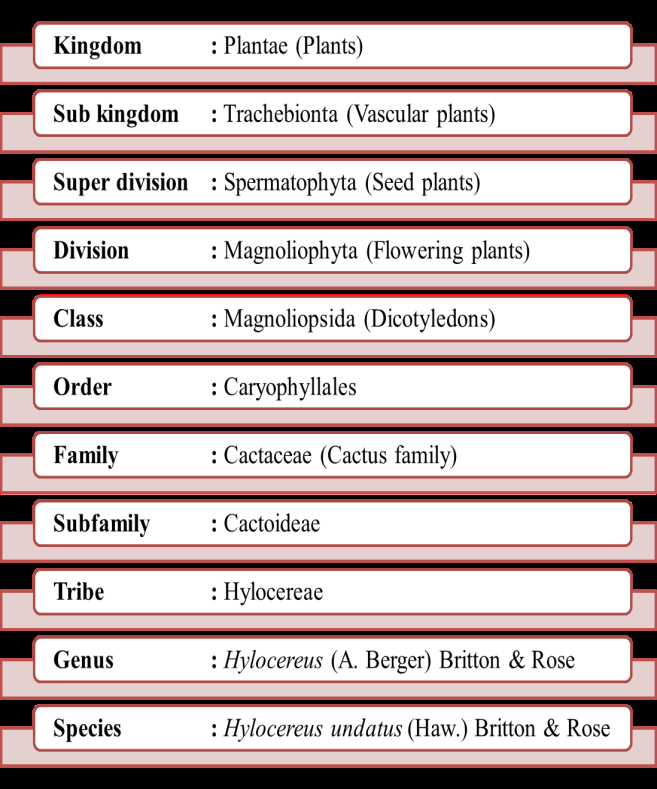
Table 1: Nomenclature of Hylocereusundatus [4, 5]. There are three cultivars of dragon fruit: Hylocereusundatus, red-coloured pericarp with white flesh; Hylocereuspolyrhizus, red skinned with red flesh and Selinecereus megalanthus, yellow-coloured with white flesh [6]. Typically, Hylocereusundatus is a cactus plant which possesses fruit as the Red Dragon Fruit or Red Pitaya Fruit, the most widely cultivated vine cactus. In addition, it knows as Red Pitaya or Strawberry Pear cactus fruit as well. In Malaysia, it is also called ‘buahnaga’ which gives the meaning of dragon fruit. Commonly, this fruit is named as pitaya because of the bracts or scales on the fruit skin and hence the name of pitaya meaning ‘‘the scaly fruit’’ [7]. Table 2 listed several common names of dragon fruit with respect to different countries and languages.
| Country/ Language | Common / Vernacular Name |
|---|---|
| Chinese | huǒlóngguǒ (fire dragon fruit) |
| Colombia | Pitahaya roja/blanca, Flor de caliz, Pitajaya |
| English | Strawberry Pear, Dragon fruit, Red pitaya, Red Pitahaya, Night Blooming Cereus, Belle of the Night, Cinderella Plant, Queen of the Night, Jesus in the Cradle |
| Estonian | Maasik-metskaktus |
| French | Cierge-lézard, Pithaya rouge, Pitaya |
| German | Distelbirne, Echtestachelbrin, Drachenfrucht |
| Hawaii | Panini-o-ka-puna-hou, Papipipua |
| Indonesian | Buahnaga |
| Mexico | Junco, Flor de caliz, Pitajava, Pitahaya roja, Tasajo |
| Portuguese | Cato-barse, Cardo-ananaz |
| Puerto Rico | Flor de caliz, Pitajava, Junco, Junco tapatio, Reina de la Noche |
| Vietnam | Dragon fruit, Thanh long (green dragon) |
| Spanish | Flor de caliz, Junco tapatio, Pitahaya orejona, Pitajaya, Reina de la noche |
| Swedish | Dachenftskogskatus, Röd pitahaya, Echtestachelbrin |
Table 1: Nomenclature of _Hylocereusundatus_ [4,5].
Table 2 : Common / Vernacular Name of Dragon Fruit [8, 9, 10]. With the unique properties of Crassulacean Acid Metabolism (CAM), members of family Cactaceae exhibit extraordinarily high water-use efficiency with low water requirements [11]. In addition, as a response to high carbon dioxide (CO2) atmospheric concentration, CAM plants increase the production of their biomass [12]. The fruit consists of red peel covered with green tipped overlapping scales and white flesh dotted with numerous edible soft black seeds. In a year, the Hylocereusundatus cactus flowers a few times. It also classified as a night- blooming flower which only flowers at night, and blooming with huge fragrant blooms that typically last for one night only [13]. Over past decades, this fruit is cultivated commercially in Malaysia, Vietnam, Thailand, Taiwan, Nicaragua, Colombia, Australia and the USA [2, 14].
Phytochemical Composition of Hylocereusundatus
In recent years, the fruits of Hylocereus cacti have greatly increased its popularity worldwide due to its attractive colours, sweet, juicy pleasant taste and have been considered the most beautiful in Cactaceae family. Besides its red-purple coloration, the fruits of Hylocereus cacti are being highlighted by global cultivators because of its rich source of polyphenolic components and their antioxidant activity [15]. Polyphenolic compounds are an excellent antioxidant and bio-active free radical scavengers, playing an important role in protecting humans [16]. Antioxidant refers to a compound that is capable of retarding the oxidation of lipids, nucleic acids and proteins by hindering the initiation and propagation of oxidative chain reactions, and hence preventing oxidative damage towards body’s cells [17, 18]. This can be achieved through the mechanisms of reduction, free radical- scavenging, potential complexing of pro-oxidant metals and quenching of singlet oxygen [19]. The antioxidant potential of polyphenolics depends on the number of hydroxyl groups in the compound. With the higher number of hydroxyl groups, the tendency of chain breaking antioxidant behaviour of the compound increases [20]. Phenolic is found in abundant in plants, which is the major secondary metabolites of plants, serving in plant defence mechanism for counteracting reactive oxygen species (ROS) [21, 22].
![Figure 2: Chemical Structure of Gallic Acid. However, the antioxidant activity of dragon fruit is mainly due to the content of ascorbic acid (Vitamin C). As shown in (Table 3), dragon fruit contains 20.5 mg of vitamin C per 100 g of raw fruit [38]. The chemical structure of ascorbic acid is shown in (Figure 3). In living organisms, ascorbic acid serves in many physiological functions, such as acts as reductant to prevent cellular components from oxidative damage [39]. This is because ascorbic acid has the capability of serving as a scavenger in the oxidation of free radicals and oxygen-derived species, _e.g._, singlet oxygen, hydrogen peroxide and hydroxyl radicals [40]. Hence, ascorbic acid is found to be very useful in the treatment of photo-aging [41]. Instead, pro-oxidant properties of ascorbic acid also contribute to its antibacterial effects [42].](/fulltextimages/88/fig_2.jpeg)
Jamilah (2011) reported that Hylocereusundatus consists of 150.46 ± 2.19mg of polyphenolic components such betalains, gallic acid and betacyanins per 100 g of dry weight [23]. In cacti, red-violet betacyanins and yellow betaxanthins are the most important fruit pigments, belonging to betalain pigments [24]. Betalain is a class of water soluble pigments that provide the colours in a wide- ranging of flowers and fruits [25]. Moreover, betacyanins (Figure 1) that are attached to N-heterocyclic compounds are a class of compounds that can also be employed as antioxidants, with radical scavenging activities [26]. Betanidin and isobetanidin are the simplest forms of betacyanins, which are the corresponding C-15 diastereoisomer. Nowadays, there are 30 structures of betacyanins are recognized and well archived [27]. In all plants, majority of the betacyanins are 5-O-glucosides (e.g. betanin), which are the primary red-violet pigment in red beet root (Beta Vulgaris), though 6-O-glucosides are also being discovered [7, 28]. In the research of Wybraniec et al. (2001), hylocerenin (betanidin, 5-O-(6’-O-(3”- hydroxy-3”-methylglutaryl)-β-D-glucopyranoside)), a new species of betacyanin was revealed in newly cultivated species of Hylocereus cacti [29]. Gallic acid (3,4,5- trihydroxybenzoic acid) is an organic substance existing in plant materials either as a free acids, as esters, or as part of tannic acid molecule (Figure 2) [30]. This ubiquitous chemical is one of the most biologically-active phenolic compounds of plant origin. Gallic acid possesses wide range of biological activities, such as antioxidant, antibacterial, antiviral, and analgesic [31]. As antioxidant, gallic acid acts as an anti-apoptotic agent and helps to protect human cells against oxidative damage [32]. Several studies have clarified the antioxidant behaviours of gallic acid and its derivatives. From previous research, antibacterial properties of gallic acid were shown effective against human pathogens (Staphylococcus aureus, Corynobacterium accolans), a plant pathogen (Erwinia carotovora) and human pathogenic yeast (Candida albicans) [33, 34]. Gallic acid isolated from Oenothera biennis roots was also revealed to have the ability of antifungal in the study of Shukla et al. (1999) [35]. Meanwhile, methyl gallate was also shown to exhibit effective bactericidal activity against numerous Gram- positive and Gram negative microbes [36]. Gallic acid is also capable of possessing cytotoxic effects against cancer cells, without harming normal cells [37]. For instance, the presence of gallic acid in Triphala, an Indian herbal drug is the primary attribution to its cytotoxic properties, which are effective in the treatment of prostate and breast cancer cells. Because of its several interesting properties and commercial applications, gallic acid is a compound of great interest to both pharmaceutical and chemical industries [31].
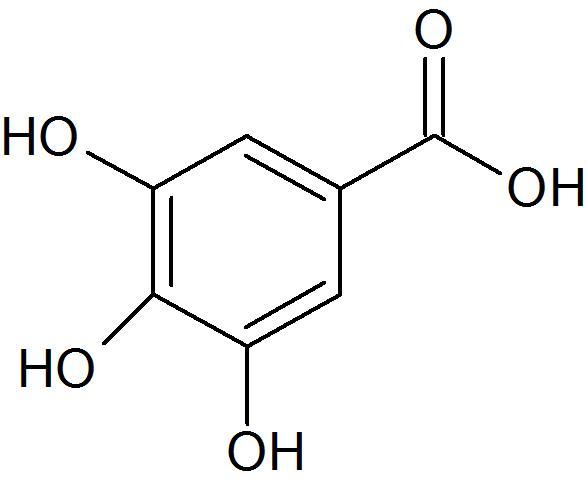
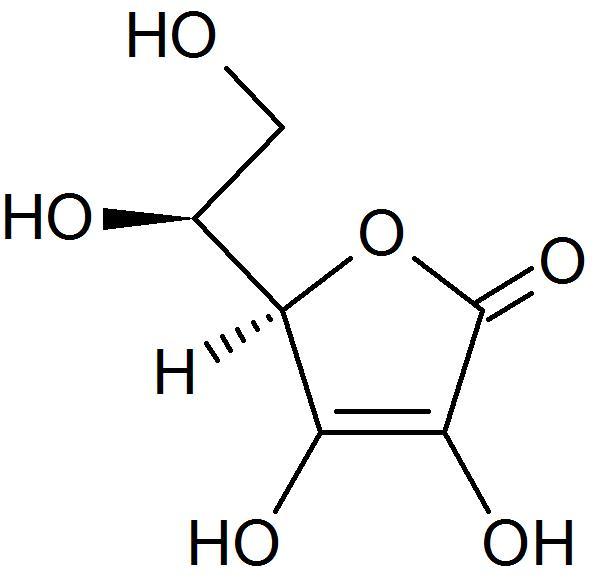
Figure 2: Chemical Structure of Gallic Acid. However, the antioxidant activity of dragon fruit is mainly due to the content of ascorbic acid (Vitamin C). As shown in (Table 3), dragon fruit contains 20.5 mg of vitamin C per 100 g of raw fruit [38]. The chemical structure of ascorbic acid is shown in (Figure 3). In living organisms, ascorbic acid serves in many physiological functions, such as acts as reductant to prevent cellular components from oxidative damage [39]. This is because ascorbic acid has the capability of serving as a scavenger in the oxidation of free radicals and oxygen-derived species, e.g., singlet oxygen, hydrogen peroxide and hydroxyl radicals [40]. Hence, ascorbic acid is found to be very useful in the treatment of photo-aging [41]. Instead, pro-oxidant properties of ascorbic acid also contribute to its antibacterial effects [42].
In the human body, the formation of free radicals is regulated by various enzymes and antioxidants in response to exogenous stimuli. In the case of extensive production of free radicals, it could lead to traumatic injury, inflammation and other chronic events, such as cancer and degenerative disease, due to the oxidant stress [45]. Over last few decades, few antioxidant vitamins which have the ability of limiting oxidative damage, have been introduced such as β-carotene, Vitamin C and Vitamin E, thus minimizing the threats of particular chronic diseases [46]. This can be observed from the closely association of heart disease and low plasma levels of β-carotene, tocopherol and L-ascorbic acid in epidemiological studies [47].
| Amount | % Daily | |||||||
|---|---|---|---|---|---|---|---|---|
| Nutrient | ||||||||
| per 100 g | Value | |||||||
| Water | 87 g | NA | ||||||
| Protein | 1.1 g | 2.1 % | ||||||
| Fat | 0.4 g | NA | ||||||
| Carbohydrates | 11.0 g | 3.4 % | ||||||
| Fibre | 3 g | 12 % | ||||||
| Vitamin B1 (Thiamine) | 0.04 mg | 2.7 % | ||||||
| Vitamin B2 (Riboflavin) | 0.05 mg | 2.9 % | ||||||
| Vitamin B3 (Niacin) | 0.16 mg | 0.8 % | ||||||
| Vitamin C (Ascorbic acid) | 20.5 mg | 34.2 % | ||||||
| Calcium (Ca) | 8.5 mg | 0.9 % | ||||||
| Iron (Fe) | 1.9 mg | 10.6 % | ||||||
| Phosphorus (P) | 22.5 mg | 2.3 % | ||||||
| Zinc | NA | NA |
In the human body, the formation of free radicals is regulated by various enzymes and antioxidants in response to exogenous stimuli. In the case of extensive production of free radicals, it could lead to traumatic injury, inflammation and other chronic events, such as cancer and degenerative disease, due to the oxidant stress [45]. Over last few decades, few antioxidant vitamins which have the ability of limiting oxidative damage, have been introduced such as β-carotene, Vitamin C and Vitamin E, thus minimizing the threats of particular chronic diseases [46]. This can be observed from the closely association of heart disease and low plasma levels of β-carotene, tocopherol and L-ascorbic acid in epidemiological studies [47]. On the other hand, as the result of ascorbic acid can readily and reversibly be oxidized to dehydroascorbic acid, ascorbic acid can be utilized as a strong reductant in the interactions of ascorbic acid with numerous metal ions [48, 49]. From previous studies, the presence of ascorbic acid, dehydroascorbic acid and its intermediate monodehydroascorbic acid free radical indicated their involvement in redox coupling reactions involving electron transport and membrane electrochemical potentiation [50]. In case of neurochemical reactions, ascorbic acid is found to be involved in the formation of neurotransmitters and hormones. Besides, ascorbic acid may also serve as a neuromodulator in the interactions of extracellular ascorbic acid with various membrane proteins [40].
Application of Phytochemicals of Hylocereusundatus
In recent years, there is an increasing effort in exploring the potential sources of natural food colorant due to the increased public concern about side effects of synthetic colorants [51]. Earlier investigations discovered that the constituent of betalains with two subgroups of red-violet betacyaninand yellow betaxanthins, with their excellent stability over a broad pH range (3.2 - 7.9), in both peels and flesh, can be potentially utilized as natural substitute for food colouring agents [25, 52]. To date, due to their restricted occurrence, the betalains have comparatively less scientific implications contrary to other classes of natural pigments such as carotenoids, chlorophylls, and anthocyanins [24, 53].
Commercially, Beta vulgaris (beet) is the primary source of extraction of betalains, contain ingorganic compounds of pyrazines and geosm in which are responsible for the earthly flavour and aroma of the culture [54]. In contrast, the betalains extracted from pitaya can be applied directly as natural food colorant without addition of flavour, enhancing the visual appearance of wide-ranging of foods [55]. Hence, the extraction of colouring agents from both peel and flesh of pitaya provide healthy alternative for the industry of food, as well as minimize the environmental effect from discharging of the peel which has relatively low commercial values [56]. In order to overcome the risk of toxicity of artificial antioxidants in the application of food and pharmaceutical, extensive researches have been conducted to search for potential environmentally benign bio-antioxidants to replace the synthetic ones [57]. From the recent studies, a vast of antioxidant phytochemicals from natural resources demonstrated the significant potential of defending the human body against oxidative damage by ROS, comprising of free radicals such as peroxyl, hydroxyl, superoxide and alkoxyl, as well as non- radicals molecules, e.g., hypochlorous and hydrogen peroxide [58, 18]. Over the past few years, numerous studies also clarified the remarkable role of consumption of vegetables and fruits in diminishing risk of degenerative diseases such as cardiovascular disorders, cancer, inflammation, arthritis, brain dysfunction and accelerated aging disorders [59, 60]. This is mainly attributed to their antioxidant constituents, exclusively vitamin B, C, E, tannins, carotenoids, flavonoids and phenolic, in scavenging free radicals and hindering peroxidation [61, 62]. In the work of Perez et al. (2005), topical application of the fruit pulp of pitaya helped in healing the wound in diabetic rats. Meanwhile, it enhanced the tensile strength and collagen of the wound site and improved the synthesis of hexosamine, proteins and DNA with simultaneous reduction in oedema and period of epithelialisation [63]. On the other hand, fresh pitaya also exhibited significant role in reducing blood sugar level and total cholesterol level including LDL cholesterol but amplified the antioxidant function of serum in hypercholesterolemia rats [24, 15]. Furthermore, both peel and flesh fractions of pitaya also exhibited effective antibacterial properties against several food-borne pathogens which were particularly owing to the in vitro antimicrobial properties of phenolic compounds [64]. Consequently, pitaya can be widely incorporated in the food industry, mainly formulations of dietary supplements, edible films and coatings [65]. Prebiotics are indigestible oligosaccharides that help in improving host health by promoting the growth and development of certain bacterial colony beneficially [66]. Apart from betalain and phenolic constituents of pitaya, Hylocereusundatus contains 86.2 g/kg of oligosaccharides [67], which are known to exhibit prebiotic properties that assist in improving human stomach resistance against acidic conditions and partial resistance to human salivary α-amylase, as well as stimulating the growth of bifidobacteria and lactobacilli [68]. Accordingly, pitaya can be employed as a potential source of prebiotics, for providing ingredient in functional food and nutraceutical products. Interestingly, an earlier investigation revealed the seed of dragon fruit contains a significantly high content of essential fatty acids (50%), that is, 48% linoleic acid (C18:2) and 1.5% linolenic acid (C18:3) [69]. The essential fatty acids were capable of nourishing hair, skin, and nails, eradicating illnesses of psoriasis, eczema, and dandruff. Besides, it can also modulate the skin’s metabolism by regulating the movement of nourish collagen and oils beneath the skin [70, 71].
Health Benefit of Dragon Fruit
In addition to being used as a food colouring agents, consumption of Dragon fruit mostly as fresh fruit as relieving thirst due to it contains high water level compared with other nutrient levels (see Table 3 for typical nutritional value per 100g of Dragon Fruit) [72]. Dragon fruit can also take the form of juice, jam, or preserves according to the taste needed. Regular consumption of Dragon fruit helps in fighting against cough and asthma; also it helps for healing wounds and cuts quickly due to it contains high amount of vitamin C (Table 3). However, the high level of vitamin C found in Dragon fruit plays an important role to enhance immune system and also to stimulate the activity of other antioxidant in the body [40, 73]. Moreover, Dragon fruit is also rich in flavonoids that act against cardio related, also dragon fruit aids to treat bleeding problems of vaginal discharge. As shows in table 3 Dragon fruit rich in fibers, however it aids in digestion of food [74]. Dragon fruit is also packed with B vitamin group (B1, B2 and B3) which possess an important role in health benefit. Vitamin B1 helps in increasing energy production and in carbohydrate metabolism, Vitamin B2 in Dragon Fruit acts as a multivitamin; however, it aids to improve and recover the loss of appetite. And Vitamin B3 present in dragon fruit plays an important role in lowering bad cholesterol levels; it provides smooth and moisturizes skin appearance. As well as it improves eyesight and prevent hypertension [62, 75]. Dragon fruit is also helpful in reducing blood sugar levels in people suffering from type2 diabetes, studies suggest that the glucose found in Dragon fruit helps in controlling the blood sugar level for diabetes patients [76]. Dragon fruit contains high level of phosphorus and calcium (Table 3); it helps to reinforce bones and play an important role in tissue formation and forms healthy teeth [76].
Market Trend of Dragon Fruit
Presently, Vietnam is vital contributor for global dragon fruit market with an established planting area of 28,700 ha, that is, an 18-fold increases as compared to that during 2008 – 2009 [77, 78]. In Vietnam, the provinces of BinhThuan, Tien Giang and Long are the primary dragon fruit production areas, up to 90 percent of total production(about 617,500 tonnes) in Vietnam [79]. According to the Department of Agriculture and Rural Development of BinhThuan Province, the province has dominated the nation’s dragon fruit industry with the acreage of dragon fruit of 23,000ha and a yield of 550,000 tonnes per year [80]. Because of its high nutrient content, attractive shape and colour, there is a significant increasing demand in export markets from China, Thailand, Indonesia, Japan, South Korea, the United States, and New Zealand, particularly from the EU market [81]. In the first 5 months of 2013, export volume of dragon fruit reached 120,600tonnes with a value of 78.9 million USD, that is, a growth of 3.7 percent in volume and 24.1percent in value as contrary to the same period in 2012 [82]. To boost the quality of dragon fruit, EU launched three-year project (European Trade Policy and Investment Support Project, EU-MUTRAP) with the funding of 300,000 euros (US$325,000) in the summer of 2014 to support the cultivation of dragon fruit, striving to enlarge its plantation in Binh Thuan Province to 25,000ha by 2020, with an established yield of 700,000 - 750,000 tonnes per year [83].
Conclusion
It is interesting to note that the cultivation of Hylocereusundatus is expanding in recent years due to its health and economic importance. Therefore, this could lead to utilization of dragon fruit as a source of functional materials to provide phytochemicals with the powerful antioxidant capability of preventing nutrition-related illnesses and enhancing human defence system of consumer's. Apart from their attractive antioxidant properties, dragon fruit can also be in corporate as food preservatives owing to their effective antibacterial activity against some food-borne pathogens. The research and development of dragon fruit should be intensified and extended by emphasizing its value chain and production aspects for long-term perspective.
Authors’ Contributions
NAE was responsible of manuscript approval and final approval. LKC, AA, AME, AAE, FDA and RM were responsible of manuscript drafting and writing. Authors read and approved the final manuscript.
References
-
Britton NL, Rose JN (1937) The Cactaceae: Descriptions and illustrations of plants of the cactus family. The Carnegie Institution of Washington U S A 2: 1-334.
-
Mizrahi Y, Nerd A, Nobel PS (1997) Cacti as crops. Hort Rev 18: 291-319.
-
Kent F, Yan D (2013) Collation of health literature for tropical exotic fruits and extracts. Australia
-
Britton NL, Rose JN (1963) The Cactaceae: Descriptions and illustrations of plants of the cactus family. Dover Publications Inc U S A 3,4.
-
USDA/NRCS (2015) Hylocereus undatus (Haw.) Britton & Rose - nightblooming cactus. The PLANT Database.
-
Le Bellec F, Vaillant F, Imbert E (2006) Pitahaya (Hylocereus spp.): a new fruit crop, a market with a future. Fruits 61 (04): 237-250.
-
Wybraniec S, Mizrahi Y (2002) Fruit Flesh Betacyanin Pigments in _Hylocereus_ Cacti. J Agric Food Chem 50(21): 6086-6089.
-
Zee F, Yen C R, Nishina M (2004) Pitaya (dragon fruit, strawberry pear). College of Tropical Agriculture and Human Resources (CTAHR), University of Hawai'i 9: 1-3.
-
Gunasena H, Pushpakumara D, Kariyawasam M (2010) Dragon Fruit Hylocereus undatus (Haw.) Britton and Rose. In Pushpakumara DKNG (ed) Underutilized fruit trees in Sri Lanka. World Agroforesty Centre New Delhi 1: 110-142.
-
Durán R, Tapia JL, Hernández HM (2013) Hylocereus undatus. The IUCN Red List of Threatened Species: eT152183A6069771: 1-8.
-
Raveh E, Nerd A, Mizrahi Y (1998) Responses of two hemiepiphytic fruit crop cacti to different degrees of shade. Scientia Horticulturae 73(2): 151-164.
-
Drennan P, Nobel P (2000) Responses of CAM species to increasing atmospheric CO2 concentrations. Plant, Cell & Environment 23(8): 767-781.
-
P S Rebecca, A N Boyce, Chandran S (2010) Pigment identification and antioxidant properties of red dragon fruit (Hylocereus polyrhizus). African Journal of Biotechnology 9(10): 1450-1454.
-
Hoa T, Clark C, Waddell B, Woolf A (2006) Postharvest quality of Dragon fruit (Hylocereus undatus) following disinfesting hot air treatments. Postharvest Biology and technology 41(1): 62-69.
-
Hor SY, Ahmad M, Farsi E, Yam MF, Hashim MA, Lim CP, Sadikun A, Asmawi MZ (2012) Safety assessment of methanol extract of red dragon fruit (Hylocereus polyrhizus): acute and subchronic toxicity studies. Regulatory Toxicology and Pharmacol 63(1): 106- 114.
-
Barros A, Gironés Vilaplana A, Texeira A, Baenas N, Domínguez Perles R (2015) Grape stems as a source of bioactive compounds: application towards added- value commodities and significance for human health. Phytochem Rev 14(6): 921-931.
-
Sumino M, Sekine T, Ruangrungsi N, Igarashi K, Ikegami F (2002) Ardisiphenols and other antioxidant principles from the fruits of Ardisia colorata. Chemical and Pharmaceutical Bulletin 50(11): 1484-1487.
-
Valentão P, Fernandes E, Carvalho F, Andrade PB, Seabra RM, et al. (2002) Antioxidative properties of cardoon (Cynara cardunculus L.) infusion against superoxide radical, hydroxyl radical, and hypochlorous acid. Journal of Agricultural and Food Chemistry 50(17): 4989-4993.
-
Pulido R, Bravo L, Saura Calixto F (2000) Antioxidant activity of dietary polyphenols as determined by a modified ferric reducing/antioxidant power assay. J Agric and Food Chem 48(8): 3396-3402.
-
B Edhaya Naveena, Prakash S (2013) Biological Synthesis of Gold Nanoparticles Using Marine Algae Gracilaria corticata and Its Application as a Potent Antimicrobial and Antioxidant Agent. Asian Journal of Pharmaceutical and Clinical Research 6(2): 179-182.
-
Elfi Susanti VH, Utomo SB, Syukri Y, Redjeki T (2012) Phytochemical screening and analysis polyphenolic antioxidant activity of methanolic extract of white dragon fruit (Hylocereus undatus). Indonesian Journal of Pharmacy 23(1): 60-64.
-
Dall Asta M, Bayle M, Neasta J, Scazzina F, Bruni R, et al. (2015) Protection of pancreatic β-cell function by dietary polyphenols. Phytochemistry Reviews 14(6): 933-959.
-
Jamilah B, Muhammad S, Kharidah S, Mat Hashim D (2011) Physico-chemical characteristics of red pitaya (Hylocereus polyrhizus) peel. International Food Research Journal 18(1): 279-286.
-
Stintzing FC, Schieber A, Carle R (2002) Betacyanins in fruits from red-purple pitaya, Hylocereus polyrhizus (Weber) Britton & Rose. Food Chemistry 77(1): 101-106.
-
Strack D, Vogt T, Schliemann W (2003) Recent advances in betalain research. Phytochemistry 62(3): 247-269.
-
Wong YM, Siow LF (2015) Effects of heat, pH, antioxidant, agitation and light on betacyanin stability using red-fleshed dragon fruit (Hylocereus polyrhizus) juice and concentrate as models. J Food Sci Technol 52(5): 3086-3092.
-
Herbach KM, Stintzing FC, Carle R (2006) Betalain stability and degradation: Structural and chromatic aspect. Journal of Food Science 71(4): R41-R50.
-
Herbach KM, Stintzing FC, Elss S, Preston C, Schreier P, et al. (2006) Isotope ratio mass spectrometrical analysis of betanin and isobetanin isolates for authenticity evaluation of purple pitaya-based products. Food chemistry 99(1): 204-209.
-
Wybraniec S, Platzner I, Geresh S, Gottlieb HE, Haimberg M, et al. (2001) Betacyanins from vine cactus Hylocereus polyrhizus. Phytochemistry 58(8): 1209-1212.
-
Wagh SA (2010) Bioconversion of tannic acid to gallic acid by using fungal tannase. National Chemical Laboratory, India
-
Bajpai B, Patil S (2008) A new approach to microbial production of gallic acid. Braz J Microbiol 39(4): 708- 711.
-
Magdalena Karamac, Agnieszka Kosiñska, Pegg RB (2006) Content of Gallic Acid in Selected Plant Extracts. Polish Journal of Food and Nutrition Sciences 15(1): 55-58.
-
Naz S, Khaskheli AR, Aljabour A, Kara H, Talpur FN, et al. (2014) Synthesis of Highly Stable Cobalt Nanomaterial Using Gallic Acid and Its Application in Catalysis. Advances in Chemistry
-
Catteau L, Van Bambeke F, Quetin Leclercq J (2015) Preliminary evidences of the direct and indirect antimicrobial activity of 12 plants used in traditional medicine in Africa. Phytochem Rev 14(6): 975-991.
-
Shukla YN, Srivastava A, Kumar S, Kumar S (1999) Phytotoxic and antimicrobial constituents of Argyreia speciosa and Oenothera biennis. J Ethnopharmacol 67(2): 241-245.
-
Wang W, Chen Q, Jiang C, Yang D, Liu X, Xu S (2007) One-step synthesis of biocompatible gold nanoparticles using gallic acid in the presence of poly- (N-vinyl-2-pyrrolidone). Colloids and Surfaces A: Physicochemical and Engineering Aspects 301(1-3): 73-79.
-
Zhao B, Hu M (2013) Gallic acid reduces cell viability, proliferation, invasion and angiogenesis in human cervical cancer cells. Oncol lett 6(6): 1749-1755.
-
healwithfood.org (2015) Dragon fruit: Nutritional value, health benefits and calorie count.
-
Karamaæ M, Kosiñska A, Pegg RB (2006) Content of gallic acid in selected plant extracts. Pol J Food Nutr Sci 15(56): 55-58.
-
Duarte TL, Lunec J (2005) Review: When is an antioxidant not an antioxidant? A review of novel actions and reactions of vitamin C. Free Radic Res 39(7): 671-686.
-
Vaiserman A M (2008) Life extension by anti-aging drugs: Hormetic Explanation? American Journal of Pharmacology and Toxicology 3(1): 14-18.
-
Villacorta L, Azzi A, Zingg JM (2007) Regulatory role of vitamins E and C on extracellular matrix components of the vascular system. Mol aspects of Med 28(5-6): 507-537.
-
FAO/INFOODS (2007) Tabla de composición de alimentos de Centroamérica.
-
Charrondiere UR, Stadlmayr B, Rittenschober D, Mouille B, Nilsson E, et al. (2013) FAO/INFOODS Food Composition database for biodiversity. Food Chem 140(3): 408-412.
-
Aguirre R, May JM (2008) Inflammation in the vascular bed: importance of vitamin C. Pharmacol Ther 119(1): 96-103.
-
Gey KF, Moser UK, Jordan P, Stahelin HB, Eichholzer M, et al. (1993) Increased risk of cardiovascular disease at suboptimal plasma concentrations of essential antioxidants: an epidemiological update with special attention to carotene and vitamin C. Am J Clin Nutr 57(5 Suppl): 787s-797s.
-
Hajer GR, van der Graaf Y, Olijhoek JK, Edlinger M, Visseren FL (2007) Low plasma levels of adiponectin are associated with low risk for future cardiovascular events in patients with clinical evident vascular disease. Am Heart J 154(4): 751-757.
-
Tsao C, Packer L, Fuchs J (1997) An overview of ascorbic acid chemistry and biochemistry. Vitamin C in health and disease: 25-58.
-
Keat C, Aziz A, Eid A, Elmarzugi N (2015) Biosynthesis of nanoparticles and silver nanoparticles. Bioresources and Bioprocessing 2(1): 47.
-
Arrigoni O, De Tulio MC (2002) Ascorbic acid: much more than just an antioxidant. Biochim Biophys Acta 1569(1-3): 1-9.
-
Cheah L, Wan MZ (2008) Status of pitaya cultivation in Malaysia. In: Seminar on Pitaya Production, Market and Export-Challenges and Prospects.
-
Pedreño MA, Escribano J (2001) Correlation between antiradical activity and stability of betanine from Beta vulgaris L roots under different pH, temperature and light conditions. Journal of the Science of Food and Agriculture 81(7): 627-631.
-
Chauhan PS, Sheth NR, Rathod IS, Suhagia BN, Maradia R (2013) Analysis of betalains from fruits of Opuntia species. Phytochem Reviews 12(1): 35-45.
-
Stintzing FC, Conrad J, Klaiber I, Beifuss U, Carle R (2004) Structural investigations on betacyanin pigments by LC NMR and 2D NMR spectroscopy. Phytochemistry 65(4): 415-422.
-
Esquivel P, Stintzing FC, Carle R (2007) Pigment pattern and expression of colour in fruits from different Hylocereus sp. genotypes. Innovative Food Science & Emerging Technologies 8(3): 451-457.
-
Soong Y Y, Barlow PJ (2004) Antioxidant activity and phenolic content of selected fruit seeds. Food Chemistry 88(3): 411-417.
-
Voko Z, Hollander M, Hofman A, Koudstaal P, Breteler M (2003) Dietary antioxidants and the risk of ischemic stroke: the Rotterdam Study. Neurology 61(9): 1273-1275.
-
Mantle D, Eddeb F, Pickering AT (2000) Comparison of relative antioxidant activities of British medicinal plant species in vitro. J Ethnopharmacol 72(1-2): 47- 51.
-
Feskanich D, Ziegler RG, Michaud DS, Giovannucci EL, Speizer FE, et al. (2000) Prospective study of fruit and vegetable consumption and risk of lung cancer among men and women. J Natl Cancer Inst 92(22): 1812- 1823.
-
Srinath Reddy K, Katan MB (2004) Diet, nutrition and the prevention of hypertension and cardiovascular diseases. Public Health Nutr 7(1a): 167-186.
-
Hernández Y, Lobo MG, González M (2006) Determination of vitamin C in tropical fruits: A comparative evaluation of methods. Food chemistry 96(4): 654-664.
-
Lim Y, Lim T, Tee J (2007) Antioxidant properties of several tropical fruits: A comparative study. Food chemistry 103(3): 1003-1008.
-
Perez G RM, Vargas S R, Ortiz H YD (2005) Wound healing properties of Hylocereus undatus on diabetic rats. Phytother Res 19(8): 665-668.
-
Nurmahani M, Osman A, Abdul Hamid A, Mohamad Ghazali F, Pak Dek M (2012) Short communication: Antibacterial property of Hylocereus polyrhizus and Hylocereus undatus peel extracts. Int Food Res J 19(1): 77-84.
-
Du WX, Olsen C, Avena Bustillos R, Friedman M, McHugh T (2011) Physical and antibacterial properties of edible films formulated with apple skin polyphenols. J Food sci 76(2): 149-155.
-
Rastall B, Gibson G (2006) Manufacture of prebiotic oligosaccharides. In: Prebiotics: Development and application. John Wiley & Sons England 1: 29-56.
-
Wichienchot S, Jatupornpipat M, Rastall R (2010) Oligosaccharides of pitaya (dragon fruit) flesh and their prebiotic properties. Food chemistry 120(3): 850-857.
-
Thammarutwasik P, Hongpattarakere T, Chantachum S, Kijroongrojana K, Itharat A, et al. (2009) Prebiotics: A review. Sonklanakarin Journal of Science and Technology 31(4): 401-408.
-
Ariffin AA, Bakar J, Tan CP, Rahman RA, Karim R, et al. (2009) Essential fatty acids of pitaya (dragon fruit) seed oil. Food Chemistry 114(2): 561-564.
-
Darmstadt G, Mao Qiang M, Chi E, Saha S, Ziboh V, et al. (2002) Impact of topical oils on the skin barrier: possible implications for neonatal health in developing countries. Acta Paediatr 91(5): 546-554.
-
Letawe C, Boone M, Piérard GE (1998) Digital image analysis of the effect of topically applied linoleic acid on acne microcomedones. Clin Exp Dermatol 23(2): 56-58.
-
T T Hoa, C J Clark, B C Waddell, A B Woolf (2006) Postharvest quality of Dragon fruit (Hylocereus undatus) following disinfesting hot air treatments. Journal of Postharvest Biology and Technology 41(1): 62-69.
-
Ruzlan, Nurliyana, Syed O I, Syed Z I, Koya, (2010) Antioxidant study of pulps and peels of dragon fruits: a comparative study. Journal of International Food Research 17(2): 367-375.
-
Wijitra Liaotrakoon, Nathalie De Clercq, Vera V H, Davy V W, Benny Lewille, et al. (2013) Impact of Thermal Treatment on Physicochemical, Antioxidative and Rheological Properties of White- Flesh and Red-Flesh Dragon Fruit (**Hylocereus** spp.) Purees. Food and Bioprocess Technology 6(2): 416- 430.
-
Jing Tao, Guang Qiao, Xiao Peng Wen, Guo Li Gao, Tao Liu, et al. (2014) Characterization of genetic relationship of dragon fruit accessions (Hylocereus spp.) by morphological traits and ISSR markers. Journal of Scientia Horticulturae 170(2): 82-88.
-
Wee Sim Choo, Wee Khing Yong (2011) Antioxidant properties of two species of Hylocereus fruits. Advances in Applied Science Research 2(3): 418-425.
-
DSEA (2011) Crops and markets. Republic of South Africa 92.
-
Muchjajib S, Muchjajib U (2012) Application of fertilizer for pitaya (_Hylocereus undatus_) under clay soil condition. International Society for Horticultural Science (ISHS): 151-154.
-
Thi NN, Yen TTO, Chau NM (2012) The results of VCU test of LD.No5 variety in Mekong delta and Southeast areas of Vietnam. Journal of Vietnam Agriculture Science and Technology 6: 24-29.
-
Sisir M (2013) Exotic fruit: Dragon fruit or pitaya. International Society for Horticultural Science: 1-11.
-
Mizrahi Y (2014) Vine-cacti pitayas: the new crops of the world. Revista Brasileira de Fruticultura 36(1): 124-138.
-
Hang NTN, Hoa NV (2014) Current situation of dragon fruit production and developing sustainable production in Tien Giang province. Workshop on dragon fruit.
-
Hannah J, Sisir M (2015) Dragon fruit in Vietnam. International Society for Horticultural Science: 4-7.
- Solution-Processed Chiral Perovskites for Biomedical Applications
- Nanotechnology in Health Chemistry and Medicine: Current Challenges and Future Directions
- Human Exposure to Micro- and Nanoplastics: Pathways, Toxicity, and Intervention Strategies
- Exosome Nanomedicine for Cancer Therapy
- Micro and Nanoplastics–Plastisphere, Biotoxicity, Impact on Human Health, and Mitigation Strategies
- Process Validation of Cefixime Powder for Suspension Dosage Form, 50 mL