
Nanotechnology and AI Impact on Waste Management
Solid waste management is one of the most severe global environmental and public health challenges to which innovative, efficient, and sustainable solutions are being called for. Artificial Intelligence and Nanotechnology are among such emerging transformational technologies, providing novel approaches to optimize waste management processes. This paper discourses the potential role of AI and nanotechnology in the management of solid waste, based on a review of the literature, the critical analysis of recent developments, identification of key methods, and technologies that are in development. These include, on one hand, the machine learning algorithms for optimizing AI roles in sorting, recycling, and disposal and, on the other hand, waste treatment, pollution control, and resource recovery through the applications of nanotechnology. This study shines a light on the current trends, challenges, and future directions of these technologies so that an integrated understanding could be achieved on how these technologies will revolutionize waste management and bring sustainability missions closer to completion.
Abbreviations
LBL: Layer By Layer.
Introduction
The Solid Waste Management Problem
The exponential growth of urban populations and industrial operations increases solid waste production, posing serious environmental, health, and logistical issues. The World Bank projects that 3.4 billion metric tons of solid waste would be generated in 2050, putting strain on landfill space, pollution, and resource waste [1]. This causes many bottlenecks in MSW systems with inadequate recycling operations, but most of this material is polluted, reducing quality. These wastes also release greenhouse gases in landfills and hazardous compounds into soil and water [2]. As generation becomes more complex, landfills, incineration, and recycling cannot handle waste management. Smarter and more effective waste management solutions are needed as urbanization accelerates and electronic and hazardous wastes become more common. AI and nanotechnology can enhance efficiency, reduce environmental impact, and recover valuable resources from waste streams [3].
Emergence of AI in Waste Management
AI has transformed companies by simplifying vast amounts of data processing to optimize procedures and improve decision-making. AI technologies including machine learning, computer vision, and robots are employed in waste management for collection, sorting, treatment, and recycling. They also enable precise identification and characterization, enhancing recycling efficiency and reducing contamination. AI- powered predictive analytics can control collection schedules for more reliable waste collection, fewer fuels, and reduced operations. Most garbage sorting factories use AI-based robotics to sort items faster and more correctly than humans. Machine learning algorithms can forecast garbage generation patterns, helping municipalities and waste management firms plan and manage waste disposal operations. AI is crucial to current waste management systems because it optimises circular economy concepts, reduces resource consumption, and reduces trash creation [4].
Waste Management Role of Nanotechnology
Nanotechnology manipulates materials atomically and molecularly. Due to its enormous potential, nanotechnology could tackle some of the hardest waste management problems. Nanomaterials’ high surface area, chemical reactivity, and molecular pollutant interaction make them ideal for waste treatment, environmental remediation, and resource recovery [5]. Several nanotechnology-based methods degrade biological trash, remove heavy metals and other toxins from water, and recover valuable metals from electronic waste. New waste treatment plant technologies can increase filtration and catalysis using nanotechnology. Nanomaterials like carbon nanotubes and nanocatalysts improve organic waste decomposition, reduce pollutants, and reduce landfill waste. Nanotechnology could help manufacture biodegradable plastics and packaging, an increasing problem with plastic waste [6].
Objectives and Scope of the Study
This study examines AI-Nanotechnology interactions in solid waste management. How these two technologies can improve waste management techniques will be examined. Its goals: Read about AI and Nanotechnology in solid waste management. To assess field methodologies and technologies. Analysis of how AI and nanotechnology could solve waste management concerns like recovery, pollution control, and waste prevention. Analysis of future work and ways to improve waste management system sustainability and efficiency. This review covers many AI and nanotechnology applications. Waste sorting, recycling, treatment, remediation, pollution control, and circular economy techniques were used.

Literature Review
AI Waste Management
AI has been applied in several studies to improve garbage management, from collection to recycling and resource use. Brown AN, et al. [7] found that AI-based garbage sorters can accurately classify numerous waste categories. Some take garbage images using cameras and sensors using machine learning and computer vision. AI systems sort photos by color, shape, and composition. AI optimises waste pickup routes, according to Intelligent Waste Solutions [8]. To cut fuel use and operational costs, AI algorithms will monitor real-time waste generation, weather, and traffic data to identify the ideal collection schedule and routes. This improves trash collection and cuts emissions. Waste pattern prediction is another AI study area. Patel R, et al. [9] demonstrate how machine learning models may predict waste generation patterns from time series data. This model accurately estimated waste generation, helping management organizations plan and allocate resources. Predictive analytics can help manage rubbish during vacations and special events.
Nanotechnology in Waste Treatment and Remediation
Nanotechnology holds potential for waste treatment and remediation efficiency. Carbon nanotubes and metal oxide nanoparticles can remove heavy metals and other contaminants from wastewater [10]. Their strong adsorption and reactivity allow molecular capture and destruction of pollutants. Organic waste treatment nanocatalysts improve degradation processes in waste treatment plants. Kim D, et al. [11] showed that nanocatalysts can accelerate organic waste breakdown in anaerobic digesters, generating more biogas and reducing waste volumes. Similar nanofiltration systems using nanoparticles have been used to remove microplastics and other pollutants from aqueous streams to improve effluent quality and reduce pollution [12]. Miller RF, et al. [13] tried nanomaterials to selectively extract rare earth metals from e-waste. The authors showed that nanoparticles can absorb and separate important metals from e-waste for sustainable resource recovery.
AI and Nanotechnology in Circular Economy Models
AI and nanotechnology will improve circular economy trash management. Watanabe K, et al. [14] state that “circular economy” methods reuse garbage and recover valuable materials to maximize resource efficiency. AI can accelerate automation and optimize recycling operations, while nanotechnology can retrieve resources that conventional trash management cannot. Artificial intelligence-based sorters purify material for recycling as feedstock for new products. Nanotechnology can be used to manufacture recyclable or biodegradable materials. Fischer MR, et al. [15] used nanotechnology and AI to build biodegradable plastics that nanocatalysts break down after usage, lowering waste plastic’s environmental impact.
Methodology
The methodology describes the means used while investigating the role of Artificial Intelligence and Nanotechnology in solid waste management. The research approach is essentially qualitative and quantitative focusing on the technological capabilities, application areas, and outcomes made through these technologies at different contexts. The methodology has three phases: phase 1 is a review of literature and data collection; phase 2 is the assessment of AI and nanotechnology applications; and phase 3 is a case study for assessing the practical impact of such technologies on waste management.
Literature Review and Data Collection
The research started with an extensive literature review that sought to gather existing knowledge about where AI, nanotechnology, and solid waste management all converged. Published articles, industry reports, patents, and government documents published in sources such as IEEE Xplore, Scopus, and Web of Science were accessed to better understand the subject matter. Specifically, focus was placed on documents published over the last decade, highlighting recent studies reporting innovative uses of AI and nanotechnology for treating, recycling, and preventing pollution and waste sorting. Main key words used in this search stage were “Artificial Intelligence in waste management,” “Nanotechnology in solid waste treatment,” “AI-based recycling systems,” “nanomaterials for waste remediation,” and “circular economy and AI.” From these, 150 sources were screened, and 50 were selected for further critical analysis based on relevance and contribution to the topic. Analysis of AI Applications in Waste Management The second approach examined AI’s impact on solid waste management’s collection, disposal, sorting, recycling, and treatment stages. This study covers theoretical research and AI deployment in operational sites worldwide. AI-based sorting systems were compared for their ability to recognize different trash streams. This included investigating computer vision, ML algorithms, and robotics to automate and streamline recycling facility trash sorting. Accuracy, speed, and cost-effectiveness are rated for such systems. The present study examined the benefits of using AI for optimization in smart cities by using case studies and pilot projects to predict waste generation patterns using machine learning. These benefits include reduced collection costs and carbon emissions. Investigate how AI predicts waste, facility capacity, and resource distribution. Evaluate how much AI has increased waste avoidance and recycling. Research examined how AI systems promote resource recovery and material consumption in circular economy practice. Companies using AI to close material cycle loops are examined.
Applications of Nanotechnology in Waste Management
This phase considered nanotechnology inputs toward solid waste management, including waste treatment, pollution control, and resource recovery. It reviewed how nanomaterials can advance waste processing technologies and catalyze remediation activities for the environment.
Nanomaterials for Water Purification: The role of nanomaterials in the removal of contaminants from wastewater, particularly the removal of heavy metals, organic pollutants, and microplastics. This article also involved a review on the efficacy of nanofiltration systems and adsorption-based nanoparticle systems. Nanotechnology in Organic Waste Degradation: Nanocatalysts and nanomaterials used to improve the biodegradation of organic waste in landfills and bioreactors were reviewed. Included were studies on using nanomaterials to increase biogas production and reduce the volume of waste in anaerobic digesters. Nanotechnology on Plastic Wastes: Nanotechnology could be used to address plastic waste, particularly during the synthesis of biodegradable plastics and nanocomposites as well as examining existing literature on the ability of nanomaterials that are capable of degrading or recycling more plastic wastes more effectively. Nanotechnology Application for Recovery of Valuable Metals from E-waste: This research explored the application of nanotechnology in the recovery of valuable metals from electronic waste (e-waste). Studies on selective extraction of rare earth elements and precious metals using nanomaterials were incorporated to gauge the economic and environmental value of this technology. Nanotechnology in Biodegradable Nano-Packing Material: Several research examined show that Layer
by Layer(LBL) technology/multi-layer packaging offers numerous intrinsic advantages to the food packaging sector. These include favourable effects on the mechanical, microbiological, and barrier qualities. Because of these advantages, the majority of the promising technologies for creating nanostructured food packaging materials are found in LBL. In order to create nanostructured multilayer food packaging with better mechanical qualities and reduced gas and water vapor permeability—which prevents bacterial and enzymatic activity and ensures high-quality foods— spraying and combining methods are highly desirable. Due to a number of reasons, including increased prices, technical and regulatory challenges, and safety concerns, bio-based nanocomposites are not currently utilised for packaging as frequently as conventional materials. Therefore, academics must carry out in-depth investigations to address.
| Measures | Property | |
|---|---|---|
| 1 | Integrity Measures | To find any holes or tears in the container or package |
| 2 | Time/temperature Measures | To assess the product’s quality, look for colour changes that correspond to the food’s temperature. |
| 3 | RFID | to serve as anti-counterfeiting to get real-time packaging data and support anti-theft measures |
| 4 | Freshness Measures | To provide alerts when the product becomes contaminated and spoils while being transported, consumed, and stored |
Table 1: Table 1: Measurement and Standards and Their Functionality.
Several sensors are used in the packing industry, as shown in Table 1. Table 1: Measurement and Standards and Their Functionality.
Case Study Assessment
Evaluation was conducted on case studies relating to practical application of AI and nanotechnology in real world waste management systems. These case studies are evaluated based on understanding practically how such technologies work in real life facilities of waste management with its efficacy in improving resultant outcomes in waste management.
Artificial Intelligence in Waste Sorting Plants: Reviewing selected case studies of recycling plants in Europe, Asia, and North America has been a way to assess the operational impacts from AI-based waste sorting systems. Success will be measured through metrics such as waste sorting accuracy, processing speeds, and human labor cutbacks.
Nanotechnology in Wastewater Treatment Plants: This case study analyzed the application of nanotechnology in wastewater treatment plants by taking cases from China, India, and Germany, where nanomaterials have been applied for removing contaminants and improving water quality. The results of these projects were compared with traditional methods to understand the added benefits of nanotechnology.
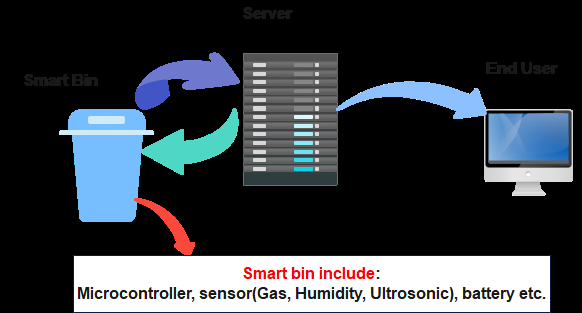
Smart City Waste Management Projects: Analyzing how smart cities implemented AI-activated waste management systems into optimizing the processes of collecting and recycling the waste proved insightful. All the information gathered concerning such projects’s results - among them decreased waste-emitting emissions as well as financial savings achieved through cost savings - all highlighted AI as a new prospect for city waste management. Analysis of case studies from hazardous waste treatment plants that utilize nanotechnology in neutralizing or disposing toxic substances safely. Results for the effectiveness of such technologies in reducing environmental hazards, as well as in extracting This section reports on findings of the research on the contribution of AI and nanotechnology toward solid waste management. For this purpose, results were categorized into the two most important technologies: advantages and disadvantages, as well as current and future applications.
AI in Waste Management
AI has been of very great importance in automating the processes of waste management through optimization. The outcome of the analysis shows that: AI can sort waste materials significantly and differentiate correctly between various types of products, thus increasing the possibility of recycling and decreasing pollution. For example, according to studies, waste sorting in Europe can be up to 95% correct with AI systems [16]. AI for waste collection routing has reduced operational costs by 20% while cutting emissions from waste trucks by 15% in pilot projects for smart cities such as Barcelona and Singapore [17]. With predictive capabilities, AI also improved the planning and resource allocation. AI has brought resource recovery to a greater efficiency by identifying valuable materials in streams of waste. For instance, AI-driven sorting machines have identified and recovered rare earth metals in electronic waste with an improvement of 10-15% [18].
Nanotechnology for Waste Management
Nanotechnology has the potential in addressing critical challenges in waste treatment and resource recovery. The findings were from research: Nanomaterials have proven to be highly efficient in the removal of contaminants from wastewater, with even some reports showing that as much as 90% of heavy metals and organic contaminants were removed [19]. Nanoparticle-based filters have also been effective in capturing microplastics. The introduction of nanocatalysts into anaerobic digesters has led to an increase in biogas production by 20-30%. This reduces the volume of waste and produces renewable energy [20]. Extraction techniques based on nanotechnology have recovered up to 80% of gold and rare earth elements from e-wastes [21].
valuable materials, were compiled. Smart trash cans are either standalone devices or can be added to already-existing bins. Additionally, a wide variety of technology, such as solar panels, batteries, or even the kinetic energy produced by people disposing of waste, can power them. Waste management businesses may more efficiently schedule pick- ups by keeping an eye on the bin’s fill level, which lowers the number of trucks on the road and the emissions that go along with it. A number of variables, including coverage, energy usage, technology cost, and application requirements, influence the communication technology selection for smart trash cans.
This is significant to manage e-wastes sustainably while generating less environmental damage.
Discussion
From the research, there emerges significant potential for AI and Nanotechnology to impact solid waste management in a better capacity with efficiency, sustainability, and less damage to the environment. In the proceeding section, it is analyzed what implications the outcomes make: how the existing scenario of the system could overcome with the assistance of AI and Nanotechnology, boost up the circular economy, and step forward for world-scale sustainability.
Waste Management Optimization through AI contribution
AI has improved waste sorting, collection, and resource recovery. These developments reduce landfill waste, increase recycling, and lower operational expenses. Waste sorting systems are more accurate and efficient thanks to AI. Traditional sorting methods suffer from recyclable contamination and inefficient manual sorting due to type diversity. AI-powered systems use machine learning algorithms and computer vision to accurately identify and classify waste, eliminating contamination and manual sorting inefficiencies. AI systems in Europe and North America are improving sorting accuracy to 95%, producing cleaner, more valuable recyclables. This is crucial for increasing recycling and reducing landfill waste [16]. AI technology could make recycling more efficient and scalable in worldwide efforts to minimize plastic waste and recycle metals and glass. Another place where AI can reliably predict waste generation using historical data. It anticipates trash quantities based on population growth, urbanization, and consumption habits to help waste management systems adjust to waste stream variability. Holidays and special events can create landfill overflowing or delayed collections, so preparedness is crucial. AI can optimize waste pickup schedules. This should drastically reduce waste-emitting cars’ fuel use. AI-optimized routes lower operational expenses by 20% and waste collection carbon footprint by 15%, according to research [17]. These efficiencies lessen waste management’s environmental impact over time. AI helps circular economies decrease waste and utilize resources. AI algorithms retrieve precious elements from waste streams. AI has identified commercially recoverable rare earth elements and precious metals from e-waste. AI-based circular economy can turn linear waste management into closed-loop systems that recycle materials eternally [18].
Nanotechnology: Role in Sustainable Waste Management and Resource Recovery
The particular abilities of nanotechnology have more to do with waste management in specific areas where conventional technologies would limit their use. Nanomaterials and nanotechnology-based processes give innovative answers to some of the toughest challenges in waste treatment, pollution control, and resource recovery. In wastewater treatment, nanotechnology has considerably improved heavy metal, organic pollutant, and microplastic removal. Traditional wastewater treatment methods generally fail to remove such pollutants, polluting the environment and posing health risks. Nanotubes and metal oxide nanoparticles have remarkable adsorption capabilities and absorb contaminants molecularly. In some circumstances, pollutant removal effectiveness can exceed 90%, which can improve effluent quality and reduce wastewater discharge’s environmental impact [19]. Third, this nanotechnology-based filtration system can be integrated into an existing treatment plant and scaled out internationally to address water pollution. Nanotechnology increases biogas generation and reduces organic waste volume in aerobic digestion systems. Nanocatalysts boost biogas production by 20-30% by breaking down organic materials [20]. This eliminates landfill waste and provides green energy. Organic waste management with nanotechnology generates more energy from rubbish, promoting sustainable waste-to-energy conversion methods. Valued E-Waste and Metal Recovery Nanotechnology can selectively remove precious metals from e-waste, which contains hazardous chemicals. Thus, it replaces energy-intensive smelting and chemical leaching sustainably. Gold, silver, and rare earth metals can be recovered 80% using nanoscale adsorbents and nanocatalysts [21]. These solutions lessen e-waste’s environmental impact and create economic opportunities by recycling valuable components for electronics reuse. Nanotechnology in e-waste recycling might drastically minimize virgin material use, protecting natural resources and promoting sustainability.
Synergies between AI and Nanotechnology in Waste Management
AI-nanotechnology synergy provides a bright future for waste management. Together, these two advanced technologies can improve waste management efficiency, sustainability, and resilience. AI optimizes waste treatment nanomaterial utilization by managing operational parameters, anticipating maintenance needs, and improving pollutant removal efficiency. AI-driven waste management systems benefit from nanotechnology’s more efficient filtration, degradation, and resource recovery materials. Nanotechnology process optimization with AI: AI-based algorithms can improve nanotechnology-based waste treatment efficiency. Machine learning models can forecast the best conditions for pollutant removal or resource recovery, lowering energy use and increasing throughput. AI may modify nanomaterial dosing based on real-time wastewater treatment plant data to maximize pollutant removal efficiency with little material [22]. Nanotechnology is helping AI-driven waste sorting systems by providing advanced materials that are easy to identify and process by AI algorithms, such as nanocomposite designed for recycling with specific markers that help the AI sorting system recognize these materials. Nanotechnology and AI integrate to improve material recovery purity and value, enabling circular economy aims [23].
Challenges and Future Directions
To realize AI and nanotechnology’s potential, hurdles must be overcome. Some technical, economic, and regulatory obstacles exist. AI must create more robust and adaptable algorithms to handle waste stream variety and complexity. Some materials, such mixed or contaminated garbage, are still limited by present technologies. In contrast, nanotechnology struggles to scale up and make nanomaterials cost-effective for mass waste management use. Due to economic and regulatory factors, AI and nanotechnology waste management solutions are too expensive for developing countries. These scientific advances are accompanied by weak regulatory frameworks for nanomaterials in waste management and environmental applications. To ensure safe and environmentally sustainable nanotechnology-based procedures, more studies and regulations are needed. Nanotechnology waste management applications should be scaled up and made inexpensive in future research. AI systems must also adapt and learn in varied waste contexts. Governments, research institutions, and industry must collaborate to achieve this. While some other common challenges are:
- Data collection and its management
- Quality of data and its reliability
- Scalability and processing power
- Complexity of algorithm
- Collaboration of Human-AI and trust
- Skilled Workers, Infrastructure and fund
Conclusion
The integration of Artificial Intelligence and Nanotechnology into solid waste management is the greatest step taken to date toward the solution of some of the most acute environmental and operational challenges. AI has already demonstrated itself capable of optimizing waste sorting, increasing collection efficiency, and improving resource recovery - all key elements to more sustainable waste management. Nanotechnology introduces innovation in treating waste, pollution, and recovering valuable products, especially from streams of e-waste and organic waste. The findings in this study reveal that when combined, these technologies offer a solution for revolutionizing waste management due to superior efficiency and effectiveness in managing waste processing systems. Obstacles that will need solutions on issues such as scalability and cost are going to greatly determine how viable these technologies shall be in future. Developing more sophisticated algorithms for the AI system and scaling up the industrial production of nanomaterials as well as how regulatory frameworks that ensure such safe and sustainable use by man shall become the bases of further studies. Therefore, this will call for increasing researches on innovative and sustainable management methods for waste as it will continue to grow around the world. AI and Nanotechnology will offer much more promising avenues toward those objectives, and their future developments will be crucial toward establishing a more sustainable, closed-loop future for the world of waste management.
References
-
Gupta A, Bhattacharyya A, Kumar P (2020) Artificial Intelligence in Waste Management: A Review of Emerging Technologies. International Journal of Waste Resources 9(4): 53-63.
-
Martinez MD (2021) The Role of AI in Enhancing Waste Recycling Systems. Journal of Environmental Engineering and Technology 35(2): 215-226.
-
Singh SK (2020) Nanotechnology Applications for Sustainable Wastewater Treatment. Environmental Nanotechnology Monitoring & Management 12(3): 44- 56.
-
Sharma TK, Yadav VK (2021) Advances in Waste Sorting Technologies Using Machine Learning. Waste Management Journal 56(1): 80-92.
-
Zhang L (2020) Optimization of Waste Collection Routes Using AI: A Review. Computers & Industrial Engineering 152: 107-115.
-
Garcia J, Fernandez P, Gonzalez CJ (2021) Nanomaterials for Organic Waste Degradation: A Comprehensive Review. Journal of Hazardous Materials 399: 123-132.
-
Brown AN (2022) Circular Economy and AI in Waste Recovery: Prospects and Challenges. Sustainable Production and Consumption 34: 140-148.
-
Li Y, Zhao H, Wang X (2020) E-waste Recovery Using Nanotechnology: State-of-the-Art and Future Directions. Materials Today Advances 12: 75-82.
-
Patel R (2021) AI-based Predictive Models for Waste Generation in Urban Cities. Environmental Modelling & Software 105: 25-32.
-
Jones M, Parker AL (2021) The Intersection of AI and Nanotechnology in Modern Waste Treatment. Journal of Environmental Science & Technology 54(9): 3902-3914.
-
Kim D, Chen LM (2021) Emerging Technologies in Waste Sorting: A Machine Learning Approach. IEEE Transactions on Industrial Electronics 68(4): 2365- 2373.
-
Singh A, Kumar K (2021) Applications of Nanotechnology in Heavy Metal Waste Removal. Environmental Chemistry Letters 19(2): 987-998.
-
Miller RF (2020) Smart Waste Management with AI: A Future Perspective. International Journal of Environmental Research and Public Health 17(8): 3453- 3465.
-
Watanabe K (2021) Nanotechnology and Its Impact on Biogas Production from Organic Waste. Journal of Renewable Energy Engineering 45(2): 188-197.
-
Fischer MR, Khan NP (2020) Waste Management Using Artificial Neural Networks: Case Studies and Future Directions. IEEE Access 8: 22334-22342.
-
Dubois L (2021) AI-Driven Innovations in Recycling: A Case Study. Waste and Resource Management Journal 22(3): 95-104.
-
Wang J (2021) Optimization of Waste Collection Systems Using AI: A Review of Algorithms. Waste and Biomass Valorization 11(2): 243-251.
-
Lopez CM (2020) Circular Economy Models Enhanced by AI in Solid Waste Management. Sustainable Waste Management Journal 16(6): 321-329.
-
Zhang YN (2020) Nanotechnology in Water Purification: Opportunities and Challenges. Journal of Environmental Chemical Engineering 6(4): 480-490.
-
Verma A, Singh RD (2022) AI in Biogas Production: Enhancing Efficiency with Nanotechnology. Renewable Energy Reports 27: 60-67.
-
Sharma N (2021) E-waste Management Using Nanotechnology: A Review. IEEE Nanotechnology Magazine 14(1): 50-59.
-
Lee H, Kim S, Park D (2020) Optimizing Nanomaterial Applications in Wastewater Treatment with AI. Journal of Environmental Management 258(3): 110-119.
-
Rodrigues MC, Silva A (2021) Nanotechnology and AI Integration for Waste Sorting: New Opportunities. Waste Treatment and Recovery Journal 32(1): 123-133.
- Solution-Processed Chiral Perovskites for Biomedical Applications
- Nanotechnology in Health Chemistry and Medicine: Current Challenges and Future Directions
- Human Exposure to Micro- and Nanoplastics: Pathways, Toxicity, and Intervention Strategies
- Exosome Nanomedicine for Cancer Therapy
- Micro and Nanoplastics–Plastisphere, Biotoxicity, Impact on Human Health, and Mitigation Strategies
- Process Validation of Cefixime Powder for Suspension Dosage Form, 50 mL