
Avian Haemosporidian Parasites in Domesticated Rock Doves (Columba livia domestica) in Gombe State, Nigeria
Avian haemosporidian infections are widespread and can result in the decline of populations or extinction of birds’ species. This study aimed to determine the prevalence of avian haemosporidian parasites in 570 rock doves sampled from household and live birds markets from Gombe State, Nigeria. Blood samples were microscopically examined for the presence of haemoparasites, and the overall prevalence of avian haemosporidiosis was 41.8%. The prevalence of haemosporidian was significantly higher (P <0.0001; χ2 = 16.665) in doves from live birds’ markets (25.8%) compared to households (25.8%). Prevalence was also higher (P = 0.2027; χ2 = 1.623) in female (22.3%) compared to male (19.5%) doves. Out of the 238 infected doves, 82 (14.4%) were infected with Haemoproteus, 58 (10.2%) with Plasmodium and 40 (7.0%) with Leucocytozoon species. 25 doves (4.4%) had mixed infection with Haemoproteus + Plasmodium species, 21 (3.7%) had mixed Leucocytozoon species + Plasmodium species infections while 12 (3.7%) had mixed Haemoproteus + Plasmodium + Leucocytozoon species infections. Prevalence of all avian haemosporidian species were higher (P > 0.05) in doves sampled from live birds’ markets compared to those from households, and all avian haemosporidian species except Leucocytozoon species were higher (P > 0.05) in female than in male doves. It is recommended that awareness campaign to educate the poultry farmers and sellers on how to improve management practices is necessary so as to prevent widespread transmission of the haemosporidian parasites amongst domesticated birds.
Introduction
Poultry farming is a significant part of many agricultural societies in developing countries around the world [1, 2]. Several studies on the benefits of poultry production carried out in many developing countries have demonstrated its importance to humanity’s survival [3, 4, 5]. Poultry production generates a higher financial benefit and income in the form of cash from the selling of live birds and eggs than ruminants or pigs, alleviates poverty, and provides high quality animal protein that reduces hunger, enhances nutritional status, and provides food security for rural dwellers when used as food (meat and eggs) [5, 6, 7, 8]. Generally, chickens (Gallus domesticus), guinea fowls (Numida meleagridis galeatapallas), ducks (Anas platyrhynchos), pigeons (Columba livia domestica), geese (Anser anser domesticus or Anser cygnoides), ostriches (Struthio camelus), and other domesticated avian species kept around the world are all considered poultry [9]. Pigeons of the Columbiformes order are common and can be found in almost every town and city on the planet [10, 11]. The
domestic pigeon (Columba livia domestica) is a subspecies of the world’s oldest domesticated bird, the rock dove (Columba livia), and is usually sold or traded in Nigerian live bird markets to supplement income and animal protein [12]. During wartime, pigeons and doves were used as messengers, and they are now still kept as pets [13]. Unfortunately, their interactions with humans and other domestic and wild birds suggest that they may be potential reservoirs for a variety of poultry parasitic diseases, as well as play a role in the transmission of certain zoonoses to humans [12, 14].
Various parasites that spend a significant portion of their lives inside (endoparasites) or on another form of host (ectoparasites) have an effect on pigeon growth, development, and productivity, and may even cause death [15, 16]. When exposed to infected bloodsucking dipteran insect bites, haemosporidians infect a wide variety of vertebrate species. It is estimated that 68 percent of all bird species are vulnerable to haemosporidians [17, 18]. Doves can be predisposed to parasitic infections due to insufficient health care, poor management and husbandry programs, and insufficient biosecurity. The three most common avian haematozoa genera found in birds are Leucocytozoon, Plasmodium and Haemoproteus (Phylum: Apicomplexa; and Order: Haemosporida) [19, 20]. These haemoparasite genera have been identified as the primary cause of avian malaria in infected birds all over the world [21]. Furthermore, larval microfilariae, a form of Filarioid nematode, are haemoparasites found in a variety of organs and tissues of many terrestrial vertebrates, including birds [22, 23]. Mosquitoes (Culicidae) transmit Plasmodium, while biting midges (Ceratopogonidae) transmit Haemoproteus, and black flies transmit Leucocytozoon [19]. Numerous studies on the occurrence, prevalence, and incidence of haemoparasites in domesticated birds have been conducted in Nigeria, but there is little knowledge on the presence of the haemosporidian in domesticated doves. The current study aimed to establish haemoparasite genera in rock doves from Gombe State, Nigeria, because there is limited knowledge of avian malaria parasites among rock doves in the study region.
Materials and Methods
Study Area
This research was carried out in Gombe State, Nigeria, in a few selected LGAs. According to the National Population Commission’s 2006 population census, Gombe State, which is situated between latitudes 9°30’ and 12°3’ N and longitudes 8°45’ and 11°45’ E, has a population of 2.4 million citizens. The state is located in Nigeria’s north-eastern region, bordering Bauchi, Taraba, Adamawa, Yobe, and Borno states. Eleven Local Government Areas (LGAs) in the state are home to ethnic groups such as Hausa, Fulani, Tera, Waja, Tangale, and Bolawa. Crop and livestock cultivation are favored by the state’s climatic and edaphic influences.
Study Design
A cross-sectional survey using convenient sampling techniques was conducted in five (5) Local Government areas of Gombe State to collect blood samples from adult domestic rock doves of both sexes from households and live bird markets. Microscopic analysis of thin blood film and buffy coat smears for the presence or absence of intracellular and extracellular blood parasites was performed in this study.
Blood Sample Collection and Analysis
Blood samples were obtained aseptically from adult doves of both sexes by gently jabbing the brachial vein of each dove with sterile 23 gauge needles on site of sample collection after approval from their owners and humane physical restraint. About 50µL of blood samples were tapped into unheparinized capillary tubes as previously stated by Sehgal, et al. [24]. Two separate thin blood smears were made from each blood sample at the point of collection on clean, dry, and grease-free slides, then allowed to air dry for a few minutes before being fixed in absolute methanol and air dried again before properly labeling each slide. The slides were carefully packed and arranged in slide boxes for transport to the Department of Veterinary Parasitology and Entomology Research Laboratory at the University of Maiduguri in Borno State, Nigeria. Thin smears of buffy coat from centrifuged blood samples were also made in the laboratory on a clean dry slide, air dried for a few minutes, fixed in absolute methanol, and air dried again.
Microscopic Detection of Avian Haemosporidian Parasites
The slides were stained for 50 minutes with Giemsa stain (pH 7.2), gently raised with distilled water, and air dried. At low and high magnification oil immersion objectives, thin blood films and buffy coat smears were examined under an Olympus® compound microscope for the presence of intracellular and extracellular parasites. The blood parasites were discovered were compared to dove and pigeon haemoparasites previously described by Bennett and Pierce and Cheesbrough [25, 26].
Data Analysis
Data analysis was performed using GraphPad Prism software (GraphPad Inc., San Diego, CA). Prevalence rates were calculated as percentages of proportion. Chi-squared test was used to compare the prevalence between the two sample locations (households and live birds’ markets) and sex (male and females). Differences were considered significant for P-values equal to or less than 0.05.
Results
Table 1 shows the result of Overall Prevalence of Avian Malaria Parasites in Domestic Rock Doves (Columba livia domestica) in Gombe State, Nigeria. Out of the total five hundred and seventy (570) doves examined, avian malaria parasites was detected in 238 doves, with an overall prevalence rate of 41.8% (95% CI=37.8%-45.8%). Table 2 shows the prevalence of avian malaria parasites in domestic Rock Doves (Columba livia domestica) in Gombe State, Nigeria, according to study location and dove sex. Doves sampled from live bird markets (25.8%; 95% CI=22.4%- 29.5%) had a higher prevalence of avian malaria parasite infections than those sampled from households (25.8%; 95% CI=22.4%-29.5%). There was a significant (P <0.0001; χ2=16.665) association between the prevalence of avian malaria parasite infections and the location of the samples collections. Female (22.3%; 95% CI=19.1%-25.9%) doves had a higher prevalence of avian malaria infections than male (19.5%; 95% CI=16.4%-22.9%) doves. However, there was no statistically significant (P = 0.2027; χ2 = 1.623) difference in prevalence rates between the sexes.
| Number of doves examined | Number (%) of doves infected | Prevalence (%) | 95% CI |
|---|---|---|---|
| LL-UL | |||
| 570 | 238 (41.8) | 41.8 | 37.8-45.8 |
Table 1: Avian Malaria Parasites Genera Detected in Domestic Rock Doves (Columba livia domestica) in Gombe State, Nigeria. Key: N
- Table 1: Overall Prevalence of Avian Malaria Parasites in Domestic Rock Doves (Columba livia domestica) in Gombe State, Nigeria.
- Parameters
- Information
- Number of doves examined
- Number (%) of doves infected
- 95% CI
- Prevalence
- (%) p-value χ2
- OR
- RR
- LL-UL
- Study location
- Households
- 270
- 91 (33.7)
- 16.0a
- 13.2-19.2
- <0.0001
- 16.665
- 2.047
- 1.353
- Live birds
- Markets
- 300
- 147 (49.0)
- 25.8b
- 22.4-29.5
- Overall
- 570
- 238 (41.8)
- 41.8
- 37.8-45.8
- Sex
- Male
- 285
- 111 (38.9)
- 19.5a
- 16.4-22.9
- 0.2027
- 1.623
- 0.7936
- 0.874
- Female
- 285
- 127 (44.6)
- 22.3a
- 19.1-25.9
- Overall
- 570
- 238 (41.8)
- 41.8
- 37.8-45.8
Table 2: Prevalence of Avian Malaria Parasites in Domestic Rock Doves (Columba livia domestica) based on sex and study
| Type of Infection | Avian Malaria Parasites Encountered | No. of Doves infected N = 570 | Prevalence (%) | 95% CI |
|---|---|---|---|---|
| LL-UL | ||||
| Haemoproteus spp. | 82 | 14.4 | 11.8-17.5 | |
| Single | Plasmodium spp. | 58 | 10.2 | 8.0-12.9 |
| Leucocytozoon spp. | 40 | 7 | 5.2-9.4 | |
| Haemoproteus spp. + Plasmodium spp. | 25 | 4.4 | 3.0-6.4 | |
| Mixed | Leucocytozoon spp. + Plasmodium spp. | 21 | 3.7 | 2.4-5.6 |
| Haemoproteus spp. + Plasmodium spp. + Leucocytozoon spp. | 12 | 2.1 | 1.2-3.7 | |
| Overall | 238 | 41.8 | 37.8-45.8 |
Table 3: Avian Malaria Parasites Genera Detected in Domestic Rock Doves (Columba livia domestica) in Gombe State, Nigeria. Key: N
The results of the genera of avian malaria parasites discovered in domestic Rock Doves (Columba livia domestica) in Gombe State, Nigeria are shown in Table 3. The results showed that Haemoproteus species (14.4%; 95% CI = 11.8%- 17.5%) infection is more prevalent than Plasmodium (10.2%; 95% CI = 8.0%-12.9%) species or Leucocytozoon (7.0%; 95% CI=5.2%-9.4%) species infection. However, mixed infections of Haemoproteus species + Plasmodium species (4.4%; 95% CI = 3.0%-6.4%) infections are more prevalent, followed by Leucocytozoon species + Plasmodium species (3.7%; 95% CI = 2.4%- 5.6%) and Haemoproteus species + Plasmodium species + Leucocytozoon species (2.1%; 95% CI=1.2%-3.7%) infections.
Table 4 shows the prevalence of Avian Malaria Parasites encountered in domestic Rock Doves (Columba livia domestica) in Gombe State, Nigeria, based on study location and dove sex. Doves sampled and examined from live bird markets had higher prevalence rates of all avian malaria parasites than those sampled from households. Single infection of Haemoproteus species was more prevalent in doves sampled from live birds markets (7.9% ) than in those sampled from households (6.5%), followed by Plasmodium species, which was also more prevalent in doves sampled from live birds markets (5.6%) than in those examined from households (4.6%). Leucocytozoon species was more prevalent in doves sampled from live birds markets (4.9%) than in those examined from households (2.1%), mixed infection of Haemoproteus spp. + Plasmodium spp. was more prevalent in doves sampled from live birds markets (2.8%) than those sampled from households (2.1%), Leucocytozoon spp. + Plasmodium spp. was more prevalent in doves sampled from live birds markets (2.5%) than those sampled from households (1.2%). Finally, Haemoproteus spp. + Plasmodium spp. + Leucocytozoon spp. was more prevalent in doves sampled from live birds markets (1.6%) than those sampled from households (0.5%). Furthermore, all avian malaria parasites identified were more prevalent in female doves than male doves, with the exception of Plasmodium and Leucocytozoon species, which had more single infections in male doves than female doves. Single Haemoproteus species infection was more prevalent in female (8.4%) than male (6.0%) doves, while Plasmodium species infection was more prevalent in male (5.6%) than female (4.6%) doves, and Leucocytozoon species infection was also more prevalent in male (3.7%) than female (3.3%) doves. Mixed infection of Haemoproteus spp. + Plasmodium spp. was more prevalent in female (2.5%) doves than male (1.9%) doves, mixed Leucocytozoon spp. + Plasmodium spp. was also more prevalent in female (2.1%) doves than male (1.6%) doves. Finally, Haemoproteus spp. + Plasmodium spp. + Leucocytozoon spp. was more prevalent in female (1.4%) doves than male (0.7%) doves (Figure 1).
| Para meters | Inform ation | Number of Doves examined | Avian Malaria Parasites Encountered | Total infected | |||||
|---|---|---|---|---|---|---|---|---|---|
| Haemoproteus spp. (%) | Plasmodium spp. (%) | Leucocytozoon spp. (%) | Haemoproteus spp. + Plasmodium spp. (%) | Leucocytozoon spp. + Plasmodium spp. (%) | Haemoproteus spp. + Plasmodium spp. + Leucocytozoon spp. (%) | ||||
| Study location | House holds | 270 | 37 (6.5) | 26 (4.6) | 12 (2.1) | 9 (1.6) | 7 (1.2) | 3 (0.5) | 91 (33.7) |
| Live birds market | 300 | 45 (7.9) | 32 (5.6) | 28 (4.9) | 16 (2.8) | 14 (2.5) | 9 (1.6) | 147 (49.0) | |
| Overall | 570 | 82 (14.4) | 58 (10.2) | 40 (7.0) | 25 (4.4) | 21 (3.7) | 12 (2.1) | 238 (41.8) | |
| Sex | Male | 285 | 34 (6.0) | 32 (5.6) | 21 (3.7) | 11 (1.9) | 9 (1.6) | 4 (0.7) | 111 (38.9) |
| Female | 285 | 48 (8.4) | 26 (4.6) | 19 (3.3) | 14 (2.5) | 12 (2.1) | 8 (1.4) | 127 (44.6) | |
| Overall | 570 | 82 (14.4) | 58 (10.2) | 40 (7.0) | 25 (4.4) | 21 (3.7) | 12 (2.1) | 238 (41.8) |
Table 4: Prevalence of Avian Malaria Parasites Encountered in Domestic Rock Doves (Columba livia domestica) based on Sex and Stud
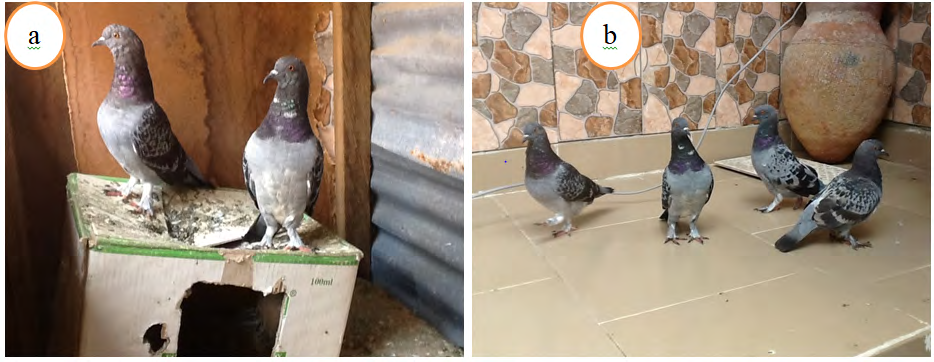
Figure 1a & b: Showing domestication of Rock doves (Columba livia domestica) in Gombe State, Nigeria.
Our research investigated the prevalence of avian haemosporidian parasites, which have been linked to avian malaria. The current study’s findings have offered current information on the presence of avian malaria parasites in domesticated rock doves, indicating that apparently healthy doves could retain haemosporidian parasites without presenting clinical indications of illness. In this study, the overall prevalence rate of avian haemosporidian parasites was 41.8%, which is lower than 44.0% previously reported by Dey, et al. [27] from Mymensingh district in Bangladesh, as well as 78.0%, 80.0% and 64.0% reported by Dadi-Mamud, et al. Opara, et al. and Omonona, et al. [29, 30] from Lapai, Niger State, Owerri, Imo State and Ibadan, Oyo Sate in Nigeria respectively. Variations in prevalence may be influenced by a range of factors, including sample size, type of study, ecological, geographic, bird population characteristics, and vector abundance.
The prevalence of avian haemosporidian parasite infections in domestic rock doves was higher in doves sampled from live bird markets (25.8%) compared to those sampled from households (16.0%), with a statistically significant (P <0.0001) association between the prevalence and the location of the sample collection. This finding could be linked to the fact that doves in live bird markets are mixed with a variety of avian species and are kept in cages without adequate arthropod screening nets, leaving them vulnerable to blood sucking arthropods, especially at night, which could infect them with any haemoparasites they may have, as opposed to those in homes, who are usually provided with proper housing. This finding supports the findings of Dunn, et al., Omonona, et al. and Emmenegger, et al. [30, 31, 32], who stated that feral birds with housing may be protected from vector exposure due to their enclosed surroundings, whereas those that are not properly housed may be more susceptible to flying dipteran vectors, resulting in higher prevalence in markets as compared to household reared doves. Moreover, birds in cages may be more vulnerable to infection due to overcrowding and cage tiredness which may lead to stress and immune-suppression. The current study also discovered that the rock doves sold in the market are more likely to have been captured directly from the wild, implying that they had been exposed to infection during migrating movements. This observation also supports the findings of Walther, et al. Emmenegger, et al., and Ciloglu, et al. [32, 33, 34], who found that migratory avian species, especially long-distance migrants, are expected to host a higher diversity of haemoparasites because they encounter parasites and their vectors in multiple ecosystems.
The findings of the present study revealed that the female (22.3%) doves had a higher prevalence of haemosporidian parasites than male (19.5%) doves, although there was no statistically significant association between sex of doves and the prevalent rates, which agrees with Senlik, et al. [35] who were unable to detect a significant difference in the infection rate of haemosporidian parasites in terms of host sex. This indicated that both sexes shared equal chances of getting infection in the availability and abundance of infected suitable vectors. However, Opara, et al. and Nath and Bhuiyan [29, 36] have reported higher prevalence of haemosporidian parasites in female compared to male pigeons and have detected a significant association between sex and prevalence of haemoprotozoa infection. Our finding is contrary to the report of Dey, et al. [27] who have reported higher prevalence of haematozoa in male pigeons than the females. Female doves have a higher prevalence of haemosporidian parasites than male doves, which could be linked to stationary during the nestling stage, when female doves are sedentary throughout the egg incubation period, and this stationary time could have exposed them to a series of bites from infected vectors.
In the present study, three haemosporidian taxa, namely Haemoproteus, Plasmodium, and Leucocytozoon species, were found in the infected rock dove which supports the findings of Valkiûnas, Braga, et al. Ishtiaq, et al., Nath and Bhuiyan, Omonona, et al. and Mirzaei, et al. [19, 30, 36, 37, 38, 39], who have also reported that these three genera of the Phylum Apicomplexa belonging to the families Haemoproteidae, Plasmodiidae, and Leucocytozoidae, respectively are the most frequently encountered haemosporidian parasites in avian from the family Columbiforms including doves. Among the detected haemosporidian, Haemoproteus was the most prevalent followed by Plasmodium and Leucocytozoon species which supports the findings of Opara, et al., Carlson, et al., Samani, et al., Nath and Bhuiyan, Heym, et al. and Schumm, et al. [29, 36, 40, 41, 42, 43] who have also reported that Haemoproteus species is the most frequently encounter haemosporidian parasites in wild and domesticated bird species of the order Columbiformes. Previous studies has also shown that Haemoproteus species, specifically H. columbae, is the world representative cause of haemosporidian infection in rock doves (Columba livia), which includes domestic pigeons (C. livia f. domestica) [15, 19]. There are at least five other Haemoproteus species in addition to H. columbae. Pigeons and doves (Columbiformes: Columbidae) are infected by the subgenus Haemoproteus Kruse, 1890, and are transmitted by hippoboscid flies [19]. Haemoproteus species has also been reported to occupy a large portion of erythrocytes; with its gametocytes partially encircling the erythrocyte nucleus, forming a halter-shaped appearance with little displacement of the host cell nucleus [44] thus, the detection of Haemoproteus species in domesticated rock pigeons in this study could indicate a serious health complication for the bird.
Our study found Plasmodium species as the second most prevalent haemosporidian parasite infection in the rock doves which in line with Nath and Bhuiyan [36], but contrast the findings of Carlson, et al. and Heym, et al. [40, 42] who reported Leucocytozoon species as the second most frequent avian haemosporidian parasite in Columbiforms. Our finding might be associated with the abundance of mosquitoes and Pseudolynchia species which are the true vectors of Plasmodium and Haemoproteus in avian species as reported by Igbokwe, et al. [45] in the study area.
The finding of the present study reported for the first time the prevalence of Leucocytozoon species in domesticated rock doves. This haemosporidian parasite has previously been reported in feral pigeons which are widely distributed and their number is increasing, especially in urban areas as reported by Haag-Wackernagel and Moch and Nath, et al. [46, 47]. Although the galliformes has been identified as the primary and true host of Leucocytozoon, other species of birds may be infected when bitten by an infected vector during blood sucking behaviors. Cross transmission from chickens may have resulted in the detection of Leucocytozoon specie in domesticated rock doves, as it was observed in this study that domesticated rock doves are reared in households with chickens and also kept in close proximity in live bird markets with chickens, potentially allowing for cross-transmission in the presence and abundance of blood sucking arthropods, which may transmit the parasite between these birds during blood meal. Pigeons had previously been found to carry Leucocytozoon species, suggesting that the haemosporidian parasite is not host specific or is adapting to a new host.
The prevalence rate of Heamoproteus species (14.4%) reported in rock doves from the present study is lower than 57.2% reported by Hussein and Abdelrahim [48] and 46.55% reported by Tietz-Marques, et al. [49] from Qena governorate and Lages-Santa Catarina, Brazil respectively, moreover lower than 76.5% and 24.5% reported in domestic pigeons (Columba livia) in Uganda and Bangladesh by Dranzoa and Nath and Bhuiyan [36] respectively as well as 24.0% reported in African mourning dove (Streptopelia decipiens) in Nigeria by Omonona, et al., Rosyadi, et al. [30, 44] has reported a high prevalence of H. columbae (85.7%) infection in farmed domestic pigeons from Yogyakarta, Central Java, while Nebel, et al. [50] reported 72.7% in feral domestic pigeons in Cape Town, South Africa, and Hussein, et al. [48] reported 57.3% in Qena, Egypt. However, our finding was higher than 4.8% and 13.2% reported from northwestern Costa Rica and Bangladesh by Valkiunas, et al. and Elahi, et al. [17, 51] respectively. These variations in prevalence rate of Haemoproteus species in doves and pigeons from the various studies might be due to habitat difference of doves, proximity to breeding area of vectors, geo-climatic condition, level of host resistance or susceptibility, season of sample collection and husbandry practices of pigeons and doves.
The prevalence of Plasmodium (10.2%) and Leucocytozoon (7.0%) discovered in rock dove in this study is lower than that reported by Akinpelu [52] in Red-eyed doves (11.1% and 10.0%, respectively) and Omonona, et al. [30] in African mourning doves (40.0% and 24.0% respectively) in Nigerian. However, Dadi-Mamud, et al. [28] reported 30.0% prevalence of Plasmodium and 3.0% prevalence of Leucocytozoon in pigeons in Nigeria. Various investigations in Nigeria have revealed that the susceptibility of different dove and pigeon species to these haemosporidian parasites varies. This could be due behavioural as well as physiological difference and some other intrinsic factors related to the immune status of different dove species which may make them more or less susceptible to parasitic infections. In the present study, sampling was limited to houses and live bird market places situated within the urban and sub- urban areas. Other avian species, such as chickens and ducks, are more likely to have served as reservoirs because the parasites have been previously reported in these avian hosts in the study area, and the presence and abundance of different species of mosquitoes and black flies, the parasite’s main vectors, allows for cross transmission of Plasmodium and Leucocytozoon species to domesticated doves raised in captivity. Moreover, Scaglione, et al. [53] states that the doves are not usually infected with Leucocytozoon species, even though, Chakarov, et al. [54] reported that the columbiformes are one of the main targets of ornithophilic blackflies which frequently transmit the parasite.
The total prevalence rates of mixed infection with Haemoproteus + Plasmodium in rock doves were 4.4%, according to the findings of this study, is lower than but comparable to 4.5% reported by Nath and Bhuiyan [36] in domestic pigeons in Bangladesh. In addition, the prevalence of mixed Haemoproteus + Plasmodium + Leucocytozoon (2.1%) detected in this study was also found to be lower than but comparable to 2.5% reported by Nath and Bhuiyan [36] in domestic pigeons in Bangladesh.
Conclusion and Recommendations
In conclusion, domesticated rock doves in the study area carry avian haemosporidian parasites belonging to the families Haemoproteidae, Plasmodiidae, and Leucocytozoidae, the most prevalent was Haemoproteus species, and detection of Leucocytozoon species in rock doves may signify a new host-parasite relationship. Prevalence of all avian haemosporidian parasites was higher in doves from live birds’ markets, and higher in female doves. Future studies should be carried out to determine the possible role of these birds in the spread and/or persistence of these infections amongst other domesticated avian species in the study area. Further investigation using more sensitive detection techniques is necessary to characterize the true species and diversity of the haemosporidian parasites infecting rock doves.
Acknowledgments
The authors would like to thank the Director Veterinary Services, Gombe State Area Veterinary Officers, and employees of the Veterinary Parasitology and Entomology Research Laboratory, Faculty of Veterinary Medicine, University of Maiduguri, Nigeria, for their technical assistance throughout the study.
Conflict of Interest
The authors declare that they have no competing interests.
References
-
Angyiereyiri ED, Sackey I, Bonu-Ire MST (2015) Survey on Arthropod Ectoparasites on Goats and Domestic Fowls in Vunania, Navrongo, Ghana. Canadian Journal of Pure and Applied Sciences 9(2): 3371-3377.
-
Ahmed M (2018) Major Constraints and Health Management of Village Poultry Production in Ethiopia: Review School of Veterinary Medicine, Jimma University, Jimma, Ethiopia. International Journal of Research Studies in Microbiology and Biotechnology 4(1): 1-10.
-
Firaol T, Dagmawit A, Askale G, Solomon S, Morka D, et al. (2014) Prevalence of Ectoparasite Infestation in Chicken in and Around Ambo Town, Ethiopia. Journal of Veterinary Science and Technology 5(4): 1-5.
-
Opara MN, Osowa DK, Maxwell JA (2014) Blood and Gastrointestinal Parasites of Chickens and Turkeys Reared in the Tropical Rainforest Zone of Southeastern Nigeria. Open Journal of Veterinary Medicine 4(12): 308- 313.
-
Yusuf SFG, Lategan FS, Masika PJ (2014) Characterization of Indigenous Poultry Production Systems in the Nkonkobe Municipality, Eastern Cape Province South Africa. Journal of Agricultural Science 5(1 -2): 31-44.
-
Dumas SE, Lungu L, Mulambya N, Daka W, McDonald E, et al. (2016) Sustainable smallholder poultry interventions to promote food security and social, agricultural, and ecological resilience in the Luangwa Valley, Zambia. Food Security 8(3): 507-520.
-
Dumas SE, Lungu L, Mulambya N, Daka W, Lewis D, et al. (2017) Effect of sustainable poultry interventions on household food security and resilience in game management areas of Zambia’s Luangwa Valley: a before-and-after study. Lancet Global Health 5: S24.
-
Omer A, Mulualem D, Classen H, Vatanparast H, Whiting SJ (2018) A Community Poultry Intervention to Promote Egg and Eggshell Powder Consumption by Young Children in Halaba Special Woreda, SNNPR, Ethiopia. Journal of Agricultural Science 10(5): 1.
-
Food and Agriculture Organization (FAO) (2021) Poultry species. Gateway to poultry production and products. Food and Agriculture Organization of the United Nations, Rome.
-
Zoltan SG (2015) In: Fowler’s Zoo and Wild Animal Medicine, Volume 8, Miller RE, et al. (Eds.), Fowler School of Veterinary Medicine, University of California, Davis, Davis, California
-
Caitlin AS, Janis LD (2019) In: Encyclopedia of Animal Behavior (Second Edition), ed. Jae Chun Choe, 2019, Division of EcoScience, Ewha Womans University, Seodaemun-gu Ewhayeodae-gil 52, Seoul, Korea.
-
Adang KL, Oniye SJ, Ezealor AU, Abdu PA, Ajanusi OJ (2008) Ectoparasites of Domestic pigeon (Columba livia domestica, Linnaeus) in Zaria, Nigeria. Research Journal of Parasitology 3(2): 79-84.
-
Lack P (2003) Pigeons and doves. The new encyclopedia of birds, Oxford University press in C Pervins, pp: 288- 295.
-
Foronda P, Valladares B, Rivera-Medina J, Figueruelo E, Abreu N, et al. (2004) Parasites of Columba livia (Aves: Columbiformes) in Tenerife (Canary Islands) and their role in the conservation biology of the laurel pigeons. Parasite 11(3): 311-316.
-
Atkinson CT, Thomas NJ, Hunter DB (2009) Parasitic Diseases of Wild Birds. John Wiley and Sons, pp: 28-61.
-
Chagas CR, de Oliveira Guimarães L, Monteiro EF, Valkiūnas G, Katayama MV, et al. (2016) Hemosporidian parasites of free-living birds in the São Paulo Zoo, Brazil. Parasitology Research 115(4): 1443-1452.
-
Valkiûnas G, Iezhova TA, Brooks DR, Hanelt B, Brant SV, et al. (2004) Additional observations on blood parasites of birds in Costa Rica. Journal of Wildlife Disease 40(3): 555-561.
-
Santiago-Alarcon D, Palinauskas V, Schaefer HM (2012) Diptera vectors of Avian Haemosporidian Parasites: Untangling Parasite life cycles and their taxonomy. Biological Reviews of the Cambridge Philosophical Society 87(4): 928-964.
-
Valkiûnas G (2005) Avian malaria parasites and other haemosporidia, CRC Press, Boca Raton, Florida, USA, pp: 946.
-
Valkiûnas G, Iezhova TA (2017) Exo-erythrocytic Development of Avian Malaria and related Haemosporidian Parasites. Malaria Journal 16: 101.
-
Valkiûnas G, Palinauskas V, Ilgūnas M, Bukauskaitė D, Dimitrov D, et al. (2014) Molecular Characterization of Five widespread Avian Haemosporidian Parasites (Haemosporida), with perspectives on the PCR-based Detection of Haemosporidians in Wildlife. Parasitology Research 113(6): 2251-2263.
-
Bartlett CM (2008) “Filaroid Nematodes,” in Parasitic Diseases of Wild Birds, Atkinson CT, et al. (Eds.), Wiley- Blackwell, pp: 439-462.
-
Valkiûnas G, Iezhova TA, Evans E, Carlson JS, Martínez- Gómez JE, et al. (2013) Two New Haemoproteus species (Haemosporida: Haemoproteidae) from Columbiform birds. Journal of Parasitology 99(3): 513-521.
-
Sehgal RN, Jones HI, Smith TB (2001) Host specificity and incidence of Trypanosoma in some African rainforest birds: a molecular approach. Molecular Ecology 10(9): 2319-2327.
-
Bennet G, Peirce MA (1990) The hemoproteid parasites of pigeons and doves (family Columbidae). Journal of Natural History 24(2): 311-325.
-
Cheesbrough M (2000) Protozoology. District laboratory practice in tropical countries. Low-price edition, UK 1: 134-140.
-
Dey AR, Begum N, Paul SC, Noor M, Islam KM (2010) Prevalence and Pathology of Blood Protozoa in Pigeons Reared at Mymensingh District, Bangladesh. International Journal of Biological Research 2 (12): 25- 29.
-
Dadi-Mamud NJ, Kabir MA, Dibal DM, Rajab MH (2012) Study on the Prevalence of Haemoparasites of Pigeon (Columba livia) In Lapai-Nigeria. International Journal of Applied Biological Research 4(1&2): 121-127.
-
Opara MN, Ogbuewu IP, Iwuji CT, Ihesie EK, Etuk IF (2012) Blood characteristics, microbial and gastrointestinal parasites of street pigeons (Columbia livia) in Owerri, Imo State, Nigeria. Scientific Journal of Animal Science 1(1): 14-21.
-
Omonona AO, Ademola IO, Quadri AK (2017) Parasites of African Mourning Dove (Streptopelia decipiens) and the associated Haematological and Biochemical Changes in Nigeria. Nigerian Veterinary Journal 38(3): 215-225.
-
Dunn JC, Stockdale JE, Bradford EL, McCubbin A, Morris AJ, et al. (2017) High rates of infection by blood parasites during the nestling phase in UK Columbids with notes on ecological associations. Parasitology 144(5): 622-628.
-
Emmenegger T, Bauer S, Dimitrov D, Marin JO, Zehtindjiev P, et al. (2018) Host migration strategy and blood parasite infections of three sparrow species sympatrically breeding in Southeast Europe. Parasitology Research 117(112): 3733-3741.
-
Walther EL, Carlson JS, Cornel A, Morris BK, Sehgal RNM (2016) First Molecular study of Prevalence and Diversity of Avian Haemosporidian in a Central California Song Bird Community. Journal of Ornithology 157: 549-564.
-
Ciloglu A, Ergen AG, Inci A, Dik B, Duzlu O, et al. (2020) Prevalence and genetic diversity of avian haemosporidian parasites at an intersection point of bird migration routes: Sultan Marshes National Park, Turkey. Acta Tropica 210: 105465.
-
Senlik B, Gulegen E, Akyol V (2005) Prevalence and intensity of Haemoproteus columbae in Domestic Pigeons. Indian Veterinary Journal 82(9): 998-999.
-
Nath TC, Bhuiyan JU (2017) Haemoprotozoa infection of Domestic Birds in Hilly areas of Bangladesh. Independent Journal Management and Production 8(1): 82-90.
-
Braga EM, Silveira P, Belo NO, Valkiûnas G (2011) Recent Advances in the Study of Avian Malaria: an overview with an Emphasis on the Distribution of Plasmodium species in Brazil. Memórias do Instituto Oswaldo Cruz 106: 3-11.
-
Ishtiaq F, Rao M, Huang X, Bensch S (2017) Estimating Prevalence of Avian Haemosporidians in Natural Populations: A Comparative Study on Screening Protocols. Parasites and Vectors 10: 127.
-
Mirzaei F, Siyadatpanah A, Norouzi R, Pournasir S, Nissapatorn V, et al. (2020) Blood Parasites in Domestic Birds in Central Iran. Veterinary Sciences 7(3): 126.
-
Carlson J, Martínez-Gómez JE, Valkiūnas G, Loiseau C, Bell DA, et al. (2013) Diversity and phylogenetic relationships of hemosporidian parasites in birds of Socorro Island, México and their role in the re-introduction of the Socorro Dove (Zenaida graysoni). Journal of Parasitology 99(2): 270-276.
-
Samani AD, Kheirabadi KP, Samani AD (2013) Prevalence and rate of parasitaemia of Haemoproteus columbae in Columba livia domestica in Southwest of Iran. Iranian Journal of Parasitology 8(4): 641- 644.
-
Heym EC, Kampen H, Krone O, Schäfer M, Werner D (2019) Molecular detection of vector-borne pathogens from mosquitoes collected in two zoological gardens in Germany. Parasitology Research 118(7): 2097-2105.
-
Schumm YR, Bakaloudis D, Barboutis C, Cecere JC, Eraud C, et al. (2021) Prevalence and genetic diversity of avian haemosporidian parasites in wild bird species of the order Columbiformes. Parasitology Research 120(4): 1405-1420.
-
Rosyadi I, Salasia SIO, Argamjav B, Sato H (2021) Impact of Subclinical Haemoproteus columbae Infection on Farmed Domestic Pigeons from Central Java (Yogyakarta), Indonesia, with Special Reference to Changes in the Hemogram. Pathogens 10(4): 440.
-
Igbokwe IO, Hassan SU, Faive ZT, Iliya Y, Dagare MJ, et al. (2008) Effect of Plasmodium species infections on Packed Cell Volume of Domestic Chickens and Helmeted Guinea Fowls in Northeastern Nigeria. Animal Research International 5(3): 892-895.
-
Haag-Wackernagel D, Moch H (2004) Health hazards posed by feral pigeons. Journal of Infection 48(4): 307- 313.
-
Nath TC, Bhuiyan MJU, Alam MS (2014) A Study on the presence of Leucocytozoonosis in Pigeons and Chickens of Hilly Districts of Bangladesh. Issues in Biological Sciences and Pharmaceutical Research 2(2): 13-18.
-
Hussein NM, Abdelrahim EA (2016) Haemoproteus columbae Infection and its Histopathological Effects on Pigeons in Qena Governorate, Egypt. OOSR Journal of Pharmaceutical and Biological Sciences 11(1): 79-90.
-
Tietz-Marques SM, De Quadros RM, Da Silva CJ, Baldo M (2007) Parasites of pigeons (Columba livia) in urban areas of lages, Southern Brazil, Parasitol. Latinoam 62: 183-187.
-
Nebel C, Harl J, Pajot A, Weissenböck H, Amar A, et al. (2019) High prevalence and genetic diversity of Haemoproteus columbae (Haemosporida: Haemoproteidae) in feral pigeons Columba livia in Cape Town, South Africa. Parasitology Research 119: 447-463.
-
Elahi R, Islam A, Hossain MS, Mohiuddin K, Mikolon A, et al. (2014) Prevalence and Diversity of Avian Haematozoan Parasites in Wetlands of Bangladesh, Hindawi Publishing Corporation. Journal of Parasitology Research.
-
Akinpelu AI (2008) Prevalence and intensity of blood parasites in wild pigeons and doves (Family: Columbidae) from Shasha forest reserve, Ile-ife, Nigeria. Asian Journal of Animal and Veterinary Advances 3: 109-114.
-
Scaglione FE, Pregel P, Cannizzo FT, Pérez-Rodríguez AD, Ferroglio E, et al. (2015) Prevalence of New and known species of Haemoparasites in Feral Pigeons in Northwest Italy. Malaria Journal 14: 99.
-
Chakarov N, Kampen H, Wiegmann A, Werner D, Bensch S (2020) Blood parasites in vectors reveal a united blackfly community in the upper canopy. Parasites Vectors 13: 309.
-
Ishtiaq F, Gering E, Rappole JH, Rahmani AR, Jhala YV, et al. (2007) Prevalence and Diversity of Avian Haematozoan Parasites in Asia: A Regional Survey. Journal of Wildlife Diseases 43(3): 382-398.
- The Digital Stethoscope: Harnessing AI in Veterinary Medicine Without Losing Our Healing Touch
- Meningoencephalomyelitis of Unknown Etiology: Short-Term Effect of Two Treatment Protocols on Cerebrospinal Fluid
- Safety and Efficacy of the HomeoPet Cough in Domestic Pets –A Clinical and Correction Analysis Based Upon User Response Survey
- Non Human Animals Responses to Social Loss
- Owner Reported Clinical Outcomes of a Homeopathic Proprietary Preparation for the Treatment of Upper Respiratory and Nasal Disorders in Companion Animals
- Effects and Diagnostic Approach of Ultrasound in Veterinary Practice: A Systematic Review