
Exploring the Combined Efficacy of Carvacrol and Friedelin against Multi-Drug Resistant Bacteria in Upper and Lower Respiratory Tract Infections
In the face of escalating antibiotic resistance, the quest for alternative therapeutic strategies against multi-drug resistant (MDR) bacteria has become imperative. This study explores the combined efficacy of carvacrol and friedelin, derived from Nigella seed and Sweet violet extracts, against prevalent MDR bacteria implicated in upper and lower respiratory tract infections. Employing a dose-dependent methodology across a spectrum of bacterial strains—E. coli, S. aureus, P. aeruginosa, and K. pneumonia—our research evaluates the antibacterial potential of these natural compounds in comparison to conventional antibiotic treatments, notably ciprofloxacin. Results demonstrated a significant increase in zones of inhibition with methanolic extracts exhibiting superior activity, particularly against S. aureus and E. coli, suggesting a potent mechanism of action capable of targeting specific bacterial cell structures or metabolic pathways. Notably, at higher concentrations, these extracts outperformed ciprofloxacin, underscoring their potential as viable alternatives or adjuncts in combating bacterial infections. This study not only contributes to the growing body of evidence supporting the use of plant-derived compounds against MDR bacteria but also underscores the urgency for further investigation into their mechanisms, safety, and clinical applications. Through this research, we affirm the significant potential of carvacrol and friedelin as foundational elements in developing new antimicrobial strategies to address the pressing challenge of antibiotic resistance.
Introduction
In the realm of infectious diseases, respiratory tract infections (RTIs) stand as a significant contributor to global morbidity and mortality [1]. These infections, which can be divided into upper respiratory tract infections (URTIs) and lower respiratory tract infections (LRTIs), encompass a broad spectrum of illnesses ranging from mild colds to severe pneumonias [2]. The causative agents of RTIs are diverse; however, bacteria play a critical role in many of these infections [3]. The management and treatment of bacterial RTIs have historically relied on the use of antibiotics. However, the efficacy of these drugs is increasingly compromised by the emergence and spread of multi-drug resistant (MDR) bacteria [4]. The World Health Organization has identified antibiotic resistance as one of the biggest threats to global health, food security, and development today. MDR bacteria can evade the effects of conventional antibiotics, leading to treatments that are longer, more expensive, and less effective [5].
The situation is further complicated by the fact that the discovery and development of new antibiotics have not kept pace with the emergence of antibiotic-resistant strains [6]. This has created a pressing need for innovative approaches to combat bacterial infections. One promising avenue of research involves the exploration of natural compounds with antimicrobial properties. Natural products have been a source of medicinal compounds for thousands of years, and many modern drugs are derived from natural substances [7]. The investigation of natural compounds offers the potential for the discovery of novel antimicrobial agents that could be used alone or in combination with existing antibiotics to enhance their efficacy or circumvent resistance mechanisms [8].
Carvacrol and friedelin are two such compounds that have attracted attention for their antimicrobial properties [9]. Carvacrol is a monoterpenoid phenol found in several aromatic plants, including oregano and thyme. It has been recognized for its broad spectrum of antimicrobial activity, which includes effectiveness against various bacteria, fungi, and viruses [10]. Friedelin, a triterpenoid found in many plants, has also been reported to exhibit antimicrobial activities [11]. Both compounds have been the subject of preliminary studies suggesting their potential to act against bacterial pathogens, including strains that are resistant to conventional antibiotics.
Given the critical need for new antimicrobial strategies and the promising properties of carvacrol and friedelin, this research aims to explore their combined efficacy against MDR bacteria associated with RTIs. The synergy between these compounds could potentiate their antimicrobial effects, offering a novel approach to overcoming bacterial resistance. This study will investigate the antimicrobial activities of carvacrol and friedelin, both individually and in combination, against a panel of MDR bacterial strains known to cause RTIs. Through this investigation, it seeks to elucidate the mechanisms underlying their antimicrobial actions and assess the potential of their combined use as a therapeutic strategy against MDR bacterial infections.
Rationale
The urgent global challenge presented by antibiotic resistance, particularly in the treatment of RTIs, necessitates the exploration of novel antimicrobial agents. The natural compounds carvacrol and friedelin represent promising candidates in this search, given their documented antimicrobial properties. Investigating the combined efficacy of these compounds against MDR bacteria offers a novel approach to antimicrobial therapy that could potentially overcome existing resistance mechanisms. This study is grounded in the hypothesis that the synergistic action of carvacrol and friedelin will exhibit enhanced antimicrobial activity against MDR bacteria, thereby providing an effective alternative or adjunct to conventional antibiotic therapies. By focusing on bacteria responsible for RTIs, this research directly addresses a significant area of public health concern and contributes to the broader effort to combat antibiotic resistance.
Research Question
How does the combined application of carvacrol and friedelin affect the viability and resistance mechanisms of multi-drug resistant bacteria implicated in upper and lower respiratory tract infections?
Materials and Methods
Sample Collection and Preparation
Nigella sativa seeds (100g) were procured from a local grocery in Murree, Pakistan, while fresh Sweet violet (Viola odorata) (100g) was collected from the surrounding forests. Both plant samples were air-dried at room temperature for three days to reduce moisture content, thus preparing them for extraction processes.
Bacterial Strains
The study utilized strains of Escherichia coli, Klebsiella pneumoniae, Pseudomonas aeruginosa, and Staphylococcus aureus obtained from the Microbiology Laboratory at Kohsar University, Murree. These strains were selected for their relevance in respiratory tract infections and known profiles of multi-drug resistance.
Culture Media and Reagents
Four growth media were employed to evaluate antibacterial activity: Nutrient Broth, Mannitol Salt Agar (MSA), MacConkey Agar, and Mueller-Hinton Agar. Ethanol (80%), methanol (96%), and chloroform served as solvents in the extraction process, with Dimethyl Sulfoxide (DMSO) used to dissolve the final extracts for analysis.
Extraction of Plant Compounds
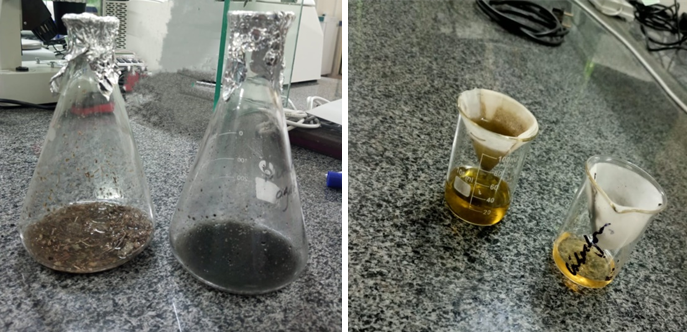
The active components from Nigella sativa and Viola odorata were extracted through maceration. Each plant material (30g each) was finely ground to enhance surface area for solvent exposure. Separate extractions were performed using 200ml of ethanol, methanol, and chloroform respectively, for 10 hours at room temperature. Following filtration, the solvents from each extract were evaporated under reduced pressure at 40°C using a rotary evaporator. The concentrated extracts were then dissolved in DMSO for storage at 4°C until further use (Figure 1).
Antimicrobial Susceptibility Testing
Preparation and Inoculation of Media: Nutrient broth was prepared, autoclaved, and inoculated with bacterial strains to cultivate stock cultures. MSA, MacConkey Agar, and Mueller- Hinton Agar were similarly prepared and inoculated with respective bacterial strains to assess growth and antibiotic susceptibility.
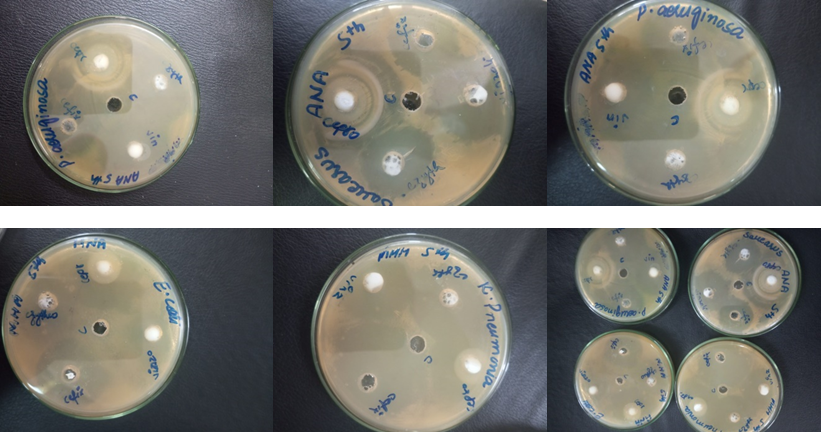
Antibacterial Activity Assay: The antimicrobial activities of the plant extracts, both individually and in combination, were evaluated using the agar well diffusion method on Mueller- Hinton Agar plates. Following bacterial lawn preparation, wells were punctured, and extracts, alongside control substances (ciprofloxacin and DMSO), were introduced. A combination treatment involving Carvacrol, Friedelin, and ciprofloxacin was also tested.
Incubation and Analysis: Plates were incubated at 37°C for 24-48 hours. Zones of inhibition were measured to determine the antimicrobial efficacy of the treatments. The size of the inhibition zones served as an indicator of the substance’s effectiveness against the tested bacterial strains.
Data Analysis: The results were analyzed to assess the antibacterial potential of Carvacrol and Friedelin, individually and in combination, against the selected MDR bacteria. Statistical analyses were conducted to compare the efficacy of the treatments, with significance determined at p<0.05 (Figure 4).
Results
The experimental data indicate a variation in the antibacterial efficacy of different solvent extracts (ethanolic, methanolic, chloroform, and aqueous) of Nigella seed and Sweet violet, alongside ciprofloxacin, against four bacterial strains: E. coli, S. aureus, P. aeruginosa, and K. pneumonia. The zones of inhibition, measured in millimeters, serve as a quantifiable metric of this efficacy.
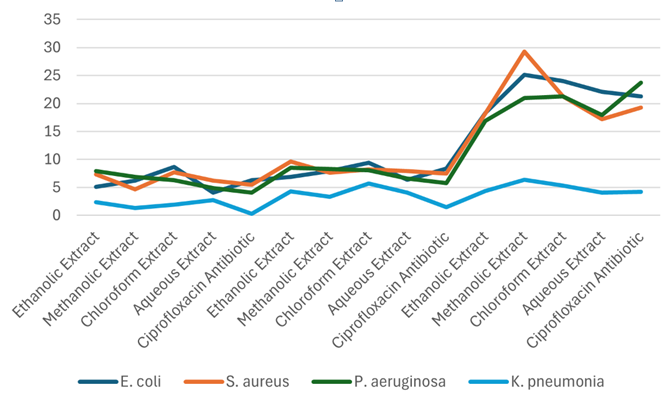
Extract Efficacy by Solvent: Among the extracts, those obtained through methanol extraction demonstrated the most potent antibacterial activity, particularly at the highest concentration (100 μl). The methanolic extracts produced the largest zones of inhibition against all tested bacteria, with especially remarkable effects on S. aureus (29.3±1.69 mm) and E. coli (25.1±0.98 mm). This suggests that methanol is an effective solvent for extracting the bioactive compounds responsible for the antimicrobial activity, likely due to its polarity, which may better solubilize the effective antimicrobial agents within the plant materials.
Comparison with Antibiotic Control
At higher concentrations, some extracts approached or even surpassed the antibacterial activity of ciprofloxacin, particularly against E. coli and S. aureus. For instance, the methanolic extract exhibited a zone of inhibition of 25.1±0.98 mm against E. coli at 100 μl concentration, compared to 21.3±0.78 mm for ciprofloxacin. This highlights the potential of certain plant extracts as comparable, if not superior, alternatives to conventional antibiotics against specific bacterial strains.
Bacterial Susceptibility
Among the bacteria, S. aureus and E. coli were most susceptible to the plant extracts, particularly to the methanolic extracts. This observation is critical as it indicates a differential susceptibility of bacterial strains to natural compounds, which could guide the selection of target pathogens in future antimicrobial strategies.
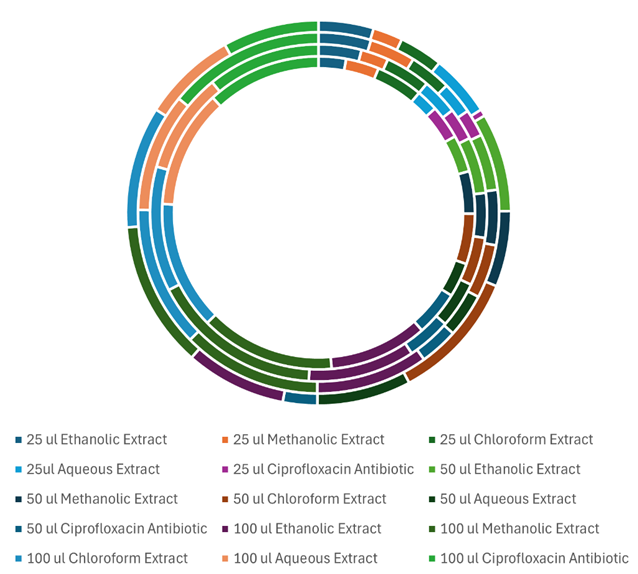
The line chart (Figure 2) demonstrates a dose-dependent increase in the zones of inhibition for all treatments, with methanolic extract displaying the most pronounced antibacterial activity, particularly against S. aureus and E. coli. This trend underscores the potential of methanol as a solvent for extracting potent antibacterial compounds from Nigella seed and Sweet violet. Conversely, the pie charts (Figure 3) offer a comparative perspective on the proportionate efficacy of each extract and ciprofloxacin at inhibiting bacterial growth, revealing methanolic and chloroform extracts as particularly effective against the tested MDR bacteria. These
visualizations not only underscore the potent antibacterial properties of the extracts but also suggest their viability as alternatives or adjuncts to conventional antibiotics in combating antibiotic-resistant bacteria (Table 1).
| Extracts | E. coli | S. aureus | P. aeruginosa | K. pneumonia |
|---|---|---|---|---|
| 25 μl concentration | ||||
| Ethanolic Extract | 5.1±0.18 | 7.3±1.02 | 7.9±1.17 | 2.4±0.82 |
| Methanolic Extract | 6.2±0.21 | 4.7±0.21 | 6.9±0.63 | 1.3±0.11 |
| Chloroform Extract | 8.7±0.17 | 7.7±0.58 | 6.3±0.46 | 1.9±0.79 |
| Aqueous Extract | 4.1±0.43 | 6.2±0.73 | 4.9±0.31 | 2.7±0.43 |
| Ciprofloxacin Antibiotic | 6.3±0.12 | 5.5±0.39 | 4.1±0.30 | 0.3±0.02 |
| 50 μl concentration | ||||
| Ethanolic Extract | 6.9±0.88 | 9.6±1.22 | 8.5±0.97 | 4.3±0.62 |
| Methanolic Extract | 7.9±0.48 | 7.6±0.77 | 8.3±1.19 | 3.3±0.27 |
| Chloroform Extract | 9.4±1.02 | 8.2±0.76 | 8.1±0.67 | 5.7±0.82 |
| Aqueous Extract | 6.4±1.03 | 7.9±1.62 | 6.6±0.53 | 4.1±0.63 |
| Ciprofloxacin Antibiotic | 8.4±0.89 | 7.5±0.92 | 5.8±0.49 | 1.5±0.16 |
| 100 μl concentration | ||||
| Ethanolic Extract | 18.3±1.71 | 18.2±0.23 | 16.9±0.63 | 4.4±0.46 |
| Methanolic Extract | 25.1±0.98 | 29.3±1.69 | 21.0±1.77 | 6.4±1.30 |
| Chloroform Extract | 24.0±0.77 | 21.3±0.48 | 21.3±0.66 | 5.3±0.79 |
| Aqueous Extract | 22.1±0.83 | 17.2±1.31 | 17.9±0.61 | 4.1±0.36 |
| Ciprofloxacin Antibiotic | 21.3±0.78 | 19.3±0.89 | 23.7±1.10 | 4.2±0.42 |
Table 1: Activity of Extracts in different solvents at different concentrations against selected pathogens.
Discussion
The increasing prevalence of multi-drug resistant (MDR) bacterial infections poses a significant challenge to public health, necessitating the exploration of alternative therapeutic strategies. The present study aimed to investigate the antibacterial efficacy of Nigella seed and Sweet violet extracts, specifically focusing on carvacrol and friedelin, against common respiratory pathogens including E. coli, S. aureus, P. aeruginosa, and K. pneumonia. The results revealed a notable dose-dependent antibacterial activity, with methanolic extracts showing the highest efficacy. This discussion delves into the implications of these findings, comparing them with existing literature and exploring potential mechanisms and applications.
The dose-dependent increase in antibacterial activity observed in our study corroborates the notion that higher concentrations of bioactive compounds enhance microbial inhibition. Particularly, the methanolic extracts exhibited superior activity, which could be attributed to the solvent’s efficiency in extracting potent antimicrobial phytochemicals. Among the bacterial strains tested, S. aureus and E. coli were most susceptible to the extracts, suggesting that these compounds might target specific bacterial cell structures or metabolic pathways prevalent in these species. This specificity could be leveraged to develop targeted therapies for infections caused by these pathogens. Notably, the methanolic extract outperformed the antibiotic ciprofloxacin at higher concentrations against S. aureus and E. coli. This finding is significant, considering the global rise in resistance to conventional antibiotics. The ability of plant-derived compounds to exceed the antibacterial activity of established antibiotics highlights their potential as viable alternatives or adjuncts in the treatment of bacterial infections.
Previous research has similarly identified the potent antimicrobial properties of plant-derived compounds. A study by Kachur, et al. [12] found that carvacrol exhibits a broad spectrum of activity against various bacterial and fungal pathogens, attributed to its ability to disrupt microbial cell membranes. Similarly, friedelin has been reported to possess antimicrobial and anti-inflammatory properties, making it a candidate for treating bacterial infections [13]. Our findings align with these studies, reinforcing the therapeutic potential of Nigella seed and Sweet violet extracts.
Moreover, the concept of using plant extracts in synergy with antibiotics to enhance antimicrobial efficacy or overcome drug resistance has gained traction. AlSheikh, et al. [14] demonstrated that combining plant-derived compounds with antibiotics could either potentiate the antibiotic’s effect or mitigate resistance mechanisms in bacteria. The observation in our study that certain extracts enhance the antibacterial activity of ciprofloxacin supports this approach, suggesting a promising avenue for future research and development in antimicrobial therapy.
The exploration of Nigella seed and Sweet violet extracts against MDR bacteria has yielded encouraging results, highlighting the significant antibacterial potential of methanolic extracts and their components, carvacrol, and friedelin. These findings not only contribute to the growing body of evidence supporting the use of plant- derived compounds in combating bacterial infections but also underscore the need for further investigation into their mechanisms of action, safety profiles, and efficacy in clinical settings. As the global community continues to grapple with antibiotic resistance, the discovery and development of alternative therapies such as those suggested by our study become increasingly vital.
In conclusion, our research adds valuable insights to the antimicrobial properties of Nigella seed and Sweet violet extracts, offering a foundation for further exploration into their application as part of a broader strategy to address the pressing challenge of antibiotic resistance.
Conclusion
The comprehensive investigation into the combined efficacy of carvacrol and friedelin, derived from Nigella seed and Sweet violet extracts, against multi-drug resistant bacteria implicated in upper and lower respiratory tract infections, has yielded insightful and promising results. This study was initiated with the aim of addressing the critical and growing issue of antibiotic resistance, which poses a significant challenge to the treatment of bacterial infections worldwide. By exploring alternative therapies derived from natural compounds, our research sought to uncover potential solutions to this global health crisis.
Our findings demonstrate a clear and potent antibacterial activity of the extracts, particularly those obtained using methanol as a solvent, against a panel of bacteria including E. coli, S. aureus, P. aeruginosa, and K. pneumonia. The methanolic extracts exhibited the most significant zones of inhibition, suggesting that methanol effectively solubilizes bioactive compounds with strong antibacterial properties. Among these compounds, carvacrol and friedelin showed a notable capacity to inhibit the growth of multi-drug resistant bacteria, with their efficacy increasing in a dose-dependent manner. Remarkably, at higher concentrations, these extracts outperformed the conventional antibiotic ciprofloxacin against specific bacterial strains, highlighting their potential as either standalone treatments or in synergy with existing antibiotics to enhance therapeutic outcomes and combat antibiotic resistance.
The susceptibility of S. aureus and E. coli to the extracts was particularly evident, indicating that these bacteria might be the most viable targets for treatment strategies employing carvacrol and friedelin. This specificity could pave the way for the development of targeted antibacterial therapies, addressing infections caused by these pathogens more effectively.
The findings directly address this inquiry, demonstrating that carvacrol and friedelin, either individually or in combination, significantly reduce the viability of targeted bacteria. The enhanced antibacterial activity observed at higher concentrations suggests that these compounds can effectively compromise the integrity and function of bacterial cells, potentially through mechanisms that involve the disruption of cell membranes or the inhibition of essential bacterial processes.
Furthermore, the comparison with ciprofloxacin provides a baseline for evaluating the efficacy of natural compounds against standard antibiotic treatments, underscoring the potential of carvacrol and friedelin as alternative or adjunctive therapies. The results of this study contribute valuable knowledge to the field of antimicrobial research, offering a basis for further exploration into the mechanisms of action, optimal dosages, and clinical applications of these compounds.
In conclusion, our research underscores the significant potential of Nigella seed and Sweet violet extracts, particularly through the actions of carvacrol and friedelin, in combating multi-drug resistant bacteria. The ability of these natural compounds to inhibit bacterial growth, surpassing the efficacy of conventional antibiotics in certain conditions, highlights their importance in the development of new therapeutic strategies against bacterial infections. As the global community continues to face the challenge of antibiotic resistance, the findings of this study advocate for the incorporation of plant-derived compounds into future antimicrobial research and treatment protocols, offering hope for more effective and sustainable solutions.
References
-
Rijk MH, Platteel TN, Geersing GJ, Hollander M, Dalmolen BL, et al. (2023) Predicting adverse outcomes in adults with a community-acquired lower respiratory tract infection: a protocol for the development and validation of two prediction models for (i) all-cause hospitalisation and mortality and (ii) cardiovascular outcomes. Diagnostic and Prognostic Research 7(1): 23.
-
Casteleijn D, Finney-Brown T (2010) Respiratory infections and immune insufficiency. Clinical naturopathy: an evidence-based guide to practice. In: Sarris J et al. (Eds.), Clinical naturopathy : an evidence- based guide to practice. 2nd (Edn.), Elsevier, Churchill Livingstone, Sydney, pp: 944.
-
Khan S, Priti S, Ankit SJIBJ (2015) Bacteria etiological agents causing lower respiratory tract infections and their resistance patterns. Iranian Biomedical Journal 19(4): 240.
-
Rasool SA, Rasool M, Ajaz MJB (2019) Evolution of super-drug resistant microbial strains: mechanisms and strategies for containment. Journal of AIDS and Clinical Research 65: 1-17.
-
Ferri M, Ranucci E, Romagnoli P, Giaccone V (2017) Antimicrobial resistance: A global emerging threat to public health systems. Critical Reviews in Food Science and Nutrition 57(13): 2857-2876.
-
Muteeb G, Rehman MT, Shahwan M, Aatif M (2023) Origin of antibiotics and antibiotic resistance, and their impacts on drug development: A narrative review. Pharmaceuticals 16(11): 1615.
-
Atanasov AG, Zotchev SB, Dirsch VM, Supuran CT (2021) Natural products in drug discovery: advances and opportunities. Nature Reviews Drug Discovery 20: 200- 216.
-
Thomford NE, Senthebane DA, Rowe A, Munro D, Seele P, et al. (2018) Natural products for drug discovery in the 21st century: innovations for novel drug discovery 19(6): 1578.
-
Perumal Samy R, Gopalakrishnakone P (2010) Therapeutic potential of plants as anti-microbials for drug discovery. Evidence-Based Complementary and Alternative Medicine 7(3): 283-294.
-
Crocoll C (2011) Biosynthesis of the phenolic monoterpenes, thymol and carvacrol, by terpene synthases and cytochrome P450s in oregano and thyme. Jena, Friedrich-Schiller-Universitat Jena, Dissertation.
-
Radi MH, El-Shiekh RA, El-Halawany AM, Abdel-Sattar E (2023) Friedelin and 3β-friedelinol: pharmacological activities. Brazillian Journal of Pharmacognosy 33: 886- 900.
-
Kachur K, Suntres ZJ (2020) The antibacterial properties of phenolic isomers, carvacrol and thymol. Critical Reviews in Food Science and Nutrition 60: 3042-3053.
-
Singh SK, Shrivastava S, Mishra AK, Kumar D, Pandey VK, et al. (2023) Friedelin: Structure, Biosynthesis, Extraction, and Its Potential Health Impact. Molecules 28(23): 7760.
-
Alsheikh HMA, Sultan I, Kumar V, Rather IA, Al-Sheikh H, et al. (2020) Plant-based phytochemicals as possible alternative to antibiotics in combating bacterial drug resistance 9(8): 480.
- Evaluation of Proximate and Mineral Compositions of Momordica charantia L. (Cucurbitaceae)
- Targeting Superbugs: Efficacy of Bacteriophage Therapy against Antibiotic-Resistant Pseudomonas Aeruginosa in Urinary Tract Infections
- Genetic Insights into Prepubertal Gynecomastia: A Comprehensive Analysis of a Rare 45,X[2]/ 46,X, + mar[28] Karyotype
- The Efficiency of Biological Treatment Plants in Some Private Hospitals in the City of Basra, Iraq
- Isolation, Identification and Comparative Analysis of Oral Microbial Communities in Smokers and Non-Smokers: A Scientific Investigation
- Commercial Utilization of Microbial Polysaccharides: A Brief Global Perspective