
The Efficiency of Biological Treatment Plants in Some Private Hospitals in the City of Basra, Iraq
This study aimed revealing the qualitative characteristics of medical wastewater in large health institutions and its potential effects on freshwater rivers. Due to the lack of studies in this field, the research focused on the current treatment reality in two private hospitals, Al-Saadi and Al-Mawaddah. The objectives were to assess the liquid waste management, detect the efficiency of treatment units, evaluate the handling of liquid medical waste on fresh waterways, and compare the results with the required treatment levels. The study analyzed water properties from the sewage systems of the targeted hospitals. Samples were collected in 2022 from direct sources of discharged water and the treatment plant before mixing with public sewage. Physical, chemical, and biological characteristics, including pH, suspended solids, oxygen demand, nitrates, and phosphates, were measured before and after treatment. The highest removal efficiency was observed in the chemical and biological oxygen demand values, recorded at 83.73% and 84.39% for Al-Saadi Hospital, and 89.99% and 87.89% for Al-Mawaddah Hospital.
Introduction
The Wastewater from large healthcare institutions with substantial capacity (major hospitals in cities) represents one of the most significant sources of pollution, posing a severe threat to the aquatic environment that supports human life and biodiversity [1]. Despite constituting the smallest percentage of the total healthcare waste, the infectious and hazardous polluted waste generated by health centers and hospitals poses a grave danger to individuals, communities, and the environment as a whole. Alarmingly, many of the most harmful epidemics, such as cholera, malaria, typhoid, plague, tuberculosis, hepatitis, AIDS, and others, can infiltrate aquatic ecosystems, presenting serious risks to public health. This critical issue necessitates prudent planning and feasible management strategies to mitigate the risks effectively.
Notably, the risks of disease propagation can be substantially reduced by implementing proper protocols for collecting, storing, transporting, and ultimately disposing of hazardous healthcare waste [2]. Hospital wastewater is highly toxic in comparison to domestic wastewater due to its composition, which includes antibiotics, sterilizers, tissue residues, various viruses and bacteria, and, in some cases, even radionuclides. These contaminants are acquired by the water during its usage in diverse areas within hospitals, such as inpatient wards, surgical units, laboratories, kitchens, and floor cleaning operations, resulting in significant alterations to the water’s composition and radical changes in its quality characteristics.
Alarmingly, many countries lack stringent regulations governing the disposal of hospital waste, which can contain pathogens, toxic chemicals, and radioisotopes [3]. Furthermore, hospital wastewater may contain pharmaceuticals, pathogens, chemical reagents, and other harmful substances. While some hazardous substances present in hospital wastewater may be subject to regulatory treatment requirements, others may exhibit characteristics similar to domestic wastewater. It is crucial to note that the global levels of hazardous waste types from hospitals, their basic determinants, the characteristics of wastewater, its quantity, and treatment methods vary significantly between countries and may even differ within the same country [4].
On a positive note, numerous scientific studies have emerged worldwide, evaluating the quality of wastewater from hospitals and exploring strategies to enhance the efficiency of hospital wastewater treatment. For instance, research has been conducted to activate the use of membranes based on natural materials, such as rice husks, in wastewater treatment plants processing effluents from hospitals [5]. Additionally, Quynh Lien LT, et al. [6] demonstrated that hospital waste is a significant source of antibiotic-resistant bacteria and antibiotic leakage into the environment. Khan MT, et al. [7] further emphasized that hospitals often discharge germs and microbes into water systems without prior treatment, a practice that threatens the health and sustainability of the environment due to the high toxicity and substantial pollutant load present in hospital wastewater [8, 9, 10]. The aim of this research is to evaluate the efficacy of biological treatment facilities in Basra, Iraq, in removing contaminants from wastewater originating from private hospitals. Untreated or inadequately treated hospital wastewater may contain a diverse array of contaminants, such as bacteria, viruses, tissue residues, sterilizers, antibiotics, and even radionuclides, posing significant risks to both the environment and human health if discharged without proper treatment. Therefore, it is imperative to assess the effectiveness of treatment plants in eliminating these pollutants to mitigate the potential hazards associated with the release of untreated or insufficiently treated hospital wastewater into freshwater bodies or the surrounding environment.
Materials and Methods
The study focused on the city of Basra (the city center), a densely populated area that serves as a central hub for the surrounding regions of the province. Two main private hospitals, Al-Saadi National Hospital and Al-Mawada National Hospital, were selected for the purpose of evaluating their performance and efficiency levels.
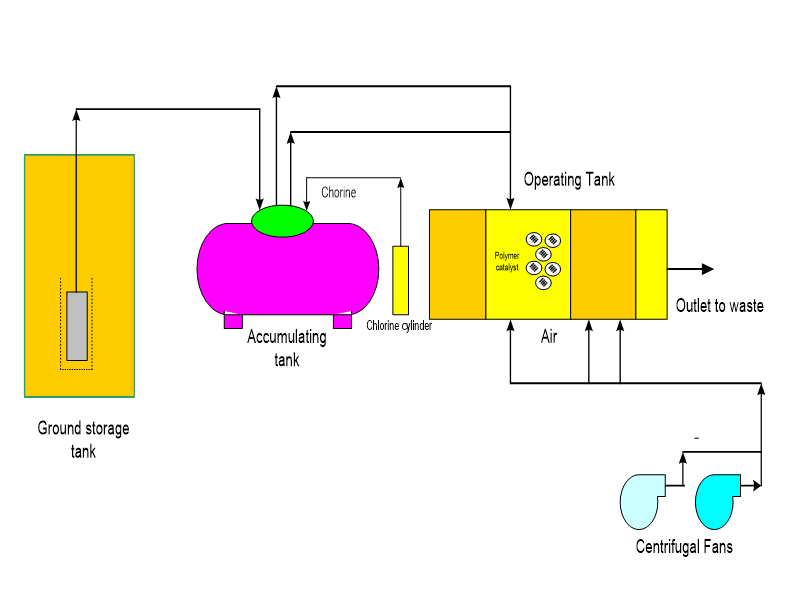
Al-Saadi Private Hospital: The biological station for liquid waste treatment at Al-Saadi Hospital was established in 2018 by the Iranian company Farab Zist Faraz. The station has a capacity of 15 m³/day and operates manually. The treated water discharged from the station is connected to the sewage network, as shown in Figure 1.
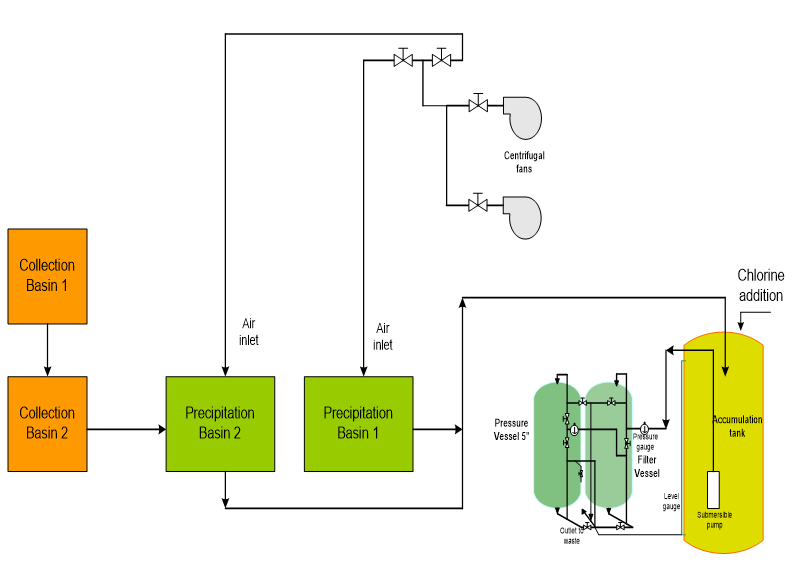
Al-Mawada Private Hospital: The biological station for liquid waste treatment was established at Al-Mawada Hospital in the year 2020. It was manufactured by the Iraqi Al-Mallah Company. The station has a capacity of 10 m³/day. The hospital is shown in Figure 2.
The pH was measured in biological stations using the Hanna device, model HI 6-9813, made in Italy. The total suspended solids were measured based on the gravimetric method mentioned in APHA [11] by filtering 50 ml of the sample on Millipore filter papers (0.45 µm) with known weight, then the paper was dried in an oven at 105°C and weighed. The TSS was calculated in mg/L. The biological oxygen demand was measured at the beginning and end of the experiment according to the method described in APHA [11] using BOD5 bottles for a five-day incubation period, and the output was expressed in mg/L. The chemical oxygen demand was measured using the WTW CR 2200 digester and the Lovibond chemical oxygen demand measuring device, and the output was expressed in mg/L. Nitrates were measured according to the method described by Gopal Y and Garg VK [2], after filtering the sample, preparing standard solutions, and preparing the sample for measurement, using a T80 UV/VIS spectrophotometer manufactured by PG Instrument Ltd at two wavelengths of 220 and 275 nm. The method by Strickland JDH and Parsons TR [12] was adopted to measure the reactive phosphates using a spectrophotometer at a wavelength of 885 nanometers, and the result was expressed in mg/L. The removal efficiency was calculated from the equation reported by Khan TM et al. [3]. After measuring the concentrations throughout the study period, the removal efficiency was expressed as a percentage.
Results and Discussion
The treatment of liquid waste from hospitals is carried out to eliminate existing pollutants and improve their properties, ensuring that their disposal, utilization, or reuse does not pose any harm to public health or the environment.
As shown in Table 1, the highest pH removal efficiency was 6.04 at Al-Saadi National Hospital. The results of the statistical analysis showed no significant differences at a 0.05 significance level between the studied hospitals.
Wastewater from hospitals with a pH outside the standard environmental determinants is difficult to treat by the biological method. The pH values in the current study have proven their compatibility with previous studies, as Iraqi water generally tends to be alkaline [13]. The highest removal efficiency for total suspended solids was 33.85 at Al- Saadi National Hospital. The results of the statistical analysis showed significant differences at a 0.05 significance level between the studied hospitals. Organic matter, in addition to many bacteria, parasites, and worm eggs, contributes to suspended solids, which reduce the concentration of dissolved oxygen in water. Suspended materials can be removed in the biological station by the presence of a network that prevents the entry of large materials and then into the sedimentation basin. This study also agreed with the study by Khan MT et al. [7].
The highest removal efficiency for biological and chemical oxygen demand was recorded at Al-Mawadda National Hospital (89.99% and 87.89%, respectively). The results of the statistical analysis showed significant differences in biological and chemical oxygen demand at a 0.05 significance level between the studied hospitals. The amount of oxygen consumed for the oxidation of organic materials is essential, as bacteria, during the biological oxidation of organic materials in the aeration basin, need two stages. The selected hospitals were among the highest efficiencies compared to the removal efficiency percentage for other qualitative characteristics, and the current study agreed with the study by Kumari A, et al. [4].
The highest nitrate removal efficiency value of 46.98 was recorded at Al-Saadi National Hospital. The results of the statistical analysis showed significant differences in nitrate values at a 0.05 significance level between the studied hospitals. Nitrates are not considered a threat to the environment if they are within standard limits, as the largest source of nitrates in wastewater is human waste, and the rest are chemicals [14].
The highest phosphate removal efficiency value of 58.05 was recorded at Al-Mawadda Al-Ahly Hospital. The results of the statistical analysis showed no significant differences in phosphate values at a 0.05 significance level among the studied hospitals. After treatment, the phosphate concentration decreases due to the initial sedimentation of the biological plant, but part of the phosphorus remains with the suspensions that come out with the wastewater, so it needs filtration and special treatment [4], as mentioned in one of the studies.
| Parameters | Unit | The Removal Efficiency % | LSD | |
|---|---|---|---|---|
| Al-Saadi Hospital | Al-Mawwada Hospital | |||
| pH | 6.04 | 1.82 | 5.312 | |
| TSS | mg/l | 33.85 | 32.31 | 48.953 |
| BOD 5 | mg/l | 83.73 | 89.99 | 5.34 |
| COD | mg/l | 84.39 | 87.89 | 5.482 |
| NO 3 | mg/l | 46.98 | 20.1 | 34.449 |
| PO 4 | mg/l | 53.6 | 58.05 | 63.053 |
Table 1: Removal efficiency (%) between AL-SAADI HOSPITAL and AL-MAWWADA HOSPITAL for various water quality parameters.
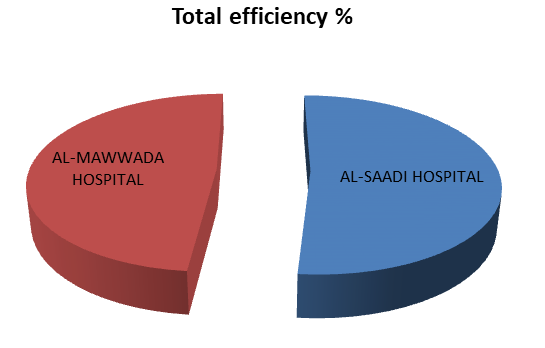
Al-Mawaddah Hospital demonstrated higher BOD and COD removal efficiencies (89.99% and 87.89%, respectively) compared to Al-Saadi Hospital (83.73% and 84.39%). This suggests more effective biological treatment, possibly due to optimized conditions. However, Al-Mawaddah had lower nitrate removal (20.1% vs. Al-Saadi’s 46.98%), influenced by factors like organic carbon availability and denitrifying bacteria. Both hospitals had lower phosphate removal rates, despite Al-Mawaddah showing slightly better performance (58.05% vs. 53.6%). TSS removal rates were similar, with Al-Saadi slightly higher (33.85% vs. 32.31% at Al-Mawaddah). Various factors, including treatment plant design, operational parameters, influent characteristics, and microbial communities, contribute to these variations. Understanding and optimizing these factors are crucial for effective wastewater treatment.
When evaluating the efficiency of hospital wastewater treatment, it is essential to consider relevant environmental criteria. Despite the absence of official Iraqi standards, the high removal rates of BOD and COD suggest that the treated effluent would likely meet general norms, thereby mitigating the risk of organic pollution. However, the limited removal of phosphate raises concerns about potential eutrophication issues if discharged into freshwater systems like the Shatt Al-Arab River. Hospital wastewater, containing pathogens, disinfectants, and pharmaceuticals, underscores the critical importance of adequate treatment. Although not directly quantified, observed reductions in BOD, COD, and TSS indicate the plants’ capability to remove certain contaminants. To address public health and environmental risks in Basra and similar regions, adherence to best practices and ongoing monitoring are imperative.
To mitigate eutrophication risks and safeguard public health in water bodies receiving hospital wastewater discharge, enhancing phosphate and nitrate removal stands out as a primary focus area. Addressing these challenges may entail the implementation of additional treatment methodologies such as chemical precipitation, advanced filtration techniques, or biological denitrification. Optimizing plant performance can be achieved through routine maintenance protocols, personnel training initiatives, and fine-tuning operational parameters. Moreover, the integration of automation and process control systems holds promise for enhancing treatment efficacy and consistency. Exploring opportunities for water recycling or reuse in non-potable applications can further support sustainable water management practices. By addressing these aspects, hospitals can elevate treatment efficiency, ensure compliance with regulatory standards, and mitigate adverse environmental and public health impacts associated with wastewater discharge.
Conclusion
This study evaluated the performance of biological treatment plants in two private hospitals located in Basra, Iraq. The results revealed that while these plants demonstrated low efficacy in removing suspended particles, they exhibited satisfactory removal efficiencies for chemical and biological oxygen requirements. However, the removal rates for phosphates and nitrates were comparatively lower. Despite the plants’ reasonable efficiency, there is still chance for improvement, particularly concerning phosphate removal, to ensure compliance with environmental regulations prior to wastewater disposal. Enhancing the effectiveness of these treatment plants is crucial to mitigate potential environmental risks associated with inadequate removal of certain pollutants.
Acknowledgment
The authors would like to thank the Department of Ecology/Science College, University of Basrah, and Dr. Zuhair from the Department of Marine Biology/Marine Sciences Center, University of Basrah, for supporting this research project.
Conflicts of Interest
The authors declare no conflict of interest.
References
-
Edokpayi JN, Odiyo JO, Durowoju OS (2017) Impact of Wastewater on Surface Water Quality in Developing Countries: A Case Study of South Africa. In: Tutu H (Ed.), Water Quality. Intech Open, UK, pp: 401-416.
-
Gopal Y, Garg VK (2020) Biomedical Waste Management in a Multispecialty Hospital. COJ Rev & Res 2(4): 000542.
-
Khan TM, Clear F, Al‐Kaabi A, Pezeshki V (2009) An exploratory study of the effects of diversity dimensions and intervening variables on attitudes to diversity. Team Performance Management 16(5/6): 289-308.
-
Kumari A, Maurya N, Tiwari B (2020) Hospital wastewater treatment scenario around the globe. In: Tyagi RD, et al. (Eds.), Current Developments in Biotechnology and Bioengineering: Environmental and Health Impact of Hospital Wastewater. Elsevier, Netherlands, pp: 549-570.
-
Farrokhi M, Ashrafi D, Roohbakhsh E, Yoonesi A (2014) Hospital Wastewater Treatment by Integrated Fixed Film Activated Sludge, Using Rice Husk as Fixed Media. Advances in Life Sciences 4(3): 178-183.
-
Quynh Lien LT, Hoa NQ, Kim Chuc NT, Minh Thoa NT, Phuc HD, et al. (2016) Antibiotics in Wastewater of a Rural and an Urban Hospital before and after Wastewater Treatment, and the Relationship with Antibiotic Use. International Journal of Environmental Research and Public Health 13(6): 588.
-
Khan MT, Shah IA, Ihsanulla I, Naushad Mu, Ali Sh, et al. (2021) Hospital wastewater as a source of environmental contamination: An overview of management practices, environmental risks, and treatment processes. Journal of Water Process Engineering 41: 101990.
-
Aziz NM, Sabbar AA (2013) Physiochemical Properties of Basrah oil refinery discharges and its potential effects on Shatt Al-Basrah Canal. Marsh Bull 8(1): 39-57.
-
Chasib SA, Azeez NM, Dawood AS (2021) Optimization of composite polymer dosing and pH in wastewater treatment plants. 1st International Virtual Conference Environmental Sciences, Iraq.
-
Mahdi EA, Al-Abbawy DAH (2019) Removal Efficiency, Accumulation and Toxicity of Nickel and Lead using Ceratophyllum demersum. International Journal of Advanced Research in Science, Engineering and Technology 6(1): 7756-7762.
-
APHA, Eaton AD, AWWA, WEF (2005) Standard Methods for the Examination of Water and Wastewater. 21st (Edn.), APHA-AWWA-WEF, Washington DC, USA, pp: S1-S16.
-
Strickland JDH, Parsons TR (1972) A Practical Handbook of Seawater Analysis. 2nd (Edn.), Fisheries Research Board of Canada Ottawa, Canada, pp: 310.
-
Segura Y, Cruz Del Alamo A, Munoz M, Alvarez-Torrellas S, Garcia J, et al. (2021) A comparative study among catalytic wet air oxidation, Fenton, and Photo-Fenton technologies for the on-site treatment of hospital wastewater. J Environ Manage 290: 112624.
-
Habib MBA (2004) The role of human activity in environmental change. Environmental Conference on Water Resources and Dry Environment.
- Evaluation of Proximate and Mineral Compositions of Momordica charantia L. (Cucurbitaceae)
- Targeting Superbugs: Efficacy of Bacteriophage Therapy against Antibiotic-Resistant Pseudomonas Aeruginosa in Urinary Tract Infections
- Genetic Insights into Prepubertal Gynecomastia: A Comprehensive Analysis of a Rare 45,X[2]/ 46,X, + mar[28] Karyotype
- Exploring the Combined Efficacy of Carvacrol and Friedelin against Multi-Drug Resistant Bacteria in Upper and Lower Respiratory Tract Infections
- Isolation, Identification and Comparative Analysis of Oral Microbial Communities in Smokers and Non-Smokers: A Scientific Investigation
- Commercial Utilization of Microbial Polysaccharides: A Brief Global Perspective