
Evaluation of Proximate and Mineral Compositions of Momordica charantia L. (Cucurbitaceae)
Momordica charantia L. is a significant medicinal plant that is becoming more well-known in dietetics and modern medicine. Proximate and Mineral compositions on the leaf and stem of M. charantia were evaluated to determine its nutritional characteristics using standard techniques. Data obtained were analyzed using independent sample T-test with SPSS software version 21. Results showed that the parts contained all investigated nutrients but in varied quantities. The leaf had higher percentage of moisture (10.38±0.01 %), crude fiber (18.76±0.03 %) and carbohydrate (22.10±0.04 %), while the stem had higher dry matter (90.56±0.03 %), ash (23.45±0.01 %), ether extract (11.28±0.01 %) and crude protein (18.14±0. 03 %). In the mineral composition, the leaf contained higher composition of calcium (90.34±0. 09 mg/100g), sodium (87.64±0.06 mg/100g), magnesium (48.76±0.01 mg/100g) and iron (10.17±0.01 mg/100g), while the stem contained higher composition of potassium (115.80±0.01 mg/100g) and phosphorus (59.90±0.42 mg/100g). This research validated the plant's possible applications. Therefore, these portions could be employed as a natural food source and also extracted to make medications and food supplements, as well as to improve animal feed.
Introduction
Momordica charantia L. (Bitter gourd) is a tropical and subtropical vine in the Cucurbitaceae family that is commonly planted for its bitter fruit in Asia, Africa, and the Caribbean. Its numerous varieties vary greatly in the fruit’s bitterness and form. This fruit, called “Pare” (paray) in Indonesian, is extensively cultivated and prolific all throughout the country. This tendril-bearing herbaceous vine can reach a maximum length of 5 m (16 feet). It produces alternating, simple leaves that are 4–1s2 cm (1.6–4.7 in) in diameter with three to seven deeply spaced lobe [1]. Bitter melon is typically eaten when cooked and is still green or just starting to turn yellow. The bitter melon young shoots and leaves can also be consumed as greens. Bitter melon is greatly cherished for its bitter flavour in Chinese cooking. It is usually used in dim sum, soups, stir-fries (frequently with pork and douchi), and herbal teas (gohyah tea). Additionally, some breweries in China and Okinawa have employed it in place of hops as the bittering element [2].
Bitter melon is widely consumed all over India. Isn North Indian cooking, it’s frequently used in curries like sabzi, filled with spices, and fried in oil to counteract the bitterness. In Burmese cooking, bitter melon is paired with other meals by sauteing it with garlic, tomatoes, spices and dried prawns.
Deli counters and street vendors serve this kind of food in every part of the country [2]. Many herbal medicine systems in Asia and Africa have long utilized bitter melon. It has been used as a traditional treatment in Turkey for a number of illnesses, most notably stomach complaints [3]. Various plant parts have been used in Indian traditional medicine to treat a variety of conditions, including diabetes, cough, respiratory disorders, skin conditions, wounds, ulcers, gout, rheumatism, stomachic, laxative, antibilious, emetic, and anthelmintic agent [3]. Several claims have been made for Momordica charantia, including the prevention of cancer, the treatment of diabetes, fever, HIV/AIDS, and infections [3]. Anticipated medical benefits of bitter melon include its ability to cut cholesterol, reduce inflammation, fight cancer, and control blood sugar. Numerous phenolic chemicals found in it may have anti-oxidant and anti-mutagenic properties [4]. In traditional medicine, the fruit, stems, leaves, and roots of the bitter melon have all been used to treat conditions like menstrual irregularities, microbiological infections, digestive issues, and hyperlipidemia [4]. It has been demonstrated that bitter melon contains potent antiviral qualities that can boost the immune system and trigger the body’s natural killer cells to aid in the defense against viruses including human immunodeficiency virus (HIV) and white spot syndrome virus [1].
Momordica charantia L. is regarded as a highly valued vegetable due to its abundant nutritional and therapeutic qualities [5]. The fruits have anti-inflammatory, anti-diabetic, stomachic carminative, purgative, and tonic properties [6]. M. charantia is a species with immense medicinal, aesthetic and nutritional potentials. However, information on its nutritional potentials is rather scanty, hence the need for the present study. Accordingly, the objective of this research was to evaluate the proximate and mineral potentials of its parts (leaf and stem) to ascertain whether it could be used as natural food and in the manufacture of food and drug supplements.
Materials and Methods
Study Area
The proximate and mineral analyses were carried out at the Emery Biotechnology Laboratory, Ahia-Eke, situated in Umuahia, Abia State, Nigeria.
Collection and Identification of M. charantia
The species M. charantia used in this research was obtained between Sept- Oct. 2022 from a botanical garden Awka, Anambra State and was authenticated in the Department of Botany Herbarium, Nnamdi Azikiwe University, Awka. The Voucher specimen was deposited at the Department of Botany Herbarium Nnamdi Azikiwe University, Awka.
Preparation of Samples
To eliminate all moisture, the leaf and stem were oven- dried for 12 hours at 65°C. The samples were pulverized into a powder using a blender. The powdered samples were sifted and preserved in a dry container for examination.
Materials and Chemicals Used
The apparatus utilized included a desiccator, spectrometer, muffle furnace, funnel, silica dish, kjeldahl flask, electric oven, grinder, retort stand, test tube and test tube rack, crucible, weighing balance and petri dish. The research employed a variety of chemicals and reagents, such as tetrahydrosulphate (vi) acid, petroleum ether, sodium hydroxide, hydrochloric acid, acetone, phenolphthaline indicator, ammonia, dithezone solution, carbon tetrachloride, hydroquinoline, phenolthroline, vandamol molybidic acid, and selenium oxide. Proximate analysis (moisture content, ash content, protein content, crude fibre, ether extract, dry matter and carbohydrate) was carried out using the standard method by Association of Official Analytical Chemist [7].
Proximate Analysis
Determination of Moisture Content: The moisture contents of Momordica charantia leaves were determined by the gravimetric method as described [7]. Each sample weighed five grammes and was placed in a moisture container. The cans and the contents were dried in the oven at 105 °C for 3 hours and then cooled in desiccators and reweighed. The weights were recorded while the samples were retained in the oven for further drying. The drying, cooling and weighing was continued repeatedly until constant weights were obtained.
Determination of Total Ash: This was done using the incineration gravimetric method. A measured weight of 5.0g of the seed samples were put in two previously weighed porcelain crucibles. The samples in crucibles were placed in a muffle furnace and set at 5500C and allowed to burn for 2 to 3 hours until the samples becomes a grey ash. The samples were carefully removed from the furnace and cooled in desiccators. They were reweighed by difference and the weight of ash was obtained [7].
Determination of Protein: Protein was determined by Kjeidahl digestion method. The total nitron was determined and multiplied with the factor 6.25. About 0.5g each of the samples was mixed with 10ml of concentrated sulphuric acid, in a Kjeldahl digestion flask. A tablet of selenium catalyst was added to each sample and the mixture was digested under a fume cupboard until a clear solution was obtained. The acid and other reagent were digested but without sample to form the blank control. All the digests were carefully transferred to 100ml volumetric flask using distilled water and made up to a mark in flask. A 100ml portion of each digest was mixed with equal volume of 45% NaOH solution in Kjeldahl distilling unit. The mixture was distilled and the distillate collected into 10ml of 4% boric solution containing 3 drops of mixed indicator cresol green and methyl red. A total of 5ml distillated was obtained for each sample and titrated against 0.02M H2SO4 solution. The endpoint is from the initial green colour to a deep red point [7].
Determination of Fat Contents: Fat contents of the sample were determined by the continuous solvent extraction method using a Soxhlet apparatus thereafter 0.5g of each sample was wrapped in a filter paper. Each wrapped sample was put in a Soxhlet reflux flask containing 200ml of petroleum ether. The upper end of the ruflux flask was connected to a condenser. By heating the solvent in the flask through electrothermal heater, they vapourised and condensed into the reflux flask. Each wrapped sample was completely immersed in the solvent and remained in contact with it until the flask filled up and siphoned over, thus carrying oil extract from the sample down to the boiling flask. This process was allowed on repeatedly for about 4 hours before defatted sample were removed and reserved for crude fibre analysis. The solvent was recovered and the extracting flask with its oil content was dried in the oven at 60°C for 3 minutes to remove any residual solvent. After cooling in a desiccator, the flask was reweighed. By difference, the weight of fat (or oil) extraction was determined and expressed as a percentage of the sample weight [7].
Determination of Crude Fibres: The crude content was determined using the wende method. Five grams each of the sample was defatted (during fat analysis). After that, the sample were boiled in 200ml of 1.25% H2SO4 solution under reflux for 30 minutes after which the sample were washed with several portion of hot (boiling) water using a two- fold muslin cloth to trap the sample particle. The washed samples were carefully transferred quantitatively back to the flask and 20ml of 1.25% NaOH solution was added to it again. The samples were boiled for 30 minutes and washed as before with hot water. Then, they were carefully transferred to a weight porcelain crucible and dried in the oven at 1050C for 3 hours. After cooling in a desiccator, then reweighed (w2) and then put in a muffle furnace and burn at 550℃ for 2 hours until they become ash. Again they were cooled in desiccators and reweighed [7].
Determination of Carbohydrate: The carbohydrate content of the test samples was determined by estimation using the arithmetic difference method described by Pearson (1976) and James (1995). The carbohydrate was calculated and expressed as the nitrogen free extract (NFE) as shown below: % CHO (Nitrogen free extracted) = 100 - % (A + B +C + D) Where, A = Protein B = Fat C = Ash D = Fiber Mineral Analysis: The mineral content of the sample were determined by the ash extraction method for specific mineral elements. Two grams of each sample was burnt to ashes in a muffle. The resulting ash was dissolved in 100ml of dilute hydrochloric acid and then diluted to 100ml in a volumetric flask using distilled water. The digest so obtained was used for the various analyses.
Determination of Phosphorous: The determination of phosphorous of the sample was by the vando-mohybdate (yellow) spectrometry. One milliliter of the extract from each sample was dispensed into a test tube. Similarly, the same volume of standard phosphorous solution as well as water was put into other test tube to serve as standard and blank respectively. The content of each test tube was mixed with equal volume of the Vando – mohybdratecolour reagent. They were left to stand for 15 minutes at room temperature before their absorbance was measured in a spectrophotometer at a wavelength of 40nm. The measurement was taken with the blank at zero [7].
Determination of calcium and magnesium: Calcium (Ca) and magnesium (Mg) contents of the test samples were determined by the Versanale EDTA complexionmetric titration where 20ml of each extract was dispersed into a conical flask pinches of the masking agents hydroxyl tannin, hydrochlorate, potassium cyanide were added followed by 20ml of ammonia indicator solution pH 10.0 and a pinch of the indicator- Erichrome black was added. The mixture was shaken very well and titrated against 0.02N EDTA solution titration was from a mauve colour to a permanent blue colouration. A reagent blank consisting of 20ml distilled water was also treated as described above. The titration gave a reading for combined Ca and Mg complexes in the samples. A separate titration was then conducted for calcium alone. Titration for Ca alone was a repeat of the previous one with slight change, and 10% NaOH solution at pH 12.0 was used in place of the ammonia buffer while Solechrome dark blue (calcon) was used as indicator in place of Erichrome black [7].
Determination of Potassium and Sodium: Potassium (k) and sodium (Na) in the sample extract were determined by flame photometry. The equipment was switched on and allowed to stay for 10 minutes. The gas- and air –lets were opened as the start knob was turned on. The equipment being self- igniting, the flame was adjusted to a non- luminous level (i. e. blue colour). Meanwhile, standard K and Na were prepared separately and each was diluted to concentrations of 2,4,6,8, and 10ppm. When analyzing for any of the specified elements, the appropriate filter was selected and the instrument flushed with distilled water. The highest concentrated standard solution was put in place and reading adjusted to 100 ml. thereafter, starting with least concentration, i. e. 2 ppm, and all the standard solutions were sucked into the instrument and caused to spray over the non-luminous flame. The readings were recorded and alter plotted into a standard curve used to extrapolate the K or Na level in the sample. After the standard, the sample digests were siphoned in turns into the instrument, and their readings recorded. The samples were repeated with sodium standard and the place of potassium filter. The concentration of the test minerals in the samples were calculated with
Proximate Result
reference to the graph [7].
Determination of Iron (Fe): Five milliliters (5 ml) of the sample was put into a test tube by a pipette. 1ml of hydroquinone, 2 ml of acetate buffer and 2 ml of phenonthroline were added and was allowed to stand for 20 minutes. Absorbance was read at 470 nm according to (AOAC) method.
Statistical Analysis
Data obtained from the studies were analyzed using independent sample T-test by the Statistical Package for social sciences (SPSS) version 21. All Statistical Analysis was carried out at 0. 05 level of significance.
Result
The results of the studies were presented in Tables 1-2 and Plates 1.
| % Composition | |||||||
|---|---|---|---|---|---|---|---|
| Plant part | Moisture | Fat | Ash | Crude fibre | Ether extract | Crude protein | CHO |
| Leaf | 10.38±0.01 | 89.61±0.04 | 21.71±0.02 | 18.76±0.03 | 10.65±0.01 | 16.41±0.01 | 22.10±0.04 |
| Stem | 9.44±0.03 | 90.56±0.03 | 23.45±0.01 | 17.80±0.00 | 11.28±0.05 | 18.14±0.03 | 19.90±0.09 |
| p-value | 0.001 | 0.001 | 0 | 0 | 0.003 | 0 | 0.001 |
Table 1: Percent Proximate Composition of the Leaf and Stem of M. charantia. Results are in Mean± Std.
Result showed that the nutrients were present in all the parts investigated but in varied compositions. The leaf contained higher percentage of moisture (10.38±0.01 %), crude fibre (18.76±0.03 %) and carbohydrate (22.10±0.04 %), while the stem contained higher percentage of fat
Mineral Result
(90.56±0.03 %), ash (23.45±0.01 %), ether extract (11.28±0.050%) and crude protein (18.14±0.03 %). There was a significant difference in the composition of all the proximate assayed between the leaf and stem of M. charantia (p<0.05) (Table 1).
| Mineral Composition(mg/100g) | ||||||
|---|---|---|---|---|---|---|
| Plant parts | Calcium | Sodium | Potassium | Magnesium | Phosphorus | Iron |
| Leaf | 90.34±0.09 | 87.64±0.06 | 114.49±0.03 | 48.76±0.01 | 58.82±0.01 | 10.17±0.00 |
| Stem | 89.55±0.01 | 85.12±0.02 | 115.80±0.01 | 46.20±0.01 | 59.90±0.42 | 9.27±0.06 |
| p-value | 0.006 | 0 | 0 | 0 | 0.068 | 0.002 |
Table 2: Percent Mineral Composition of the Leaf and Stem of M. charantia. Results are in Mean± Std The minerals were present in
Table 2: Percent Mineral Composition of the Leaf and Stem of M. charantia. Results are in Mean± Std The minerals were present in all parts of M. charantia investigated but in varied proportions. The leaf contained higher composition of calcium (90.34±0.09 mg/100g), sodium (87.64±0.06 mg/100g), magnesium (48.76±0.01 mg/100g) and iron (10.17±0.00mg/100g), while the stem contained higher composition of potassium (115.80±0.01
mg/100g) and phosphorus (59.90±0.42 mg/100g).There was a significant difference in the composition of all the minerals assayed with the exception phosphorus between the leaf and stem of M. charantia (p<0.05) (Table 2).
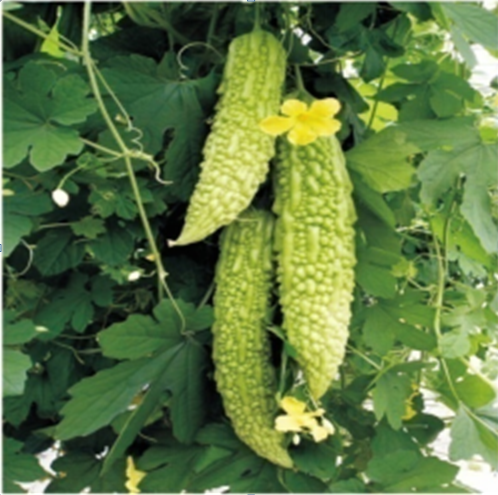
Plate 1: M. charantia in its natural habitat. Source: Self Collection
Discussion
Momordica charantia L. is a significant medicinal plant that is becoming more well-known in dietetics and modern medicine [8]. Result of the proximate studies showed that the nutrients were present in all the parts investigated but in varied compositions. The leaf contained higher percentage of moisture (10.38±0.01 %), crude fibre (18.76±0.03 %) and carbohydrate (22.10±0.04 %), while the stem contained higher percentage of dry matter (90.56±0.03 %), ash (23.45±0.01 %), ether extract (11.28±0.050%) and crude protein (18.14±0.03 %). There was a significant difference in the composition of all the proximate assayed between the leaf and stem of M. charantia (p<0.05) (Table 1). The result indicated that M. charantia has some nutritional value that can be utilized in diet. The result has shown the leaf to be a better source of moisture, crude fibre and carbohydrate while stem will serve as a better source of fat, ash, ether extract and crude protein in human diets and drug production. This is in line with the earlier report by Sukumar D [9] who reported that primary metabolites (carbohydrate, proteins and fats) are synthesized by plants which are used as drug production and provides nutrition. These nutrients help in excretion, give resources for tissue growth and repair, supply energy for labour and warmth, and maintain the organism healthy so that it can fend off illnesses [10].
The minerals were present in all parts of M. charantia investigated but in varied proportions. The leaf contained higher composition of calcium (90.34±0.09 mg/100g), sodium (87.64±0.06 mg/100g), magnesium (48.76±0.01 mg/100g) and iron (10.17±0.00mg/100g), while the stem contained higher composition of potassium (115.80±0.01 mg/100g) and phosphorus (59.90±0.42 mg/100g). There was a significant difference in the composition of all the minerals assayed with the exception phosphorus between the leaf and stem of M. charantia (p<0.05) (Table 2). The result has shown the leaf to be a better source of calcium, sodium, magnesium and iron needed for human body metabolic functioning. However, the stem of M. charantia was found to have significantly higher potassium and phosphorus than leaf signifying that the stem will be a better source of potassium and phosphorus for mineral supplements than the leaf. The body requires these minerals as vital nutrients in order to exist and perform daily tasks. Calcium is necessary for nerves to transmit signals from the brain to every region of the body and for muscles to contract. Potassium enables the heart’s muscles, as well as other muscles, to contract in response to stimulation. It lessens the impact of sodium on blood pressure, which is found in table salt. It facilitates the transfer of waste materials out of cells and nutrients into them. The body requires iron to produce myoglobin, a protein that gives muscles oxygen, and haemoglobin a protein found in red blood cells that transports oxygen from the lungs to every part of the body. These minerals maintain the organism’s health so that it can fend off illnesses [10]. The results are also in line with the work of Ilodibia CV, et al. [11] who reported that the leaf and stem of C. argentea have some nutritional values that can be utilized in diet [12, 13].
Conclusion
This study opens a renew interest in the use of medicinal plants as a source of nutritional materials in human diet. The study has demonstrated that M. charantia is a power house of nutrients. The parts (leaf and stem) could be used as food and in the manufacture of food supplements. The high compositions of investigated nutrients (proximate and mineral) indicated that M. charantia could contribute significantly to human health requirements. Malnourished people could be advised to eat the leaves of M. charantia in relatively high amount as food supplement, since it is rich in proteins and minerals.
Competing Interests
Authors have declared that no competing interests exist.
References
-
Abdulrahaman AA, Oladele FA (2003) Stomatal complex types, stomatal size, density and index in some vegetable species in Nigeria. Nigerian Journal of Botany 16: 144- 150.
-
Virdi J, Sivakami S, Shahani S., Suthar AC, Banavalikar MM, et al. (2003) Antihyperglycemic effects of three extracts from Momordica charantia. J Ethnopharmacol 88(1): 107-111.
-
Wehash F, Abpo-Ghanema I, Saleh RM (2012) Some physiological effects of Momordica charantia and Trigonella foenum-graecum extracts in diabetic rats as compared with cidophage. World Academy of Science, Engineering and Technology 64: 1206-1214.
-
Akhtar MS (1982) Trial of Momordica charantia Linn (Karela) powder in patients with maturity-onset diabetes. Journal of Pakistan Medical Association 32(4): 106-107.
-
Bacchi O, Filho FL, Aranha C (2010) Plantas Invasoras de Culturas. Sao Paulo, Brazil: Instituto Campaneiro de Ensino Agricola 1: 75-77.
-
Tongia A, Tongia SK, Dave M (2004) Phytochemical determination and extraction of Momordica charantia fruit and its hypoglycemic potential of oral hypoglycemic drugs in diabetes mellitus (NIDDM). Indian Journal of Physiology and Pharmacology 48(2): 241-244.
-
AOAC (2005) Official Method of Analytical Chemistry; Washington DC, USA, pp: 432.
-
Ruffo CK, Birnie A, Tengnas B (2011) Edible Wild plants of Tanzania. Technical Handbook No27. Regional Land Management unit /SIDA Nairobi, Kenya, pp: 766.
-
Sukumar D, Manoj K, Kumar A, Sinha MP (2013) Therapeutic Efficacy and Nutritional potentiality of Indian Bay leaf (_Cinnamomum_ _Tamala_ Buch.-Hem.). International Journal of Pharmacy 3(4): 779-785.
-
Ilodibia CV, Igboabuchi NA (2017) Evaluation of phytochemical and nutritional potential of _Talinum_ _Triangulare_ (Jacq) leaf, stem and root on human health. International Journal of Biological Research 5 (1): 6-9.
-
Ilodibia CV, Ugwu RU, Okeke CU, Ezeabara CA, Okeke NF, et al. (2014) Determination of proximate composition of various parts of two _Dracaena_ species. International Journal of Botany 10(1): 37-41.
-
Anyanwu PC and Okoli BE (2004) Comparative studies of the morphology and anatomy of _Mucuna pruriens_ and _Mucuna sloanei_ in Nigeria. Nigerian Journal of Botany 17: 38-45.
-
Tayyab F, Lal SS, Mishra M, Kumar U (2012) A review: Medicinal plants and its impact on diabetes. _World_ _Journal of Pharmaceutical Research_ 1(4): 1019-1046.
- Targeting Superbugs: Efficacy of Bacteriophage Therapy against Antibiotic-Resistant Pseudomonas Aeruginosa in Urinary Tract Infections
- Genetic Insights into Prepubertal Gynecomastia: A Comprehensive Analysis of a Rare 45,X[2]/ 46,X, + mar[28] Karyotype
- The Efficiency of Biological Treatment Plants in Some Private Hospitals in the City of Basra, Iraq
- Exploring the Combined Efficacy of Carvacrol and Friedelin against Multi-Drug Resistant Bacteria in Upper and Lower Respiratory Tract Infections
- Isolation, Identification and Comparative Analysis of Oral Microbial Communities in Smokers and Non-Smokers: A Scientific Investigation
- Commercial Utilization of Microbial Polysaccharides: A Brief Global Perspective