
mRNA Purification: Technology Aspects and Impurities TFF, Chromatography, UF/DF (Resins, Magnetic Beads, Monoliths)
Introduction
The production of mRNA for vaccine various technologies are used: Figures 1 & 2.
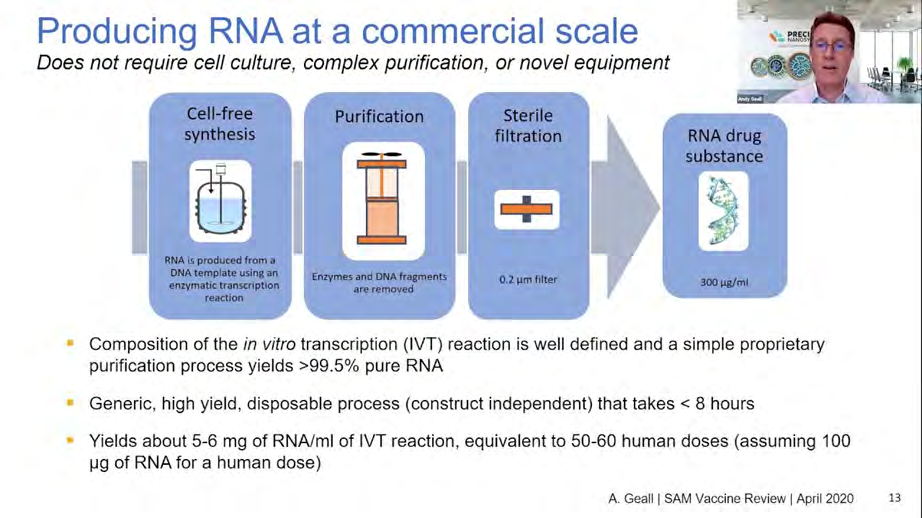
![Figure 2: RNA purification [1].](/fulltextimages/9450/fig_2.png)
“Purifying mRNA following the In vitro transcription step phase, mRNA is purified from impurities and materials used in the previous steps including: the endotoxins, immunogenic double stranded R.N.A (dsRNA), residual D.N.A template, R.N.A polymerase and elemental impurities. Much kind of options are available for mRNA purification. T.F.F allows efficient separation of mRNA from smaller impurities that are not retained by membrane; molecular weight cut- offs ranging from 30 to 300 kDa can be used based on the size of the mRNA. With T.F.F it is possible to purify, concentrate and diafilter product within the same unit operation. At this stage, the mRNA will need to be in the appropriate buffer, either for enzymatic capping or chromatography. An important consideration when using T.F.F, is that the small D.N.A fragments can hybridize to the mRNA, generating additional impurities. As seen before, you don’t have this risk if using capture to remove D.N.A. template. A number of chromatography techniques can be used as an alternative to the T.F.F and include reverse-phase ion pair, anion exchange and affinity chromatography AC using poly (dT) capture. Chromatography provides an efficient means for D.N.A template removal/eliminates the risk of hybridization that can occur during Ultra-/Diafiltration step. It is more expensive and a T.F.F step would still be required for media exchange and preparation for the subsequent step. Chromatography is also used following the enzymatic capping EC step to remove unwanted products and oligonucleotide impurities coming from the previous enzymatic reaction steps. Reversed-phase ion pairing (RPIP) is commonly used at small scales and allows a very efficient and rapid R.N.A purification and good separation of single stranded R.N.A (ssRNA) from D.N.A, double stranded R.N.A (dsRNA), and short transcripts. This
method uses the solvents making it poorly suitable for G.M.P manufacturing production. The technique also requires ion- pair reagents and resulting formation of complexes with the mRNA may require extensive diafiltration steps for removal. Its sensitivity to fouling by proteins and aggregates makes this kind of technique better suited for polishing than for capture. Anion exchange AE has a high dynamic binding capacity and is very efficient for removing immunogenic impurities such as dsRNA, uncapped R.N.A, R.N.A-D.N.A hybrids and other R.N.A structures. While this allows the use of aqueous solutions, it might require addition of chemotropic agents that can be toxic and operation at temperatures of up to 85°C to desorb large m-R.N.A. molecules bound to the resin. Ambient temperature TA operations typically elute mRNA species smaller than 500 bases. Affinity chromatography AC poly (dT) capture uses a resin to specifically capture the poly (A) tail of full-length mRNA transcripts. This process efficiently removes the D.N.A, nucleotides, enzymes, buffer components and any other impurities not having a poly (A) tail. The downside of this technique is that, unlike reversed phase and anion exchange, it cannot discriminate dsRNA from ssRNA. Also In addition, product-related poly (dT) is not efficient for removing other product-related impurities such as D.N.A fragments that have hybridized to the mRNA. For this kind of reason, the initial chromatography step is Affinity Chromatography AC typically followed by a second chromatography step using an anion exchange for polishing purposes. Following the chromatography step(s), a final concentration and diafiltration is performed to maximize product purity and transfer the mRNA into the appropriate buffer for formulation or storage. At this stage, mRNA can be further purified, concentrated and so diafiltered within the same unit operation. A sterile filtration step can be performed following this T.F.F step. It should be noted, that sterilizing grade filtration of some mRNAs with a molecular weight MW of 5000 kDa or higher can be challenging.” Of interest it is to verify the various chromatographic techniques and the material used as well as the chemico-phisical process involved [2].
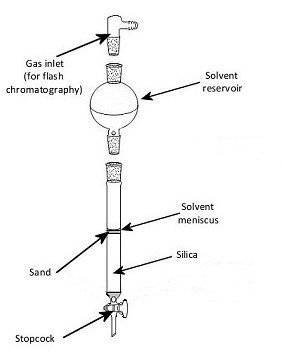
From Chemistry Europe: “Column chromatography is a commonly used as purification technique in labs across the world. Done right it can simply and quickly isolate the desired compounds from a mixture. But like many aspects of practical chemistry, the quick and efficient setting up and running of a column is something that can take years to master. Here in this study we present some of the tips and tricks of the trade to help you set up the perfect column. In a typical column, the stationary phase, a solid adsorbent normally silica gel (SiO2) or alumina (Al2O3), is placed in a vertical glass-column. The mobile phase, a liquid, is added to the top of the column and flows down through the column by either gravity or external pressure (flash chromatography). Separation of compounds is achieved through the varying absorption on and interaction between stationary and mobile phases” (Figure 3).
It is difficult to obtain high-cost silica if high-grade silica is purified from natural ore. It is the current situation. Also, the grain shell Most of them are not used and are treated as industrial waste at a separate cost. This invention has been made in view of such a point, and a high-purity silica gel that can easily be manufactured by using wastes can be easily produced. The purpose is to provide a method of manufacturing the tools. One method for production of the silica- gel which comprises burning the husk of a grain to provide a burned ash, charging the burned ash in an strongly alkaline aqueous solution containing alkali metal compound, followed by agitating, to prepare liquid mixture, heating the mixture and then separating the mixture into an ash and a filtrate, steaming the ash with hydro-chloric acid to produce an activated carbon AC as a by-product, cooling rapidly the filtrate to precipitate a solid, admixing the solid with an acid and heating the resultant mixture, separating the mixture into an solid product and a liquid, washing the solid product with water followed by drying to produce a high purity HP silica gel. The method allows the production of a high purity silica- gel from the husk of a grain which is produced in a large quantity and is treated as a waste, with a simple process mainly comprising heating with an aqueous solution and cooling and with ease [3].
Disclosure of the Invention
The Method for Producing Silica Gel According to this Invention is as Follows: The shell of a grain is calcined to form calcined ash, and the calcined ash is added to a water solution containing a strong alkaline component. Is stirred and mixed to prepare a mixed solution, and the mixed solution is heated to a temperature and so then solid and liquid separated into a filtrate and an ash. The filtrate collected by solid/liquid separation is cooled. After that, the solid and liquid components are separated into a liquid component and a solid component, and the solid component collected by the solid/liquid separation is washed. Then, the calcined ash obtained by calcining the hull of the substance is stirred and mixed in a water solution containing strong alkaline component, heated, and then the filtrate obtained by solid-liquid separation is cooled. If the collected solids are washed and then washed, the husks of cereal grains, which are particularly large quantities that become waste, are used as raw materials, heated to an aqueous solution, and cooled by heating, with a simple process, high-purity silica gel can be easily produced”. Silica Gel (Silicon Dioxide, or SiO2): Silica Gel (silicon dioxide) is a chemical composed of silicon and oxygen (SiO2), and consists of an amorphously structured porous matrix.
“The present study work deals with the production of Silica Gel from Rice Husk Ash. Different mills of Bundi district of Rajasthan were visited to know about the production and utilization of Rice Husk and Rice Husk Ash produced. Rice Husk Ash from different sources was chemically treated and the extracted amounts of Silica Gel were compared. It was found that Rice Husk Ash contains 70.90% to 84.50% Silica Gel. This suggests that Rice Husk, which is considered as waste product from the Rice Mills and sold at Rs.300 per quintal, can be used for production of value added product such as Silica which has its commercial sale value of Rs.200 per Kg. Rice, is 1 of the staple foods of India. In Rajasthan, rice is mainly grown under the highly rain-fed areas like Kota and Bundi districts. It is estimated that 0.23 tons of rice husk is produced from every ton of rice produced. These mills use 70% of the Rice husk produced as a fuel in boiler. Burning rice husk generates Rice Husk Ash. About 20 million tons of Rice Husk Ash is produced annually in India. The Remaining 30% rice husk and rice husk ash, produced by burning of rice husk in boiler, is sold at Rs.300 per quintal to the Poultry to be used as feed, Bricks manufacturing factory, Glass Industry or is used as a Bio-fertilizer. On chemical analysis of rice husk ash, it was found that it contains about 80% Silica or most commonly known as Silica Gel. Silica Gel is considered as a value added product with commercial sale value of Rs.200 per Kg. Silica Gel is a non-toxic, non- flammable, non-reactive material. The high surface area of the Silica Gel crystals, allows it to adsorb water easily, thus making it a useful desiccant. Once saturated with water, the gel can be regenerated by heating it to 120 °C (250°F) for 2 hours. Other uses of the Silica Gel includes its use in Column- Chromatography, insulation powder in steel mills and refrigerators, manufacturing of refractory bricks, repellents in the form of ‘vinegar-tar’, with increasing grade quality of Silica Gel, cost also increases” [4].
“The aim of this research is to produce spherical and porous silica particles from rice husk for chromatographic applications in H.P.L.C columns. After complete combustion of rice husk, white powder of silica was obtained which was dissolved in Na-OH and subsequently heated to produce sodium silicate solution. Spherical porous silica gel was synthesized from prepared sodium silicate in the presence of Pluronic P123 as the surfactant, under acidic solution. Different porosities were prepared by applying various factors including different vacuums, temperatures and reaction times in order to obtain the optimum conditions for particle aging. An analytical- column was packed with the prepared silica micro spheres and evaluated for the separation of 10-deacetylbaccatin III and rutin from taxol and hesperidin, respectively. Rice husk (RH) is an agricultural residue which is abundantly produced in rice industry. Silica is the major element of rice husk ash. Today, some countries must spend high costs to get rid of RH, due to its disposal and environmental problems. Extraction of the silica from RH would be considered as a new challenge in order to produce a valuable material from a waste product, and the process is cost-effective because of the high amount of RH as waste product and large content of silica in RH ash. There are many reports on extraction of silica from RH. After complete combustion of RH, approximately 20 wt. % of dry RH is ash; the ash itself is consisted of about 90-98% of silica, but the silica content in RHs could be different according to plant growth conditions. Many approaches to extract silica from RHs have been investigated. Purification of the obtained silica is crucial for applications as the H.P.L.C stationary phase, and in this favor various acid leaching procedures have been performed. Kalapathy, et al. scrutinized silica construction using RH as the raw- material, dissolved in sodium hydroxide solution. They found that assimilating the initial acid washing of the rice husk ash as well as the final water washing of silica, dramatically intensifies the purity of the silica sample, following an acid pre-treatment step resulting in highly pure silica which can be used for preparation of sodium silicate solution via treatment with sodium hydroxide NAOH. It’s worth noting that the mentioned process does not require very high energy, compared to the production of sodium silicate by liquating the quartz and sodium carbonate at high temperature (1300°C). Application of extracted silica from RH as a packing for H.P.L.C columns was first introduced by Burns, et al., who had prepared C18-modified silica particles. In another study, Tungkananurak used the extracted silica from RH for preparation of normal-phase H.P.L.C packing. They developed a simple method to produce mesoporous silica micro-spheres using non-ionic surfactants. Mentioned investigations clearly confirm the suitability of the extracted silica from RH for applications as the H.P.L.C stationary phase in different chromatographic modes such as normal and reversed-phase liquid chromatography LC” [5].
“Rice hull ash (R.H.A), a waste product of the rice industry is rich in silica. A simple method based on alkaline extraction followed by acid precipitation was developed to produce pure silica xerogels from RHA, with minimal mineral contaminants. The silica gels produced were heated to 80oC for 12 h to obtain xerogels. Silica and mineral contents of xerogels were determined by energy dispersive X-ray and inductively-coupled plasma emission spectrometers, respectively. Xerogels produced from RHA had 93% silica and 2.6% moisture. The major impurities of the silica produced from RHA at an extraction yield of 91% were Na, K, and Ca. Acid washing prior to extraction resulted in silica with a lower concentration of Ca (<200 ppm). Final water washing of the xero-gel was more effective in producing silica with a lower overall mineral content (Na < 200 ppm and K < 400 ppm). X-ray diffraction patterns revealed the amorphous nature of silica xerogel, Fourier transform infrared data indicated the presence of siloxane and silanol groups” [6].
![Figure 4: Stationary chromatographic phases [8].](/fulltextimages/9450/fig_4.png)
“Rice husk production is about 482 million tons per year all over the world. The compounds of the rice husk can be divided into organic and inorganic parts. The organic part contains cellulose, hemicellulose, and lignin and its mineral part consists of silica and metal oxides. One of the most abundant ingredients in the rice husk is silica. 20% of the rice husk is white ash, which is obtained after complete burning of the rice husk in controlled time and temperatures and is a rich source of silica (more than 90 %). In other countries, this type of recycled silica has much kind of applications ranging from cosmetics to electronic industries, yet in Iran, recycling of silica does not happen. The aim of this work is silica production from rice husk, which is used as packing material in high-performance liquid chromatography (H.P.L.C) column. As a result, this recycled silica from the rice husk is considered as valuable and cost-effective silica. For the synthesis of spherical porous silica gel from the rice husk, the physical preparation of the husk was done by burning and acidifying, adjusting the pH, and then heating (burning) at high temperatures to obtain a white powder. So Then, in the alkaline conditions, the powder was converted into sodium silicate solution. Spherical porous silica gel was produced by the sol-gel method. H.P.L.C columns were prepared by filling the column with bare silica and in the next step, silica was coated by vancomycin. Bare silica column was used for flavonoids analysis and vancomycin coated- silica was tested for the propranolol analysis. The results obtained from the separation of the flavonoids and propranolol showed that the prepared silica could be a very suitable substrate for the settlement of functional groups. The recycling was done successfully and can be used as a column stationary-phase. Our country is one of the largest rice producers. Rice husk silica sources (such as mineral silica) can be recycled, purified, and can have various applications such as chromatography stationary-phases” [7], (Figures 4- 6).
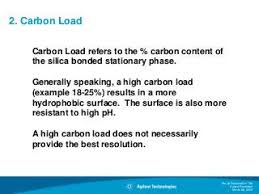
“Carbon Load: For Silica-based Reversed-Phase packing’s, a carbon load percentage indicates the amount of functional bonded phase attached to the Silica-base material. Lower the amount of carbon load means that packing’s are more weakly hydrophobic, which may reduce retention times compared to phases with higher carbon load. A higher carbon load will give higher capacity and often greater separation, especially for compounds of similar hydrophobicity.” HYPERCARB (porous graphitic HPLC column): show a 100% of carbon load.
“Carbon load for silica-based, reversed-phase packing materials, carbon load indicates the amount of the functional bonded phase attached to the base material. Phases with lower carbon loads are more weakly hydrophobic, which may significantly reduce retention times over phases with a higher carbon loads. A higher carbon load will give higher capacity and often greater resolution, especially for compounds of a similar hydrophobicity. Carbon load is not a relevant parameter for columns used in normal phase or HILIC mode” [10] (Figures 7-11).
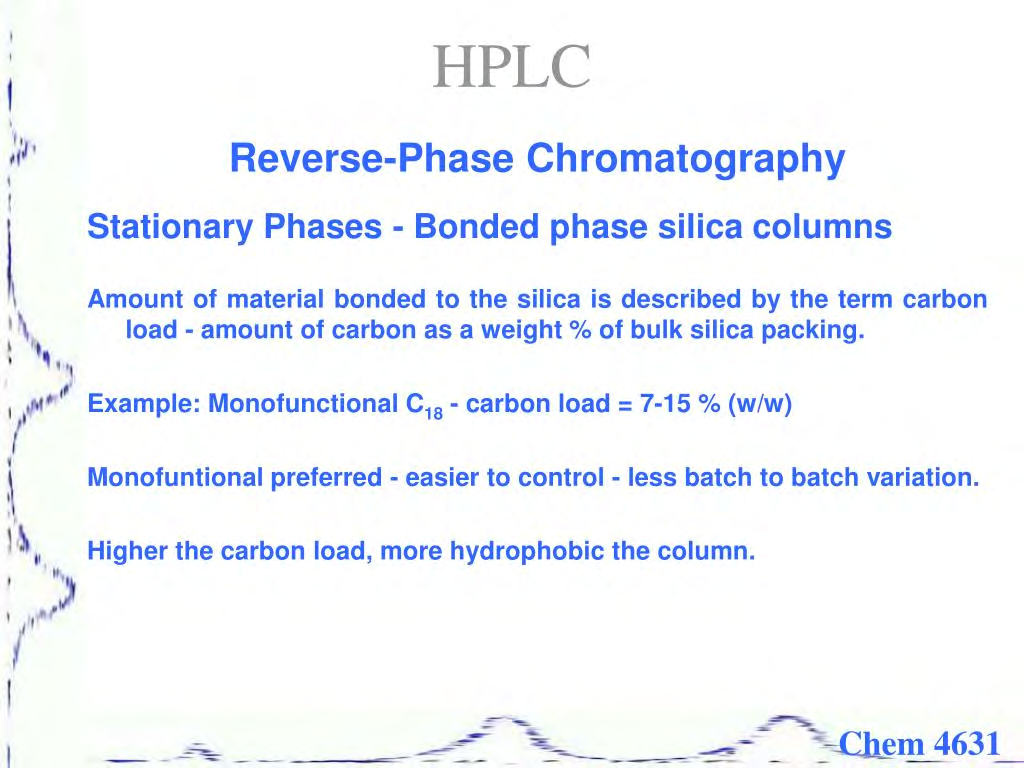
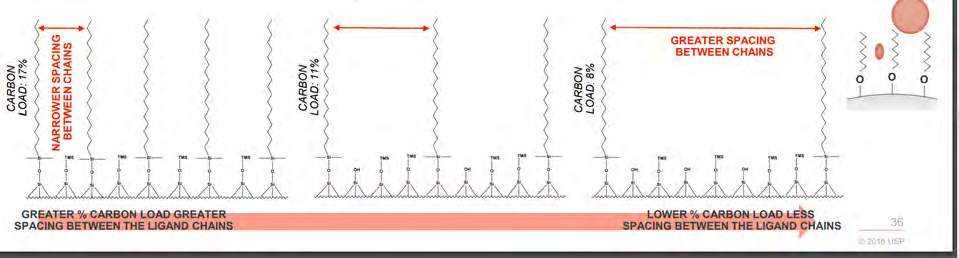
![Figure 8: Carbon Load [11].](/fulltextimages/9450/fig_8.png)
![Figure 9: Stationary phase’s specifications [12].](/fulltextimages/9450/fig_9.png)
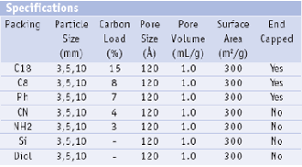
- Ultra-high purity spherical silica offers an excellent stability, efficiency and column-to-column reproducibility.
- Stable and strong retention in 100% aqueous mobile phase for hydrophilic or the polar compounds.
- High carbon loading C18 offers a high degree of hydrophobicity.
- High surface area offers a high resolution for gradient elution of difficulty separation compounds.
- Fully end capped to improve the peak shape.
- Monomeric bonding offers low back pressure and high column efficiency to better resolve chemically similar analyte Figure 12 [13].
Material and Methods
1. With an observational point of view some relevant literature, reference and figure (1-12) are reported as well as some producer’s website and patents. 2. All article reported comes from scientific database. 3. It is also reported an interesting dialogue with an USA producers of magnetic beads on the characteristic of Silica column for chromatography. 4. After this review work an experimental project hypothesis is submitted in order to provide a global conclusion related the topic investigated.
Results
From Literature
“Question: My understanding is that the carbon load determines peak retention (i.e., the greater the load, the longer the retention). I recently encountered a situation in which I was using C18 column packing with a 7% carbon load that had more retention than C 1 8 with a 10% carbon load. Why is this? Is my understanding correct? If my assumption is incorrect, why do manufacturers report carbon load? Answer: In concept, your understanding is correct. There are many exceptions to this guideline, and in reality, this “rule” is false. If the pore size and surface area of the base silica particles are identical, the rule holds. Thus, within a family of packing’s, the carbon load relationship is true. This guideline lingers as the result of a hold-over from the developing years when there were only few columns, and many were made from silica’s of similar density, pore size, and surface area. Predicting retention is a complex task that chromatographers are always attempting to simplify. Like As a guideline, the carbon load helps in choosing an appropriate packing. With the wide variety of families of chromatographic packing’s currently available, the use of the carbon load as a guideline is qualitative at best. Carbon load is expressed as the percentage of carbon per weight of silica.“ “Myth 5: The Higher the Carbon Load the Better
the Reversed-Phase Column False. There appears to be misconceptions about the role of chain length, carbon loading, surface coverage, and so forth when it comes to the popular alkyl-bonded phases. For a truly reversed-phase mechanism where retention is based upon the relative hydro-phobicities of analyte molecules, retention is usually based upon the carbon-load. The higher the carbon load, the more the retention. Carbon load can be proportional to the chain length but not necessarily so. A typical silica gel has 8 μmol/m2 of reactive silanol’s that are used for bonding organo silane-reagents. If, for a given surface coverage of a monolayer bonded phase in micromoles per metre squared, the longer the chain length, the more carbon would be present and, retention would be proportional to the chain length. If a shorter chain bonded phase (say, a C8) had a higher surface coverage resulting in more carbon on the surface, then it could have more retention than a C18 bonded phase.” Offer 100% porous graphitic carbon for extended separation capabilities with Thermo Scientific™ Hypercarb™ Porous- Graphitic Carbon LC Columns, enhanced retention of polar compounds and separation of structurally related analytes with stability at pH extremes and high temperature [15].
“The 2 main aspects of the chemical characteristics of solid support, which are of interest, include: 1) its internal chemical composition and 2) the chemical functionalities allowing the binding of the active phase (in cases when the solid support does not act itself as the active phase). Regarding the internal chemical composition, the solid support can be made from silica, ethylene/propylene bridged silica, hydrated zirconia, hydrated alumina, aluminum silicates, porous graphitic carbon, zeolites, or various organic polymers such as polystyrene cross-linked with di-vinyl-benzene (PS-DVB), methacrylate’s, etc. Recently, metal-organic frameworks were experimentally evaluated as support for H.P.L.C stationary phases. Regarding the other materials, columns based on hydrated zirconia are commercially available, but, they have lower chromatographic performance compared with those based on silica mainly due to numerous Lewis acid sites present on the stationary phase. Commercially available are also the porous graphitic carbon columns. In order to achieve a large surface area, graphitic stationary phases are made using silica as template on which a layer of an organic material is applied followed by pyrolysis in an inert atmosphere to generate graphite. This is followed by the dissolution of silica template. This type of column has a strong hydrophobic character, but some problems with surface homogeneity remain to be solved. For the preparation of hydrophobic phases with the use of vertical polymerization, various levels of carbon load (C%) can be placed on silica surface, C% varying depending on the procedure between 5% and 30%.owever, even for columns containing the same type of phase, like as C18, many variations in the active phase structure are possible. The variations may include the type of bonding (mono, di, tri-functional), the type of polymerization (horizontal, vertical), the carbon load, the density and uniformity of the coverage of solid support (of silica), and the variations in endcapping” [10].
“Methods using the homogeneous precipitation of a metal on a surface of a particle to prepare silica particles having the metal adsorbed thereon are disclosed herein. In certain embodiments, the silica particles having the metal adsorbed thereon can be used to prepare the carbon coated silica particles. The carbon coated silica particles can be useful in a wide variety of applications including, in example, for use as sorbents in chromatography. Carbonaceous materials CM are versatile sorbents used in a wide range of applications, most particularly, for gas- liquid chromatography. 2 commercial carbon phases for LC-carbon clad zirconia (C/Zr02) and the porous graphitic carbon (HyperCard)-among all the available reversed-phase materials show unique forms of chromate-graphic selectivity for polar and non-polar compounds, as well as for structural isomers, and thus have been used to separate the analyte that are not readily resolved by conventional reversed phases (like, alkyl silica phases). Neither substrate gave an absolutely uniform carbon deposition; both require much more than a theoretical mono-layer of carbon to achieve a maximum retentivity. Assuming that the carbon is graphitic and coated uniformly, we calculated the number of carbon monolayers from the BET data and the known weight of the carbon for each material as shown in Table 3. In theory, the % C required to form one monolayer is about 7% (w/w). As mentioned above, about 32% and 25% of carbon are needed for the low and high levels of Al (III) treatments of silica respectively to obtain maximum retentivity and to fully sequester the Al (III) sites on the silica. These carbon loads correspond to about 4-5 carbon mono-layers which strongly suggests that carbon deposition is non-homogeneous. That is, we believe that carbon deposition does not proceed monolayer by monolayer, which is, in fact, commonly observed from deposition of the pyro lytic carbon. The present specification provides a method of preparing carbon coated silica particles. In certain embodiments, the method includes: preparing silica particles having a metal adsorbed thereon by a method described herein; and depositing the carbon on the silica particles having the metal adsorbed thereon using a chemical vapor deposition process. In some embodiments, the chemical-vapor deposition process includes contacting the silica particles having the metal adsorbed thereon with an organic vapor under conditions effective to form the carbon coated silica particles. In some kind of embodiments, the organic vapor includes one or more hydrocarbons (one or more C1-C12 hydrocarbons such as hexane). Exemplary conditions effective to form the carbon coated silica particles include a temperature of about 500°C, in some embodiments a temperature of at least 600°C, and in other embodiments a temperature of at least 700°C. Carbon coated silica particles prepared by such methods are also disclosed, and the disclosed methods may also include separating and/or drying the carbon coated silica particles. In another aspect, the present specification provides a carbon coated silica particle including: a silica particle; 2 monolayers or less (in some embodiments 1 monolayer or less) of aluminum (III) cations on the surface of the silica particle; and a layer of carbon deposited over the aluminum (III) cations on the surface of the silica particle, wherein the carbon- coated silica particle includes 15- 50 wt. % carbon. In some embodiments, the carbon coated silica particle includes 20 - 40 wt. % carbon, and in certain embodiments 25-35 wt. % carbon. EXAMPLE 4: Effect of Al (III) treatment on carbon deposition Carbon was deposited on both quarter-and full-monolayer Al (III) treated silica, and carbon load was adjusted by varying the reaction time. Both substrates showed increases in carbon load with the time, but the increase is much faster with a full monolayer of Al (III). Fig. reported compares the rate of carbon deposition on these substrates and on alluring” [16].
From TOSOH Catalog
“The TSK gel G-D.N.A-PW column is dedicated to the separation of large polynucleotides, such as D.N.A and R.N.A.] fragments of 500 to 5,000 base pairs. TSKgel ODS-100 is the first choice when a universal reversed phase column is needed 2 levels of hydro phobicity (15% and 20% carbon load). “ “To make the carbon phase on silica, we first treat the silica surface with a monolayer or less of metal cations that bind to deprotonated silanol’s to provide catalytic sites for carbon deposition. After Al (III) treatment, a carbon phase is formed on the silica surface by a chemical vapor deposition at 700 °C using hexane as the carbon source. The amount of Al (III) on the surface was varied to assess its effect on the carbon deposition, and the carbon loading was varied at different Al (III) levels to assess its effect on the chromatographic properties of the various carbon adsorbents Preparation of metal adsorbed silica. Materials Aluminum chloride hexa- hydrate was used for the Al (III) treatment. Silica, 13.7μm AstroSil was used for the preliminary CVD study with Al (III) metal-treatments, and 5μm Zorbax silica was used to prepare H.P.L.C. supports with Al (III) treatment. For comparison, attempts were also made with Leboda’s choice of Zr (IV) using zirconium tetrachloride (Sigma-Aldrich, St. Louis, MO USA), but we found Al (III) much more effective for carbon deposition. C/ZrO2 (3 μm, carbon loading = 8 %, w/w), used for comparison, was a generous gift of Zir Chrom Separations Inc. (Anoka, MN, USA)” [17].
“Rice hull ash (RHA), a waste product of the rice industry is rich in silica. A simple method based on alkaline extraction followed by acid precipitation was developed to produce pure silica xerogels from RHA, with minimal mineral contaminants. The silica gels produced were heated to 80oC for 12 h to obtain xerogels. Silica and mineral contents of xerogels were determined by energy dispersive X-ray (EDX) and inductively-coupled plasma (ICP) emission spectrometers, respectively. Xerogels produced from RHA had 93% silica and 2.6% moisture. 2. Silica extraction Silica was extracted from RHA adapting the method of Kamath and Proctor (1998). Sixty ml portions of 1N NaOH were added to the washed and unwashed RHA samples and boiled in covered 250 ml Erlenmeyer ¯asks for 1 h with constant stirring to dissolve the silica and produce a sodium silicate solution. The solutions were ®ltered through what man No. 41 ash less ®lter paper, and the carbon residues were washed with 100 ml of boiling water. The ®ltrates and washings were allowed to cool to room temperature and were titrated with 1N HCl with constant stirring to pH 7. Silica gels started to precipitate when the pH decreased to <10. The silica gels formed were aged for 18 h. Deionized water (100 ml) was added to gels and then the gels were broken to make slurry. Slurries were then centrifuged for 15 min at 2500 rpm, the clear supernatants were discarded and the washing step was repeated. The gels were transferred into a beaker and dried at 80oC for 12 h to produce xerogels. Selected silica xerogel samples were ground and subjected to additional washing with water. All the samples were stored in airtight plastic bottles. Major modi® cations in the present method relative to that of Kamath and Proctor (1998) were incorporation of:
- An initial acid washing,
- Longer drying time to produce the xerogel, and
- ®nal washing of the xerogel” [6].
“Nano-silica extracted from rice husk and its application in acetic acid steam reforming was studied in the paper. A simple and efficient heat treatment method was used to extract high specific surface area silica from rice husk. It was found that the acid leaching process was beneficial for removal of metal impurities and the decomposition of organic substances. The carbon residue decreased and sample purity increased with increasing temperature. At 600 °C, silica with the yield of 21.7% and the purity of 99.45% was obtained as seen from the Figures 13-15; it is obvious that the pyrolysis of organic matter is incomplete at low temperatures. An element analyzer was used to analyze the carbon residue in the product. Fig. reported displays the change of rice husk pyrolysis residual carbon content with temperature. As the temperature increases, the residual carbon content decreases, when the temperature increases from 400°C to 500°C, the residual carbon content decreases sharply from 9.13% to 0.19%. When the temperature continues to rise and the residual carbon reduction rate slows down. It indicates that the pyrolysis is insufficient at the temperature lower than 500°C, leading to a large amount of remaining organic matter in the sample which appears black at 400°C. When the pyrolysis temperature is 500°C, the sample appears light yellow with a small amount of remaining organic matter. When the temperature rises to 600°Centigrades, the residual carbon content reduces to 0.09% with the sample purity increase. The 600°C sample appears white, indicating that the pyrolysis is sufficient at the temperature, when the pyrolysis temperature is continuously increased, the residual carbon content is further reduced to 0.01%” [18].
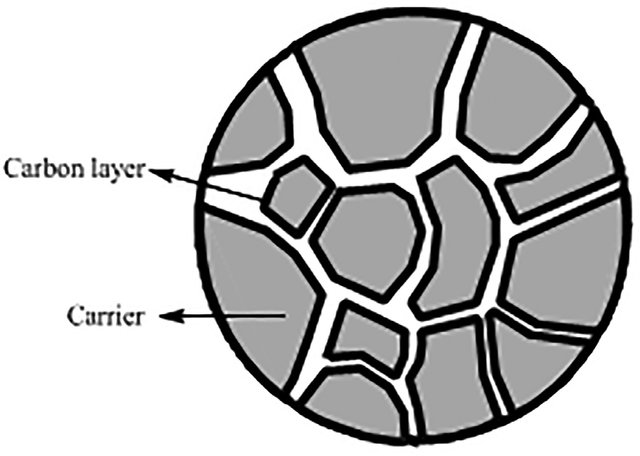
![Figure 12: Schematic diagram of silica-carbon composite material. Carrier is silica gel, and carbon layer is high graphitization degree [14].](/fulltextimages/9450/fig_12.png)
![Figure 13: Silica yield and carbon residue content of rice husk (with 8 wt% acid leaching pretreatment) pyrolysis changes with temperature [18].](/fulltextimages/9450/fig_13.png)
![Figure 14: from Microporous and Mesoporous Materials [19].](/fulltextimages/9450/fig_14.png)
“Silica from rice husk ash Amorphous silica powder is basic raw material used in industries associated with rubber, ceramics, electronics, catalysis, pharmaceutics, dental material and other materials. When RH is burnt in air, it leads to the formation of silica ash, which varies from gray to black depending upon inorganic impurities and unburnt carbon amount. RHA can be obtained by burning rice husk in electric furnace at 600 0C for 4 hours “ [21] (Tables 1 & 2).
| Units | Adjustability | |
|---|---|---|
| Purity | [%] | Adjustable |
| PH | Adjustable | |
| Surface Area | m2/g | Adjustable |
| Moisture | [%] | Adjustable |
| LOI | [%] | Adjustable |
| Hydrophilic/Hydrophobic | [%] | Adjustable |
| Application Properties | [%] | Adjustable |
| User Industries | Example of EKASIL Products | |
| Pharmacy | EKASIL 200 PHARMA, EKASIL 300 PHARMA, EKASIL D120 PHARMA | |
| Paints and Coatings | EKASIL 200, EKASIL 300, EKASIL 380 | |
| 3D Printing | EKASIL 50, EKASIL 200, EKASIL D120, EKASIL P100 | |
| Paper and Media Coatings | EKASIL 150, EKASIL 200, EKASIL 300 | |
| Toner | EKASIL P100, EKASIL D120 | |
| Cosmetics | EKASIL 200, EKASIL 300, EKASIL 380, EKASIL P100, EKASIL H180, EKASIL D120, EKASIL HM200 | |
| Health Care | EKASIL 200 PHARMA, EKASIL 300 PHARMA, EKASIL D120 PHARMA | |
| Personal Care | EKASIL 200, EKASIL 300, EKASIL 380, EKASIL 300 PHARMA |
Table 1: EKASIL 200 PHARMA Physico-Chemical Data EKASIL Rice Husk Silica.
Description: EKASIL 200 PHARMA is high purity silicon dioxide from rice husk for pharmaceutical uses. Applications: High purity amorphous silica for pharmaceutical uses in all types of dosage forms. Table 1: EKASIL 200 PHARMA Physico-Chemical Data EKASIL Rice Husk Silica.
| Characteristic Physico-Chemiacl Data | |||
|---|---|---|---|
| Properties and test Method | Unit | EKASIL A | EKASIL B |
| Purity | [%] | 99.99% Purity Nano Silica | 96% Purity Nano Silica |
| Form | Amorphous | Amorphous | |
| Colour | Snow White | Light Gray | |
| PH (5g/100ml H O) 2 | 5.5-8 (Adjustable) | 6.5-7.5 (Adjustable) | |
| Surface Area (BET Analysis) | m2/g | 350-600 (Adjustable) | 120-170 (Adjustable) |
| Mass Fraction of Moisture (2hours at 150 C) | [%] | 10-27 (Adjustable) | 10-27 (Adjustable) |
| LOI (2 hours at the 1000 C) | [%] | 13-30 (Adjustable) | 4.7-5.9 (Adjustable) |
| Water Soluable Salts Content (Total) | [%] | ≤ 2 | 3.1- 3.5 |
| The Mass Fractions of Carbon | [%] | ≤ 0,01 | 1.5-1.9 |
Table 2: Improved monolith technoloy “Re-inforced with carbon fibers” [22].
“2 approaches for incorporating carbon nanotubes into monolithic columns for HPLC are described in this report. They pertain to the investigation of carbon nanotubes either: 1. As entities to modulate solute retention on monolithic columns bearing well defined retentive ligands or 2. As entities that constitute the stationary phase responsible for solute retention and separation. Approach: 1. Involved the incorporation of carbon nanotubes into octadecyl monolithic columns, 2. Concerns the preparation and evaluation of an ideal monolithic support and coating it with carbon nano- tubes to yield a real.
“Carbon Nanotube Stationary Phase” for the HPLC separation of a wide range of solutes. First, an octadecyl monolithic column based on the in situ polymerization of octadecyl acrylate and tri-methylolpropane tri-methacrylate was optimized for use in HPLC separations of small and large solutes (proteins). To further modulate the retention and separation of proteins, small amounts of carbon nanotubes were incorporated into the octadecyl monolith column. In approach (2), an inert, relatively polar monolith based on the in situ polymerization of glyceryl monomethacrylate (GMM) and ethylene glycol di-methacrylate (EDMA) proved to be the most suitable support for the preparation of “carbon nanotube stationary phase”. This carbon nanotube “coated” monolith proved useful in the HPLC separation of a wide range of small solutes including enantiomers. In approach (2), a more homogeneous incorporation of carbon nanotubes into the idol monolithic columns (GMM/EDMA) was achieved when hydroxyl functionalized carbon nanotubes were incorporated into the GMM/EDMA monolithic support. In addition, high power sonication for a short time enhanced further the homogeneity of the monolith incorporated with nanotubes, in all cases nonpolar and π interactions were responsible for solute retention on the monolith incorporated carbon nanotubes” [23].
From a USA producer of magnetic beads for R.N.A separation M Luisetto ask to producer: Do you know what technologies used industry in purifying MRNA for Covid vaccine? Producer: They use TFF filtration for separation of DNA and R.N.A. TFF filtration can separate R.N.A. from DNA. However, the process is inefficient. The limitations are that it cannot separate dsRNA from ssRNA. ds(double stranded) R.N.A is a contaminant which lowers the efficacy of the vaccine. So there is a secondary column filtration to remove dsRNA. Also, the TFF filters need to be replaced often. Over time, the TFF filters become “lubricated” with lipids and DNA contamination starts to slip though. We are working with them on a better process where the carbon we make pulls off only the R.N.A and leaves the DNA behind using Ca2+ as the binding agent. The translation reaction can happen in the presence of 100 mM Ca2+ so this would allow R.N.A. to continuously be removed in the process. The magnetic beads are then isolated and the R.N.A released. There is no resin, it’s a filter. It’s a plastic filter with holes in the walls of a specific size. Separation of dsRNA and ssRNA is done with silica columns. Separation of R.N.A and DNA is done with a poly-sulfone size filter, but the poly-sulfone is not reactive in any way, it’s simply a plastic with holes of a specific size.
I ask also the secondary columns what resin use? And the TFF filters? This use carbon, graphene, fullerene or quantum dots? Producer: Poly-sulfone membranes. There is no resin, it’s a filter. It’s a plastic filter with holes in the walls of a specific size. Separation of dsRNA and ssRNA is done with silica columns. Separation of R.N.A and DNA is done with a poly-sulfone size filter, but the poly-sulfone is not reactive in any way, it’s simply a plastic with holes of a specific size.
“Silica comes in different qualities. The cheapest silica is refined sand or silica from a rice hull. Cheap silica is harvested from the natural environment. This type of silica likely contains carbon. This is not what is used in sensitive applications. Synthetic silica gel, the most expensive silica, is reduced from sodium silicate and CoCl4. There is no carbon in the reaction which produces it. The pharmaceutical industry only uses synthetic silica gel. So there is no carbon. (Consideration of the author of this work: But some producers coated artificially with graphene the silica particle to vary the retention time) Producer: There are problems. separating ssRNA. and dsRNA. is hard. Also, the T.F.F. filters are very expensive and need to be replaced constantly. This carbon load problem has never been mentioned and I think there are bigger concerns right now in manufacturing”.
M Luisetto: Other question- To producer: in the website of SIGMA ADLRICH is reported this reference for silica gel production for chromatography [6]. So it is possible that in commerce there are two kind of silica gel for chromatography, one fully synthetic other from rice? Producer: Yes, there are at least 50 types of silica gel. Also, yes, some silica is artificially coated with carbon polymers. Doing this changes the hydrophilic or hydrophobic characteristics. This type of silica is generally very expensive and not often used in industry. It is more common in research labs. Very cheap silica, the cheapest silica can come from the shells of diatoms, shells of algae. Some more refined silica can come from rice hull ash or other similar sources. The best and most expensive silica is fully synthetic. This doesn’t cover all the types. There are many types. All pharmaceutical applications use synthetic silica. Other types of silica are generally only used in chemical production. Synthetic silica is the most expensive.
M Luisetto, To the producer: Because you are PHD in MATERIAL SCIENCE i gently ask this: related the term CARBON LOAD. I have finded two different definitions: 1. Percentage indicates the amount of functional bonded phase attached to the Silica-base material.(so various materials) 2. Percentage of carbon per weight of silica. “Related only the length of chain C8, C18 attached. In some article i have funded that in the carbon load they consider also the graphitic shell if present what is your opinion about? Currently in silica column what it is officially considered the carbon load? In what you are describing, the carbon is intentionally bonded to the surface to change the polarity.
SIlica separates compounds based on the retention time of the molecules. Silica is polar and non-polar molecules move more quickly though the silica. It’s based on interaction with the silica. Stronger interaction leads to slower movement though the silica column. The C8 or C18 groups are added to make silica less polar. This is useful when you are separating compounds that are both non-polar. These would normally both move very quickly though silica. The C8 or C18 groups slow them down which leads to better separation. These groups are intentionally added to specific types of silica. When separating R.N.A, there is no need to do this. There is no carbon load in synthetic silica gel the load is 0%. I looked on sigma Aldric as well and for rice hull ash silica the carbon load is about 3%. This would not be used in synthetic R.N.A production. The application is too sensitive.
M Luisetto To producer: Fort the ultrafiltration and diafiltration of mRNA. What kind of membrane are used? Producer: It’s a poly-sulfone membrane and its TFF filtration. TFF filtration and ultrafiltration are not the same. TFF clogs less easily, it’s more scalable [2]. “Ribonucleic acid purification Disclosed herein are methods for purifying the R.N.A comprising poly A, also disclosed here in are compositions such as surfaces and oligonucleotides for purifying R.N.A comprising poly A. Other embodiments are also disclosed. Commercially- available resins having polythymidine oligonucleotide ligands typically contain less than 30 thymidine (2’deoxy) residues and some commercial resin suppliers utilize a distribution of dT chain lengths, not of a discreet length. Surfaces: [61] Compositions and methods of the invention can use a surface linked to poly T/U. As used herein, the term “surface” refers to a part of a support structure (a substrate) that is accessible to contact with one or more reagents, poly T/U oligonucleotides. The shape, form, materials, and modifications of the surface can be selected from a range of options depending on the application. In one embodiment, the surface is sepharose. In one embodiment, the surface is agarose. The surface can be substantially flat or planar. Alternatively, the surface can be rounded or contoured. Exemplary contours that can be included on a surface are wells, depressions, pillars, ridges, channels or the like. [63] Exemplary materials that can be used as a surface include, but are not limited to acrylics, carbon (e.g., graphite, carbon-fiber), cellulose (cellulose acetate), ceramics, controlled-pore glass, cross-linked polysaccharides (agarose or SEPHAROSE™), gels, glass (modified or functionalized glass), gold (atomically smooth Au(l 11)), graphite, inorganic glasses, inorganic polymers, latex, metal oxides (e.g., Si02, Ti02, stainless steel), metalloids, metals (atomically smooth Au(l 11)), mica, molybdenum sulfides, nano-materials (e.g., highly oriented pyrolitic graphite (HOPG) nano-sheets), nitrocellulose, NYLON™, optical fiber bundles, organic polymers, paper, plastics, poly-acryloylmorpholide, poly(4- methylbutene), polyethylene terephthalate), poly(vinyl butyrate), poly-butylene, poly-di-methyl-siloxane (PDMS), polyethylene, poly-formaldehyde, poly-methacrylate, poly- propylene, polysaccharides, polystyrene, polyurethanes, poly-vinylidene di-fluoride (PVDF), quartz, rayon, resins, rubbers, semiconductor material, silica, silicon (e.g., surface- oxidized silicon), sulfide, and TEFLON™.”
“The pharmaceutical industry employs Aerosil 200V as an excipient in various formulations in concentrations from 0.5 to 20%. The objective of the present work is to evaluate the behavior of silicon dioxide obtained from rice husk as a substitute for Aerosil 200V in the formulation of Valsartan 160 mg tablets. This new material was characterized and recognized its physical, mechanical and technological properties. Three pilot batches of tablets were manufactured and evaluated employing the rice husk ash and Aerosil 200V. Stability studies work was done during 6 months including moisture influence during storage period. The rice husk ash meets established quality specifications in the pharmacopoeia USP and BP to colloidal silicon dioxide. At zero and six months the analyzed parameters were within the ranges established in the manufactured tablets with the 2 materials. It is possible to use silicon dioxide obtained from rice husk as an excipient in the Valsartan 160 mg tablets formulation as a substitute for Aerosil 200V and so decreasing agro-industrial waste The silicon dioxide obtained from rice husk presented similar characteristics to the Aerosil 200V (colloidal silicon dioxide), its analytical quality was according with the requirements to the BP2011 and USP34 pharmacopoeias” [24].
“Basic Features of Moderna mRNA.-1273 and Pfizer- BioNTech BNT162b2 COVID-19 mRNA Vaccines. In order to put into context the modifications and formulations presented throughout this review, it is useful to summarize characteristics of the 2 most thoroughly tested, widely employed and successful mRNA products on the market, the Moderna and BioNtech COVID-19 vaccines, which are lipo- nano-particle mRNAs. The Moderna mRNA product contains a 4004-nucleotide sequence encoding for the spike protein of the virus, whose features were not disclosed by the company but were retrieved through means of “reverse engineering”. It features 2 serial proline substitutions at 986 and 987 amino-acid sites alongside the presence of the furin cleavage site, modifications that code for a stable pre-fusion S viral protein. It is 50 capped utilizing the cap 1 technology and its 50 untranslated region are thought to be a patented V1-UTR. The main coding sequence is characterized by substitution of uridine with N1-methylpseudouridine and codon sequence optimization that substitutes all GAA codons with GAG. As a 30 untranslated region, Modern employs the one located on the human β-globin gene and terminates the sequence using 3 stop codons, while the poly-A tail remains to be determined. The liponanoparticles contain 1,2-dimyristoyl- rac-glycero-3-methoxypolyethylene glycol-2000 (PEG2000- DMG), Heptadecan9-yl 8-((2-hydroxyethyl)(8-(nonyloxy)- 8-oxooctyl)amino)octanoate)(SM-102), cholesterol and 1,2-distearoyl-sn-glycero-3-phosphocholine (DSPC). Excipients contained within the final carrier preparation include acetic acid, tromethamine and its hydrochloride salt, sucrose and sodium acetate. It is dosed as 100 µg µR.N.A.
The mRNA of the BioNTech product has a length of 4284 nucleotides and it encodes the spike protein of the virus as well. Like the Modern vaccine, it features the same two serial proline substitutions but omits the furin cleavage site, resulting in a similar stable prefusion S protein. It is 50 capped with a modified cap 1 analogue and the 50 untranslated region is comprised by a fragment on the human α-globin gene. The main coding sequence employs the same uridine substitutions for the modified analogues but compared to Modern, utilizing a more lenient approach as far as GAA codons are concerned, leaving 14 of them unchanged. The 30 untranslated region of the construct features a hybrid sequence comprised of Amino-terminal enhancer of split gene sequence and mtRNR1 mitochondrial 12S ribosomal R.N.A. 30 regions, while it terminates with 2 UGA stop codons and features a segmented poly-A tail. Nano-liposomes are formed utilizing DSPC, (4- hydroxybutyl)azanediyl)bis(hexane- 6,1-diyl)bis(2-hexyldecanoate) (ALC-0315), cholesterol, and 2[(polyethylene glycol)-2000]-N,N-di-tetra-de-cylacet- amide, while the excipients include potassium chloride, sodium chloride NACL, sucrose, monobasic potassium phosphate and dibasic sodium phosphate dehydrate. The finished product has a dosage of 30 µg mRNA. Purification of the linearized pDNA template ensues, usually by means of silica columns or chromatography, prior its use as an in-vitro transcription template” [25, 26, 27, 28, 29, 30].
Experimental Project Hypothesis
Of interest is to investigate the role played by the carbon load of silica separation process on mRNA. purification process. To do this it is necessary to test two kind of column
- Low carbon load
- High carbon load column (graphitic) and using different silica gel
- From synthetic origin or from
- Rice hull (burned at high temperature) After this separation process It is needed to test the amount and quality of the mRNA. extracted and the presence or absence of graphene- graphitic impurity in the final product (vials). This entire test must to be performed by in depended official certified chemical laboratory. A difference in significative way (p> 0,
- in the results imply to take in consideration this aspect to find More safety purification process.
The results must to be sent to regulatory agency.
Discussion
- Silica particle for separation are generally synthetized and so usually this product not contain carbonaceus particle, but sometimes this particles are artificially coated whit graphene to increase efficiency.
- Other way some producer inidcate prodcution of silica gel from Rice (A simple method for production of pure silica from rice hull ash Kalapathy, U., A. Proctor, and J. Shultz. Bioresource Technology, 73, 257-262 (2000).
- Variuos producer can provide silica colum for separation of biopharmaceutical with different level in CARBON LOAD.
- This properties indicate the % amount of bonded material to the silica particle.
- Some silica particle for chromatografic use are carbon coated to modify their chemico -phisical properties.
- Graphene derivatives are also used in example in sme magnetic beads to increase efficacy of separation.
- In literature are reported various research related carbonaceus product use in research, laboratory or for testing need to purify R.N.A.
- Because today there is a great public debate related the findings by some independent researcher.
- Of graphene like particle in some vials of covid-19 vaccine as well as in blood of vaccinated is crucial to more deeply investigate the role played by carbon product -silica materials if used in large scale purification of R.N.A. or not.
Conclusion
CHAPTHER 7 CONCLUSION because mRNA VACCINE PRODUCERS not full have clarify the productive process as well as the material used it is interesting to submit to the researcher the fact that:
- In separation
- Purification od R.N.A various technique was and are used (first used membrane, the magnetic beads since monoliths today)
- mRNA VACCINE are purified using T.F.F combined to a silica chromatographic separation (SEE Ouranidis, et al.) or other resin o by magnetic methods (Jung Woo Park, et al.)
- This kind of resin can also be carbon coated (research scale- testing)
- Vaccines Ribonucleic acid purification: related resin: Exemplary materials that can be used as a surface include, but are not limited to acrylics, carbon (e.g., graphite, carbon-fiber).
- If used silica gel: this are produced artificially syntetyzed or comes from environmental products like RICE et other.
- The silica gel synthetically produced is the more expensive then the one produced fron RICE.
- The synthetical one are used especially in research, Silica from Rice is not used for sensitive application.
- According Fernandez et al related silica from Rice: Its analytical quality was according with the requirements to the BP2011 and USP34 pharmacopoeias.
- The resin vary related the carbon load (low, high) and so the retention time during separation.
11. The silica carbon load means the amount of bonded material on this particle (this parameter can vary from 0 to 100 %) in example HYPERCARB (porous graphitic HPLC column): show a 100% of carbon load. 12. After TFF and affinity or ion chromatographic separation there is a phase of Ultrafiltration/Diafiltration that use various kind of membrane. 13. Graphene and carbon material are used in some separative procedure (especially in other field like water purification). 14. Various independent researchers found graphene like particle in some covid-19 vaccine vials. 15. Various independent researchers found graphene like particle in blood of vaccinated. 16. The producers of this vaccine not fully clarify the purification process and the material usedit is crucial to investigate the role played by this characteristic (carbon load in silica separation process) in the final product impurity profile. 17. The last 3 sententia reported whit a specific toxicological and regulatory public interest require a more deeply investigation about the role played by graphene carbon compounds in the purification or R.N.A. Biopharmaceuticals, what kind of resin are used?
References
-
Vaughan S, Cohen RD, Blake C, Arvary R (2013) Automated Concentration and Diafiltration of Multiple siRNA Samples. BioPharm International 26(2).
-
Vergauwen L, El Hajjami N, Brantner M, Mantri S, Cebi B (2022) Manufacturing Strategies for mRNA Vaccines and Therapeutics. Vaccine Manufacturing.
-
WIPO (PCT) Google patent: Method for production of silica gel.
-
Srivastava D, Ali N, Sharma D (2018) Silica Gel, a Value Added Product Production from Rice Husk Ash. Journal of Emerging Technologies and Innovative Research 5(9): 260-266.
-
Shahnania M, Mohebbia M, Mehdib A, Ghassempoura A, Aboul-Eneinc HY (2018) Silica Microspheres from Rice Husk: A Good Opportunity for Chromatography Stationary Phase. Industrial Crops and Products 121: 236-240.
-
Kalapathy U, Proctor A, Shultz J (2000) A Simple Method for Production of Pure Silica from Rice Hull Ash. Bioresource Technology 73(3): 257-262.
-
Alireza Ghassempour 1Mostafa Shahnani (2019) Recycling Silica from Rice Husk and Its Application in Liquid Chromatography. Environmental Sciences 16(4): 81-92.
-
Shinde V (2020) Separation of Closely Eluting Impurities by Selecting Appropriate Stationary Phase. Veeprho.
-
Alltech Associates, Inc. (2018) High Performance HPLC Columns, a New Platform for HPLC and Prep.
-
Moldoveanu SC, David V (2022) Progress in Technology of the Chromatographic Columns in HPLC. In: Analytical Liquid Chromatography pp: 1-108.
-
Guiraldelli A (2018) Colunas Cromatográficas. USP Workshop Cromatografia Líquida: Fundamentos, Aplicações e Troubleshooting.
-
(2022) High Performance HPLC Columns for High- Aqueous Mobile Phase. VertiSep™ AQS.
-
Xu L, Xia D, Zhang W, Guo Z, Jin G, et al. (2020) Large Scale Preparation of Single Chitin Oligomers by the Combination of Homogeneous Acid Hydrolysis and Reversed Phase Preparative Chromatography. Carbohydrate Polymer Technologies and Applications 1: 100016.
-
Hypercarb™ Porous Graphitic Carbon HPLC Columns.
-
WIPO (PCT) (2011) Carbon coated silica particles and methods of making same. Google Patents.
-
Paek C, McCormick AV, Carr PW (2011) New method for Development of Carbon Clad Silica Phases for Liquid Chromatography: Part I. Preparation of carbon phases. J Chromatogr A 1218(10): 1359-1366.
-
Guoa W, Lia G, Zheng Y, Lia K (2021) Nano-silica Extracted from Rice Husk and its Application in Acetic Acid Steam Reforming. RSC Adv 11: 34915-34922.
-
Shen Y, Zhao P, Shao Q (2014) Porous silica and carbon derived materials from rice husk pyrolysis char. Microporous and Mesoporous Materials 188: 46-76.
-
Singh J, Boddula R, Jirimali HD (2020) Utilization of Secondary Agricultural Products for the Preparation of Value Added Silica Materials and their Important Applications: A Review. Journal of Sol-Gel Science and Technology 96: 15-33.
-
Prasad R, Pandey M (2012) Rice Husk Ash as a Renewable Source for the Production of Value Added Silica Gel and its Application: An Overview. Bulletin of Chemical Reaction Engineering & Catalysis 7(1): 1-25.
-
Urbas L. BIA Separations CIM Monolithic Columns for Purification and Analytics of Biomolecules.
-
Mayadunne E, El Rassi Z (2014) Facile Preparation of Octadecyl Monoliths with Incorporated Carbon Nanotubes and Neutral Monoliths with Coated Carbon Nanotubes Stationary Phases for HPLC of Small and Large Molecules by Hydrophobic and π-π Interactions. Talanta 129(1): 565-574.
-
Ledesma EF, Acosta CR, Liva M, Polanco ID (2015) Evaluation of Rice Husk as an Excipient for the Pharmaceutical Industry. Journal of Materials and Environmental Science 6(1): 114-118.
-
Ouranidis A, Vavilis T, Mandala E, Davidopoulou C, Stamoula E, et al. (2022) mRNA Therapeutic Modalities Design, Formulation and Manufacturing under Pharma 4.0 Principles. Biomedicines 10(1): 50.
-
Luisetto M, Almukthar N, Tarro G, Ahmadabadi NB, Edbey KEK, et al. (2022) Graphene and Derivates: Physico- Chemical and Toxicology Properties in the mRNA Vaccine Manifacturing Strategy. Sci World J Pharm Sci 1(2): 1-23.
-
Luisetto M, Edbey K, Nili B, Tarro G, Cabianca L, et al. (2022) Raman (Rs) Spectroscopy for Biopharmaceutical Quality Control and Pat. Raw Material-Final Products: The Nano-lipids Effect on Signal Intensity. Regulatory and Toxicological Aspects. Med & Analy Chem Int J 6(1): 1-17.
-
Luisetto M (2022) Biopharmaceutical Large Scale Production: The graphene-derivates role”. Lambert academic publishing.
-
Luisetto M, Edbey K, Nili B, Tarro G, Fiazza C, et al. (2022) Graphene Derivates Carbon Products and Separation Properties: The mRNA Purification Affinity, Ion Exchange and Other Chromatography Application-Sample Testing- Research and Large Scale mRNA Production. Curr Tr Biotech & Microbio 3(2).
-
Luisetto M (2022) mRNA Purifications Process: Affinity Chromatography, Magnetic Beads and Graphene Coated. Large Scale Production and Toxicological Aspects. Sci World J Biomed Res Rev 2(2): 1-11.
- Gallic and Citric Acid Present in the Peels of Tropical Fruits as an Alternative in the Fight against Cancer
- Treating the Forehead Lines with Combination of Forehead and Glabellar Botulinum Toxin Among Japanese Patients
- Clinical Evaluation of Patients Suffering from Breast Cancer & Determination of Treatment Therapies and Better Strategies Related to Breast Cancer
- Medieval Recipes by Al-Zahrāwī for Heart Palpitations Treatment
- Etiology and Prescription Errors of Myocardial Infarction in Different Health Care Systems of Azad Kashmir
- Early Diagnosis and Multidisciplinary Management of Turner Syndrome: A Paediatric Case Study