
Impact of Antimicrobial Resistance in Health and Economic Outcomes: A Review
Background: Antimicrobial resistance (AMR) observed when microorganism adapt and multiply in the presence of drugs to which they are exposed. Antibiotic resistance is a global health problem, with the current trend of inappropriate and overuse of antibiotics predicted to cause 10 million deaths by 2050. However, resistant bacteria are multiplying worldwide, infecting healthy people, animals, and human environment, affecting countries with low- and middle-income countries. Although the discovery of antibiotics has saved many lives in recent years, increasing bacterial resistance to antibiotics threatens clinical and agricultural progress, and even treatable bacterial infections can be life-threatening. Strategies: In the present review we discuss the global burden of social and economic impact of antibiotic resistance, common mechanisms of antibiotic resistance, microbiological health and treatment resistance, patient attitudes, hospital and cancer outcomes. Summarize the impact of AMR. Potential strategies to overcome AMR such as Targeting antimicrobial-resistant enzymes, Targeting antimicrobial-resistant bacteria, Drug delivery systems, Physiochemical methods, Unconventional strategies. Conclusion: The devastating effect of antibiotic resistance is clear by way of the sudden boom inside the quantity of cases in which microorganism are immune to typically prescribed antibiotics in clinical practice. Although the superiority of bacterial resistance is growing, there is limited statistics at the impact of this hassle on the fitness and economic consequences of the clinical network.
Introduction
Antimicrobial resistance (AMR) is the potential of microorganisms to resist antimicrobial dealers, and this phenomenon occurs when antibiotics lose their effectiveness in inhibiting bacterial increase [1]. Antimicrobial resistance (AMR) happens while microorganisms inclusive of microorganism, viruses, fungi, and parasites adapt and multiply in the presence of dealers to which they were previously exposed [2, 3]. AMR is a main threat to fitness structures now not best in growing international locations however additionally global [2, 4]. The truth that many infections cannot be handled with antibiotics indicates an uncertain destiny in medication [5]. AMR infections reason intense illness, extended hospitalization, expanded healthcare fees, higher secondary drug prices, and remedy failure [6, 7]. For example, in Europe, the burden of AMR is anticipated at more than nine billion euros in keeping with year [8].
Moreover, in step with the facilities for sickness manipulate and Prevention (CDC), antimicrobial resistance provides $20 billion in extra health care charges in the US equivalent to $35 billion in lost productivity according to year [9].
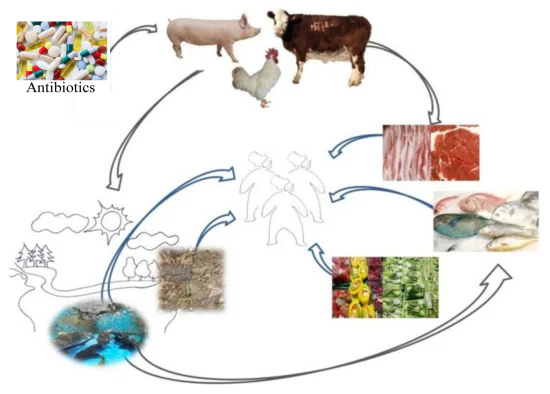
This phenomenon has end up a silent health danger during the coronavirus disorder 2019 (COVID-19) pandemic, as scientific wards increasingly more prescribe antibiotics to deal with secondary infections. The world fitness organization has expressed situation that this pandemic should severely undermine all efforts to lessen antibiotic resistance through the years [10]. At some point of the COVID-19 pandemic, hospitalizations, overstaffing, understaffing, and contamination control barriers have strained fitness structures, hampering sanatorium’s potential to track antibiotic-resistant infections [11, 12]. Consequently, with the big use of antibiotics in various fitness and agricultural sectors, antibiotic-resistant microorganisms are rising global, and this fashion is contemplated in lots of excessive-level microorganisms that threaten human fitness. To be this hassle is one of the fundamental threats to public fitness today, with the WHO estimating that the upward thrust of antimicrobial resistance could cause 10 million deaths by 2050 [13, 14]. Bacterial infections and resistant microorganisms can consist of long-term complications because of not on time antibiotic remedy, accelerated danger of infection for surgical patients, extended mortality, and expanded costs. Antibiotic resistance commonly happens at excessive rates in healthcare settings, frequently affecting immune-compromised sufferers, the aged or even younger sufferers who require clinical attention. The spread of antibiotic-resistant microorganism among patients in health care facilities often takes place via hospitals and transfers to hospitals, and if not contained or contained, it could unfold to the community [15, 16] (Figure 1).
Antibiotics had been one of the maximum vital discoveries that have changed the fine of human fitness via preventing existence-prolonging bacterial infections. But, antibiotic resistance compromises clinical improvement, shelf life, and secure food production. This phenomenon is exacerbated through the shrinking antibiotic pipeline, which has behind schedule the improvement and commercialization of latest antibiotics for the reason that 1990s [17, 18]. Despite the fact that new antibiotics are anticipated to provide a higher defense mechanism against pathogens, their efficacy may be brief-lived if overuse and misuse of antibiotics maintain [19]. Antibiotic resistance seemed quickly after it was approved for medical use. Two elements that make contributions to this phenomenon are retaining microorganism susceptible to antibiotics and permitting resistant bacteria to live on, and the activation of resistance genes that come to be volatile in bacteria because of antibiotic strain. Microorganism that grows under antibiotic stress will spread resistance genes to different hosts and may even persist in other groups [20]. Consequently, it’s miles essential to restrict using antibiotics in fitness care and agriculture to save you the incidence of multispecies bacterial infections [21]. A few resistant microorganisms are more likely to cause contamination in people, specifically Enterococcus spp, S. aureus, k. Acinetobacter baumannii, Pseudomonas aeruginosa, Enterobacter spp., and pneumoniae. They cross through the collective name escape and had been identified by using the WHO as antibiotic-resistant bacteria as a way to resource inside the hunt for, identification of, and introduction of novel antibiotics [22]. These bacteria are characterised with the aid of the improvement of high-level resistance to many tablets, thereby limiting remedy options and increasing morbidity and mortality. Studies have reported that escape bacteria and their resistant clones are energetic in hospitals and groups in advanced and growing countries. Due to suboptimal hygiene, contamination prevention and manage measures, and lack of surveillance and antimicrobial stewardship applications, the danger of resistant microorganism is increasing in growing countries [23, 24].
This file indicates high costs of isolation of methicillin- resistant Staphylococcus aureus (MRSA) in Cameroon (72%), South Africa (52%), Ethiopia (42.8%), Nigeria (29.6%) and Kenya (27.7%). Pilioli (16.8%) and Morocco (14.4%) [25, 26]. In 2008, the prevalence of acquired and MDR infections because of Enterobacteriaceae isolated from blood cultures in South Africa become fifty-seven.1% and 15.4%, respectively [27]. Similarly, infections resulting from carbapenemase-producing Klebsiella pneumoniae, metallo- β-lactamase-generating A. baumannii (MBL-AB), and metallo-β-lactamase-generating Pseudomonas aeruginosa (MBL-PA) are swiftly increasing and prolonged-spectrum beta-lactamase (ESBL)-producing Enterobacter species have been pronounced global [28, 29]. In Saudi Arabia, the prevalence of carbapenase-producing P. aeruginosa changed into 33%, of which 27% were MBL-producing bacteria, at the same time as in India, the prevalence of MB-generating P. aeruginosa become suggested to be 22.4%. Tertiary care health center in India [30, 31]. MDR-ESKAPE bacteria have been said to have a vast impact on clinic-received infections (HAIs), especially in-depth care gadgets (ICUs) in sufferers with diabetes, cancer, chronic lung disease, cardiovascular sickness, and kidney ailment [32]. The emergence and spread of these extraordinarily resistant bacteria in health center care centers may have critical health results and can preclude the remedy of infections in NCD patients [33, 34].
Mechanism of Antibiotic Resistance
It is not sudden that bacteria have evolved complicated drug resistance mechanisms to keep away from being killed by using antimicrobial molecules, which may also have advanced over millions of years. Notice, resistance to a class of microbes can typically be obtained via numerous biochemical pathways, and a unmarried bacterial cell can use a ramification of resistance mechanisms to survive the outcomes of an antibiotic [35]. for instance, resistance to fluoroquinolone (FQ) may be caused by three unique biochemical pathways, all of that may coexist inside the equal microorganism at a given time (additive consequences and regularly increase the level of resistance), i) Gene mutation, encoding the goal web site of FQs (DNA cyclase and topoisomerase IV), ii) Overexpression of an efficient pump that eliminates the drug from the cellular, and iii) safety of the goal website online of FQ via the Qnr protein (see below for info on every of these mechanisms). Then again, bacterial species seem to favor some resistance mechanisms over others. As an instance, the principle mechanism of resistance to β-lactam in gram-negative microorganism is the production of β-lactamase, whilst in gram-high quality organisms, resistance to this compound is particularly executed with the aid of adjustments inside the goal web page, protein that binds penicillin. (PBP) [35, 36]. This phenomenon is proposed to be related to big differences inside the mobile envelope among Gram-poor and Gram-tremendous. The presence of the outer membrane in the former permits to “manipulate” the entry of molecules into the periplasmic area. Indeed, most β-lactams require precise porins to attain PBPs located in the internal membrane. Consequently, bacterial cells manipulate the access of those molecules into the periplasmic space, consequently the manufacturing of β-lactamase in enough attention, suggesting kinetics favoring the destruction of antibiotic molecules. Conversely, this “cleavage” gain is absent in Gram-positive organisms, and β-lactamase production seems to achieve success in some scenarios (eg. staphylococcal penicillinase) [35, 36, 37] (Figure 2).
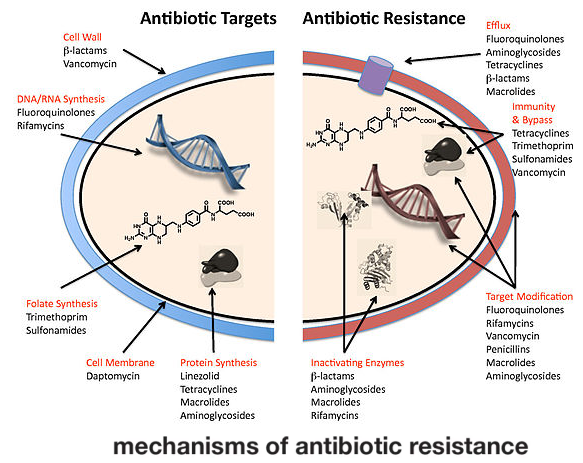
To provide a comprehensive classification of mechanisms of antibiotic resistance includes biochemical pathway such as: 1) adjustments in antimicrobial molecules, 2) inhibition of antibiotic concentrated on (decreased penetration of antimicrobial compounds) or lively diffusion, 3) resistance because of changes and/or turnover of goal web sites, iv) global cellular adaptation tactics; each of those mechanistic techniques entails precise biochemical pathways which might be designated in assessment chapters [38, 39, 40, 41]. Know- how the mechanism of motion of antibiotics is important to understand the powerful elements in resistance mechanisms. In preferred, there are five important working modes. Inhibition of enzymes required for peptidoglycan biosynthesis, nucleic acid synthesis, protein synthesis and metabolism, and subsequently destruction of the cytoplasmic membrane. Antibiotics paintings by way of one or more mechanisms. The mechanisms of action of the principal styles of antibiotics are summarized in determine 2 and Table 1 [42].
| Antimicrobial groups | Mechanism of action |
| β-lactams Carbapenams, Cephalosporins, Monobactams, Penicilins, Glycopeptides | Inhibit Cell Wall Synthesis |
| Bind to 30S Ribosomal subunit Aminoglycosides, Tetracyclines | Inhibit Protein Synthesis |
| Lipopeptides | Depolarize Cell Membrane |
| Quinolones: Fluoroquinolones | Inhibit Nucleic Acid Synthesis |
| Sulfonamides: Trimethoprim | Inhibit Metabolic Pathways |
Table 1: Antimicrobial Groups/Drugs based on mechanism of action.
Antimicrobial Resistance Effects on Clinical Outcomes
Antibiotic-resistant pathogens affect patient effects in a ramification of methods. Resistance genes can trade the fitness of bacterial pathogens and make them less pathogenic. The presence of resistance in bacterial pathogens can delay appropriate antimicrobial remedy. Antimicrobial remedies required to deal with resistant pathogens may be poisonous or inadequate.
The Impact of Resistance on Microbial Health
The relationship among antimicrobial resistance and microbial health varies relying on the microorganism, the sort of antibiotic remedy, and the mechanism of resistance [43]. In most instances, whilst mutations conferring resistance are related to decreased fitness, compensatory mutations reoccur. Resistant strains are determined in medical settings and may continue to exist and unfold efficiently, especially in high-density antibiotic environments along with medical facilities and day care centers. Consequently, they are well- tailored organisms and usually better than random selection of lines belonging to a appropriate species. However, to this point, no studies have validated an association among increased fitness and negative medical effects in organisms with resistance mutations [44].
The Impact of Resistance on Antimicrobial Therapy
Several studies have shown that powerful microbiological remedies frequently motive relapse, which can be related to destructive results [45, 46]. The difference between empiric treatment and subsequent susceptibility results for unique microorganisms is one of the most vital factors delaying effective treatment. as an instance, patients with Klebsiella pneumoniae and extended-spectrum beta- lactamase (ESBL)-producing Escherichia coli have been shown to be handled with antibiotics an average of 72 hours after contamination become suspected. Manipulate topics inflamed with Klebsiella pneumoniae and non-ESBL- producing E. coli lines have been given suitable antibiotics a mean of eleven.5 hours after suspected contamination [47]. Sufferers infected with ESBL-generating lines had longer health facility remains and better medical institution costs than manipulate subjects. Furthermore, the emergence of resistance all through remedy (which nearly usually takes place with patented pills) has been shown to have a extensive terrible impact on consequences [48]. Infections because of antimicrobial-resistant microorganisms additionally require more poisonous treatments and can result in damaging consequences. Colistin use for quite resistant Pseudomonas or Acinetobacter infections is associated with an elevated danger of renal failure [49]. In addition, a few tablets used to treat resistant strains are much less powerful than those used to deal with susceptible strains, together with Vancomycin, which treats deep-seated methicillin-resistant staphylococcus aureus (MRSA) infections [50]. As a result, sufferers with antibiotic-resistant bacteria frequently require surgical intervention to get rid of the infection. The mortality fee is excessive in infected sufferers who’re liable to surgical debridement [51].
Various Effects of Antimicrobial Resistance
The impact of antimicrobial resistance may be assessed from the perspectives of hospitals, third-celebration payers, sufferers, and groups [52]. Studies inspecting one factor might also underestimate the overall impact of antimicrobial resistance. Therefore, understanding the perspective of the research is critical for proper interpretation of the results.
Patient’s Point of View
Measuring the mortality price and duration of stay within the clinic can degree the short-term impact of resistance in affected patients. However, the oblique and lengthy-term effects of resistant infections may be vast. As an instance, sufferers with MRSA contamination who evolved new fever had been isolated and received empiric treatment with vancomycin no matter the absence of MRSA infection [53]. different patient-level effects that require further know-how encompass the lengthy-time period effect of resistant infections on destiny health, duration of health center live, and subsequent lack of work and circle of relatives time associated with restoration; it also includes mental consequences. Antibiotic resistance influences even patients who are not inflamed with resistant bacteria. Because of the increasing rate of resistance in commonplace pathogens, huge-spectrum pills are wanted for experimental remedy of many bacterial infections. These tablets are generally extra steeply-priced and extra effective at shielding the microbiome, however in a few cases they may be extra toxic or much less effective. For instance, 0.33-generation cephalosporins and fluoroquinolones are recommended for the treatment of hospitalized patients with community- obtained pneumonia, and slim-spectrum retailers together with penicillins have misplaced their application in treating commonplace infections. The populace stage reaches a positive restriction [47, 53].
Hospital Point of View
Medical institution views on the effects of resistance have regularly been studied. Due to the fact information on sanatorium-received morbidity, mortality, and costs related to antimicrobial resistance is comfortably to be had, hospitals are much more likely to enforce changes in response to information assessed at the hospital stage. Several currently posted researches have evaluated the effect of antibiotic resistance with the aid of assessing in-clinic mortality and length of clinic stay. Few researches have tested economic outcomes. Maximum posted studies show a courting among antibiotic resistance and destructive effects, with a 1.3- to 2-fold growth in mortality, morbidity, and fee in patients with resistant infections [48, 54, 55, 56].
Facing the Social and Economic Impact of AMR
AMR ought to be taken into consideration a public catastrophe, and therefore the domestic effect should be considered the finest societal difficulty. In this situation, making sure most desirable treatment for one patient and stopping exposure and transmission to other patients is a difficult venture in multidisciplinary care. In this context, it seems vital to mix excessive-degree public and private efforts to foster robust action at all tiers inside the combat against AMR [57]. For instance, the latest fall apart of Ahaogen (maker of plasmacin) highlighted the want for incentives for SMEs to participate in antimicrobial studies and improvement. Promote newly permitted antibiotics (do not discourage investors). This trouble has no simple answer (once more, because it requires each the use and upkeep of latest agents), and new sales fashions are being evaluated (eg, the drive-AB mission) [58, 59]. The primary subscription charge model (where pharmaceutical organizations pay a prematurely fee based totally on the amount of product used in preference to paying the NHS for the product) become these days brought within the UK [60].
In addition to the critical role of monetary issues in optimizing antimicrobial drug improvement, evaluation of the monetary impact of potential fitness or community- based methods against AMR is largely underrepresented, as to be had financial estimates range widely. on this context, we would like to proportion our private reports and talk what we don’t forget to be important and common determinants: the reliability of economic models and the effectiveness of interventions towards AMR and/or we would really like to attract the reader’s interest to the opportunity ensure of increasing measured outcomes, clinical effects [61, 62]. In different words, we first want to know whether contamination control/antimicrobial surveillance interventions genuinely reduce the threat of colonization/contamination with resistant microorganism or boom affected person outcomes (eg, survival) associated with antibiotic use. As an example, we currently tested the healing implications of the usage of rapid microbiological checks to decide the type of bloodstream contamination caused by MDR-GNB [63, 64]. The capability impact of such exams on affected person fitness is of extremely good importance as it may are expecting the prognosis, treatment and contamination control of patients with MDR-GNB bloodstream infection (BSI). However, a few studies have proven the ability scientific and economic benefits of reducing diagnostic turnaround time (eg, transfusion time for pathogen identification and/ or phenotypic/molecular antibiogram) in sure instances. We recognize you are weighing the advantages, does no longer take into account the have an impact on of nearby existence variables. Indeed, several realistic elements can influence the actual advantages in terms of scientific results, antibiotic use, and value-effectiveness of speedy tests in real-existence and distinct settings. (i) Local microbial epidemiology; (ii) distinctive resistance mechanisms are well-known domestically; (iii) Empirical protocols of topical antimicrobial therapy; (iv) Availability of laboratory personnel for night and weekend shifts [64]. On the other hand, estimating the ability microeconomic or macroeconomic advantages of rapid microbiological trying out in medical practice without contemplating the affect of those real-life elements and variations in regions and facilities will lead to a enormous danger of version inaccuracy [57, 64].
Strategies to Combat AMR
Many strategies were proposed to address this growth in AMR, maximum of which have been carried out in advanced international locations [65]. Prevention despite the fact that some preventive measures were applied in international locations, no development has been made, gaps continue to be huge and statistics are missing in kids [66]. AMR is aware of no real border and is regularly turning into a international fitness trouble that threatens the populace of excessive-, medium-, and coffee-danger international locations. The environment, meals manufacturing, poverty, health protection and the fulfillment of the united international locations Sustainable improvement dreams (SDGs) may be affected, highlighting the need for multisectoral health strategies to save you AMR [67].
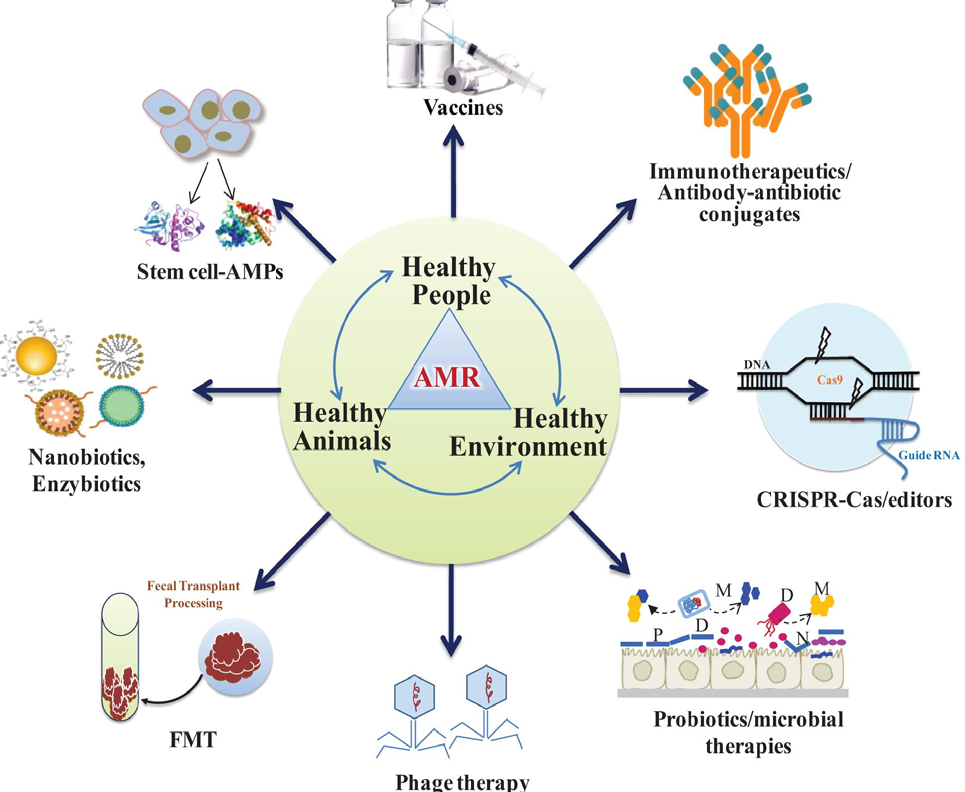
Improved AMR frequency is specially important in veterinary and medical settings when it comes to ESKAPEE clinically essential pathogens (enteric microorganism spp., St. aureus, the microorganism Klebsiella pneumoniae, a stress of Acinetobacter baumannii, P. aeruginosa, amongst others, Enterobacter spp., and Escherichia coli). It exerts sizeable strain. it’s far presently a few of the international’s most pressing fitness problems [68, 69]. Furthermore, in the context of 1 fitness, the impact of the discharge of AMR microorganism from meals animals could have a first-rate effect on animal health and public fitness [70]. thinking about the effect of AMR microorganism on global health and the need for brand spanking new antibiotics to prevent and deal with MDR, XDR and PDR infections even if “remaining- line antibiotics” are ineffective in scientific exercise, a new method for it has been introduced [71] (Figure 3).
Various alternative strategies in this category:
- Targeting antimicrobial-resistant enzymes;
- Targeting antimicrobial-resistant bacteria;
- Drug delivery systems;
- Physiochemical methods; and
- Unconventional strategies.
![Figure 3: Alternative strategies to combat antimicrobial resistance (AMR) [72].](/fulltextimages/12557/fig_3.png)
Non-alternative Strategies to Combat Antibiotic- resistant Pathogens
There may be a want to develop more secure and extra effective non-antibiotic techniques in opposition to infectious pathogens in human beings and livestock. future opportunity techniques consist of the usage of bacteriophages, antimicrobial peptides (AMPs) or bacteriocins, antimicrobial marketers, Faecal microbiota transplantation (FMT) and genetically engineered probiotics and postbiotics [73]
(Figure 4). In this context, research should also be carried out to locate best objectives for brand new inhibitory molecules, along with bacterial secretion systems or two-aspect structures. Bacterial secretion systems are extraordinarily specialised nanomechanical structures, much like “nanosingers”, which could deliver substances directly into eukaryotic cells. This makes them very ideal tools for nanotherapeutics and targeted drug shipping structures. From the six regarded families (secretion systems I–VI), best sorts III, IV, and VI were proven to facilitate direct shipping into the cytoplasm of goal cells [74]. Such centered delivery of antimicrobial agents can gradual the development of antimicrobial resistance. Furthermore, the type III bacterial secretion system (T3SS) is important within the pathogenesis of many Gram-bad microorganism and is consequently an appealing target for antimicrobial drug development. Alternatively, -element systems are bacterial-precise global regulatory factors required for growth and pathogenicity. Their absence in eukaryotic cells makes them attractive objectives for destiny antimicrobial sellers. Numerous TCSs involved within the mobile cycle and mobile envelope integrity had been recognized and shown to be novel antimicrobial objectives to reduce MDR [75].
Impact of AMR on Cancer Outcomes
AMR undermines crucial development in most cancers remedy by using adversely affecting treatment effects and jeopardizing the safety of human beings living with cancer. In recent a long time, substantial development has been made in the treatment of cancer, with extensive advances in surgical operation, radiotherapy and medication, including new immunotherapies. The good sized and developing threat of drug-resistant bacteria undermines all the above-stated efforts in cancer remedy [76]. Human beings with cancer are more vulnerable to infections due to a weakened immune machine, surgical operation and remedies together with bone marrow transplants, radiotherapy and chemotherapy put top notch stress at the immune device [77]. Approximately 1 in five most cancers sufferers are hospitalized because of an infection, and antibiotics are the principle treatment. Pneumonia and sepsis (because of bacterial infection of the blood) are the most common reasons for admission to the extensive care unit for most cancers sufferers. In truth, it is envisioned that 8.5% of most cancers deaths are resulting from excessive sepsis [77, 78]. Antibiotics are an critical and crucial a part of most cancers treatment - many sufferers need to take them and for his or her advantage, it is essential to control the usage of these pills and overcome this disaster [79].
Conclusion
The devastating effect of antibiotic resistance is clear by way of the sudden boom inside the quantity of cases in which microorganism are immune to typically prescribed antibiotics in clinical practice. Although the superiority of bacterial resistance is growing, there is limited statistics at the impact of this hassle on the fitness and economic consequences of the clinical network. At this degree, studies are wanted to assess the effect of resistance on the network stage and increase techniques to calculate the severity of infection in sufferers. It’s far vital to enforce interventions that could improve outcomes in continual infections. Those measures encompass a persisted consciousness on preventing the emergence and spread of resistance through the rational use of antibiotics and suitable infection manipulate measures.
AMR is a developing public health problem international and an important issue inside the management of most cancers patients. Due to the immunosuppressive nature of chemotherapy, infections are a not unusual hardship and overuse of antibiotics increases the hazard of AMR.
References
-
Beceiro A, Tomas M, Bou G (2013) Antimicrobial resistance and virulence: a successful or deleterious association in the bacterial world? Clin Microbiol Rev 26(2): 185-230.
-
Founou RC, Founou LL, Essack SY (2017) Clinical and economic impact of antibiotic resistance in developing countries: A systematic review and meta-analysis. Plos One 12(12): e0189621.
-
(2019) Antibiotic resistance: A global threat features CDC.
-
Prestinaci F, Pezzotti P, Pantosti A (2015) Antimicrobial resistance: A global multifaceted phenomenon. Pathog Glob Health 109(7): 309-318.
-
Chokshi A, Sifri Z, Cennimo D, Horng H (2019) Global Contributors to Antibiotic Resistance. J Glob Infect Dis 11(1): 36-42.
-
(2017) Surveillance of Antimicrobial Resistance in Europe.
-
Shrestha P, Cooper BS, Coast J, Oppong R, Thuy NDT, et al. (2018) Enumerating the economic cost of antimicrobial resistance per antibiotic consumed to inform the evaluation of interventions affecting their use. Antimicrobial Resist Infect Control 7(1): 98.
-
Llor C, Bjerrum L (2014) Antimicrobial resistance: risk associated with antibiotic overuse and initiatives to reduce the problem. Ther Adv Drug Saf 5(6): 229-241.
-
(2013) Antibiotic resistance threats in the United States.
-
Getahun H, Smith I, Trivedi K, Paulin S, Balkhy HH (2020) Tackling antimicrobial resistance in the COVID-19 pandemic. Bull World Health Organ 98(7): 442- 442A.
-
Afshinnekoo E, Bhattacharya C, Burguete-Garcia A, Castro-Nallar E, Deng Y, et al. (2021) COVID-19 drug practices risk antimicrobial resistance evolution. Lancet Microbe 2(4): e135-e136.
-
Livermore DM (2021) Antibiotic resistance during and beyond COVID-19. JAC Antimicrob Resist 3(Suppl 1): i5- i16.
-
Kraker MEA, Stewardson AJ, Harbarth S (2016) Will 10 million people die a year due to antimicrobial resistance by 2050? PLoS Med 13(11): e1002184.
-
Pulingam T, Thong KL, Appaturi JN, Nordin NI, Dinshaw IJ, et al. (2020) Synergistic antibacterial actions of graphene oxide and antibiotics towards bacteria and the toxicological effects of graphene oxide on human epidermal keratinocytes. Eur J Pharm Sci 142: 105087.
-
Farr BM, Salgado CD, Karchmer TB, Sherertz RJ (2001) Can antibiotic-resistant nosocomial infections be controlled? Lancet Infect. Dis 1(1): 38-45.
-
Suleyman G, Alangaden G, Bardossy AC (2018) The role of environmental contamination in the transmission of nosocomial pathogens and healthcareassociated infections. Curr Infect Dis Rep 20(6): 12.
-
Lewis K (2012) Antibiotics: recover the lost art of drug discovery. Nature 485(7399): 439-440.
-
Singer AC, Kirchhelle C, Roberts AP (2020) Internationalizing the antibiotic research and development pipeline. Lancet Infect Dis 20(2): e54-e62.
-
Lee CR, Cho IH, Jeong BC, Lee SH (2013) Strategies to minimize antibiotic resistance. Int J of Environ Res Public Health 10(9): 4274-4305.
-
Levy SB, Marshall B (2004) Antibacterial resistance worldwide: causes, challenges and responses. Nat Med 10: S122-S129.
-
Pulingam T, Parumasivam T, Gazzali AM, Sulaiman AM, Chee JY, et al. (2022) Antimicrobial resistance: Prevalence, economic burden, mechanisms of resistance and strategies to overcome. EJPS 170: 106103.
-
WHO (2017) Global Priority List of Antibiotic-Resistance Bacteria to Guide Research, Discovery, and Development of New Antibiotics.
-
Ardal C, Outterson K, Hoffman SJ, Ghafur A, Sharland M, et al. (2016) International cooperation to improve access to and sustain effectiveness of antimicrobials. Lancet 387(10015): 296-307.
-
Founou LL, Founou RC, Essack SY (2016) Antibiotic Resistance in the Food Chain: A Developing Country Perspective. Front Microbiol 7: 1881.
-
Kejela T, Bacha K (2013) Prevalence and antibiotic susceptibility pattern of methicillin-resistant Staphylococcus aureus (MRSA) among primary school children and prisoners in Jimma Town, Southwest Ethiopia. Annals of Clinical Microbiology and Antimicrobials 12:11.
-
Perovic O, Iyaloo S, Kularatne R, Lowman W, Bosman N, et al. (2015) Prevalence and Trends of Staphylococcus aureus Bacteraemia in Hospitalized Patients in South Africa, 2010 to 2012: Laboratory-Based Surveillance Mapping of Antimicrobial Resistance and Molecular Epidemiology. PLoS One 10(12): e0145429.
-
Perovic O, Koornhof HJ, Crewe-Brown HH, Duse AG, Nierop WV, et al. (2008) Pseudomonas aeruginosa bacteraemia in an academic hospital in South Africa. South African medical journal Suid-Afrikaanse tydskrif vir geneeskunde 98(8): 626-632.
-
Perovic O, Britz E, Chetty V, Singh-Moodley A (2016) Molecular detection of carbapenemase-producing genes in referral Enterobacteriaceae in South Africa: A short report. S Afr Med J 106(10): 975-977.
-
Rajagunalan S, Chakraborty S, Dhama K, SV S (2013) Antibiotic resistance -an emerging health problem: causes, worries, challenges and solutions- A review antibiotic resistance-an emerging health problem: causes, worries, challenges and solutions. Inter J Curr Res 5(7): 1880-1892.
-
Slavcovici A, Maier C, Radulescu A (2015) Antimicrobial Resistance of ESKAPE-pathogens in Culture-Positive Pneumonia. Farmacia 63(2): 201-205.
-
Kali A, Srirangaraj S, Kumar S, Divya HA, Kalyani A, et al. (2013) Detection of metallo-beta-lactamase producing Pseudomonas aeruginosa in intensive care units. Australas Med J 6(12): 686-693.
-
Costa PO, Atta EH, Silva AR (2015) Infection with multidrug-resistant gram-negative bacteria in a pediatric oncology intensive care unit: risk factors and outcomes. J Pediatr (Rio J) 91(5): 435-441.
-
Jasovsky D, Littmann J, Zorzet A, Otto C (2016) Antimicrobial resistance-a threat to the world’s sustainable development. Ups J Med Sci 121: 159-164.
-
Kelly BG, Vespermann A, Bolton DJ (2009) The role of horizontal gene transfer in the evolution of selected foodborne bacterial pathogen. Food and Chemical Toxicology 47(5): 951-968.
-
Munita JM, Arias CA (2016) Mechanisms of Antibiotic Resistance. Microbiol Spectr 4(2).
-
DiazGranados CA, Zimmer SM, Klein M, Jernigan JA (2005) Comparison of mortality associated with vancomycin- resistant and vancomycin-susceptible enterococcal bloodstream infections: A meta-analysis. Clin Infect Dis 41(3): 327-333.
-
Nannini EC, Singh KV, Arias CA, Murray BE (2013) In vivo effect of cefazolin, daptomycin, and nafcillin in experimental endocarditis with a methicillin- susceptible Staphylococcus aureus strain showing an inoculum effect against cefazolin. Antimicrob Agents Chemother 57(9): 4276-4281.
-
Wilson DN (2014) Ribosome-targeting antibiotics and mechanisms of bacterial resistance. Nat Rev Microbiol 12(1): 35-48.
-
Pagès JM, James CE, Winterhalter M (2008) The porin and the permeating antibiotic: a selective diffusion barrier in Gram-negative bacteria. Nat Rev Microbiol 6(12): 893- 903.
-
Connell SR, Tracz DM, Nierhaus KH, Taylor DE (2003) Ribosomal protection proteins and their mechanism of tetracycline resistance. Antimicrob Agents Chemother 47(12): 3675-3681.
-
Pogliano J, Pogliano N, Silverman JA (2012) Daptomycin- mediated reorganization of membrane architecture causes mislocalization of essential cell division proteins. J Bacteriol 194(17): 4494-4504.
-
Bjorkman J, Andersson DI (2000) The cost of antibiotic resistance from a bacterial perspective. Drug Resist Updat 3(4): 237-245.
-
Bjorkman J, Nagaev I, Berg OG, Hughes D, Andersson DI (2000) Effects of environment on compensatory mutations to ameliorate costs of antibiotic resistance. Science 287(5457): 1479-1482.
-
Ibrahim EH, Sherman G, Ward S, Fraser VJ, Kollef MH (2000) The influence of inadequate antimicrobial treatment of bloodstream infections on patient outcomes in the ICU setting. Chest 118: 146-155.
-
Kollef MH, Sherman G, Ward S, Fraser VJ (1999) Inadequate antimicrobial treatment of infections: a risk factor for hospital mortality among critically ill patients. Chest 115(2): 462-474.
-
Lautenbach E, Patel JB, Bilker WB, Edelstein PH, Fishman NO (2001) Extended-spectrum b-lactamase–producing Escherichia coli and Klebsiella pneumoniae: risk factors for infection and impact of resistance on outcomes. Clin Infect Dis 32: 1162-1171.
-
Carmeli Y, Troillet N, Karchmer AW, Samore MH (1999) Health and economic outcomes of antibiotic resistance in Pseudomonas aeruginosa. Arch Intern Med 159(10): 1127-1132.
-
Cosgrove SE, Kaye KS, Eliopoulous GM, Carmeli Y (2002) Health and economic outcomes of the emergence of third- generation cephalosporin resistance in Enterobacter species. Arch Intern Med 162(2): 185-190.
-
Levin AS, Barone AA, Penço J, Santos MV, Marinho IS, et al. (1999) Intravenous colistin as therapy for nosocomial infections caused by multidrug-resistant Pseudomonas aeruginosa and Acinetobacter baumannii. Clin Infect Dis 28: 1008-1011.
-
Levine DP, Fromm BS, Reddy BR (1991) Slow response to vancomycin or vancomycin plus rifampin in methicillin- resistant Staphylococcus aureus endocarditis. Ann Intern Med 115(9): 674-680.
-
Harris A, Torres-Viera C, Venkataraman L, DeGirolami P, Samore M, et al. (1999) Epidemiology and clinical outcomes of patients with multiresistant Pseudomonas aeruginosa. Clin Infect Dis 28(5): 1128-1133.
-
McGowan JE Jr (2001) Economic impact of antimicrobial resistance. Emerg Infect Dis 7: 286-292.
-
Cosgrove S, Carmeli Y (2003) The Impact of Antimicrobial Resistance on Health and Economic Outcomes. CID 36(11): 1433-1437.
-
Carmeli Y, Eliopoulos G, Mozaffari E, Samore M (2002) Health and economic outcomes of vancomycin-resistant enterococci. Arch Intern Med 162(19): 2223-2228.
-
Cosgrove SE, Perencevich EN, Sakoulas G, Schwaber MJ, Karchmer AW, Carmeli Y. Comparison of mortality related to methicillin-resistant and methicillin-susceptible Staphylococcus aureus bacteremia: a metaanalysis. Clin Infect Dis 36(1): 53-59.
-
Holmberg SD, Solomon SL, Blake PA (1987) Health and economic impacts of antimicrobial resistance. Rev Infect Dis 9(6): 1065-1078.
-
Bassetti M, Giacobbe DR (2020) A look at the clinical, economic, and societal impact of antimicrobial resistance in 2020. Expert Opinion on Pharmacotherapy 21(17): 2067-2071.
-
Innovative Medicine Inititative (2018) Revitalizing the antibiotic pipeline: Stimulating innovation while driving sustainable use and global access.
-
Årdal C, Balasegaram M, Laxminarayan R, McAdams D, Outterson K, et al. (2020) Antibiotic development – economic, regulatory and societal challenges. Nat Rev Microbiol 18(5): 267-274.
-
Mahase E (2020) UK launches subscription style model for antibiotics to encourage new development. BMJ 369: m2468.
-
OECD and ECDC (2019) Antimicrobial resistance: Tackling the burden in the European Union.
-
(2016) Review on antimicrobial resistance. Antimicrobial resistance: Tackling a crisis for the health and wealth of nations.
-
Gandra S, Barter DM, Laxminarayan R (2014) Economic burden of antibiotic resistance: how much do we really know? Clin Microbiol Infect 20(10): 973-980.
-
Giacobbe DR, Giani T, Bassetti M, Marchese A, Viscoli C, et al. (2020) Rapid microbiological tests for bloodstream infections due to multidrug resistant Gram-negative bacteria: therapeutic implications. Clin Microbiol Infect 26(6): 713-722.
-
Eurosurveillance Editorial Team (2015) WHO member states adopt global action plan on antimicrobial resistance. Euro Surveill 20(21): 21137.
-
Hammoud MS, Al-Taiar A, Thalib L, Al-Sweih N, Pathan S, et al. (2012) Incidence, aetiology and resistance of late- onset neonatal sepsis: a five-year prospective study. J Paediatr Child Health 48(7): 604-609.
-
Jee Y, Carlson J, Rafai E, Musonda K, Huong TTG, et al. (2018) Antimicrobial resistance: A threat to global health. Lancet Infect. Dis 18(9): 939-940.
-
Ansari S, Hays JP, Kemp A, Okechukwu R, Murugaiyan J, et al. (2021) The potential impact of the COVID-19 pandemic on global antimicrobial and biocide resistance: An AMR Insights global perspective. JAC Antimicrob Resist 3(2): dlab038.
-
Hay SI, Rao PC, Dolecek C, Day NPJ, Stergachis A, et al. (2018) Measuring and mapping the global burden of Antimicrobial resistance. BMC Med 16(1): 78.
-
Bengtsson B, Greko C (2014) Antibiotic resistance- Consequences for animal health, welfare, and food production. Upsala J. Med Sci 119(2): 96-102.
-
Mulani MS, Kamble EE, Kumkar SN, Tawre MS, Pardesi KR (2019) Emerging Strategies to Combat ESKAPE Pathogens in the Era of Antimicrobial Resistance: A Review. Front. Microbiol 10: 539.
-
Murugaiyan J, Kumar PA, Rao GS, Iskandar K, Hawser S, et al. (2022) Progress in Alternative Strategies to Combat Antimicrobial Resistance: Focus on Antibiotics. Antibiotics 11(2): 200.
-
Kadouri DE, To K, Shanks RM, Doi Y (2013) Predatory bacteria: a potential ally against multidrug-resistant Gram-negative pathogens. PLoS One 8(5): e63397.
-
Walker BJ, Stan GVN, Polizzi KM (2017) Intracellular delivery of biologic therapeutics by bacterial secretion systems. Exp Rev Mol Med 19: e6.
-
Cardona ST, Choy M, Hogan AM (2018) Essential Two- Component Systems Regulating Cell Envelope Functions: Opportunities for Novel Antibiotic Therapies. J Membr Biol 251(1): 75-89.
-
Hoag J (2016) Oncology Critical Care.
-
Rolston KVI (2017) Infections in cancer patients with solid tumors: a review. Infect Dis Ther 6(1): 69-83.
-
Bratti VF, Wilson BE, Fazelzad R, Pabani A, Zurn SJ, et al. (2023) Scoping review protocol on the impact of antimicrobial resistance on cancer management and outcomes. BMJ Open 13(2): e068122.
-
Wilson BE, Routy B, Nagrial A, Chin VT (2020) The effect of antibiotics on clinical outcomes in immune- checkpoint blockade: A systematic review and meta- analysis of observational studies. Cancer Immunol Immunother 69(3): 343-354.
- Gallic and Citric Acid Present in the Peels of Tropical Fruits as an Alternative in the Fight against Cancer
- Treating the Forehead Lines with Combination of Forehead and Glabellar Botulinum Toxin Among Japanese Patients
- Clinical Evaluation of Patients Suffering from Breast Cancer & Determination of Treatment Therapies and Better Strategies Related to Breast Cancer
- Medieval Recipes by Al-Zahrāwī for Heart Palpitations Treatment
- Etiology and Prescription Errors of Myocardial Infarction in Different Health Care Systems of Azad Kashmir
- Early Diagnosis and Multidisciplinary Management of Turner Syndrome: A Paediatric Case Study