
Topic: Genes on your Plate: How Diet Alters Epigenetic Patterns
Epigenetics is the study of heritable changes in gene expression that do not involve alterations in the DNA sequence itself. These changes can be influenced by various factors, including age, lifestyle, diseases, and diet. Nutrients, notably, play an indispensable role in shaping epigenetic processes through a multitude of mechanisms. This comprehensive review, sheds light on the profound impact of specific nutrients, vitamins such as Folate and B12, plant-based polyphenols such as resveratrol, Omega-3 fatty acids such as docosahexaenoic acid (DHA), and the influence of high-fat diets on the intricate realm of epigenetics. Epigenetics plays a vital role in gene regulation, and nutrients have a significant impact on these epigenetic processes. Understanding these mechanisms can have implications for various health conditions, including cancer, cardiovascular disease, neurodegenerative diseases, and obesity-related disorders.
Introduction
Epigenetics is the examination of heritable alterations in sequence expression that do not require modifications to the basic DNA sequence i.e. the result at the phenotype without a change in genotype. Epigenetics changes in gene expression that occur without changes to the underlying DNA sequence. These changes are mediated by epigenetic markers such as DNA methylation, histone modifications, and non-coding RNAs, which can be influenced by age, environmental factors including lifestyle, diseases and diet.
Nutrients can change epigenetics in several ways. These changes are mediated by epigenetic marks such as DNA methylation, histone modifications, and non-coding RNAs. The following are some of the mechanisms by which nutrients can affect epigenetics:
- DNA methylation: DNA methylation is the process by which a methyl group is added to a cytosine residue in DNA. This epigenetic mark can affect gene expression by silencing genes or preventing their transcription. Certain nutrients, such as folate, vitamin B12, and choline, are important methyl donors that can influence DNA methylation patterns. For example, folate and vitamin B12 are required for the remethylation of homocysteine to methionine, which is a precursor to S-adenosylmethionine (SAM), the primary methyl donor in cells. Deficiencies in these nutrients can lead to altered DNA methylation patterns and an increased risk of diseases such as cancer and cardiovascular disease.
- Histone modifications: Histones are proteins that package DNA into chromatin. Modifications to histones can affect gene expression by altering the accessibility of DNA to transcription factors and RNA polymerase. Certain nutrients, such as polyphenols found in fruits and vegetables, can modulate histone modifications. For example, resveratrol, a polyphenol found in grapes and wine, has been shown to increase acetylation of histones, which can enhance gene expression.
- Non-coding RNAs: Non-coding RNAs are RNA molecules that do not code for proteins but have regulatory functions in the cell. Certain nutrients, such as omega-3 fatty acids, can affect the expression of non-coding RNAs. For example, docosahexaenoic acid (DHA), an omega-3 fatty acid found in fish and seafood, has been shown to regulate the expression of microRNAs, a type of non- coding RNA that can regulate gene expression. A balanced and varied diet that includes a variety of nutrients is important for maintaining epigenetic stability and reducing the risk of chronic diseases.
Folate and B12 Are Required for the Remethylation of Homocysteine to Methionine
Folate and B12 are important vitamins with physiological roles in health and disease. These nutrients are crucial in the remethylation of homocysteine to methionine, which is critical for the maintenance of normal DNA methylation patterns and other important cellular functions. Folate can be found in leafy greens (spinach, Kale) legumes, citrus fruits, avocados asparagus, etc and Vitamin B12 can be found in animal based food (meat, fish) dairy products, eggs etc. During the remethylation process, folate, as 5-methyltetrahydrofolate, provides a methyl group to homocysteine with the assistance of vitamin B12, which serves as a coenzyme for methionine synthase (Figure 1). This enzyme facilitates the transfer of the methyl group from folate to homocysteine, forming methionine. Methionine can then be converted into S-adenosylmethionine (SAM), a universal methyl donor for a variety of methylation reactions in the body. Deficiencies in folate or vitamin B12 disrupt this pathway, often leading to elevated homocysteine levels, which can have adverse health effects, especially in aging populations.
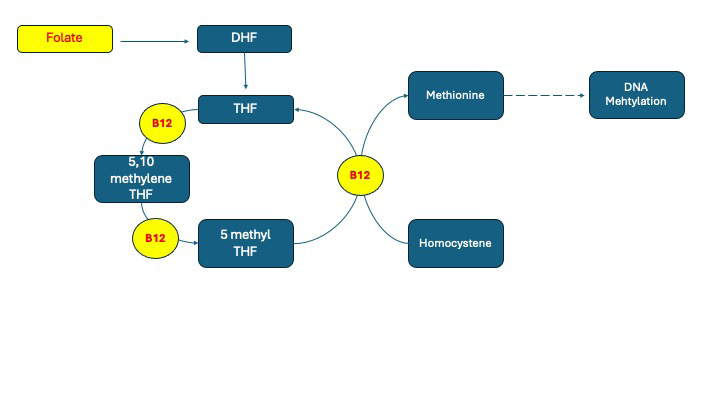
A study assessed the dietary intake and status of folate and vitamin B12 among Quebecers using data from the 2015 Quebec Food Consumption Survey. The authors found that the majority of participants had intakes of folate and vitamin B12 that met or exceeded recommended dietary intakes. However, they also found that a small proportion of participants had a low vitamin B12 status, which could impact the remethylation of homocysteine to methionine [1]. It has been found that there is a correlation between vitamin status and homocysteine levels in an elderly population. In this study the low vitamin B12 and folate status were strongly associated with elevated homocysteine levels, indicating impaired remethylation of homocysteine to methionine [2, 3]. These studies support the importance of folate and vitamin B12 in the remethylation of homocysteine to methionine, which is necessary for normal cellular function and health.
Polyphenols Can Modulate Histone Modifications
Polyphenols are a class of bioactive compounds found in plant-based foods, such as fruits, vegetables, tea leaves, and coffee beans. Emerging evidence suggests that polyphenols can modulate histone modifications, which can have important implications for gene expression and cellular function. Epigallocatechin gallate (EGCG), a green tea polyphenol, modulates histone modifications. EGCG inhibits the activity of histone deacetylases (HDACs), which are enzymes that remove acetyl groups from histones and repress gene expression. By inhibiting HDAC activity, EGCG can increase histone acetylation and enhance gene expression [4]. In 2007 Braidy, et al. [5] discussed the potential therapeutic applications of resveratrol, a polyphenol found in skin of red grapes, berries and other foods such as peanuts. The authors describe how resveratrol can modulate histone acetylation and methylation, which can affect gene expression and cellular function. They also suggest that resveratrol’s effects on histone modifications may contribute to its neuroprotective properties and potential as a treatment for Alzheimer’s disease [5]. Resveratrol and its ability to modulate histone acetylation directly benefits potential cardiovascular health. The authors describe how resveratrol can activate the histone acetyltransferase enzyme, which leads to increased histone acetylation and enhanced gene expression of protective genes. The protective role of resveratrol, a natural polyphenolic compound was found in various plant species, in endothelial cells against oxidative stress induced by hypoxia and reoxygenation. Resveratrol has a potential role in regulating autophagy and mitochondrial function in endothelial cells under hypoxic and reoxygenation conditions. Resveratrol has the potential to be a therapeutic agent for the prevention and treatment of various cardiovascular diseases, including ischemic heart disease, stroke, and atherosclerosis. However, further research is needed to fully understand the molecular mechanisms underlying the protective effects of resveratrol and to optimize its use in clinical practice [6]. Resveratrol treatment increased histone acetylation and enhanced the expression of antioxidant and anti-inflammatory genes, which contributed to the protective effects of resveratrol against oxidative stress. This study investigated the effects of resveratrol on atrial fibrillation (AF), a common heart rhythm disorder. The authors found that resveratrol treatment increased histone acetylation in the atria, which led to enhanced expression of genes involved in oxidative stress defense and decreased incidence of AF.
Resveratrol exerts its antioxidant and anti-inflammatory effects through multiple signaling pathways, including the activation of sirtuins, the inhibition of NF-κB signaling, and the modulation of the Nrf2-Keap1-ARE pathway. Nrf2, a transcription factor regulates antioxidant and detoxification genes, and plays a major role in in protecting against central nervous system diseases [7]. Certain polyphenols, such as curcumin (found in turmeric) and resveratrol, can activate Nrf2 and enhance histone acetylation, which can lead to increased expression of Nrf2-regulated genes and neuroprotection.
Overall, resveratrol can enhance histone acetylation and gene expression of protective genes in various cells and tissues, which may contribute to its potential health benefits. Polyphenols can modulate histone modifications, which can affect gene expression and cellular function. Further research is needed to fully elucidate the mechanisms by which polyphenols affect histone modifications and to identify specific polyphenols that may have therapeutic applications in various diseases.
Omega-3 Fatty Acids, Can Affect the Expression Of Non-Coding Rnas
Omega-3 fatty acids, also known as n-3 polyunsaturated fatty acids, have been shown to have various health benefits, including anti-inflammatory and cardio-protective effects. Recent research has also demonstrated that omega-3 fatty acids can affect the expression of non-coding RNAs, which play important roles in gene regulation and cellular processes [8]. The effects of omega-3 polyunsaturated fatty acid- derived exosomes on tumor angiogenesis is well studied. The exosomes containing non-coding RNAs, including miRNAs and lncRNAs, are able to inhibit angiogenesis and tumor growth. The anti-angiogenic effects of omega-3 fatty acids may be mediated, in part, through the modulation of non- coding RNA expression [9]. Omega-3 polyunsaturated fatty acids influences the cell growth of hepatocellular carcinoma. The Omega-3 fatty acids inhibit cell proliferation and induced cell cycle arrest by modulating the expression of miR-181a- 5p, a non-coding RNA that regulates cell proliferation, and its target gene TIMP3. The anti-cancer effects of omega-3 fatty acids may be mediated through the regulation of non-coding RNA expression. The effects of omega-3 polyunsaturated fatty acid supplementation on microRNA expression and DNA methylation patterns in patients with chronic lymphocytic leukemia (CLL) has been studied. It has been found that omega-3 fatty acid supplementation induced changes in microRNA expression and DNA methylation patterns, which were associated with improved clinical outcomes. These effects may be mediated, in part, through the modulation of non-coding RNA expression [10]. Docosahexaenoic acid (DHA) is a type of omega-3 fatty acid found in fatty fish and fish oil supplements. It has been reported to have various health benefits, including anti-inflammatory and neuroprotective effects. Recent studies have also demonstrated that DHA can regulate the expression of microRNAs, which play important roles in gene regulation and cellular processes [11]. The effects of DHA on gene expression in mice adipose and liver tissues in vivo and in human adipocytes cultured in vitro is well known. DHA alters the expression of various genes, including those involved in lipogenesis and lipolysis. Further, DHA regulates the expression of miR-103, a microRNA that regulates lipid metabolism, both in vivo and in vitro. The effects of DHA on gene expression may be mediated, in part, through the regulation of miR-103 [12]. Further the effect of omega-3 polyunsaturated fatty acids on microRNA expression in hepatocellular carcinoma (HCC) cells. DHA and eicosapentaenoic acid (EPA), another omega-3 fatty acid, inhibited cell proliferation and induced cell cycle arrest by regulating the expression of miR-181a-5p and its target gene TIMP3. This finding suggested that the anti-cancer effects of omega-3 fatty acids may be mediated, in part, through the regulation of miR-181a-5p. Overall, these studies suggest that DHA can regulate the expression of microRNAs, including miR-103, miR-146a, and miR-181a-5p, which play important roles in gene regulation. In regard to the role of DHA-derived neuroprotectin D1 (NPD1) in neural cell survival and Alzheimer’s disease (AD), NPD1 increased the expression of miR-146a, a microRNA that regulates inflammation and immune responses, in human brain cells. NPD1 protected against oxidative stress and cell death in human brain cells and in a mouse model of AD. The neuroprotective effects of NPD1 mediates, in part, through the regulation of miR-146a [9].
Overall, these studies suggest that omega-3 polyunsaturated fatty acids can affect the expression of non- coding RNAs, including miRNAs and lncRNAs, which play important roles in gene regulation and cellular processes. However, further research is needed to fully understand the mechanisms by which omega-3 fatty acids modulate non-coding RNA expression and their potential clinical applications.
The Impact of High-Fat Diet on DNA Methylation Patterns and its Implications for Obesity and Metabolic Dysfunction
DNA methylation refers to the addition of a methyl group to the DNA molecule, which can affect gene expression by inhibiting the binding of transcription factors and other regulatory proteins to the DNA. A study has shown the effects of a high-fat diet on DNA methylation in mice. The researchers found that mice fed a high-fat diet had decreased levels of a protein called DNA methyltransferase 1 (DNMT1), which is responsible for maintaining DNA methylation patterns during DNA replication. Decrease in DNMT1 was associated with changes in DNA methylation patterns, particularly in genes related to metabolism and inflammation [13]. Another study published in the journal Nutrients investigated the effects of a high-fat diet on DNA methylation in human subjects. The study showed that healthy young men who consumed a high- fat diet for six weeks had decreased DNMT1 protein levels in their white blood cells. This was accompanied by changes in DNA methylation patterns in several genes involved in lipid metabolism and inflammation. These studies suggest that consumption of a high-fat diet can lead to decreased levels of DNMT1 protein, which may result in altered DNA methylation patterns in genes related to metabolism, inflammation, and other biological processes. However, it’s important to note that the exact mechanisms underlying these effects are complex and further research is needed to fully understand the relationship between high-fat diets, DNA methylation, and gene expression. It’s also important to consider that these studies were conducted in animal models and human subjects, and results may not directly translate to all populations or dietary contexts.
The effects of a high-fat diet on DNA methylation patterns in obesity-related genes in a rat model of hypertension was studied by a group of scientist in 2017 [14]. The researchers found that the high-fat diet led to alterations in DNA methylation patterns in several genes associated with obesity and metabolic dysfunction, suggesting that epigenetic changes may contribute to the development of obesity- related conditions [15, 16, 17]. The study provides evidence that consumption of a high-fat diet can impact the levels of specific proteins involved in DNA methylation, potentially leading to changes in gene expression and contributing to the development of obesity, metabolic dysfunction, and other related conditions.
Conclusion
In summary, epigenetics is a fascinating field of study that delves into heritable changes in gene expression without altering the DNA sequence itself. These changes are orchestrated by epigenetic markers, including DNA methylation, histone modifications, and non-coding RNAs, and they can be influenced by a range of factors such as age, environmental conditions, diseases, and diet. Vitamins, such as folate and B12, are instrumental in shaping epigenetic processes. These essential compounds are crucial for the remethylation of homocysteine to methionine, a process vital for maintaining normal DNA methylation patterns and overall cellular function. Low levels of folate and vitamin B12 have been associated with elevated homocysteine levels, signaling potential disruptions in this remethylation process.
Polyphenols such as resveratrol found in plant- based foods, , have shown promise in influencing histone modifications. Resveratrol’s ability to inhibit histone deacetylases (HDACs) can enhance histone acetylation, potentially providing neuroprotective benefits and contributing to cardiovascular health. omega-3 fatty acids, like docosahexaenoic acid (DHA), are renowned for their anti- inflammatory and cardio-protective effects. Recent research has revealed their capacity to impact non-coding RNAs, such as microRNAs and lncRNAs, which play pivotal roles in gene regulation and cellular processes. DHA, in particular, has demonstrated its potential as a regulator of gene expression through the modulation of specific microRNAs, making it a promising candidate for cancer therapy and neuroprotection.
Conversely, high-fat diets can have far-reaching implications on DNA methylation patterns, particularly in genes linked to metabolism and inflammation. These diets may reduce levels of DNA methyltransferase 1 (DNMT1), a protein responsible for maintaining DNA methylation patterns, potentially leading to altered gene expression and contributing to obesity-related conditions.
In conclusion, epigenetics is a dynamic field where nutrients and dietary choices intersect with our genetic makeup, influencing gene expression and impacting our health. Understanding these intricate mechanisms holds promise for uncovering new avenues in disease prevention and treatment. However, further research is essential to fully grasp these complex relationships and translate findings into clinical applications.
Future Directions
As epigenetics research progresses, there is significant potential for deeper insights into how nutrients influence gene expression and overall health. One promising direction is the implementation of longitudinal studies on nutritional epigenetics. Long-term studies will allow researchers to examine the enduring effects of dietary components such as folate, B12, polyphenols, and omega-3 fatty acids on epigenetic markers across diverse populations. These studies could provide invaluable data on how sustained dietary patterns influence gene expression and health outcomes over time. This is particularly relevant for age-related diseases, neurodegenerative disorders, and cancers, where epigenetic changes accumulate gradually and may be influenced by diet over many years.
Another area ripe for exploration is personalized nutritional epigenetics. Genetic and epigenetic profiles vary widely among individuals, leading to unique responses to the same dietary components. Tailoring nutritional recommendations based on an individual’s genetic and epigenetic makeup could enable a more personalized approach to disease prevention and treatment. Precision nutrition holds potential for targeted dietary interventions, where specific nutrients or diets are prescribed to optimize individual health outcomes, thereby contributing to a paradigm shift in personalized healthcare.
Expanding research on the epigenetic impact of specific dietary patterns, such as high-fat or plant-based diets, could further illuminate their role in metabolic and inflammatory gene regulation. For instance, studying how different diets influence DNA methylation, histone modifications, and non-coding RNA activity could reveal the mechanisms underlying diet-related diseases like obesity, diabetes, and cardiovascular conditions. This knowledge might enable clinicians and public health professionals to better address diet-induced diseases through tailored nutritional strategies.
Finally, translating findings from nutritional epigenetics into clinical applications remains a critical future step. While the field shows immense promise, further studies are needed to bridge the gap between research and practical use. Establishing clear guidelines for integrating epigenetic insights into dietary advice and medical practice will be essential to harness the full potential of this field. Future research should focus on refining our understanding of nutrient-gene interactions, ultimately guiding effective, evidence-based interventions for disease prevention and health optimization.
• We confirm that there is no conflict of interest between authors
References
-
Scott Boyer MP, Johnston A, Gray Donald K (2019) Folate and vitamin B12 status among Quebecers: Findings from the 2015 Quebec Food Consumption Survey. Nutrients 11(9): 2071.
-
Selhub J, Jacques PF, Wilson PW, Rush D, Rosenberg IH (1993) Vitamin status and intake as primary determinants of homocysteinemia in an elderly population. JAMA 270(22): 2693-2698.
-
Stover PJ (2004) Physiology of folate and vitamin B12 in health and disease. Nutrition Reviews 62(6): S3-S12.
-
Singh BN, Shankar S, Srivastava RK (2011) Green tea catechin, epigallocatechin-3-gallate (EGCG): Mechanisms, perspectives and clinical applications. Biochemical Pharmacology 82(12): 1807-1821.
-
Braidy N, Jugder BE, Poljak A, Jayasena T, Mansour H, et al. (2016). Resveratrol as a potential therapeutic candidate for the treatment and management of Alzheimer’s disease. Current Topics in Medicinal Chemistry 17(28): 3109-3121.
-
Yu W, Fu YC, Zhou XH, Liu X, Cheng XW (2019) Role of resveratrol in protecting endothelial cells against hypoxia/reoxygenation-induced oxidative stress: Crosstalk between antioxidant and anti-inflammatory signaling. Molecular Medicine Reports 19(5): 3425- 3434.
-
Sun Y, Yang T, Leak RK, Chen J, Zhang F (2017) Preventive and protective roles of dietary Nrf2 activators against central nervous system diseases. CNS & Neurological Disorders-Drug Targets 16(3): 326-334.
-
Huang W, Chen L, Yang X, Li S (2019) Omega-3 polyunsaturated fatty acids-derived exosomes inhibit angiogenesis and prevent tumor progression. International Journal of Nanomedicine 14: 6525-6539.
-
Wei R, Zhang L, Hu W, Wu J, Zhang W, et al. (2020) Omega-3 polyunsaturated fatty acids inhibit hepatocellular carcinoma cell growth through modulating microRNA- 181a-5p/TIMP3 axis. Frontiers in Oncology 10: 1182.
-
Piccoli C, Aprile DA, Ripoli M, Scrima R, Lecce L, et al. (2020) Omega-3 PUFA supplementation differently modulates microRNA expression and DNA methylation in chronic lymphocytic leukemia patients. Epigenetics 15(6): 573-585.
-
Tang X, Chen X, Fuchs B, Li D (2016) DHA regulates lipogenesis and lipolysis genes in mice adipose and liver tissues in vivo and in human adipocytes cultured in vitro. Journal of Physiology and Biochemistry 72(1): 87-95.
-
Lukiw WJ, Cui JG, Marcheselli VL, Bodker M, Botkjaer A, et al. (2005) A role for docosahexaenoic acid-derived neuroprotectin D1 in neural cell survival and Alzheimer disease. Journal of Clinical Investigation 115(10): 2774- 2783.
-
Kohli RM, Zhang Y (2013) TET enzymes, TDG and the dynamics of DNA demethylation. Nature 502(7472): 472-479.
-
Garcia Cardona MC, Huang F, Garcia Vivas JM, Lopez Camarillo C (2017) Impact of high-fat diet on the DNA methylation pattern of obesity-related genes in stroke- prone spontaneously hypertensive rats. Experimental and Therapeutic Medicine 14(6): 5567-5576.
-
Keleher MR, Zaidi R, Hicks L (2018) A high-fat diet alters genome-wide DNA methylation and gene expression in SM/J mice. BMC Genomics 19: 888.
-
Zhang P, Tianjiao Chu, Dedousis N, Benjamin S, Ian Sipula M, et al. (2017) DNA methylation alters transcriptional rates of differentially expressed genes and contributes to pathophysiology in mice fed a high fat diet, Molecular Metabolism 6(4): 327-339.
-
Das S, Das DK (2007) Resveratrol: A therapeutic promise for cardiovascular diseases. Recent Patents on Cardiovascular Drug Discovery 2(2): 133-138.
- An Efficient and Affordable Method for Isolating Bone Marrow- Derived Mesenchymal Stem Cells from Swiss Albino Mice
- Superposition of Cryo-EM and AlphaFold Predictions of Dengue Antigen-Antibody Complexes
- Jugular-Applied Coherent Low-Level Laser Therapy Enhances Systemic Mitochondrial Metabolic Function and Antioxidant Response
- Role of OMC32 Polypeptide in Acrosin-Mediated Exocytosis during the Bovine Sperm Acrosome Reaction
- Association of Galectin-3 but not Laminin in Tamoxifen-Induced Growth Suppression in Breast Cancer MCF-7 Cells
- Effect of Different Wavelengths of Light on the Rate of Photosynthesis