
Research of Geochemical Parameters in the São Paulo River, Todos Os Santos Bay, Bahia, Brazil
Contamination of coastal environments is a significant environmental problem, affecting several regions around the world, especially in areas close to industries and urban centres. Some elements, when present in high concentrations, pose a strong threat to the environment due to its ecotoxicity, persistence and the ability to bioaccumulate and can affect humans. In the vicinity of São Paulo River, located in Todos os Santos Bay, Bahia, Brazil, there are communities and industries that carry out activities which can cause environmental impacts. Over the last years, problems related to the preservation of ecosystems, as well as concern for improving the quality of life of populations have been addressed more seriously. Therefore, it is important to know environmental characteristics of an area at a given moment, so that the sources of contamination are identified and measures for preservation and recovery are taken in a coherent and responsible manner. Thus, the following parameters were analyzed with the objective of evaluating environmental quality of the area. Assimilable phosphorus, nitrite, nitrate, ammonia, chlorophyll a, particulate organic carbon (POC), metals and total petroleum hydrocarbons (TPHs).
Introduction
Coastal environments are regions of high fragility and dynamism, with constant changes in their characteristics [1]. They are areas of high ecological and economic interest, since they favour the access of the population to the diverse resources coming from the sea [2, 3]. The pressure for more fast development makes modern civilizations search for new technologies that sometimes increase the concentration of certain elements in the environment. Contamination in estuarine ecosystems is one of the consequences of anthropic activities, which can cause significant environmental impacts and even become a public health problem [4, 5]. Some anthropic activities seriously compromise aquatic systems, causing changes in their natural characteristics and in the functioning of biogeochemical processes. The rivers are among the most affected aquatic environments due to their wide use in several activities and, therefore, more attention has been paid to the quality of the water [6, 7]. In the vicinity of Todos os Santos Bay there are several cities in which are present several industries that develop different activities. Some examples are Paraguaçu shipyard, Paraguaçu Enseada shipyard, Aratu Industrial Center and Landulpho Alves refinery (RLAM). Although they add socioeconomic values, these activities can contribute to environmental degradation and, consequently, can reach humans directly or indirectly [4, 8]. Over the last decades, environmental problems associated with the preservation of ecosystems, as well as the concern with the improvement of the quality of life of populations have been treated more seriously. In this way, it is necessary to know the environmental characteristics of an area at a given moment, so that the sources of contamination are identified and preservation and recovery measures are taken in a coherent and responsible manner. Phosphorus and nitrogen are nutrients that positively influence the biodegradation process, since they stimulate the microbial activity, being important to characterize the environment. Organic carbon is the largest constituent of organic matter, which increases the interaction between oil droplets and suspended particulate matter (SPM), for example. The analysis of organic carbon provides information about the concentration of organic matter in the area of interest. It is also important to analyze concentrations of metals, as some metals can be toxic and, when present in high concentrations, can cause significant impacts on ecosystems. Chlorophyll a is present in phytoplanktonic organisms and can be used as a parameter for monitoring water quality, since the presence of algae and cyanobacteria in waters for human use can affect their quality causing, among other effects, the increase concentration of particulate organic matter. Because they are predominant in petroleum composition, hydrocarbons are used as indicators of contamination by this compound, and it is therefore important to perform the analysis of TPHs for the geochemical characterization of a given area of study. This article presents results obtained from laboratory analyzes with samples of the São Paulo River, located in Todos os Santos Bay, Bahia, Brazil, in order to evaluate parameters that may influence the environmental quality of the area. Thus, the following parameters were evaluated: assimilable phosphorus, nitrite, nitrate, ammonia, chlorophyll a, particulate organic carbon (POC), metals and total petroleum hydrocarbons (TPHs).
Material and Methods
The methodology was based on procedures, techniques and literature review of topics associated with environmental geochemistry. In addition, it included the collection of samples in the area of interest, the accomplishment of laboratory analyzes and the analysis and dissemination of the results obtained.
Study Area
The study area comprises the São Paulo River, located in Todos os Santos Bay (BTS), Bahia, Brazil (Figure 1). The area was chosen due to the presence of several industries and communities in its vicinity and to present a history of contamination, including by oil activities, being a model area for the accomplishment of several studies linked to the research group "Remediation of Areas Impacted by Petroleum" of the Federal University of Bahia. The estuary of São Paulo River is located in the upper portion of Todos os Santos Bay, more precisely in the city Candeias, metropolitan region of Salvador, Recôncavo Baiano. This river has great environmental and social relevance, being constantly subjected to environmental impacts because it is surrounded by several industrial activities and close to municipalities and towns [9]. In the vicinity of the São Paulo River industrial activities are developed, including oil refineries. Occurrences of oil leaks have already been recorded in the region [10]. Therefore, investigating parameters that assists in the environmental characterization of the region is of great environmental, social and economic relevance.
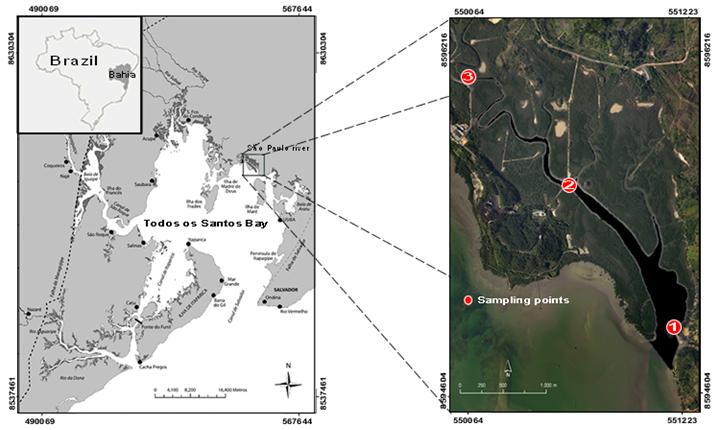
Figure1: São Paulo River location map and sample collection points. Source: Adapted from Lessa et al. (2009).
Field/Sampling
The collections were carried out in July 2015, in the banks of three distinct points of the São Paulo River, namely: point 1, equivalent to the mouth; point 2, medium course that is located on an intermediate pier between points 1 and 3; and point 3, place closest to the source that could be accessed. For collection of the water samples were used bottles of one liter, with a total of 18 liters per point. For the collection of samples of suspended particulate material, 20-liter containers were used. At each point a multi parameter probe was used to measure parameters such as pH, salinity, dissolved oxygen and temperature (Table 1). The bottles were transported to the laboratory in thermal boxes under refrigerated conditions and the 20-liter containers were transported at room temperature. Upon arriving at the laboratory, the samples were stored under refrigerated conditions.
| Data | Point 1 | Point 2 | Point 3 | ||||||||
| Coordinates | X 4S550714 | X24S549918 | X 4S548303 | ||||||||
| Y 8592694 | Y 8598635 | Y 8595307 | |||||||||
| Temperature (°C) | 26,61 | 26,90 | 26,05 | ||||||||
| pH | 7,43 | 7,35 | 7,15 | ||||||||
| Dissolved oxygen (%) | 61,3 | 58,9 | 52,4 | ||||||||
| Salinity | 24 | 23 | 17 |
Laboratory
Analyzes were carried out at the Petroleum Studies Laboratory (LEPETRO), located at the Institute of Geosciences (IGEO) of the Federal University of Bahia (UFBA). Analytical methods were used to quantify total petroleum hydrocarbons (TPHs), particulate organic carbon (POC), nitrite, nitrate, ammonia, assimilable phosphorus, chlorophyll a and metals.
Pretreatment of Samples
In the laboratory, the 20-liter containers were allowed to stand under refrigerated conditions until the particulate material decant. The water was then withdrawn with the aid of silicone hoses and discarded. The particulate material was transferred, gradually, to smaller glassware until they were in pre-weighed beakers. This material passed through a drying process in the lyophilizer and the mass of dry SPM was obtained. The decanted SPM was used for analyzes of assimilable phosphorus. The water collected in the bottles for analysis of particulate organic carbon (POC), nitrite, nitrate, ammonia, chlorophyll a, metals and TPHs was filtered so that only the SPM was trapped in the filter.
Analytical Methods for Geochemical Characterization of the Area
Assimilable phosphorus: for determination of phosphorus was used the method Lepetro 023, which associates the methods described by Aspila (1976) [11] and Grasshoff (1983). The method consists in the formation of molybdophosphoric acid, later reduced with ascorbic acid, which results in the complex of phosphomolybdenum with blue colour. Phosphorus determination was performed by spectrophotometry. Nitrite, nitrate and ammonia: for determination of nitrite, nitrate and ammonia, the water passed through a filtration process through cellulose acetate membranes, with a porosity of 0.45 μm, for the removal of SPM. Samples for ammonia analyses were distilled through the wet method Kjeldhal [12]. The samples were then subjected to ion chromatography to obtain the results. Particulate organic carbon (POC): the water samples were filtered through MN GF-2 glass micro fibre membranes, with a porosity of 0.5 μm, so that the SPM was retained. Then, the determination of POC was carried out using the Lepetro 024 method, adapted from Strickland and Parsons [13]. The reading was made from spectrophotometry. Metals: the water was filtered using cellulose acetate membranes, with a porosity of 0.45 μm, to separate the two matrices to be analyzed. The analysis of metals in water and SPM were done according to the methodology 3030 E described by the Standard Methods for the Examination of Water and Wastewater. Metals were extracted from partial digestion and the reading was done by optical emission spectrometry with inductively coupled plasma source (ICP-OES). Chlorophylla: determination was made using the method described by the Standard Methods for the Examination of Water and Wastewater. The samples were filtered in the absence of light through cellulose acetate filters, with a porosity of 0.45 μm. The filters were inserted into falcon tubes with acetone, shaken and cooled at 4 °C for 24 hours. After this period, the filters were macerated, centrifuged and analysed in the spectrophotometer.
Total petroleum hydrocarbons (TPHs): the samples were filtered through MN GF-2 glass microfibre membranes, with a porosity of 0.5 μm. Determination of TPHs was made using the USEPA 3540C method. Subsequently, the reading was performed by gas chromatograph with flame ionization detector (GC/FID).
Results and Discussion
Assimilable Phosphorus
The values of assimilable phosphorus for SPM varied between the three points studied. The lowest value, corresponding to 438.10 mg kg-1, was found in point 1 (mouth) and the highest value, corresponding to 613, 43 mg kg-1, was found in point 2 (pier). Point 3, the closest to the source that could be reached, had a concentration of 583.46 mg kg-1. It is important to emphasize the existence of communities and industries in the vicinity of the São Paulo River, which may help to explain the concentrations of phosphorus due to the release of waste. Although being farther from the communities, the low hydrodynamic energy in point 3 may favor the accumulation of phosphorus, since it is in a shallow and restricted region, propitious to the greater accumulation of certain elements. No data were found regarding phosphorus tolerance limits in particulate matter for comparison purposes in the Brazilian legislation
Nitrite, Nitrate and Ammonia
Nitrogen can reach aquatic environments in different ways, including rainfall, biological fixation and external sources. Thus, the concentration of dissolved forms of this element can be influenced by the type of vegetation existing, as well as by the activities that are developed in the vicinity [14]. Nitrite, nitrate and ammonia are among the major forms of nitrogen in aquatic environments [15]. According to Boyer et al. [16], changes occurring in the nitrogen cycle provide more significant impacts on tropical aquatic ecosystems than on temperate ecosystems. This is because tropical environments, where higher rainfall occurs, have lower nitrogen retention capacity [17]. With the exception of nitrate in point 3, referring to the nearest place to the source possible to be accessed, the values of nitrite, nitrate and ammonia were below the limit of quantification of the method (LQM) of 0.5 mg L-1. In point 3, the value found for nitrate was 1.1 mg L-1. This value is above the maximum value for salt water allowed by the Conama Resolution nº 357/2005, of 0.40 mg L-1.
The different types of land use and occupation around the study area may justify these results. Excess of nitrogen reduces the retention capacity of this element by the environment, resulting in a series of adverse effects, such as excessive leaching of nitrate, which moves more easily through the soil to the rivers and, as a consequence, higher nitrate exports from the continents to the oceans [15, 16, 18, 19, 20, 21]. As in the case of phosphorus, the lower hydrodynamic energy in point 3, in a shallower and more restricted region, leads to the accumulation of certain elements, including nitrate.
Particulate Organic Carbon (POC)
The concentration of organic carbon may vary according to factors such as particle size, rate of degradation by microorganisms, water column productivity and local oceanographic characteristics. Generally, ocean basins, especially in open seas, are characterized by low concentrations of organic carbon. In regions closer to the coast, concentrations are generally higher [22, 23]. The values found for the concentrations of particulate organic carbon varied between the three points studied, presenting 3.75 mg L-1 for point 1; 4.08 mg L-1 for point 2; And 3.16 mg L-1 for point 3. The highest value was found in point 2, located near to the pier, where there is a constant presence of boats, which may be a probable source of contamination by organic matter. Points 1 and 3 presented close results. In addition, the proximity of mangroves can also help in understanding the values found, since the decomposition of plants and animals contributes to concentrations of POC in the environment. It is important to point out the existence of communities and industries in the vicinity of the São Paulo River, which are also likely sources of releases of organic matter in the studied environment.
Metals
There are three different categories in which metals can be divided, considering their biological activities, namely: essential metals (Ca, Cu, Fe, K, Na, Ni, Mn, Mg, Zn, and so on), toxic metals (Al, Cd, Hg, Pb, and so on) and indifferent metals (Cs, Rb, Sr, and so on). Essential metals have known biological functions, for instance, the transport and storage of molecules, such as oxygen [24]. In the case of toxic metals, high concentrations may influence metabolism, interfere with the action of enzymes and other biochemical factors. Indifferent metals do not have specific functions, but the presence of these elements in microorganisms may be related to geological and environmental characteristics of a certain area [24, 25]. Knowing the behaviour and characteristics of metals is of great importance when dealing with coastal ecosystems, including mangroves [9].
In Table 2 it is possible to observe the results obtained from the analyzes with São Paulo River samples.
| Point | Matrix | Ba | Cd | Cr | Cu | Fe | Mn | Ni | Pb | V | Zn |
| P1 | SPM | 17,10 | <LQM | <LQM | <LQM | 9181,7 | 1036,86 | <LQM | <LQM | 14,45 | <LQM |
| P1 | Water | 0,01 | <LQM | <LQM | <LQM | 0,37 | 0,02 | <LQM | <LQM | <LQM | <LQM |
| P2 | SPM | 17,67 | <LQM | <LQM | <LQM | 5392,7 | 1002,61 | <LQM | <LQM | <LQM | <LQM |
| P2 | Water | 0,01 | <LQM | <LQM | <LQM | 0,22 | 0,03 | <LQM | <LQM | <LQM | <LQM |
| P3 | SPM | 41,35 | <LQM | <LQM | <LQM | 15140,6 | 1590,4 | <LQM | <LQM | 21,68 | <LQM |
| P3 | Water | 0,02 | <LQM | <LQM | <LQM | 1,04 | 0,07 | <LQM | <LQM | <LQM | <LQM |
Table 2: Concentrations of metals in particulate material and metals dissolved in water (São Paulo River samples) (mg kg-
1).
The results of the metal analysis in SPM showed that only barium (Ba), iron (Fe), manganese (Mn) and vanadium (V) could be identified. The other analyzed elements were below the limit of quantification of the method (LQM), of 10 mg kg-1. For comparison purposes, the TEL (Threshold effect level) and PEL (Probable effect level) quality criteria, established by the National Oceanic and Atmospheric Administration (NOAA), and Conama Resolution nº 454/2012 were observed. However, reference values for iron, manganese and vanadium were not found to marine sediments. For barium, TEL is 130.10 μg g-1. Therefore, all values found for barium are below the limit established by NOAA. The results of the analysis of metals dissolved in water showed that only barium (Ba), iron (Fe) and manganese (Mn) could be identified. The other analyzed elements were below the limit of quantification of the method (LQM) of 0,01 mg L-1. The Conama resolution nº 357/2005 establishes the maximum barium concentration 1.0 mg L-1, for iron 0.3 mg L-1 iron and 0.1 mg L-1 for manganese. Thus, it can be inferred that only iron, in points 1 and 3, were above the limit established by the resolution. Iron can reach the environment naturally through rocks or by anthropic action, such as the disposal of industrial effluents and activities associated with mining [10]. Although it is an essential element, excess iron can cause several diseases, such as diabetes, hormonal dysfunctions, cardiac and hepatic diseases, changes in skin pigmentation, among others [9, 26]. In addition, by depositing on the leaves of the plants, it can block the stomata and reduce the photosynthetic area. It can also cause damage to aquatic organisms, causing mortality of fishes, invertebrate organisms and eggs in the incubation period. Damage to DNA, protein and lipid structures are also among the problems caused by the excess iron [9, 27, 28].
Chlorophyll
High concentrations of chlorophyll are good indicators of biological activity, and can be attributed to domestic and industrial sewage sources. On the other hand, low concentrations can be attributed to the presence of toxic substances from industrial sources. Bricker, Ferreira and Simas classified the trophic state into four classes, according to chlorophyll a concentration [29] (Table 3).
| Trophic state | Chlorophyll a (µg L-1) | ||||
|---|---|---|---|---|---|
| Low | 0<Concentration≤5 | ||||
| Medium | 5<Concentration≤20 | ||||
| High | 20<Concentration≤60 | ||||
| Hypereutrophic | 60<Concentration |
The values found for chlorophyll a showed variations between the points studied. Point 1 showed concentration of 16.21 μg L-1, while point 3 presented concentration of 28.51 μg L-1. In point 2, the concentration was below the detection limit of the method, of 10 μg L-1. Conama Resolution nº 357/2005 does not establish a limit value for chlorophyll a in salt water. Considering the level of trophic state based on the classification by Bricker, Ferreira and Simas, point 1 is classified as a trophic medium level, while point 3 is classified as a high trophic level [29]. For the statistical treatment, in point 2 the value 5 μg L-1, corresponding to 50% of the limit of quantification of the method, was assigned. Thus, point 2 is classified as a low trophic state.
Total Petroleum Hydrocarbons (TPHs)
The results of TPH analyzes showed concentrations for point 1 of 9,522 mg kg -1 for point 2 of 13,375 mg kg -1 and 16,561 mg kg -1 for point 3. Although in the vicinity of the region, activities related to oil refining are developed, in addition to fishing activities with the use of vessels, which may contribute to the release of TPHs in the environment, observing the chromatograms obtained from the readings in the chromatograph, it was noted considerably higher peaks in n-C25, biogenic alkene structurally related to estuarine sediments, which were also found in sediments of other estuarine and coastal regions in previous studies [30, 31, 32]. The highest value in point 3 may be related to the fact that it is a more restricted and shallow area, with more closed vegetation and higher concentrations of SPM and, therefore, a greater possibility of concentrating TPHs in the SPM. Point 1 presented a lower concentration, possibly because it is a more open area, with a greater dilution power.
Conclusion
From the laboratory analyzes done with samples from the São Paulo River, it was possible to evaluate some parameters that may influence the environmental quality of the area, considering the existence of industries and communities in its surroundings. In general, it was noticed that higher values were found in point 3, which may be related to the fact that it is a more restricted and shallow area and, therefore, more propitious to accumulation of certain elements. It is important to highlight the presence of communities and industries in the vicinity of the São Paulo River, in addition to the flow of vessels, mainly in points 1 and 2. Certain parameters analyzed were below the limit of quantification of the methods used and for some parameters analyzed were not found reference values in Brazilian legislation for comparison purposes. From the results obtained, it is possible that the region of point 3, according to its characteristics, is the most sensitive in terms of environmental quality and the most susceptible to damage from anthropic activities. It should be noted that the results were obtained based on characteristics found at the moment of collection, and it is important to carry out other studies that consider the variations of the environment, such as tidal variations and, consequently, SPM concentrations, and temporal variations, since the estuarine environment is very dynamic and suffers constant changes in its characteristics. In this way, it will be possible to obtain answers even closer to reality.
Acknowledgements
This study has been carried out with the financial support of Conselho Nacional de Desenvolvimento Científico e Tecnológico (CNPq) and Coordenação de Aperfeiçoamento de Pessoal de Nível Superior (Capes).
References
-
Ângulo RJ (2004) Aspectos físicos das dinâmicas de ambientes costeiros, seus usos e conflitos. Desenvolvimento e Meio Ambiente 10: 175-185.
-
Miranda LS, Anjos JASA, Moreira ITA (2014) Avaliação de tecnologias de remediação em zonas costeiras impactadas pela indústria de petróleo. Revista eletrônica de energia 4(1): 19-37.
-
Miranda LS, Moreira ITA, Oliveira OMC, Santos CP, Pinheiro SMM, et al. (2016) Oil-suspended particulate material aggregates as a tool in preventing potential ecotoxicological impacts in the São Paulo river, Todos os Santos Bay, Bahia, Brazil: Influence of salinity and suspended particulate material. Mar Pollut Bull 112(1-2): 91-97
-
Hatje V, De Andrade JB (2009) Contaminação química. In: Baía de Todos os Santos: aspectos oceanográficos. EDUFBA, Salvador, pp. 306.
-
Pereira TS (2014) Biodisponibilidade de metais no estuário do rio Paraguaçu, Baía de Todos os Santos, Bahia. UFBA, Salvador.
-
Marques PH, Oliveira HT, Machado EC (2003) Limnological study of Piraquara river (upper Iguaçu Basin): spatiotemporal variation of physical and chemical variables and watershed zoning. Braz arch biol technol 46(3): 383-394.
-
Tundisi JG, Tundisi TM, Abe DS, Rocha O, Starling F (2006) Limnologia de águas interiores: impactos, conservação e recuperação de ecossistemas aquáticos. Águas doces no Brasil: capital ecológico, uso e conservação 3: 203-240.
-
Milazzo ADD (2011) Biodisponibilidade e bioconcentração de metais em ecossistema manguezal do estuário do rio São Paulo, Baía de Todos os Santos, Bahia, Brasil. Salvador: UFBA.
-
Ramos Júnior ABS (2012) Hidroquímica do rio São Paulo, Recôncavo Baiano. UFBA, Salvador.
-
Jesus RS (2011) Metais traço em sedimentos e no molusco bivalve Anomalocardia brasiliana (Gmelin, 1791), municípios de Madre de Deus e de Saubara, Bahia. UFBA, Salvador.
-
Aspila KI, Agemian H, Chau AS (1976) A semi- automated method for the determination of inorganic, organic and total phosphate in sediments. Analyst 101(1200): 187-197.
-
Embrapa, Centro Nacional de Pesquisa de Solos (1997) Manual de Análises Químicas de Solos, Plantas e Fertilizantes. Rio de Janeiro.
-
Strickland JDH, Parsons TR (1972) A pratical handbook of seawater analysis. Fisheries Research Board of Canada 207-218.
-
Silva DML (2005) Dinâmica de nitrogênio em microbacias no Estado de São Paulo. USP, São Paulo.
-
Santos LFMV (2011) Distribuição de nutrientes (nitrogênio e fósforo) no Rio dos Mangues, Porto Seguro, Bahia. UESC, Ilhéus.
-
Boyer EW, Goodale CL, Jaworski NA, Howarth RW (2002) Anthropogenic nitrogen sources and relationships to riverine nitrogen export in the northeastern U.S.A. Biogeochemistry 57(1): 137-169.
-
Aber J, Mcdowell W, Nadelhoffer K, Magill A, Berntson G, et al. (1998) Nitrogen saturation in temperate forest ecosystems: Hypotheses revisited. Bioscience 48(11): 921-934.
-
Campbel JL, Hornbeck JW, Mitchell MJ, Adams MB, Castro MS, et al. (2004) Input-output of inorganic nitrogen for 24 forest watersheds in the northeastern United States: a review. Water, Air, & Soil Pollution 151(1): 373-396.
-
Downing JA, Mcclain M, Twilley R, Melack JM, Elser J, et al. (1999) The impact of accelerating land-use change on the N-Cycle of tropical aquatic ecosystems: current conditions and projected changes. Biogeochemistry 46(1): 109-148.
-
Peterjonh WT, Adams MB, Gilliam FS (1996) Symptoms of nitrogen saturation in two central Appalachian hardwood forest ecosystems. Biogeochemistry 35(3): 507-522.
-
Vitousek PM, Aber JD, Howarth RW, Likens GE, Matson PA, et al. (1997) Human alteration of global nitrogen cycle: sources and consequences. Ecological Applications 7(3): 737-750.
-
Barcellos RL Furtado VV (2005) Distribuição da material orgânica sedimentar atual do sistema estuarino–lagunar de Cananéia-Iguape. USP, São Paulo.
-
Mendes Filho NE (2009) Caracterização química da matéria orgânica nos sedimentos do solo do manguezal e dinâmica de nutrientes nas águas superficiais e intersticiais no médio estuário do rio Paciência em Iguaíba–Paço do Lumiar (MA). João Pessoa: UFPB.
-
Oliveira JS, Pereire SFPP, Silva JS, Oliveira GRF (2008) O uso do cabelo como bioindicador das condições nutricionais da população da cidade de Altamira - PA. In: 48º Congresso Brasileiro de Química, Química na Proteção ao Meio Ambiente. Rio de Janeiro.
-
Beveridge TJ, Hughes MN, Lee H, Leung KT, Poole RK, et al. (1997) Metal-microbe interactions: contemporary approaches. Advances in Microbial Physiology 38: 177-243.
-
Quináglia GA (2006) Caracterização dos níveis basais de concentração de metais nos sedimentos do sistema estuarino da Baixada Santista. USP, São Paulo.
-
Alexandre JR, Oliveira MLF, Santos TC, Canton GC, Conceição JM, et al. (2012) Zinco e ferro: de micronutrientes a contaminantes do solo. Natureza on line 10(1): 23-28.
-
Sampaio ACS (2003) Metais pesados na água e sedimentos dos rios da bacia do Alto Paraguai. UFMS, Campo Grande.
-
Bricker SB, Ferreira JG, Simas T (2003) An integrated methodology for assessment of estuarine trophic status. Ecological Modelling 169(1): 39-60.
-
Barrick RC, Hedges JI (1981) Hydrocarbon geochemistry of the Puget Sound region–II. Sedimentary diterpenoid, steroid and triterpenoid hydrocarbons. Geochimica et Cosmochimica Acta 45(3): 381-392.
-
Farrington JW, Tripp BW (1977) Hydrocarbons in western North Atlantic surface sediments. Geochimica et Cosmochimica Acta 4(1): 1627-1641.
-
Requejo AG, Quinn JG (1983) Geochemistry of C25 and C30 biogenic alkenes in sediments of the Narragansett Bay estuary. Geochimica et Cosmochimica Acta 47(6): 1075-1090.
- Genetic Improvement of Nile Tilapia (Oreochromis niloticus): Advances in Selective Breeding and Genomic Approaches for Sustainable Aquaculture
- Microplastics, Contaminants, and Waste Hotspots: Divergences and Faults in Prioritizing Control Efforts
- Creating a Healthier, More Vibrant Open and Closed Aquatic Environment. A Submersible, Centrifugal Magnetically Affixed Current Changing Aquarium Pump
- An Attempt to Assess Alpha Diversity and Sample Size: Using the Ostracod Assemblages off Kumamoto Port, Japan
- Assessment of the Efficiency of Common Fishing Gears and Crafts Used at Mohananda River of Chapai Nawabganj, Bangladesh
- Fish Productivity and Biodiversity Status of Sundarban Mangrove in Bangladesh