
Innovative Approaches towards Utilisation of Clams
Clams are recognized as a valuable food source, and their consumption has grown worldwide. However, this increased consumption has also been associated with various cases of foodborne illnesses. This is primarily linked to the feeding behaviour of clams, as they are filter feeders and tend to accumulate harmful substances. This review paper examines different traditional and advanced methods for processing clams, encompassing thermal and non-thermal techniques. These methods are designed to effectively control harmful microorganisms and extend the shelf life of clam products, ensuring the safety and quality of clam meat for human consumption. The review covers traditional methods such as chilling, marination, fermentation, chelation, boiling, roasting, and more, as well as advanced technologies like Microwave-Assisted Induction Heating (MAIH), High Hydrostatic Pressure (HHP), and Retort Pouch Processing (RPP). Additionally, it explores the creation of value-added clam products. The comprehensive information presented in this article aims to raise awareness among consumers and processors about properly handling and processing this nutritious seafood resource, promoting safer and higher-quality clam products.
Introduction
There has been a substantial increase in global seafood consumption in recent decades, reaching 178 million tonnes in 2020 [1]. Various fish species, including finfishes, crustaceans, and molluscs, constitute this figure. Among them, bivalves represent 17.7 million tonnes, mainly clams and mussels. Various species of clams are commonly found in different regions of India, each influenced by specific environmental conditions, leading to differences in their nutritional composition. Clams, once primarily a staple for coastal communities, are now recognized as a highly nutritious food source. They have a protein content ranging from 9-12%, significant free fatty acids (approximately 188 mg of essential amino acids per gram), lipids at around 40- 50%, carbohydrates at about 7-8%, and a range of essential minerals such as sodium, potassium, calcium, magnesium, iron, zinc, and copper. Clams also provide essential vitamins like niacin and vitamin B12, along with valuable carotenoids including astaxanthin and fucoxanthin.
Additionally, they find applications in bioindication
and hydroxyapatite production. However, clams have been associated with food safety concerns due to recurring incidents of gastrointestinal infections and foodborne illnesses. This is linked to their filter-feeding nature, which enables them to bioaccumulate potentially harmful substances like toxic chemicals and waterborne pathogens, including human intestinal viruses and sewage-borne bacteria. Moreover, clams may accumulate pollutants from marine plankton and dinoflagellates, which can have neurological consequences for consumers. Traditional processing methods, such as chilling, freezing, marination, boiling, steaming, roasting, and deep- frying, have been used for an extended period but are often plagued by challenges such as prolonged processing times and adverse effects on sensory attributes and nutritional quality. As a result, scientists are now exploring advanced processing technologies, including Microwave-Assisted Induction Heating (MAIH), High Hydrostatic Pressure (HHP), and Retort Pouch Processing (RPP), to enhance the shelf life of clam products and reduce microbial contamination.
Global Scenario
The current taxonomic position of six clam families is presented in accordance with the classification provided by the World Register of Marine Species (WoRMS). On average, 64% of genera and 53% of species documented in WoRMS possess distribution data within the Global Biodiversity Information Facility (GBIF) and the Ocean Biogeographic Information System (OBIS) combined. Clams, in a broader context, and the following families were selected based on their economic importance: Veneridae (Venus shells), Mactridae (Surf clams), Donacidae (Wedge shells), Myidae (Softshell clams), Pharidae and Solenidae (Razor clams).
Family Donacidae
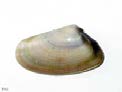
Despite the significance of Donacidae, or wedge shell species, for artisanal and small-scale fishing, the statistics provided by the Food and Agriculture Organization (FAO) do not differentiate between species. Donaxtrunculus (Linnaeus, 1758) (Figure 1), plays a pivotal role in fisheries in Portugal, France, Spain, and Italy, contributing substantially to the recorded catches of the genus Donax in these countries within the FAO database.
Family Mactridae
Mactridae encompasses genera such as Anatina (Schumacher, 1817), Lutraria (Lamarck, 1799), Mactra (Linnaeus, 17670, Mactrinula (Gray, 1853), Meropesta (Iredale, 1929), and Spisula (Gray, 1837). Notably, Mactra quadrangularis, formerly known as M. veneriformis (Reeve, 1854), represents a popular and affordable seafood option abundant in the coastal regions of China, particularly in the coastal shoals of Jiangsu province [2]. In the United States, Surf clams constitute approximately 25% of the total harvested molluscs, with landings valued at $38 million in 2007.
Family Myidae
The family Myidae is predominantly represented by the genus Mya. Species such as M. arenaria (Linnaeus, 1758), M. baxteri (Coan and Scott, 1997), M. pseudoarenaria (Schlesch, 1931) and M. truncate (Linnaeus, 1758) have been extensively studied. The fishing and culture of M. arenaria hold significant socioeconomic importance in numerous small communities in the United States and Canada.
Superfamily Solenoidea (Families Pharidae and Solenidae)
Pharidae and Solenidae are classified together within the superfamily Solenoidea due to shared morphological characteristics. Key species within this superfamily include S. patulaand E. directus. The fishery of S. patula has transitioned from commercial to recreational in various states across the USA (Roach et al., 2011). E. directus accounted for half of the razor clam captures in the USA in 2009. It is noteworthy that E. directus was accidentally introduced into Europe in the late 1970s Cosel R, et al. [3], Essink K [4, 5] and has since spread to several European countries Cosel R, et al. [6], constituting 57% of the razor clam landings in Europe in 2009 and achieving high population densities in The Netherlands. The aquaculture production of razor clams is exclusively centered on the cultivation of S. constricta in China, primarily in the southern Zhejiang and Fujian provinces, with seeds typically collected from the wild between September and November [7, 8].
Family Veneridae
Venus shells, or Veneridae, comprise the most significant representatives of clam species globally. Notably, Venerupisphilippinarum, commonly known as the Manila clam, has been introduced to various parts of the world since the early 20th century and is the most extensively cultivated clam species. Additionally, the hard clam Mercenaria mercenaria (Linnaeus, 1758), is a vital species for recreational and commercial harvesting in the United States [9]. In 2009, FAO statistics recorded higher aquaculture production than fishery for wild stocks. Meretrix lusoria (Röding, 1798), holds commercial importance in Korea, Japan, and China Chung, et al. and was the second most commonly cultured clam species globally in 2009 [10]. While other species within the genus Meretrix, such as M. meretrix (Linnaeus, 1758), play a pivotal role in commercial activities in coastal areas of South and Southeast Asia, including China, Korea, Japan, and India Ho JS, et al. [11], they are notably absent from FAO statistics.
Availability of Clams in India
Several species of clams belonging to several families constitute the clam resources and are exploited all along the Indian coast [12]. Different species of clams found in different states of India are given below:
Maharashtra
With its 720-kilometer coastline, the Maharashtra state features a diverse coastal landscape comprising 70 creeks, muddy bays, rocky inshore regions, estuaries, and backwaters. Within this region, notable marketing centers for clams include Mumbai, Ratnagiri, and Malvan. Commercial clam harvesting is conducted in various creeks across Maharashtra, where locally, all clams are commonly referred to as Mule, Tasre, or Shimpale. One significant hub for bivalve collection is the Kalbadevi creek in Ratnagiri district, Maharashtra.
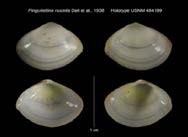
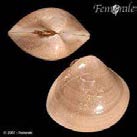
Among these creeks, Sakhartar creek stands out with an approximate annual production of 1.7 metric tons of clams. The dominant clam species in this creek include Katelysia opima (40%) (Figure 2), Paphiamalabarica (25%) (Figure 3), Meritrixmeritrix (20%) (Figure 4), Meritrixcasta (9%) (Figure 5) and other clam species (6%).
![Figure 3: Paphiamalabarica (Source: Sukumaran S, et al. [13]).](/fulltextimages/11280/fig_3.jpeg)
![Figure 5: Meritrixcasta (Source: Bijukumar A, et al. [14]).](/fulltextimages/11280/fig_5.jpeg)
Similarly, Shirgoan creek yields an approximate annual production of 4.2 metric tons of clams, where P. malabarica (41%) leads the way, followed by M. meritrix (20%), K. opima (20%), M. casta (10%), and other clam species (4%).
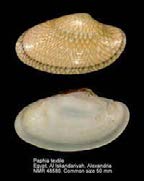
In the Bhatye estuary, five dominant clam species were observed from three genera within the Veneridae family. These species are Katelysia opima, Meretrix meretrix, Meretrix casta, Paphialaterisulca, and Paphia textile (Figure 6). While a total of 15 clam species from eight genera were identified at Bhatye estuary, only five species from three genera, primarily from the Veneridae family, are commercially exploited by the local fishermen [15].
Kerala
The state of Kerala in India holds a prominent position in the production of clams, with estimated annual landings that reached approximately 66,000 tons (t) during the 2008–09. Among the various clam species harvested, the black clam, scientifically known as Villoritacyprinoides (Figure 7). And belonging to the family Corbiculidae, played a significant role by contributing around 45,000 tons, constituting approximately two-thirds of the total clam production Narasimham KA, et al. [16], CMFRI Annual Report [17]. A substantial proportion of these black clams, approximately 25,000 tons, originates from the iconic Vembanad Lake. Furthermore, the harvesting of black clams extends to minor estuaries such as Ashtamudi Lake in Kerala, where an estimated annual production of about 5,000 to 6,000 tons of black clams was reported.
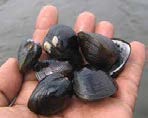
Uttara Kannada District, Karnataka
In Uttara Kannada District, Karnataka, the coastal estuaries are home to a diverse array of six edible clam species, including Anadaragranosa (Figure 8), Meretrix casta, Meretrix meretrix, Paphiamalabarica, Polymesodaerosa (Figure 9) and Villoritacyprinoides. Additionally, several oyster species and edible bivalves belonging to the genus Meretrix, Paphia, and Villoritainhabit these estuaries, contributing significantly to the local livelihoods [18].
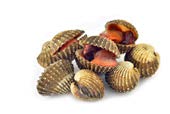
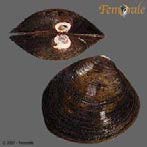
Andhra Pradesh
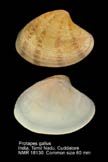
In Andhra Pradesh, a notable diversity of venerid species is reported, with some species common to both the west and east coasts of India. Approximately ten species exhibit distribution restricted to the west coast, while two species are exclusively known from the Andaman Islands. Among the reported venerid species from the Andhra Pradesh coast, a total of 29 species contribute to the existing bivalve fauna of the region. Of particular interest is the genus Protapes (Dall, 1902), which includes three species in India: Protapescor (Figure 10) and P. ziczac (Figure 11) from the west coast, in addition to P. gallus (Figure 12) from both the west and east coasts. These species are primarily found in extensive beds within estuaries near the sea, where marine conditions prevail [19].
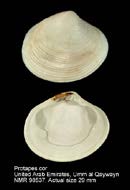
![Figure 11: Protapesziczac (Source: Arathi AR, et al. [20]).](/fulltextimages/11280/fig_11.jpeg)
Bay of Bengal
Khulna Region: The coastal areas of the greater Khulna region, particularly in the Sundarbans forests, exhibit a relatively abundant presence of oysters and clams. Abundance is notably higher in the lower regions of this area, as compared to the upper northern areas. The annual harvest from these areas amounts to approximately 560-580 tons of oysters and clams [21].
Barishal Region: In the Barishal region, only a limited quantity of clams is found, with no documented evidence of oysters and green mussels. The local communities in this region, engaged in lime production, utilize about 60-70 tons of clams annually for lime production [21].
These comprehensive findings reflect the significant role of Kerala in clam production in India, the diverse presence of edible clams and oysters in the Uttara Kannada District of Karnataka, the rich diversity of venerid species in Andhra Pradesh, and the variable distribution of bivalves in different regions of the Bay of Bengal. These contributions showcase the ecological and economic importance of bivalves and their significant role in the livelihoods of local communities.
Nutritional Aspects
Shellfish, in general, are rich in a variety of essential nutrients that offer numerous health benefits to consumers. They contain appreciable quantities of digestible proteins, essential amino acids, bioactive peptides, long-chain polyunsaturated fatty acids, astaxanthin and other carotenoids, vitamin B12, and various vitamins and minerals, including copper, zinc, inorganic phosphate, sodium, potassium, selenium, and iodine Karnjanapratum S, et al. [22], Venugopal V [23]. However, despite their nutritional value, the safety of shellfish consumption can be affected by factors such as their exposure to diverse habitats, filter feeding nature, and sometimes, unhealthy farming and handling practices, which may introduce health risks due to potential hazards [22].
Protein
Protein is a significant component of shellfish, with clam meat containing an average protein content of 9.0 to 13.0% (g/100 g raw meat). Edible portions of the Asian hard clam, in particular, were found to have protein content ranging from 9% to 12.75%. Myofibrillar proteins were identified as the major protein fractions in the foot and mantle of clams, constituting 31% to 40% of the total protein content [22].
Free Amino Acids
Free amino acids (FAAs) represent an important fraction of nonprotein nitrogenous compounds in shellfish muscle. Asian hard clams were found to contain up to 188 mg of essential amino acids (EAAs) per gram, with leucine and lysine being the dominant amino acids in this context [22].
Lipids
Shellfish items generally have low crude lipid contents, typically up to 2% (w/w). In the case of the Asian hard clam, polyunsaturated fatty acids (PUFA) constitute 46% to 49% of total fatty acids, with 13% to 16% of docosahexaenoic acid (DHA) and 5% to 7% of eicosapentaenoic acid (EPA) [22]. Furthermore, hard clams were found to contain 70 to 210 mg% of cholesterol (w. wt.) [22].
Carbohydrates
Carbohydrate content, including dietary fiber, in shellfish tissue is generally low. The Asian hard clam contains a maximum of 7.9% carbohydrates [22].
Carotenoids
Carotenoids play a significant role in determining the color of shellfish, including processed items, and subsequently impact their consumer acceptability. Carotenoids such as mactraxanthin and fucoxanthinol have been identified in clams [24, 25, 26].
Vitamins
Shellfish species are rich in vitamins, particularly vitamin B12. Clam tissues are good sources of niacin and vitamin B12.
Minerals
Raw shellfish species have ash contents of up to 2.0%. The edible portions of clams are notably rich in minerals, including sodium, potassium, calcium, magnesium, iron, zinc, and copper [22].
Influence of Processing
The composition of shellfish species can be influenced by various processing methods, including chilled storage, freezing, cooking, steaming, and other treatments. For example, marination may reduce the phospholipid content of soft clams while partially replacing polyunsaturated fatty acids (PUFA) with monounsaturated fatty acids (MUFA) [27]. Some vitamins are sensitive to heat, ionizing radiation, and low pH conditions, such as thiamin, while riboflavin is relatively stable to cooking but sensitive to light. Vitamin B6 tends to degrade with prolonged cooking, and vitamin B12 can partially lose its biological activity during cooking and storage [23].
Present Status of Utilisation of Clams
Indicates Biodiversity Destruction
Giant clams, scientifically known as Tridacna, belong to the class Bivalvia within the family Cardiidae. They are notable as the largest living bivalves and are primarily found in the Indo-Pacific region [28], closely associated with coral reefs. These clams play a crucial ecological role by serving as a biomass source for predators and scavengers, offering substrates for epibionts, contributing to topographic relief, providing calcium carbonate for the reef framework, and serving as nurseries for fish [29, 30, 31]. Additionally, giant clams have benefited humans for centuries by providing food and materials [32]. Regrettably, various factors, such as local consumption, export for the aquarium trade Wabnitz C, et al. [33] and habitat degradation Newman WA, et al. [34] have led to population declines Alcala AC [35], Braley RD [36] and Tan ASH, et al. [37] and extirpations Neo ML, et al. [38].
Giant clams can be considered the marine mollusc counterparts of ‘charismatic megafauna’ and can function as flagship taxa, drawing attention to the ongoing coral reef destruction and the associated biodiversity. Therefore, the conservation and study of these clams are of paramount importance.
Bio-Indicator of Environmental Condition
Giant clams have been recognized as valuable bio- indicators of environmental conditions. Throughout their lifespan, clams record environmental parameters such as temperature and salinity in different chemical components or the structural layers of their shells [39, 40, 41]. Their shell growth rate can be disrupted by various events, including seawater temperature changes, shell margin abrasions, tidal variations, storms, and temperature shocks (hot or cold) [42, 43, 44]. Sudden environmental and atmospheric changes are reflected in the clam’s shell structure, causing temporary interruptions in shell growth.
Usability of Ark Clam Shell
The shells of ark clams have proven to be highly usable for various purposes. Hydroxyapatite (HA), a calcium precursor, can be synthesized using ark clam shells through a wet chemical precipitation method. HA has found significant application in various biomedical fields [45], particularly in the creation of synthetic bone due to its structural similarity to natural bone.
Cytotoxicity of Extracts from Surf Clams against Organ Cancer Cell Lines
Clams, including surf clams, have been extensively studied for their bioactive properties, with seven main species of surf clams present in New Zealand (NZ). The NZ surf clam market is expanding globally [46]. Extracts from these NZ surf clam species have shown effectiveness against various cancer cell lines, including liver (Hep G2), pancreatic (MIA PaCa-2), colon (WiDr), and lung (A549) cancer cell lines, in vitro [47, 48, 49].
Traditional Methods of Processing
Chilling
Chilling is a widely utilized preservation method that involves reducing the temperature of food materials to below ambient levels. This practice efficiently extends the short- term storage of food products by inhibiting various microbial and biochemical reactions responsible for food spoilage and deterioration. Effective chilling, when combined with suitable packaging materials, can significantly prolong the shelf life of clam products. In the food processing industry, polyolefins are the most commonly employed packaging materials due to their ease of use, availability, and cost-effectiveness [50].
Preservation Using Chitosan
The utilization of chitosan extracted from ark clam shells represents a promising and relatively unexplored resource within the domain of food science and technology. The effectiveness of chitosan extracted from ark clam shells in reducing the levels of heavy metals (Pb and Hg) in blood cockle meatballs was studied. Additionally, the antibacterial properties of chitosan in blood cockle meatball preservation were also observed. This exploration marks a significant step in harnessing the natural properties of chitosan from ark clam shells for enhancing food safety and quality, and it opens doors to further innovations in food preservation and safety strategies [51].
Thermal Processing
Thermal processing is extensively employed in the industrial processing of seafood to prevent the growth of pathogenic and spoilage bacteria, ultimately extending the shelf life of seafood products. Traditional thermal processing methods, such as boiling, steaming, roasting, and deep- frying, have been in use for a considerable time. However, these methods are associated with challenges, including long processing times and potential negative impacts on sensory properties and nutritional quality [52].
Marination
Soy sauce marination (Figure 13) is a traditional and prevalent method for preserving aquatic products while enhancing their organoleptic properties, including fragrance, taste, and tenderness [53]. Soy sauce’s high salt content can inhibit the growth of pathogenic or spoilage bacteria in food, making it an effective method for food preservation [54].
![Figure 13: Soy sauce marinated clams (Source: www. foodrepublik.com) In Taiwan, a popular marinated product known as frozen marinated clam is prepared by freezing live clams overnight and then adding soy sauce marinade. These clams can be consumed without heating [55]. Freezing has a specific impact on these clams, as highlighted by Wheaton, et al. Freezing can lead to the breaking or weakening of the bond between the bivalve muscles and the clam’s shell. This structural change during freezing is responsible for the clam shells being opened.](/fulltextimages/11280/fig_13.jpeg)
Figure 13: Soy sauce marinated clams (Source: www. foodrepublik.com) In Taiwan, a popular marinated product known as frozen marinated clam is prepared by freezing live clams overnight and then adding soy sauce marinade. These clams can be consumed without heating [55]. Freezing has a specific impact on these clams, as highlighted by Wheaton, et al. Freezing can lead to the breaking or weakening of the bond between the bivalve muscles and the clam’s shell. This structural change during freezing is responsible for the clam shells being opened.
Additionally, the hygienic quality of clams marinated in soy sauce, intended for immediate consumption, has been the subject of investigation by Tsai FL [55]. This study, conducted in Taiwan, found that the bacterial counts in the majority of samples exceeded the hygiene standards established in Taiwan for raw ready-to-eat fish and shellfish, with a limit set at 105 CFU/g. This underscores the importance of rigorous quality control and hygiene practices in the preparation of such marinated clam products.
Fresh clams can also be marinated in soy sauce and subjected to high-pressure processing (HPP) at various pressure levels (e.g., 300, 400, and 500 MPa) for three minutes, resulting in marinated HPP clam. The chemical and microbiological qualities of this product can be compared to those of frozen marinated clams.
Fermentation
The application of fermentation processes to clam meat represents an established technique for the generation of value-added products. While fermentation itself is a traditional method of food processing, its utilization for the enhancement of clam products is a recent approach that contributes to the augmentation of the intrinsic value of raw clam materials.
In summary, traditional methods of processing, including chilling, preservation using chitosan, thermal processing, marination, and fermentation, have been used to preserve and enhance the quality of clam products. These methods offer a range of benefits and can be adapted to meet various preservation and value-added product goals.
Advanced Processing Methods
Microwave-Assisted Induction Heating (MAIH) Technology
Microwave-Assisted Induction Heating (MAIH) is an innovative thermal technique used for the cooking of pre- packaged raw hard clams (Meretrix lusoria). This study focused on investigating the effects of MAIH on the microbial and physiochemical qualities of clam meat samples. The impact of heating time on the aerobic plate count (APC), psychrotrophic bacteria count (PBC), and total volatile basic nitrogen (TVBN) levels in clam meat samples was examined. It was observed that as the heating time increased, the APC, PBC, and TVBN levels decreased. Simultaneously, the shucking ratio, area shrinkage, and texture attributes (hardness, cohesiveness, and chewiness) increased. The lightness (L*) and whiteness (W) of the clam meat samples initially increased significantly but decreased with prolonged heating, while redness (a*) exhibited the opposite trend.
The study found that overcooking occurred when clams were heated for more than 120 seconds at 130 °C or 150 seconds at 90 °C, resulting in significant shrinkage and a yellow-brown appearance. Optimal cooking conditions for pre-packaged hard clams subjected to MAIH were identified as 130 °C for 110 seconds or 90 °C for 130 seconds [56].
High Hydrostatic Pressure
High hydrostatic pressure (HHP) is a non-thermal food preservation method that involves subjecting the food product to extremely high pressures. This process effectively inactivates microorganisms and enzymes in the food [57]. Although HHP can lead to texture alterations in food products, these changes are reported to be reversible within the pressure range of 100–300 MPa.In a study conducted by Narwankar SP, et al. [58], clams were treated with varying levels of HHP. The results indicated that a pressure of ≥480 MPa was required for a 90% reduction in the total plate count (TPC) in HHP-treated clams. Sensory evaluation of clams treated with HHP at 310 MPa with a 3-minute holding time showed no significant difference in organoleptic scores between processed and raw clams.
Furthermore, Mootian GK, et al. [59] reported the effectiveness of HHP in reducing V. parahaemolyticus in live clams, with reductions exceeding 105-fold when treated at pressures of 350 and 450 MPa for 6 and 4 minutes, respectively. However, the impact of HHP on clam textural properties requires further investigation.
Retort Pouch Processing (RPP)
Sterilization through heat is a highly efficient method for food preservation, but it can negatively affect the nutritional value of food products. This includes losses in vitamins, essential fatty acids, and protein denaturation, especially in products processed in metal or glass containers. To address this issue, retort pouch processing is an alternative approach. A study by Bindu J, et al. [60] developed a ready- to-eat thermally processed black clam product, maintaining its natural texture and succulence. The product was vacuum-packaged in a retortable pouch and processed in an overpressure retort for 44 minutes, with anFo value of 9 and a cooking value of 99 minutes. Sensory evaluation rated the product as excellent, and it had a shelf life of 12 months at ambient temperature (28 °C).
Canned Product
Canning is a common food preservation method involving specific time and temperature parameters. For canned toddler clams in brine and tomato sauce, diverse can sizes were studied for processing.
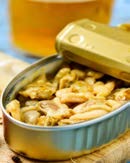
The appropriate processing time for can sizes half and 1 was determined to be 30 minutes at 121 °C with aFo value of 21 minutes. For can size 2 1/2, the processing time was 45
minutes, with aFo value of 30 minutes. When using tomato sauce, the processing time was 50 minutes at 121 °C, with aFo of 19 minutes for can size 1/2. Acceptability rankings from sensory evaluations indicated a slight preference for products in tomato sauce over those in brine (Figure 14) [61]. Value Added Products Using Different Applications Numerous value-added products have been developed in the market to enhance the value of clam products. Two examples of such products are: Smoked Clams: Smoking provides clams with protection against spoilage, and proper storage at temperatures between 0 and 3oC can extend the shelf life from one to four weeks. Modern smoked products may not require refrigeration when stored correctly. Clam Sauce: Clam sauce is a value-added product produced from mud clam muscle using an enhanced fermentation process [62].
Conclusion
Clams, being highly susceptible to spoilage due to their perishable nature, have become a staple in the diets of people worldwide. However, their consumption is hindered by issues related to microbial growth, which adversely affects their shelf life. To address these challenges, various traditional preservation methods, such as freezing, boiling, and marination, have been employed to mitigate microbial growth. While effective to some extent, these traditional methods have inherent drawbacks, including the reduction of the nutritional profile of clams [63].
In response to these limitations, advanced preservation techniques have emerged. These include Microwave-Assisted Induction Heating (MAIH) Technology, High Hydrostatic Pressure (HHP), and Retort Pouch Processing (RPP). These innovative methods offer enhanced preservation capabilities while minimizing adverse effects on the nutritional composition of clams. Furthermore, value addition techniques have been developed to maintain the integrity of clam products, preventing alterations in their proximate composition during preservation. These advancements collectively contribute to extending the shelf life and maintaining the quality of clams, making them more readily available for consumption while retaining their nutritional value [64, 65].
Acknowledgement
The authors would like to appreciate and thank Dr. Ujwala Jadhav-The Head of Department of Life Sciences, University of Mumbai and the Director of ICAR-Central Institute of Fisheries Education, Mumbai for all their valuable support and guidance.
References
-
FAO (2022) The State of World Fisheries and Aquaculture 2022. Towards Blue Transformation. FAO.
-
Wang LC, Zhang K, Di LQ, Liu R, Wu H (2011) Isolation and structural elucidation of novel homogenous polysaccharide from Mactraveneriformis. Carbohydr Polym 86: 982-987.
-
Cosel RV, Dorjes J, Mühlenhardt-Siegel U (1982) Die Amerikanische Schwertmuschel Ensis directus (Conrad) in der DeutschenBucht. I. Zoogeographie und Taxonomie in Vergleichmiteinheimischen Schwertmuschel-Arten. Senckenbergiana Maritime 14: 143-173.
-
Essink K (1985) On the occurrence of the American jack-knife clam Ensis directus (Conrad, 1843) (Bivalvia, Cultellidae) in the Dutch Wadden Sea. Basteria 49: 73- 80.
-
Essink K (1986) Note on the distribution of the American jack-knife clam Ensis directus (Conrad, 1843) in N.W. Europe (Bivalvia, Cultellidae). Basteria 50: 33-34.
-
Cosel RV (2009) The razor shells of the eastern Atlantic, part 2. Pharidae II: the genus Ensis Schumacher, 1817 (Bivalvia, Solenoidea). Basteria 73(1): 9-26.
-
Su Y (2006) Seed production techniques for the clam Sinonovacula constricta in natural sea region. Fisheries Science and Technology Information 33: 53-55.
-
Yan H, Li Q, Liu W, Yu R, Kong L (2009) “Seasonal changes in reproductive activity and biochemical composition of the razor clam Sinonovacula constricta (Lamarck 1818).” Mar Biol Res 6(1): 78-88.
-
Kraeuter JN, Castagna M (2001) Biology of the Hard Clam. Elsevier, Amsterdam, pp: 751.
-
FAO (2010) Fishstat - FAO Fisheries Department, Fishery Information, Data and Statistics Unit.
-
Ho JS, Zheng GX (1994) Ostrincolakoe (Copepoda, Myicolidae) and mass mortality of cultured hard clam (Meretrix meretrix) in China. Hydrobiologia 284: 169- 173.
-
Narasimham KA (1991) “Present status of clam fisheries of India.” J mar boil Ass 33(1&2): 76-88.
-
Sukumaran S, Mohamed KS, Asokan PK, Sebastian W, Mukundan L, et al. (2019) Morphological and molecular investigations reveal that Paphiamalabarica from Indian waters is not synonymous with Paphia (Protapes) gallus. Regional Studies in Marine Science 27: 100549.
-
Bijukumar A, Nair AS (2014) Marine Biodiversity Informatics for Kerala.
-
Sujit S, Sushant M, Kumar SR (2018) “Venerid Clam fishery from Kalbadevi estuary, Maharashtra. Int J of Life Sciences Volume 6(2): 500-506.
-
Narasimham KA, Kripa V, Balan K (1993) “Molluscan shellfish resources of India—An overview”. Indian J Fish 40(1–2): 112-124.
-
CMFRI (2009) Annual Report. Central Marine Fisheries Research Institute. Cochin pp: 122.
-
Boominathan M, Chandran MDS, Ramachandra TV (2008) Economic Valuation of Bivalves in the Aghanashini Estuary, West Coast, Karnataka. Centre for Ecological Sciences, Indian Institute of Science, Bangalore, India.
-
Rout SS, Dash B, Rao SNV, Rao SKV, Raman AV, et al. (2021) “First record of Veneridae clam Protapesziczac (Linnaeus, 1758) from east coast of India, Andhra Pradesh”. 50(3): 250-252.
-
Arathi AR, Oliver PG, Ravinesh R, Kumar AB (2018) The Ashtamudi Lake short-neck clam: re-assigned to the genus Marcia H. Adams & A. Adams, 1857 (Bivalvia, Veneridae). ZooKeys 28(799): 1-10.
-
Shahabuddin AM, Wahab MA, Miah MI, Salam MA (2010) Abundance, Distribution and Culture Potentials of Three Commercially Important Mollusks Species along the Coast of Bay of Bengal. 6(6): 754-762.
-
Karnjanapratum S, Benjakul S, Kishimura H, Tsai YH (2013) Chemical compositions and nutritional value of Asian hard clam (Meretrix lusoria) from the coast of Andaman Sea. Food Chem 141(4): 4138-4145.
-
Venugopal V (2006) Seafood processing: adding value through quick freezing, retortable packaging and cook- chilling. Boca Raton Fla, pp: 524.
-
Sachindra NM, Bhaskar N, Mahendrakar NS (2005) Carotenoids in different body components of Indian shrimps. J Sci Food Agric 85(1): 167-72.
-
Sachindra NM, Bhaskar N, Mahendrakar NS (2005) Carotenoids in crabs from marine and fresh waters of India. LWT - Food Sci Technol 38(3): 221-225.
-
Grienke U, Silke J, Tasdemir D (2014) Bioactive compounds from marine mussels and their effects on human health. Food Chem 142: 48-60.
-
Papaioannou CD, SInanoglou VJ, Strati IF, Proestos C, Kyrana VK, et al. (2016) Impact of different preservation treatments on lipids of the smooth clam Callista chione. Intl J Food Sci Technol 51(2): 325-332.
-
Lucas JS (1988) Giant clams: Description, distribution and life history. In: Copland JW, Lucas JS, et al. (Eds.), Giant clams in Asia and the Pacific. Canberra: Australian Centre for International Agricultural Research, pp: 21- 32.
-
Govan H, Fabro LY, Ropeti E (1993) Controlling predators of cultured Tridacnid clams. In: Fitt WK (Ed.), Biology and mariculture of giant clams. ACIAR proceedings 47, Australian centre for international agricultural research Canberra, pp: 111-118.
-
Cabaitan PC, Gomez ED, Alino PM (2008) Effects of coral transplantation and giant clam restocking on the structure of fish communities on degraded patch reefs. J Exp Mar Biol Ecol 357(1): 85-98.
-
Accordi G, Brilli M, Carbone F, Voltaggio M (2010) The raised coral reef complex of the Kenyan coast: Tridacna gigas U-series dates and geological implications. J Afr Earth Sci 58(1): 97-114.
-
Hviding E (1993) The Rural Context of Giant Clam Mariculture in the Solomon Islands: An Anthropological Study. Manila: International Center for Living Aquatic Resources Management.
-
Wabnitz C, Taylor M, Green E, Razak T (2003) From ocean to aquarium. The global trade in marine ornamental species. Cambridge: UNEP-WCMC, pp: 66.
-
Newman WA, Gomez ED (2000) On the status of giant clams, relics of Tethys (Mollusca: Bivalvia: Tridacnidae). In: Proceedings of the ninth international coral reef symposium. Indonesia 2: 927-936.
-
Alcala AC (1986) Distribution and abundance of giant clams (Family Tridacnidae) in the South-Central Philippines. Silliman J 33: 1-9.
-
Braley RD (1987) Distribution and abundance of the giant clams Tridacna gigas and T. derasa on the Great Barrier Reef. Micronesia 20(3): 215-223.
-
Tan ASH, Yasin Z (2003) Status of giant clams in Malaysia. SPC Trochus Inf Bull 10: 9-10.
-
Neo ML, Todd PA (2012) Giant clams (Mollusca: Bivalvia: Tridacninae) in Singapore: history, research and conservation. Raff Bull Zool 25: 67-78.
-
Arthur MA, Williams DF, Jones DS (1983) Seasonal temperature-salinity changes and thermocline development in the mid-Atlantic Bight as recorded by the isotopic composition of bivalves. Geology 11(11): 655-659.
-
Geary DH, Brieske TA, Bemis BE (1992) The influence and interaction of temperature, salinity, and upwelling on the stable isotopic profiles of strombid gastropod shells. Palaios 7(1): 77-85.
-
Schöne BR, Freyre Castro AD, Fiebig J, Houk SD, Oschmann W, et al. (2004) Sea surface water temperatures over the period 1884–1983 reconstructed from oxygen isotope ratios of a bivalve mollusk shell (Arctica islandica, southern North Sea). Palaeogeography Palaeoclimatology Palaeoecology 212(3-4): 215-232.
-
Goodwin DH, Flessa KW, Schone BR, Dettman DL (2001) Cross-calibration of daily growth increments, stable isotope variation, and temperature in the Gulf of California bivalve mollusk Chione cortezi: implications for paleoenvironmental analysis. Palaios 16(4): 387- 398.
-
Schöne B, Tanabe K, Dettman D, Sato S (2003) Environmental controls on shell growth rates and δ18O of the shallow-marine bivalve mollusk Phacosoma japonicum in Japan. Marine Biology 142: 473-485.
-
Kirby MX, Soniat TM, Spero HJ (1998) Stable isotope sclerochronology of Pleistocene and Recent oyster shells (Crassostrea virginica). Palaios 13(6): 560-569.
-
Rujitanapanich S, Kumpapan P, Wanjanoi P (2014) Synthesis of hydroxyapatite from oyster shell via precipitation. Energy Proc 56: 112-117.
-
Odeleye T, Li Y, White WL, Nie S, Chen S, et L. (2016) The antioxidant potential of the New Zealand surf clams. Food Chem 204: 141-149.
-
Joy M, Chakraborty K (2017) First report of two new antioxidative meroterpeno 2H-pyranoids from short- necked yellow-foot clam Paphiamalabarica (family: Veneridae) with bioactivity against pro-inflammatory cyclooxygenases and lipoxygenase. Nat Prod 31(6): 615- 625.
-
Joy M, Chakraborty K (2018) Previously undisclosed bioactive sterols from Corbicula bivalve clam Villoritacyprinoides with anti-inflammatory and antioxidant potentials. Steroids 135: 1-8.
-
Ramasamy M, Balasubramanian U (2012) Identification of bioactive compounds and antimicrobial activity of marine clam Anadaragranosa (linn.). Int J Sci Nat 3: 263- 266.
-
Marsh K, Bugusu B (2007) Food packaging—roles, materials, and environmental issues. J Food Sci 72(3): 39-55.
-
Solang M, Lamondo D, Kumaji SS, Kandowangko NY (2020) The Effect of Chitosan of Ark Clam Shells to Reduce Pb and Hg Level and Amount of Bacteria in the Blood Cockles Meatball. IOP Conf Series: Earth and Environmental Science 589 (2020).
-
Hassoun A, Siddiqui SA, Smaoui S, Ucak İ, Arshad RN, et al. (2022) Seafood processing, preservation, and analytical techniques in the age of industry 4.0. Applied Sciences 12(3): 1703.
-
Cho TJ, Kim NH, Kim SA, Song JH, Rhee MS (2016) Survival of foodborne pathogens (Escherichia coli O157: H7, Salmonella Typhimurium, Staphylococcus aureus, Listeria monocytogenes, and Vibrio parahaemolyticus) in raw ready-to-eat crab marinated in soy sauce. International Journal of Food Microbiology 238: 50-55.
-
Smith DP, Acton JC (2010) Marination, cooking, and curing of poultry products. Poultry Meat Processing 2: 257-280.
-
Tsai FL (2001) Bacteriological quality and safety improvement of freshwater clams. National Taiwan Ocean University, Taiwan.
-
Lee YC, Lin CY, Wei CI, Tung HN, Chiu K, et al. (2021) Preliminary evaluation of a novel microwave-assisted induction heating (MAIH) system on white shrimp cooking. Foods 10(3): 545.
-
Abdu M, Bereket A, Melake S, Hamada M, Winta A, et al. (2018) Fish preservation: A multi-dimensional approach. MOJ Food Process Technol 6(3): 303-310.
-
Narwankar SP, Flimlin GE, Schaffner DW, Tepper BJ, Karwe MV (2011) Microbial safety and consumer acceptability of high-pressure processed hard clams (Mercenaria Mercenaria). J Food Sci 76(6): 375-380.
-
Mootian GK, Flimlin GE, Karwe MV, Schaffner DW (2013) Inactivation of Vibrio parahaemolyticus in hard clams (Mercanariamercanaria) by high hydrostatic pressure (HHP) and the effect of HHP on the physical characteristics of hard clam meat. J Food Sci 78(2): 251- 257.
-
Bindu J, Ravishankar CN, Srinivasa Gopal TK (2007) Shelf-life evaluation of a ready-to-eat black clam (Villoritacyprinoides) product in indigenous retort pouches. J Food Eng 78(3): 995-1000.
-
Phithakpol B, Thaveesook K, Charuenthammawat P (1991) Inst. of Food Research and Product Development, pp: 360.
-
Wijerathna HMSM, Radampola K, Cyril HW (2021) Potential use of mud clam (Geloinacoaxans) in producing sauce with papaya crude extraction as a protein hydrolysing agent. Journal of Fisheries 9(1): 91402.
-
Hester FJ, Jones EC (1974) A survey of giant clams, Tridacnidae, on Helen Reef, a Western Pacific Atoll. Mar Fish 36: 17-22.
-
Kingsley DH (2014) High pressure processing of bivalve shellfish and HPP’s use as a virus intervention. Foods 3(2): 336-350.
-
Murchie LW, Cruz-Romero M, Kerry JP, Linton M, Patterson MF, et al. (2005) High pressure processing of shellfish: a review of microbiological and other quality aspects. Innovative Food Science & Emerging Technologies 6(3): 257-270.
- Genetic Improvement of Nile Tilapia (Oreochromis niloticus): Advances in Selective Breeding and Genomic Approaches for Sustainable Aquaculture
- Microplastics, Contaminants, and Waste Hotspots: Divergences and Faults in Prioritizing Control Efforts
- Creating a Healthier, More Vibrant Open and Closed Aquatic Environment. A Submersible, Centrifugal Magnetically Affixed Current Changing Aquarium Pump
- An Attempt to Assess Alpha Diversity and Sample Size: Using the Ostracod Assemblages off Kumamoto Port, Japan
- Assessment of the Efficiency of Common Fishing Gears and Crafts Used at Mohananda River of Chapai Nawabganj, Bangladesh
- Fish Productivity and Biodiversity Status of Sundarban Mangrove in Bangladesh