
Genetic and Phenotypic Divergence in Silk Moths: A Comparative Study of Bombyx mandarina and Bombyx mori
This paper presents Bombyx mandarina, wild-ancestor of the domesticated silk moth, Bombyx mori. This includes the ecological and evolutionary importance of the species plus its physical adaptations shaped by the original environment. The study focuses on molecular characterization of Bombyx mandarina genome with emphasis on the mitochondrial genome analysis. Such studies show the evolutionary relationships and mutation departures from Bombyx mori with respect to the domestication process. This part looks at some functions of genes isolated in Bombyx mandarina. Analysis of gene expression and regulation compared to Bombyx mori reveals implications for silk production, immunity, and development. The physical chemical and mechanical properties of Bombyx mandarina especially silk. This study identifies the specificities and common points between Bombyx mandarina and Bombyx mori and the role of natural selection in determining these features. The study also outlines existing problems such as retaining genetic diversity and technological barriers. Some possible future directions include more sophisticated genomic work, ecology, and perhaps even improving the properties of this material. Comparative analysis of Bombyx mandarina and Bombyx mori is very significant for the sericulture and genetic studies. It highlights the need to comprehend evolution and domestication issues involved in silk production as well as materials sciences.
Literature Review
The wild silkworm Bombyx mandarina, classified under Lepidoptera Bombycidaeis is widely acknowledged as the ancestor of the domesticated silkworm, Bombyx mori. Bombyx mandarina has undergone domestication for over 5000 years to enhance cocoon yield. Despite sharing a common lineage, significant differences exist between B. mandarina and B. mori, including variations in larval body size and colour, cocoon size and silk quality, as well as adult behaviours such as flight and egg laying. Hence, both B. mandarina and B. mori serve as valuable models for investigating the process of species domestication [1]. Bombyx mandarina has an ecological and an evolutionary context. Lepidopterans are a typical group of bugs which may be observed in Asia predominantly in natural environments [2]. The prolific nature of the species has triggered numerous studies on its survival strategies and ecological adaptations. The most significant relationship is that of Bombyx mandarina with its domesticated type of silk moth called Bombyx mori. Identifying the contrasts and comparisons between these two species is at the heart of sericultural research [3]. The domestication process that has brought about genetic, behavioural and physiology changes in the Bombyx mori are usually observed in comparison with its wild counterpart, Bombyx mandarina. This approach enables a comparison of the effects of domestication and selective breeding on genetic diversity and adaptation. With recent advances in DNA sequencing technology, specific comparisons of their mitochondrial genomes have already been made. Mitochondrial DNA is maternally inherited and relatively conserved thus it proves vital for the determination of phylogeny and evolution history [4]. Such studies have shown that while closely related genetically, a clear pattern of mitochondrial divergence is evident between B. mandarina and B. mori, which indicates the extent of diversity that could have arisen during the domestication process due to genetic drift and bottlene Several studies such as those published in NCBI demonstrate how phylogenetic analyses have contributed to tracking the evolutionary process of Bombyx mandarina. These research studies usually use the Maximum Likelihood phylogenetic trees to portray relationships and divergence [5]. These analyses support the proposition that Bombyx mandarina is the closest wild relative of Bombyx mori and shed light on the possible speciation’s which could yield the domestic silkworm. Besides environmental and evolutionary study, Bombyx mandarina is also important in silk farming. The knowledge about gene pool and properties of Bombyx mandarin’s silk could improve quality and yield from Bombyx mori [6]. Examining the Geno typical robustness and variability of Bombyx mandarina may enable raising the immune competence and vigour of cultured species of a silk moth. It is more than a mere relative (but a key bio surrogate) of economically important (but ecologically irrelevant) Bombyx mori. The relationship of these two species has partly been unveiled through comparing studies, especially those that focus on mitochondrial genomes. This has added invaluable information to evolutionary and domestication processes [7]. Apart from providing an insight into Lepidoptera genetics, these studies are useful in improving sericulture.
Research Progress on Genome and Evolution of Bombyx mandarina
The use of modern genome and evolutionary biology revealed a lot for Bombyx mandarin, the natural mother of Bombyx mori [8]. Analysis of mitochondrial genome also plays a critical role in determining the evolutionary lines of these species, their genetic variant and so forth.
Mitochondrial Genome Analysis
The mitochondrial genome (Mitogenome) of B. mandarina has lately attracted attention as an essential marker of evolutionary processes [9]. There is mitogenome composed of protein coding genes, the rRNA genes, tRNA genes. In addition, there is AT-rich region that provide an entire basis for examining evolution. This study involved mitogenome analysis of a wild silkworm species, Bombyx mandarina that reveal distinct variates with respect to their domesticated relative- Bombyx mori.
Phylogenetic Relationships
DNA sequencing from mitochondrial DNA has been crucial for re-establishing the evolutionary story of Bombyx mandarina. All studies utilized maximum-likelihood phylogenetic trees with distinct divergence points and genetic relations among subgenus of Bombyx. These studies lend credence to a theory suggesting that Bombyx mandarina is most closely related wild relative to Bombyx mori with the resultant genetic divergence through domestication (Table 1).
| Order | Species | Transcriptome | First Release | Re- Sequence | ESTs | Micro-Array (GEO No.) | NGS | PubMed (No.) | RNAi |
|---|---|---|---|---|---|---|---|---|---|
| Lepidoptera | Bombyx mandarina | Limited | - | - | Limited | - | Limited | Few | Limited |
| Lepidoptera | Bombyx mori | Extensive | 2004 | 2009 | 5,68,825 | 386 | 61.2 | 5,954 | Yes |
| REGIONa | BasePair | A-G | T-C | Total | T-A | C-A | T-G | C-G | Total |
| nad3. | 351 | 0.0028(1) | 0.0228(8) | 0.0256(9) | 0.0028(1) | 0.0000(0) | 0.0000(0) | 0.0000(0) | 0.0028(1) |
| nad6. | 531 | 0.0019(1) | 0.0188(10) | 0.0207(11) | 0.0019(1) | 0.0000(0) | 0.0000(0) | 0.0000(0) | 0.0019(1) |
| cob. | 1,158(1,152) | 0.0061(7) | 0.0373(43) | 0.0434(50) | 0.0026(3) | 0.0017(2) | 0.0000(0) | 0.0000(0) | 0.0043(5) |
| nad2. | 1,023 | 0.0049(5) | 0.0186(19) | 0.0235(24) | 0.0059(6) | 0.0020(2) | 0.0000(0) | 0.0000(0) | 0.0078(8) |
| cox1. | 1,535 | 0.0046(7) | 0.0229(35) | 0.0274(42) | 0.0013(2) | 0.0013(2) | 0.0000(0) | 0.0000(0) | 0.0026(4) |
| cox2. | 682 | 0.0029(2) | 0.0264(18) | 0.0293(20) | 0.0015(1) | 0.0000(0) | 0.0000(0) | 0.0000(0) | 0.0015(1) |
| atp8. | 162 | 0.0000(0) | 0.0494(8) | 0.0494(8) | 0.0000(0) | 0.0000(0) | 0.0000(0) | 0.0000(0) | 0.0000(0) |
| atp6. | 678 | 0.0044(3) | 0.0236(16) | 0.0280(19) | 0.0029(2) | 0.0000(0) | 0.0000(0) | 0.0000(0) | 0.0029(2) |
| cox3. | 789 | 0.0063(5) | 0.0431(34) | 0.0494(39) | 0.0038(3) | 0.0013(1) | 0.0000(0) | 0.0000(0) | 0.0051(4) |
| nad5b. | 1,719 | 0.0256(44) | 0.0052(9) | 0.0308(53) | 0.0076(13) | 0.0000(0) | 0.0029(5) | 0.0029(5) | 0.0105(18) |
| nad4b. | 1,341 | 0.0246(33) | 0.0104(14) | 0.0350(47) | 0.0030(4) | 0.0000(0) | 0.0000(0) | 0.0000(0) | 0.0030(4) |
| nad4Lb. | 291 | 0.0344(10) | 0.0034(1) | 0.0378(11) | 0.0034(1) | 0.0000(0) | 0.0000(0) | 0.0000(0) | 0.0034(1) |
| nad1b. | 945 | 0.0236(22) | 0.0021(2) | 0.0257(24) | 0.0000(0) | 0.0000(0) | 0.0000(0) | 0.0000(0) | 0.0000(0) |
| rrnLb,c. | 1,377(1,378) | 0.0117(16) | 0.0022(3) | 0.0138(19) | 0.0036(5) | 0.0000(0) | 0.0000(0) | 0.0000(0) | 0.0051(7) |
| rrnSb,c. | 783 | 0.0064(5) | 0.0000(0) | 0.0064(5) | 0.0026(2) | 0.0000(0) | 0.0000(0) | 0.0000(0) | 0.0026(2) |
| A+T-rich region. | 737(494) | 0.0081(4) | 0.0020(1) | 0.0101(5) | 0.0061(3) | 0.0000(0) | 0.0000(0) | 0.0000(0) | 0.0061(3) |
Table 1: Comparison of the Bombyx mori.
Genetic Divergence and Domestication
A comparative analysis of the mitochondrial genomes for Bombyx mandarina and Bombyx mori, respectively, reveals some insights into different phases leading to animal domestication of these animals. Genetic drift and bottleneck events of the species in transition from wild to domesticated [9]. The genetic difference is important for understanding the underlying selective pressures and adaptations contributing to current day phenotype of bombyx mori shown in Table 2.
Table 2: Nucleotide Differences Between Bombyx mandarina and Bombyx mori C108 Mitochondrial Genes Except for tRNA Genes. NOTE: The number in parentheses in the second column indicates the gene size of B. mori, when gene sizes varied between B. mandarina and Bombyx. mori C108. Numbers of nucleotide changes are shown in parentheses of third to 11th columns. A Protein-coding genes encoded by the major strand are arranged according to the gene order, which is followed by those on the minor strand arranged in the same manner. bMeans a gene encoded by the minor strand. c Indicates an rRNA-coding gene.
Evolutionary Insights from Comparative Studies
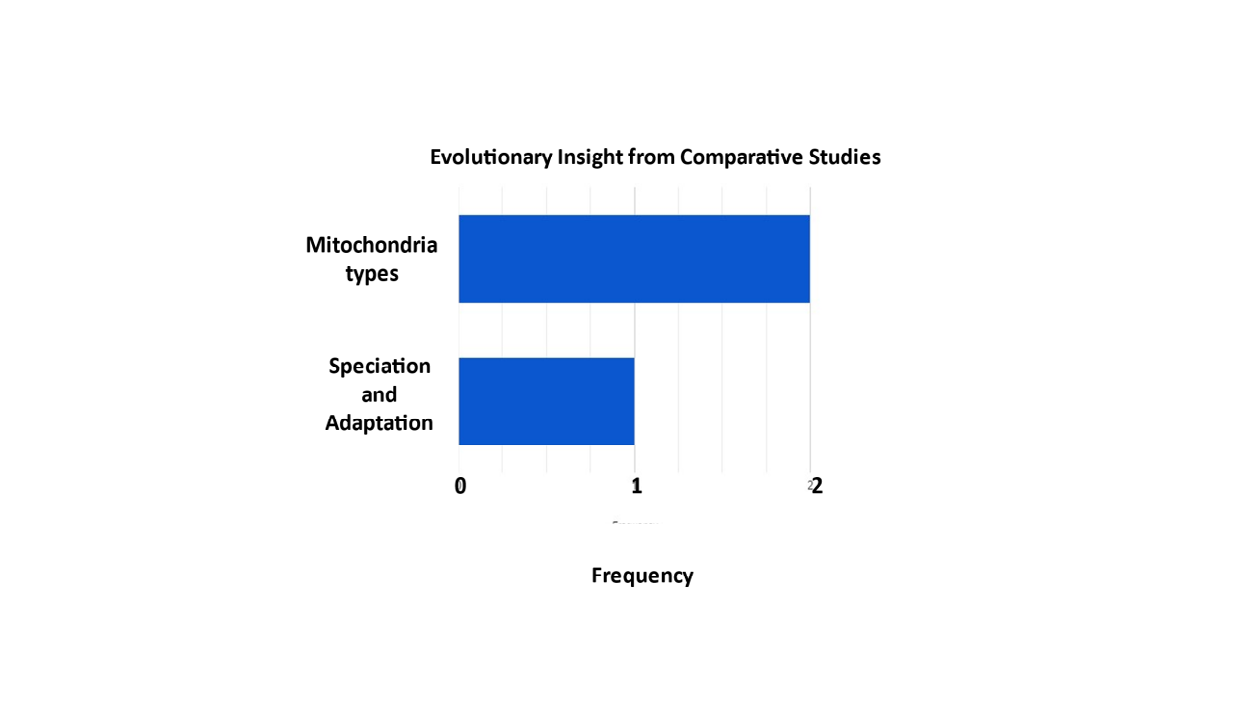
Comparative genomics assisted in understanding the evolution of Bombyx mandarina genetically. Observation shows that though they came from the same ancestor, they evolved differently [10]. Their different types of mitochondria indicate how their evolution has resulted to speciation and has also helped them adapt successfully (Figure 1).
Significance in Silk Production
Silk is one of the products made by Bombyx mandarin’s genome, which is critical for research itself as well as having a direct influence on the industrial sector via its production. These findings from the studies can help improve the silk production and quality through breeding programs for Bombyx mori [11]. Therefore, genetic studies on robustness and natural variation in B. mandarina may facilitate creation of more resilient silkworm types against diseases.
Challenges and Future Research
Despite enormous development, it would be impossible to disclose the detailed genomic picture of the Bombyx mandarina. The incorporation of genetic information into ecological and behavioural researches on this species is necessary. The use of new genomic technology, however, will give us further insights into the genetics of significant characters in Fasman Bombyx mandarina. Study on the genome and the evolutionary history of Bombyx mandarina helped us understand a lot about silkworms, particularly about lepidopteran biological and wild moths growing. As time goes by, new information about this remarkable class could feed the next phases of sericulture as well as evolutionary biology improvements. Researches on Identified Genes and Their Functional Genomics (Table 3).
| Gene Name | Function |
|---|---|
| Sericin genes | These genes encode sericin proteins, which are major components of silk produced by Bombyx mandarina larvae. Functional genomics studies aim to understand the regulation of sericin gene expression and its role in silk production |
| Pheromone receptor gene | Bombyx mandarina uses pheromones for communication and mating. Studies on pheromone receptor genes aim to identify and characterize the genes responsible for detecting and responding to pheromone signals. |
| Evolutionary genes | Comparative genomics studies between Bombyx mandarina and other related species, such as Bombyx mori, aim to identify genes that have undergone evolutionary changes during domestication and adaptation to different environments. |
| Silk Protein A | Involved in the synthesis of fibroin, a key component in the structural integrity and strength of silk fibers. |
| Immuno Reg Bm | Plays a crucial role in the immune response of Bombyx mandarina, potentially contributing to pathogen resistance. |
| Fibroin Mod | Responsible for modifications in fibroin protein structure, affecting the texture and quality of silk. |
| Evo Gen Bm | Linked to evolutionary adaptations in Bombyx mandarina, particularly in response to environmental changes. |
| ImmunityBm1 | Gene responsible for the enhanced immune response in Bombyx mandarina, offering greater disease resistance than Bombyx mori. |
| Metabolic Regulator | Involved in the regulation of energy metabolism, crucial for the growth and overall development of Bombyx mandarina. |
| Development Gen Bm | Plays a key role in the developmental processes, indicating the inherent adaptability and evolutionary plasticity. |
| Genetic Divergence | Genetic divergence in Bombyx mandarina and Bombyx mori is a direct consequence of selective breeding and domestication, affecting silk production, immunity, and metabolism. |
| Silk Production Genes | Comparative genomic studies show that while the basic structure of fibroin and sericin protein genes is similar in both species, variations in expression and regulation lead to differences in silk quality. |
| Immune System Genomics | Bombyx mandarina has a more complex immune gene system compared to Bombyx mori, likely due to natural selection pressures in the wild, offering potential insights for breeding disease- resistant Bombyx mori strains. |
| Developmental and Metabolic Pathways | Investigates the resilience and adaptability of Bombyx mandarina through genes linked to developmental and metabolic pathways, shedding light on their evolutionary trajectory and survival strategies. |
Table 2: Researches on Identified Genes and their Functional Genomics.
Properties of Bombyx mandarina
Its wild ancestor, Bombyx mandarina has clearly distinguishable physical, chemical and biomechanical characteristics than its domestic form of Bombyx mori. These are among the characteristic features that have importance for sericulture, while they offer hints relative to the species’ evolutionary adaptations. Physical Properties Bombyx mandarina exhibits characteristic morphological features, including body size, coloration, and wing patterns, which may vary across different geographical regions [12]. Physiologically, Bombyx mandarina differs with Bombyx mori in many aspects. The morphologies are generally similar for most of their species except a few others that are typical of silk moth [13]. Contrary to B. mandarina that has special physical adaptations for a natural habitat. This allows them to have two or more wings with different coloured wings for camouflage as well as hiding from predators. This is especially true for Bombyx mandarina which generally shows more variability in terms of size and weight than Bombyx mori. Bombyx mori in controlled breeding environments is not similar to the different environmental conditions where Bombyx mandarina flourishes. Bombyx mandarina special physical features that go beyond pure camouflage and protection against predators are also evidence of its high genotype diversity and ability to evolve. Because there are many variations in size and body weight among a large number of people, a broad spectrum of genes is possible. This is unlike Bombyx mori that is reared deliberately and carefully small and uniform in size. The fact that there are many species Bombyx mandarina tells me that this animal can survive in different ecological conditions: these include varying temperatures and different foods [14]. Bombyx mori has shown less adaptability towards this versatility because of its adaption to stable environments controlled by human beings. The physical differentiation between these species reflects their paths of evolution and emphasizes the effects of humans on characteristics of species.
Chemical Properties
Silk of Bombyx mandarina appears similar to Bombyx morph silk when they are made up of the same constituents, but the former possesses distinct chemical nature. Bombyx mandarina silk composition may differ from Bombyx mori silk in terms of fibroin and sericin content, which can influence its chemical properties [15]. Sericin and fibroin make up silk, but due to different proportions and arrangements of the two proteins, silks differ in quality and character. This is because various chemical properties of the silk are greatly influenced by genetic factors. Analysing the metabolic profile of Bombyx mandarina can reveal differences in chemical constituents compared to Bombyx mori, impacting its physiology and behaviour [16]. Research has been established that Bombyx mandarina genes’ regulations and expressions levels vary in comparison with those of Bombyx mori which impact on the silk chemical makeup, shine, strength, and elasticity. The Bombyx mandarina silk is chemically distinct because it comprises of a specific fibroin and sericin proteins that underscore the species ability to adapt itself to different environments. Such vital for structure, properties, and function of the silk proteins have different proportions and organization in comparison with that found in Bombyx mori [17]. The variation has had a great impact on the silk overall characteristics such as lustre, strength and pliability to produce a differentiated silk fabric. These differences in quality of silk among the two species are indicative of their varying evolution stages and emphasize that they are not genetically related. These small but effective differences in the expression and regulation of genes between Bombyx mandarina and Bombyx mori dictate to the different chemical properties of the silk and show how the genes influence the material properties.
Mechanical Properties
Silk of Bombyx mandarina is considered as stronger and sturdier than that of Bombyx mori. The silk has to be tough because during this time it serves different purposes in the wild, like forming cocoons for example [18]. Silk also has good qualities of stretch or Bombyx mandarina silk elasticity and flexibility. Hence, Bombyx mandarina silk is able to adapt to the different mechanical stresses that prevail in the natural environment. Bombyx mandarina silk exhibits higher mechanical properties including strength and endurance that plays significant role in ensuring its survival out there in the wild. Silk’s resistance to physical abrasions and climatic variations is due to its evolutionary adaptation. This does not mean that it was merely a by-product of natural selection but a vital part of its ecological fitness. In addition, the pliability and pliancy of the silk gives it the capability to remain intact even in changing conditions [19]. These properties are not only of biological significance but are also relevant to the biomimetic applications where a chance to learn of the mechanical durability of Bombyx mandarina silk may bring new developments in material science. Silk of Bombyx mori, although soft and highly saleable due to its domestication and breeding for some specific traits like silk yield and texture is not as rugged as that from this resilient silk moth.
Comparison with Bombyx mori
The silk of Bombyx mandarina and Bombyx mori is of high quality, smooth, shinny, and strong. The reason why Bombyx mori was the best candidate for domesticating and selective breeding is because its basic molecular structure in silk proteins is the same as that of other moths [20]. Several distinct aspects exist. Typically, the Bombyx mandarina silk is coarser but finer than that of Bombyx mori. The most significant differences happen because each population lives in very unique situations, or are from different evolutionary lineages. Exploration of silks differences in Bombyx mandarina and Bombyx Mori creates intriguing concepts regarding difference made by nature versus manipulation. artificial selection. Even though the silk of both species is good, the silk of Bombyx mandarina has toughness, which is an evolutional outcome and survival factors in the wild. It is noteworthy that by selective breeding over many years the Bombyx mori silk has acquired special properties like ultimate fineness and homogeneity while the wild silks lack such attributes. The observed differences demonstrate that the two species developed differently and survived with varied surroundings. Such a comparison is useful in studying the biology of silk. It also helps create a hybrid silkworm between Bombyx mori and Bombyx mandarina; the product would be a soft Bombyx mori kind and strong Bombyx mandarina type of silkworm. This synergy might lead to creation of novel and brilliant applications of fabrics not only within the textile sector but also surpassing its limits.
The properties of Bombyx mandarina silk are crucial for effective sericulture. Such modifications of genetic and environment could enhance the quality of silk yielded through Bombyx mori. Silk from silkworm presents great potential for a more solid product in silk fabric [21]. More research is required on the physico-chemical and mechanical behaviour of silk of Bombyx. mandarina. Using more advanced analytical techniques would give more insight into the molecular structure of the silk and its potential applicability for textiles and materials science. Analysis of Bombyx mandarina characters gives relevant data about the ancestral silk characters. Such data help in improving silk production in Bombyx mori [22]. This comparison of properties between two related but different species provides a basis to further improvements in genetics to develop higher qualities of silk that are desired in the future of sericulture development.
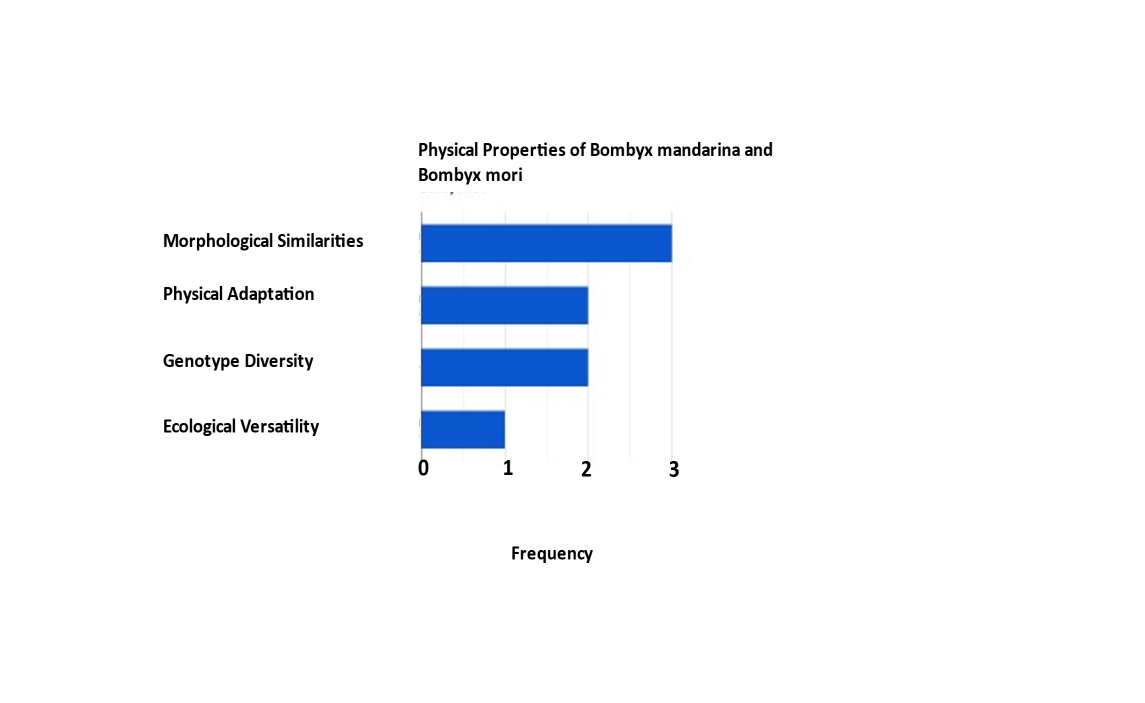
Table 4; Guo, et al. [1] examined the nine loci, the average sample sizes were 14.9 for domesticated silkworms and 14.7 for wild silkworms. After excluding indels, the length of alignment sequences varied from 788 to 1678 bp and a total Locus Species N S πtotal πsilent πa/πs Tajima’s D Rm R Wnt-1 B. mori 16 31 0.0082 0.0102 21 0.0121 0.0135 0.0022 0.0358 0.059 -0.77 1 0.041 B. mandarina 15 45 0.0092 0.0151 26 0.0146 0.024 0.0023 0.0346 0.066 -1.67 3 0.074 Er B. mori 16 14 0.0032 0.0054 7 0.0051 0.0025 0.003 0.832 -1.58 0 0.087 B. mandarina 15 25 0.0052 0.0098 9 0.0109 0.0032 0.0061 0.517 -1.92 0 0.031 of 9268 bp sequence per individual was sequenced, including 4368 bp of coding region and 4964 bp of noncoding region, respectively.
| GST | B. mori | 16 | 48 | 0.016 | 0.0177 | 7 | 0.0173 | 0.02 | 0.0046 | 0.0418 | 0.107 | -0.4 | 5 | 0.017 |
|---|---|---|---|---|---|---|---|---|---|---|---|---|---|---|
| B. mandarina | 15 | 75 | 0.0121 | 0.0288 | 6 | 0.0238 | 0.037 | 0.0033 | 0.0338 | 0.097 | -1.12 | 7 | 0.009 | |
| α-Amy | B. mori | 15 | 60 | 0.0155 | 0.0181 | 8 | 0.0187 | 0.0221 | 0.0025 | 0.0271 | 0.091 | -0.62 | 8 | 0.007 |
| B. mandarina | 15 | 107 | 0.0246 | 0.0302 | 8 | 0.029 | 0.0348 | 0.0007 | 0.0311 | 0.022 | -0.81 | 10 | 0.023 | |
| Adh | B. mori | 14 | 29 | 0.0043 | 0.0054 | 8 | 0.0081 | 0.0096 | 0.0007 | 0.0103 | 0.065 | -0.89 | 0 | 0.009 |
| B. mandarina | 14 | 73 | 0.0089 | 0.0137 | 22 | 0.017 | 0.0256 | 0.0012 | 0.0202 | 0.057 | -0.155 | 2 | 0.013 | |
| Defa | B. mori | 16 | 4 | 0.0006 | 0.0014 | 0 | 0.0007 | 0.0017 | 0 | 0 | 0 | -1.83 | 0 | 0 |
| B. mandarina | 15 | 85 | 0.0202 | 0.0322 | 14 | 0.0207 | 0.0331 | 0.0158 | 0.0118 | 1.339 | -1.63 | 4 | 0 | |
| PBAN | B. mori | 16 | 56 | 0.0228 | 0.0182 | 4 | 0.0268 | 0.0215 | 0.0073 | 0.003 | 2.409 | 1.09 | 0 | 0.001 |
| B. mandarina | 15 | 98 | 0.0312 | 0.0326 | 10 | 0.0364 | 0.0389 | 0.01 | 0.0132 | 0.76 | -0.18 | 12 | 0.069 | |
| RpSA | B. mori | 14 | 70 | 0.0269 | 0.0196 | 4 | 0.0322 | 0.024 | 0 | 0.0108 | 0 | 1.64915 | 2 | 0.002 |
| B. mandarina | 14 | 93 | 0.0273 | 0.0266 | 8 | 0.0349 | 0.0339 | 0.0058 | 0.0209 | 0.027 | 0.12187 | 7 | 0.028 | |
| AchE | B. mori | 11 | 18 | 0.0075 | 0.0052 | 18 | 0.0297 | 0.0191 | 0.001 | 0.0297 | 0.033 | 1.99589 | 2 | 9E-04 |
| B. mandarina | 14 | 37 | 0.0089 | 0.0098 | 37 | 0.0389 | 0.0422 | 0.0002 | 0.0386 | 0.004 | -0.3962 | 5 | 0.04% | |
| Total/ average | Domesticated | 330 | 0.0117 | 0.0112 | 77 | 0.0166 | 0.0152 | 0.0023 | 0.018 | 0.04 | -0.2173 | 2 | 0.018 | |
| Wild | 638 | 0.0174 | 0.0221 | 140 | 0.0246 | 0.0312 | 0.0041 | 0.0234 | 0.321 | -0.9043 | 5.6 | 0.033 |
Table 3: P<0.05; n: sample size; S: the number of segregating sites; πtotal: the mean number of nucleotide differences per site b
Table 4: P<0.05; n: sample size; S: the number of segregating sites; πtotal: the mean number of nucleotide differences per site based on entire locus; θw: Watterson’s estimator of 4Neu based on entire locus πsilent: π values for silent sites (Synonymous and noncoding sites); θsilent: θ values for silent sites (synonymus and noncoding sites); Rm: the estimate of minimum number of recombination events ( Hudson and Kaplan 1985) R: the estimate of the population recombination parameter per sites (Hudson 1987) Scoding: number of segregating sites in coding region; πa: average pairwise differences calculated on non synonymus sites; πs: average pairwise differences based on synonymus sites; πa/πs ratio of πa to πs.
Current Challenges in Research
One of the primary issues with this study object is the need to preserve genetic diversity among the wild stocks of Bombyx mandarina. With the escalation of habitat loss, there is a possibility of genetic erosion that will lead us to know more about this species’ evolutionary history as well as its future uses. Although, genetic works regarding Bombyx mandarina have enabled us to learn more about it, there are still some technical restrictions [23]. Its complex genome, combined with insufficient genetic databases dedicated to this species, complicates profound genetic analysis. It would be necessary to make interdisciplinary studies in order to understand how the environmental conditions influence the population of Bombyx mandarin. Due to the absence of many ecological studies, our comprehension of the way environmental conditions shapes its life cycle, behaviour, and silk production is very limited. However, in Bombyx mandarina researches the genetic interactions between these two species with Bombyx mori are understudied [24]. These interactions must be understood because there might be revelations about the evolutionary factors that caused the domestication of Bombyx mori. Hybridization prospect of these two species with their consequent genetic exchange can help in the determination of important evolutionary adaptations. A newer problem arises in interpreting the impact of global climate change on Bombyx mandarina.
Like many other species, this one is threatened by changes in habitats and in weather patterns. If we are serious about conserving this species, we must conduct research on how these changes affect the silk cycle of its lifecycle as well as its survival strategies, which may, in turn, serve as lessons for greater biodiversity and adaptation to climate [25]. More study is required to comprehend the silk protein production and regulation in Bombyx mandarin. Although the necessary elements have been identified, the complex mechanisms that influence their synthesis through different enzymes and regulator genes are still not fully understood. This can help advance bioengineering where silk production is improved or done in lab. Given the growing incidence of pathogen attacks on silkworms, it is essential to investigate the genetic basis for disease resistance in Bombyx mandarina. Investigation of Bombyx mandarina native immune responses may be used as models to improve Bombyx mori disease resistance necessary for silk longevity. Environmental and nutritional effects on Bombyx mandarina development and silk quality remain unclear. Studies in this field can reveal the impact that diet and habitat fluctuations have on silk manufacture and show what are the best conditions for culturing the wild and domesticated silk worms [26]. During ethical and sustainable research on Bombyx mandarina. Protecting this endangered species requires ensuring that scientific research does not have a negative effect on their natural populations and habitats. This should involve breeding the responsible dogs and conserving the habitat. Addressing these issues necessitates an interdisciplinary methodology which includes genetics, ecology, climatology and material science. Working together with researchers, conservationists and industry players shall lead to improved knowledge about Bombyx mandarina and application thereof. It is expected that these initiatives will not only benefit in sericulture, but also ecological and genetic research at large as research progresses.
Future Research Directions
Further researches needs to take advantage of more sophisticated genomic techniques such as CRISPR and high throughput sequencing. These will not only reveal the genetics of Bombyx mandarina but also help in their conservation and study of its evolutionary history. Therefore, detailed ecological and behavioural studies are required to understand the environmental-behavioural interactions of Bombyx mandarina [27]. This can help explain how it makes natural silk as well as its survival mechanism. Changing the silk market can be done by investigating the possible improvement of silk by incorporating the strong Bombyx mandarina properties into Bombyx mori silk. In this case, it is possible to have a research that can come up with better Silk products which are stronger/elastic among others. Understanding how Bombyx mandarina deals with infections when weather patterns change may lead to improved resistance of domesticated silk-worms. Such findings can be used to develop more sustainable and durable environmental friendly processes for sericulture. Bombyx mandarin can also be utilized to develop new biotech and materials science application [28]. Silk from this moth could potentially be developed into new designs of material in medicine, aerospace and textile sectors for future studies. Conserving specific moths like Bombyx mandarina. The researchers will do best by focusing on measures meant to conserve species’ natural habitats, as well as maintain its genetic composition, since the same will be used in exploring the rare properties of the species. The investigation of Bombyx mandarina has its advantages and disadvantages. Through applying modern methods on technology, cross-curriculum, and preservation techniques new worlds of discovery about how wonderful is this creature might open up [29]. Research on Bombyx mandarina has prospects in genetics, ecology, material science and silkworm breeding and promises scientific breakthroughs, practical applications and fascinating discoveries.
Conclusion
Deep understanding of Bombyx mandarina and Bombyx mori has been a great source of knowledge in the areas of sericulture, genetics, and evolutionary biology. This concludes highlights from different sections and outlines their more general meaning. It is this understanding that underpins the search for meaning in the ecological and evolutionary importance of Bombyx mandarina. The important insights showed that colour changes and size variation in Bombyx mandarina evolved as a result of its wild origin as compared with the more uniform characteristics of the domesticated Bombyx mori. The comparative genomic and evolutionary relationships of Bombyx mori and mandarina were used to elucidate the taxonomy and divergence between these two species. Mitochondrial genome studies showed up in advanced genomic analyses which revealed genetic difference that resulted from domestication and artificial selection. It focused on genes, function genomics on Bombyx mandarina and its genetic complexity. Through comparison with Bombyx mori, the study demonstrated how variations in genes expression and regulation influence different biological functions such as silk synthesis, immunity, and development. An examination of the physical, chemical and mechanical properties, mainly pertaining to the silk of Bombyx mandarina, showed considerable disparity with Bombyx mori. The variations due to natural selection and environmental adaptations were proof to the strength and flexibility of the Bombyx mandarina silk, thus leading towards an improved silk product in sericulture.
Future direction in the ongoing Bombyx mandarina research would require addressing current challenges including preserving genetic diversity and identifying environmental impacts. The research is based on advanced genomic studies, ecological research and silk property enhancement that may transform sericulture and material science. A comparative study between Bombyx mandarina and Bombyx mori is not just an academic task, but also it has applied values to sericulture, genetic research, and even material science. Such genetic and phenotypic variations between these species help to reveal the evolutionary and domestications mechanisms. Thus, this knowledge becomes crucial in developing new silk production techniques, developing disease resistances, and even inventing new material resembling Bombyx mandarina silk. This study underscores the need for preserving Bombyx mandarina because in the future it could be an important genetic reservoir for sericulture. The preservation of the genetic diversity of this species becomes more critical with ongoing dangers such as climate change and environmental degradation. The case study on Bombyx mandarina and Bombyx mori represents a complicated interplay between natural history and human interference. In this work, it is demonstrated that a greater comprehension of the genetic basis of a species, its evolutionary development, and morphology can result in major breakthroughs across many disciplines. In the future, this research will have a great potential not only for the silk industry but even for the development of different kinds of biotechnology, conservation, and the understanding of nature’s complexities.
References
-
Guo C, Duan D, Sun Y, Han Y, Zhao S (2019) Enhancing Scenedesmus obliquus biofilm growth and CO2 fixation in a gas-permeable membrane photobioreactor integrated with additional rough surface. Algal Res 43:101620.
-
Lappalainen T, Scott AJ, Brandt M, Hall IM (2019) Genomic analysis in the age of human genome sequencing. Cell 177(1): 70-84.
-
Langmead B, Nellore A (2018) Cloud computing for genomic data analysis and collaboration. Nat Rev Genet 19(4): 208-219.
-
Kuriqi A, Pinheiro AN, Sordo-Ward A, Bejarano MD, Garrote L (2021) Ecological impacts of run-of-river hydropower plants—Current status and prospects on the brink of energy transition. Renew Sustain Energy Rev 142: 110833.
-
Kour D, Rana KL, Yadav AN, Yadav N, Kumar M, et al. (2020) Microbial biofertilizers: Bioresources and eco- friendly technologies for agricultural and environmental sustainability. Biocatal Agric Biotechnol 23: 101487.
-
Kawamoto M, Jouraku A, Toyoda A, Yokoi K, Minakuchi Y, et al. (2019) Highquality genome assembly of the Silkworm, Bombyx mori. Insect Biochem Mol Biol 107: 53-62.
-
Mao Y, Botella JR, Liu Y, Zhu JK (2019) Gene editing in plants: progress and challenges. Natl Sci Rev 6(3): 421- 437.
-
Kamiya A, Hayama Y, Kato S, Shimomura A, Shimomura T, et al. (2019) Genetic manipulation of autonomic nerve fiber innervation and activity and its effect on breast cancer progression. Nat Neurosci 22(8): 1289-1305.
-
Holzinger A, Langs G, Denk H, Zatloukal K, Müller H (2019) Causability and explainability of artificial intelligence in medicine. Wiley Interdiscip. Rev Data Min Knowl Discov 9(4): e1312.
-
Geiser J, Boivin G, Huang S, Constant S, Kaiser L, et al. (2021) RSV and HMPV infections in 3D tissue cultures: mechanisms involved in virus-host and virus-virus interactions. Viruses 13(1): 139.
-
Garrison E, Sirén J, Novak AM, Hickey G, Eizenga JM, et al. (2018) Variation graph toolkit improves read mapping by representing genetic variation in the reference. Nat Biotechnol 36(9): 875-879.
-
Zhang J, Zhang S, Li S, Han S, Wu T, et al. (2013) A genome- wide survey of microRNA truncation and 3′ nucleotide addition events in larch (Larix leptolepis). Planta 237: 1047-1056.
-
Yazawa K, Malay AD, Masunaga H, Numata K (2019) Role of skin layers on mechanical properties and supercontraction of spider dragline silk fiber. Macromol Biosci 19(3): e1800220.
-
Wong SK, Chin KY, Ima-Nirwana S (2019) The osteoprotective effects of kaempferol: the evidence from in vivo and in vitro studies. Drug Des Dev Ther 13: 3497- 3514.
-
Ahamad MSI, Kari NN, Vootla SK (2018) Pathogen- driven proteomic changes in hemolymph of nuclear polyhedrosis virus-infected silkworm Bombyx mori L. Trends Insect Mol Biol Biotechnol pp: 103-126.
-
Karp X (2021) Hormonal regulation of diapause and development in nematodes, insects, and fishes. Front Ecol Evol 9: 735924.
-
Wang YN, Fu LM (2018) Micropumps and biomedical applications–A review. Microelectron Eng 195: 121-138.
-
Tol RS (2018) The economic impacts of climate change. Journal of Economic Perspectives 23(2): 29-51.
-
Tobi H, Kampen JK (2018) Research design: the methodology for interdisciplinary research framework. Qual. Quant 52(3): 1209-1225.
-
Stein JC, Yu Y, Copetti D, Zwickl DJ, Zhang L, et al. (2018) Genomes of 13 domesticated and wild rice relatives highlight genetic conservation, turnover and innovation across the genus Oryza. Nat Genet 50(2): 285-296.
-
Shavandi A, Bekhit AEDA, Saeedi P, Izadifar Z, Bekhit AA, et al. (2018) Polyphenol uses in biomaterials engineering. Biomaterials 167: 91-106.
-
Shaiber A, Willis AD, Delmont TO, Roux S, Chen LX, et al. (2020) Functional and genetic markers of niche partitioning among enigmatic members of the human oral microbiome. Genome Biol 21: 1-35.
-
Schoberer J, Strasser R (2018) Plant glyco-biotechnology. SeminCell Dev Biol 80: 133-141.
-
Salgotra RK, Chauhan BS (2023) Genetic diversity, conservation, and utilization of plant genetic resources. Genes 14(1): 174.
-
Pensupa N, Leu SY, Hu Y, Du C, Liu H, et al. (2018) Recent trends in sustainable textile waste recycling methods: current and prospects. Chem Technol Waste Valorization pp: 189-228.
-
Nicholl DS (2023) An introduction to genetic engineering. Cambridge Univ Press, USA.
-
Moses L, Pachter L (2022) Museum of spatial transcriptomics. Nat Methods 19(5): 534-546.
-
Monti C, Zilocchi M, Colugnat I, Alberio T (2019) Proteomics turns functional. J Proteom 198: 36-44.
-
Mejzini R, Flynn LL, Pitout IL, Fletcher S, Wilton SD, et al. (2019) ALS genetics, mechanisms, and therapeutics: where are we now?. Front Neurosci 13: 1310.
- California Red-Legged Frog and Non-Listed Amphibians Response to Non-Native Fish Removal
- Industrial Standardization of the Bio-OS: Algorithmic Codification of Resilience Engineering Guidelines and Version V8 Architecture
- Climate Variability and the Sustainability of Snail Farming in Nigeria: Past Trends, Present Challenges and Potential Outlook
- The Evaluation of the Surveillance System of Anthrax in Gilgit-Baltistan, Pakistan, 2018
- Natural Decline to Extinction of A New Zealand Rabbit Population
- Mitochondrial Bio-Logistics: Steering Co-Enzyme Q10 and Lycopene Synergies within the Science 4.0 Bio-OS Framework