
How to Play the Enviroment to Dispersal Way to Cnidaria
The cnidarian dispersion can be done by different methods and the methods employed by different species is the results between the species and his environment, so this last one play an important role because under certain environmental conditions the species is obbligato to answered with efficient and fast methods for his own survivor and his descendent, so it is a play of equilibrium between species and the surround habitats..
Introduction
The Phylum Cnidaria is an animal group characterized for found in different habitats or communities like plankton, benthos, psammon and the interface air-water like the order Siphonophorae; on this last cases the influence from two different area from wind and water influence on morphology on colony of that order; the wind influence done polyps on superficial water haven an aspect like a sail so the wind push this sail and the colony is moving and polyps under water haven different functions like food, reproduction and fishing .So these environmental diversities done the different species developed strategies for to survive. The strategies are wide and variable and these depend of complex factors like substratum, size of species, behavior between species, types of larvae, beneficent between species, cycle of life, type of reproduction, etc.
So on the following pages will be analyzed different aspect of how the environment play on the dispersion way of this group.
Results
Planulae Larvae
This types of larvae is the general larvae of Phylum Cnidaria and particulars taxonomic groups haven another larvae like for example Actinulae larvae of Hydrozoan like Fam. Tubulariidae; this type of larvae is a modified from Planulae larvae; another taxonomic group like Zoantharia have a Semper larvae , here is a modified of Planulae larvae too, and other larvae types can to see in another taxonomic group.
This type of larvae is characterized for having a collar and an apical tuft (Figure 1) and it has a long of 74 um; in few days this apical tuft is orientated to substratum for fixed lately [1, 2].
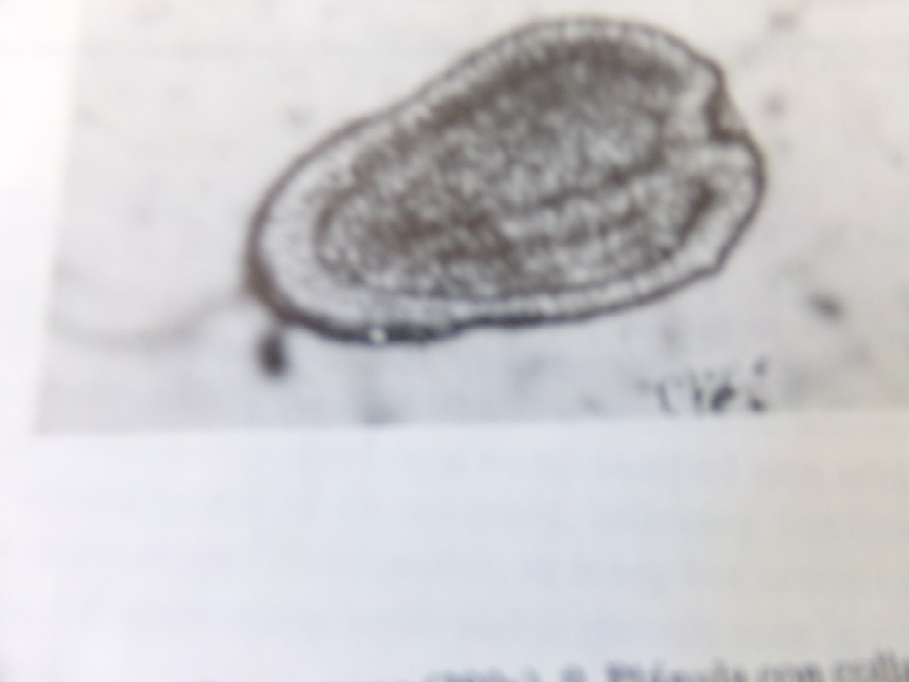
This larvae swimming with her apical tuft and when it reached the substratum beneficious, it fixed on it and begin their development in a juvenile cnidarian. The wide range of dispersal movement of planulae larvae help to species to have a great area of distribution and this last one help to get another sources of food and environment conditions better than before.
Through this methods of dispersion, the species can to get new zones of benthic like rocks, rocks fissure, smooth superficial and some species can do epibiotic with other species like crustaceans or mollusk.
The benthos is a dominion with ecological niches occupied, so it is homeostatic and the hydrostatic pressure only has influence on that organisms with epithelium skeletal sac like sea anemone [3].
This ecological characteristic let to Cnidaria have a good development and it let to have a biological cycle where the species can to get beneficious such as food or new substratum or new ecological niches.
Actinulae Larvae
Some cnidarians like Fam. Tubulariidae (Hydrozoa) have a larvae called Actinulae. This larvae has an elliptical body with two zones, one upper with a cycle of tentacles and the mouth and other lower bigger than first and the junction between both of them there is a circle of tentacles [4] (Figure 2).
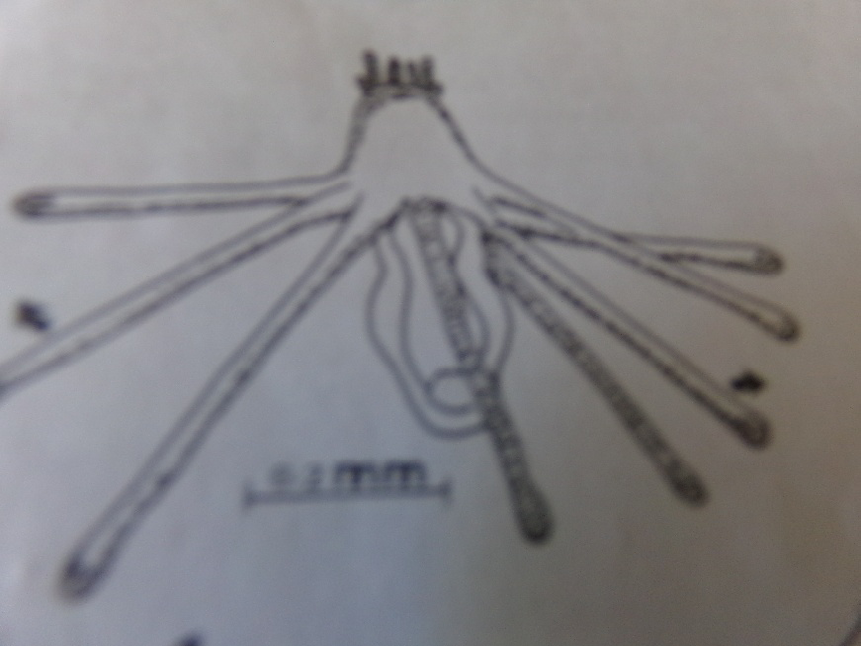
The two cycle of tentacles haven different function, meanwhile the first one are short and used for catching food because they are near of mouth, the second one are long and they are in the junction of both zones of body and they are employed for swimming. This behavior is used by larvae for searching for a good substratum and fixed on it.
The selected substratum generally is strong like a rock, valves of mollusk or shell of crustacean; when this last two association are done it let to hydrozoan to get new area of distribution and to get another foods. Generally this life cycle are found near littoral shores because the medusa stage obtained from polyp swimming generally in neritic oceanic.
Semper Larvae
This type of larvae has a body in two parts: one up called episphere with the mouth and the stomodaeal cavity and one low called hyposphere with mesenteries; between both of then there is a cingulum; this last one is used for swimming (Figure 3).
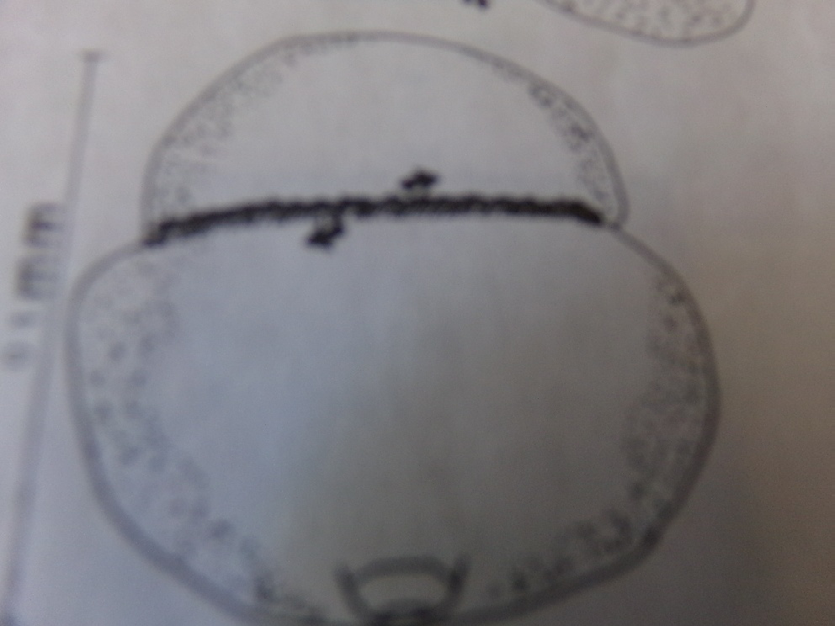
During the translation movement this larvae selected the types of substratum and fixed on it for growing and transformed in a young individuals.
The Actinulae larvae and Semper larvae are characteristic of dominion benthic because her life-cycle in neritic oceanic is short, because this last one is only when the larvae is swimming searching for a good substratum where it can to fixed.
Pedal Laceration
The pedal laceration (asexual reproduction) is the fragmentation from border of pedal disc and it is found in some species of sea anemones (Actiniaria) like Tricnidactis errans or Pseudoparactis tenuicollis; both of them generally are living on mollusk, so the substratum is small and the number of fragments originated from pedal laceration must to be reduced because its number is limited for the size of substratum (Figure 4).
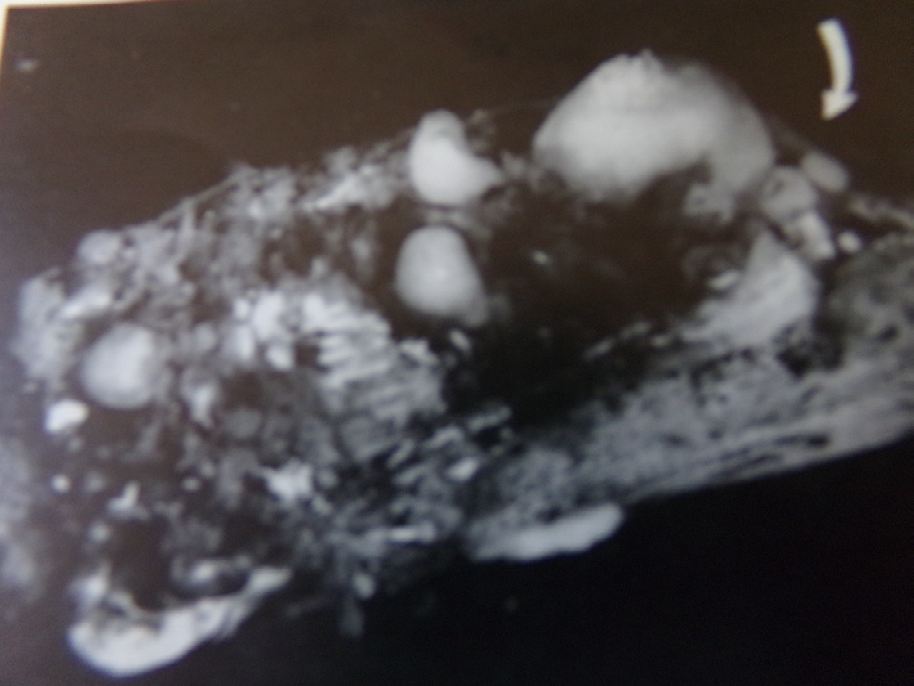
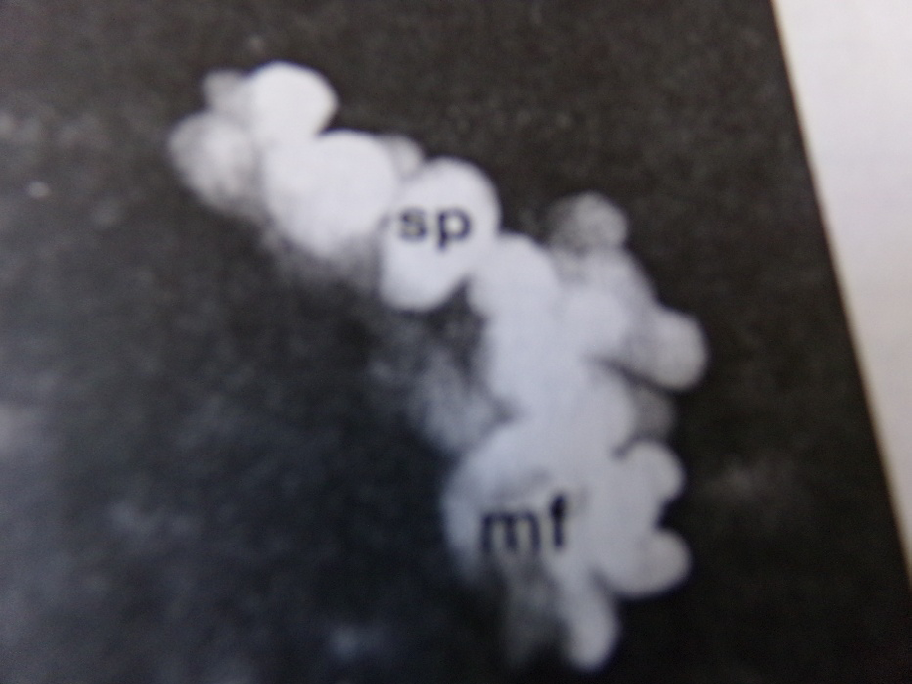
Here can to see like the environment put limits to the biology of organisms where they can originated a number of fragments no to many. Spermatophore This reproductive system was discovery by Excoffon & Zamponi in 1999 when both of them are studying the reproductive biology of Sagartia troglodytes (Fam. Sagartiidae) (sea anemones) [5].
Fertilization by distant males and females is limited by the viability of active sperm, predation on gametes and the dilution of gametes in seawater, which is likely to be the greatest obstacle. According to Strathmann [6], in solitary benthic animals spermatophores may combine passive dispersal with the single paternity for a clutch of eggs.
This species is found to European coasts of the Atlantic Ocean, the Mediterranean Sea and the South West Atlantic Ocean too.
For all above mentioned it can see like species development new adaptive strategies for to survive and how the environment impose its conditions (Figure 5).
Epibiotic and Symbiosis on Mollusk and Crustacean
The association between different species can to be circumstantial or obligatory; so here to show two association can to be considered obligatory such as the epibiotic between sea anemones and mollusk and symbiosis between sea anemones and crab.
Epibiotic between sea anemone and mollusk.
This association was mentioned when it was studied the pedal laceration, so here there is one question for answering: is this association obligatory or facultative?.
It is obligatory because the size of species Tricnidactis errans is too small and fragile and generally it life in protected area, so one way to be protected is in association with a mollusk; and the size of this last one is not so great so the size of it limits the number of fragment to get by pedal laceration.
Another example can be the sea anemone Neoaiptasia morbillais living on shells of living gastropods that burrow in subtidal sand on the shores from Mariana Islands [7, 8, 9].
Symbiosis between sea anemone and crustacean.
This association can to be occasional or obligatory; when it is occasional the sea anemone use the crab for transfer from place to another place and with this way of moving, the sea anemone can to get other source of food and it can extend her distribution area (Figure 6).
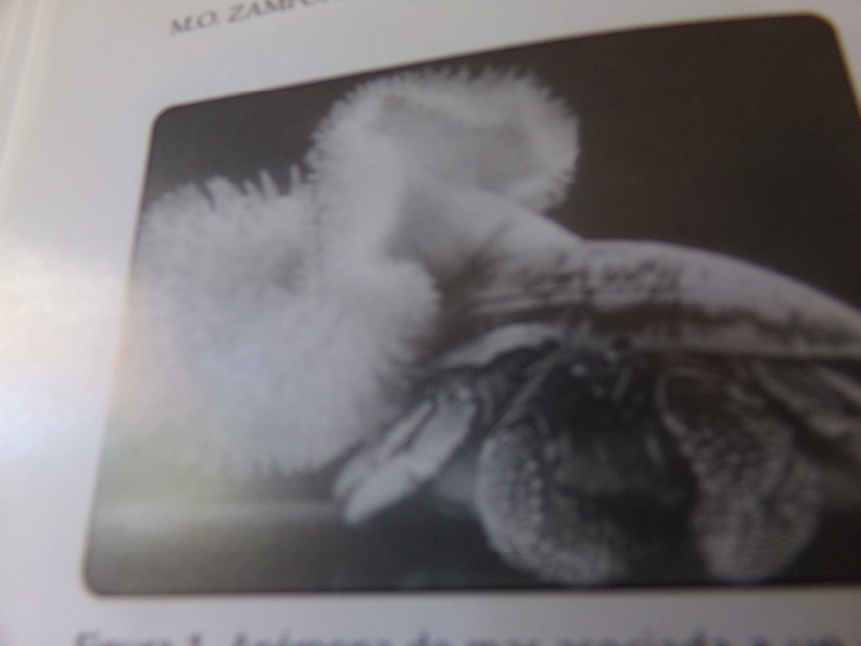
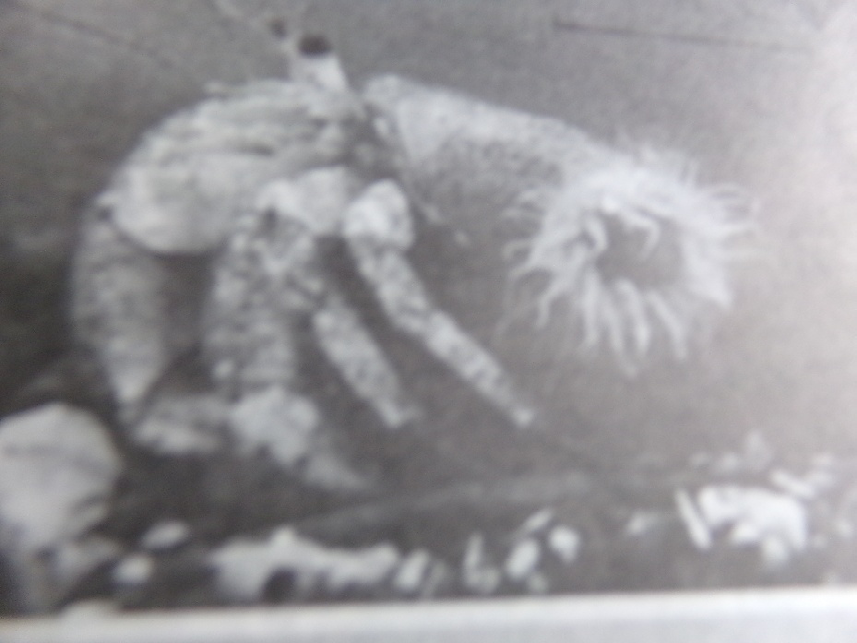
When the association is obligatory like sea anemone Paracalliactis mediterranea and the crab Pagurus variabilis, this association is complex because here there are three components: sea anemone, crab and mollusk [7]. The crab use the empty valve of mollusk and over it there is sea anemones, so here can to see two beneficial like crab use the empty valve for protection and sea anemones fixe on valve and it can to move from place to another when crab is moving.
The symbiosis here is very obligatory because the crab is protected by the valves and the sea anemone can to move when the crab is moving.
This associations is the result of an environment with difficult and hard conditions (Figure 7).
Takata, et al [8] found one association between Tempuractis rinkai (sea anemone) and homoscleromorph sponge of genus Oscarella (8). These authors suggests a possible obligate symbiosis between both of them because T. rinkai always found living inside sponge.
Here it found a similar cases to T.errans because it living on mollusk for protected because it has a small size and T.rinkai life into sponge for protecting from predatory because this last one has a small size too.
Life Cycle Polyp-Medusa
Here we find a complex matter because there are two types of cycles; one of them development in two marine community like plankton community and benthic community and the second one developed in plankton community and generally in pelagic oceanic.
The cycle with two marine community has one step called polyp and it is living in the benthic community on rocks, or hard substratum; this polyp is fixed to substratum through hydrorhiza. This polyp has different structure like hydrant (it catch food with nematocysts) and gonophore (it developed bud of medusa).
When this last one has to grow and developed, it begin to swing in plankton community and it go away from polyp and lately this medusa will begin again a new circle with formation of another polyp and successively.
This type of cycle has advantages because development in two different community (Plankton and Benthic), so both of them give to cycle necessary energy for development and the medusa-stage let wide dispersion of cycle because the stage polyp is sessile.
The other cycle developed generally in plankton community is a direct cycle because the polyp- stage is not frequent like the other cycle, so here can to say the cycle is medusa-medusa; in general here there is not polyp-stage but some order of Scyphomedusae can to present it.
The order Semaeostomeae is one of them, so here it find a polyp called scyphistoma and it by budding producing larval medusa known ephyrae; this young ephyrae grow rapidly and it transformed in a young medusa. When it is present there are certain characteristics with another cycle (Figure 8).
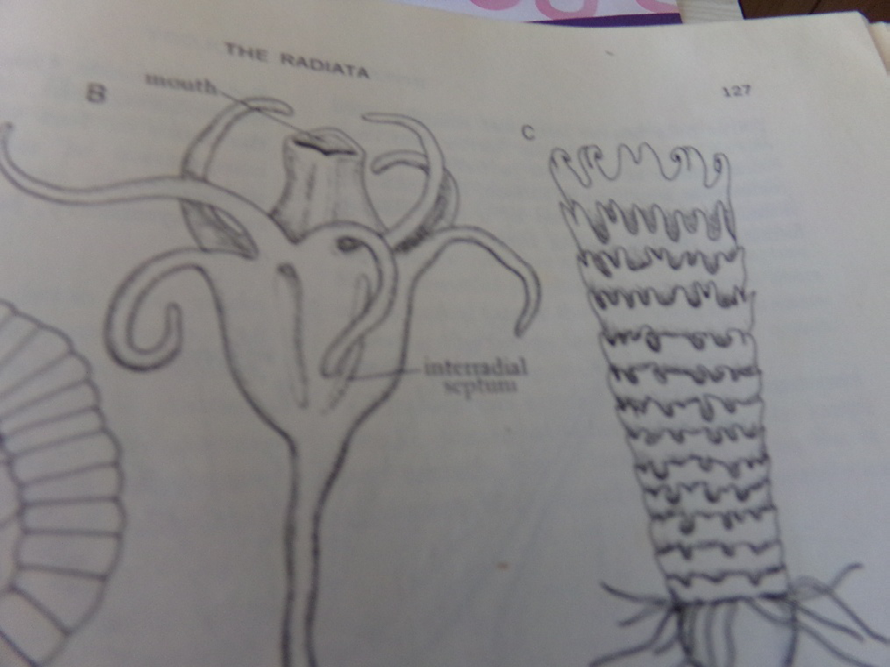
This type of cycle development in pelagic oceanic because the medusa is greater than medusa from cycle polyp-medusa. This last one is smaller than before so their development is associated to polyps that are distributed on littoral stone or rocks.
Discussion
After done an analysis in relation the behavior between species and their environment, it is clear the direct relation between both of them. When the environment is dangerous and their variable ( t°, salinity, depth, currents) and other factors such as carnivorous and detritivore species are in equilibrium and most ecological niches are occupied, so the species must development strategies for survive such as symbiosis, epibiotic ,life cycle and reproductive strategies. Each one is beneficious for each species and the success belong to the species in particular and his environment. For example some species must to develop a reproductive cycle with two step (polyp-medusa) and with these facet, the species can get foods and energy from two community [10, 11].
Other species must to be protected from currents or enemy, so it life in symbiosis or epibiotic and can to move to another areas and to get extend her distribution. When the species is in a new area it can get new food and it can out of enemies or dangerous depredator.
The presence of different larvae from a general larva planulae, lets to species to move far away from its original place to another place and through it the specie can to reach new place where it can development. This new place is very useful because the environment conditions are different and beneficious for the species. For all express, each species and his respective environment make one unity not stablish because the last one can to change according to variable like deep, salinity, temperature,etc.
References
-
Excoffón AC, Zamponi MO (1996) Reproducción de Oulactis muscosa Dana, 1849 (Cnidaria; Actiniaria) en el intermareal de Mar del Plata, Argentina. Biociencias Porto Alegre 4(1): 127-143.
-
Zamponi MO, Chilliguay JW (2023) The unluky and ordinate distribution of Actiniaria (Cnidaria, Hexacorallia) and Rugosa (= Tetracorallia +). Int Jour Zool and Anim Biology 6(4): 1-3.
-
Zamponi MO (2024) The relation between shape and medium. Int Jour Zool and Anim Biology 7(6): 1-8.
-
Zamponi MO (1991) Un estudio comparativo entre algunas larvas de Cnidaria y la presencia de caracteres larvales primarios y adultos durante el ciclo de vida. Iheringia Sér Zool Porto Alegre (71): 145-156.
-
Excoffon AC, Zamponi MO (1999) Sagartia troglodytes (Price, 1847) (Cnidaria: Sagartiidae) from the South- Western Atlantic Ocean and the first evidence of spermatophores in sea anemones. Acta Adriat 40 (1): 77-86.
-
Strathmann RR (1990) Why life histories evolve differently in the sea?. An Zool 30: 197-207.
-
Ross DM, Zamponi MO (1982) A simbiosis between Paracalliactis mediterránea N. Sp. (Anthozoa - Actiniaria) and Pagurus variabilis A. Milne-Edwards and Bouvier. Vie Milieu 32 (3): 175-181.
-
Izumi T, Ise Y, Yanagi K, Shibata D, Ueshima R (2018) First detailed record of simbiosis between a sea anemone and homoscleromorph sponge, with a description of Tempuractis rinkai gen. et sp. nov. (Cnidaria: Anthozoa: Actiniaria: Edwardsiidae). Zoological Sciences 35: 188- 198.
-
Fautin DG, Goodwell RH (2009) Neoaiptasia morbilla new species (Cnidaria: Actiniaria), a sea anemone symbiont of sand-dwelling gastropods on Saipan, Mariana Islands, with comments on some other such associations.
-
Meglitsch PA (1972) Invertebrate Zoology. In: 2nd (Edn.), Oxford University Press, pp: 834.
-
Excoffon C, Zamponi MO (1995) The reproductive Biology of Tricnidactis errans (Actiniaria, Haliplanellidae) from rocky shore of Mar del Plata (Argentina). Cah Biol Mar 36: 175-179.
- California Red-Legged Frog and Non-Listed Amphibians Response to Non-Native Fish Removal
- Industrial Standardization of the Bio-OS: Algorithmic Codification of Resilience Engineering Guidelines and Version V8 Architecture
- Climate Variability and the Sustainability of Snail Farming in Nigeria: Past Trends, Present Challenges and Potential Outlook
- The Evaluation of the Surveillance System of Anthrax in Gilgit-Baltistan, Pakistan, 2018
- Natural Decline to Extinction of A New Zealand Rabbit Population
- Mitochondrial Bio-Logistics: Steering Co-Enzyme Q10 and Lycopene Synergies within the Science 4.0 Bio-OS Framework