
Nanotechnology Revolutionizing Public Health for the Covid-19 Era
This article examines the operationalization of nanotechnology’s revolutionary promises through the lens of the Coronavirus (“Covid-19”) crisis. As predicted by the USA National Nanotechnology Initiative (NNI) report to the President of the United States in1999 , nanotechnology has revolutionized how science views physical properties of matter and thus has revolutionized commerce by offering new products and ways to package and transport those products that seemed like science fiction a century before. Heralding a fourth industrial revolution, nanotechnology in everything from mascara lipstick, packaging, instant clothing, 3D printed housing, nanomedicine and meat grown in laboratories in outer space a has impacted health rights and health care from cosmetics to the cosmos. For workers and the families who have school children impacted by Covid-19 Emergency Executive orders to “stay in place”, nanotechnology is both a friend offering employment and elearning as well as a foe: enabling people to continue remote working; but increasing their financial hardship when people must absorb their own workplace overhead without additional support from their employers, oversight by safety and health regulators or investment back-up. For workers who did not originally intend to be telecommuters but are now finding themselves obliged to work at home, nanotechnology provides rapid communication but also enables a barrage of fake news and disinformation. Nanotechnology as an accelerator of travel in global commerce may, if unfettered by nanoregulation, present civil society with unacceptable levels of risk. Nanotechnology and nano-enabled medicines also make possible rapid telehealth communication at home, in-home. ehospital monitoring, transfer of data in remarkably large quantities, implementation of new risk communication models and galvanize scientific collaboration without regard to borders or geographic differences. Lessons learned from pandemics of the past underscore that work health and the survival of civil society are inextricably linked. Civil society is brought to halt whenever the quality of human life is threatened by pandemic, and Covid-19 fits the playbook of pandemic paradigms from the Great Plague of 1665-6 to the HIV/AIDS pandemic of the late twentieth century that has not been stopped or erased by Covid-19. History teaches that commerce in civil society stops, courts close, and already strained governmental infrastructures become dysfunctional to the brink of anarchy when pandemic forces citizens to self-isolate or quarantine to stop spreading disease. Therefore the link between health, work and the greater economy within society becomes impressively clear during pandemics. Lessons learned from historical precedents of pandemics and from the progress of Covid-19 across the globe demonstrate that a need for disaster planning to provide coordinated response to pandemics is not unprecedented but are sorely needed. And, a false dichotomy between health care costs as a commodity juxtaposed against competing economic concerns is inapposite: commerce cannot survive without healthy people to work, consume products and services and cleanup afterwards. These same issues appear universally across legal systems, regardless whether the governance structure is a tyranny, monarchy, democracy, fascist or an admixture of governance strategies. Thus, the Covid-19 crisis illuminates the significance of health as a civil right akin to the rights of people with disabilities, even in nations where health rights are not protected under the national constitution. Abolishing this false dichotomy of health versus economic growth is therefore a first step towards recognition of the need for public health capacity building, and then developing political will to support public health infrastructure. Therefore the Covid-19 pandemic will inevitably shape the future of civil society from the standpoint of popular perception and actual delivery of public health. One impressive example of future trends involves the coming together of stakeholder global citizens, multinational corporations, medical experts from around the world and iconic rockstars from three generations to show support for health care workers in a planetary concert made possible only by nanotechnology for communication and nano-enabled techniques. At the same time, a rainfall of cascading Executive orders at the national, state and municipal levels in jurisdictions large and small across the globe underscores a lesson about the interdisciplinary relationship between law, science policy and the delivery of public health protection to society, glaringly made obvious by the pandemic in 2020 from Covid-19. Covid-19 therefore offers some hope of unity for humanity despite its tragic impact upon a civil society, unprepared for this battle. In conclusion, the Covid-19 global crisis provides a tragic example of a rude wakeup call to civil society regarding the underlying need to address public health infrastructure inadequacies in locally internationally and in countries large or small. Nanotechnology and nano-enabled products have been instrumental is sounding this vital alarm. Nanotechnology has also been a key player in heralding the revolutionary techniques that can bring treatment, vital information and potential vaccines for Covid-19. Future trends for pandemic preparation are therefore likely to build innovative approaches using nanotechnology, such as: enhanced data transmission to recognize and track disease, to bring music, ehospital communication and compassionate messages to people who are isolated, 3D printing for shelters, masks, hospital equipment and food. The inescapable conclusion remains that health is fundamental to civil society and therefore requires protection in every corner of the world. 1 Developments in these emerging fields are likely to change the way almost everything – from vaccines to computers to automobile tires to objects not yet imagined … Such new forms of materials and devices herald a revolutionary age for science and technology,” National Science and Technology Council Committee on Technology Subcommittee on Nanoscale Science, Engineering and Technology, National Nanotechnology Initiative: The Initiative and Its Implementation. Report to the President of the United States of America, July 2000 Wash, D.C. 2 Ilise L Feitshans Global Health Impacts of Nanotechnology Law, Panstanford, Singapore 2018 3 Pasi Penttinen, ECDC expert in infectious diseases, 3 ecdc.europa.eu/en/news-events/covid-19- ecdc-updates-case-definition-eu-surveillancestresses how travellers can help prevent further spread of COVID-19: April 2020
Nanotechnology Revolutionizing Public Health
As predicted by the USA National Nanotechnology Initiative (NNI) report to the President of the United States in 1999 and echoed by the European Union and other governments throughout the first decade of the 21st century, nanotechnology has revolutionized how science views physical properties of matter. Subsequently new industrial processes, new elements and the development of new products has succeeded in revolutionizing commerce, such that consumers and businesses alike consider items as necessities that did not exist a decade before. Nanotechnology allowing for lighter, more secure packaging reduces insurance costs and transport costs, thus accelerating globalization by offering cheaper products and transport that seemed like science fiction a century before. Heralding a fourth industrial revolution, nanotechnology in everything from mascara lipstick packaging instant clothing, 3d printed housing nanomedicine and meat grown in laboratories in outer space a has impacted health rights and health care from cosmetics to the cosmos. The role of nanotechnology is pivotal in the fight against COVID-19: Nanomaterials, biosensors and nano-drug systems have been used for the development of point-of-care diagnostics, carriers for therapeutics, and vaccine development. Cost- effective and rapid point- of-care diagnostics, 3D-Printing: rapid prototyping of highly efficient PPE and other tools against COVID; Nano- biosensors and Biomedical Nanotechnology for viruses and bacteria, and quick detection and monitoring the traffic and spreading patterns of viral infections; Rapid antibody IgM/ IgG tests: sensitivity/specificity/time in relation to results/ cost; Vaccine development for the disease prevention front; basic studies of the nano-bio interactions could be adapted to understand how SARS-CoV-2 infects their cells and, medicines to treat patients suffering with COVID-19.
Nanotechnology as an accelerator of travel in global commerce may, if unfettered by nanoregulation, present civil society with unacceptable levels of risk. Yet, nanotechnology’s ability to enhance communication holds unprecedented public health benefits. Covid-19 also is creating greater interest in the cost-savings inherent in further economic development of ehospitals and their related products. For example, Siddarmark in Japan has been working with carbon nanotube threads that can be woven into fabric to detect and transfer information such as respiration and heart rate. The information can be harvested from patients who wear a carbon nanotube patch on their clothing and then transmitted to a laptop or database, thus reducing the need for heavy, expensive hardware and attending staff.
Global collaborative research for treatments and vaccines under the auspices of WHO is advancing rapidly because of “massive mobilization of the scientific community”, according to David Ho of Columbia University New York City
USA. Thus, nano-enabled communication, big data transfer, and hig-speed research techniques all contribute to the rapid development of a transnational collaboration that would be impossible without nano-enabled tools. For example, to alleviate shortages during the Covid-19 crisis, 3D printing can generate masks medical equipment shelters and perhaps and food. Studying the protein corona since 2008 and 2009 centers for bionano interactions in academic research labs in every nation may also use high speed medical computing and amazing communication tools to collaborate and figure out the puzzle of how to stop the virus; whether by creating new medical devices or using nanomedicines that provide drug delivery at the nanoscale, because nanoparticles are exponentially smaller a virus or its proteins.
Covid-19 and Nanotechnology Reshaping Medical Risk Communication
Nanotechnology offers a marvelous opportunity to humanity: the chance to create a new health paradigm for risk communication. The traditional model for giving out such information is exemplified by this image painted by Norman Rockwell in the late twentieth century: an old white gentleman, holding a stethoscope as the symbol of his referent power, with a halo about him, bestows information upon the nuclear family: father, mother, and child. The viewer does not know what is said, but the images convey a sense that important information is being exchanged with great confidence, because all three of them, even the unknowing minor incapable of consent here, is riveted to his every word. The viewer can see a clear power relationship that holds the physician in command: Viewers may presume from this image that the doctor knows something that no one else does. The most striking thing about this image however, is how well it captured the essence of classic risk communication models in medicine throughout the twentieth century and before.
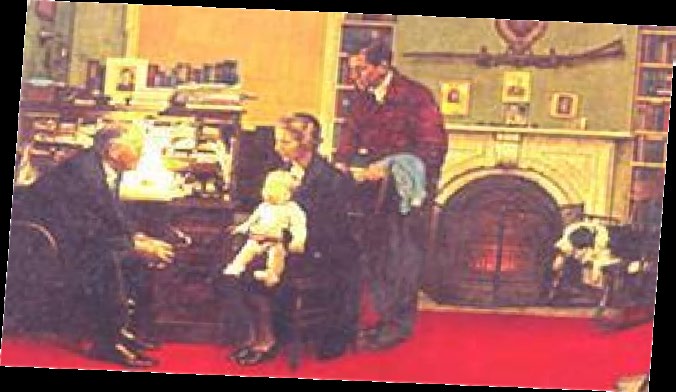
Rockwell’s famous invented image of doctors ignored the possible risks the physician faces: contracting contagious disease which have been placed center stage under a glaring spotlight during the Covid-19 pandemic ; fatigue from overwork; stress and actually risk of disease. products. This traditional model, which was destroyed by Covid-19, ignored the risk to the doctor as communicator, the information giver; treating the act of communication as something from above, something higher and more important than toil, and certainly not as work. Covid-19 forced civil society recognize however, the high cost in human life and wasted resources when using this informational divide as healthcare workers, first responders, grocery workers and cleaning staff. Risk communication in webinars and social media has created a new model for health information. Using nanotechnology, the global scientific community has done a remarkable job of publicizing the dangers and available precautions regarding several diseases.
Nano-enabled computational medicine makes possible tracking the progress of disease such as Covid-19, Ebola, HIV/AIDS via global collaborations that were logistically impossible in previously, thus offering the possibility that risk communication will be updated regularly and accurate. In Elizabeth, New Jersey, deploying drones with automated voice messages remind people to keep their distance and in Meriden, Connecticut, drones to monitor trails and parks. And new drones under development will be equipped with cameras and nano-enabled high tech sensors to detect fever in the USA and Israel. The information from these nano- enabled products is then looped back to health authorities and the general public.
Examples of Respected Resources Available for Free on the Web: USA CDC
Nano-enabled risk communication also offers the opportunity for the general public to drill down to find important information that their physician or emergency staff might not have the time to provide to them. For example, The Emergency Risk Communication Branch in the Division of Emergency Operations, Center for Preparedness and Response is responsible for the management of CDC Clinician Outreach and Communication Activity Facebook page available for free without restrictions to anyone who can connect with COCA on Facebook. COCA RSS Feed allows anyone in the world to subscribe to be notified of conference calls, updates, and CDC guidance for health providers. Crisis & Emergency Risk Communication Training program that draws from lessons learned during public health emergencies, and incorporates best practices from the fields of risk and crisis communication. Health Alert Network is CDC’s primary method of sharing cleared information about urgent public health incidents with public information officers; federal, state, territorial, and local public health practitioners; clinicians; and public health laboratories. More than mere announcements about hand washing, these webinars available to any stakeholder including the general public address serious matters such as: the uses of mortality data; how medical personnel and epidemiologists define underlying cause of death; how to report causes of death appropriately, including when due to COVID-19; and when to refer a case to the medical examiner or coroner.
Similar to webinars from other nations and from the World Health Organization (WHO) in Geneva Switzerland, USA CDC Webinars available on demand address key questions for practitioners who are involved with monitoring the emergence of Coronavirus Disease 2019 (COVID-19) and guiding public health response. And, the general public is not excluded from tuning in to hear these discussions about complex questions for constructing accurate and timely mortality data. Mortality data from the National Vital Statistics System (NVSS) is a key source of information on causes of death. These data are derived from information reported on death certificates. Death certificates are one of the few sources of health-related data that are comparable for small geographic areas and are available over a long time period in the United States. To promote timely and accurate information on deaths due to COVID-19, the National Center for Health Statistics (NCHS) released a Vital Statistics Reporting Guidance document on how to certify deaths due to COVID-19 which addresses mortality and life expectancy in addition to deaths from Covid-19. The document offers guidance to death certifiers on proper cause-of-death certification for cases where confirmed or suspected COVID-19 infection resulted in death. COCA presenters provided an overview of the importance of mortality data, discuss the NCHS publication and the guidance it provides to clinicians who may need to certify a death involving COVID-19, and present a summary of COVID-19 surveillance through the NVSS. The slide set will be available under the “Call Materials” tab on the COCA Call webpage. Free continuing education (CE) is available. Discuss CDC’s role in the topic covered during the presentation. Describe the topic’s implications for clinicians. Discuss concerns and/or issues related to preparedness for and/or response to urgent public health threats. Promote health improvement, wellness, and disease prevention in cooperation with patients, communities, at-risk populations, and other members of a multidisciplinary professional team.
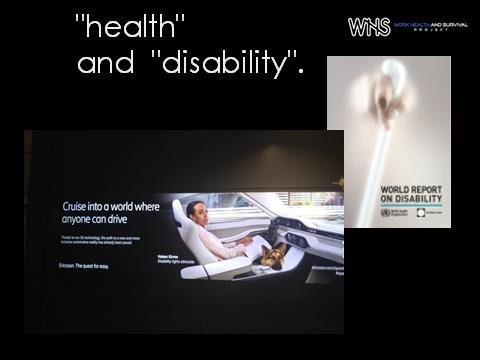
Nanotechnology Transforming Disability and Health after Covid-19
Nanotechnology has, for over a decade, also been used to offer information that challenges stereotypes about the limitations of people with disabilities, such as the opportunity for a blind and deaf woman to use a driverless car. And as predicted, nanotechnology’s role in nanomedicines and telemedicine among at-risk populations has detected asymptomatic patients, thus expanding the scope of disabled populations from a medical standpoint. Concern for the spread of Covid-19 by asymptomatic individuals who may not progress to disease but who can be detected with screening has brought the legal and cultural questions of defining health and disability to center stage as never before.
Smart Cities Using Nanotechnology to Control the Spread of Disease
Nanotechnology and nano-enabled medicines make possible rapid communication, transfer of data in remarkably large quantities, communication to avoid risk and galvanize scientific collaboration, and ultimately reshape both the popular perception and actual delivery of public health. One aspect of marshalling such information for immediate use by health authorities to target key hotspots for disease and then to plan for hospital and health care facility capacity to address needed treatment involves development of so-called Smart Cities. According to the Smart Cities website for the EU, a collaboration between University of Oxford University of Cambridge and the Sorbonne “Smart Cities represents the entire connected ecosystem that brings together the technologies, solutions, players and audiences in the smart city sector, including IT, 5G connectivity, transportation and smart automotive, energy and utilities, health and public safety, artificial intelligence, and data analytics”. Applying nanotechnology to Smart Cities to create sensors and wireless cameras that communicate within a system, municipalities will determine location and number of sensors and how their data will be used locally. Saving electricity with reusable sources and replacing cars with autonomous vehicles that can go home by themselves and then pick up their owner when needed can relieve pollution, parking problems and enhance access to health care delivery systems for people who cannot drive. Aside from the reduced liability of motor vehicle accidents, which is a huge cost in terms of litigation, replacement parts, and global disease burden, many nano-enabled features of new cars and trucks are lauded for their fuel efficiency. Lighter cars, smoother tires that can carry a load longer without wearing down, and engine parts that require less fuel are part of a green package for energy-saving approaches to transportation. These changes are designed to transform the calculus of risk regarding driving, (because driving is nonetheless a major killer) and to offer public health authorities the opportunity to plan first response to Covid-19 in the long term or for future disaster planning.
3D Printed Housing and Hospitals to Meet Pandemic Needs
Smart Cities and Smart Housing have among their key goals to use technology for housing creation and sustainable energy. New materials for traditional housing approaches offer an exciting alterative to expensive brick and mortar construction. Lighter cheaper and faster to produce, these new materials offer shelter and usable buildings in days (such as the hospital in china built in 6 days in 2020) For example, the Singapore Centre for 3D Printing, established with $107.7 million in government and industry funding, is reportedly working with a company to test the feasibility of 3D printing public housing units story by story, off-site, before assembling them at their destination. Using concrete 3D printers, the center has plans to build a test-bed prototype, designed to decrease dependence on immigrant labor, typically used in the construction industry. Using materials and new methods of electronic printing made possible by nanotechnologies, it will soon be possible to build entire housing complexes with the speed and materials previously required for a few houses, or to create new hospitals to answer public health needs during emergencies such as pandemic. 3D printing of housing components in Singapore promises to provide shelter and thereby curb homelessness around the world. Chua Chee Kai, executive director of the Singapore Centre for 3D Printing, says, “The idea is to print them maybe a unit at a time. So if you have a 10 story building, you will probably do one story at a time. These will be transported to the construction site where they will be stacked up like lego”.
Ironically the reduced costs and reduced labor for 3D printing ares predicted to expand the construction industry thereby offering affordable units for people who might otherwise have nowhere to live. A start-up in Long Island NY USA claims it can produce houses in less than one day. Instead of being homeless, people will have shelter from the storms. Housing, including office construction and institutional buildings, has implications beyond the ability to ensure sustainability for construction and thus have a positive impact upon climate control in heat or cold; using significantly less materials such as silica or asbestos for insulation. In the Covid-19 pandemic, homelessness exacerbates public health efforts to identify and treat people with Covid-19 and other diseases because infected homeless [people cannot stay at home and therefore are an important vector of transmission to other people. Conquering homelessness during Covid19 and subsequent pandemics therefore is an important health concern that can be addressed by nanotechnology; 3D printing of shelters enables authorities to control the facilities, and is cheaper than placing homeless people in evacuated hotels under emergency contacts.
II Covid-19 Proves We Are One World
The World Economic Forum (WEF) in Davos, Switzerland declared “Technology is the fourth industrial revolution” embracing nanotechnology in 2016. Klaus Schwab, Founder and Executive Chairman of the WEF stated, “We feel we are not prepared sufficiently for this fourth industrial revolution which will come over us like a tsunami which will change whole systems”. These words are prescient regarding Covid-19 and the changes the world’s first truly global outbreak of disease in the 21st century, unique because it has not been contained to a handful of countries or regions. 2500 citizens died in a single day in April 2020 in the USA, and 800 died a few days before in Italy. Billions of people around the world are not working; many businesses that were considered highly profitable have become precarious. Approximately 91% of the world’s school children are suddenly thrust into home schooling and remote learning, regardless whether their parents are prepared to teach them or must leave to work as essential personnel.
And Fintech forecasters worry that a two trillion dollars bailout package passed by the US Congress in March 2020 will be too small to save the life of small business. In this context, nanotechnology can be both a friend and a foe.
Covid 19 virus model Source: USA Centers for Disease Control and Prevention (USDHHSCDC) Definitions and CDC Information How Covid-19 Spreads: According to Wikipedia, “Severe acute respiratory syndrome coronavirus 2 (SARS- CoV-2) is the virus strain that causes coronavirus disease 2019 (COVID-19), a respiratory illness”, known as the coronavirus. It is contagious in humans, and the World Health Organization (WHO) has designated the ongoing pandemic of COVID-19 a Public Health Emergency of International Concern. Because the strain was first discovered in Wuhan, China, it is sometimes referred to as Wuhan virus or Wuhan coronavirus. SARS-CoV-2 is a strainof Severe acute respiratory syndrome- related coronavirus (SARSr-CoV), believed tohave zoonotic origins and has close genetic similarity to bat coronaviruses, suggesting it emerged from a bat-borne virus.
Definition for Covid-19: this concept is a moving target, however, because changes based on new data require experts in CDC and other global health centers to revise their methods for defining a case. ECDC and the WHO Regional Office for Europe are collaborating with surveillance networks in WHO Member States to enable rapid reporting using WHO case reporting form under The European Surveillance System - TESSy. “As of April 14, 2020, CDC case counts and death counts include both confirmed and probable cases and deaths. This CDC definition is consistent with the definition used in the European Union (EU). The CDC change was made to reflect an interim COVID-19 position statement issued by the Council for State and Territorial Epidemiologists on April 5, 2020. In sum, a confirmed case or death is defined by:” meeting confirmatory laboratory evidence for COVID-19. A probable case or death is defined by i) meeting clinical criteria AND epidemiologic evidence with no confirmatory laboratory testing performed for COVID-19; or ii) meeting presumptive laboratory evidence AND either clinical criteria OR epidemiologic evidence; or iii) meeting vital records criteria with no confirmatory laboratory testing performed for COVID19”.
Nanotechnology Charting Covid-19 With Unprecedented Transparency
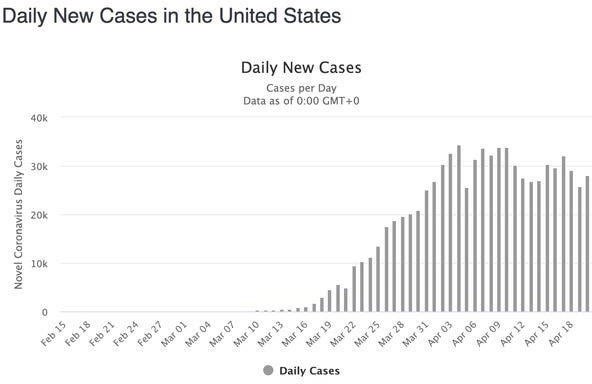
Nanotechnology for global communication and nano- enabled techniques for collecting and processing big data have made it possible to track the natural history of Covid-19 globally and to make that information available to every stakeholder worldwide in real time free of charge. As of April 21 2020, Covid-19 has struck 183 countries, with over two million victims and almost two hundred thousand deaths.
The USA leads the world with three quarters of a million diseased citizens and over 45,000 deaths in the few weeks between the first recorded USA cases and April 21, 2020For example, on March 12 2020 Rutgers University Environmental and Occupational Safety and Health Institute (EOSHI) in Piscataway New Jersey USA held a webinar forecasting over two hundred thousand cases of Covid-19 in New Jersey and thousands of deaths. This calculation was used as the cornerstone of calls for public health protection before cases occurred and before hospitals in New Jersey and New York became saturated with Covid-19 cases, where the numbers of cases reached hundreds of thousands and death from Covid-19 reached thousands within the month that followed. Similarly, projections by highly respected sources such as the Johns Hopkins University Coronavirus Resource Center and Wikipedia have used nano- enabled communication, computer modeling and big data collection to project the progress of the disease throughout diverse populations across the globe. The ability to track disease in real time and post this information on the web brings unexpected transparency for researchers and the general public who have watched the natural history of the pandemic unfold. As this chart from Worldometer dramatically shows, cases in the USA spiked from a very small number to hundreds of thousands in a few weeks.
This paradigm is similar to the impact in other nations a few weeks prior to the information in this chart. Consistent with this rapid growth of cases, international response has unfolded rapidly too: on March 11, 2020 ue to a “thirteenfold increase in cases in two weeks”, WHO declared that Covid-19 was a pandemic; then effective midnight March 13, 2020, less than two days later, President Donald Trump of the USA signed an Executive Order that banned travel to USA from Europe ; an announcement the following night from French President Emanuel Macron ordered lock down effective March 17 2020, which was later extended beyond the initial 14 days. Similar orders were implemented in every nation across the weeks that followed, and eventually across municipalities large and small. It is important to note that at the time of the USA executive Order, total deaths and cases mentioned in the order for all of Europe soon became the number of cases in one country and the number of deaths for one day in one country. Thus the media enabled by rapid communication made possible for the first time that humanity could watch the progress of disease with several social impacts that will be measured in the wake of the pandemic. Yet, the pandemic is expected to last several more months and the long term effects upon the economy, law and regulation of public health, changes in social behaviors including governance and secondary illnesses are expected to last years. Thus from the standpoint of transformative changes in the fourth industrial era predicted at the World Economic Forum, the tsunami has arrived.
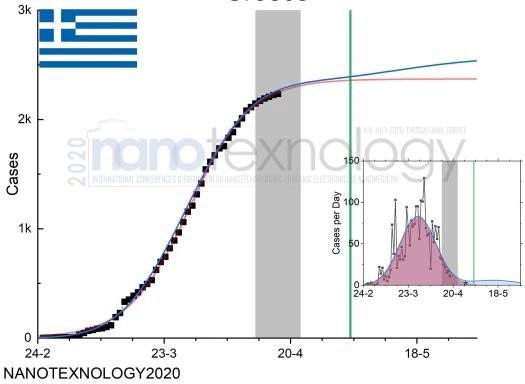
Flattening the Curve: The case of Greece: One remarkable aspect of this ability for the whole world to watch the progress of the pandemic has been the rapid reaction by governments, freely admitting that the best course of action is unclear with only lock down and social distancing as the consistent tool for reducing the spread of the disease. People who never heard of epidemiology or the World Health
Organization (WHO) were soon critiquing the validity of lock down orders while articles and videos with uneven levels of accuracy and misinformation bombarded social media, the web and television outlets. The so-called “social distancing” and maintaining inhouse confinement during lock down became common discussion as health experts began to focus daily press conferences on “flattening the curve” around the world. The concept was simple: if people stay at home or apart they can reduce the likelihood of spreading the disease so that hospitals would not be saturated and researchers could buy time to work on treatments, new medicines and a vaccine. Although not based in science but derived from medical history, the term “flattening the curve” has become popular with media and politicians.
The staff of Nanotexnology at the University of Aristotle in Greece has been working hard to apply nanotechnology to tracking Covid-19 progress, forecasting hotspots and thereby creating the capacity that is needed for flattening the curve. In addition to its unique agenda for fostering nanotechnology start-ups for over two decades, Nanotexnology launched a live tracking system for Covid-19. Calling upon nanotechnology researchers to “adjust our research to address the significant stress that COVID-19 places on our healthcare systems”. According to the Nanotexnology website, the 1st confirmed case was reported on February 26 2020 and by April 19 there were 2235 cases. The Ministry of Health of Greece took all the necessary measures to delay the COVID-19 spread starting by Isolation of prefectures in the beginning of March, closing schools and universities on March 11th followed by Complete lockdown on March 23. Researchers expressed strong concern about Covid-19 spread, however, during the Greek Orthodox Easter period (13 to 22 April). Nanotexnology researchers therefore watched this critical period to test and to compare COVID-19 spread with Italy and Spain during the Catholic Easter a week earlier, with a view to start reducing some measures starting May 3 2020. Nanotexnology assumed a conservative plan with a maximum of cases below 7, simulated by the green Gaussian line and description shown in the inset of Figure 3. Based on these calculations Nanotexnology predicts that June 2020 confirmed cases will plateau at a high level, shown by the blue line below.
One World Together At Home
“This is one of the few times when money won’t solve a problem.” Less than six weeks after the President of the United States issued his Proclamation banning travel to the USA from Europe, USA case load of Covid -19 is approached one million cases. More than 97% of the US population is currently under a stay-at-home or shelter- in-place order as the coronavirus continues to upend life and the US economy. As of Saturday, April 25 2020, more than 53,000 Americans have died from the virus and the number of cases is nearing 1 million. Around the world too, much has changed in less than two weeks; The Pope pronounced Easter services in an empty basilica without a crowd during at Easter services in the Vatican while Opera star Andrea Bocelli stood alone singing prayers in the cathedral Milan that virtually reached 38 million people of all Faith’s for free on YouTube. Stadiums for football baseball hockey and the Olympics are empty while over a billion people are in lockdown in their homes, if they have homes. Hospitals are overcrowded and grocery store shelves are bare.
The importance of reducing travel, now endemic in globalization, is underscored in the precautions recommended by the EU on their website: Pasi Penttinen, ECDC expert in infectious diseases underscored how travellers can help prevent further spread of COVID-19: “This outbreak is a global issue now and good coordination is vital. There is also something everyone can do: when you are travelling to or living in areas with presumed community transmission - which we outline in our assessment - follow strict hygiene measures such as regularly washing hands with water and soap or using alcohol-based hand sanitisers. When you come back from such an area, monitor your health status for a period of 14 days after your return. If you experience any respiratory, flu-like symptoms during that period, contact a healthcare specialist. Ideally do so via telephone first and indicate your travel history before you seek medical attention in person and sitting in waiting rooms with other people. If you have any symptoms, please avoid contact with other people until you have consulted a healthcare specialist.” Consequently, millions of children were swiftly thrown into home schooling and remote learning without either their homes or their educators being prepared for the new terms of engagement for teaching and elearning in March 2020 around the world. Underscoring this new global reality that a problem can be shared by billions of people at the same time, entertainment has also gone beyond replays of old favorites into the more intimate performances by rockstars in their own homes. Without massive crowds security against drugs and spectator misbehavior and illegally resold tickets, concerts have moved to virtual reality, as exemplified by the eight hour concert: “One World Together at Home”, curated by Lady Gaga to raise funds for WHO and to show appreciation for health care workers first responders and grocery workers around the world, the concert included sponsorship from rivals Pepsi and CocaCola, performances by rivals Paul McCartney of the Beatles and the Rolling Stones and was hosted by three rival television networks in the USA ABC, NBC and CBS while also live streamed on Facebook and Youtube. “Put your wallets away” Lady Gaga told the audience, having fundraised hundreds of millions of dollars in advance of the broadcast, thereby reaching a milestone in reality television for a new shared reality.
The global concept of intimate webcasts from isolated people as a tool for Covid-19 communication and fundraising has trickled down to small local communities, such as Haddonfield New Jersey, a town of about 11,000 people with a handful of infected people and two deaths, where all non-essential businesses are shuttered. A fundraiser featuring the work of the local small businesess curated by Sara Blackburn raised tens of thousands of dollars in a few days. Amid modern complexity, therefore, human expression of creativity and preserving health in order to maintain productive civil society remain constant underlying basic human needs: Work health and survival have been inextricably linked throughout human history.
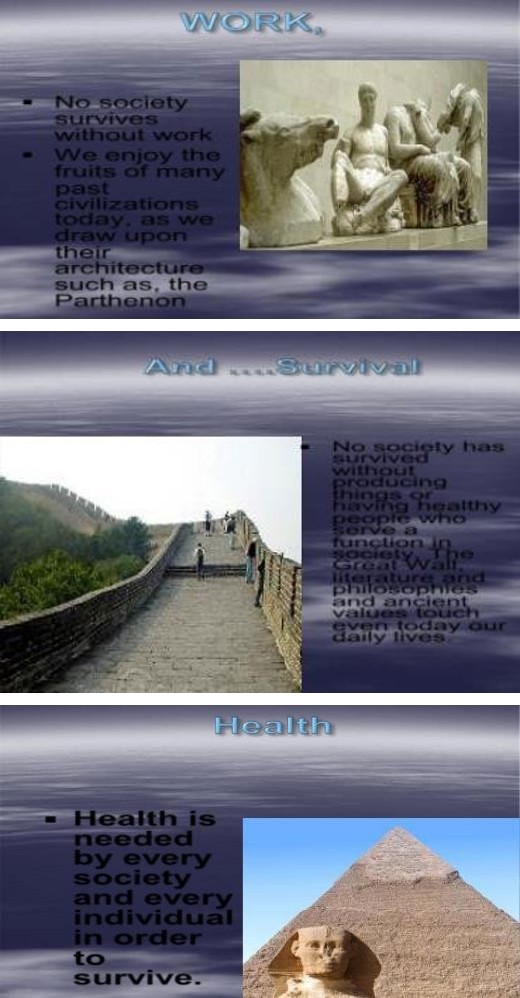
Without work, society cannot survive, and no work can perpetuate society without health.
No society has survived without producing things; without work. We enjoy the fruits of many past civilizations today, such as architecture and tourist income from major works of civil societies past, such as the Pyramids, the Parthenon and the Great Wall1.
Philosophies and values embedded in ancient cultures can touch, even today, our daily lives. Indeed, the remnants that survive from ancient cultures are found in architecture, statues and pottery artifacts of the skilled crafts and creative labors of lost societies. None of these types of work: not the great monuments, not the writings or the arts-- could exist without a modicum of human health.
Civilizations can be brought to a halt in times of plague and pestilence; and even the most impressive of collective efforts can be stopped when injuries overtake any individual’s ability to work.
Society therefore needs both: working people and healthy people, in order for civilization to survive. But, these classifications are not dichotomous or mutually exclusive. The fluid categories of sickness and health, which fluctuate within individual abilities and deficits and within the life of any given individual across time, hold implications for every worker in every job description: ranging from dignitaries
1 Ilise L Feitshans Le Musée d’histoire des sciences accueille une soirée de conférences le samedi 17 août 2013 livestreamed on Facebook by Ilise Feit- shans. Lois et sciences des nanotechnologies: un ensemble parfait ? » Débat public sur des questions émergentes de notre époque Nanotechnologie: pour la protection des droits humains de la santé par Ilise L. Feitshans, JD and ScM, Institut universitaire romand de santé au travail (IST) Université de Lausanne et étudiante doctorale à la Geneva School of Diplomacy. Avantages et risques de la nanotechnologie: la position de l’Assemblée parlementaire du Conseil de l’Europe; par Tanja E.J. Kleinsorge, Cheffe du Secrétariat « Commission des questions sociales, de la santé et du développement du- rable », Assemblée parlementaire du Conseil de l’Europe à Strasbourg.Sci- ences et société civile: est-ce que les gouvernements peuvent en faire plus ? par Nicola Furey, Présidente de Earth Focus Foundation, Collonge-Bellerive, Geneve
in the highest offices of leadership, celebrities and heads of state in North America or Europe, to the laborers tearing apart old ships in the shipyards of Asia; from the boardroom to the mailroom. The link between work, health and survival becomes inescapable: perpetuating civilization depends on having healthy new generations who enjoy the fruits, and replenish the labors of, their ancestors. For this reason, there is probably also great merit in the old wives’ tale that work is part of promoting health: From society’s standpoint, important labor is not performed by people who work to live; the important tasks of maintaining civilization are performed by people who are a live to work, regardless whether they also earn wages or serve as benevolent volunteers.
Unprepared But NOT Unprecedented: Pandemic Law and Policy throughout History: Civil society stops whenever the quality of human life threatened by pandemic2, and Covid-19 is no exception to this millennial chain of precedent. Despite hype to the contrary, issues raised in this pandemic are far from unprecedented. Although too many people were unprepared to address a plague in the 21st century, the behaviors and governance questions brought by the Covid-19 pandemic fit the traditional playbook3. Typically, government authorities are initially incredulous that an outbreak of disease could breed in their beautiful jurisdiction, regardless whether because of poverty, poor health and unsanitary living conditions, general consequences of pollution and population density, or spoiled food. Once recognized, the outbreak of disease is usually blamed on foreigners: Londoners of the 17th century called the plague “the Dutch disease”; the 20th century knew the notorious “French Disease” throughout the century, and a hundred years later, the 1918 influenza pandemic in USA and Europe remains known as “Spanish Flu”4. HIV/AIDS was notoriously blamed on foreign air travel among particular communities in epicenter cities in several key nations, even though the disease did not become a namesake for those countries5.
Lessons learned from the history of these experiences are directly applicable to Covid 19 as they were in the previous HIV/AIDS pandemic. At the onset of outbreak of disease, a
2 Ilise L Feitshans Global Health Impacts of Nanotechnology Law Panstanford Singapore 2018
3 Ilise Feitshans Law and Policy During the Great Plague. Journal of the Arlington County Bar Association January 1988. The article is based on legal research at the Johns Hopkins University School of Public Health (Masters of Science in Health Policy and Management, focus on genetic privacy laws), as part of a Delta Omega poster presentation concerning plague epidemiology.
4 Alfred Crosby, Epidemic and Peace 1918: America’s Forgotten Pandemic, video episode of The American Experience 1997, PBS USA discussing his book released in 1990.
5 National Academy of Sciences (USA) Confronting AIDS: Directions for Public Health, Health Care and Research. Institute of Medicine, National Academy of Sciences, National Academy Press Wqashington DC 1986.
paradigm of fear followed by incoherent policies, hastily written by governments trying to cope with unexpected skyrocketing deaths and disease rates characterizes pandemic response; whether one is studying the “Black Death” in Italy in the 14th Century6, or pandemic policy paradigms from the Great plague of 16667, cholera in the 19th century8, or the HIV/AIDS pandemic of the late 20th century9. In those times, as in the early 21st century, response to Covid-1910. ad hoc health care delivery programs frequently appear, designed to confront the most severe cases of disease and to placate public outcry against the impacts of inadequate public health planning. But those response programs are usually woefully inadequate, due to underreporting of disease either because of stigma associated with illness11 or because the disease itself is unrecognized or unknown, and thus a moing target for public health planning to treat new cases.
Once it is too late for vaccines to provide effective
6 Kathryn McKinley, “How the rich reacted to the bubonic plague has eerie similarities to today’s pandemic” 16 avril 2020, 14:19 CEST Updated 18 avril 2020, 15:40 CEST “The Decameron” begins with a gripping, graphic descrip- tion of the Black Death, which was so virulent that a person who contracted it would die within four to seven days. Between 1347 and 1351, it killed between 40% and 50% of Europe’s population. … Boccaccio describes the rich secluding themselves at home, where they enjoy quality wines and pro- visions, music and other entertainment. The very wealthiest – whom Boc- caccio describes as “ruthless” – deserted their neighborhoods altogether, retreating to comfortable estates in the countryside, “as though the plague was meant to harry only those remaining within their city walls.” Mean- while, the middle class or poor, forced to stay at home, “caught the plague by the thousand right there in their own neighborhood, day after day” and swiftly passed away. Many, unable to leave Florence and convinced of their imminent death, decided to simply drink and party away their final days in nihilistic revelries, while in rural areas, laborers died “like brute beasts rath- er than human beings; night and day, with never a doctor to attend them.”
7 Charles Creighton History of Epidemics in Britain from AC 664 to the Ex- tinction of the Plague, Cambridge t the University Press 1891. J.F.D Shrews- bury A History of the Bubonic Plague in the British Isles, 10. Cambridge at the University Press citing Walter George Bell, The Great Plague of London in 1665 The Bodley Head Publications 1924.
8 Norman Longmate, King Cholera: The Biography of a Disease, Hamish Hamilton London 1966, Longmate offers the theory that for those people who lived through the ravages of an epidemic are the subjects of a cruel dic- tator. In just the same way as the state of a man’s mind may colour his ac- tions so does a great epidemic effect the body politic; a concept to explore in detail in the post-Covid-19 era.
9 Ilise L Feitshans “Confronting AIDS in the Workplace: Balancing Equal Employment Opportunity and Occupational Health” Detroit College of Law Review Vol 1990 #3 (1990)
10 Ilise L Feitshans Law and policy during the great plague: Is aids the plague of our time? Arlington County Bar Association January 1988, Appen- dix one to this article citing Journals of the House of Commons; Journals of the House of Lords, London 1665.
11 JFD Shrewsbury A History of the Bubonic Plague in the British Isles, 1970. Cambridge at the University Press, p446 citing Walter George Bell, The Great Plague of London in 1665 The Bodley Head Publications 1924, “At the beginning…great knavery and collusion in the reports of deaths; for while it was possible to conceal the infection, they were attributed to fevers of all kinds, which began to swell the bills, this was done to prevent their houses being shut up, and families shunned by their neighbors” prevention on a mass scale, band-aid treatment strategies typically sprout up like mushrooms in slime. Spontaneous programs are expensive and difficult to justify because they face a problematic paradox: programs that are effective generate reduced demand for their services and then lose popular support required to fund and maintain the program. Sometimes quack potions promise relief to unsuspecting patients and the general public. Untested and sometimes toxic inappropriate treatments are offered, not always in good faith, and therefore also, many governments have created national programs to test the reliability of medicines and treatments. The creation of the USA federal Food and Drug Administration (FDA) in the era between the Yellow Fever epidemic and the influenza pandemic of 1918 is an example of such national legislation.
Hoarding and profiteering of medical equipment, food and essentials is a common problem in pandemics; inefficient distribution allows some items to become scarce while other items cannot get to markets that have been closed12. The next phase typically involves shutting houses and isolating individuals who are identified as sick, with popular resistance to these measures among the general population either because of stigma associated with the illness13 or because of the severe economic cost of abstaining from commerce to avoid disease14.
This “flavor of the month” approach repeats with each new public health crisis, without building long-term public health capacity afterwards. Special services that are created to detect disease, prevent its spread and offer primary care to sick people are frequently disbanded after a mass-scale outbreak of illness or disease declines (and thus becomes less important to the general public who must support such programs).
Without a strong underlying public health infrastructure that is designed to recognize novel disease outbreaks at the core of the health care system, concern for capacity building of public health infrastructure fades as the pandemic’s traumatic epidemic curve recedes, and collective memory of the need for public health delivery systems fades into the past. For example, microinfrastructures for testing, contact tracing, tracking the progress of cases following experimental treatments, and then chronicling the uncharted natural history of the disease were created to confront HIV/
12 Daniel Defoe, A Journal of the Plague Year 1722. (Historical fiction)
13 Ilise L Feitshans “Confronting AIDS in the Workplace: Balancing Equal Employment Opportunity and Occupational Health” Detroit College of Law Review Vol 1990 #3 (1990), This award winning article was based on legal research at the request of the New York Business Group on Health (NYGBH) New York City USA 1988.
14 Samuel Pepys, The Diary of Samuel Pepys, Robert Latham and William Matthews, Eds. 1665, University of California , 1972.
AIDS, because no one on the planet including WHO knew anything about the disease, while thousands of people were dying within six months to a year after diagnosis. But, no one maintained those testing sites and internal mechanisms to apply them to other diseases after the public concern for the pandemic receded. For the Covid-19 pandemic in 2020, however, six months seems like a luxury.
Success Stories: Law and Science Together Saving the World: Lessons learned from pandemics of the past therefore teach that the need for disaster planning to provide efficient response to pandemics is not new. Public health planning is fundamental across all types of government, and can protect the economy by preserving healthy commerce as well as protecting individual health. The Covid-19 pandemic has made almost every employer marginal, grounding airlines and drilling oil prices into negative numbers. The economic consequences of the pandemic are not in opposition to health protections; however, they are as much a casualty of inadequate health planning as are patients and their families.
Lessons learned from historical precedents of pandemics and from the progress of Civd-19 across the globe also demonstrate that the traditional dichotomy between health and health care costs as a commodity among an array of social and economic rights is inapposite. Commerce cannot survive without healthy people to work and to consume products and services. These same issues, pretending that health competes with commerce, appear universally in all legal systems, regardless whether the governance structure is a tyranny, monarchy, democracy or a fascist admixture of several theories of governance. Health is fundamental to the economies in civil society, requiring protection in every country, state, metropolis, and small town around the world. Abolishing the false dichotomy of health versus economic growth and commerce is therefore a first step towards recognition of the need for capacity building.
Emergency Orders Addressing Covide-19
The urgent need to hone and apply history’s insight is underscored in the wake of the Covid-19 crisis, which has unleashed a rainfall of new Executive Orders about the management of public health in states, countries and municipalities large and small. Generally, the orders are random in their timing, duration, scope of authority and terms or penalties for violations. Some have unlimited duration, thereby raising questions of fairness or procedural due process. Nearly all have been unilaterally extended. Significantly, few of these Emergency orders have been the product of debate or political deliberations between an executive and an elected legislature, and many are inconsistent if not arbitrary. For example: only some declarations require citizens to stay in their homes, others mandate stay at home with criminal penalties for unauthorized outings. Some are silent regarding closing schools, others mandate home schooling. Many of the Covid-19 emergency orders offer exceptions for “essential services” provided by health care workers, grocery store staff, or for people who need to leave their house for caretaking of children or the elderly, to obtain medical care. Some orders use sweeping language that might exceed their drafter’s power, not only at the highest executive levels of every nation but also in small jurisdictions that are part of a larger province or state and therefore subject to overarching federal or state laws. By the multidisciplinary nature of their subject, however, these laws end any question of the inextricable link between science, public health and law that was misunderstood by society.
Unlikely Partnerships: FAO/WHO/WTO Joint Statement
History teaches that commerce in civil society stops, courts close, government becomes dysfunctional to the brink of anarchy when pandemic forces citizens to self- isolate or quarantine to stop spreading disease when courts and legislatures are closed15; body counts are high and food security becomes a public health issue16.Well-versed in the historic precedents that govern the paradigms for pandemic diseases, the heads of the World Trade Organization (WTO), the UN Food and Agriculture Organization (FAO) and the World Health Organization (WHO) issued an unusual Joint Statement on March 31 2020 calling on governments to minimize the impact of COVID-19 related border restrictions on trade in food17. The Joint Statement urges, “When acting to protect the health and well-being of their citizens, countries should ensure that any trade-related measures do not disrupt the food supply chain. Such disruptions including hampering the movement of agricultural and food industry workers and extending border delays for food containers, result in the spoilage of perishables and increasing food waste. Food trade restrictions could also be linked to unjustified concerns on food safety. If such a scenario were to materialize, it would disrupt the food supply chain, with particularly pronounced consequences for the most vulnerable and food insecure populations. Uncertainty about food availability can spark a wave of export restrictions, creating a shortage on the global
15 Ilise L Feitshans Law and policy during the great plague: Is aids the plague of our time? Arlington County Bar Association January 1988, Appen- dix one to this article
16 Once markets closed in London during the plague, food did not enter the city and the inability to obtain food and essential supplies led to mass starvation.
17 Joint Statement by QU Dongyu, Tedros Adhanom Ghebreyesus and Roberto Azevêdo, Directors-General of FAO, WHO and WTO News From WTO webpage Agency chiefs issue joint call to keep food trade flowing in response to COVID-19 March 31 2020 market. Such reactions can alter the balance between food supply and demand, resulting in price spikes and increased price volatility. We learned from previous crises that such measures are particularly damaging for low- income, food-deficit countries and to the efforts of humanitarian organizations to procure food for those in desperate need”. Noting the inextricable link between global commerce and global and individual health supporting demand for products worldwide,18 the statement further urges governments “In the midst of the COVID-19 lockdowns, every effort must be made to ensure that trade flows as freely as possible, specially to avoid food shortage. Similarly, it is also critical that food producers and food workers at processing and retail level are protected to minimise the spread of the disease within this sector and maintain food supply chains” In a tone reminiscent of the legislative concerns that gave birth to the USA FDA, the statement notes, “Consumers, in particular the most vulnerable, must continue to be able to access food within their communities under strict safety requirements19”.
Council of Europe
The Council of Europe Committee on Bioethics (DH- BIO) adopted a Statement on human rights considerations relevant to the COVID-19 pandemic, designed to increase the exchange of information about ethical questions, links to relevant information at national and international level, including opinions from national ethics committees20. Switzerland: Anecdotal Self-Restraint with Lighter Legal Mandates In Switzerland, the tightly knit social norms embedded in the Swiss culture ensure compliance with law without obvious governmental enforcement. For example, it is illegal to be present ninety days in Switzerland without health coverage; failure to obtain insurance is grounds for revoking a residence permit. Swiss and foreign permit holders enjoy a wide range of coverage for health care including homeopathic alternatives and palliative care. By law, all insurers cover all costs required by prescriptions no out of pocket costs and thus reduced administrative costs regarding coverage and reimbursement. Thus even though Switzerland has had very high numbers in the incidence and prevalence of Covid 19 cases the nation has experienced remarkably low
18 Ilise L Feitshans Global Health Impacts of Nanotechnology Law, Panstanford Singapore 2018
19 Joint Statement by QU Dongyu, Tedros Adhanom Ghebreyesus and Roberto Azevêdo, Directors-General of FAO, WHO and WTO News From WTO webpage Agency chiefs issue joint call to keep food trade flowing in response to COVID-19 March 31 2020
20 Council of Europe Directorate General of Human Rights and Rule of Law dedicated to the impact of the COVID-19 pandemic on human rights and the rule of law is available at: www.coe.int/human-rights-rule-of-law/covid19 mortality. Their system works because people understand the importance of planning for health care while people are well. They do not consider their citizens expendable. In order to apply this lesson on a global scale however, requires more than a huge body count. It must be hoped that all the death and illness can be transformed into a critical mass for political will to generate public health capacity building.
France: Executive Orders by President Emanuel Macron March 202021
As unsure and feeble a weapon against the virus as social distancing may be it is indeed the only weapon we do have. Any leader’s reluctance to implement extremely harsh measures that curb individual liberties is laudable because those same measures would be considered repressive in ordinary circumstances. In March 2020, French President Macron announced lock down for 14 days during a state of emergency (called confinement in French). Unilateral measures that would sound painfully repressive at any other time and indeed will be if such measures outlive the pandemic were accepted and embraced without complaint. Because the pandemic had not crested its first wave, in that context these measures were reasonable and appropriate. Subsequent computer modelling suggests that effective social distancing made possible because of these orders, prevented tens of thousands of Covid-19 deaths in April 2020, while the orders were extended to May 11 2020. The French President assured workers that paid sick leave and that universal access to care continues throughout the crisis. But, the orders did not require creating new unemployment insurance schemes or pop-up health care protections because extensive social protections already existed in France. Enforcement of confinement orders was self-implementing, subject to monitoring by both local and national police. Citizens were required to provide a written signed and dated justification to leave the house within only four possible categories for going outside. For example, the form allows shopping for food in the nearest grocery store, [3] but famous fresh open air markets throughout France were closed in the second round that extended the time for confinement orders, subject to a few exceptions for specialized regions at the discretion of the mayor and prefecture. Fines have progressively increased for people who venture outside their homes without such paperwork: initially set at 35euros for the first offense with higher fines for repeat offenders soon became hundreds of euros for first offenders as lock down continued. These rules were made more potent because of possible criminal charges against anyone violating this order 6 times in the same month.
21 Ilise L Feitshans Restez Chez Vous (Stay At Home) French emer- gency confinement orders Haitian Covid-19 Prevention covid19haiti. com/2020/04/01/restez-chez-vous With an impressive use of national power, the French President mandated closing every school from creche cradles to graduate and undergraduate programs in every university in the nation with one stroke of the executive’s legislative pen. To ensure meeting the educational needs of his nation, the President ordered the Ministry of Education to prepare television programs following the existing curriculum and ordered tv stations to broadcast them for free at assigned times so that teachers could connect with their students and learning continues at home --- without the entire burden falling on parents (usually mom). This is a stark contrast to many nations where education is a municipal matter, and therefore, closing schools becomes an acrimonious process subject to inconsistent outcomes across the same region or state.
The French president was charming and apologetic when he announced these measures and went so far to protect democracy that he allowed elections of the thirty one thousand heads of municipalities on the federal municipal election day Sunday March 15 20204. Lest one mistakenly believe all this talk about public health and science means discarding sound principles of democracy, France is again a useful model. The French Constitution has a streamlined voting process because local elections are all held on the same Sunday across the nation. Thus, the Constitution of the republic respected by allowing regular elections despite a competing global health risk.
USA: Allowing the Laboratory of the States to Experimentwith Covid-19 Prevention A Patchwork of Federal State and Local Emergency Orders
The US Supreme Court has often referred to federalism as striking the balance in favor of states rights by allowing state governments to embrace inconsistent approaches to problems such as education and economics by encouraging different policies to be developed in “the laboratories of the States” Covid-19 law has respected this US Constitutional tenet. In general the realm of public health is preserved to the states under the USA Constitution. State constitutions, in turn, often accede these responsibilities to local governments, regardless whether they are large cities like Los Angles, Houston, San Francisco or Chicago, or very small towns. Consequently, the USA has traditionally applied hodgepodge, crisis-oriented approach to public health. The underlying health mechanism across the country eschews a coherent system, and instead favors States rights and individual autonomy under law, with only a weak federal presence in matters of public health.
For example, the lauded Centers for Disease Control
and Prevention, which serve as a role model for outstanding research across the world, cannot make binding rules or regulations, have no inspection authority and no enforcement power, and their leadership serves at the political will of the Executive. CDC deliverables involve outreach to impacted populations and respected recommendations. Additionally the US Congress has passed 880 page legislation to begin addressing the economic consequences of Covid-19, without instituting uniform health insurance across the nations22.
Federally funded emergency activities are carried out by FEMA (Federal Emergency Management Agency) which is not a health care provider, but only when called upon by the Governor of a state. Typically, FEMA oversees the rebuilding or demolition of damaged homes, schools and other structures after hurricanes, floods or natural disaster. At the outset of Covid- 19 pandemic in the USA, private citizens were tested for Covid-19 with supplies flown in by FEMA to a tent in a parking lot that was not there to test for other urgent health care problems a week before, and that tent will not be there for the next novel illness.
That tent did not have the infrastructure to collect data on any other urgent care, or chronic illness, or long- term endemic diseases such as diabetes, cancer , venereal disease, influenza , hepatitis or polio, despite the underlying public health need for testing, contact tracing and treatment for those diseases.. The largest source of individual and family health insurance, after the military and the civilian side federal government civil service works, is the Health Insurance Portability and Accountability Act, (HIPAA). The law requires that an employer who has a health insurance program (not required by law in the USA) must include new employees in their health insurance program, even f they have a severe disease and regardless of the cause of that illness. HIPAA also extends insurance coverage to dependents of the head of household, such a a spouse by marriage or minor children. There is no required comprehensive health insurance program for employees, self-employed people or people who have no paying work. Insurance coverage in the USA is employer based and therefore unavailable to households where no one has a stable full time job. Partime workers are typically excluded from employer insurance programs even if they are head of household.
22 www.dol.gov/agencies/whd/pandemic/ffcra-questions Families First Coronavirus Response Act: Questions and Answers.
Unfortunately, there are too many Covid-19 emergency orders to offer a comprehensive analysis; the total number of such orders is in the thousands, governing political subdivisions such as states, counties, major cities and the smallest towns.
The patchwork of public health protection among the states allows for autonomy that sometimes produces remarkably different policies under law. For example, not every state in the USA has required lock down, and among those that do, there are differences in the scope and enforcement. Additionally, some States have unusual if not odd exceptions: Governor Kemp of Georgia wrote an order that allows massage and tattoo parlors to continue working; and many USA states allow continued retail sale of guns and firearms.
US President Donald Trump has announced several Proclamations to temporarily halt travel into the USA. With CDC advisors at his side he has resumed press conferences, which were cancelled for many months before the pandemic. Although proactively offering his opinions on twitter, there is no judicial guidance that accepts tweets as law. Instead, the President has uncharacteristically stepped to the side and allowed the states to experiment with the autonomy in the respective laboratories, in a manner that is surprisingly consistent with the precepts of federalism in the USA Constitution.
USA Executive Orders by President Trump
US President Donald Trump has announced several Proclamations to temporarily halt travel into the USA. With CDC advisors at his side he has resumed press conferences, which were cancelled for many months before the pandemic. Although proactively offering his opinions on twitter, there is no judicial guidance that accepts tweets as law. Instead, the President has uncharacteristically stepped to the side and allowed the states to experiment with the autonomy in the respective laboratories, in a manner that is surprisingly consistent with the precepts of federalism in the USA Constitution.
US Congress Family First CARES act
The two trillion US dollars allocated under the auspices of 880 page Family First ‘‘Coronavirus Aid, Relief, and Economic Security Act’’ (CARES Act) provides sweeping promises of paid family leave, unemployment relief, and funding for major employers whose future existence has become precarious due to the pandemic23. Major employers
23 ‘‘Coronavirus Aid, Relief, and Economic Security Act’’ or the ‘‘CARES Act’’ IN THE SENATE OF THE UNITED STATES—116th Cong., 2d Sess. H. R.
who were regarded as secure investments, such as airlines and banks, have been threatened with extinction because of the halt in the USA and global economy, and therefore are granted benefits spelled out in this new law. Given its unusual length and swift passage, it is possible that many lawmakers who voted for the law have not read it entirely; a subject worthy of future discussion if not immediate alarm. This section provides an overview of the highlights of the topics in the Table of Contents. Deeper analysis of the CARES Act is beyond the scope of this article.
The CARES Act has the stated purpose: “Providing emergency assistance and health care response for individuals, families and businesses affected by the 2020 coronavirus pandemic”. The law of a land without underlying mechanisms for social protection offers recovery rebates for individuals; it offers special rules for use of retirement funds; temporary waiver of required minimum distribution rules for certain retirement plans and accounts; health care system enhancements and entrepreneurial development. Pandemic unemployment assistance and emergency unemployment relief for governmental entities and nonprofit organizations; temporary full Federal funding of the first week of compensable regular unemployment for States with no waiting week and addressing supply shortages in medical product supplies, mitigating emergency drug shortages and supporting telehealth network and telehealth resource centers grant programs; and small health care provider quality improvement grant programs are among its short- term features.
For struggling students who are both unemployed and facing mounting student loans, there are national emergency educational waivers, offering temporary relief for federal student loan borrowers. Economic stabilization and assistance to severely distressed sectors of the united states economy subtitle, which might be the subject of detailed debate under ordinary circumstances, are addressed in Sec. 4001. Provisions include debt guarantee, temporary hiring flexibility, temporary relief from troubled debt restructurings and optional temporary relief from current expected credit losses, and a foreclosure moratorium and consumer right to request forbearance. For medical expenses that are typically not recognized by the tax code unless the expenses exceed a high percentage of annual income, there is an otherwise controversial inclusion of certain over-the-counter medical products as qualified medical expenses. Perhaps the biggest winner in this package is telehealth, which had been greeted with skepticism prior to the advent of Covid-1924. These
748 To amend the Internal Revenue Code of 1986 to repeal the excise tax on high cost employer-sponsored health coverage
24 Coronavirus Aid, Relief, and Economic Security Act’’ or the ‘‘CARES Act’’ IN THE SENATE OF THE UNITED STATES—116th Cong., 2d Sess. H. R. 748 CARES Act Sec. 3703 provisions allow increased Medicare telehealth flexibilities during emergency period; enhanced Medicare telehealth services for federally qualified health centers and rural health clinics during emergency period, and significantly, offers a temporary waiver of requirement for face-to-face visits between home dialysis patients and physicians. Use of telehealth to conduct face-to-face encounter prior to recertification of eligibility for hospice care during emergency period and encouraging use of telecommunications systems for home health services furnished during emergency period are among the provisions listed in its table of contents, (which is several pages long).
Haddonfield New Jersey: Every Small Town Has the Right to Make a Law
Offering the rationale that its local emergency order will provide better access to state and federal emergency funding to serve urgent needs of the Borough that is home to an estimated 11,000 people25, this local emergency order authorizes “ the Administrator to waive, suspend, or modify any existing policy, rule, employment contract, or other instrument where the enforcement of same would be detrimental to the public welfare, notwithstanding any law to the contrary, for the duration of this emergency”26. Curiously, the proclamation describes enhanced powers for local governance, but does not refer to masks, precautionary procedures, restrictions on personal movement such as lock down or requiring businesses to close. Although those terms are discussed in the superior authority of the New Jersey Executive Orders regarding Coronavirus, the requirements are not tracked or mirrored in the local emergency law. Key terms such as “stay at home” “social distancing” shelter in place” or “essential services” are not discussed in the State Of Emergency Declaration For The Borough, Borough Of Haddonfield State Of Emergency March 17, 202027 The order was effective immediately without any t9ime limit or criteria for determining when the emergency has ended. The order has nonetheless been praised for its swift response and clear recognition that the public health emergency exists, and thereby enables local authorities in the Borough of Haddonfield to participate in overarching state, federal and international efforts to control the virus without the need to
25 Wikipedia Haddonfield citing US Census 2010.
26 State Of Emergency Declaration For The Borough, Borough Of Haddon- field, State Of EmergencyMarch 17, 2020, Emergency Proclamation To All Residents And Persons Within The Borough Of Haddonfield The Haddon- field Borough Office Of Emergency Management Has Declared A Local State Of Emergency To Assist In Instituting And Enforcing
27 State Of Emergency Declaration For The Borough State Of Emergency Document - Printable Copy With Signatures Haddonfield March 17 2020 Haddonfieldnj.Org/Latest_News/State_Of_Emergency_Declaration_For_ The_Borough.Php
amend local law.
Universality of the Right to Health
The sound of freedom that resonates from civil and political rights rings hollow to a newborn that has low birth weight, because the baby’s mother had no access to a clean workplace, good nutrition or adequate prenatal care28. And, what good are political and civil rights to a different baby, who has lost a parent due to an occupational accident, or whose parents are debilitated by Covid-19, or to the baby who may suffer personal injury due to the effects of a parent’s workplace exposure to pathogens or unchecked but foreseeable harms caused by Covid-19. Nanotechnology can offer vital tools for controlling these risks at home or in their parents’ workplace.
Work health and survival of civil society are inextricably linked. The lesson learned from historical precedents of pandemics and from the progress of Civd-19 across the globe demonstrates that the traditional dichotomy between health and health care costs as a commodity among an array of social and economic rights is inapposite because commerce cannot survive without healthy people to work and to consume products and services. On the contrary, health is a civil right akin to the rights of people with disabilities, even in nations where health rights are not protected under the national constitution. Thus abolishing this false dichotomy of health versus economic growth and commerce is a first step towards recognition of the need for capacity building, for developing political will to support public health infrastructure with innovations and generous funding from any source whether public or private.
Strategic response to Covid-19 pandemic Applying Nanotechnology
Politicians across the globe in jurisdictions large and small are urging the return to normal and claiming that their strategies will return business and daily life to normal as soon as possible. With all due respect, any policy question that asks about return to normal is flawed because all this tragic death and suffering will be beyond useless if civil society cannot extract lessons learned and then apply those lessons to make positive change. Nanotechnology’s revolution for industry and commerce can therefore easily be deployed to herald a revolutionary new paradigm advancing national safety and public health. Once the crisis subsides, unprecedented opportunities will emerge to recognize creative individual human potential, reshaping civil society for the better.Social transformations heralded by the nanotechnology revolution and changes in the legal meaning
28 Ilise Feitshans Global Health Impacts of Nanotechnology Law Panstan- ford, Singapore 2018 of health and disability take center stage for public attention because of Covid-19 Efforts to control, monitor and cure the pandemic demand a multidisciplinary approach in order to mitigate the many clinical, public health management, social, political and economic challenges29. 7Executive orders at the national, state and municipal levels in jurisdictions large and small across the globe also offer an object lesson about the interdisciplinary relationship between law, science policy and the delivery of public health protection to society Industry leaders have long predicted that nanomedicine will allow prevention and early disease detection/management, more precise diagnosis and more effective therapies that will reduce costly hospitalisation, improve recovery and enable some patients with previously untreatable or incurable illness to return to productive work, with a good quality of life for patients with some forms of cancer, and even inflammatory diseases. Coronavirus is therefore in some ways merely another challenge to be overcome by a system that has been developed to overcome classic public health problems. Nanomedicine’s novel approach to diagnosis at the molecular level offers the prospect of detecting and locating diseases such as arteriosclerosis at an early stage. Uniquely sensitive diagnostics based on nanotechnology have the potential to detect small metabolic changes, thus offering information about disease progress at an unprecedented early stage. For example, improved analysis of minute amounts of blood in the laboratory or at the bedside, combined with nanoscience molecular imaging technologies might detect and localize disease processes. Nanotech sensors may allow improved monitoring of patients. Efficient therapies targeting diseased organs and cells, using nanometer size devices might repair damaged tissue within the body. Miniaturization of diagnostic equipment can also reduce the amount of sampling materials.While many nano-enabled products will hasten testing and provide treatments for healing, the prevalence of asymptomatic populations on one side of the health to disability spectrum and the lingering long term effects of the virus for many of the people who recover will change the size and cultural definition of the disabled population.
29 www.nanotexnology.com/index.php/nanotexnology-observes-the- current-situation-worldwide
The lesson learned from the early phase of the 2020 Covid-19 pandemic is: Civil society must collectively rethink the existing models for safety and health, and apply new models to a flexible multi-partner framework for governance that includes governments, individuals, and a wide variety of institutional stakeholders; a new model that is classless and that also includes people at the very top of society; where Presidents face the risk of being assassinated and leaders require heightened security as well as homeless people living on the streets and middle class families in need of computers, child care and food. Nanotechnology, given priority and applied efficiently, can solve many problems regarding housing, food security, and access to excellent health care in face of the Covid-19 pandemic. It behooves civil society to embrace this destiny
Conclusion: Lessons Learned: Work Health and Survival Are Inextricably Linked
“Everyone has a disability. Everyone has a gift. Your job is to find the gift and remove the obstacles of disability” Sylvia Feelus Levy 1974 30 The 2020 Covid-19 pandemic will inevitably shape the future of civil society and the delivery of public health, leaving most of society scarred by disease or traumatized by its impact on relatives and friends. The impressive positive example of future trends involves the coming together of stakeholder global citizens, multinational corporations, medical experts from around the world and iconic rockstars from three generations to show support for health care workers in a planetary concert made possible only by nanotechnology for communication and nano-enabled techniques. Covid-19 therefore offers some hope of unity for humanity across the globe, despite its tragic impact upon a civil society that was unprepared to battle a virus. This is a time also to reflect creatively on the good our new technologies can do, beyond keeping people far away from each other while emotionally close together. Strategic planning for public health and science policy, including the use of emerging technologies such as nanotechnology must therefore include forecasting legal and societal issues and gaps analysis for developing targeted policies to address potential problems.
Key public health policy questions for nanomedicine fighting pandemics include:
- Rethinking distribution of public health care and delivery of health services
- Rethinking the role of public health compared to private insurance
- Rethinking the role of key illnesses and injuries in the
30 Ilise L Feitshans Walking Backwards to Undo Prejudice: Report of the US Capitol Conference Including Disabled Students Lambert Academic Publishers 2019 global disease burden 4. Rethinking the societal image of «healthy » people and « disabled » people in society, as presymptomatic testing, diagnosis and treatment becomes a reality 5. Rethinking the role of patients and health care consumers once presymptomatic testing diagnosis and treatment becomes a reality 6. Changing paradigms for patient choices and ‘informed consent” in light of “personalized medicine”, which applies nanotechnology to genetic and proteomic information. 7. Rethinking rehabilitation for “ return to gainful work” among aging populations who might not have considered working without the benefits of nanomedicine, a “revolving door” approach to long term disability care and chronic illness treatment 8. Discussion of workplace exposures among workers and responsibility to develop prevention. 9. Clarification of the role of different exposure sources; workplace, home and environment 10. Rethinking the role of public health in civil society in light of nanomedicine.
These key public health law and policy points must be included in a parallel matrix comprised of stakeholder discussions about breakthroughs using nanotechnology31 such as:
- 3D-Printing: rapid prototyping of highly efficient PPE and other tools against COVID
- Cost- effective and rapid point-of-care diagnostics
- Nano-biosensors and Biomedical Nanotechnology for viruses and bacteria, and
- quick detection and monitoring the traffic and spreading patterns of viral infections
- Nanomaterials, Nano-formulations, Nanoparticles and Nanofilters against COVID-19
- Mineral nanocrystal based coating completely breaks down any organic contaminants
- Rapid antibody IgM/IgG tests: sensitivity/specificity/ time to results/cost
- Vaccine development for the disease prevention front
- Coronavirus Diagnostics and Coronavirus Structure
- Theranostics and Therapeutics.
- Basic studies of the nano-bio interactions to understand how the virus infects their cells
- Drug formulations to treat patients suffering with COVID-19 The ability to create a legal framework that can incorporate these new technological developments within the policy perspectives outlined above will require hard
31 www.nanotexnology.com/index.php/nanotexnology-observes-the- current-situation-worldwide
work, careful thinking, transparent stakeholder involvement, and will result in an enduring positive effect of this first truly global recognized pandemic. The overarching lesson is: Nations needs a strong public health infrastructure despite a peculiar political will that is consistently against such infrastructure-- sort of like a teenager telling mom”--drive me to the mall so I can be with my friends—“ instead of doing homework and cleaning my bedroom Asking for thirty thousand ventilators and bringing a boat hospital next door to a makeover convention center is too late too expensive and tragic. Policymakers, stakeholders, businesses and educators attempting to seize a morsel of public good out of the Covid-19 tragedy realize there will be a need maximize the critical mass of political will emerges to address pandemics, in order to generate sustained capacity building to prevent massive tragedy from the next pandemic in the future. Applying nanotechnology and the lessons of history to this global health crisis offers therefore an unprecedented opportunity to benefit from the nanotechnology revolution to increase public health capacity and build a flexible far- reaching public health infrastructure.

One major challenge for public health will be to incentivize people who crave a once normal life that exists no longer; Prudent action is warranted because their own lives are at stake even though they erroneously believe the danger is far away. Sadly, many folks surfing and lying on the beaches probably won’t live to know they were wrong. And a few who survive will laugh about the pandemic claiming, ”I told ya so we didn’t need no stinkin public health care”.
For the duration of the Covid-19 pandemic crisis however, the humble goals of our travail in this crucial society defining time should echo the teachings of Prof Leon Gordis, Chair of the department of epidemiology, who was also an outstanding, award- winning compassionate medical doctor at John’s Hopkins University School of Public Health who in his lecture reminded students that humans are arrogant in the medical business “when we say we are saving lives ... We are not saving lives because ultimately everyone will die. So what are we doing here in public health? Our goal is the relief of suffering and pain. Our mission is to improve the quality of life”. Let’s get to work!
Acknowledgements
The Author wishes to thank the incomparable Lady Gaga whose amazing courage deployed technology to advance creativity and commercial innovation in a time of pandemic and to protect health as a fundamental public good and thus a basic human right. Thanks to Emalyn Levy Feitshans, and Dr. Jay Levy Feitshans Esq for advancing public health efforts globally; and to members of the USA National Institute of Occupational Health and Safety (NIOSH) Dr John Howard, Director and Dr Mark Hoover inspirational doctoral thesis Advisor for nurturing my passion for the law of nanotechnology serving public health; Dr Lorraine Katz of the University of Pennsylvania Childrens Hospital Department of Pediatric Endocrinology for asking the hard policy questions, retired mentor Wilfredo Lopez Esq. of the New York City Board of Health, and Dominique Charoy, muse and enabler for complex juridical thinking. This article is written in memory of Jack Levy.Esq, Sylvia Feelus Levy and John Lennon who had the vision to Imagine the world will be one.
Conflicts of Interest
There is no conflict of interest because no outside source has paid for the research or writing of this article. Thanks to Medwin Publishers for funding publication.
- Solution-Processed Chiral Perovskites for Biomedical Applications
- Nanotechnology in Health Chemistry and Medicine: Current Challenges and Future Directions
- Human Exposure to Micro- and Nanoplastics: Pathways, Toxicity, and Intervention Strategies
- Exosome Nanomedicine for Cancer Therapy
- Micro and Nanoplastics–Plastisphere, Biotoxicity, Impact on Human Health, and Mitigation Strategies
- Process Validation of Cefixime Powder for Suspension Dosage Form, 50 mL