
Exploitation and Development of Oil/Gas Marginal Fields in Nigeria and Romania: Technology, Rising Market Development Challenges & Sustainable Energy Transition
Development of petroleum marginal fields has inevitable become a crucial due to the continuous production decrease in mature and large fields. Although they may not have huge resources, they still can be economically developed and exploited using the available current technologies. Then, they will substitute the lackage of other sources of energy. Therefore, this paper's primary goal is to explore and develop Nigeria's marginal oil and gas reserves, one of which had a blowout during the process of reopening and developing. Nigerian offshore marginal gas condensate field with a blowout well called ‘’Well-1’’ is studied. Three approaches are firstly proposed in order to control and re-entry Well-1. Field development and evaluation were performed. Studies and analyses carried out on the marginal field, which is a gas condensate reservoir, showed valuable reserves. Also, a sensitivity study was done for various recovery factors that could be achieved during producing from the reservoir for each zone and for the total reserves. Afterthat, a cost study was done with changing the interest rate for the next five years. Plans, developments, policies and strategies that have been explored, marginal fields, and completed work are all assessed. Furthermore, gas field development and processing scheme were done and suggested. A thorough discussion and recommendation of problem-solving strategies, technologies, scientific methodologies, and simulation studies were provided. Finally, the situation of marginal fields in Romania is reviewed to know at which level is the development stage. Taken decisions, strategies and polices of the companies owned these fields are also presented. Recommendations to develop those fields are obviously presented.
Introduction
Marginal field, on a large scale, are an oil/gas fields which may not create sufficient net profit at a given time to make it worth developing and which has not been exploited for a long time due to variables such as the measure of its saves; need of adjacent foundation or beneficial customers; tall improvement costs, monetary demands, and mechanical limitations; natural concerns, political steadiness, remoteness; and the cost & cost solidness of the product. Such subjects, in any case, can gotten to be commercial ones in the event of specialized, neighborhood, or financial conditions modification. The foremost fundamental thought is the planned productivity of the segment, which is decided by the fetched of improvement. To provide acceptable returns on investment, marginal fields may require special field development planning and reservoir management strategies. This has the potential to have a significant impact on development costs.
Furthermore, these kinds of fields are considered as a great challenge due to the undeveloped oil & gas reserves; Energy transition and the timeline to achieve net carbon emission (greenhouse gases); investments reduction & divesting, low inward/domestic direct investments; fiscal uncertainty; upset crude prices - demand & supply fundamentals; and fall in oil production. Consequently, the demand for ideally exploiting and developing these field has become a necessary requirement for each country which has these field and does not have much sufficient supply from another resources. Exploiting and developing marginal fields helps to generate much-needed internally generated revenue (IGR) to finance national expenditure and promote indigenous participation in the oil and gas industry.
As a literature review about exploitation and development of oil/gas marginal fields, the following table shows a survey regarding the last ten years researches and some old initial attempts this topic.
| Author | Study, Methodology, Approach, Technique, Technology,…etc. |
|---|---|
| Abidin ZFZ, et al. [1] | Examining the movement of the PETRONAS Ophir facilities to a different development of Ophir marginal field. |
| Fedorov S, et al. [2] | Assessing tieback development ideas in the context of a marginal field where two distinct hosts are available for selection, then creating a model that makes it possible to assess tieback development concepts, choose the best host facility for the field operator, and use a real options approach to optimize development scheduling while accounting for volatility around the price of gas and oil as well as CAPEX. |
| Badrol RS, et al. [3] | Examining the possibility of using Jack-up Rig as the wellhead installation spread for developing a novel solution for developing marginal field instead of a crane barge. |
| Arora E, et al. [4] | Pointing out important technical factors that will help the company decide whether to use integrated offshore solutions to develop the marginal fields. |
| AbdRahim SPM, et al. [5] | Collecting data on the real performance of several tubing materials installed in a high CO2 oil field in Peninsular Malaysia so as to be utilized to choose the best tubing material for future development. |
| Pan J, et al. [6] | Presenting policymakers specific recommendations, In addition to highlighting the development potential of marginal resources, on how to customize a development plan that would promote their economic growth and providing more assurance when predicting marginal resource performance. |
| Wong SB, et al. [7] | Describe how an engineering design technique was used to address the operator’s request for a basic structural plan for the gas marginal field development and to expedite offshore deployment and onshore manufacture. |
| Hdistira P, et al. [8] | Optimizing co-activity management and sophisticating drilling techniques as successful approaches for marginal field development |
| Maheshwari N, et al. [9] | Describing the experience with fiscal oil distribution in the development of marginal fields, where well fluid is returned to the equipment already in place for exporting and further processing. |
| Jamil MR, et al. [10] | Presenting the installation of structures and equipment on a jackup rig to develop marginal field. |
| Acheampong T, et al. [11] | Suggesting the use of a real option approach to value marginal resources in the UK while accounting for a range of uncertainty. When making managerial decisions, this approach outperforms the conventional discounted-cash-flow strategy. |
| Benini G, et al. [12] | Analyzing 14343 deposits’ sensitivity to a marginal change in oil prices or marginal extraction costs using the Rystad dataset and their estimations showed that the average value of each additional barrel increases from $29.00 to $64.63 depending on the kind of oil due to changes in the crude characteristics, value, and marginal extraction costs. |
| Shaipulah AA, et al. [13] | introducing a new method for marginal oil fields under the Risk Service Contract, a low-cost development model for those ones, and the re-locatable type fixed asset employing suction pile technology (SPT) |
| Yong H, et al. [14] | Presenting the path and paradigm changes that Shell Malaysia and its joint venture partners underwent in order to create a WHP design that is affordable, lightweight, and repeatable for upcoming exploration finds of marginal areas. |
| Otombosoba OH, et al. [15] | Researching the effects of external influences on the growth of marginal fields in developing countries including Malaysia, Indonesia, China, Nigeria, India, and Venezuela. The concept of sustainability is essential to successful development, and it must take into account legal, social, political, economic, and technical concerns. |
| Chaowarit L, et al. [16] | Determining and evaluating alternative solutions for development beyond the traditional wellhead platform design in order to commercialize marginal and spread prospects in M-9 Zawtika field, Gulf of Moattama offshore, Myanmar. |
| Wilkins M, et al. [17] | Presenting the process for developing the Nong Yao marginal field, which includes a thorough grasp of the gaps in the exploration and appraisal data and, therefore, the uncertainties and constraints of the static and dynamic models. |
| Nezamian A, et al. [18] | Giving a general overview of the difficulties and covering many facets of a redeployment project that posed a danger to the facility’s integrity, as well as the necessary inspection, repair, and verification criteria for evaluation and upholding the facility’s integrity for integrity evaluation and repurposing of an already-operating offshore production unit to support a marginal field development |
| Ekeh C, et al. [19] | Analyzing the economic feasibility of two model marginal onshore/offshore fields in the Niger Delta/ Gulf of Guinea area to determine the optimality of such “carried” cost arrangements. |
| Atsegbua L, et al. [20] | Investigating at the debate surrounding the development of Nigeria’s marginal fields, which are owned by international oil firms but are not producing fields. The impact of the Petroleum Amendment Act of 1996 on the growth of Nigeria’s marginal oilfields is also examined. |
| Crowley C, et al. [21] | Demonstrating the difficulties faced by an established basin, whose fringe fields would never be developed without coordinated technical work and teamwork; and looking over the best-developed concepts and made use of the lull in the investing frenzy developing portfolios to maximize gains. |
| Mansour AM, et al. [22] | Presenting innovative semisubmersible dry-tree systems for developing deepwater marginal field. |
| Jones M, et al. [23] | Optimizing appraisal well value to reduce uncertainty for marginal field development through assessing stress and three-dimensional anisotropic rock properties in the Malay Basin, Hess’s Bergading Field |
| Masoudi R, et al. [24] | Presenting the application of interpretative methods and the combination of many technological attempts to create continuous incremental reserves in development an Oil Rim Marginal Field |
| Resnyanskiy P, et al. [25] | Investigating the use of surfactant injection in the Sinclair field, a marginal field, to model this reservoir, matches historical data, and predict surfactant injection using numerical simulation. |
| Thomas B, et al. [26] | Presenting a case study strategy of marginal field development at Kartini field, offshore Southeast Sumatra. |
| Smidth F, et al. [27] | Explaining the use of the MSC-C.T62S jack-up drilling rig “MAERSK GALLANT” at the North Sea’s FROY marginal field enhancement in skid-off mode. |
| Wilson R, et al. [28] | providing solid block forged manifolds with suitable end outputs and bores to allow transport pipes and cluster wells to be coupled while utilizing Christmas tree procedures by using the Cluster and LBM for Marginal Field Improvement |
Table 1: A survey study concerning development of oil/gas marginal fields.
Therefore, the main aim of this paper is to exploit and develop the marginal oil and gas fields in Nigeria, in which one exploratory well of one of them has a blowout during re-opening and developing this field. Marginal fields, plans, numbers, developments, their considered polices and strategies, and executed works are reviewed. In addition, problem solving methods, techniques, technologies, scientific approaches and simulation studies are fully suggested and discussed. Furthermore, the marginal ones in Romania are presented and taken decisions, strategies and polices of the companies owned these fields are also presented. Recommendations to develop those fields are obviously presented.
In order to do our objective, Nigerian marginal fields’ development should be presented which emerging Challenges are reviewed in the Nigerian Upstream Exploration and Production. Marginal field development scenarios and gas development and its utilization plans are also presented. In addition, a friendly environment key solution of cleaner fossil energy is studied for making carbon capture, utilization and storage. Renewable energy and our path to energy mix and net zero emissions are also presented. Moreover, the nexus between finance, energy and investment is showed. A marginal field with blow out well is presented with solutions and recommendations.
Nigerian Marginal Fields Development: Emerging Challenges in the Nigerian Upstream Exploration & Production
Nigeria is the second largest country of total proven oil reserve and the first largest country with proven natural gas reserve in Africa. Additionally, the world consumption of natural gas has gradually increased between 1994 and 2022. Further, Nigeria has a lot of marginal fields located in various locations, onshore and offshore. The Department of Petroleum Resources (DPR) 2021 publication stated that: “There are 57 marginal oilfields for the 2020 bid round process. There are about 178 marginal oil fields located onshore and offshore. Challenges hampered the development of some of the 24 awarded marginal oilfields in 2003, only 9 out of the 24 awarded marginal oilfields are productive while the others are under-utilized. A statistic shows that 67% of the marginal fields have not produced a single barrel of oil since they were issued licenses. Despite the shortcomings of the previous exercises, awarding of marginal oilfield bid licenses remains a positive move for the nation’s oil & gas industry”. Over the last three decades, the Nigerian government has already put several plans to discover and develop the marginal fields. That`s why our strategy targets the effective field development of the marginal fields to help increase the total reserve of our country and maximize the benefits from these fields. The following steps are the technical stages we establish for developing and managing the marginal fields (Figure 1).
- The first stage of developing the marginal fields is to estimate their reserves.
- Perform cost analysis of these reserves and check if it is economic to develop and produce from these kinds of fields or not.
- Determine the capital and maintenance costs for project implementation.
- Set field management and strategy such as location, number of wells, production scenarios, downhole equipment, surface equipment ...etc.
- Estimate drilling and completion budget.
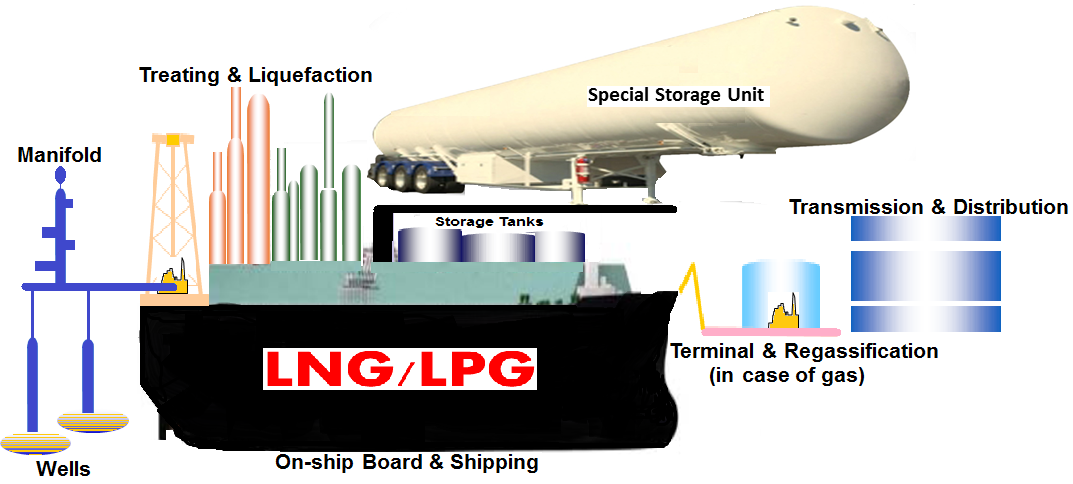
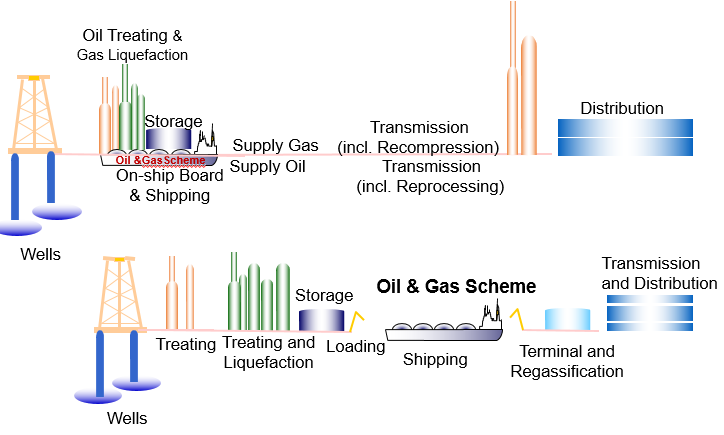
- Set the production strategy: In which we will set how the production mode will be. To accelerate the production and achieve an early profit, we suggest utilizing free- owned equipment mounted physically and electronically with processing unit (mobile operable production plant). This allows us to return the capital costs and start the profit early (Figures 2,3).
- We can use this technique until we set onshore and offshore networks, pipeline, and onshore processing plant after carrying out a robust feasibility study.
- Perform a cash-flow process so that we can judge if the project will return its capital cost and achieve the profit within few years.
- Of course, if we connect several marginal fields together onshore or offshore; the profit will be higher, and it will take less time to achieve.
- Utilize existing nearby infrastructure.
- Develop and design new facilities - fit for purpose.
- Vessel’s supply, equipment procurement, installation, and maintenances.
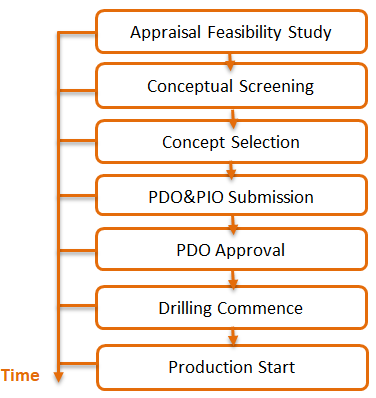
Our pathway to effective field development plan and development strategies is to combine our knowledge, experience, resources, and network to perform the following activities (Figures 1 & 4):
- Select the best technology and the best people to meet specific project needs
- Reservoir development plans
- Enhanced oil recovery
- Simulation & screening methods
- Economic considerations and framing
- Resource assessment and utilization
- Designing & optimizing surface facility
- Transportation
- Analytical & numerical simulation
- Authorization for expenditures & field cost study
- Managing investment cost estimates
- Performing profitability analysis
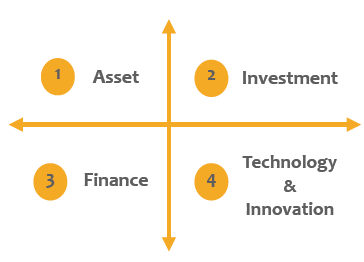
Turning opportunities into real value: Having proven liquid and gas reserves (liquid/gas asset) is the first stage in the solution quadrant. To turn these assets into real value, investment is needed and to do the investment we need money. Having raised enough finance for investing into developing the asset covers 3 quadrants in the 4 solution quadrants and the next remains inventing and selecting the best technology to effectively exploit and harness the opportunities with maximum benefits.
Oil and gas continuous to remain relevant as the world relies on it for food, heat, and shelter, that will not change overnight. Investments in oil and gas industry are needed even as we work toward achieving low-carbon future. Gas represents the energy of the future and Nigeria with over 206 tcf proven gas reserves if properly harnessed will place the country relevant in the energy transition world from fossil fuels to green and cleaner energy. With effective strategy for carbon capture and utilization, oil usage will continue to be enabling Nigeria to fully utilize its proven oil reserves. Presently, renewables (with solar & wind sources) account for about 5% of global electricity generation. The renewable sources (wind & solar) are intermittent in Nigeria, therefore need a strong and sufficient back-up to ensure sufficient electricity supply. With gas in the play, support renewables by replacing coal & diesel -eliminating CO2 emission.
Marginal Field Development Scenarios
Environmental, technical, financial, and fiscal issues are part of the current challenges preventing the development of some marginal fields in Nigeria. We invent advance FDP system and integrate technology plus artificial intelligence into the FDP system to enable effective development of oil & gas fields with accurate data utilization. For Near Shore - Shallow Offshore Fields, we suggest designing and constructing of a processing unit for the field fluids characteristics. The unit will then be mounted physically and electronically on a flat top barge to have a mobile operable production plant. The production plant can then be stationed over the marginal field for a period until when the reservoir fluid has been depleted then move onward to next marginal field. Production limitations will be set to let’s say (≥ 10,000 bopd and ≤ 75 MMSCF gas) depending upon the reservoir GOR. Utilizing pre-owned semi-submersible production unit for fields located in midwater > 500 ft. We would design a production kit that meet the field specification and hook it up on semi-sub or marine mobile unit to be stationed on the field for the production period. To hit the right target, we should combine artificial Intelligence (AI) + Wellbore Stability. This will allow us drill and enter to the reservoir within the highest pay zone for maximize production and return on investment.
Gas Development and its Utilization Plans
Our research shows that excessive gas is flared from associate reservoirs in Nigeria due to a lack of processing and storage facilities and low gas network. Eliminating gas flaring and ensuring gas utilization with net zero emission is the way forward for Nigeria. Other factors we believe contribute significantly to gas flaring are distance from producing wells to gas utilizing facilities, insufficient gas transport infrastructure, and environmental effect where re-injection of gas is not economical/possible. In some cases, the cost of processing the accompanying gas and transporting it to the market for sale exceeds the market sell price which lead to flaring of the gas by the operators. Solving existing challenges and creating pathways for successful gas production, transportation, and utilization remains a top priority. Gas engineering is a key-element for many clients with design and construction of gas processing facilities to boost their gas utilization program. To give our best to support Nigeria in its gas-based industrialization focus, highly advanced and complex gas engineering models and approaches have been built and developed with our team.
Gas-To-Wire Technology with CCS: Gas-to-wire joined with carbon capture & storage (CCS) is a reliable and sustainable way to generate electric power onsite from produced gas and an effective way to eliminate flaring of associate gas. Gas-To- Wire Technology can be another solution for maximizing the flared gas benefits. The Gas-To-Wire process flow is shown in Figure 3, a combined-cycle gas turbine is installed near the field, and all or part of the field output (natural gas) is directly converted into electricity for use on-site (to power the operation plant) and for sale to the local market. The CO2 produced by the power plant can be captured, injected, and stored underground for a low-emission process. The use of Gas-To-Wire could aid in the resolution of the gas flaring challenge. The combined-cycle gas turbine often includes additional gas turbine modules connected with a heat recovery steam generator, which generates additional power from the hot exhaust gas from the gas turbine that would normally be depleted. Generally, the gas turbines generate 2/3 of the power, while the steam turbine generate 1/3 of the power. The produced CO2 from the power plants is captured, compressed, and injected back to the formation and remaining of the exhaust gas containing mainly nitrogen is released into the atmosphere.
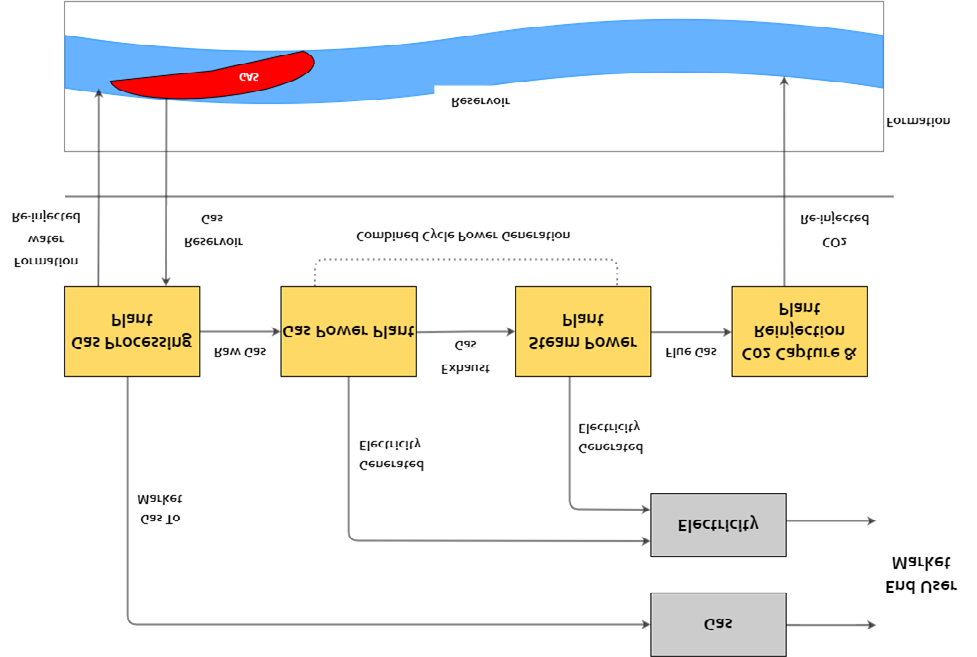
Gas Processing, Storage, and Transport Facility: The facility showed in Figures 2,3. (Gas Processing, LNG Storage, and Transport Tanks equipped with road transport facilities) is an assembled technology to manage simple and complex gas fields production. The special storage unit is a mobile unit with road transport facility and can be fully loaded from the stationary platform and then transport it to the required destination. With this facility and the mobile production plant, we can cost effectively manage marginal field production and we can make the operation carbon neutral (green production operation).
Carbon Capture, Utilization & Storage Cleaner Fossil Energy: A Friendly Environment Key Solution
Developing integrated solutions to identify and de-risk storage sites and optimize their development for safe and effective injection and storage of CO2 as well as monitoring plan for injection and post injection storage phases. We design multi-method monitoring programs tailored to the subsurface characteristics from our reservoir models, environmental constraints, and local regulations of each site, as well as meeting safety and regulatory requirements. Monitoring data is extremely valuable and can be incorporated into reservoir models to increase their accuracy and optimize ongoing injection and storage operations. Ranking storage sites for selection and feasibility — we perform a rigorous multi-criteria Storage Site Quality (SSQ) assessment. We evaluate key parameters such as cap rock strength, reservoir wettability and fluid phase geochemistry. The output result is transparent and quantifies reservoir suitability, containment risks, storage capacity uncertainty, and encompasses surface economic factors, such as infrastructure and regulatory requirements.
Our objectives here are (Figure 6):
- Our aim with Carbon Capture & Storage is to utilize well data, seismic data, and subsurface characteristics to accurately identify the most suitable locations for carbon storage. We are also developing highly automated data processing solutions for cost efficient monitoring of stored CO2 in the injection well.
- Cost efficient injection of CO2 into depleting oil reservoirs for enhanced oil recovery process.
- Engaging as many industrial players as possible to develop the full value chain for Carbon Capture, Storage & utilization
- CO2 injection optimization to understand how CO2 move through the reservoir, analyzing key parameters such as permeability, pore system stability, wettability for multi- phase flow fluids and geochemical reactivity.
- Evaluating subsurface integrity for safe and long-term CO2 storage.
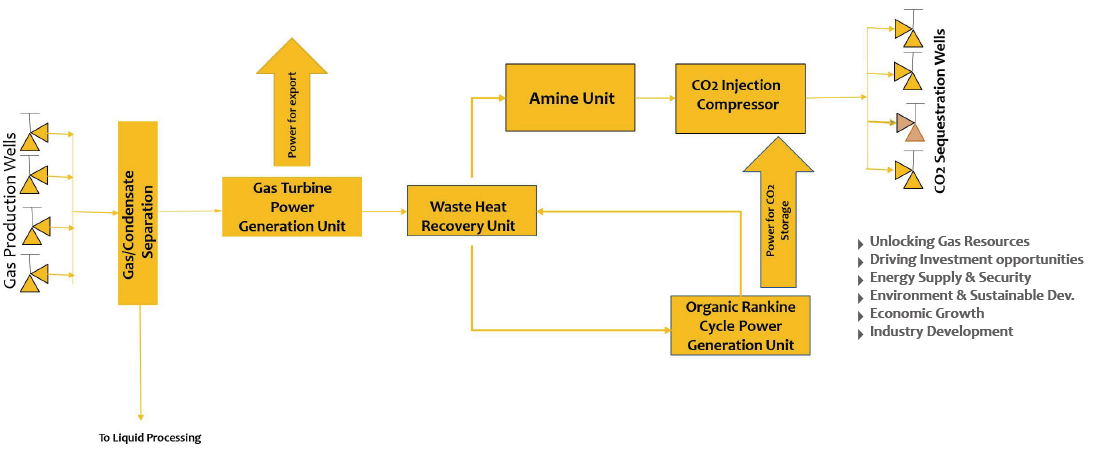
Gas Utilization is Gas for Power Generation, Gas for Export, Gas for Industry Usage …etc. More of these gas aspects will be used for:
- Unlocking Gas Resources
- Driving Investment opportunities
- Energy Supply & Security
- Environment & Sustainable Development
- Economic Growth
- Industry Development
Renewable Energy and Our Path to Energy Mix & Net Zero Emissions
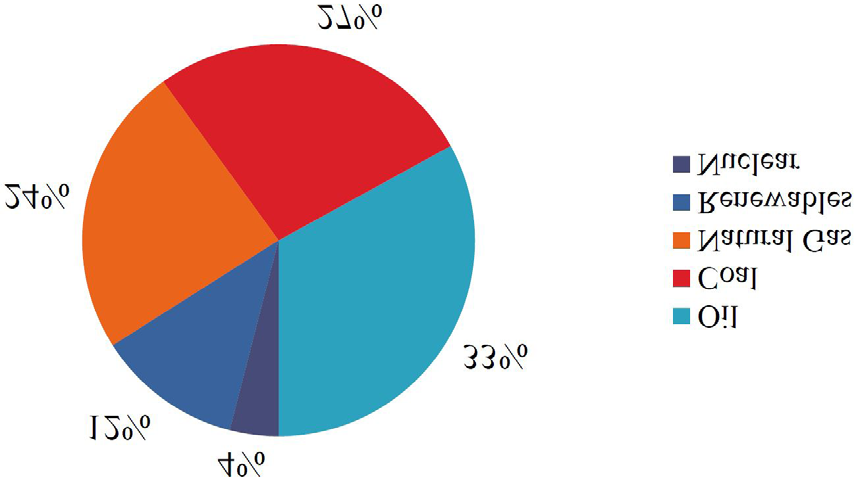
Natural gas remains the bridging fuel for Nigerian energy transition. According to the IEA, coal will lose market share from 26% in 2020 to 16% by 2050 to renewables while oil & gas will continue to hold over 50% of market share of total energy supply. Renewable energy will and can create an energy mix but are not from constant but variable sources of energy and therefore a strong backup is required. According to IEA’s crude oil and gas demand & supply, oil & gas continue to require a significant amount of investment to meet growing energy demand. Last year alone, the world spent over $700 BN to fund the energy transition with focus given to solar, wind energy and other sources and exceptions are $2 TN in 2022. In Nigeria, renewable sources are intermittent. The country lies within a high sunshine belt, solar energy is distributed fairly and 18.2% of the electricity generation is from hydropower. To meet localize and small energy needs with renewable energy, clear attention should be given to location characteristics. To achieve the NZE target, we anticipate significant reduction if the below actions are taken into consideration:
- Reduce emission & eliminate gas flaring
- Deploy carbon capture & utilization technology
- Replace inefficient & ageing equipment
- Renew infrastructure & facilities with CCS&U facilities
- Reuse and recycle materials
- Plant more trees to offset emissions
PHQCA Model for Asset Management
The Nigerian Upstream Petroleum Regulatory Commission (NUPRC) ensures that all facilities are built and operated in accordance with Nigerian approved standards. A PHQCA model is created to assess and de-risk any existing or newly built facilities in the oil and gas industry and we implemented the model on oil or/and LNG/LPG units and were able to return all of them to a safe operating limit.
IoT for Oil & Gas
The oil and gas industry faces technical challenges unique to its business, with thousands of onshore and offshore wells spread over wide geographic locations and thousands of miles of pipelines requiring continuous monitoring, periodic maintenance, and constant connectivity to ensure safety and optimized performance as well as real-time well data monitoring to enhance and optimize production. IoT (Internet of Things) technology solutions come to play to help address the operating challenges in these environments and to have accurate and long-term communication about what happens beneath the sea. Here, our works closely with leading system/software server developers to integrate new features into having a secure and dependable top server oil & gas suite (OPC server) technology for real-time protocols in the oil and gas industry operations. The OPC specification specifies the interface between clients and servers, as well as between servers and servers, and includes real-time data access, alarm, and event monitoring, historical data access, and other applications. A single server-client connection on a single machine is the most common OPC connection situation, however, there are other variations, such as:
- Using an OPC client to connect to several OPC servers. This is referred to as OPC aggregation.
- Using a network to connect an OPC Client to an OPC server. OPC tunnelling can be used to do this.
- To share data, an OPC server is connected to another OPC server. This is referred to as OPC bridging.
Technical Benefits of OPC
The OPC Datahub may link any OPC server or client to other programs, such as Excel, a web browser, or any other database, in addition to improving OPC server and client connectivity. It’s also capable of importing OPC data into Linux or QNX.
Industry Usage
• OPC-DA (Data Access): Provides real-time data access. From the OPC-DA server, we may get the most recent values of temperature, pressure, density, acceleration, and other forms of process control data.
- OPC-HDA (Historical Data Access) is a protocol for retrieving and analyzing historical process data. Typically, this information is saved in files, databases, or remote telemetry systems.
- OPC-AE (Alarms & Events): Process alarms and events are accepted and exchanged via OPC AE servers.
The Nexus Between Finance, Energy & Investment
With the current reduction of FDI’s into Nigeria and low DDI’s, we remain fully focused toward raising private investment to develop markets and opportunities in areas where they are most needed. We believe sustainable infrastructure is essential for addressing developmental challenges in emerging markets. To produce and deliver energy, investment is required, to do the investment, money is needed. Investing money to create and deliver energy means value addition to all parties involved and that means creation of more money. Returning initial investment with clear margins.
| 1 | Finance | Finance Enhances Investment &Economic Growth |
|---|---|---|
| 2 | Investment | To do Investment ,Finance is Essential |
| 3 | Energy | Energy Need Investment |
| 4 | Economic Growth | The Major Driver for Economic Growth is Energy |
Table 2: The Order Connecting Finance, Energy & Investment.
Marginal Field Case Study–Offshore Nigeria
The marginal field we worked on is located offshore Nigeria, about 8.5 kilometers, in a shallow water area (25ft water depth). The field was discovered with the drilling of well-1 by the operator in 1986 and was subsequently classified as marginal and no further activity was carried out. Subsequently, the field was awarded in the 2003 marginal field bid round. The first well (Well-1) was drilled to a total depth of 10250 ft as a vertical well, using a jack-up rig. The main objective of this well was the sands from the Oligocene front, found to be productive. The sands assessed were pay zones, namely A, B, C and D, found to be productive.
The volumetric estimates made reveal a total contingent resource of 60 MMbbls. The estimated total contingent reserves in the field are 12.6 MMbbls, with a recovery factor of 20%, of which 2.5 MMbbls is expected to be produced from Well-1 in Phase 1. The estimated reserves revealed the potential of the field however, with associated significant uncertainties. Therefore, we proposed a step- by-step approach to development in phase 1, including the re-entry of Well -1 and the extended testing operation. The results of the EWT operation would be used to optimize the subsequent phases that would involve additional wells, the installation of permanent installations and possible gas development projects. However, Well-1 was blown out due to high pressure, poor selection and incapability of operation equipment to support the high pressure.
The drilling fluid planned to be used in sand layers A, B and C was 8.9 ppg of sodium chloride brine, while the specific gravity of 16.2 ppg of water-based drilling mud was used in package sand D, for well control reasons and to facilitate the detection of a potential kicks. The Department of Petroleum Resources (DPR) is aware that Well-1 is a high pressure and high temperature (HPHT) well with overpressurized areas. The HPHT well is defined as HPHT in which the undisturbed temperature at the base of the hole exceeds 300 oF, and where a specific mud weight of more than 15.4 ppg is required or where pressure control equipment of more than 10,000 psi is required. Consequently, the former contractors were required to suspend operations subject to additional justifications of the technically appropriate nature of the proposed use of the Hydraulic Processing Unit (HWU) for re-entry operations. The government advised them to use a high-capacity platform with the following specifications: 15,000 psi BOP; At least one shock device and one stop line with HCR valves; 15,000 psi rated hockey; A sufficiently weighted mud system; Functional and purposeful safety systems, including gas detection, flood systems, etc. From the available records, the operations could not be carried out, possibly due to technical inadequacies and legal issues between the beneficiaries. Furthermore, the former operator failed to comply with DPR’s regulatory requirements and technical guidance and that led to catastrophic damage to the well, emergency facilities, and fire in the well.
Well Control Options
In order to control this fired well, three approaches are firstly proposed as follows:
- Control Option Level-1 (Secure Wellslot access still possible): If the well can be accessed safely and a pumping path is available, it is attempted to be pumped and killed, an option whose viability is at least questionable, as the structural integrity of the pipeline cannot be determined since the well has been burning for over 5 months.
- Control Option Level-2 (well access): Abrasive cutting at an appropriate point; cover and deflect the well, then kill it by any means.
- Control Option Level-3 (No well access): Planning and drilling a relief well to dynamically kill the exploded well. It is suggested to start planning the assistance well immediately. Relief wells are drilled to intersect an oil or gas well that has suffered a technical accident (explosion). After the intersection, the mud is pumped into the annular space of the relief well to fill and extinguish the explosion of the target well. Relief wells are used either as a primary method or as a secondary method (at surface intervention) to mitigate explosions. The control devices detect the ferrous material (column) in the geological layers. Various experts interpret the information of specific tools and devices to direct the rescue probe to the target. Special screeds (concave) are used to make a hole in the column of the target well, after which the sludge is pumped.
Field Development and Evaluation
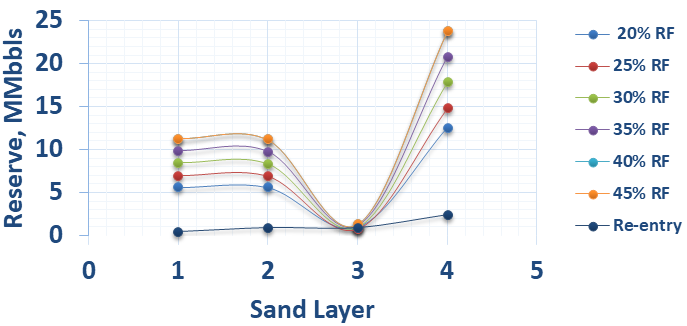
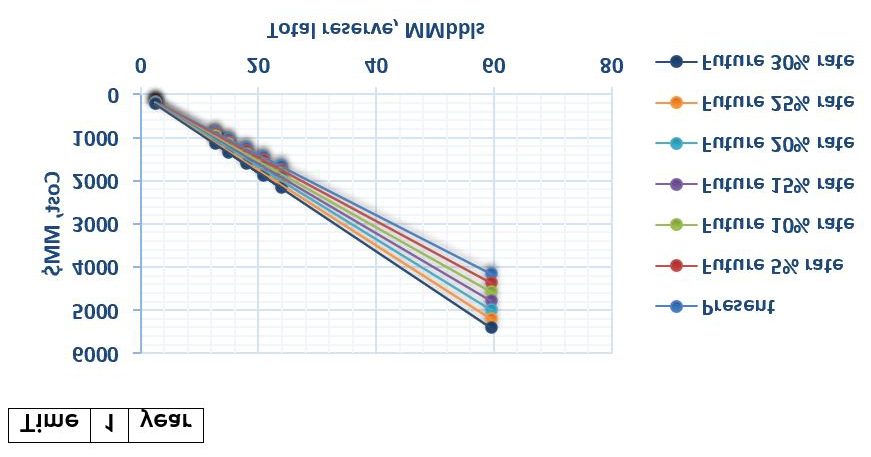
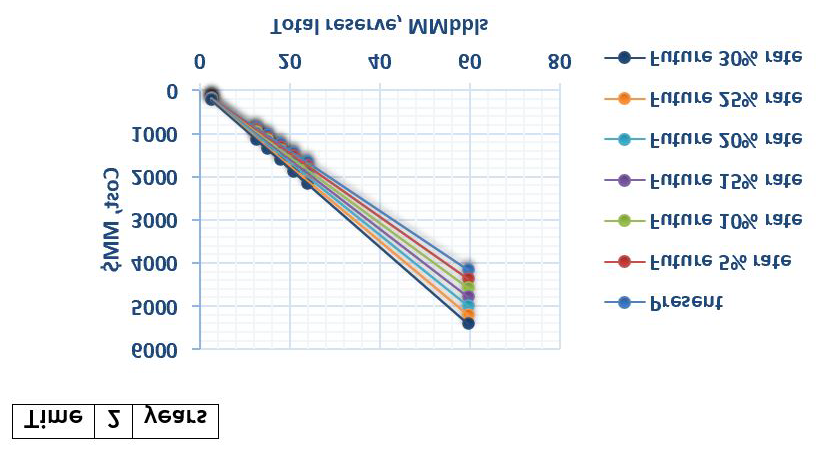
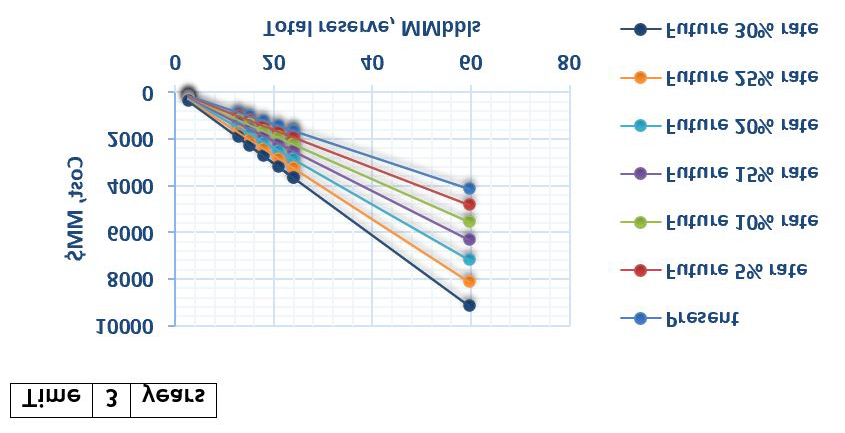
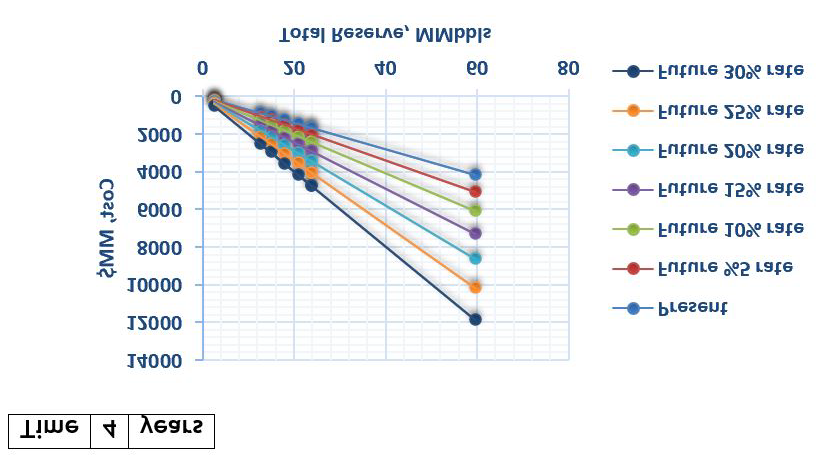
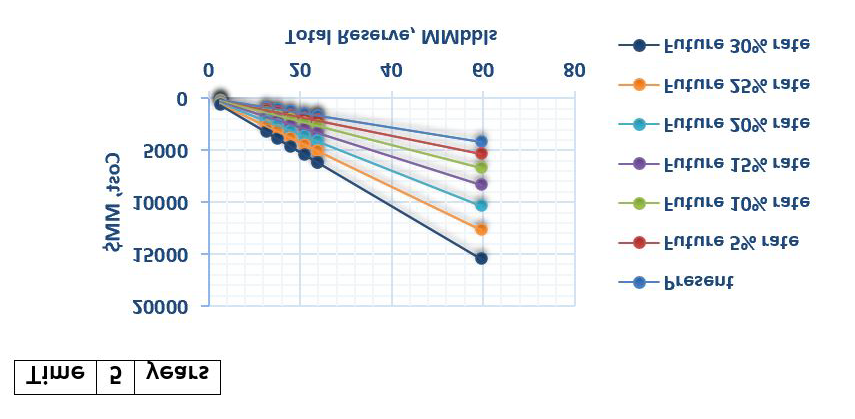
The step toward developing the marginal fields is to estimate the fields reserves. It is important to know if these fields have enough reserves which can recover the capital expenditure (CAPEX), operating expenses (OPEX), and maintenance costs of the project. Thereafter, they also can provide us with a reasonable profit that garantee our future development plans. In this way, the studies and analyses we carried out on the marginal field, which is a gas condensate reservoir, show valuable reserves (Figure 7 & Reserves Table). Since the recovery factor (RF) of these kinds of reservoirs are less than 50% (based on published scientific articles and textbooks), a sensitivity study was done for various recovery factors that can be achieved during producing from the reservoir for each zone and for the total reserves. As shown in Figure 7, an additional reserves can be produced with changing the RFs. Afterthat, a cost study was done with changing the interest rate for the next five years (Figures 8-12). Performing the cost analysis of these reserves is really crucial so as to check if they are economic to be developed and produced or not. The range of interest rates was taken from the published report done by Nigerian National Petroleum Corporation (NNPC). It is clear that the total reserve increases with increasing the rate of interest from 5% till 30% and results in more profit for the first year. Changing time from the first year to the second year, the profit also increases with increasing the rate of interest. We can say” the more years of production, the more total reserve, the more interest rates, the higher profit can be achieved in the future (Figures 8-12).
| Sand Layer | No. |
|---|---|
| A&B | 1 |
| C | 2 |
| D | 3 |
| Total | 4 |
Table 3: Field Pay Zones.
| P10 | P50 | P90 | |
|---|---|---|---|
| STOOIP (MMBO) | 73.37 | 60.57 | 25.58 |
| RESERVES (MMBO) | 25.68 | 21.20 | 8.95 |
| GIIP (BCF) | 69.44 | 69.41 | 69.39 |
| RESERVES (BCF) | 48.61 | 48.60 | 48.57 |
| SOLUTION GAS (BCF) | 70.30 | 62.17 | 22.90 |
Table 4: Field Pay Zones.
Field Gas Development & Processing Scheme
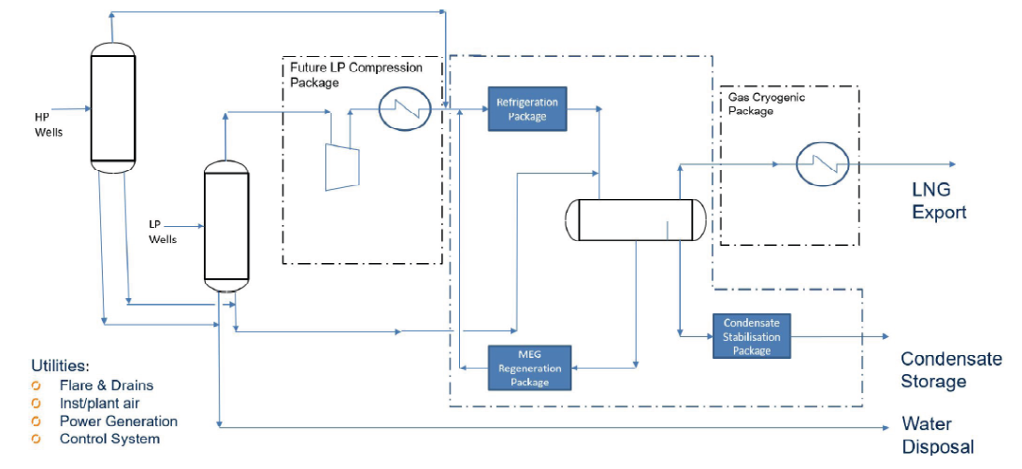
Our involvement in this project started at the conceptual design and feasibility studies phase to provide the best-fit services to meet our client’s specific needs for a better Return On Investment (ROI). With the help of our technical partner (Optimus Aberdeen Ltd), we developed master plan for gas development and processing from the initial conceptual studies through embodiment (FEED), DED, Procurement, construction and commissioning (Figure 13).
Romanian Marginal Fields Development
Romania has several marginal fields of oil and gas which have not been exploited yet. Taking after a exchange understanding, Petroleum Dacia gotten 40 coastal oil and gas areas in Romania from OMV Petrom. The 40 areas, which are found in southern Romania, have a add up to oil and gas generation of around 1,700 boe per day, or almost 1% of OMV Petrom’s add up to generation. Dacian Petroleum signs a commerce exchange assention with OMV Petrom in arrange to expand the life cycle of 40 areas that are considered negligible by the company. This can be OMV Petrom’s third divestiture as portion of its upstream portfolio optimization activity. On the other hand, Mazarine Energy Romania acquired another 28 field classified as marginal fields, 19 in August 2017 and 9 in March 2019.In detail, OMV Petrom has reached a deal with Mazarine Energy Romania to transfer 9 onshore (i.e. land) oil and gas perimeters from Romania to Mazarine Energy Romania, which took over OMV Petrom’s other 19 marginal deposits last year. The nine fields in the Moineşti-Zemeş area have a total oil and gas production capacity of 1,000 boe (barrels of oil equivalent) per day. They’re part of the upstream portfolio optimization program’s second batch of equities to be outsourced.
The restoration of oil extraction is being prepared in the Maramures town of Săcel. After Petrom and S.N.G.N. ROMGAZ SA stopped extracting crude oil and natural gas from Maramureș seven or eight years ago, another oil business is now exploring the soil from Săcel in order to profit from the oil field. Brent Oil Co. is a Romanian-owned firm with a mixed management team, including Romanians and foreigners. The area of interest is the P VIII – 20 Săcel oil development- exploitation perimeter, which is part of the Maramureş Depression geologically. Furthermore, the National Agency for Mineral Resources, as the responsible entity charged with enforcing the law, arranged the VIII Round of public tender for the concession of 26 oil development-exploitation perimeters, including the P VIII -20 Săcel perimeter. It is not possible to provide a precise assessment of budget income from oil due to the nature of the oil operations, taking into consideration the degree of risk and the geological, technical, and economic uncertainties involved in resuming production of the marginal field PVIII - 20 Săcel. Consequently, the input to the general centralized budget for the first two contract years would be small, given that production would begin, at the earliest, in the third quarter of 2010, and it is predicted at EUR 55000 over the next five years.
Based on what previously explained, the Romanian country has several marginal fields, however they have not been exploited yet due to technical and economic conditions. Recently, we see that the government does their best in order to maximize the benefits from these fields through encouraging the investors, new companies, and new agreements to explore more kinds of these concessions. Surely, it is highly advisable to have a look to similar projects such as marginal fields in Nigeria. The same technologies or another advanced technologies beside scientific modeling and field experience are extremely recommended. Moreover, the integrated system done by technical consultancy “Mohamed Halafawi”, Nigerian Co. “Hamdana Projects Limited”, external parternal” Optimus Aberdeen Co.” and the Nigerian government is a good example for maximizing the benefits from these fields and adding new reserves in Romania.
Conclusions
A summary to conclude the presentation with is highlighted below:
- Technical and financial challenges hinged the development of some marginal fields in Nigeria, but with the right technical skills and the right technology, we can find the best solutions. Providing solutions and helping to select the best technology represent a key success to meet specific project needs with full package optimizations, investment cost estimates and profitability analysis.
- Gas flaring has significant impact on the Nigerian economy, eliminating routine gas flare and utilizing it in exchange for value will help support major infrastructural development in the country.
- With effective strategy for carbon capture & emission control, we can produce and deliver cleaner fossil energy.
- The support of the commission is done so as to create an opportunity for us to combine our knowledge, experience, resources, and network to develop an effective field development plan and gas infrastructure development.
- We have the experience to establish a workable business plan that will attract both FDIs and DDIs.
- The integrated technical and economic system approach is highly recommended for Romanian marginal fields development.
- New reserves could be added to the existing Romanian reserve if we can to explore the marginal fields efficiently.
References
-
Abidin ZFZ, Mustapha M, Shaipulah AM (2024) Re- Use of Offshore Facilities to Facilitate Marginal Field Development. Offshore Technology Conference Asia, February 27–March 1.
-
Fedorov S, Hagspiel V, Rogstad RWH, Haseldonck S, Haugsgjerd JH, et al. (2024) Evaluation of tieback developments for marginal oil fields with timing flexibility. Energy Economics 131: 107344.
-
Badrol RS, Rahman AR, Huang NBN, AbdulRahman A (2023) Jack-Up Rig Installed Wellhead Platform: A Novel Solution for Marginal Field Development.
-
Arora E (2022) Marginal Field Development: Evaluation of Offshore Developments.
-
AbdRahim SPM, Azman MF, Mohamed ZA, Fuad MYA (2022) Impact of Various Tubing Material Performance Under High CO2 Environment on Future Marginal Field Development Strategy.
-
Pan J, Meng Y, Sun N, Liu C, Yang S, et al. (2022) Review of Marginal Oil Resources in Highly Depleted Reservoirs. Processes 10(2): 245.
-
Wong SB, Alias ND, Arif MK, Shabazi M (2021) Redefining Light Weight Structural Design for Gas Marginal Field Development Through Conductor Supported Platform CSP Concept.
-
Hadistira P, Yuda BK, Setiohadi S, Yudhatama MA, Wijaya RA, et al. (2021) Maximizing Co-Activity Operation and Mastering Drilling Practice as Effective Strategies for Marginal Field Development.
-
Maheshwari N, Malek MB, Alseiari A (2020) Marginal Field Development – Challenges in Fiscal Oil Allocation.
-
Jamil MR, Mustapha M, Othman MG (2020) The Re-Use of Offshore Wellhead Platform to Facilitate A Marginal Field Development–Vestigo Experience.
-
Acheampong T (2020) On the Valuation of Natural Resources: Real Options Analysis of Marginal Oilfield- Development Projects Under Multiple Uncertainties.
-
Benini G, Brandt A, Dotti V, El-Houjeiri H(2020) The Marginal Oil Field.
-
Shaipulah AA, Azharie AA, Othman SN, Ahiruddin A (2018) FIELD A A New Solution for Marginal Field Development.
-
Yong H, Kho R, Osman B, AbdulRahman R, Hamzah M, Kona S (2018) Standardisation & Replication of Lean Well-Head Platform to Accelerate Hydrocarbon Maturation from Exploration to Production for Marginal Field Development.
-
Otombosoba OH (2018) Exogenous Factors Influencing the Development of Marginal Oil Fields in Emerging Economies. Am J Eng Technol Soc 5: 53-61.
-
Chaowarit L, Pongpat H, Korakote P, Pariyachat O, Pithak H, et al. (2017) M-9 Zawtika Marginal Field Development Study.
-
Wilkins M, Pambayuning S, Watcharanantakul R, Thepparak S, Opdal S, et al. (2016) Planning and Technology Utilization: A Holistic Approach to Marginal Field Development.
-
Nezamian A, Vuckovic D, Nicolson RJ (2016) Integrity Assessment and Redeployment of Existing Mobile Offshore Production Unit for a Marginal Field Development.
-
Ekeh C, Asekomeh A (2015) Optimality Test of Marginal Field Development Financing Arrangements in Nigeria.
-
Atsegbua L (2015) Issues in the development of marginal oilfields in Nigeria. Journal of Energy & Natural Resources Law 23(3): 323-336.
-
Crowley C (2015) Concept, design key to developing marginal fields.
-
Mansour AM, Kumar D, Zuccolo R, James J, Heidari H, et al. (2014) Novel Dry-Tree Semisubmersible Solutions for Deepwater Marginal Field Development.
-
Jones M, Reilly M, Donald A, Heidari B, Oo A, et al. (2014) Minimising Uncertainty for Marginal Field Development by Maximising the Value of Appraisal Wells: Measuring Stress and 3D Anisotropic Rock Properties in the Malay Basin.
-
Masoudi R, Karkooti H, Chan KS, Othman MB, Altunbay MM, et al. (2014) Continuous Incremental Reserves in an Oil Rim Marginal Field Development through Integrated Technical Initiatives and Technology Advancements.
-
Resnyanskiy P, Babadagli T (2010) Development of marginal/mature oil fields: A case study of the sinclair field. J Can Pet Technol 49(4): 29-35.
-
Thomas B, Galuccio MM, Dharma W, Mitrodihardjo S, Pasaribu J, et al. (1999) Marginal Field Development Strategy, Kartini Field, Offshore Southeast Sumatra.
-
Smidth F, Georges G (1996) Deepwater Skid-over Solution for Marginal Field Development at the Froy Field.
-
Wilson R, Oakes NED (1989) The Osprey Development - The Use of the Cluster and LBM Concept for Marginal Field Development.
- Nigeria’s Vulnerability in the Face of Global Energy Policy
- A Simulation Study of Investigation of Optimum Oil Production Performance by Applying Various Gas Injection Methods in Oil Reservoir
- Characterization of Permo-Triassic Reservoirs through Thermal Maturity Assessment of Westphalian Source Rocks in the Cheshire Basin
- Influence of Microwax on the Rheological and Thermal Behaviour of a Wax Crude Oil
- Real-Time Monitoring and Performance Optimization of Steam Injection in Heavy Oil Reservoirs Using Fiber Optic Sensing and Integrated Predictive Simulation Models
- Rapid On-Site Determination of the Total Petroleum Hydrocarbon Content of Soils by Handheld Fourier Transform Near-Infrared Spectroscopy: Development of a Global, Site- and Scanner- Independent Calibration Model